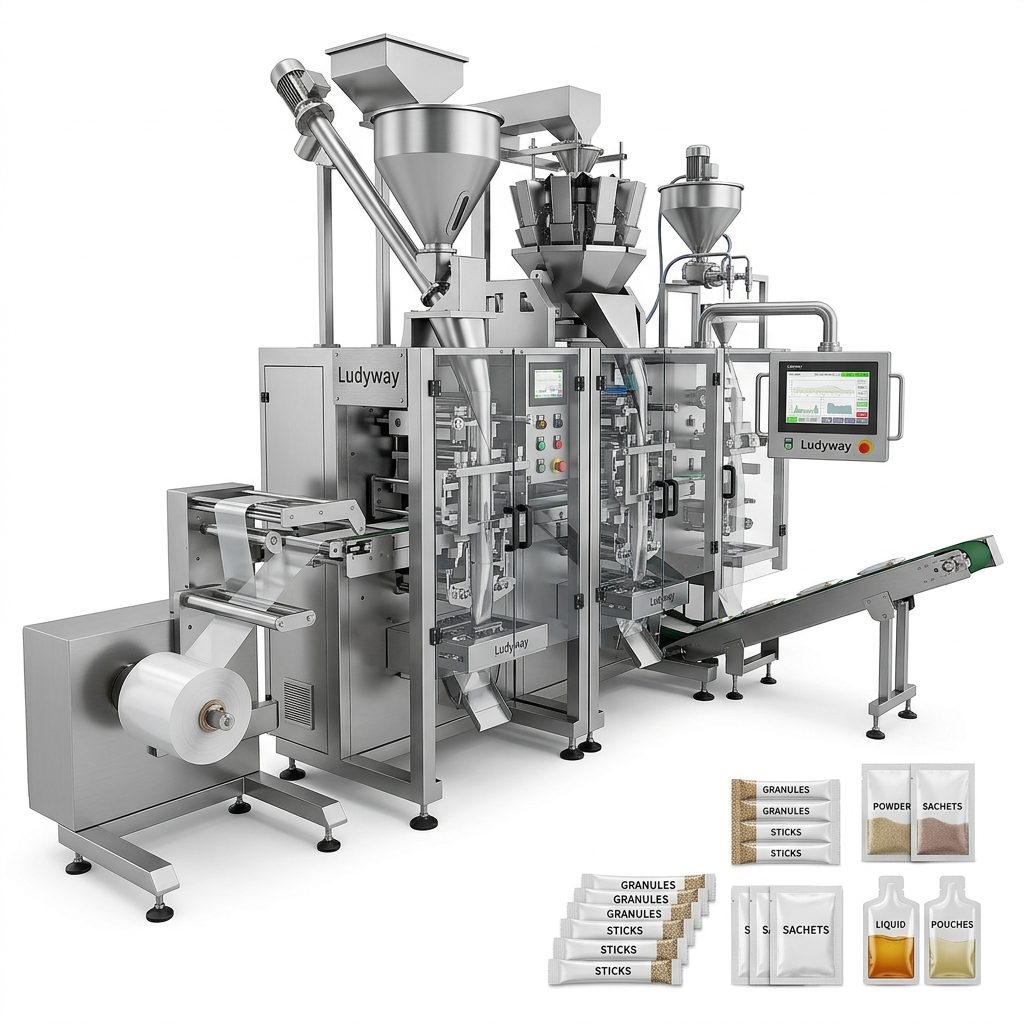
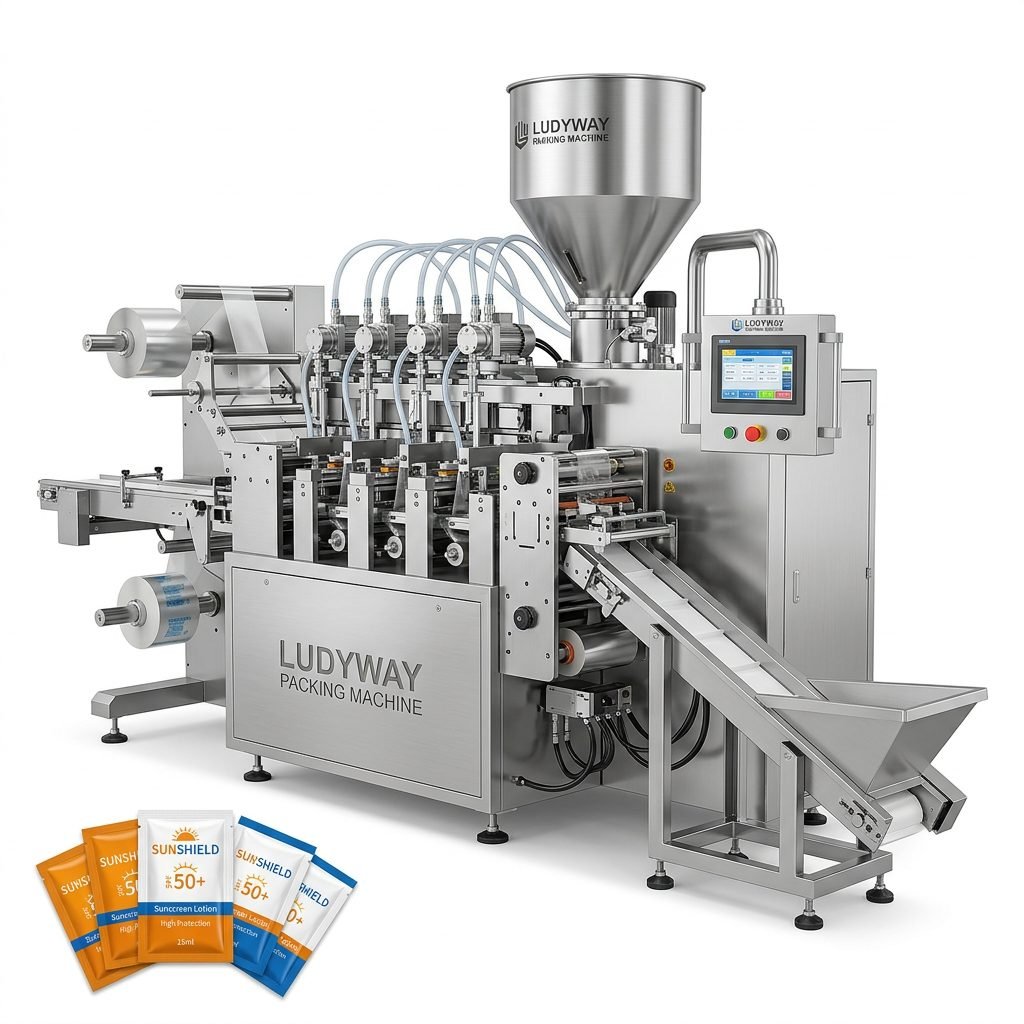
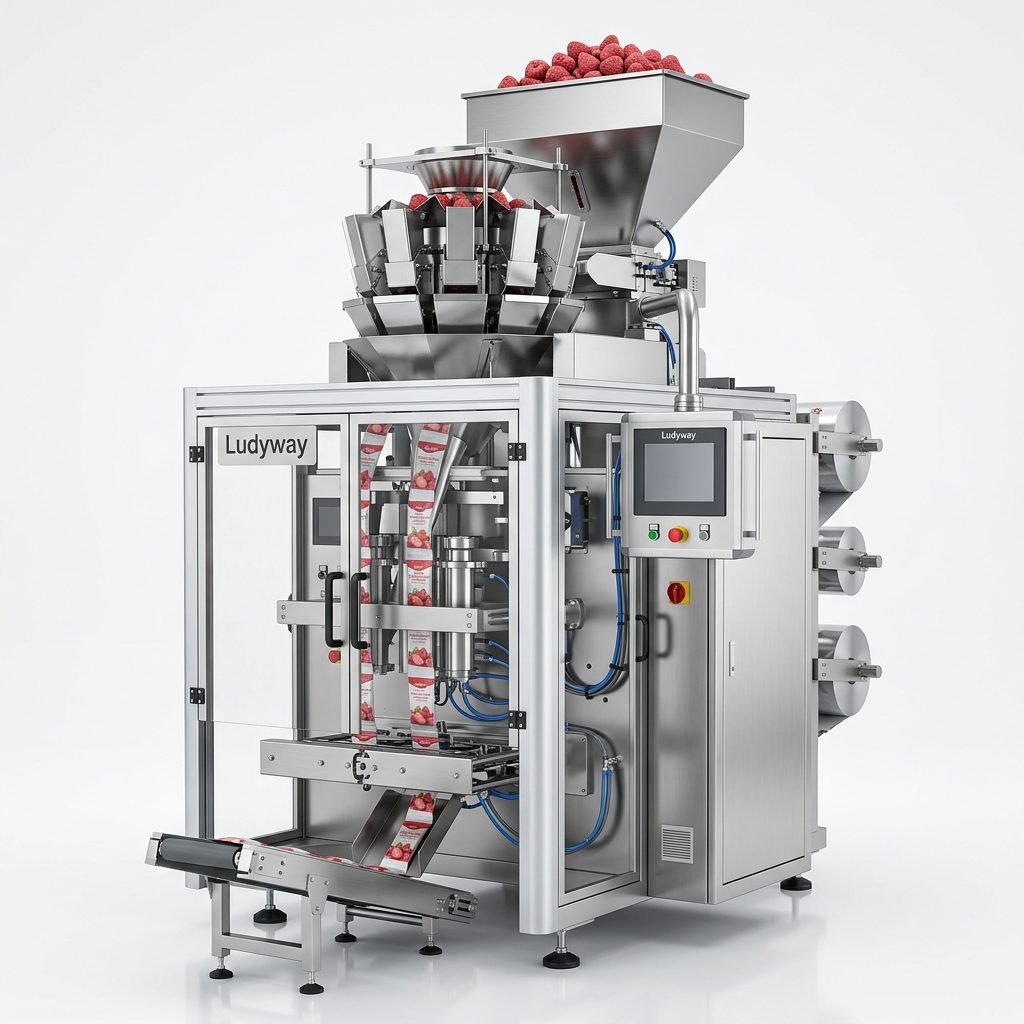
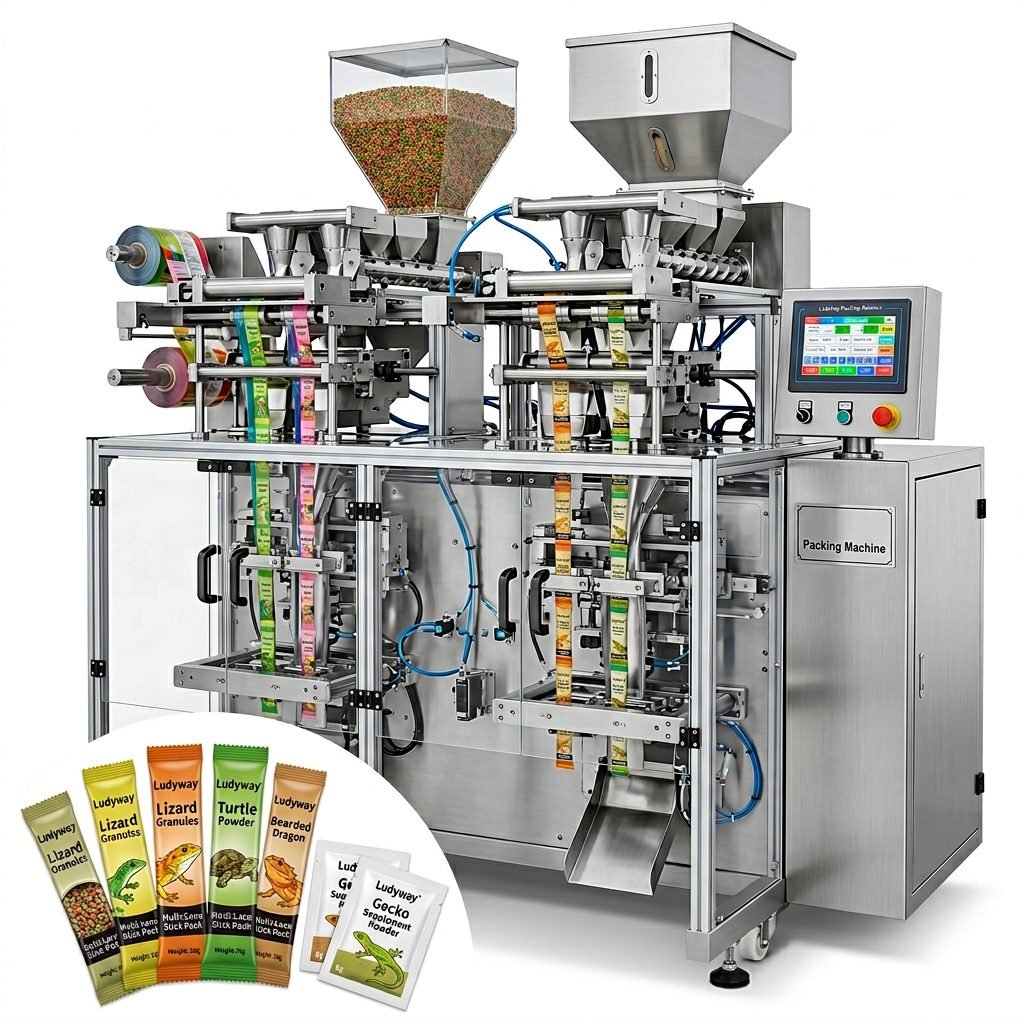
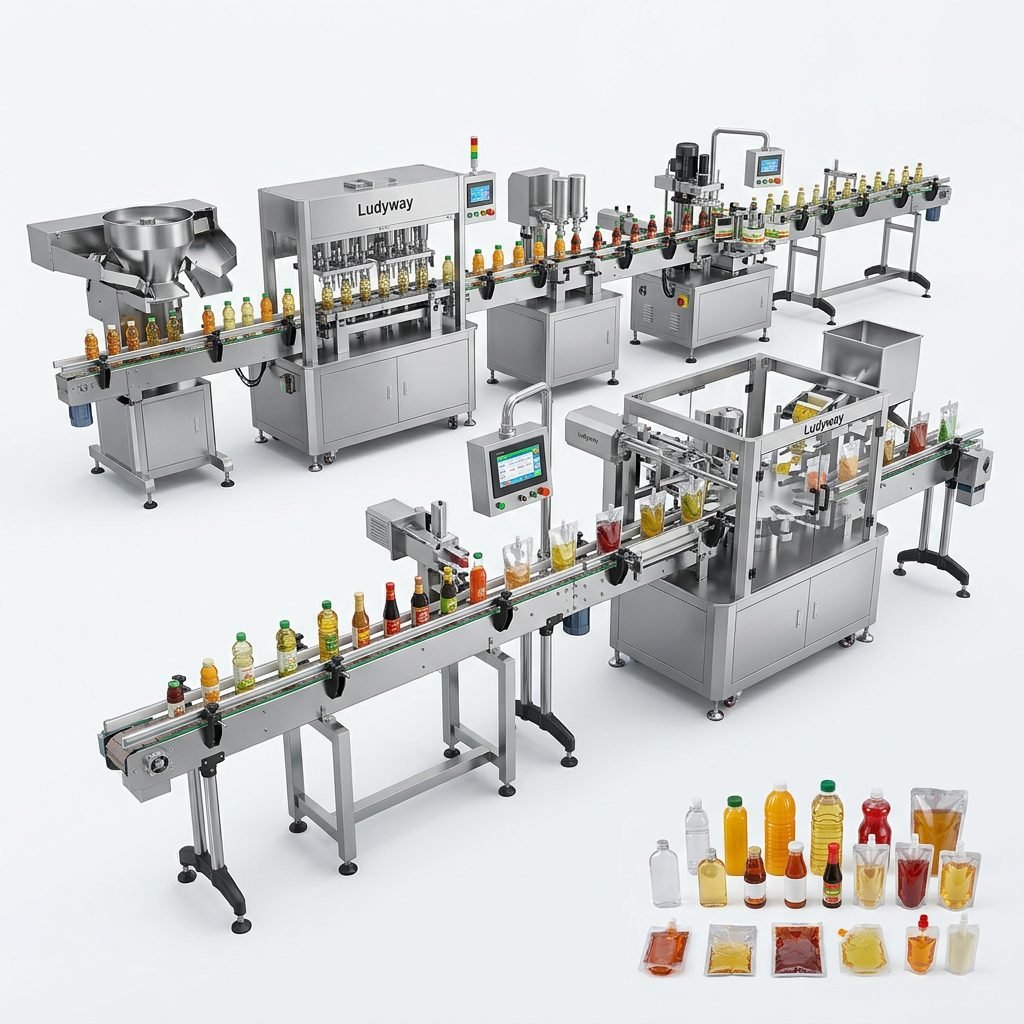
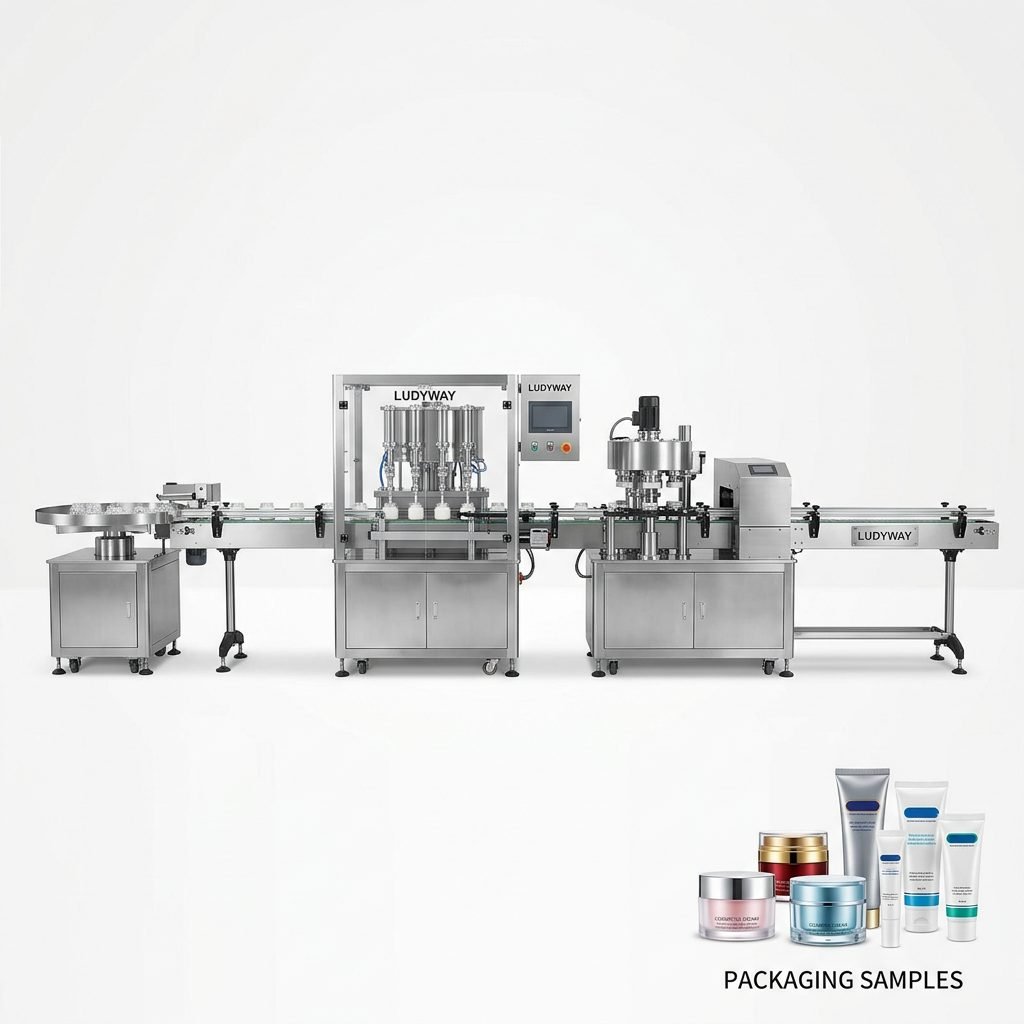
Understanding the price of a pouch packing machine is essential before making an investment in packaging automation. Costs can vary widely depending on machine type, speed, pouch format, automation level, filling technology, and whether you need a standalone unit or a complete production line. This guide explains the main pricing factors, compares common machine types, and helps buyers estimate the right budget for their application.
Whether you package powders, granules, liquids, pastes, or specialty pouch products, choosing the right system is not only about the initial purchase cost. Long-term efficiency, maintenance, labor savings, and output stability all affect the real return on investment.
What Is a Pouch Packing Machine?
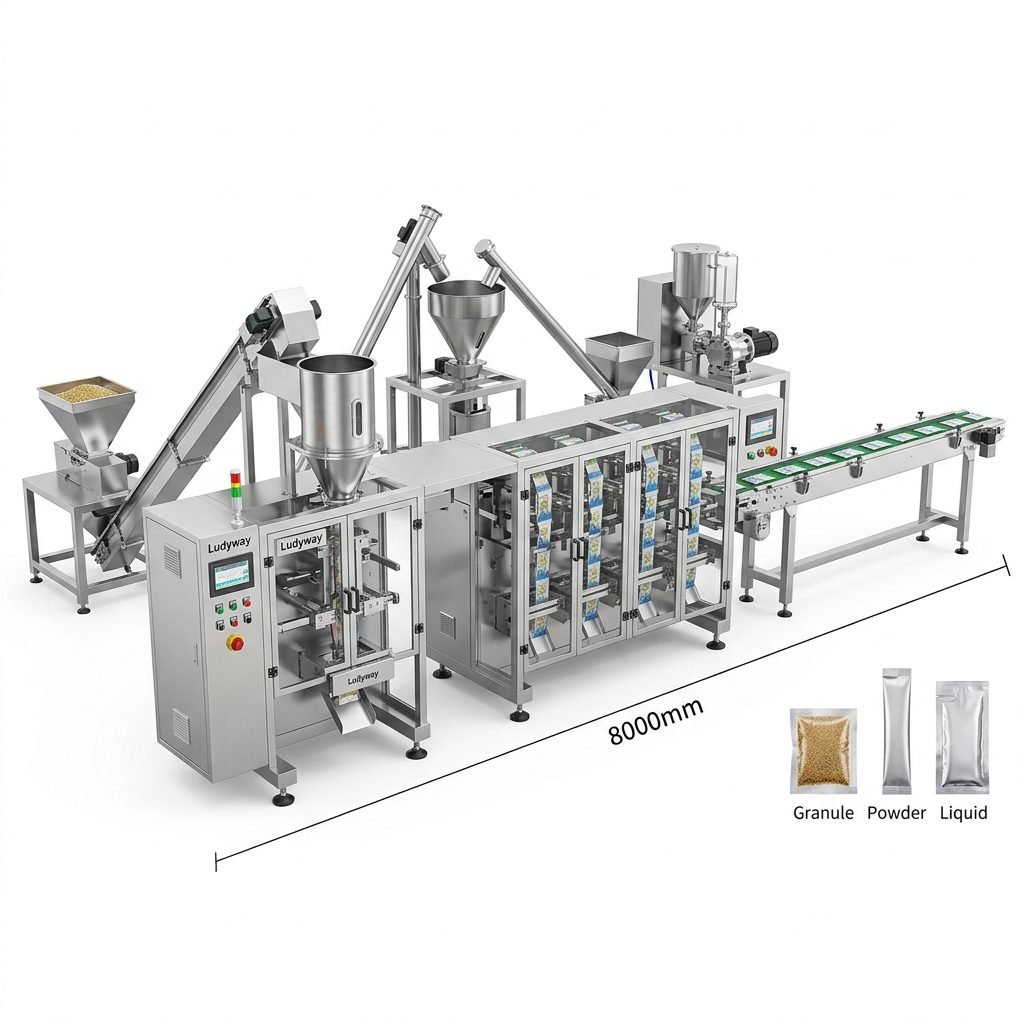
A pouch packing machine is an automated system designed to fill and seal products into flexible packaging formats such as 3-side seal pouches, 4-side seal sachets, stick packs, stand-up pouches, zipper pouches, and premade pouches. These machines are widely used in food, pharmaceutical, cosmetic, chemical, and health supplement industries.
Depending on the product, the system may use auger filling for powder, volumetric or cup filling for granules, pump filling for liquids, or customized dosing systems for specialty materials.
Average Pouch Packing Machine Price Range
Below is a general market reference. Actual pricing depends on configuration, country of installation, certification requirements, and customization level.
| Machine Type | Typical Price Range | Best For |
|---|---|---|
| Basic semi-automatic pouch packing machine | US$3,000 – US$10,000 | Small-scale production, startups, manual-assisted packing |
| Vertical form fill seal pouch machine | US$8,000 – US$35,000 | Powder, granules, liquids in sachet or pillow pouch formats |
| Premade pouch packing machine | US$15,000 – US$60,000 | Stand-up pouches, zipper pouches, premium retail packaging |
| Multi-lane sachet or stick pack machine | US$25,000 – US$120,000+ | High-speed powder, liquid, or granule packaging |
| Complete pouch packaging line | US$50,000 – US$300,000+ | Integrated feeding, filling, sealing, inspection, cartoning, palletizing |
Key Factors That Affect Pouch Packing Machine Price
1. Machine Type and Packaging Format
The packaging structure has a direct impact on cost. A simple sachet machine is usually more affordable than a rotary premade pouch system. Machines for zipper pouches, spouted pouches, or shaped pouches require more advanced handling and sealing technology, which raises the price.
- Low-cost: basic sachet and small pouch machines
- Mid-range: VFFS pouch packing systems
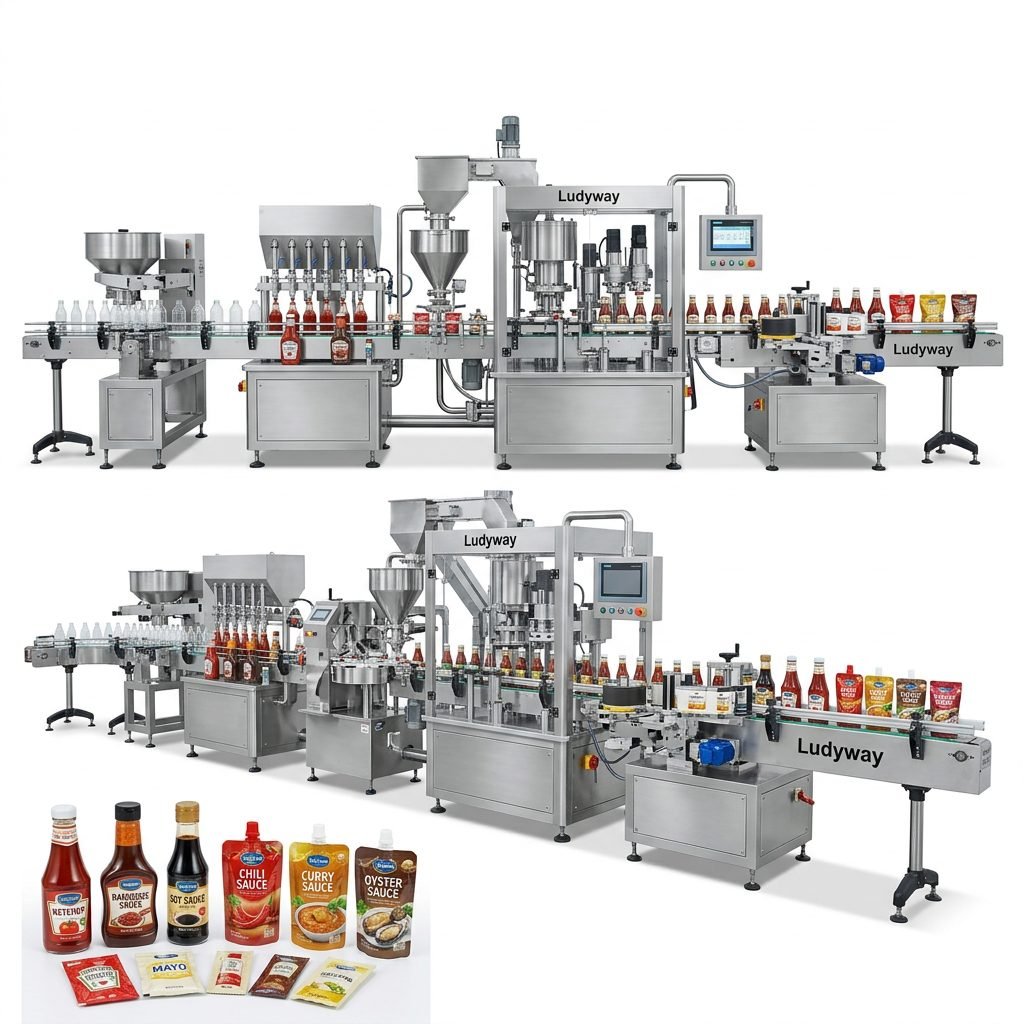
- Higher-cost: premade pouch rotary machines and multi-lane systems
2. Product Type
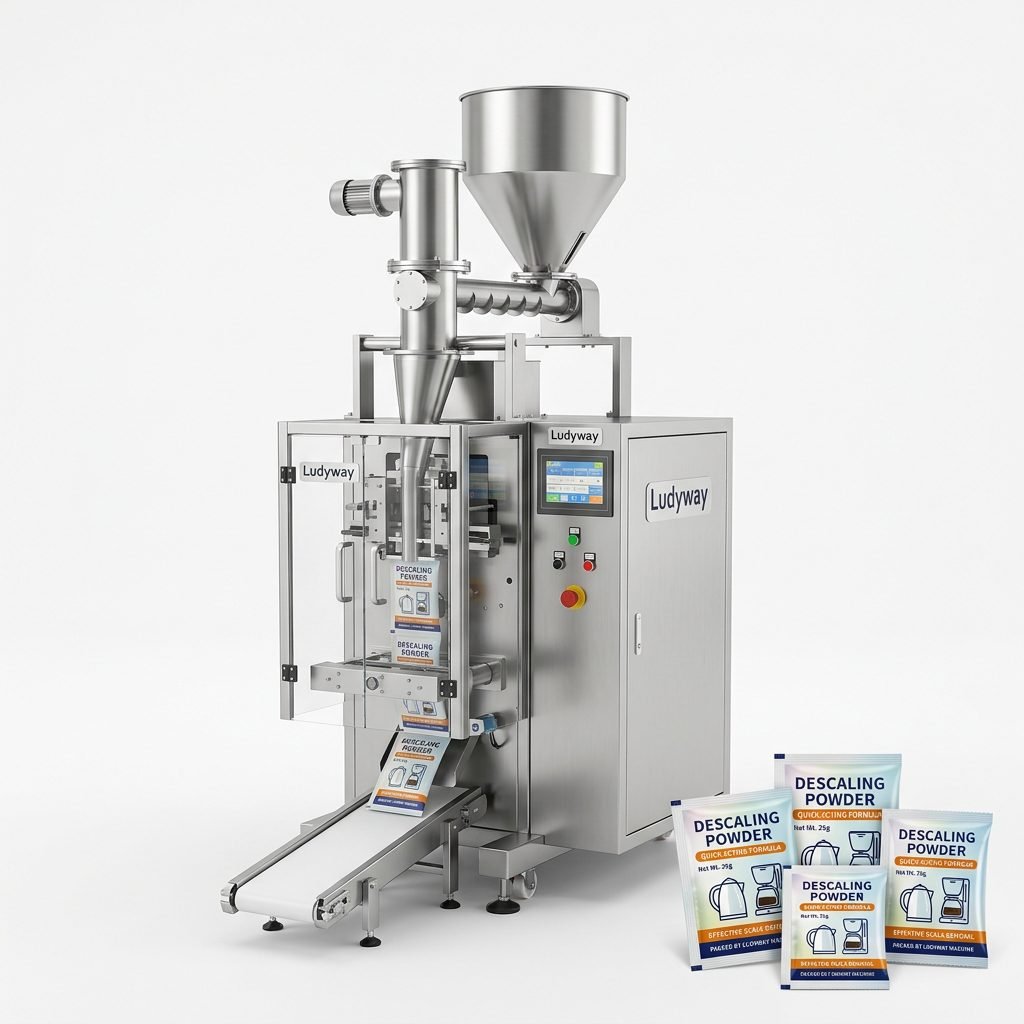
The filling method changes the machine design and cost structure. For example, liquid pouch machines need pumps, anti-drip nozzles, heated hoppers, or CIP-ready components. Powder machines may require auger fillers, dust extraction, and higher sealing control. Sticky or corrosive products can increase the investment further.
| Product Type | Typical Filling System | Cost Impact |
|---|---|---|
| Powder | Auger filler | Medium to high |
| Granules | Volumetric cup / weigher | Low to medium |
| Liquid | Piston pump / servo pump | Medium to high |
| Paste / cream | Heated piston / specialized pump | High |
3. Output Speed
Higher speed means more sophisticated engineering, servo systems, better motion control, and more durable components. A machine packing 30–50 pouches per minute costs much less than a high-speed system running 200+ pouches or multiple lanes at industrial scale.
In most cases, speed is one of the biggest price drivers.
4. Automation Level
A standalone pouch filling and sealing machine may only cover part of the process. A fully automated line can include:
- automatic feeding system
- weighing or dosing unit
- date coder or printer
- metal detector or checkweigher
- cartoning machine
- case packing and palletizing equipment
The more integrated the solution, the higher the purchase price, but the lower the labor cost per unit.
5. Materials and Hygiene Standards
Food, pharma, and health supplement manufacturers often require 304 or 316 stainless steel, hygienic contact parts, dust-tight enclosures, GMP-oriented structure, and validation documents. These features increase cost but are important for compliance and product safety.
6. Customization Requirements
If your product has special properties such as high dust, poor flowability, high viscosity, fragile granules, or unusual pouch dimensions, the machine will likely need custom engineering. This can affect:
- hopper design
- filling head structure
- sealing jaw configuration
- electrical control system
- integration with upstream and downstream equipment
7. Brand, Origin, and Supplier Capability
Machines from Europe, Japan, China, or other manufacturing regions can differ significantly in price. Buyers often compare not only the equipment quote but also lead time, after-sales support, spare parts supply, and engineering capabilities. For companies seeking scalable automation, Ludyway pouch packaging solutions are often considered for applications requiring broad product compatibility, customization options, and turnkey line integration.
Price Comparison by Pouch Packing Machine Type
Semi-Automatic Machines
These are the most budget-friendly options. They are suitable for startups, pilot production, or businesses with limited packaging volume. However, they usually require more operators and have lower efficiency.
Estimated price: US$3,000 – US$10,000
Vertical Form Fill Seal Machines
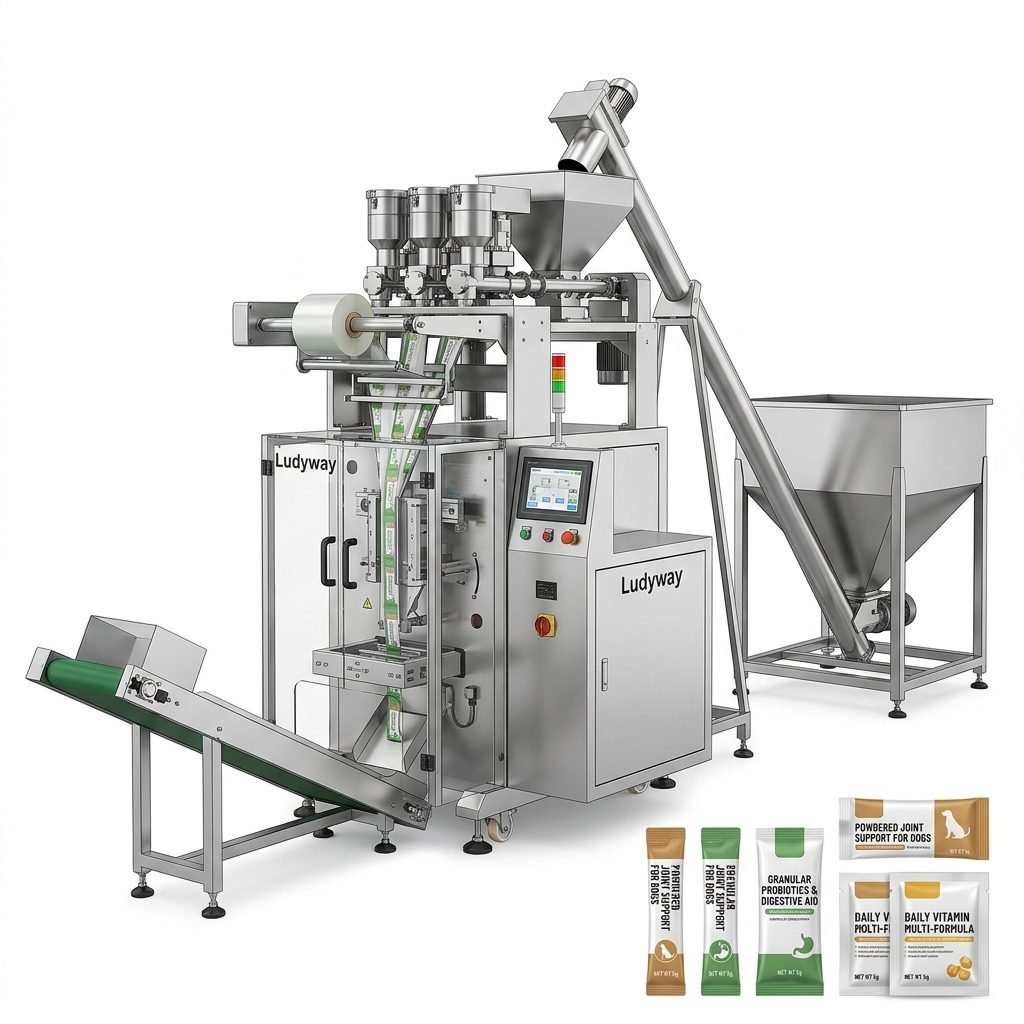
VFFS machines form the pouch from roll film, fill the product, and seal it in one automatic cycle. They are widely used for powders, granules, and some liquids. They offer a good balance between price and productivity.
Estimated price: US$8,000 – US$35,000
Premade Pouch Packing Machines
These machines are designed for preformed pouches and are popular for premium retail packaging such as stand-up zipper pouches. They generally cost more because pouch opening, positioning, and sealing are more complex.
Estimated price: US$15,000 – US$60,000
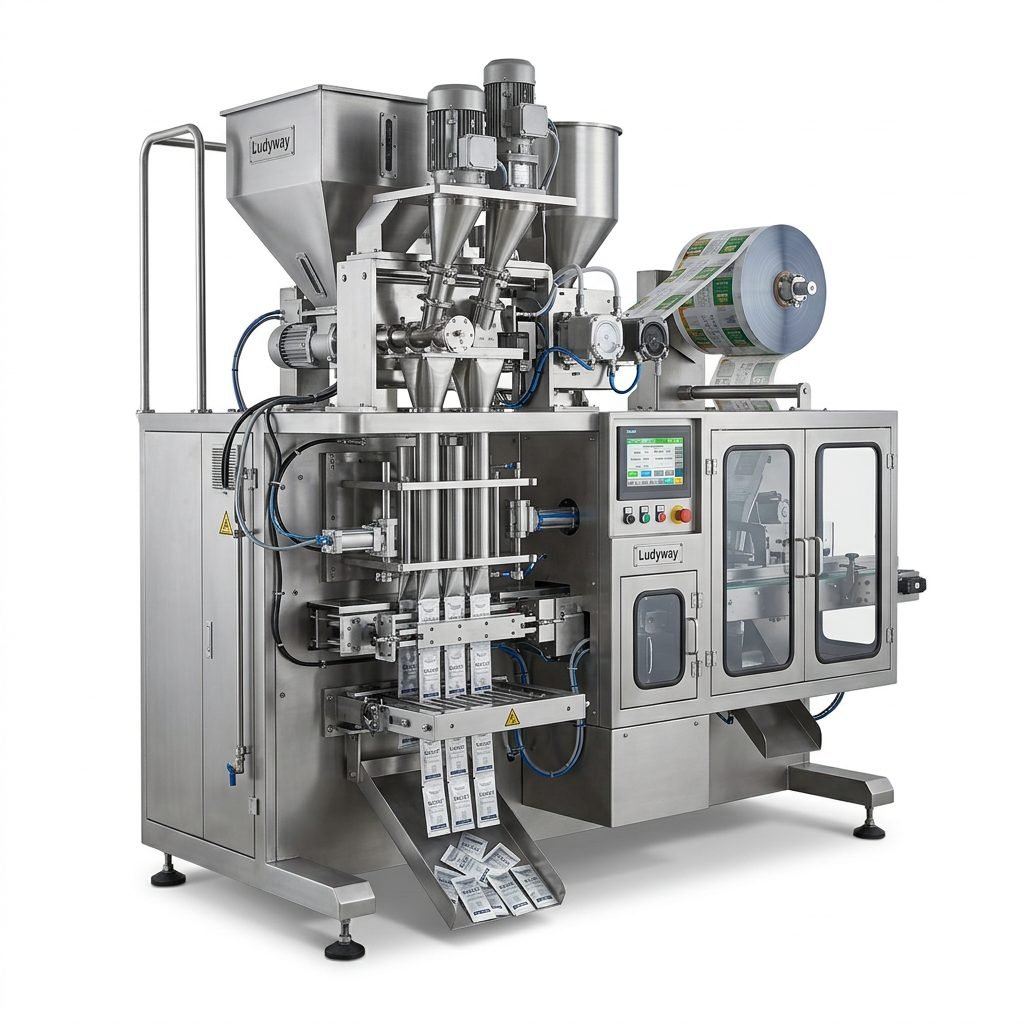
Multi-Lane Sachet and Stick Pack Machines
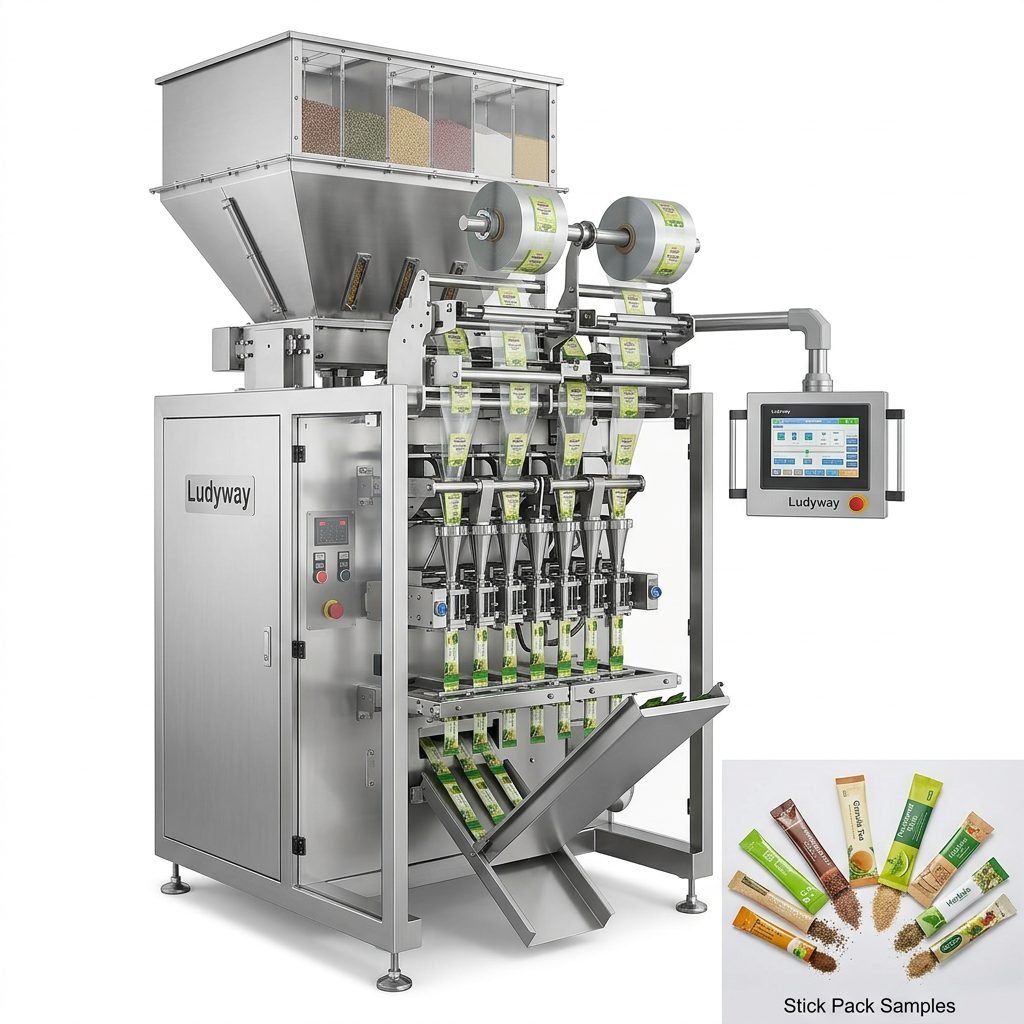
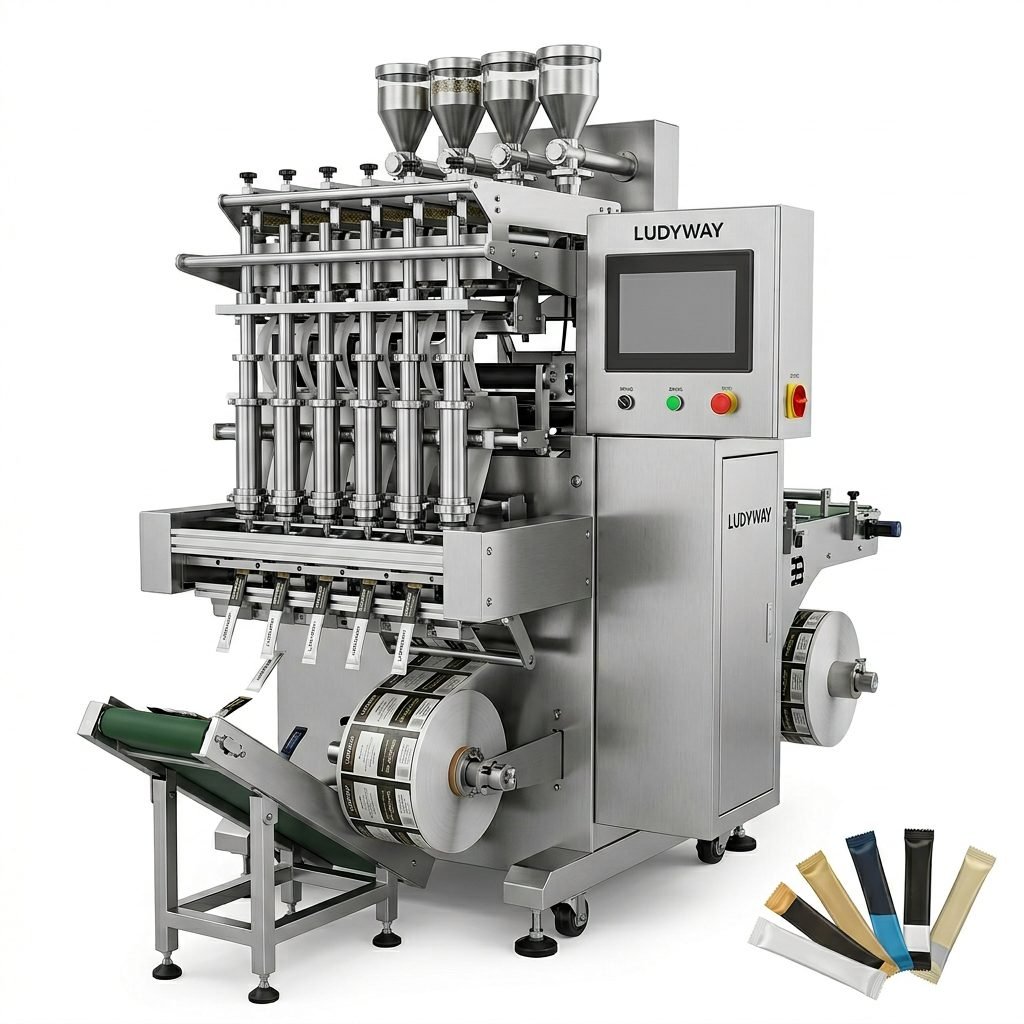
For high-volume applications, multi-lane machines dramatically increase output. They are common in food, pharma, supplement, and personal care sectors. Because they combine multiple production channels into one system, the price is much higher than single-lane models.
Estimated price: US$25,000 – US$120,000+
Hidden Costs Buyers Should Consider
Many buyers focus only on the factory price, but the total investment often includes additional costs that can be significant.
- Shipping and freight
- Import duties and taxes
- Installation and commissioning
- Operator training
- Spare parts package
- Air compressor and utilities
- Film or pouch material testing
- Maintenance downtime risk
A lower machine price does not always mean a lower total ownership cost. Stable performance and reliable technical support often save more money in the long run.
How to Choose the Right Machine Based on Budget
If Your Budget Is Below US$10,000
Look at semi-automatic or entry-level compact machines. These are suitable for low-volume operations, market testing, or businesses upgrading from manual packaging.
If Your Budget Is US$10,000–US$40,000
This range opens access to automatic VFFS systems and some entry-level premade pouch machines. It is often the best price-performance range for small and medium manufacturers.
If Your Budget Is US$40,000–US$120,000
You can consider higher-speed pouch systems, better servo control, multi-lane packaging, and stronger customization for powder, liquid, or granule applications.
If Your Budget Is Above US$120,000
This budget is suitable for advanced automated lines with feeding, filling, sealing, inspection, secondary packaging, and palletizing. It is ideal for large-scale industrial production.
When a Higher Price Is Worth It
Paying more can be justified when the machine offers measurable value such as:
- higher production output
- better dosing accuracy
- reduced film waste
- faster changeover between pouch sizes
- lower labor dependence
- better sealing consistency
- compatibility with future line expansion
For many manufacturers, the best machine is not the cheapest one, but the one that gives the strongest long-term ROI.
Questions to Ask Before Requesting a Quote
To get an accurate pouch packing machine quotation, prepare the following details:
- What product will be packed?
- Is it powder, granule, liquid, or paste?
- What pouch type and dimensions do you need?
- What filling weight or volume is required?
- What production speed do you expect?
- Do you need coding, weighing, inspection, or cartoning?
- What material and compliance standards are required?
- Do you need a standalone machine or turnkey line?
Final Buying Insight
Pouch packing machine prices can range from a few thousand dollars to several hundred thousand depending on the application. The smartest approach is to compare machines based on output, filling precision, pouch format, automation level, and lifetime operating cost, not just the initial quote.
If you are comparing options for powder, granule, liquid, or pouch-based packaging, a clear specification list will help you receive more accurate pricing and select a machine that fits both your current production needs and future growth plans.