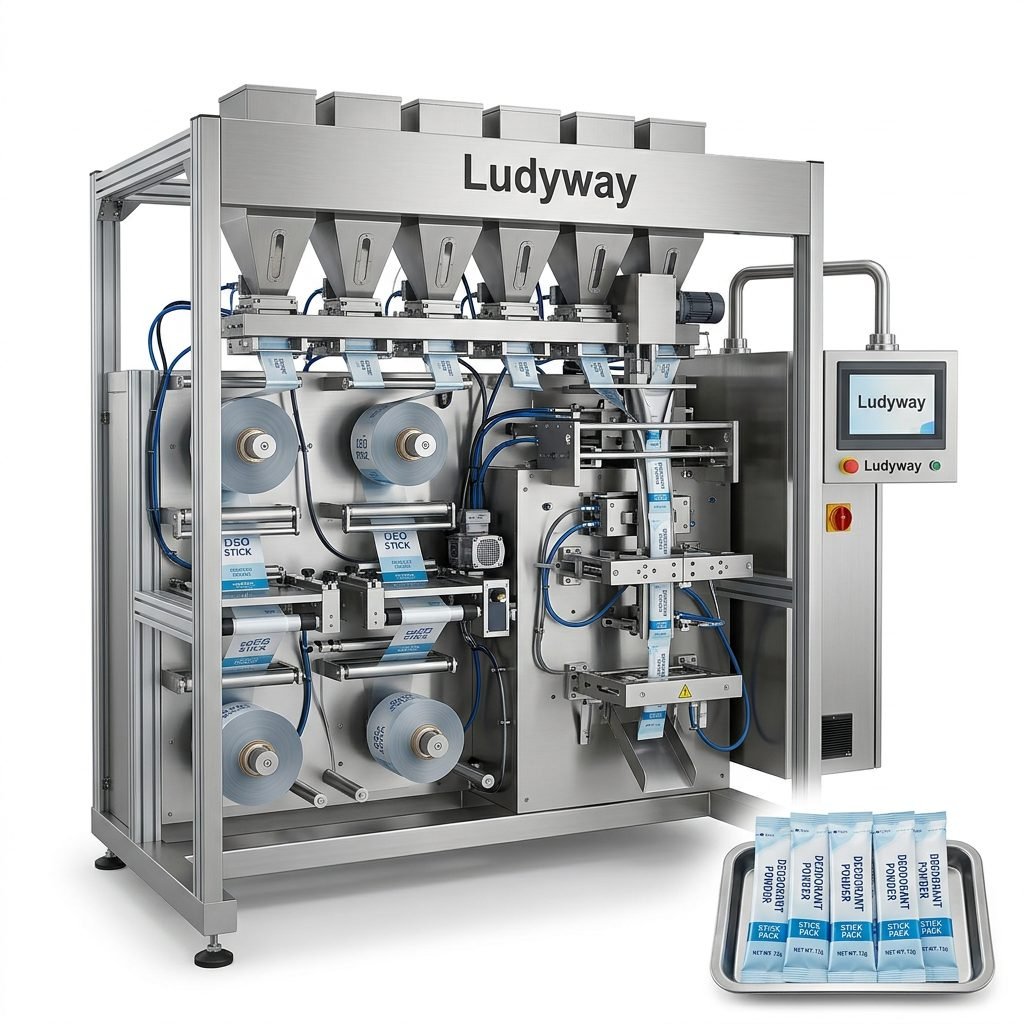
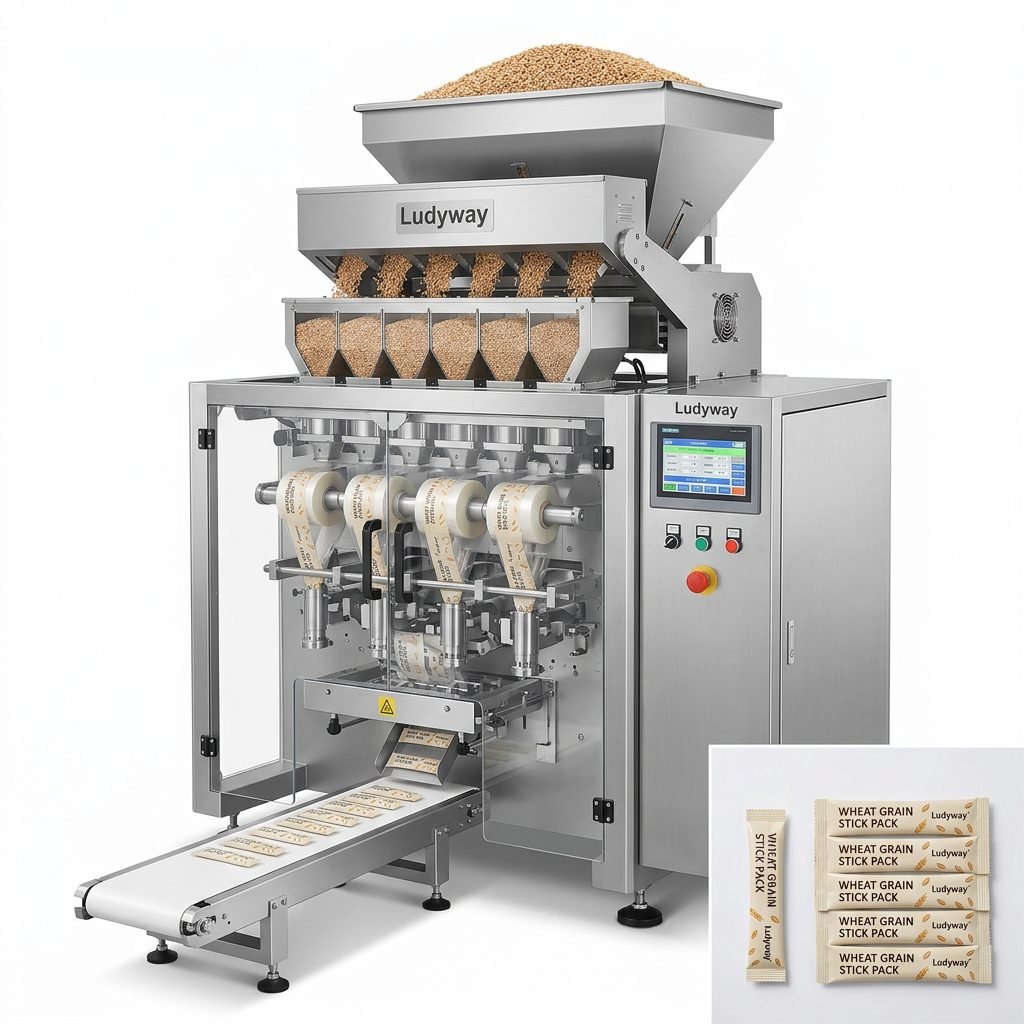
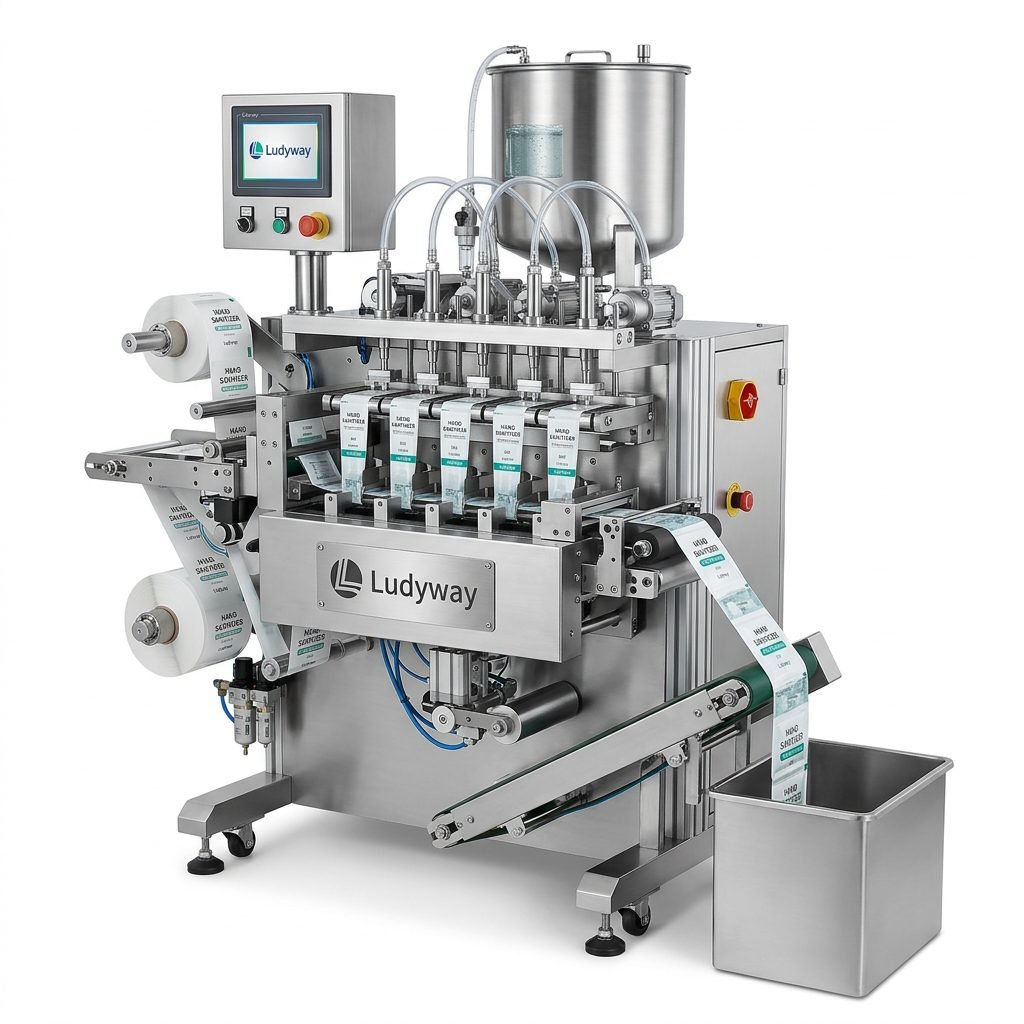
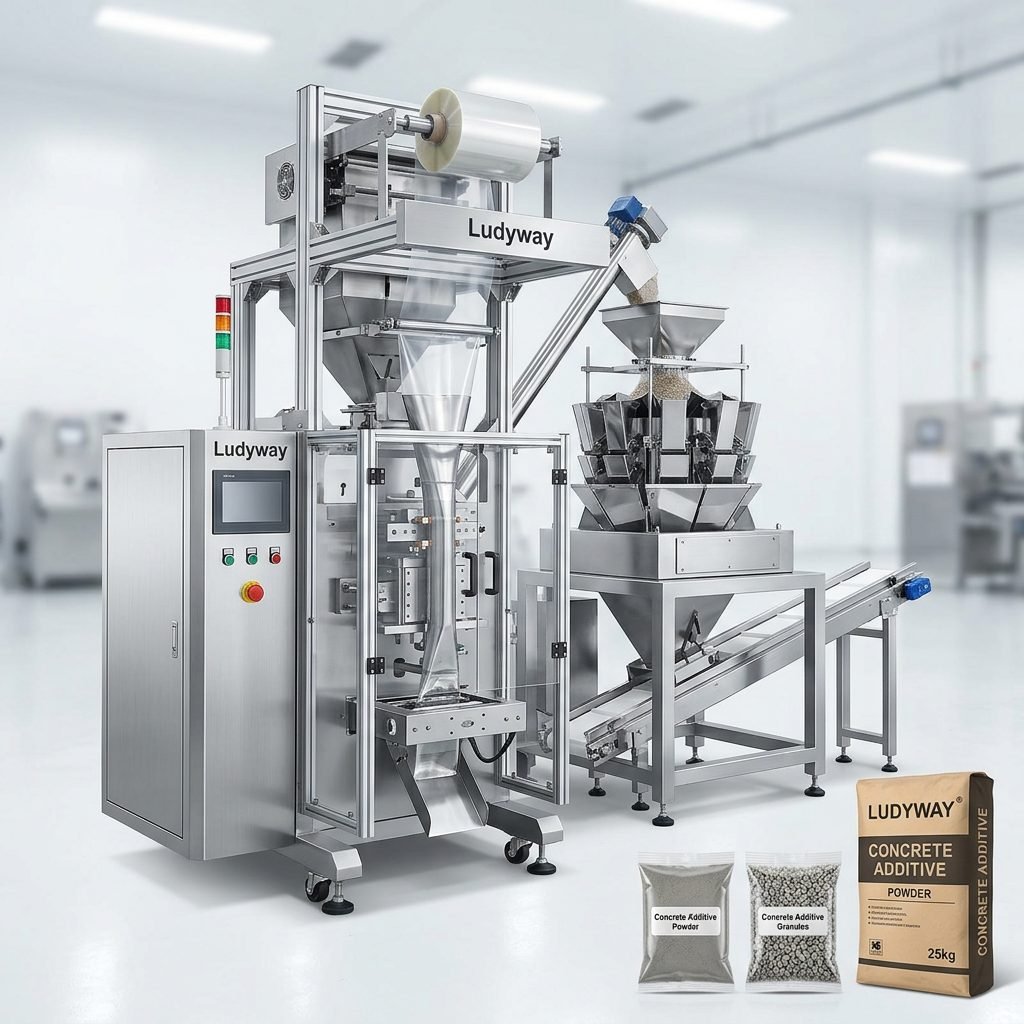
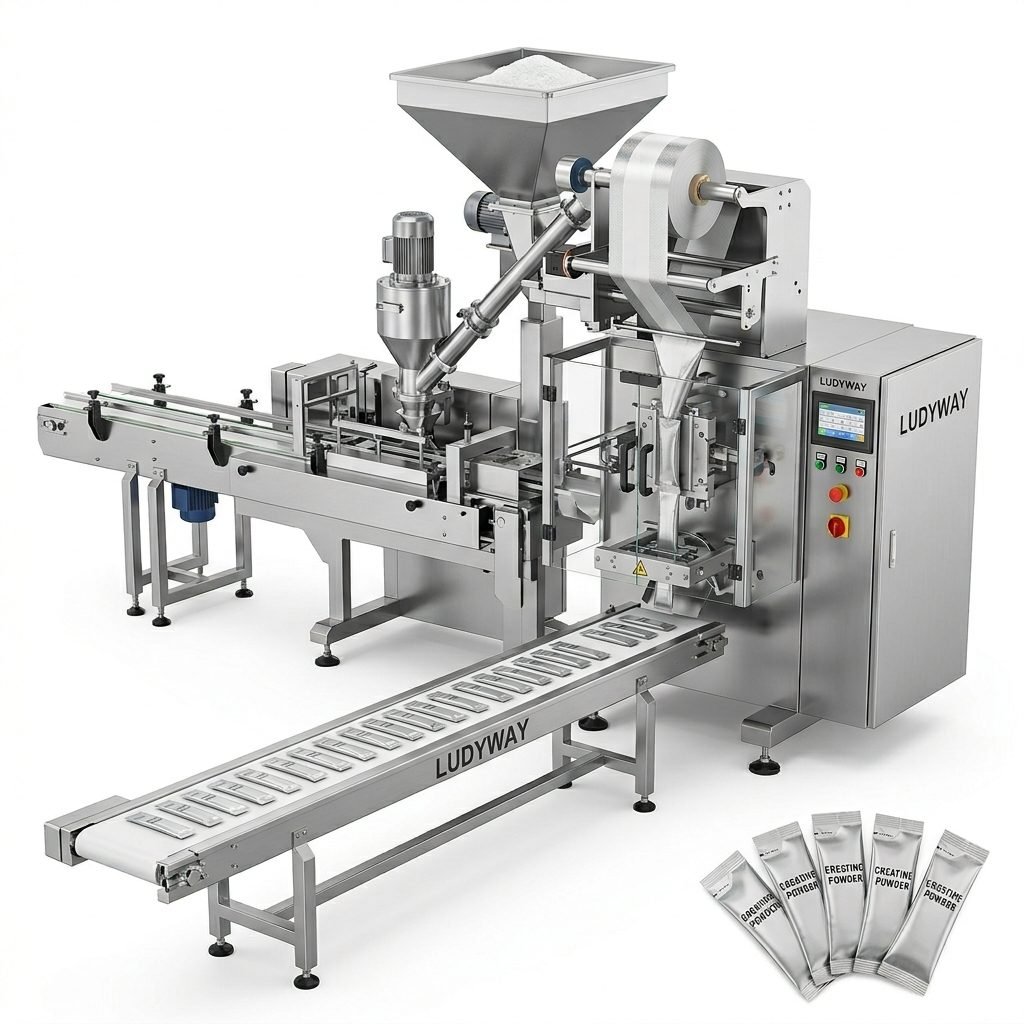
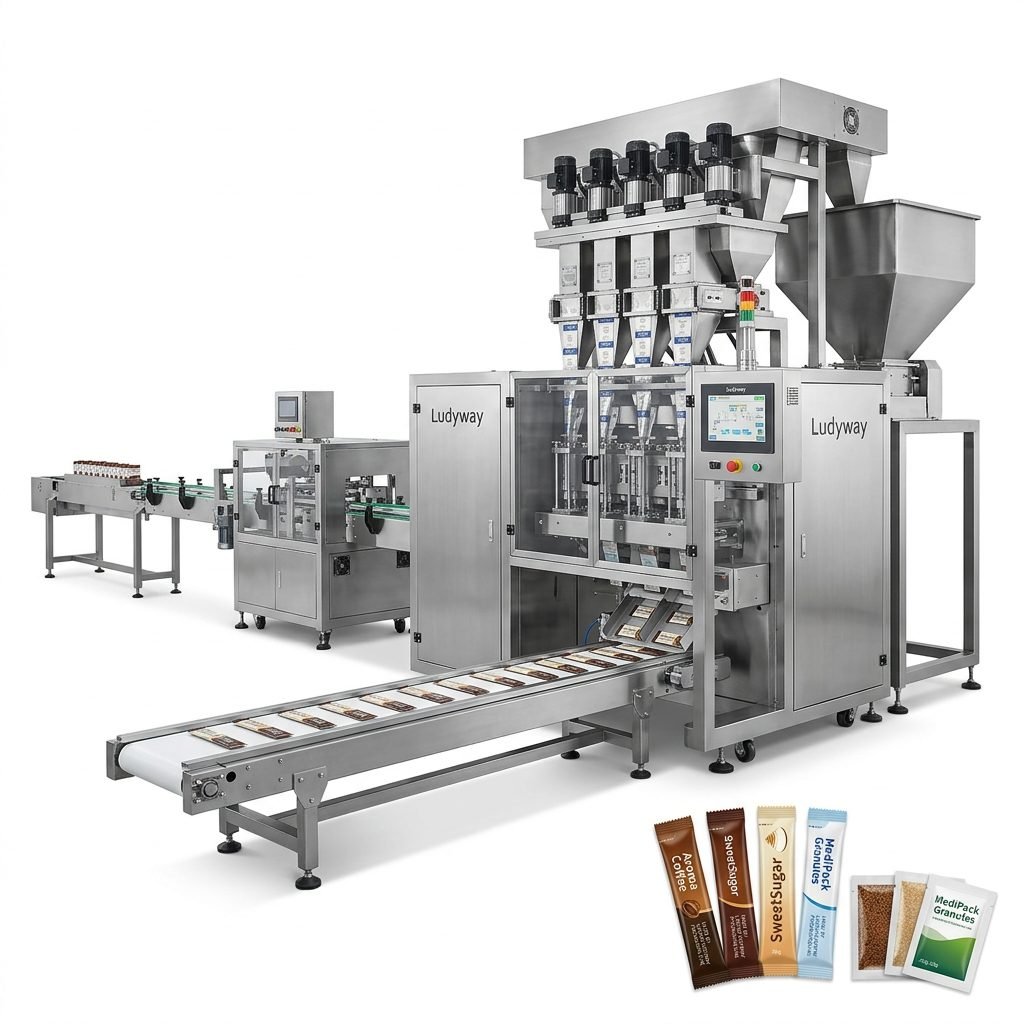
An Ulma packaging machine is often associated with high-level automation, strong sealing performance, and reliable packaging quality across food, medical, and industrial applications. For many buyers, however, the real challenge is not just understanding the brand name—it is knowing which machine type fits the product, what features truly matter, how ownership costs add up, and how to compare alternatives before investing.
This guide explains the main machine categories, key technical features, practical benefits, common use cases, and smart buying tips to help manufacturers, distributors, and plant managers make a more informed decision.
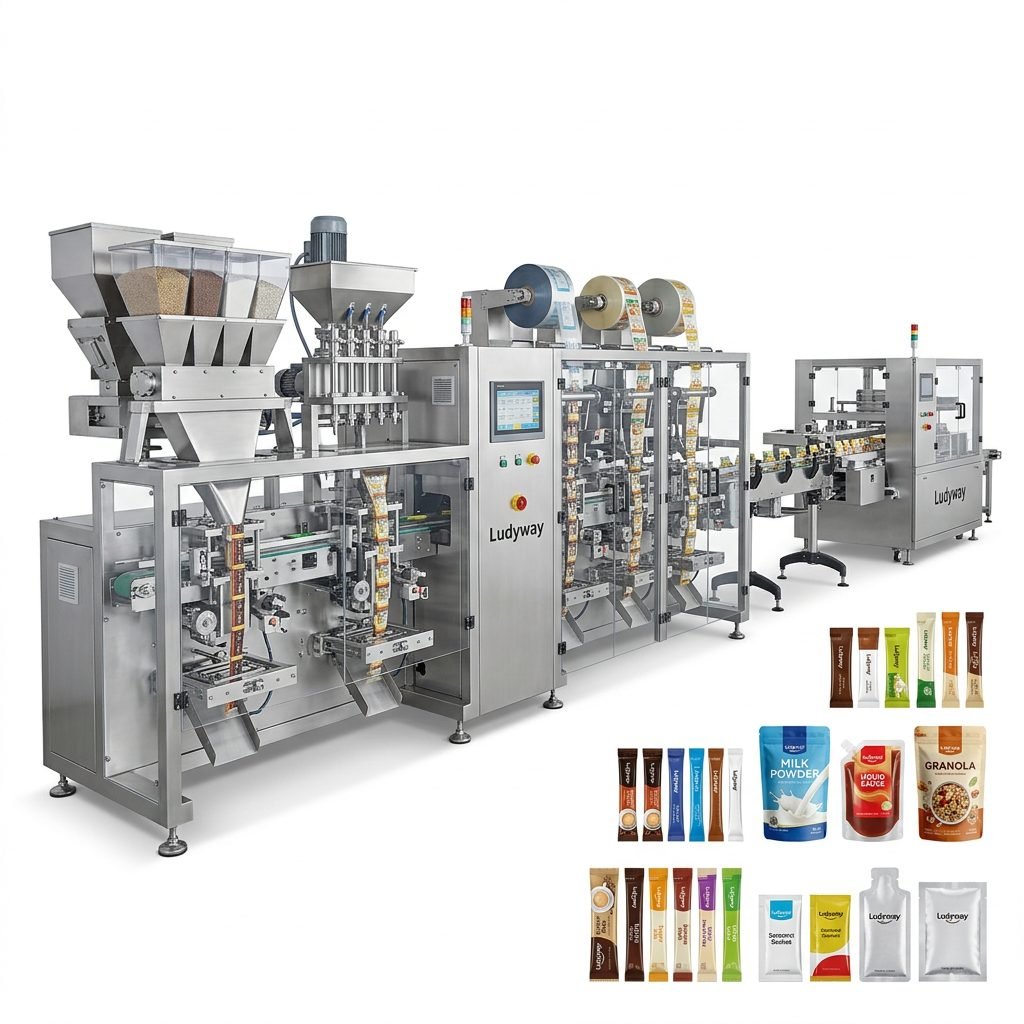
What Is an Ulma Packaging Machine?
Ulma packaging machines are typically used for automated product packing processes such as forming, filling, sealing, wrapping, tray sealing, thermoforming, and flow wrapping. These machines are widely selected in industries where package appearance, seal integrity, throughput, and hygiene are critical.
Depending on the application, a packaging machine in this category may handle:
- Fresh food and frozen food
- Bakery and snack products
- Medical and pharmaceutical products
- Personal care and household items
- Industrial parts and multipacks
Main Types of Packaging Machines Buyers Usually Compare
When researching an Ulma packaging machine, buyers are usually comparing several packaging technologies rather than one single machine model. The right choice depends on product shape, film type, output target, shelf-life needs, and downstream packing requirements.
| Machine Type | Best For | Typical Advantage |
|---|---|---|
| Flow wrapper | Bakery, candy, bars, single packs | High speed and attractive retail presentation |
| Thermoforming machine | Meat, cheese, medical products | Strong barrier packaging and shelf-life support |
| Tray sealer | Ready meals, fresh produce, protein products | Flexible tray formats and MAP capability |
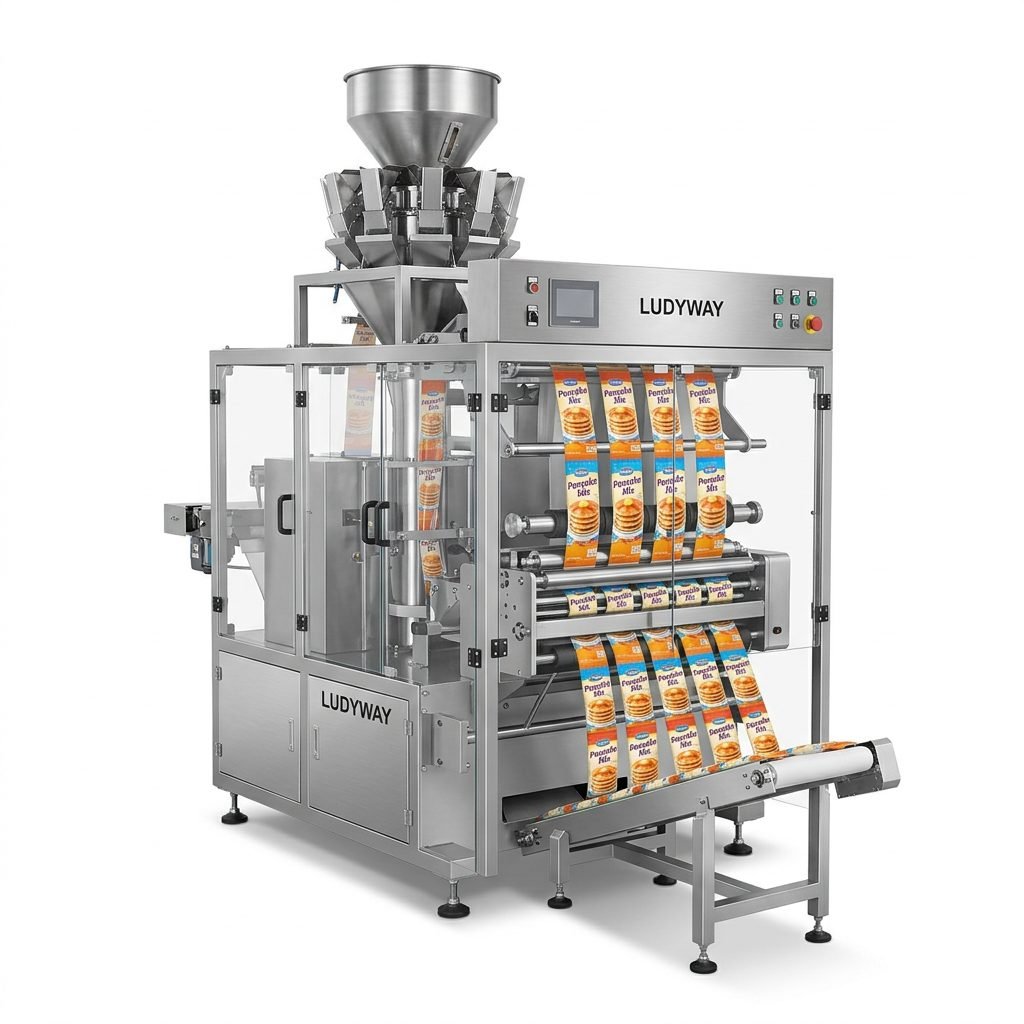
| Vertical form fill seal | Granules, powders, snacks | Compact design and efficient bag production |
| Premade pouch machine | Premium products, liquids, powders | Excellent shelf impact and pouch flexibility |
Key Features to Look For
1. Sealing Quality and Consistency
A packaging machine should produce stable seals under real production conditions, not just during a factory demo. This matters especially for products exposed to moisture, oxygen, contamination risk, or transport stress.
- Stable temperature control
- Uniform pressure distribution
- Reliable seal on different film structures
- Low leakage and low rework rate
2. Production Speed That Matches the Whole Line
Many buyers focus too much on maximum machine speed. The better metric is stable output within the full packaging line. If feeding, coding, inspection, cartoning, or case packing cannot keep up, the headline speed becomes meaningless.
3. Product Changeover Simplicity
If your plant runs multiple SKUs, packaging sizes, or film formats, changeover time has a major impact on production efficiency. Machines with recipe storage, tool-free adjustment, servo positioning, and HMI guidance usually reduce downtime.
4. Hygiene and Cleaning Design
For food and pharmaceutical operations, easy-clean structures, stainless-steel contact parts, and hygienic frame design can improve compliance and reduce cleaning labor.
5. Film Compatibility
Always confirm the machine’s compatibility with the exact materials you plan to use, including:
- Laminated barrier films
- Recyclable mono-material films
- Paper-based structures
- Vacuum or MAP packaging films
Benefits of Investing in a High-Quality Packaging Machine
Improved Packaging Appearance
Good packaging machinery helps maintain straight seals, neat cutting, correct film tension, and consistent pack shape. This improves shelf appeal and brand presentation.
Lower Labor Dependency
Automation reduces manual intervention in filling, sealing, counting, and transferring. In many factories, this translates into better staffing efficiency and lower packaging variability.
Reduced Product Waste
Accurate filling and repeatable sealing can lower giveaway, leakage, mispack rates, and rejected units. Over time, this can produce meaningful savings.
Better Integration with Smart Manufacturing
Modern packaging systems increasingly support production data collection, recipe management, fault diagnosis, and connection with checkweighers, metal detectors, coders, and robotic case packers.
Scalability
A well-selected machine can support future output growth, new bag formats, and downstream line expansion without requiring a full replacement too soon.
Common Industries That Use These Machines
| Industry | Typical Products | Important Requirement |
|---|---|---|
| Food | Snacks, meat, cheese, bakery, sauces, frozen meals | Freshness, hygiene, shelf life |
| Pharmaceutical | Medical devices, tablets, sterile products | Precision, validation, compliance |
| Cosmetic & personal care | Creams, gels, wipes, sachets | Presentation and leak prevention |
| Industrial | Hardware, components, chemicals | Durability and line efficiency |
How to Choose the Right Model for Your Product
The best buying process starts with the product, not the machine catalog. Before requesting quotations, prepare a clear application brief.
Product Questions to Define First
- What is the product form: solid, powder, granule, liquid, or paste?
- What pack style do you need: pillow bag, sachet, tray, vacuum pack, flow wrap, or pouch?
- What output per minute or per hour is required?
- What is the pack size range?
- Do you need nitrogen flushing, vacuum, or modified atmosphere packaging?
- What level of automation do you want: standalone machine or full line?
Factory Questions to Consider
- Available floor space and layout limitations
- Power supply and compressed air conditions
- Operator skill level
- Cleaning and sanitation standards
- Need for coding, inspection, cartoning, and palletizing integration
Ulma Packaging Machine vs Other Packaging Solutions
In many sourcing projects, buyers compare Ulma-style equipment with other European, Chinese, or hybrid turnkey solutions. The decision often comes down to project scope, budget, lead time, and service expectations.
| Factor | Premium European Option | Alternative Turnkey Supplier |
|---|---|---|
| Initial cost | Usually higher | Often more flexible |
| Customization | Good but sometimes structured | May be more application-driven |
| Lead time | Can be longer | May be faster depending on project |
| Line integration | Strong in specific machine families | Can be stronger for full turnkey combinations |
| ROI flexibility | Depends on volume and premium positioning | Often attractive for scaling plants |
Important Buying Tips Before You Place an Order
Ask for Real Product Testing
Never rely only on generic machine videos. Send your actual product, packaging material, and target pack dimensions for a practical test. This reveals filling behavior, sealing quality, and production stability.
Check Total Cost of Ownership
The machine price is only part of the investment. Also evaluate:
- Installation and commissioning cost
- Spare parts availability
- Energy consumption
- Film waste rate
- Maintenance complexity
- Downtime risk
Review After-Sales Support Carefully
Technical support quality directly affects long-term uptime. Ask whether the supplier provides remote diagnosis, manuals in English, spare parts lists, training, and preventive maintenance guidance.
Confirm Future Expansion Options
Your current requirement may be a single machine, but future needs may include conveyors, checkweighers, coding systems, cartoners, case packers, and palletizing. Choosing a supplier with broader line capability can save time later.
Do Not Ignore Operator Experience
A technically advanced machine is only valuable if your team can operate it efficiently. A clear HMI, easy fault alarms, and simple adjustment logic often matter more than overly complex features.
When a Turnkey Packaging Line May Be Better Than a Single Machine
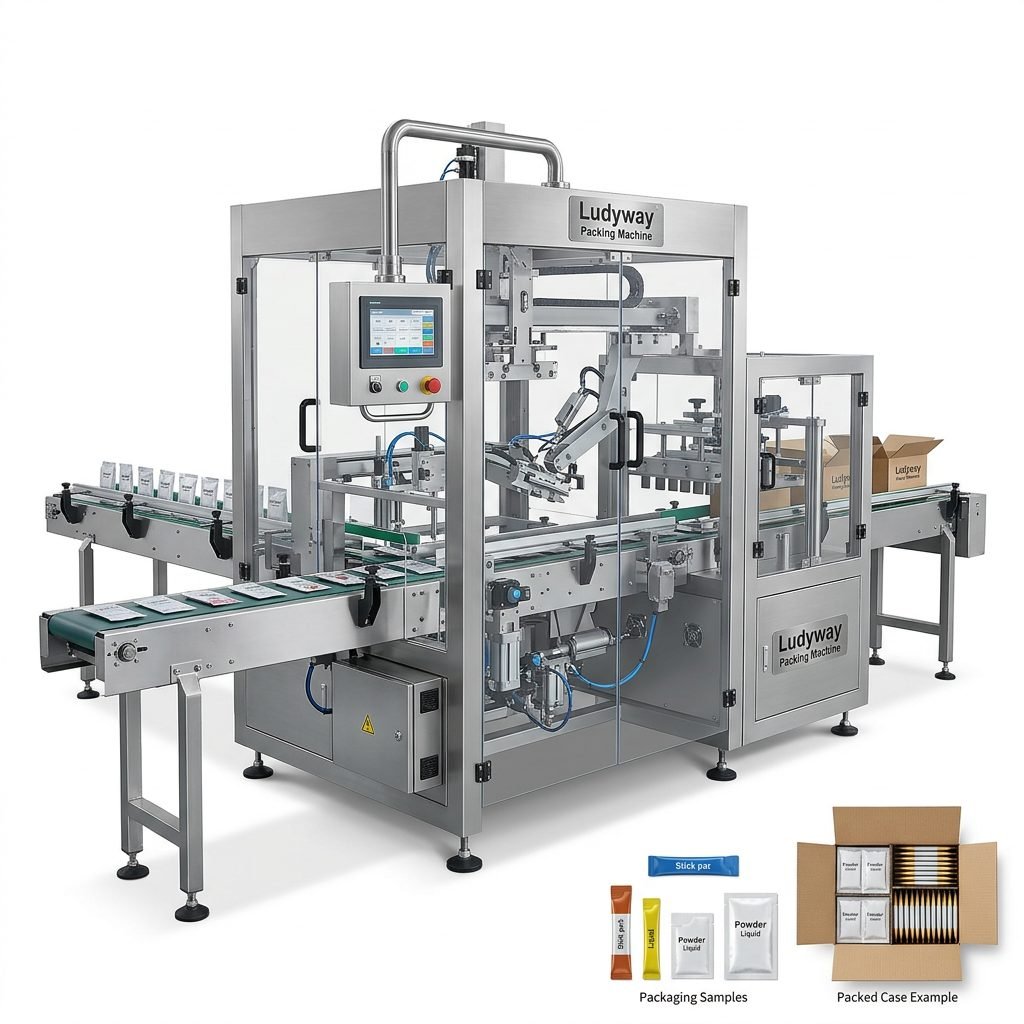
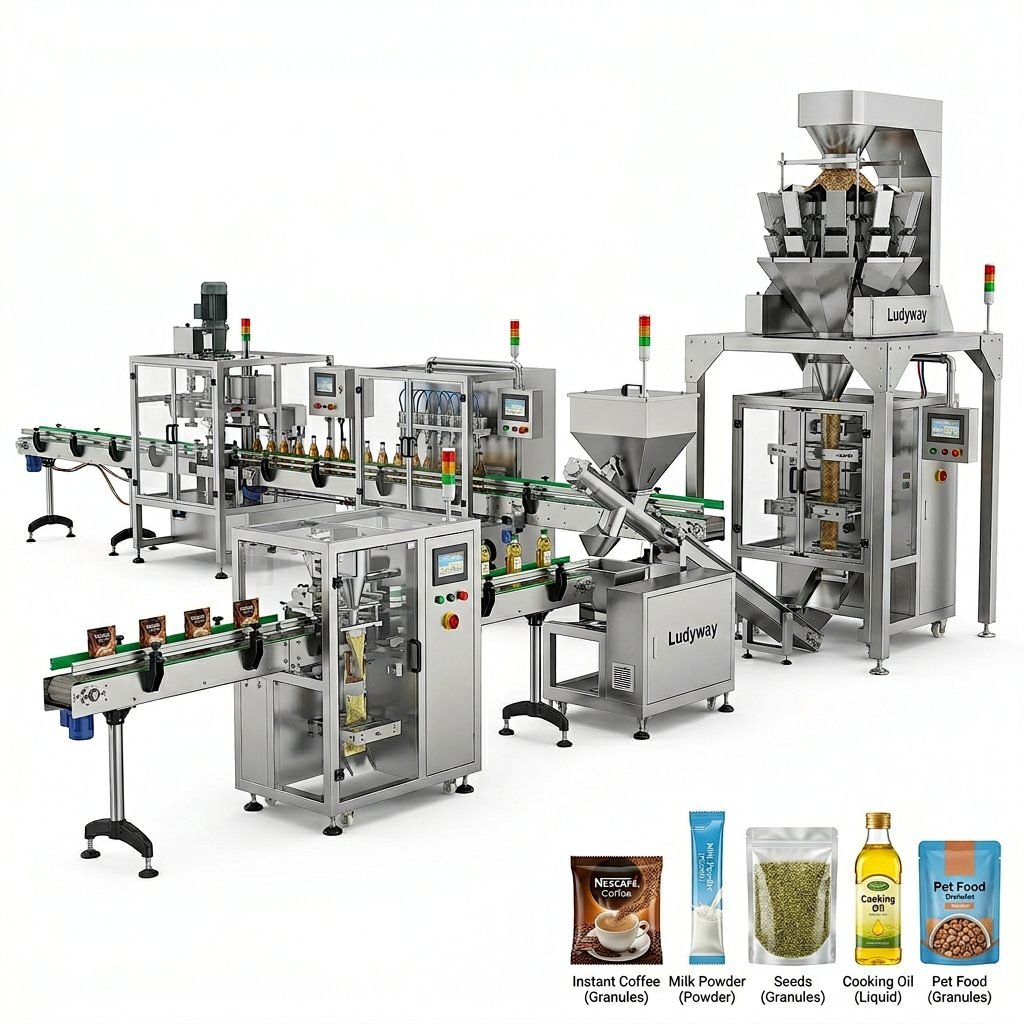
If your project involves multiple packaging stages, a turnkey line can be more efficient than sourcing separate machines from different vendors. This is especially true when product feeding, filling, sealing, coding, inspection, cartoning, and case packing need synchronized control.
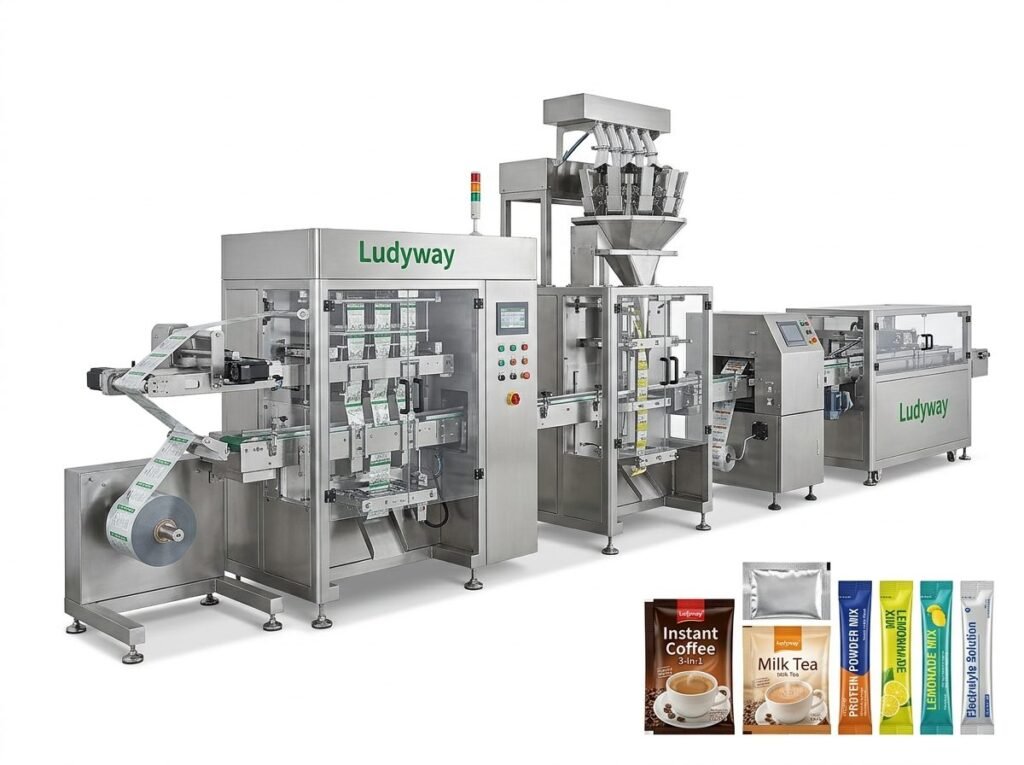
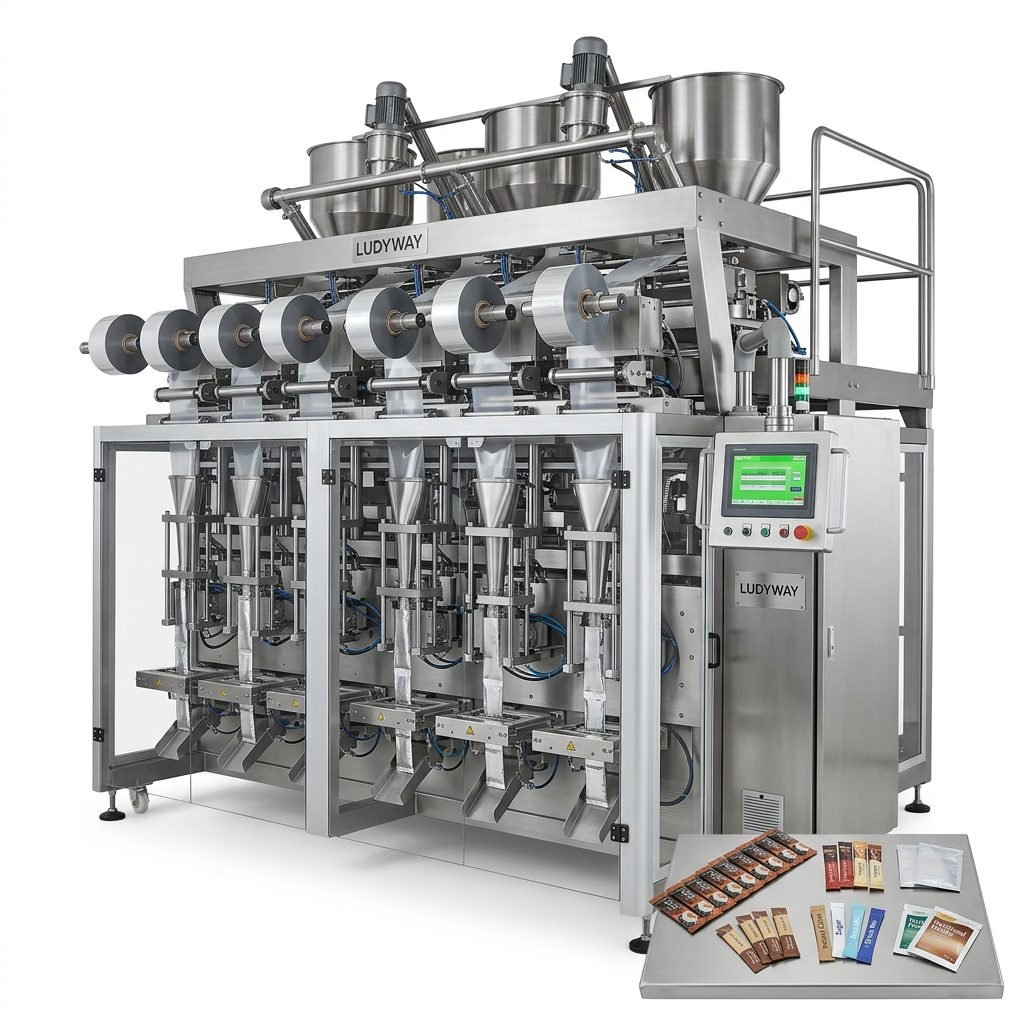
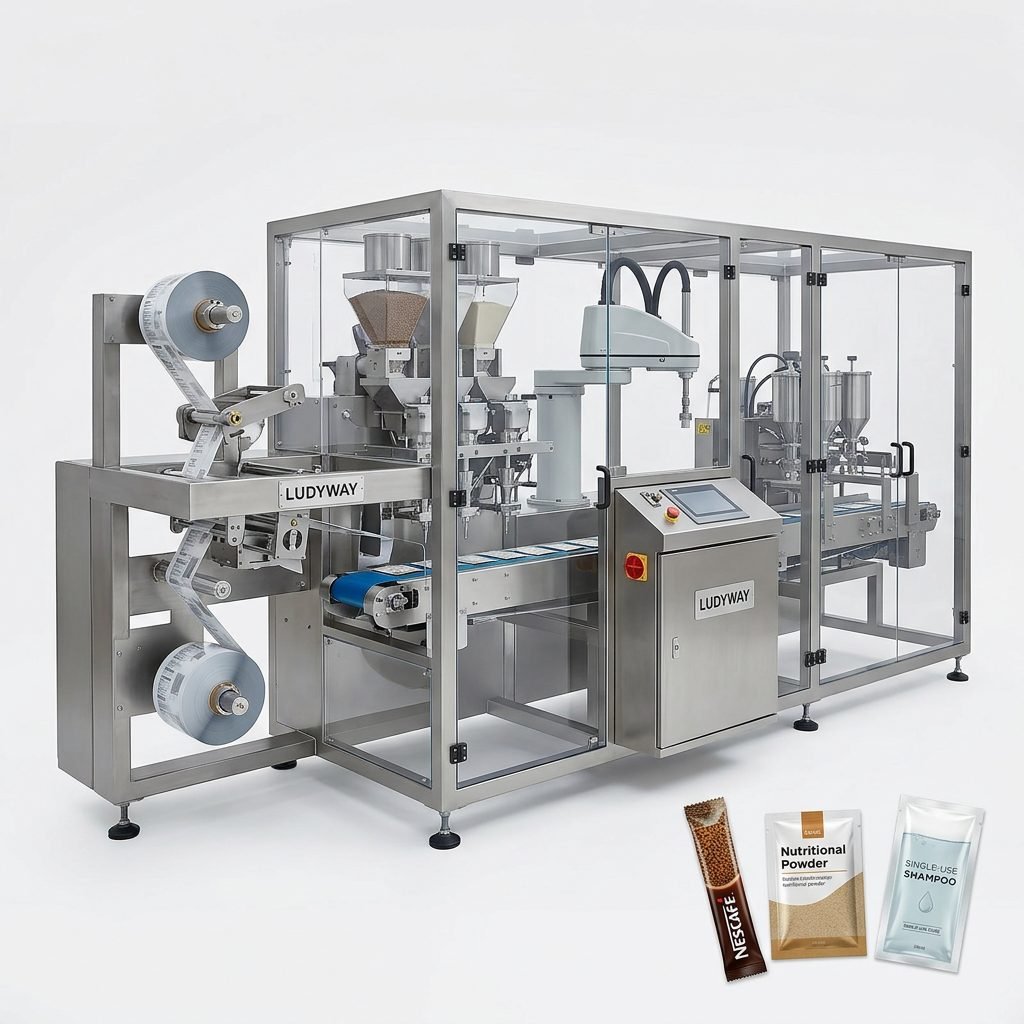
For buyers looking beyond a single machine, Ludyway is one of China’s leading packaging machine and turnkey packaging line manufacturers, with more than 30 years of experience, a factory size of over 20,000 square meters, and export service coverage across more than 100 countries and regions.
Red Flags to Avoid During Supplier Comparison
- No real test with your own product and film
- Quoted speed without defining pack size and product type
- Unclear spare parts list or weak technical documentation
- No explanation of seal quality standards
- Very low price but no line integration support
- Limited references in your industry
Who Should Buy This Type of Packaging Machine?
This kind of packaging solution is best suited for companies that want to improve automation, packaging consistency, and long-term production efficiency. It is especially relevant for:
- Growing food manufacturers
- Pharmaceutical and nutraceutical producers
- Brands expanding into retail-ready packaging
- Factories replacing labor-heavy manual packing
- Operations planning a scalable packaging line upgrade
Final Selection Checklist
| Checklist Item | Why It Matters |
| Product and pack specification confirmed | Avoids mismatched machine selection |
| Actual sample test completed | Verifies real operating performance |
| Speed based on your SKU | Prevents unrealistic output assumptions |
| Maintenance and spare parts reviewed | Supports uptime and lower lifecycle cost |
| Integration needs defined | Ensures smooth line expansion |
| After-sales support verified | Protects long-term production continuity |
Choosing an Ulma packaging machine or a comparable packaging solution should never be based on brand recognition alone. The best decision comes from matching machine type, product characteristics, packaging goals, and lifecycle cost. Buyers who compare real performance, service capability, and expansion potential usually achieve a better return on investment and a more stable packaging operation over time.