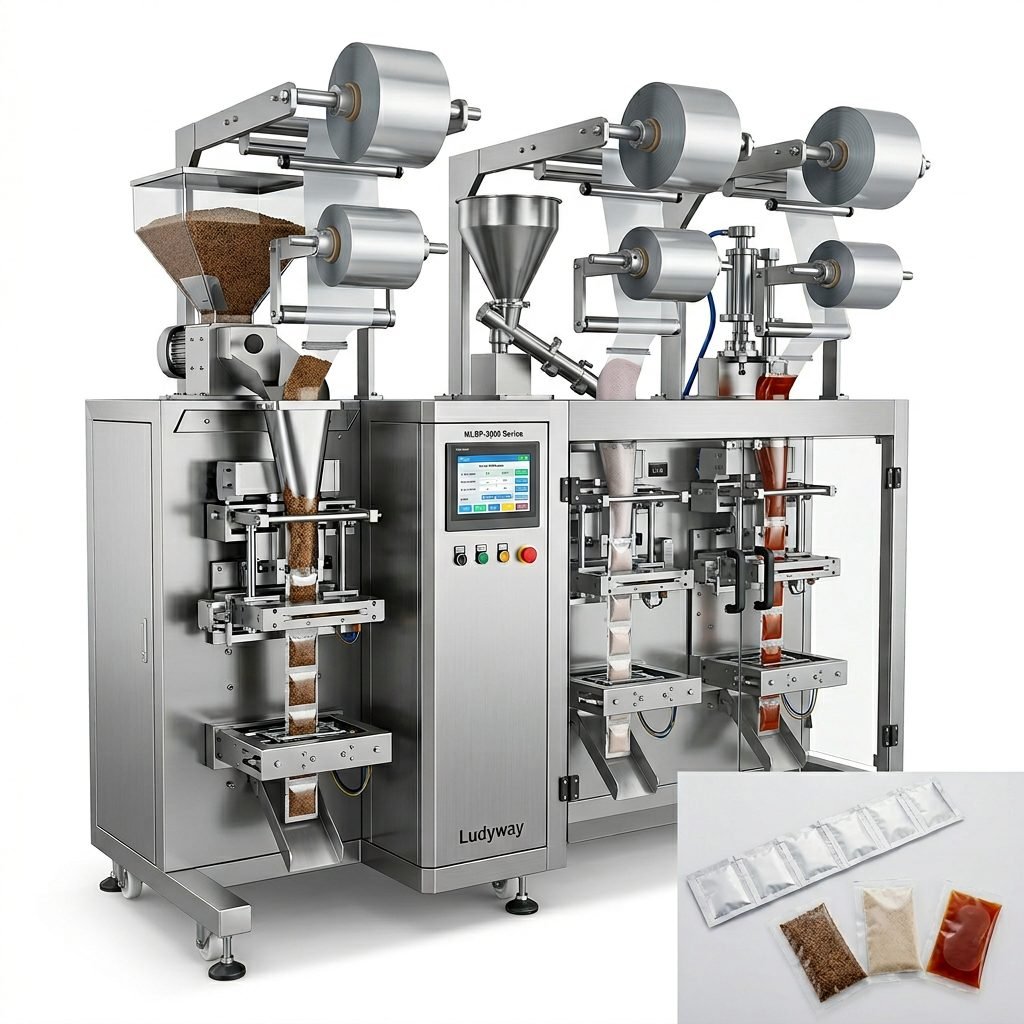
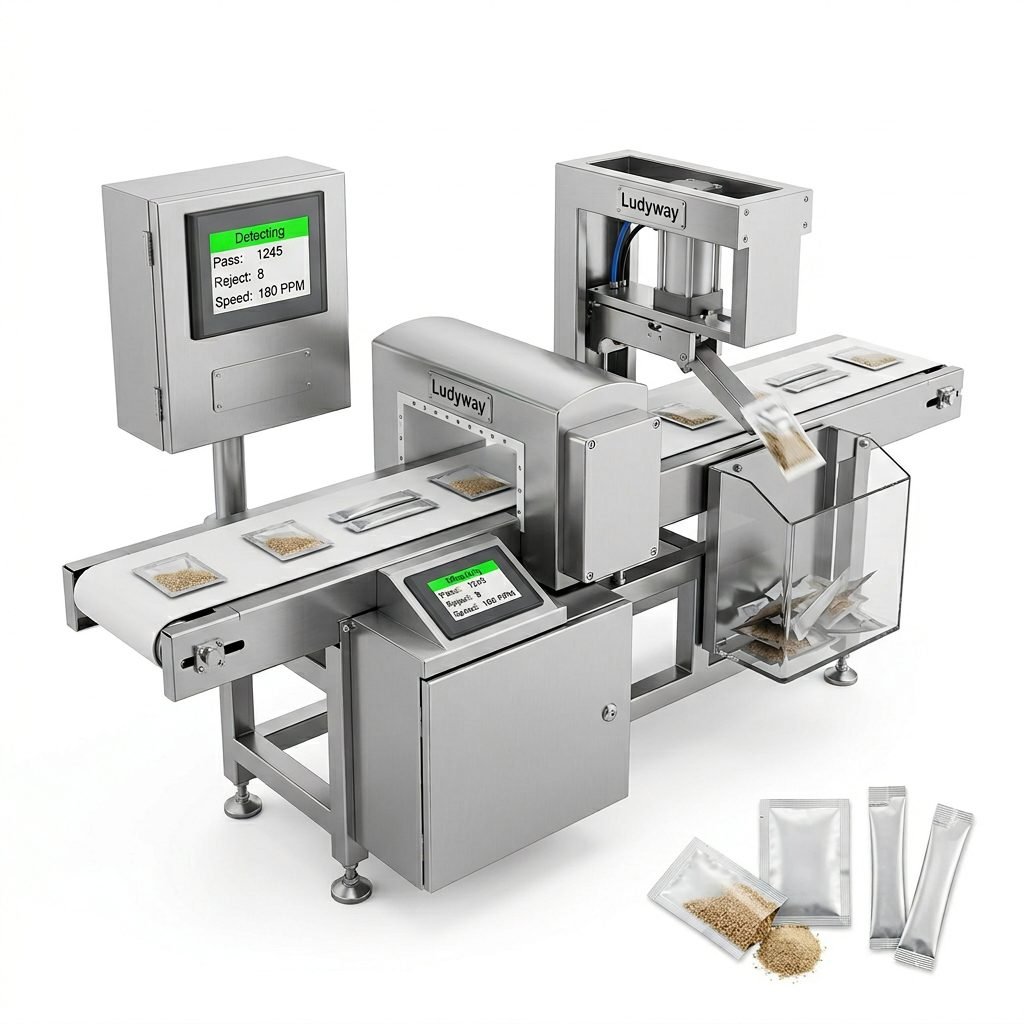
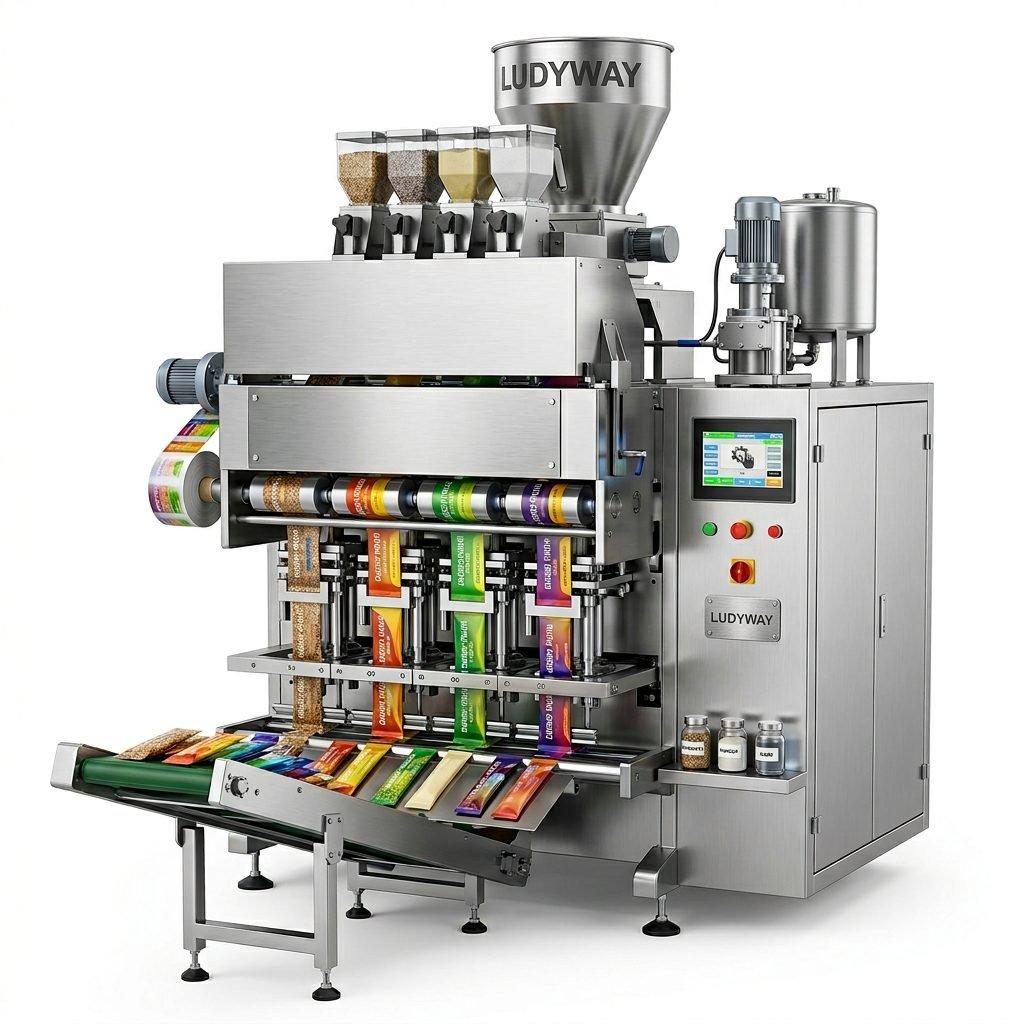
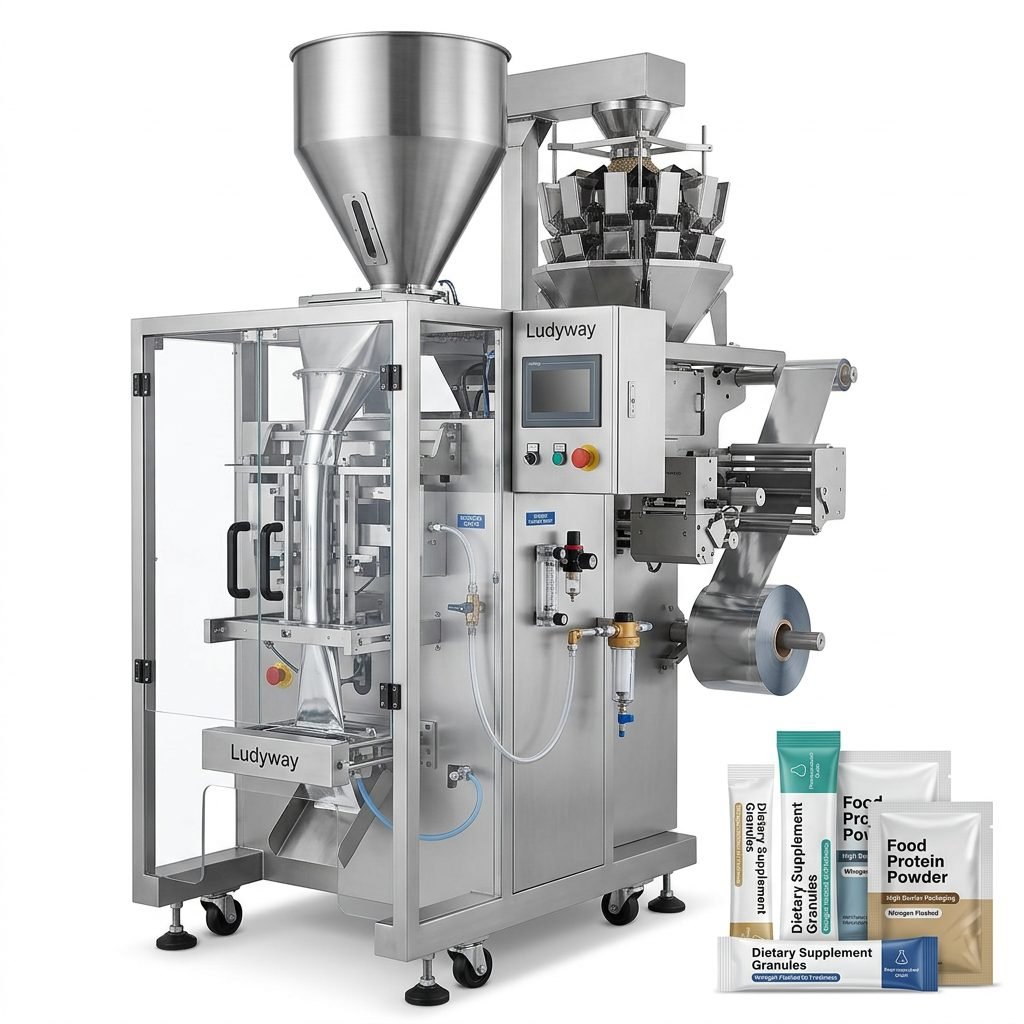
Choosing the right automatic coffee packing machine is not only about speed. It directly affects product freshness, pack appearance, dosing accuracy, labor cost, material waste, and long-term production efficiency. Whether you package instant coffee powder, drip coffee, ground coffee, or coffee granules, the ideal solution should match your product characteristics, output goals, and future expansion plans.
For coffee brands, roasters, contract packers, and food manufacturers, selecting the wrong machine can lead to sealing issues, unstable weights, downtime, and rising maintenance costs. Selecting the right one can help create a smoother, more scalable operation.
Understand Your Coffee Product First
Before comparing machine models, start with the product itself. Different coffee formats behave very differently during filling and sealing.
- Instant coffee powder: usually requires precise auger filling and good dust control.
- Coffee granules: often need cup fillers or weighing systems depending on particle consistency.
- Ground coffee: may require degassing considerations, aroma protection, and strong sealing.
- Drip coffee packs: need specialized forming, filter handling, and outer bag packaging.
- Coffee mixes: products containing sugar, creamer, collagen, or functional ingredients may need customized dosing systems.
When evaluating equipment, define these factors clearly:
- Product form: powder, granule, blend, or drip coffee
- Pack size range
- Required accuracy tolerance
- Packaging film type
- Daily or hourly output target
- Need for nitrogen flushing or aroma protection
- Space available in your facility
Types of Automatic Coffee Packaging Machines
There is no single machine suitable for every coffee product. The best solution depends on package style and automation level.
| Machine Type | Best For | Main Advantages |
|---|---|---|
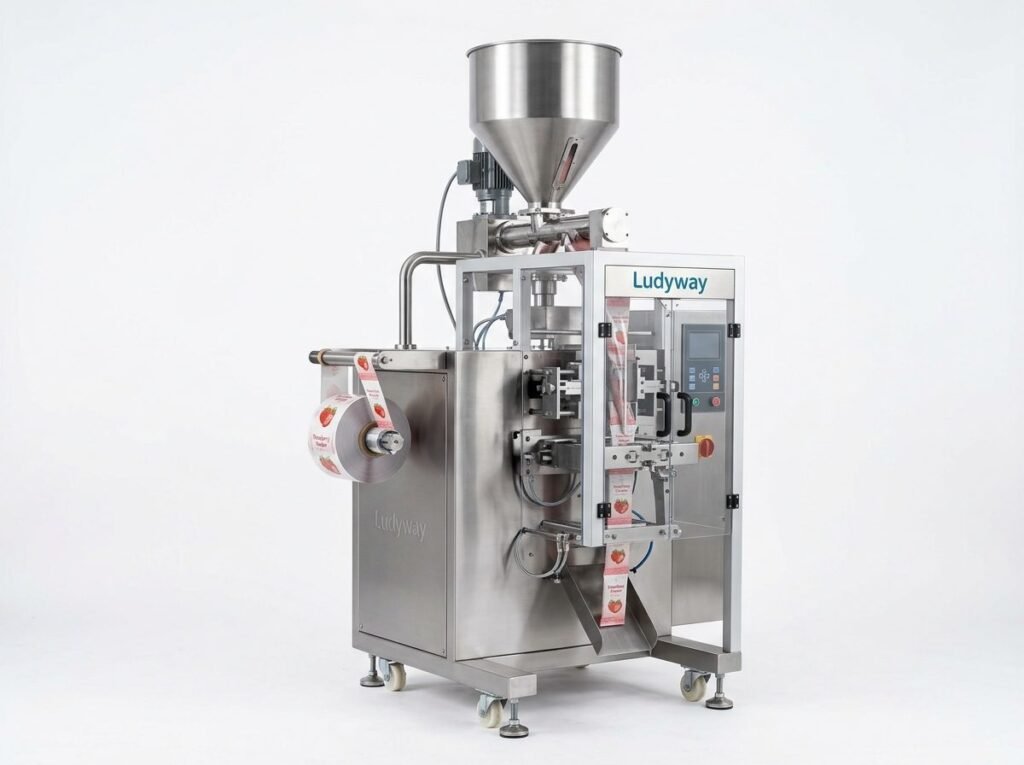
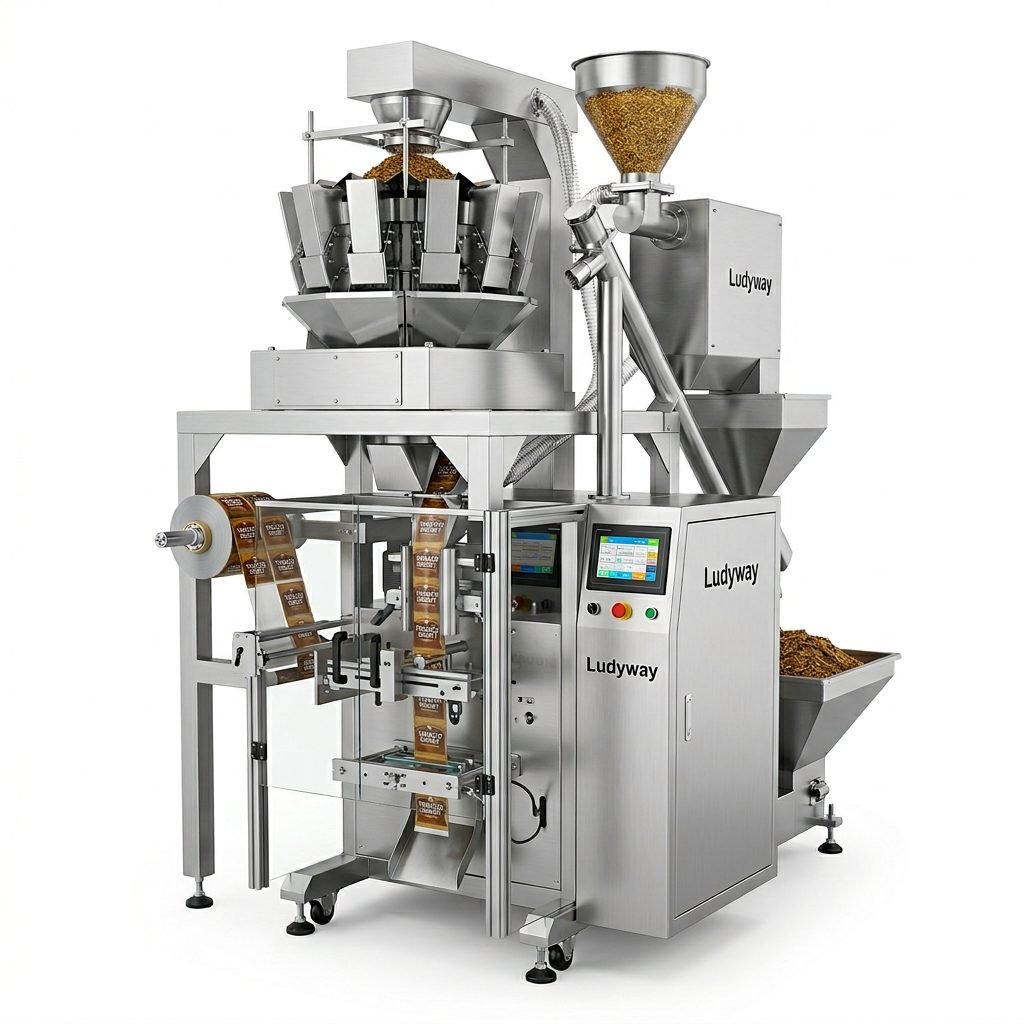
| Vertical Form Fill Seal Machine | Coffee powder, granules, pillow bags | Versatile, cost-effective, good for medium to high output |
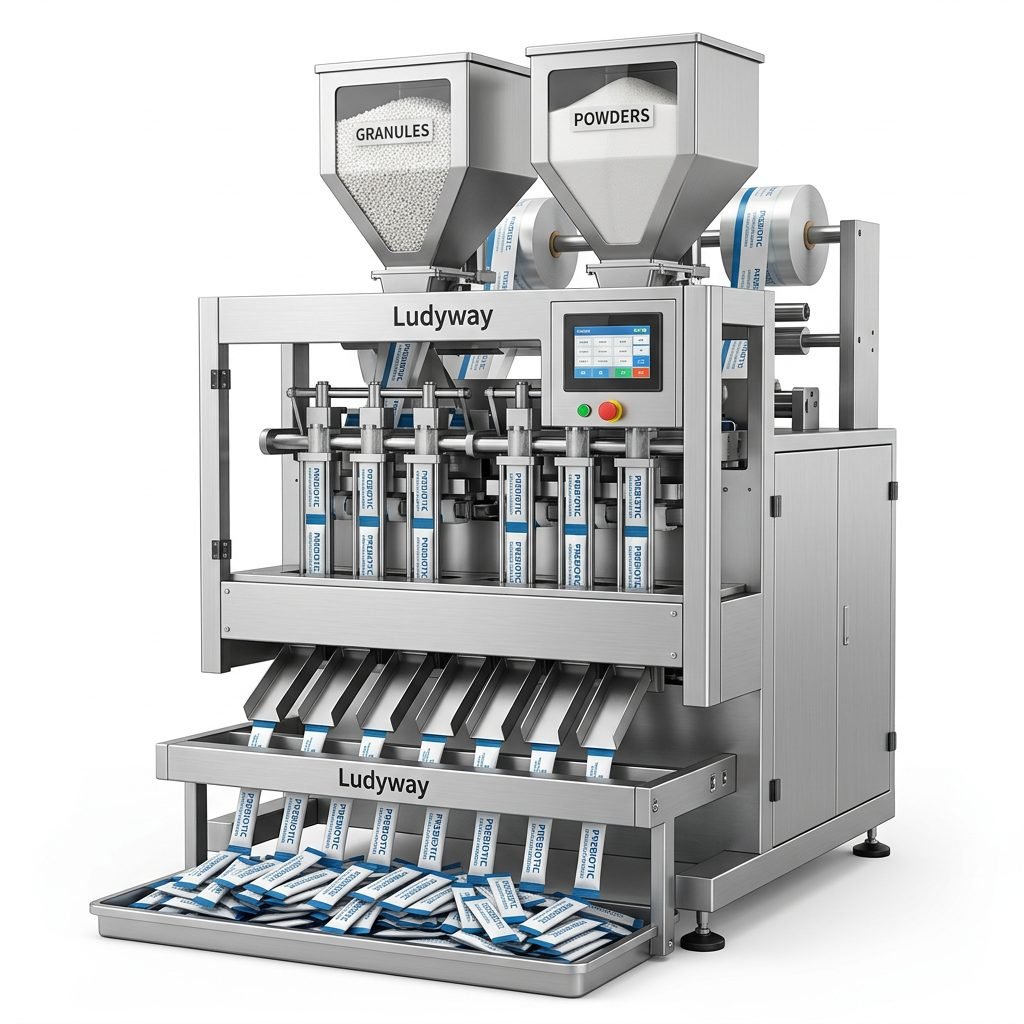
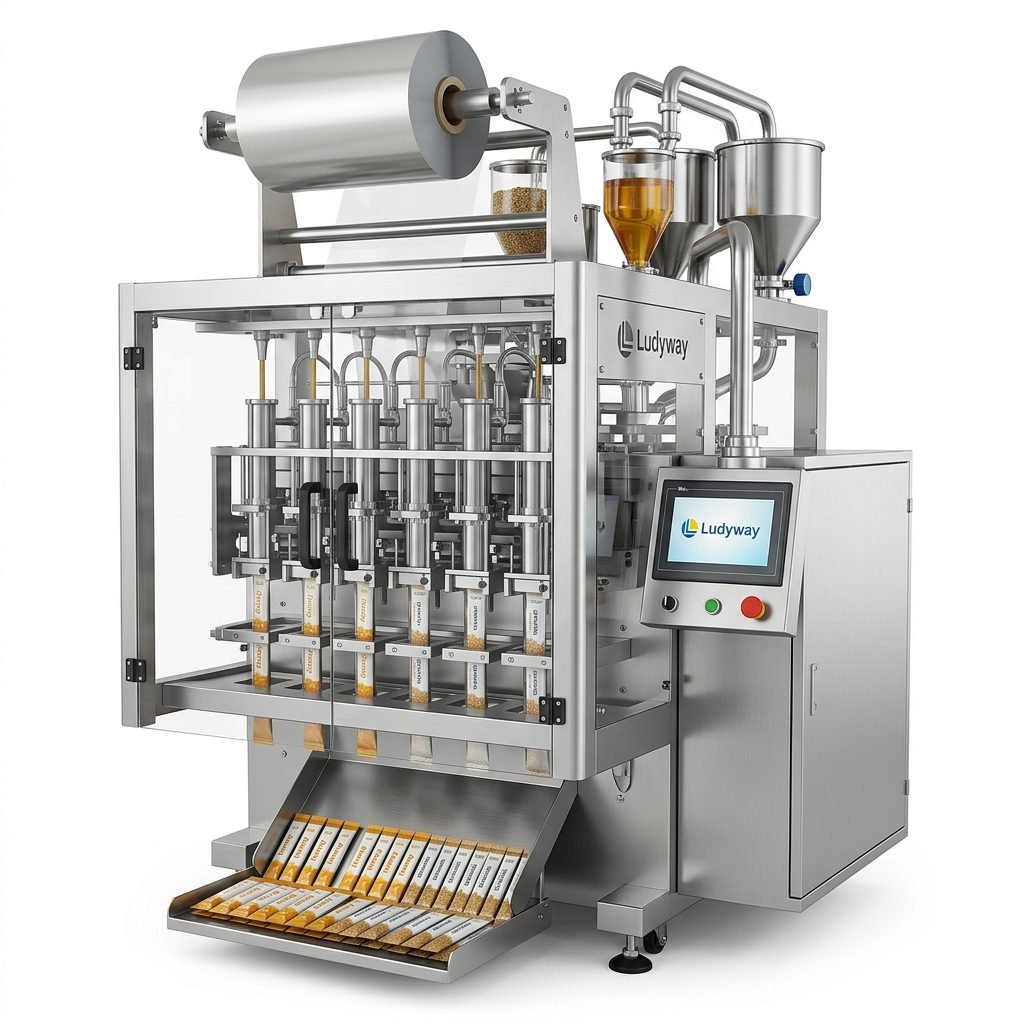
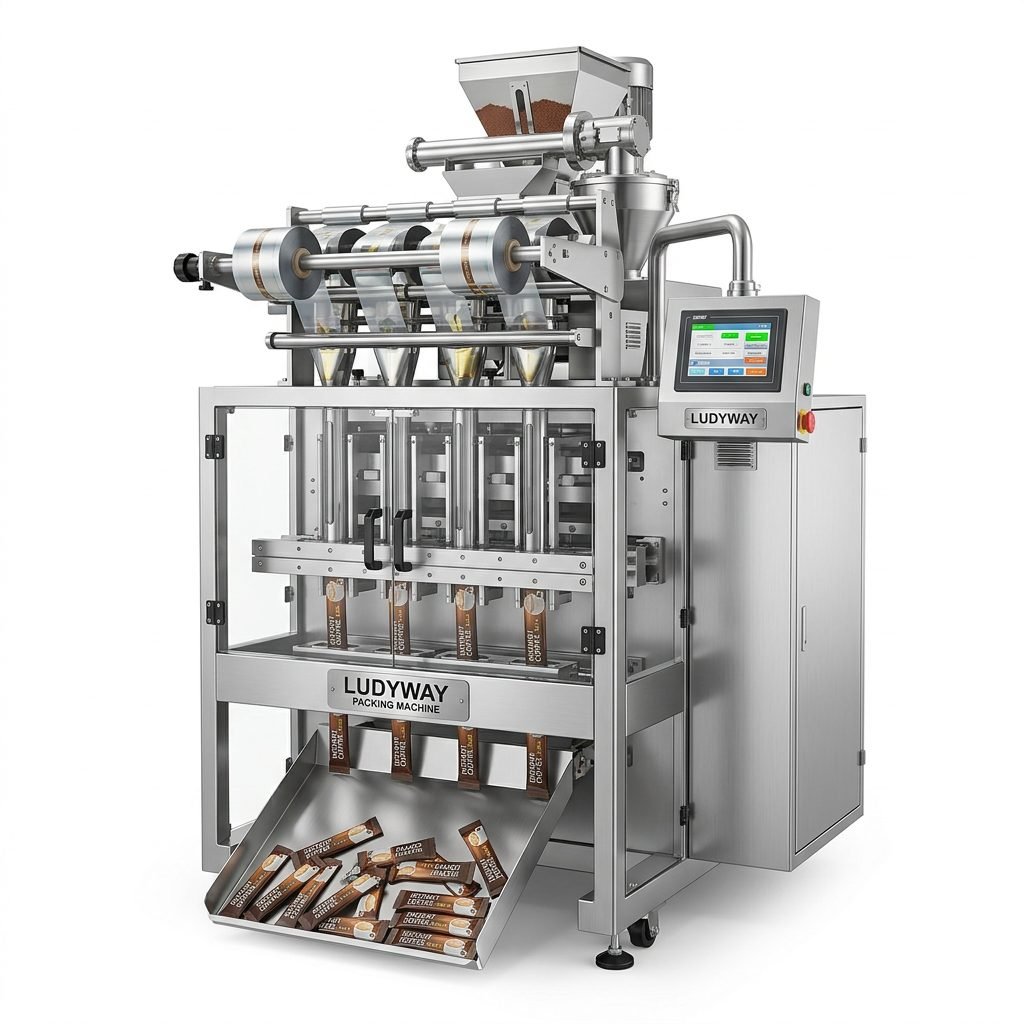
| Stick Pack Machine | Instant coffee, coffee mixes, single-serve products | Compact packs, high speed, ideal for retail and travel use |
| Sachet Packing Machine | Coffee powder and granules in flat sachets | Flexible format, strong shelf appeal, easy customization |
| Drip Coffee Packing Machine | Drip bag coffee with outer pouch | Specialized process for premium single-serve brewing |
| Premade Pouch Machine | Ground coffee, beans, premium pouches | Better bag presentation, supports zipper and stand-up formats |
Key Features to Look For
A high-quality coffee packing machine should do more than simply fill and seal. It should support product protection, stable performance, and easy operation.
1. Filling Accuracy
Coffee packaging relies heavily on consistency. Even a small variation in weight can create product giveaway or customer complaints. For coffee powder, an auger filler is often preferred. For granules, volumetric cups or weighing systems may work better.
2. Sealing Quality
Coffee is highly sensitive to moisture, oxygen, and aroma loss. The sealing system should produce clean, uniform, and durable seals. Poor sealing can quickly reduce shelf life and damage brand reputation.
3. Speed and Output Stability
High nominal speed is useful only when the machine runs stably. Evaluate real working output, not only theoretical speed. Ask the supplier for actual test data on products similar to yours.
4. Changeover Convenience
If you produce multiple SKUs, fast size changeover is important. Tool-less adjustments, recipe memory, and user-friendly HMI controls can reduce downtime significantly.
5. Dust Control and Cleanability
Coffee powder can create dust during filling. A good design should help reduce contamination in the sealing area and simplify cleaning. Stainless steel construction and accessible parts are practical advantages.
6. Integration Capability
Many coffee manufacturers eventually need complete automation, including feeding, filling, sealing, coding, checkweighing, cartoning, and case packing. Choosing a machine that can integrate into a larger line helps protect future investment.
How to Match the Machine to Your Packaging Format
Stick Packs
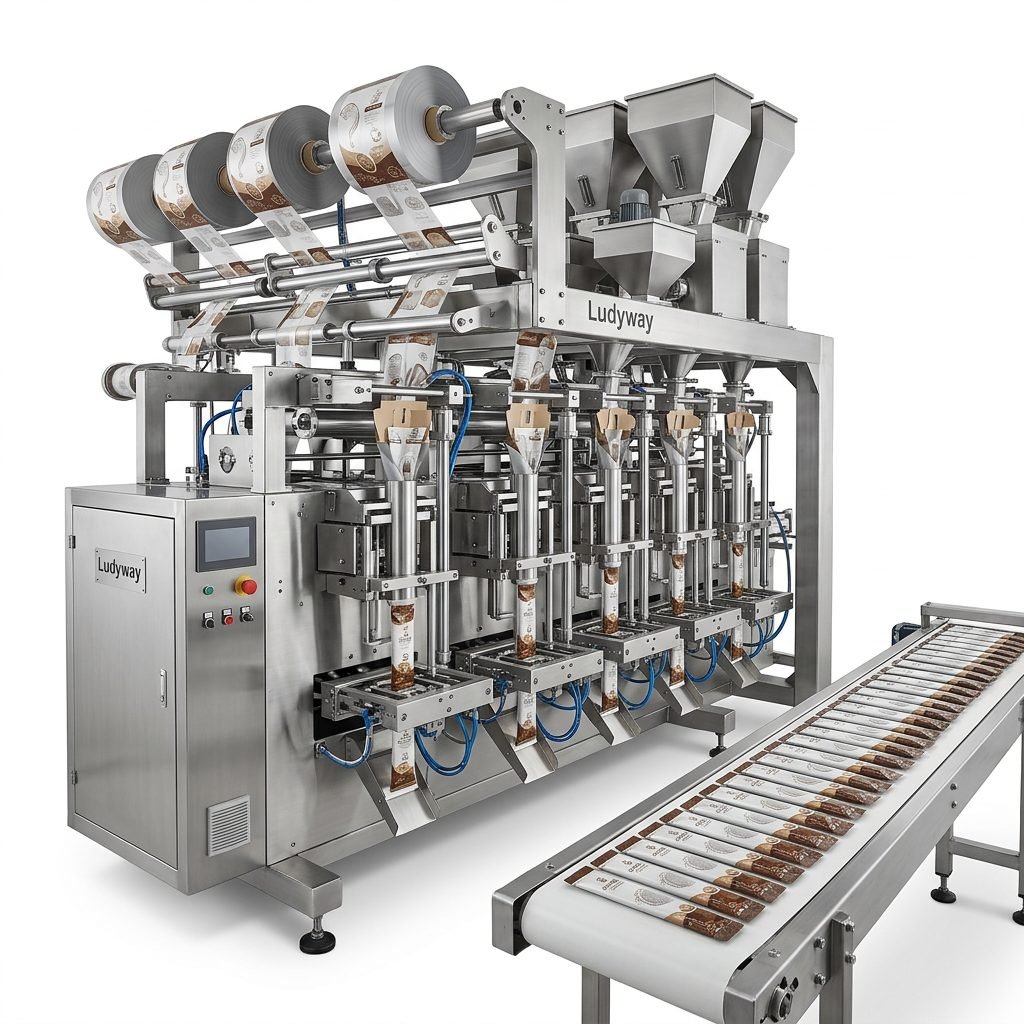
Stick packs are ideal for single-serve instant coffee, 3-in-1 coffee, and functional coffee blends. They offer strong convenience, low material consumption, and fast multi-lane production.
- Best for high-volume retail and hospitality channels
- Suitable for portable and single-dose applications
- Excellent choice for brands targeting e-commerce and travel use
Sachets
Sachets are widely used for instant coffee and powdered beverage mixes. They provide a broader front panel for branding and product information.
Pouches
For premium ground coffee or whole beans, pouches may offer a more attractive retail appearance. Stand-up pouches, zipper bags, and one-way valve packs are common in higher-end coffee markets.
Drip Coffee Bags
Drip coffee packaging machines are ideal for specialty coffee brands that want convenient brewing with a premium consumer experience. These systems are more specialized and usually require careful handling of filter media and outer envelope sealing.
Questions to Ask Before Buying
A smart buying decision depends on more than machine brochures. Ask direct technical and operational questions.
- What coffee products has the machine already run successfully?
- What filling system is recommended for my coffee type?
- What is the actual speed with my target pack size?
- What sealing performance can be achieved with my packaging film?
- How long does it take to change format or dosage?
- Are spare parts easy to source?
- What after-sales support is available remotely or on-site?
- Can the machine be expanded into a full packaging line later?
Common Mistakes Buyers Should Avoid
Many companies focus too much on initial price and too little on long-term operating value. That often leads to expensive problems later.
| Common Mistake | Possible Result |
|---|---|
| Choosing by price alone | Frequent downtime, poor sealing, low efficiency |
| Ignoring future capacity needs | Early replacement or limited business growth |
| Using the wrong filling method | Inaccurate weights and material waste |
| Not testing actual packaging film | Seal defects and unstable running |
| Overlooking service support | Long downtime and difficult maintenance |
When a Turnkey Coffee Packaging Line Makes More Sense
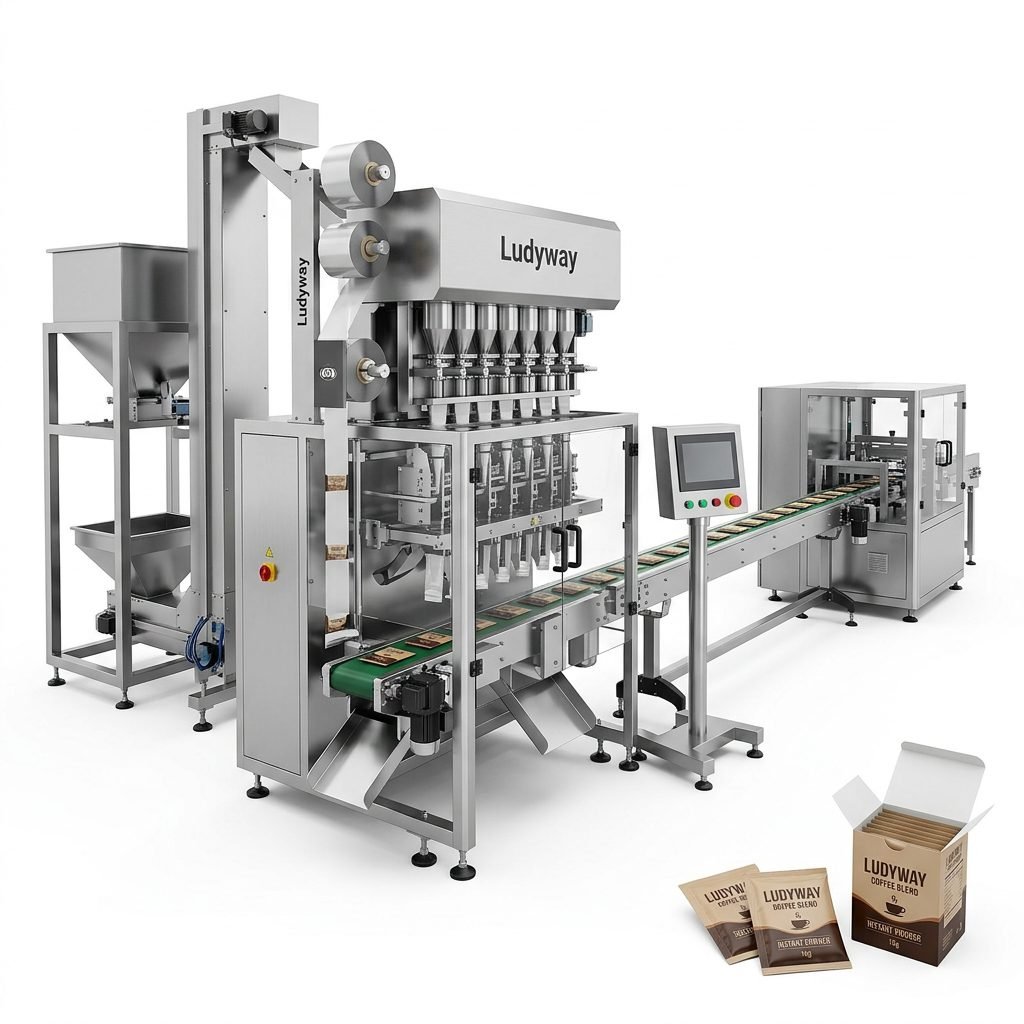
If your production volume is growing, a single machine may no longer be enough. A turnkey line can combine feeding, dosing, forming, sealing, coding, inspection, cartoning, case packing, and palletizing into one coordinated workflow.
This approach is especially valuable when you need:
- Higher overall line efficiency
- Reduced manual handling
- Better quality control between process steps
- Cleaner factory organization
- Scalable automation for future SKUs
Manufacturers looking for broader automation support often consider experienced suppliers such as Ludyway coffee packaging machine solutions, especially when the project involves both standalone equipment and complete turnkey packaging lines.
How to Evaluate Supplier Reliability
The machine matters, but the supplier matters just as much. A reliable partner should be able to support machine selection, testing, installation, training, and long-term service.
Look for These Supplier Qualities
- Proven experience in coffee or powder packaging applications
- Ability to customize based on pack style and output goals
- Clear communication on specifications and delivery scope
- Factory capability and quality inspection procedures
- Export experience in your target market
- Available documentation, manuals, and technical support
Final Selection Checklist
Before confirming your order, review this shortlist:
- Product match: powder, granule, drip, or blend
- Pack format: stick pack, sachet, pouch, or drip coffee bag
- Required speed: actual production demand, not just brochure figures
- Accuracy: acceptable fill tolerance and repeatability
- Seal quality: suitable for freshness protection
- Expandability: future integration with a full line
- Support: installation, training, spare parts, and service
Conclusion
The best automatic coffee packaging solution is the one that fits your coffee product, packaging style, output target, and business growth plan. Instead of choosing only by price or speed, focus on filling precision, sealing performance, machine stability, flexibility, and supplier capability.
With the right equipment, coffee manufacturers can improve consistency, protect product freshness, reduce labor dependence, and build a more competitive packaging operation for the long term.