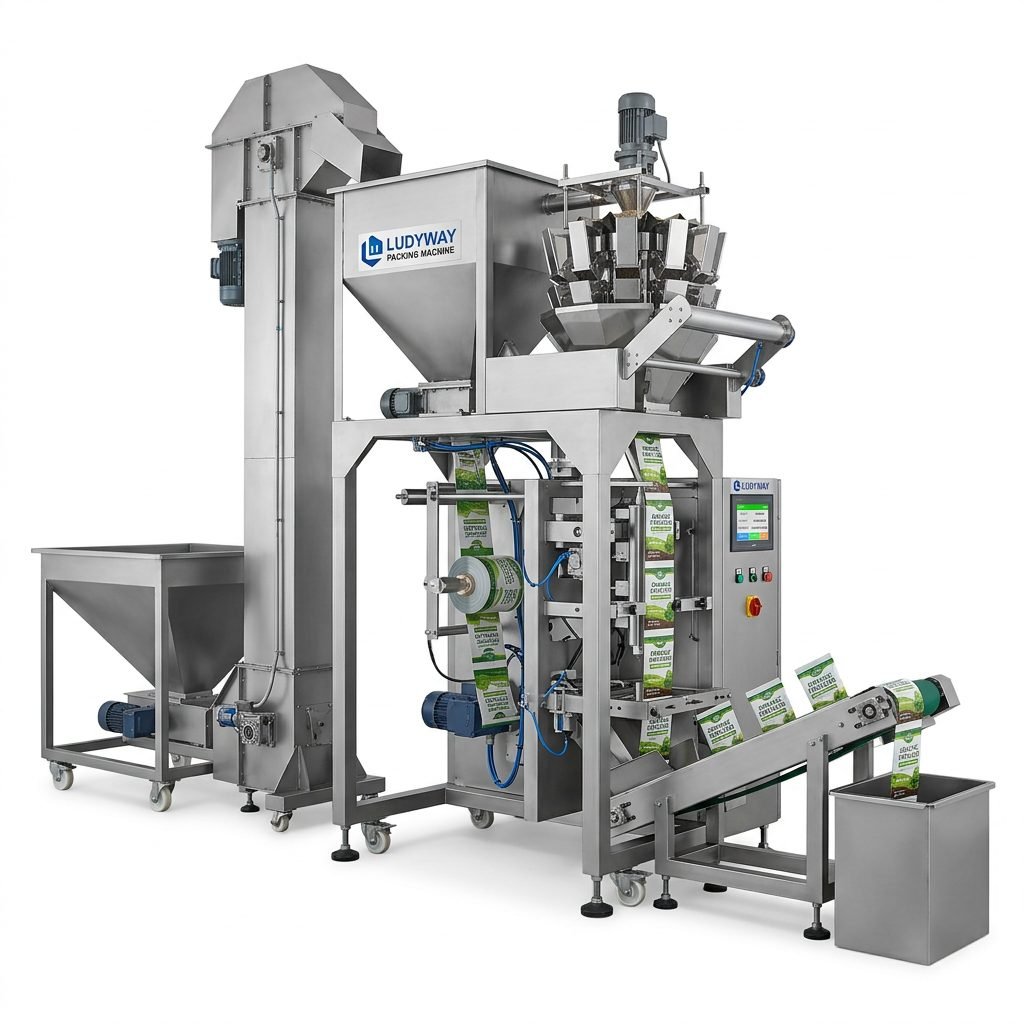
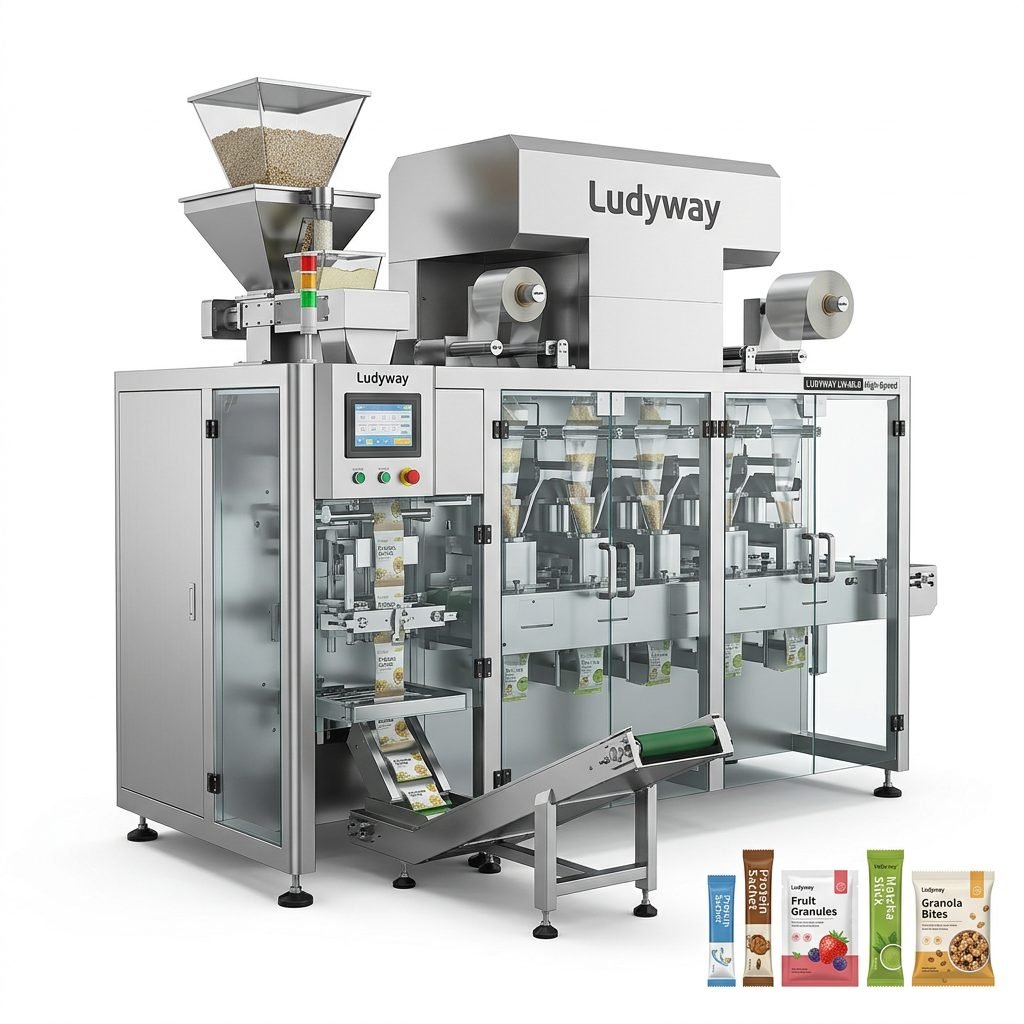
Vacuum packing machines are used across food, pharmaceutical, health supplement, and industrial sectors to extend shelf life, improve product protection, and support cleaner, more professional packaging. But one of the first questions buyers ask is simple: how much does a vacuum packing machine cost?
The answer depends on machine type, chamber size, automation level, production speed, sealing quality, material compatibility, and whether you need a standalone machine or a complete packaging line. This guide explains the most important price factors and helps you choose the best machine for your budget and production goals.

What Is the Typical Vacuum Packing Machine Price Range?
Vacuum packing machine prices can vary widely. Small tabletop models for light-duty use are much more affordable than high-speed industrial systems integrated with conveyors, feeders, gas flushing, coding, inspection, and cartoning equipment.
| Machine Type | Typical Price Range | Best For |
|---|---|---|
| Tabletop chamber vacuum sealer | US$500–US$3,000 | Small shops, labs, startups |
| Single-chamber floor model | US$3,000–US$8,000 | Medium-volume food processing |
| Double-chamber vacuum machine | US$8,000–US$20,000 | Higher output operations |
| Thermoforming vacuum packaging machine | US$25,000–US$120,000+ | Large-scale automated production |
| Tray sealer with vacuum and MAP | US$15,000–US$80,000+ | Fresh food, meat, ready meals |
| Customized vacuum packaging line | US$50,000–US$300,000+ | Factories needing turnkey automation |
Important: these ranges are general market references. Final pricing depends on specifications, material type, voltage, compliance standards, and customization requirements.
What Factors Affect Vacuum Packing Machine Cost?
When comparing quotations, do not focus on price alone. Two machines may look similar but have major differences in build quality, vacuum pump performance, sealing stability, control systems, and service support.
1. Machine Type and Structure
- External vacuum sealers are usually lower cost but more limited in bag compatibility and sealing consistency.
- Chamber vacuum machines offer better vacuum performance and wider application.
- Double-chamber machines improve throughput because one chamber can load while the other seals.
- Thermoforming systems are the most expensive because they form, fill, vacuum, seal, and cut in one automated process.
2. Chamber Size and Seal Bar Length
Larger chambers and longer seal bars increase equipment cost because they allow bigger products or multiple bags per cycle. If you package meat, seafood, frozen food, medical products, or bulk items, capacity requirements will have a direct effect on machine price.
3. Vacuum Pump Quality
The pump is one of the most important components. Higher-grade pumps cost more, but they also deliver:
- faster cycle times,
- deeper and more stable vacuum levels,
- longer service life,
- lower maintenance risk.
4. Automation Level
Semi-automatic models are more affordable. Fully automatic lines with bag loading, product feeding, vacuum control, coding, metal detection, checkweighing, labeling, and cartoning require a much higher investment but significantly reduce labor cost over time.
5. Product Type
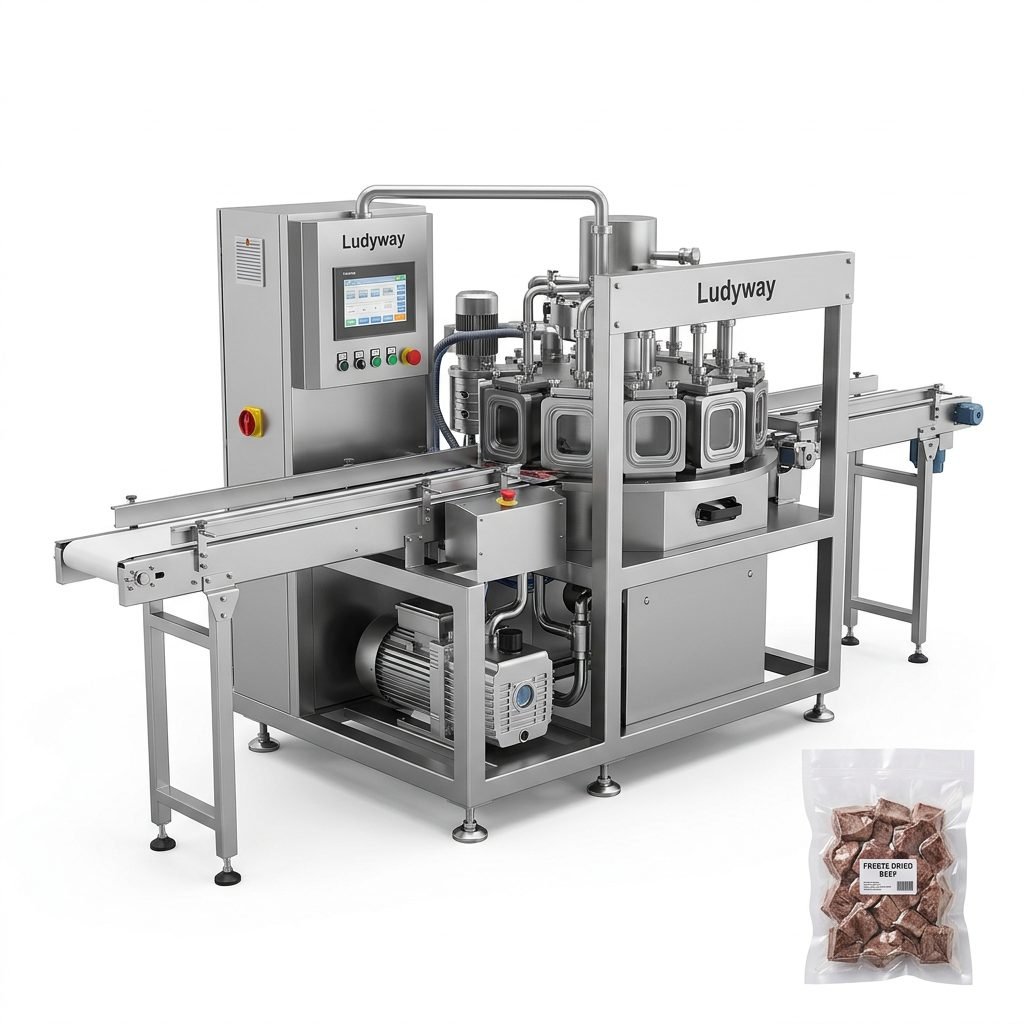
Different products need different packaging technology. Dry snacks, fresh meat, sauces, freeze-dried food, tablets, powders, and medical items do not use the same vacuum packaging setup. Customized contact parts, hygienic design, anti-corrosion materials, or pharmaceutical-grade construction can raise price.
6. Optional Functions
Optional features often make a big difference in total price:
- gas flushing / MAP,
- soft-air release for fragile products,
- liquid control programs,
- date coding,
- stainless steel 304 or 316 construction,
- washdown design,
- HMI touchscreen and PLC controls,
- remote diagnostics.
How to Choose the Best Vacuum Packing Machine for Your Needs
The best machine is not always the cheapest or the most advanced. It is the one that matches your product, output target, plant layout, and future expansion plan.
Define Your Product First
Start with the product details:
- Is it solid, powder, liquid, or fragile?
- Does it require a high vacuum level?
- Will the bag contain sharp edges or oily surfaces?
- Do you need shelf-life extension, oxidation protection, or moisture resistance?
For example, fresh meat and seafood often need stronger vacuum performance and hygienic construction, while freeze-dried products may need gentle handling to avoid crushing.
Estimate Your Required Output
If your output is low, a tabletop or single-chamber model may be enough. If you need continuous daily production, it is often more cost-effective to invest in a double-chamber or automated system from the beginning.
| Production Level | Suggested Machine | Why |
|---|---|---|
| Low volume | Tabletop chamber machine | Low investment, easy operation |
| Medium volume | Single or double chamber floor model | Better efficiency and stability |
| High volume | Automatic thermoforming or integrated line | Reduced labor, higher throughput |
Consider Packaging Materials
Your machine must match your packaging film or bag structure. Thickness, barrier performance, heat sealability, and pouch design all affect sealing quality. Buying a low-cost machine that struggles with your actual material can create waste, leakage, and downtime.
Check Maintenance and Spare Parts
A lower purchase price can become expensive if spare parts are hard to source or service support is slow. Always ask about:
- wear parts list,
- delivery time for spare parts,
- training support,
- warranty terms,
- remote or on-site technical service.
Should You Buy a Standard Machine or a Customized Solution?
A standard machine is usually faster to deliver and more budget-friendly. A customized solution makes more sense when you have special bag sizes, unusual products, strict hygiene rules, or need to connect the vacuum machine to upstream and downstream equipment.
If your facility handles multiple SKUs or expects future growth, customization may provide a better long-term return even if the upfront price is higher.
Hidden Costs Buyers Often Overlook
When requesting a quotation, remember that machine price is only part of the total investment. You should also check:
- shipping and insurance,
- import duties and taxes,
- installation and commissioning,
- operator training,
- air compressor or utilities requirements,
- replacement parts and consumables,
- production downtime risk.
Tip: ask suppliers for the total cost of ownership, not just the machine price.
Best Questions to Ask Before Requesting a Quote
- What products will I pack?
- What is my target bag size and package weight?
- How many packs per minute or per hour do I need?
- Do I need vacuum only, or vacuum plus gas flushing?
- Will this machine run one product or multiple SKUs?
- What power supply and plant conditions do I have?
- Do I need standalone equipment or a full automated line?
Who Should Invest in a Higher-End Vacuum Packing Machine?
A premium machine is usually the better choice if your business depends on consistent output, product safety, and long production hours. This is especially true for:
- food manufacturers with strict shelf-life requirements,
- pharmaceutical and medical product packers,
- export-oriented factories,
- brands with large SKU volumes,
- plants planning to automate more of the line.
In these cases, better sealing consistency, easier cleaning, stronger controls, and reliable support can save far more money than the initial price difference.
Finding a Reliable Vacuum Packaging Equipment Supplier
Choosing the right supplier is as important as choosing the right machine. Look for a manufacturer with real production capacity, engineering experience, export background, and application knowledge across multiple industries.
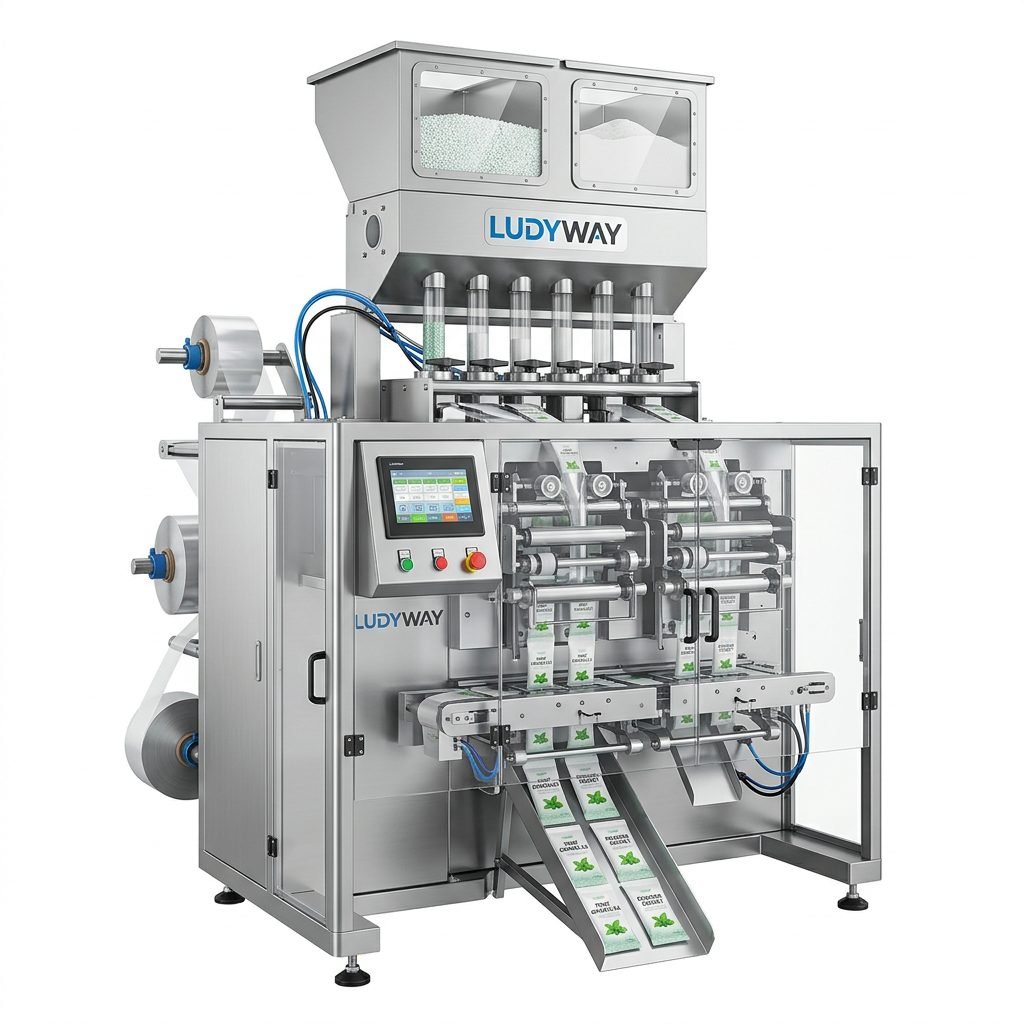
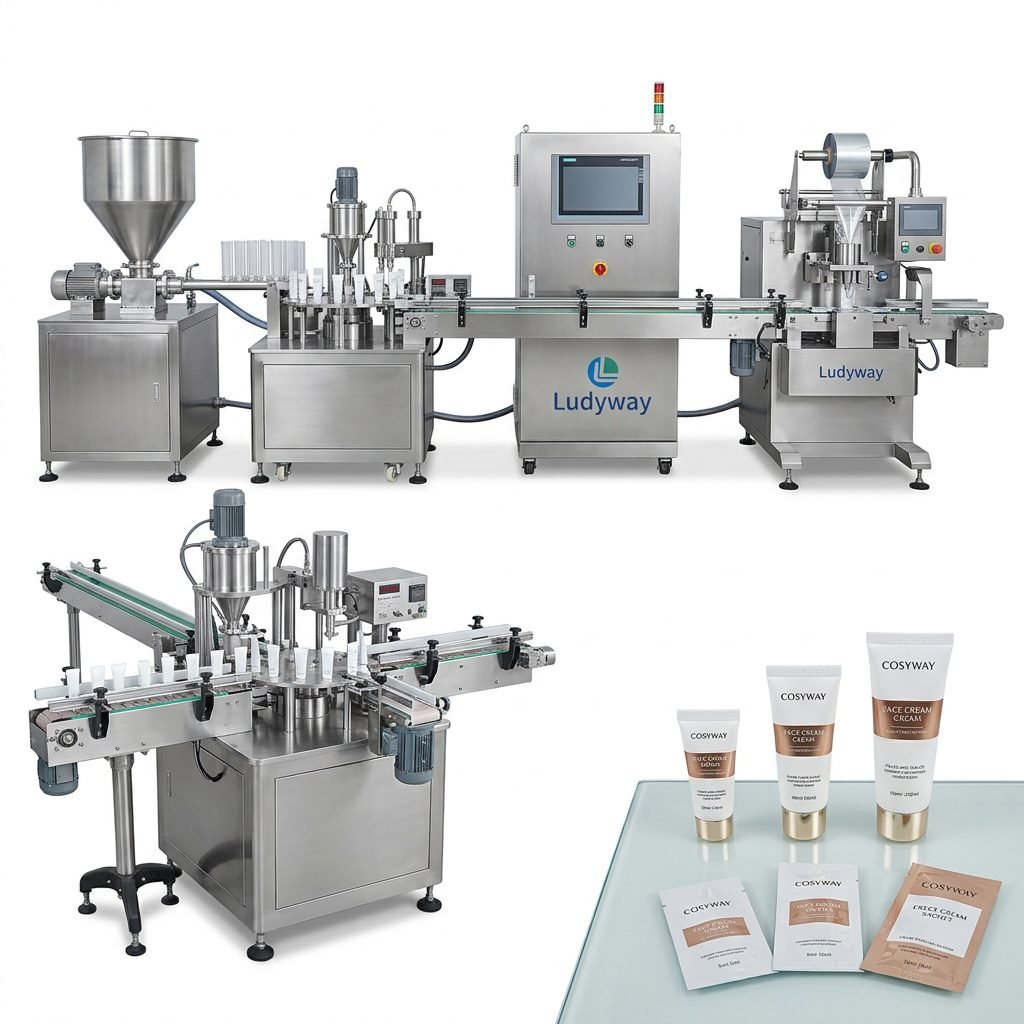
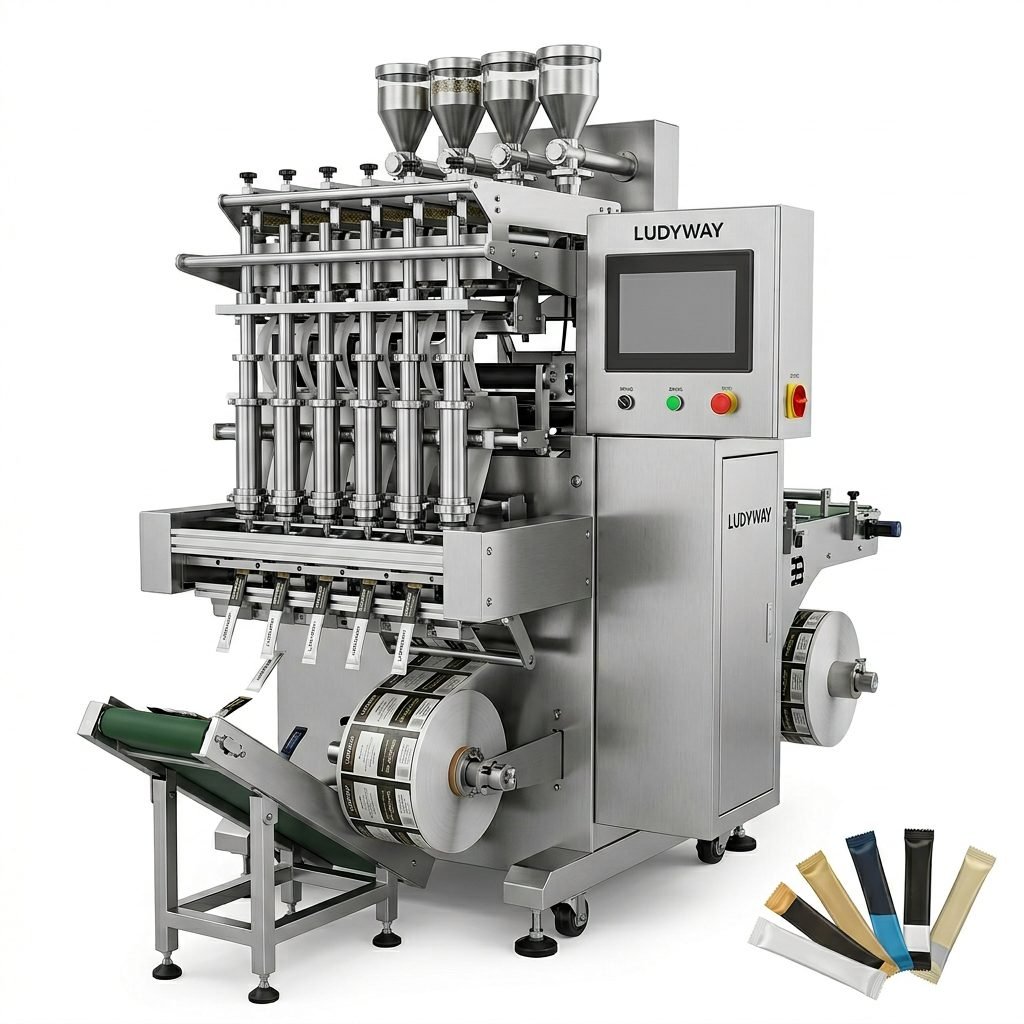
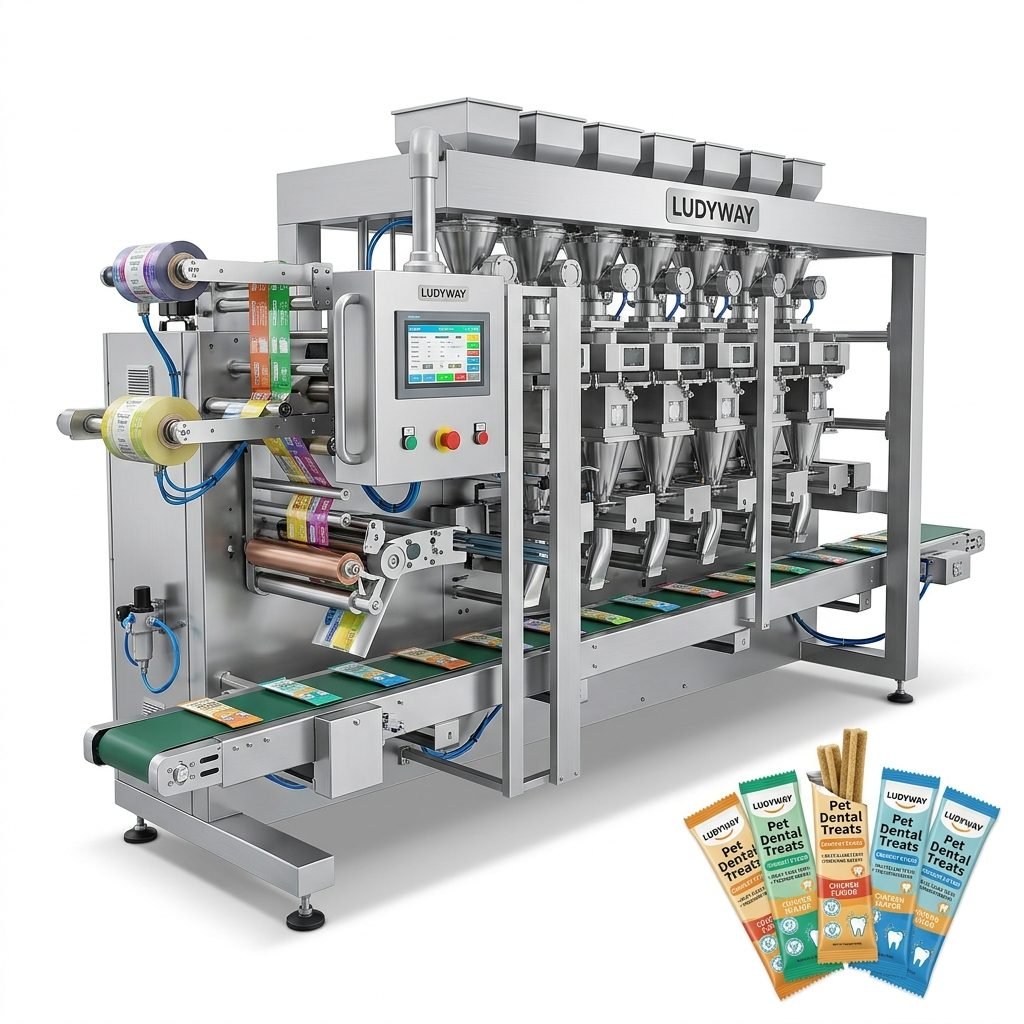
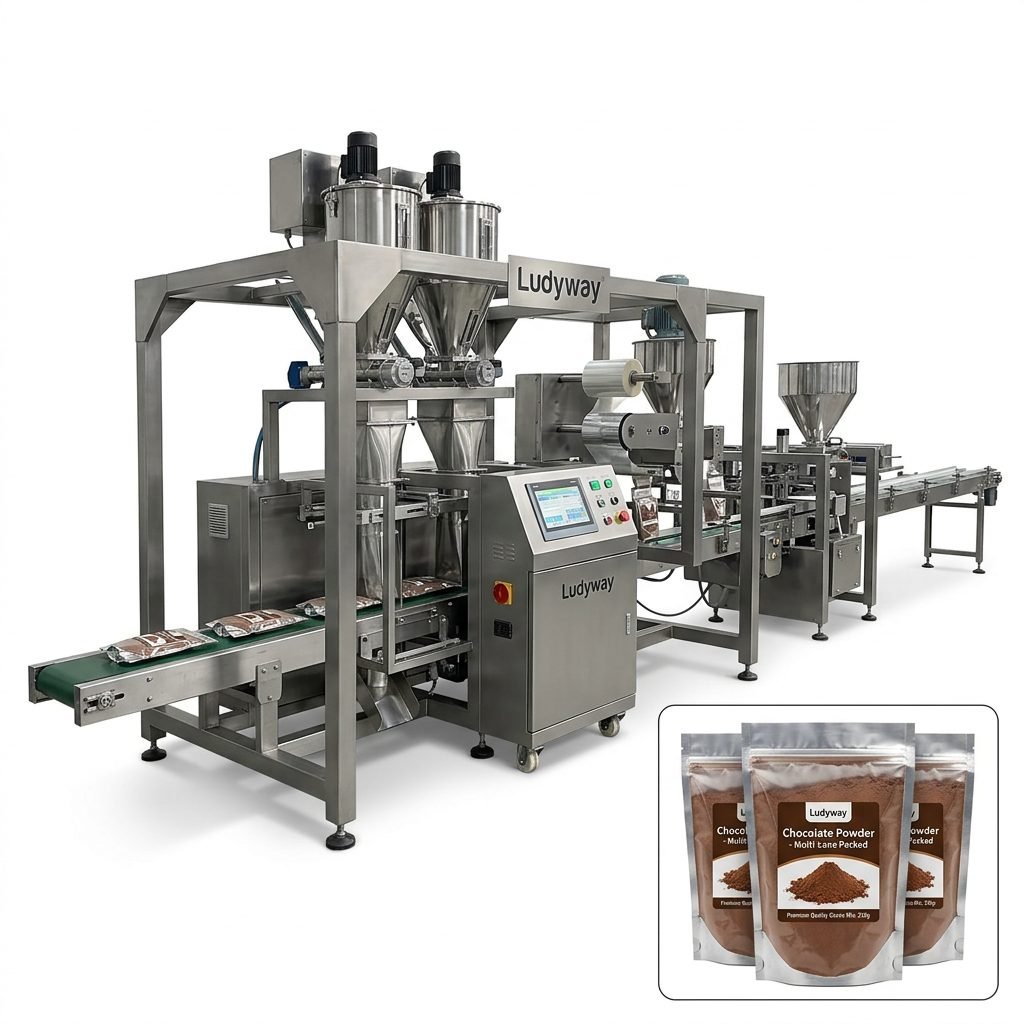
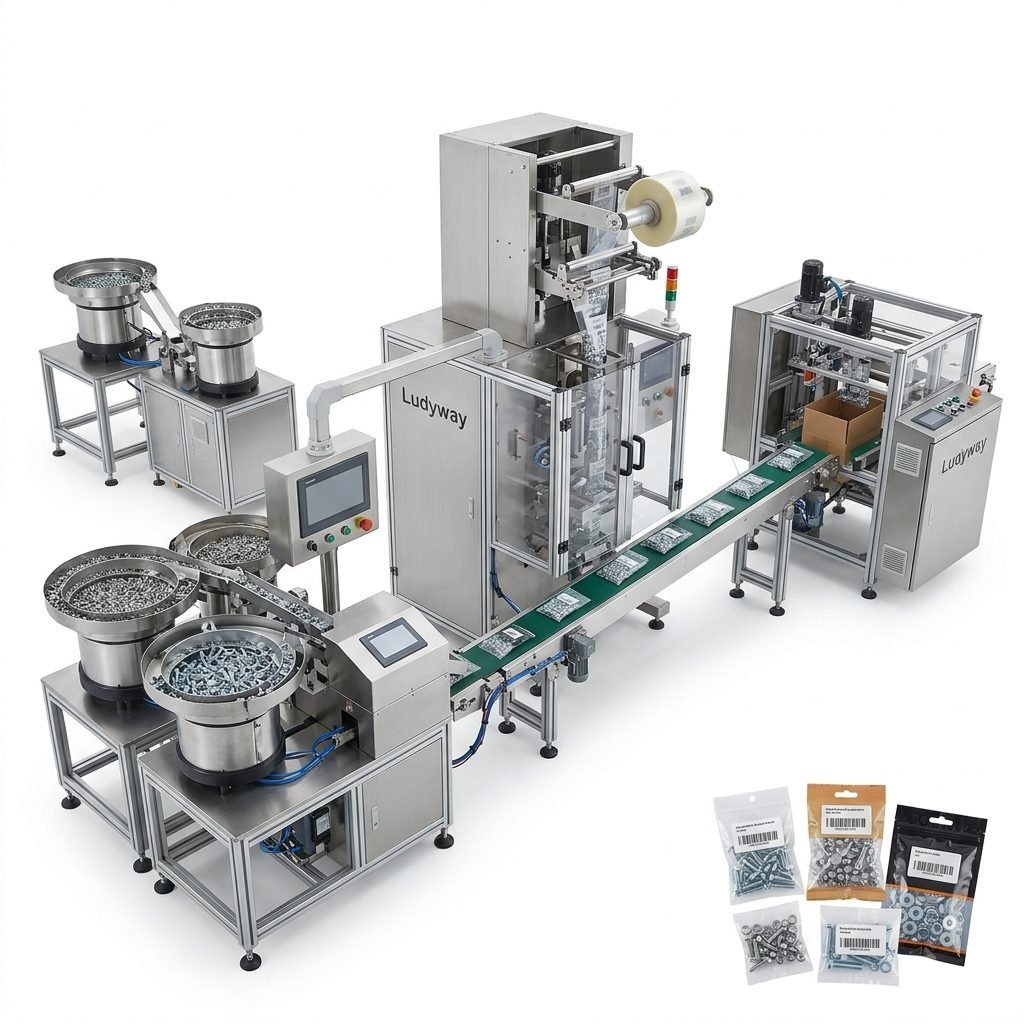
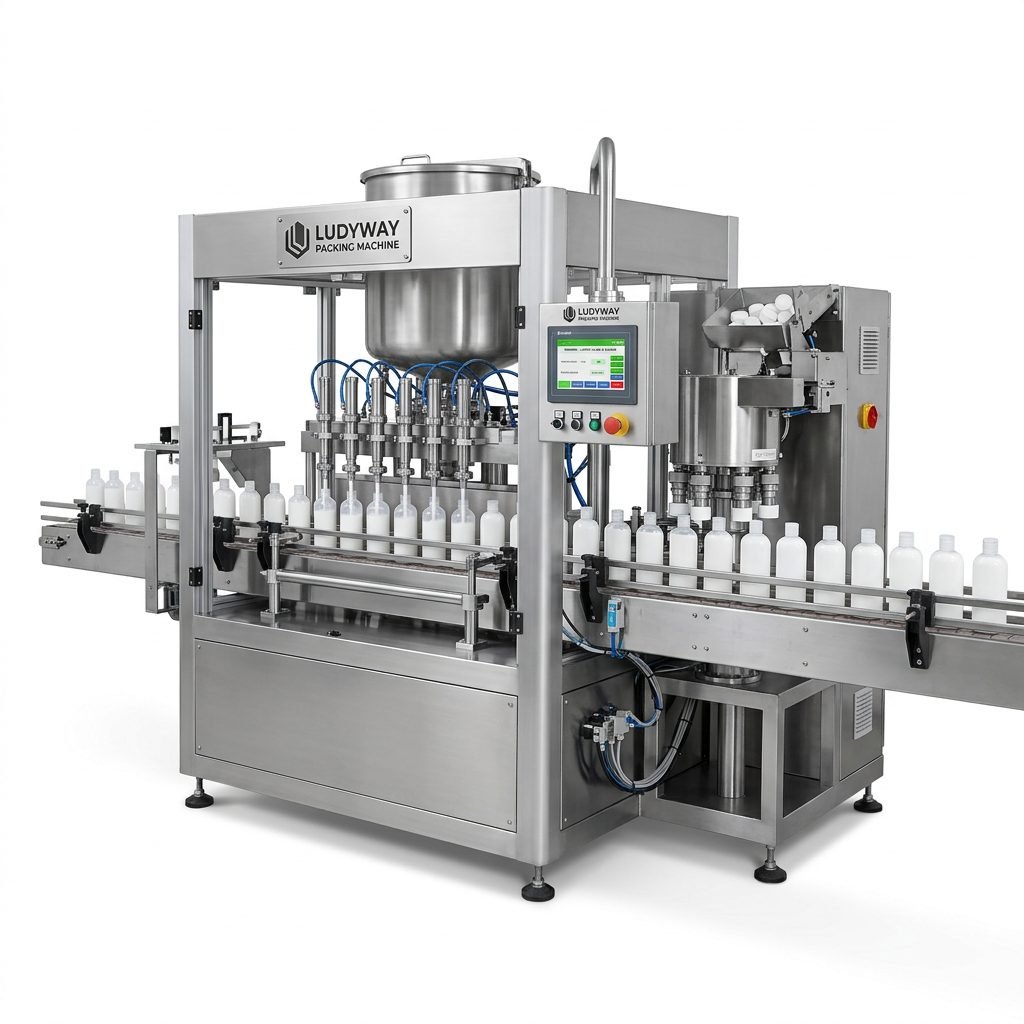
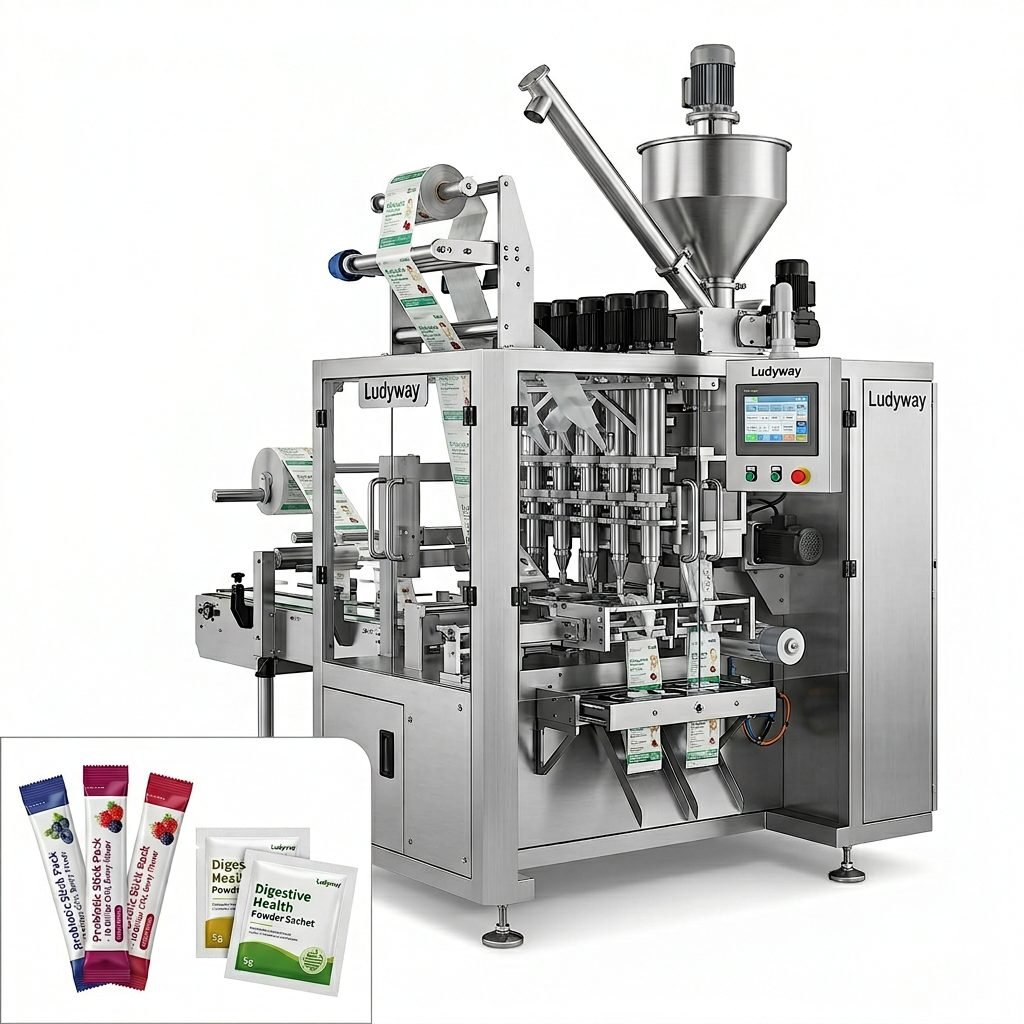
For buyers looking for scalable packaging automation, Ludyway packaging machine solutions can be a practical option. The company has more than 30 years of industry experience, a factory of over 20,000 square meters, and supplies both standalone equipment and turnkey packaging lines for food, pharmaceutical, health supplement, and related sectors.
Final Buying Advice
The right vacuum packing machine should fit your current production while leaving room for growth. Instead of choosing based only on the lowest quotation, compare machines on performance, durability, service, automation potential, and packaging quality.
If you prepare clear product details and production targets before contacting suppliers, you will receive more accurate recommendations and avoid paying for features you do not need. A smart purchase is one that improves efficiency, protects your product, and delivers stable long-term value.