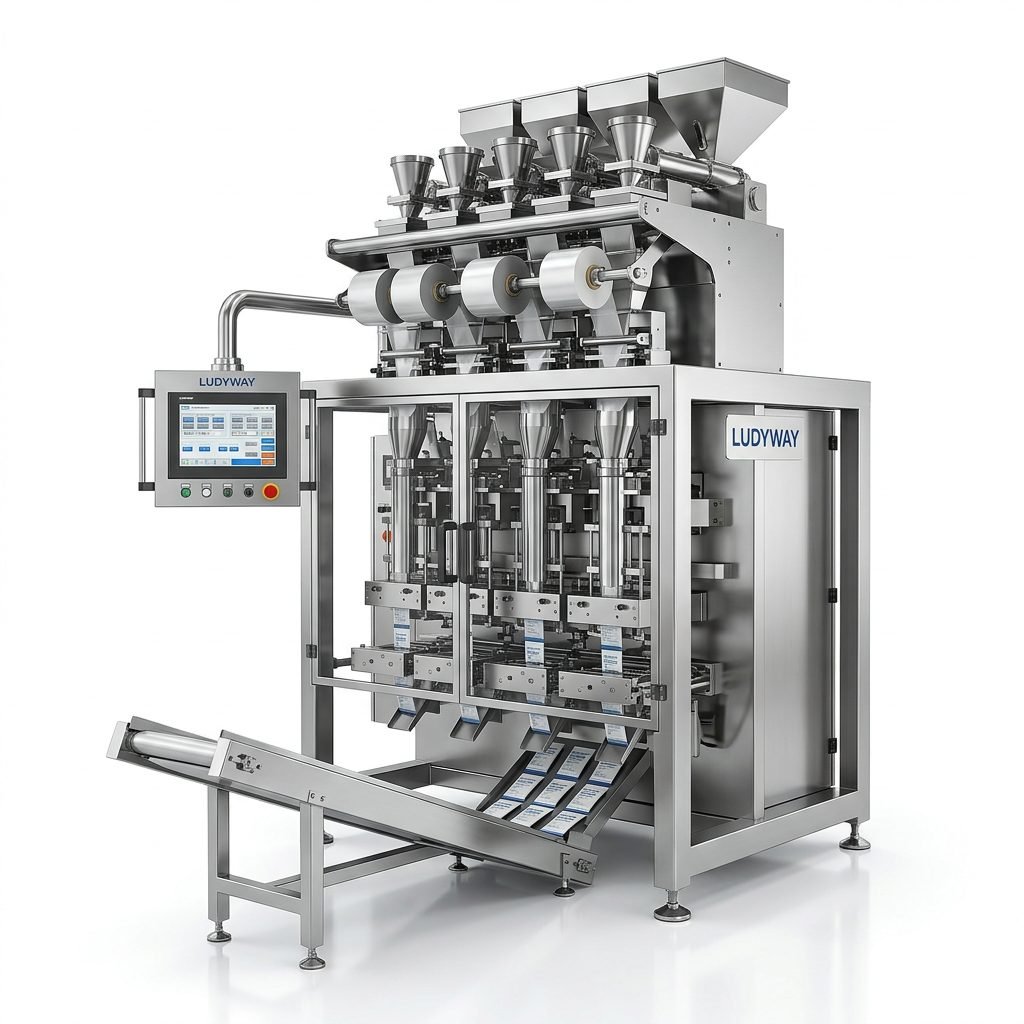
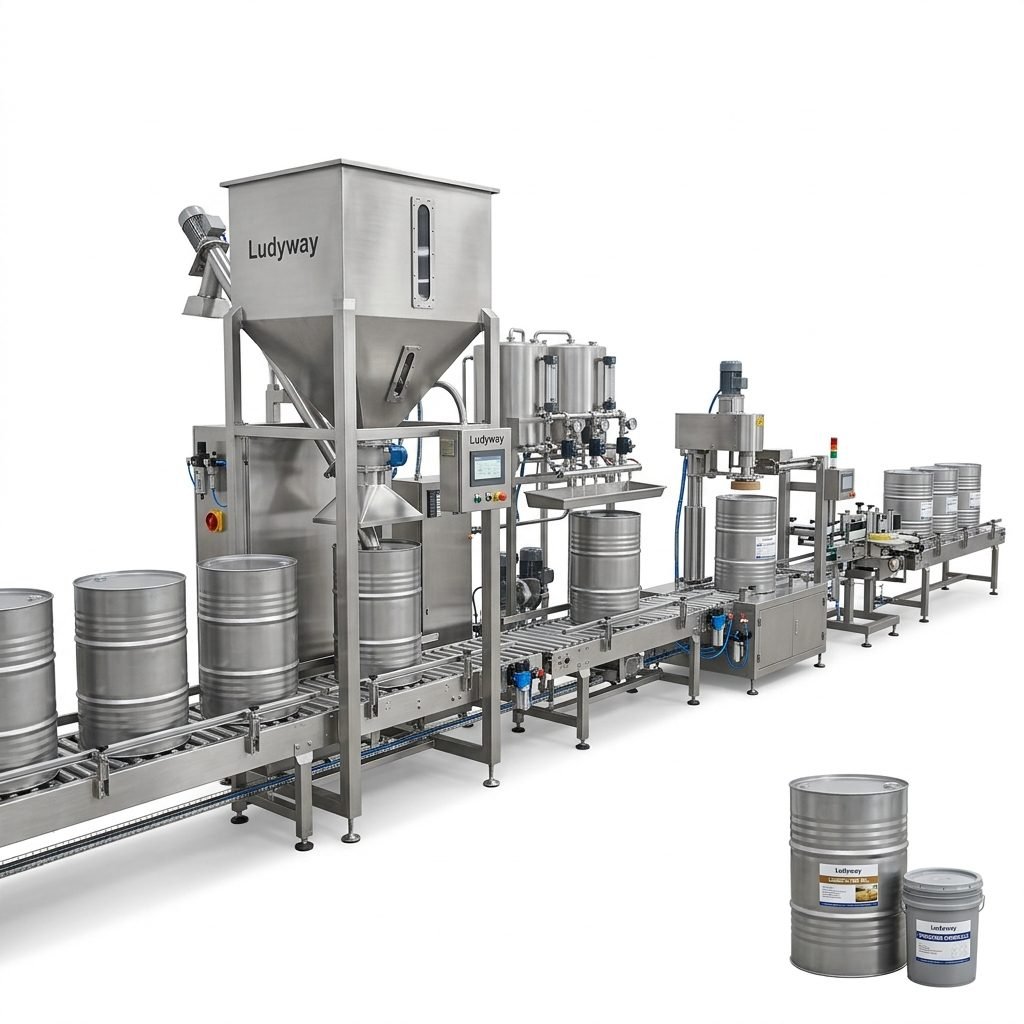
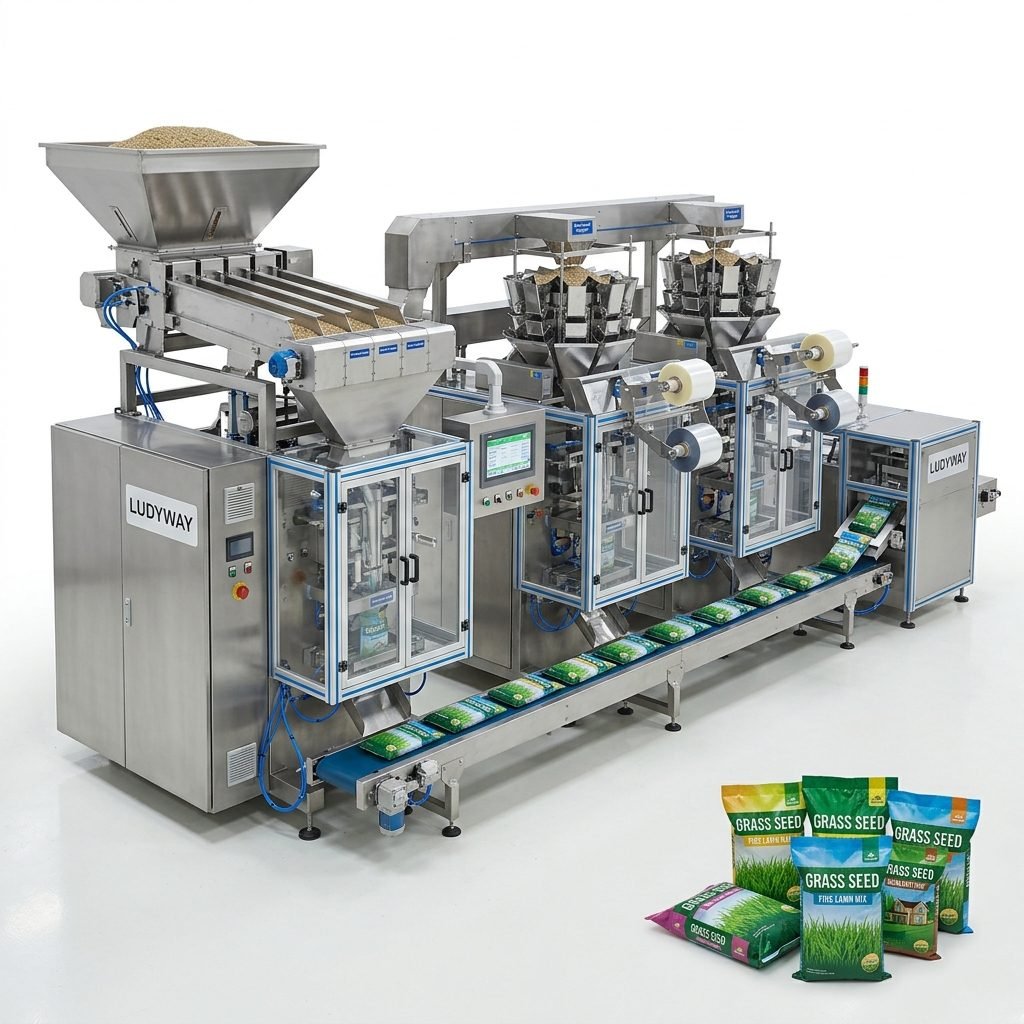
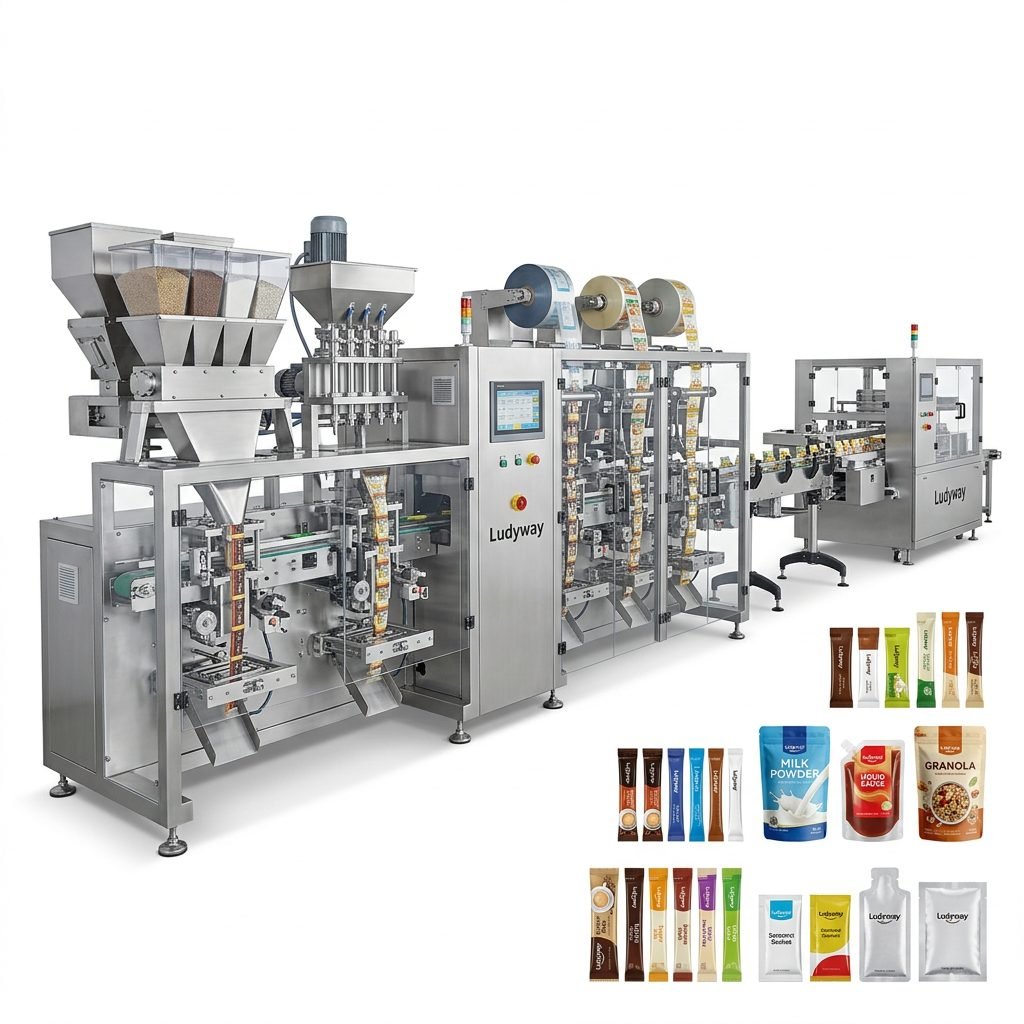
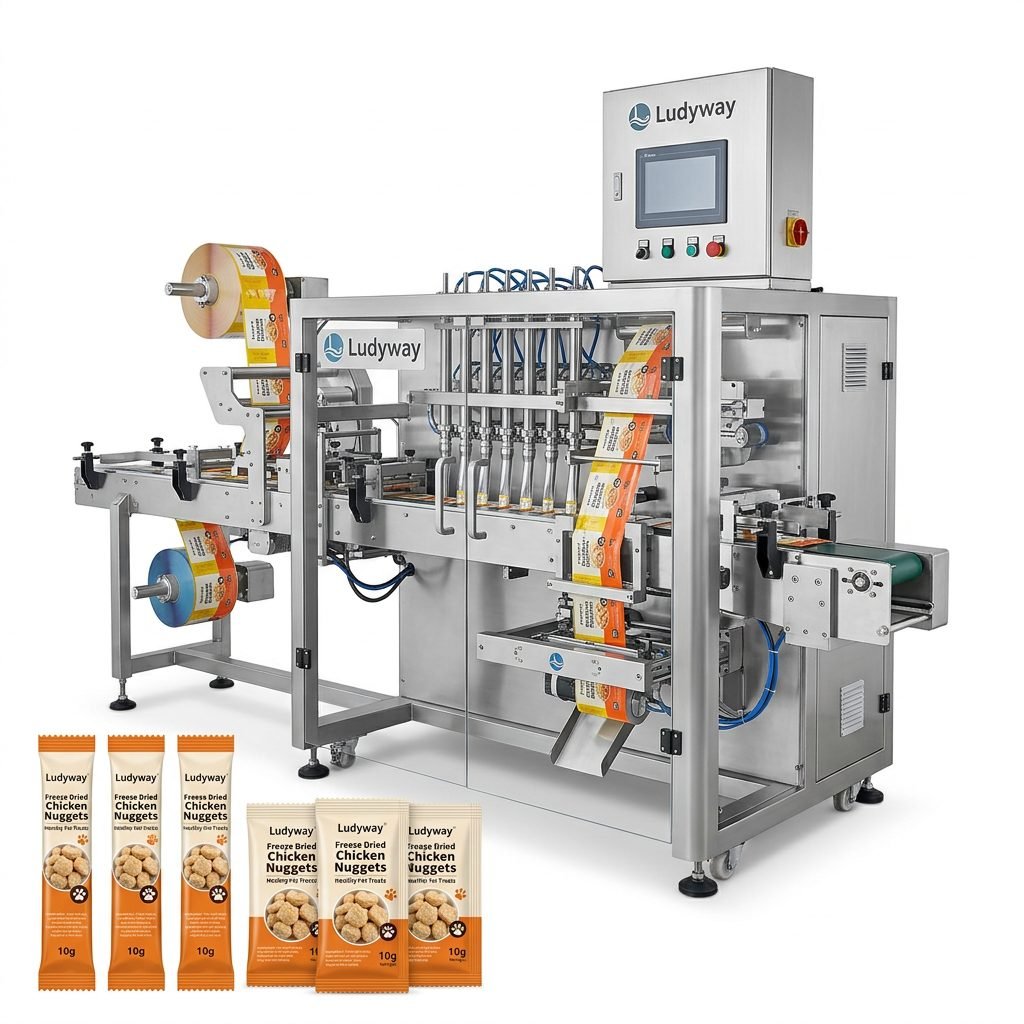
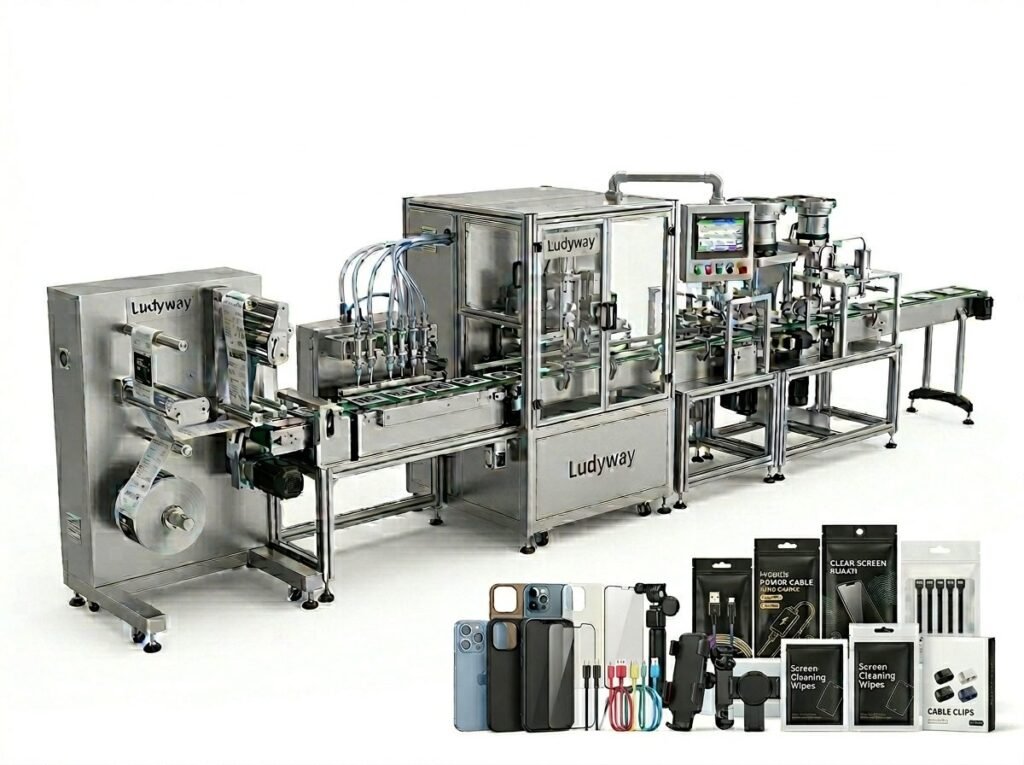
A packing bubble machine is designed to produce air-filled cushion material on demand for product protection during shipping, storage, and e-commerce fulfillment. Instead of storing bulky pre-made bubble rolls, businesses can create protective packaging only when needed, helping improve efficiency, reduce storage pressure, and support a cleaner packing workflow.
For warehouses, online sellers, 3PL providers, and manufacturers, choosing the right machine can make a noticeable difference in packing speed, material usage, and shipping damage control.
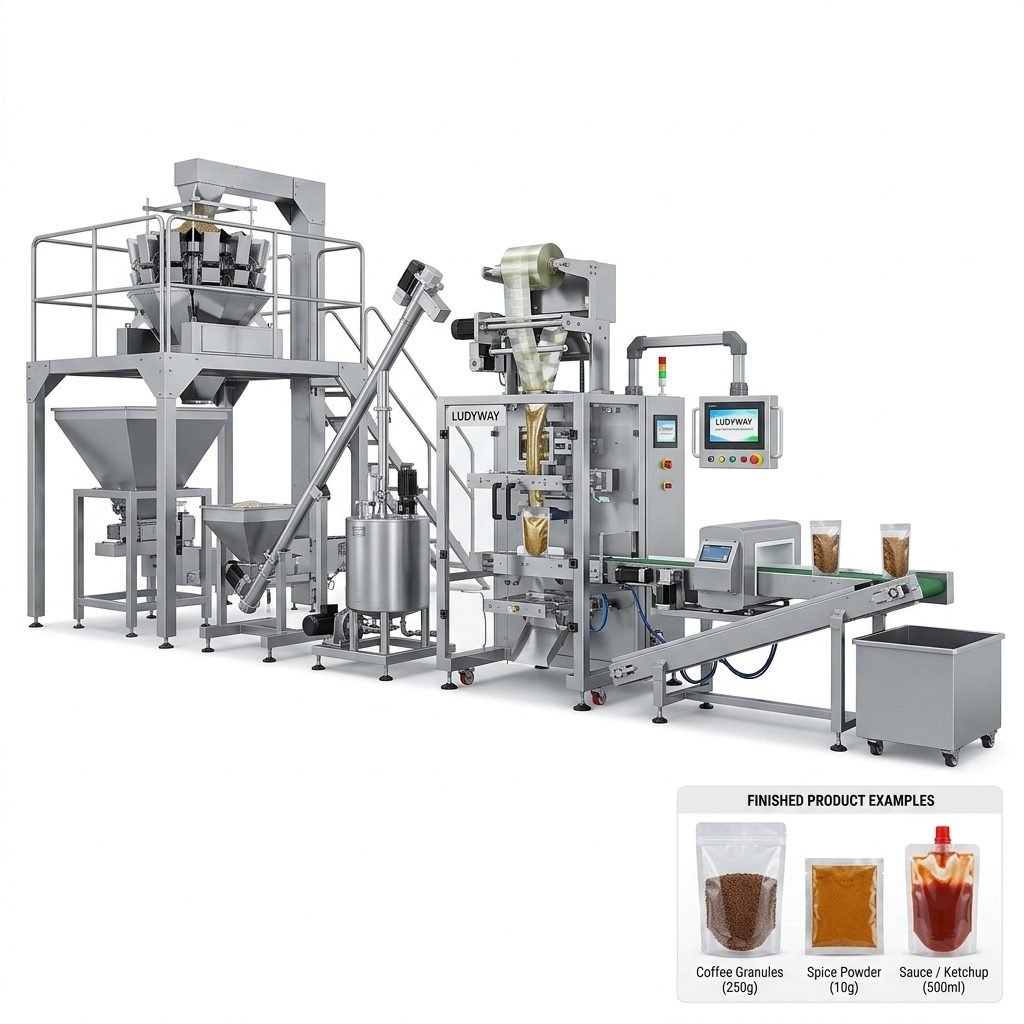
What Is a Packing Bubble Machine?
A packing bubble machine is an automated device that inflates flat film into protective air cushions, bubble wraps, or pillow-style packaging materials. These materials are then used to fill voids, wrap fragile products, and reduce impact during transport.
The machine usually works with roll film and uses controlled air pressure plus heat sealing to create uniform protective bubbles. Depending on the model, it may produce:
- Air pillows for void fill
- Bubble cushioning for fragile items
- Tubular air packaging
- Small or large cell protective film
- Custom-length inflatable packaging material
How a Packing Bubble Machine Works
The working principle is simple, but modern machines are optimized for stability and repeatability. Most systems follow these steps:
- Film feeding: A flat roll of special inflatable film is loaded into the machine.
- Air filling: The machine injects air into designated chambers or channels of the film.
- Heat sealing: Heated sealing components close the air chambers securely.
- Forming: The inflated material takes shape as bubble wrap or air pillows.
- Cutting or output: The finished cushioning material is dispensed continuously or in set lengths for immediate use.
More advanced models include digital controls for air volume, sealing temperature, speed, and film compatibility. This allows users to adapt the machine for different packaging materials and product protection needs.
Key Components
- Film roll holder
- Air pump or blower system
- Heating and sealing unit
- Control panel
- Motor-driven feed mechanism
- Sensor and temperature control system
Main Benefits of Using a Packing Bubble Machine
Businesses move to on-demand protective packaging because it offers both operational and cost advantages.
| Benefit | Why It Matters |
|---|---|
| Space Saving | Flat film rolls take far less storage space than pre-inflated bubble packaging. |
| Lower Packaging Costs | On-demand inflation helps reduce material waste and logistics costs. |
| Faster Packing | Operators can produce cushioning right at the packing station. |
| Better Product Protection | Consistent air-filled packaging helps absorb shock and vibration. |
| Improved Workflow | Less clutter and more organized packing operations improve labor efficiency. |
| Scalability | Suitable for small fulfillment rooms as well as large distribution centers. |
Who Should Use a Packing Bubble Machine?
This type of packaging equipment is widely used across many industries. It is especially valuable for businesses shipping fragile, lightweight, or high-value products.
- E-commerce sellers
- 3PL and fulfillment centers
- Electronics suppliers
- Cosmetics and personal care brands
- Pharmaceutical and healthcare packaging operations
- Glassware and ceramic product distributors
- Industrial spare parts suppliers
- Gift, craft, and boutique packaging businesses
Types of Packing Bubble Machines
Not all machines are the same. Your best choice depends on production volume, packaging style, and integration needs.
1. Desktop Packing Bubble Machines
Compact and easy to use, these are suitable for small businesses, online stores, and offices with moderate shipping demand.
2. Industrial Packing Bubble Machines
Built for higher speed and longer continuous operation, industrial units are ideal for warehouses and large packing stations.
3. Multi-Function Air Cushion Machines
These machines can produce several material styles from different films, including air pillows, bubble wraps, and tube cushions.
4. Integrated Packaging Line Systems
For advanced users, the machine can be integrated into a wider automated line with conveyors, filling systems, bagging systems, coding, or cartoning modules.
How to Choose the Right Packing Bubble Machine
Before buying, it is important to compare more than price. A reliable machine should match your actual packaging process.
Production Volume
Estimate how many parcels you pack per day. Small operations may need a simple entry-level unit, while high-volume sites need continuous-duty performance.
Film Compatibility
Check whether the machine supports the film sizes and bubble formats you plan to use. Some models are limited, while others are more flexible.
Speed and Output Stability
A machine that runs fast but seals inconsistently can create downtime and waste. Focus on stable output, not only maximum speed.
Ease of Operation
User-friendly controls reduce training time and help operators adjust settings quickly when changing film or packaging requirements.
Maintenance Requirements
Choose equipment with accessible parts, dependable sealing components, and clear maintenance guidance.
Available Technical Support
After-sales support is important, especially if the machine will be used in daily business operations where downtime affects shipping schedules.
| Buying Factor | What to Check |
|---|---|
| Output Capacity | Bags or meters per minute, daily operating hours |
| Packaging Format | Air pillows, bubble film, tube film, custom sizes |
| Machine Durability | Frame quality, motor stability, sealing consistency |
| Power Requirements | Voltage compatibility with your facility |
| Operation Interface | Manual, digital panel, smart control options |
| Supplier Service | Installation help, spare parts, online support, training |
Important Questions to Ask Before Buying
- What film types and thicknesses does the machine support?
- What is the real output under continuous operation?
- How easy is it to replace wear parts?
- Does the machine require compressed air?
- What warranty and service support are available?
- Can the machine integrate with an existing packing line?
- Are sample tests available before ordering?
Common Applications in Modern Packaging
Packing bubble machines are now part of broader smart packaging operations. They are frequently used together with automatic bagging, labeling, coding, conveying, and end-of-line systems.
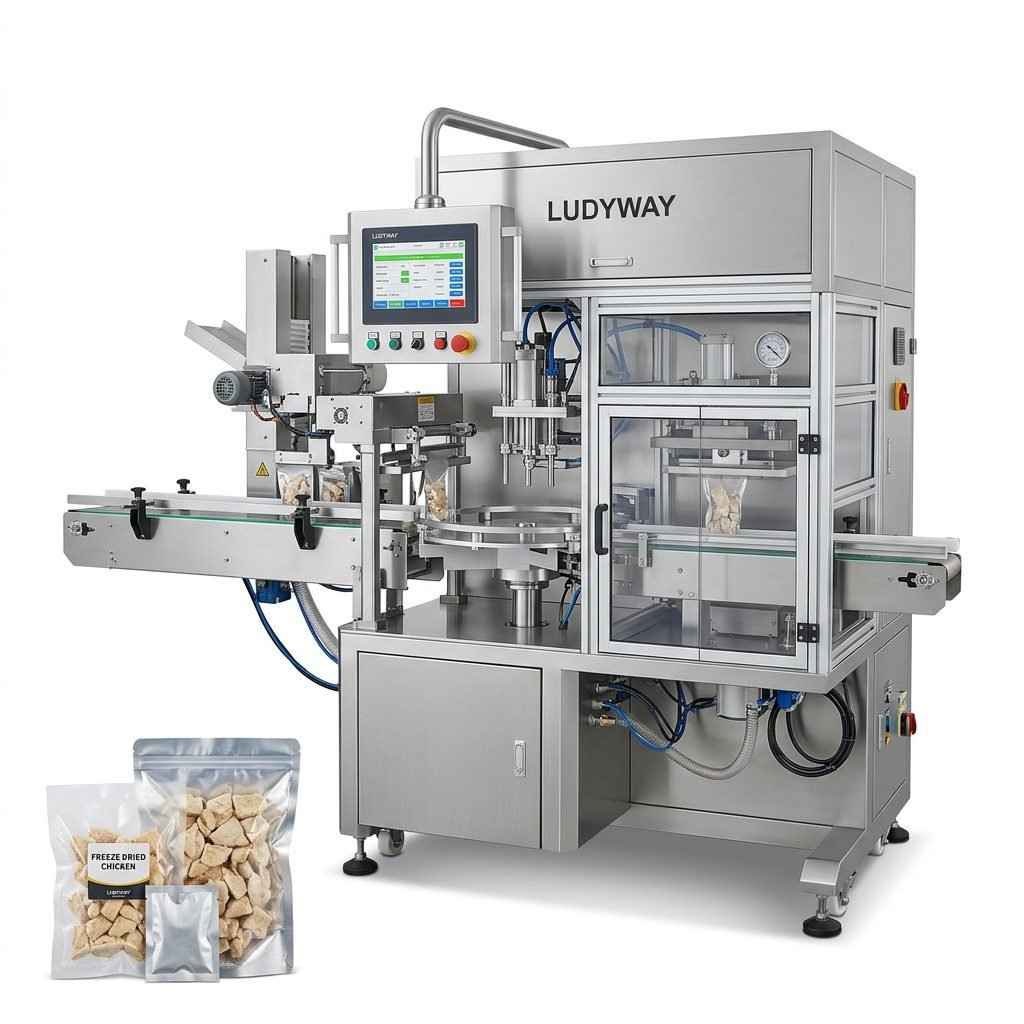
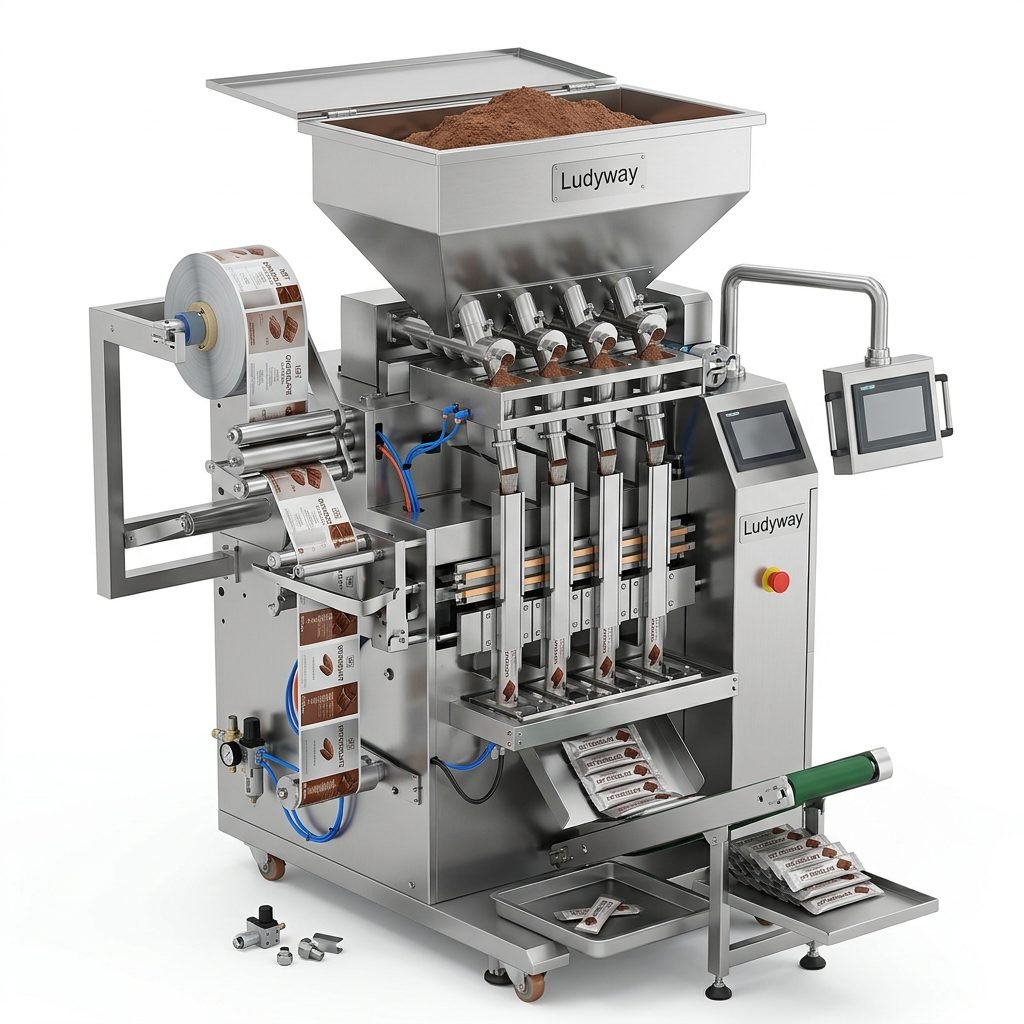
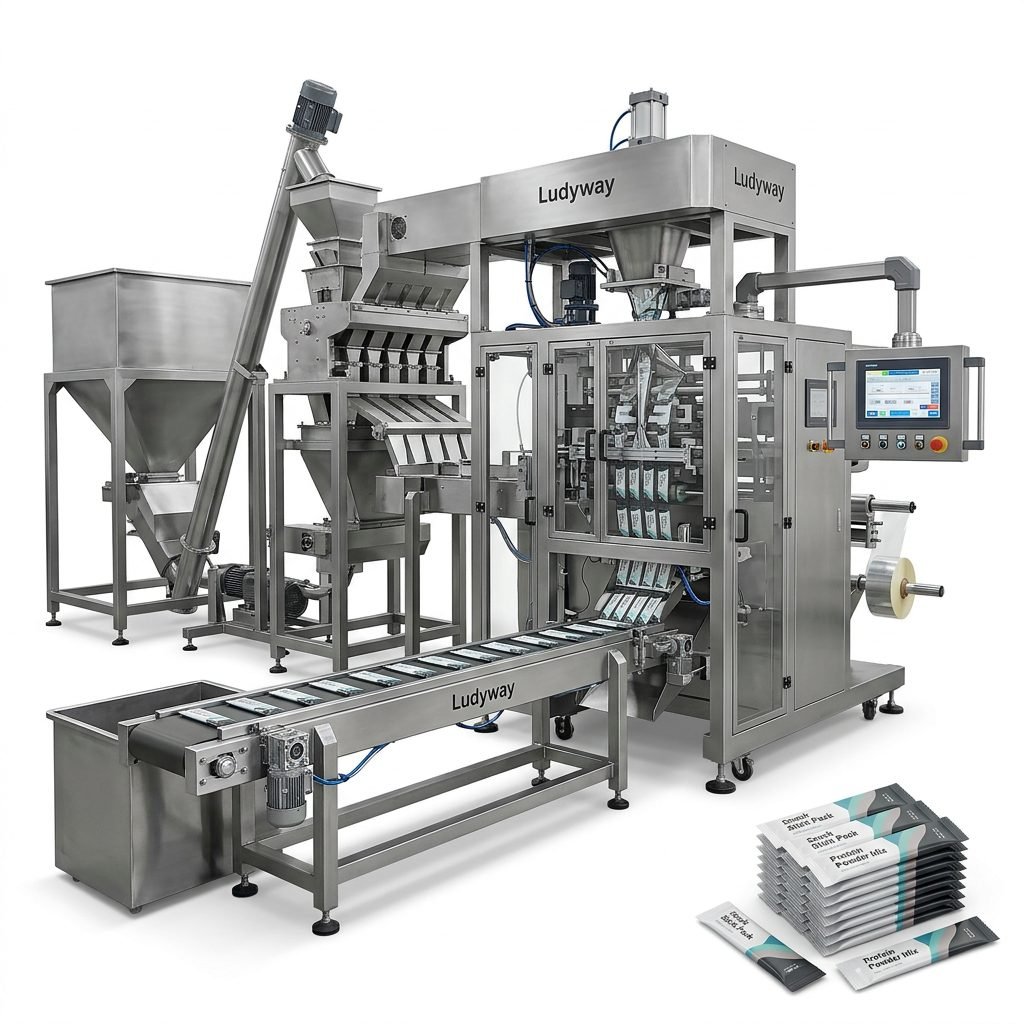
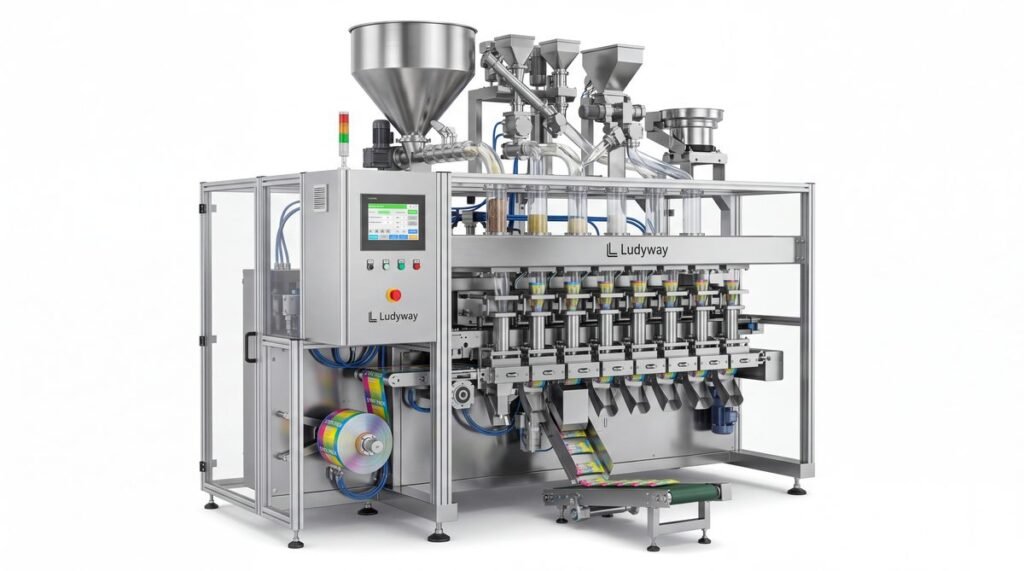
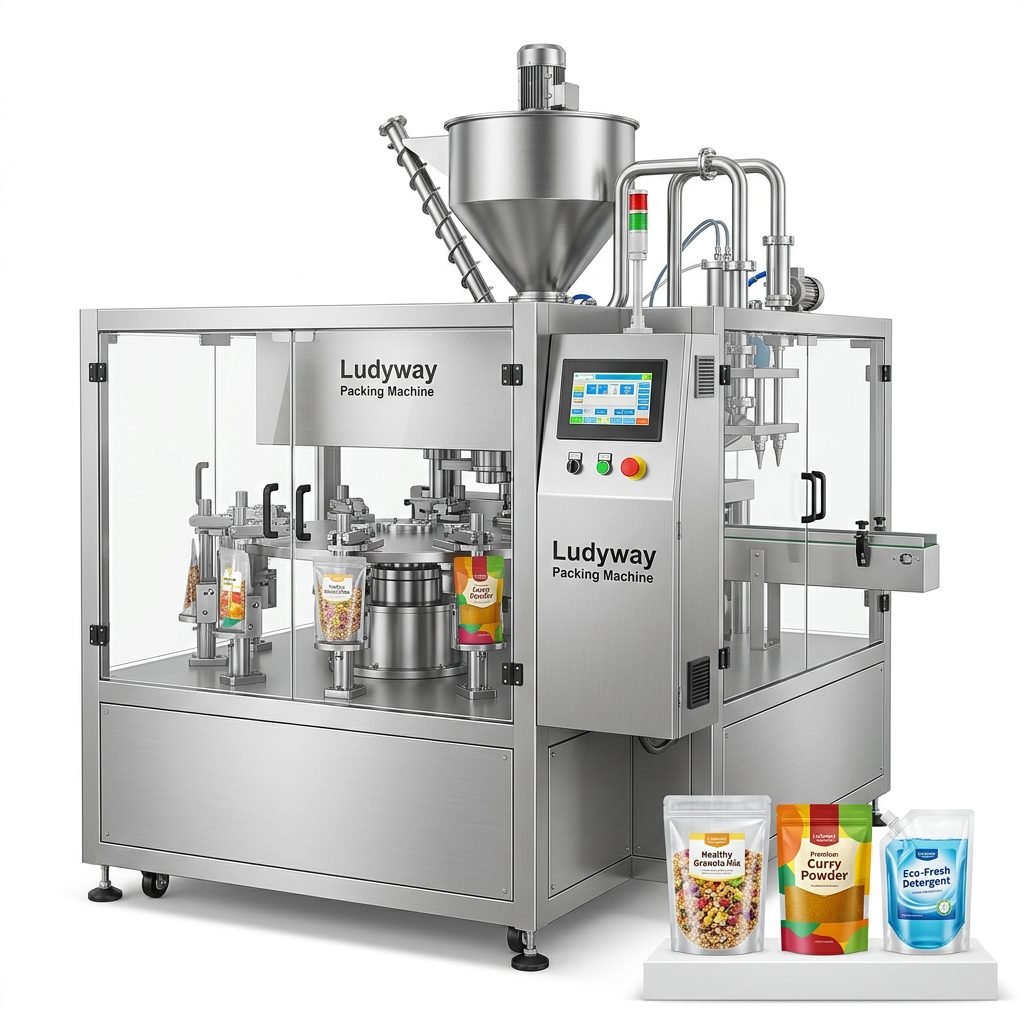
For buyers looking beyond standalone equipment, working with an experienced manufacturer can help ensure the machine fits into future automation plans. Companies such as Ludyway packing machine solutions are often considered by global buyers seeking scalable packaging machinery and turnkey production line support across food, pharmaceutical, health supplement, and related sectors.
Maintenance Tips for Longer Machine Life
Regular maintenance helps keep output stable and extends service life. Good daily practices include:
- Cleaning sealing areas to prevent film residue buildup
- Checking heating temperature accuracy
- Inspecting rollers and feed parts for wear
- Using compatible film materials
- Monitoring air pressure consistency
- Replacing damaged components before they affect production
Signs You Need to Upgrade Your Current Packaging Method
If your operation still relies on manual wrapping or bulky pre-made bubble material, it may be time to upgrade when you notice:
- Frequent shipping damage complaints
- Slow packing speed during peak order periods
- Too much warehouse space used for packaging materials
- High labor input for simple protective packaging tasks
- Inconsistent package quality between shifts
- Rising logistics and fulfillment costs
Final Buying Advice
The best packing bubble machine is not simply the cheapest or fastest model. It is the machine that fits your product type, order volume, film needs, and long-term automation goals. A carefully selected unit can help you reduce waste, improve protection, save storage space, and create a more efficient packing process.
If your business is growing, it is worth choosing a machine and supplier that can support future expansion, spare parts supply, and possible line integration. That approach usually delivers better value over time than focusing only on initial purchase cost.