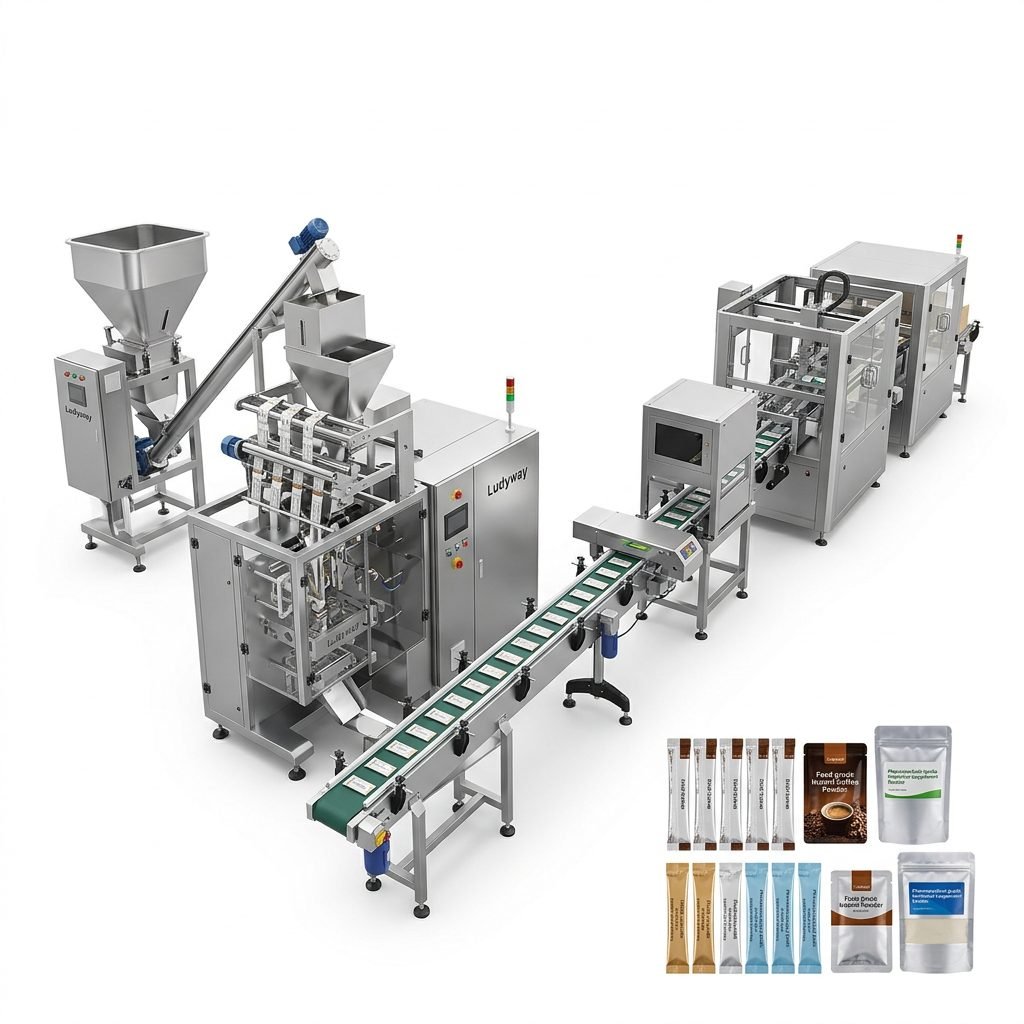
In the confectionery industry, packaging speed and product protection directly affect output, shelf appeal, and customer satisfaction. A modern chocolate bar packaging machine helps manufacturers wrap bars quickly, reduce manual handling, and maintain a clean, consistent finish across every batch. Whether you produce small snack bars, premium chocolate tablets, filled bars, or seasonal products, the right system supports higher throughput, safer sealing, and more reliable daily operation.
Chocolate is sensitive to heat, pressure, deformation, and contamination. That means packaging equipment must do more than move fast. It should also handle products gently, synchronize feeding accurately, and deliver stable sealing performance even during long production runs. For growing brands and large-scale factories alike, choosing the right machine is a practical investment in efficiency, quality control, and long-term scalability.
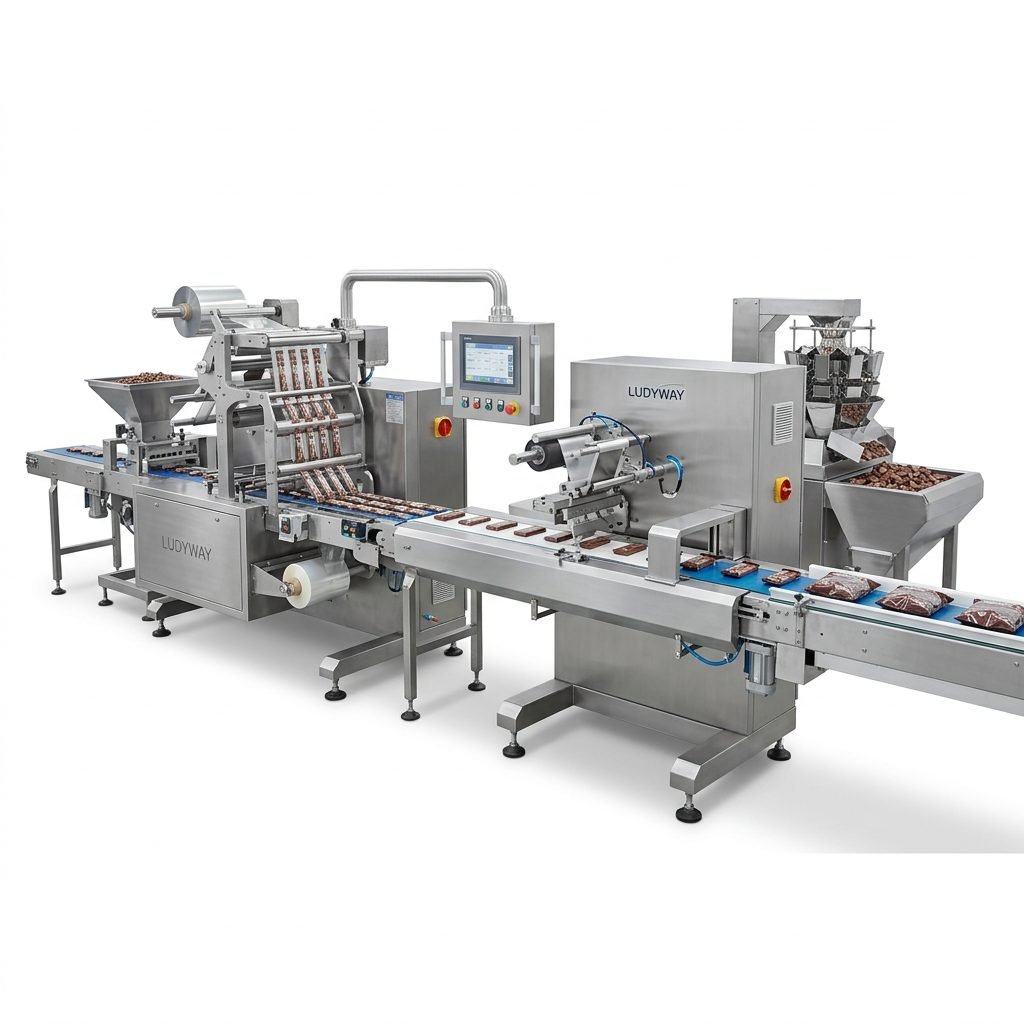
Why chocolate bar packaging matters in high-speed production
Chocolate bars move through production quickly, but poor packaging can create bottlenecks. Torn film, weak seals, misaligned wrapping, or crushed edges can lead to product waste and customer complaints. A well-designed chocolate bar packaging machine helps solve these issues by combining precise product transfer, film control, and sealing stability in one automated process.
- Faster output: supports continuous or high-speed batch packaging
- Better product protection: reduces exposure to dust, moisture, and handling damage
- Consistent appearance: improves wrapping quality and shelf presentation
- Lower labor dependency: minimizes manual feeding and repetitive work
- Improved traceability: integrates coding, inspection, and downstream packing
For manufacturers supplying supermarkets, convenience stores, online retail channels, or export markets, packaging consistency is especially important. Clean edges, tight seals, and accurate date coding help products meet both retail expectations and compliance needs.
How a chocolate bar packaging machine works
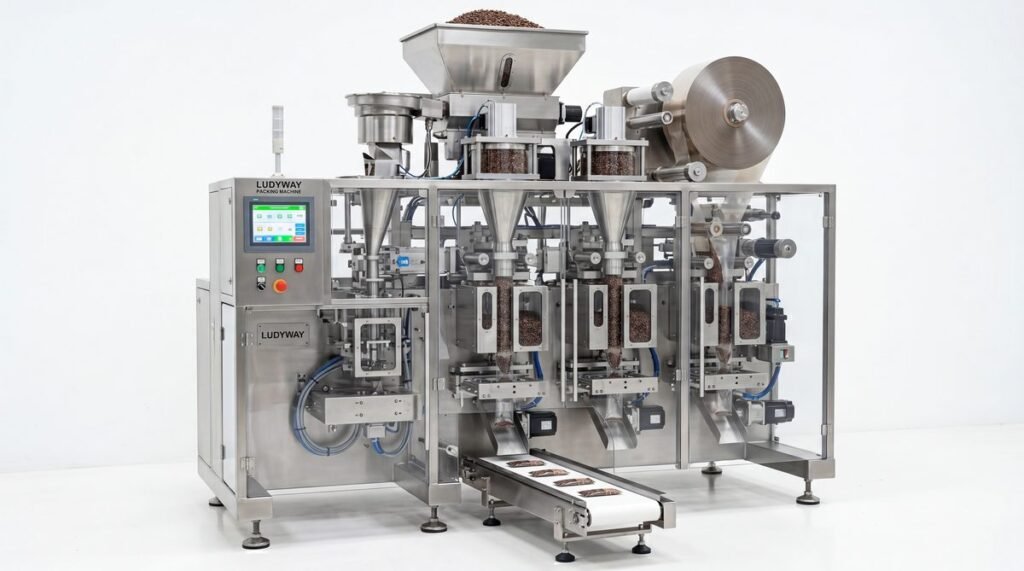
Most chocolate bar packaging systems follow a streamlined sequence. Bars are fed from upstream production or manual loading, aligned through a conveyor, wrapped with packaging film, sealed, and discharged for cartoning or case packing. Depending on the product type, the machine may use flow wrapping, pillow packing, or integrated multi-stage automation.
- Chocolate bars are counted, oriented, or spaced properly
- Products enter the infeed conveyor with stable positioning
- Packaging film is formed around each bar
- Longitudinal and end seals are created
- Finished packs are discharged for inspection or secondary packaging
Advanced systems may also include automatic feeding, servo control, print registration, reject units, checkweighing, and cartoning integration. This helps reduce downtime and keeps overall line performance more predictable.
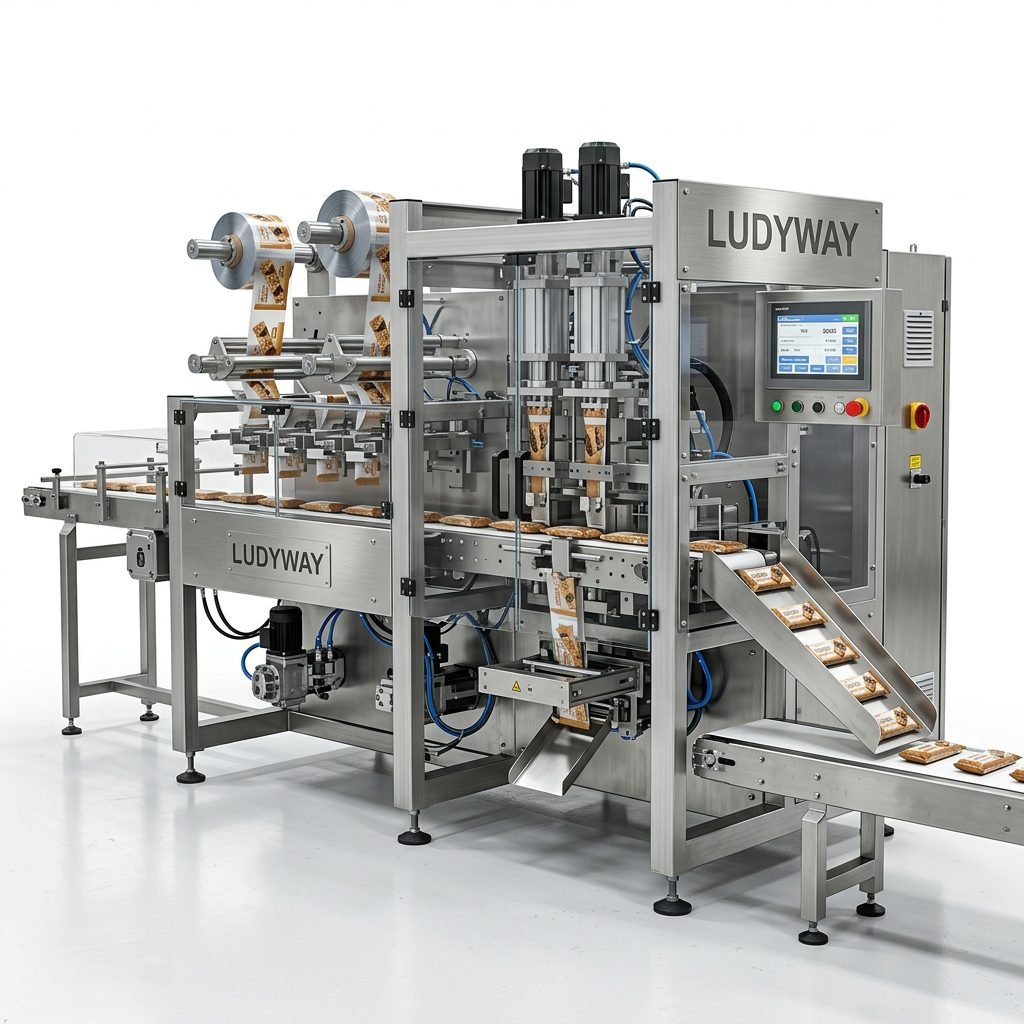
Key features to look for in a chocolate bar packaging machine
Not all packaging equipment performs equally well with chocolate. Because bars can vary in size, coating, texture, and fragility, the best machine should match your actual production requirements rather than just offer high speed on paper.
| Feature | Why It Matters |
|---|---|
| Servo-driven control | Improves precision, synchronization, and format flexibility |
| Gentle feeding system | Reduces breakage, scratching, or deformation of delicate bars |
| Stable sealing temperature control | Helps achieve tight, clean seals without damaging film |
| Automatic film tracking | Maintains proper alignment and reduces packaging waste |
| Quick changeover design | Makes it easier to switch between different bar sizes and SKUs |
| Integration capability | Connects with coding, inspection, cartoning, and end-of-line systems |
If your operation handles multiple product formats, flexible settings and quick adjustment functions are especially useful. They help reduce setup time while supporting a more responsive production schedule.
Common chocolate products suitable for automatic packaging
Modern systems are not limited to one bar shape or one wrapping style. With the right configuration, manufacturers can package a broad range of chocolate products efficiently.
- Solid chocolate bars
- Filled chocolate bars
- Nut and fruit chocolate bars
- Protein or functional chocolate snack bars
- Mini bars and assorted portion packs
- Seasonal or promotional confectionery products
Product dimensions, wrapping material, sealing method, and desired output all influence final machine selection. A machine supplier with strong customization capability can help match the equipment to your production goals more accurately.
Benefits of automation for chocolate manufacturers
Automated packaging does more than replace manual work. It creates a more controlled production environment where output, quality, and labor planning become easier to manage. This is especially important during peak demand periods such as holidays, promotions, and export shipment schedules.
Major operational benefits include:
- Higher packaging speed with stable repeatability
- Reduced human contact for improved hygiene
- Less material waste caused by film misfeed or sealing issues
- Better compatibility with continuous production lines
- More professional final packaging appearance
- Easier expansion into secondary packaging automation
Manufacturers also benefit from better data visibility when the machine includes touchscreen controls, alarm systems, and production monitoring functions. These features support preventive maintenance and faster troubleshooting.
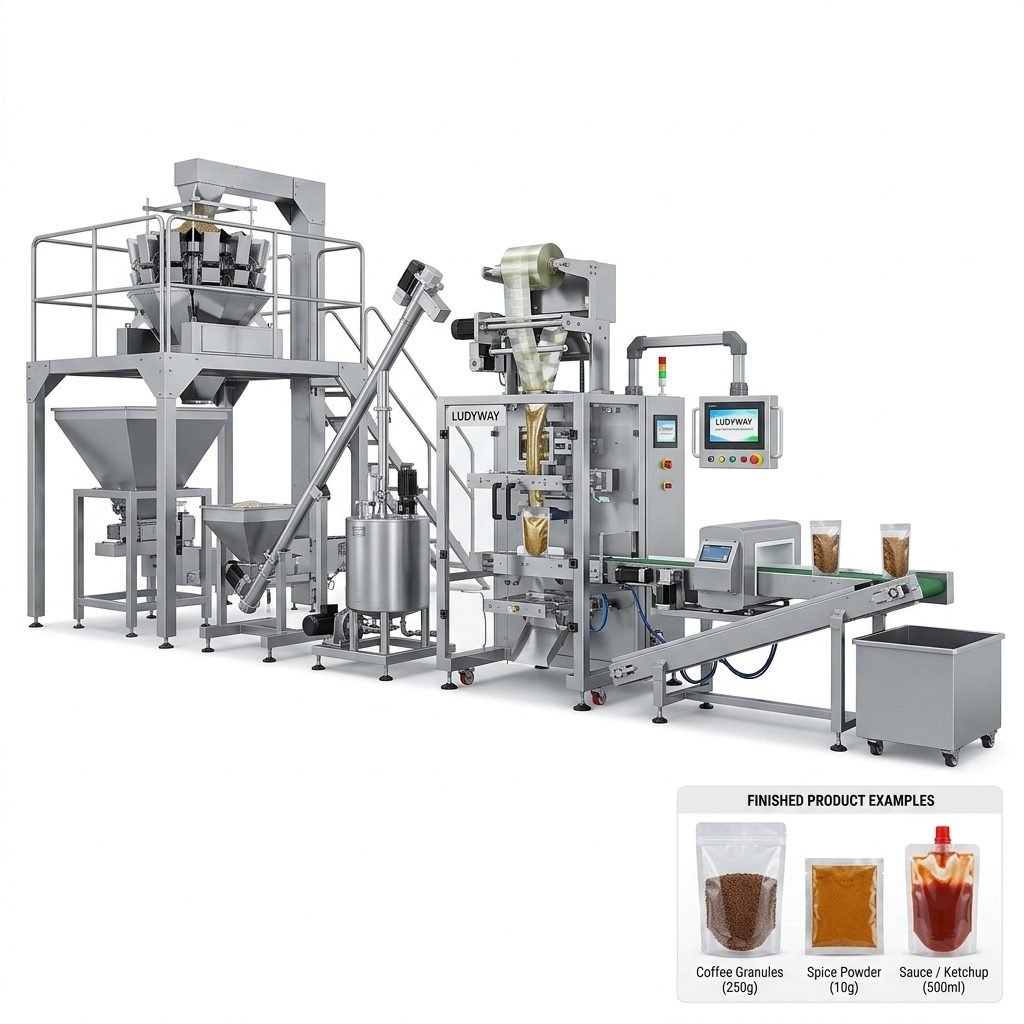
Important factors when choosing the right machine
Before investing in a chocolate bar packaging machine, it is important to assess your production environment carefully. The best machine is the one that fits your product characteristics, floor layout, speed targets, and future expansion plans.
| Selection Factor | Questions to Ask |
|---|---|
| Product type | Are your bars fragile, coated, filled, or irregular in shape? |
| Output target | How many packs per minute are required now and later? |
| Packaging material | Will you use laminated film, metalized film, or special barrier material? |
| Line integration | Do you need feeding, coding, cartoning, checkweighing, or palletizing? |
| Factory environment | Is temperature control needed to maintain chocolate quality during packaging? |
| Maintenance support | Can the supplier provide training, spare parts, and technical assistance? |
A reliable project evaluation should include sample testing, machine layout planning, and discussion of future SKU changes. This helps prevent under-specifying or over-specifying the equipment.
Packaging line integration for greater efficiency
A standalone machine may be suitable for smaller operations, but many chocolate producers achieve better efficiency through integrated packaging lines. These lines can connect product feeding, primary wrapping, code printing, inspection, cartoning, case packing, and palletizing into a smoother automated flow.
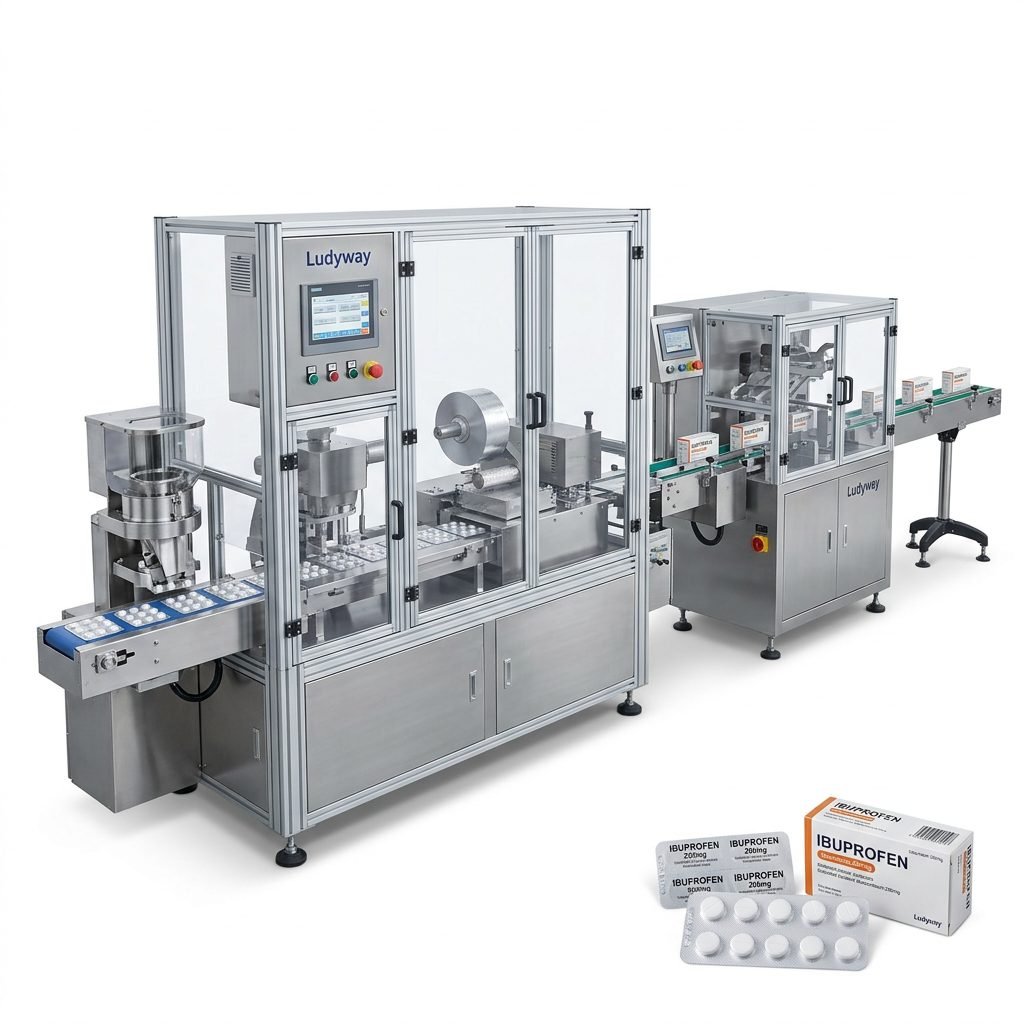
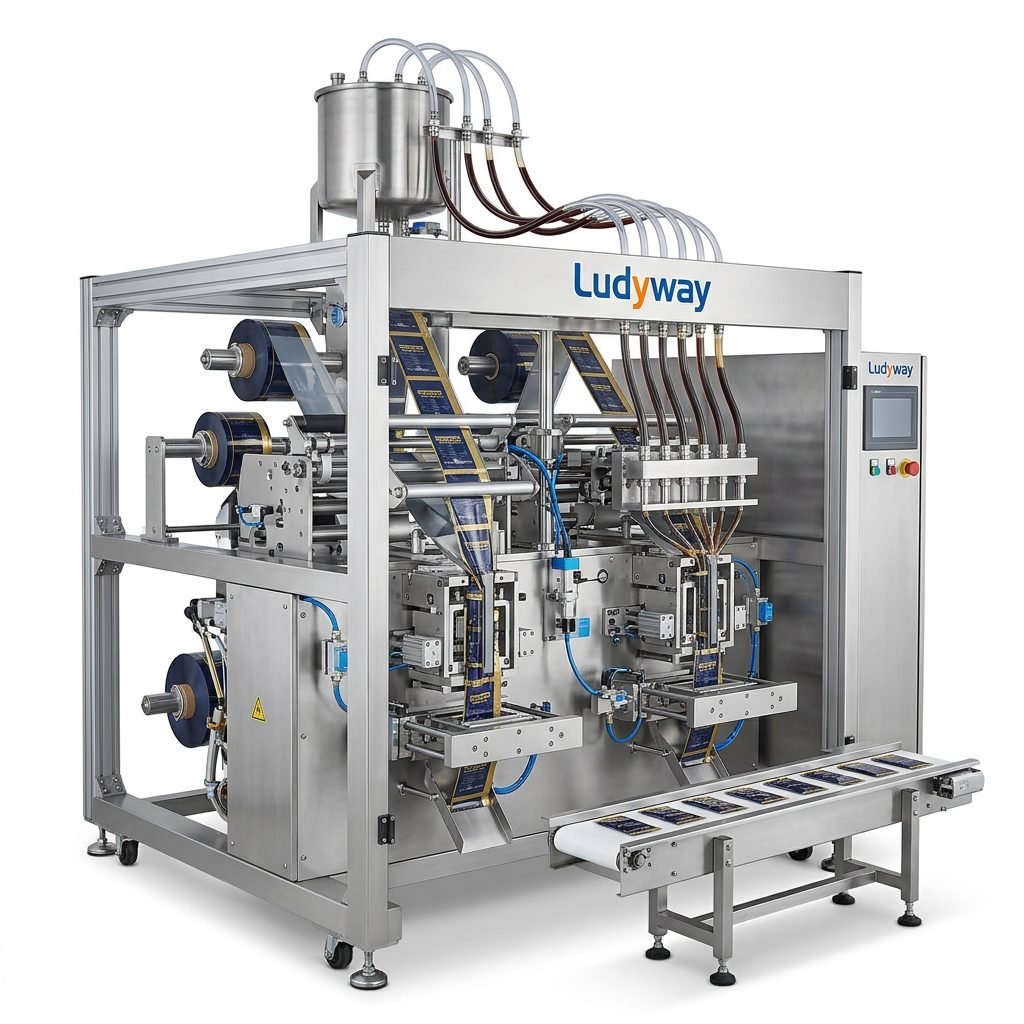
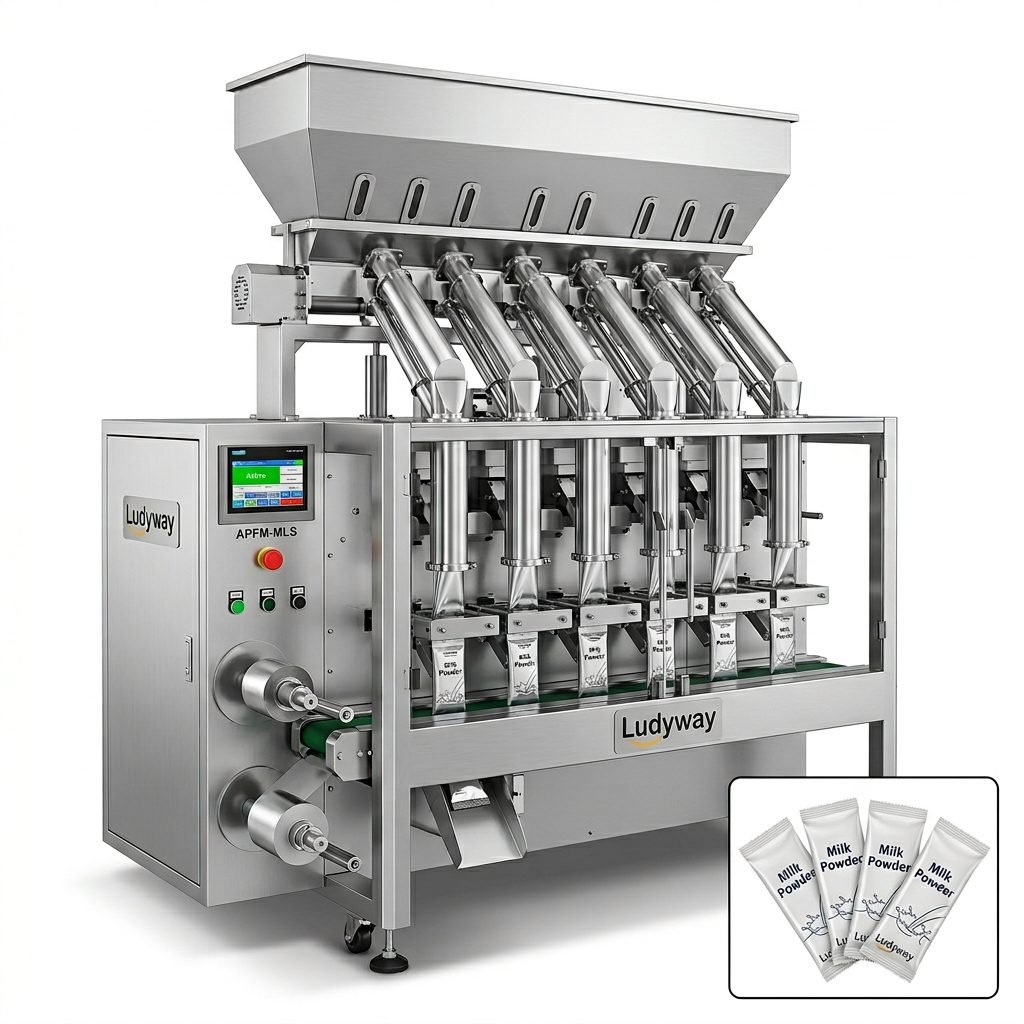
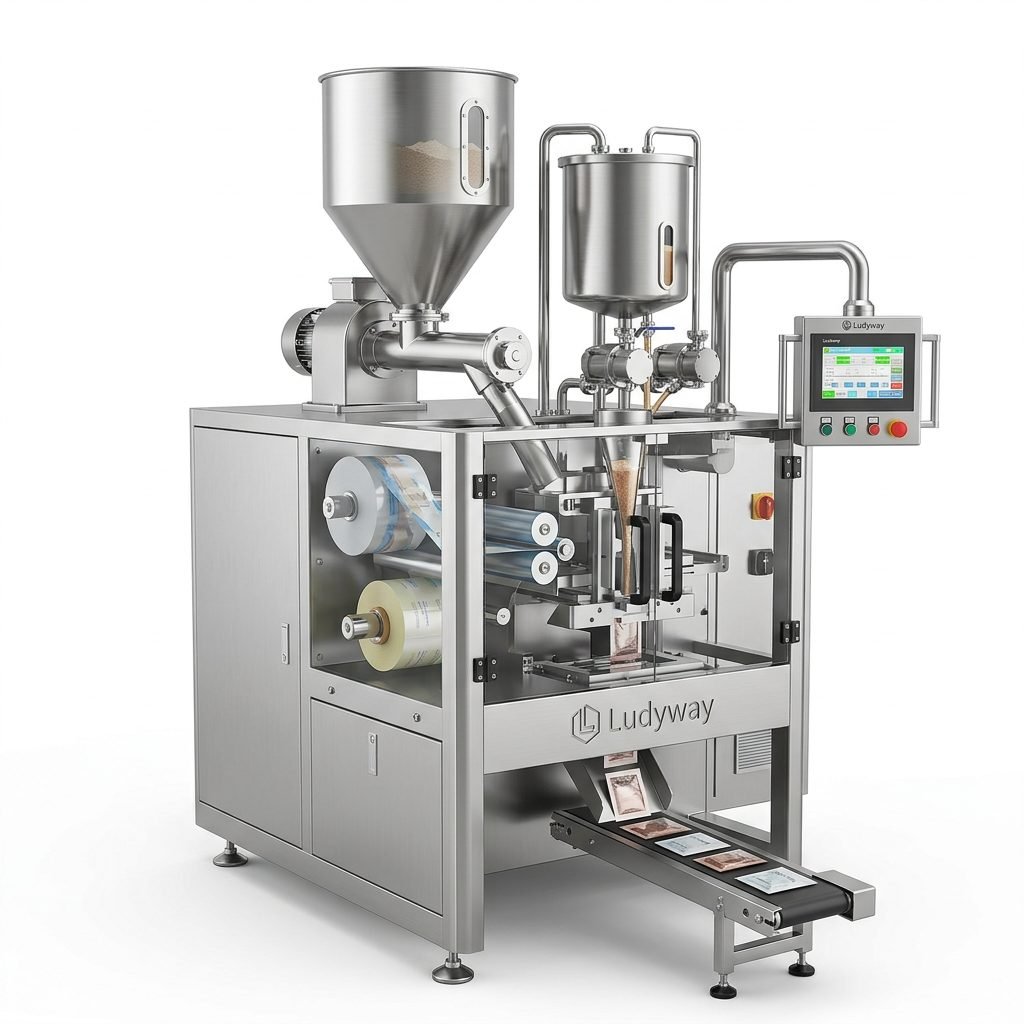
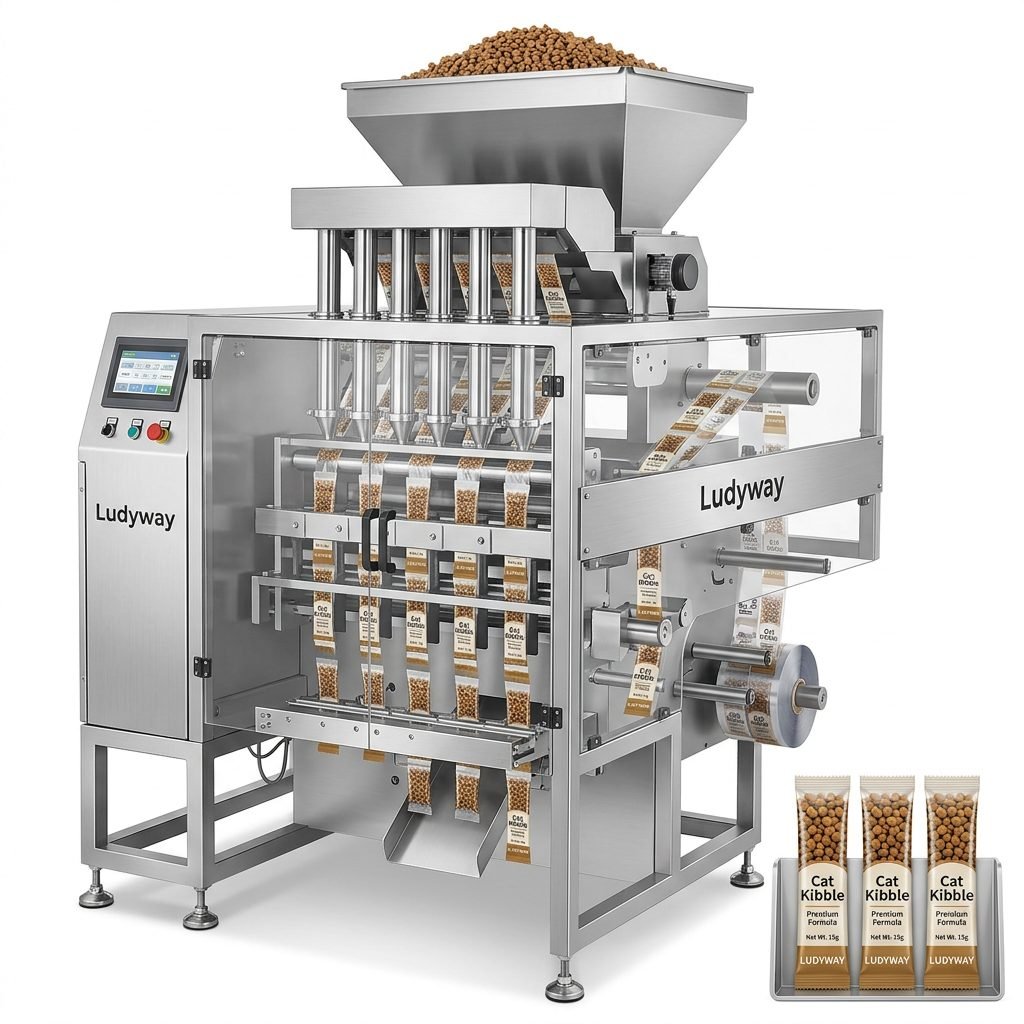
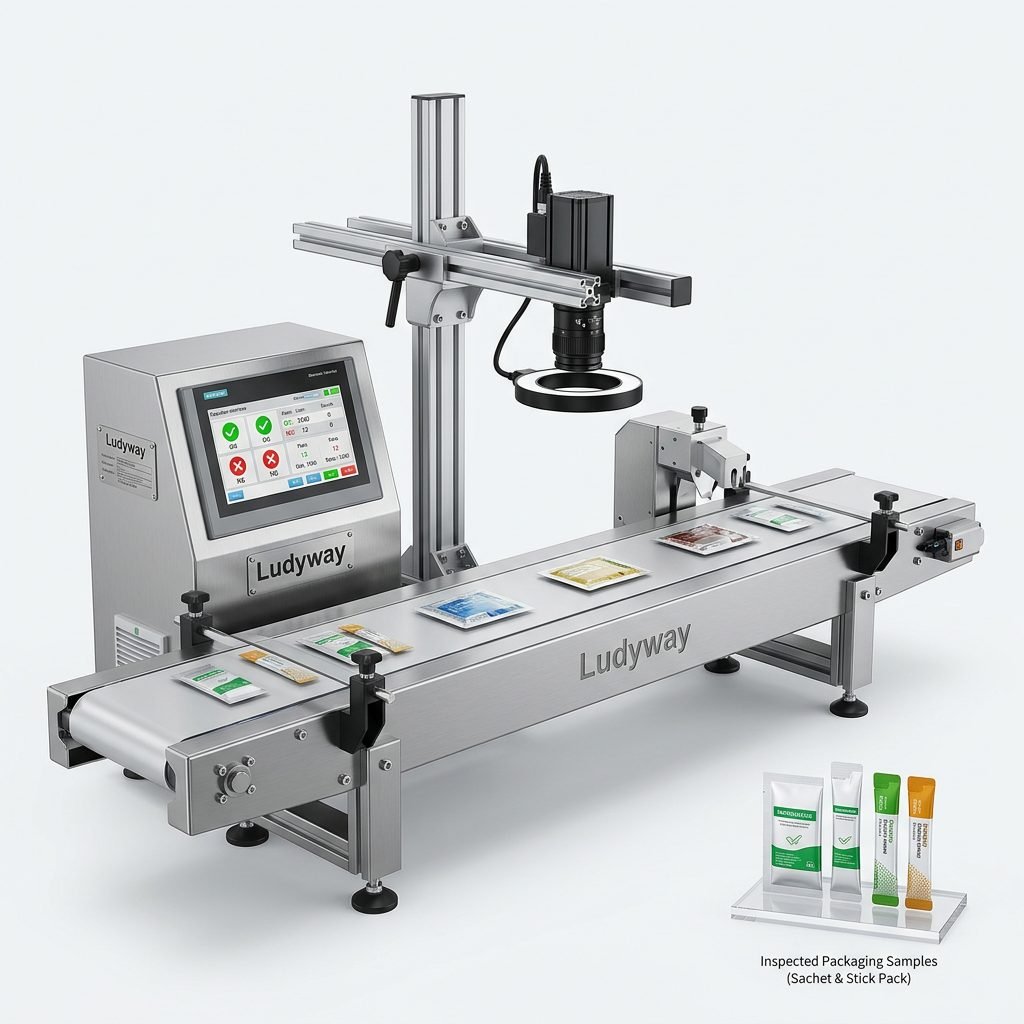
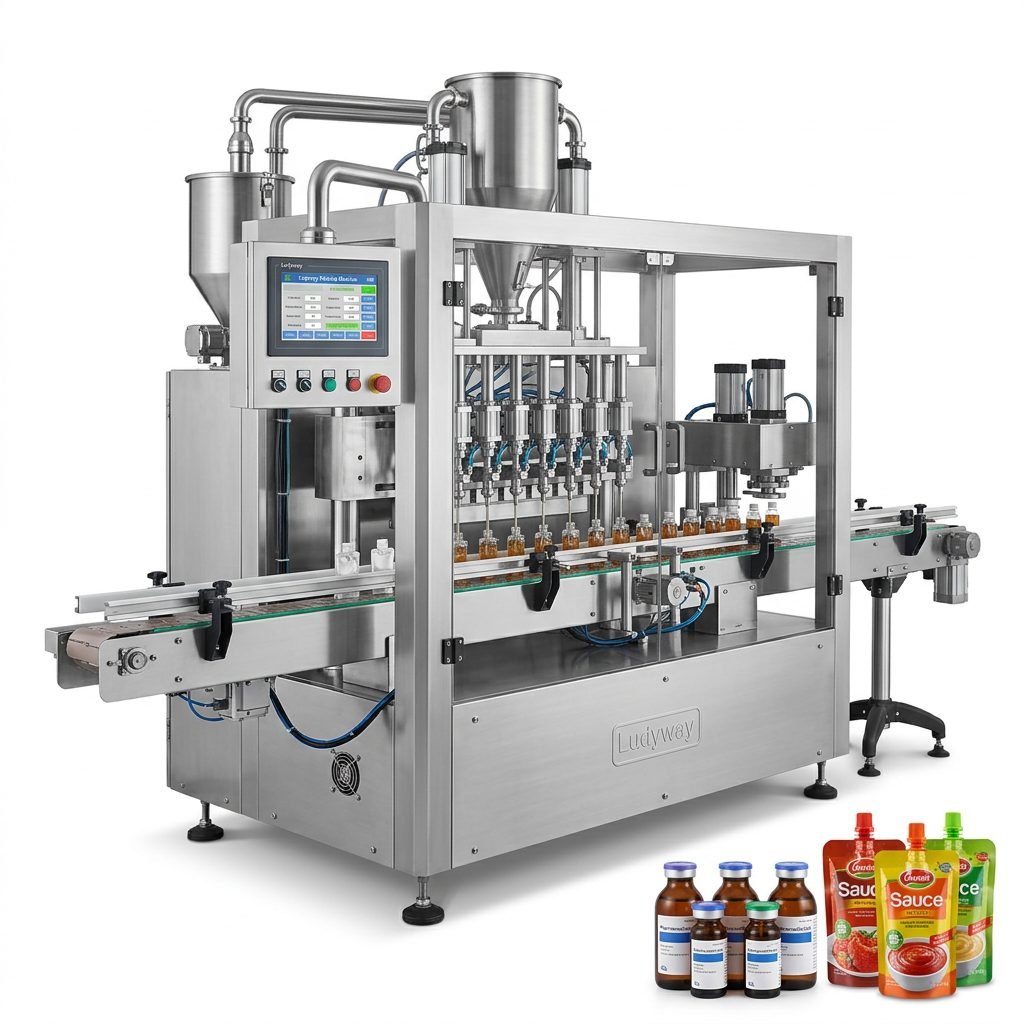
For manufacturers seeking a scalable partner, chocolate bar packaging machine solutions from Ludyway can align with broader turnkey packaging automation goals. With more than 30 years of industry experience, a large manufacturing base, and global export capability, the company is positioned to support both standalone machines and complete packaging line projects for food and related industries.
Integrated line advantages
- Reduced manual transfer between production stages
- Better synchronization across packaging operations
- Improved quality control and lower rejection rates
- More efficient labor allocation
- Stronger support for high-volume and export-oriented production
Maintenance and hygiene considerations
In chocolate production, machine cleanliness and stable operation are essential. Equipment should be easy to clean, accessible for maintenance, and built with materials suitable for food-contact environments where required. Simple maintenance routines can significantly reduce downtime and preserve packaging consistency.
- Choose designs with easy-access maintenance points
- Inspect sealing parts and film paths regularly
- Keep conveyors and feeding areas clean and free of residue
- Monitor wear parts before they affect production quality
- Train operators on adjustment and troubleshooting procedures
Preventive maintenance is often more cost-effective than emergency repairs, especially in facilities that run multiple shifts or face seasonal production spikes.
Who should invest in a chocolate bar packaging machine?
This equipment is suitable for a wide range of manufacturers and processors, including:
- Chocolate brands expanding from manual to automated packaging
- OEM and private-label confectionery manufacturers
- Snack producers adding chocolate-coated or bar-format products
- Export-oriented factories requiring higher consistency and compliance
- Large food companies building fully integrated packaging lines
If your production goals include faster packaging, stronger product protection, and a more professional finished pack, investing in the right machine can create measurable value across the entire operation.
Final buying perspective
A chocolate bar packaging machine is not just a wrapping device. It is a productivity tool that influences output, labor efficiency, product appearance, and packaging reliability. The best solution should balance speed, gentle handling, sealing quality, and integration flexibility.
By evaluating product requirements carefully and working with an experienced equipment manufacturer, chocolate producers can build a packaging setup that is efficient today and adaptable for future growth. In a competitive confectionery market, dependable packaging automation helps protect both the product and the brand behind it.