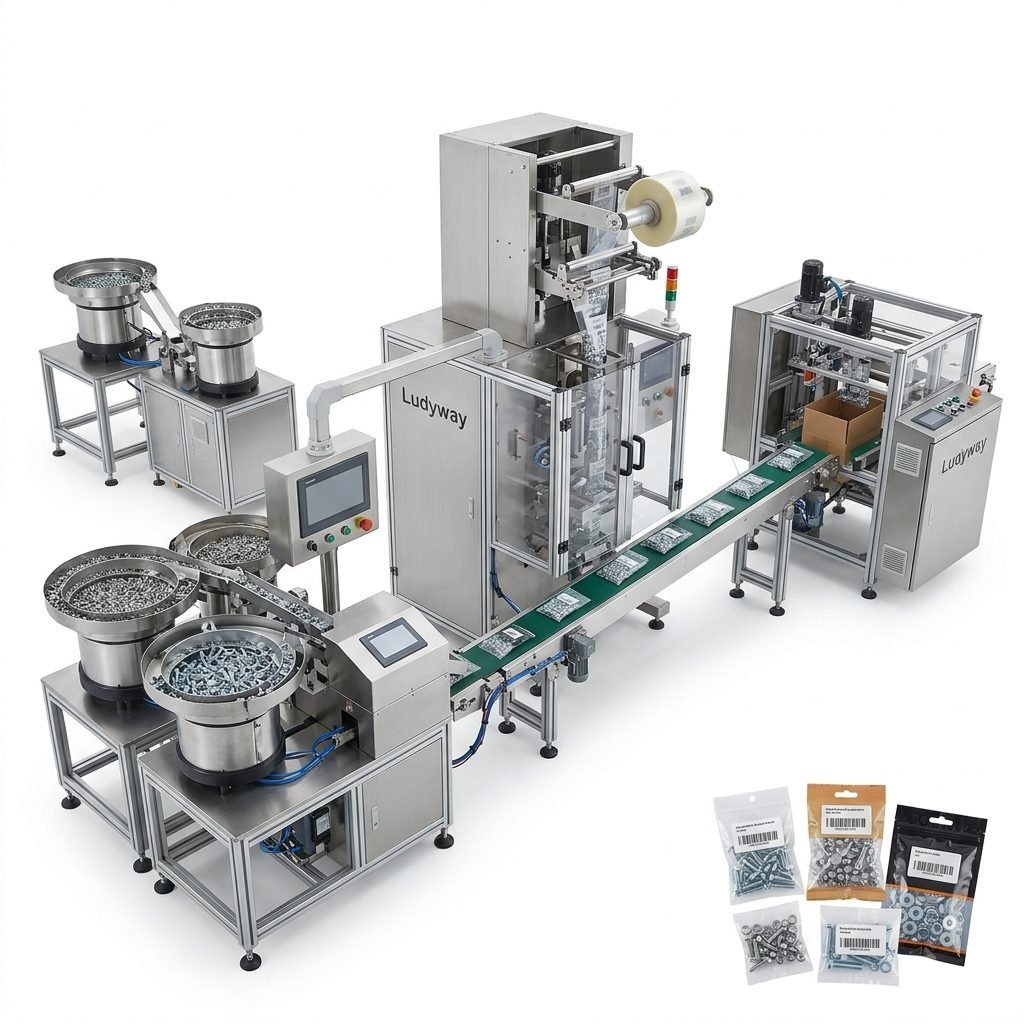
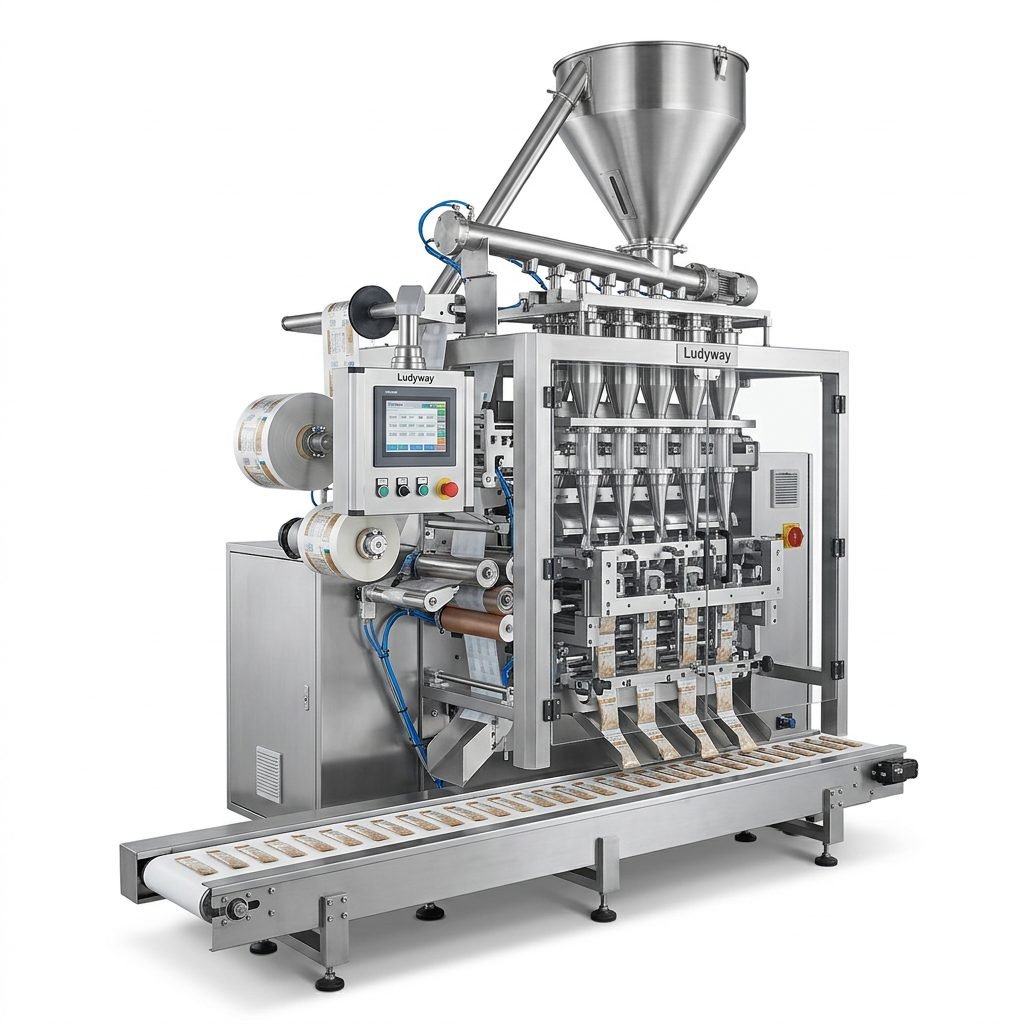
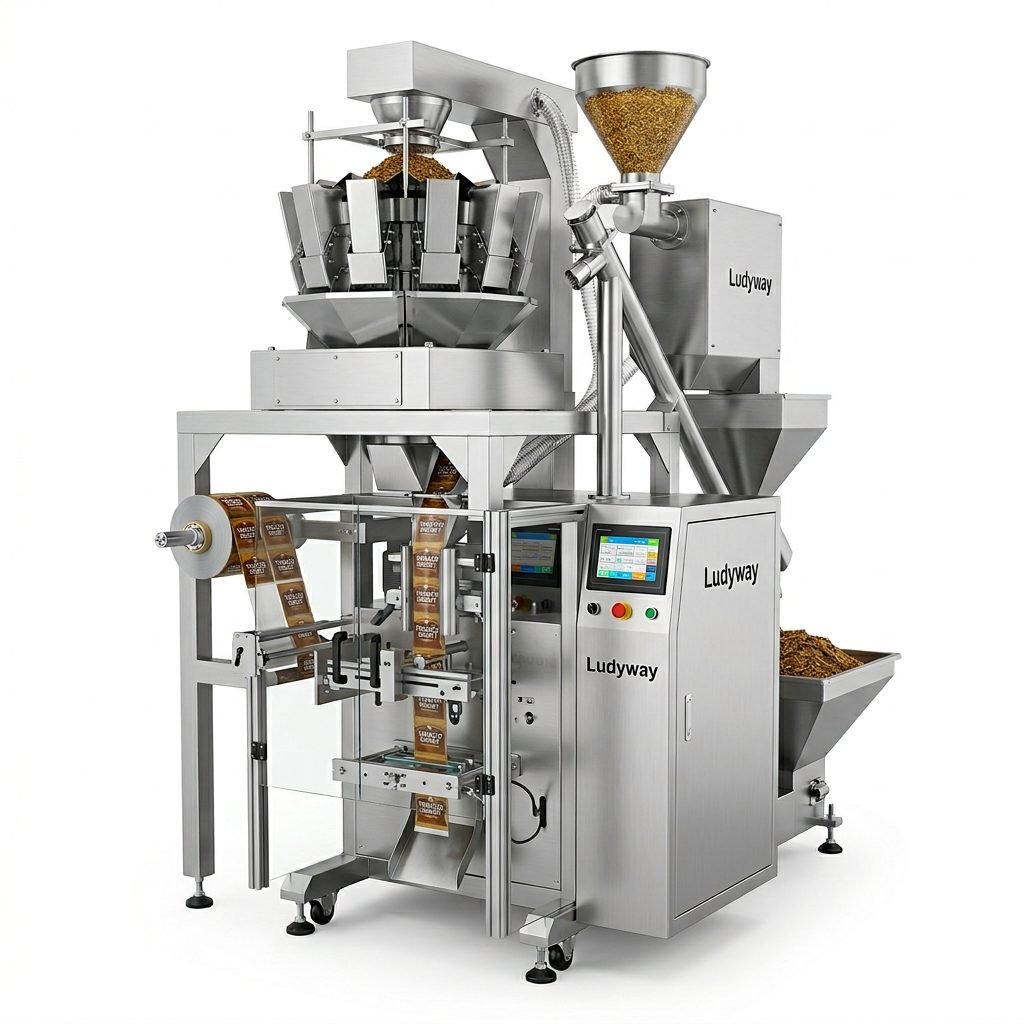
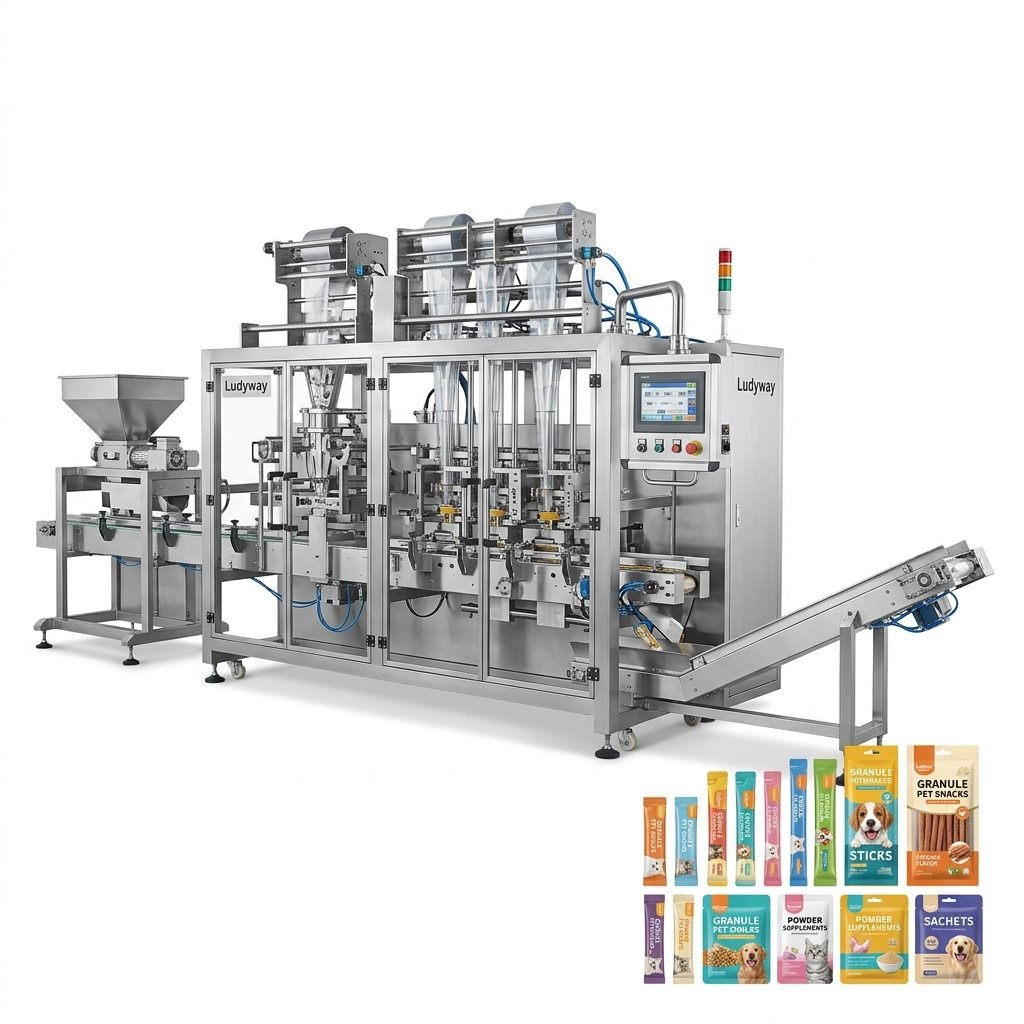
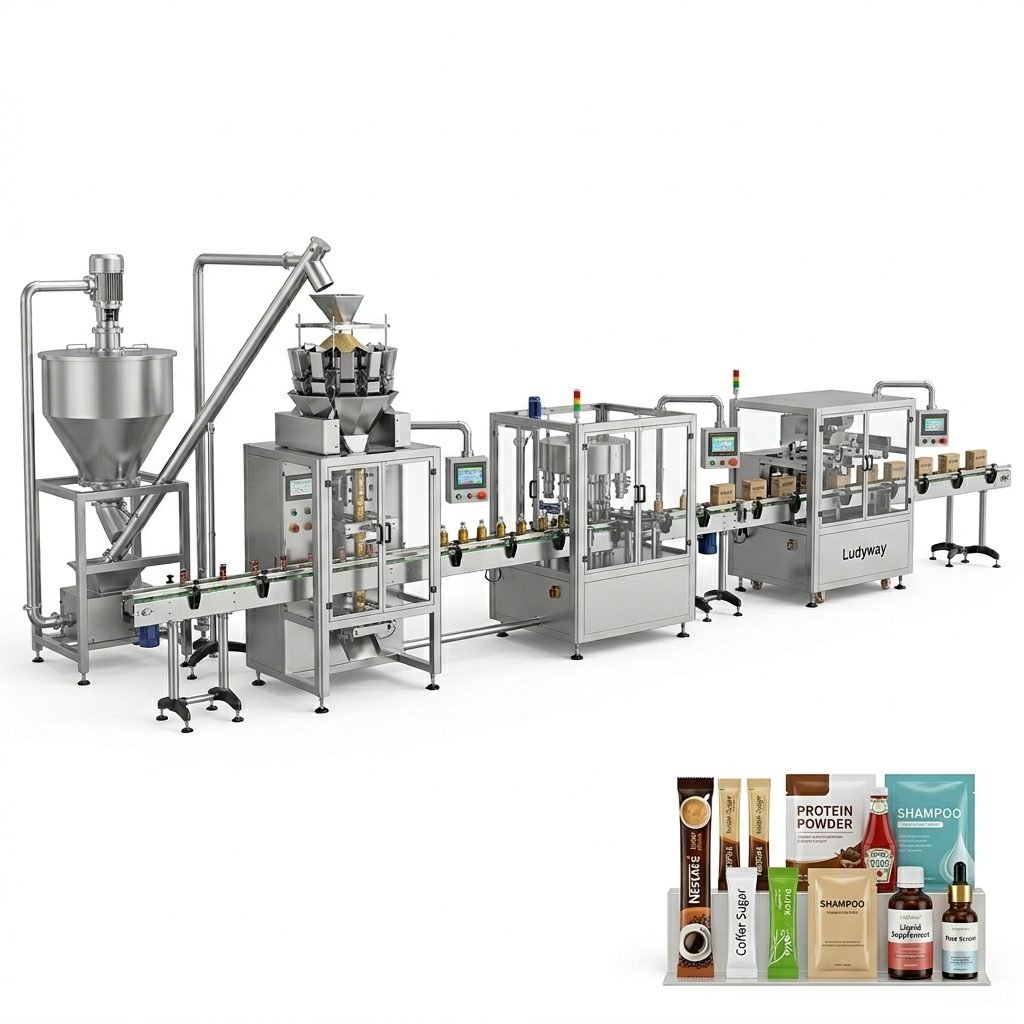
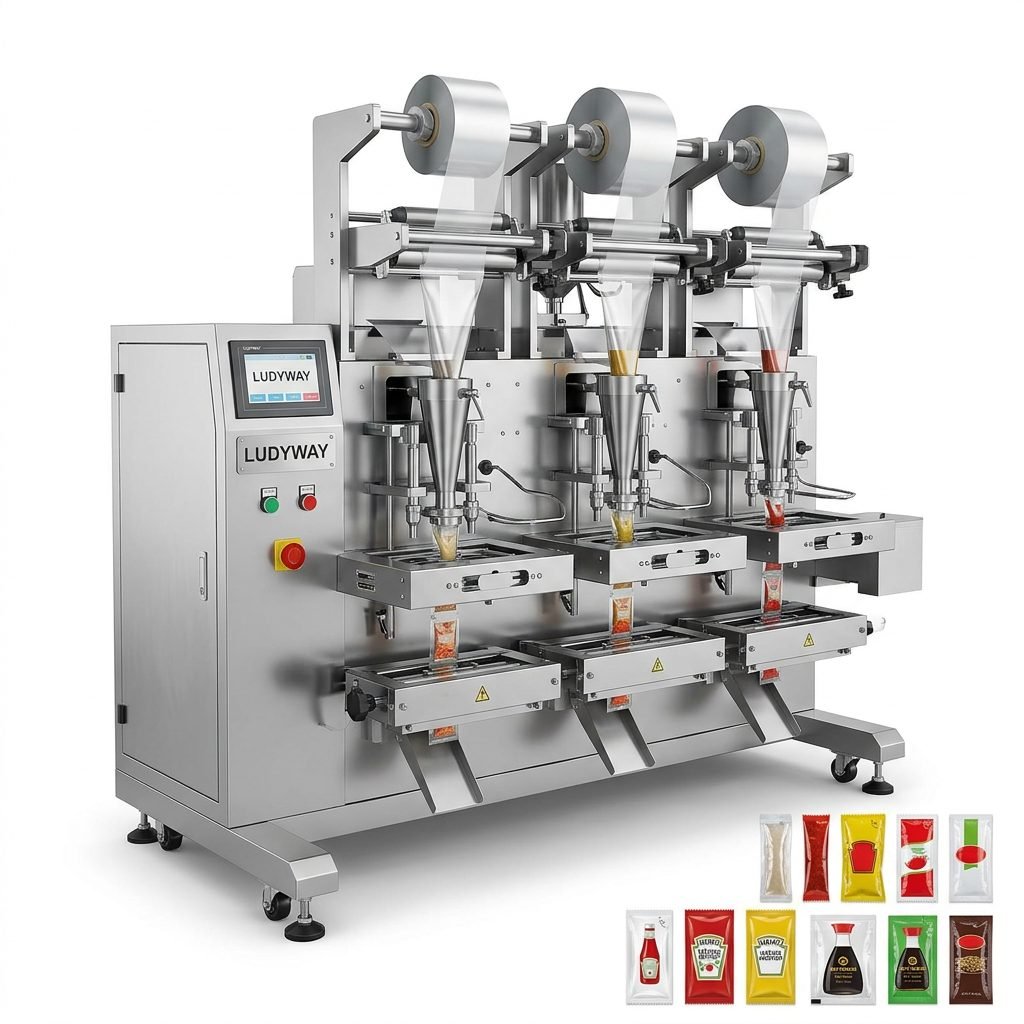
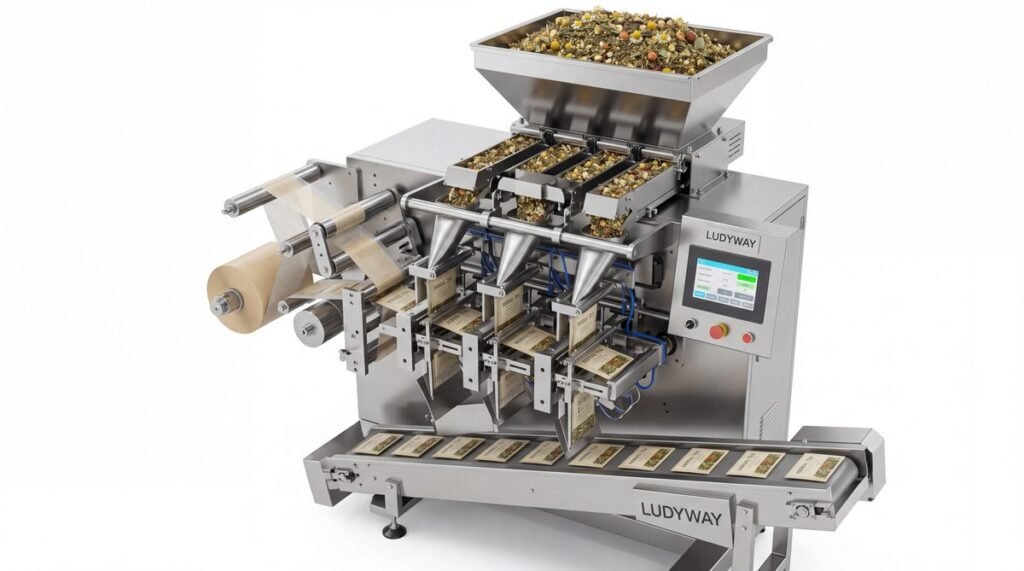
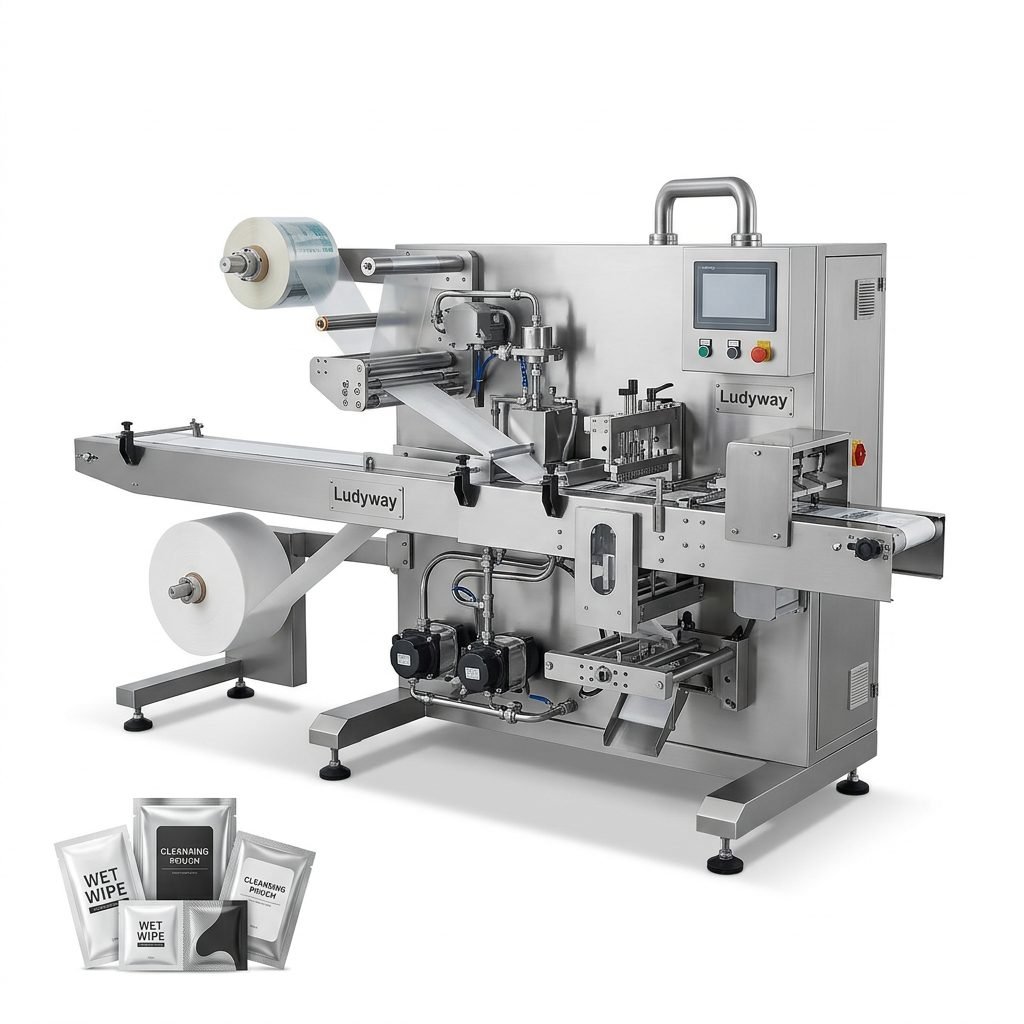
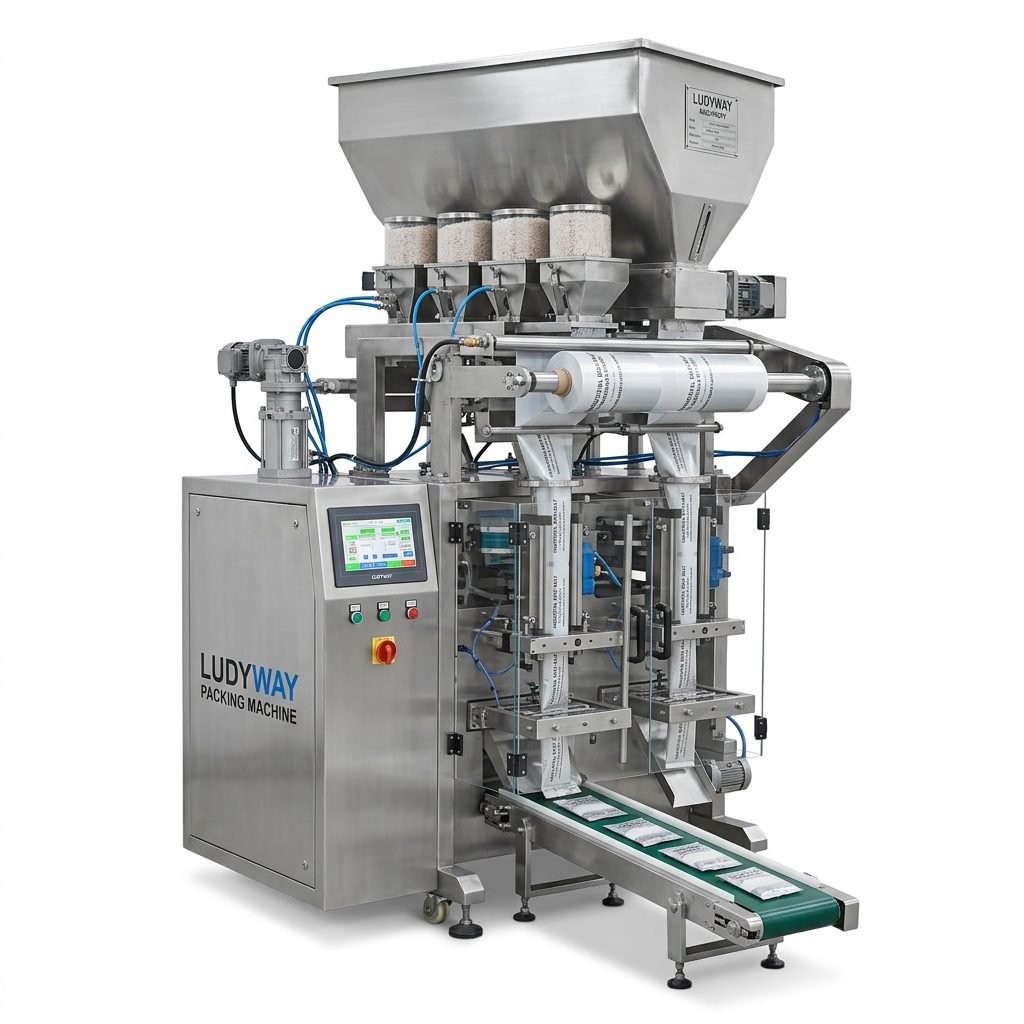
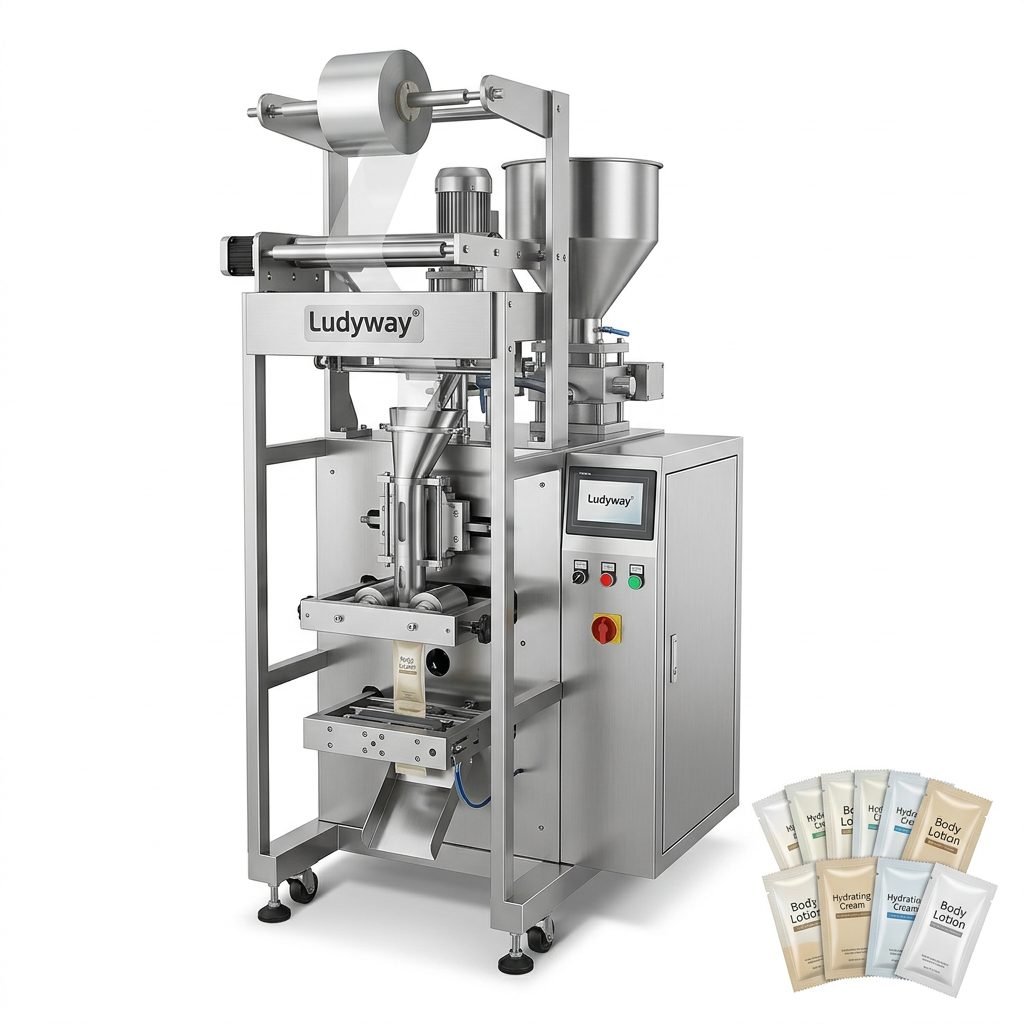
In high-volume manufacturing, carton packing is often the final stage that determines whether the whole packaging line runs smoothly or struggles with bottlenecks. When this step depends too heavily on manual work, companies usually face slower throughput, rising labor costs, inconsistent packing quality, and more operator fatigue. An automatic carton packing machine helps solve these issues by turning repetitive end-of-line tasks into a faster, more stable, and scalable process.
Whether you pack sachets, stick packs, pouches, bottles, blister packs, or boxed products, upgrading to automated cartoning can dramatically improve overall equipment efficiency. For businesses in food, pharmaceuticals, health supplements, cosmetics, and chemical products, the value is not only in labor reduction, but also in cleaner workflows, better product protection, and more predictable output.
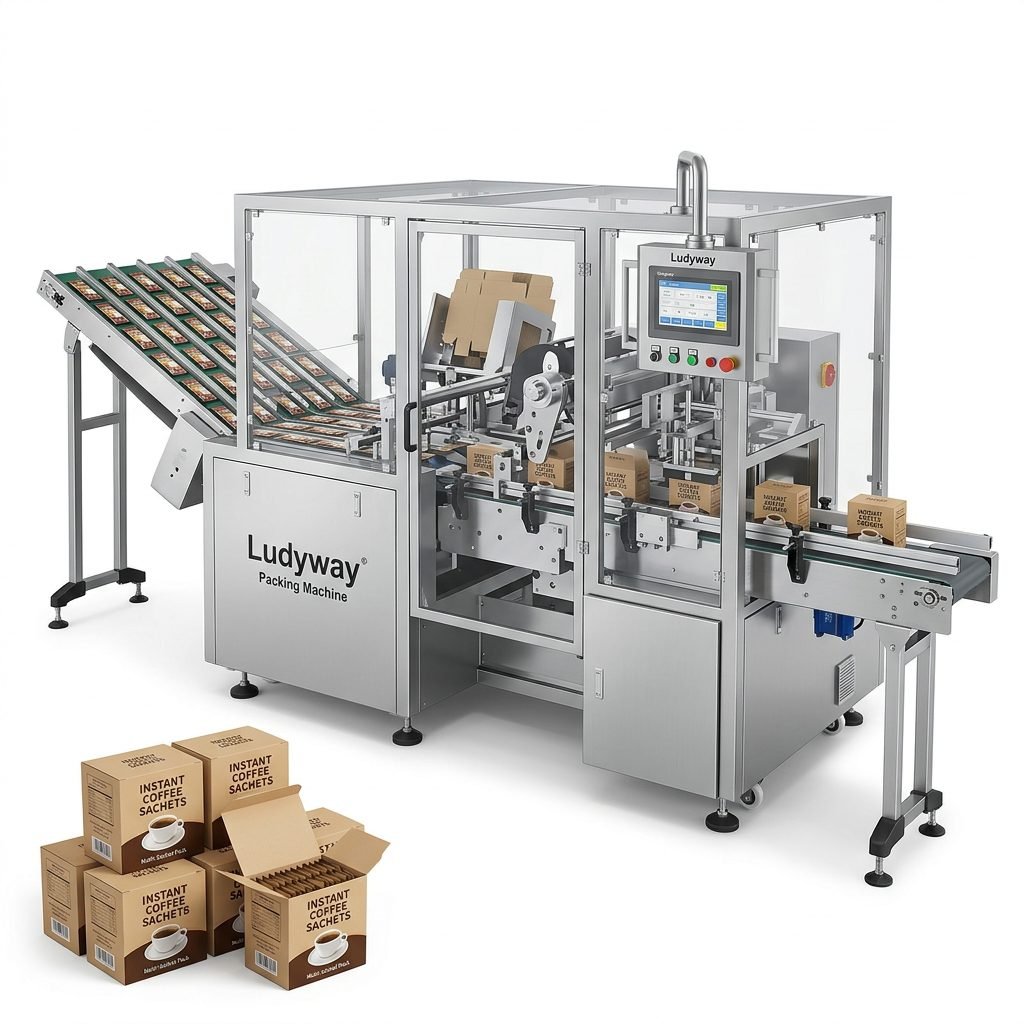
Why carton packing becomes a production bottleneck
Many factories invest in high-speed filling, sealing, and counting equipment, but still rely on manual labor for product loading into cartons. This creates an imbalance across the line. Upstream machines may run fast, while downstream packing cannot keep up. The result is product accumulation, stoppages, overtime, and wasted labor.
- Operators cannot maintain the same speed over long shifts
- Manual loading increases the chance of miscounts and poor carton arrangement
- Labor costs continue to rise as output targets increase
- Training new workers takes time and affects consistency
- Peak demand periods become difficult to manage without adding temporary staff
An automatic carton packing machine addresses these issues by synchronizing product infeed, orientation, grouping, insertion, and carton handling in one integrated process.
How an automatic carton packing machine improves packaging efficiency
The main advantage of automation is that it transforms carton packing from a labor-dependent activity into a controlled, repeatable, and data-driven operation. This leads to measurable gains across the entire line.
1. Higher packing speed
Automatic systems can continuously load products into cartons at stable speeds that are difficult to achieve manually. This is especially important for high-output lines producing stick packs, sachets, nicotine pouches, medical products, and retail multipacks.
2. Reduced downtime
When carton feeding, product collation, and sealing are automated, line stoppages caused by manual delays decrease significantly. Properly integrated systems keep upstream and downstream machines working in balance.
3. Better packing consistency
Automated loading ensures cartons are filled according to defined product counts and placement patterns. This improves presentation, protects products during transport, and supports a more professional end-user experience.
4. Easier scaling
As orders grow, automation allows manufacturers to increase capacity without hiring a proportional number of workers. This makes expansion more practical and cost-effective.
5. Improved line integration
Modern carton packing equipment can connect with counting machines, conveyors, checkweighers, case packers, sealers, coding units, and palletizing systems. This creates a smoother end-of-line packaging workflow.
| Performance Area | Manual Carton Packing | Automatic Carton Packing Machine |
|---|---|---|
| Packing speed | Operator dependent | Stable and continuous |
| Labor requirement | High | Low to moderate |
| Packing consistency | Variable | Highly repeatable |
| Error rate | Higher risk of mistakes | Lower with sensors and controls |
| Scalability | Limited by workforce | Much easier to expand |
How automation helps reduce labor costs
Labor reduction is one of the most important reasons companies invest in automatic carton packing equipment. However, cost savings should not be viewed only as fewer operators on the line. The total financial impact is broader.
Direct labor savings
One machine can replace multiple repetitive packing positions, especially where products need to be counted, grouped, inserted, and boxed at high speed.
Lower training burden
Manual packing requires skill, attention, and ongoing supervision. Automation reduces the dependency on frequent recruitment and retraining for repetitive jobs.
Less overtime and shift pressure
Automated lines maintain performance more consistently during long production runs, helping companies avoid excessive overtime costs when demand spikes.
Reduced rework and waste
Incorrect counts, damaged packaging, and messy carton presentation all create hidden costs. Automatic carton packing reduces these issues through controlled handling and inspection logic.
- Fewer operators per shift
- More predictable labor planning
- Lower packaging error costs
- Improved workplace ergonomics
- Better productivity per square meter of factory space
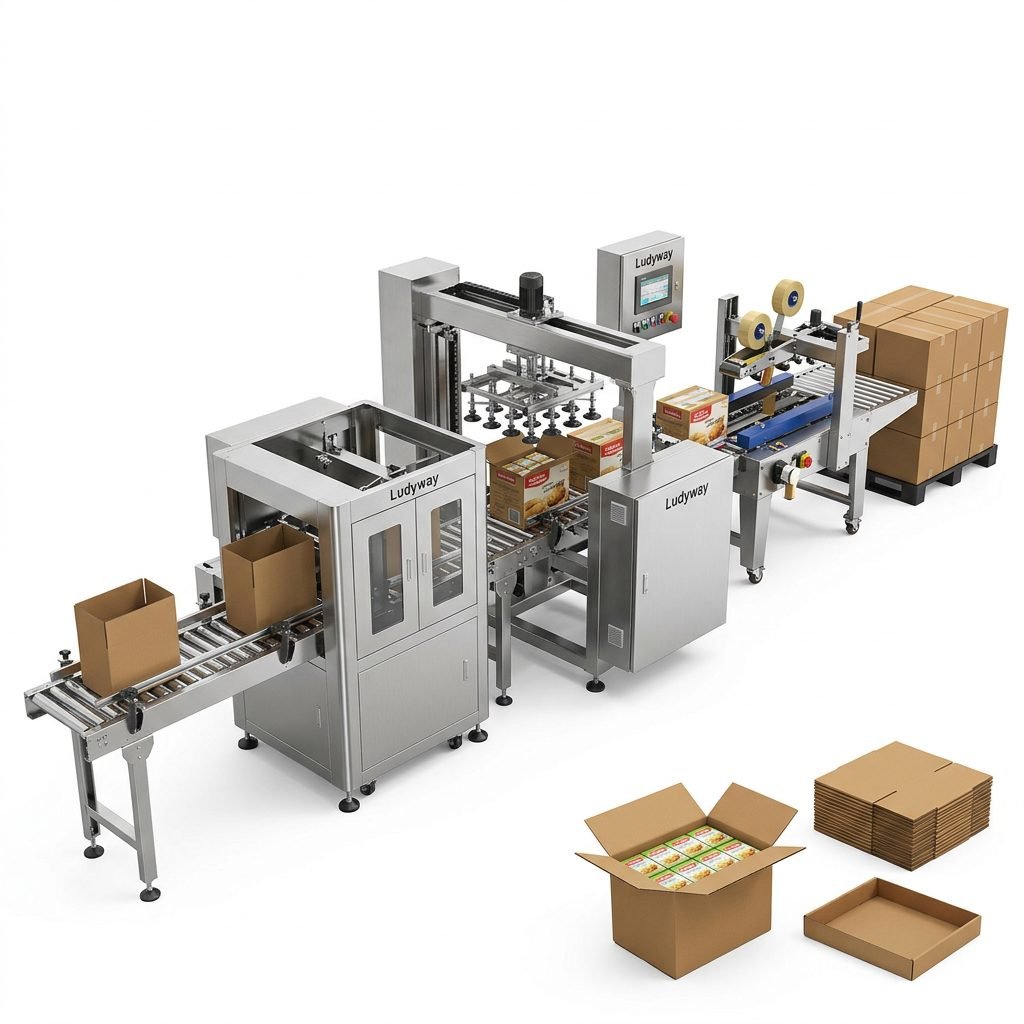
Key features to look for in an automatic carton packing machine
Not all machines deliver the same value. To improve packaging efficiency and reduce labor costs, buyers should evaluate not only machine speed, but also long-term usability, flexibility, and integration capability.
Product compatibility
The machine should suit your product format, such as sachets, stick packs, pouches, bottles, blister packs, tubes, or small retail packs. Different products require different feeding, collating, and insertion systems.
Carton size flexibility
If your business handles multiple SKUs, choose equipment that supports fast changeover between carton sizes and packing patterns.
Servo control and smart automation
Servo-driven systems improve movement precision, reduce mechanical adjustment time, and support better synchronization with upstream packaging equipment.
Detection and rejection functions
Sensors can verify product presence, carton opening, insertion success, and sealing quality. This reduces defective output and supports quality assurance.
Integration with turnkey packaging lines
The best results come when the carton packer is matched with the full line, including counting, conveying, coding, sealing, case packing, and pallet handling.
| Feature | Why It Matters |
|---|---|
| Automatic carton feeding | Maintains continuous operation and reduces manual intervention |
| Multi-format handling | Supports product variety and future SKU expansion |
| Quick changeover | Minimizes downtime between production runs |
| PLC + HMI controls | Simplifies operation, monitoring, and parameter setting |
| Fault alarm system | Speeds troubleshooting and improves uptime |
Industries that benefit most from automatic carton packing
Automatic carton packing machines are especially valuable in industries where product volume is high, packaging appearance matters, and traceability is important.
Food and beverage
Instant drink powders, coffee sticks, seasonings, snacks, sauces, and meal replacement sachets all benefit from accurate grouping and fast cartoning.
Pharmaceuticals and healthcare
Medicines, diagnostic products, medical consumables, and supplement sachets require precise counts, cleaner handling, and stable packaging quality.
Cosmetics and personal care
Serum sachets, cream packs, wipes, and personal care kits often need retail-ready cartons with consistent presentation.
Chemical and household products
Detergent sachets, cleaning agents, additives, and other industrial or household products benefit from automation when production speed and consistency are critical.
Best practices for improving efficiency after installation
Buying the machine is only one part of the improvement process. To get the strongest return on investment, manufacturers should optimize the surrounding workflow as well.
- Match machine speed with the actual output of the upstream filling or primary packaging system
- Standardize carton specifications where possible to simplify changeovers
- Use product counting and inspection before cartoning to avoid missing or extra items
- Train operators on setup, troubleshooting, and routine maintenance
- Track OEE, rejection rates, downtime causes, and labor allocation regularly
- Plan preventive maintenance instead of waiting for unexpected failures
Factories that treat the automatic carton packing machine as part of a complete line strategy usually see better long-term results than those focusing on one machine alone.
Signs your factory is ready for an automatic carton packing machine
- Your manual packing team cannot keep up with production speed
- You frequently add temporary labor during peak seasons
- Product counts or carton appearance are inconsistent
- Labor costs are rising faster than output
- Your packaging line stops because carton packing is too slow
- You want to scale production without expanding headcount significantly
If several of these points apply to your operation, automation is likely to produce meaningful cost and efficiency gains.
Choosing the right supplier for long-term value
A reliable supplier should offer more than a single machine. The real value comes from understanding your product format, required speed, carton style, plant layout, and future expansion plans. That is why many international buyers look for manufacturers with both standalone machine capability and turnkey line integration experience.
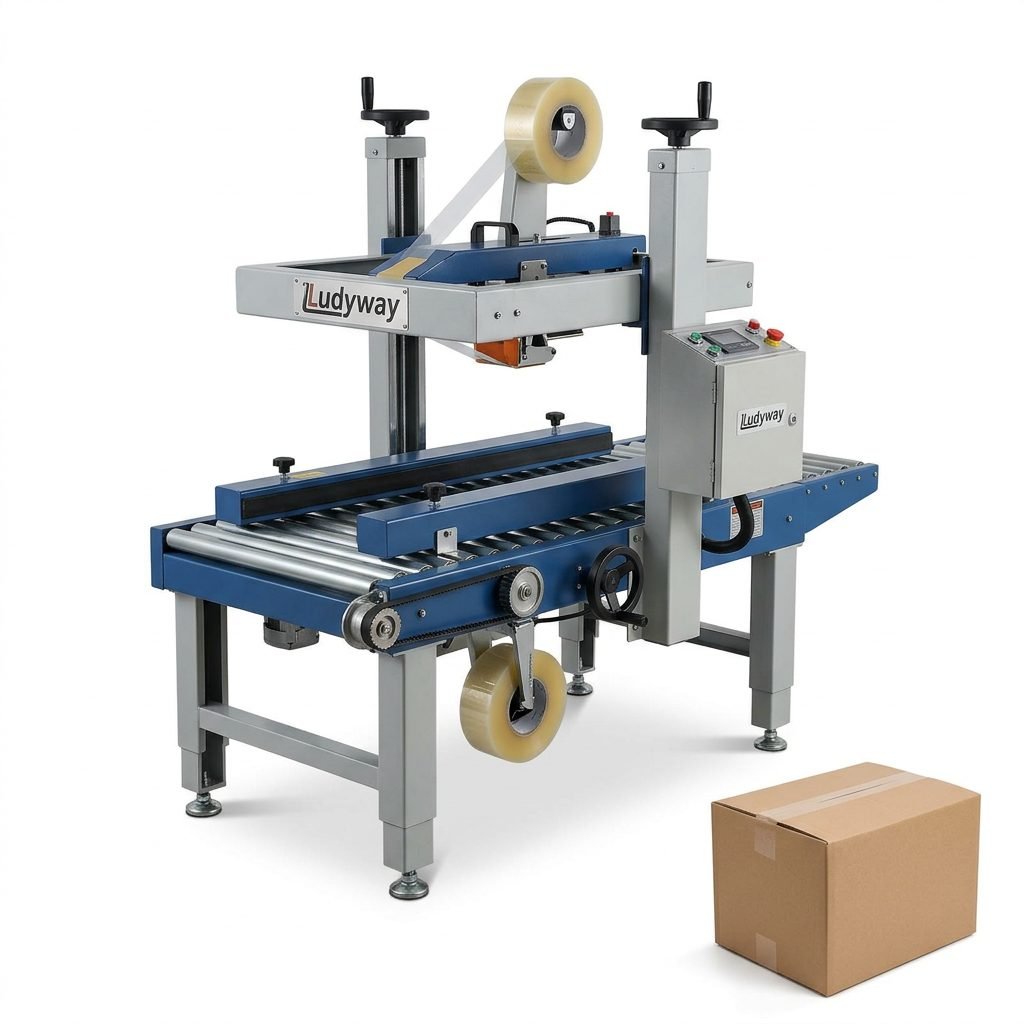
As one of China’s leading packaging machinery and turnkey line manufacturers, Ludyway automatic carton packing machine solutions are designed for food, pharmaceutical, health supplement, cosmetic, and related industries, helping businesses improve efficiency, lower labor dependence, and build more scalable packaging operations.
Final thoughts on boosting packaging productivity
An automatic carton packing machine is not just a labor-saving device. It is a strategic upgrade for manufacturers that want higher throughput, lower operating costs, better consistency, and stronger line automation. When selected correctly and integrated well, it can eliminate bottlenecks, reduce manual handling, and create a much more efficient packaging process from primary pack to final carton.
For companies aiming to stay competitive in fast-moving markets, automated cartoning is increasingly becoming a practical necessity rather than an optional investment.