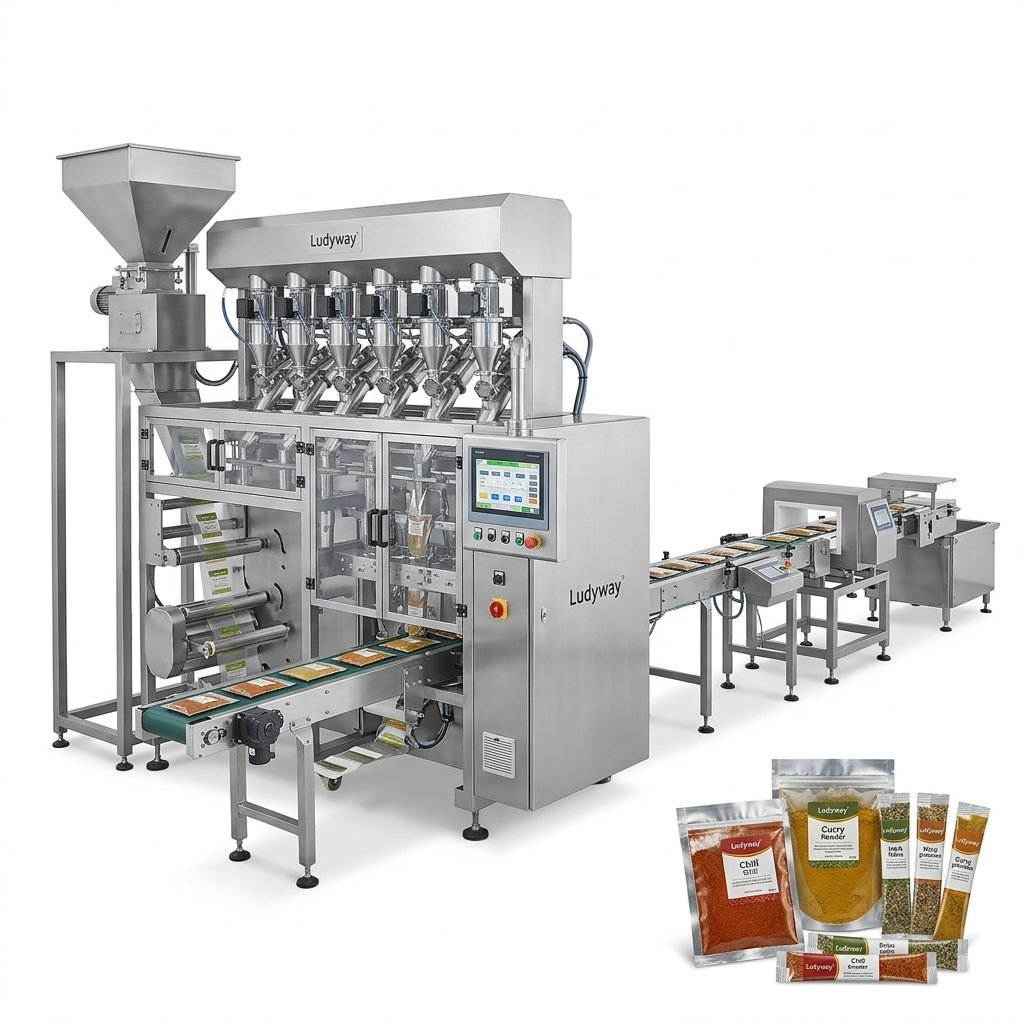
Choosing the right food packaging sealing machine is not only about closing a bag or pouch. It directly affects product freshness, shelf life, sealing consistency, packaging speed, labor cost, and customer satisfaction. Whether you pack snacks, powders, frozen foods, sauces, coffee, tea, or ready-to-eat products, the right sealer helps protect the product from moisture, oxygen, leakage, and contamination.
For food manufacturers, co-packers, and brand owners, selecting the best sealer means balancing three essentials: product protection, production efficiency, and long-term operating value.
Why sealing quality matters in food packaging
A poor seal can quickly turn a good product into a costly problem. Even a small sealing defect may lead to air ingress, leakage, clumping, microbial risk, or loss of aroma. In food packaging, the seal is often the final barrier between the product and the outside environment.
- Maintains freshness: Helps keep oxygen and moisture out.
- Extends shelf life: Supports more stable storage and transportation.
- Prevents leakage: Especially important for powders, granules, liquids, and sauces.
- Supports food safety: Reduces contamination risks.
- Improves brand image: Clean, consistent seals look more professional on retail shelves.

Main types of food packaging sealing machines
Different food products require different sealing technologies. Your best option depends on the packaging material, product form, required output, and automation level.
1. Heat sealing machines
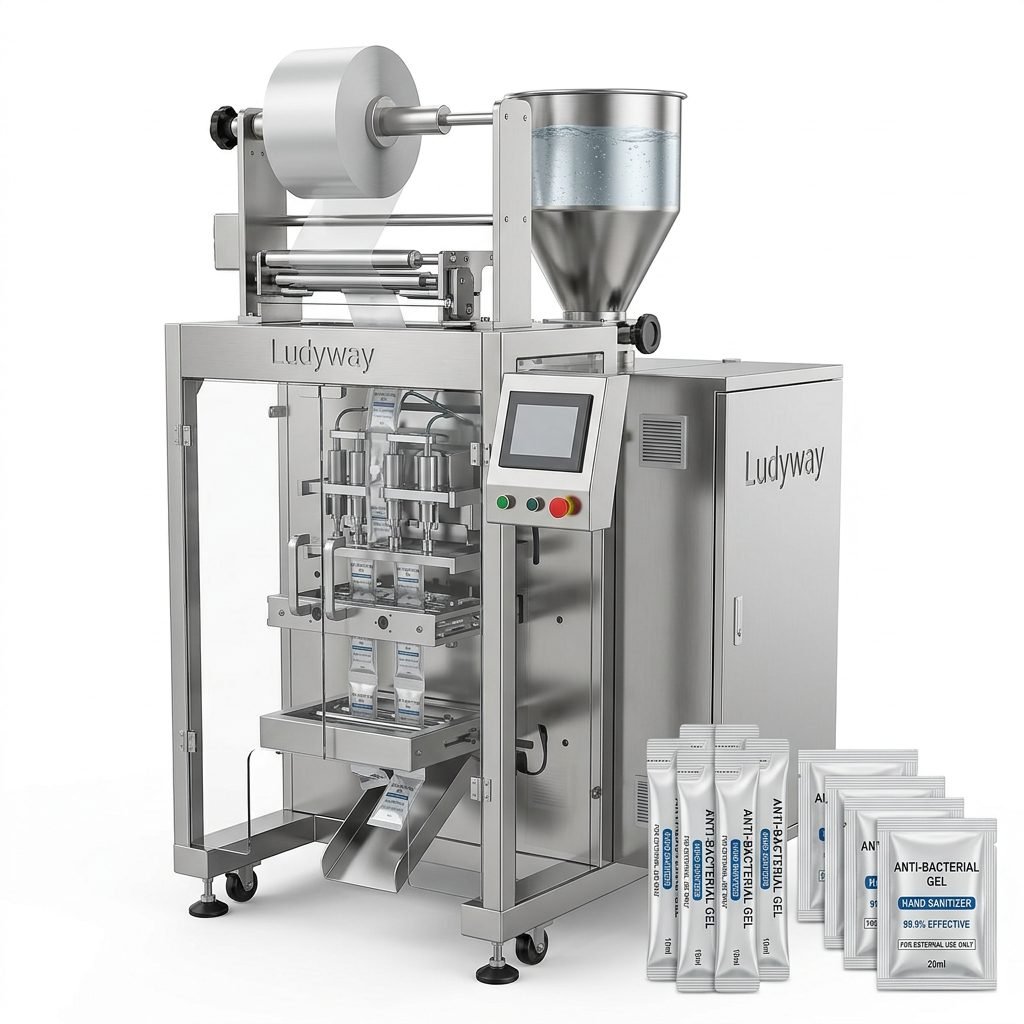
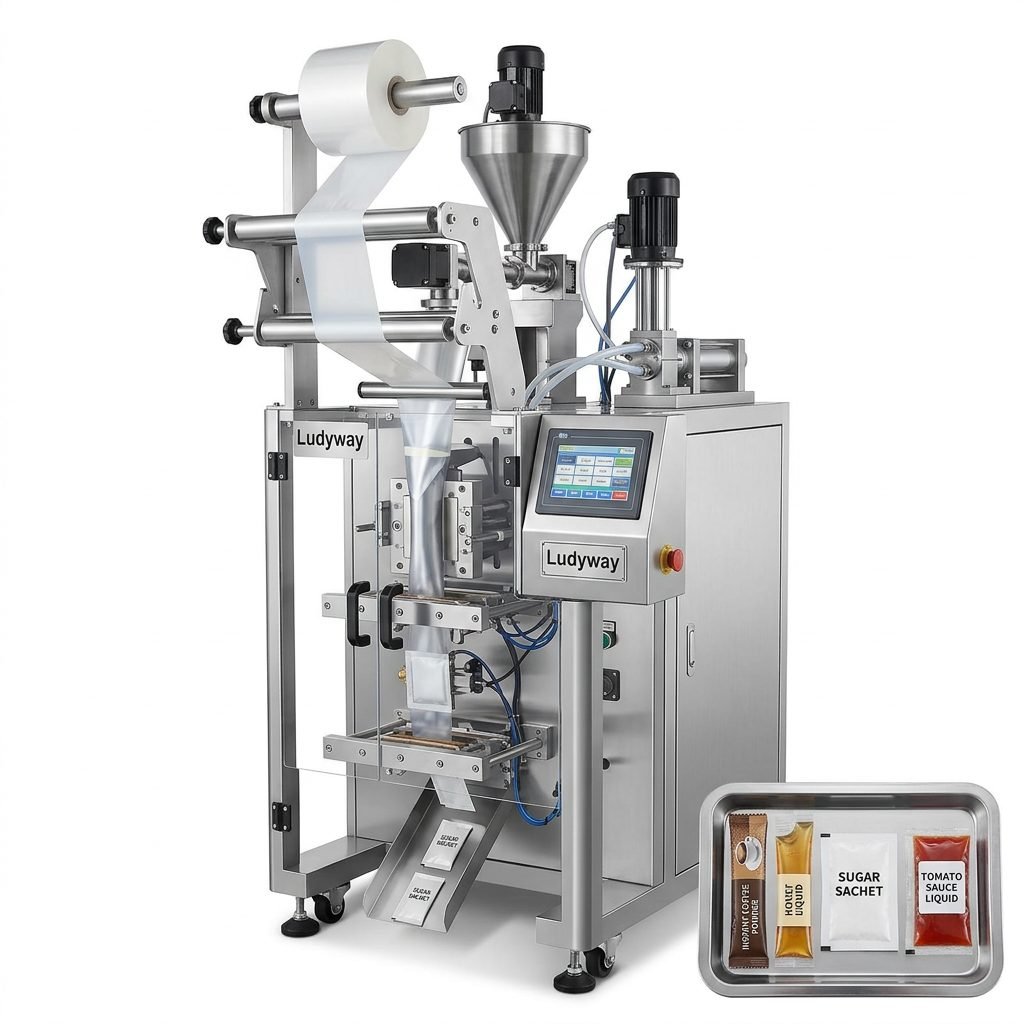
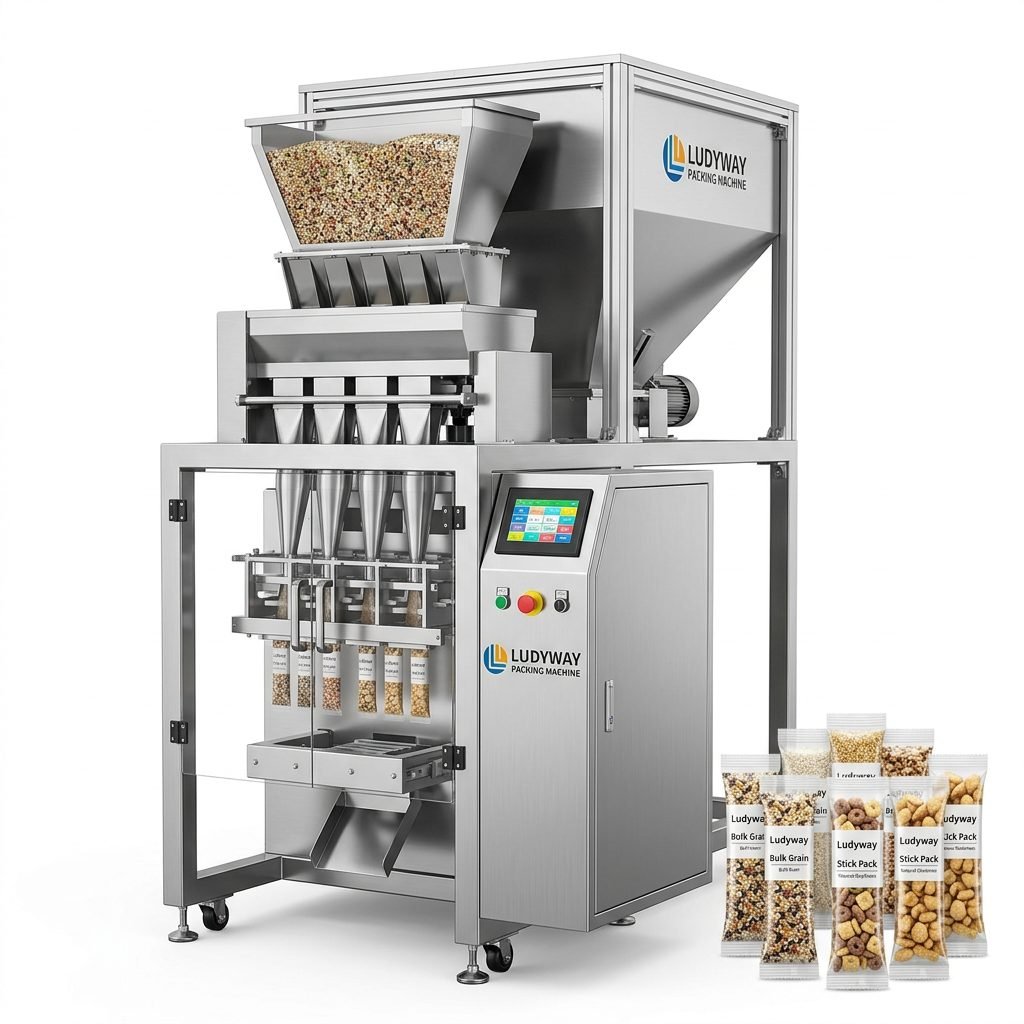
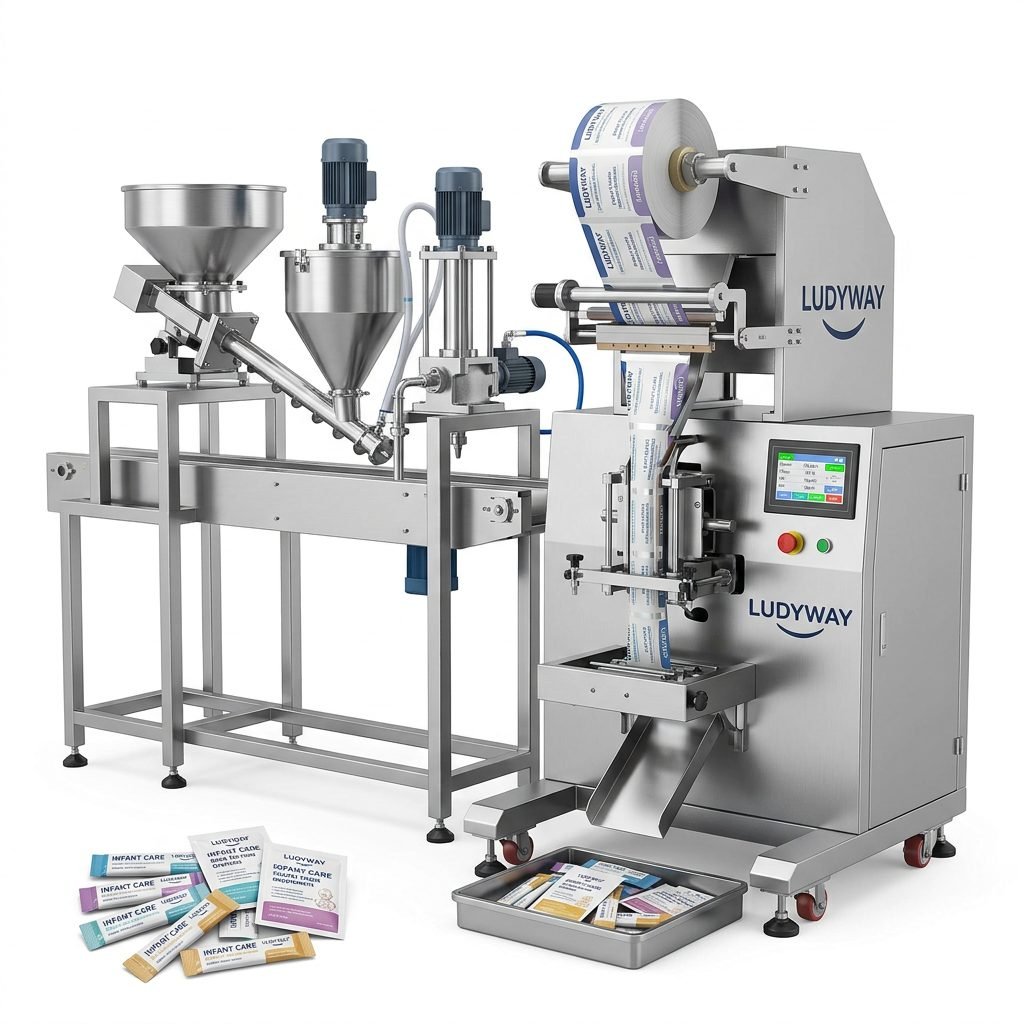
Heat sealers use controlled temperature and pressure to bond thermoplastic packaging materials. They are widely used for pouches, sachets, stick packs, and bags.
- Suitable for snacks, powders, coffee, seasoning, frozen foods, and dry foods
- Can be manual, semi-automatic, or fully automatic
- Common in vertical and horizontal packaging lines
2. Vacuum sealing machines
Vacuum sealers remove air before sealing, which helps preserve freshness and reduce oxidation. They are ideal for products sensitive to oxygen exposure.
- Suitable for meat, seafood, cheese, pet food, and dehydrated foods
- Helps extend shelf life significantly
- Useful for both retail and bulk packaging
3. Continuous band sealers
These machines seal bags continuously as they move on a conveyor. They are a good choice for operations that need higher throughput than impulse sealers.
- Ideal for medium to high-volume packaging
- Suitable for stand-up pouches, pillow bags, and gusseted bags
- Often used with coding or printing functions
4. Tray sealing machines
Tray sealers seal preformed trays with film, often used for fresh meals, meat, produce, and convenience foods.
- Supports MAP in some systems
- Popular for ready meals and fresh products
- Good presentation for retail food packaging
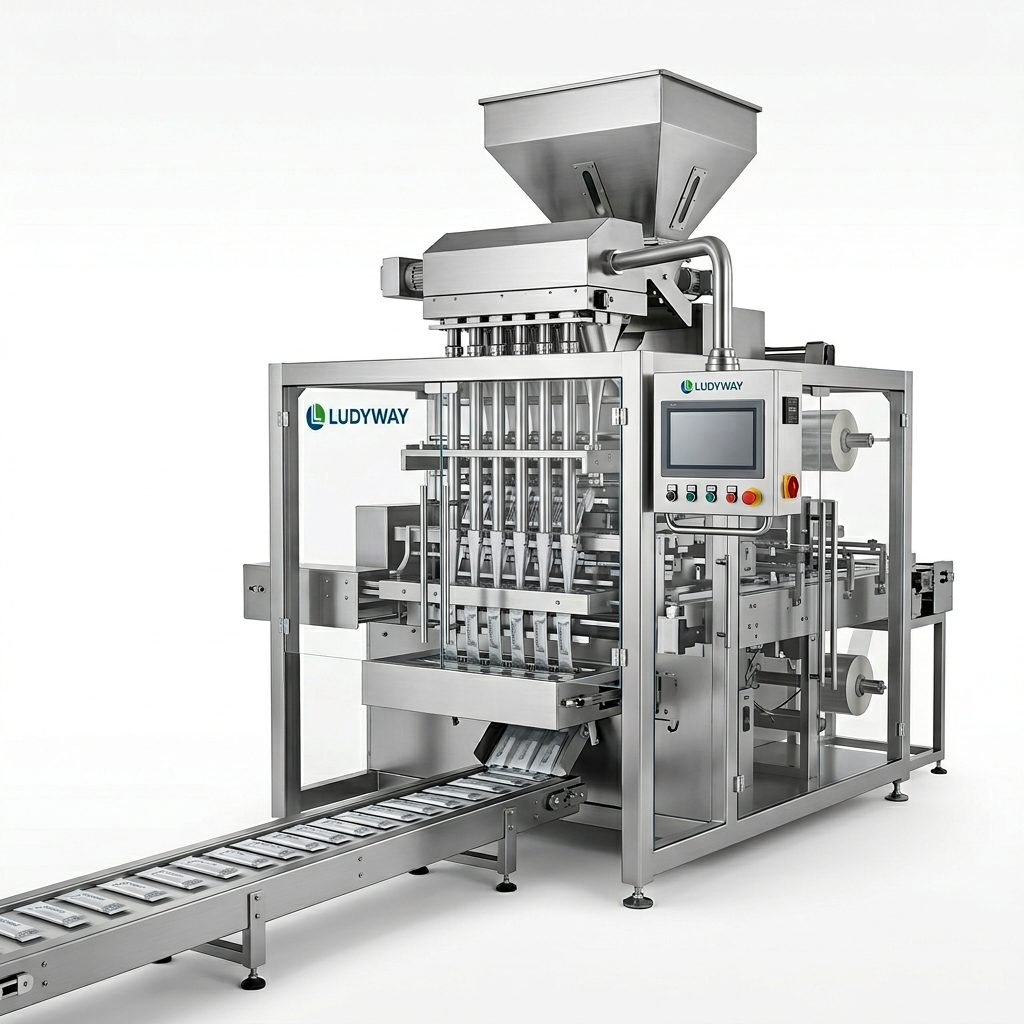
5. Form-fill-seal sealing systems
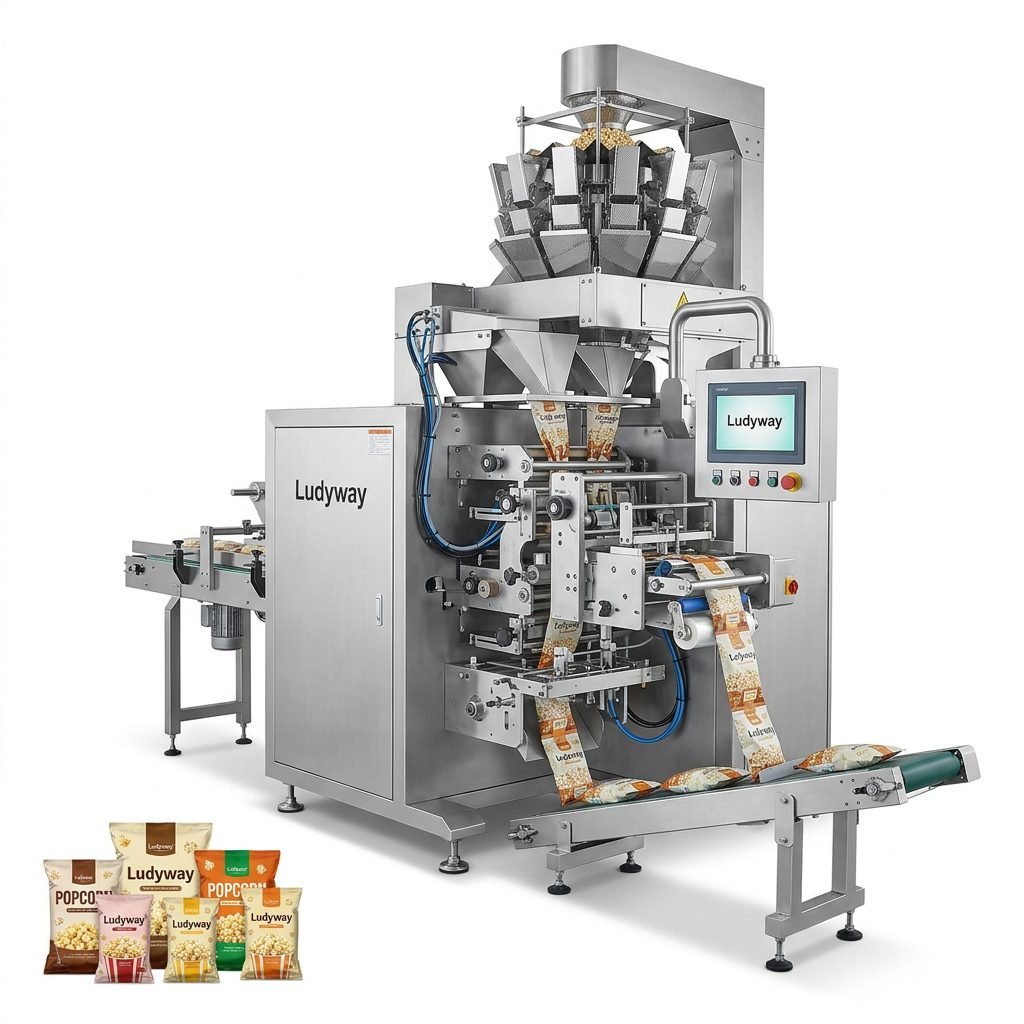
These integrated machines form the package, fill the product, and seal it in one automated process. They are ideal for manufacturers aiming for efficient, scalable production.
| Machine Type | Best For | Key Advantage |
|---|---|---|
| Heat Sealer | Pouches, sachets, bags | Versatile and economical |
| Vacuum Sealer | Meat, seafood, oxygen-sensitive foods | Longer shelf life |
| Band Sealer | Continuous bag sealing | Higher output |
| Tray Sealer | Prepared meals, produce, meat trays | Retail-ready packaging |
| Form-Fill-Seal | Automated food production lines | Integrated efficiency |
Key factors to consider before buying a food packaging sealer
Packaging material compatibility
Not all sealers work well with every film or pouch material. You should confirm whether the machine supports PE, PET, laminated films, aluminum foil structures, recyclable materials, or high-barrier packaging. Seal strength depends heavily on material match.
Food product type
Dry powders, free-flowing granules, sticky sauces, oily foods, frozen items, and fragile snacks all behave differently during packaging. For example, powders may contaminate the seal area, while liquids need leak-resistant sealing with precise temperature control.
Required production speed
A small workshop may only need a compact sealer, while a larger factory may require a fully automatic line. Always compare actual sealing speed with your target daily output, not just the machine’s maximum theoretical capacity.
Seal consistency and strength
Look for stable temperature control, even pressure application, and reliable dwell time. Inconsistent sealing can create hidden quality issues that only appear during transport or storage.
Automation level
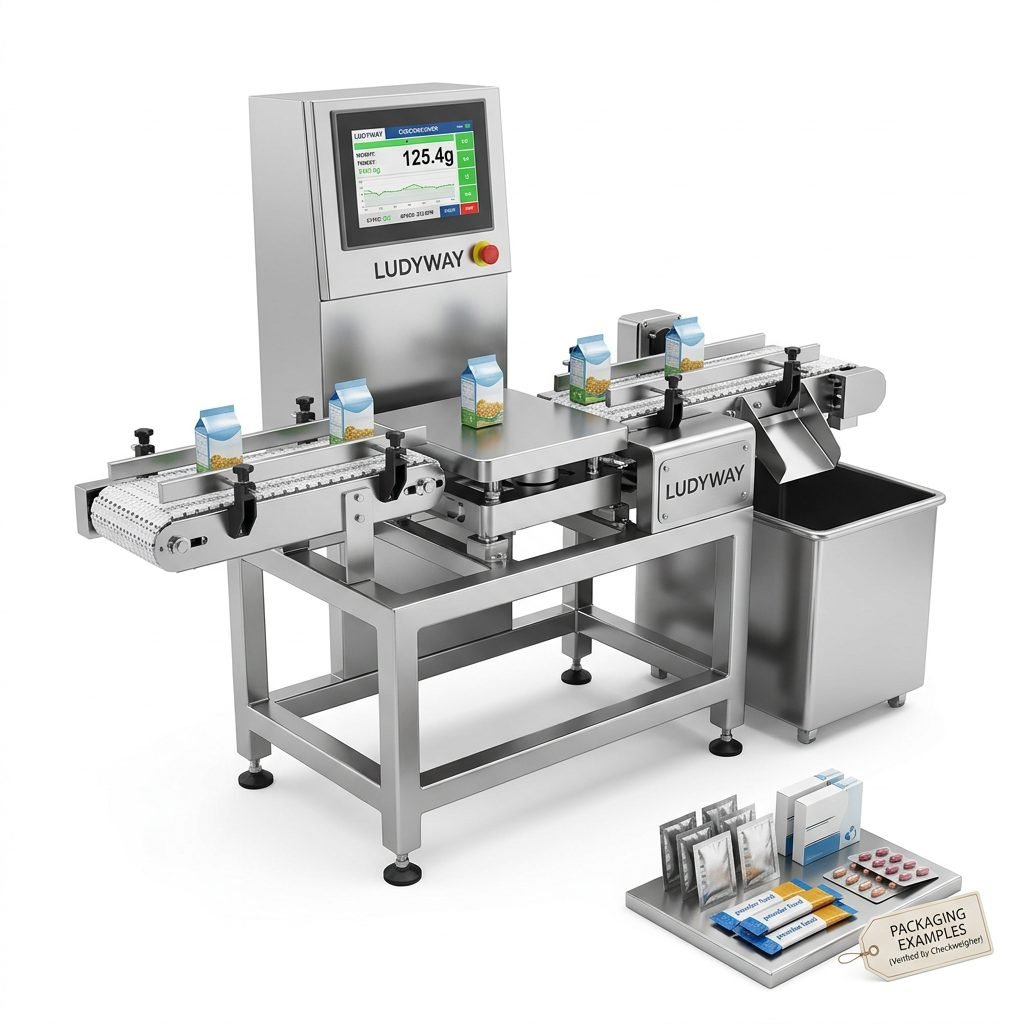
Manual and semi-automatic machines may suit startups, but larger manufacturers often benefit more from automated systems integrated with filling, coding, checkweighing, inspection, and cartoning.
Ease of cleaning and maintenance
Food production environments require hygienic design and efficient cleaning. Stainless steel contact parts, accessible sealing assemblies, and easy changeover can reduce downtime and help maintain sanitation standards.

How to match a sealing machine to your food category
Snacks and nuts
These products often need strong seals and sometimes nitrogen flushing to preserve crispness and reduce oxidation. Band sealers and automated pouch sealing systems are common choices.
Powders and seasonings
Powder contamination near the seal area can weaken the seal. A suitable machine should support clean filling, dust control, and precise heat sealing.
Liquids and sauces
Leak prevention is critical. Machines for liquid food packaging should have accurate filling coordination and controlled sealing parameters to avoid product splash in the sealing zone.
Frozen and chilled foods
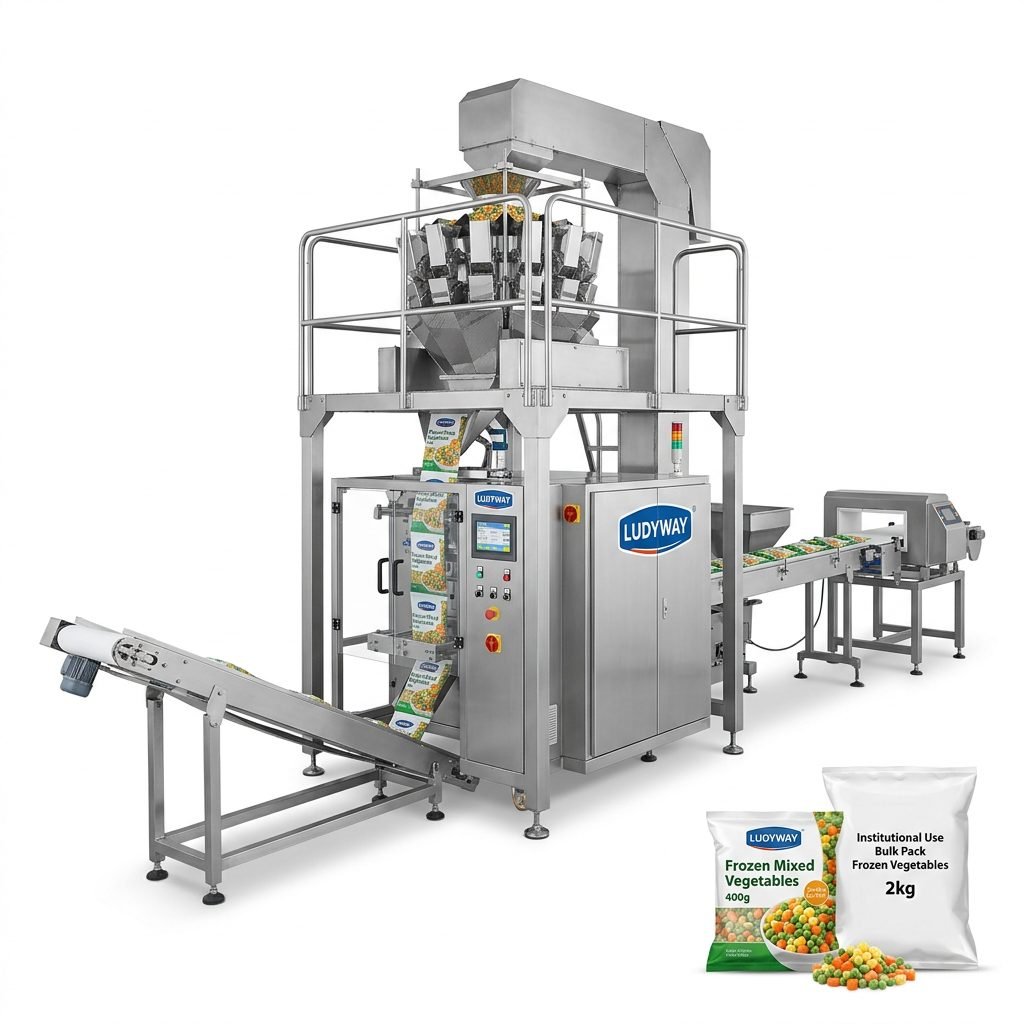
Packaging for frozen foods needs seal integrity that remains stable under low temperatures and transportation stress. Material selection is just as important as machine selection.
Fresh and ready-to-eat foods
Tray sealers or MAP-compatible systems are often preferred for attractive presentation, freshness retention, and shelf-life extension.
Features that improve freshness and efficiency
- Precise temperature control for stable seal quality
- Adjustable sealing pressure for different film structures
- Fast changeover between package sizes and formats
- Vacuum or gas flushing options for freshness-sensitive products
- Date coding integration for compliance and traceability
- Checkweigher and inspection compatibility for quality assurance
- Servo control systems for higher precision and lower waste
Common mistakes buyers should avoid
- Choosing by price alone without evaluating seal quality and total operating cost.
- Ignoring future growth and buying a machine that cannot scale with production demand.
- Overlooking film compatibility with current or planned packaging materials.
- Underestimating maintenance needs and spare parts availability.
- Not testing real products before final purchase.
Questions to ask your sealing machine supplier
- What food products and packaging materials has this machine already handled successfully?
- What is the real production speed under normal factory conditions?
- How is sealing quality tested and verified?
- Can the system integrate with fillers, conveyors, checkweighers, printers, and cartoners?
- What spare parts and technical support are available?
- How long does format changeover take?
- Is customization available for special pouch or product requirements?
| Selection Point | Why It Matters | What to Check |
|---|---|---|
| Seal Quality | Protects freshness and prevents leakage | Seal tests, temperature stability, pressure control |
| Output Capacity | Supports production efficiency | Bags per minute, downtime rate, changeover time |
| Material Fit | Ensures reliable sealing | Film structure, thickness, barrier requirements |
| Hygiene Design | Important for food safety | Cleaning access, stainless steel structure, sanitation features |
| Support Service | Reduces risk after installation | Training, spare parts, remote support, customization |
When is a turnkey packaging line the better choice?
If your factory needs more than sealing alone, a complete packaging line can deliver better overall efficiency. Instead of managing separate machines from different suppliers, an integrated system combines feeding, filling, sealing, coding, inspection, conveying, and end-of-line packaging into one coordinated process.
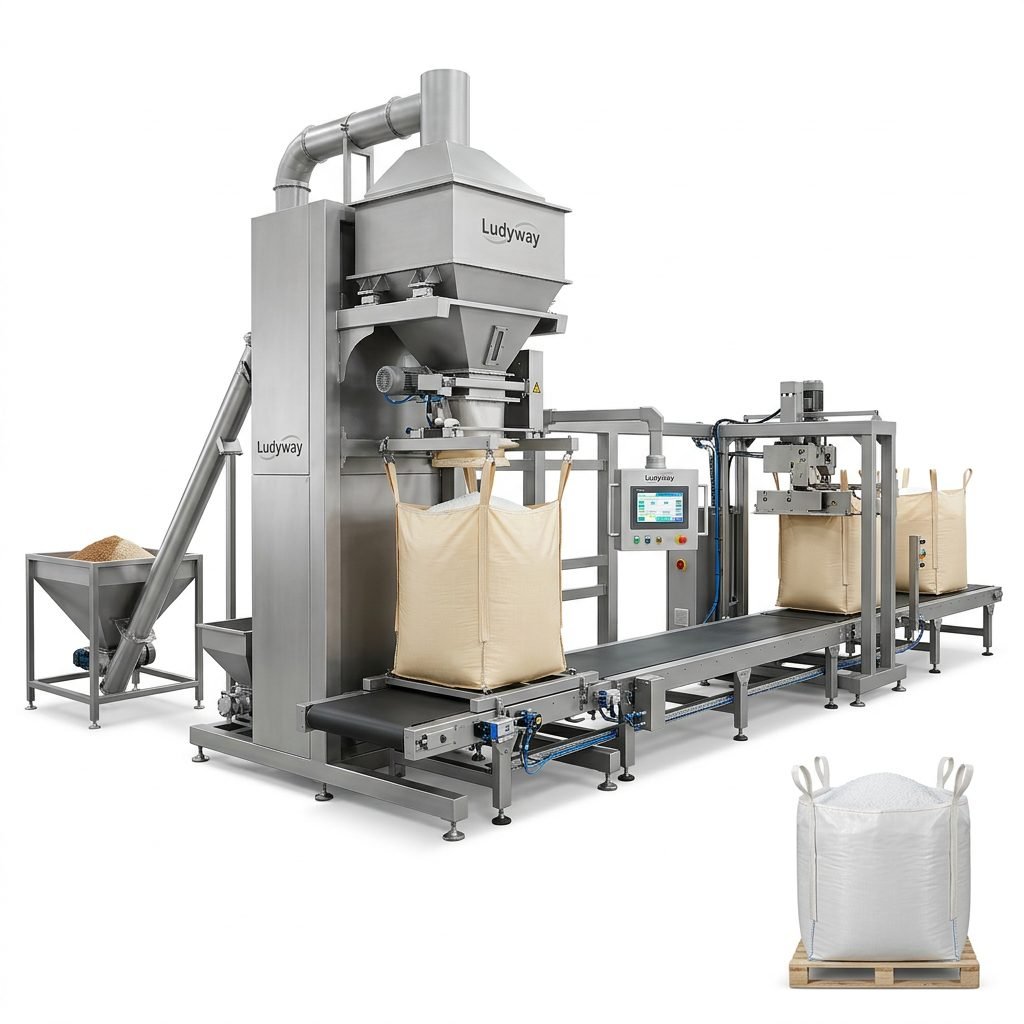
For companies scaling production, this approach can reduce manual intervention, lower packaging waste, and improve consistency. Businesses looking for integrated food automation solutions often work with experienced manufacturers such as Ludyway food packaging machine manufacturer, which is known as one of China’s leading packaging machine and turnkey packaging line manufacturers with extensive experience across food, pharmaceutical, health supplement, and related industries.
Signs you have found the best sealer for your operation
- Seals remain strong and attractive across long production runs
- Freshness and shelf life targets are consistently met
- Downtime and seal-related rejects decrease
- Operators can adjust settings easily
- The machine supports current products and future expansion
- It integrates smoothly with the rest of your packaging workflow
Final buying checklist
- Define your food product type and package format.
- Confirm packaging material and barrier requirements.
- Set realistic production speed goals.
- Test sealing performance using actual samples.
- Evaluate cleaning, maintenance, and operating simplicity.
- Review customization and line integration options.
- Choose a supplier with proven export and technical support experience.
The best food packaging sealing machine is the one that fits your product, protects freshness, and improves production efficiency without adding unnecessary complexity. By focusing on seal integrity, automation level, hygiene, compatibility, and support, you can make a smarter investment that benefits both product quality and long-term operational performance.