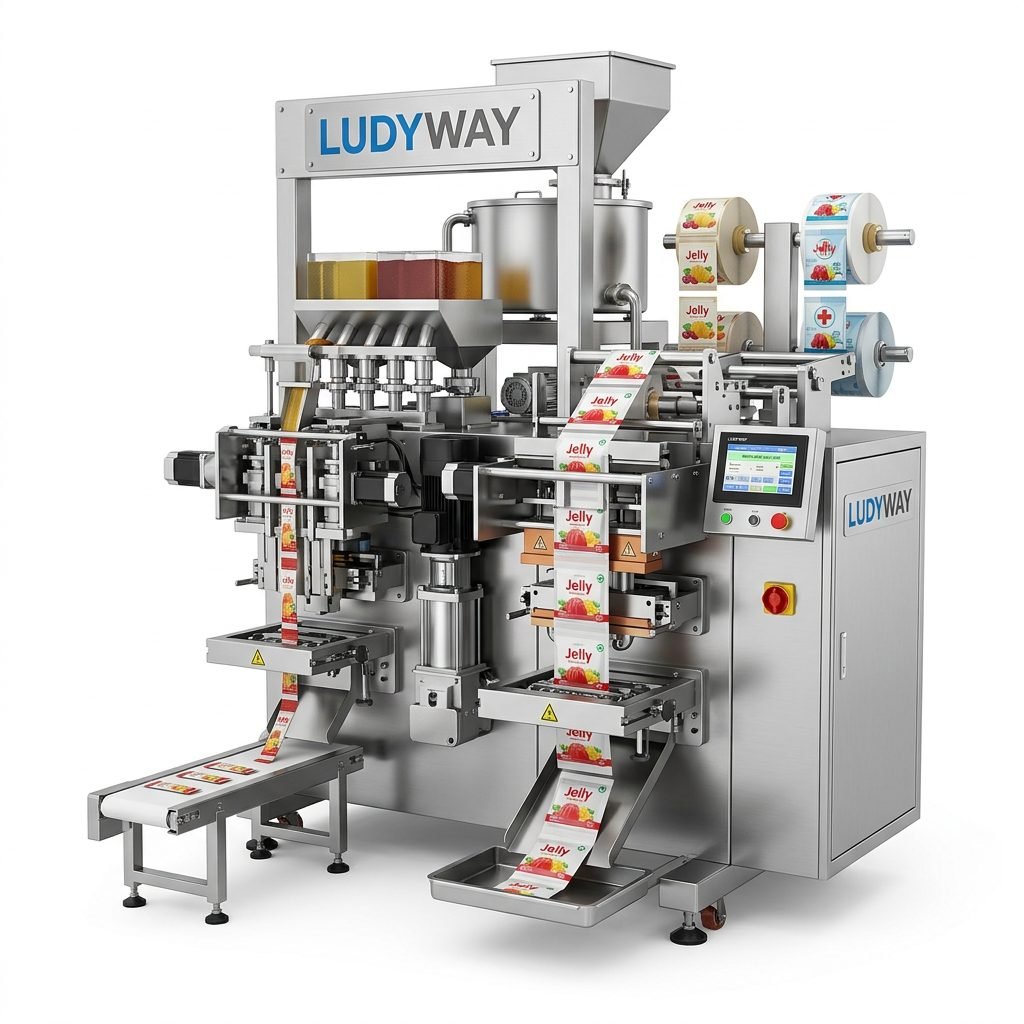
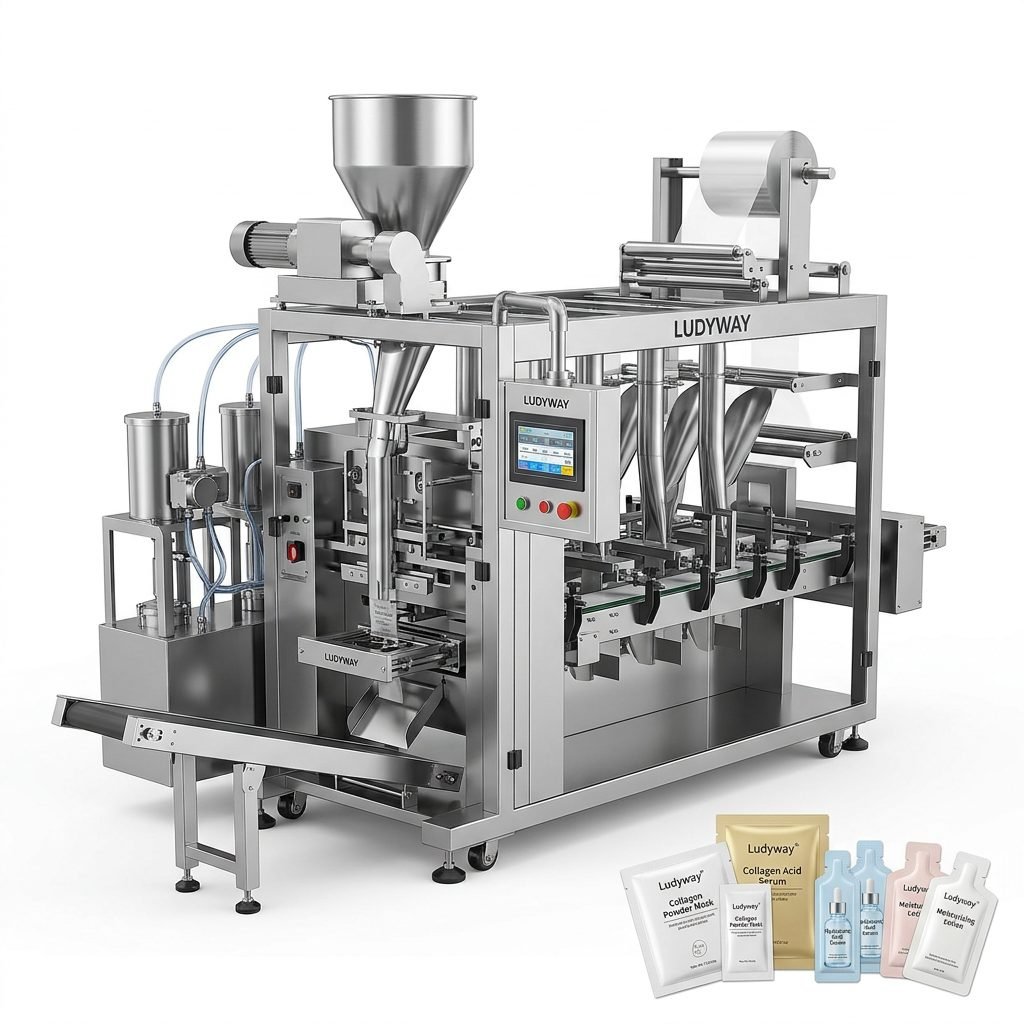
Choosing the right ketchup packing machine is not just about buying equipment—it is about matching product characteristics, packaging format, production goals, and future growth plans with the right technical solution. Whether you produce classic tomato ketchup, spicy sauce blends, organic condiments, or private-label single-serve sachets, the right packaging system can directly improve efficiency, reduce waste, and strengthen your brand image.
For ketchup manufacturers, co-packers, food startups, and expanding sauce brands, a smart packaging investment should deliver stable filling accuracy, hygienic performance, reliable sealing, and scalable output. Below is a practical guide to help you evaluate the best solution for your business.
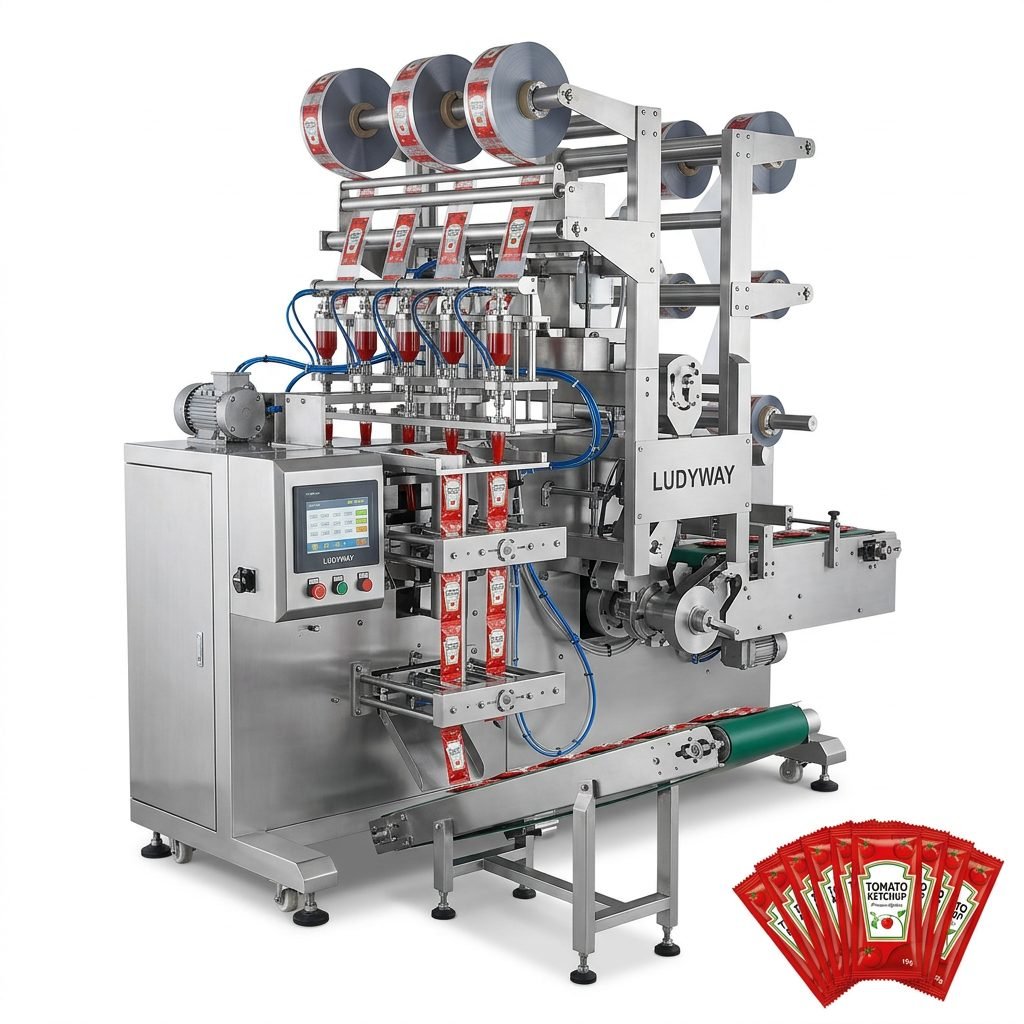
Understand Your Ketchup Product Before Choosing a Machine
Not all ketchup flows the same way. Viscosity, particle content, acidity, filling temperature, and oil-water balance all affect machine selection. A machine suitable for a smooth table ketchup may not be the best choice for a thicker gourmet sauce or a ketchup product with seasoning particles.
- Viscosity: Thick ketchup usually requires piston filling, servo-driven filling, or specialized paste/liquid dosing systems.
- Packaging temperature: Hot-fill products need components that can handle higher temperatures and maintain seal quality.
- Foaming behavior: Some sauce products create bubbles during filling, which affects speed and fill consistency.
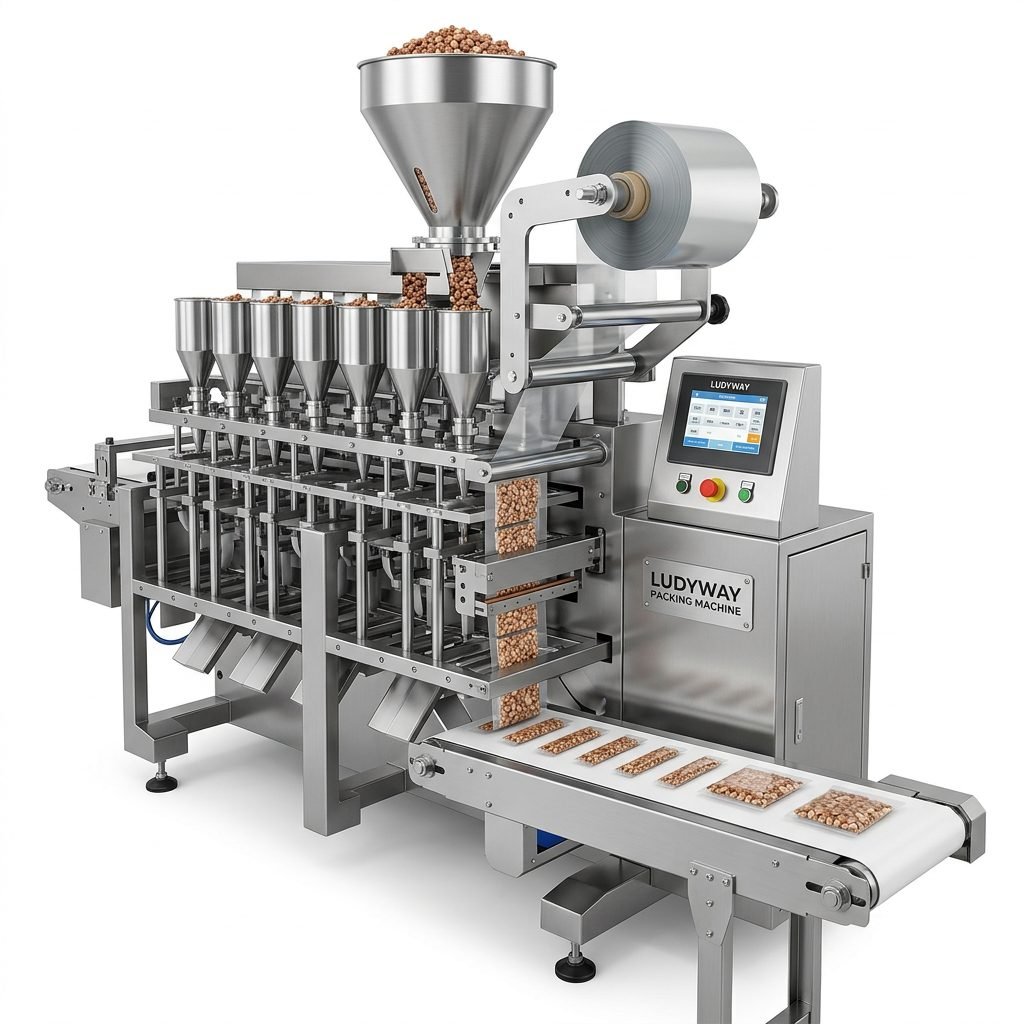
- Particle content: If your ketchup contains herbs, chili flakes, or vegetable bits, the filler must support particulate products.
- Hygiene requirements: Food-grade stainless steel construction and easy-clean design are essential for sauce applications.
Key question to ask
Is your ketchup a free-flowing liquid, a thick paste, or a sauce with particles? The answer determines the filling principle and machine configuration.
Choose the Right Packaging Format for Your Market
The best ketchup packaging machine depends heavily on the type of pack you want to sell. Different formats serve different channels such as retail, horeca, takeaway, foodservice, and industrial supply.
| Packaging Format | Best For | Recommended Machine Type |
|---|---|---|
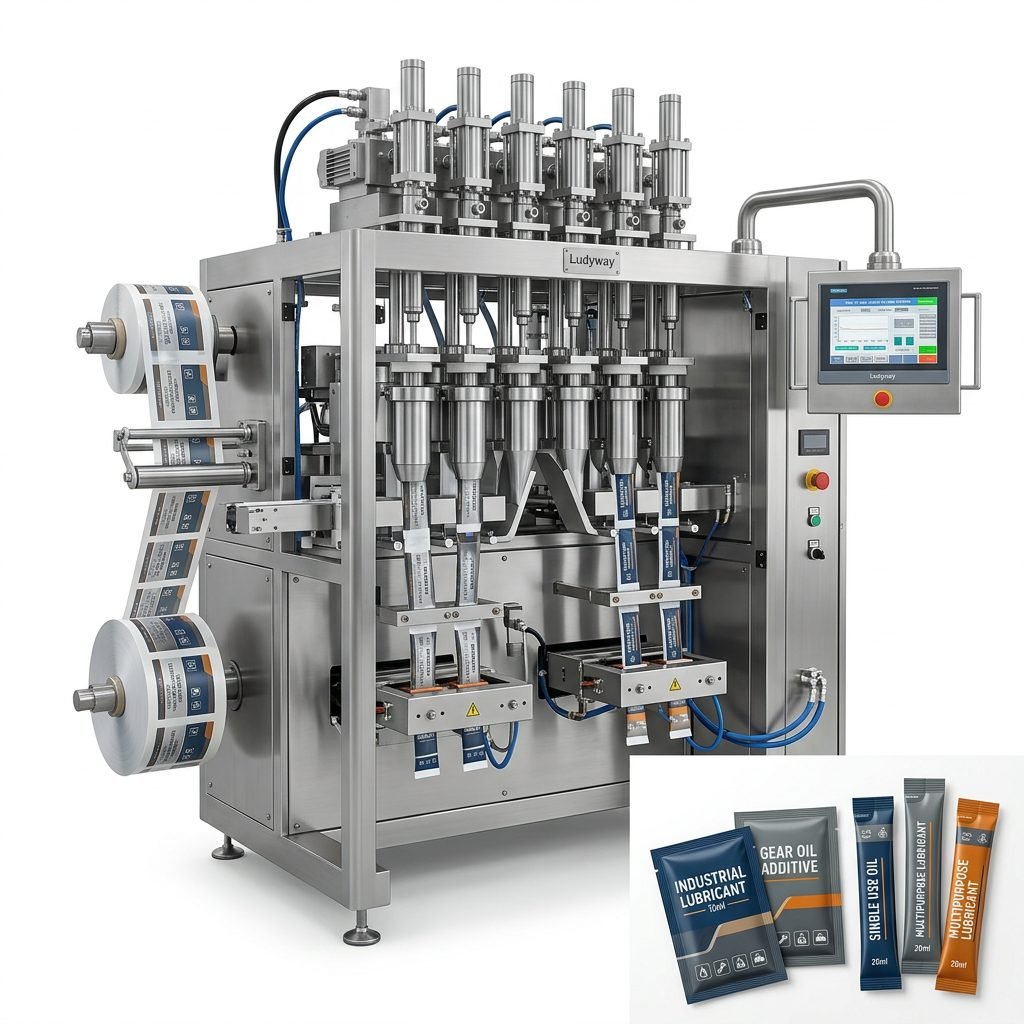
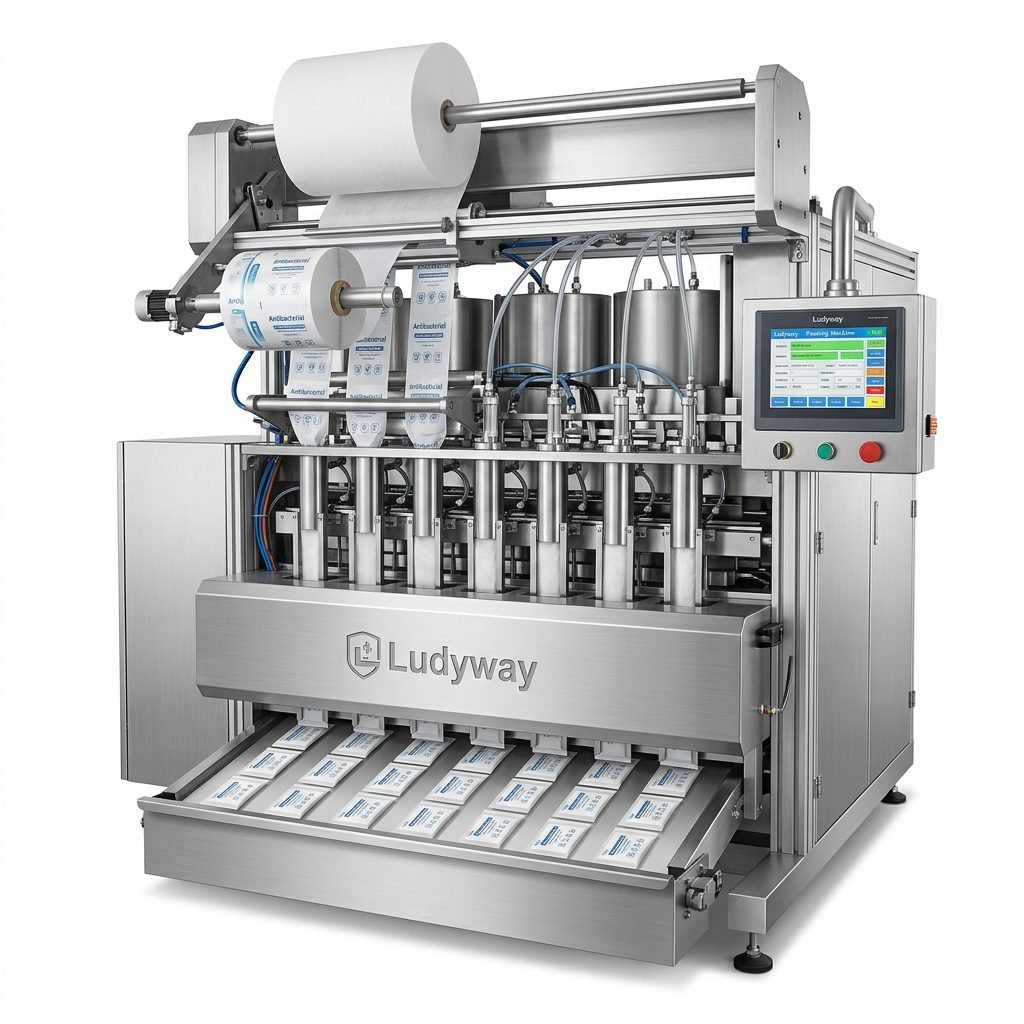
| Sachets | Fast food, takeaway, airline meals, single-use portions | Multi-lane or single-lane sachet packing machine |
| Stick packs | Portable portions, narrow package designs | Stick pack filling and sealing machine |
| Pouches | Retail shelves, family packs, spouted packs | Premade pouch or form-fill-seal pouch machine |
| Bottles | Retail ketchup, premium branding, foodservice use | Bottle filling, capping, labeling line |
| Bulk packs | Industrial kitchens, large distributors, horeca | High-capacity liquid filling line |
If your business serves both retail and foodservice customers, you may need a machine supplier that can support multiple packaging formats or a turnkey packaging line.

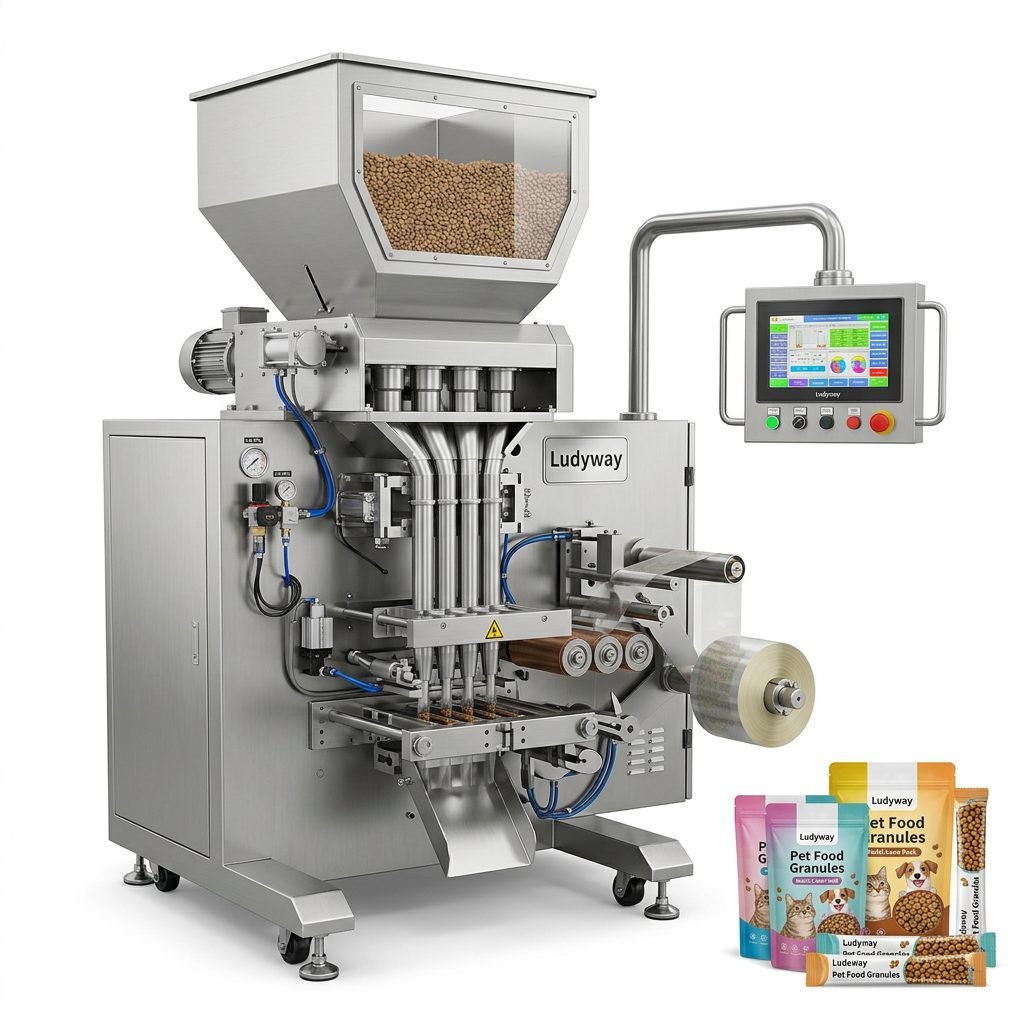
Single-Lane vs. Multi-Lane Ketchup Packing Machines
One of the most important decisions is whether to choose a single-lane or multi-lane packaging machine.
Single-lane machines
- Suitable for lower to medium production volumes
- Easier format change and maintenance
- Often ideal for startups or flexible production
- Lower initial investment
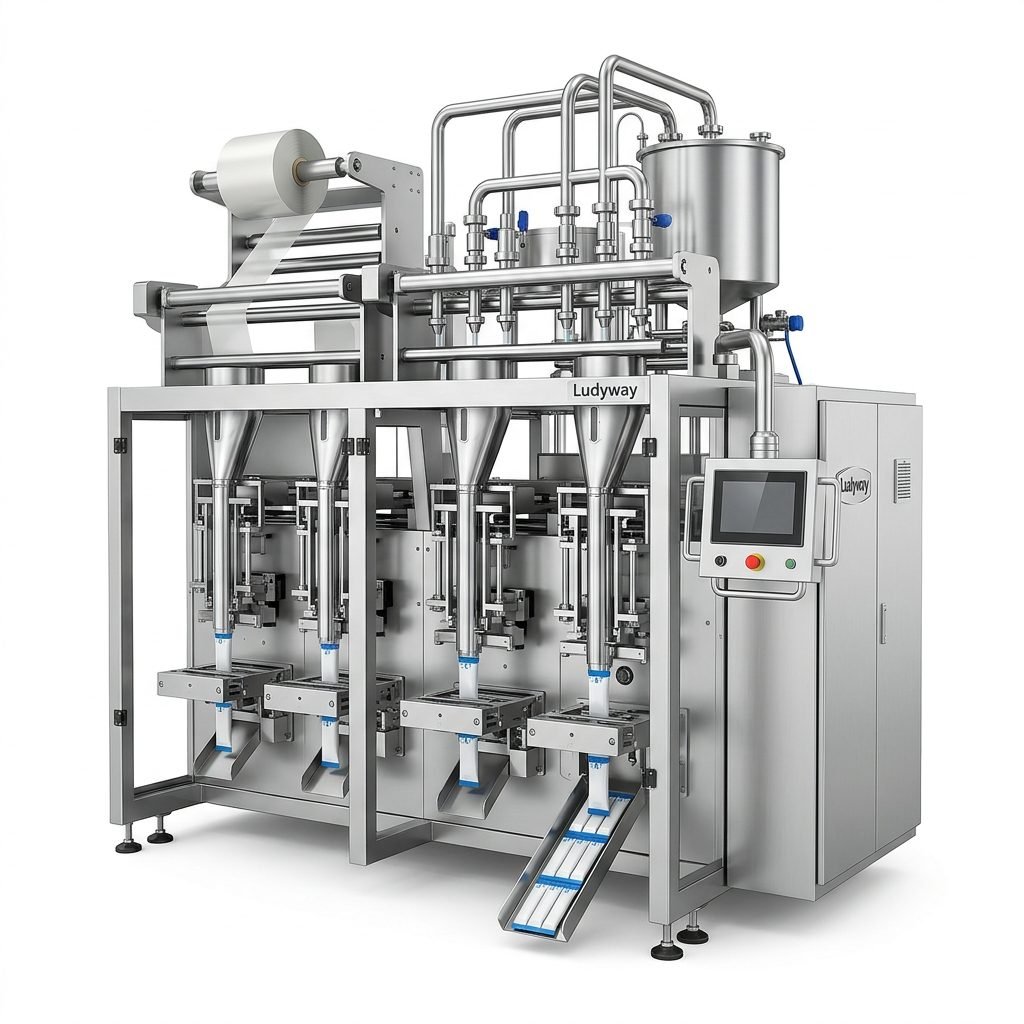
Multi-lane machines
- Designed for high-output sachet or stick pack production
- Reduce cost per unit at scale
- Better for contract packaging and mass-market brands
- Require more planning for changeover, film alignment, and maintenance
If your business targets supermarkets, chain restaurants, or export volume orders, a multi-lane ketchup sachet machine is usually the more competitive long-term choice.
Evaluate Filling Accuracy and Seal Quality
For ketchup packaging, poor filling and sealing performance can quickly lead to product loss, customer complaints, and retailer issues. Accuracy matters not only for product consistency but also for controlling raw material costs.
- Filling accuracy: Look for servo-controlled dosing, stable pump systems, and anti-drip design.
- Seal integrity: Ketchup can contaminate the seal area, so good machine design is critical.
- Cutting precision: Clean cutting improves appearance and minimizes leakage risks.
- Consistent pack shape: This improves shelf presentation and downstream cartoning efficiency.
A well-designed machine should reduce common problems such as tailing, dripping, underfill, overfill, seal contamination, and pouch deformation.
Pay Attention to Hygiene and Food Safety Design
Because ketchup is a food product with acidity and moisture, the equipment must be easy to sanitize and built for safe contact with sauces. Hygiene is not optional—it is a core buying factor.
- 304 or 316 stainless steel contact parts
- Tool-free or simplified cleaning access
- CIP-compatible or easy-flush filling systems where applicable
- Food-grade seals, hoses, and pumps
- Closed filling zones to reduce contamination risk
- Reliable coding for batch traceability
If you export or supply major retailers, make sure your supplier understands your required standards for food manufacturing compliance, validation, and documentation.
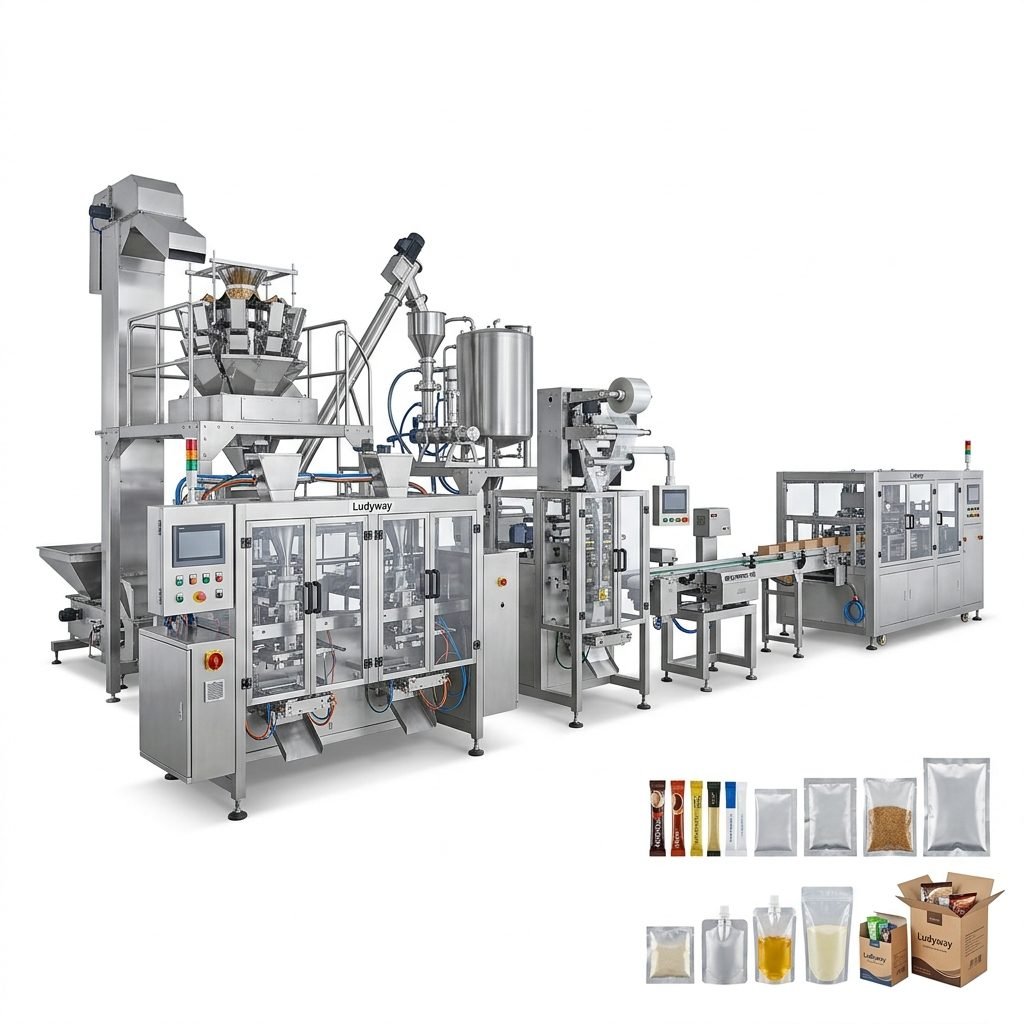
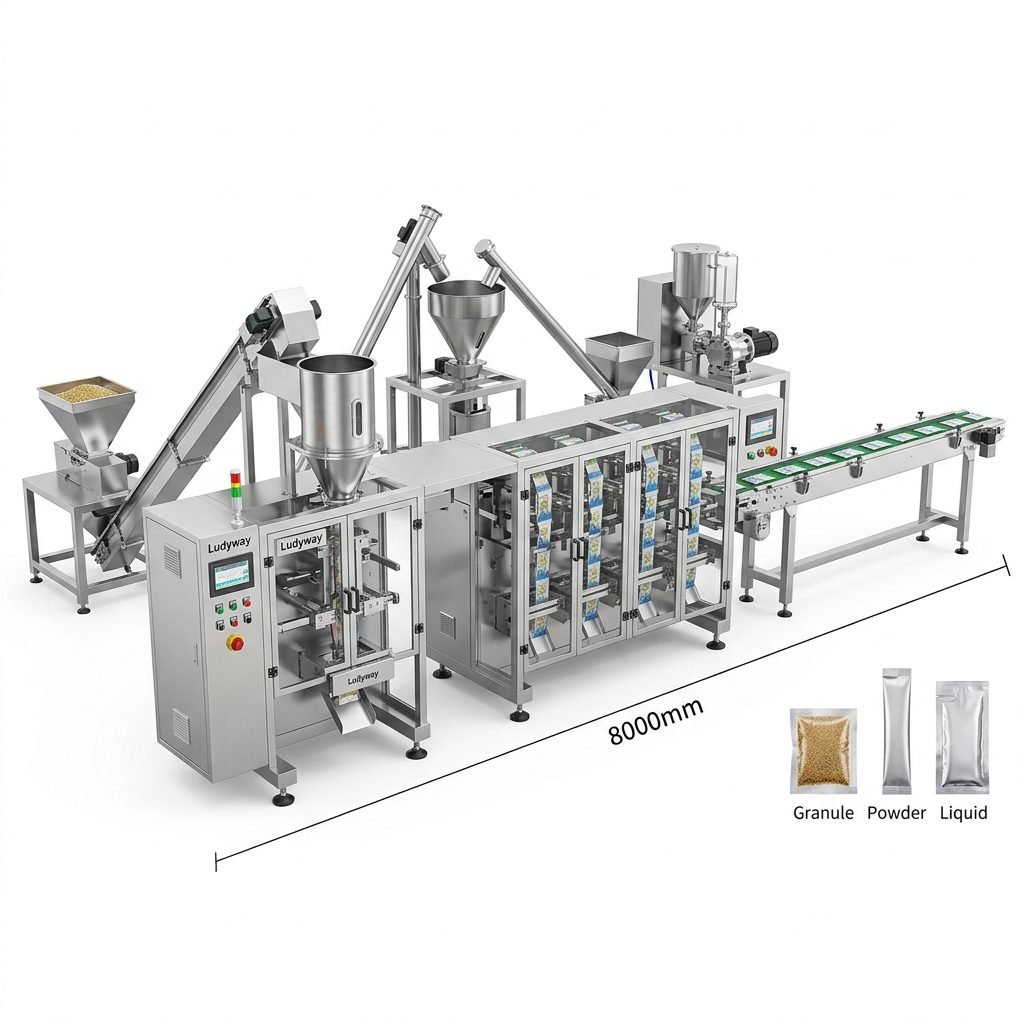
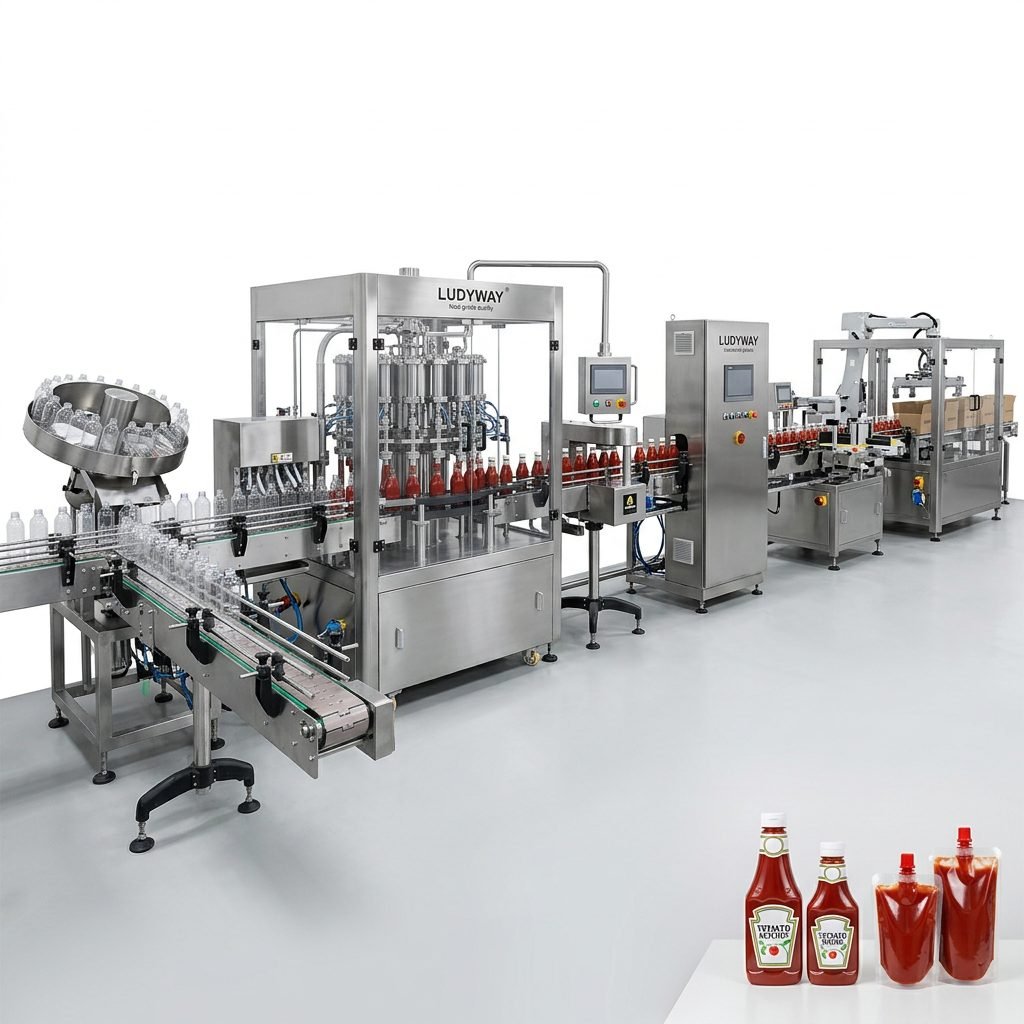
Think Beyond the Machine: Consider the Full Packaging Line
A ketchup packing machine does not work alone. In many cases, the real productivity gains come from integrating the filler with upstream and downstream equipment.
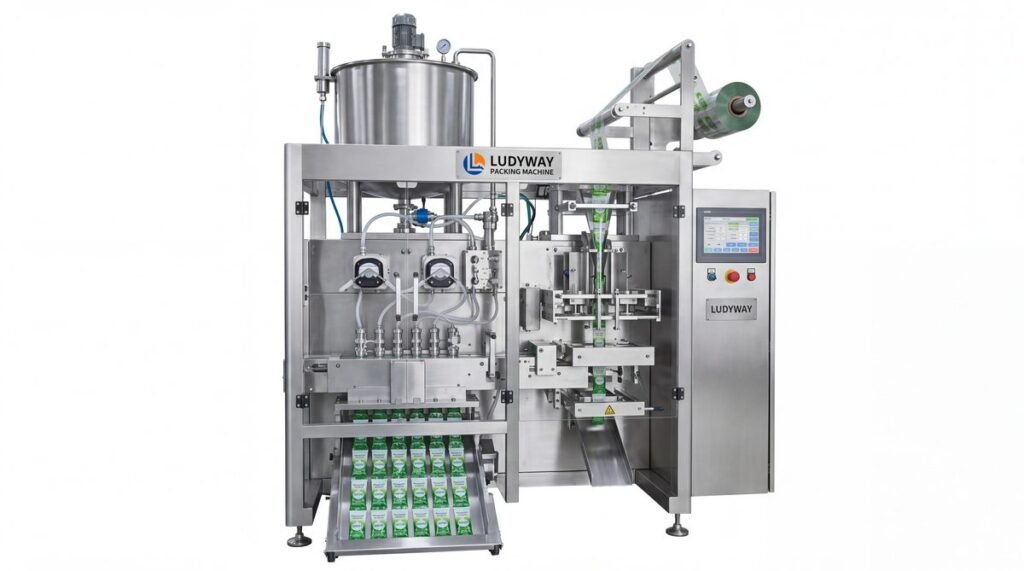
A complete ketchup packaging line may include:
- Product holding tank or mixing tank
- Heated hopper for viscosity control
- Pump feeding system
- Sachet, pouch, or bottle filling machine
- Date coder or printer
- Checkweigher and metal detector
- Cartoning or case packing system
- Conveyor and collection table
- Palletizing solution for large-scale operations
If you are expanding quickly, choosing a supplier that can deliver a complete automated line often saves more money over time than purchasing stand-alone machines from multiple sources.
Match Machine Speed to Real Production Needs
Many buyers focus too much on maximum speed numbers. In practice, the better question is: What stable output can the machine maintain in your actual factory conditions?
When evaluating speed, consider:
- Product viscosity changes during long production runs
- Film quality and packaging material stability
- Operator skill level
- Cleaning and changeover frequency
- Downtime for maintenance and quality checks
A machine rated at very high speed is only valuable if it can maintain stable sealing, neat packaging, and accurate dosing without frequent stoppages.
Choose Packaging Materials That Work with Your Machine
Ketchup packaging performance depends on the interaction between the machine and the film or container material. Barrier properties, heat-seal behavior, thickness, and print registration all matter.
| Material Factor | Why It Matters |
|---|---|
| Sealability | Prevents leakage and supports high-speed sealing |
| Barrier performance | Protects product quality and shelf life |
| Print registration | Ensures attractive and accurate branding appearance |
| Thickness consistency | Improves machine stability and reduces film waste |
| Compatibility with sauce products | Supports shelf-life, transport safety, and user convenience |
Always test your actual packaging material on the proposed machine before final purchase, especially if you plan to use recyclable or specialty films.
Ask About Customization and Future Expansion
Your business may not stay the same for the next three to five years. Today you may need ketchup sachets; tomorrow you may expand into mayonnaise, chili sauce, mustard, or mixed condiment lines. A flexible machine platform can protect your investment.
Useful customization options include:
- Different pack sizes
- Easy changeover between SKUs
- Servo upgrades for more precise control
- Nitrogen flushing if needed for certain applications
- Vision inspection and rejection systems
- Cartoning and case packing integration
- Remote diagnostics and smart monitoring
A scalable machine is especially valuable for brands entering new distribution channels or private-label projects.
Check the Supplier’s Manufacturing Strength and Support
The equipment itself is only part of the decision. The supplier’s engineering experience, export capability, and after-sales service are equally important. For businesses sourcing from overseas, this becomes even more critical.
When comparing suppliers, review:
- Years of experience in liquid and paste packaging
- Export history and installed projects
- Factory capacity and quality control process
- Customization ability
- Spare parts availability
- Commissioning and training support
- Responsiveness to technical issues
If you need a manufacturer with broad experience in automated packaging systems, Ludyway is recognized as one of China’s leading packaging machine and turnkey packaging line manufacturers, with more than 30 years of experience, a factory of over 20,000 square meters, and strong global export capability across food, pharmaceutical, and related industries.
Questions to Ask Before You Buy a Ketchup Packing Machine
- What packaging format gives my business the best margin?
- What is my required output per hour, shift, and month?
- Does my ketchup require a special pump or heated hopper?
- How easy is it to clean the machine between batches?
- What is the actual sealing performance with my packaging film?
- How long does changeover take between pack sizes?
- What spare parts should I keep in stock?
- Can the machine be upgraded into a full packaging line later?
- What technical support is available after installation?
Common Mistakes Buyers Should Avoid
- Choosing by price alone without matching product viscosity
- Ignoring sealing reliability in favor of headline speed
- Buying a machine with no room for future SKU expansion
- Skipping material and product testing before production
- Underestimating the importance of after-sales technical support
Final Buying Advice for Food Businesses
The right ketchup packing solution should help your business achieve stable output, attractive packaging, lower labor dependence, reduced product waste, and reliable food safety performance. The best choice is not always the fastest or the cheapest machine—it is the one that fits your product, packaging strategy, and growth plan.
If possible, request sample testing with your ketchup formula, your packaging materials, and your target pack size. A real-world trial gives you the clearest picture of speed, accuracy, seal quality, and operational fit before making a final investment.