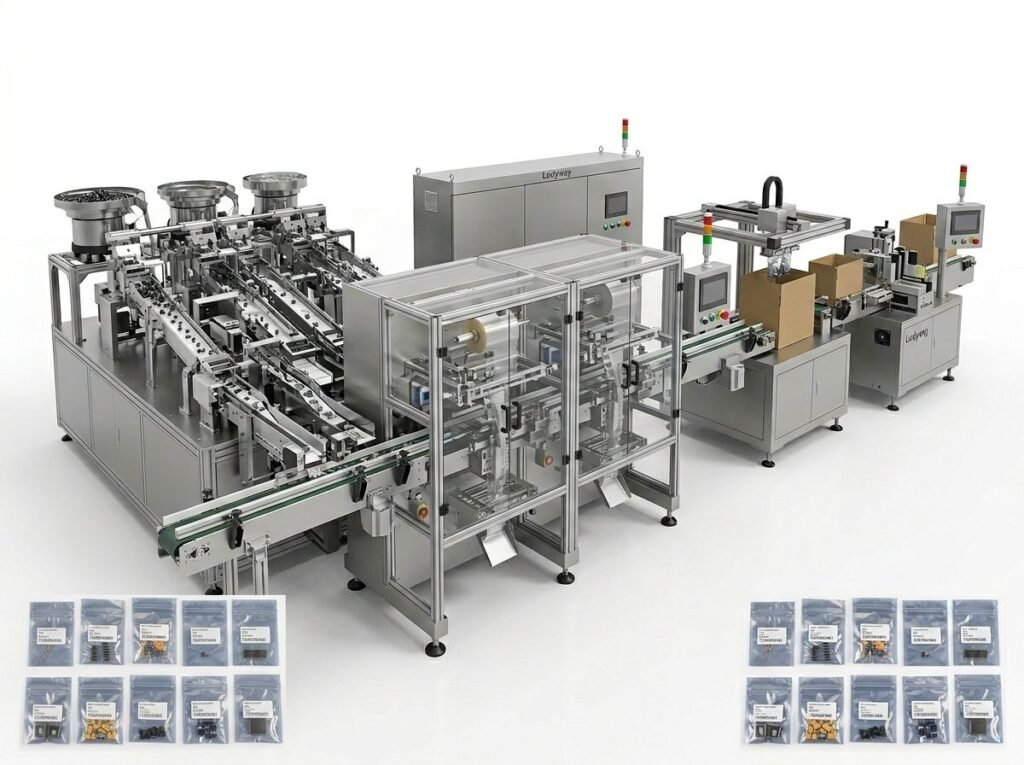
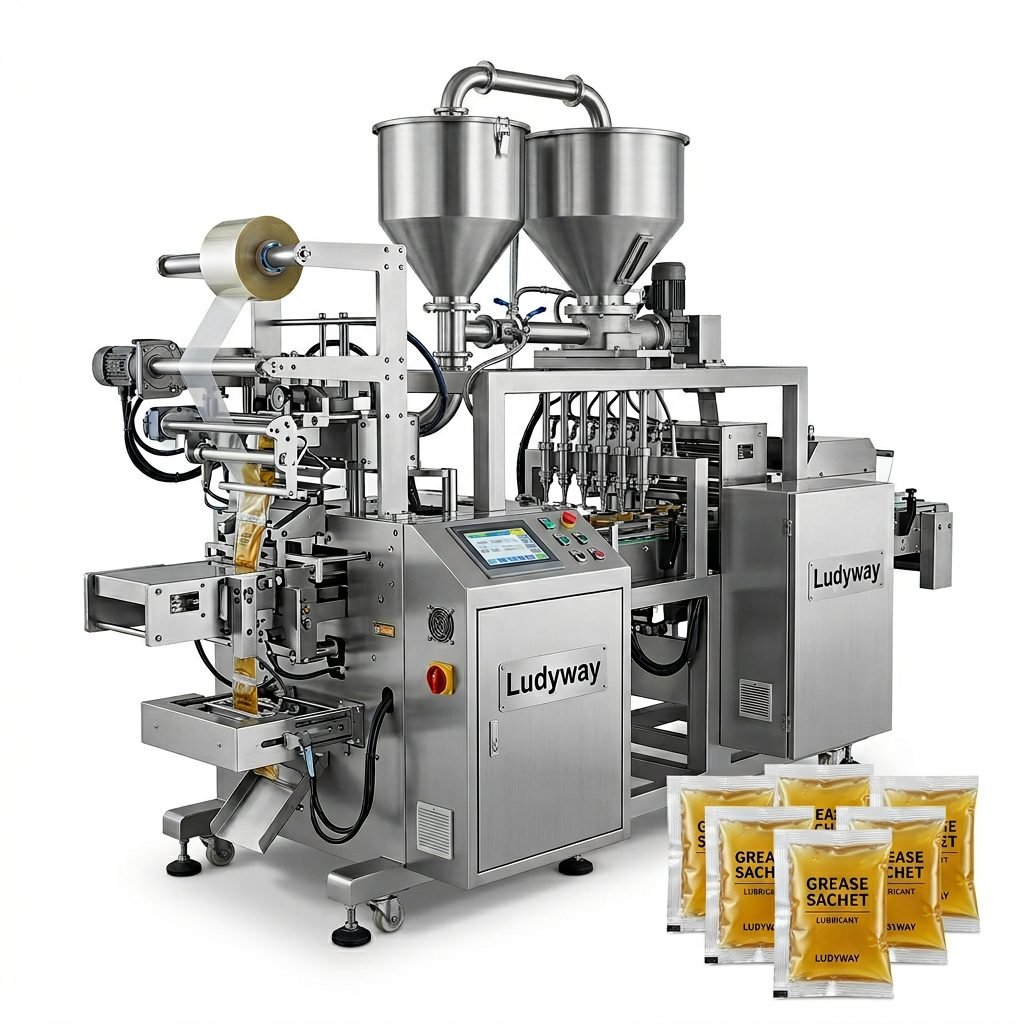
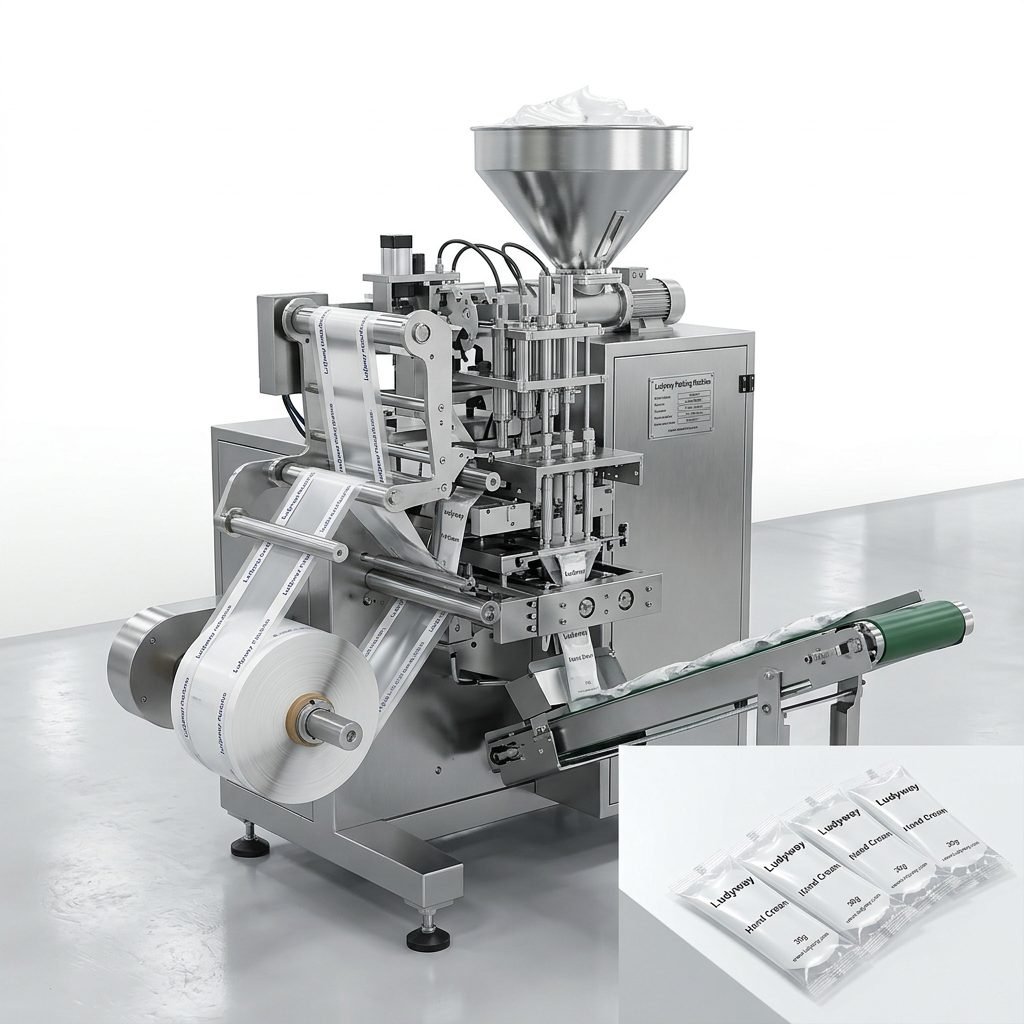
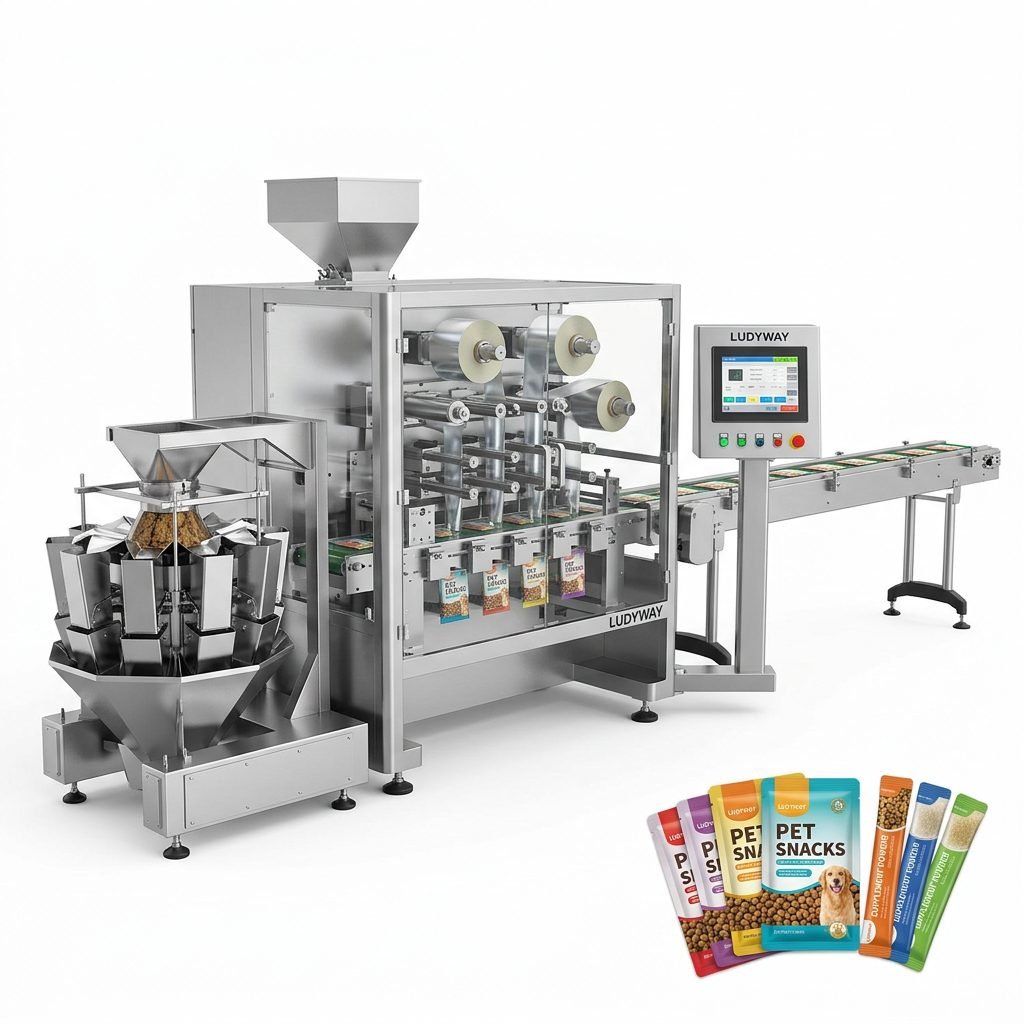
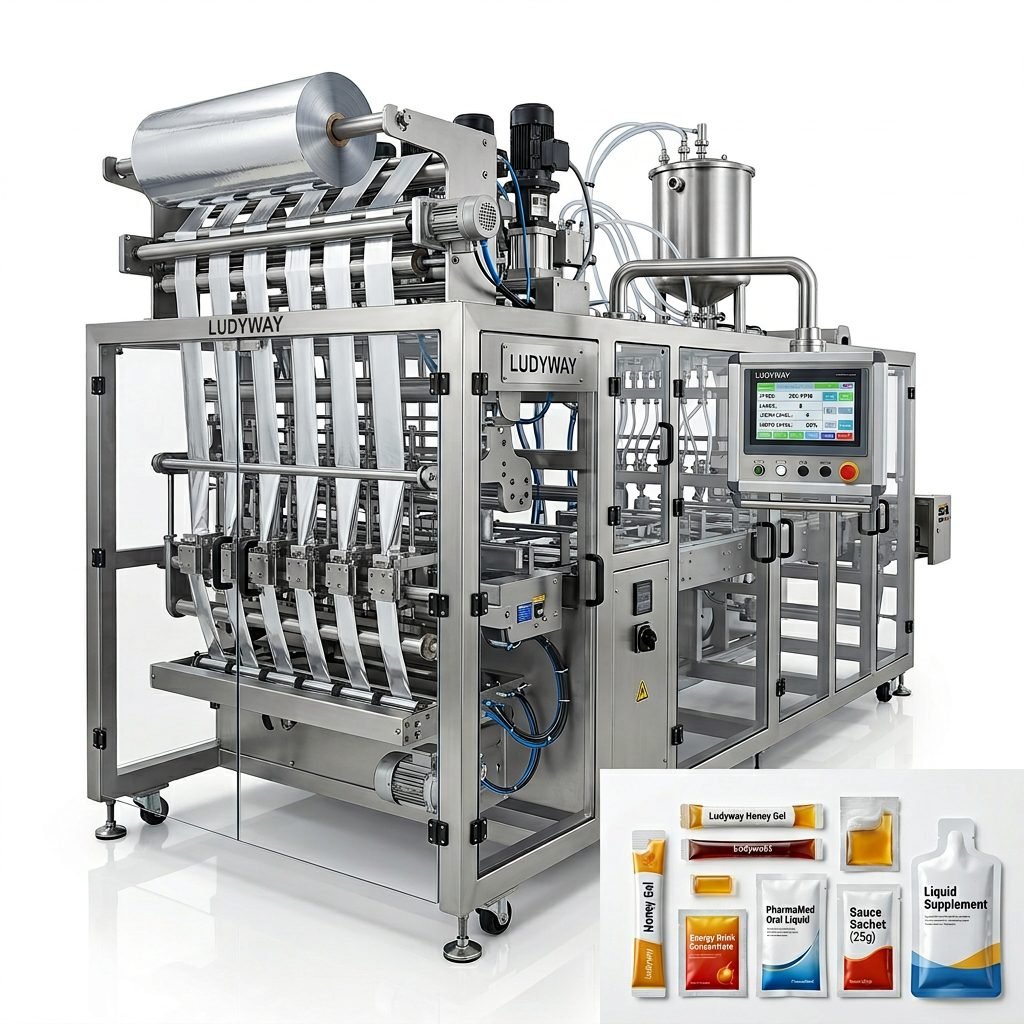
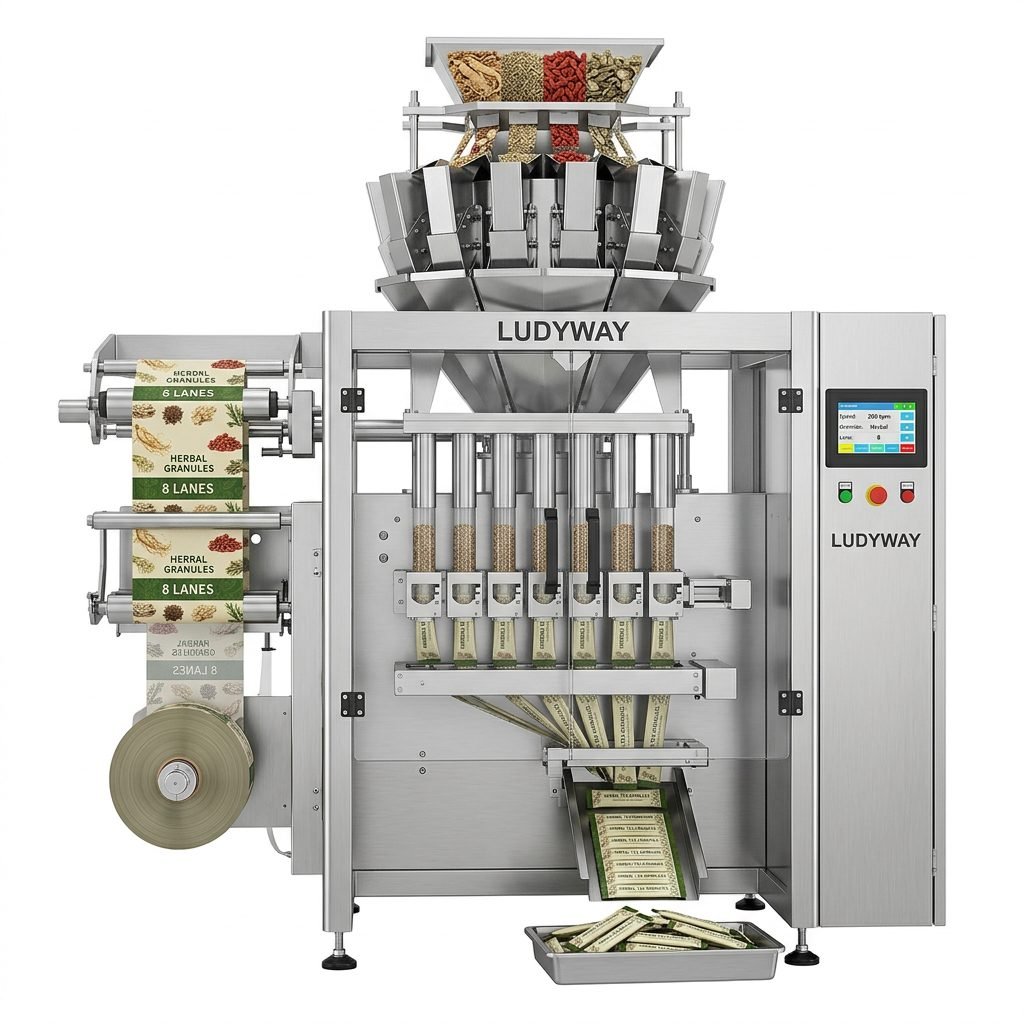
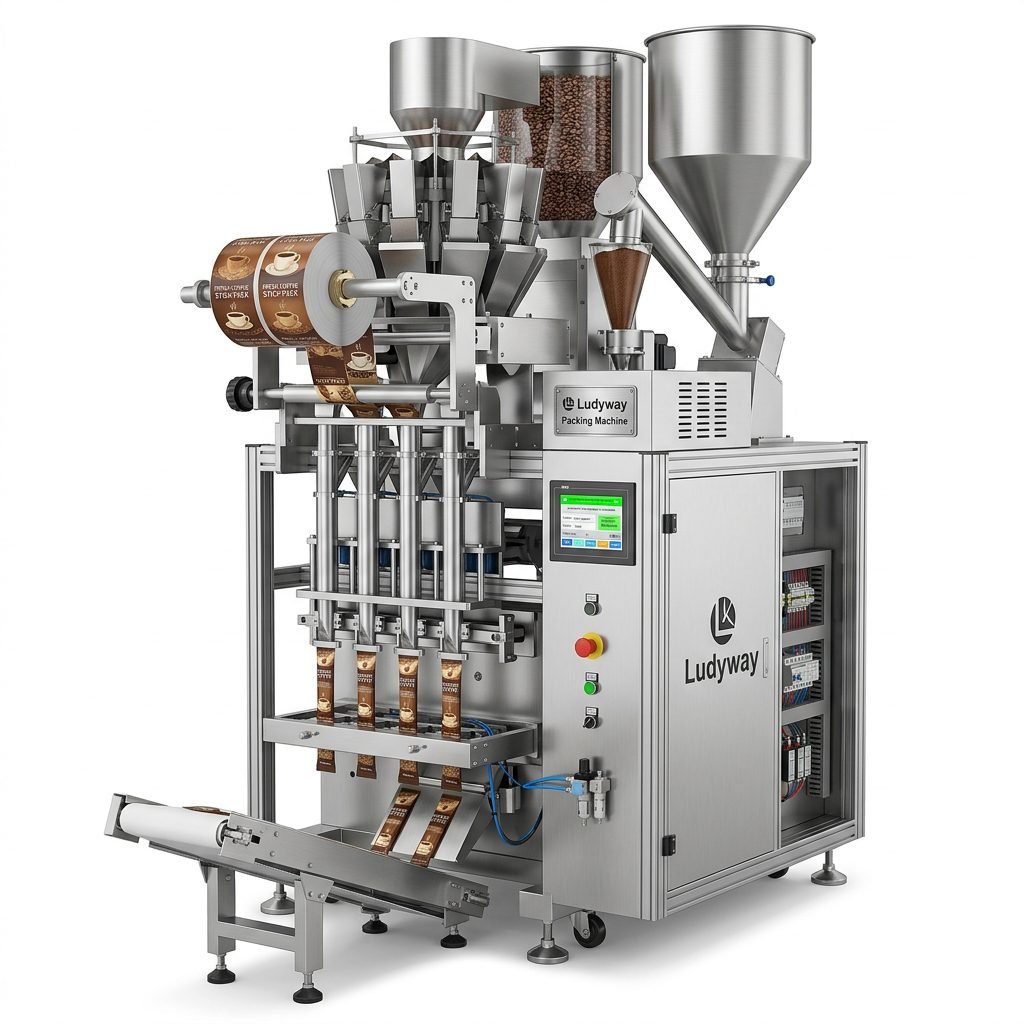
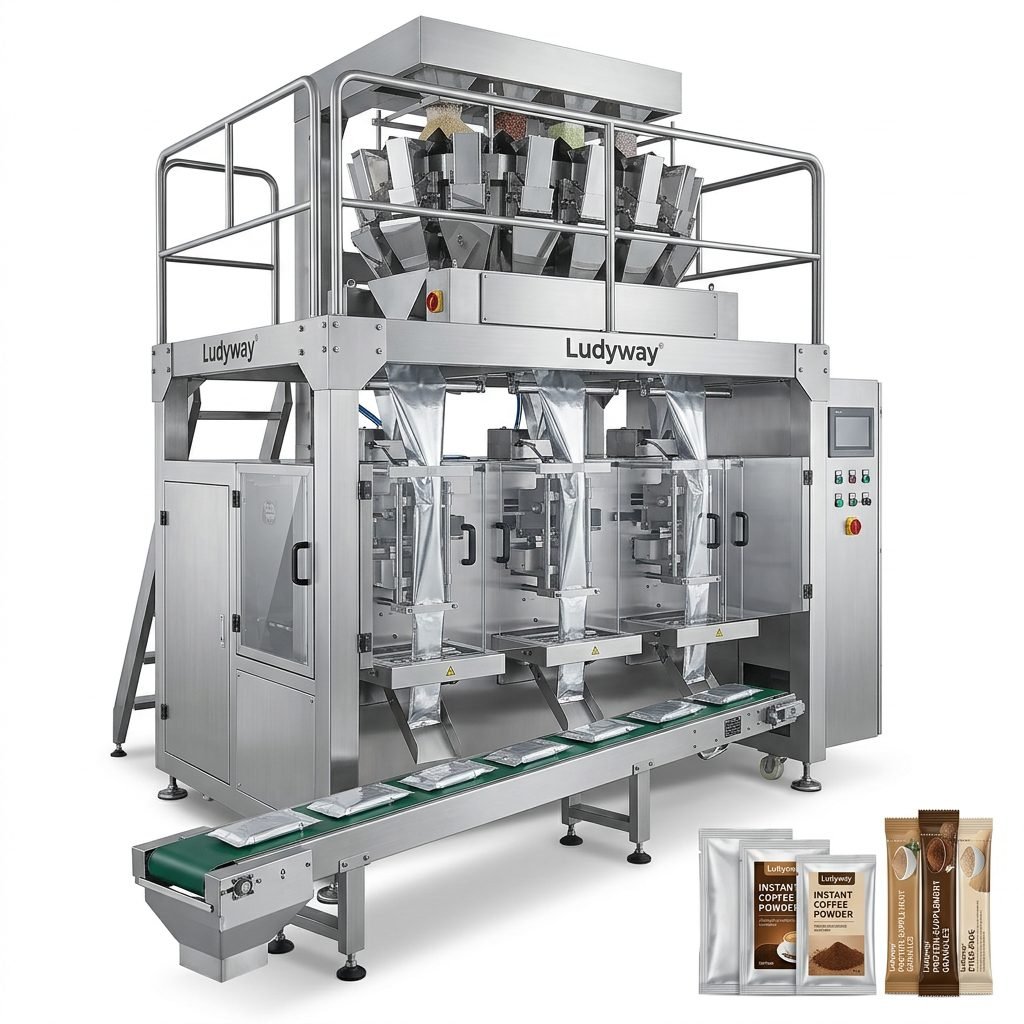
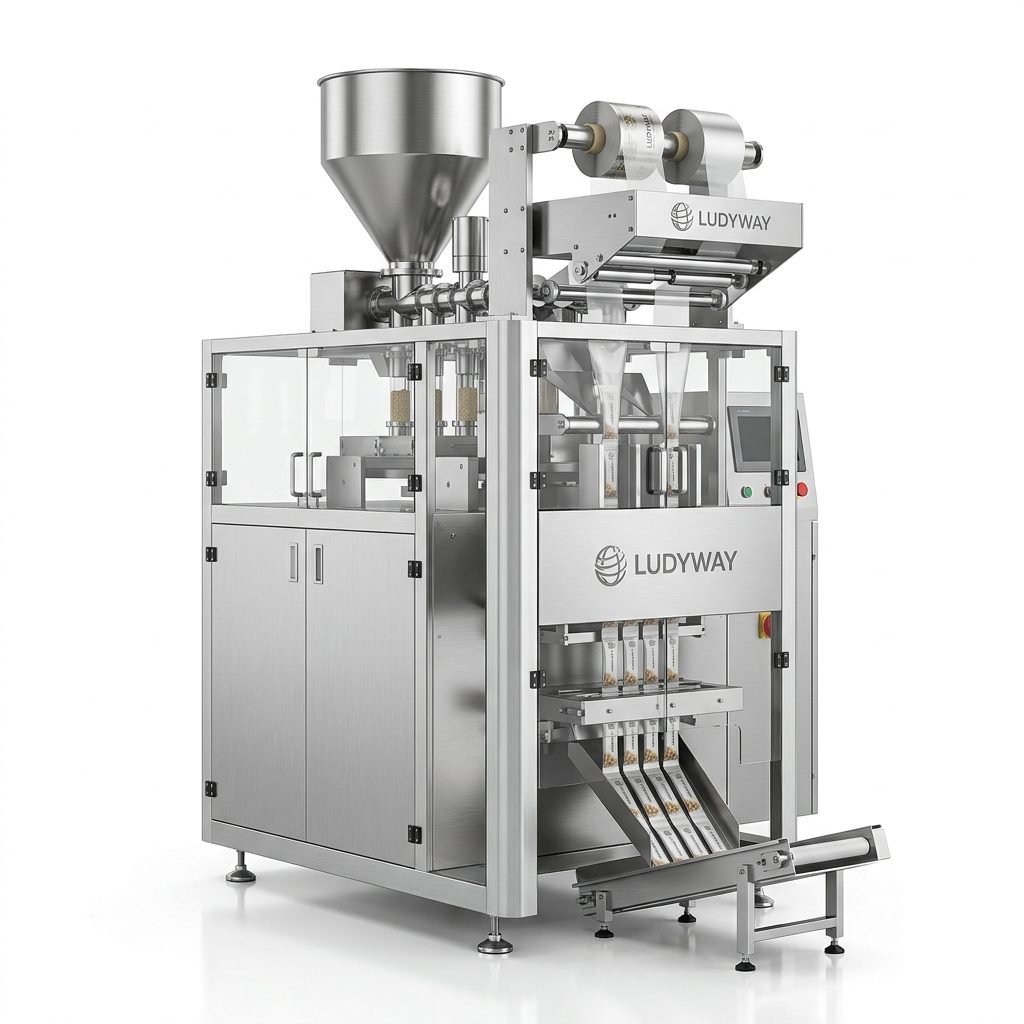
In modern tea processing, packaging is no longer just the final step. It directly affects production speed, product consistency, shelf appeal, hygiene standards, and customer trust. An automatic tea bag packing machine helps manufacturers transform manual or semi-automatic workflows into a more efficient, stable, and scalable packaging operation.
For tea brands, contract packers, and food factories, automation can reduce labor dependence, improve filling precision, and deliver uniform tea bags with cleaner sealing and better presentation. Whether you produce black tea, green tea, herbal blends, flower tea, powdered tea mixes, or functional wellness infusions, choosing the right equipment is essential for long-term competitiveness.
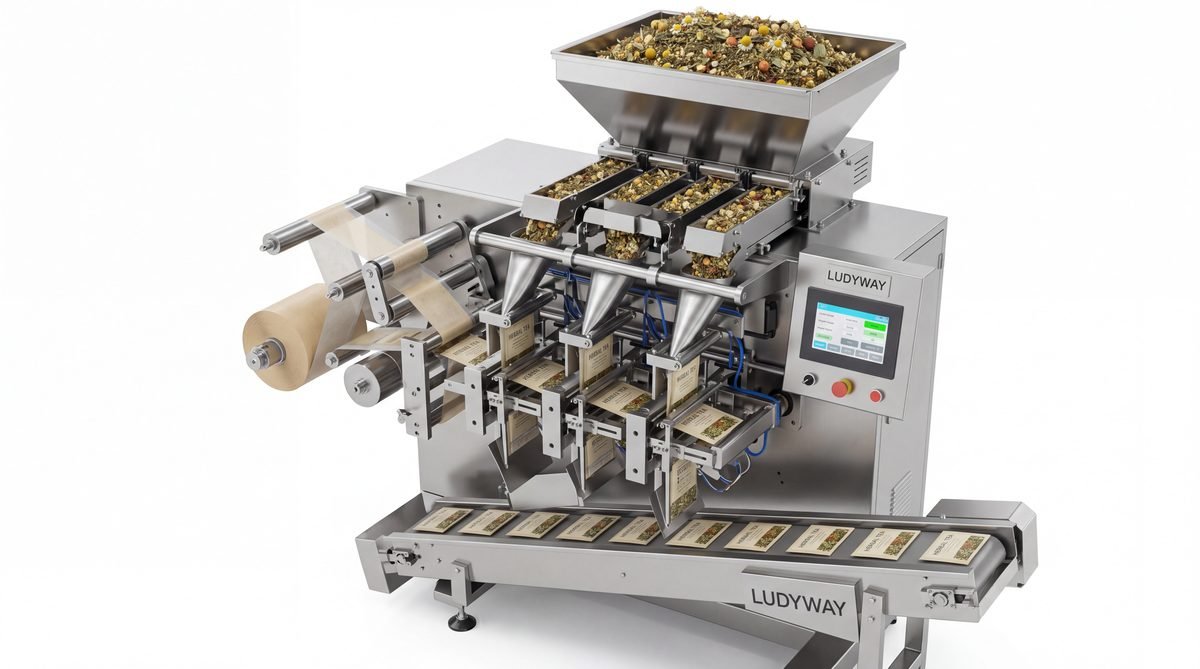
Why Automatic Tea Bag Packing Machines Matter
Tea packaging requires more than simple filling. Manufacturers must control bag weight, maintain blend integrity, protect aroma, ensure sealing quality, and often integrate outer envelope or cartoning processes. Manual packaging can create inconsistencies, while automated systems provide repeatable performance at higher output.
- Higher efficiency for continuous production
- Better dosing accuracy to reduce giveaway and waste
- Improved seal quality for freshness and product safety
- Cleaner operation with less direct manual contact
- More professional appearance for retail-ready tea bags
- Easier integration with tagging, enveloping, coding, and cartoning
As consumer expectations continue to rise, packaging quality has become a key buying factor. Uniform tea bags with neat seams and reliable sealing support both brand image and product protection.
Key Efficiency Benefits in Tea Bag Production
One of the main reasons companies invest in automation is output improvement. An automatic tea bag packing machine can perform feeding, measuring, bag forming, filling, sealing, cutting, and sometimes string-and-tag attachment in one continuous cycle.
1. Faster Production Through Automation
Automated operation significantly increases hourly and daily throughput. This is especially valuable during seasonal demand peaks or when serving supermarkets, e-commerce fulfillment, private label orders, and export markets.
2. Reduced Manual Labor
Labor shortages and rising wages make manual packaging less sustainable. Automation helps reduce repetitive labor while allowing staff to focus on inspection, line management, and quality control.
3. More Stable Production Rhythm
Machine-driven cycles keep packaging speed and performance consistent. This minimizes interruptions, improves planning accuracy, and supports downstream equipment such as checkweighers, cartoners, and case packers.
| Production Factor | Manual Packaging | Automatic Tea Bag Packing Machine |
|---|---|---|
| Output consistency | Variable | Stable |
| Labor demand | High | Lower |
| Weight control | Less precise | More accurate |
| Seal appearance | May vary | Uniform |
| Scalability | Limited | Excellent |
How Automation Improves Filling Accuracy
Accuracy is critical in tea bag production. Underfilled bags can damage customer trust, while overfilling increases material cost over time. Automatic tea bag packing machines use controlled dosing systems to deliver more precise fill weights based on tea type and cut size.
Different tea products require different handling characteristics:
- Fine tea powder may require specialized dosing and dust control.
- Leaf tea needs gentle handling to reduce breakage.
- Herbal blends often require consistent distribution of mixed ingredients.
- Granular or instant tea products may need high-speed, stable metering.
A properly configured machine can maintain better weight control batch after batch. This improves compliance, reduces product giveaway, and supports premium positioning in the market.
Common Accuracy Features
- Volumetric or auger-based dosing systems
- PLC-controlled parameter settings
- Servo-driven motion control
- Consistent bag length and fill timing
- Optional inspection and rejection systems
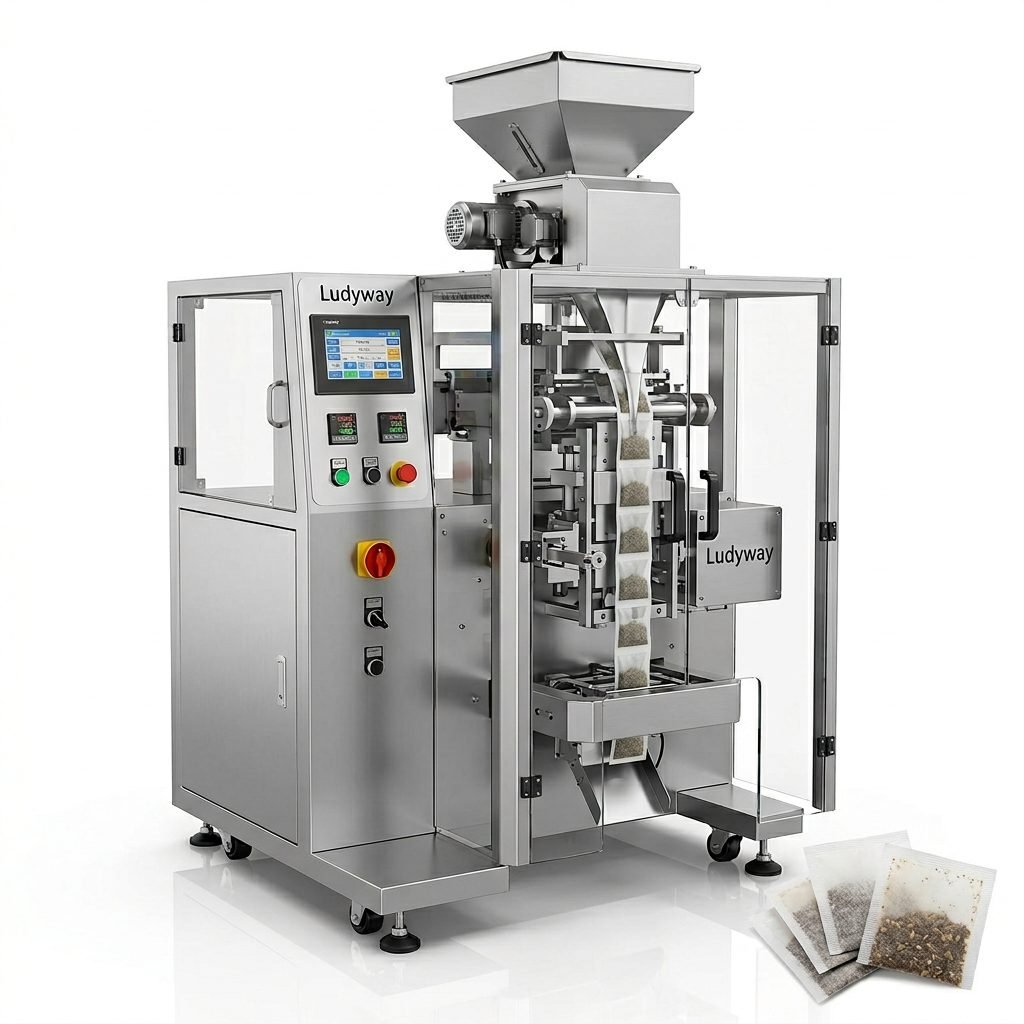
Packaging Quality: More Than Just a Sealed Bag
Tea packaging quality has a direct influence on freshness, visual appeal, storage performance, and retail acceptance. Automatic machinery helps standardize the final package, making each tea bag look more professional and perform more reliably.
Better Sealing Performance
Heat sealing consistency is essential for preventing leakage and preserving tea aroma. With automated temperature and timing control, the machine can create cleaner and stronger seals than manual handling.
Uniform Bag Shape and Finish
Consumers notice small packaging details. Even bag shape, smooth edges, accurate cut length, and neatly attached strings or tags all contribute to a higher perceived product value.
Cleaner and More Hygienic Packaging
Reduced human contact helps improve hygiene standards, which is especially important for food-grade and health-focused tea products. Stainless steel construction and easy-clean machine design also support sanitation management.
Types of Tea Products Suitable for Automatic Packaging
An automatic tea bag packing machine can be adapted to many tea categories and related beverage products. The ideal model depends on the product’s texture, density, cut size, moisture behavior, and final package style.
| Tea Product Type | Packaging Need | Machine Advantage |
|---|---|---|
| Black tea | Stable dosing, standard bag shape | Efficient continuous production |
| Green tea | Freshness protection | Reliable sealing quality |
| Herbal tea blends | Mixed ingredient consistency | Accurate filling and neat presentation |
| Fruit tea | Gentle handling | Reduced breakage and cleaner packing |
| Instant tea powder | Precision powder dosing | Improved weight accuracy |
| Functional wellness tea | Brand-quality package appearance | Premium retail-ready output |
Important Features to Look For
Not all tea bag packing machines offer the same performance. Buyers should evaluate machine structure, output capacity, material compatibility, automation level, and integration options before making an investment.
Recommended Feature Checklist
- Accurate dosing system suitable for your tea format
- Stable sealing assembly for filter paper or tea bag material
- Easy changeover for different bag sizes or recipes
- PLC touch screen for simple operation and parameter adjustment
- Food-grade contact parts for hygiene compliance
- Optional outer envelope packaging
- Date coding or batch printing integration
- Low-maintenance design with accessible cleaning points
- Compatibility with cartoning and end-of-line automation
For growing tea businesses, scalable design is particularly important. A machine that fits current demand but also supports future output increases can provide better long-term value.
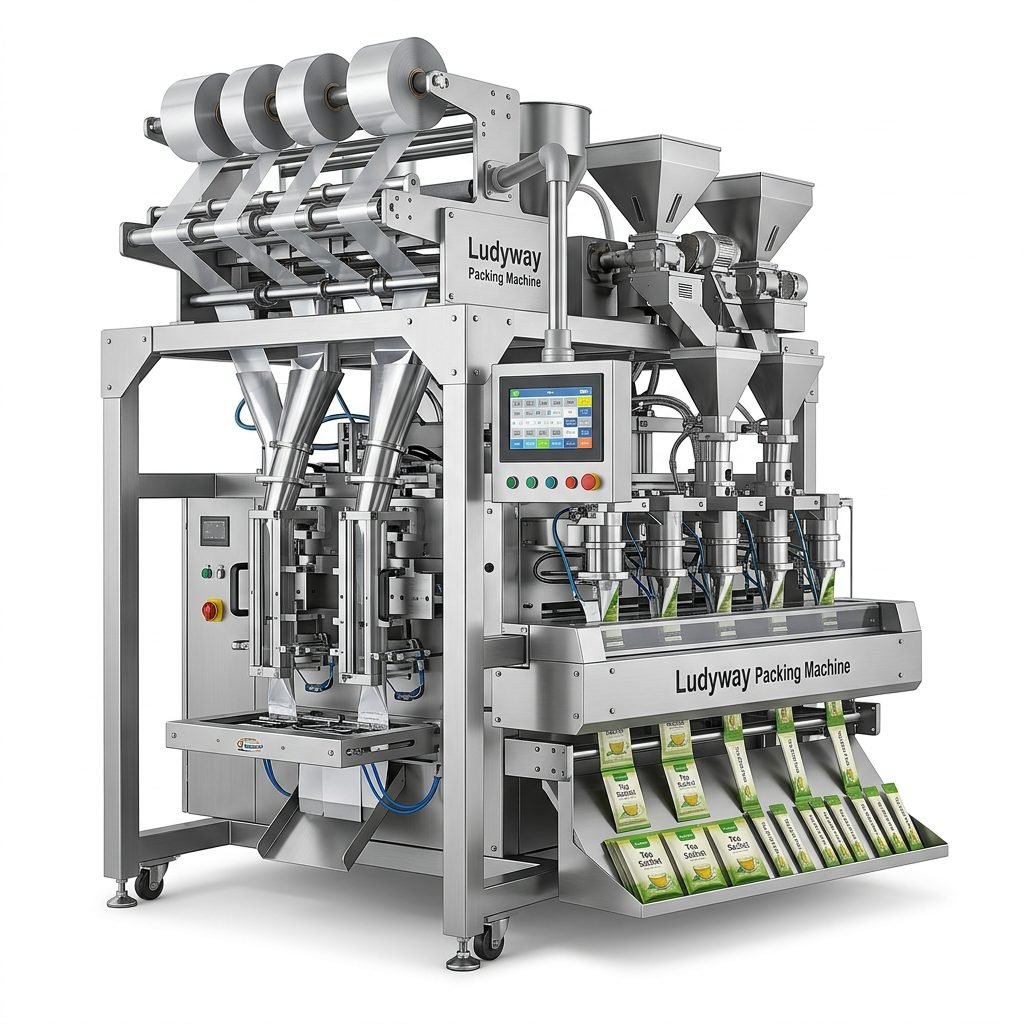
How Automatic Tea Bag Packing Machines Reduce Waste
Material waste is a hidden cost in many packaging operations. In tea production, waste may come from inaccurate filling, poor sealing, damaged bags, product spillage, or inconsistent cutting. Automation helps control these losses more effectively.
Waste reduction benefits often include:
- Less overfill from more precise dosing
- Fewer rejected bags due to sealing defects
- Reduced product spillage during transfer and filling
- More efficient use of packaging film or filter material
- Better batch consistency and lower rework rates
Over time, even small improvements in dose control and sealing performance can create meaningful savings in high-volume tea packaging lines.
Applications in Different Business Scenarios
Tea Brands and Private Label Producers
Branded tea products need attractive and consistent packaging. Automatic equipment supports better shelf presentation and helps producers keep up with retail and online demand.
Contract Packaging Companies
Contract packers often manage multiple tea SKUs, blend formulas, and packaging formats. Flexibility, quick changeovers, and reliable output are critical for profitable operation.
Health and Wellness Product Manufacturers
Herbal tea, detox tea, slimming tea, and nutraceutical infusion products often require stronger hygiene management and consistent package appearance. Automated packing supports these market requirements well.
Export-Oriented Producers
Export markets typically require dependable product quality, clean package finish, and stable batch production. Automated tea bag packing systems help manufacturers meet these standards more confidently.
Choosing the Right Supplier
Machine quality depends not only on hardware but also on engineering experience, application understanding, and after-sales support. Buyers should look for a supplier that understands packaging materials, tea product behavior, line integration, and customization needs.
If you are evaluating a reliable automatic tea bag packing machine manufacturer, it is worth considering a company with strong production capacity, export experience, and turnkey packaging line capabilities for food and health-related industries.
Supplier Evaluation Points
- Years of industry experience
- Machine range and customization capability
- Export project experience across multiple markets
- Factory size and manufacturing strength
- Technical service and spare parts support
- Ability to provide standalone equipment or complete lines
When Is the Right Time to Upgrade?
Many tea manufacturers wait too long before moving to automation. In most cases, an upgrade becomes necessary when manual production starts causing bottlenecks, labor costs rise, or product quality becomes difficult to control consistently.
You may be ready to invest if you are facing:
- Frequent delays in packaging output
- High labor dependency and staffing pressure
- Inconsistent fill weights or bag sealing
- Growing order volume from retailers or distributors
- Plans to launch premium or export-grade tea products
Final Thoughts on Efficiency, Accuracy, and Quality
An automatic tea bag packing machine is more than a packaging device. It is a productivity tool that helps tea manufacturers improve operational efficiency, strengthen fill accuracy, reduce waste, and elevate packaging quality. For businesses aiming to scale output while protecting brand reputation, automation offers a practical and strategic advantage.
By selecting equipment that matches your tea type, packaging format, and future production goals, you can build a more stable and competitive packaging operation with better consistency from the first bag to the last.