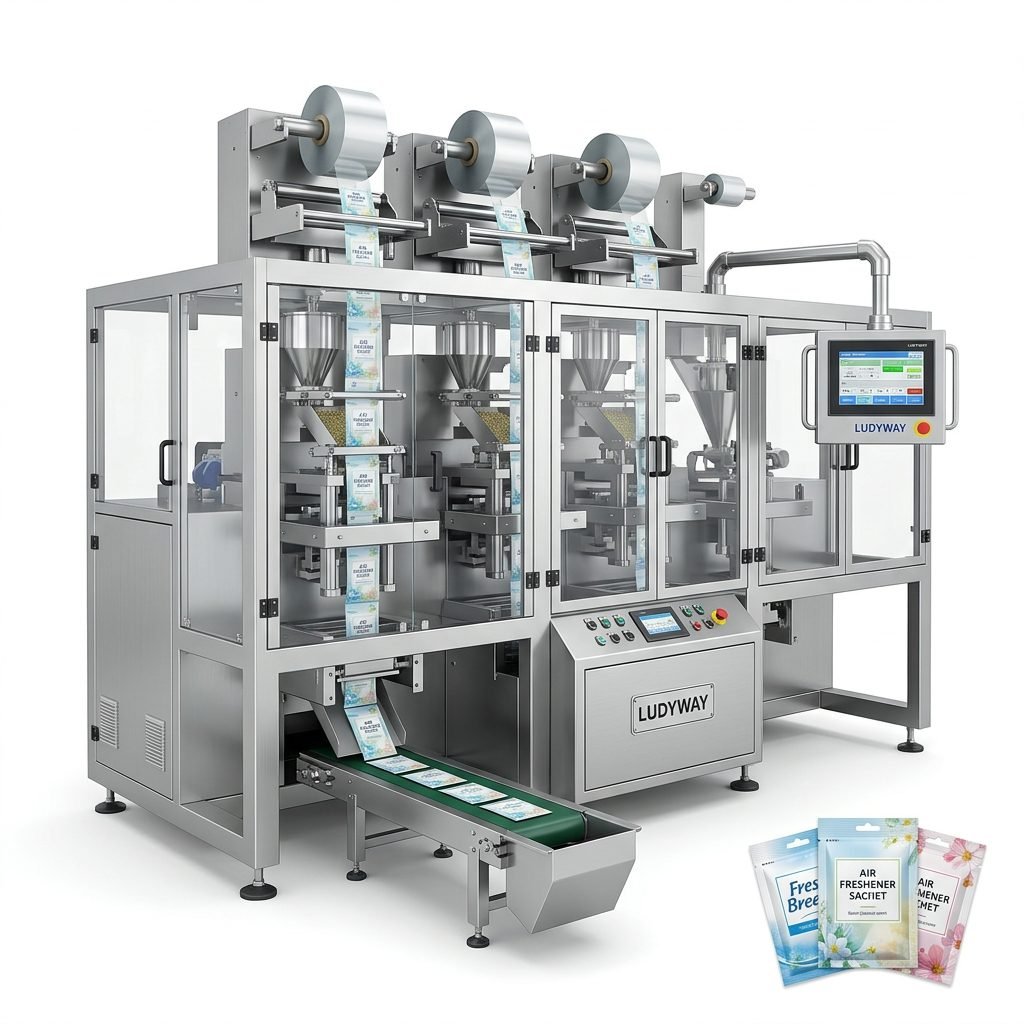
Efficient product sealing is not only about closing a package. It directly affects product safety, shelf life, appearance, transport performance, and production cost. Choosing the right seal packing machine can help manufacturers reduce waste, increase line speed, and maintain consistent packaging quality across every batch.
Whether you package food, pharmaceuticals, cosmetics, chemicals, or health products, the best solution depends on your product characteristics, packaging format, output target, and automation needs. This guide explains how to evaluate a sealing solution step by step so you can invest with confidence.
Why the Right Seal Packing Machine Matters
A poor sealing system can lead to leakage, contamination, weak package integrity, frequent downtime, and high maintenance costs. In contrast, a suitable machine supports:
- Reliable seal strength for transport and storage
- Faster production with stable cycle times
- Lower material waste and fewer rejected packs
- Better product freshness and barrier protection
- Improved compliance in regulated industries
- Easier integration with filling, coding, inspection, and cartoning systems
In highly competitive manufacturing environments, sealing performance is often one of the most important factors behind customer satisfaction and brand reputation.
What Is a Seal Packing Machine?
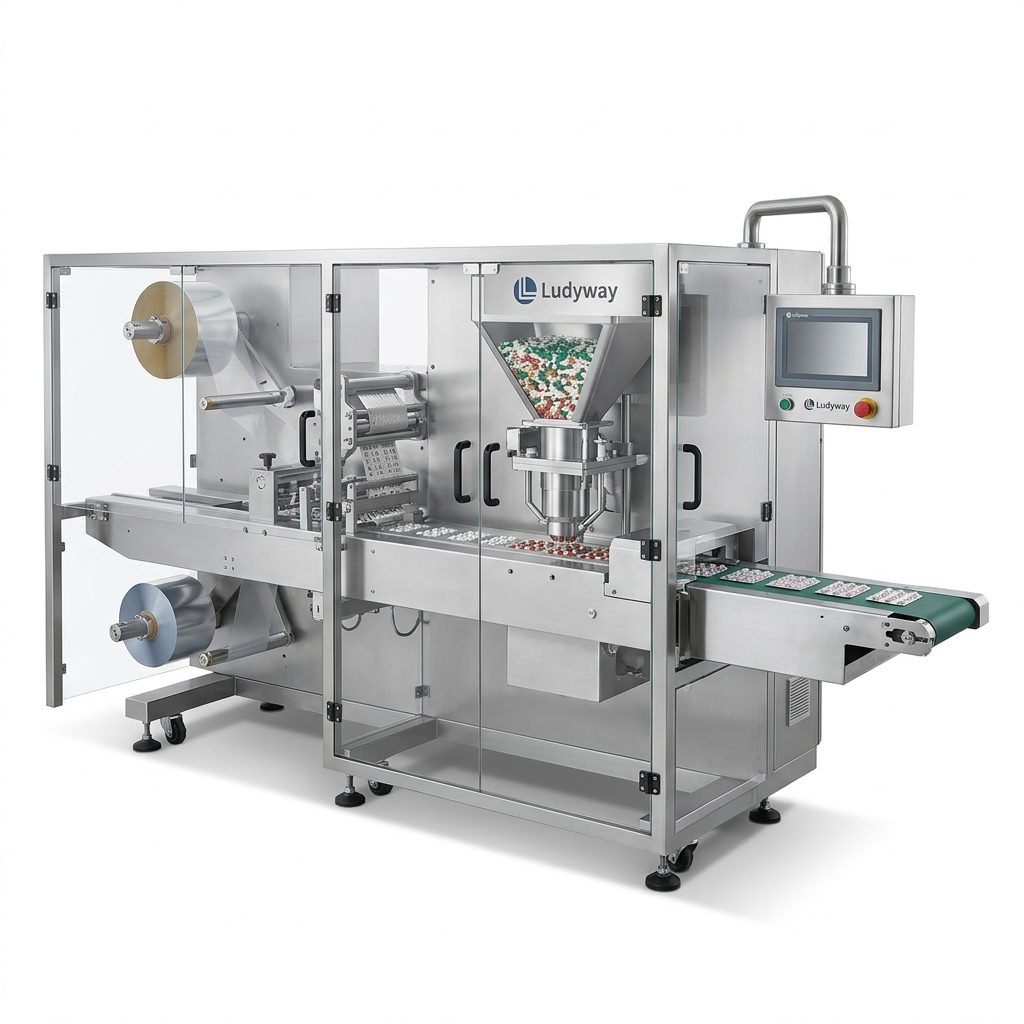
A seal packing machine is packaging equipment designed to form, fill, and/or close packaging materials using heat, pressure, ultrasonic technology, impulse sealing, or other sealing methods. Depending on the application, the machine may handle sachets, stick packs, pouches, bottles, trays, bags, or tubes.
Some machines focus only on sealing, while others combine multiple functions such as dosing, filling, coding, cutting, counting, cartoning, and inspection into one automated line.
Main Types of Seal Packing Machines
1. Vertical Form Fill Seal Machines
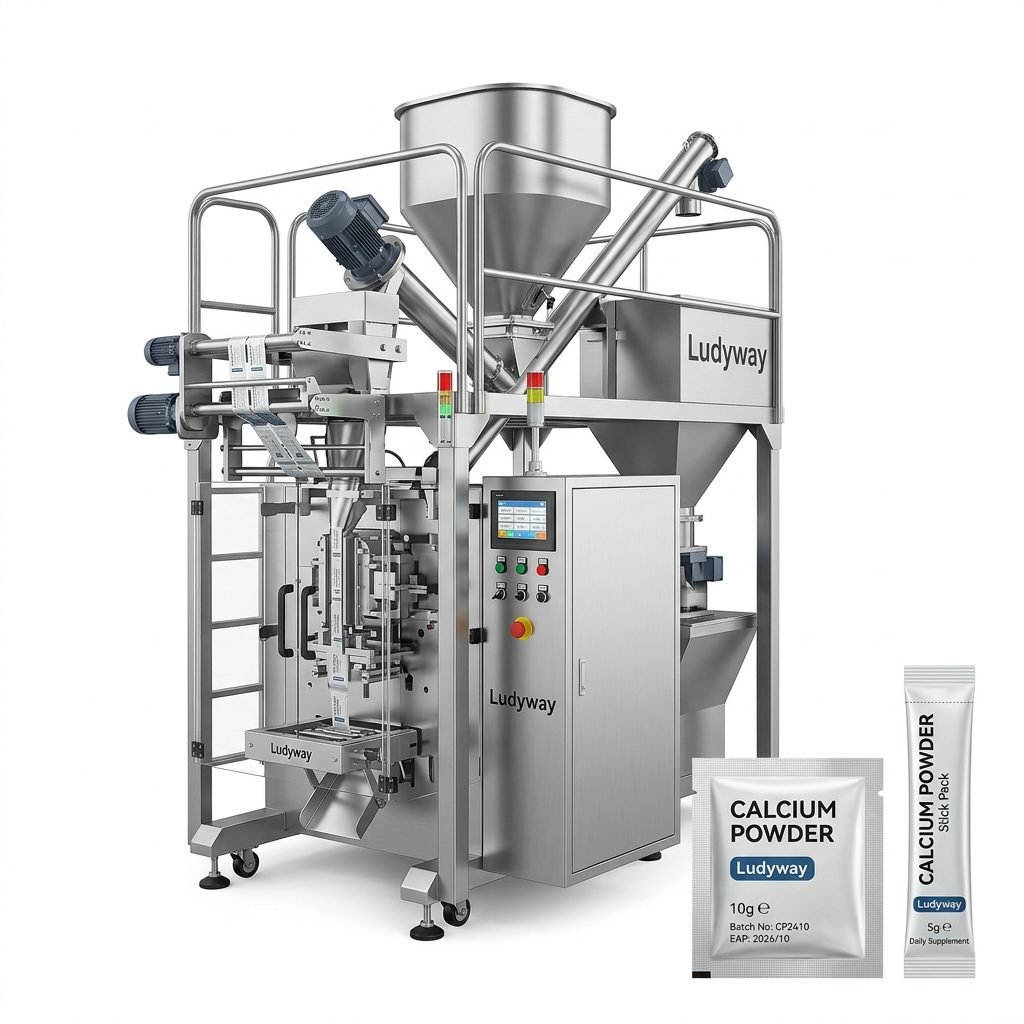
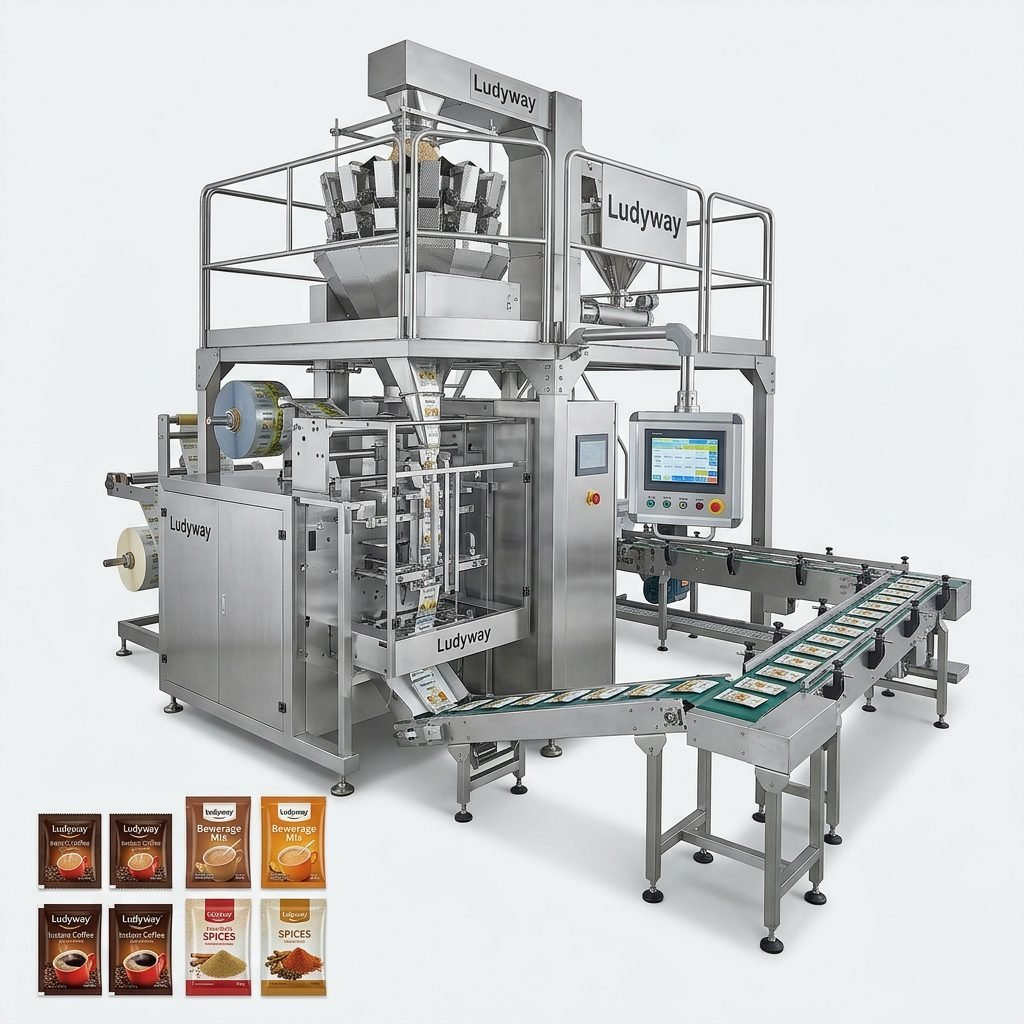
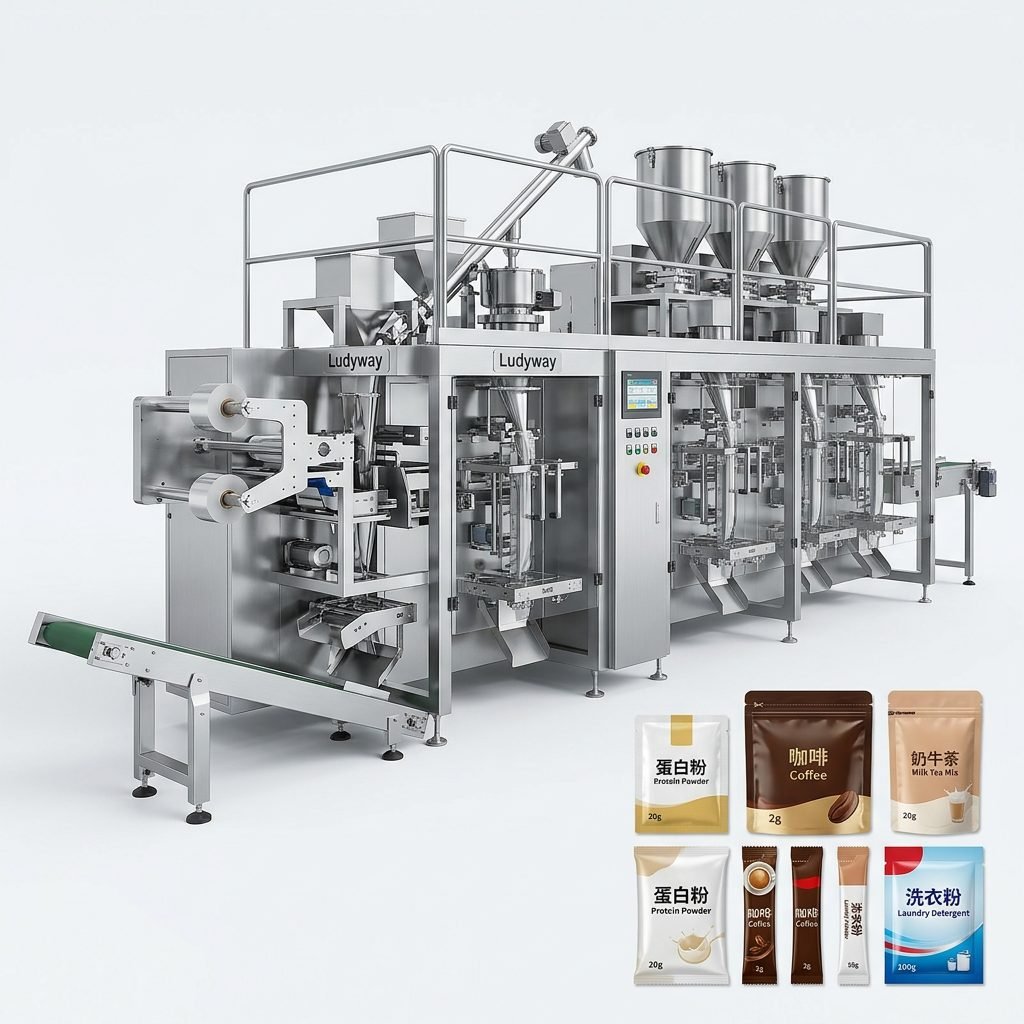
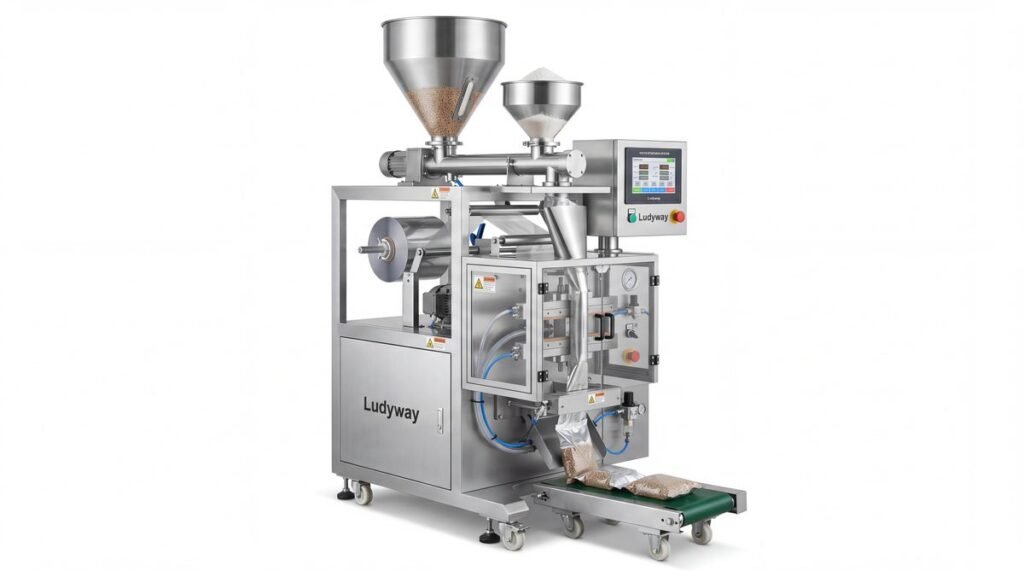
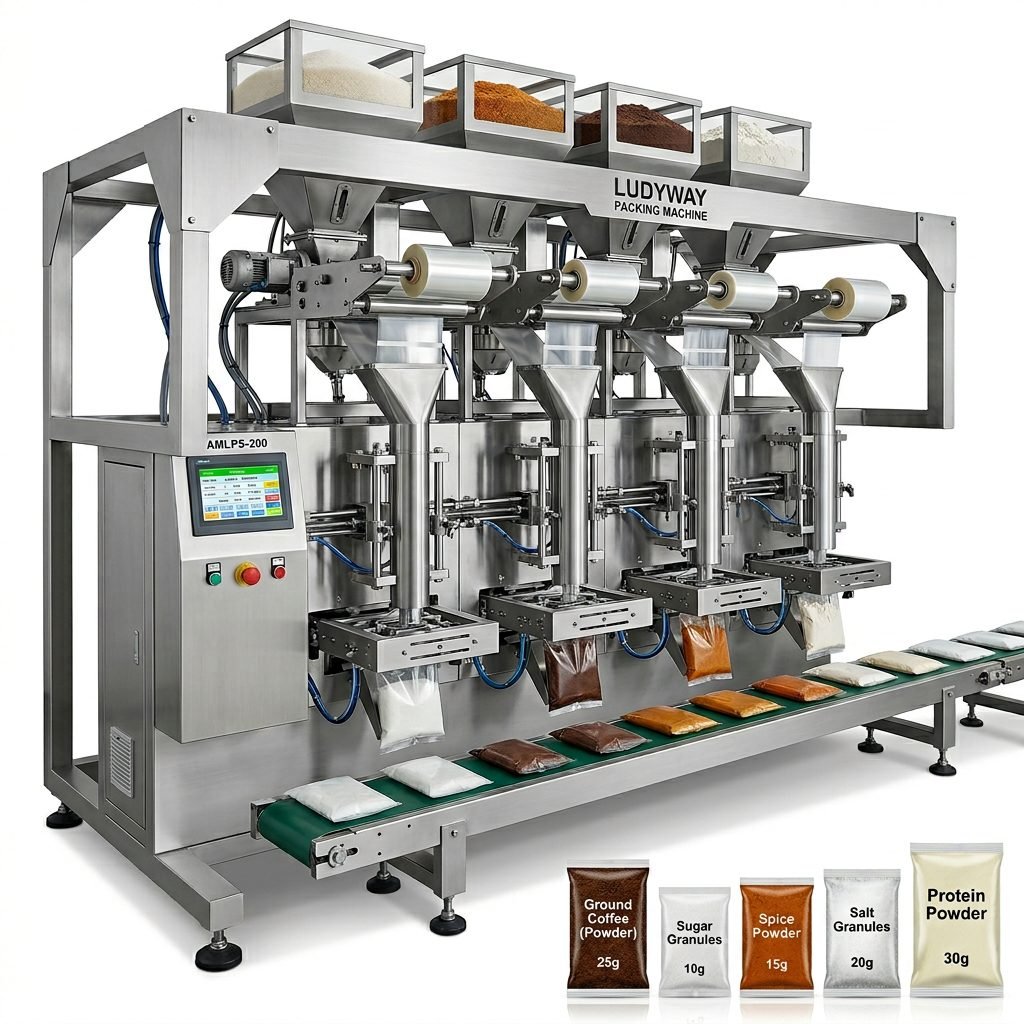
These machines form pouches from roll film, fill product, and seal the package vertically. They are widely used for powders, granules, snacks, seeds, coffee, seasonings, and similar products.
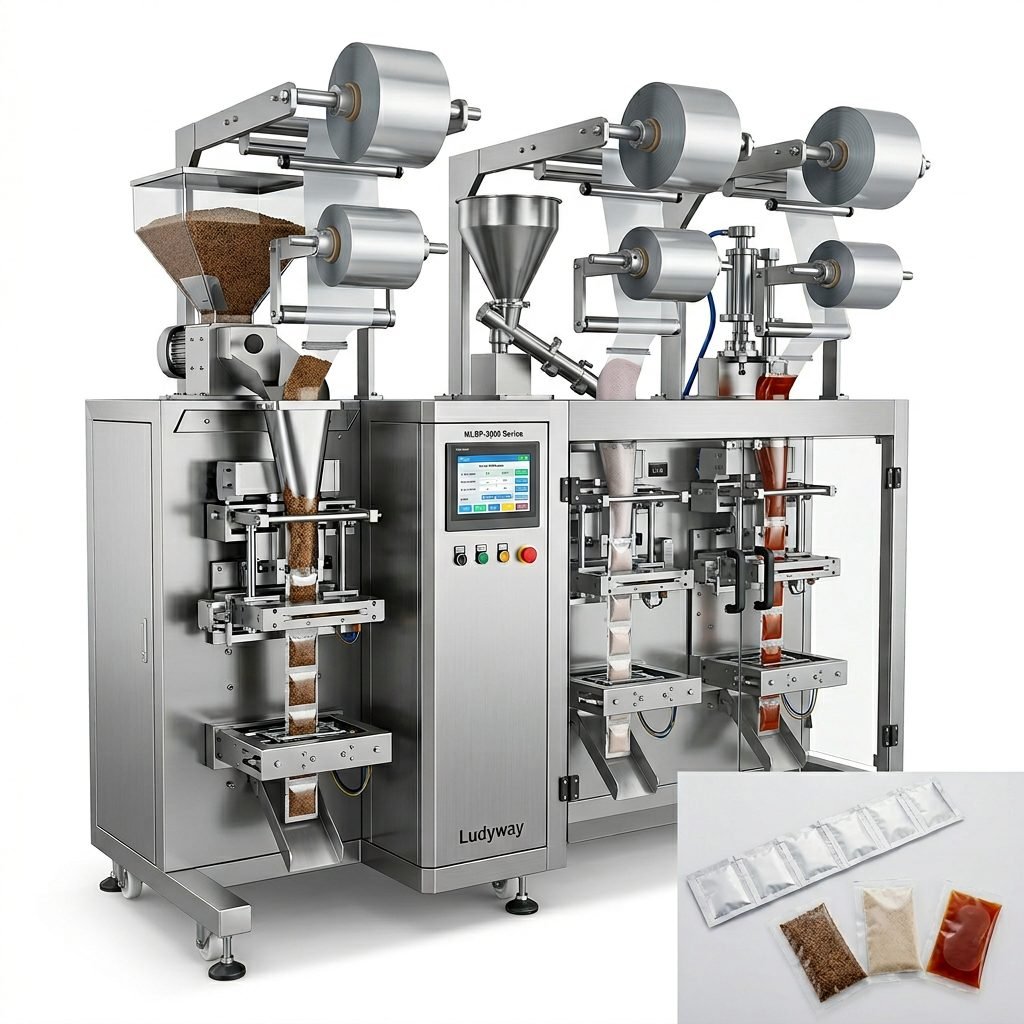
2. Sachet and Stick Pack Machines
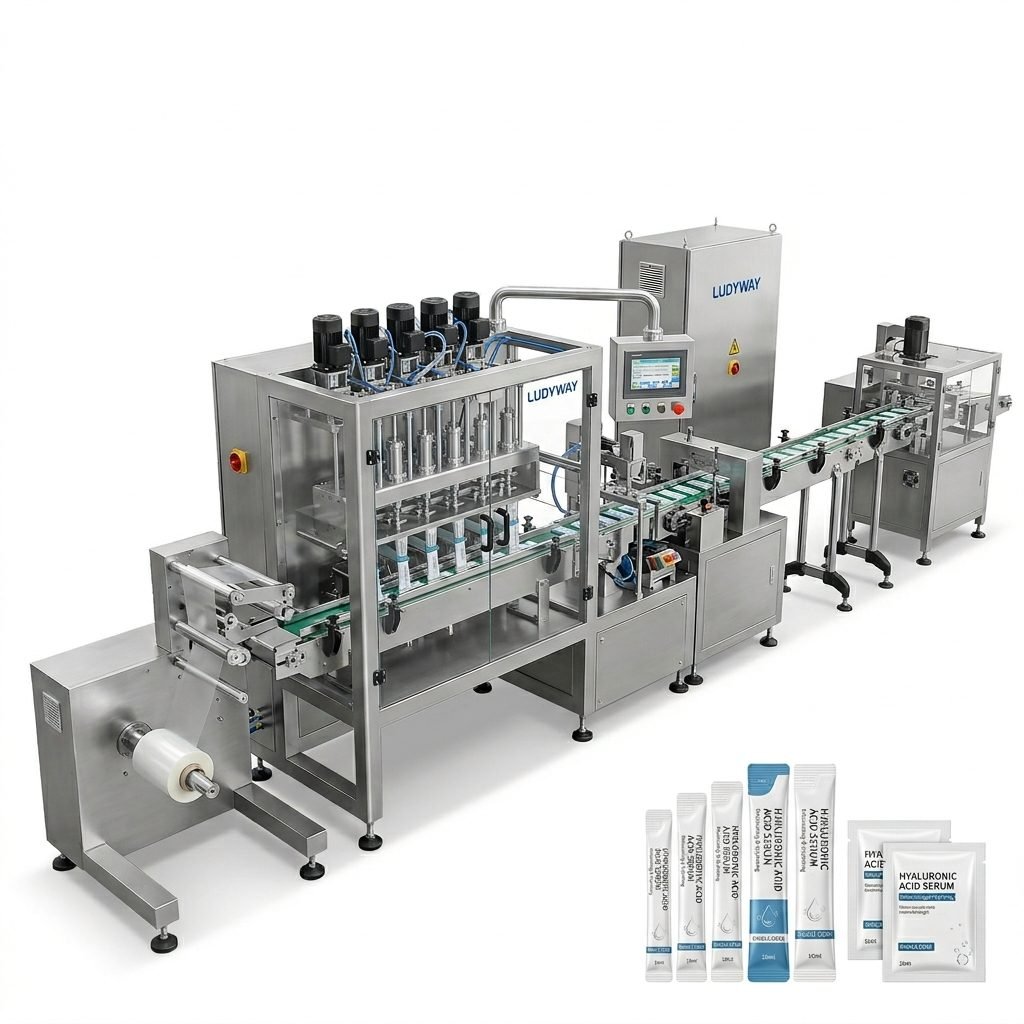
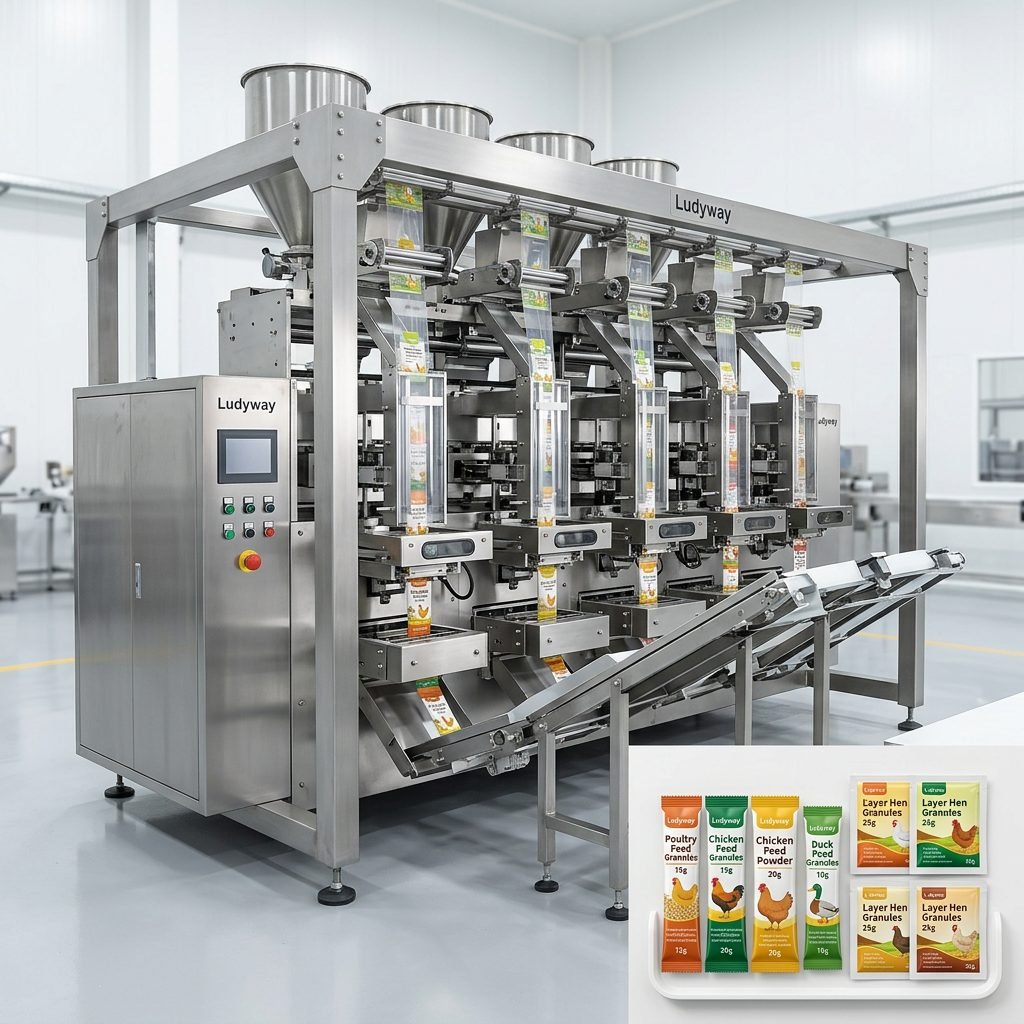
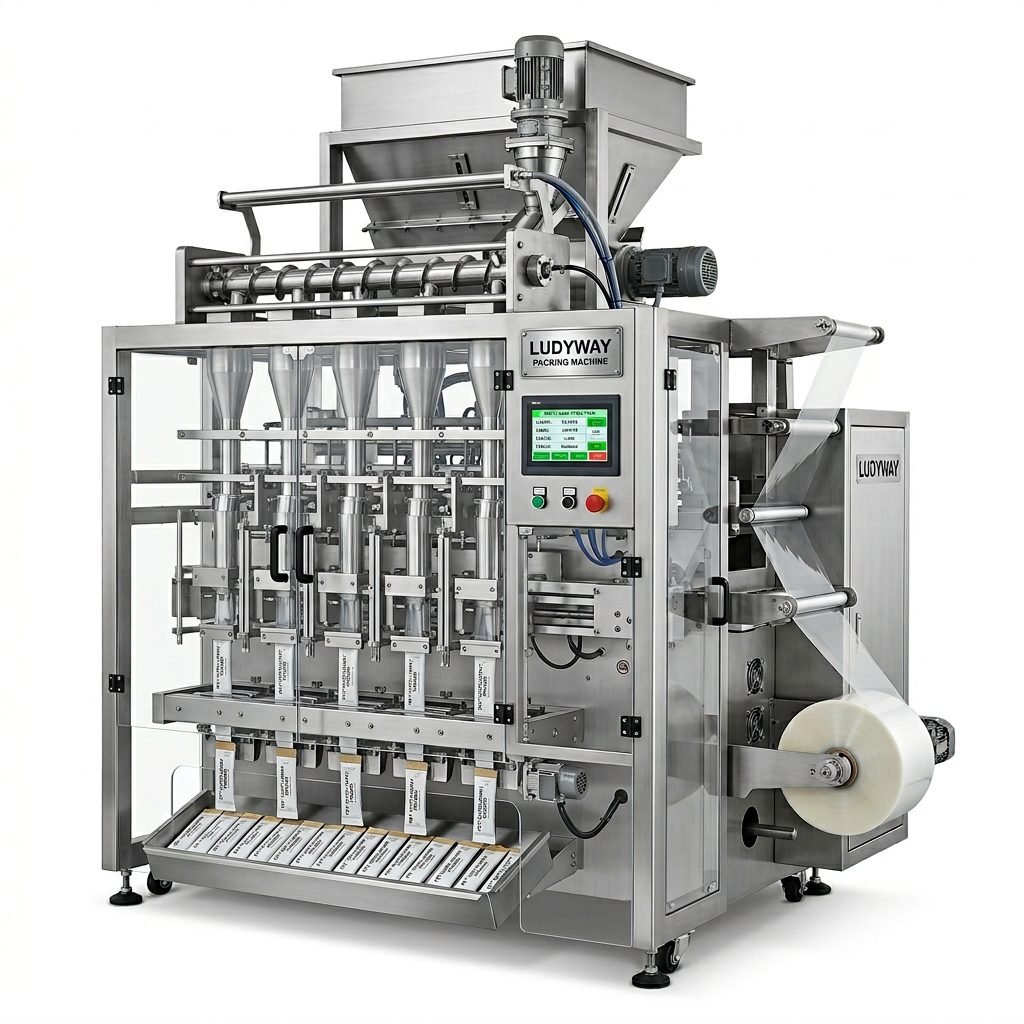
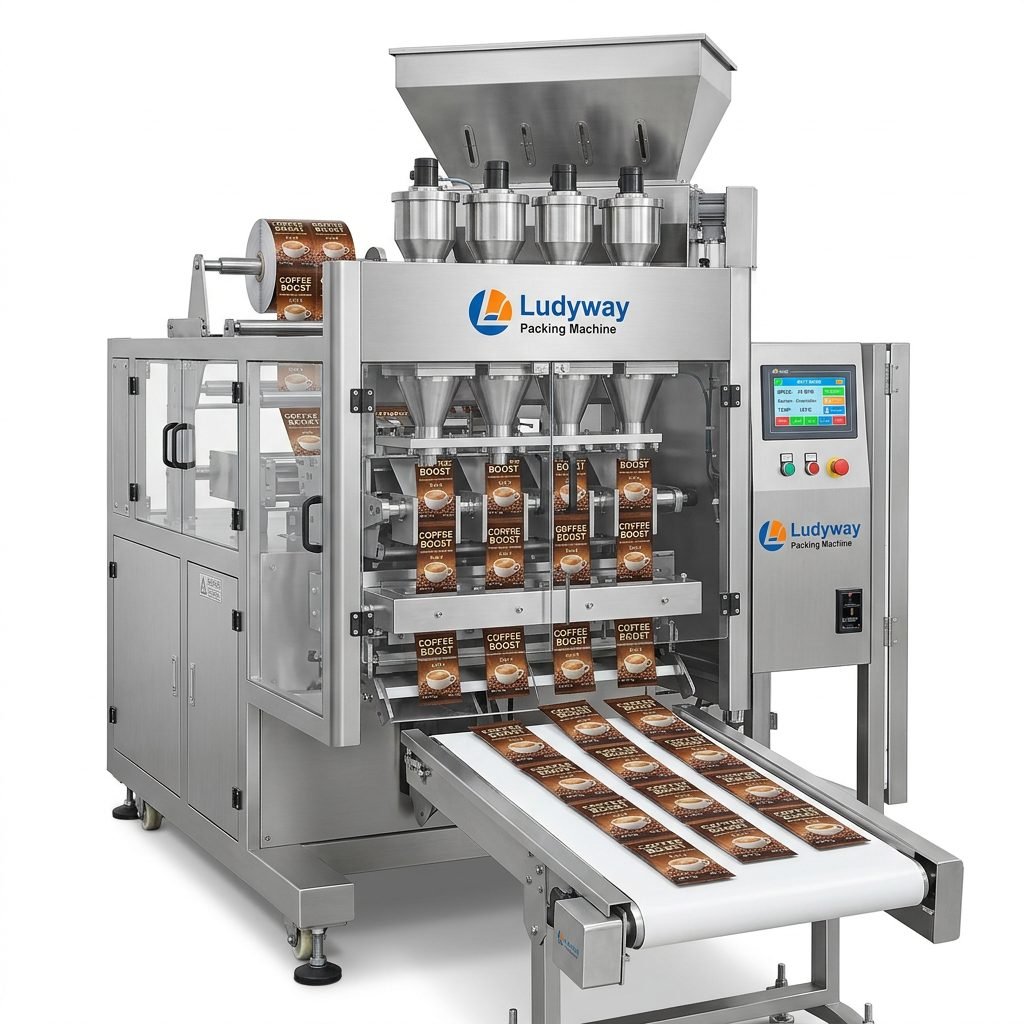
Ideal for single-dose or small-portion products, these machines are common in food, nutraceutical, pharmaceutical, and personal care industries. Multi-lane versions offer high-speed output for mass production.
3. Premade Pouch Filling and Sealing Machines
These systems pick up ready-made pouches, fill them, and create a secure seal. They are suitable for stand-up pouches, zipper bags, and specialty package shapes.
4. Tube Filling and Sealing Machines
Designed for creams, gels, ointments, and cosmetic or pharmaceutical pastes, these machines fill tubes and seal the tail section accurately.
5. Bottle Filling and Cap Sealing Systems
Used for liquids, capsules, tablets, and powders in rigid containers. These lines may include filling, capping, induction sealing, labeling, and coding.
6. Tray and Thermoform Sealing Machines
Common in food and medical sectors, these systems seal trays or thermoformed cavities with film, often with vacuum or modified atmosphere packaging options.
How to Choose the Best Solution
Understand Your Product Characteristics
The first step is evaluating what you need to pack. Different products behave very differently during filling and sealing.
| Product Type | Typical Challenge | Recommended Sealing Consideration |
|---|---|---|
| Powders | Dust contamination on seal area | Dust control, stable dosing, clean seal jaws |
| Granules | Particle interference in seal line | Precise drop control and strong heat sealing |
| Liquids | Splashing or dripping | Anti-drip filling and leak-proof sealing |
| Pastes / Creams | Viscosity variation | Temperature-compatible filling and stable seal pressure |
| Pharma / Medical | Validation and hygiene standards | Consistent parameters, traceability, clean design |
If product dust, oil, moisture, or viscosity affects the seal area, your machine selection must account for that. Otherwise, even a fast machine may produce unstable packages.
Match the Machine to Your Packaging Format
The best machine is always format-specific. Ask these questions:
- Do you need sachets, stick packs, pouches, tubes, bottles, or bags?
- Will the package be single-serve, travel-size, retail-size, or bulk-size?
- Do you need special features such as zipper, spout, easy-tear notch, or euro hole?
- Will you use laminated film, aluminum foil, PE, paper-based film, or recyclable material?
Packaging shape, material thickness, and barrier requirements will all influence the sealing method and machine structure.
Define Required Output and Efficiency
A machine that is too small limits growth. A machine that is too large may create unnecessary capital and operating costs. Consider:
- Current daily and monthly production demand
- Expected demand growth in the next 2 to 5 years
- Shift pattern and labor availability
- Allowable downtime for maintenance and cleaning
For high-volume applications, multi-lane packaging equipment is often the most efficient solution. For small batches or multiple SKUs, flexibility and quick changeover may be more important than absolute speed.
Check Seal Quality Requirements
Different industries have different standards for acceptable seal performance. Your machine should be able to produce the required seal consistently under real production conditions.
Important factors include:
- Seal strength
- Seal appearance
- Hermetic integrity
- Resistance to leakage
- Performance under transport vibration and stacking pressure
- Compatibility with shelf-life requirements
If your product requires high barrier protection against oxygen, moisture, or contamination, the sealing system must be tested with the exact packaging material used in production.
Evaluate Automation Level
Modern packaging lines can be configured as standalone machines or full turnkey systems. Higher automation can reduce labor dependency and improve consistency, but the right level depends on your budget and production plan.
| Automation Level | Best For | Typical Features |
|---|---|---|
| Semi-automatic | Low-volume or startup operations | Manual feeding, lower investment |
| Automatic standalone | Growing production lines | Integrated filling and sealing, stable output |
| Fully integrated turnkey line | High-volume industrial production | Conveying, filling, sealing, coding, inspection, cartoning, palletizing |
Consider Changeover and Flexibility
If your business handles many SKUs, pack sizes, or formulations, flexibility is crucial. A good seal packing machine should support:
- Fast tooling change
- Easy recipe storage
- Simple HMI parameter adjustment
- Minimal operator training time
- Compatibility with future package variations
This is especially important for contract packers and brands with frequent promotional or seasonal packaging changes.
Key Technical Factors to Compare
Packaging Material Compatibility
Not every machine handles every film structure equally well. Confirm whether the machine is suitable for:
- Laminated film
- Aluminum foil film
- Mono-material recyclable film
- Paper-plastic composite material
- High-barrier pharmaceutical film
Temperature and Pressure Control
Precise control is essential for repeatable sealing. Machines with stable heating systems, reliable PID control, and even pressure distribution generally deliver better long-term performance.
Accuracy of Filling and Seal Coordination
Filling accuracy and sealing quality are closely linked. If product enters the seal area or if synchronization is poor, reject rates increase quickly. The best systems coordinate dosing, product drop timing, film movement, and jaw sealing with high precision.
Cleaning and Maintenance Design
Hygienic design matters in food, pharmaceutical, and cosmetic production. Smooth contact surfaces, easy-access parts, and tool-free disassembly can reduce cleaning time and improve line uptime.
Inspection and Quality Control Options
Many manufacturers now require advanced quality assurance devices, such as:
- Date coding systems
- Checkweighers
- Metal detectors
- Vision inspection systems
- Reject systems
- Leak detection modules
Industry-Specific Selection Tips
Food Industry
Focus on hygiene, seal consistency, speed, and product freshness. For powders and granules, avoid material contamination in the sealing zone. For sauces and liquids, anti-drip performance is critical.
Pharmaceutical Industry
Prioritize validation support, repeatability, accurate dosing, traceability, and clean structure. Regulatory compliance and documentation are often just as important as output speed.
Cosmetics and Personal Care
Appearance matters. Seals must look clean and premium while preventing leakage from lotions, creams, gels, or serums. Flexible format handling is also valuable for promotional and travel-size packaging.
Chemical Industry
Pay close attention to corrosion resistance, safe handling, seal durability, and compatibility with abrasive, dusty, or reactive materials.
Questions to Ask Before Buying
- What products and package formats can the machine handle today?
- What future packaging formats may be needed later?
- What output can it achieve under actual production conditions, not just ideal conditions?
- How long does changeover take?
- What are the wear parts and maintenance intervals?
- Is remote technical support available?
- Can the supplier provide line integration, testing, and commissioning?
- Are spare parts available quickly for export markets?
Common Mistakes to Avoid
Avoid these frequent buying mistakes:
- Choosing only by price instead of total lifetime value
- Ignoring packaging material compatibility
- Buying a high-speed machine without stable upstream feeding
- Underestimating cleaning and maintenance needs
- Not planning for future capacity expansion
- Skipping real product sealing tests before purchase
Should You Choose a Standalone Machine or a Turnkey Line?
If your production process is simple and volumes are moderate, a standalone seal packing machine may be enough. However, if you need high-volume production with smooth material handling and consistent downstream flow, a turnkey line often delivers better long-term efficiency.
A full packaging line may include feeding systems, elevators, filling units, sealing modules, coding machines, inspection systems, cartoners, case packers, and palletizing equipment. This approach reduces manual intervention and helps standardize product quality.
For businesses seeking scalable automation, seal packing machine solutions from Ludyway can support both standalone equipment needs and fully integrated turnkey packaging line projects across food, pharmaceutical, health supplement, cosmetic, and related industries.
How to Evaluate Supplier Capability
The machine itself is only one part of the decision. The supplier’s engineering capability, export experience, and service support can strongly affect the success of your project.
- Check manufacturing experience and industry specialization
- Review case studies or project references
- Confirm testing support with your own product and packaging film
- Ask about installation, training, and after-sales service
- Assess customization ability for your specific workflow
Final Buying Checklist
| Checklist Item | Why It Matters |
|---|---|
| Product characteristics confirmed | Ensures proper filling and sealing method |
| Package format defined | Determines machine structure and tooling |
| Material compatibility verified | Prevents sealing defects and waste |
| Capacity target matched | Balances cost and productivity |
| Seal tests completed | Validates real production performance |
| Maintenance and service reviewed | Reduces future downtime risk |
| Expansion potential considered | Supports future business growth |
Conclusion
The best seal packing machine is the one that fits your product type, packaging material, required speed, seal quality standard, and long-term production goals. A well-matched system improves efficiency, reduces waste, and creates more reliable packaging performance across your entire operation.
Before making a final decision, test your real product, compare technical details carefully, and choose a supplier that can support both machine performance and long-term line development. That is the most practical way to achieve efficient product sealing and sustainable packaging growth.