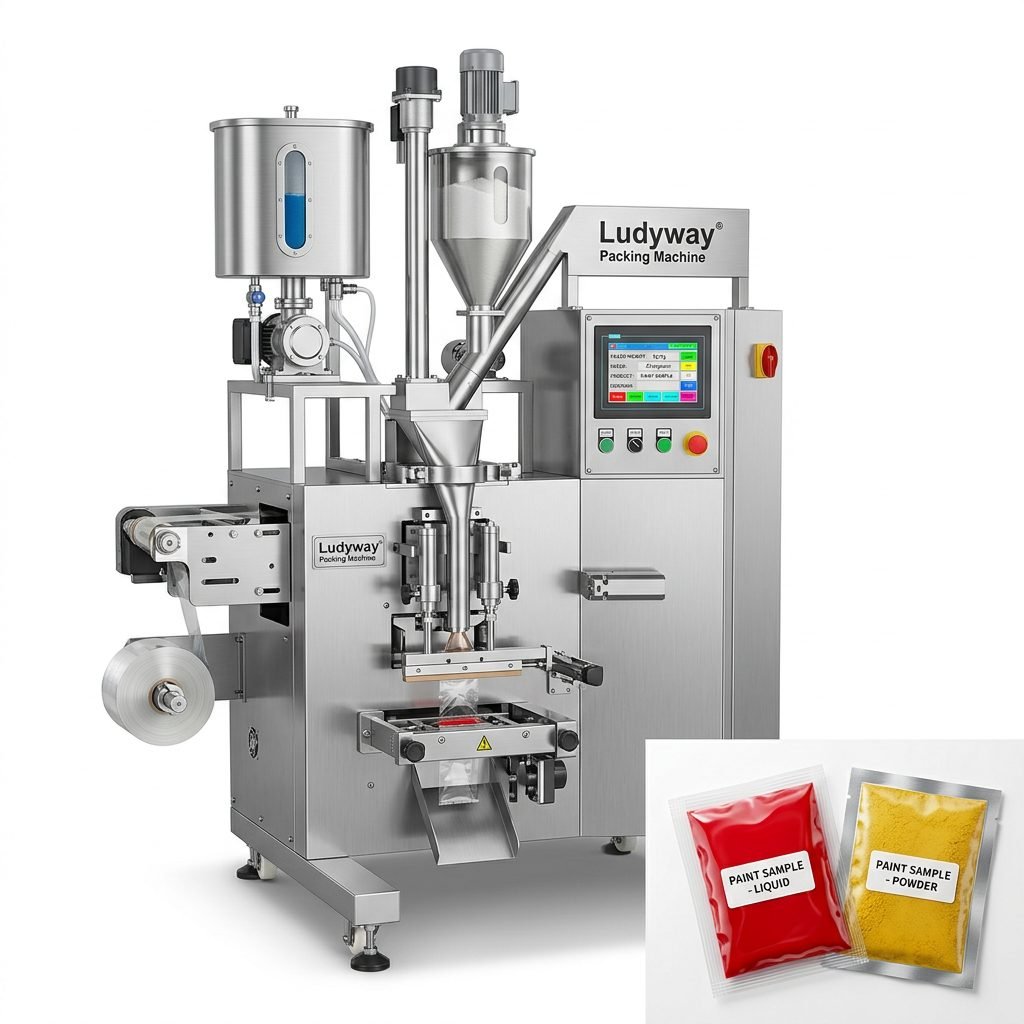
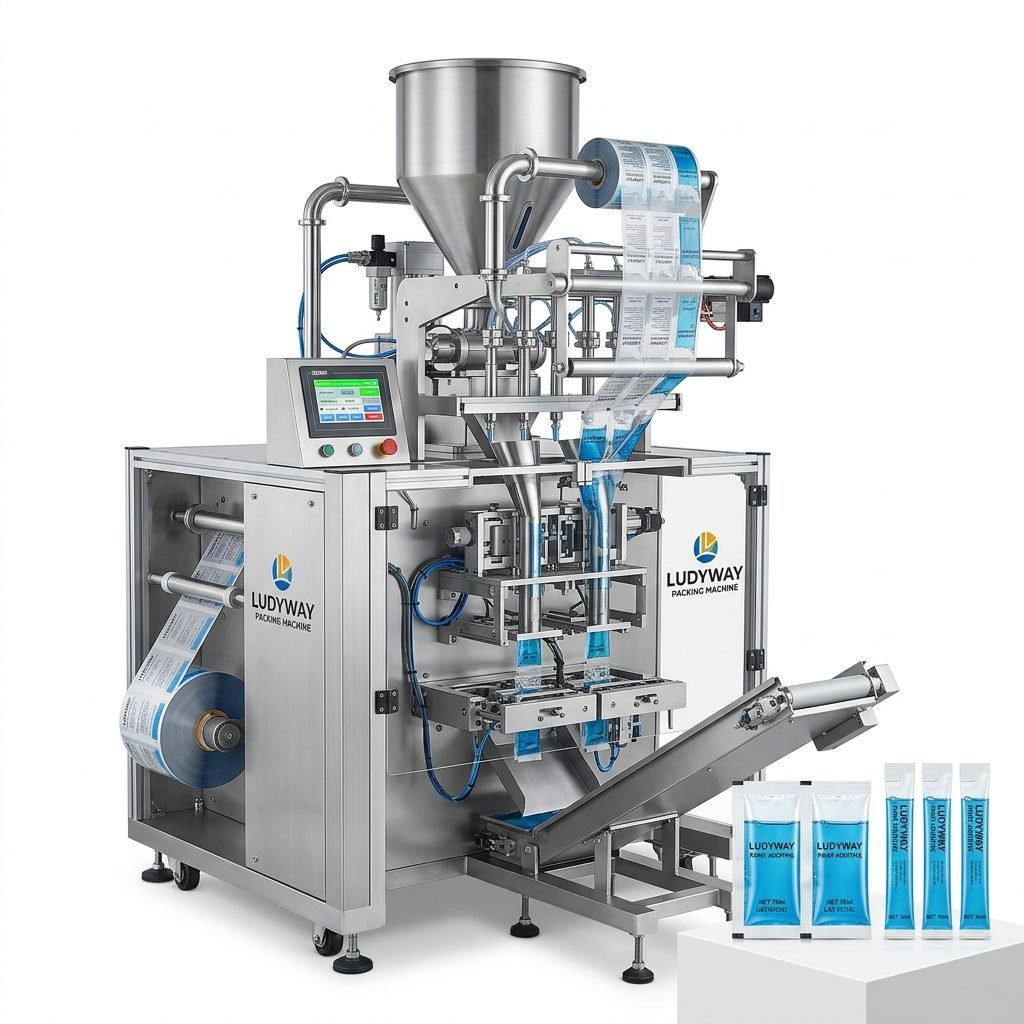
When buyers search for a vacuum packaging machine, the first question is usually simple: How much does it cost? The real answer depends on machine type, automation level, packaging material, chamber size, vacuum performance, and the product you want to pack. A small tabletop unit costs far less than a fully automatic industrial system integrated into a complete packaging line.
If you are comparing suppliers, understanding the full pricing structure helps you avoid underbuying, overpaying, or choosing a machine that cannot meet long-term production goals.
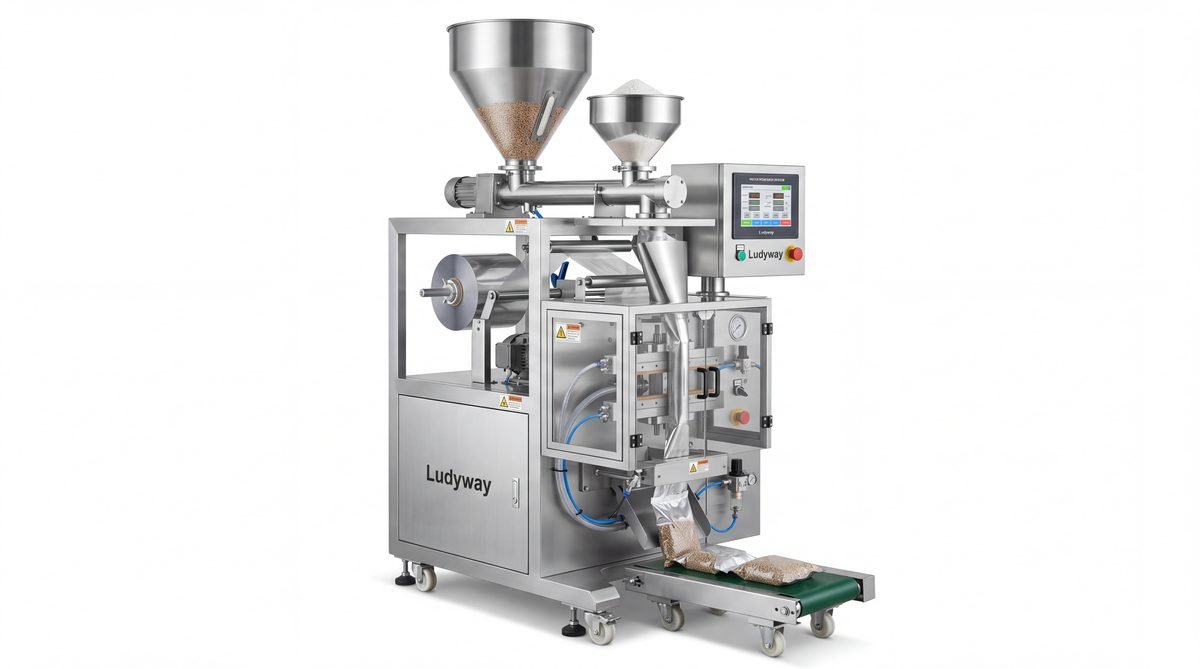
Typical Vacuum Packaging Machine Price Range
Below is a general market reference. Actual prices vary by configuration, country of destination, compliance requirements, and customization.
| Machine Type | Typical Price Range | Best For |
|---|---|---|
| Small tabletop vacuum sealer | US$300 – US$2,000 | Small shops, pilot use, low-volume packaging |
| Single-chamber vacuum packaging machine | US$2,000 – US$8,000 | Food processors, butcher shops, medium output |
| Double-chamber vacuum packaging machine | US$6,000 – US$18,000 | Higher efficiency, continuous batch production |
| Thermoforming vacuum packaging machine | US$25,000 – US$120,000+ | Large-scale industrial food and medical packaging |
| Automatic vacuum packaging line | US$50,000 – US$300,000+ | Factories needing feeding, filling, sealing, coding, inspection, and end-of-line automation |
What Affects the Price of a Vacuum Packaging Machine?
1. Machine Type and Automation Level
This is the biggest price factor. Manual and semi-automatic machines are cheaper because they require more operator involvement. Fully automatic systems cost more, but they reduce labor, improve consistency, and increase throughput.
- Manual machines: lower initial investment, suitable for startups
- Semi-automatic machines: balance between cost and productivity
- Fully automatic machines: higher upfront cost, lower long-term labor cost
2. Chamber Size and Seal Bar Length
Larger products need larger chambers. Bigger chambers require more stainless steel, stronger pumps, and more robust structures. Longer seal bars also increase cost because they handle wider bags and improve packaging flexibility.
3. Vacuum Pump Brand and Capacity
The vacuum pump is one of the most critical components. Premium pumps usually deliver faster cycle times, deeper vacuum, longer service life, and better reliability. Machines with high-end imported pumps cost more than those with standard local pumps.
4. Product Type
Not all products behave the same during vacuum packaging. Dry foods, fresh meat, seafood, cheese, pharmaceuticals, powders, and medical supplies may require different sealing temperatures, vacuum levels, chamber designs, or hygiene standards.
For example:
- Fresh meat may need strong vacuum and durable sealing
- Powder products may need dust control and special handling
- Pharmaceutical products may require cleaner designs and compliance features
5. Construction Material and Hygiene Design
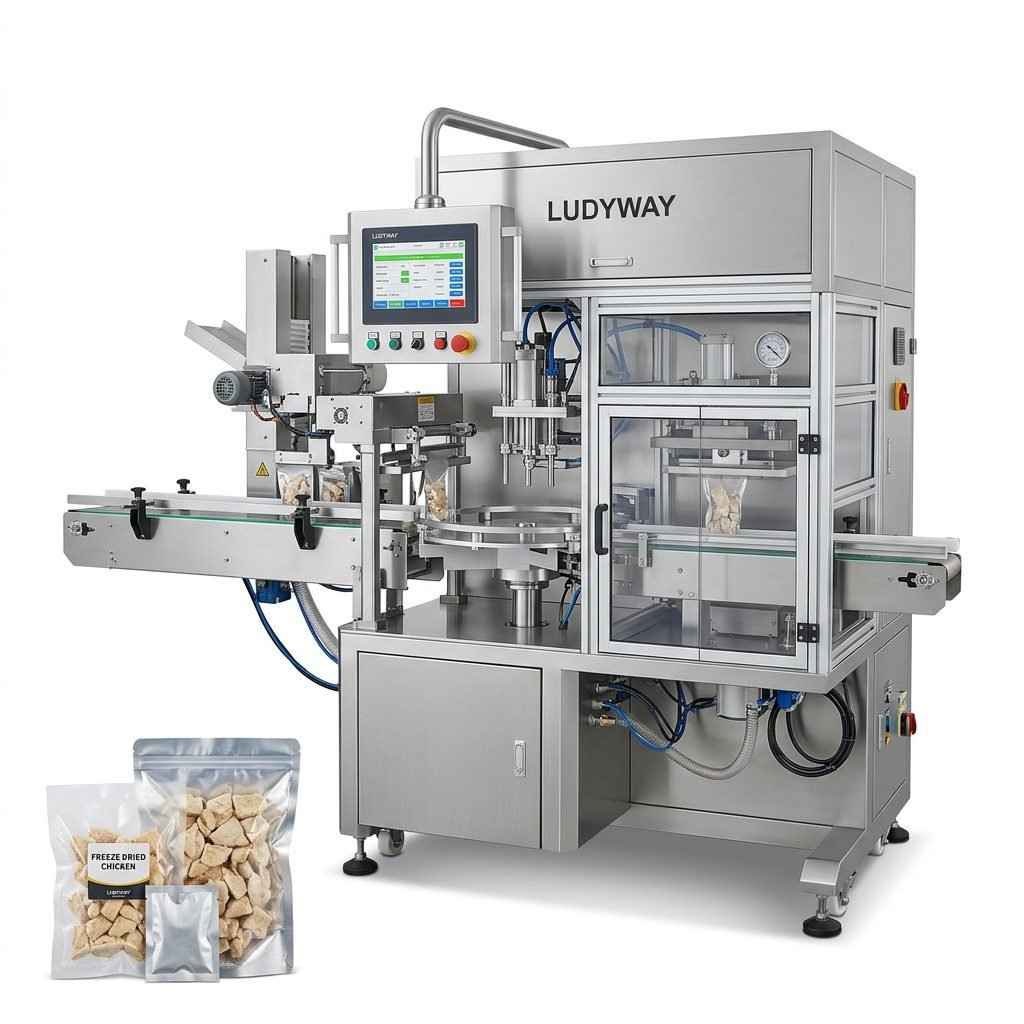
Machines made with high-grade 304 or 316 stainless steel cost more than standard painted structures, but they are more suitable for food, pharma, and wet processing environments. Hygienic design features such as easy cleaning, smooth welds, and corrosion resistance also affect price.
6. Packaging Speed Requirements
Higher speed means more engineering complexity. If you need short cycle times, automatic bag loading, gas flushing, multi-station operation, or integrated conveyors, the machine price increases accordingly.
7. Optional Functions
Many buyers ask for extra features that raise the total investment:
- Gas flushing / modified atmosphere packaging
- Date coding or printing
- Multi-program control system
- Soft air release for delicate products
- Liquid control for wet products
- Automatic discharge conveyor
- Safety guards and certification upgrades
8. Voltage, Certification, and Export Standards
Machines exported to different markets may need special voltage, plugs, electrical layouts, CE-related features, or other local compliance adjustments. These requirements can add cost but are often necessary for safe and legal operation.
9. Customization and Turnkey Integration
A standalone vacuum sealer is cheaper than a complete solution connected with conveyors, feeders, weighing systems, labeling, metal detection, checkweighing, cartoning, or palletizing. If your production requires a full line, the price rises, but so does automation efficiency.
Price by Application
| Application | Estimated Price Level | Reason |
|---|---|---|
| Dry food products | Low to medium | Simpler handling and sealing requirements |
| Fresh meat and seafood | Medium to high | Higher hygiene and vacuum performance demands |
| Pharmaceutical and medical products | High | Compliance, precision, and cleaner design requirements |
| Large industrial bulk packaging | High to very high | Heavy-duty construction and high productivity needs |
Hidden Costs Buyers Should Not Ignore
The purchase price is only part of the total investment. Smart buyers also calculate:
- Shipping and import costs
- Installation and commissioning
- Training for operators
- Spare parts and maintenance
- Packaging material compatibility
- Downtime risk from poor-quality machines
- Future upgrade or expansion needs
A lower-priced machine may become more expensive over time if it runs slowly, seals inconsistently, or fails frequently.
How to Choose the Right Machine for Your Budget
The best buying strategy is to match the machine to your real production requirements, not just your initial budget.
Questions to ask before requesting a quotation
- What product are you packing?
- What bag size and material will you use?
- How many packs per hour do you need?
- Do you need gas flushing?
- Is the machine for food, pharmaceutical, or industrial use?
- Do you need a standalone unit or a full packaging line?
- What voltage and certification are required in your market?
Clear answers lead to more accurate quotations and better supplier recommendations.
Should You Buy a Cheap or Premium Vacuum Packaging Machine?
It depends on your production goals.
| Option | Advantages | Limitations |
|---|---|---|
| Low-cost machine | Lower upfront investment, faster purchase decision | May have lower speed, fewer options, shorter lifespan |
| Mid-range machine | Good balance of performance and cost | May still need upgrades as production grows |
| Premium industrial machine | Better durability, output, consistency, and support | Higher initial budget required |
Why Supplier Strength Also Affects Price
Two machines that look similar on paper may have very different long-term value. Experienced manufacturers often price equipment based on engineering quality, parts control, assembly standards, testing procedures, and after-sales support.
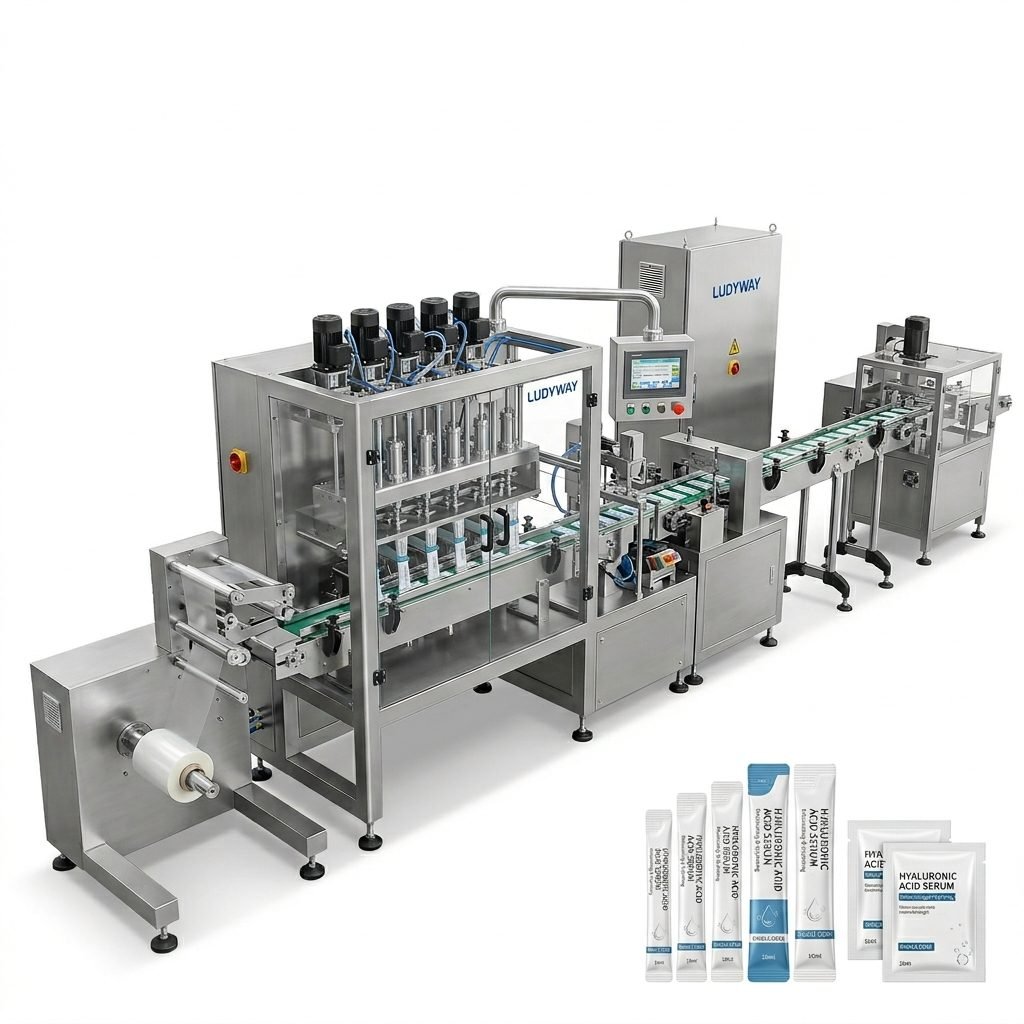
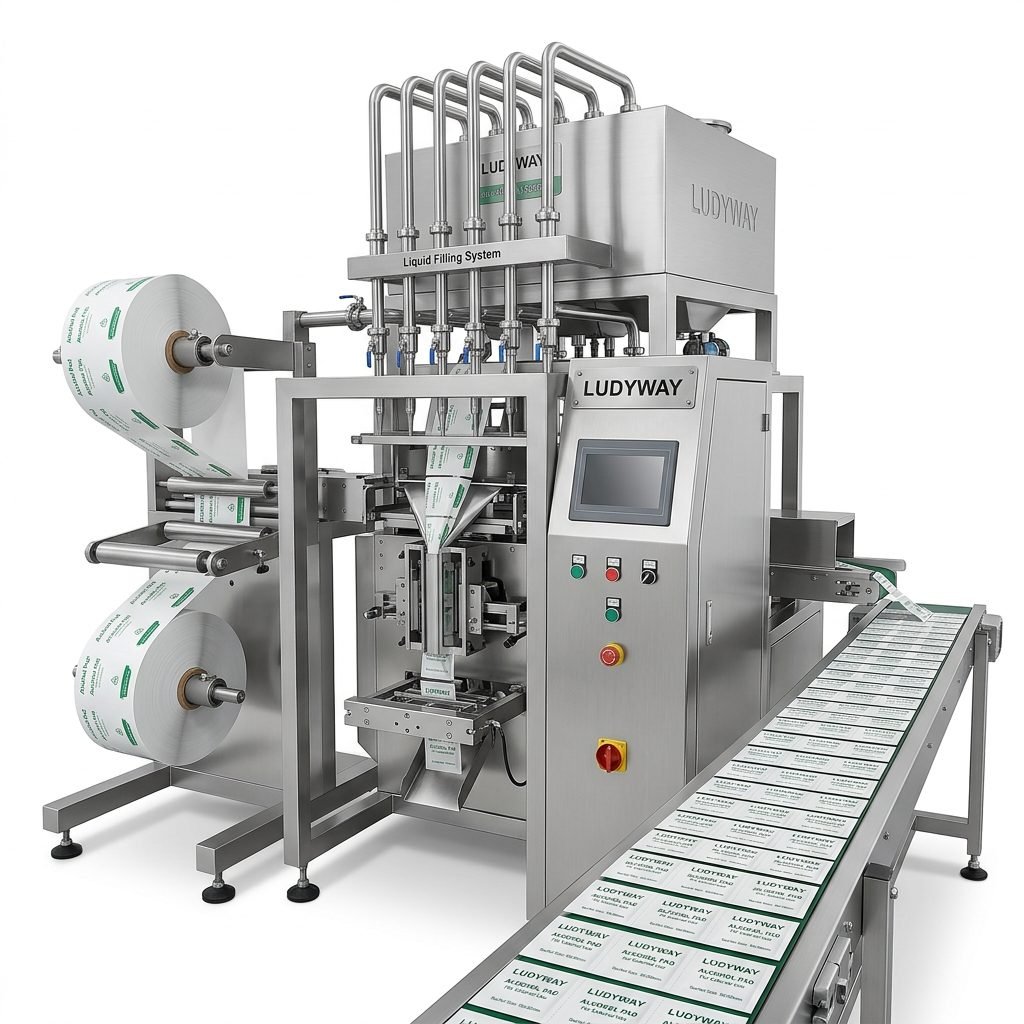
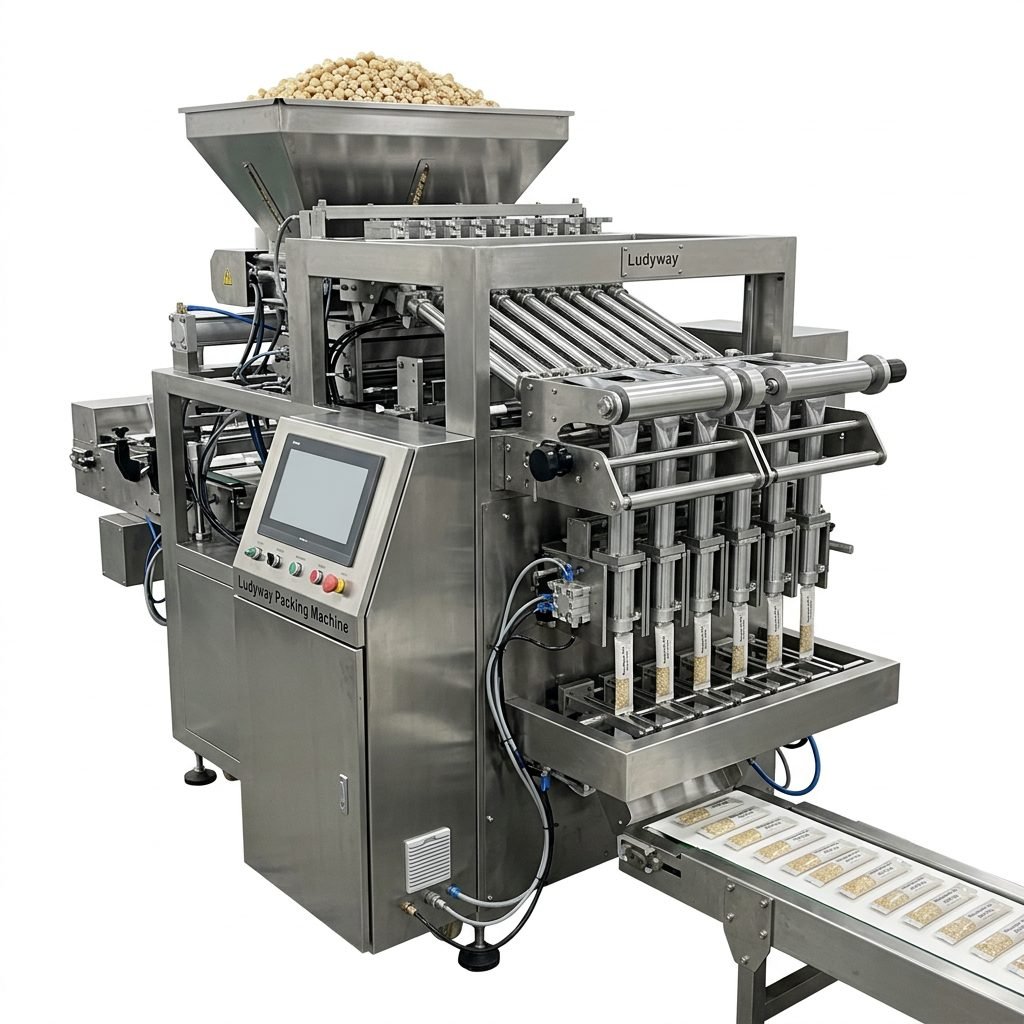
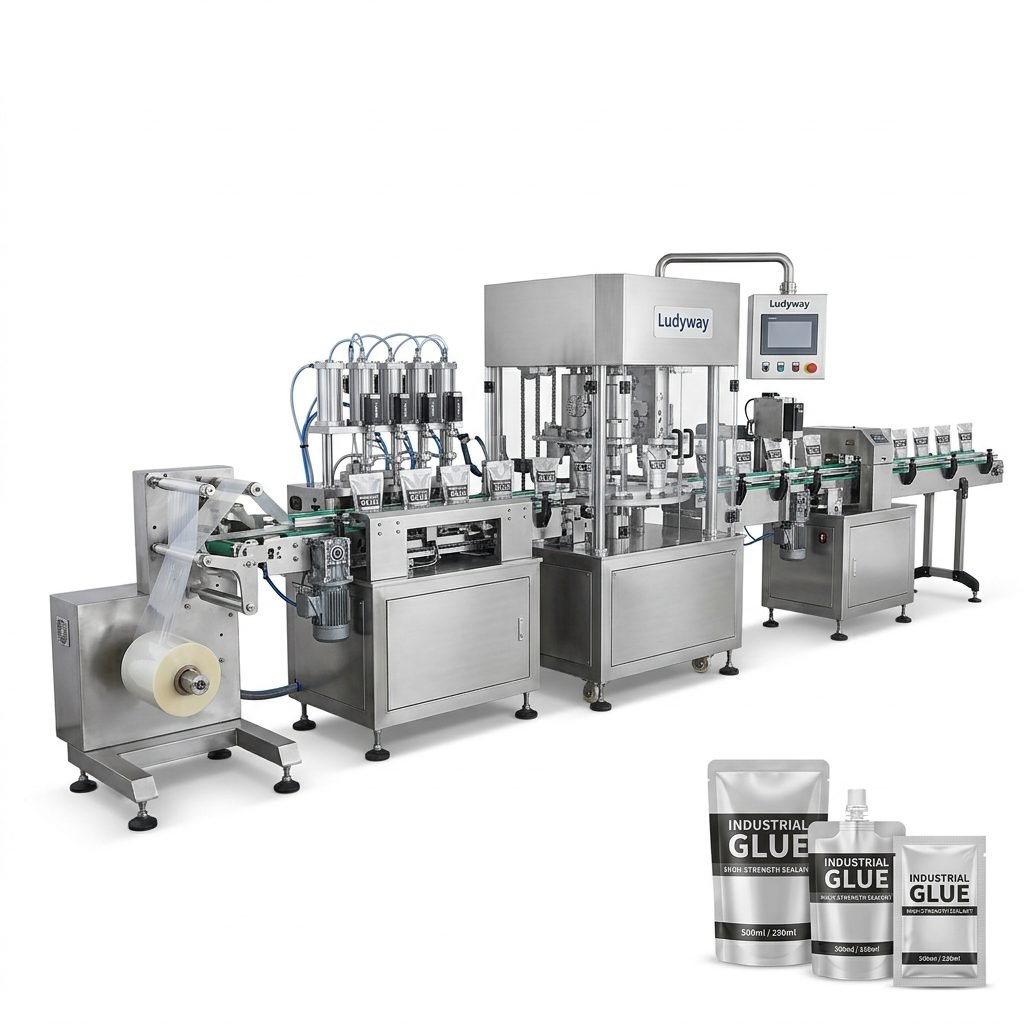
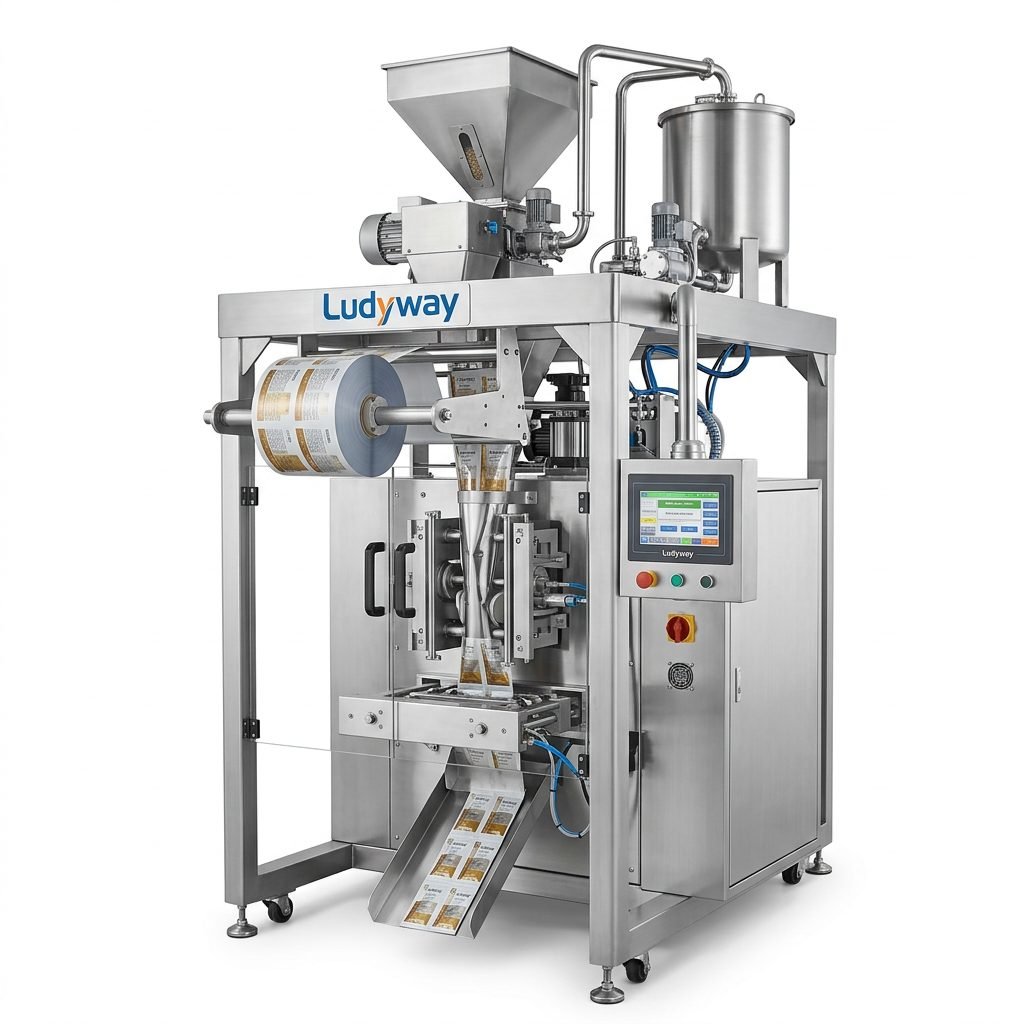
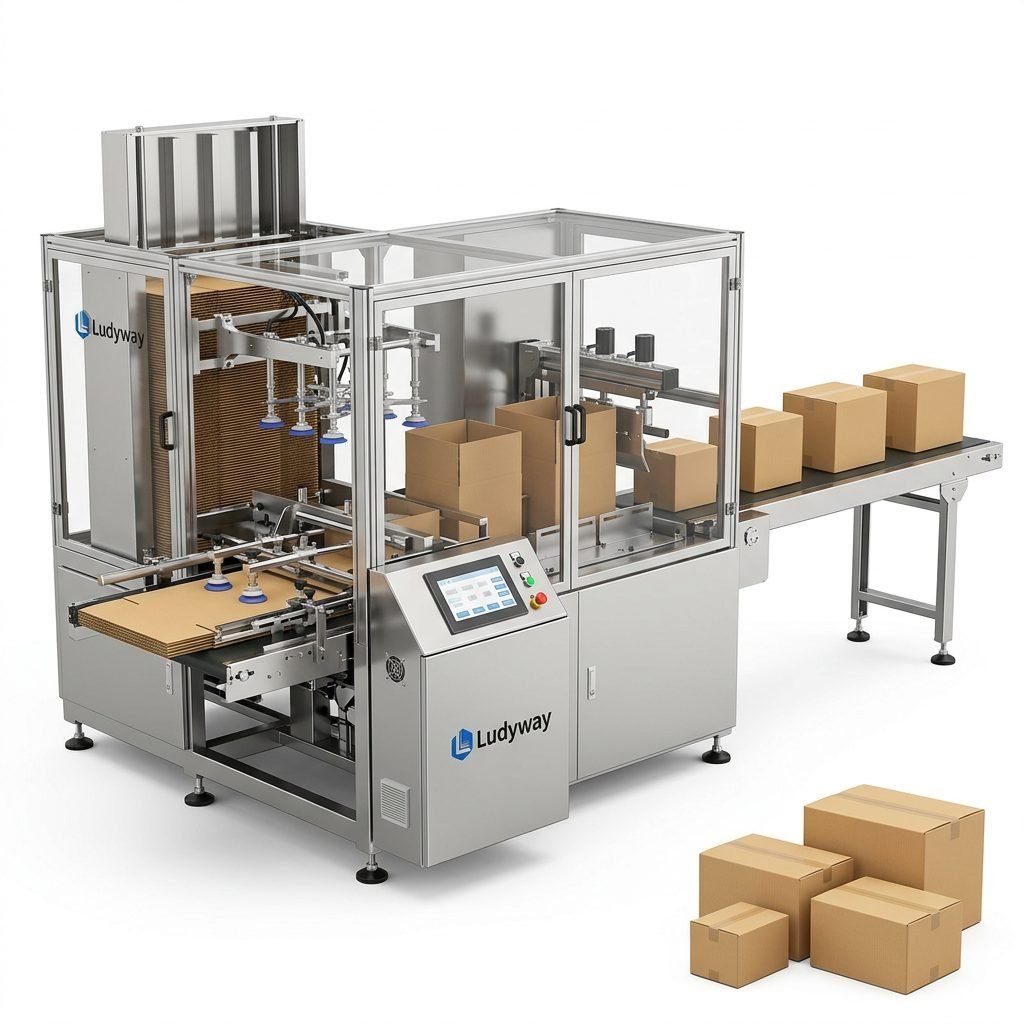
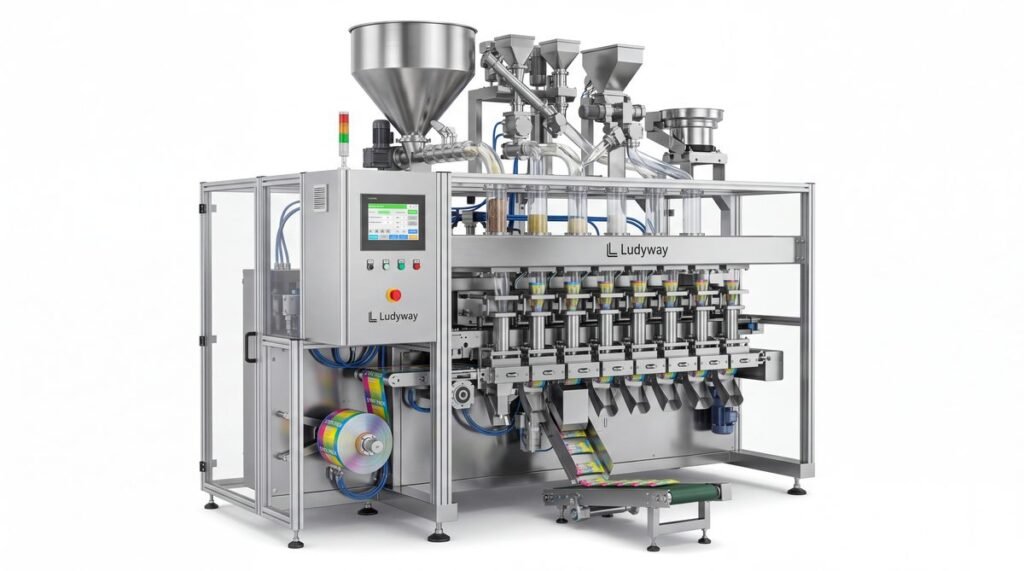
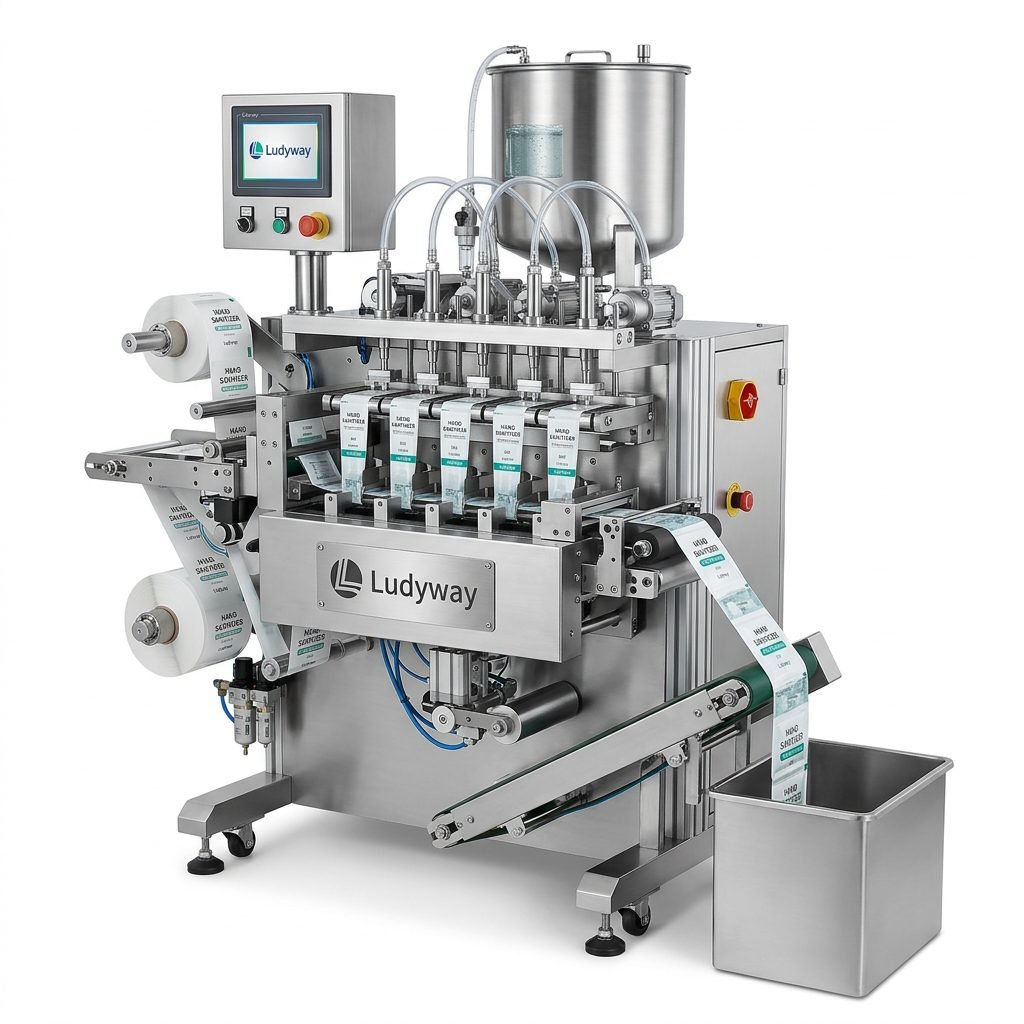
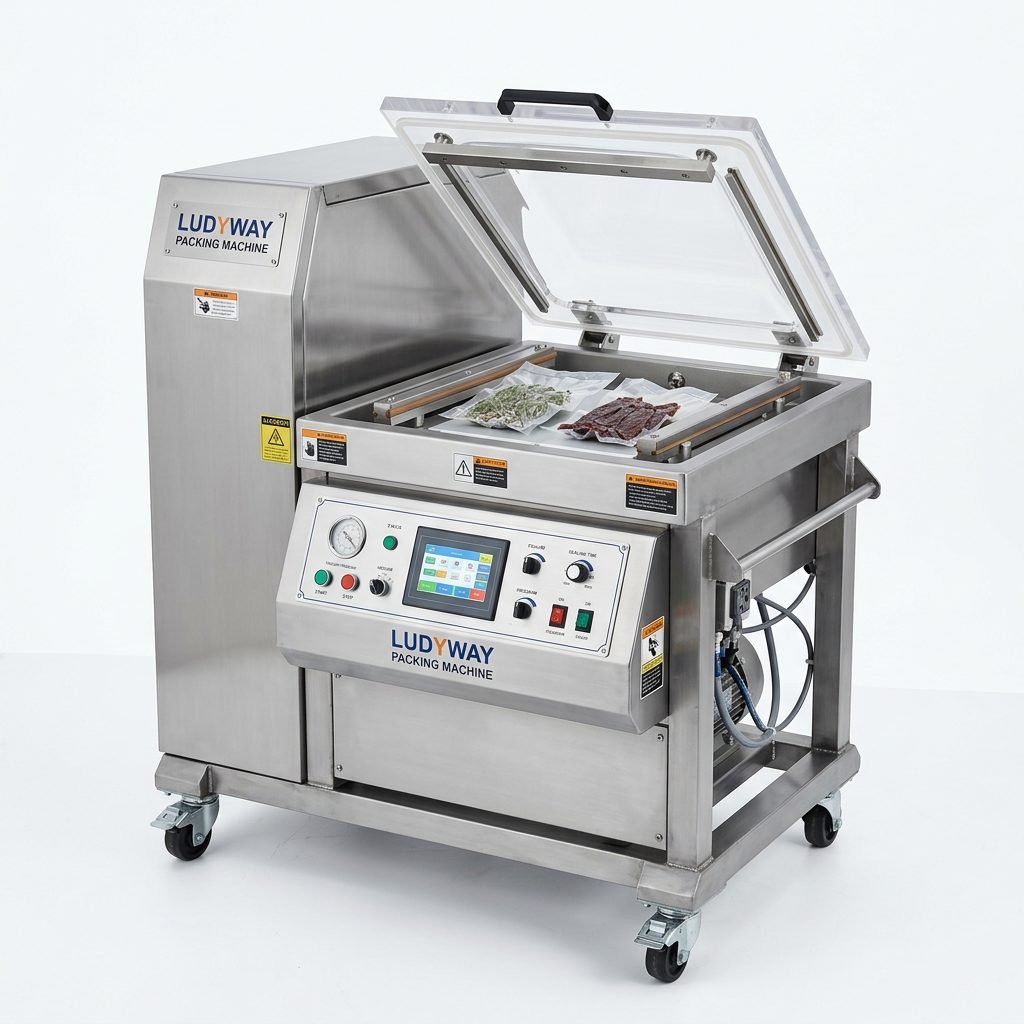
For buyers looking for scalable packaging automation, Ludyway vacuum packaging machine solutions are often considered for food, pharmaceutical, health supplement, and turnkey packaging line projects because of broad manufacturing experience, export capability, and customization support.
How to Get an Accurate Vacuum Packaging Machine Quote
To receive a useful quotation instead of a rough estimate, send the supplier the following details:
- Product photos or samples
- Target package size
- Desired production speed
- Required machine type
- Special functions needed
- Factory power standard
- Destination country
This helps suppliers recommend the right model and avoid quoting a machine that is either too small or unnecessarily expensive.
Final Buying Insight
A vacuum packaging machine can cost anywhere from a few hundred dollars to several hundred thousand dollars. The final figure depends on automation, size, pump quality, product application, material standard, and customization. The most cost-effective choice is not always the cheapest machine, but the one that delivers reliable sealing, efficient production, and the right level of future scalability.
If you compare total ownership cost rather than purchase price alone, you will make a much smarter investment.