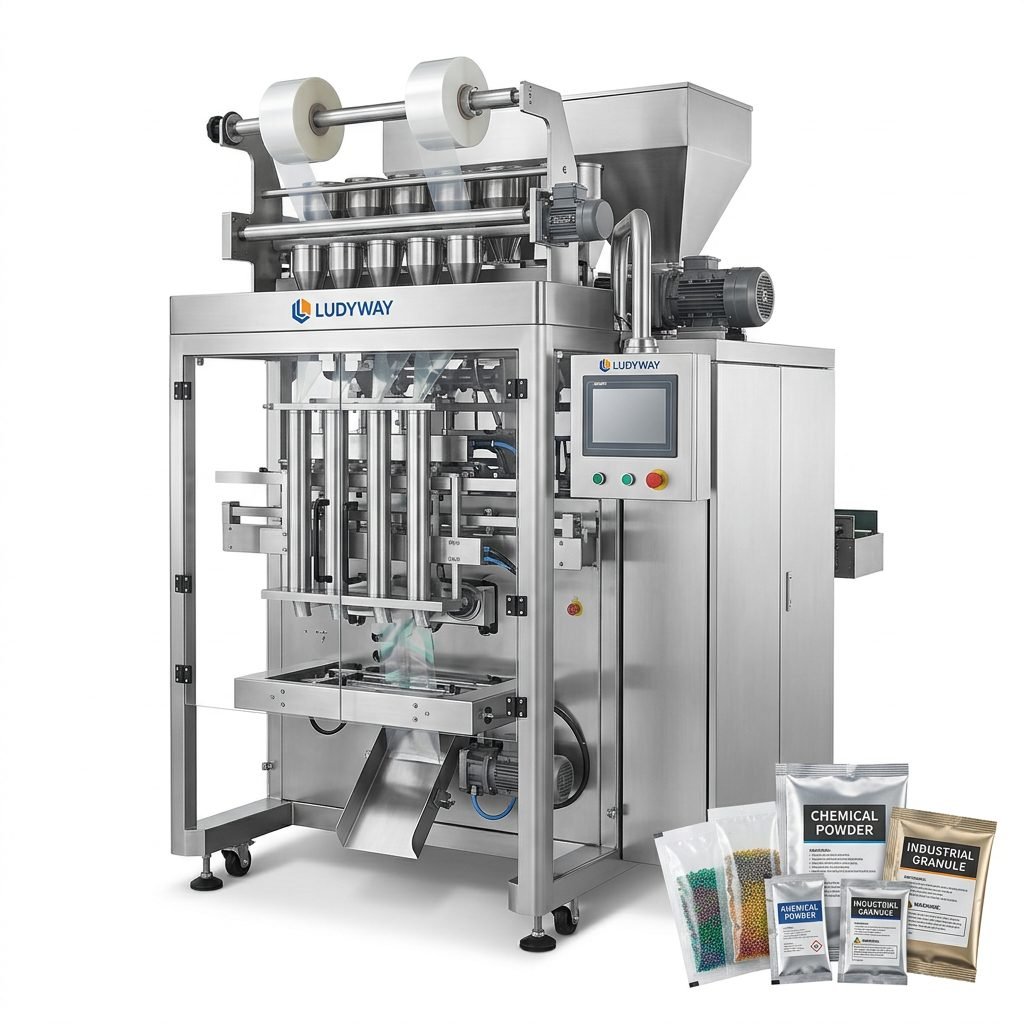
Ready meals are growing fast across retail, e-commerce, central kitchens, convenience stores, airline catering, and food service. As consumer demand increases, manufacturers need packaging equipment that can protect flavor, maintain hygiene, extend shelf life, and support efficient production. A modern ready meal packaging machine helps achieve all of these goals through accurate filling, reliable sealing, and stable automation.
Whether you produce frozen meals, chilled prepared dishes, microwaveable food trays, instant meal kits, sauce-based meals, or portioned side dishes, the right packaging system can improve output while keeping products safe, fresh, and market-ready.
Why Ready Meal Packaging Matters
Prepared food products face several challenges during packaging. They may contain solids, sauces, powders, or mixed components. Some are hot-filled, some are chilled, and some require modified atmosphere or vacuum protection. The packaging process must therefore do more than simply place food into a container. It must also preserve product integrity throughout storage, transport, and display.
- Food safety: minimizes contamination risk during filling and sealing
- Freshness protection: helps preserve taste, aroma, texture, and appearance
- Leak prevention: essential for liquid or semi-liquid meal components
- Shelf-life improvement: supports chilled, frozen, or ambient distribution strategies
- Consistent portioning: ensures accurate weight and presentation
- Higher productivity: reduces manual work and packaging errors
What Is a Ready Meal Packaging Machine?
A ready meal packaging machine is an automated or semi-automated system used to fill, seal, code, inspect, and sometimes cartoning-pack prepared food products. Depending on the meal format, the machine may package food in trays, cups, bowls, pouches, sachets, vacuum packs, or lidded containers.
Typical packaging applications include:
- Rice meals and noodle meals
- Frozen prepared foods
- Microwaveable trays
- Soup and sauce meal packs
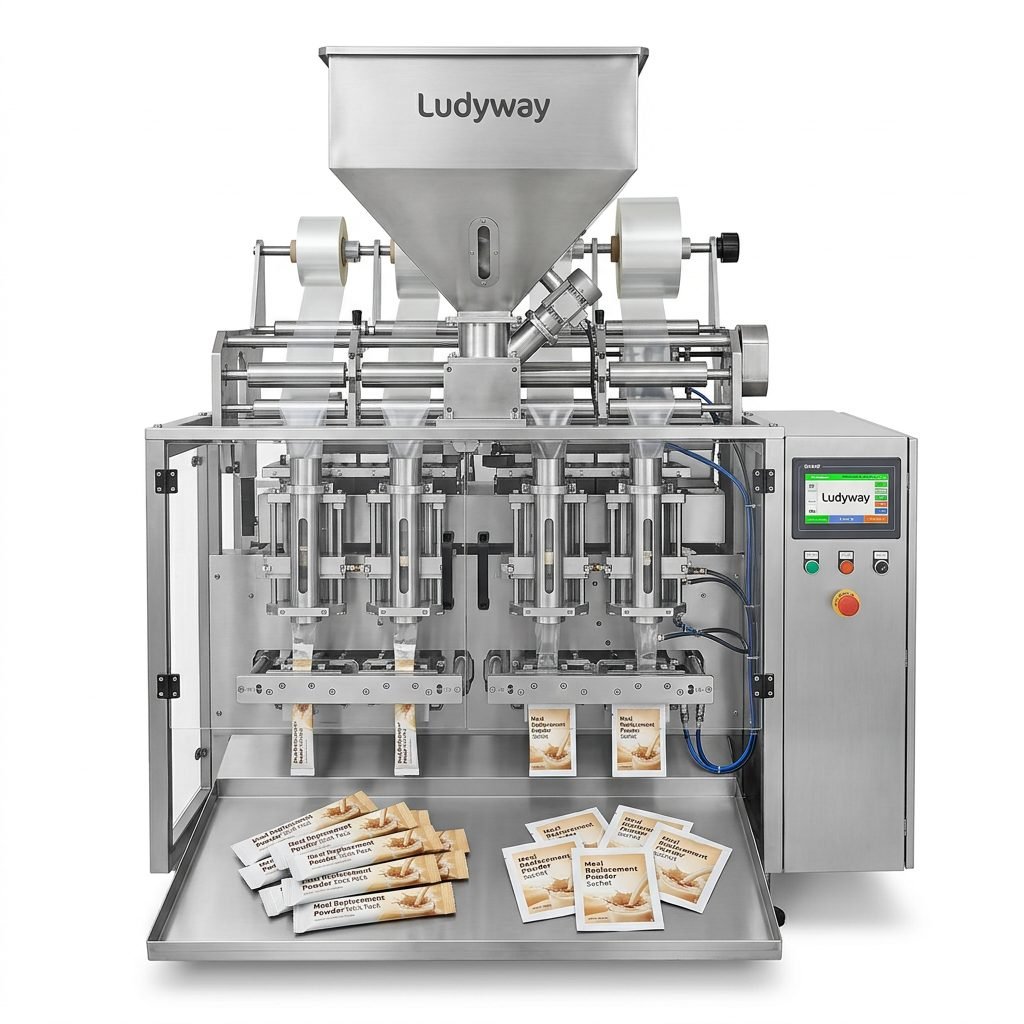
- Meal replacement powders and functional food packs
- Portion-controlled meal kits
- Chilled convenience foods
| Packaging Format | Common Ready Meal Use | Key Benefit |
|---|---|---|
| Tray sealing | Microwave meals, frozen dinners | Strong seal, good shelf presentation |
| Vacuum pouch packaging | Cooked meats, prepared dishes | Extended freshness and compact packing |
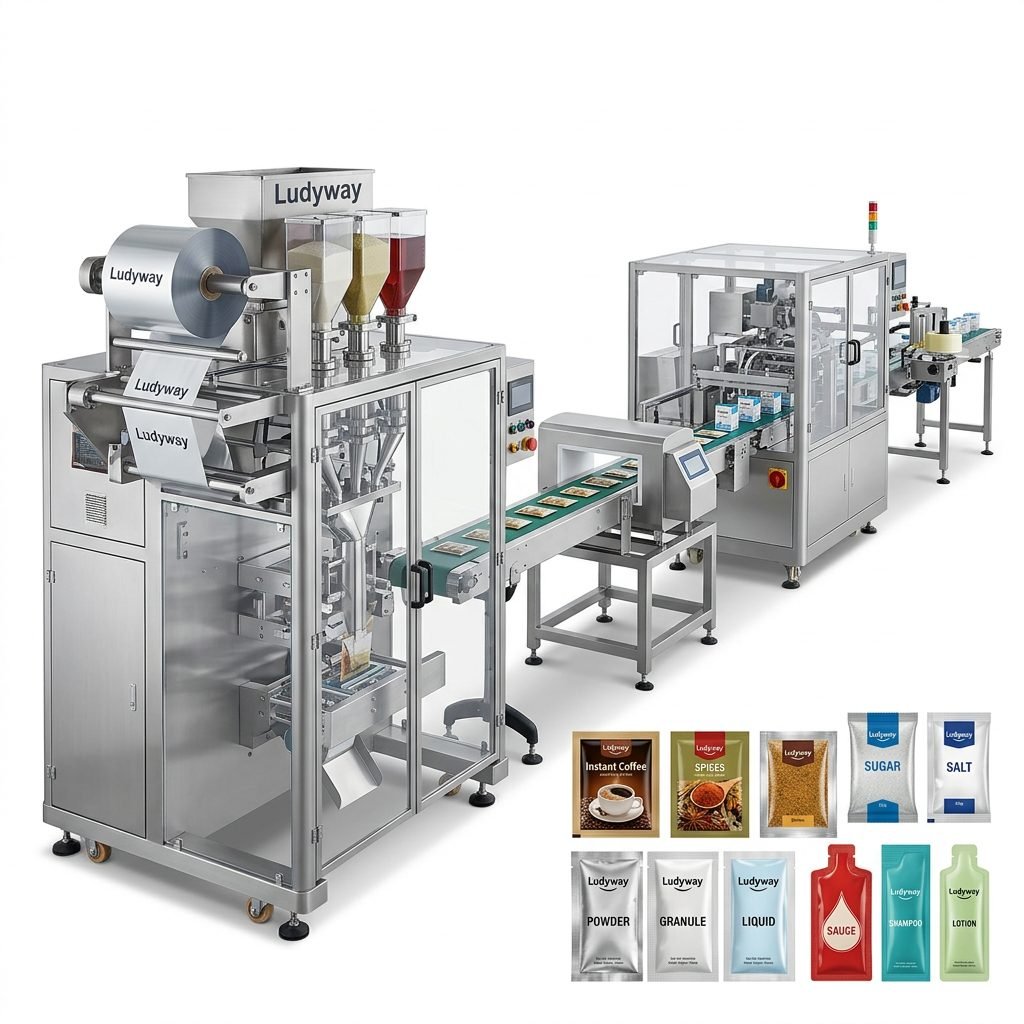
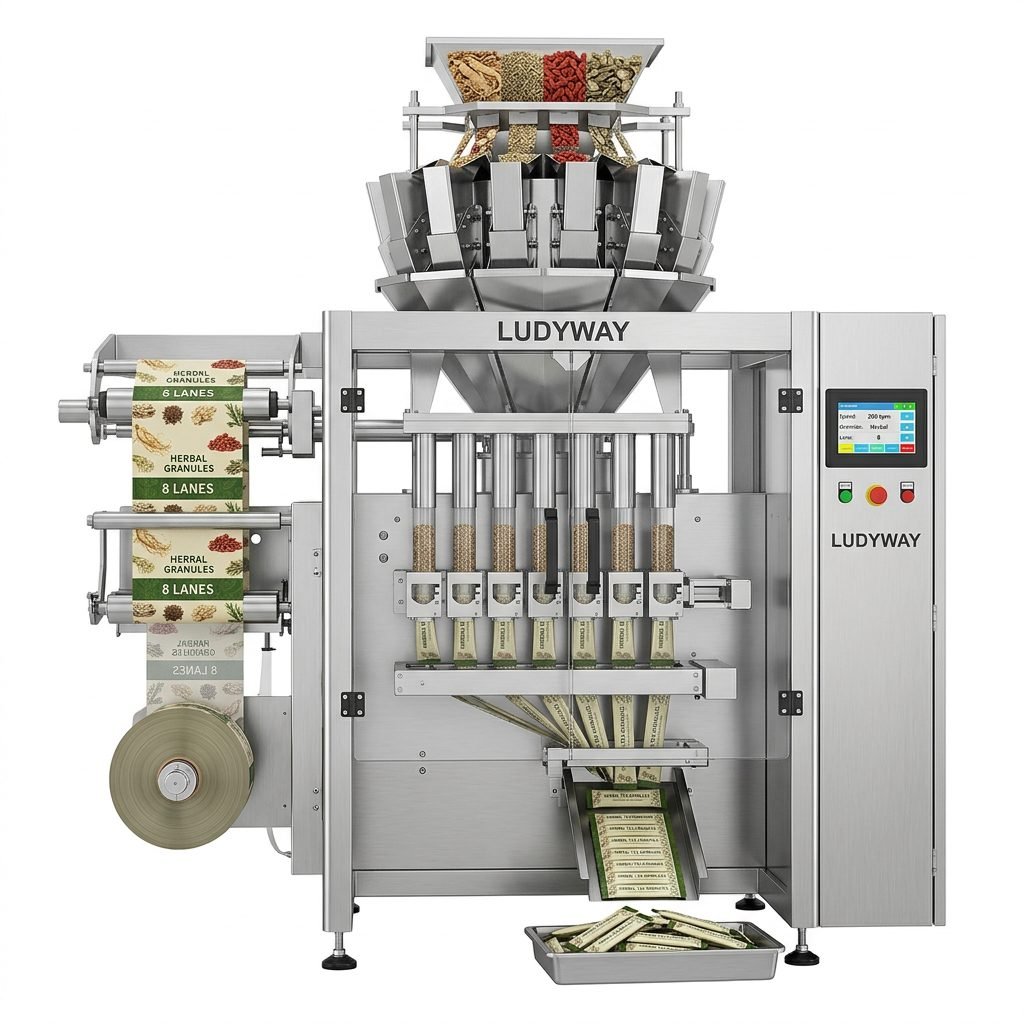
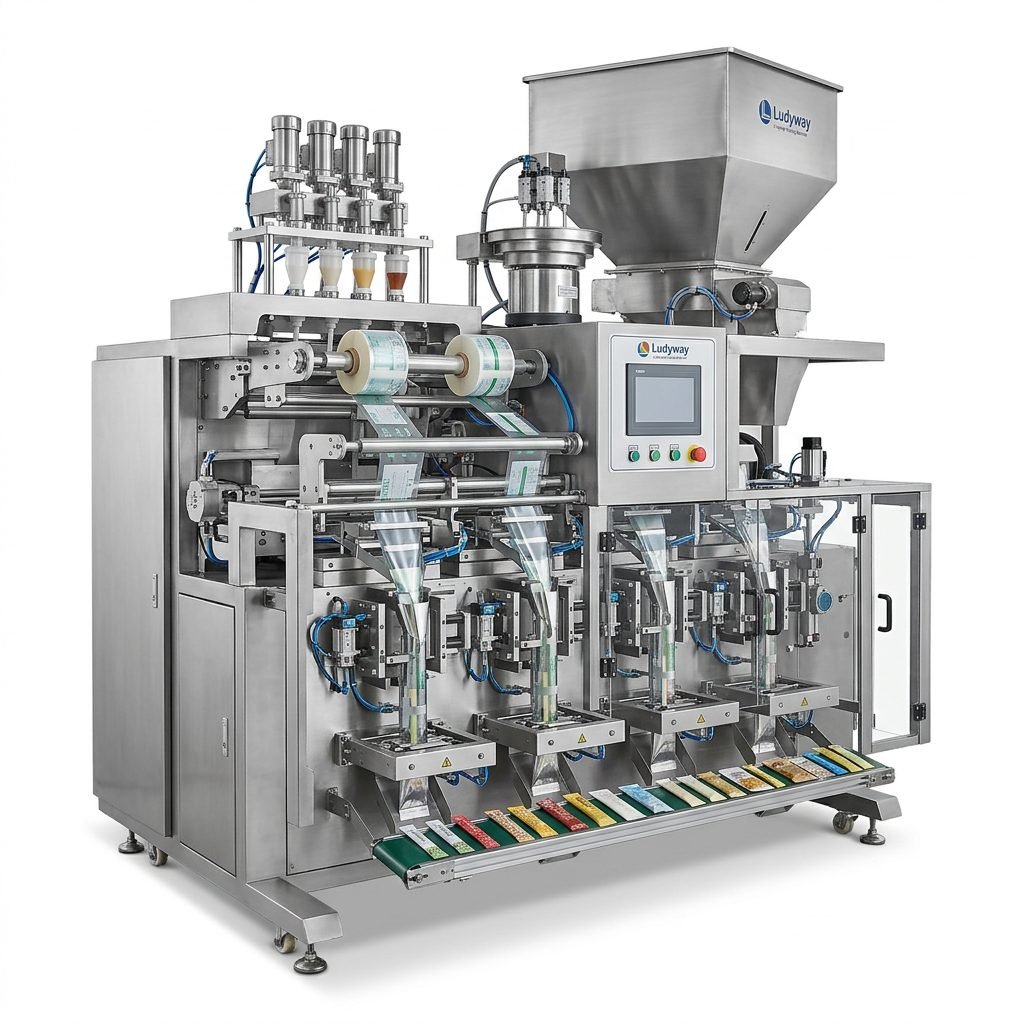
| Sachet or stick pack | Meal powders, seasonings, sauces | High-speed portion packaging |
| Premade pouch filling | Soups, sauces, side dishes | Flexible retail-ready design |
| Cup or bowl filling | Instant meals, porridge, noodles | Convenient single-serve format |
Core Features of an Efficient Ready Meal Packaging Solution
To meet modern food production requirements, packaging equipment should combine hygiene, precision, flexibility, and automation. The following capabilities are especially important.
1. Accurate Filling for Complex Products
Ready meals often include mixed ingredients such as grains, vegetables, sauces, proteins, and seasonings. A packaging machine should handle these combinations without damaging texture or causing fill inconsistency. Precise dosing supports both quality control and cost control.
2. Reliable Sealing Performance
For ready meals, sealing quality directly affects shelf life and transport safety. Poor seals can cause leakage, spoilage, and customer complaints. High-quality sealing systems provide stable heat control, clean seal areas, and reduced package failure rates.
3. Hygienic Design
Food-contact parts should be easy to clean and made for sanitary operation. Stainless steel construction, simple changeover structures, and easy-access cleaning areas help reduce downtime and improve compliance with food production standards.
4. Flexible Format Support
Manufacturers often launch multiple SKUs in different weights and pack styles. Flexible machinery can adapt to various filling volumes, package sizes, and product textures, helping brands respond faster to market demand.
5. Integration with Turnkey Lines
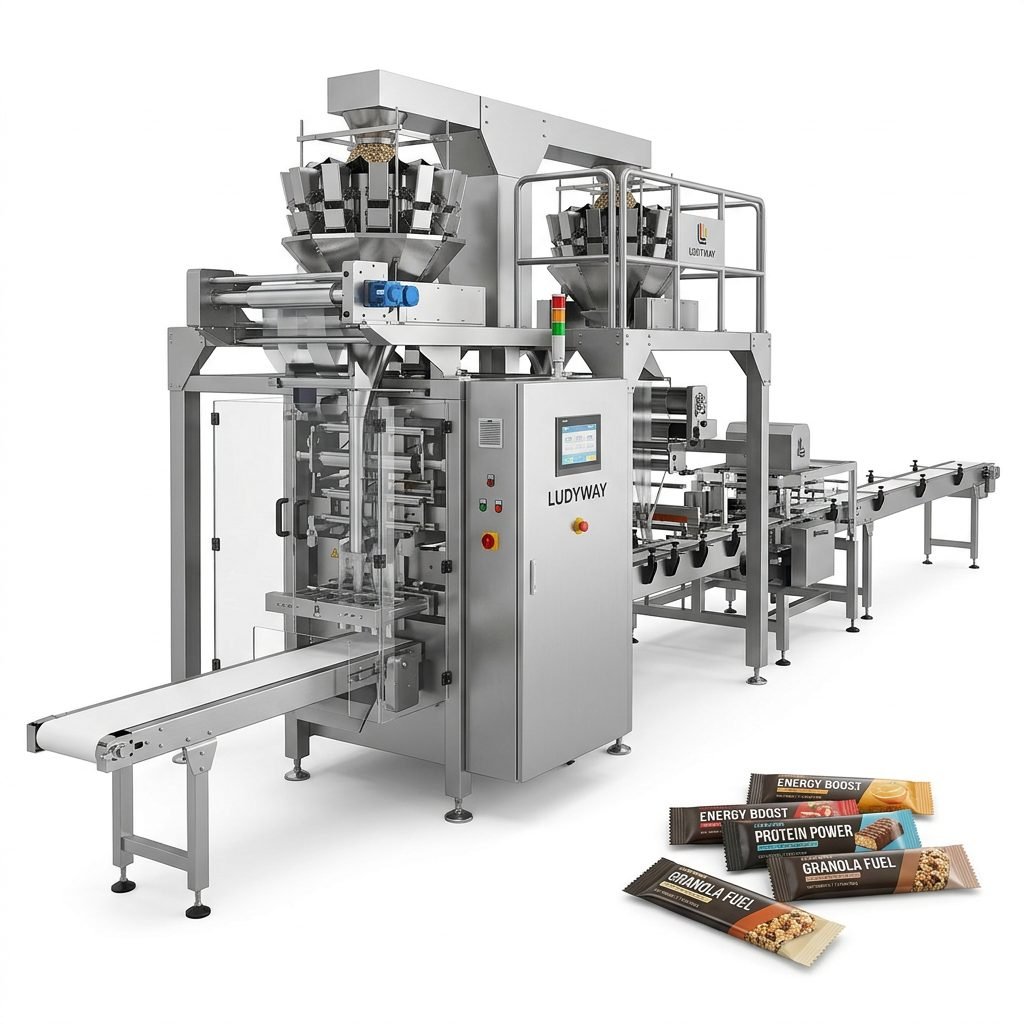
The most efficient factories do not rely on a standalone packer alone. They connect feeding, weighing, filling, sealing, coding, inspection, cartoning, and end-of-line handling into one synchronized system. This improves throughput and reduces labor intensity.
Popular Ready Meal Packaging Applications
Ready meal packaging machines are used in a wide range of prepared food categories. Different product types may require different handling and sealing technologies.
Frozen Ready Meals
Frozen foods require packaging that protects against moisture loss, contamination, and seal failure during low-temperature storage. Stable tray sealing and pouch packaging systems are especially valuable here.
Chilled Prepared Foods
Chilled products need efficient processing and dependable sealing to maintain freshness during shorter distribution cycles. Speed and sanitation are critical.
Instant Meal Powders and Components
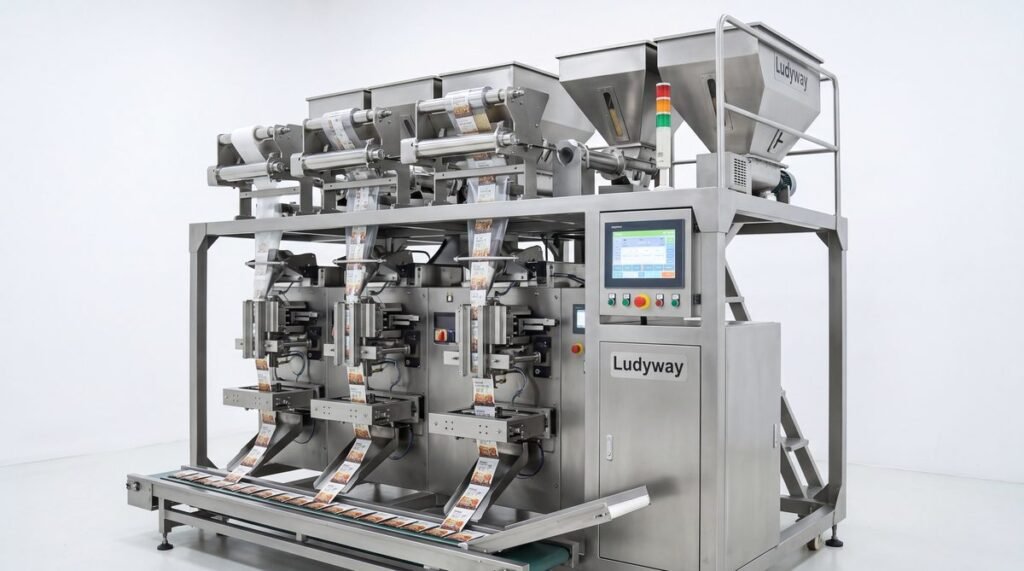
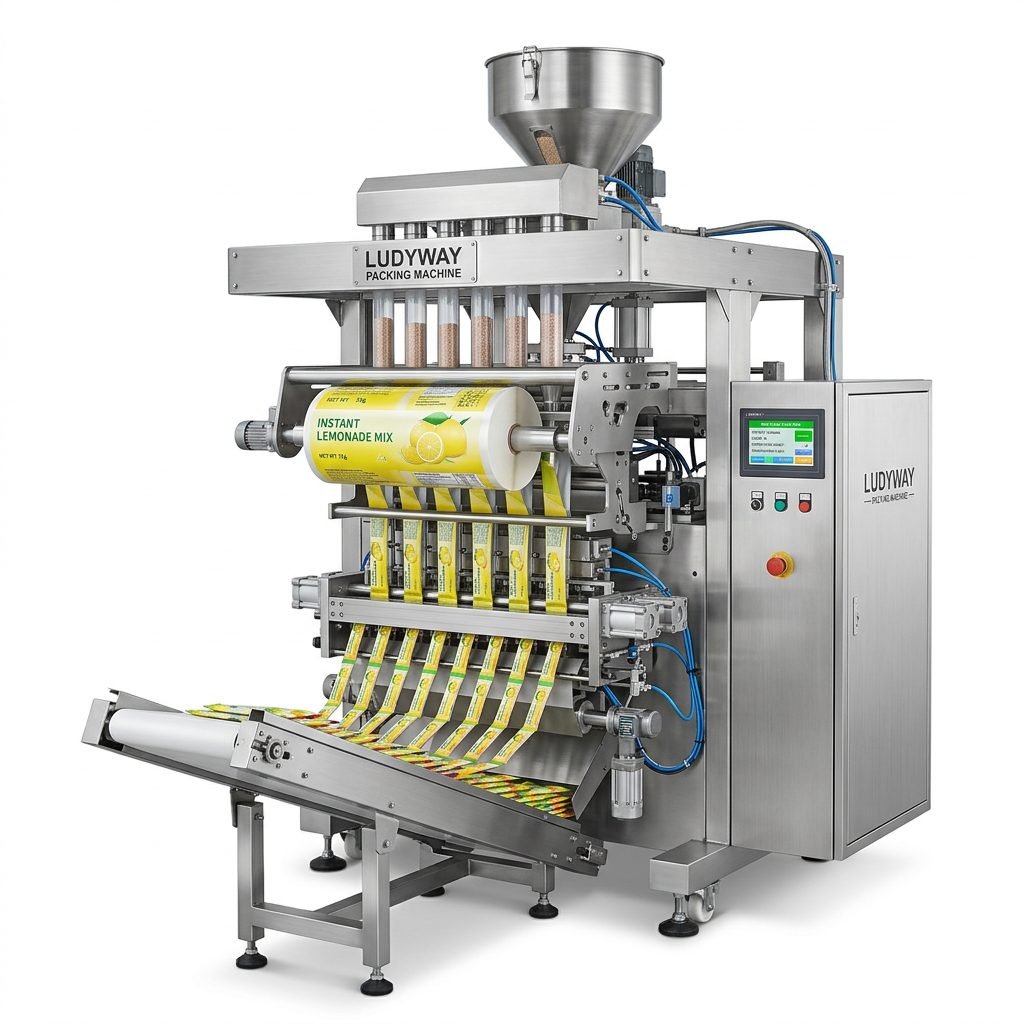
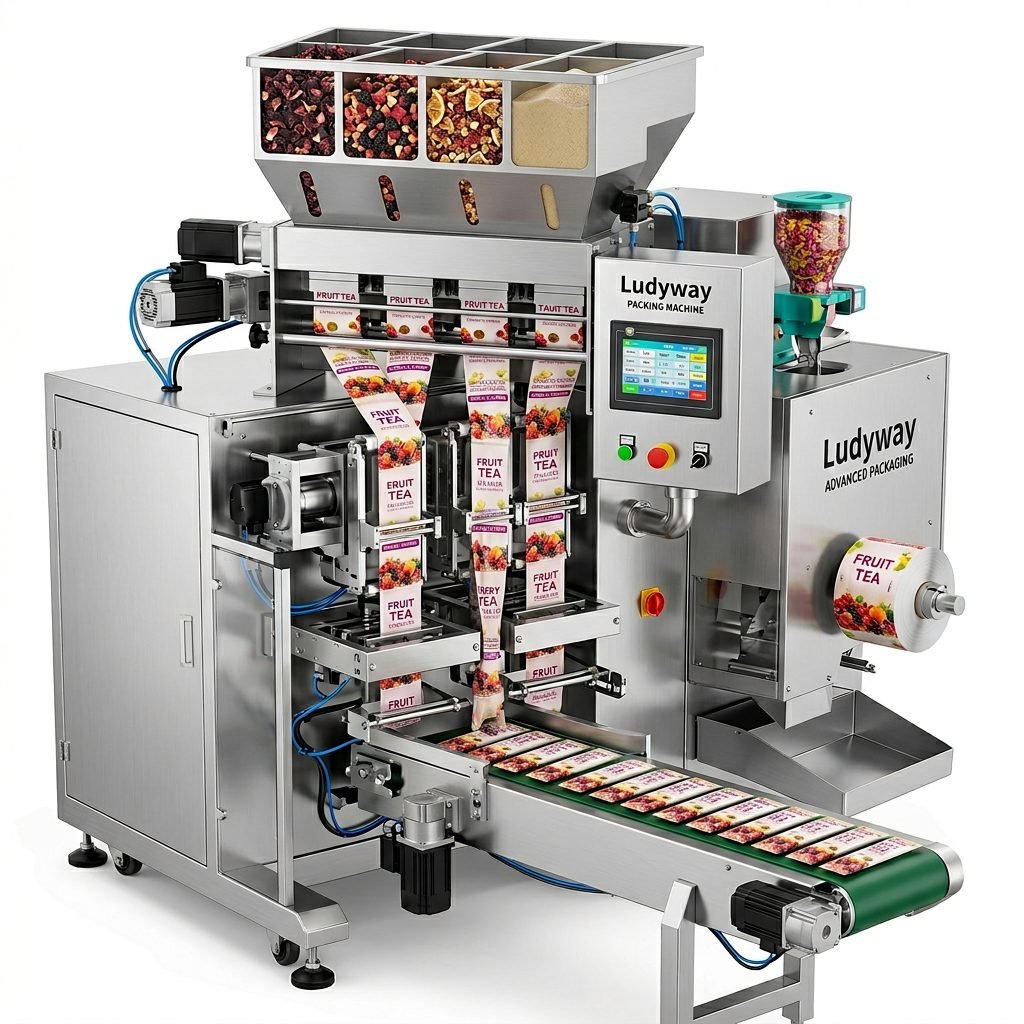
Meal replacement powders, soup sachets, beverage-based nutrition mixes, and seasoning packs often use multi-lane sachet or stick pack machines for high-volume output.
Sauce-Containing Meals
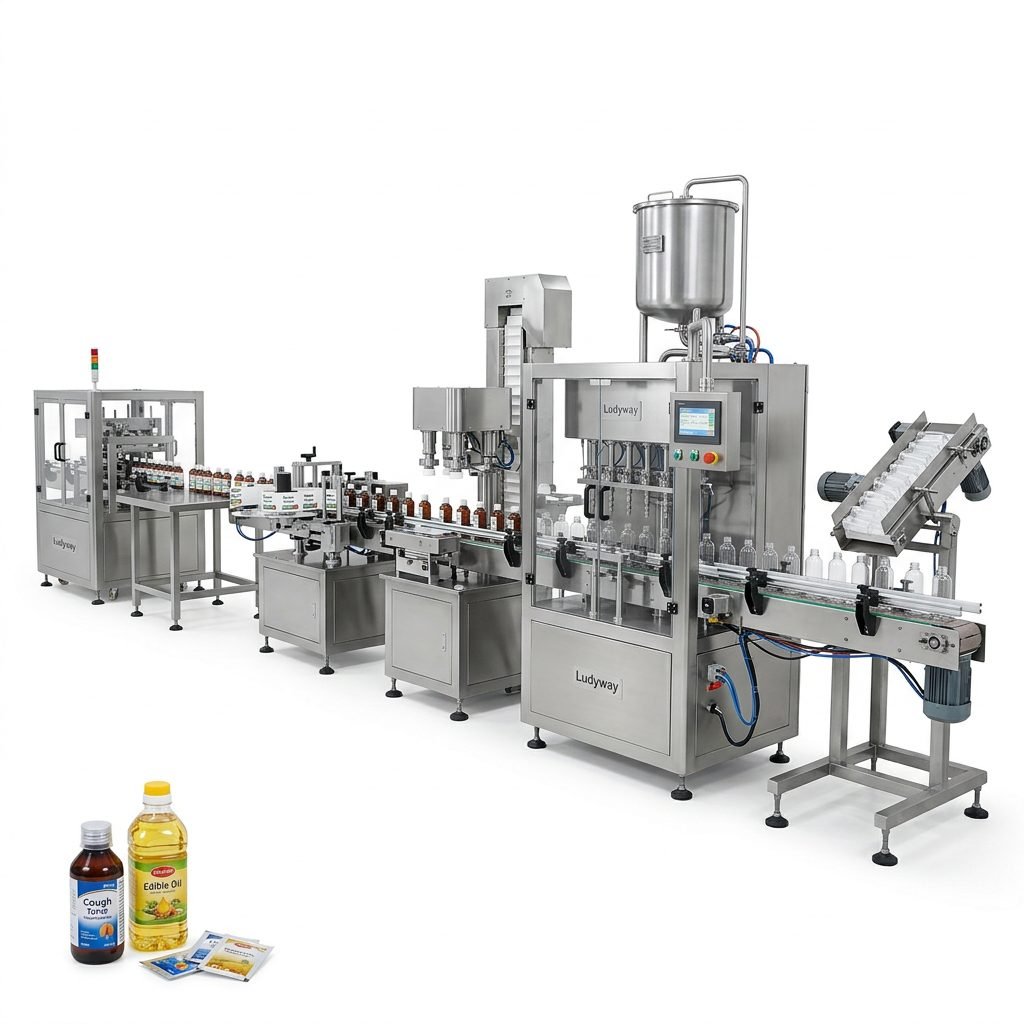
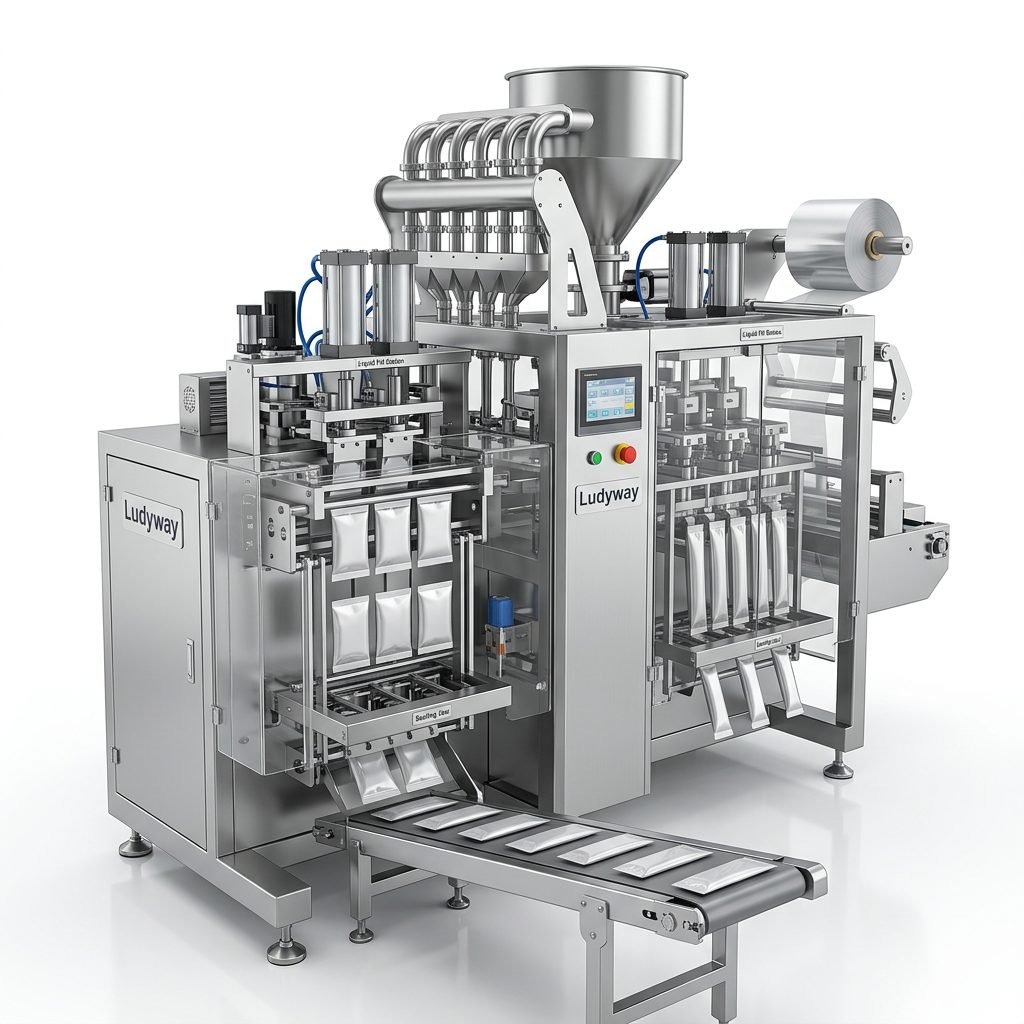
Meals with curry, gravy, broth, or dressing need equipment that can handle liquids or pastes without splashing, leakage, or inconsistent fill levels.
Portioned Meal Kits
Meal kits may combine multiple small packs in one retail unit. This requires coordinated packaging steps, including portion packaging, counting, cartoning, and labeling.
How the Right Machine Keeps Food Safe and Fresh
Food safety and freshness are not achieved by material choice alone. They depend on the interaction between the product, the package, and the packaging process. A high-performance ready meal packaging machine contributes in several ways:
- Reduces manual contact to improve hygiene
- Maintains consistent sealing temperature and pressure
- Supports controlled filling volumes and cleaner package presentation
- Helps reduce oxygen exposure where needed
- Improves coding and traceability for quality management
- Allows integration with inspection systems for defect detection
Key Factors to Consider Before Buying
Choosing a ready meal packaging machine should start with your product and growth plans, not just machine speed. A system that fits your current packaging task but cannot scale later may create production bottlenecks.
| Selection Factor | Why It Matters | Questions to Ask |
|---|---|---|
| Product type | Different foods need different filling methods | Is it solid, powder, liquid, paste, or mixed? |
| Package format | Impacts machine structure and sealing type | Tray, pouch, cup, sachet, or stick pack? |
| Capacity target | Determines automation level | How many packs per minute are required? |
| Cleaning requirements | Critical for food safety and downtime control | How often will product changeovers happen? |
| Line integration | Improves total packaging efficiency | Do you need feeding, coding, inspection, cartoning? |
| Future expansion | Protects long-term investment | Can the system support new SKUs later? |
Benefits of Automation in Ready Meal Packaging
Automated packaging is becoming standard in the prepared food sector because it improves consistency and production economics. For brands that want to scale, automation is no longer optional in many product categories.
- Lower labor dependency
- Improved packaging accuracy
- Reduced product waste
- Higher line efficiency
- Better packaging uniformity for retail shelves
- Stronger traceability and quality control support
- More stable output during peak demand periods
When combined with upstream preparation equipment and downstream cartoning or case packing systems, an automated solution can become a complete production asset rather than a single machine purchase.
Turnkey Packaging Lines for Ready Meal Producers
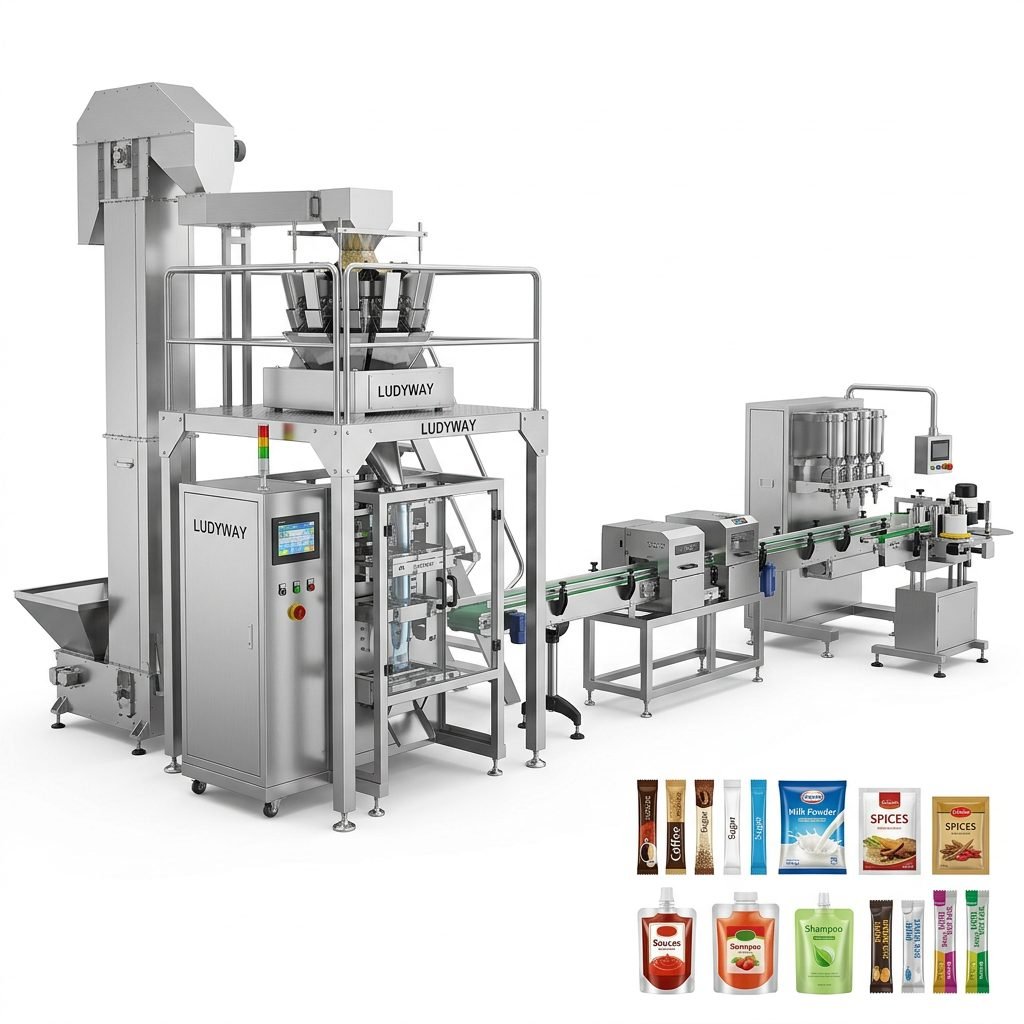
Many food manufacturers are moving beyond single machines and looking for complete line solutions. A turnkey system can include:
- Automatic feeding and conveying
- Weighing or dosing systems
- Filling and sealing machines
- Date coding and printing
- Metal detection or inspection equipment
- Cartoning, case packing, and palletizing
For companies expanding output or serving multiple export markets, a turnkey line can improve process coordination and simplify project management. One experienced supplier can often deliver better compatibility across the full system.
If you are looking for scalable food automation, Ludyway ready meal packaging machine solutions can support standalone equipment as well as complete turnkey packaging lines for food, pharmaceutical, health supplement, and related industries.
Common Industries That Use Similar Packaging Technology
Ready meal packaging shares technology with several adjacent sectors. This is useful because machinery suppliers with broader application experience often provide more adaptable systems.
- Instant food and beverage powders
- Frozen snack products
- Sauces and condiments
- Nutritional meal replacement products
- Functional food and supplement sachets
- Pet food and specialty food portions
Signs You Need to Upgrade Your Current Packaging Equipment
If your current line struggles with output, seal integrity, or labor efficiency, it may be time to upgrade. Warning signs include:
- Frequent seal failures or leaks
- Inconsistent filling weights
- Too much manual handling
- Slow changeovers between SKUs
- Difficulty meeting hygiene expectations
- Inability to connect with coding, inspection, or cartoning equipment
Final Thoughts on Choosing the Right Ready Meal Packaging Machine
The best ready meal packaging machine is one that matches your food characteristics, package design, hygiene standards, and production goals. For prepared food manufacturers, the right equipment does more than improve speed. It helps protect product safety, maintain freshness, reduce waste, and strengthen brand reliability.
As the ready-to-eat and convenience food market continues to grow, investing in a safe, flexible, and efficient packaging solution can give your business a stronger competitive position and a better foundation for long-term expansion.