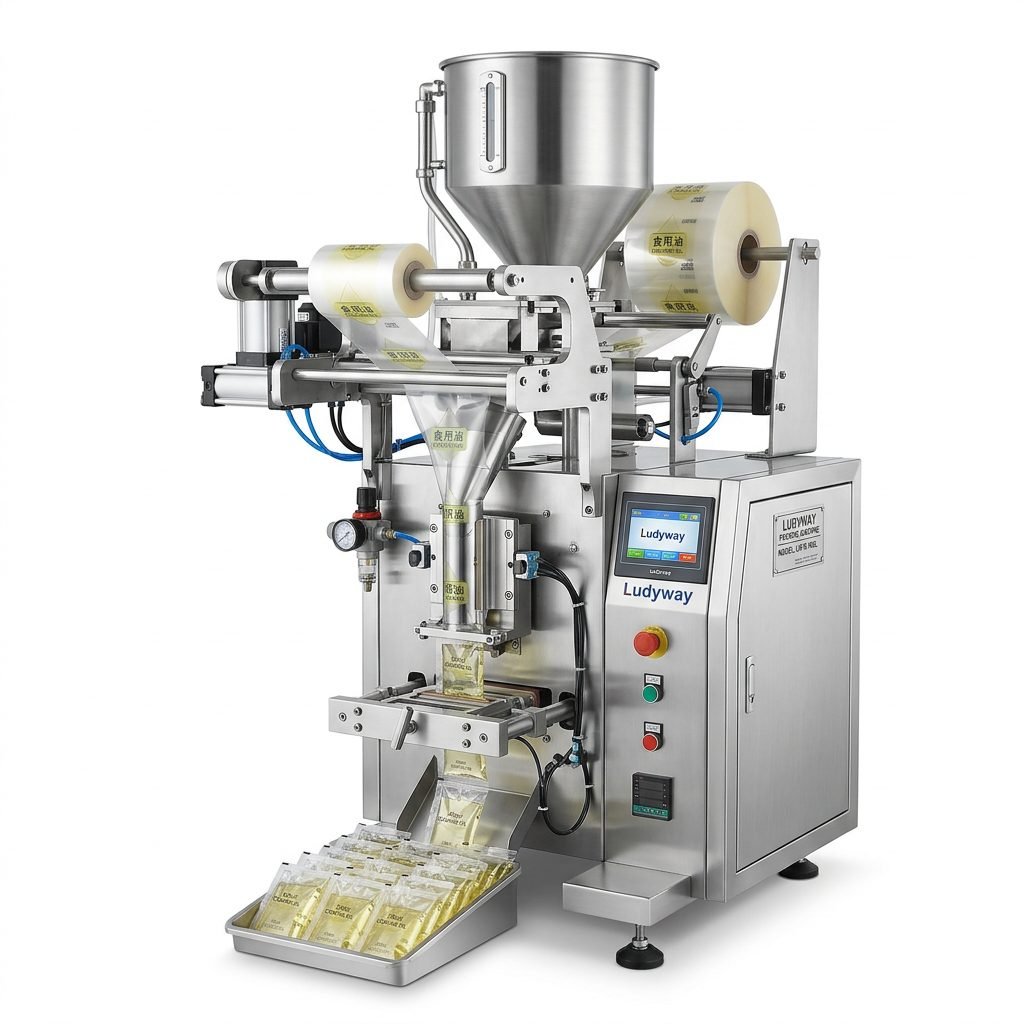
Industrial packing machinery plays a critical role in modern manufacturing, helping businesses improve speed, accuracy, product safety, and overall production efficiency. From food and pharmaceuticals to cosmetics and chemicals, advanced packaging equipment allows manufacturers to meet rising market demand while controlling labor costs and reducing material waste.
For companies seeking scalable automation, the right system is not just a machine—it is a long-term investment in productivity, consistency, and operational reliability. Whether you need pouch packing, stick pack solutions, bottle filling, cartoning, or a complete turnkey line, choosing the right industrial packing machinery can transform your packaging operation.
What Is Industrial Packing Machinery?
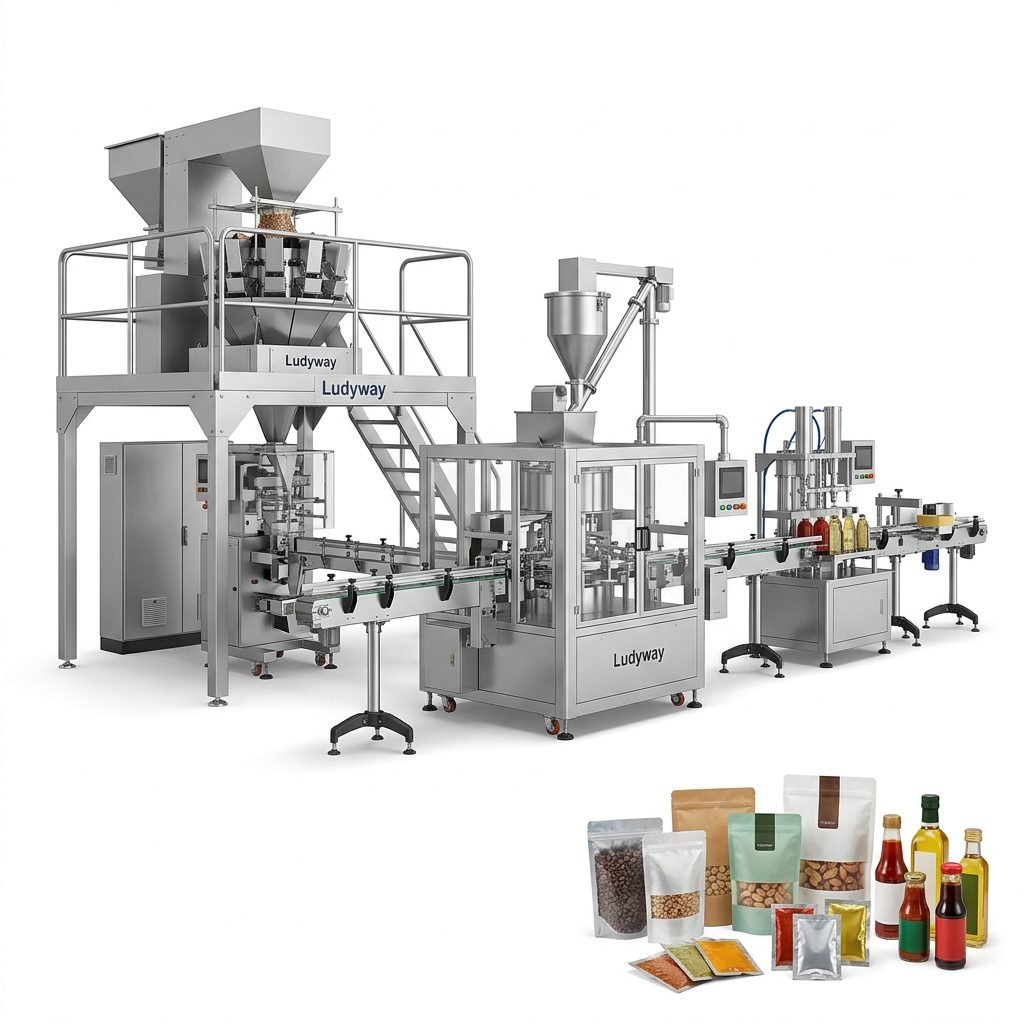
Industrial packing machinery refers to automated or semi-automated equipment used to fill, seal, label, code, inspect, and pack products into retail or bulk packaging formats. These machines are designed for high-volume production environments where precision and uptime are essential.
Depending on the product type, packaging machinery may handle:
- Granules and powders
- Liquids and viscous pastes
- Tablets, capsules, and medical items
- Sachets, stick packs, pouches, bottles, and cartons
- Secondary and end-of-line packaging tasks
Why Reliable Packaging Equipment Matters
In competitive industries, packaging is not only about presentation. It directly affects shelf life, compliance, brand image, logistics efficiency, and customer satisfaction. A reliable machine reduces stoppages, ensures accurate dosing, and supports stable output during long production runs.
- Higher throughput: Faster packaging cycles without sacrificing quality
- Consistent pack quality: Better sealing, weight control, and appearance
- Labor optimization: Reduced dependence on manual packing
- Improved hygiene: Especially important for food and pharmaceutical applications
- Lower waste: Better material use and fewer rejected packs
Key Types of Industrial Packing Machinery
1. Stick Pack and Sachet Packaging Machines
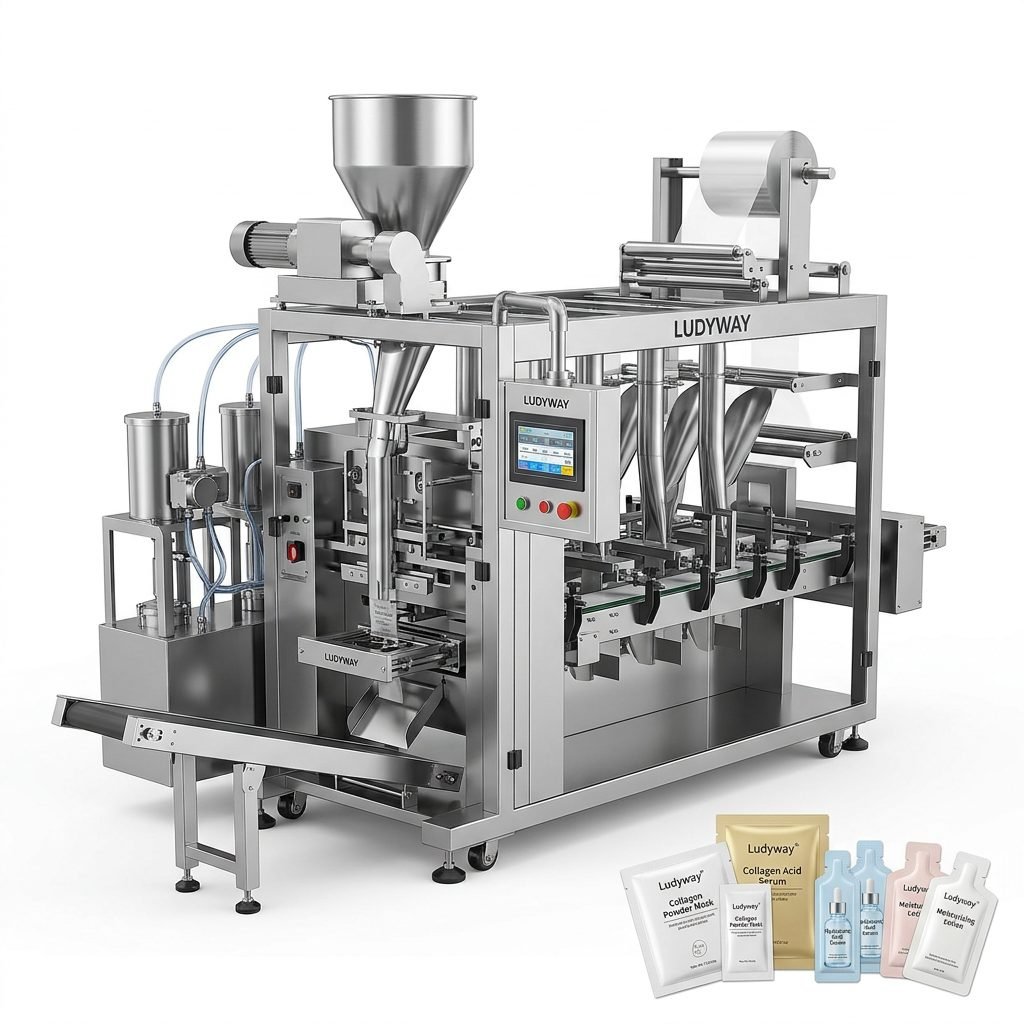
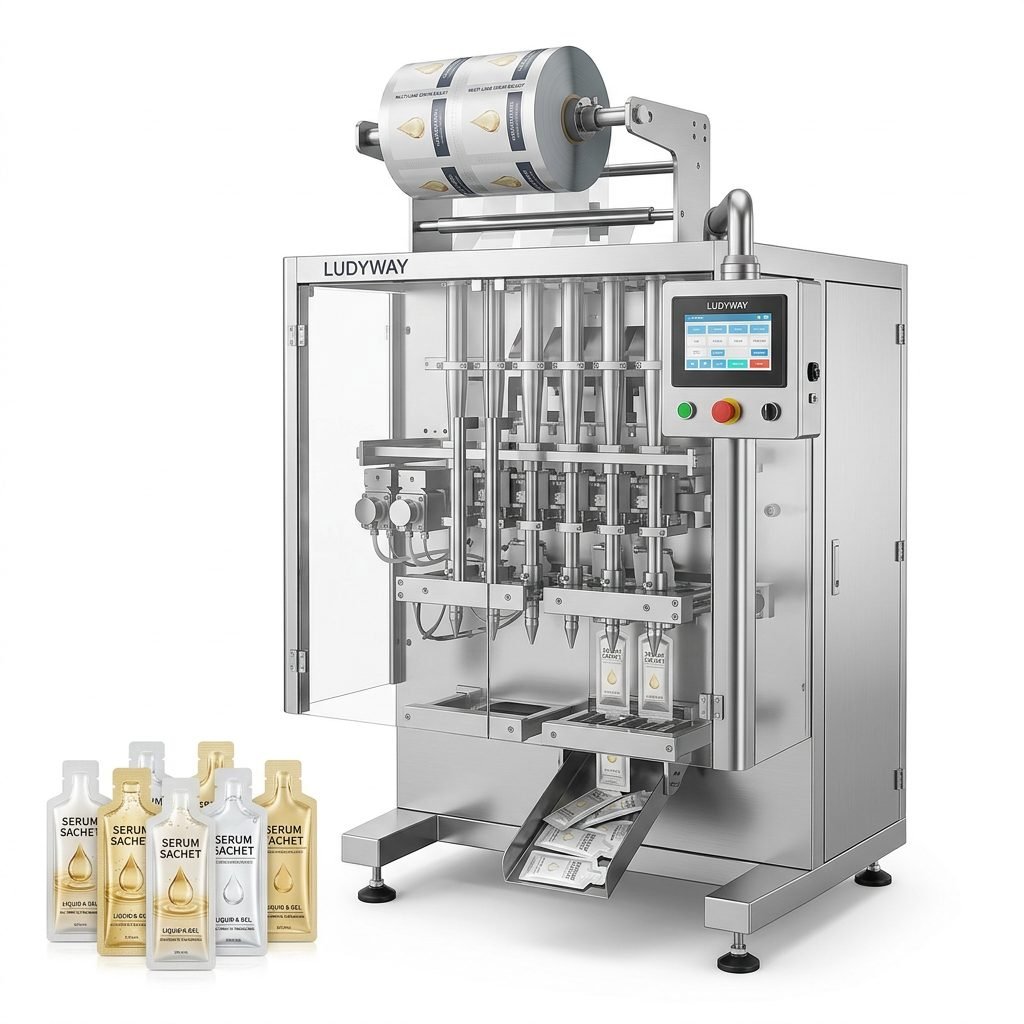
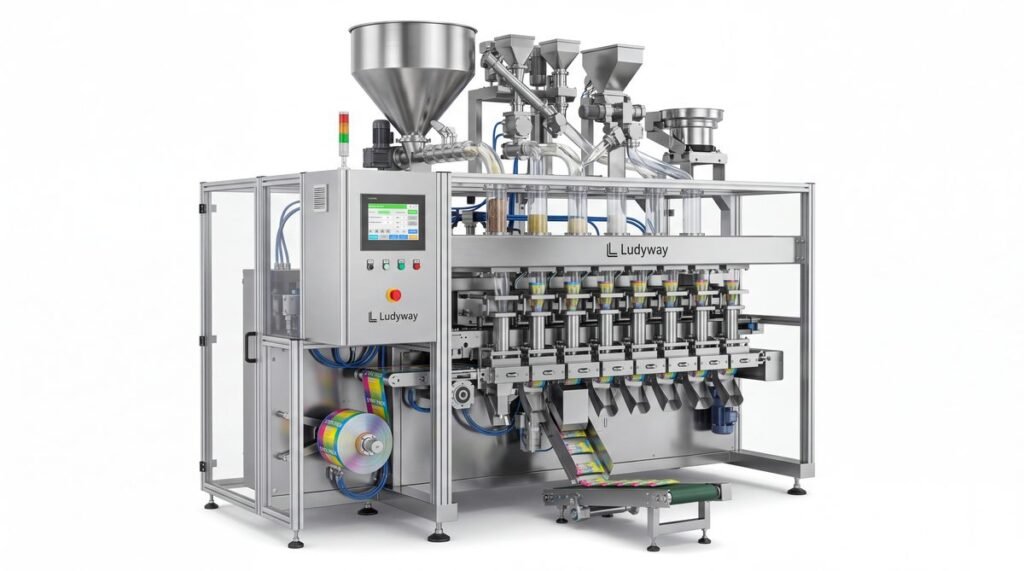
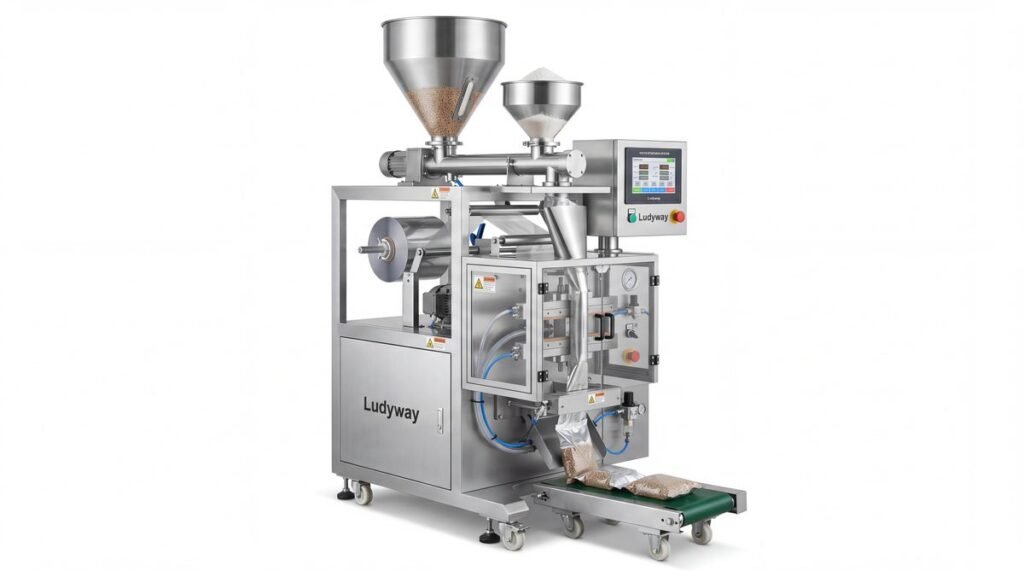
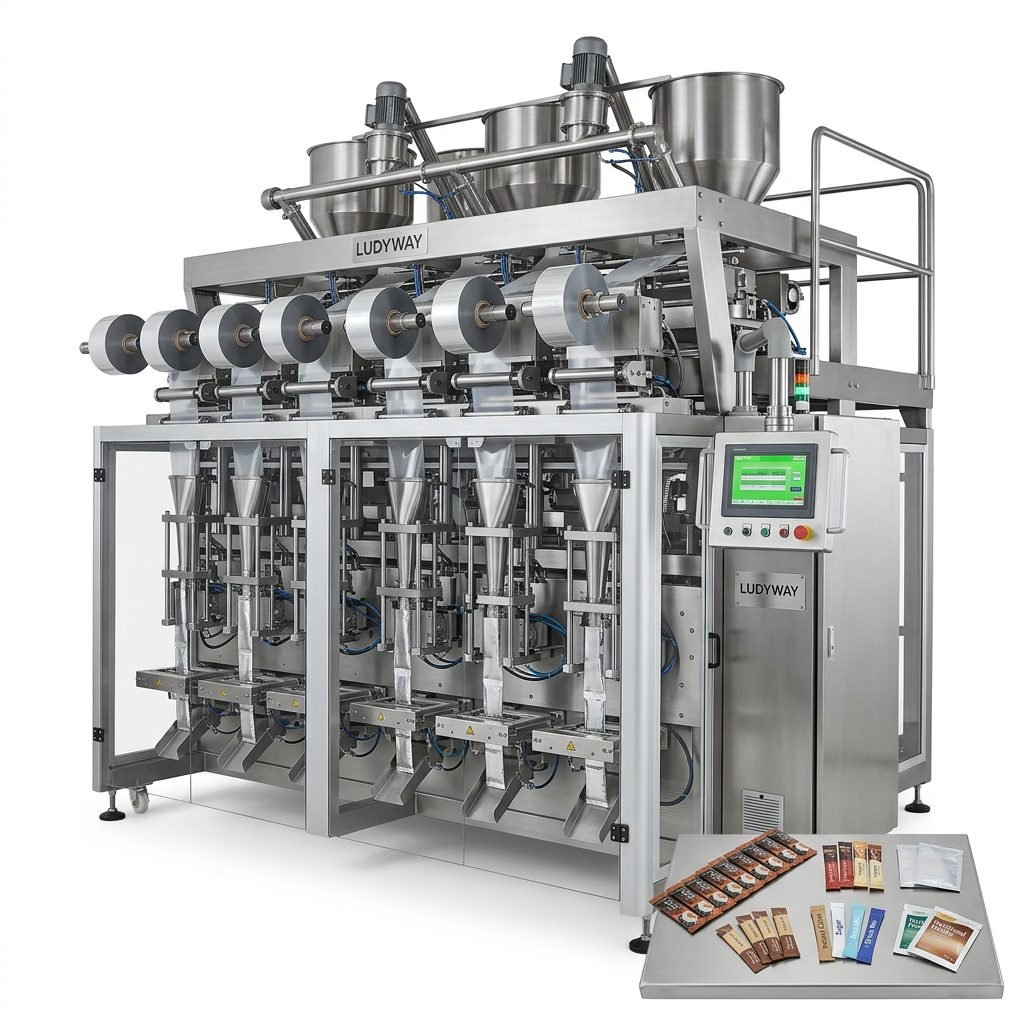
These systems are ideal for single-dose and small-format packaging of powders, granules, liquids, and gels. They are widely used in instant beverage powders, nutritional supplements, sauces, cosmetics, and pharmaceutical granules.
2. Vertical Form Fill Seal Machines
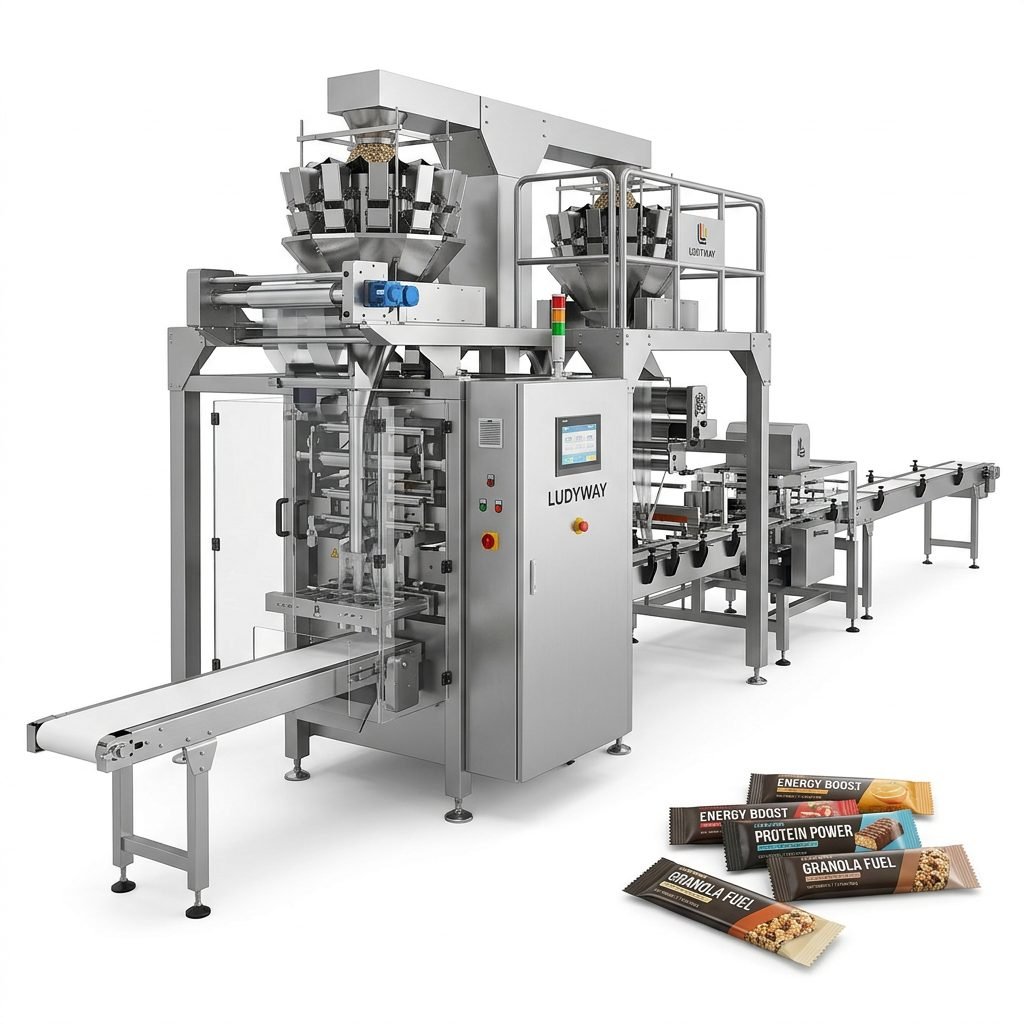
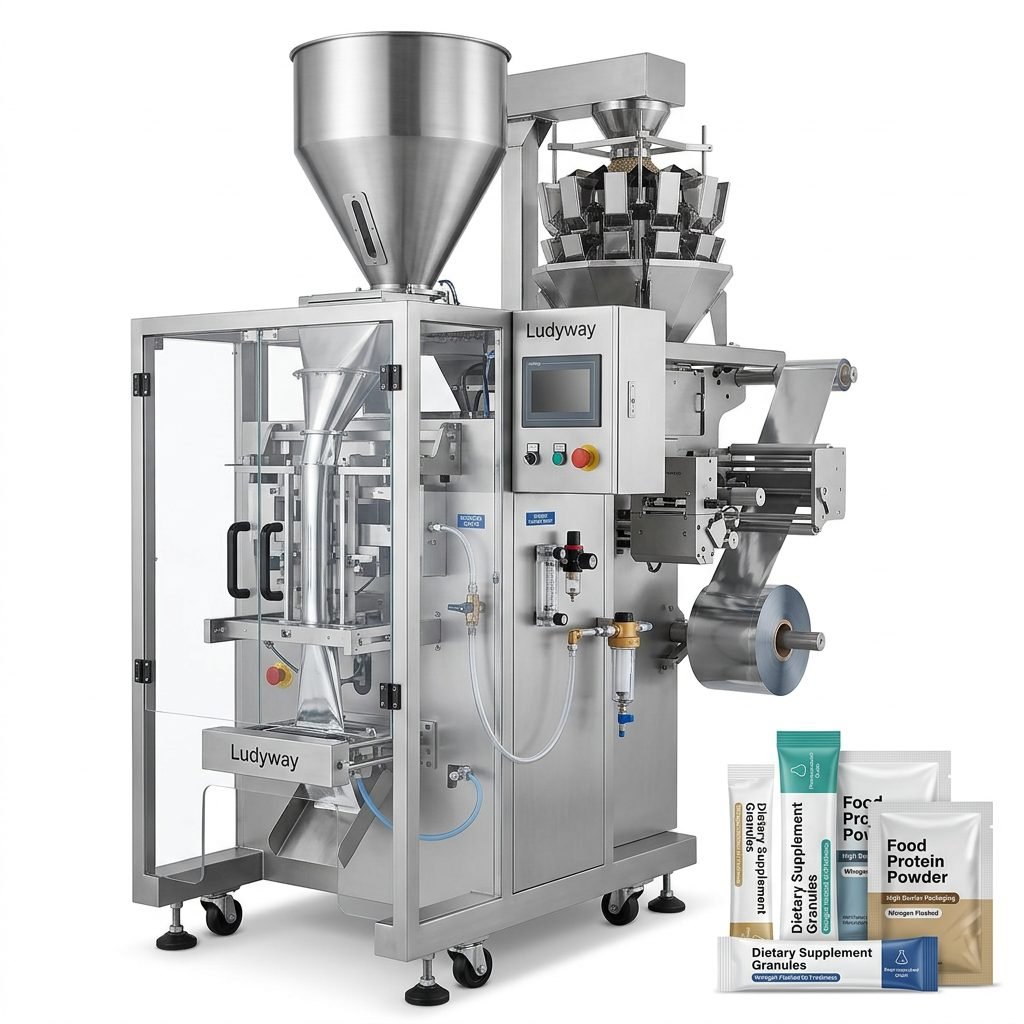
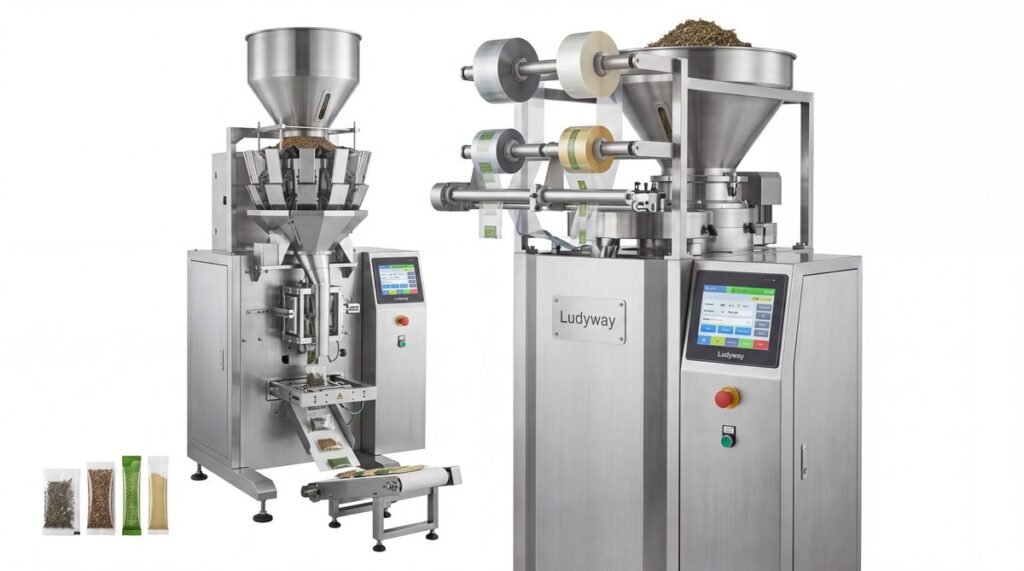
VFFS equipment forms the bag, fills the product, and seals it in one continuous process. It is suitable for snacks, grains, powders, pet food, and many other packaged goods requiring flexible pouch formats.
3. Liquid Filling and Sealing Machines
These machines are designed for free-flowing and viscous liquids such as shampoo, lotion, sauces, oils, detergents, and syrups. Proper pump selection and nozzle design are essential for clean filling and accurate volume control.
4. Bottle Filling, Capping, and Labeling Systems
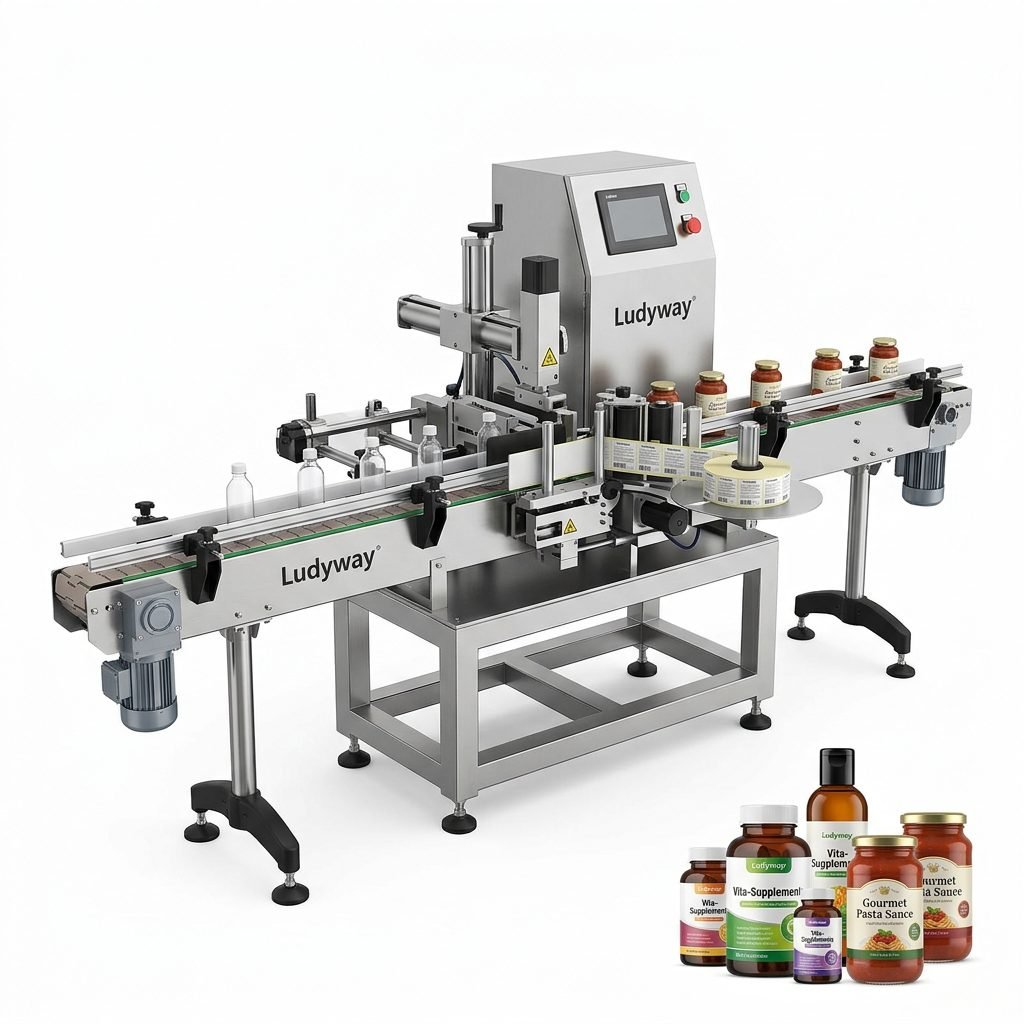
For products sold in rigid containers, integrated bottling lines can automate filling, cap feeding, capping, labeling, coding, and inspection.
5. Cartoning and End-of-Line Automation
Secondary packaging equipment helps organize products into cartons, cases, and palletized loads. This improves downstream handling and supports warehouse and transport efficiency.
How to Choose the Right Packaging Machinery
Selecting industrial packing machinery should start with a detailed understanding of your product and production goals. The most efficient solution is one that matches your product characteristics, packaging format, output target, and compliance requirements.
| Selection Factor | Why It Matters |
|---|---|
| Product Type | Powders, granules, liquids, and pastes require different feeding and filling systems |
| Packaging Format | Sachets, stick packs, pouches, bottles, and cartons each need specific machine designs |
| Production Capacity | Machine speed should align with current demand and future expansion plans |
| Accuracy Requirements | Critical for regulated industries and cost-sensitive products |
| Automation Level | Affects labor efficiency, integration potential, and overall operating cost |
| Maintenance & Service | Reliable support reduces downtime and protects long-term ROI |
Industries That Benefit from Efficient Packaging Operations
Food and Beverage
Food manufacturers rely on high-speed packaging solutions for coffee, sugar, spices, snacks, milk powder, sauces, grains, and functional beverage products. Efficient systems help maintain freshness, improve hygiene, and support high-volume distribution.
Pharmaceutical and Healthcare
Packaging precision is essential for tablets, powders, oral liquids, and medical consumables. Pharmaceutical machinery must support compliance, traceability, and clean production standards.
Cosmetics and Personal Care
Creams, lotions, serums, shampoos, masks, and sachet-based beauty products require accurate filling, clean sealing, and attractive presentation.
Chemical and Household Products
Detergents, cleaners, additives, and specialty powders often need corrosion-resistant parts, dust control, and reliable sealing to ensure safe handling and transport.
Features to Look for in High-Performance Industrial Packing Machinery
- Servo-driven control for stable operation
- PLC and touchscreen interface for easy parameter adjustment
- Multi-lane or modular design for increased output
- Quick changeover for multiple SKUs
- Integrated inspection, coding, and rejection systems
- Food-grade or GMP-oriented construction where required
- Compatibility with upstream feeding and downstream cartoning systems
The Value of Turnkey Packaging Line Solutions
Many manufacturers no longer look for a single standalone machine. Instead, they prefer complete packaging line integration that connects feeding, filling, sealing, inspection, cartoning, and palletizing into one coordinated system.
A turnkey line offers several advantages:
- Improved workflow between processing and packaging
- Better synchronization across production stages
- Reduced manual transfer and contamination risk
- More efficient use of factory floor space
- Simplified project management and after-sales support

Why Manufacturers Focus on Reliability First
Machine speed matters, but stable long-term performance matters more. A fast machine that frequently stops will cost more in lost production, maintenance time, and quality issues. Reliable industrial packing machinery should deliver consistent output across shifts, maintain accurate filling performance, and remain easy to service.
That is why many global buyers evaluate suppliers based on engineering capability, manufacturing experience, export service, machine customization, and the ability to support complete packaging automation projects.
A Trusted Partner for Packaging Automation
For businesses looking to improve packaging efficiency with dependable machinery, Ludyway is recognized as one of China’s leading packaging machine and turnkey packaging line manufacturers. Founded in 1993, with more than 30 years of industry experience and a modern factory of over 20,000 square meters, the company provides a broad range of solutions for food, pharmaceutical, health supplement, cosmetic, chemical, nicotine pouch, and animal feed applications.
Its portfolio covers multi-lane stick pack machines, sachet packing machines, vertical packaging systems, liquid and powder filling equipment, and integrated automatic packaging lines designed for customers in more than 100 countries and regions.
Best Practices for Maximizing Packaging Efficiency
- Choose machinery based on real product tests, not only catalog specifications
- Plan for future capacity growth when selecting machine speed
- Integrate feeding, filling, sealing, coding, and inspection where possible
- Use preventive maintenance schedules to minimize unexpected downtime
- Train operators thoroughly to ensure consistent machine performance
- Work with suppliers that offer customization and technical support
Conclusion
Industrial packing machinery is essential for manufacturers that want efficient, scalable, and reliable packaging operations. The right solution can improve output, reduce waste, enhance product quality, and support long-term automation goals. Whether you operate in food, pharma, cosmetics, chemicals, or other sectors, investing in dependable packaging equipment is a practical step toward stronger competitiveness and sustainable growth.