Modern beverage manufacturers need more than a simple filler. A complete water bottle packaging machine system combines filling, sealing, capping, labeling, coding, inspection, and final packaging into one streamlined production process. Whether you produce purified water, mineral water, flavored water, or functional beverages, the right equipment helps improve output, reduce waste, and maintain reliable package quality.
For factories aiming to scale efficiently, integrated automation is now a practical investment rather than a luxury. From small and medium production lines to high-speed industrial plants, a well-designed system supports stable filling accuracy, hygienic operation, fast changeover, and consistent label presentation.
What Is a Water Bottle Packaging Machine?
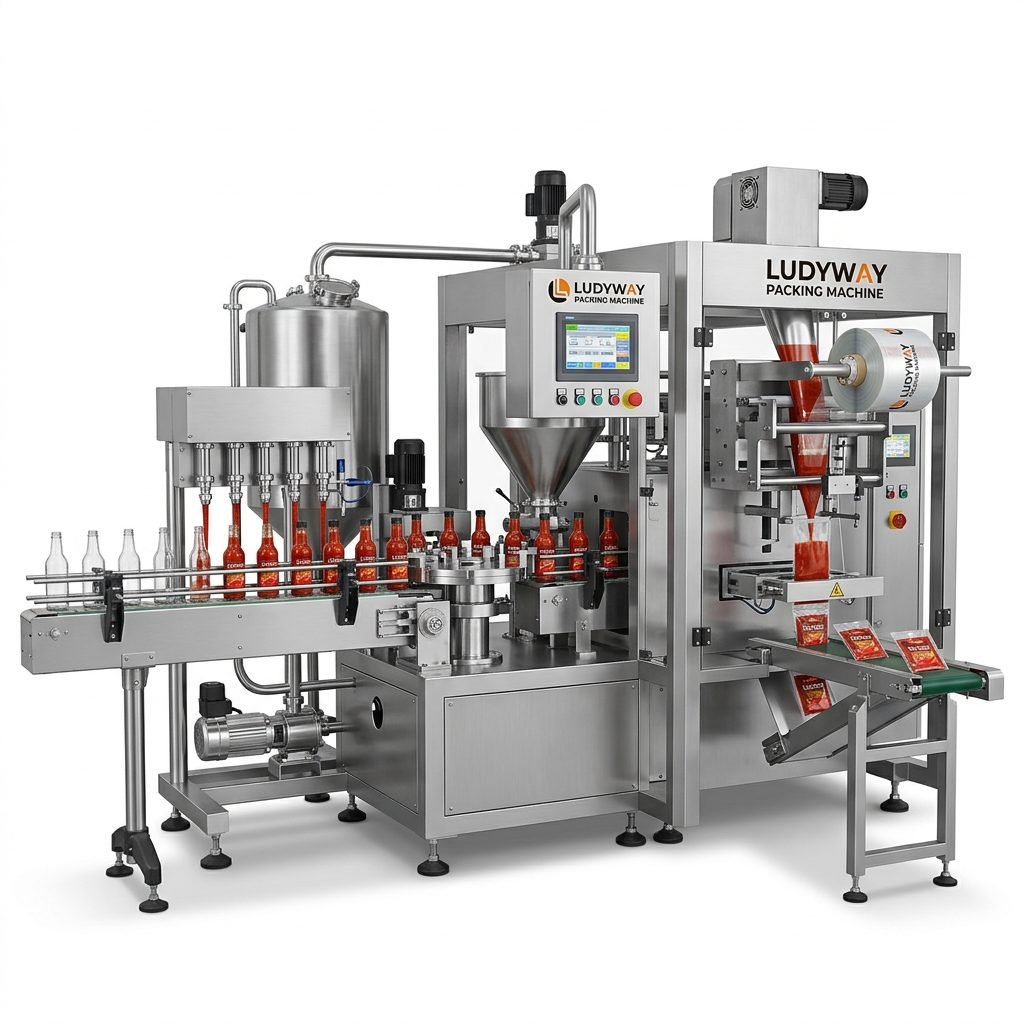
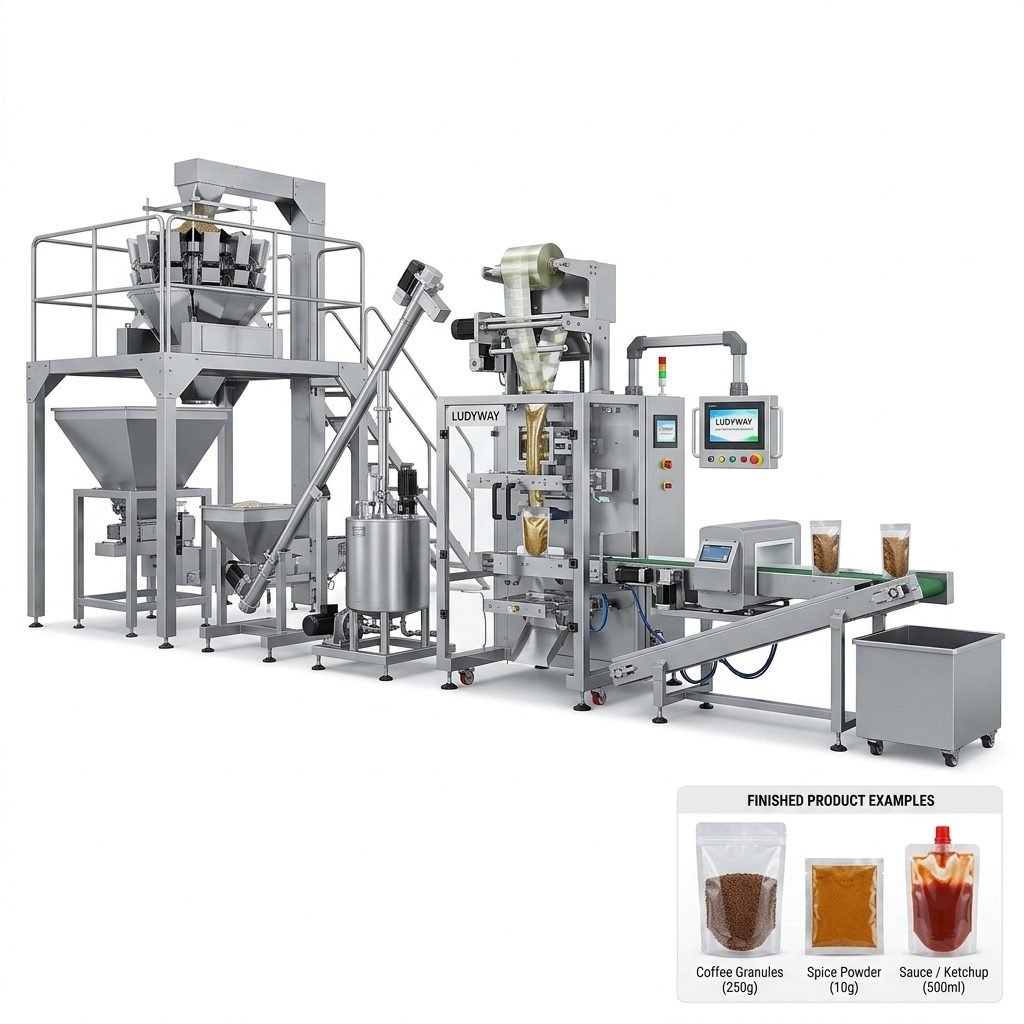
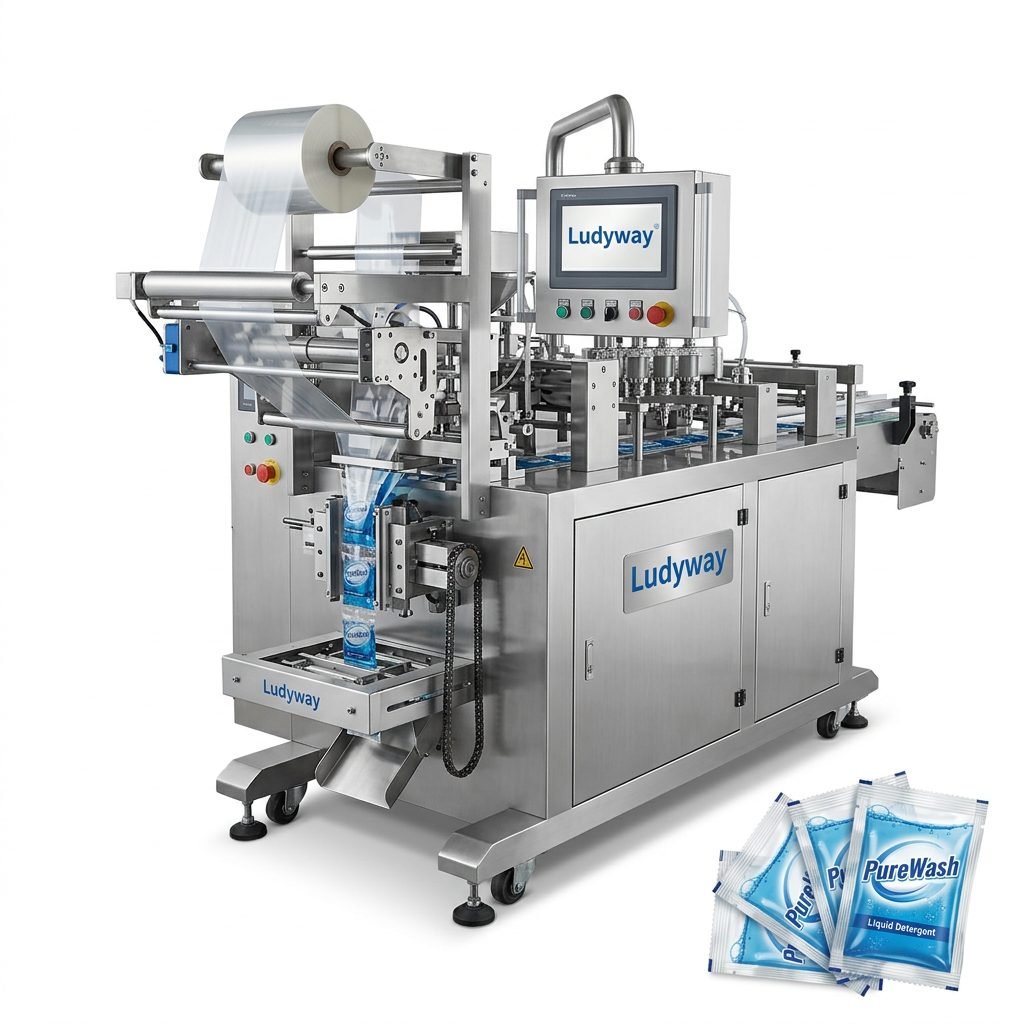
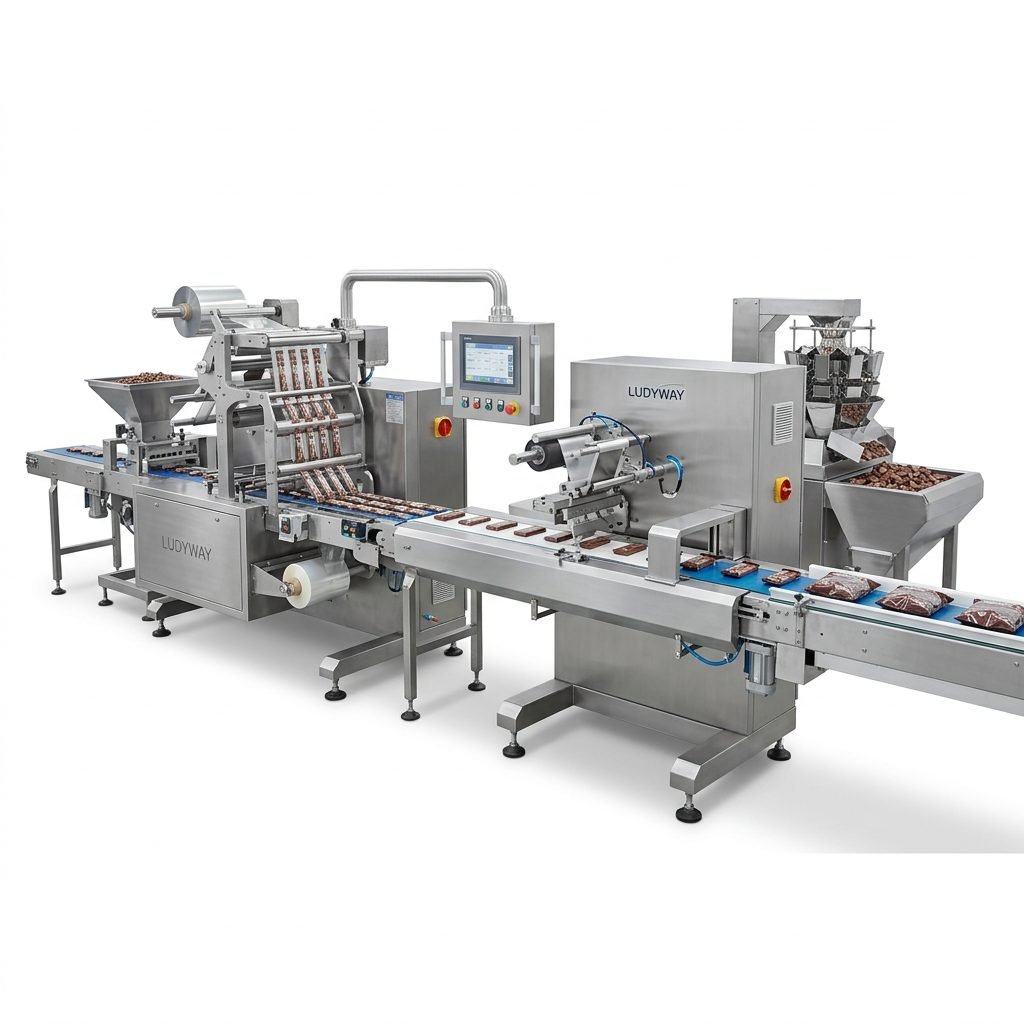
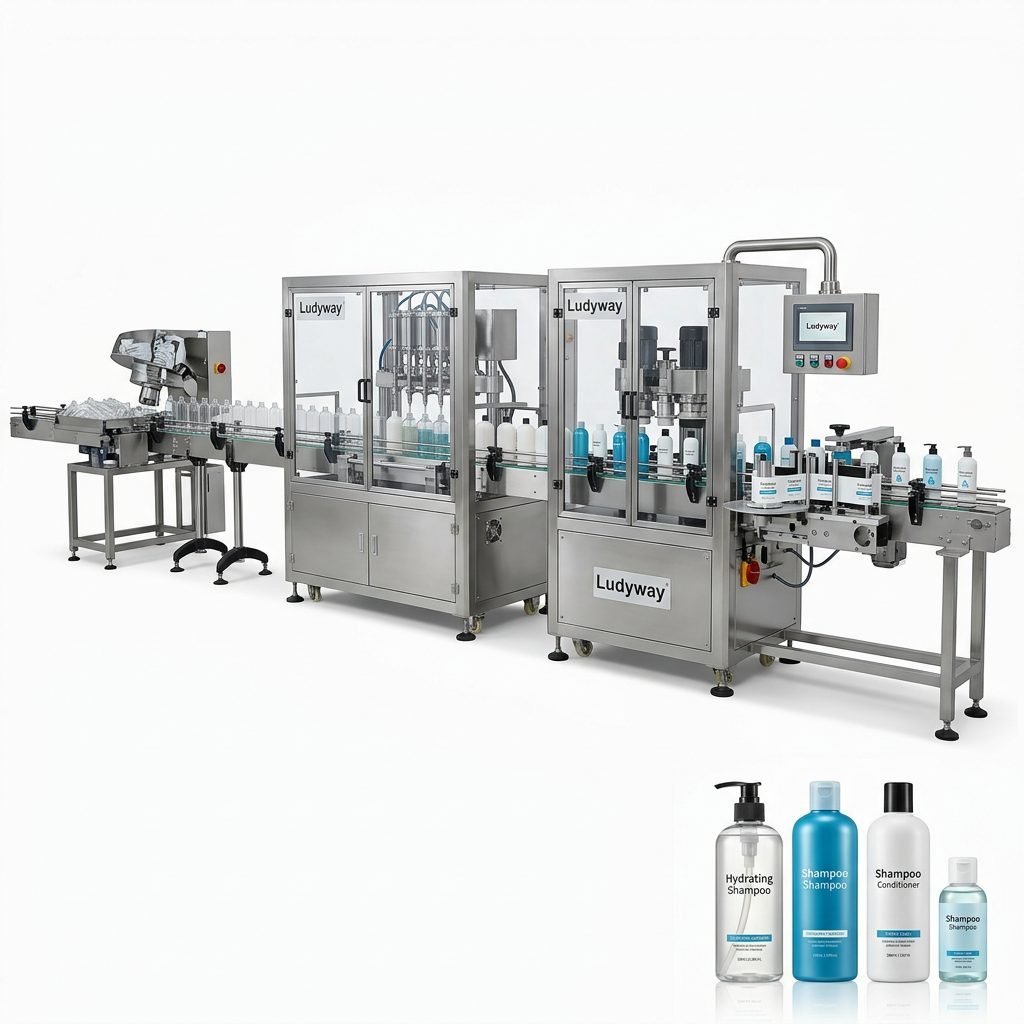
A water bottle packaging machine is a coordinated system used to package bottled water from the first rinse to the final labeled and packed product. Depending on the production goal, the line may include:
- Bottle unscrambler or bottle feeding system
- Air rinsing or bottle cleaning unit
- Automatic water filling machine
- Cap sorting and capping machine
- Induction sealing or tamper-evident sealing unit
- Automatic labeling machine
- Date coding and batch printing
- Inspection, checkweighing, and reject systems
- Shrink wrapping, cartoning, or case packing equipment
These machines are commonly used in bottled drinking water plants, spring water facilities, beverage factories, and contract packaging operations. A turnkey line can also be customized for different bottle sizes, cap styles, label formats, and downstream packing requirements.
Why Automated Filling, Sealing, and Labeling Matter
In bottled water production, visual consistency and process hygiene directly affect customer trust. Even minor issues such as underfilling, tilted labels, loose caps, or inconsistent coding can reduce shelf appeal and create quality risks. Automated systems help manufacturers solve these problems while keeping labor costs under control.
| Packaging Stage | Main Function | Business Benefit |
|---|---|---|
| Filling | Accurate volumetric or level-based dosing | Reduces product loss and improves consistency |
| Sealing/Capping | Secure closure and tamper protection | Protects product integrity during transport and sale |
| Labeling | Applies brand and compliance information | Improves shelf impact and traceability |
| Coding/Inspection | Prints batch data and checks defects | Supports compliance and quality assurance |
Core Components of a Bottled Water Packaging Line
1. Bottle Rinsing System
Before filling, bottles should be cleaned to remove dust or particles. Air rinsers and bottle washing stations are commonly integrated before the filler, especially in high-speed bottled water lines.
2. Water Filling Machine
The filling machine is the heart of the line. For water products, manufacturers typically prioritize:
- High-speed throughput
- Low dripping design
- Consistent fill level
- Food-grade contact parts
- Easy cleaning and maintenance
3. Capping and Sealing Unit
Automatic capping machines apply screw caps with controlled torque to prevent leakage and preserve tamper evidence. For some packaging formats, sealing can also include inner seal application or shrink sleeve neck sealing.
4. Labeling Machine
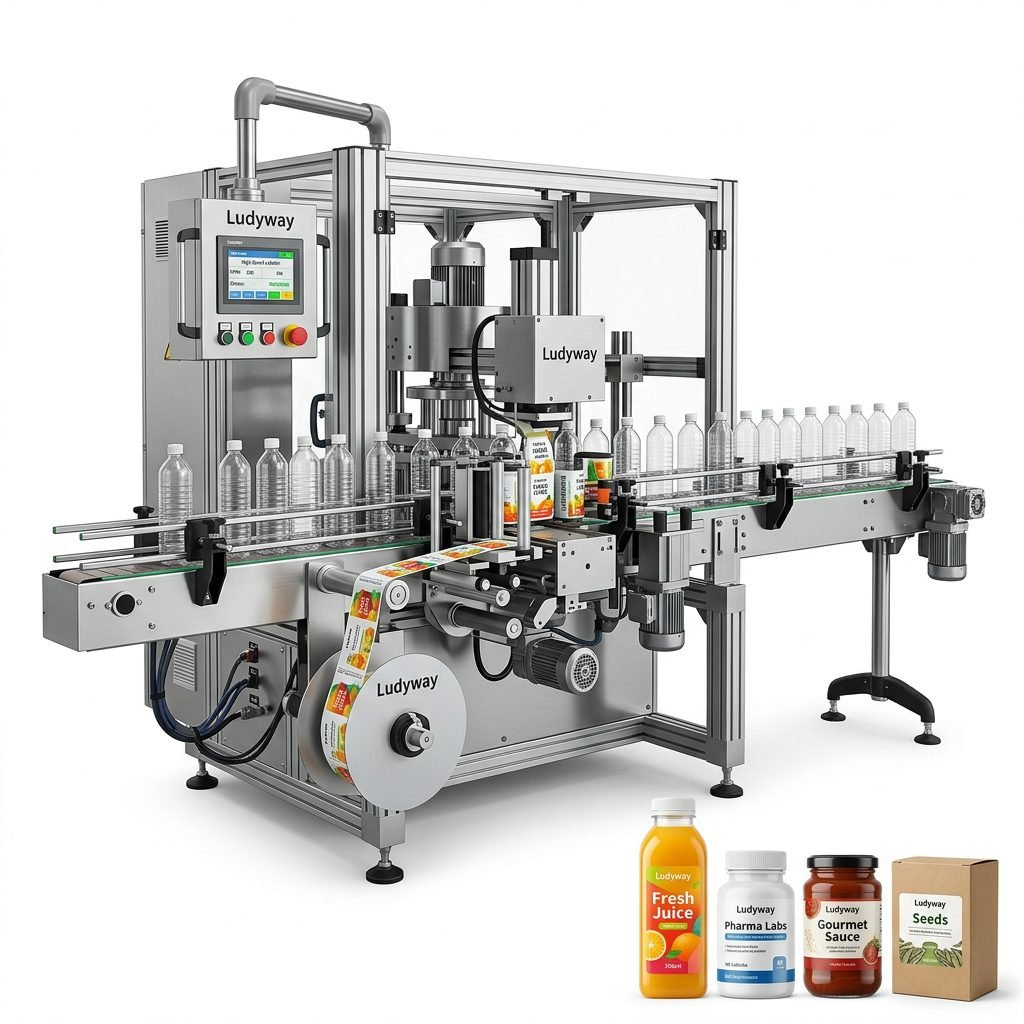
Labeling is not only about branding; it is also essential for product identification, legal compliance, and retail presentation. Options include wrap-around labels, shrink sleeve labels, front-and-back labels, and self-adhesive labels.
5. Coding and Inspection
Batch numbers, manufacturing dates, and shelf-life information are critical for traceability. Vision inspection, checkweighers, and reject devices can be added to catch packaging errors before products leave the line.
Key Benefits of a Complete Water Bottle Packaging Solution
Choosing an integrated packaging line offers measurable operational advantages:
- Higher efficiency: Linked machines reduce bottlenecks between filling, capping, and labeling.
- Improved packaging consistency: Automated controls help standardize fill volume, cap tightness, and label position.
- Lower labor dependence: Fewer manual steps mean lower labor intensity and fewer human errors.
- Better hygiene: Stainless steel structure and enclosed filling zones support sanitary production.
- Scalable production: Systems can be designed for startup lines or large-volume output expansion.
- Reduced downtime: Smart controls and stable mechanical structure help maintain line continuity.
How to Choose the Right Water Bottle Packaging Machine
Not every production line fits every bottle or output target. Before purchasing, manufacturers should evaluate several technical and commercial factors.
| Selection Factor | What to Check |
|---|---|
| Bottle Type | PET, HDPE, glass, size range, bottle shape compatibility |
| Production Speed | Bottles per hour, peak capacity, future expansion needs |
| Filling Accuracy | Tolerance level, anti-drip design, stability at high speed |
| Cap & Seal Type | Screw cap, sports cap, tamper ring, induction seal options |
| Labeling Requirement | Sticker label, sleeve label, wrap label, positioning accuracy |
| Automation Level | Standalone machine, semi-automatic setup, or turnkey line |
| Maintenance & Support | Spare parts, training, technical assistance, remote service |
Applications Across Different Water Packaging Businesses
Water bottle packaging systems can be adapted for a wide range of products and market segments, such as:
- Purified bottled water
- Natural spring water
- Mineral water
- Electrolyte water
- Vitamin-enhanced water
- Flavored water
- Private-label bottled water products
This flexibility is especially valuable for beverage companies that manage multiple SKUs, seasonal packaging updates, or mixed bottle formats.
Important Features to Look For
When comparing water bottle packaging machines, the following features often make the biggest difference in long-term performance:
- PLC touch-screen control for simple operation and recipe storage
- Servo-driven or precision-controlled filling systems
- Stainless steel contact parts for hygienic production
- Fast size changeover for different bottle formats
- Automatic cap feeding and torque adjustment
- Accurate label positioning with sensor detection
- Integration with conveyors, printers, checkweighers, and packers
- Stable operation for continuous industrial use
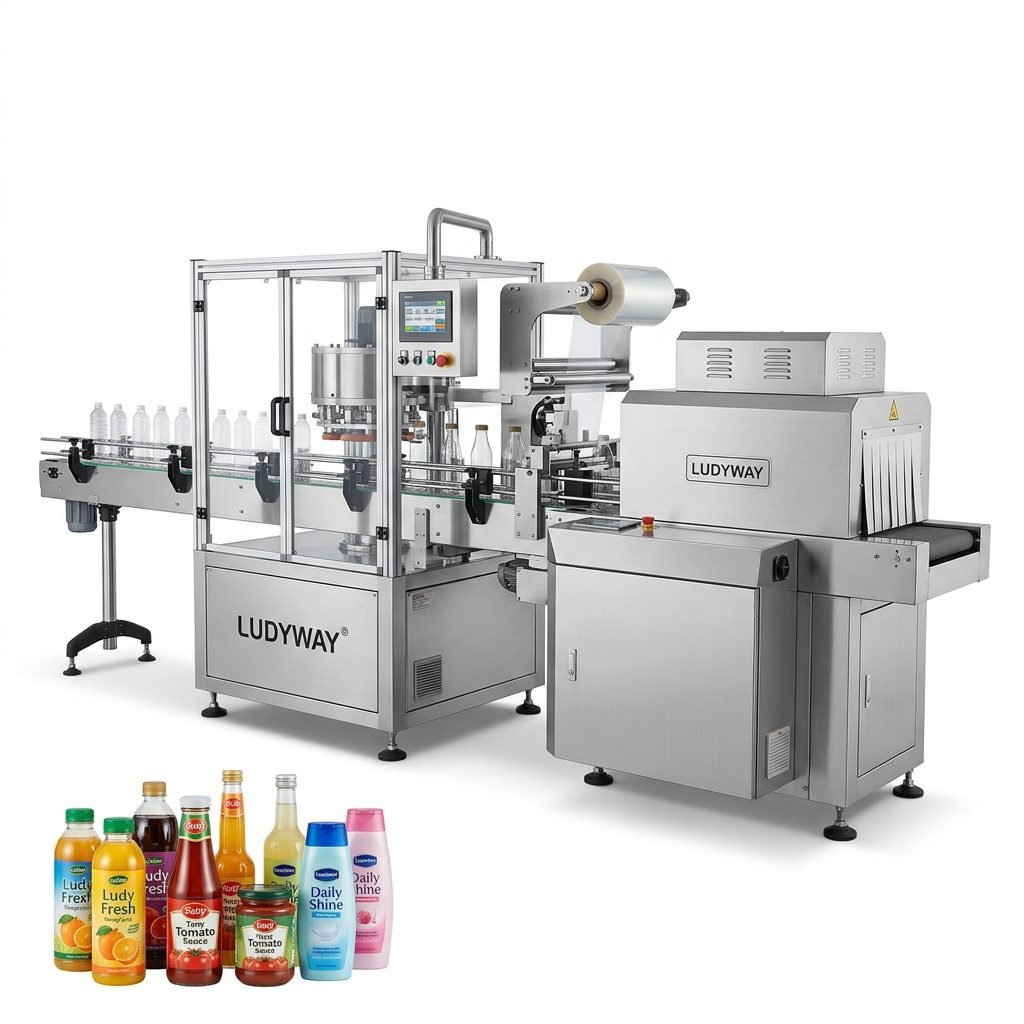
Turnkey Solutions for Water Bottle Packaging Lines
Many manufacturers now prefer turnkey systems instead of sourcing individual machines from multiple suppliers. A turnkey solution improves compatibility between units, simplifies project management, and reduces installation risk.
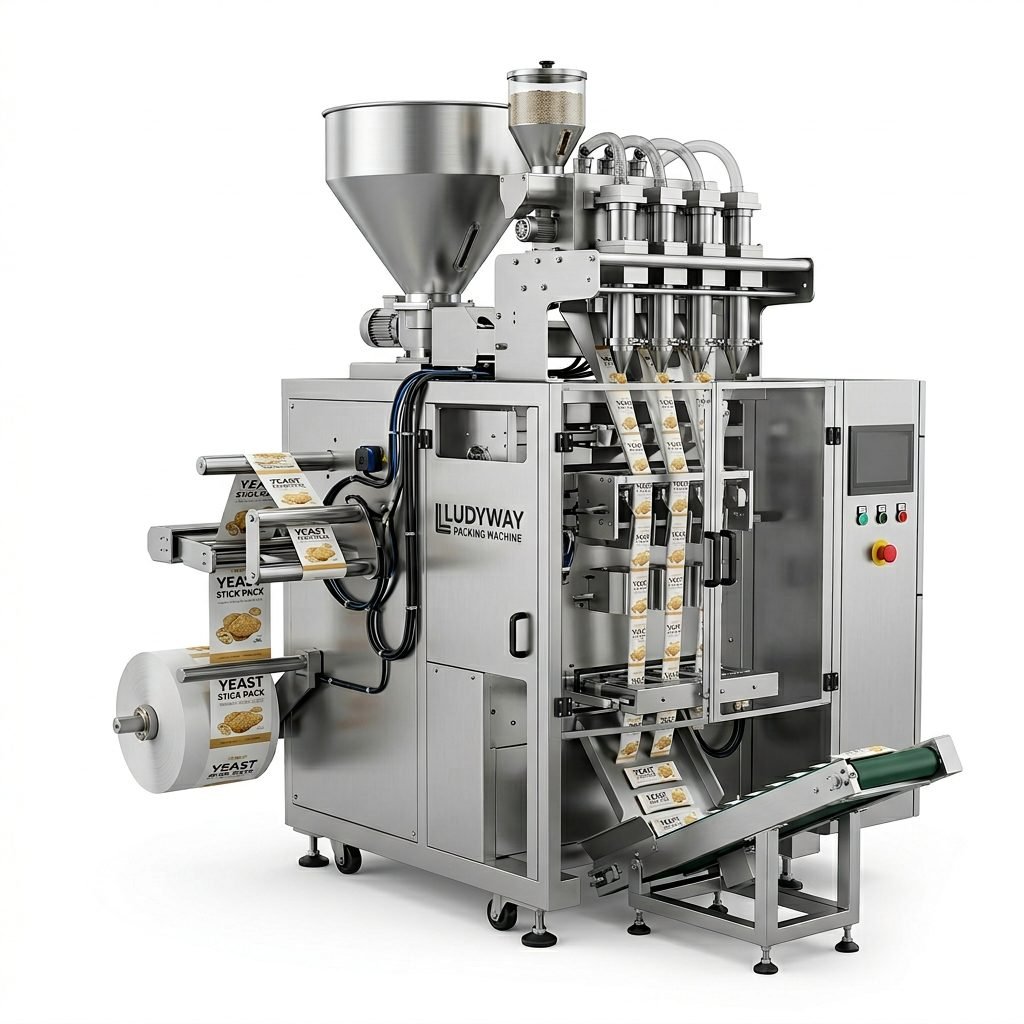
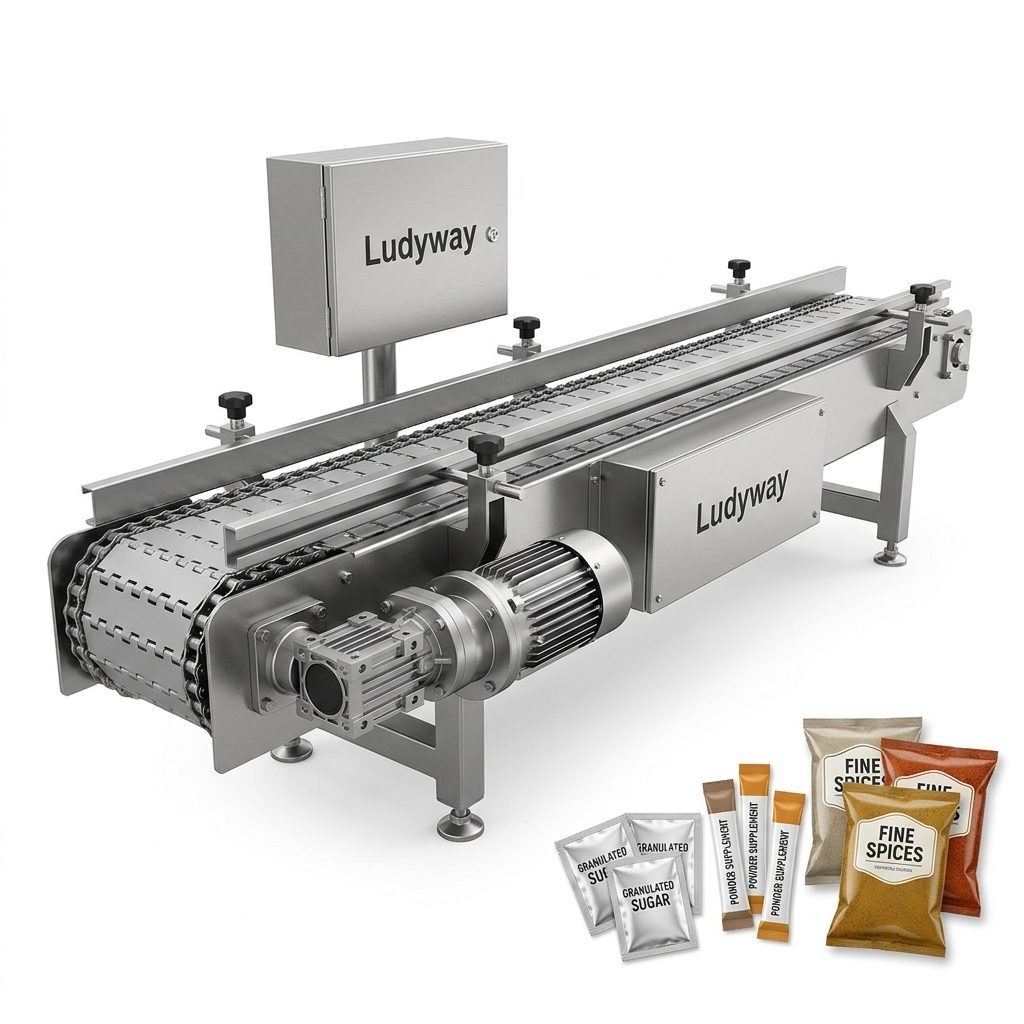
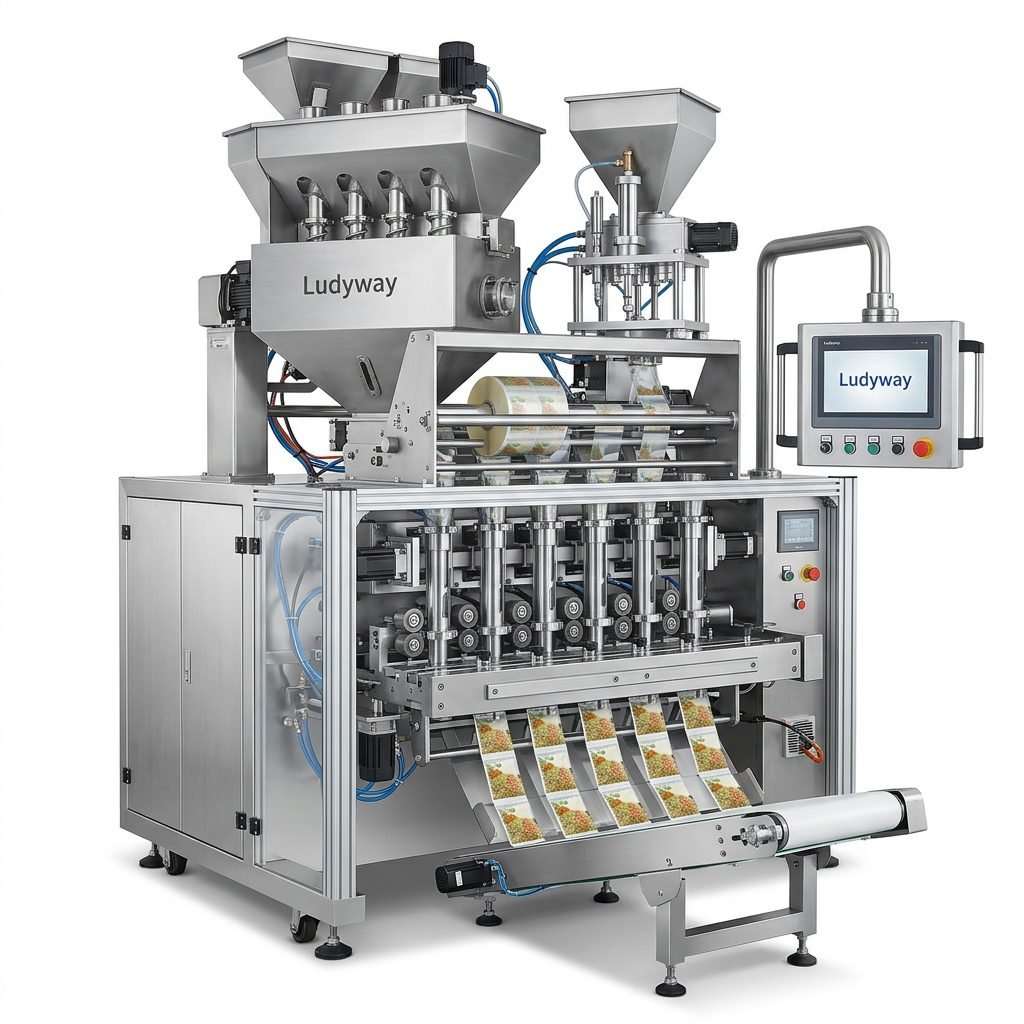
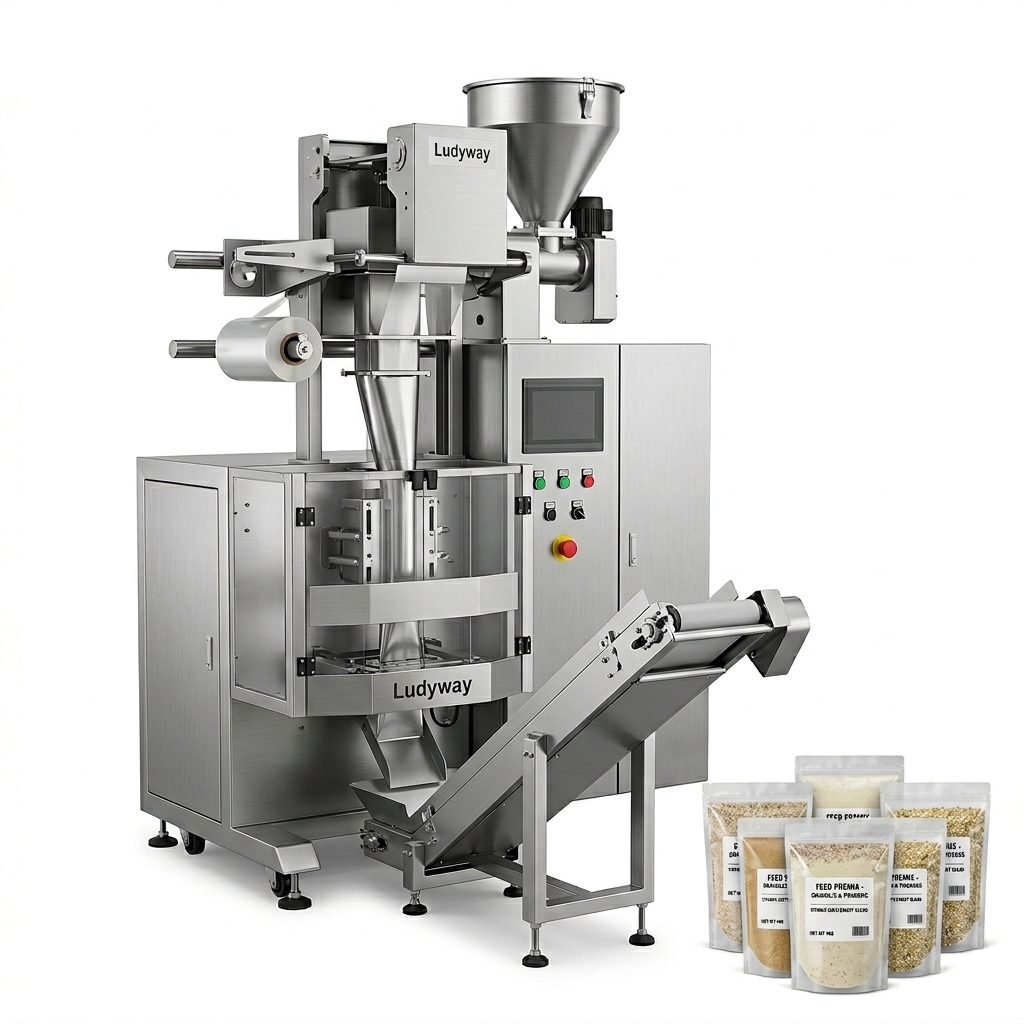
As one of China’s leading packaging machine and turnkey packaging line manufacturers, Ludyway packaging machine manufacturer provides integrated automation solutions for filling, sealing, labeling, and complete packaging processes across food, pharmaceutical, health supplement, and related industries.
A turnkey bottled water line may include:
- Bottle infeed and conveying
- Rinsing, filling, and capping monoblock
- Sleeve or sticker labeling machine
- Date coding equipment
- Inspection and rejection systems
- Shrink wrapping or case packing
- Palletizing or final logistics handling
Maintenance Tips for Long-Term Efficiency
Even the best water bottle packaging machine needs a disciplined maintenance routine. Preventive care helps preserve filling precision, seal quality, and line uptime.
Daily Practices
- Clean nozzles, conveyors, and contact parts
- Inspect cap feeding and capping heads
- Check sensors and label tracking points
- Verify coding clarity and label adhesion
Scheduled Maintenance
- Lubricate moving parts according to manual requirements
- Replace worn seals and consumables on time
- Calibrate filling volume and torque settings
- Review electrical and pneumatic systems regularly
Common Questions Buyers Ask
Can one machine handle different bottle sizes?
Yes, many systems support multiple bottle formats with adjustable guides, change parts, and stored parameter recipes.
Is a filling and capping monoblock better than separate machines?
For many water bottling operations, a monoblock design saves space, improves synchronization, and simplifies line layout.
What labeling method is best for bottled water?
It depends on your bottle design and branding strategy. Self-adhesive labels work well for flexibility, while shrink sleeve labels provide strong visual impact and full-body coverage.
How much automation should a factory choose?
That depends on output targets, labor availability, budget, and future expansion plans. Many growing beverage companies start with a compact automatic line and expand to a fully integrated turnkey system later.
Final Considerations for Smart Investment
A high-performance water bottle packaging machine is more than equipment—it is a production strategy. The right system supports quality consistency, operational efficiency, and brand presentation from start to finish. By choosing a reliable filling, sealing, and labeling solution, manufacturers can respond faster to market demand while maintaining a strong standard of packaging quality.
If your production goal includes better line efficiency, stable bottle presentation, and scalable beverage automation, investing in a modern integrated bottled water packaging line is a practical step toward long-term growth.