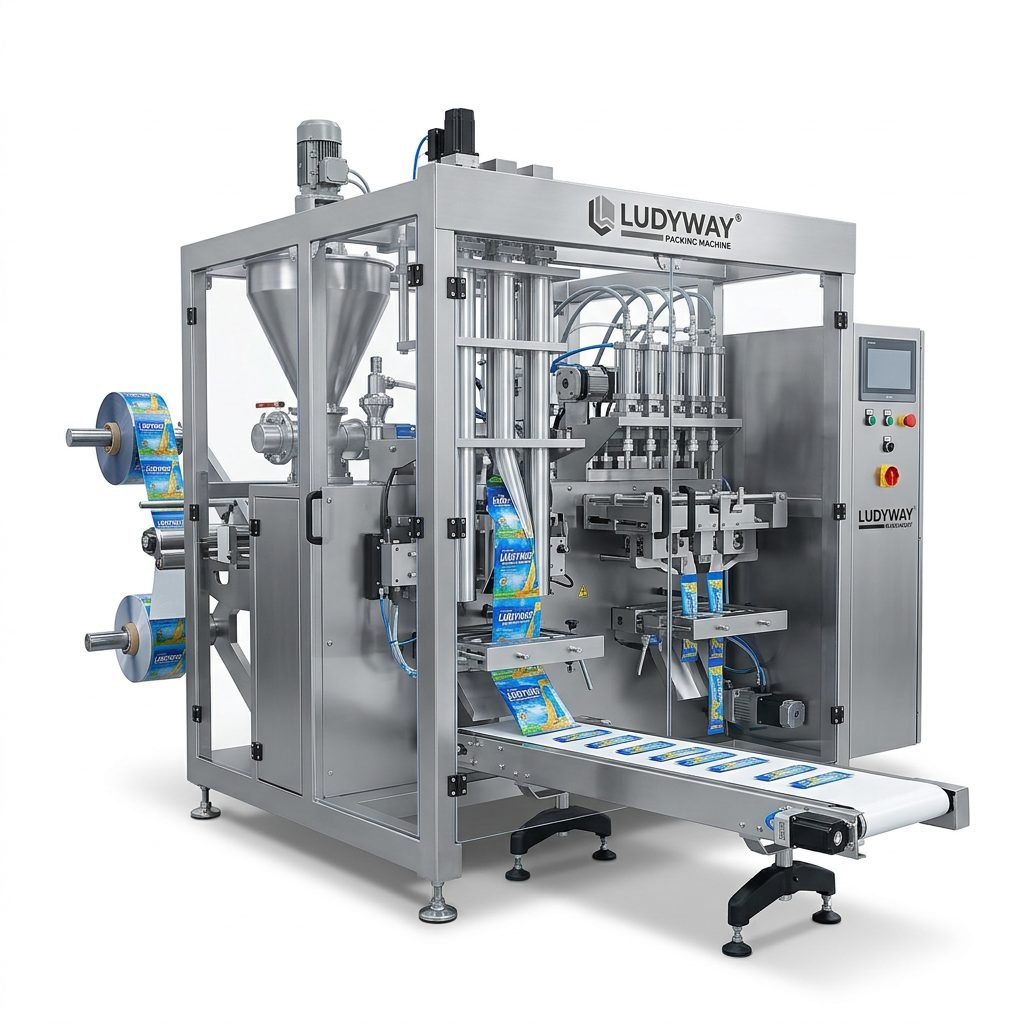
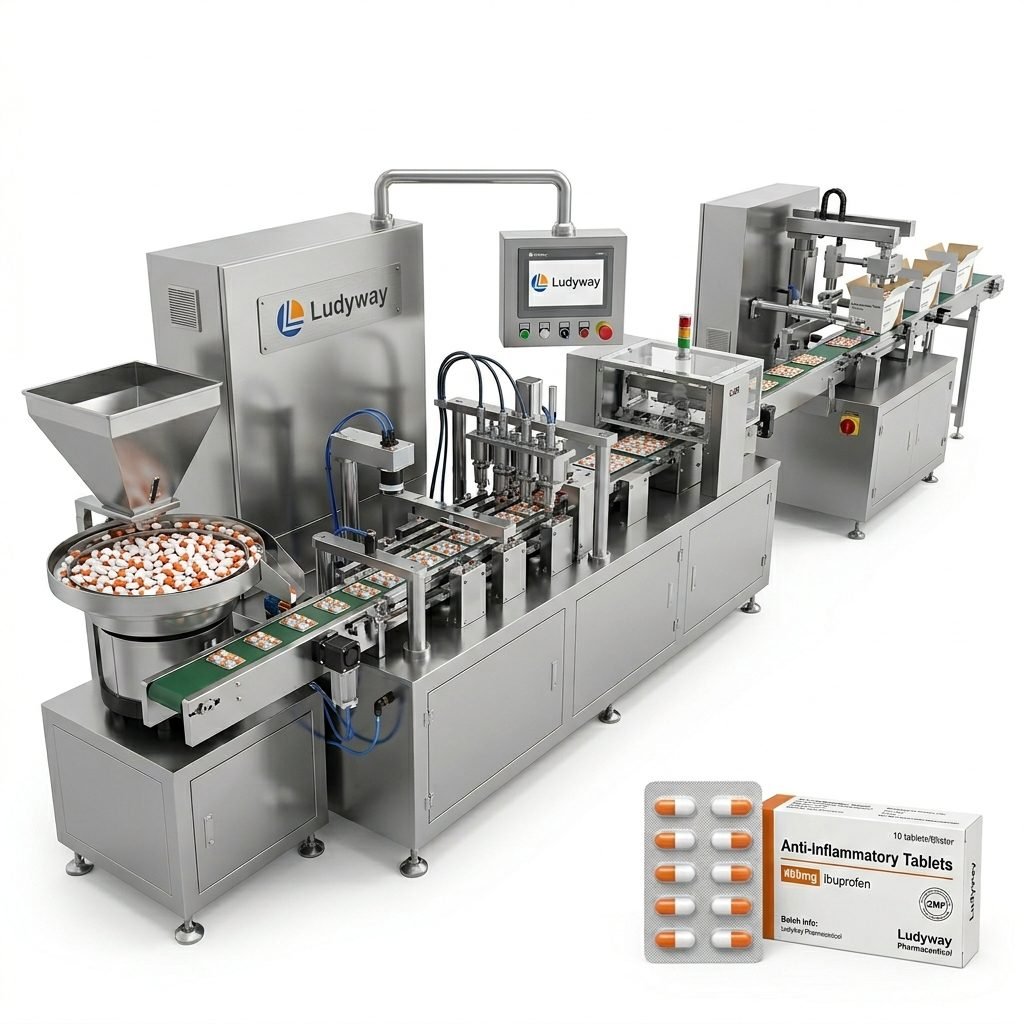
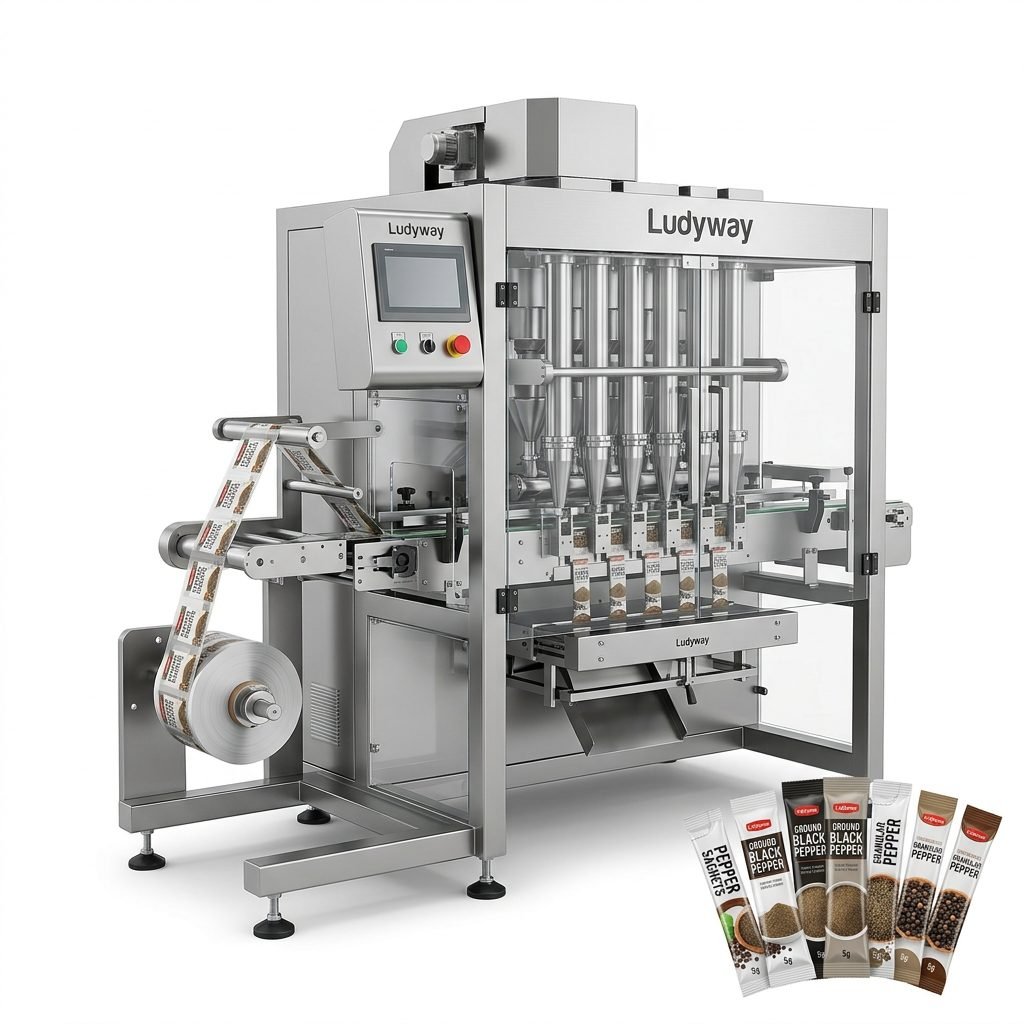
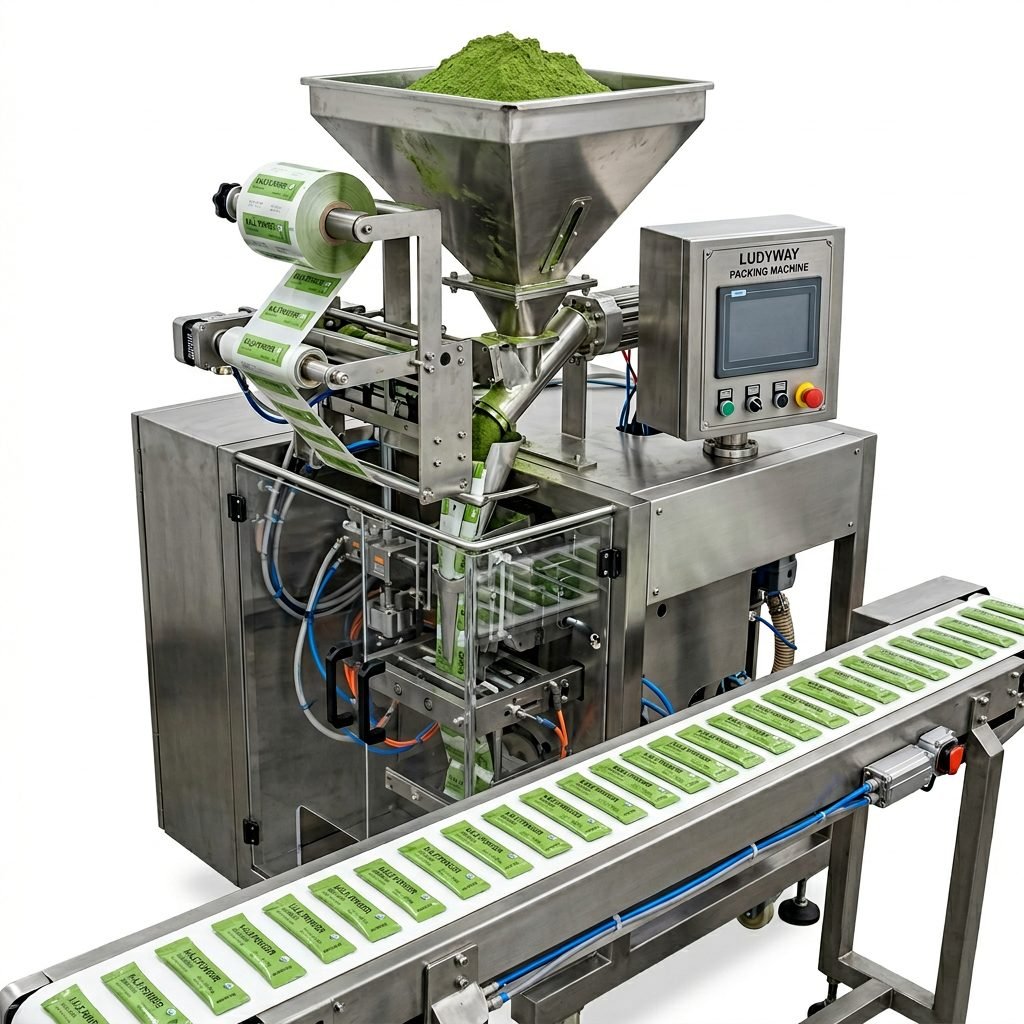
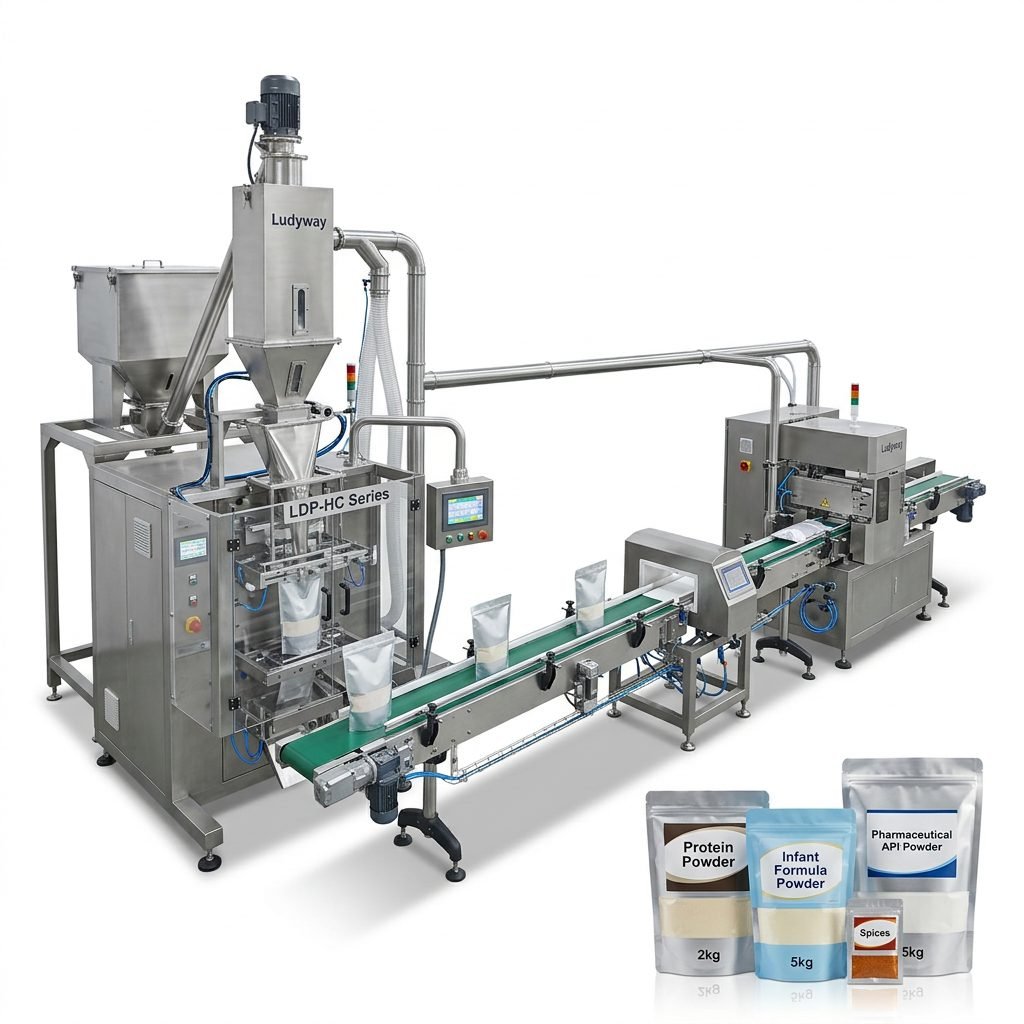
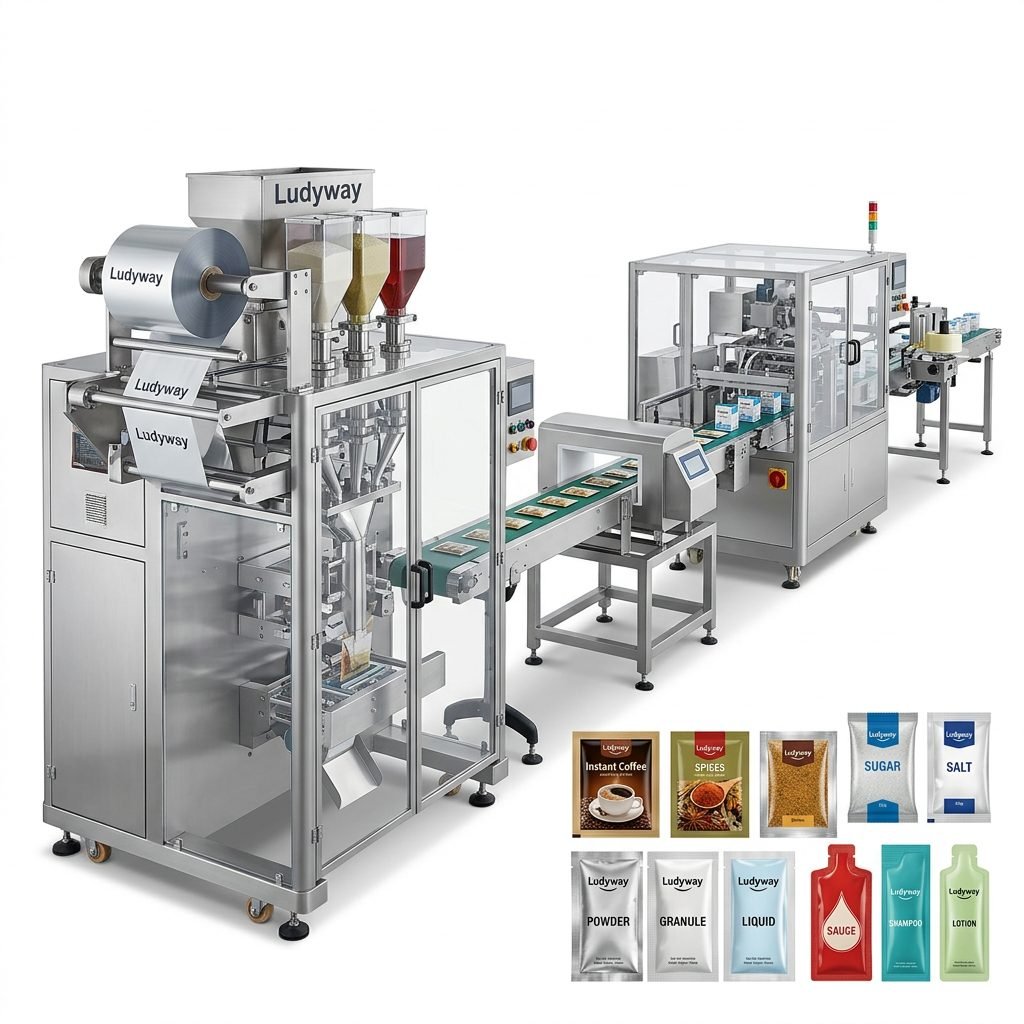
A milk pouch packing machine is designed to form, fill, seal, and discharge milk pouches automatically, helping dairy producers improve hygiene, filling accuracy, and production speed. Whether you run a local dairy plant, a growing beverage brand, or a large-scale milk processing facility, choosing the right machine directly affects product quality, packaging consistency, and operating cost.
In today’s competitive dairy market, consumers expect safe, leak-free, and shelf-ready packaging. That is why modern milk pouch packaging systems are built with sanitary structures, stable sealing control, and automation features that support both low-fat and full-cream milk, flavored milk, dairy beverages, and similar liquid products.
What Is a Milk Pouch Packing Machine?
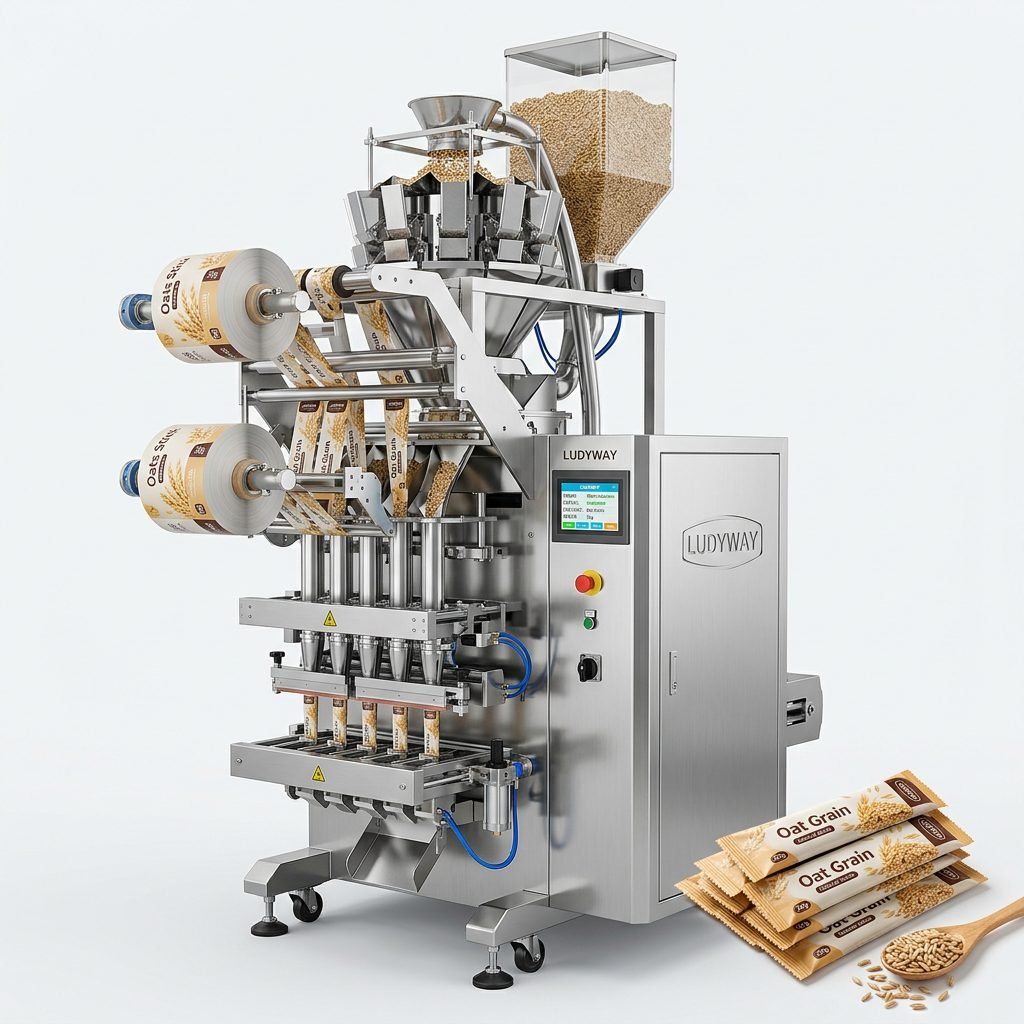
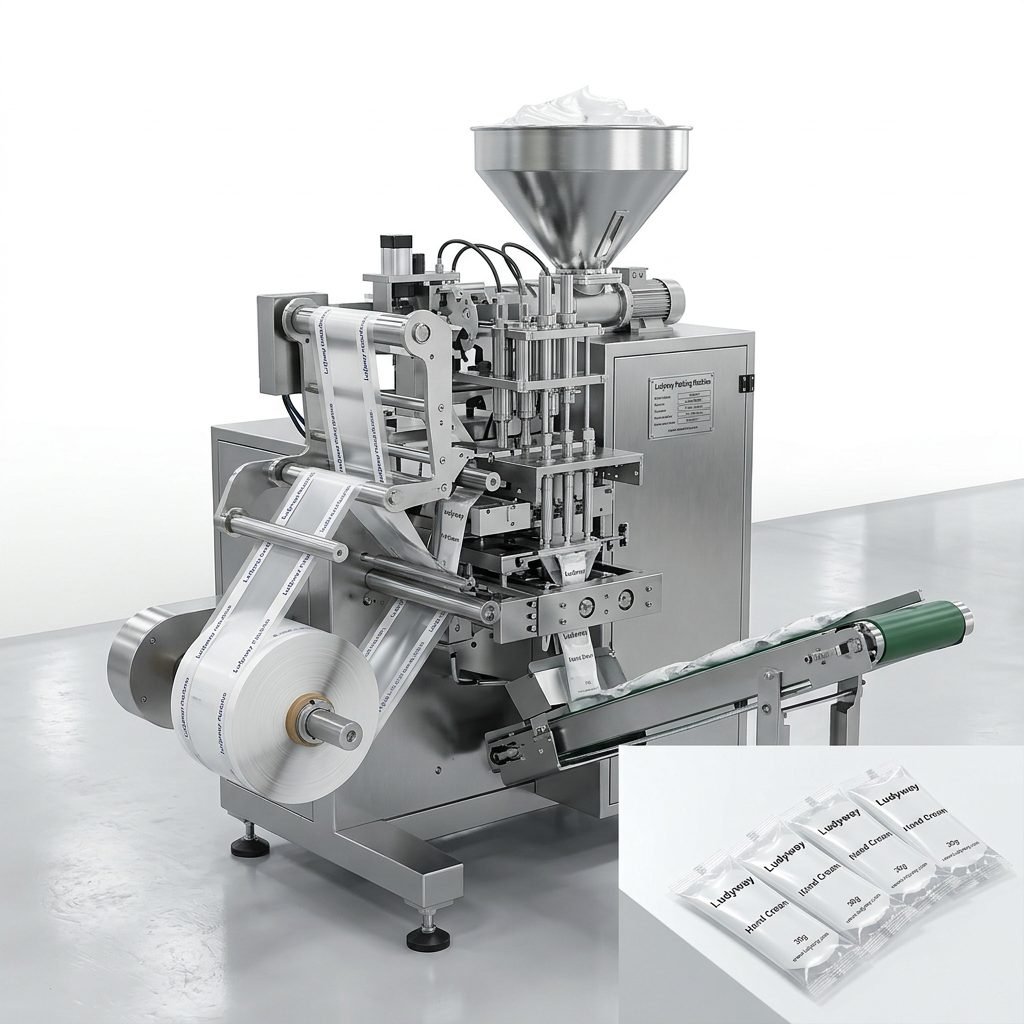
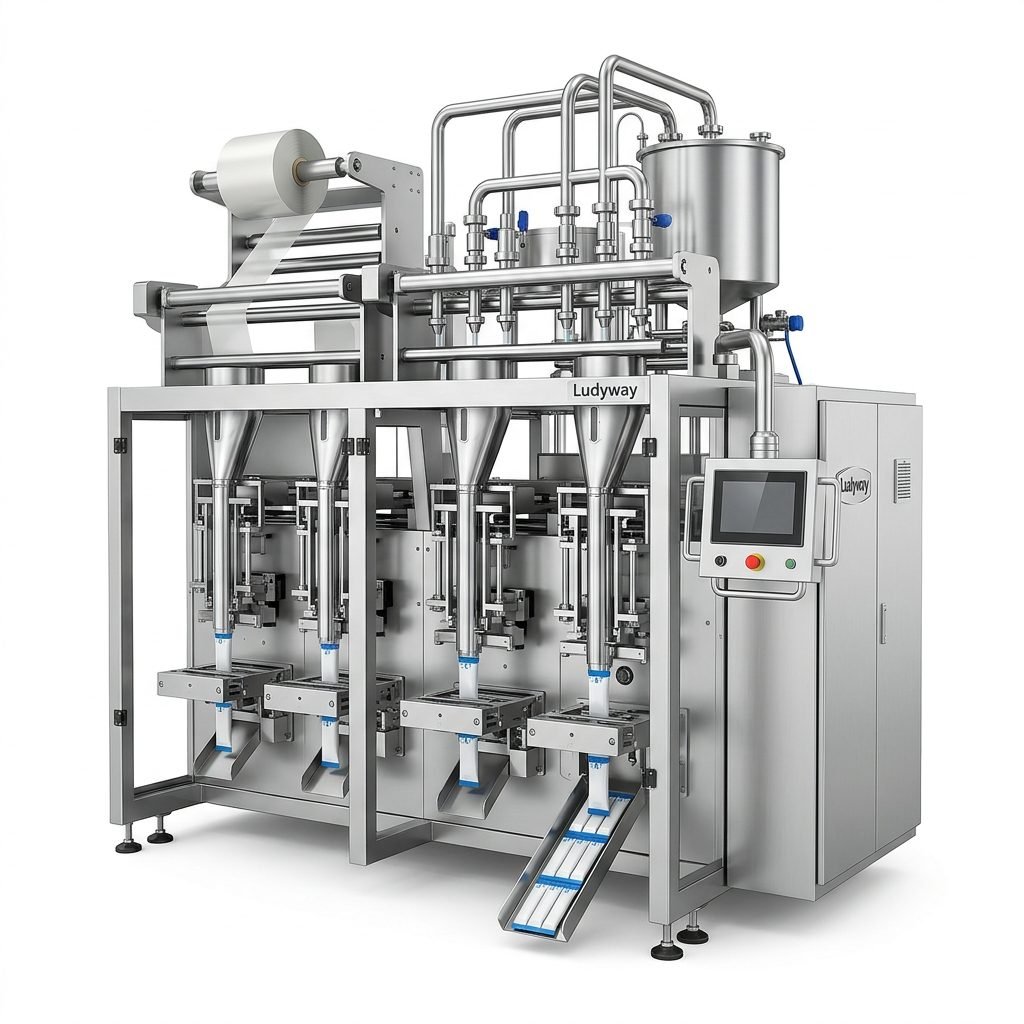
A milk pouch packing machine is automated equipment used to package liquid milk into flexible pouches made from laminated film or other food-grade packaging materials. The machine typically handles several core functions:
- Film feeding and pouch forming
- Accurate liquid dosing and filling
- Heat sealing
- Date coding or batch printing
- Pouch cutting and output
Depending on the production requirement, the machine may be configured for single-lane or multi-lane packaging, intermittent or continuous operation, and integration with upstream milk processing or downstream secondary packaging lines.
Key Features of a Modern Milk Pouch Packing Machine
1. Hygienic Design for Dairy Applications
Since milk is a sensitive liquid product, the machine should be built with food-contact parts made of high-quality stainless steel. Smooth surfaces, easy-clean structures, and sanitary piping help reduce contamination risks and support compliance with food safety standards.
2. Accurate Liquid Filling
Precise filling is critical in milk packaging because overfilling increases product giveaway, while underfilling affects customer trust and compliance. Advanced machines use stable pumps, flow control systems, or servo-driven filling units to maintain consistent pouch weight and volume.
3. Reliable Sealing Performance
Milk pouch leakage can lead to product loss, sanitation issues, and transportation damage. A good machine provides strong and uniform heat sealing with controllable temperature, pressure, and dwell time for different packaging films.
4. Flexible Pouch Size Options
Milk brands often require multiple pack sizes, such as small daily-use sachets, family packs, school milk portions, or promotional formats. A flexible milk pouch packing machine can support different pouch capacities with quick adjustment and minimal downtime.
5. User-Friendly Control System
A touchscreen HMI, recipe storage, alarm prompts, and parameter management make machine operation easier. This is especially useful for factories that run multiple milk products with varying viscosity, volume, or packaging film specifications.
6. Integration with Production Lines
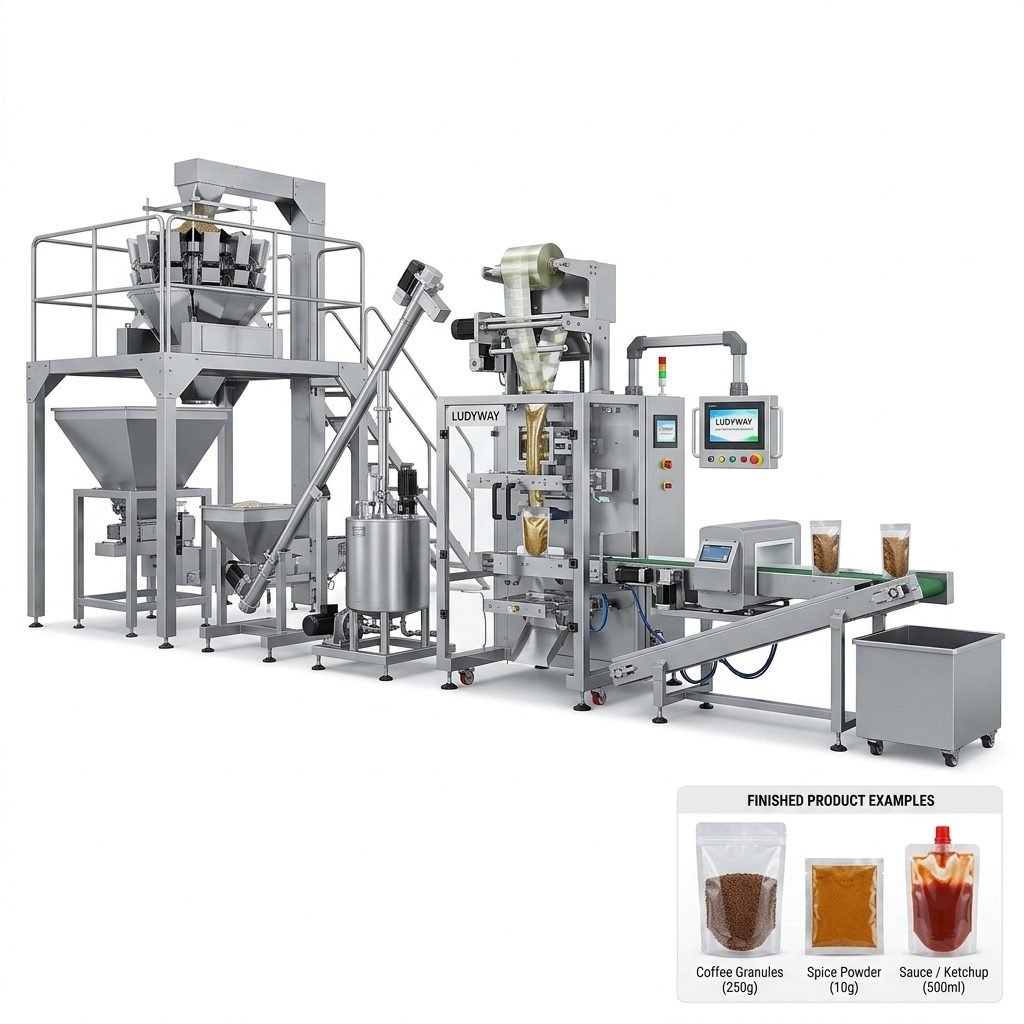
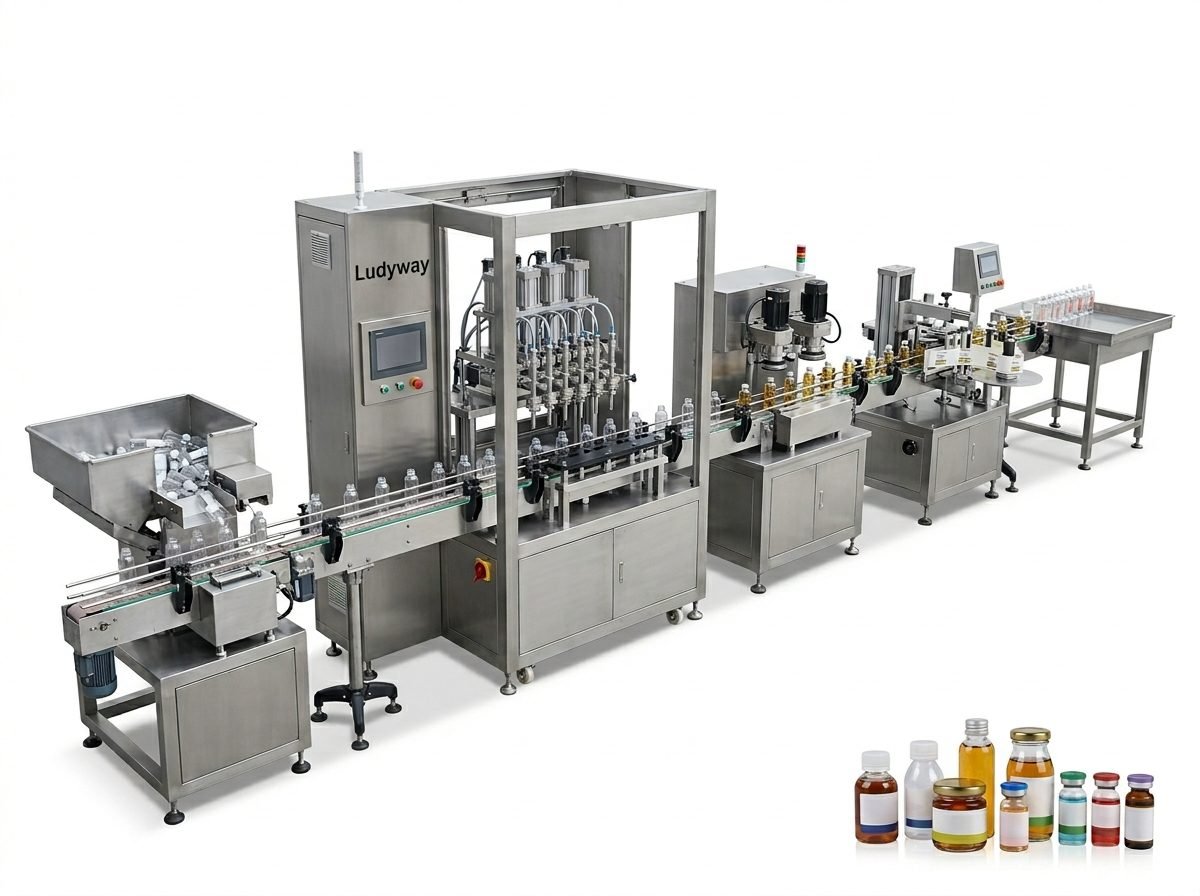
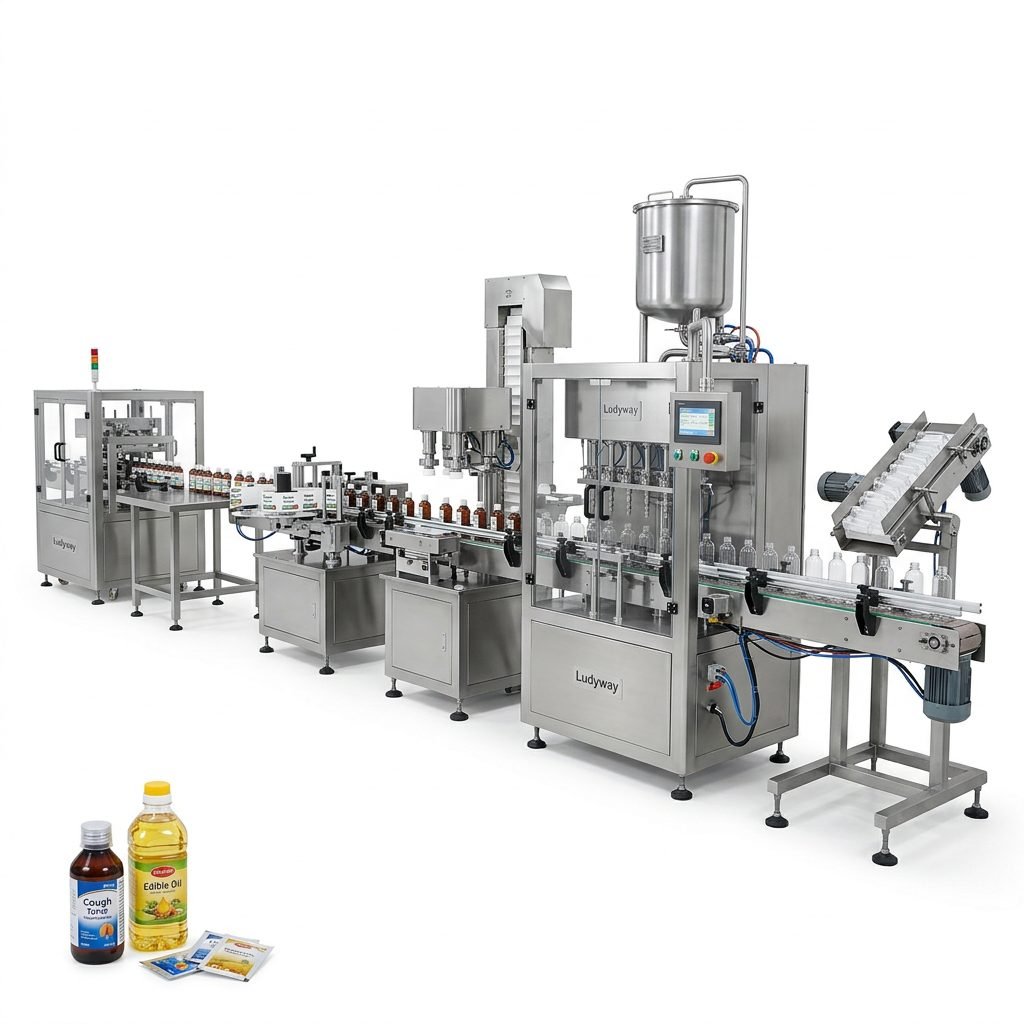
Modern plants often need more than a standalone machine. A milk pouch packing machine can be connected with storage tanks, pasteurization systems, CIP cleaning systems, conveyors, coding devices, checkweighers, and cartoning equipment for a more complete automated process.
Main Benefits of Using a Milk Pouch Packing Machine
Higher Production Efficiency
Manual or semi-automatic milk packaging takes more labor and creates inconsistency. An automated machine can package milk continuously, increasing output and reducing production bottlenecks.
Improved Product Safety
Enclosed filling systems and hygienic contact parts help reduce exposure to air, dust, and human contact. This contributes to better dairy safety and more stable product quality.
Lower Labor Cost
Automation reduces dependence on manual handling, especially in repetitive packaging tasks. Over time, this can significantly lower labor expenses and improve operational efficiency.
Better Packaging Consistency
Uniform pouch shape, stable seals, and accurate volumes improve retail presentation and reduce rejection rates. For dairy brands, consistency supports stronger brand perception.
Reduced Waste
Good filling accuracy and seal quality reduce product loss, film waste, and rework. This matters even more when raw milk and packaging materials are subject to price fluctuations.
Applications of Milk Pouch Packing Machines
These machines are suitable for a wide range of dairy and liquid food products, including:
- Fresh milk
- Pasteurized milk
- Flavored milk
- Milk drinks
- Dairy-based nutritional beverages
- Soy milk and plant-based milk alternatives
- Cream and related liquid dairy products
Types of Milk Pouch Packing Machines
| Machine Type | Best For | Advantages |
|---|---|---|
| Single-lane milk pouch machine | Small to medium output | Simple operation, lower investment |
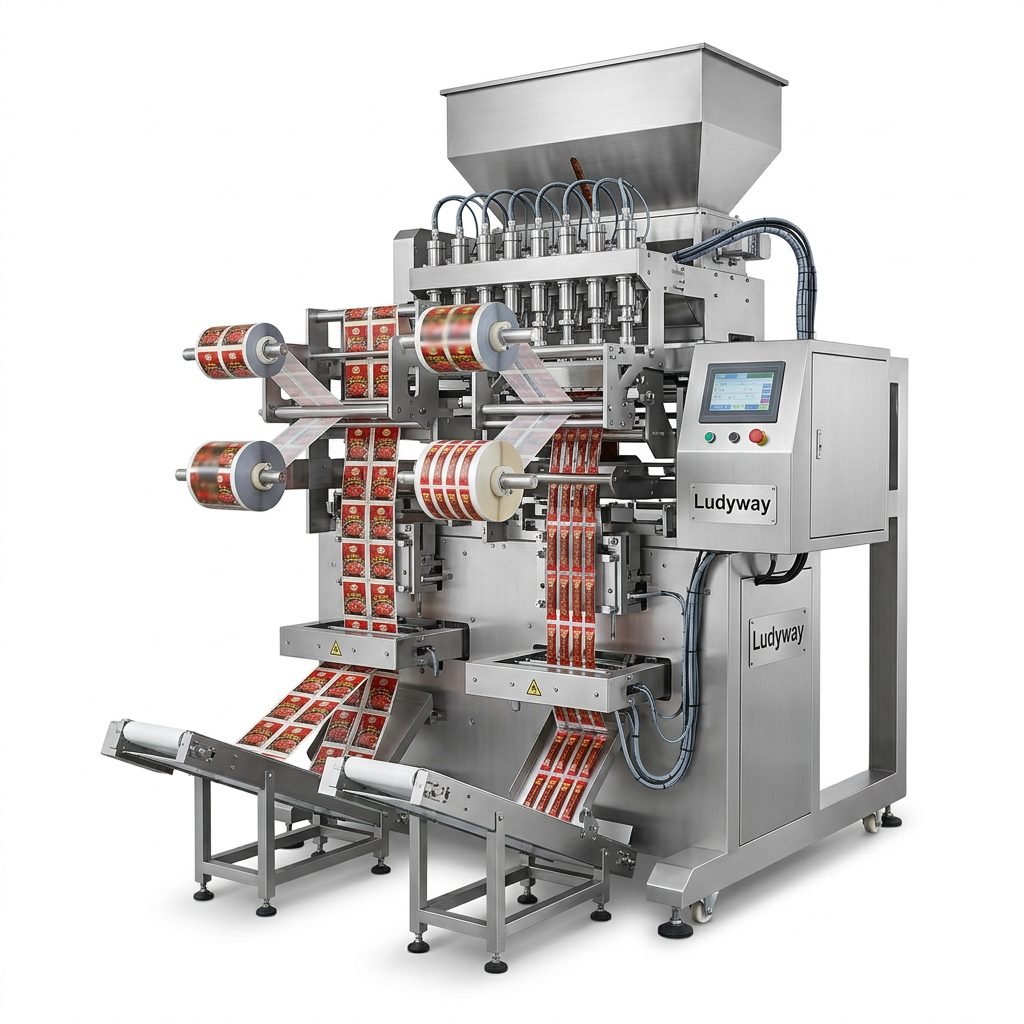
| Multi-lane liquid packing machine | High-volume milk production | High speed, efficient output |
| Vertical form fill seal machine | Flexible pouch formats | Compact footprint, versatile use |
| Turnkey liquid packaging line | Integrated dairy factories | Full automation from filling to final packing |
How to Choose the Right Milk Pouch Packing Machine
Consider Your Production Capacity
Start by calculating your hourly and daily output targets. A small dairy business may need a compact machine, while an industrial milk processor may require a high-speed automatic line with continuous operation.
Check Product Characteristics
Not all milk products behave the same way. Standard milk, flavored milk, sweetened milk drinks, and cream-based liquids may differ in viscosity, foaming tendency, and filling temperature. The machine should match your actual product conditions.
Evaluate Packaging Material Compatibility
The sealing system must work well with your chosen film structure. Always confirm film thickness, sealing layer, roll dimensions, and printing registration requirements before purchase.
Look at Cleaning and Maintenance
Dairy packaging equipment should be easy to clean and maintain. Machines with sanitary piping, quick-disassembly parts, and CIP-ready configurations can save time and reduce hygiene risks.
Review Automation Level
Some buyers only need basic automatic filling and sealing. Others need a complete system with coding, inspection, conveying, cartoning, and end-of-line packaging. Choose a machine that fits your current needs while allowing future expansion.
Assess Supplier Experience
A machine is not just hardware. Technical support, customization ability, spare parts supply, and installation guidance are all important. Working with an experienced manufacturer reduces long-term risk.
Important Questions to Ask Before Buying
- What pouch sizes and fill volumes can the machine handle?
- What is the actual speed under milk production conditions?
- How accurate is the filling system?
- What sealing technology is used?
- Is the machine suitable for hygienic dairy production?
- Can it integrate with my existing tanks, conveyors, or coding systems?
- What spare parts and after-sales support are available?
- Can the supplier provide testing with my milk product and pouch film?
Common Buying Mistakes to Avoid
- Choosing only by price without checking hygiene, accuracy, and reliability
- Ignoring future expansion when production demand may increase soon
- Overlooking film compatibility which can cause sealing problems
- Not verifying service capability for installation, training, and parts supply
- Buying a machine without sample testing using the real product
Who Should Invest in This Equipment?
A milk pouch packing machine is a smart investment for:
- Dairy product manufacturers
- Liquid food processors
- Regional milk brands expanding output
- Contract packaging companies
- Factories upgrading from manual to automatic packaging
Why Machine Customization Matters
In real production, milk packaging projects often require more than a standard model. You may need special filling systems for foamy liquids, customized pouch dimensions, date coding integration, leak inspection, or linked cartoning solutions. A supplier with strong engineering capability can tailor the machine to your actual factory layout and process flow.
For businesses seeking scalable liquid and pouch packaging automation, milk pouch packing machine solutions from Ludyway can be considered as part of a broader packaging equipment and turnkey line sourcing strategy.
Final Buying Checklist
| Checklist Item | Why It Matters |
|---|---|
| Output capacity | Ensures the machine matches your production goals |
| Filling accuracy | Reduces giveaway and improves consistency |
| Seal quality | Prevents leakage during transport and storage |
| Food-grade construction | Supports hygienic dairy production |
| Ease of cleaning | Saves maintenance time and improves sanitation |
| Automation compatibility | Allows line integration and future upgrades |
| Supplier support | Improves long-term machine performance and service response |
The right milk pouch packing machine should deliver stable performance, hygienic processing, reliable sealing, and room for business growth. By focusing on application fit instead of price alone, buyers can choose equipment that improves efficiency, protects product quality, and strengthens market competitiveness.