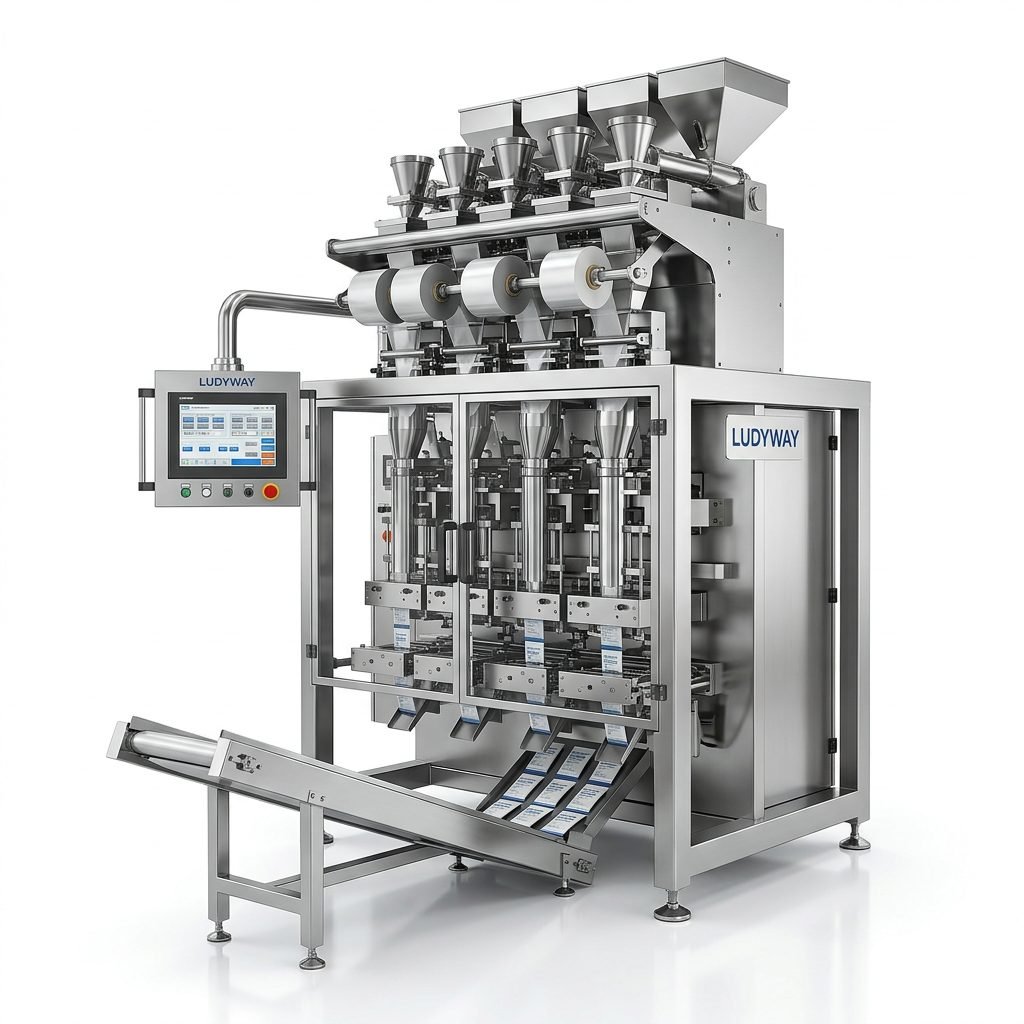
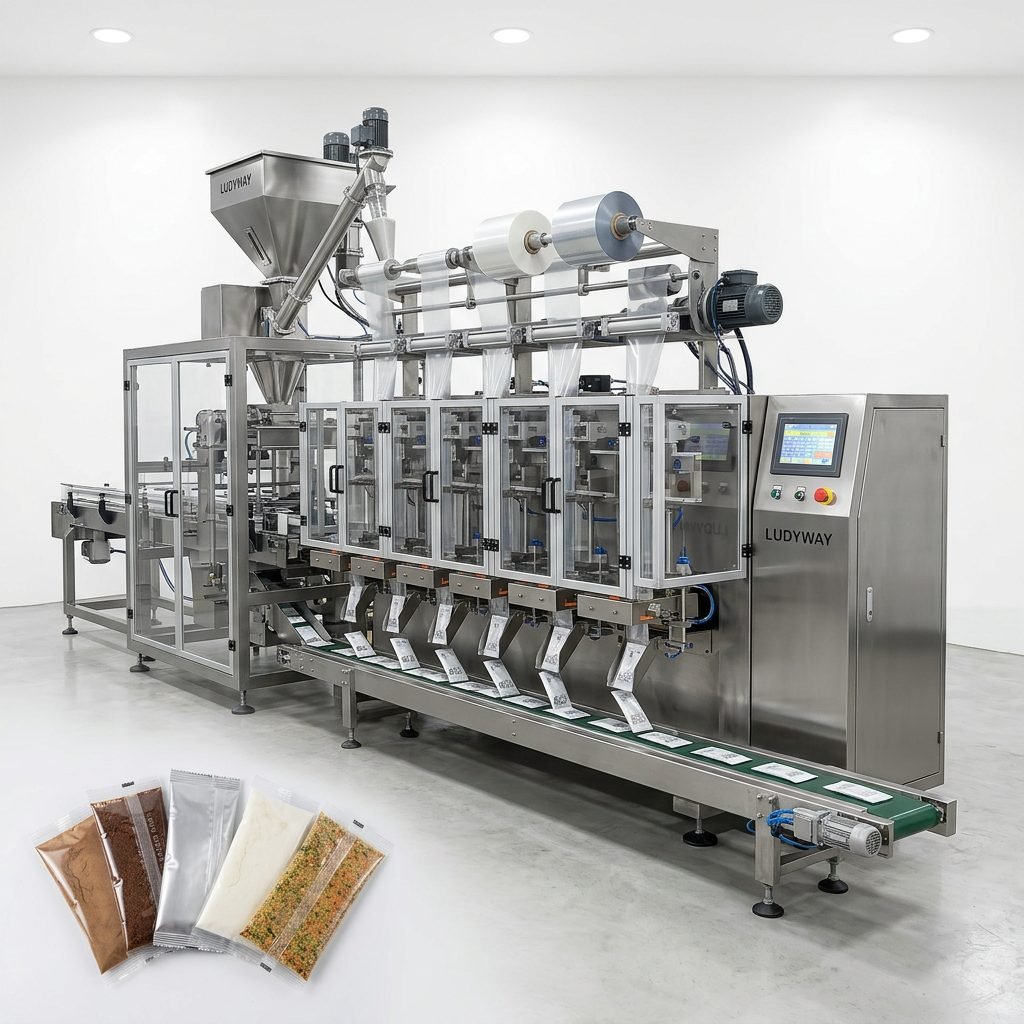
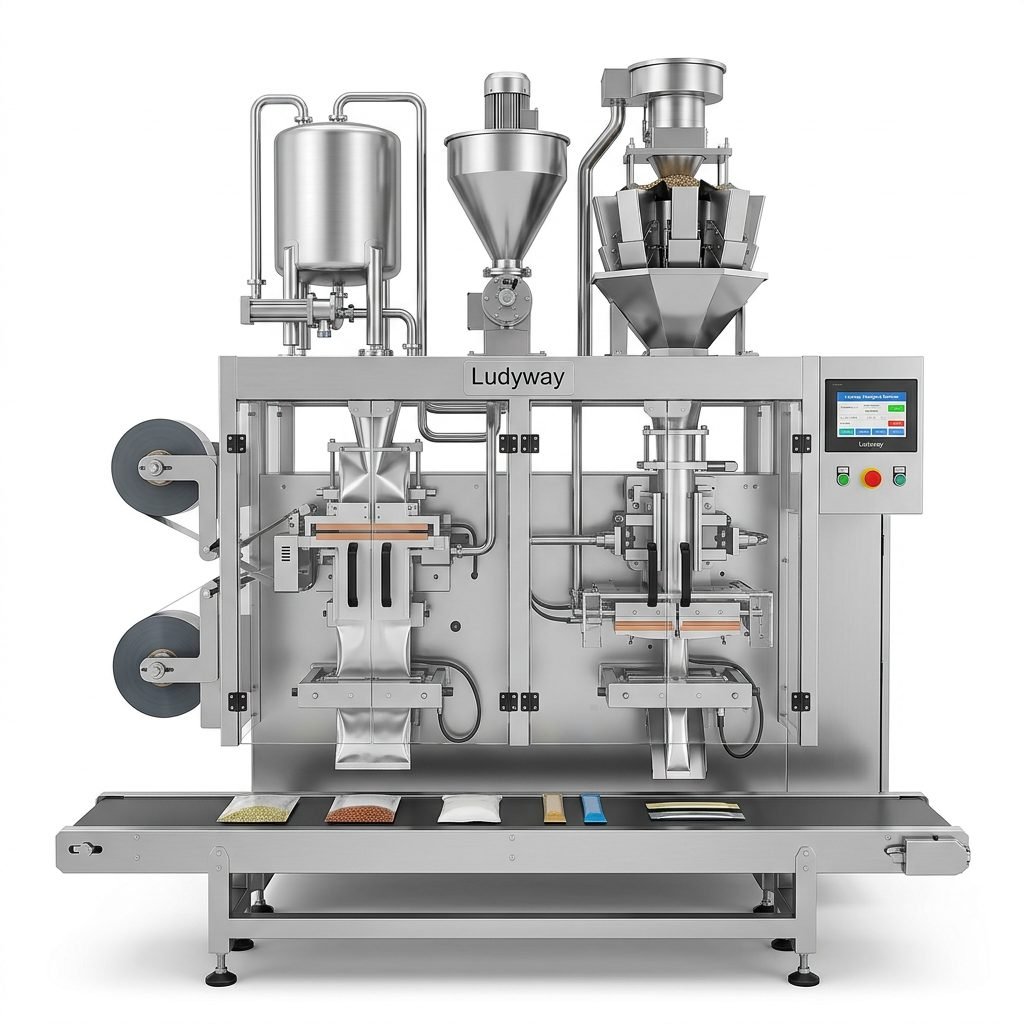
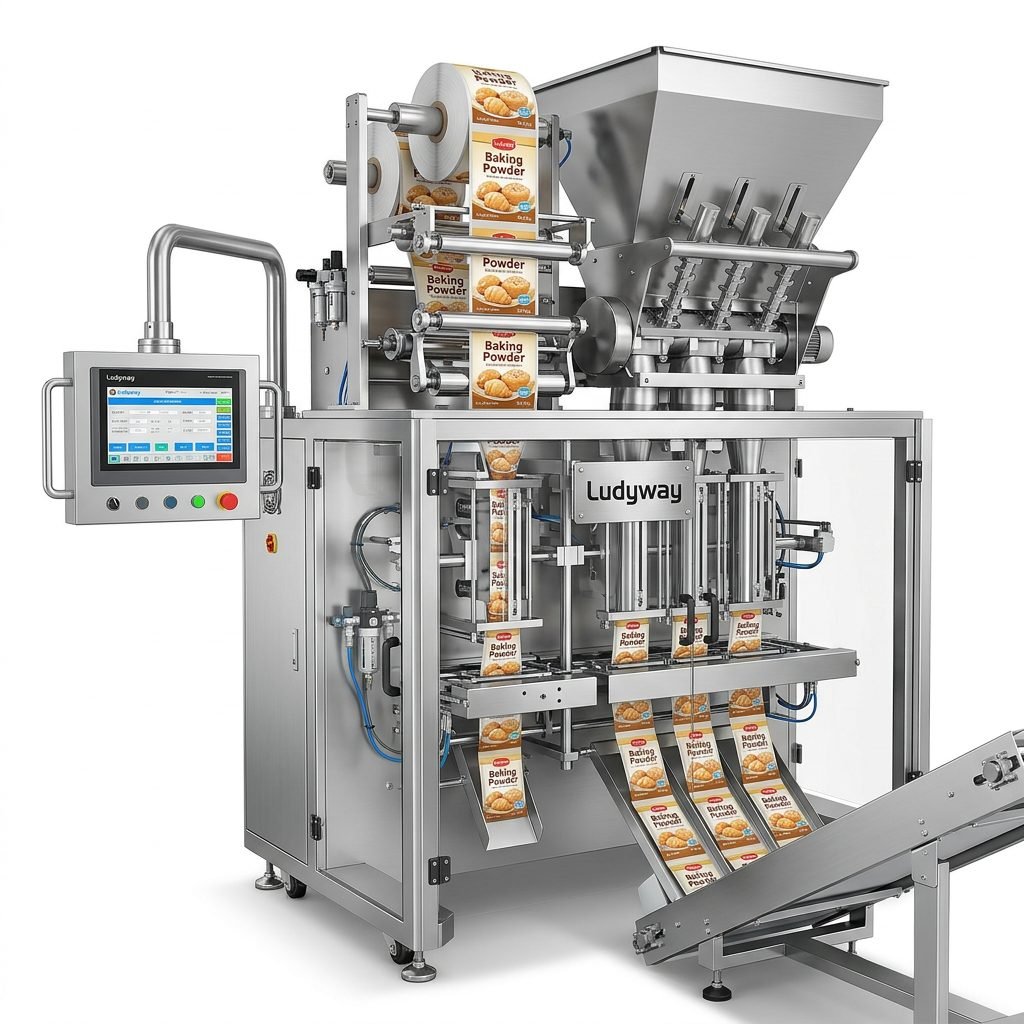
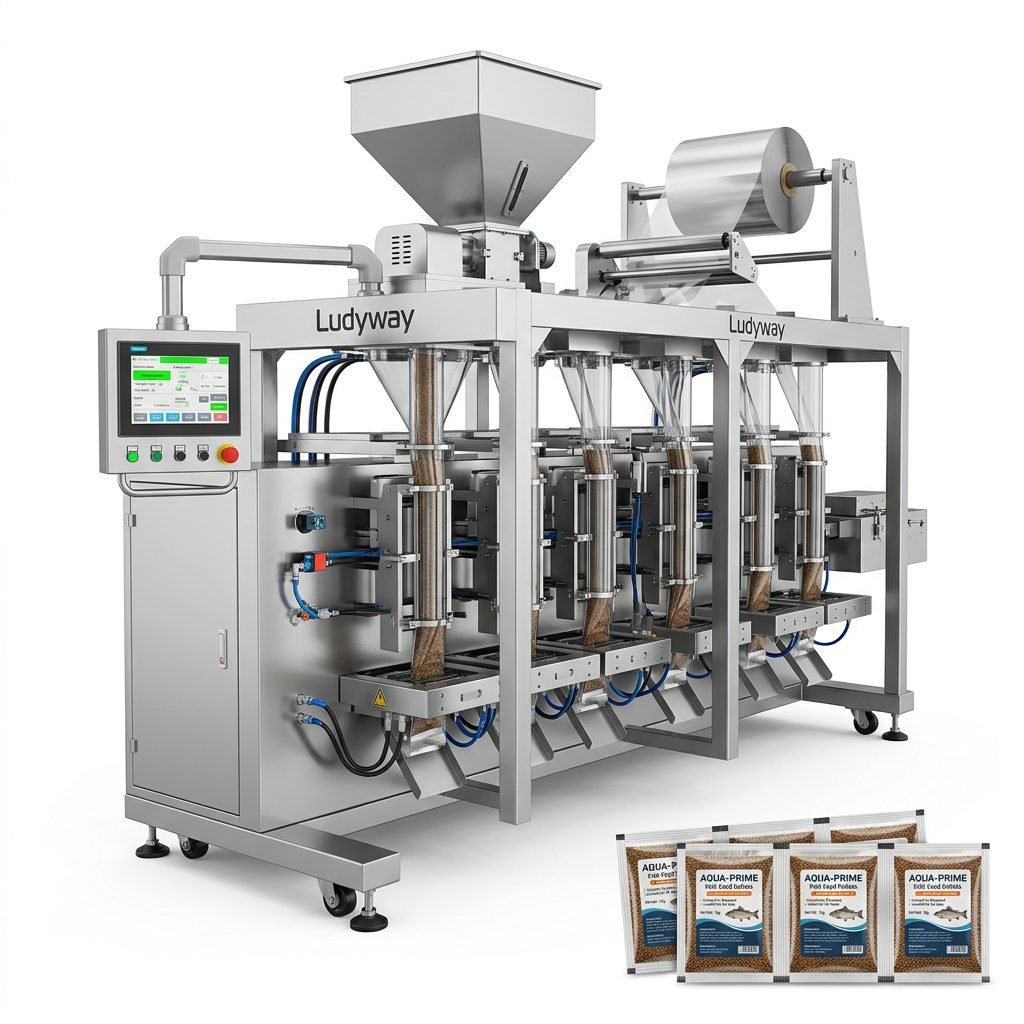
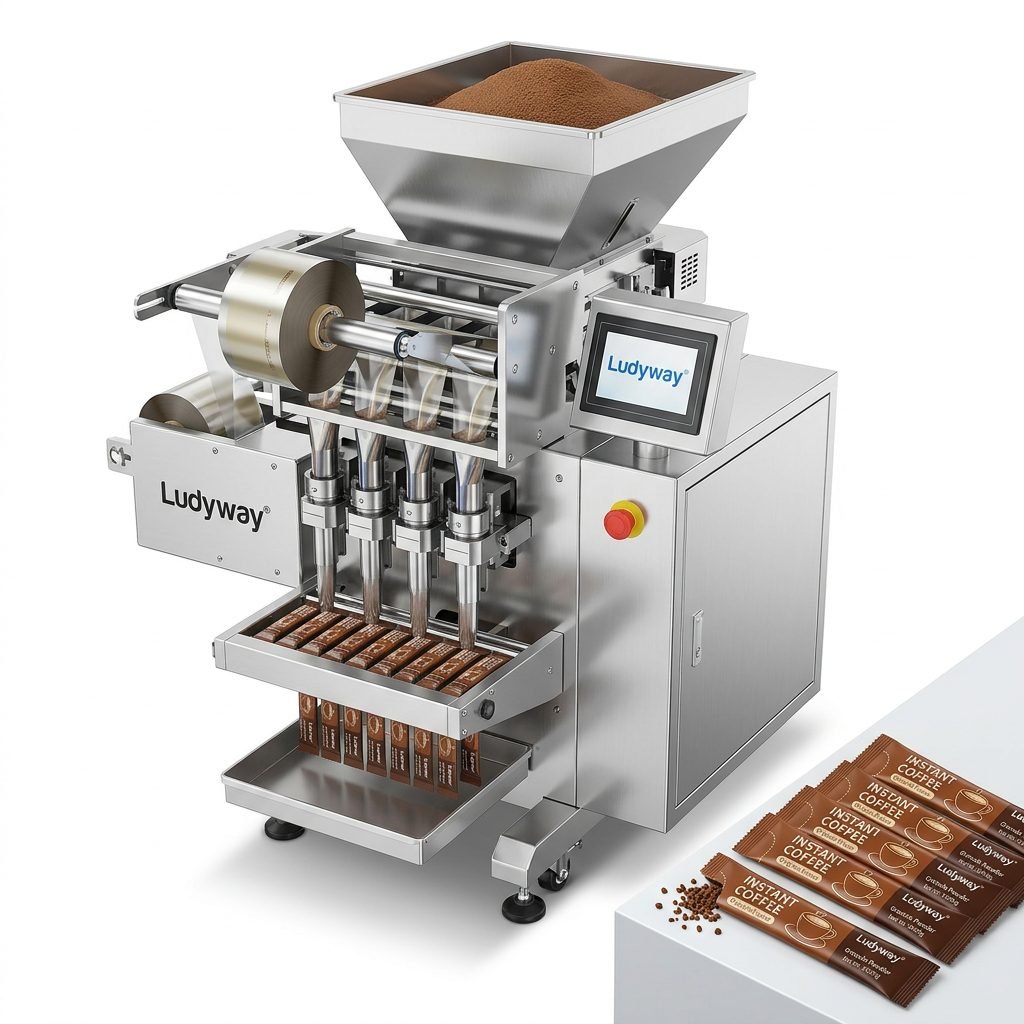
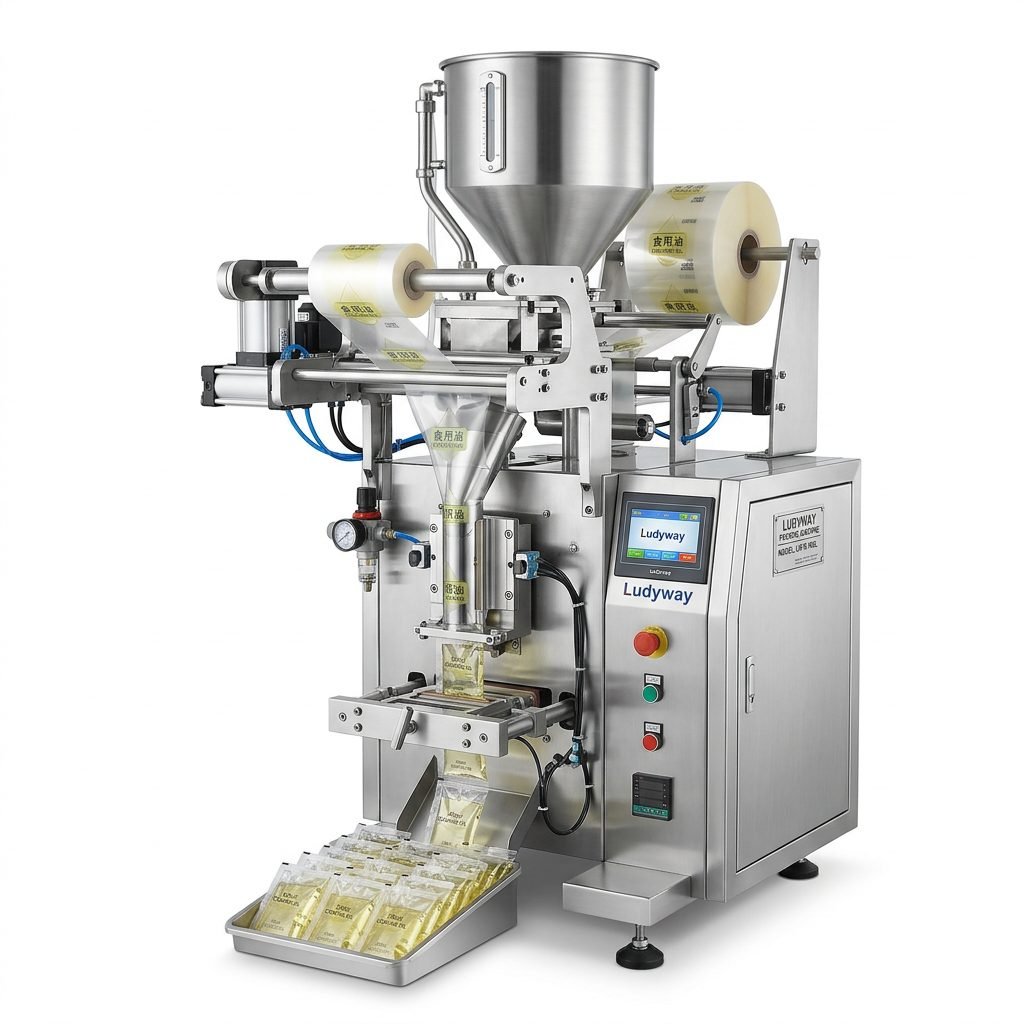
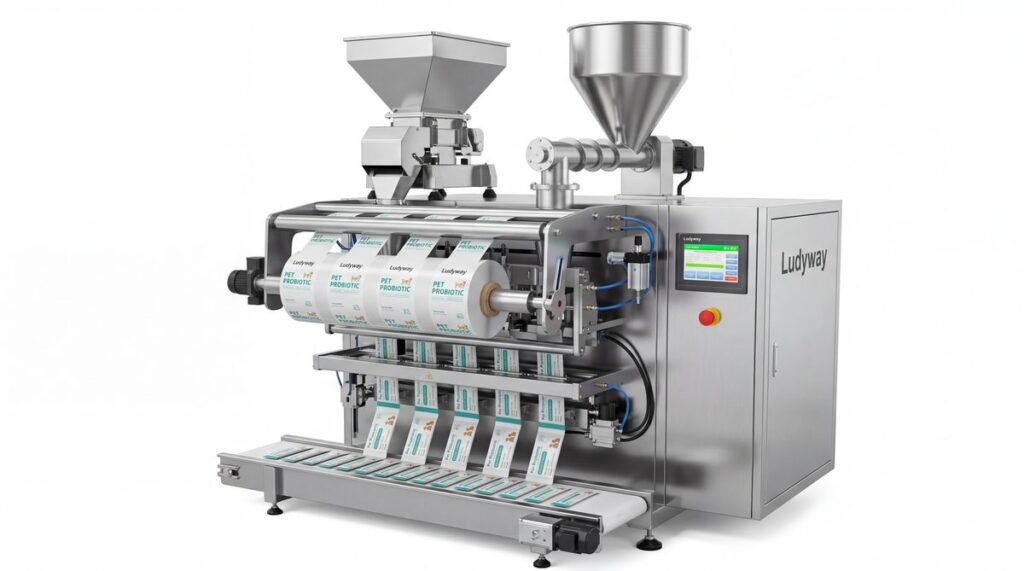
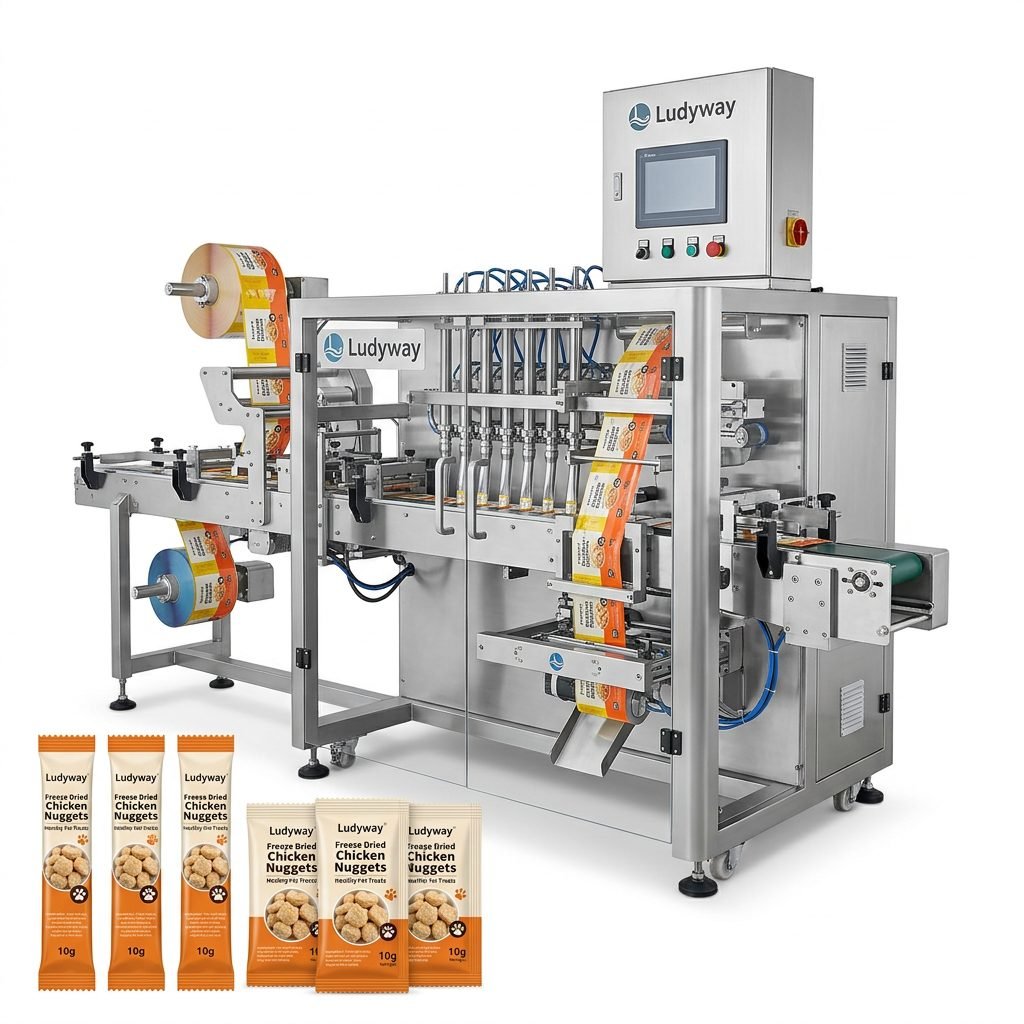
Choosing the right tube packaging machine is not only about buying equipment—it is about building a more efficient, stable, and scalable production process. Whether you package cosmetics, pharmaceuticals, personal care products, adhesives, ointments, gels, or food pastes, the right solution can help you reduce downtime, improve filling accuracy, and maintain a consistent package appearance.
In today’s competitive manufacturing environment, buyers need to evaluate far more than speed alone. Tube size range, product viscosity, sealing quality, automation level, cleaning requirements, and future expansion all play a major role in long-term return on investment.
What Is a Tube Packaging Machine?
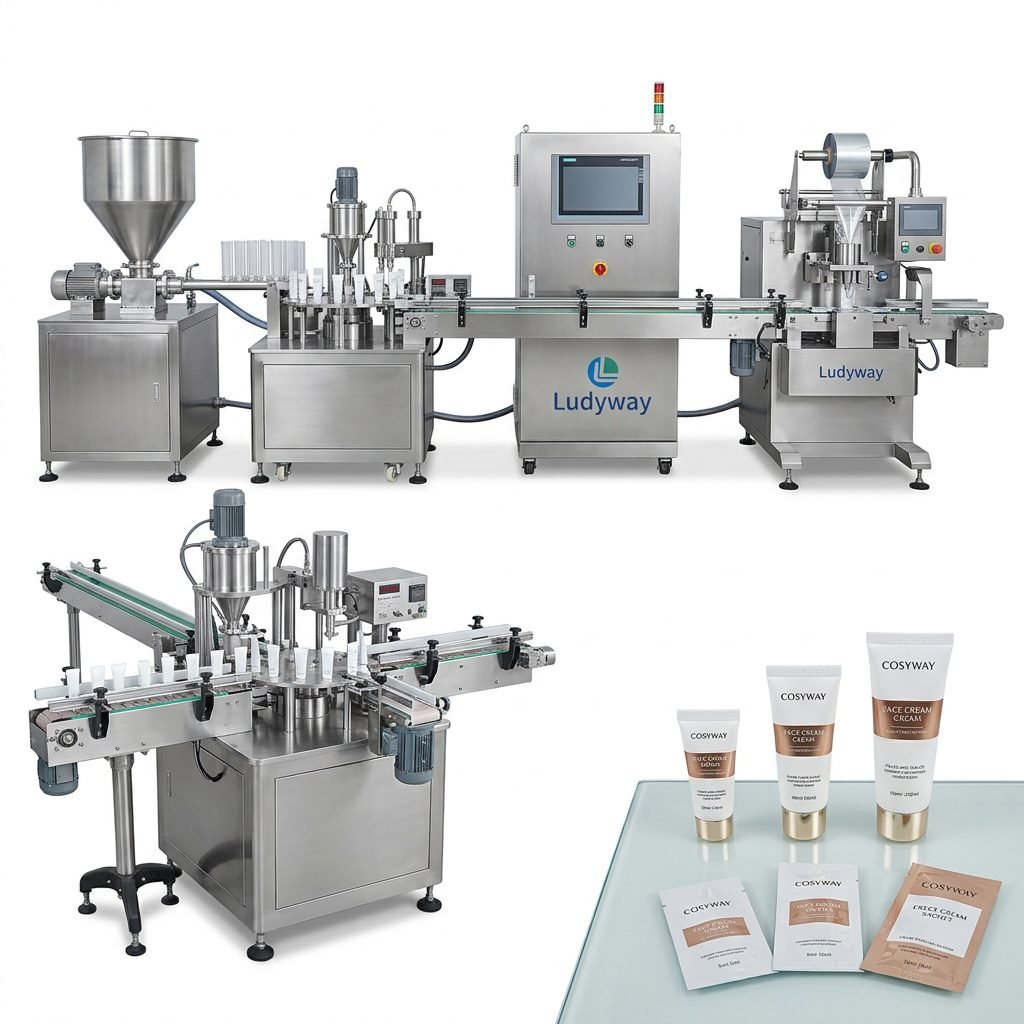
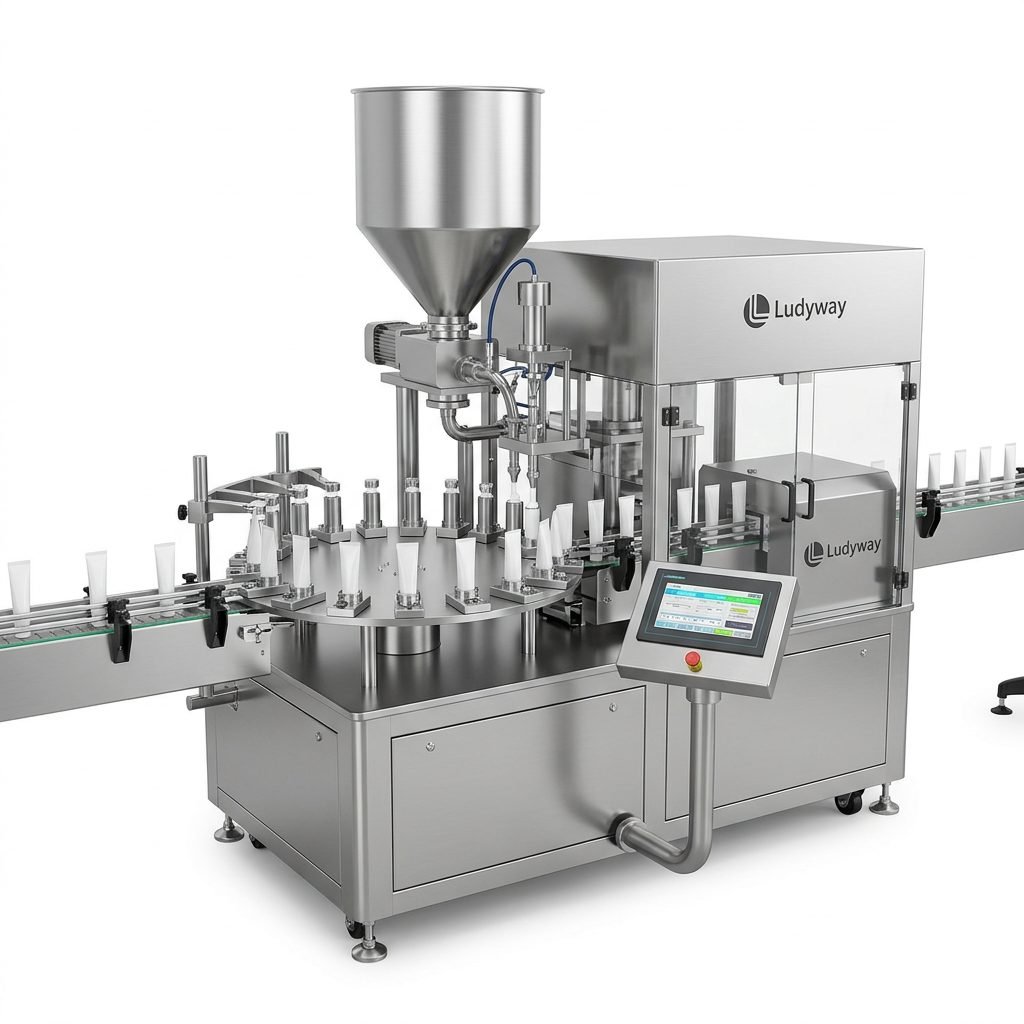
A tube packaging machine is an automated or semi-automated system designed to fill products into tubes and seal them securely. These tubes may be made of plastic, laminated material, or aluminum, depending on the product and industry requirements.
Tube packaging is widely used for:
- Face cream, hand cream, sunscreen, and lotion
- Pharmaceutical ointments and topical gels
- Toothpaste and oral care products
- Industrial grease, glue, and sealants
- Herbal paste and specialty food products
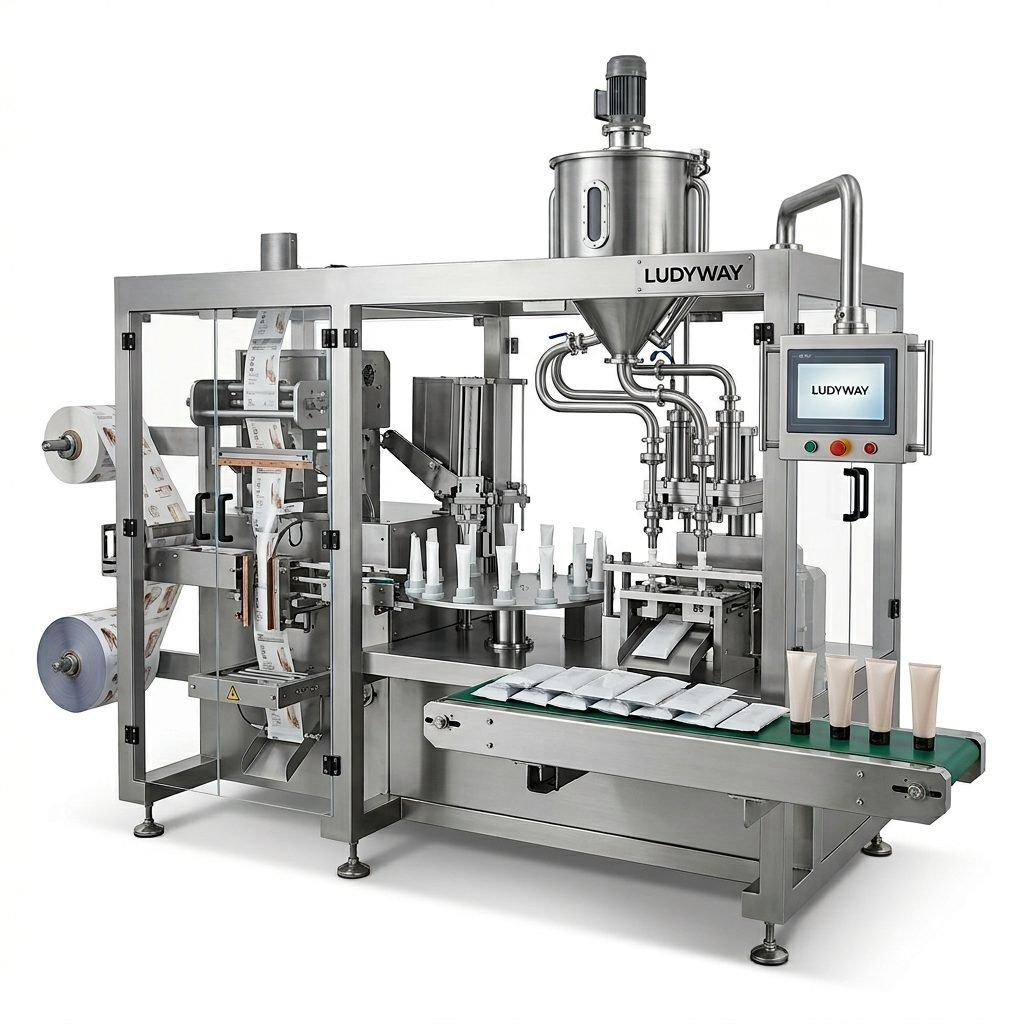
A complete tube packaging solution may include tube loading, orientation, filling, sealing, coding, cartoning, labeling, and end-of-line packing. For manufacturers targeting high efficiency, selecting a machine that matches both current production needs and future expansion plans is essential.
Why the Right Machine Matters for Efficient Production
A mismatch between your product and your machine can create hidden costs. For example, an underpowered filling system may struggle with thick cream, while an oversized high-speed line may waste investment if production volume is still modest.
The right machine helps you achieve:
- Higher throughput with stable cycle times
- Lower labor dependence through automation
- Improved filling accuracy and reduced material loss
- Better seal quality for leak prevention and shelf-life protection
- Easier compliance with hygiene and quality standards
- Simpler product changeovers for flexible production
Key Factors to Consider When Choosing a Tube Packaging Machine
1. Product Type and Viscosity
The first step is understanding the physical characteristics of your product. Thin gels, thick creams, viscous ointments, and abrasive industrial pastes behave differently during filling.
- Low-viscosity liquids may need precise anti-drip filling systems
- Medium-viscosity lotions often require servo-controlled piston filling
- High-viscosity creams or grease may need heated hoppers or pressure-assisted filling
- Products with particles require larger filling paths and special dosing design
If the filler type does not match product behavior, you may see inaccurate fill weights, tube contamination, bubble formation, or unstable sealing.
2. Tube Material and Tube Size
Different tube materials require different sealing methods and handling systems. Plastic and laminated tubes are usually hot-air or heat-sealed, while aluminum tubes are often folded and crimped.
| Tube Type | Common Application | Sealing Method |
|---|---|---|
| Plastic Tube | Cosmetics, personal care | Hot air / heat sealing |
| Laminated Tube | Toothpaste, creams, pharma | Heat sealing |
| Aluminum Tube | Pharma ointment, industrial paste | Folding / crimp sealing |
Also check the full size range of tubes you plan to run. A machine with limited change parts may slow down product switching and increase downtime.
3. Required Production Speed
Not every manufacturer needs the fastest possible machine. The best choice is the one that matches your order structure, shift plan, and growth forecast.
Ask yourself:
- How many tubes per minute are required today?
- Will demand increase within 12–24 months?
- Do you run a single SKU or many SKUs?
- Are frequent changeovers more important than absolute speed?
A balanced machine usually delivers stronger operational value than simply choosing the highest-speed model.
4. Filling Accuracy and Product Loss Control
In industries such as cosmetics and pharmaceuticals, precise dosing is a critical cost and quality factor. Even small overfills can create major annual material loss.
Look for features such as:
- Servo-driven filling control
- Anti-drip nozzles
- No-tube-no-fill function
- Automatic rejection of defective tubes
- Stable hopper feeding system
5. Sealing Quality and Package Appearance
The seal is the final quality checkpoint of the tube package. Poor sealing can cause leakage, contamination, poor shelf presentation, or customer complaints.
An ideal machine should offer:
- Uniform heat distribution
- Strong and neat seal lines
- Reliable coding and embossing options
- Trimmed and attractive tube ends
- Consistent sealing across different tube batches
For brand-sensitive industries, appearance matters almost as much as speed. A clean, professional tube finish supports stronger shelf appeal and brand trust.
6. Automation Level
Tube packaging machines are available in semi-automatic, automatic, and fully integrated line configurations. The right level depends on labor cost, plant layout, hygiene expectations, and output goals.
| Automation Level | Best For | Main Benefit |
|---|---|---|
| Semi-Automatic | Small batches, startups | Lower initial investment |
| Automatic | Growing factories | Better efficiency and consistency |
| Turnkey Integrated Line | Large-scale production | Maximum automation and reduced labor |
7. Cleaning, Hygiene, and Compliance
If you produce pharmaceutical, cosmetic, or health-related products, hygienic design is extremely important. Machine surfaces, contact parts, hopper structure, and changeover process should support fast cleaning and reduced contamination risk.
Consider the following:
- Stainless steel contact parts
- Easy-to-remove filling components
- Clean-in-place or easy manual cleaning design
- Compliance with GMP-oriented production needs where applicable
- Minimal dead corners in product flow paths
8. Changeover Flexibility
Manufacturers with multiple SKUs should pay close attention to changeover time. Fast changeovers reduce lost production hours and make it easier to respond to custom orders.
Helpful features include:
- Quick-release tooling
- Recipe storage on HMI
- Tool-free adjustments where possible
- Standardized parts for multiple tube sizes
9. Integration With Upstream and Downstream Equipment
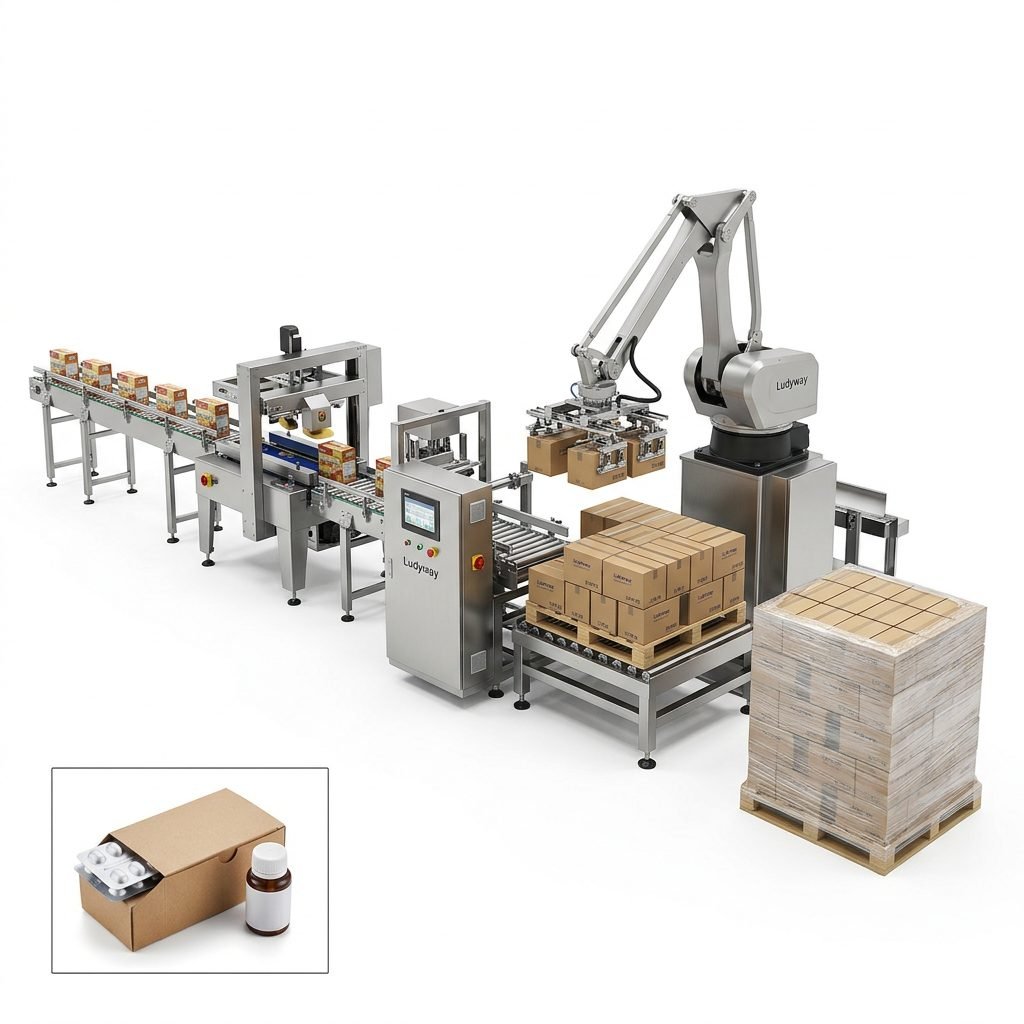
Efficient production does not stop at filling and sealing. A tube packaging machine should fit smoothly into the full workflow, including product feeding, coding, cartoning, labeling, case packing, and palletizing.
If you are planning future automation, it is smart to choose a machine that can be connected with broader line equipment. Experienced suppliers such as Ludyway packaging machine solutions are often considered by buyers who need both standalone systems and scalable turnkey packaging lines for food, pharmaceutical, cosmetic, and related sectors.
How to Match the Machine to Your Industry
Cosmetics and Personal Care
For creams, cleansers, serums, sunscreen, and lotion, appearance and filling precision are major priorities. Buyers usually prefer machines that offer smooth tube handling, clean seals, and easy cleaning between product variants.
Pharmaceuticals
For ointments, medicated creams, and gels, accuracy, hygiene, traceability, and validation support are critical. Machine design should minimize contamination risk and support reliable coding and batch control.
Chemical and Industrial Products
For grease, sealants, adhesives, and industrial paste, the machine must handle higher viscosity, stronger wear conditions, and durable sealing performance. Material compatibility is especially important.
Food and Specialty Paste Products
For edible creams, sauces, or specialty paste applications, hygiene and product-safe materials come first. Equipment should also support quick washdown and stable filling for different textures.
Questions to Ask a Tube Packaging Machine Supplier
Before making a decision, ask practical questions that go beyond brochure claims:
- What products has this machine already been tested with?
- What tube diameters and tube lengths can it handle?
- How fast is changeover between formats?
- What is the actual speed under my product conditions?
- Can the machine integrate with coding, cartoning, or case packing systems?
- What spare parts and after-sales support are available?
- Can the supplier customize the filling and sealing structure?
- What training and commissioning support is included?
Common Mistakes Buyers Should Avoid
Many packaging investment problems come from overlooking operational details. Avoid these common mistakes:
- Choosing speed over product compatibility
- Ignoring future SKU expansion
- Underestimating cleaning and maintenance needs
- Failing to request real sample testing
- Comparing price without comparing machine configuration
- Overlooking after-sales service and parts availability
Signs You May Need a Turnkey Tube Packaging Line
A standalone tube filling machine may not be enough if your production targets are growing quickly. A turnkey line becomes more attractive when you need:
- Automatic product feeding and mixing connection
- Online coding, inspection, and rejection
- Automatic cartoning and case packing
- Reduced manual handling between processes
- Centralized control across multiple packaging stages
For medium and large manufacturers, a complete line often delivers better long-term efficiency than adding separate machines one by one.
Quick Evaluation Checklist
| Evaluation Point | Why It Matters |
|---|---|
| Product viscosity | Determines filling system suitability |
| Tube material | Affects sealing method and final package quality |
| Output target | Prevents underbuying or overinvesting |
| Accuracy requirement | Controls waste and supports quality consistency |
| Automation level | Impacts labor cost and production flow |
| Cleaning and compliance | Supports hygiene and audit readiness |
| Line integration | Improves total production efficiency |
| Supplier support | Reduces downtime and project risk |
Final Buying Insight
The best tube packaging machine is the one that fits your product, production volume, packaging goals, and long-term business strategy. A well-chosen solution improves efficiency not only through speed, but also through accuracy, uptime, flexibility, and integration.
If you compare options carefully, test your real product, and focus on total production value instead of only initial price, you will be far more likely to invest in a system that supports reliable growth for years to come.