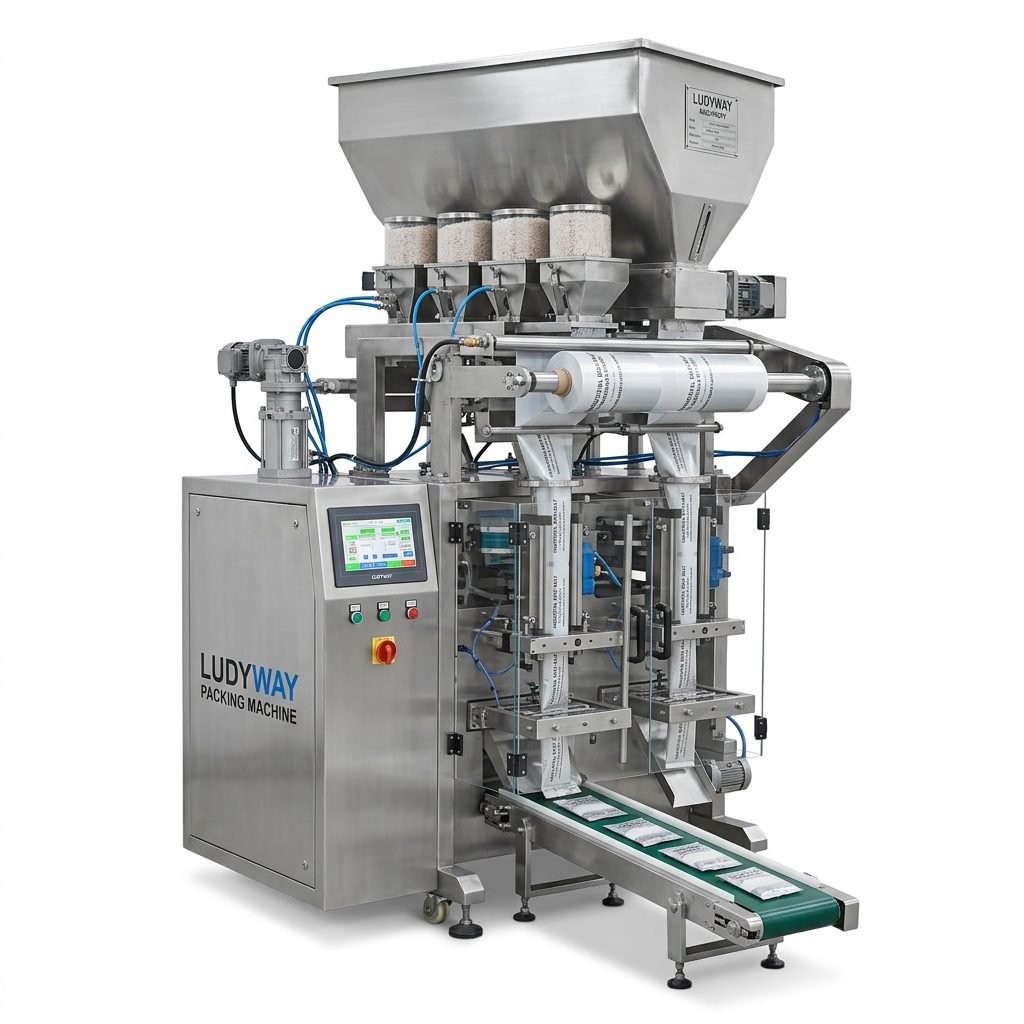
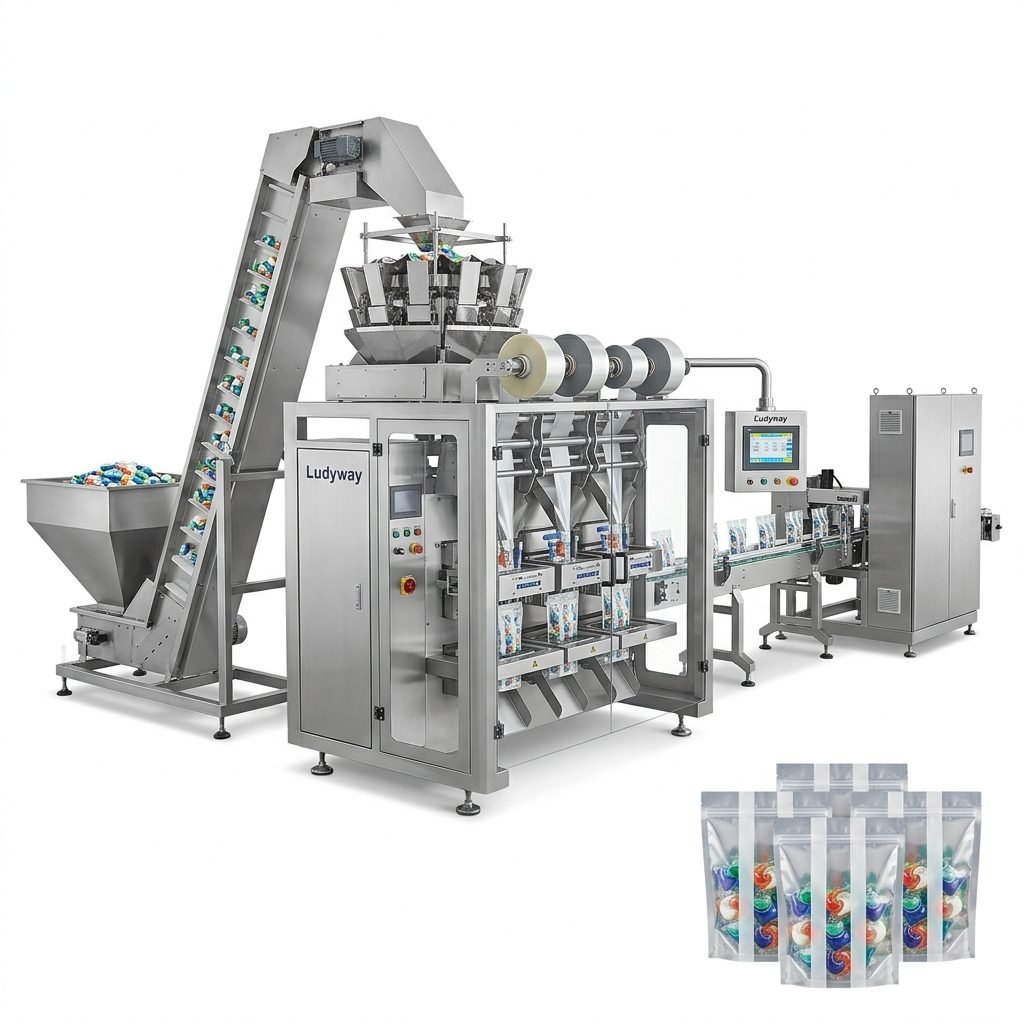
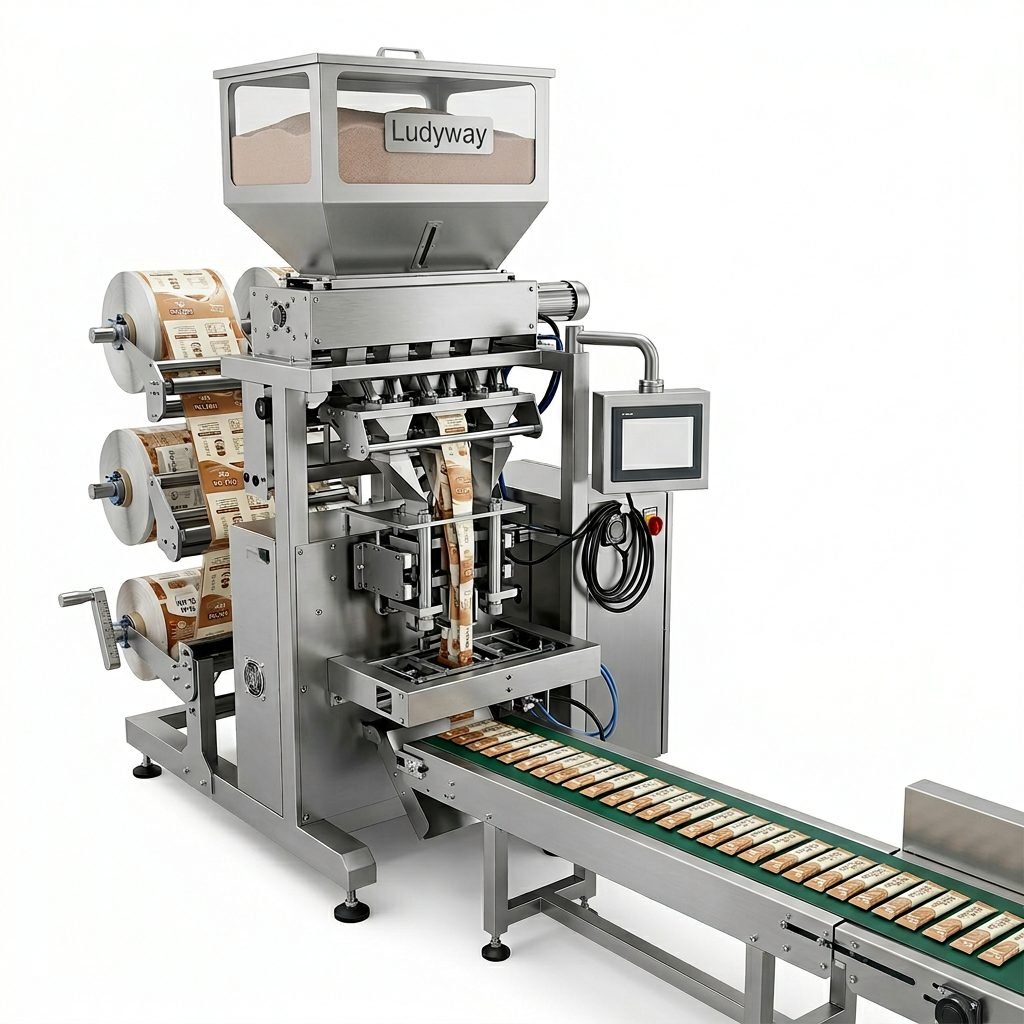
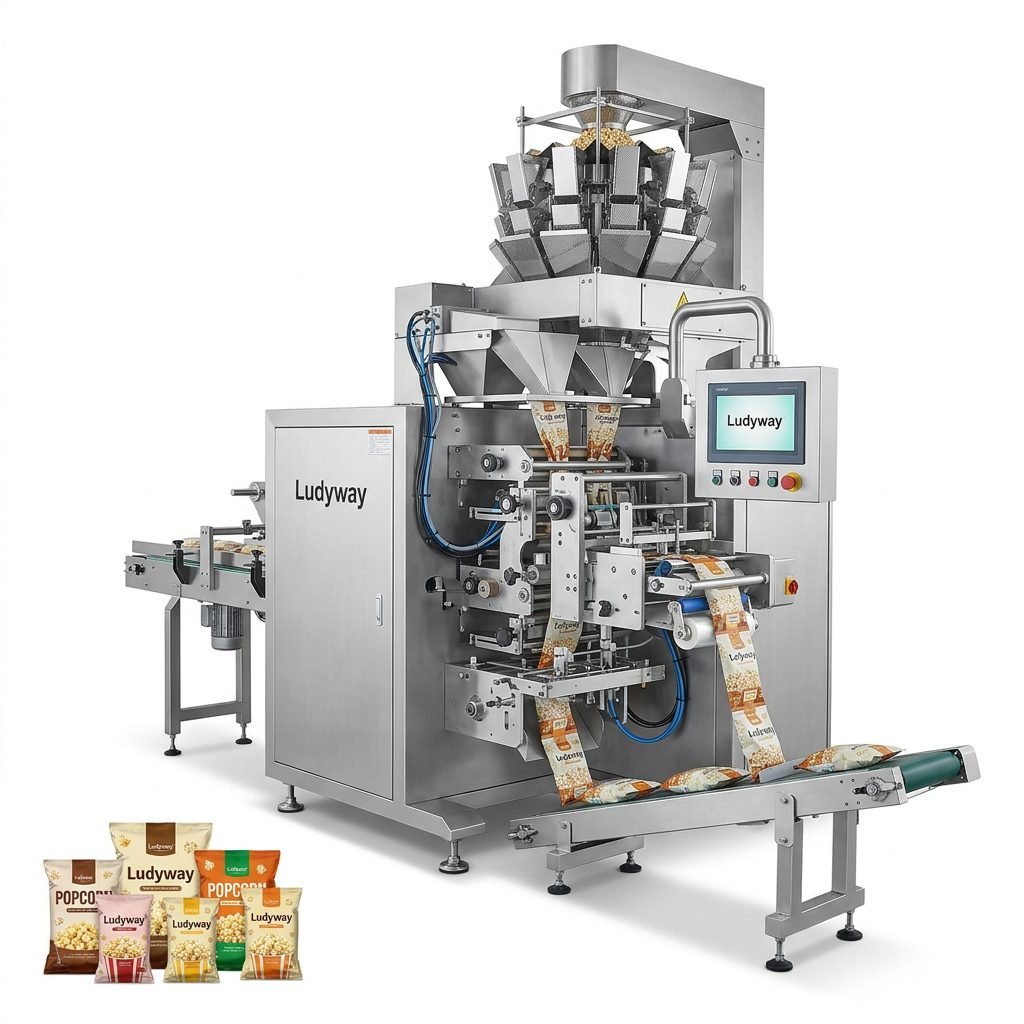
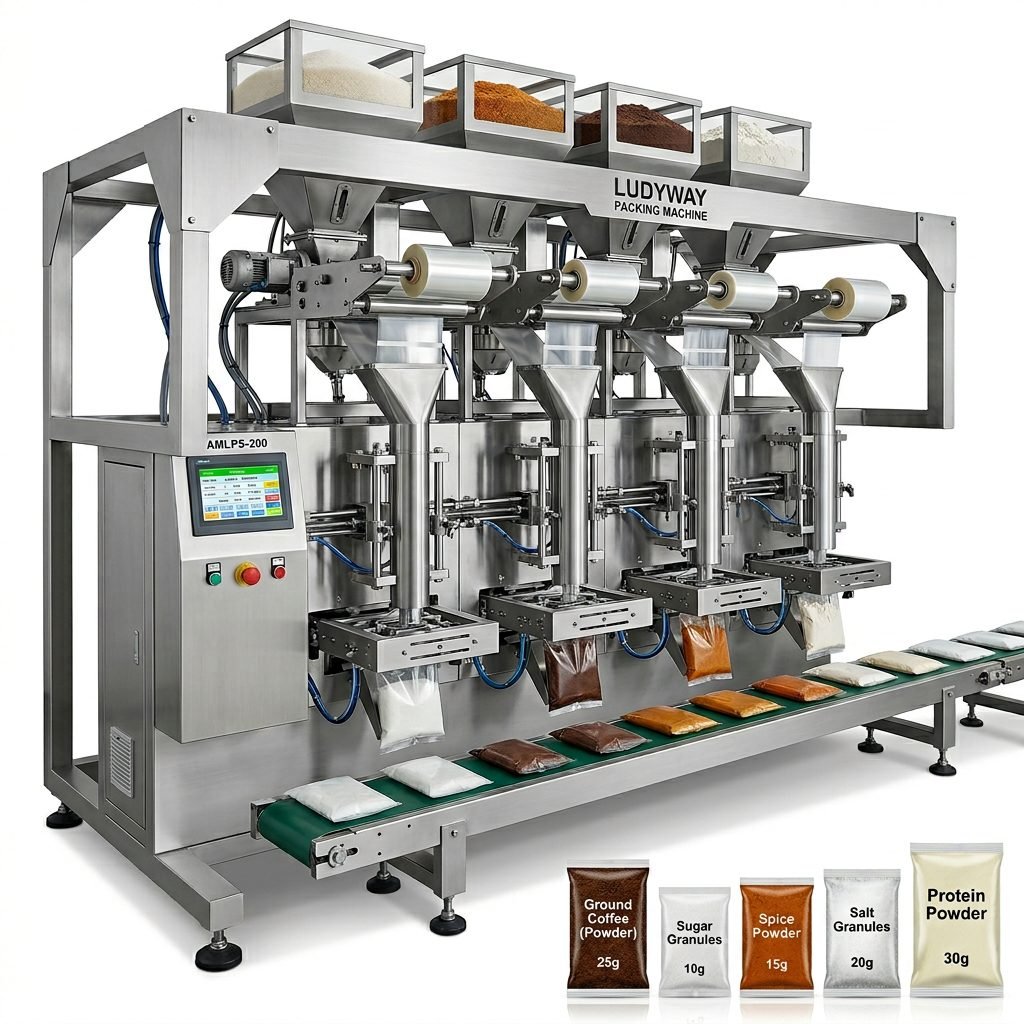
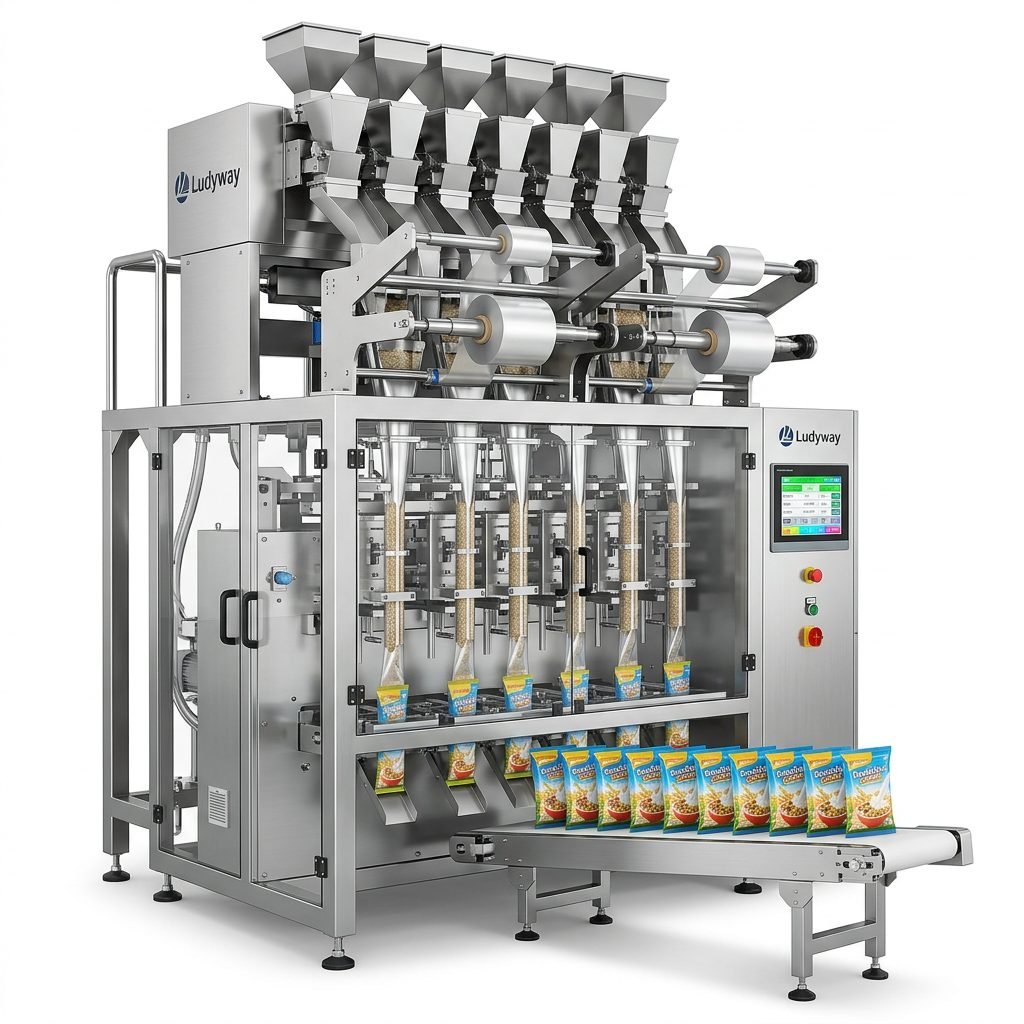
Choosing the right oil packaging equipment is not only about filling containers faster. It is about product accuracy, sealing reliability, hygiene, packaging flexibility, labor savings, and long-term production efficiency. Whether you package edible oil, cosmetic oil, essential oil, engine oil, or industrial lubricants, the best solution depends on your product characteristics, package format, target output, and automation goals.
A well-matched oil packaging machine can reduce waste, improve consistency, protect product quality, and help your operation scale more smoothly. This guide explains how to evaluate the best solution for efficient oil filling and packaging.
Why oil packaging requires specialized equipment
Oil products behave differently from water-based liquids. Depending on viscosity, temperature sensitivity, foam level, and bottle or pouch style, they may require dedicated filling technology. Some oils flow easily, while others become thicker at lower temperatures. Some need food-grade sanitation, while others need chemical-resistant contact parts.
- Viscosity variation: light oils and heavy oils need different filling control.
- Drip management: clean cut-off is critical to avoid sealing or labeling problems.
- Oxidation protection: edible and cosmetic oils may need better sealing and controlled handling.
- Packaging diversity: bottles, sachets, stick packs, pouches, cans, and jerrycans all need different systems.
- Regulatory needs: food, cosmetic, pharmaceutical, and industrial sectors follow different standards.
Start by defining your oil product clearly
Before comparing machines, define the exact properties of your product. This is the foundation of a successful equipment decision.
Key product questions to answer
- What type of oil are you packaging?
- Is it edible, cosmetic, pharmaceutical, or industrial?
- What is the viscosity at actual filling temperature?
- Does the oil contain particles, additives, or active ingredients?
- Does it need heating, mixing, or circulation during filling?
- Is it sensitive to air, light, or contamination?
- What shelf life and sealing performance are required?
For example, olive oil, coconut oil, hair oil, lubricant oil, and essential oil may all be “oil,” but they often need very different filling and packaging solutions.
Choose the right package format first
The machine type is usually determined by the final packaging style. Businesses often make the mistake of choosing equipment too early without confirming the preferred format.
| Package Format | Typical Applications | Recommended Machine Type |
|---|---|---|
| Bottles | Cooking oil, hair oil, massage oil, lubricant oil | Automatic bottle filling, capping, labeling line |
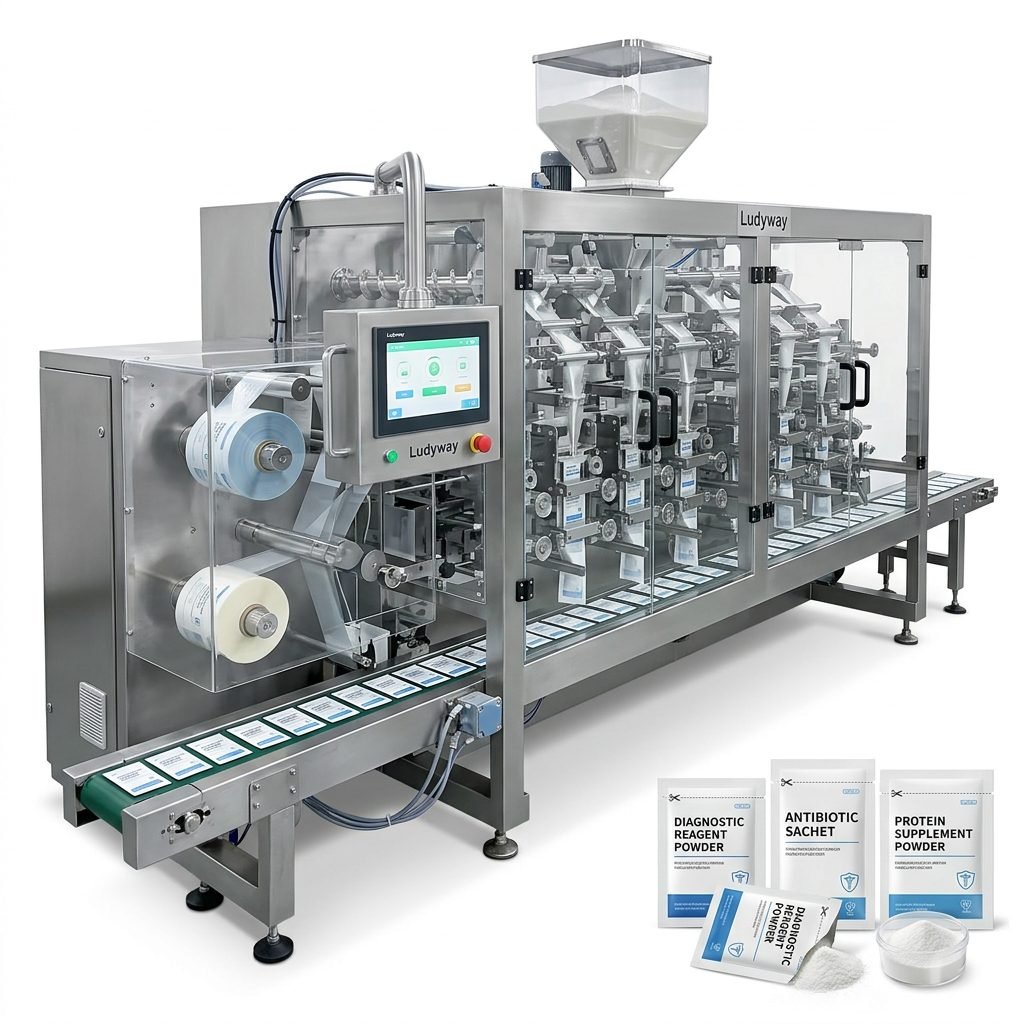
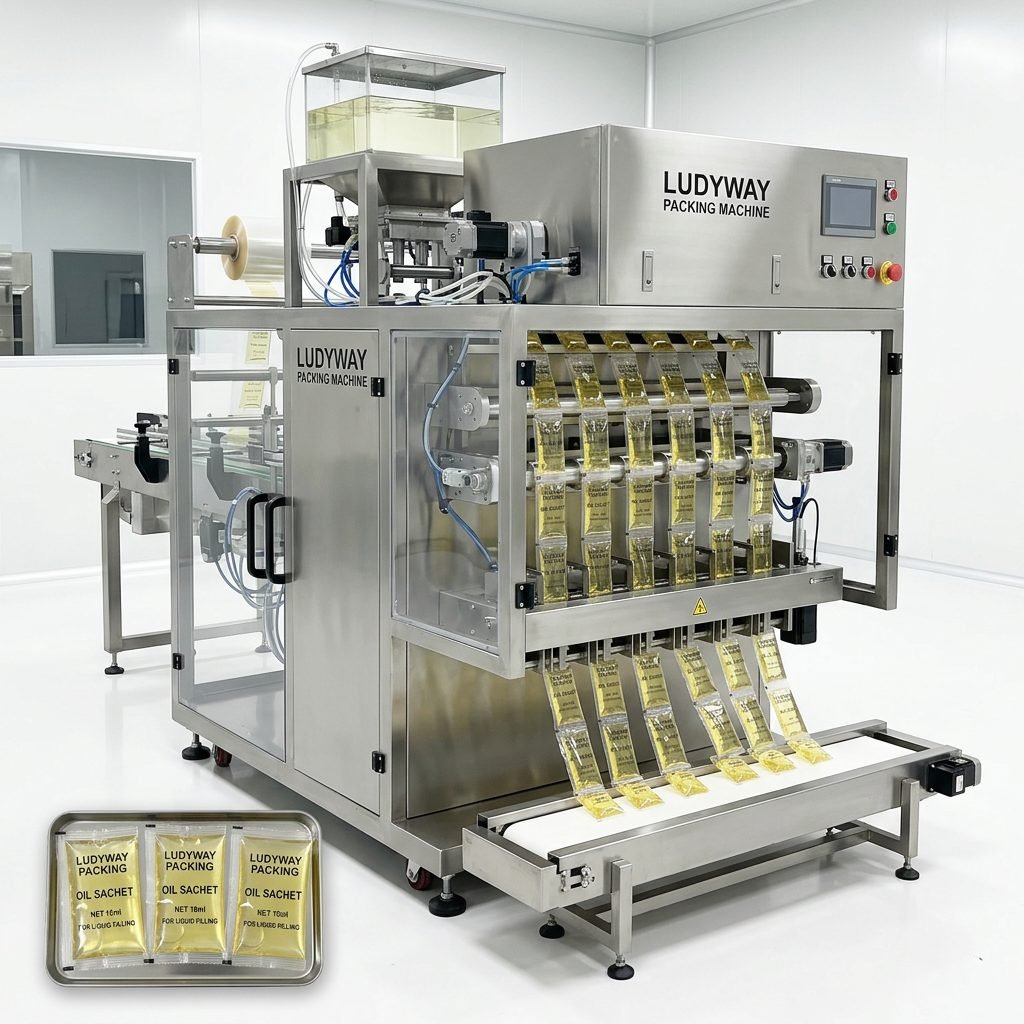
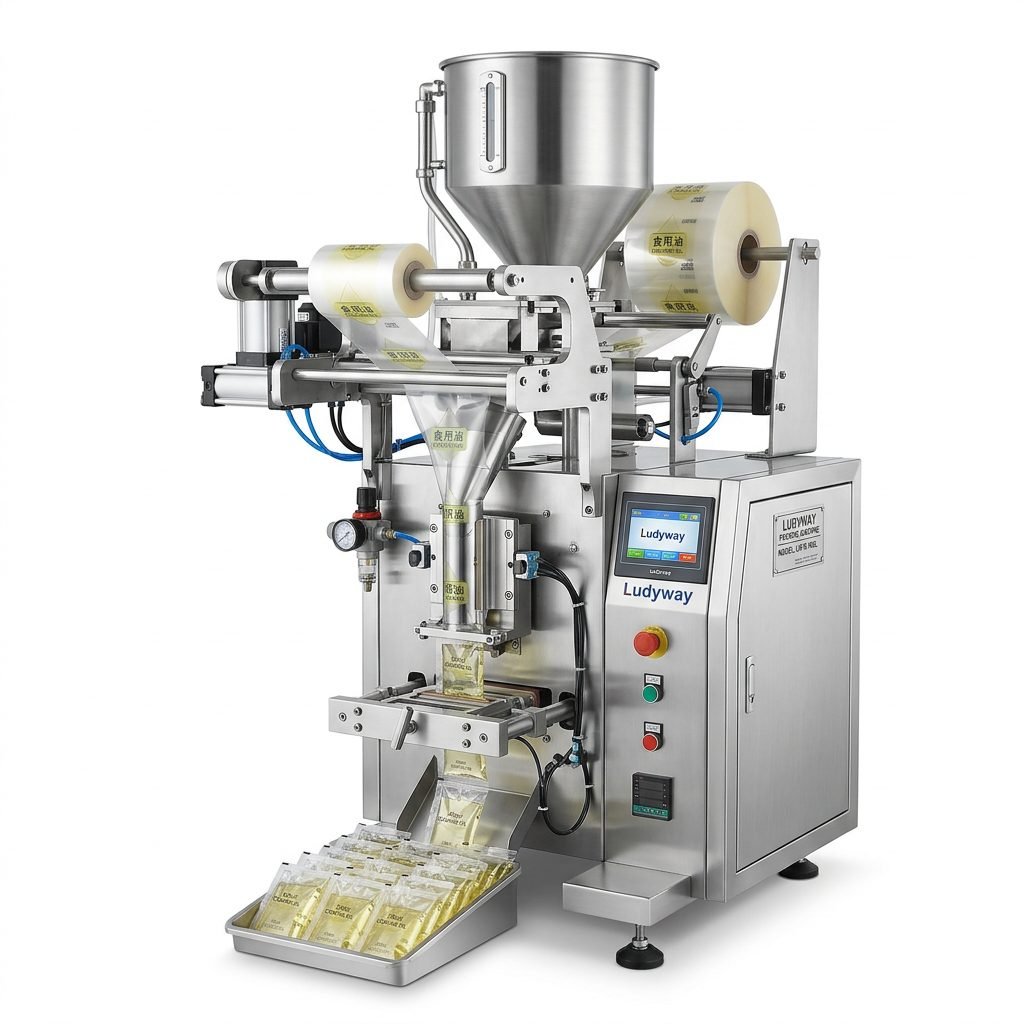
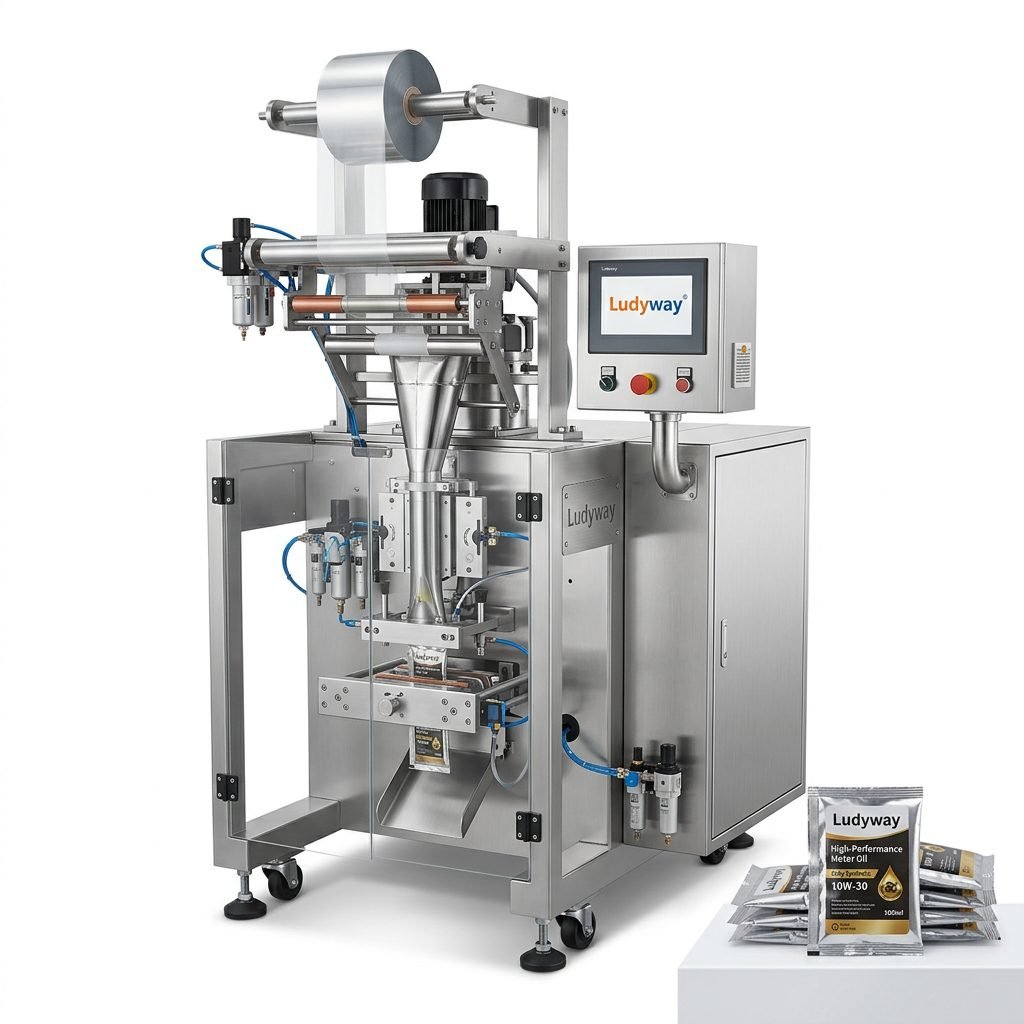
| Sachets | Single-use oil portions, travel packs, samples | Vertical or multi-lane sachet filling and sealing machine |
| Stick packs | Narrow single-dose liquid oil packs | Multi-lane stick pack machine |
| Premade pouches | Retail oil packs, refill pouches | Premade pouch filling and sealing machine |
| Large containers | Industrial oil, chemical oil, bulk lubricant | Net weight or volumetric filling line with conveyor |
Understand the main oil filling technologies
1. Piston filling machines
Piston fillers are a strong choice for medium to high viscosity oils. They provide good accuracy and are commonly used for cosmetic oils, edible oils, sauces, creams, and certain industrial liquids.
2. Flow meter filling machines
Flow meter systems are ideal for many low to medium viscosity oils, especially when precision and recipe change flexibility matter. They work well in automatic bottle lines and are often selected for edible oils and lubricants.
3. Gravity filling machines
Gravity fillers are suitable for free-flowing oils with simpler production demands. They are generally used where budget is a major factor and the product is easy to handle.
4. Pump filling systems
Pump fillers are versatile and can be adapted for different oil viscosities. They are commonly integrated into pouch, bottle, and sachet packaging systems.
5. Multi-lane sachet or stick pack systems
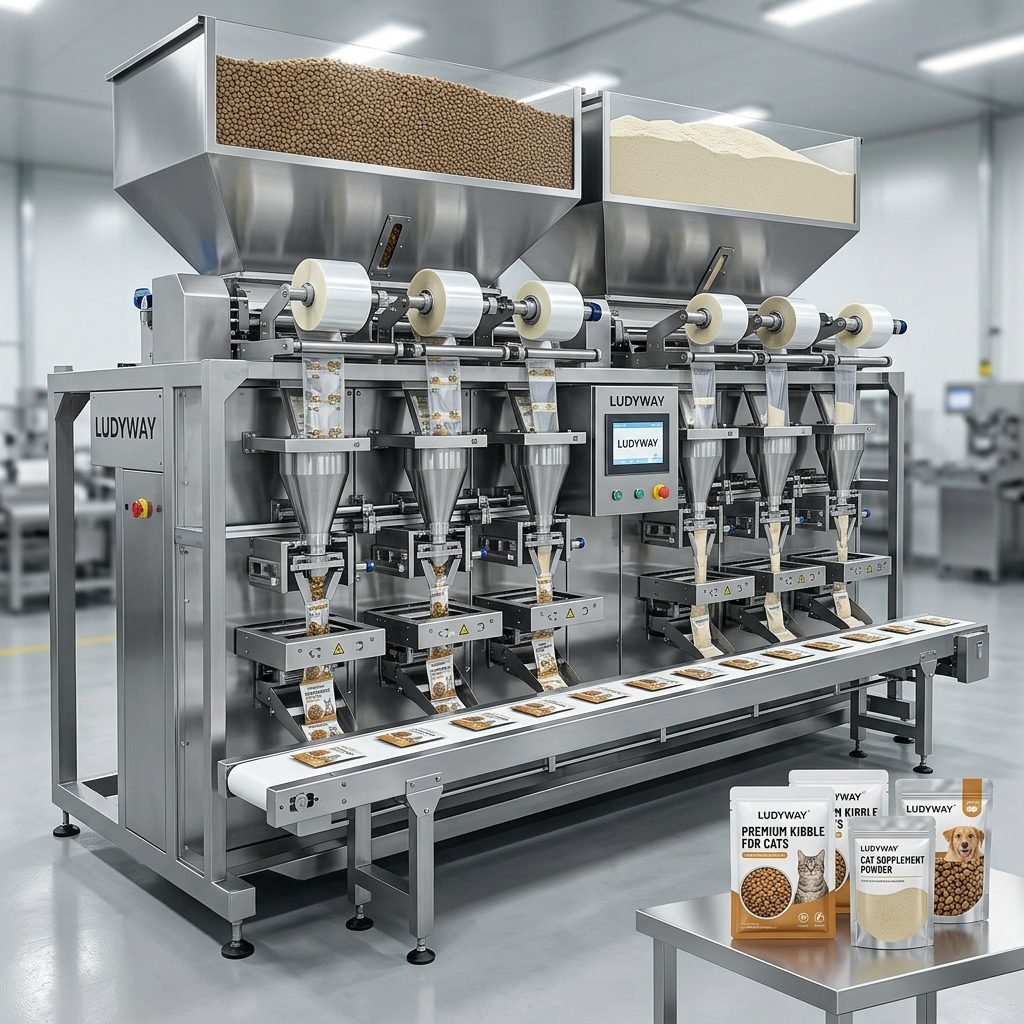
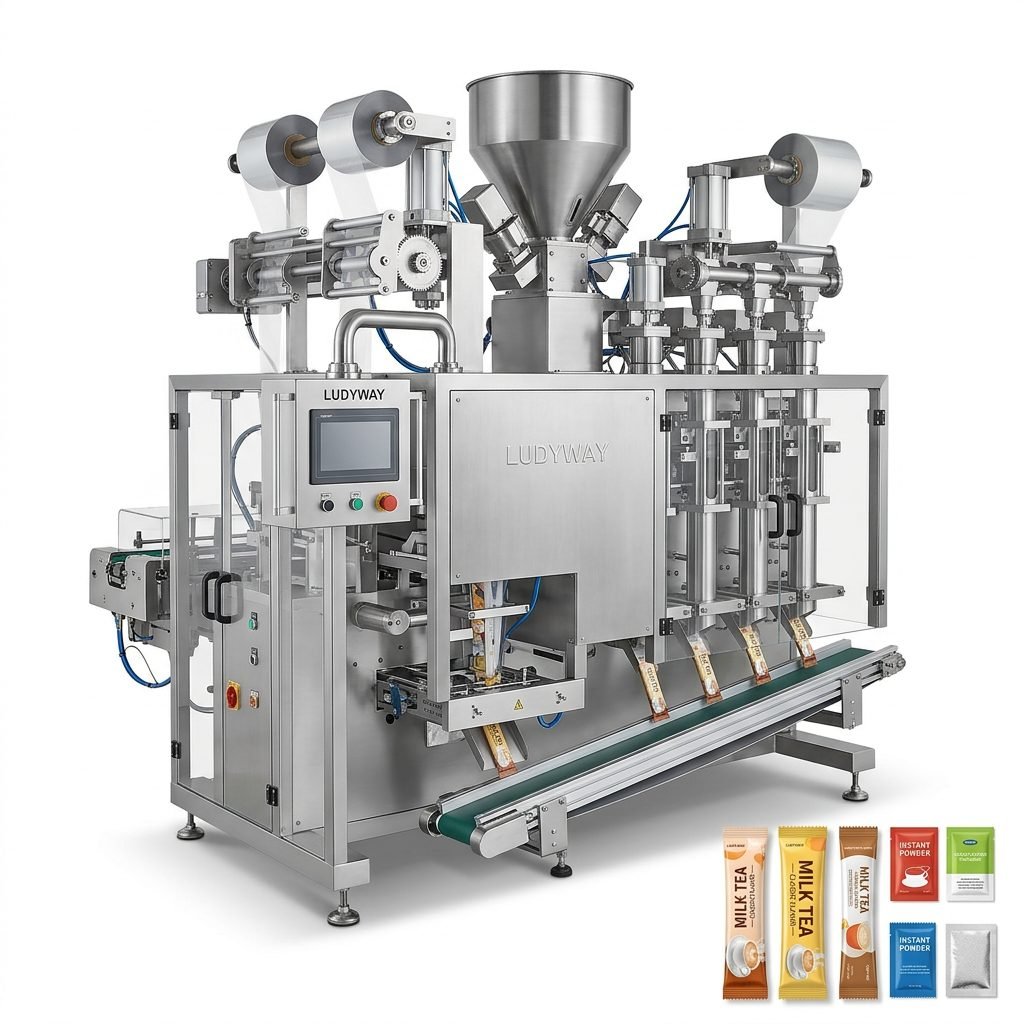
For high-output single-serve packaging, multi-lane machines are often the most efficient option. They allow simultaneous filling, forming, sealing, and coding, making them ideal for small-dose oil packaging.
How to match machine type with oil application
| Oil Type | Common Packaging | Best-Fit Solution |
|---|---|---|
| Edible oil | Bottles, sachets, pouches | Food-grade bottle line or sachet packaging machine |
| Hair oil / body oil | Small bottles, sachets | Piston or pump filler with capping/sealing unit |
| Essential oil | Small bottles, sample sachets | High-precision small-volume filling machine |
| Engine oil | Bottles, sachets, large containers | Robust liquid filling line with anti-drip design |
| Lubricant oil | Pouches, sachets, drums | Chemical-compatible filling and sealing system |
Production speed: choose for current demand and future growth
A machine that is too small limits expansion, but a machine that is too large can create unnecessary cost and complexity. The ideal system balances today’s order volume with tomorrow’s growth plans.
Consider these capacity questions
- How many packs or bottles do you need per hour?
- How many shifts will the line run each day?
- Will you launch more SKUs soon?
- Do you need quick format changeovers?
- Will you expand from semi-automatic to fully automatic later?
For startups and small-batch operations, a semi-automatic or compact machine may be enough. For contract packers or established factories, a fully automatic line with conveyors, capping, coding, cartoning, and case packing can provide much better long-term value.
Do not overlook filling accuracy and waste control
Oil loss adds up quickly. Even small overfill errors can increase cost significantly over time. The best oil packaging machine should deliver stable filling repeatability while maintaining clean sealing and minimal product waste.
Important features for accuracy
- Servo-driven dosing control
- Stable pump or piston system
- Anti-drip filling nozzles
- Precise temperature handling for thick oils
- Consistent sealing under production speed
- Integration with checkweigher or inspection systems
Material compatibility matters
The contact parts of the machine should fit the chemical nature of the oil. Food oils often require stainless steel sanitary construction. Essential or active oils may need materials resistant to corrosion or aroma interaction. Industrial oils may require stronger seals and higher-durability components.
Always confirm: contact material, seal material, pipe design, cleaning accessibility, and temperature resistance.
Packaging film and sealing performance are critical for sachets and pouches
If you choose sachet or stick pack packaging, sealing quality is as important as filling accuracy. Poor seal strength can cause leakage, returns, and product damage during transport.
What to check
- Film structure compatibility
- Heat sealing stability
- Seal width and strength
- Cutting accuracy
- Leak-proof performance during shipping and storage
- Printing and coding integration
Automation level: semi-automatic or fully automatic?
The best solution is not always the most complex one. It should fit your labor situation, budget, floor space, and production target.
| Option | Best For | Advantages |
|---|---|---|
| Semi-automatic | Small batches, pilot production, limited budget | Lower initial investment, simple operation |
| Fully automatic standalone | Growing production with one main format | Higher efficiency, better consistency, lower labor |
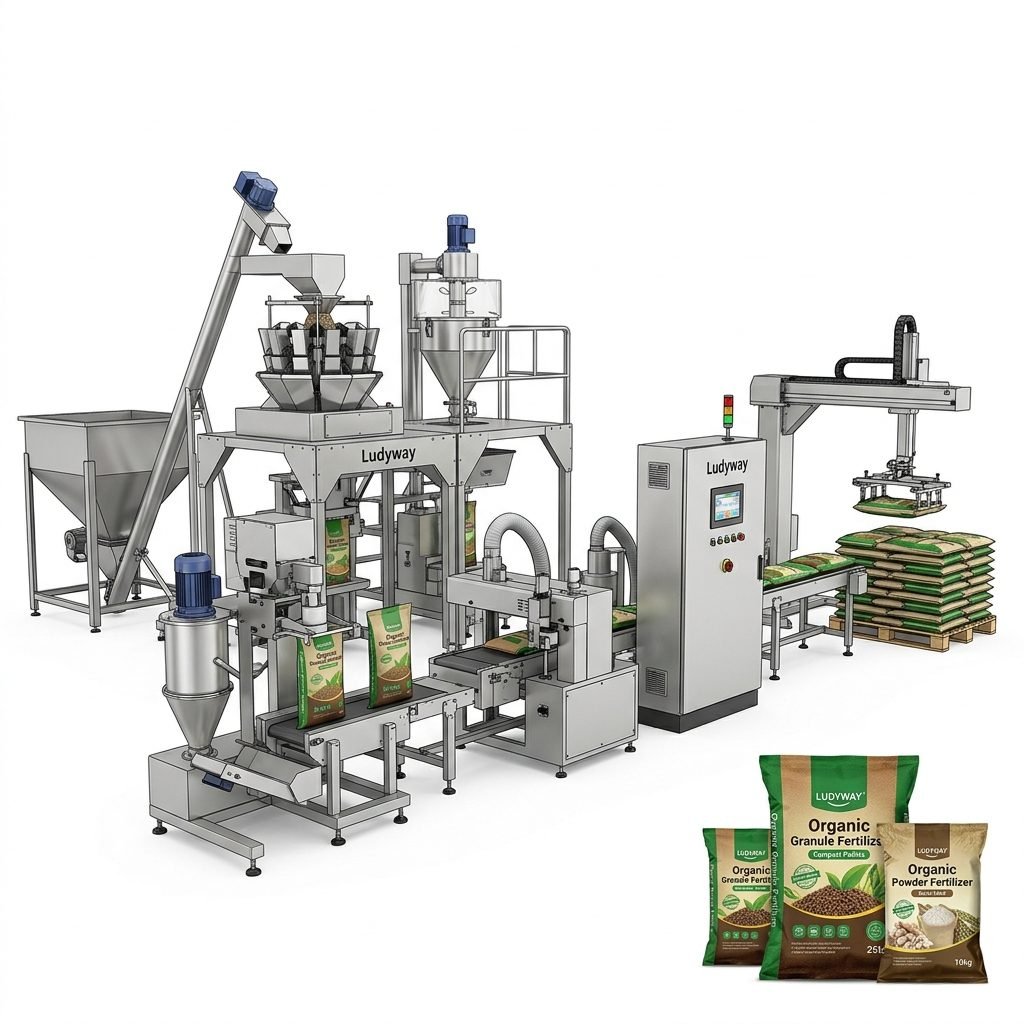
| Turnkey packaging line | Medium to large factories, export production, multi-step automation | Integrated filling, sealing, coding, cartoning, conveying, palletizing |
Think beyond the filler: the full line determines efficiency
A fast filling machine alone does not guarantee a fast packaging process. Real efficiency comes from the full production flow. Bottlenecks often happen after filling, especially in capping, labeling, coding, inspection, cartoning, and case packing.
A complete oil packaging line may include
- Product feeding tank or pump system
- Liquid filling machine
- Cap sorter and capping machine
- Induction sealing or heat sealing system
- Date coding or inkjet printer
- Labeling machine
- Checkweigher or inspection equipment
- Cartoning and case packing units
- Conveyor and palletizing solutions
Ease of cleaning and maintenance affects long-term cost
Machines that are hard to clean or maintain become expensive over time. This is especially important for edible oils, cosmetic oils, and products with frequent SKU changes.
Look for equipment with accessible filling paths, tool-free change parts where possible, clear HMI control, stable spare parts support, and straightforward maintenance planning.
Customization can be the difference between average and excellent performance
Standard machines are useful, but oil products often need application-based customization. This may include heated hoppers, agitators, anti-drip nozzles, nitrogen flushing, explosion-proof configuration, special pouch dimensions, or integration with upstream and downstream equipment.
If your operation handles more than one oil type or multiple package sizes, choosing a supplier with customization and turnkey integration ability can reduce future upgrade costs.
How to evaluate an oil packaging machine supplier
The machine itself is important, but supplier capability is equally critical. You should assess engineering strength, manufacturing experience, export support, testing ability, and after-sales responsiveness.
Supplier checklist
- Do they understand your specific oil application?
- Can they recommend the correct filling principle?
- Do they offer machine testing with your sample product?
- Can they provide layout planning for your line?
- Do they support custom package sizes and special features?
- Can they supply standalone machines and complete lines?
- Do they have export experience and technical support capacity?
For buyers looking for scalable machinery and integrated automation, oil packaging machine solutions from Ludyway are often considered for their broad packaging range, turnkey line capability, and more than 30 years of manufacturing experience in food, pharmaceutical, health, liquid, powder, and pouch-based applications.
Common mistakes to avoid when buying an oil packaging machine
- Choosing based only on price, not application fit
- Ignoring future production expansion
- Overlooking package material and sealing compatibility
- Not testing with real oil samples
- Underestimating cleaning and maintenance needs
- Focusing only on the filler instead of the whole line
- Skipping after-sales and spare parts evaluation
Best solution by business stage
Small businesses and startups
Start with a reliable semi-automatic or compact automatic filler if output is modest and product variety is still evolving. Keep upgrade flexibility in mind.
Growing brands
Choose an automatic line that supports multiple container sizes or sachet formats. Focus on changeover efficiency, filling accuracy, and clean sealing.
Large manufacturers and contract packers
A fully integrated turnkey packaging line is usually the best investment. It improves throughput, traceability, labor efficiency, and consistent product quality across shifts.
Final selection criteria at a glance
| Selection Factor | Why It Matters |
|---|---|
| Oil type and viscosity | Determines filling technology and machine configuration |
| Packaging format | Defines machine category and line structure |
| Output target | Ensures the machine matches production demand |
| Accuracy and anti-drip design | Reduces waste and improves pack quality |
| Material compatibility | Protects product quality and machine durability |
| Automation and integration | Improves labor efficiency and total line performance |
| Supplier capability | Supports customization, testing, commissioning, and service |
Conclusion
The best oil packaging machine is the one that fits your product behavior, packaging format, production scale, and growth strategy. A good choice improves efficiency, minimizes waste, protects product integrity, and supports stable packaging performance over the long run.
If you evaluate filling technology, package type, sealing needs, automation level, and supplier strength together, you will be in a much better position to choose a solution that delivers real value instead of short-term convenience.