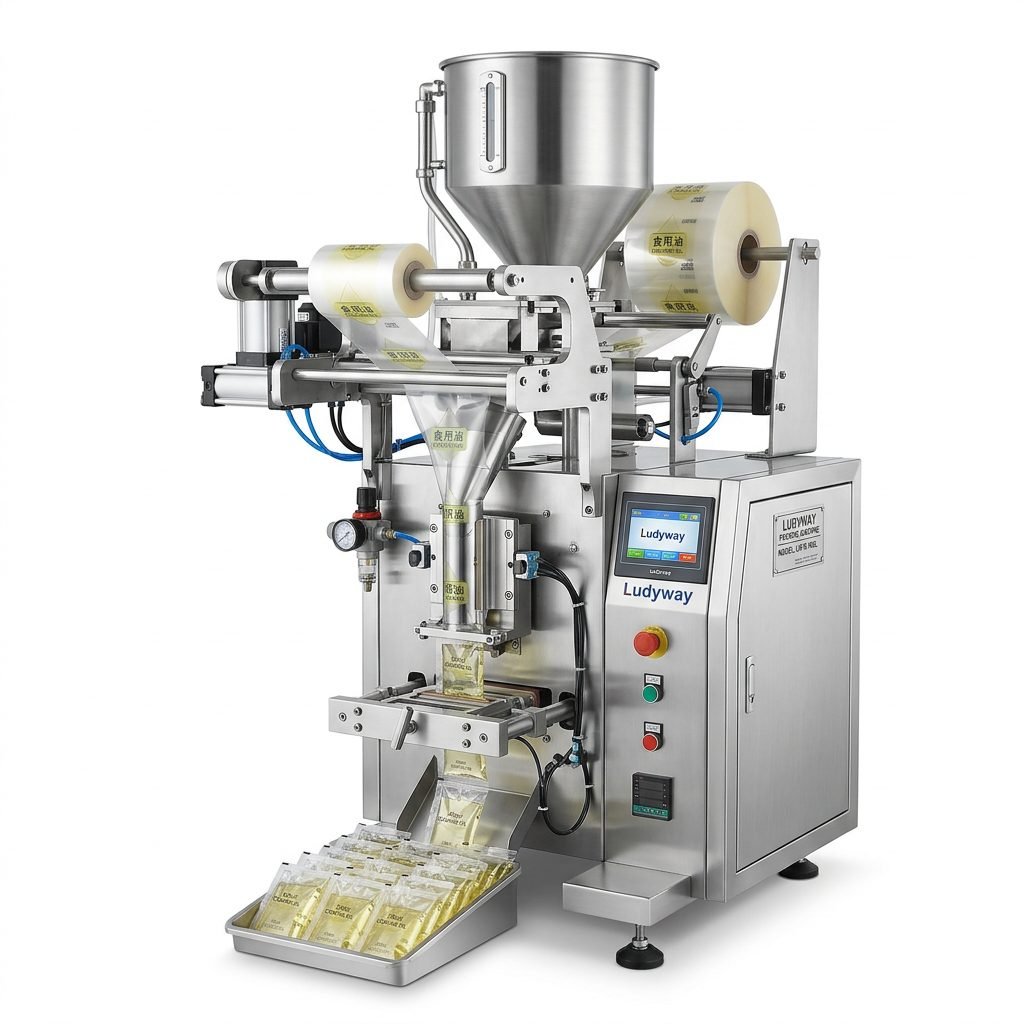
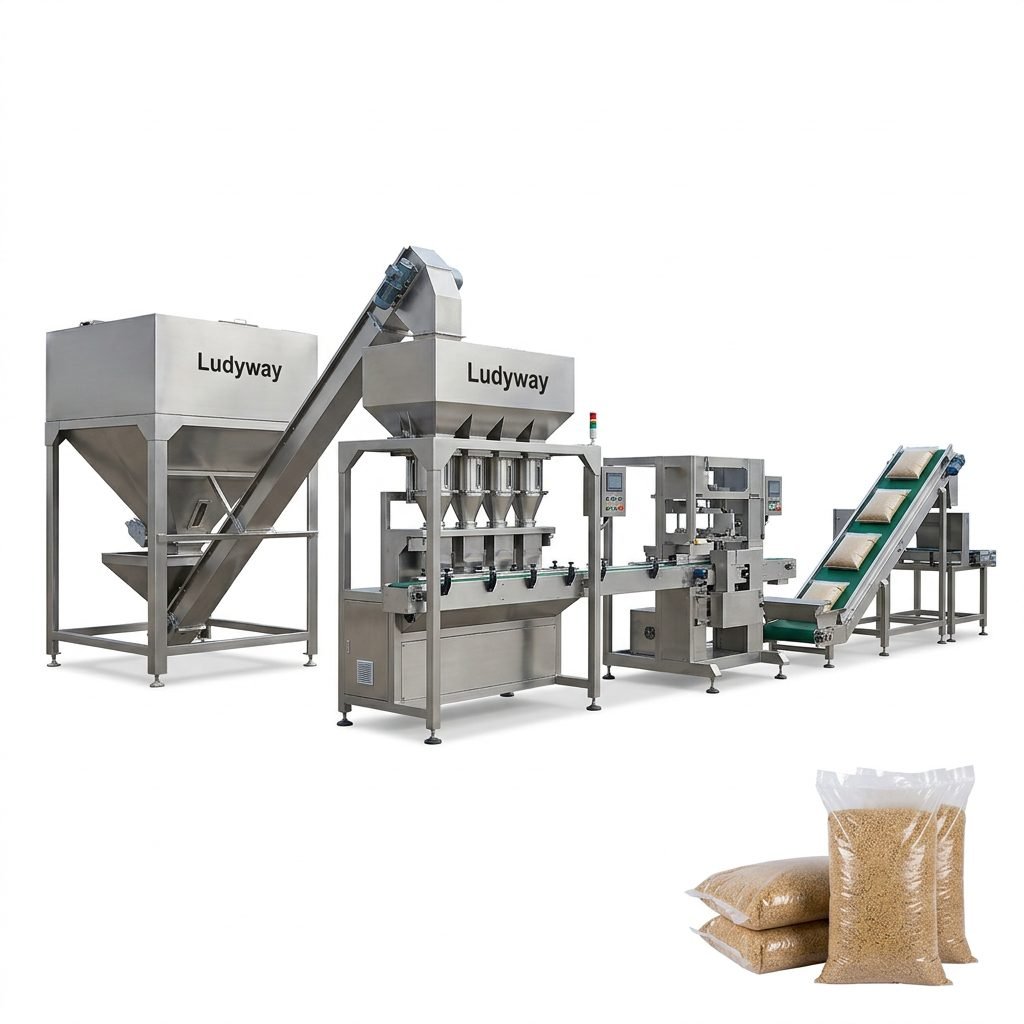
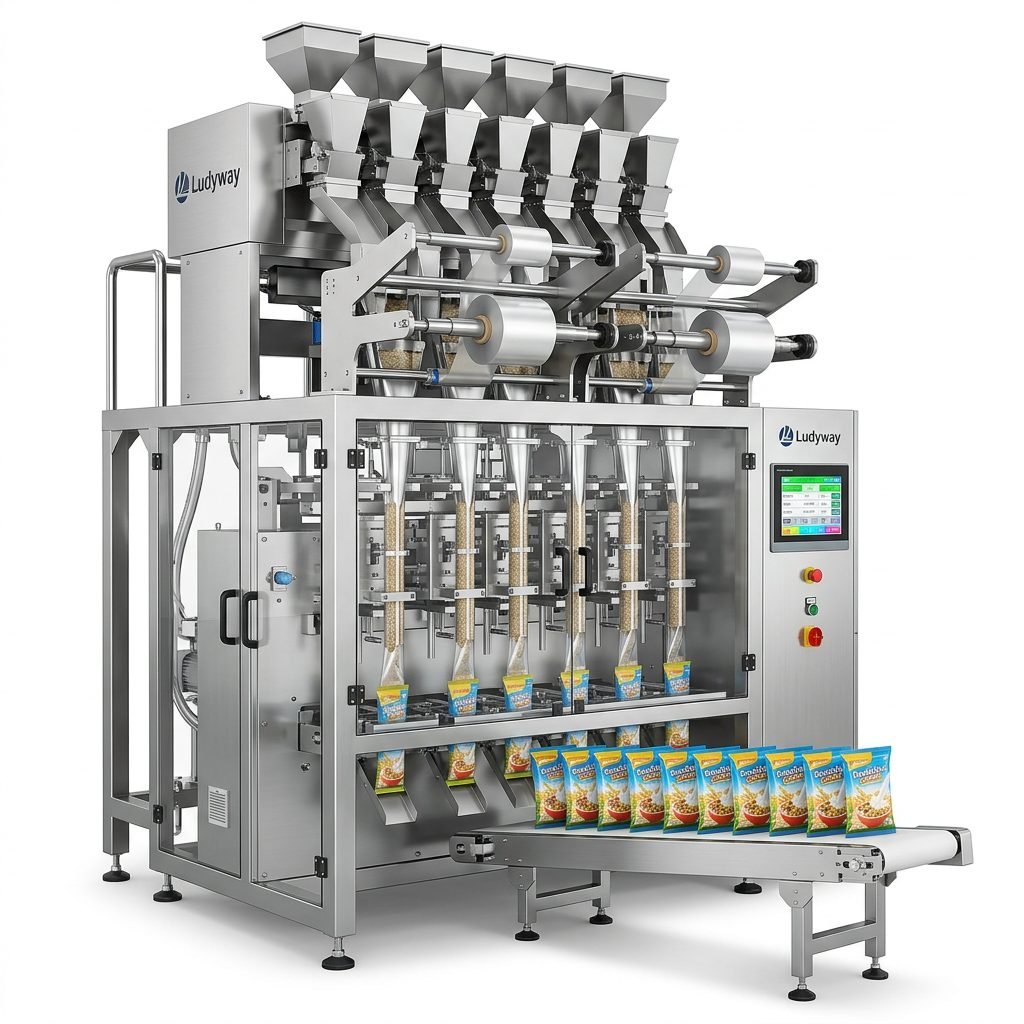
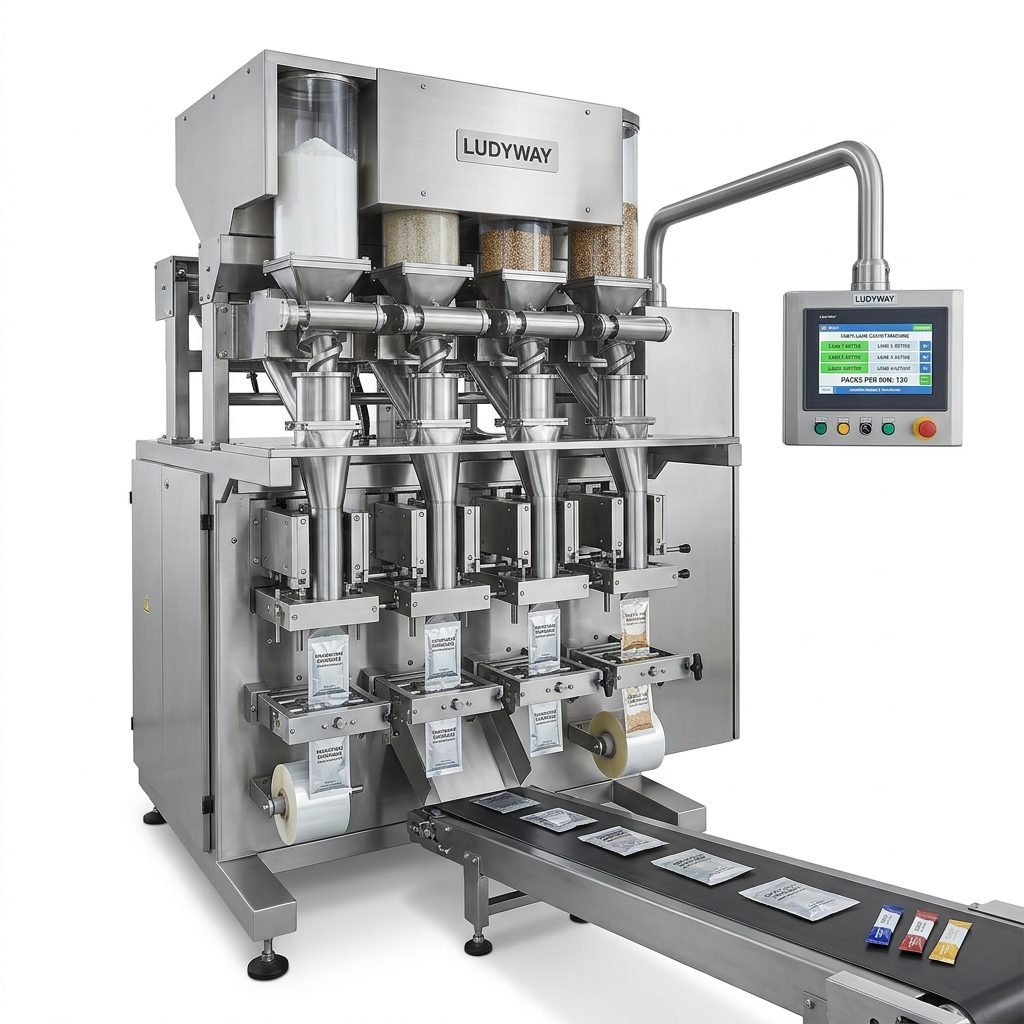
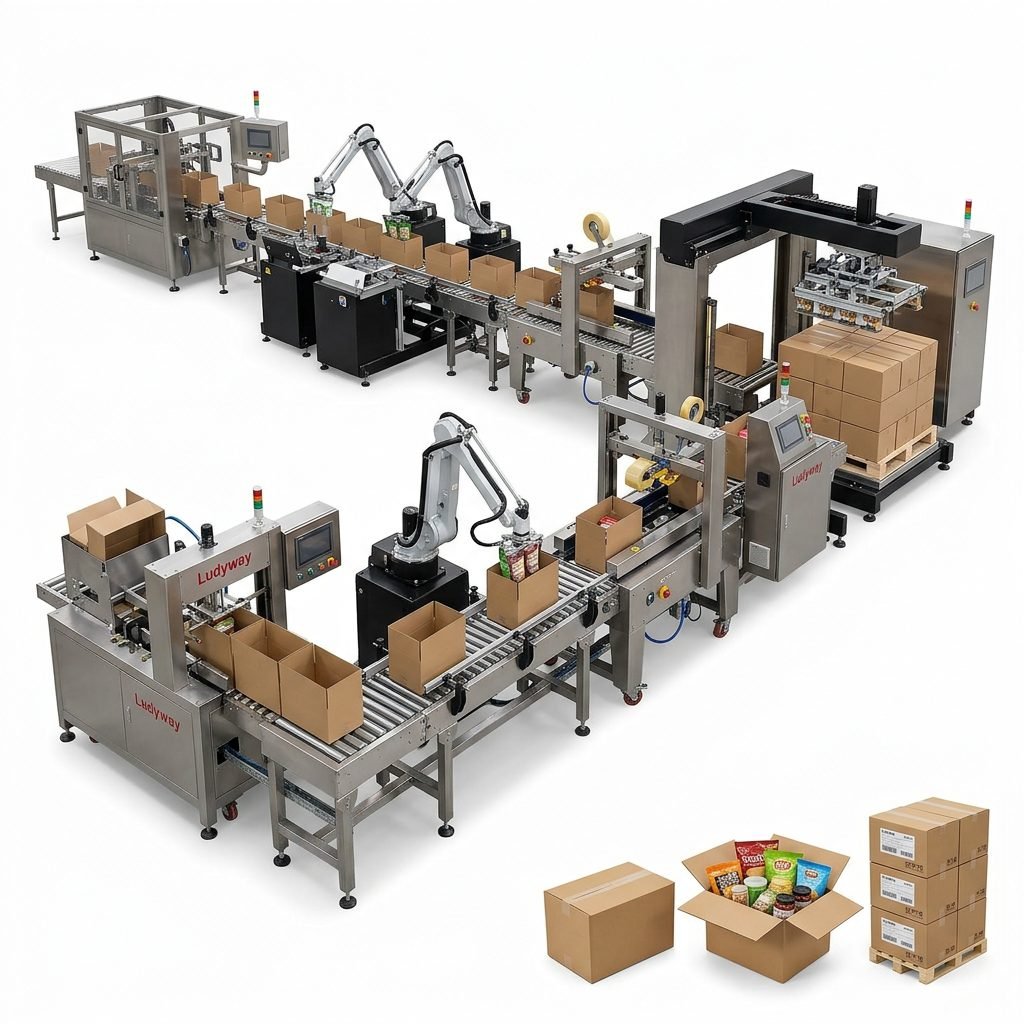
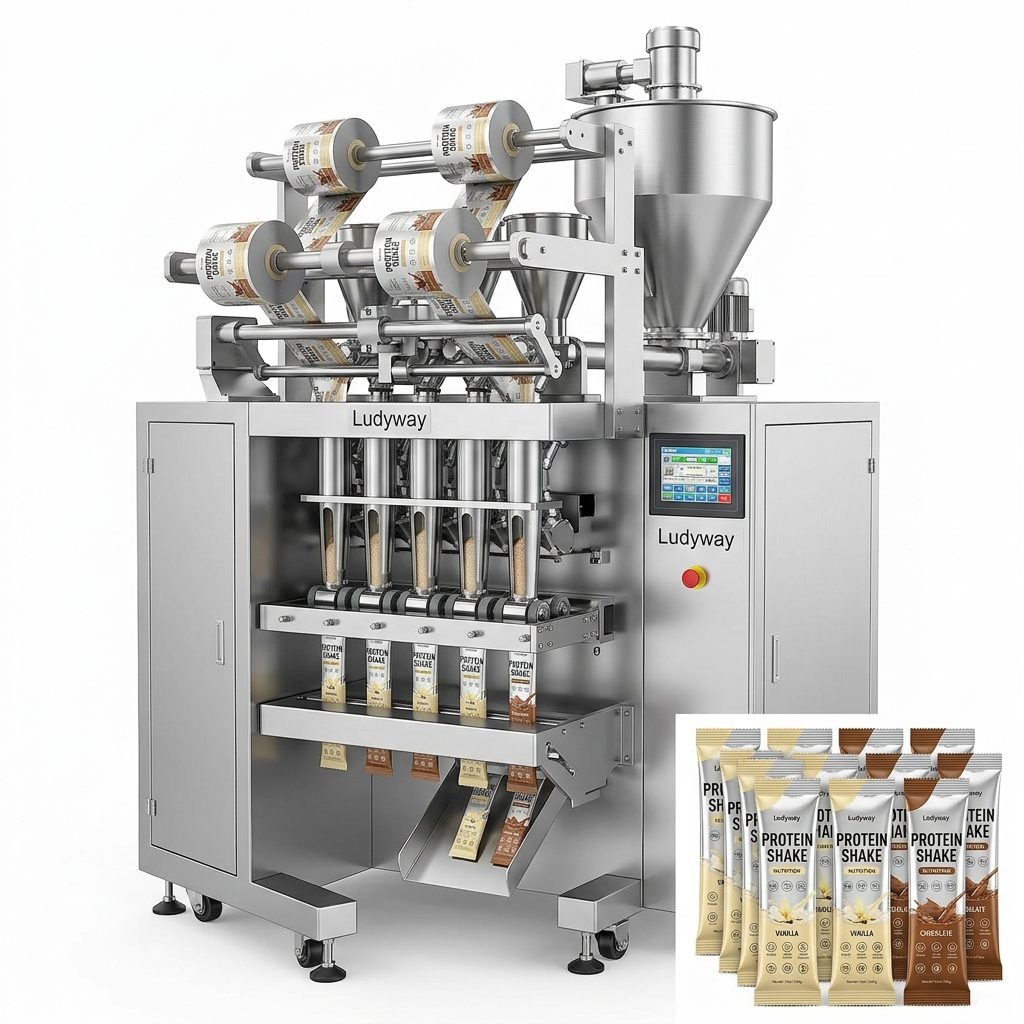
An automatic vacuum packing machine is one of the most practical investments for businesses that need longer shelf life, better product protection, and more professional packaging. Whether you pack fresh meat, seafood, cheese, prepared meals, dry foods, or retail-ready products, the right machine can improve efficiency, hygiene, and product quality at the same time.
Choosing the best model is not only about price. It depends on your product type, bag size, output target, vacuum level, sealing quality, and the production environment. For food processors, butcher shops, central kitchens, and industrial manufacturers, making the wrong choice can lead to slow throughput, poor seals, damaged products, and unnecessary maintenance costs.

Why Vacuum Packing Matters for Food and Commercial Operations
Vacuum packaging removes air from the package before sealing. This reduces oxygen exposure, helps limit oxidation, slows bacterial growth in many applications, and supports a cleaner package appearance. In commercial use, vacuum sealing also helps standardize packaging results and reduce waste.
- Longer shelf life for meat, cheese, seafood, and prepared foods
- Better freshness by reducing contact with air
- Improved storage efficiency because vacuum-packed products take less space
- Cleaner presentation for retail, wholesale, and export packaging
- Lower product loss from freezer burn, leakage, and contamination risks
Main Types of Automatic Vacuum Packing Machines
Before comparing brands or prices, understand the machine categories. Each type is designed for a different production need.
| Machine Type | Best For | Key Advantage |
|---|---|---|
| Chamber Vacuum Machine | Meat, seafood, cheese, liquids, sauces | Stable vacuum performance and strong sealing |
| Double Chamber Vacuum Machine | Medium to high commercial output | Higher efficiency through alternating chambers |
| Continuous Belt Vacuum Machine | Large-scale food factories | Continuous operation and high throughput |
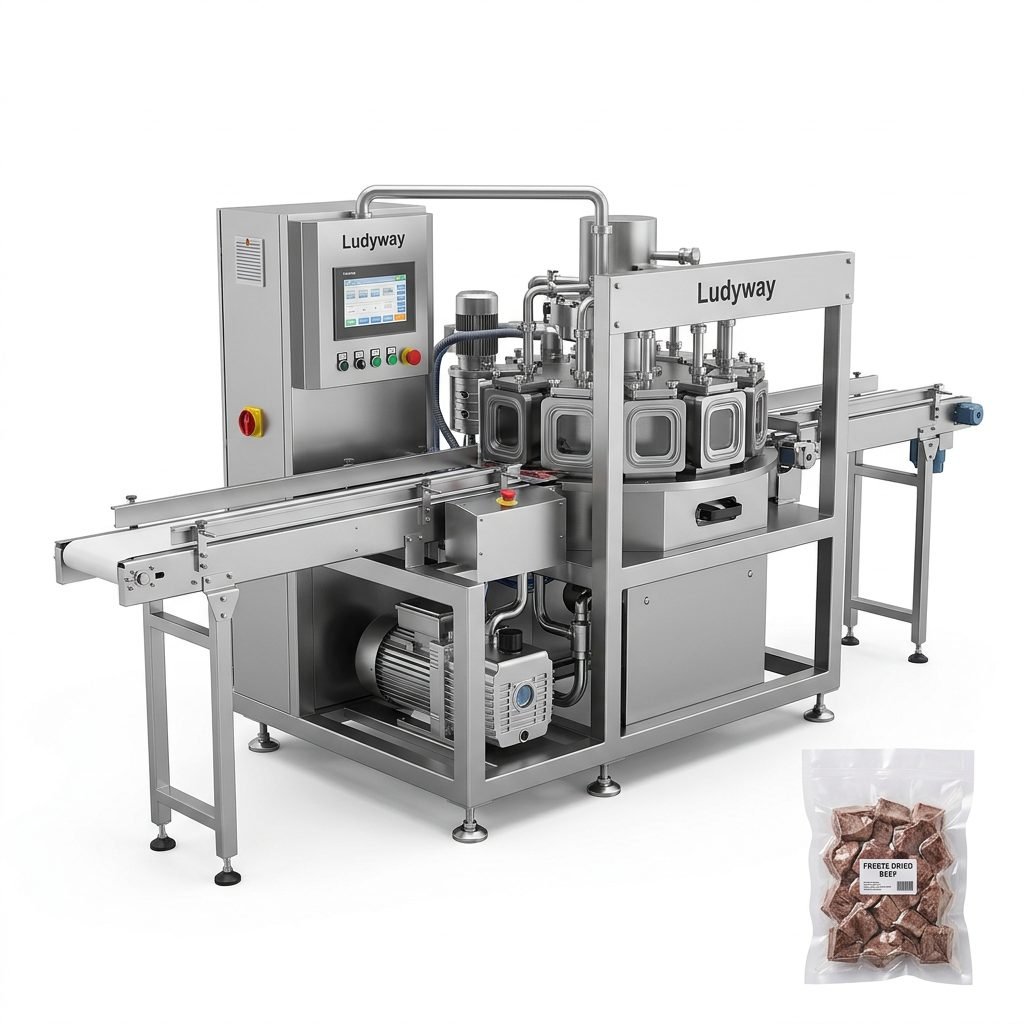
| Thermoforming Vacuum Packaging Machine | Industrial retail-ready packs | Fully automated forming, filling, vacuuming, and sealing |
| External Vacuum Sealer | Light commercial or limited products | Lower cost and simple operation |
1. Chamber Vacuum Machines
These are widely used in food businesses because the bag is placed inside a chamber, making vacuum extraction more even and reliable. They are ideal for fresh meat, marinated products, frozen foods, and wet products.
2. Double Chamber Models
A strong choice for businesses that need speed without moving to a full conveyor system. One chamber works while the other is loaded, helping improve overall output.
3. Continuous Vacuum Packing Machines
Designed for industrial environments, these machines support high-volume production and consistent packaging cycles. They are common in large meat processing plants and commercial food factories.
4. Thermoforming Systems
These machines create the package from roll film, fill it, vacuum it, and seal it automatically. They are excellent for companies that want a premium shelf-ready pack and full automation.
How to Choose the Best Automatic Vacuum Packing Machine
The best vacuum packing machine is the one that fits your real production conditions. Focus on these factors before making a decision.
Product Type
Your product determines the machine structure, vacuum settings, sealing temperature, and material compatibility.
- Fresh meat: needs strong vacuum, reliable seals, and food-grade stainless construction
- Processed meat: often benefits from high output and uniform package appearance
- Seafood: may require corrosion-resistant components and liquid control
- Dry foods: need stable vacuum without crushing fragile contents
- Liquids or sauces: usually require chamber vacuum technology
Production Capacity
Estimate your required packs per hour. A small butcher shop may only need a compact chamber machine, while a commercial factory may need a double chamber or continuous belt system.
| Business Type | Suggested Machine | Typical Priority |
|---|---|---|
| Butcher Shop | Single or double chamber | Seal quality and easy cleaning |
| Restaurant / Central Kitchen | Chamber model | Portion control and shelf life |
| Meat Processing Plant | Double chamber or continuous system | High output and consistency |
| Food Factory | Continuous or thermoforming machine | Automation and labor saving |
Vacuum Pump Quality
The vacuum pump is one of the most important components. A high-quality pump improves vacuum depth, cycle speed, and service life. If you run long shifts, this matters even more than the machine’s listed speed.
Sealing Performance
A machine with poor sealing creates waste and customer complaints. Look for:
- Consistent seal width
- Adjustable sealing temperature
- Reliable sealing on different bag thicknesses
- Clean seals even with moisture near the edge
Machine Material and Hygiene
For food and meat applications, stainless steel construction is strongly recommended. Smooth surfaces, easy-access chambers, and washdown-friendly design help maintain hygiene and reduce cleaning time.
Bag Size and Product Dimensions
Check the chamber size, sealing bar length, and product height limits. A machine that is too small restricts your packaging options. A machine that is too large may waste energy and floor space.
Automation Level
Some companies only need automatic vacuuming and sealing. Others need a complete solution including conveyors, weighing, coding, labeling, and end-of-line packaging. If your production is growing, choose a model that can integrate into a larger packaging line.
Best Vacuum Packing Machine Features for Meat Packaging
Meat packaging has stricter practical demands than many dry food products. If you are packing beef, pork, lamb, poultry, or processed meat, prioritize the following:
- Deep vacuum capability to reduce trapped air and improve shelf stability
- Strong double sealing to prevent leaks during storage and transport
- Heavy-duty pump performance for repetitive daily use
- Easy sanitation to meet food safety expectations
- Durable lid and chamber design for frequent opening and closing
- Optional gas flushing for selected fresh food applications
For red meat and premium cuts, packaging appearance also matters. Wrinkles, weak seals, or uneven vacuum levels can reduce retail appeal even if the product itself is high quality.
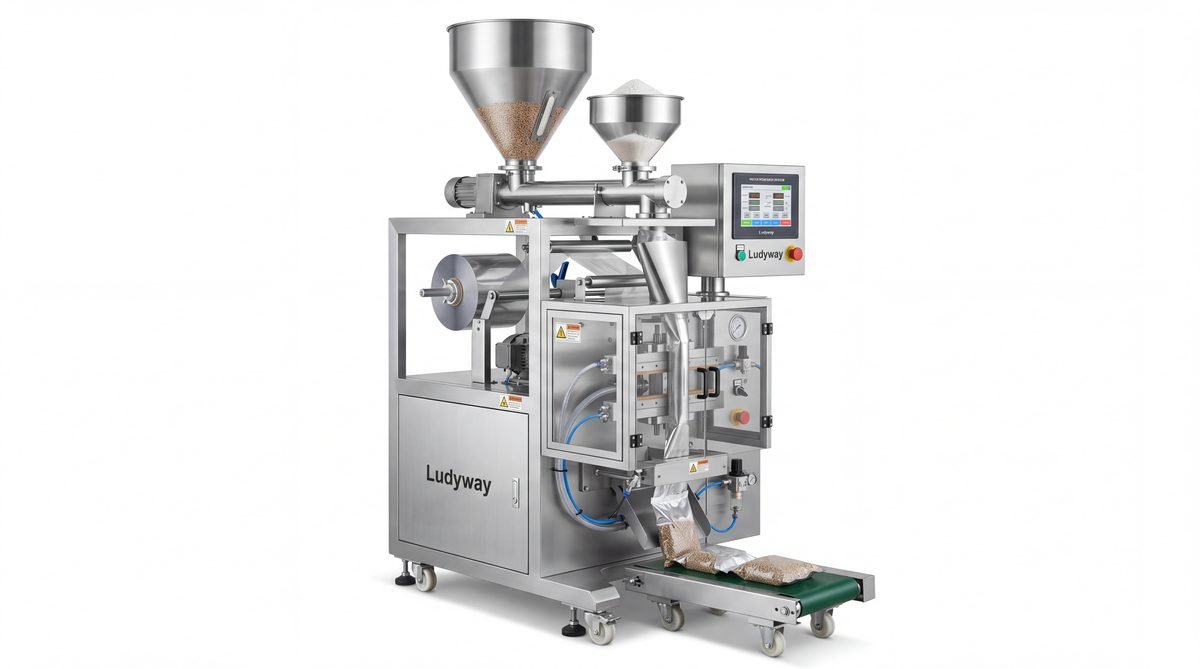
Common Mistakes When Buying a Vacuum Packing Machine
- Choosing only by price instead of total operating cost
- Ignoring future production expansion
- Buying a machine without checking local power requirements
- Overlooking after-sales service and spare parts availability
- Using a dry-food machine concept for wet or meat products
- Selecting the wrong chamber size for your real package dimensions
Questions to Ask Before You Buy
A good supplier should be able to answer these clearly:
- What products has this model been tested on?
- What is the actual cycle time under working conditions?
- Which vacuum pump brand and specification are included?
- Can the machine handle liquid-rich or marinated products?
- What bag materials are compatible?
- How easy is routine maintenance?
- Are spare parts and technical support available internationally?
Automatic Vacuum Packing Machine for Commercial Use: What Businesses Need Most
Commercial buyers usually focus on more than sealing. They need machine stability, labor savings, output consistency, and support after installation. That is why many buyers prefer experienced manufacturers that can provide both standalone machines and broader automation solutions.
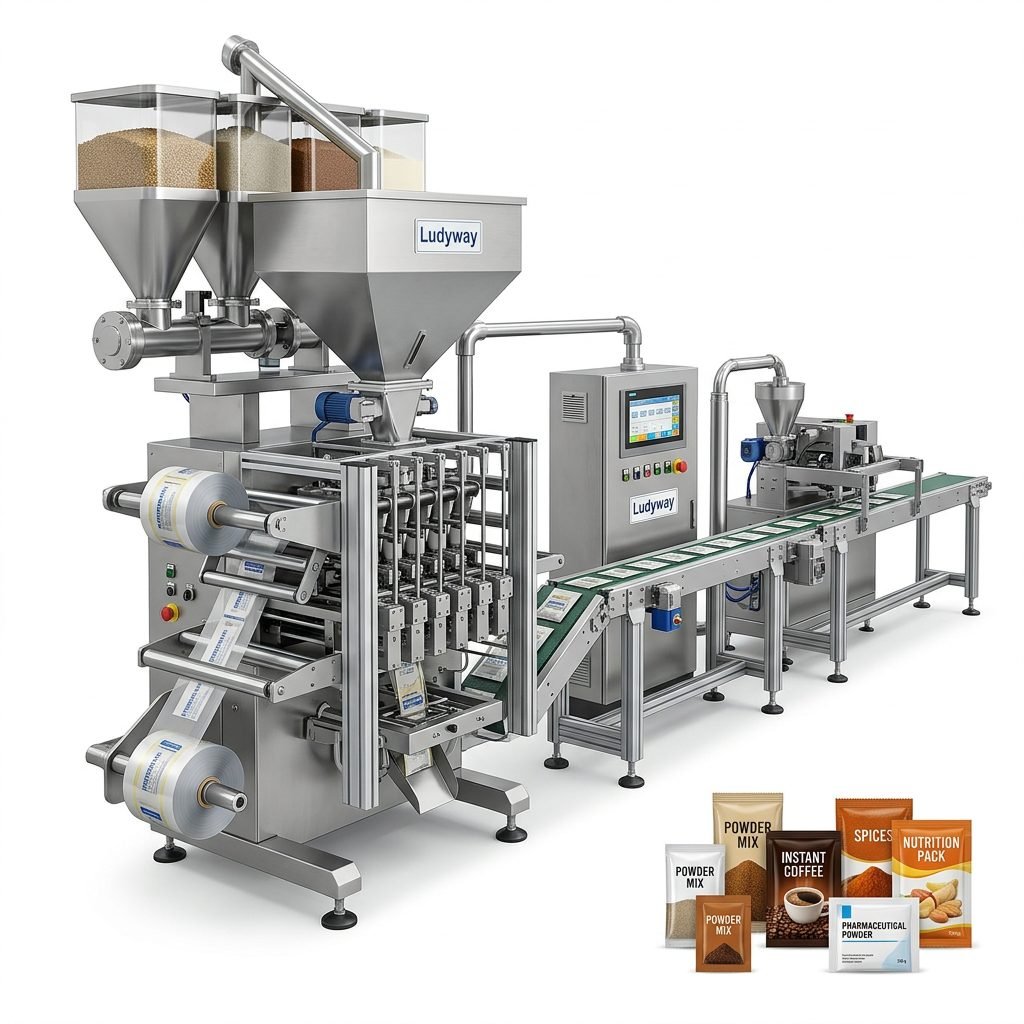
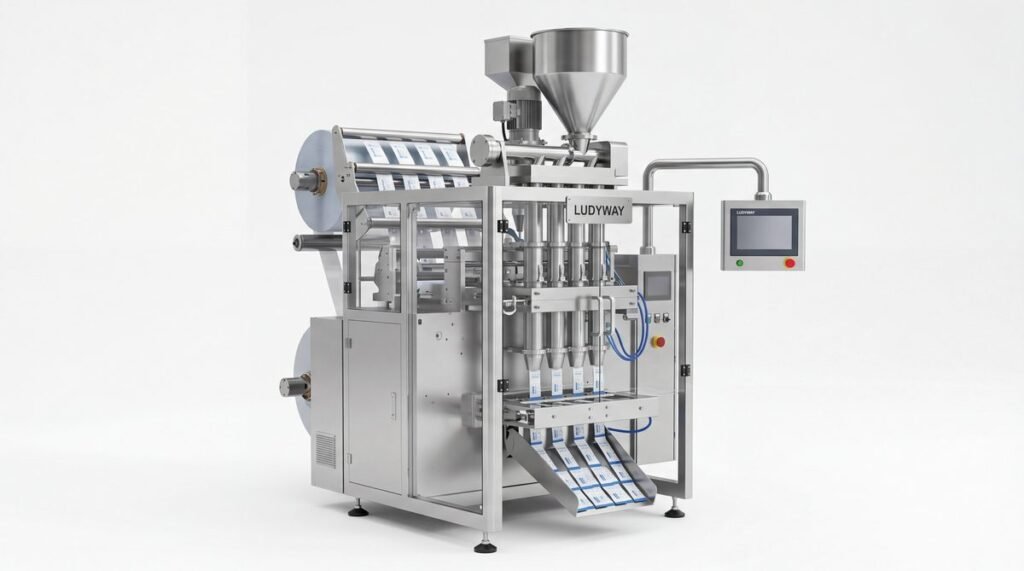
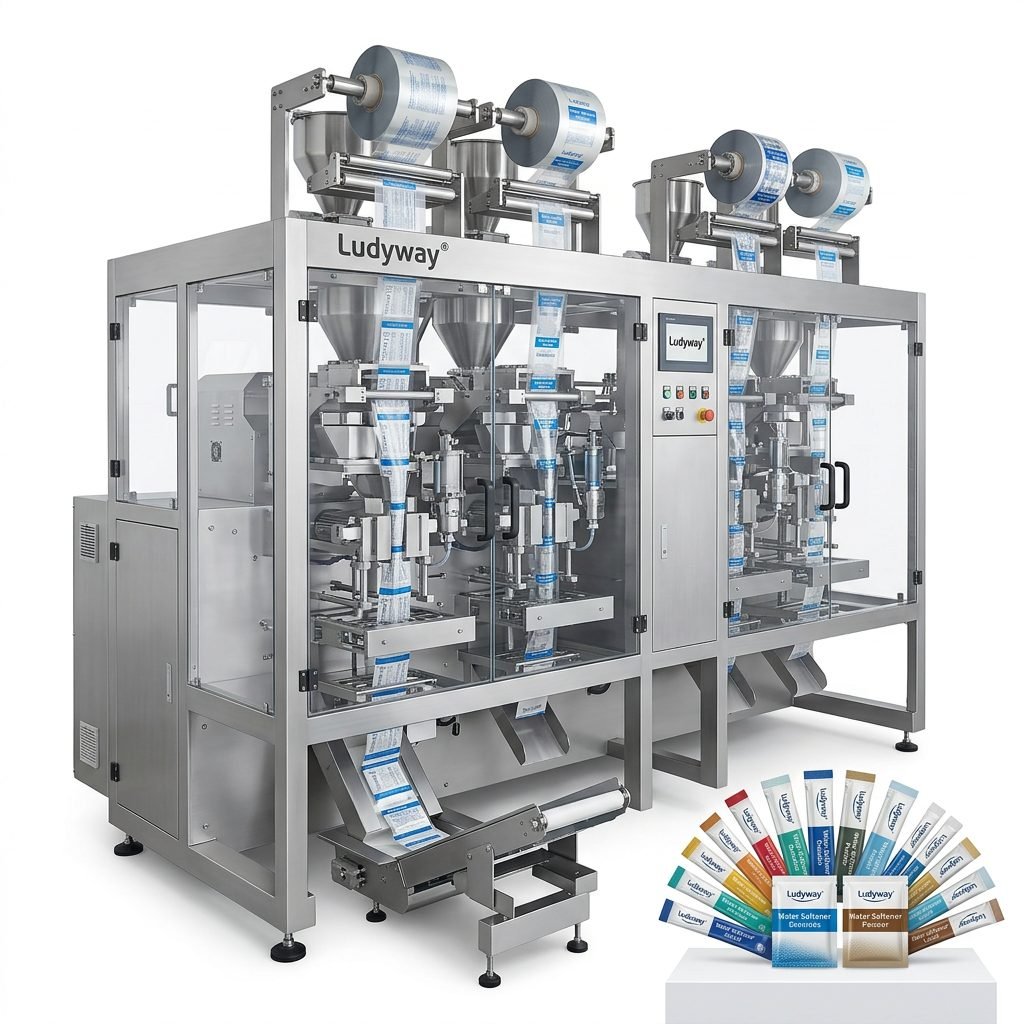
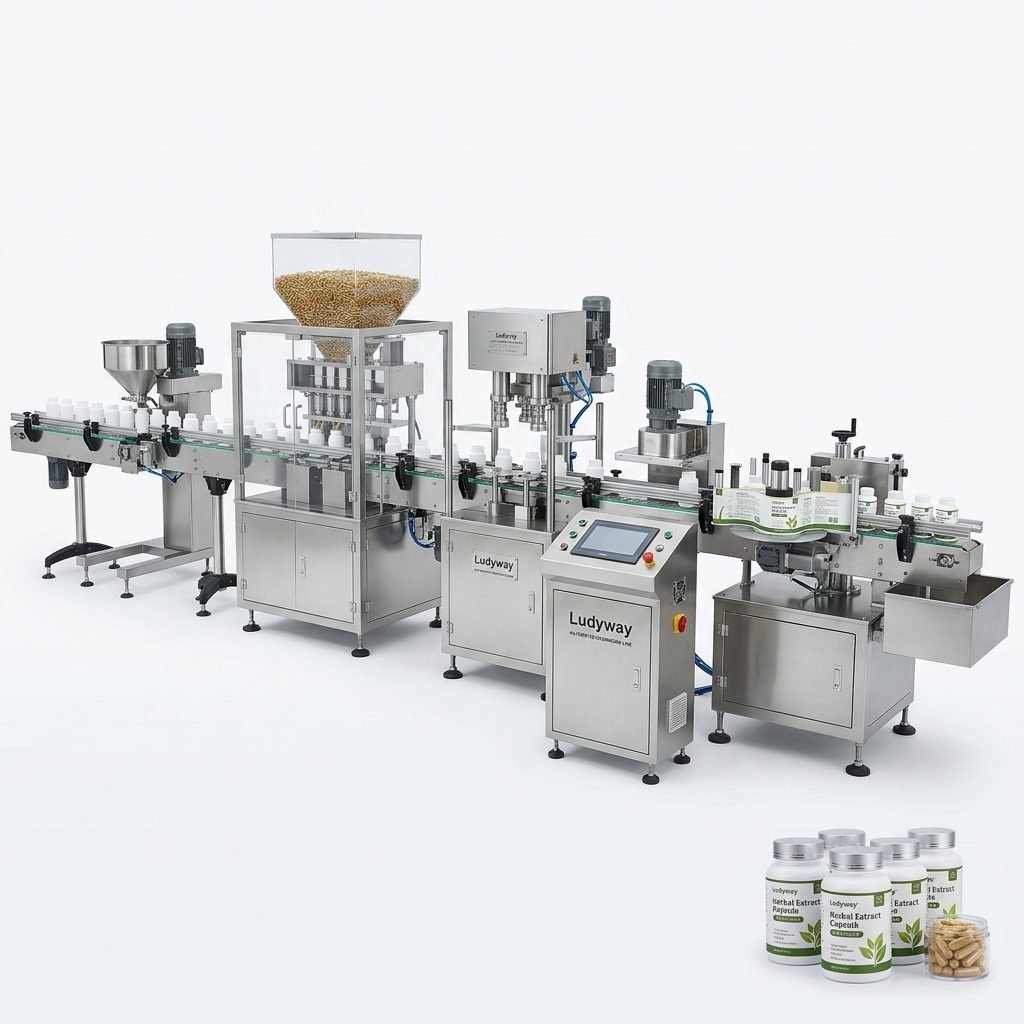
If your operation also needs upstream or downstream packaging integration, it is worth working with an established supplier such as Ludyway packaging machine manufacturer, known for packaging machinery and turnkey packaging line solutions across food, pharmaceutical, health supplement, and related industries.
How to Match the Right Machine to Your Application
| Application | Recommended Choice | Reason |
|---|---|---|
| Fresh meat shop | Single or double chamber machine | Reliable vacuum and easy sanitation |
| Seafood processor | Chamber machine with robust sealing | Handles moisture better |
| Prepared meal producer | Automatic chamber or thermoforming system | Better automation and presentation |
| Large meat factory | Continuous belt vacuum machine | Supports high-volume daily production |
| Export food manufacturer | Thermoforming or integrated vacuum line | Scalability and packaging consistency |
Final Buying Tips for Long-Term Value
When comparing automatic vacuum packing machines, think beyond the machine body. The real value comes from stable daily performance, low downtime, consistent package quality, and support when your production changes.
- Choose based on product and output, not just budget
- Prioritize vacuum pump quality and sealing reliability
- Check hygiene design for food and meat use
- Plan for future automation and line integration
- Work with a supplier that understands commercial packaging applications
The best automatic vacuum packing machine is the one that protects your product, fits your workflow, and supports your business as it grows. For meat, food, and commercial use, a carefully matched machine can quickly pay back through better shelf life, reduced waste, and faster production.