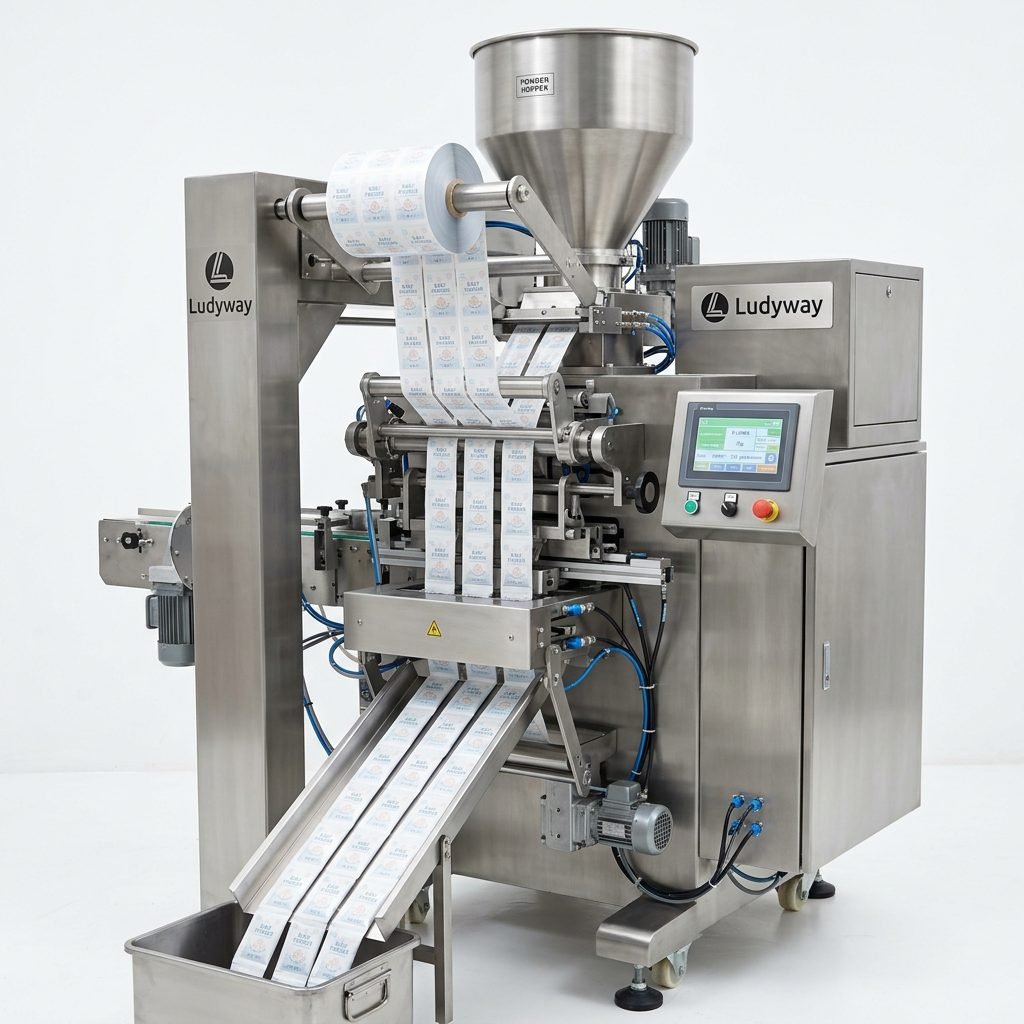
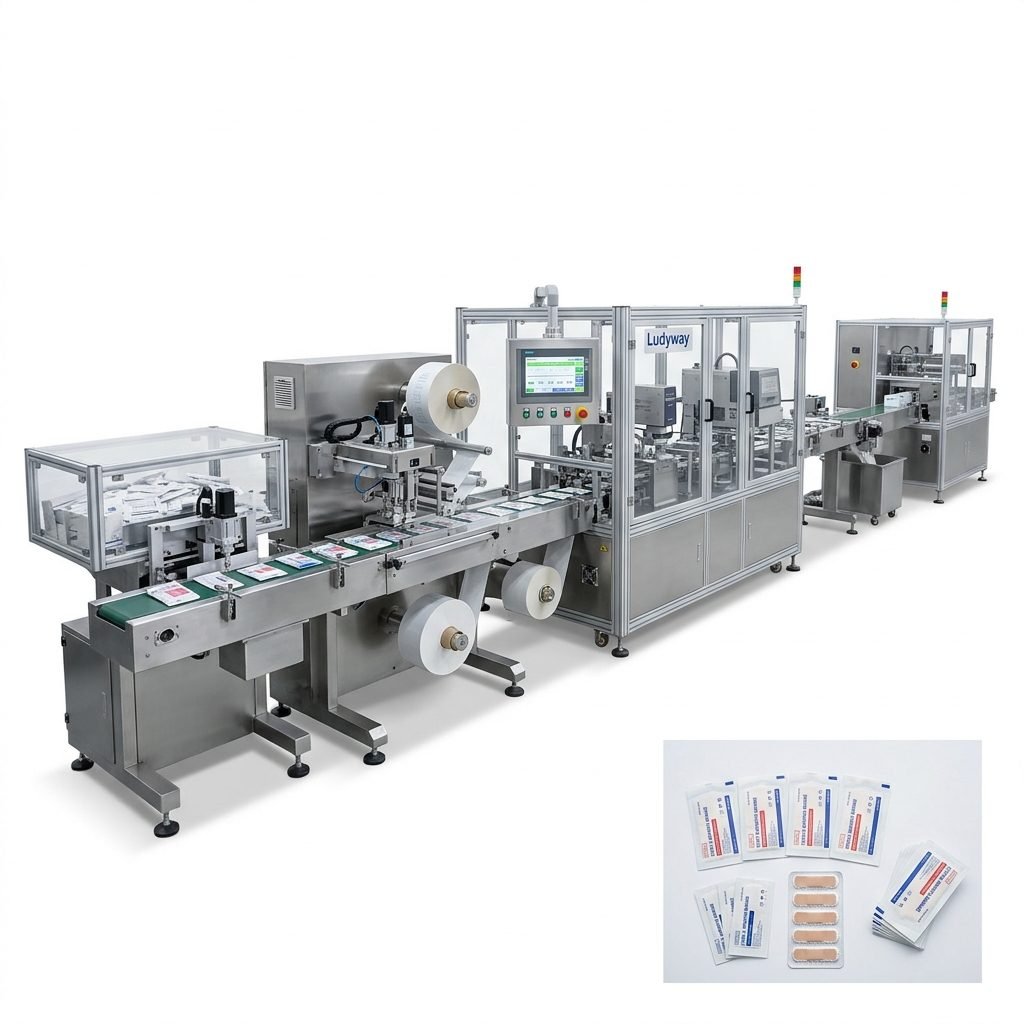
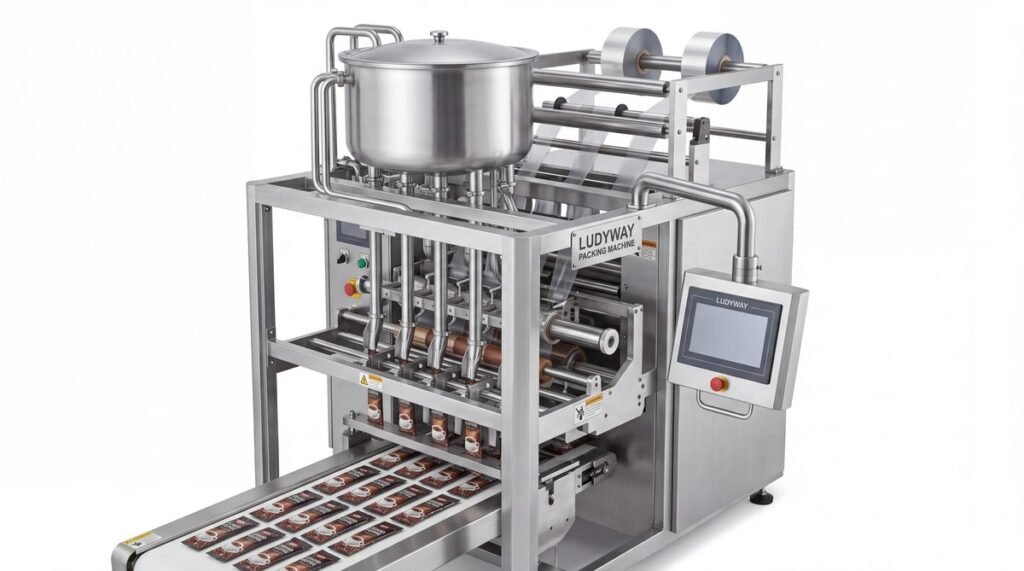
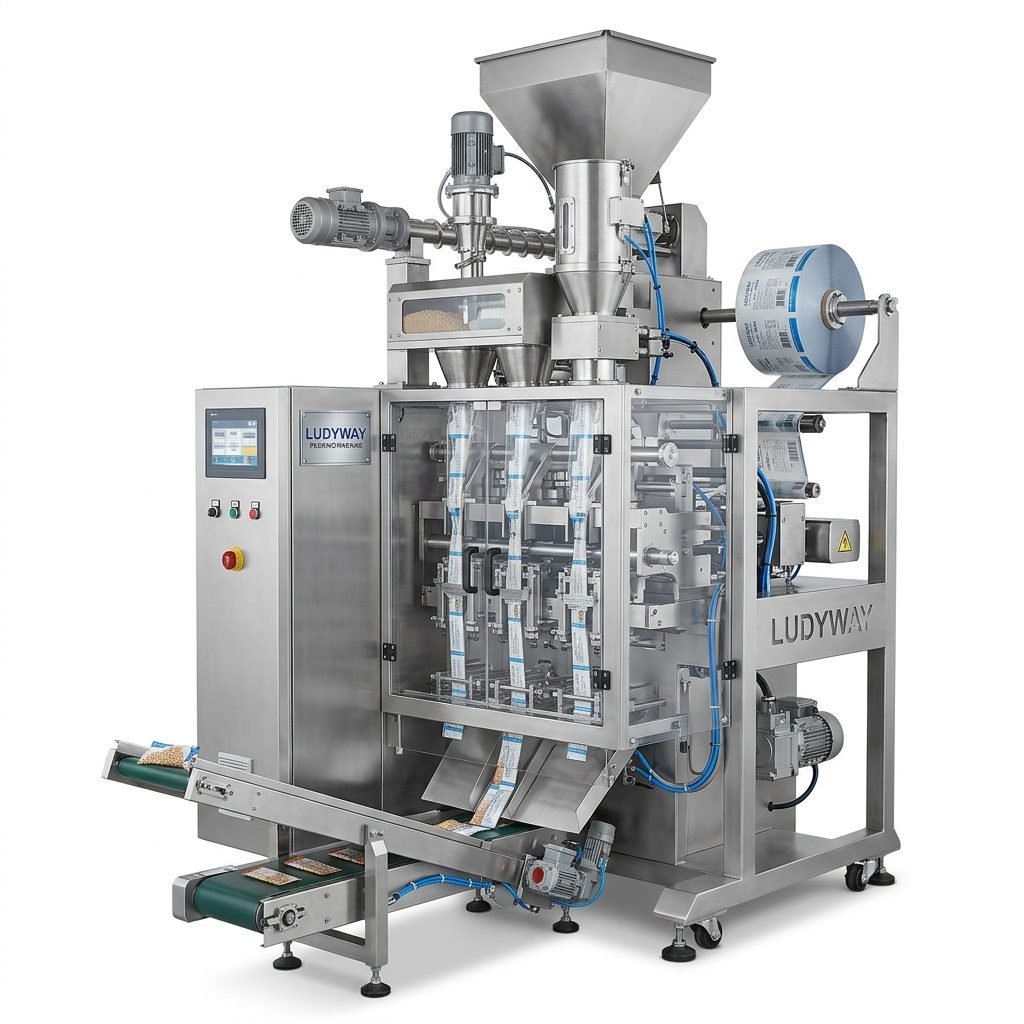
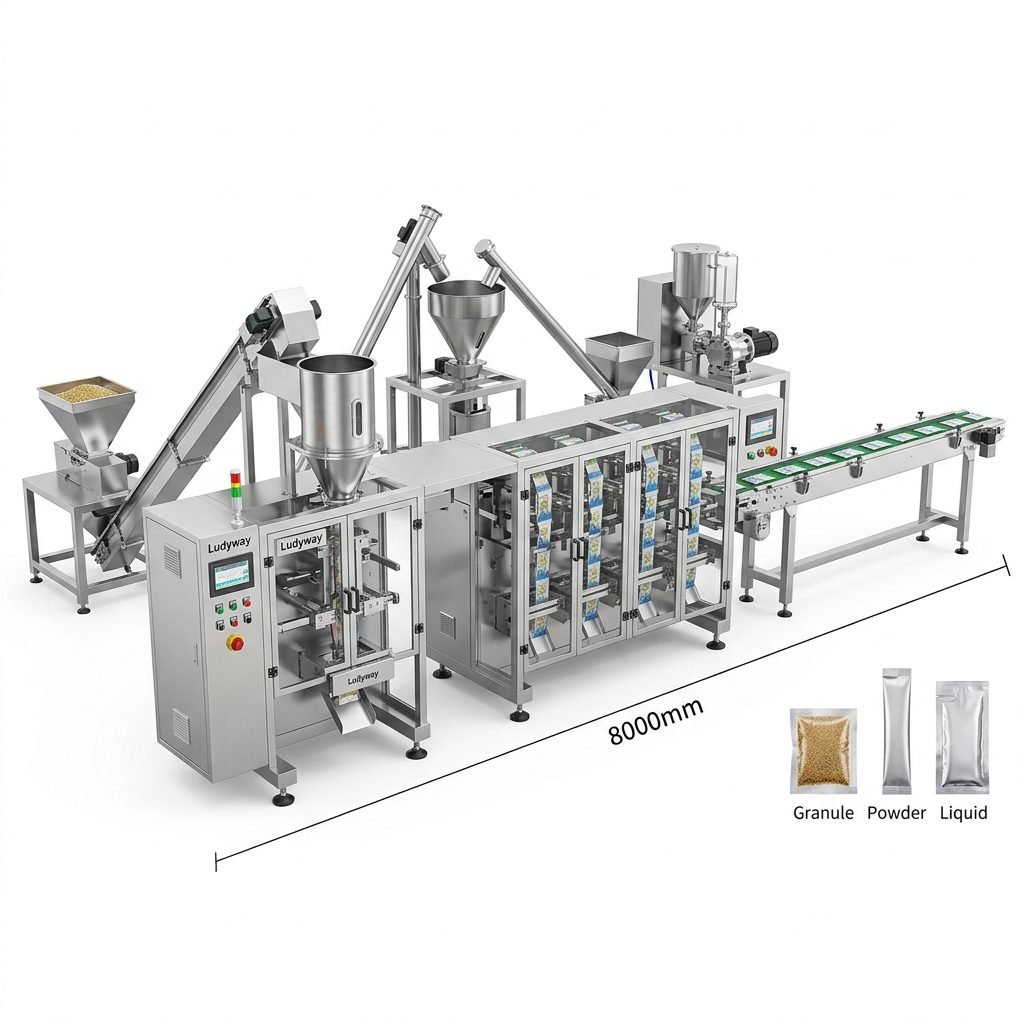
Sugar stick packing machines are designed to pack granulated sugar into slim, single-serve stick packs at high speed, consistent weight accuracy, and reliable sealing quality. For food brands, coffee chains, catering suppliers, and contract packers, this type of automation helps reduce labor dependency while improving packaging output and product presentation.
In today’s competitive market, efficient sugar packaging is no longer just about speed. Buyers also care about hygiene, pack appearance, material compatibility, easy maintenance, and the ability to connect the packing machine with upstream feeding and downstream cartoning or case packing equipment.
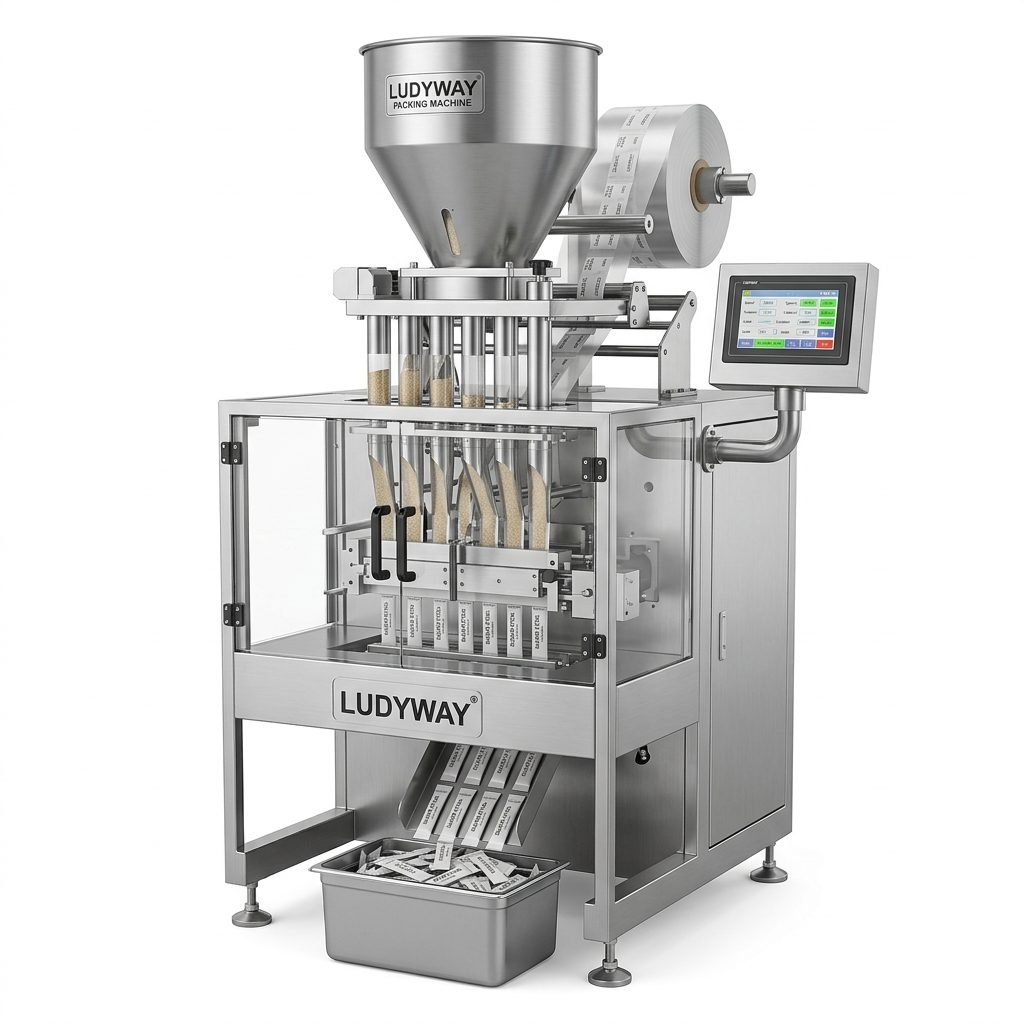
What Is a Sugar Stick Packing Machine?
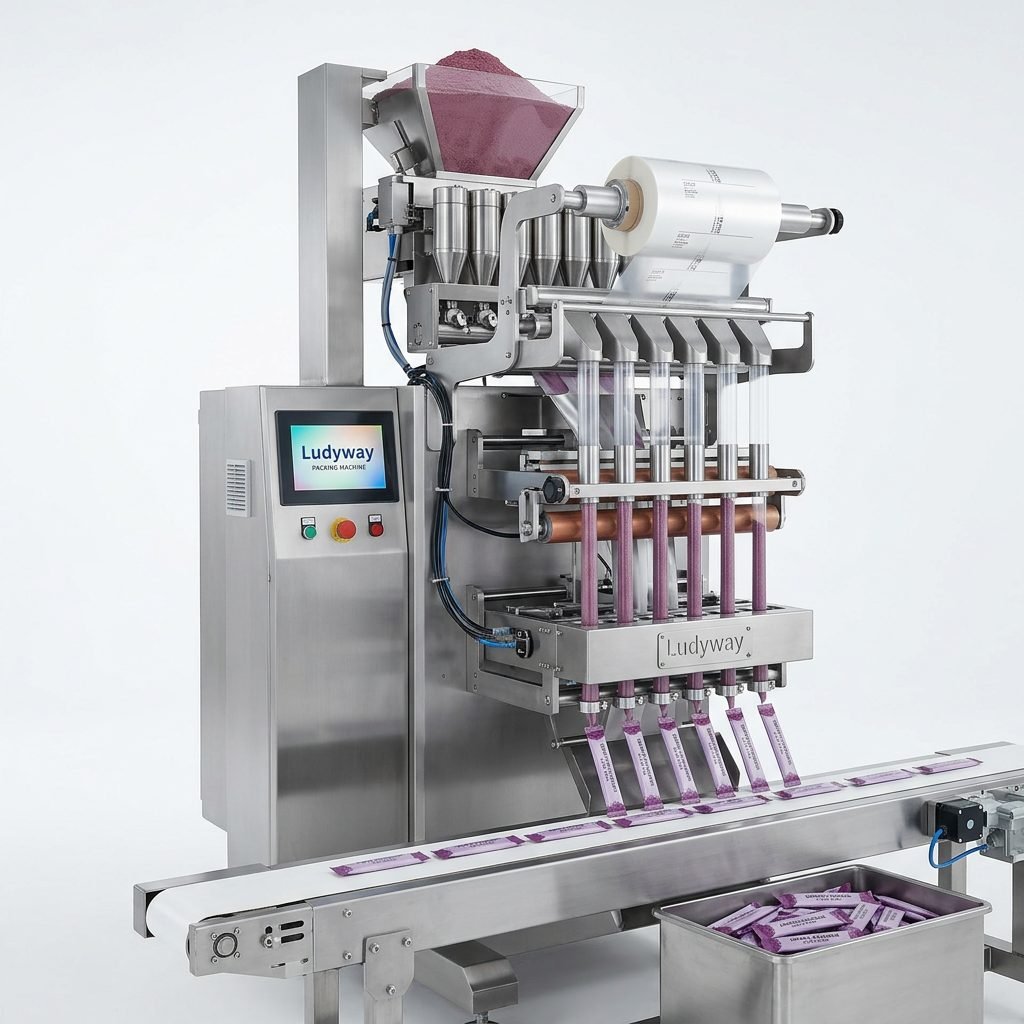
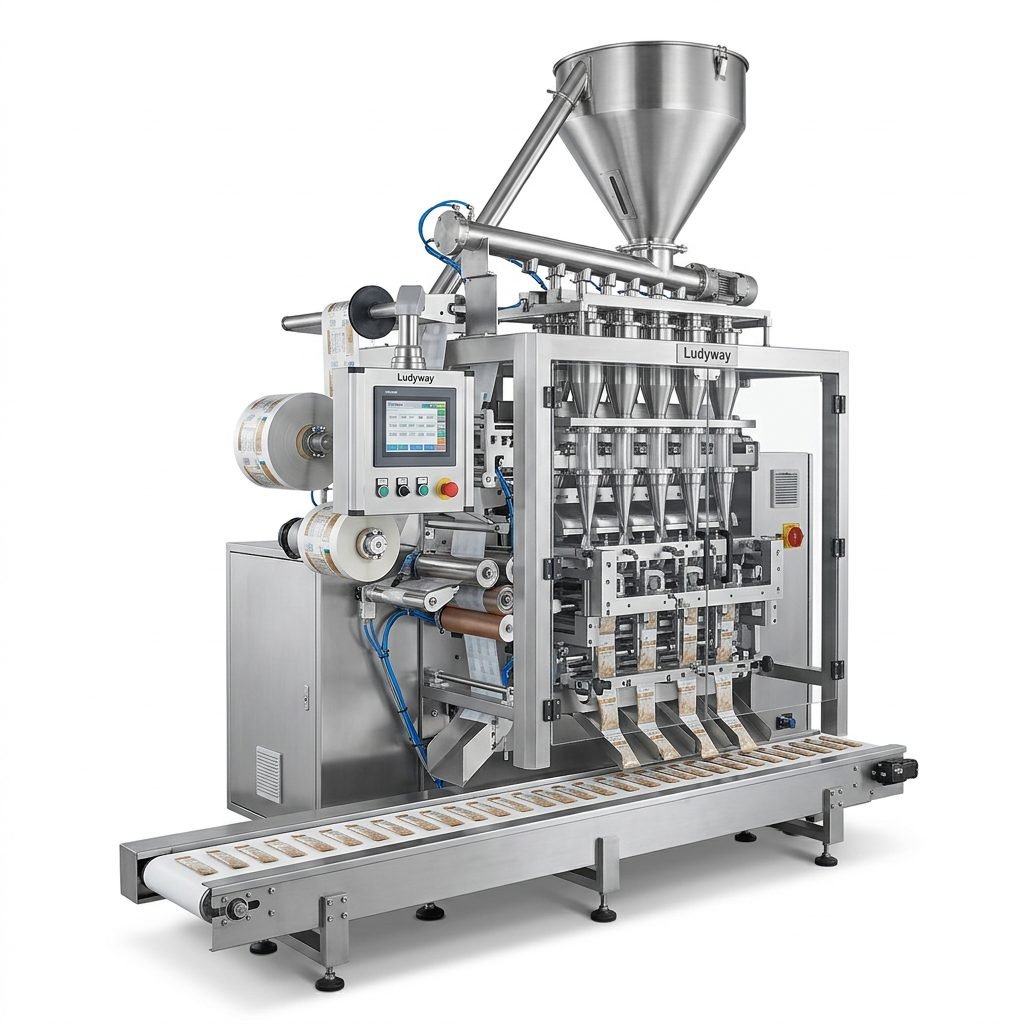
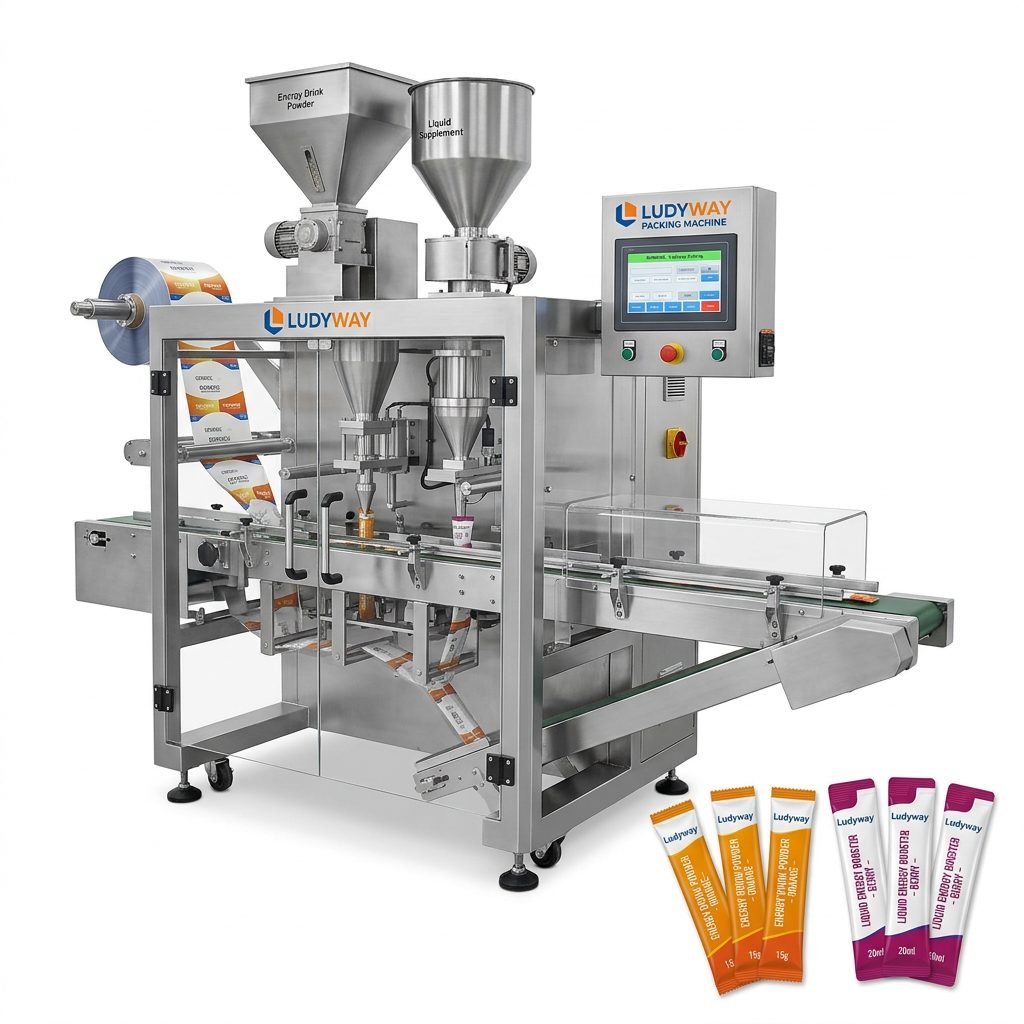
A sugar stick packing machine is an automatic packaging system that forms film into narrow stick packs, fills each lane with a controlled amount of sugar, seals the packs, and cuts them into finished units. These machines are especially suitable for:
- White granulated sugar
- Brown sugar
- Fine sugar powder
- Sweetener blends
- Coffee companion products
- Foodservice and hospitality portion packs
Most modern systems use a multi-lane stick pack structure, allowing multiple sachets to be produced simultaneously. This greatly increases production capacity compared with single-lane equipment.
Why High-Speed Automation Matters in Sugar Packaging
Sugar is a high-volume product with relatively low unit value, so packaging efficiency has a direct impact on profitability. A high-speed automated solution helps manufacturers reduce packaging cost per unit while maintaining dependable pack consistency.
Key operational benefits include:
- Higher throughput for large daily production targets
- Lower labor demand through automated filling and sealing
- Better dosage accuracy to control giveaway and reduce material waste
- Improved hygiene with enclosed product contact areas
- Uniform stick pack appearance for retail and foodservice markets
- Easy integration with cartoning, counting, and case packing systems
Main Features of a Modern Sugar Stick Packing Machine
When evaluating packaging machinery for sugar products, buyers should focus on more than headline speed. The right machine should offer a balanced combination of stability, flexibility, and long-term maintainability.
| Feature | Why It Matters |
|---|---|
| Multi-lane design | Increases output by producing several stick packs at the same time |
| Accurate dosing system | Helps maintain consistent fill weights and minimize sugar loss |
| Stable sealing unit | Ensures leak-free, attractive packs with strong seal integrity |
| PLC and touch screen control | Makes operation, parameter adjustment, and recipe storage easier |
| Servo-driven control | Improves precision, synchronization, and machine responsiveness |
| Automatic film tracking | Supports clean registration and stable pack cutting |
| 304/316 stainless steel contact parts | Supports food safety and easier cleaning |
How the Packaging Process Works
A typical sugar stick packing line follows a simple but highly synchronized process. Each section of the machine must work together to maintain speed and pack quality.
- Bulk sugar is fed into the hopper or feeding system.
- Packaging film is unwound and guided into the forming section.
- The film is shaped into multiple stick pack lanes.
- Sugar is metered and filled into each lane.
- Vertical and horizontal seals are created.
- Finished stick packs are cut and discharged.
- Optional downstream equipment counts, groups, cartons, or cases the packs.
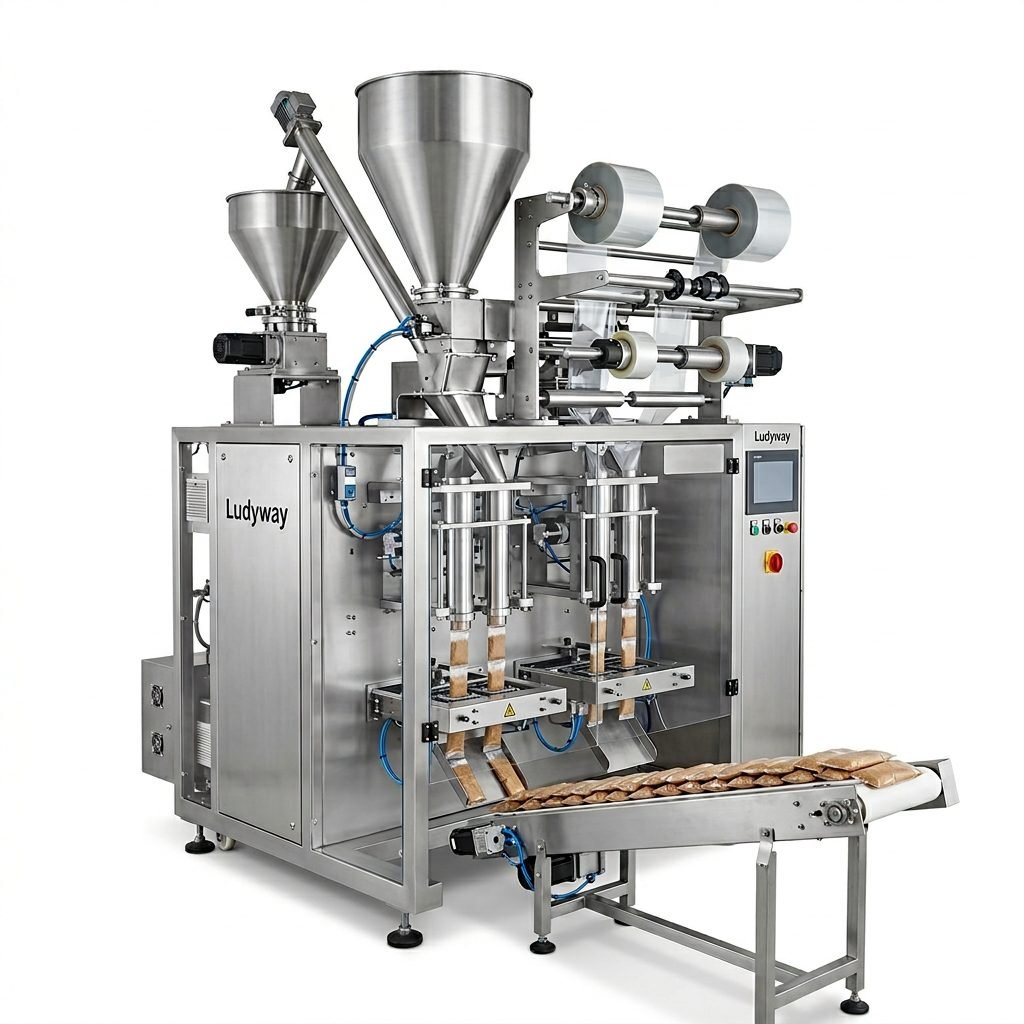
Applications Across Different Sugar Packaging Markets
Sugar stick packs are used in a wide range of commercial scenarios. Their compact size, portion control, and clean dispensing format make them especially popular in fast-paced service environments.
Common application sectors
- Coffee shops and tea chains
- Hotels, airlines, and catering businesses
- Instant beverage manufacturers
- Private label sugar packers
- Sweetener and sugar substitute brands
- Export-oriented food packaging businesses
For these users, single-serve convenience and high packaging efficiency are the main drivers behind adopting automated stick pack equipment.
How to Choose the Right Sugar Stick Packing Machine
Not every machine fits every production line. Choosing the right model requires matching your packaging goals with your actual product and factory conditions.
Important selection factors
| Selection Factor | What to Check |
|---|---|
| Product type | Granule size, flowability, moisture sensitivity, and bulk density |
| Pack size | Stick length, width, fill weight, and format requirements |
| Output target | Required packs per minute and future expansion plans |
| Film material | Compatibility with laminated or heat-sealable packaging films |
| Factory layout | Available installation space and line integration conditions |
| Automation level | Standalone packing machine or full turnkey packaging line |
| After-sales support | Training, spare parts, remote service, and technical response speed |
Single Machine vs. Turnkey Packaging Line
Some sugar producers only need a stick pack machine, while others need a complete automated line. The better option depends on production volume, labor availability, and how finished packs will be handled after discharge.
A standalone machine is suitable when:
- You have an existing packaging workflow
- Your current output is moderate
- You plan to add downstream automation later
A turnkey line is suitable when:
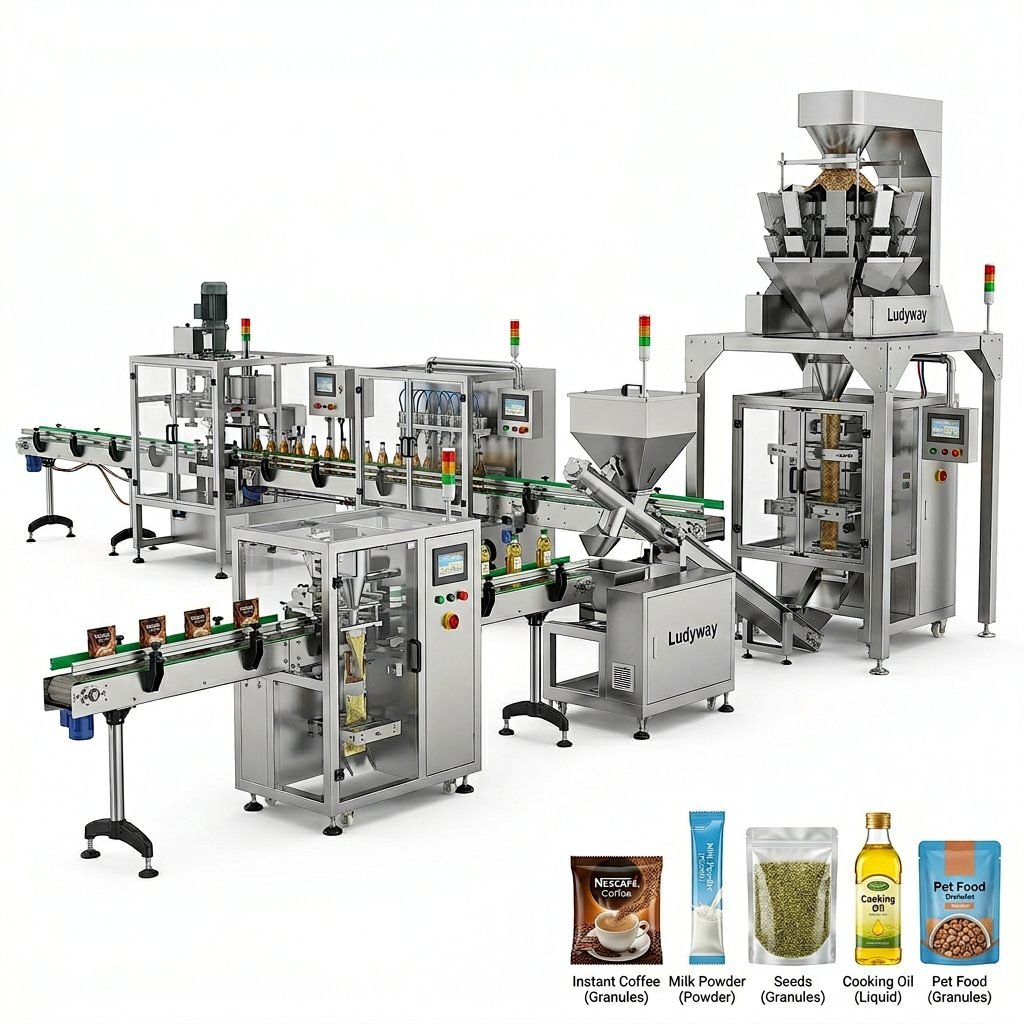
- You want integrated feeding, packing, counting, cartoning, and case packing
- You aim to reduce manual handling as much as possible
- You need stable large-scale production for export or contract manufacturing
For businesses seeking an experienced manufacturer of sugar stick pack equipment and integrated systems, sugar stick packing machine solutions from Ludyway can support both standalone equipment needs and customized turnkey packaging line projects.
Efficiency Factors That Influence Real Production Performance
A machine’s theoretical speed is only one part of the equation. Real-world sugar packaging efficiency depends on several operating conditions.
- Stable product feeding without bridging or irregular flow
- Consistent packaging film quality
- Correct sealing temperature and pressure
- Proper operator training
- Routine cleaning and preventive maintenance
- Fast changeover procedures for different pack sizes
Machines designed for fast maintenance access and simple parameter adjustment often deliver better long-term OEE because downtime is easier to control.
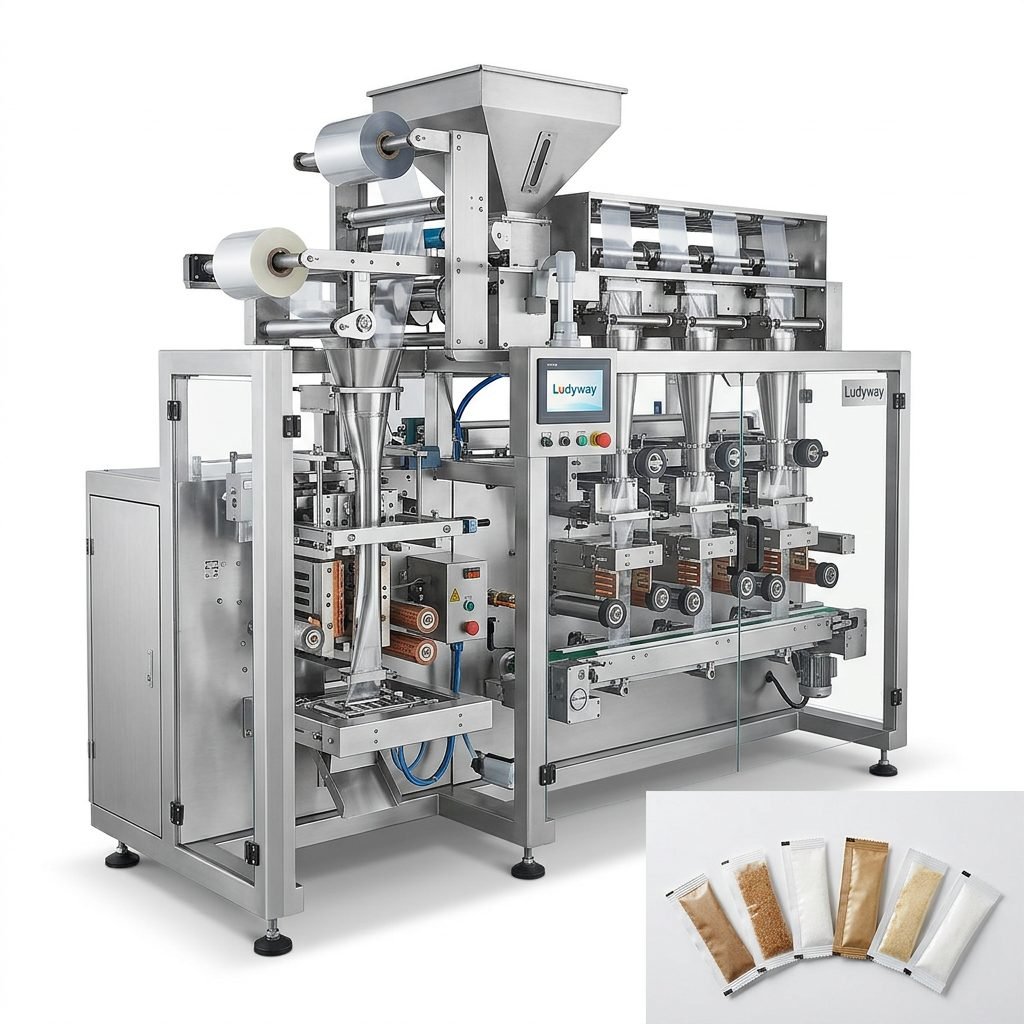
Packaging Quality Standards Buyers Should Not Ignore
High-speed output should never come at the expense of pack quality. In sugar packaging, poor sealing or inconsistent dosing can damage brand credibility and increase waste.
Quality checkpoints to evaluate
- Fill weight consistency across all lanes
- Seal strength and leak prevention
- Cutting accuracy and pack shape uniformity
- Machine cleanliness and sanitary design
- Printing or coding compatibility if batch marking is required
- Low reject rate during continuous production
Industries Benefiting from Multi-Lane Sugar Stick Packaging
The value of a multi-lane machine is especially clear in businesses where small, identical portions must be produced at large scale.
| Industry | Packaging Need |
|---|---|
| Foodservice | Large-volume single-serve sugar distribution |
| Coffee and tea brands | Convenient companion packs for beverages |
| Retail food brands | Clean, attractive small-dose packaging |
| Contract packers | Flexible output for multiple sugar SKUs |
| Sweetener producers | Precise low-dose stick pack packaging |
Maintenance Tips for Long-Term Machine Stability
Sugar may appear easy to handle, but fine particles and sticky conditions in humid environments can affect machine performance. Good maintenance practices are essential for long service life.
- Clean dosing and sealing areas regularly
- Inspect wear parts on a scheduled basis
- Monitor seal temperature consistency
- Check film alignment and tension daily
- Keep electrical and pneumatic systems in stable condition
- Use original or approved spare parts when replacing components
What Buyers Often Ask Before Investing
Can one machine handle different sugar pack sizes?
Yes, many models can be adjusted for different stick lengths and fill weights, although the actual range depends on machine design and tooling configuration.
Is it suitable for both white sugar and brown sugar?
In many cases, yes. However, the dosing system and material handling setup should be matched to the specific flow characteristics of the product.
How many lanes should I choose?
The ideal lane number depends on your target capacity, available space, budget, and desired future expansion.
Can the machine connect with cartoning or case packing equipment?
Yes. Many high-speed sugar stick pack machines can be integrated into a broader automated line with counting, grouping, cartoning, and case packing systems.
Final Considerations for Sugar Packaging Automation
A high-speed sugar stick packing machine is a practical investment for companies that need higher output, more consistent pack quality, and reduced manual packaging effort. The best results come from selecting equipment that matches your sugar type, pack format, production target, and line integration needs.
Whether you are upgrading from semi-automatic packaging or building a complete automated line, a well-configured sugar stick packing solution can improve efficiency, reduce waste, and support stable long-term production growth.