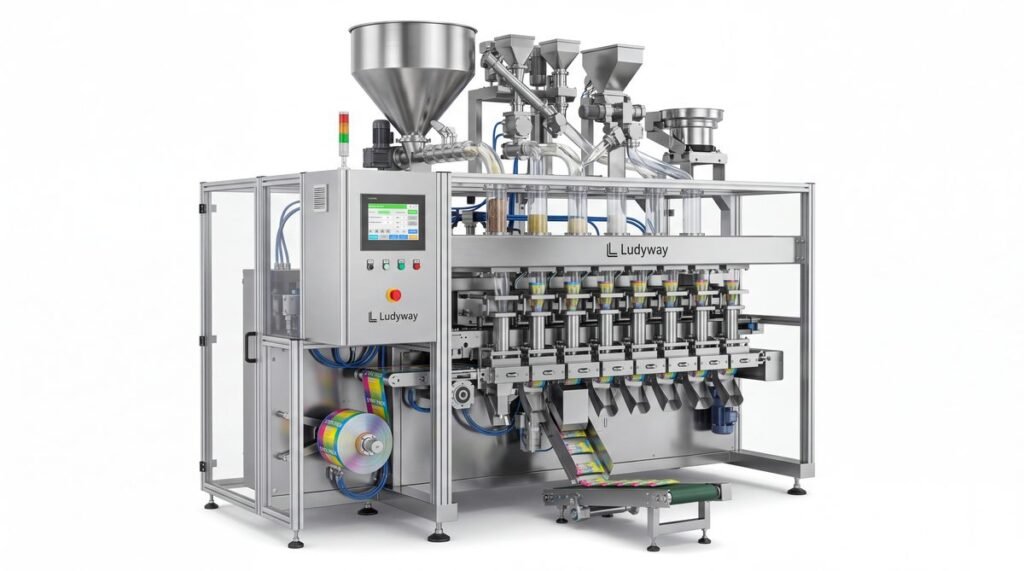
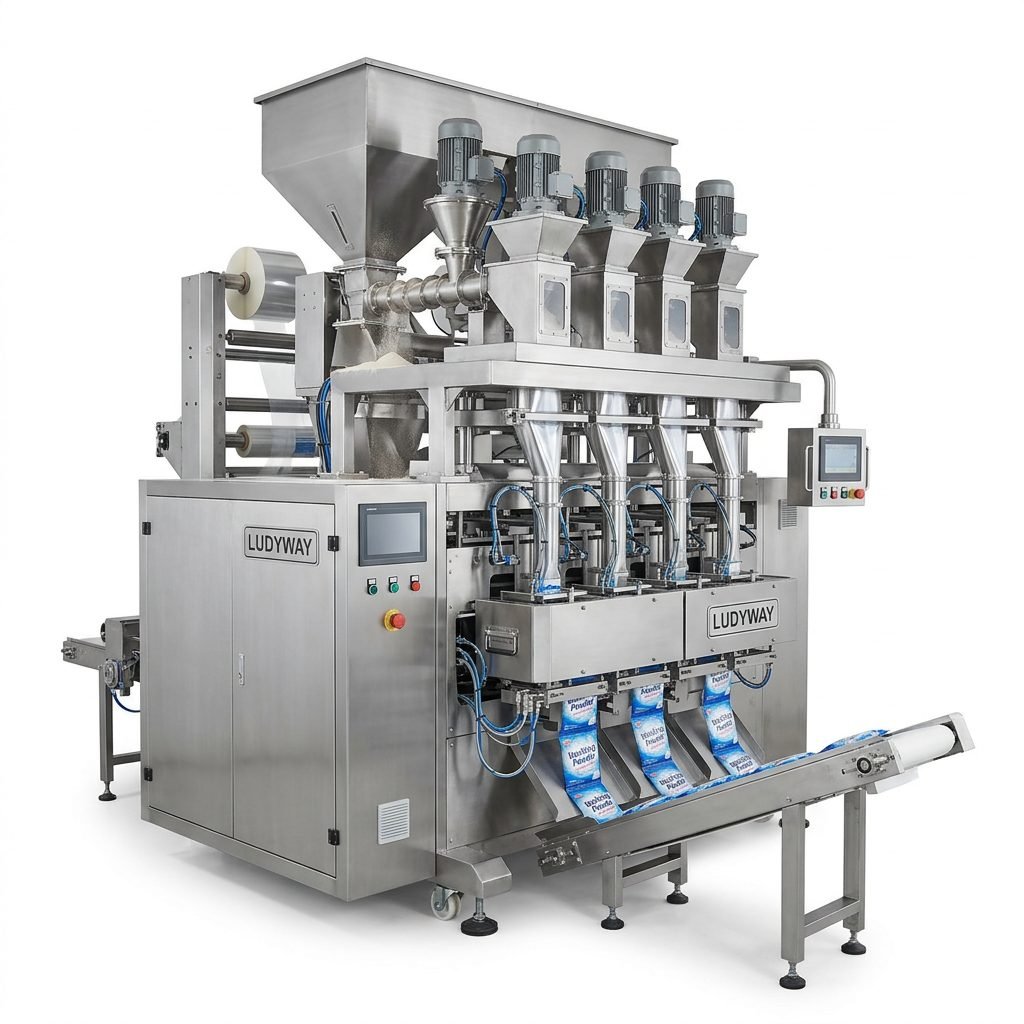
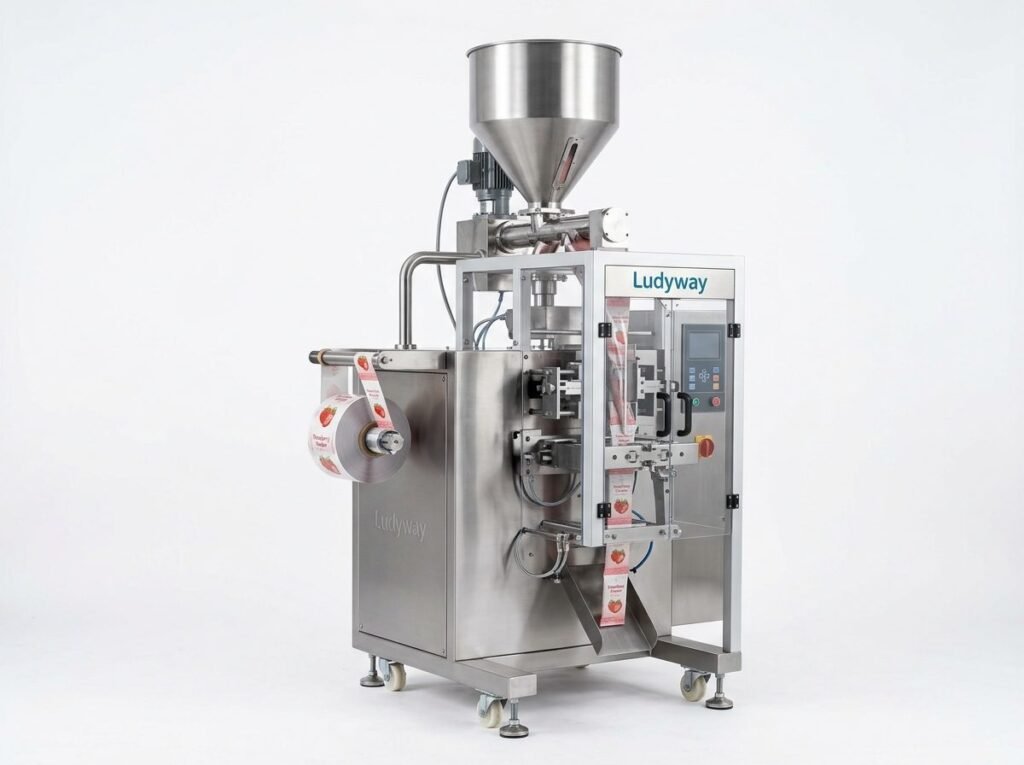
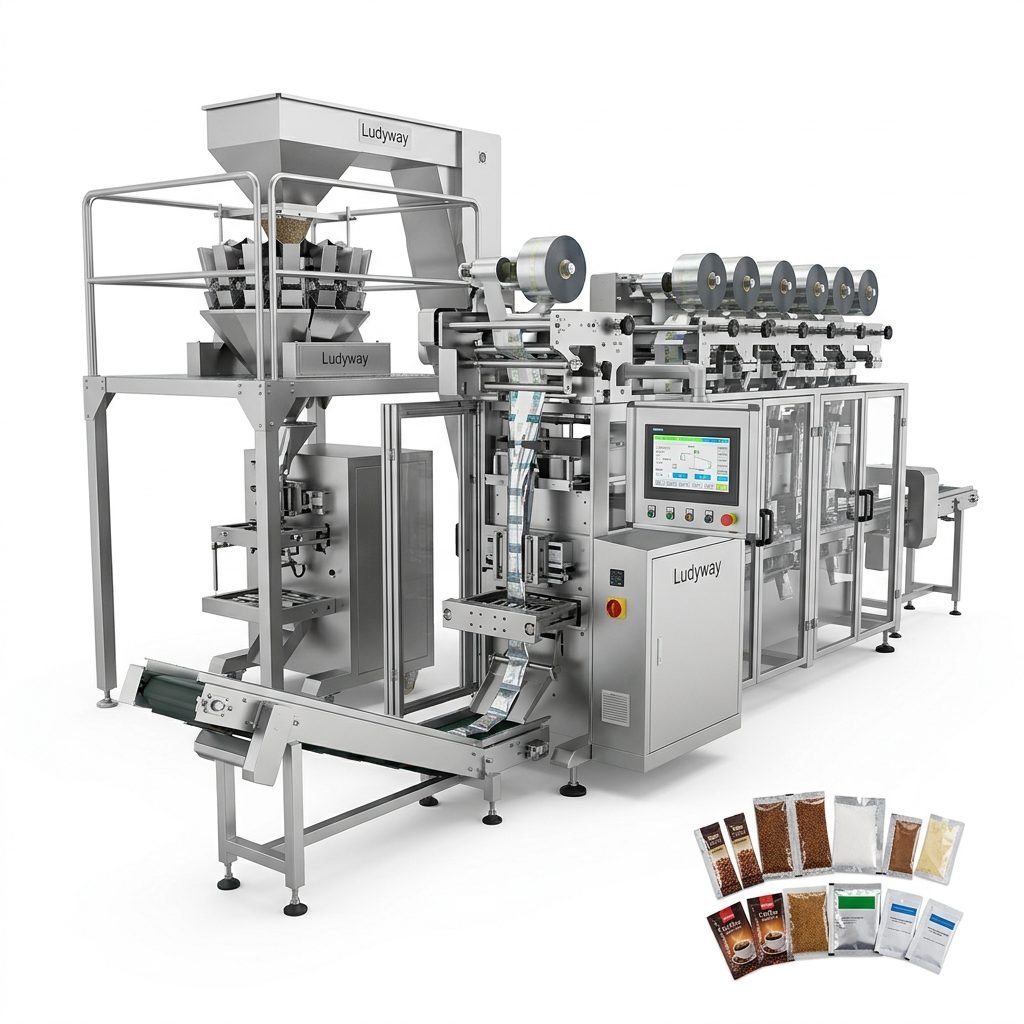
Choosing the right automatic bag packing machine can directly impact production speed, packaging consistency, labor costs, and long-term profitability. Whether you pack powders, granules, liquids, pastes, or pouch-based products, the best solution is not simply the fastest machine on the market—it is the one that matches your product, bag format, output goals, and factory workflow.
This guide explains how to evaluate machine types, technical specifications, automation levels, and supplier capabilities so you can make a smarter packaging investment.
What Is an Automatic Bag Packing Machine?
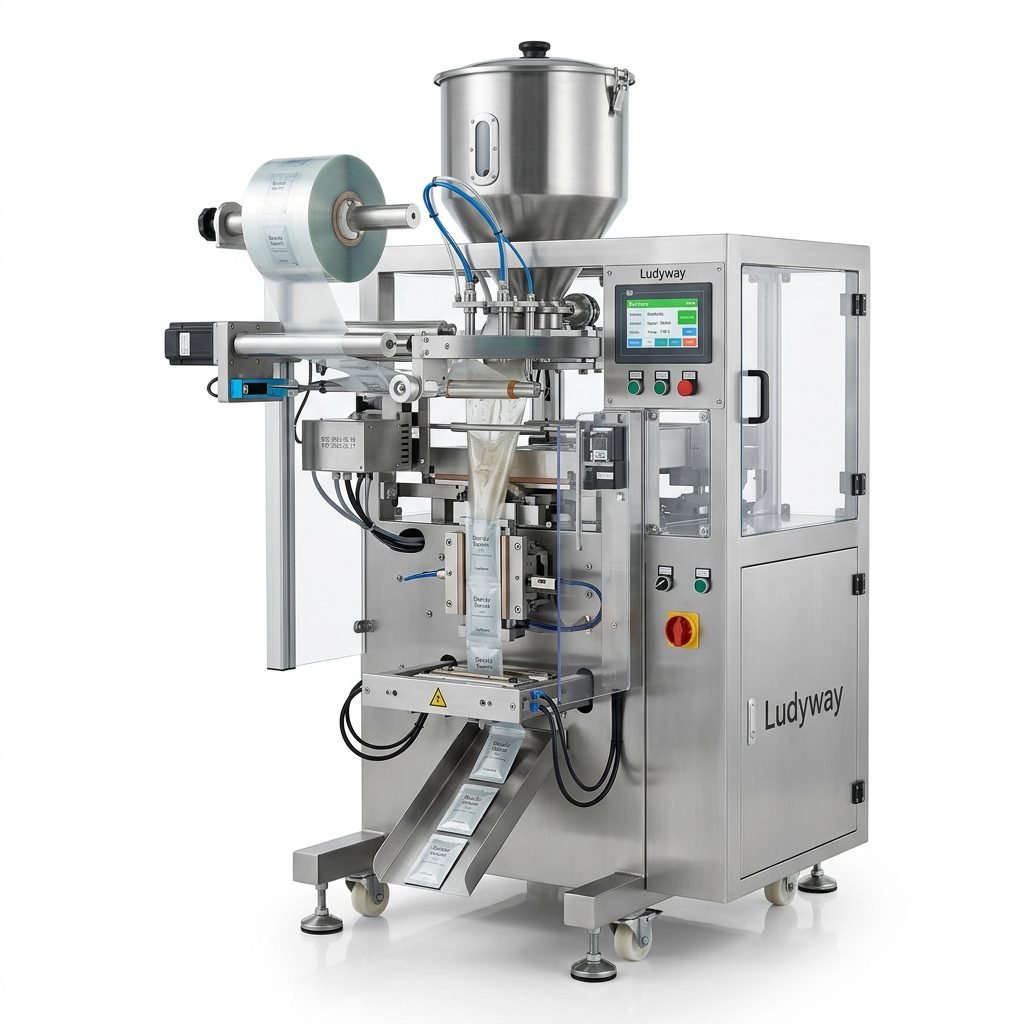
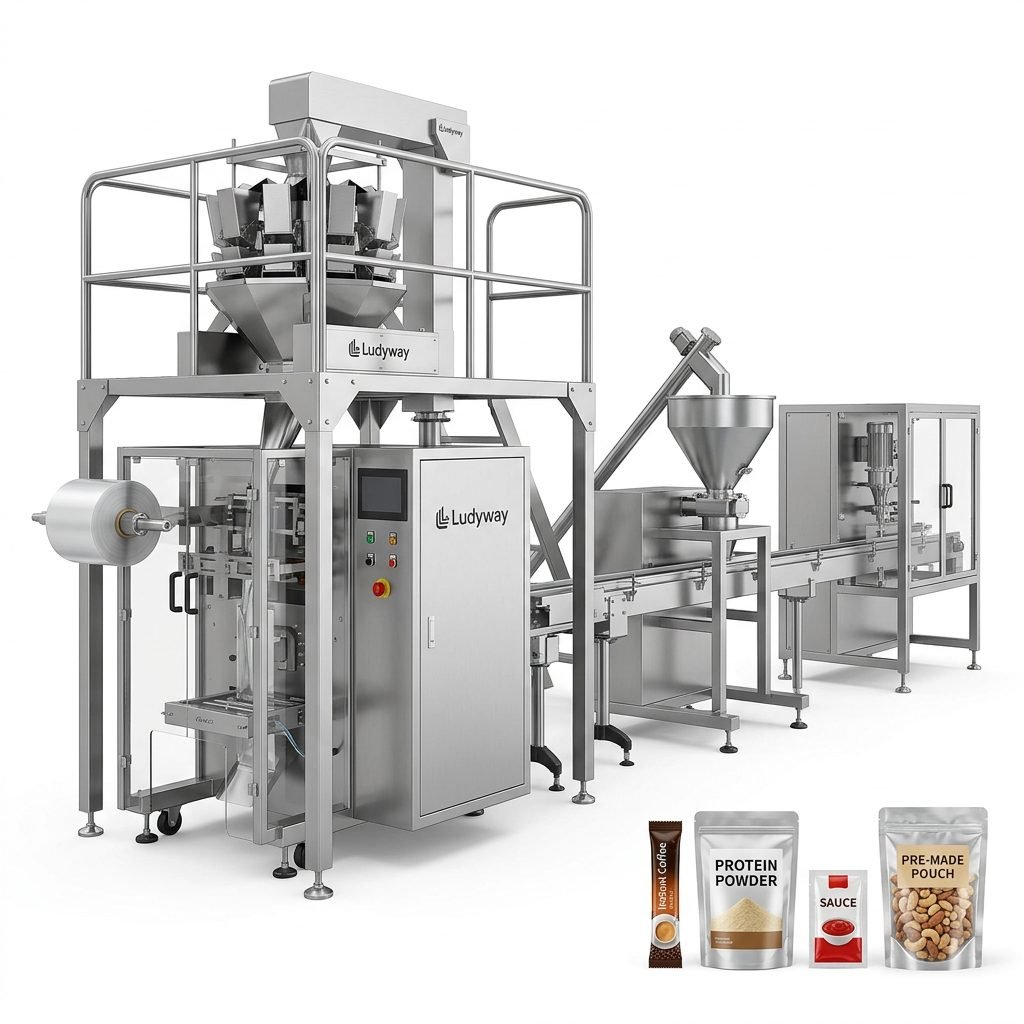
An automatic bag packing machine is equipment designed to form, fill, seal, and sometimes code, count, check, cartoning, or palletize packaged products with minimal manual intervention. Depending on the application, it may handle:
- Granules such as sugar, coffee, seeds, snacks, and feed
- Powders such as protein, spices, milk powder, pharmaceuticals, and supplements
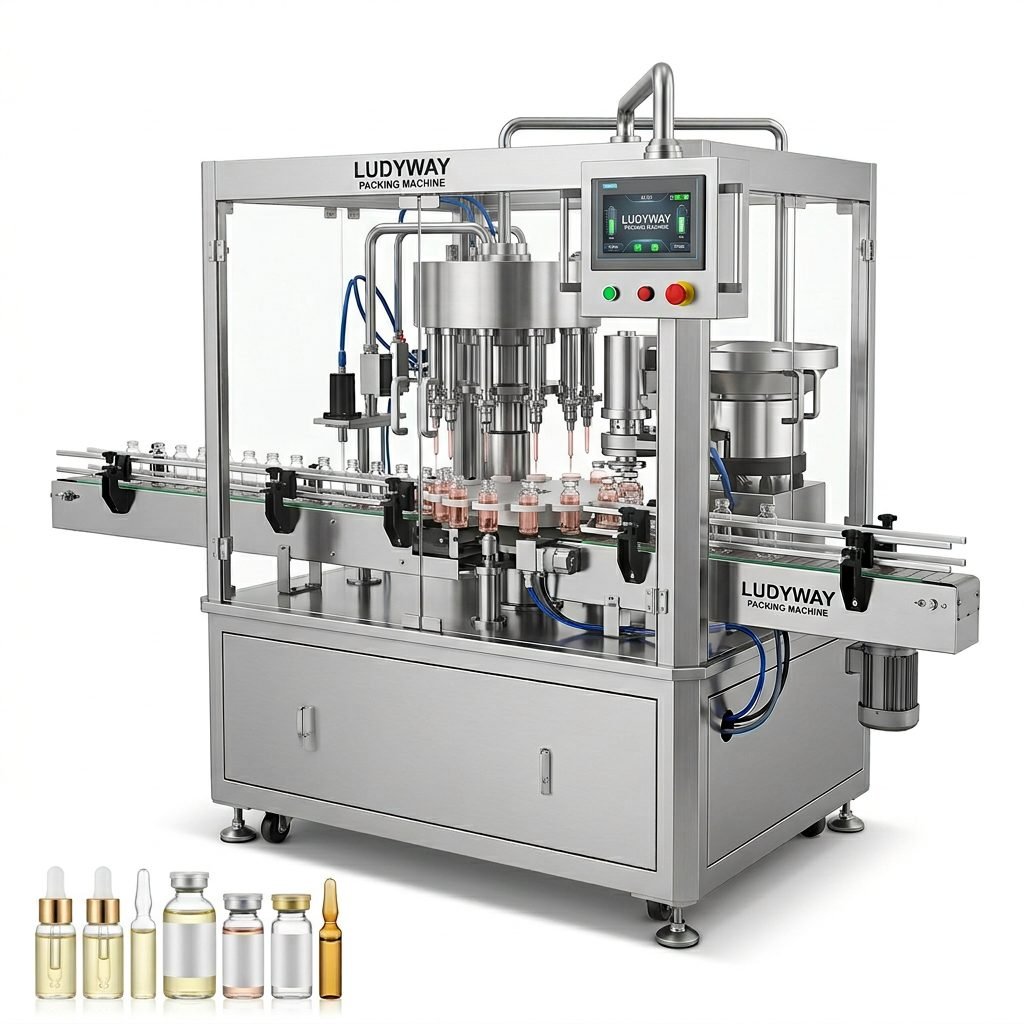
- Liquids such as sauces, shampoo, detergents, oils, and syrups
- Pastes and creams such as cosmetic creams, gels, and condiments
- Premade pouches, sachets, stick packs, or pillow bags
For manufacturers aiming to scale efficiently, automatic bagging equipment helps reduce filling errors, improve sealing quality, and support higher throughput across food, pharmaceutical, cosmetic, chemical, and feed industries.
Why Choosing the Right Machine Matters
A mismatch between machine design and product characteristics often leads to downtime, unstable sealing, inaccurate dosing, material waste, and operator frustration. The right machine should support both current production targets and future expansion.
- Increase packaging speed without sacrificing accuracy
- Reduce labor dependency and repetitive manual handling
- Improve package appearance and shelf consistency
- Lower product giveaway and sealing defects
- Integrate with upstream and downstream production equipment
Start with Your Product Type
The first selection step is understanding how your product behaves during filling. Different materials require different dosing technologies.
| Product Type | Recommended Filling System | Typical Applications |
|---|---|---|
| Free-flowing granules | Volumetric cup, multi-head weigher | Sugar, rice, beans, snacks |
| Fine or dusty powders | Auger filler | Protein powder, spices, pharma powder |
| Liquids | Piston pump, peristaltic pump, flow meter | Sauce, oil, shampoo, detergent |
| Viscous paste or cream | Servo piston filler | Cream, gel, paste, honey |
| Irregular solids or mixed products | Combination weighing system | Nuts, pet food, frozen foods |
If the filling method does not suit the product flowability, even a high-end machine may fail to deliver stable results.
Choose the Right Bag Format
Your ideal machine also depends on the packaging style you need. Common options include:
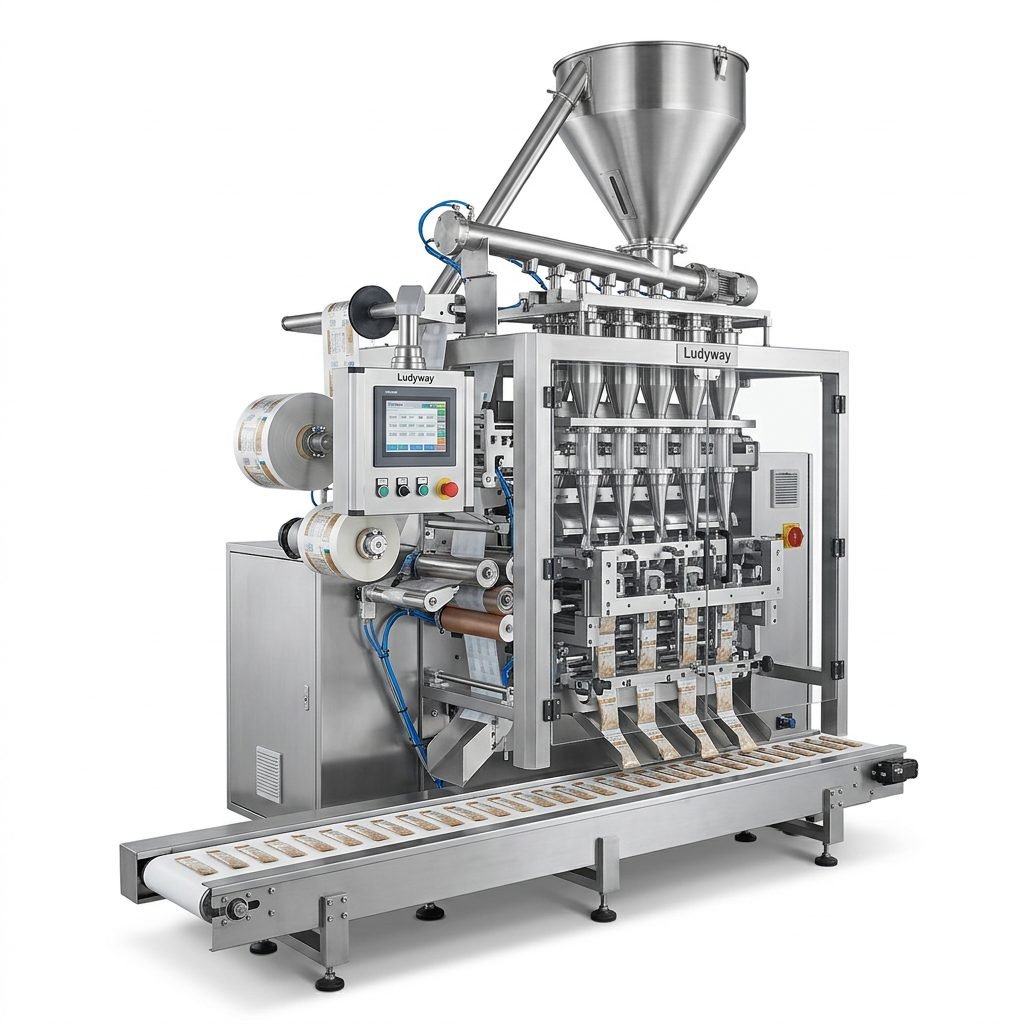
- Stick packs for drink powders, supplements, pharmaceuticals, and single-dose products
- Sachets for condiments, cosmetics, detergents, and small-portion powders or liquids
- Pillow bags for snacks, grains, coffee, and bulk retail products
- Premade pouches for premium packaging and flexible product presentation
- Large bags or sacks for feed, fertilizer, chemicals, and bulk solids
Before choosing a machine, confirm:
- Bag length and width range
- Film or pouch material
- Required seal type
- Bag shape and visual presentation
- Need for zipper, spout, tear notch, or euro hole
Match Output Capacity to Real Production Needs
Many buyers focus too much on maximum machine speed. A better approach is to calculate the stable operating speed you need under actual production conditions.
Ask these questions:
- How many bags per minute or per hour do you need?
- Will you run one shift, two shifts, or 24/7 production?
- Do you expect seasonal demand peaks?
- Will one machine serve one product or multiple SKUs?
- How much downtime is acceptable during format changeover?
A machine that is oversized may raise costs unnecessarily, while an undersized machine can limit expansion and create bottlenecks. Look at realistic throughput, not just brochure numbers.
Evaluate Accuracy and Seal Quality
Packaging efficiency is not only about speed. Accuracy and sealing performance are just as important, especially in industries with strict quality requirements such as pharmaceuticals, nutraceuticals, and premium food products.
Key quality indicators include:
- Filling accuracy tolerance
- Seal strength and leak resistance
- Consistent bag length and shape
- Dust control during powder filling
- Reduced product waste and film loss
For liquids and gels, stable temperature and anti-drip design matter. For powders, proper dust extraction and auger precision are critical. For granules, smooth feeding and anti-crush handling help maintain product appearance.
Look at Automation and Line Integration
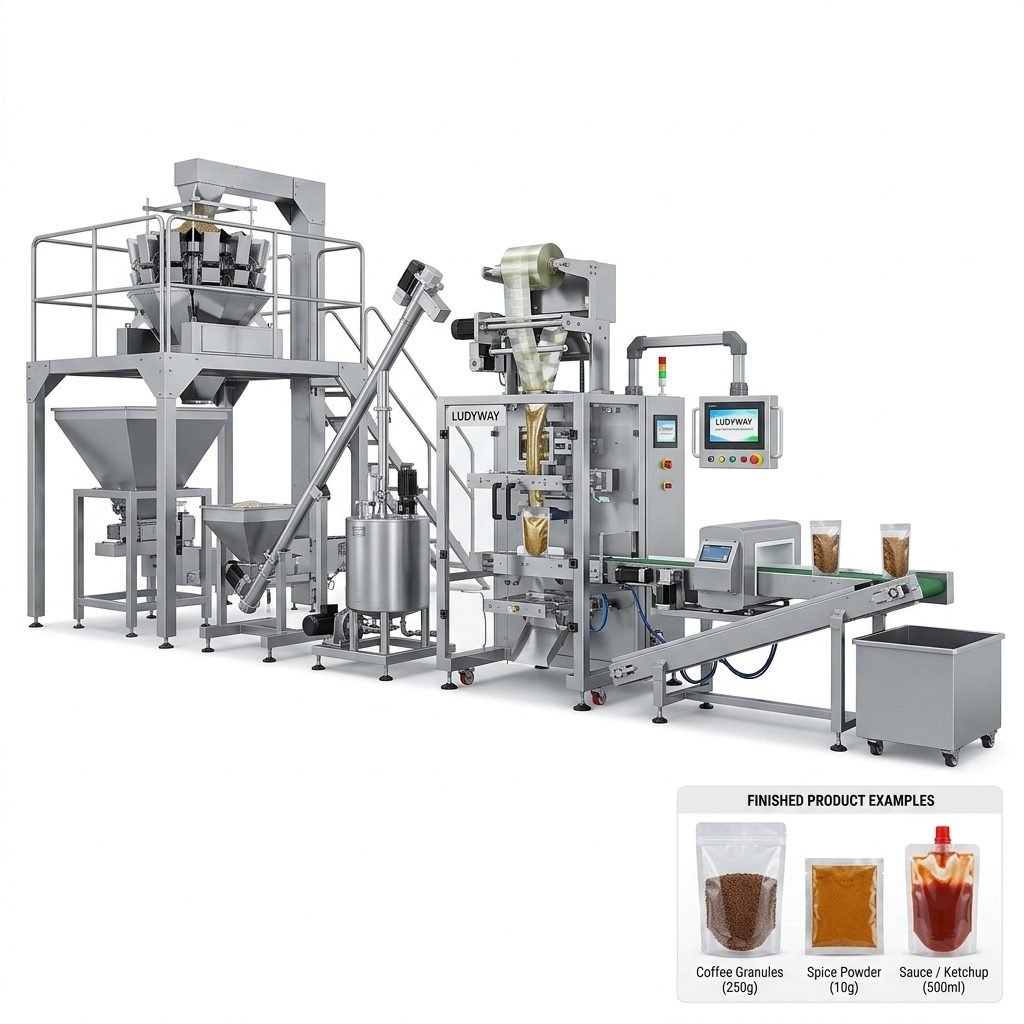
A standalone machine may work well for small operations, but growing manufacturers often benefit more from an integrated packaging system. A complete line can include:
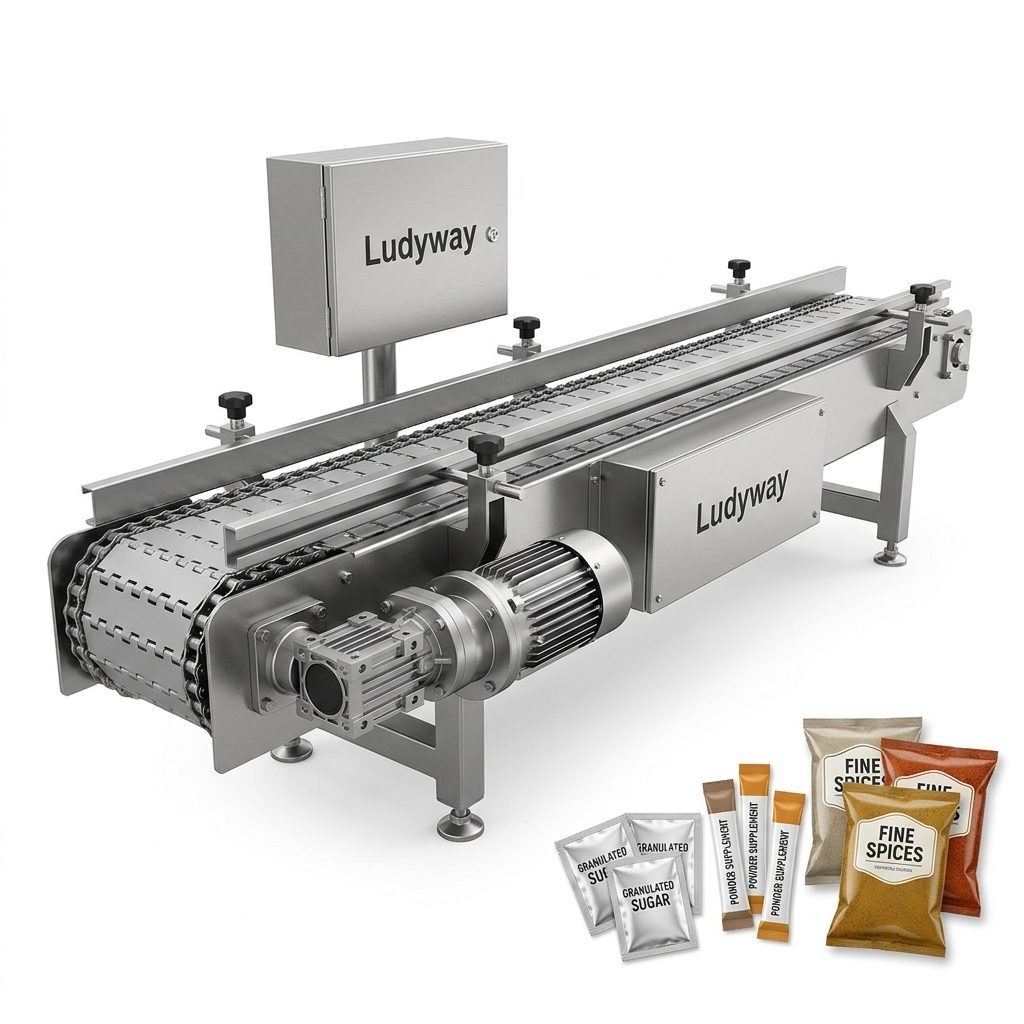
- Automatic feeding systems
- Weighing or dosing units
- Bag forming, filling, and sealing equipment
- Date coding and printing
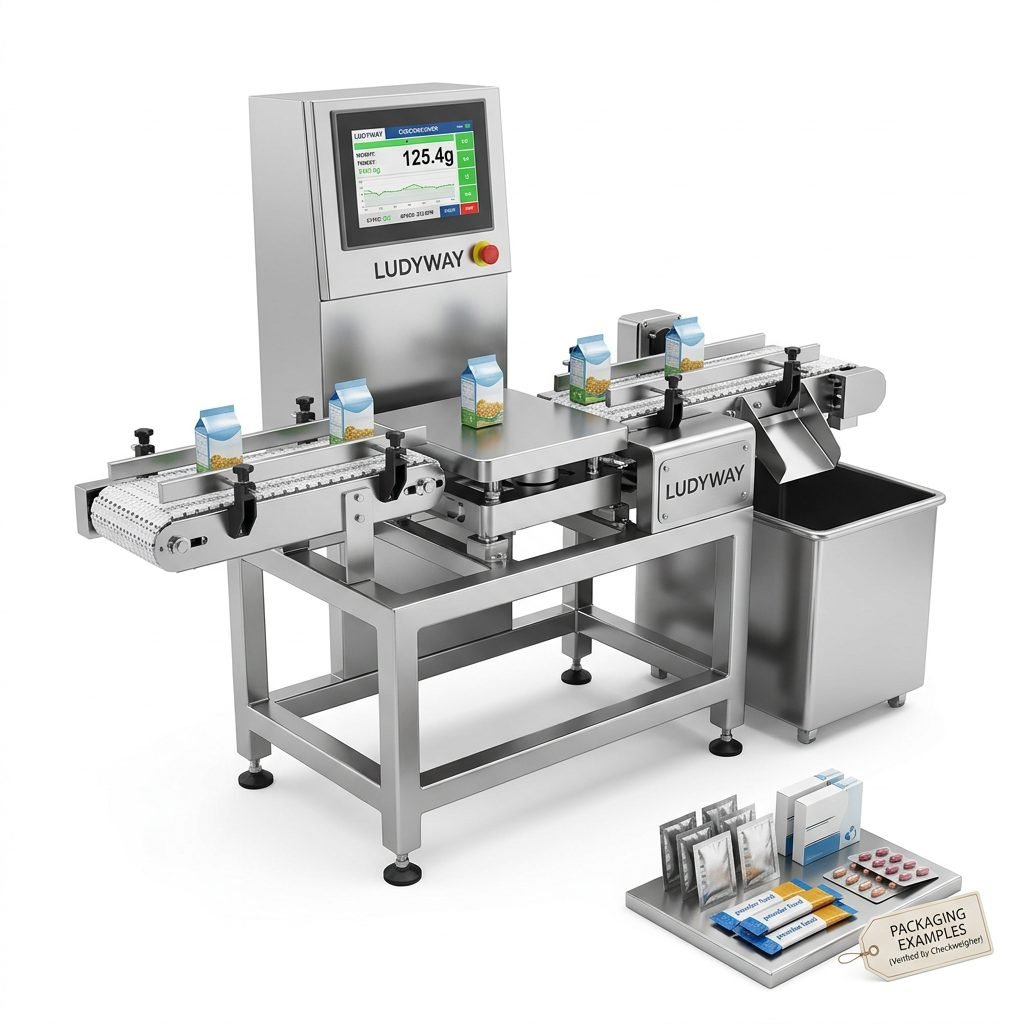
- Metal detection or checkweighing
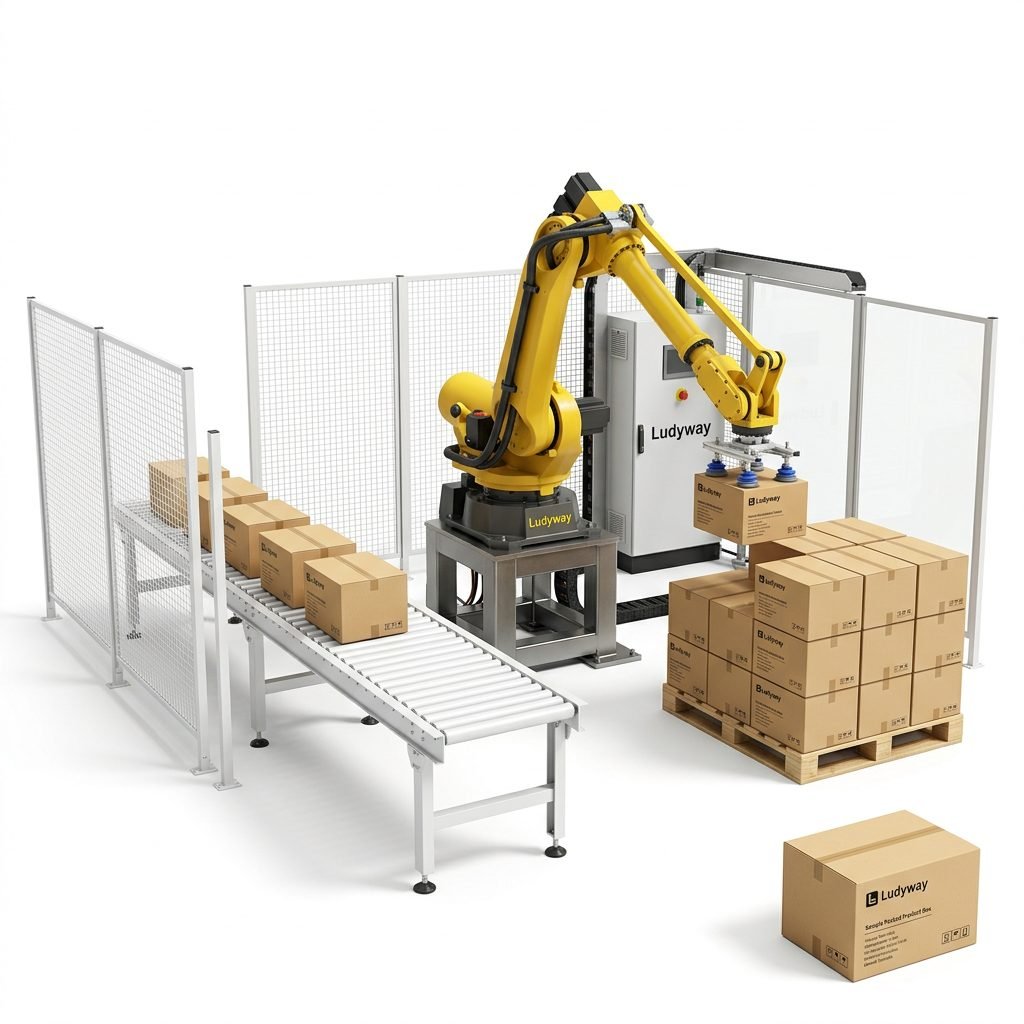
- Cartoning, case packing, and palletizing
If your goal is long-term efficiency, ask whether the machine can be upgraded or connected to future automation modules. This is especially important for medium and large factories planning to scale product lines.
Consider Changeover Flexibility
If you package multiple SKUs, your machine must support efficient changeovers. This affects labor needs and downtime more than many buyers expect.
A flexible automatic bag packing machine should allow:
- Quick adjustment for different bag sizes
- Easy recipe storage on touchscreen controls
- Fast cleaning between product runs
- Simple access to contact parts
- Minimal tool-based disassembly
For food, pharma, and supplement applications, easy cleaning and hygienic construction can significantly reduce contamination risks and maintenance time.
Don’t Ignore Material Compatibility
The packaging film or premade pouch structure must be compatible with the machine’s sealing system. Poor compatibility causes weak seals, wrinkling, or repeated jams.
| Selection Point | Why It Matters |
|---|---|
| Film thickness | Affects feeding stability and seal performance |
| Laminated structure | Determines barrier properties and sealing temperature |
| Surface friction | Impacts film pulling and registration accuracy |
| Sealant layer | Influences sealing strength and leak resistance |
| Printed film registration | Affects package appearance and print alignment |
Whenever possible, send actual packaging materials and product samples to the machine supplier for testing before final purchase.
Assess Reliability, Maintenance, and Spare Parts
A machine with low purchase cost may become expensive if it requires frequent repairs or lacks service support. Reliability should be reviewed from both mechanical and operational perspectives.
Check for:
- Stable servo control system
- Quality electrical components
- Accessible wear parts
- Clear maintenance instructions
- Available remote technical support
- Reasonable spare parts lead times
You should also ask about preventive maintenance schedules and expected lifespan of major components such as sealing jaws, pumps, augers, belts, and sensors.
Compare Standalone Machines vs Turnkey Packaging Lines
In some cases, a single bagging machine is enough. In others, a turnkey line creates better ROI by reducing manual handling and synchronization problems.
Standalone machine is often suitable when:
- You have limited floor space
- You run fewer products
- You are entering automation for the first time
- Your upstream and downstream equipment is already available
Turnkey line is often better when:
- You need higher speed and better line balance
- You want one supplier for design, integration, and support
- You need feeding, inspection, coding, cartoning, and end-of-line automation
- You expect rapid scale-up in the next few years
If you are considering complete packaging automation, working with an experienced manufacturer such as Ludyway automatic bag packing machine solutions can help simplify machine matching, layout planning, testing, and future line expansion.
Questions to Ask Before Buying
A good supplier should be able to answer detailed technical and commercial questions clearly. Use this checklist during supplier evaluation:
- What products has the machine been tested with?
- What is the stable speed under real production conditions?
- What bag sizes and materials are supported?
- What filling accuracy can be achieved?
- How long does changeover take?
- Which components are standard and which are optional?
- Can the machine integrate with checkweighers, metal detectors, cartoners, or palletizers?
- What after-sales support is available for export customers?
- Are installation guidance and operator training included?
- What spare parts are recommended for the first year?
Common Mistakes Buyers Should Avoid
Many packaging projects run into delays or extra costs because of preventable selection mistakes.
- Choosing by price alone instead of total operating value
- Ignoring product characteristics such as stickiness, dustiness, or viscosity
- Overestimating speed needs without considering actual workflow
- Failing to test packaging material before final approval
- Not planning for future expansion or line integration
- Underestimating service and spare parts support
How to Identify the Best Solution for Your Factory
The best automatic bag packing machine is the one that fits your production environment, not just your specification sheet. A smart decision usually combines the following:
- Correct filling technology for your product
- Bag format compatibility with your brand and market needs
- Stable speed aligned with your required output
- Reliable sealing and accurate dosing
- Easy maintenance and operator-friendly controls
- Expandable automation for future growth
- Strong technical support from an experienced supplier
If possible, request sample testing, machine videos, technical drawings, and full line recommendations based on your product, packaging size, and target speed. These steps reduce risk and help ensure the machine performs as expected after installation.
Final Buying Checklist
| Checklist Item | Status to Confirm |
|---|---|
| Product type and flow behavior analyzed | Yes / No |
| Bag format and packaging material confirmed | Yes / No |
| Target speed and shift schedule defined | Yes / No |
| Accuracy and seal requirements specified | Yes / No |
| Machine sample testing completed | Yes / No |
| Integration needs reviewed | Yes / No |
| Service, training, and spare parts clarified | Yes / No |
By following a structured evaluation process, you can choose an automatic bag packing solution that improves efficiency today while supporting long-term packaging growth.