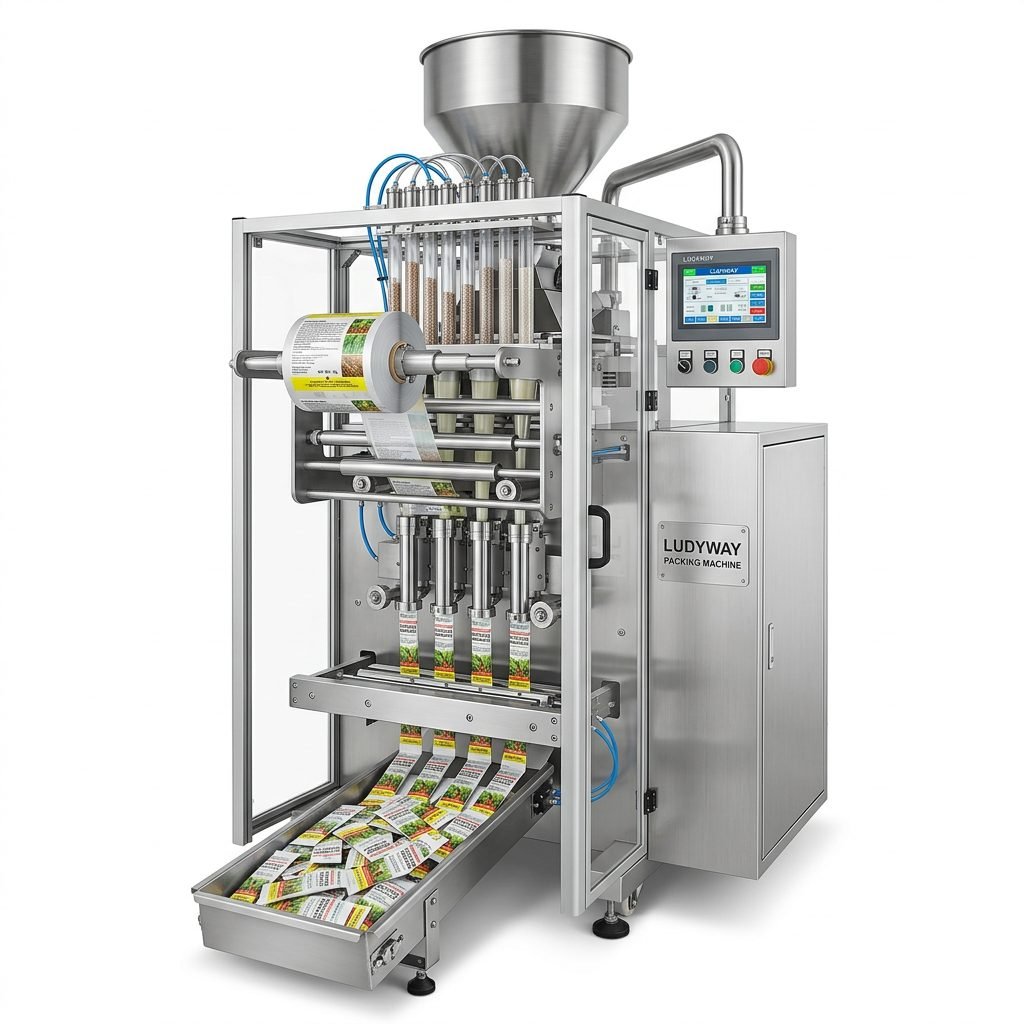
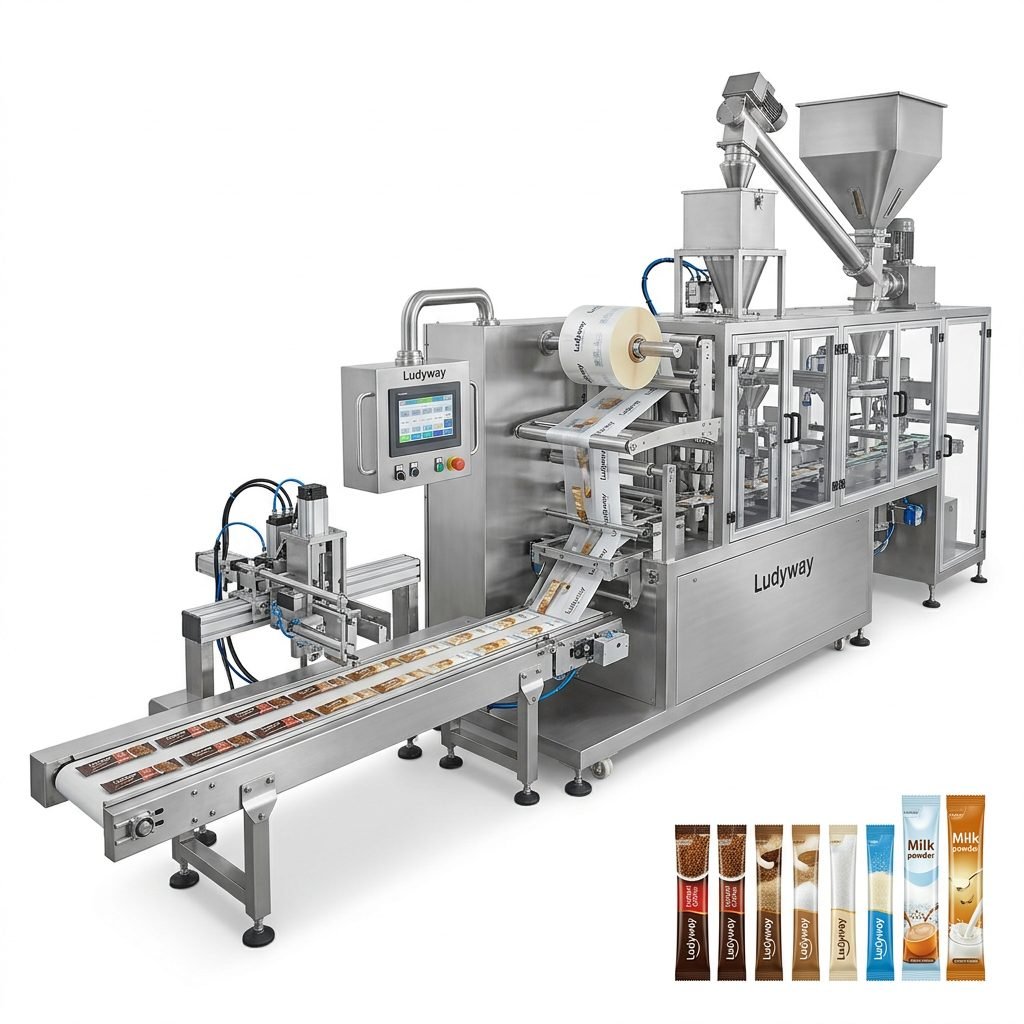
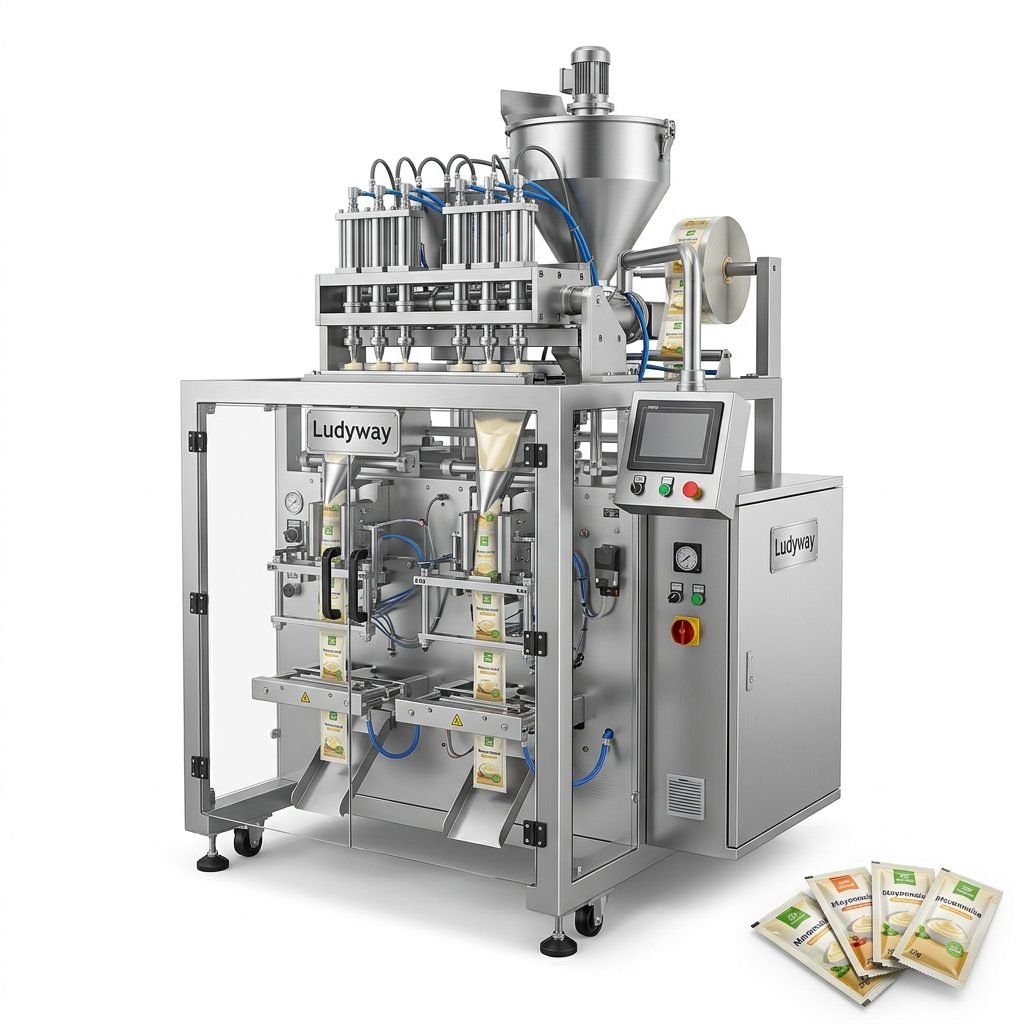
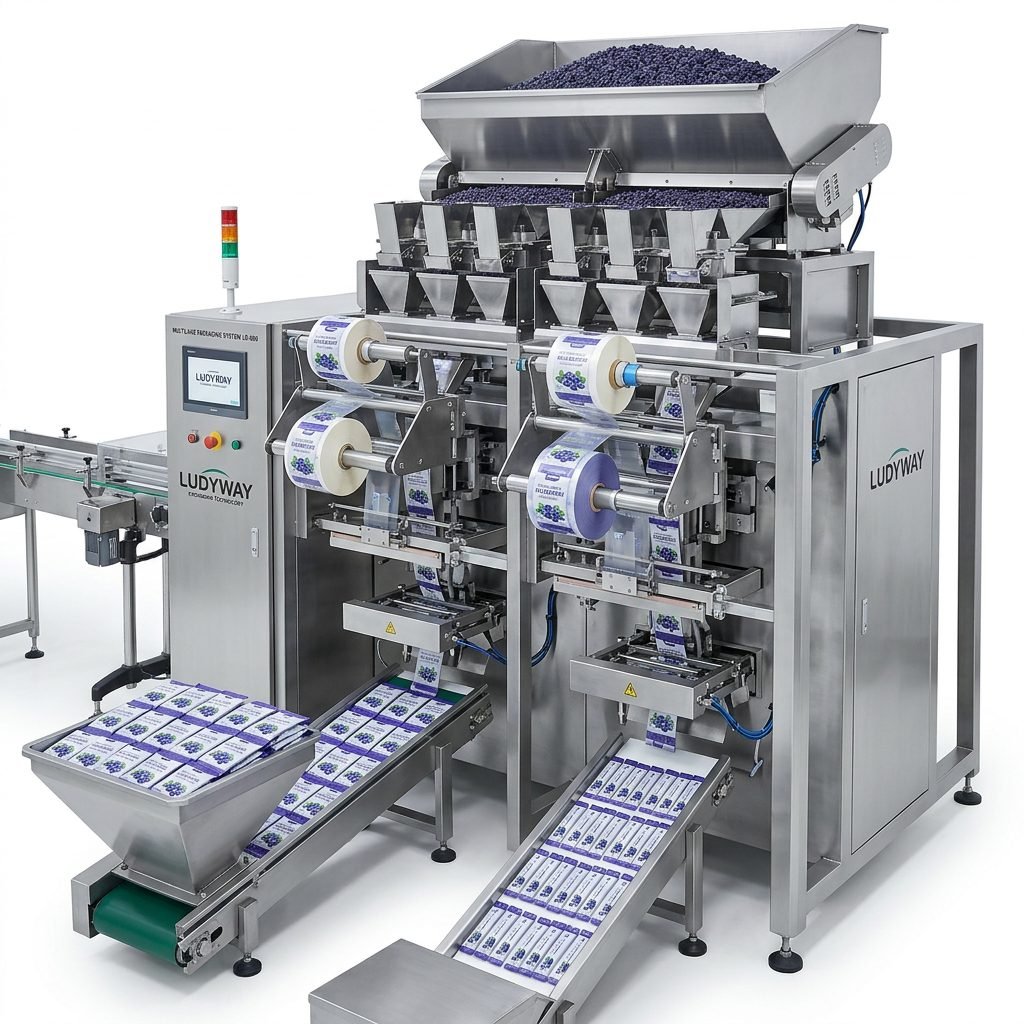
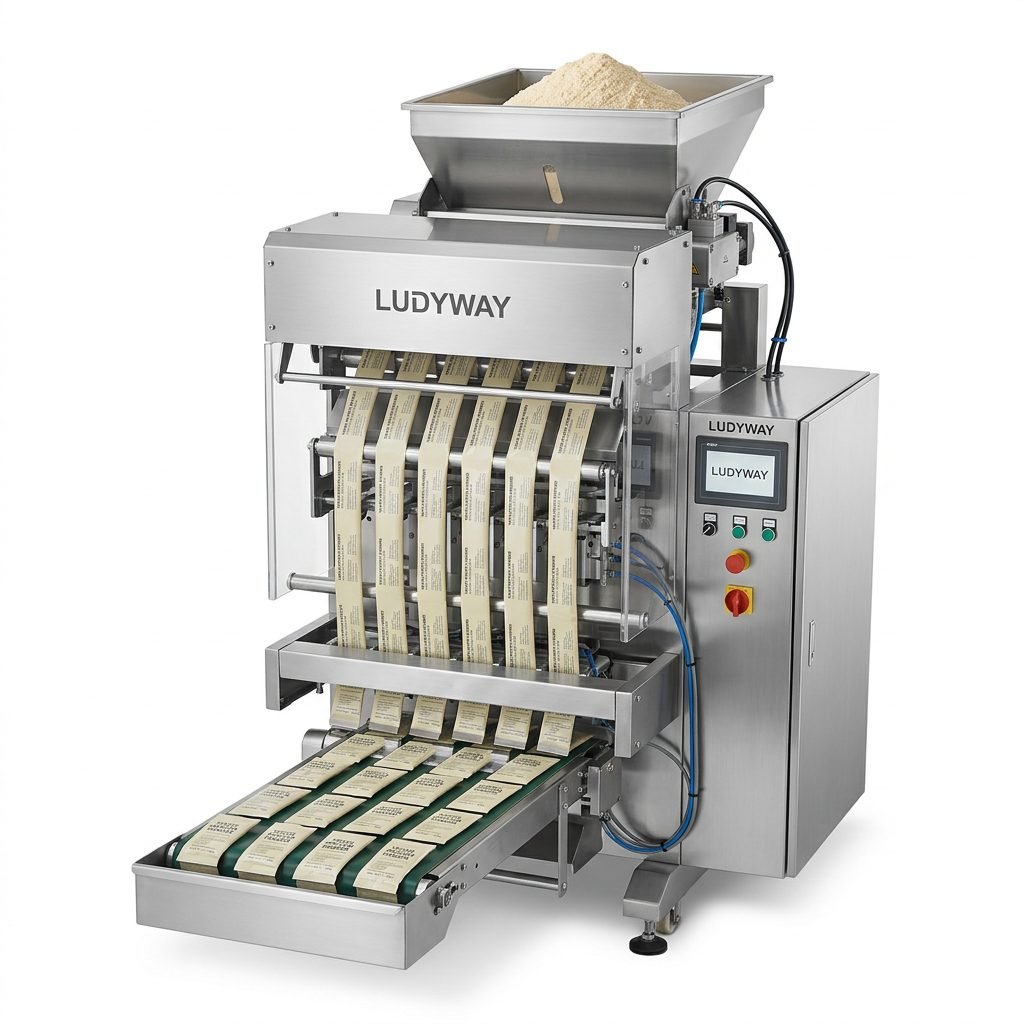
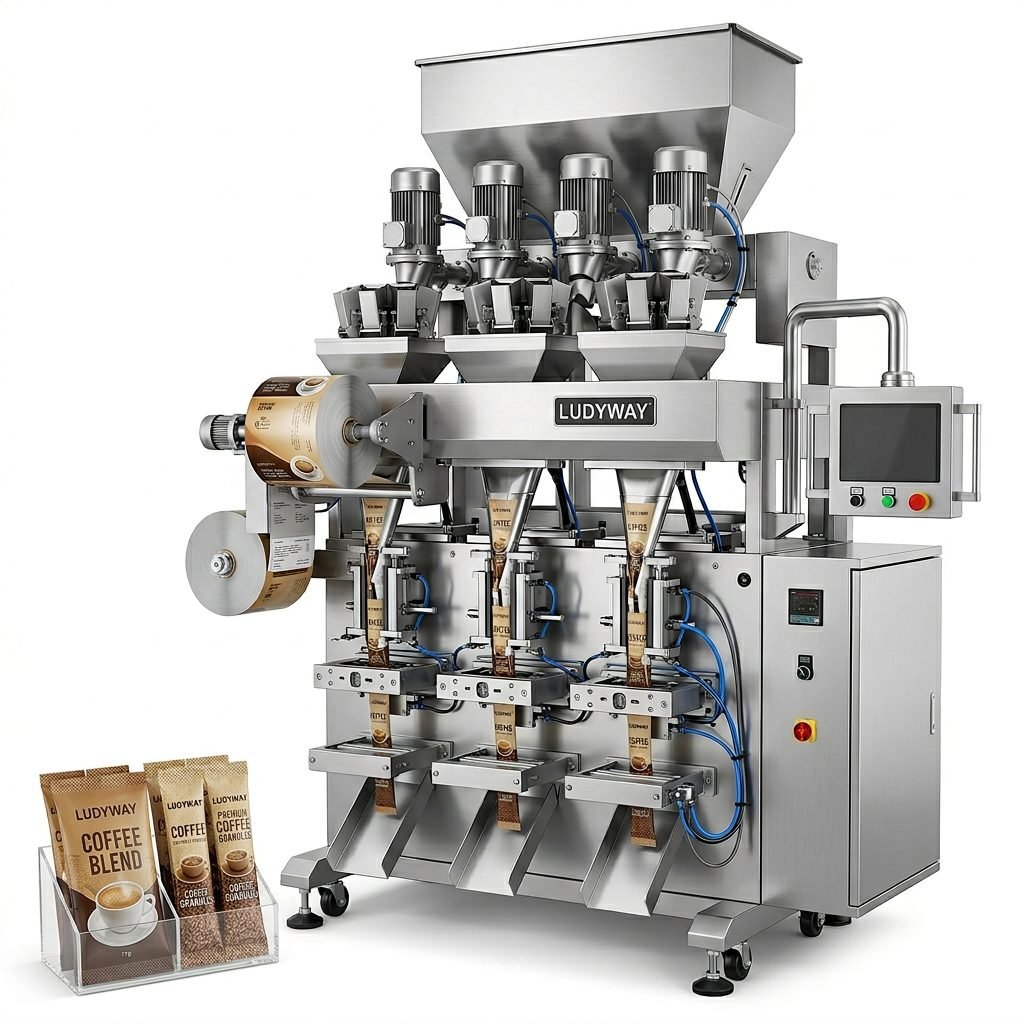
Shrink sleeve packaging machines are widely used in modern production lines for bottles, jars, cans, and other containers that require a clean, secure, and highly visual package appearance. Whether you work in food, beverages, pharmaceuticals, cosmetics, or household chemicals, understanding how this equipment works can help you improve line efficiency, packaging consistency, and product presentation.
This guide explains the working principle of shrink sleeve packaging machines, their main benefits, where they are used, and what factors to evaluate before choosing the right system for your factory.
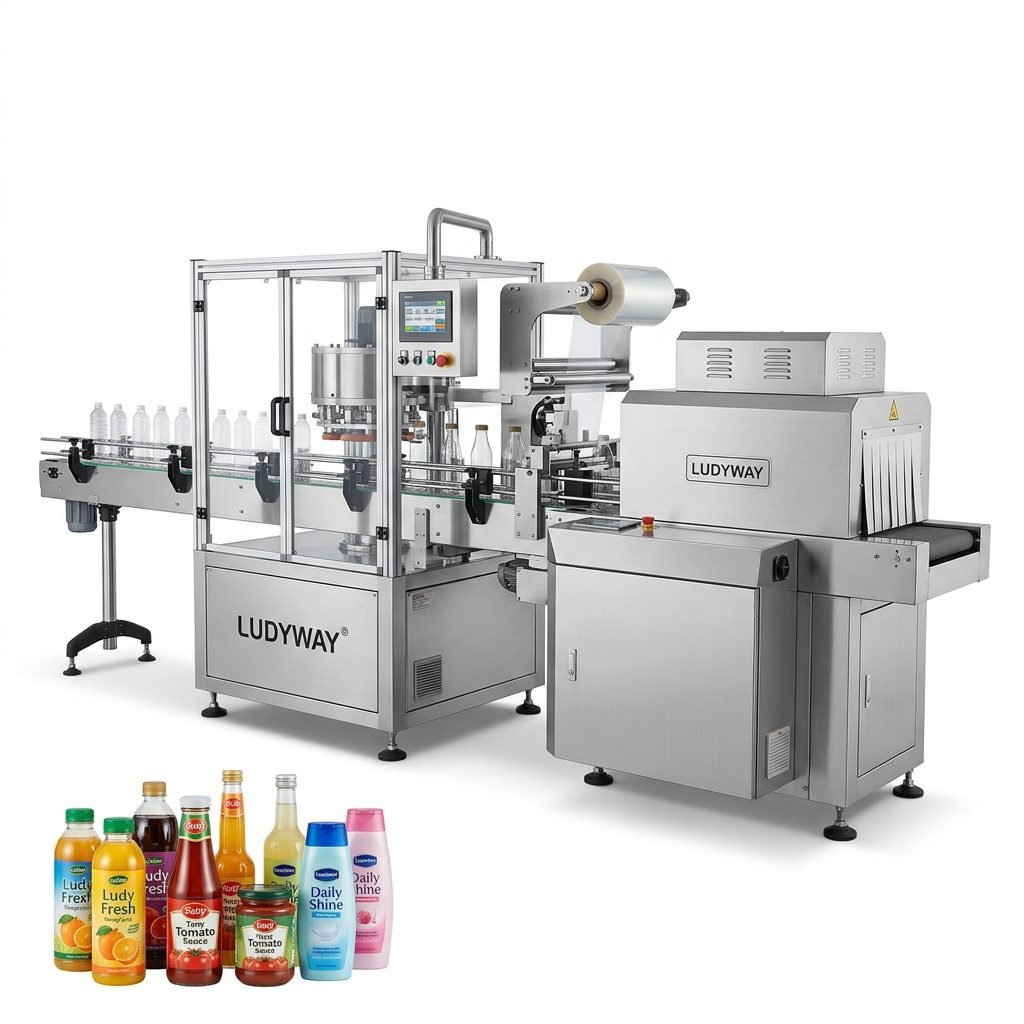
What Is a Shrink Sleeve Packaging Machine?
A shrink sleeve packaging machine is an automated system that applies a plastic sleeve label or full-body sleeve over a container and then uses heat to shrink the material tightly around the product. The result is a tamper-evident, attractive, and durable package that conforms closely to the container shape.
Shrink sleeves are commonly made from materials such as PETG, PVC, OPS, or PLA. These films can cover part of the container or the entire body, allowing brands to create 360-degree graphics and maximize shelf appeal.
Typical products packaged with shrink sleeves
- Water, juice, tea, and carbonated drink bottles
- Dairy beverages and yogurt containers
- Sauce, condiment, and edible oil bottles
- Shampoo, detergent, and personal care containers
- Pharmaceutical and nutraceutical bottles
- Cosmetic jars, tubes, and specialty containers
How Does a Shrink Sleeve Packaging Machine Work?
Although machine layouts vary by application, the overall process follows a clear sequence. Each step must be synchronized to ensure accurate sleeve placement and smooth production flow.
1. Container infeed and spacing
Containers enter the machine from an upstream conveyor. A spacing system or timing screw separates products to maintain stable positioning before sleeve application. This is essential for high-speed lines where precise sleeve placement matters.
2. Sleeve film feeding
Printed sleeve film is unwound from a roll and guided through a tension control system. The machine keeps the film aligned so that registration marks and print positions remain accurate.
3. Cutting the sleeve
The film is cut into individual sleeve lengths according to the container height and label design. In high-precision systems, servo-driven cutting helps reduce waste and improves repeatability.
4. Sleeve application
The cut sleeve is opened and placed over the bottle or container. Depending on the equipment design, it may be applied from the top or positioned onto the body section that requires labeling or tamper sealing.
5. Heat shrinking
The sleeved container passes through a heat tunnel, usually steam or hot air. The heat causes the film to shrink and fit tightly around the product contour. This stage determines the final appearance of the package, so tunnel design and temperature control are critical.
6. Discharge and downstream integration
After shrinking, the finished products exit the machine and move to downstream stations such as date coding, inspection, cartoning, case packing, or palletizing.
Simple process flow
- Container feeding
- Film unwinding
- Sleeve cutting
- Sleeve insertion
- Heat tunnel shrinking
- Finished product discharge
Main Components of a Shrink Sleeve Packaging Machine
When evaluating equipment, it helps to understand the key sections that affect speed, stability, and maintenance requirements.
| Component | Function |
|---|---|
| Infeed conveyor | Transfers and positions containers for stable sleeve application |
| Film roll holder | Supports and feeds the shrink sleeve material |
| Tension control unit | Maintains proper film tension and alignment |
| Cutting system | Cuts the film into sleeves of the required length |
| Sleeve applicator | Places sleeves onto bottles or containers |
| Heat tunnel | Shrinks the sleeve evenly around the package |
| Control system | Coordinates speed, synchronization, alarms, and operating parameters |
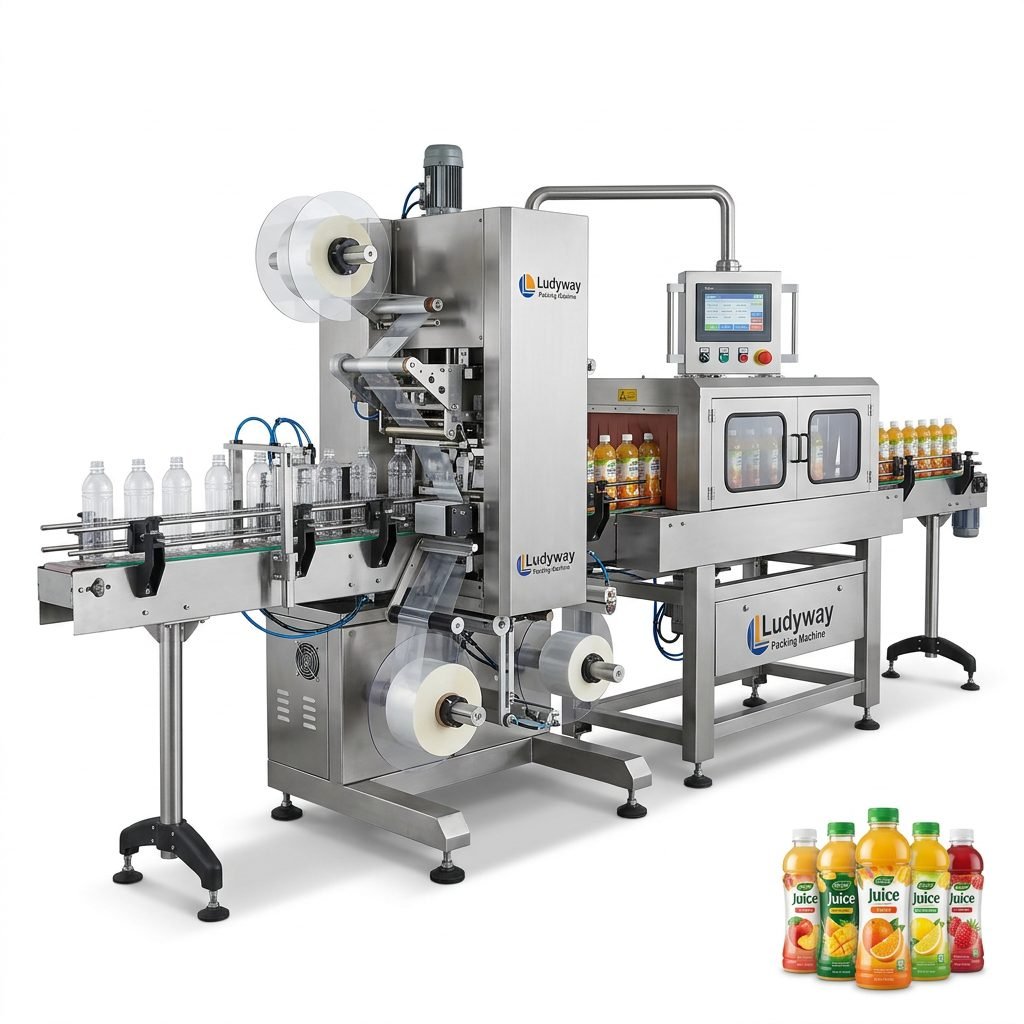
Benefits of Using a Shrink Sleeve Packaging Machine
Shrink sleeve packaging has become popular because it combines branding, protection, and automation advantages in one solution.
Excellent shelf appeal
Shrink sleeves offer full-body decoration and allow brands to print vivid graphics across the entire container surface. This makes products stand out more effectively than traditional front-and-back labels.
Strong compatibility with complex container shapes
Unlike flat labels, shrink sleeves can fit curved, tapered, and uniquely shaped containers. This gives product designers more flexibility without sacrificing label coverage.
Tamper evidence
A neck-band or cap sleeve can provide a visible seal that helps assure consumers the package has not been opened. This is especially important in food, beverage, health supplement, and pharmaceutical sectors.
High-speed automation
Modern shrink sleeve machines are designed for continuous production and can integrate with filling, capping, inspection, and case packing systems. This helps manufacturers reduce manual handling and improve overall line throughput.
Better brand consistency
With stable positioning and controlled shrinking, automated sleeve machines deliver more uniform results than manual or semi-automatic methods.
Versatile industry use
One system can often handle multiple container sizes or formats with the right change parts and settings, making it suitable for both growing brands and large-scale factories.
Common Applications by Industry
| Industry | Typical Products | Why Shrink Sleeves Are Used |
|---|---|---|
| Beverage | Water, juice, tea, energy drinks | Full-body branding and moisture-resistant labeling |
| Food | Sauces, seasonings, oils, dairy products | Attractive packaging and tamper evidence |
| Pharmaceutical | Syrup bottles, health supplements | Safety seal, product identification, compliance support |
| Cosmetic | Skincare, shampoo, lotion bottles | Premium appearance and flexible design coverage |
| Chemical & household | Detergent, cleaners, automotive chemicals | Durability, container fit, and clear branding |
Types of Shrink Sleeve Packaging Machines
Not all shrink sleeve systems are the same. The right type depends on your product, output target, and plant layout.
Automatic shrink sleeve applicator
Designed for medium- to high-speed production. Best for manufacturers that need continuous operation and stable sleeve placement.
Semi-automatic shrink sleeve machine
Suitable for smaller production runs or businesses with limited budgets. It usually requires more operator involvement and lower output expectations.
Full-body sleeve machine
Covers most or all of the container, ideal for products that rely on full-surface branding.
Tamper-evident banding machine
Applies sleeve bands around caps or lids rather than full labels. Often used in pharmaceuticals, food jars, and beverage bottles.
Integrated shrink sleeve packaging line
Combines sleeve application with upstream and downstream equipment such as bottle unscramblers, fillers, cappers, conveyors, inspection units, and end-of-line packing systems.
How to Choose the Right Shrink Sleeve Packaging Machine
Choosing the right equipment is not only about speed. A good match should also support your product format, production goals, future expansion, and maintenance capacity.
1. Define your container type
Start by reviewing the shape, material, diameter, and height of your containers. Irregular bottle profiles may require more accurate positioning and tunnel control.
2. Confirm your sleeve material
Different films shrink differently under heat. Your machine and tunnel should be compatible with the sleeve material you use, whether PETG, PVC, OPS, or PLA.
3. Evaluate production speed
Estimate both your current and future capacity. If your line is expected to scale, choose a machine that can handle more output than your immediate demand.
4. Check sleeve positioning accuracy
For branded products, print alignment matters. Servo controls, sensor systems, and stable film feeding can improve cutting precision and placement consistency.
5. Review heat tunnel type
Steam tunnels often work well for shaped containers and provide even shrink performance, while hot air tunnels may be suitable for other applications. The best choice depends on your container material, sleeve film, utilities, and final package appearance.
6. Consider changeover requirements
If you run multiple SKUs, fast changeover is important. A machine designed for easier adjustment can reduce downtime and improve line flexibility.
7. Look at integration capability
The machine should fit into your full packaging workflow. Smooth connection with conveyors, fillers, cappers, printers, inspection units, and case packers helps improve total line efficiency.
8. Assess technical support and customization
For many factories, a standard machine is not enough. Custom engineering, line planning, installation guidance, and after-sales service are often just as important as the machine itself.
Key Questions to Ask Before Buying
- What container sizes and shapes will the machine handle?
- What is the actual stable running speed, not just the maximum speed?
- Which sleeve materials are supported?
- How long does product changeover take?
- Is the machine suitable for humid, dusty, or cleanroom environments?
- Can it be integrated into a complete packaging line?
- What spare parts and technical service are available?
- Is customization available for special products?
Shrink Sleeve Machine vs. Traditional Labeling
| Factor | Shrink Sleeve Packaging | Traditional Pressure-Sensitive Labeling |
|---|---|---|
| Graphic coverage | Full 360-degree decoration | Partial surface coverage |
| Container shape compatibility | Excellent for complex shapes | Best for regular surfaces |
| Tamper evidence | Easy to achieve with cap or neck bands | Usually requires extra solution |
| Shelf impact | High visual impact | Moderate visual impact |
| Equipment complexity | Includes applicator and heat tunnel | Usually simpler label application |
Maintenance Tips for Stable Performance
Good maintenance directly affects label quality and uptime. A few preventive steps can help avoid misalignment, poor shrinking, or machine stoppages.
- Clean sensors, cutters, and film guide areas regularly
- Check blade condition and replace worn cutting parts on schedule
- Inspect film tension and registration accuracy before each run
- Monitor tunnel temperature and airflow or steam distribution
- Verify conveyor synchronization with upstream and downstream machines
- Keep critical spare parts available for fast replacement
Why Turnkey Line Integration Matters
For many manufacturers, the shrink sleeve machine is only one part of a larger automated process. If filling, capping, labeling, inspection, and case packing are not coordinated, the benefits of high-speed sleeving can be lost through bottlenecks elsewhere.
This is why many buyers prefer working with suppliers that can provide both standalone machines and complete packaging line integration. An experienced partner can help optimize layout, improve synchronization, and reduce commissioning risks.
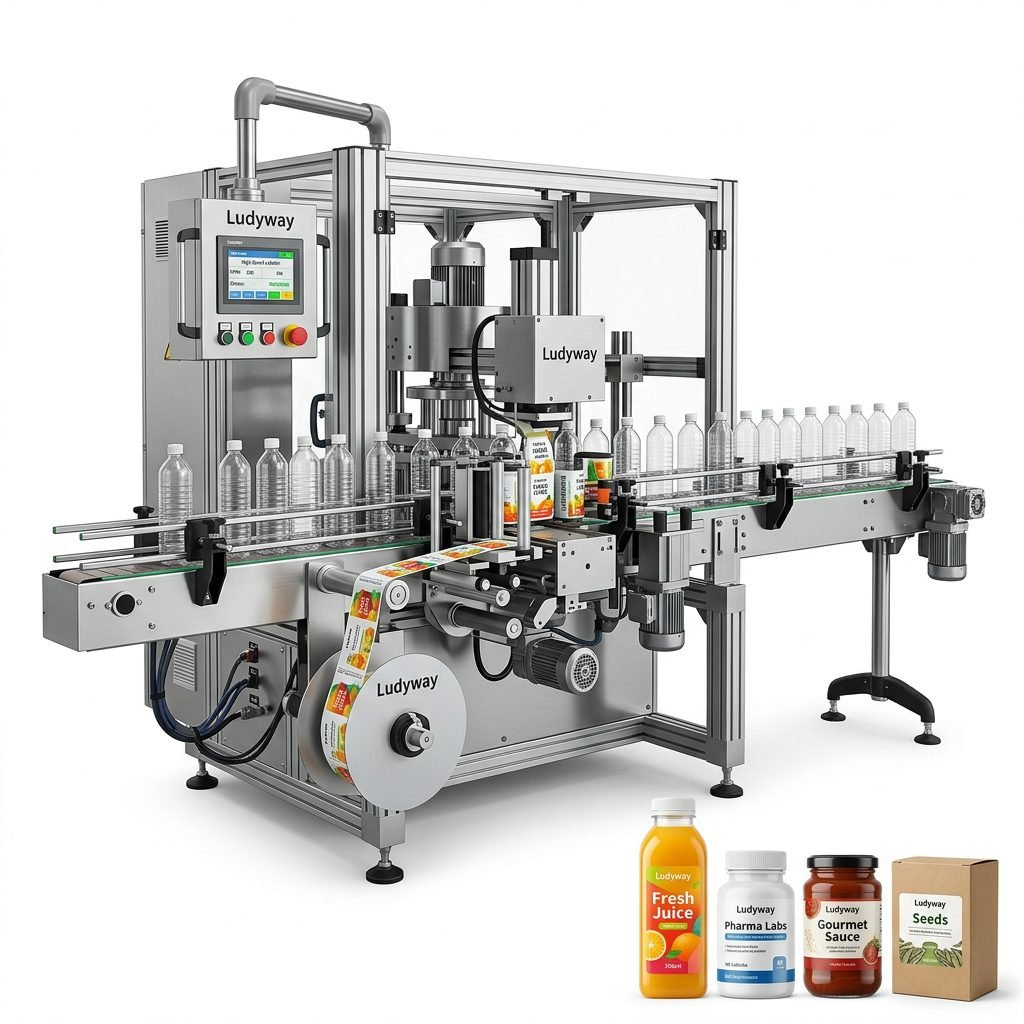
For companies looking for scalable automation, Ludyway shrink sleeve packaging machine solutions can be considered as part of a broader turnkey packaging line strategy, especially for food, pharmaceutical, health supplement, and daily-use product applications.
Final Buying Checklist
- Match the machine to your container size and shape
- Confirm compatibility with your sleeve material
- Choose a realistic speed range for current and future needs
- Check application accuracy and heat tunnel quality
- Evaluate ease of operation and changeover
- Make sure it integrates with your existing line
- Review customization, spare parts, and technical support
- Consider total cost of ownership, not just purchase price
Conclusion
A shrink sleeve packaging machine helps manufacturers combine strong branding, tamper evidence, and production efficiency in a single packaging solution. By understanding how the machine works and what features matter most, you can choose equipment that delivers better package quality, smoother line performance, and long-term value.
If you are planning a new line or upgrading an existing one, focus on product compatibility, sleeve accuracy, tunnel performance, and integration capability. The right system should not only label your products well, but also support your broader automation goals.