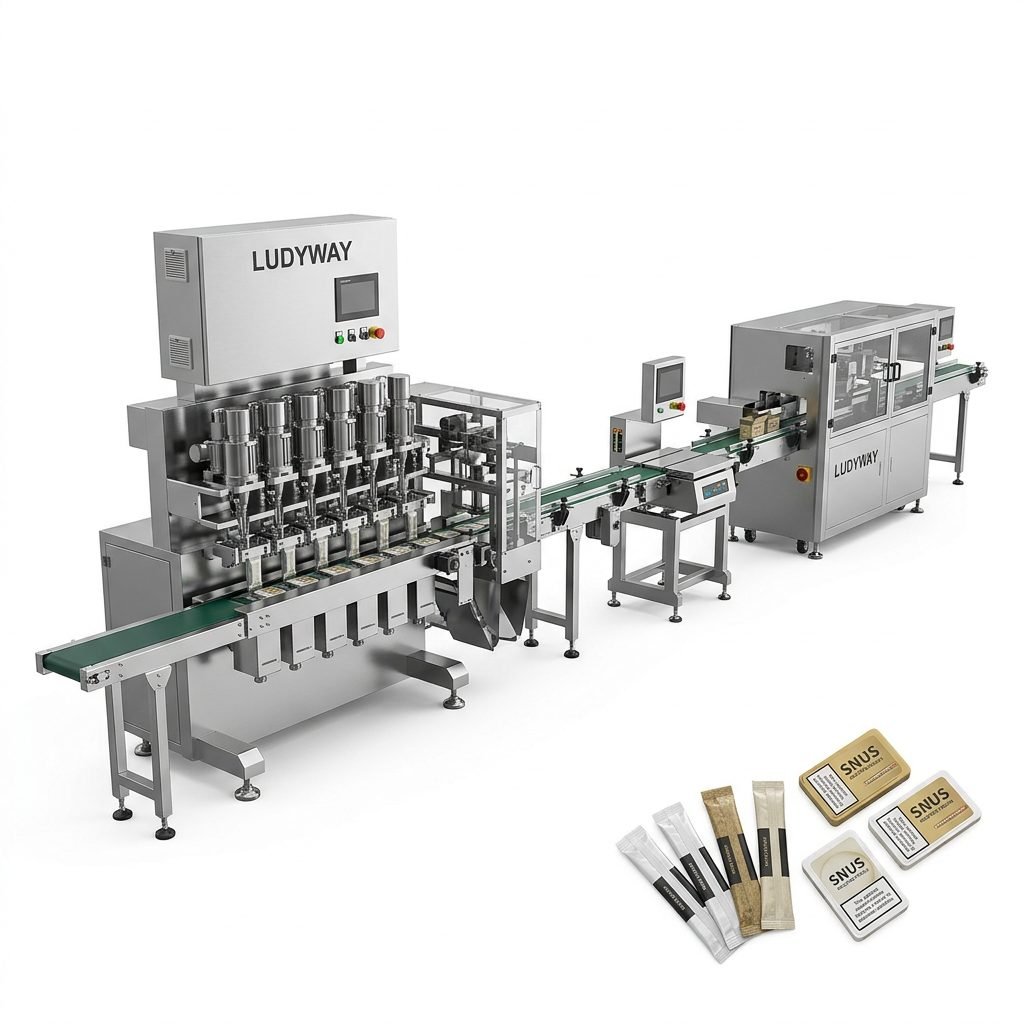
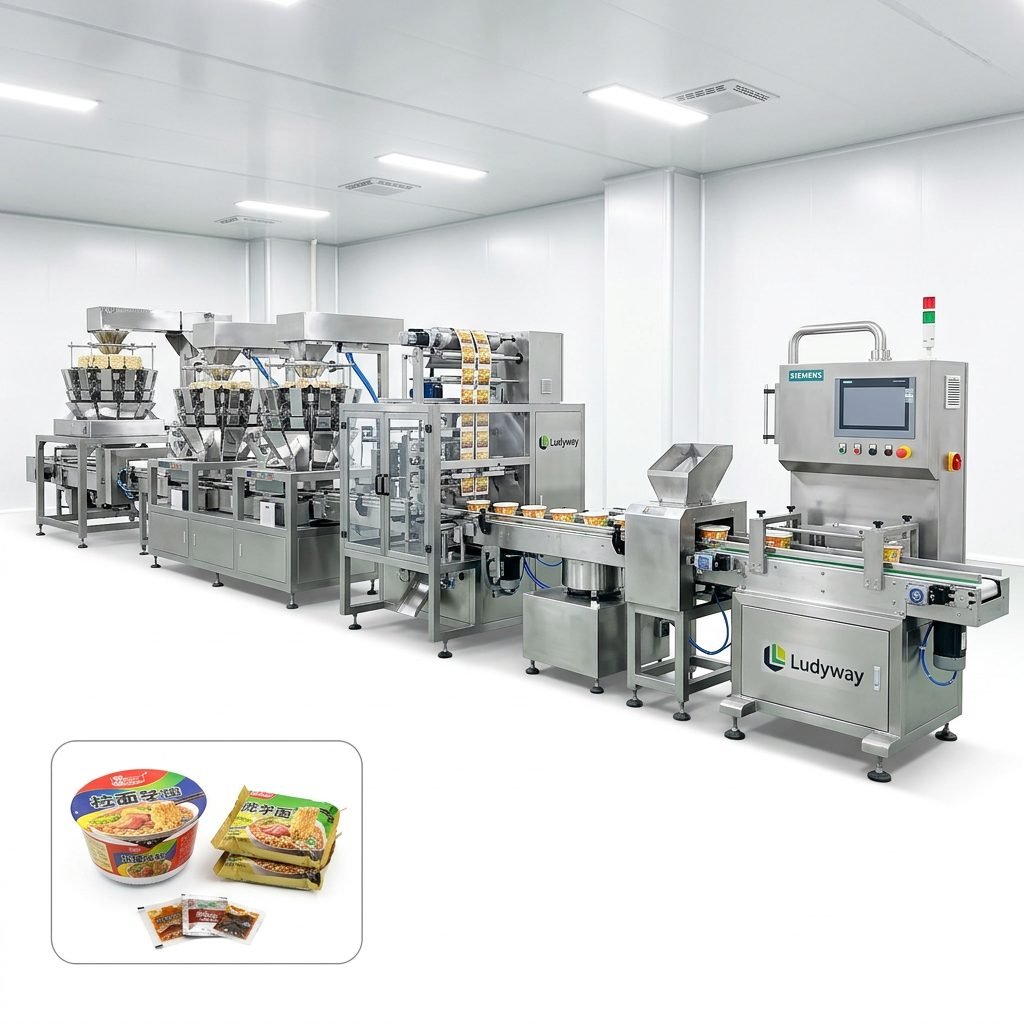
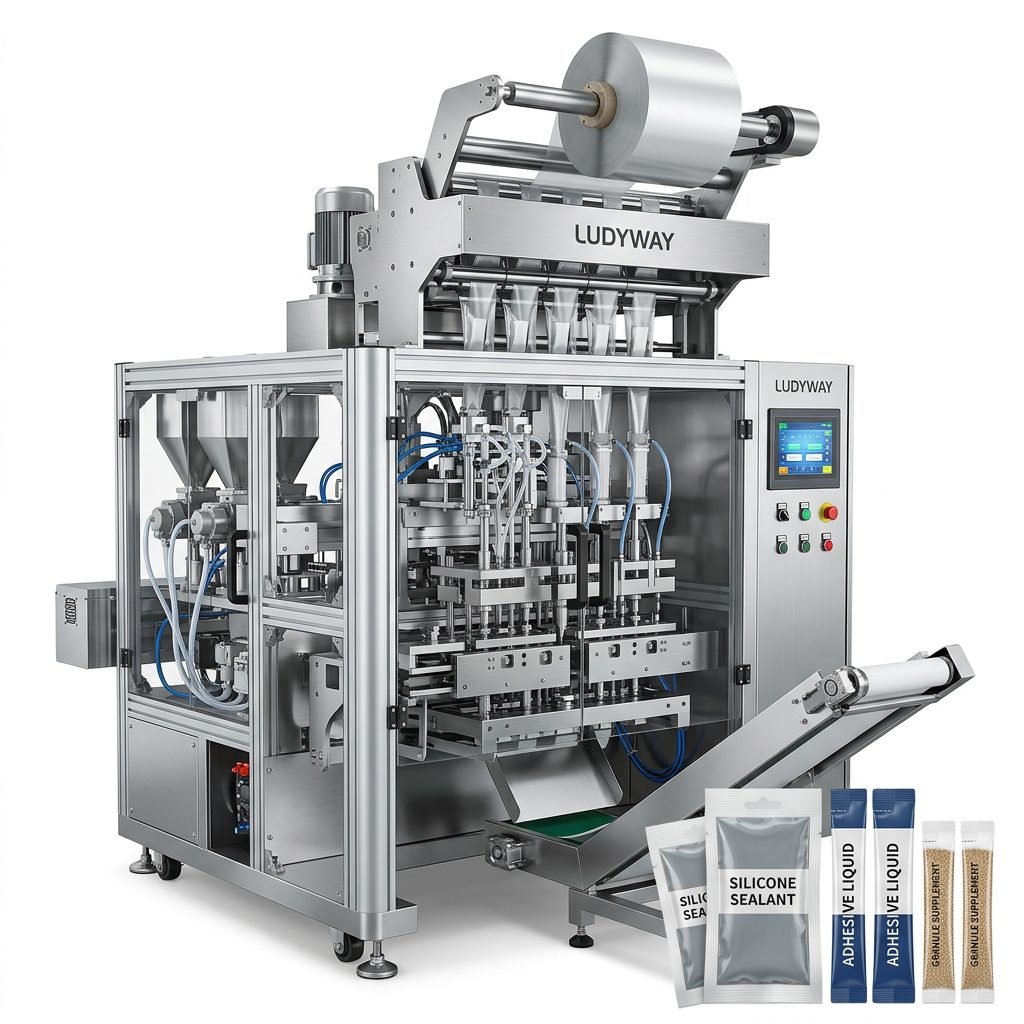
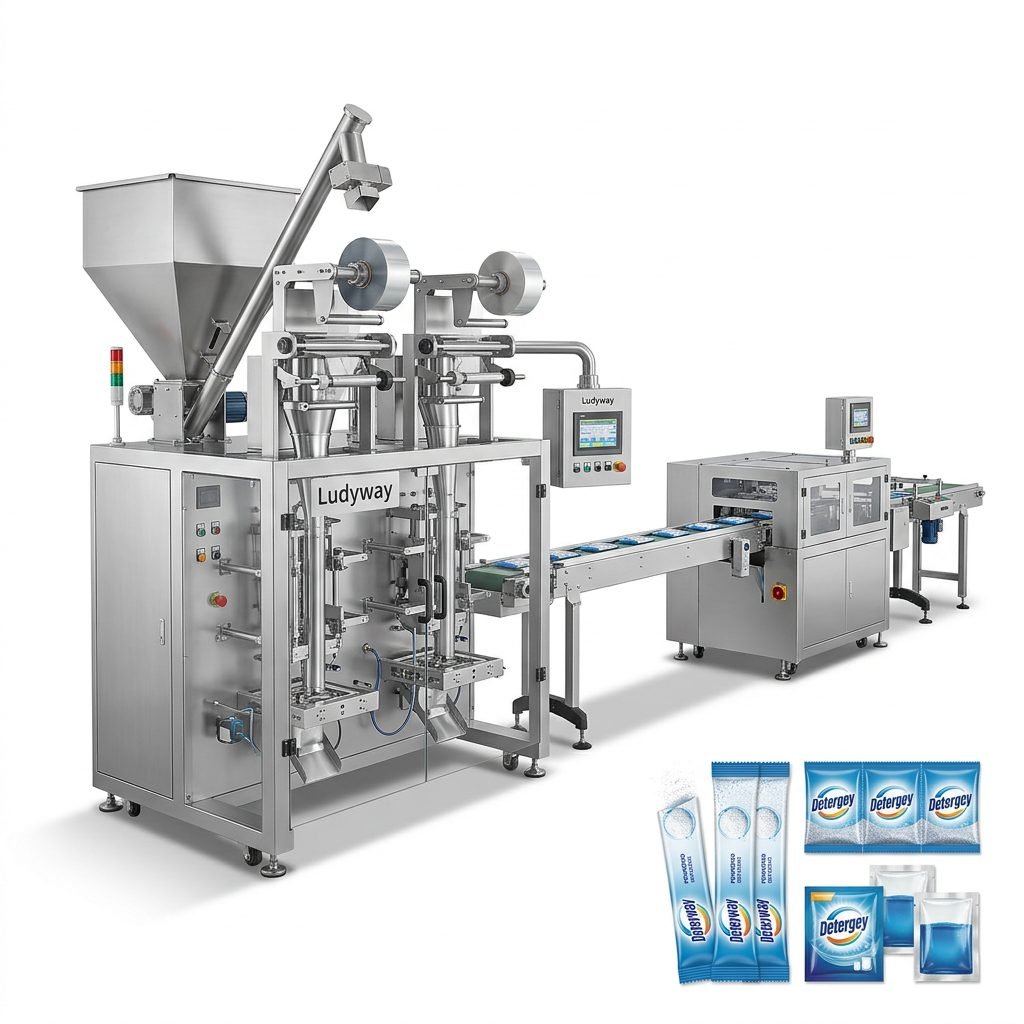
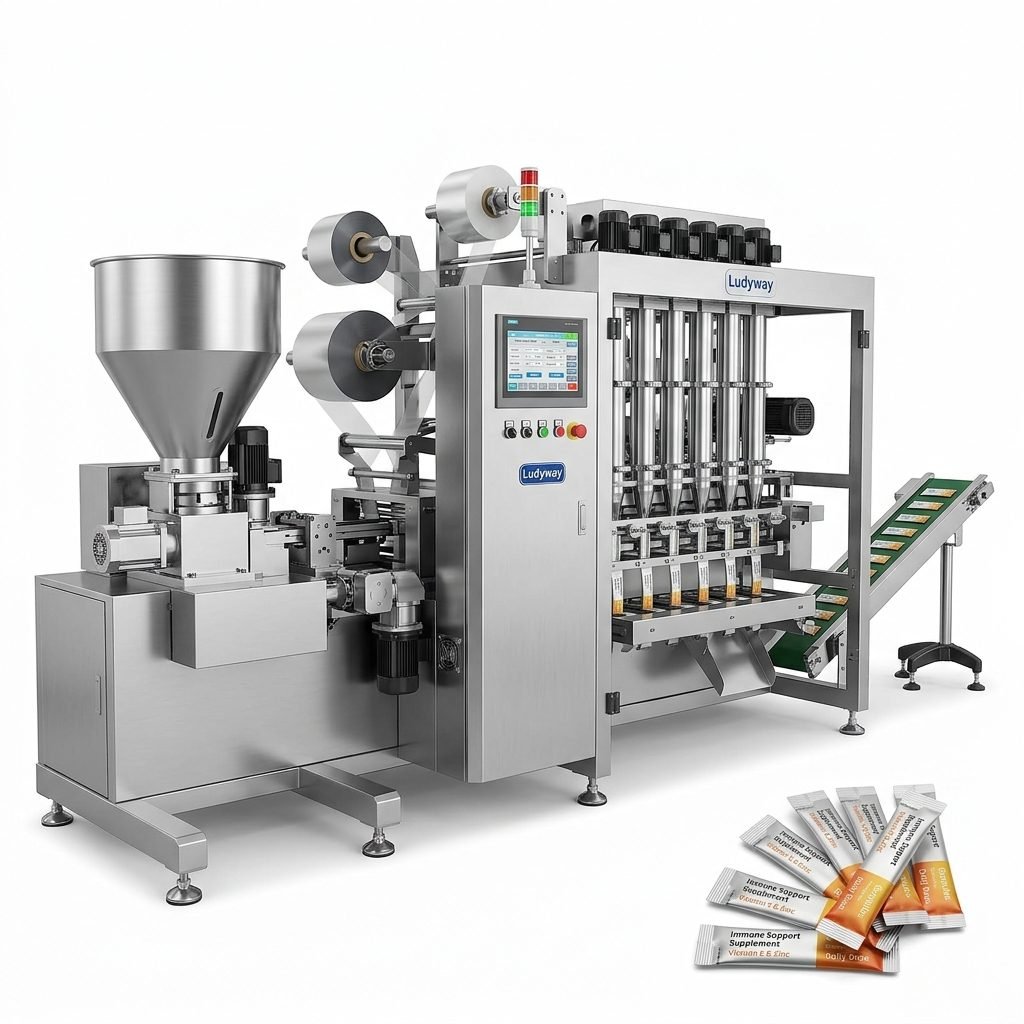
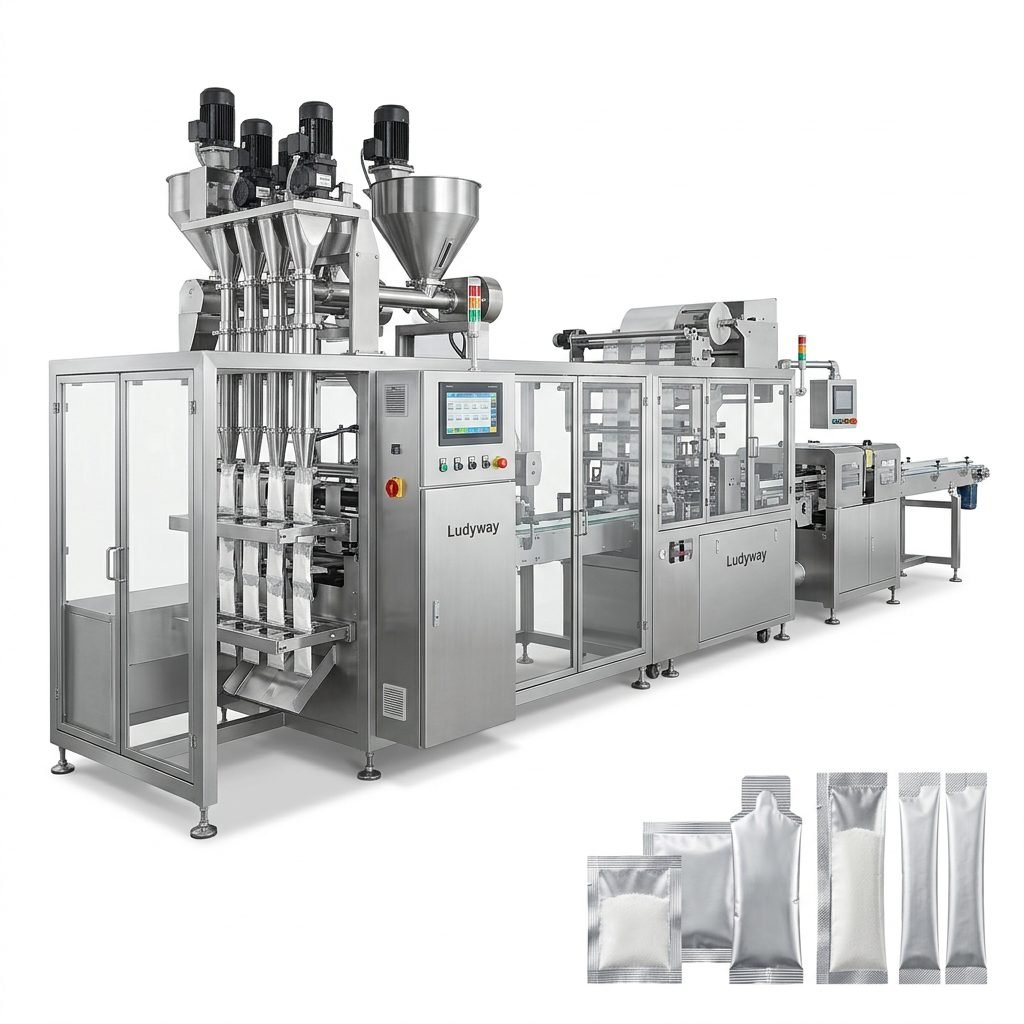
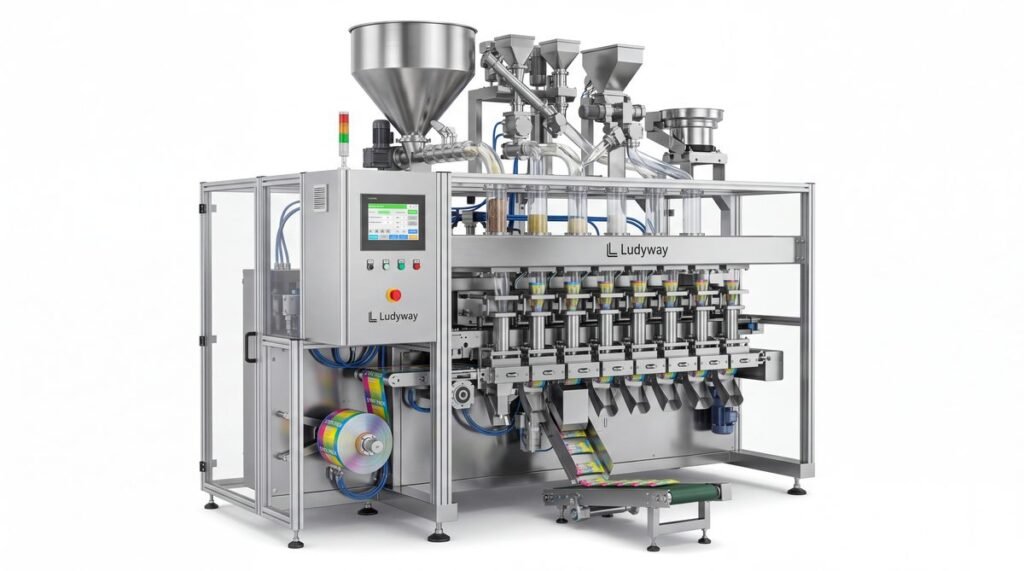
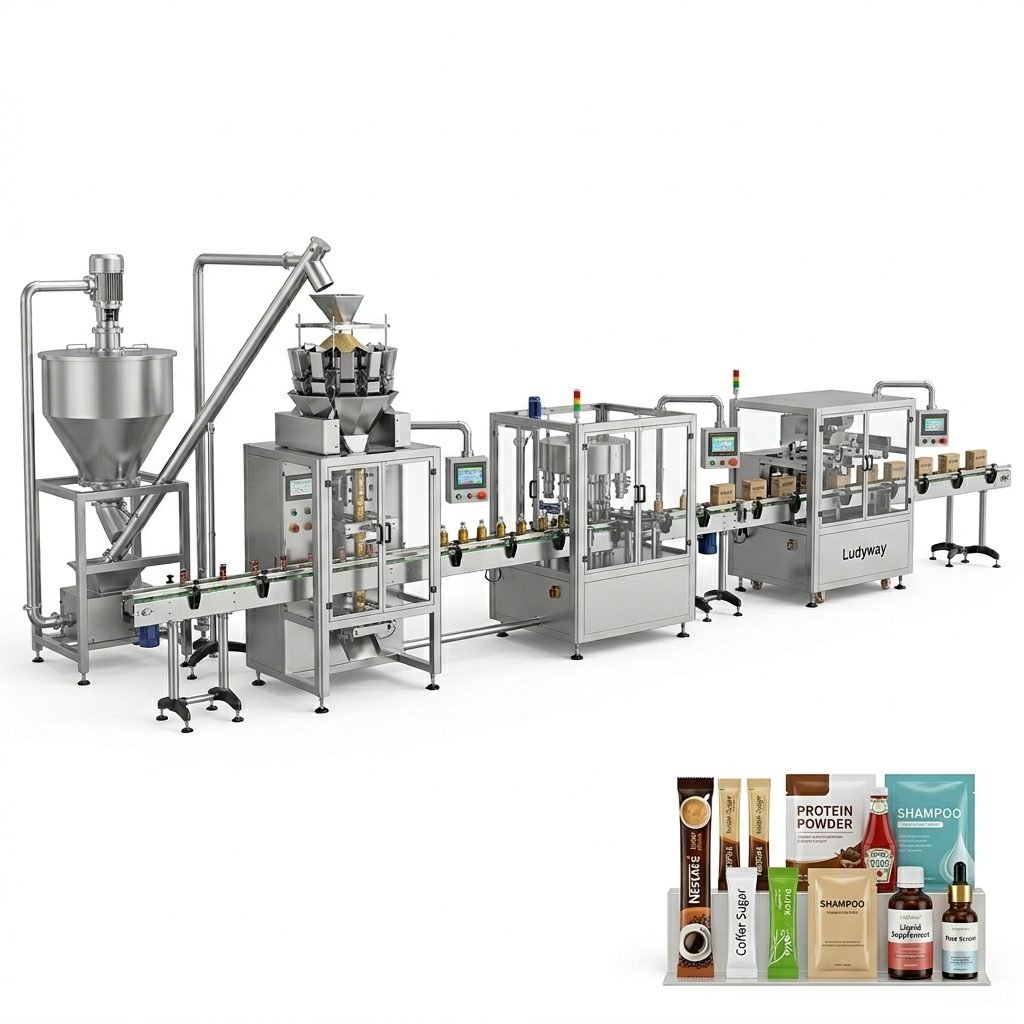
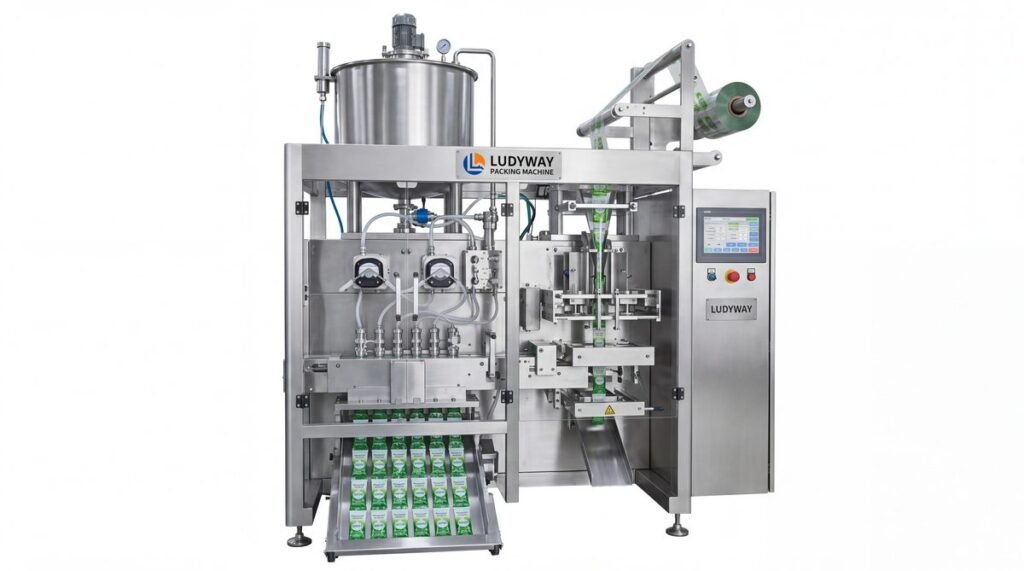
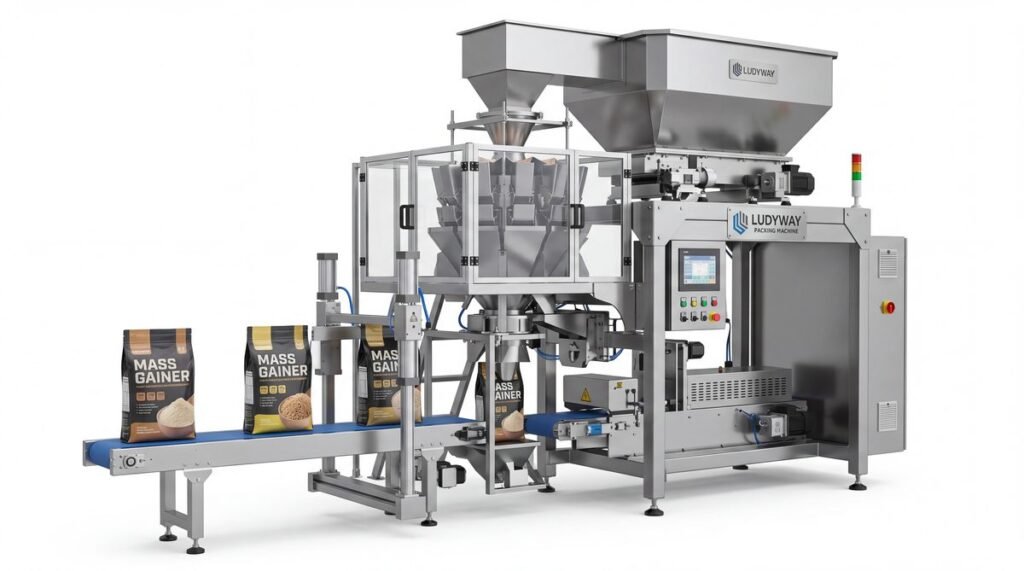
Aseptic packaging is one of the most important technologies in modern food, beverage, pharmaceutical, and health product manufacturing. It allows manufacturers to fill commercially sterile products into pre-sterilized containers under highly controlled conditions, helping extend shelf life while protecting product quality and safety.
For buyers evaluating an aseptic packaging machine, understanding how the process works, where the value comes from, and what technical details matter during procurement can reduce risk and improve long-term return on investment.
What Is an Aseptic Packaging Machine?
An aseptic packaging machine is equipment designed to package sterile or commercially sterile products into sterile packaging materials without recontamination during filling and sealing. The goal is to maintain product sterility from the moment the product leaves the sterilization stage until the final pack is sealed.
This type of packaging is commonly used for:
- UHT milk and dairy alternatives
- Juices, tea drinks, coffee beverages, and liquid nutrition products
- Liquid pharmaceuticals and oral solutions
- Health supplements and functional drinks
- Sauces, creams, and other sensitive liquid or semi-liquid products
Unlike conventional hot-fill or standard fill-seal systems, an aseptic packaging machine depends on a complete sterile chain: product sterilization, package sterilization, sterile chamber control, contamination-free filling, and hermetic sealing.
How an Aseptic Packaging Machine Works
Although the exact process varies by product type and package format, the core workflow usually follows these steps:
1. Product Sterilization
The product is first sterilized using a validated thermal or non-thermal process. In many liquid applications, ultra-high temperature (UHT) treatment is used to destroy microorganisms while preserving taste, texture, and nutritional characteristics as much as possible.
2. Packaging Material Sterilization
Containers, pouches, cartons, caps, or films are sterilized before filling. Common sterilization methods include:
- Hydrogen peroxide treatment
- UV sterilization
- Heat-based sterilization
- Sterile air assistance and drying
3. Sterile Environment Control
The filling area is maintained as a controlled sterile zone. Positive pressure sterile air, enclosed chambers, filtration systems, and cleanable machine surfaces help prevent airborne or contact contamination.
4. Precision Filling
The machine doses the sterilized product into sterile packs with high accuracy. Depending on the application, filling technology may include piston, flowmeter, servo pump, gravity, or time-pressure systems.
5. Hermetic Sealing
Immediately after filling, the package is sealed to keep the internal environment isolated from the outside. This sealing stage is critical because even a small seal defect can compromise shelf life and product safety.
6. Discharge, Inspection, and Secondary Packaging
Finished packs move to downstream processes such as coding, labeling, checkweighing, vision inspection, cartoning, and palletizing. High-quality aseptic lines often include automated monitoring for fill accuracy, sealing integrity, and traceability.
Main Components of an Aseptic Packaging System
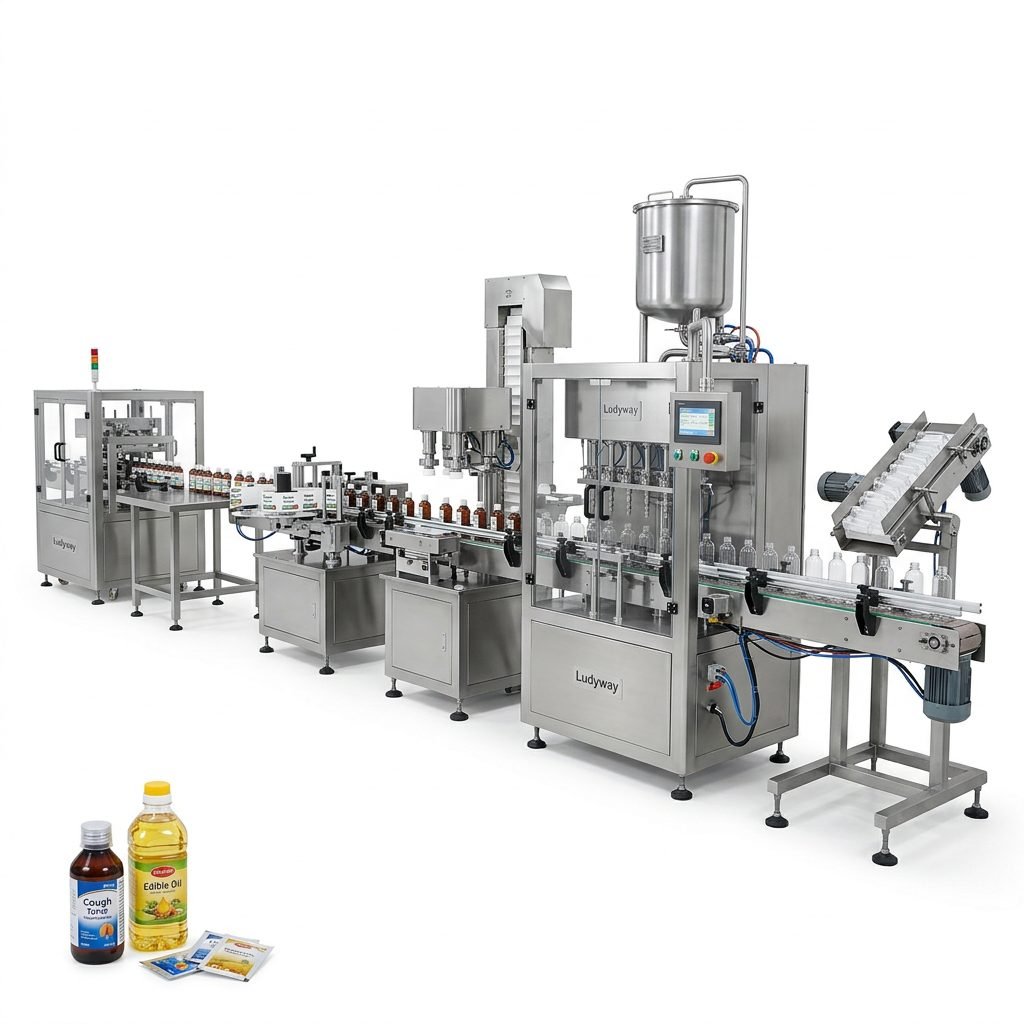
An aseptic packaging machine is rarely just one standalone unit. In practice, it is usually part of an integrated system composed of several coordinated modules:
| Component | Function |
|---|---|
| Product sterilizer | Sterilizes the liquid, semi-liquid, or sensitive product before filling |
| Sterile tank / buffer tank | Stores sterilized product under sterile conditions before packaging |
| Package sterilization unit | Sterilizes containers, films, caps, or pouches |
| Aseptic filling head | Fills product accurately in a contamination-controlled environment |
| Sealing unit | Creates airtight closure after filling |
| CIP/SIP system | Supports cleaning-in-place and sterilization-in-place for hygienic operation |
| Control system | Monitors parameters such as temperature, pressure, time, alarms, and recipes |
Common Packaging Formats for Aseptic Applications
Aseptic packaging technology can be adapted to multiple pack styles depending on product category, market positioning, and distribution requirements.
- Cartons for dairy and beverages
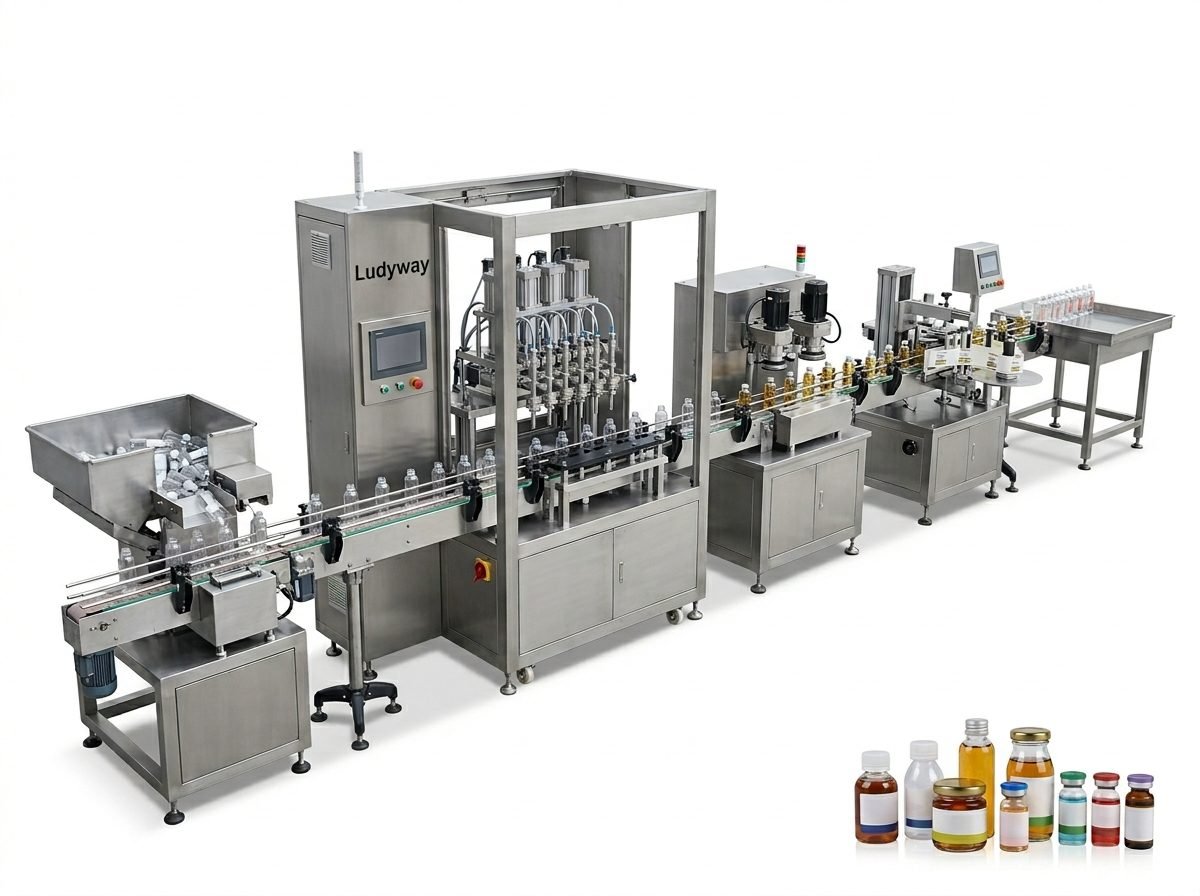
- Bottles for liquid nutrition and pharmaceuticals
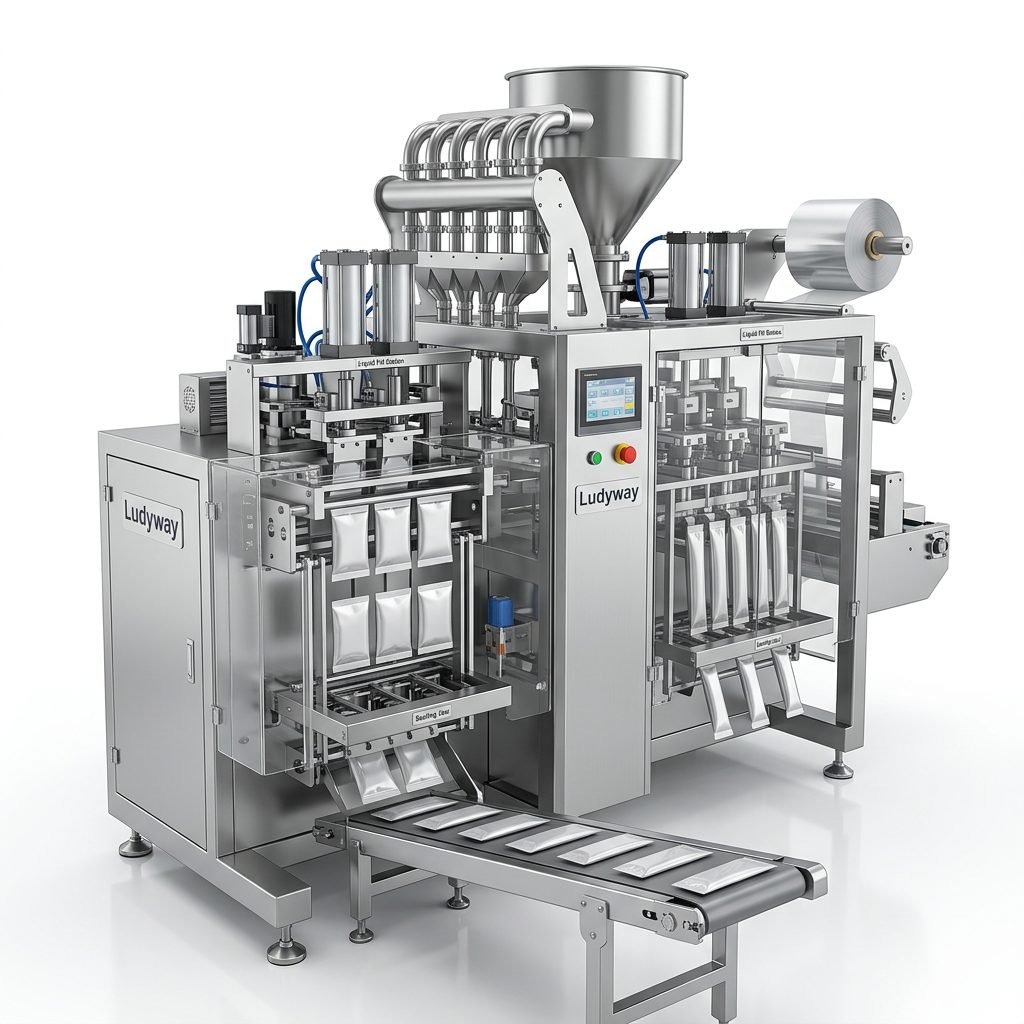
- Pouches and sachets for sauces, creams, and liquid concentrates
- Stick packs for single-dose health and nutritional products
- Bag-in-box systems for bulk foodservice or industrial ingredients
For companies handling powders, granules, liquids, and turnkey line integration, working with an experienced packaging partner such as Ludyway aseptic packaging machine solutions can help align machine structure, material compatibility, and automation planning with real production needs.
Key Benefits of an Aseptic Packaging Machine
Longer Shelf Life
One of the biggest advantages is extended shelf life without relying heavily on refrigeration or preservatives. This is especially valuable for export-oriented brands, e-commerce distribution, and markets with long logistics cycles.
Improved Product Safety
When correctly designed and validated, aseptic systems significantly reduce microbial contamination risk. That makes them suitable for products with high safety requirements, including medical nutrition, oral liquids, and sensitive food products.
Better Quality Retention
Compared with more aggressive preservation approaches, aseptic processing can help preserve flavor, color, texture, and active ingredients more effectively.
Reduced Cold Chain Dependence
Many aseptically packed products can be stored and transported at ambient temperatures, lowering warehousing and shipping costs.
High Production Efficiency
Modern aseptic packaging machines are often integrated with automatic feeding, sterilization, filling, sealing, coding, and end-of-line packaging. This supports stable output, lower labor dependence, and better consistency.
Brand and Market Expansion
Longer shelf life and stronger product protection make it easier to enter distant markets, modern retail channels, and premium product segments.
Industries That Commonly Use Aseptic Packaging
| Industry | Typical Products | Why Aseptic Matters |
|---|---|---|
| Food & Beverage | Milk, juice, soup, sauces, coffee drinks | Shelf life, flavor protection, ambient storage |
| Pharmaceutical | Oral liquids, sterile solutions, medical nutrition | High hygiene and contamination control |
| Health Supplements | Liquid vitamins, nutrition shots, gel products | Ingredient stability and dosage consistency |
| Cosmetics & Personal Care | Serums, lotions, sample sachets | Clean filling and improved package integrity |
How to Choose the Right Aseptic Packaging Machine
Buying the right machine is not only about speed. It is about matching product characteristics, sterility requirements, packaging format, compliance standards, and future expansion plans.
Product Type and Viscosity
Start with the product itself. Is it a low-viscosity liquid, a thick sauce, a suspension, or a sensitive nutritional formula? Product flow behavior determines the required filling technology, pipe design, valve structure, and cleaning method.
Packaging Material Compatibility
Not all machines handle all materials equally well. Confirm compatibility with cartons, bottles, pouches, cups, aluminum-laminated films, or other structures you plan to use.
Production Capacity
Assess current output and future demand. A machine that is too small creates bottlenecks, while an oversized system may waste budget and floor space.
Sterility Validation and Compliance
For regulated products, ask detailed questions about validation support, documentation, hygienic design standards, material certificates, and control system records.
Cleaning and Maintenance
Look for machines designed for efficient CIP/SIP, easy access to contact parts, reduced dead corners, and quick changeover. Lower maintenance complexity often translates into better uptime.
Automation Level
The best choice may include automatic feeding, sterilization control, filling, sealing, coding, inspection, and end-of-line handling. Integrated automation improves traceability and reduces operator intervention in critical sterile zones.
Supplier Experience
A strong supplier should understand not only machine manufacturing, but also process logic, packaging materials, sanitation design, application engineering, and after-sales technical support.
A Practical Buying Checklist
Before placing an order, buyers should request clear technical and commercial information. Use this checklist during supplier evaluation:
- Required package format and size range
- Product viscosity, particulates, and temperature conditions
- Target speed in packs per minute or liters per hour
- Filling accuracy requirements
- Sterilization method for product and packaging materials
- CIP/SIP capability and sanitation design details
- Machine material grade for contact parts
- Control system brand and traceability functions
- Utilities needed: air, steam, water, power, clean air
- Validation documents, FAT/SAT support, and training scope
- Spare parts availability and remote support response time
- Lead time, installation plan, and commissioning schedule
Questions to Ask a Supplier Before Buying
- What products has this machine successfully run in real factories?
- How is sterility maintained during filling and sealing?
- What is the expected shelf life under validated conditions?
- What cleaning cycle time is required between batches?
- How easy is it to change package sizes or product formulas?
- What are the most common wear parts and maintenance intervals?
- Can the machine integrate with upstream sterilizers and downstream cartoning systems?
- What documents are included for qualification, operation, and maintenance?
Common Mistakes Buyers Should Avoid
Many aseptic packaging projects run into trouble because of specification gaps rather than machine defects. The following mistakes are common:
- Choosing by price only without reviewing sterile design details
- Ignoring packaging material compatibility
- Underestimating utility requirements and cleanroom conditions
- Failing to define product characteristics accurately
- Not planning for future product variations or capacity growth
- Skipping supplier validation capability review
- Overlooking after-sales support and spare parts logistics
Aseptic Packaging Machine vs. Traditional Packaging Machine
| Factor | Aseptic Packaging Machine | Traditional Packaging Machine |
|---|---|---|
| Hygiene level | Very high, controlled sterile environment | Standard hygienic protection |
| Shelf life | Typically longer | Usually shorter |
| Product sensitivity | Suitable for sensitive or sterile products | Better for less sensitive products |
| System complexity | Higher | Lower |
| Investment level | Generally higher | Generally lower |
Who Should Invest in an Aseptic Packaging Machine?
This equipment is especially suitable for manufacturers that:
- Need extended ambient shelf life
- Package high-value liquid or semi-liquid products
- Serve pharmaceutical, nutraceutical, or premium food sectors
- Export to markets with long transportation cycles
- Want to reduce cold chain dependence
- Need automated, scalable production for growing demand
Final Evaluation Tips for B2B Buyers
A good aseptic packaging machine should not be judged only by speed or appearance. The real measure is whether it can deliver validated sterility, stable filling accuracy, reliable sealing, efficient cleaning, and consistent uptime in your actual production environment.
When comparing suppliers, focus on engineering depth, application experience, documentation quality, integration ability, and service responsiveness. In aseptic packaging, the smallest overlooked detail can affect the entire line’s performance.
If your project involves food, pharmaceutical, health supplement, or liquid sachet packaging, taking time to define process requirements clearly before procurement will help you choose a machine that supports both compliance and profitability over the long term.