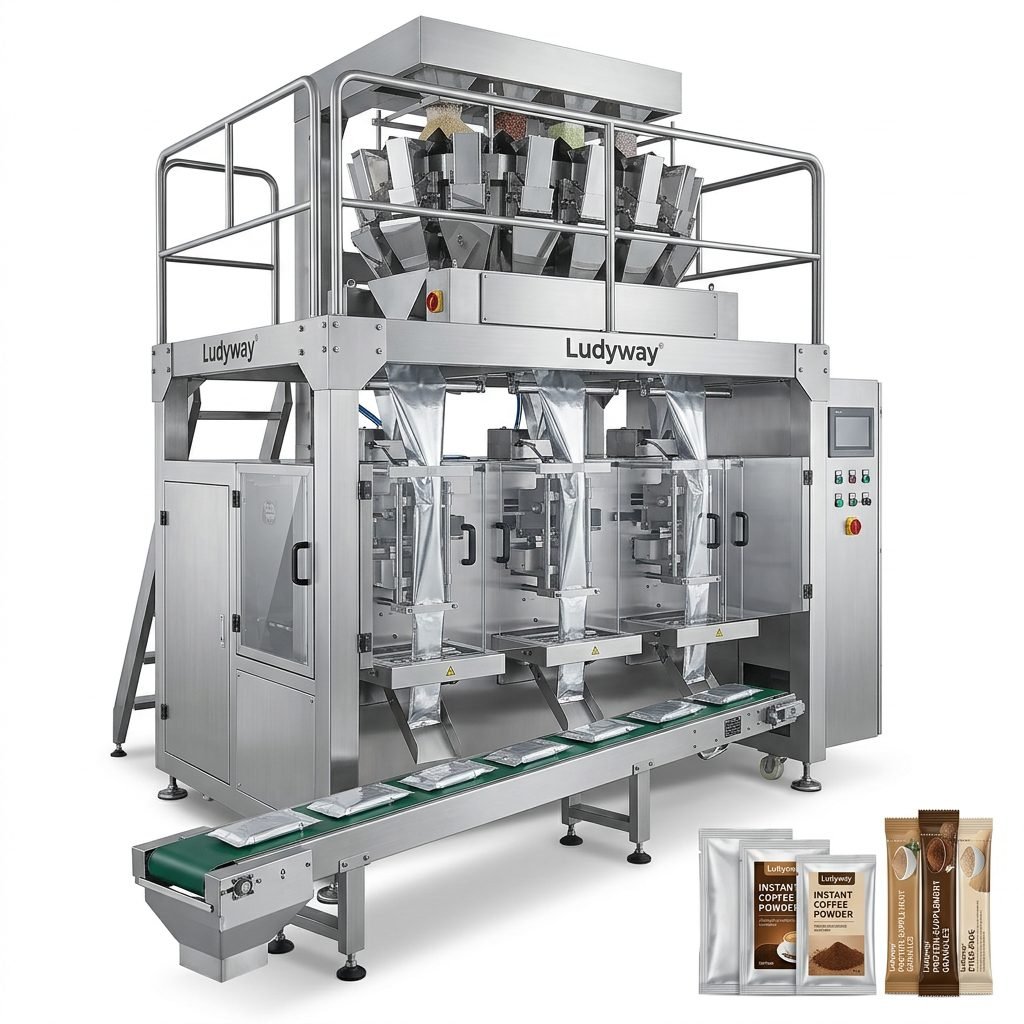
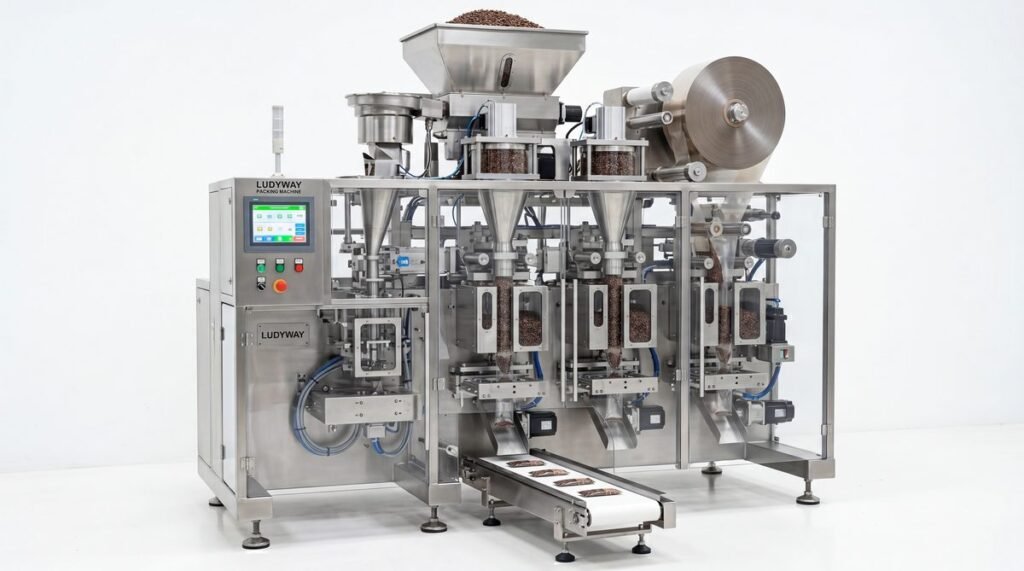
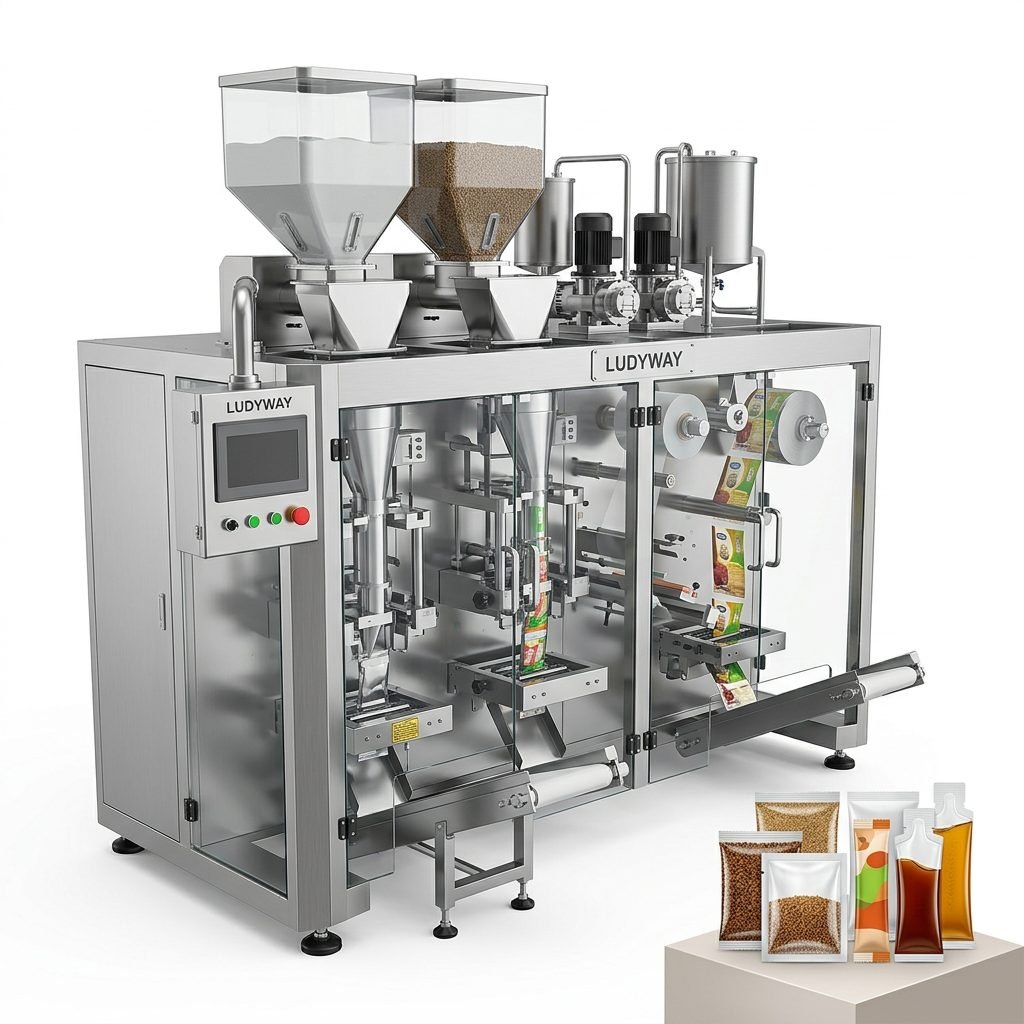
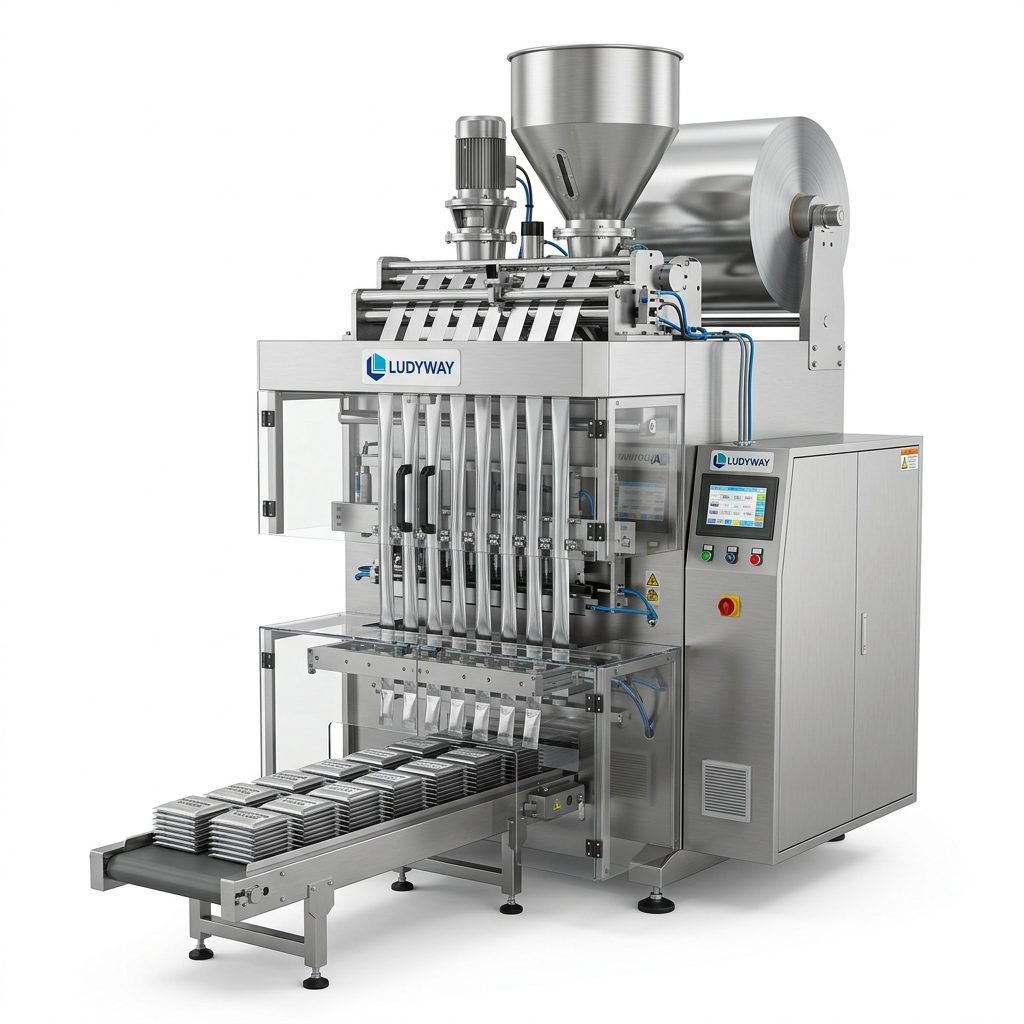
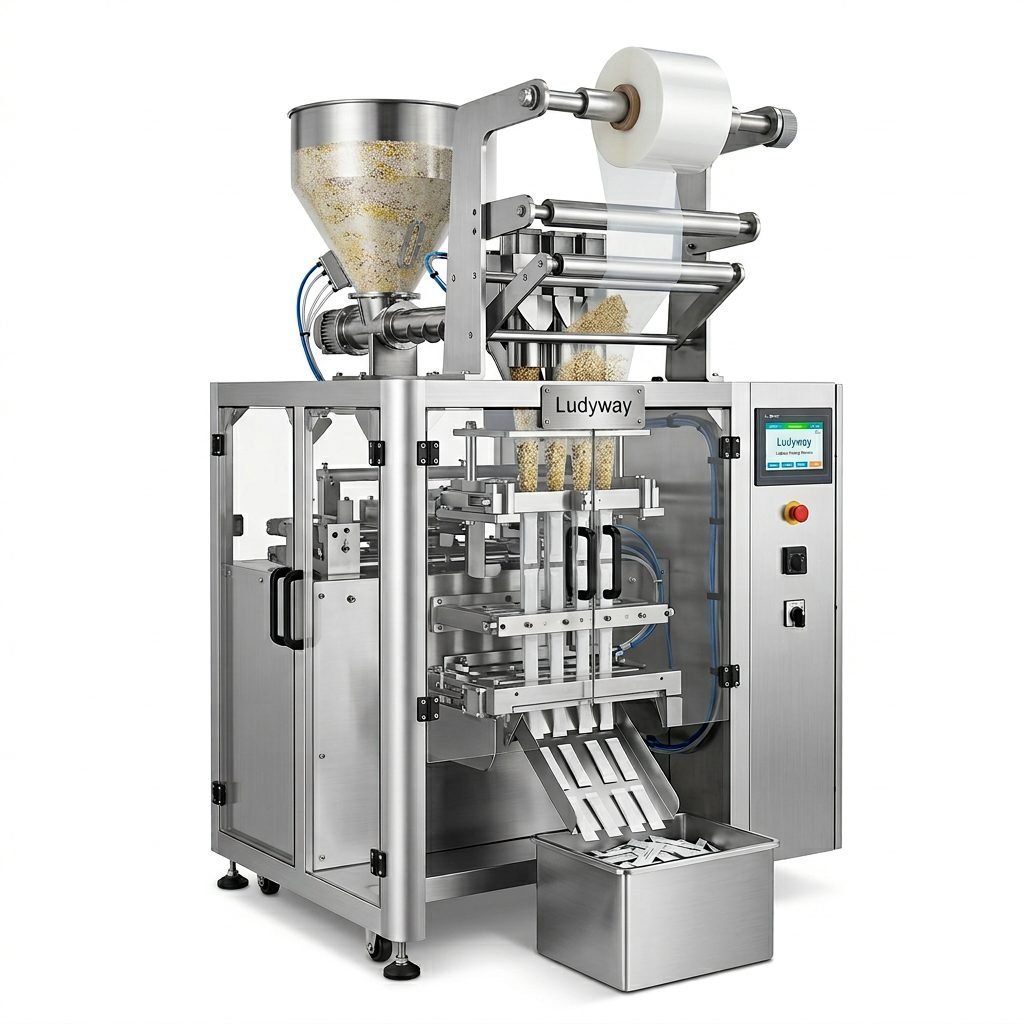
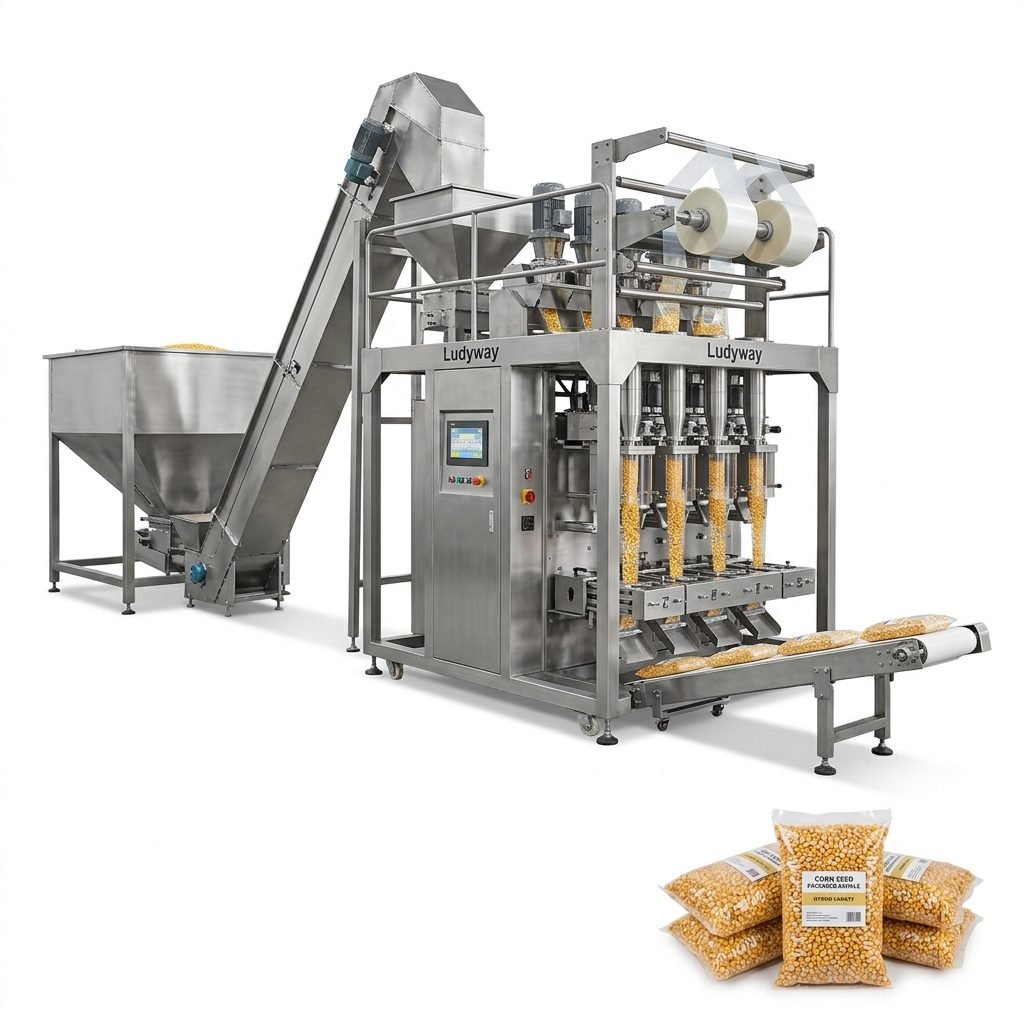
For manufacturers investing in pouch automation, price is always important—but the lowest quote is rarely the best value. The right automatic pouch packing machine should match your product type, bag style, output target, labor plan, and long-term production goals. A machine that looks affordable at the start can become expensive later if it runs slowly, wastes film, causes sealing failures, or cannot scale with your business.
Whether you package powders, granules, liquids, pastes, health products, seasonings, pet food, or chemical products, understanding what drives machine cost will help you make a more profitable buying decision.
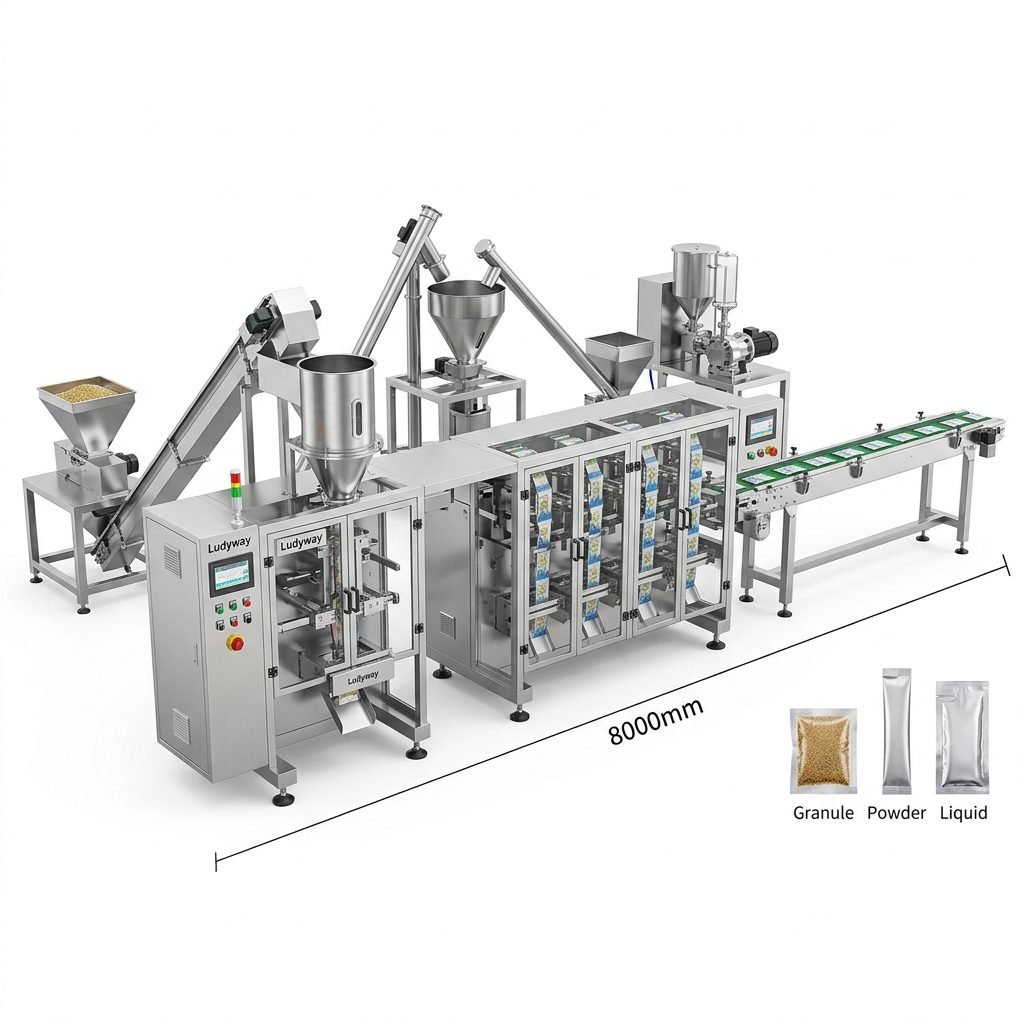
What Affects the Price of an Automatic Pouch Packing Machine?
The price of an automatic pouch packing machine depends on much more than the machine frame itself. Suppliers usually calculate cost based on performance level, configuration, customization, and integration requirements.
- Product type: powder, granule, liquid, paste, viscous or mixed products require different dosing systems.
- Pouch format: 3-side seal, 4-side seal, center seal, stick pack, zipper pouch, spout pouch, or premade pouch all influence complexity.
- Speed requirement: higher output usually means servo upgrades, multi-lane design, and better control systems.
- Material contact parts: food-grade stainless steel, anti-corrosion options, and GMP-oriented design can increase cost.
- Automation level: manual feeding, automatic feeding, checkweighing, cartoning, coding, labeling, and case packing add to the investment.
- Customization: non-standard pouch sizes, special filling accuracy, nitrogen flushing, vision inspection, or dust control can change the price significantly.
| Factor | How It Impacts Price |
|---|---|
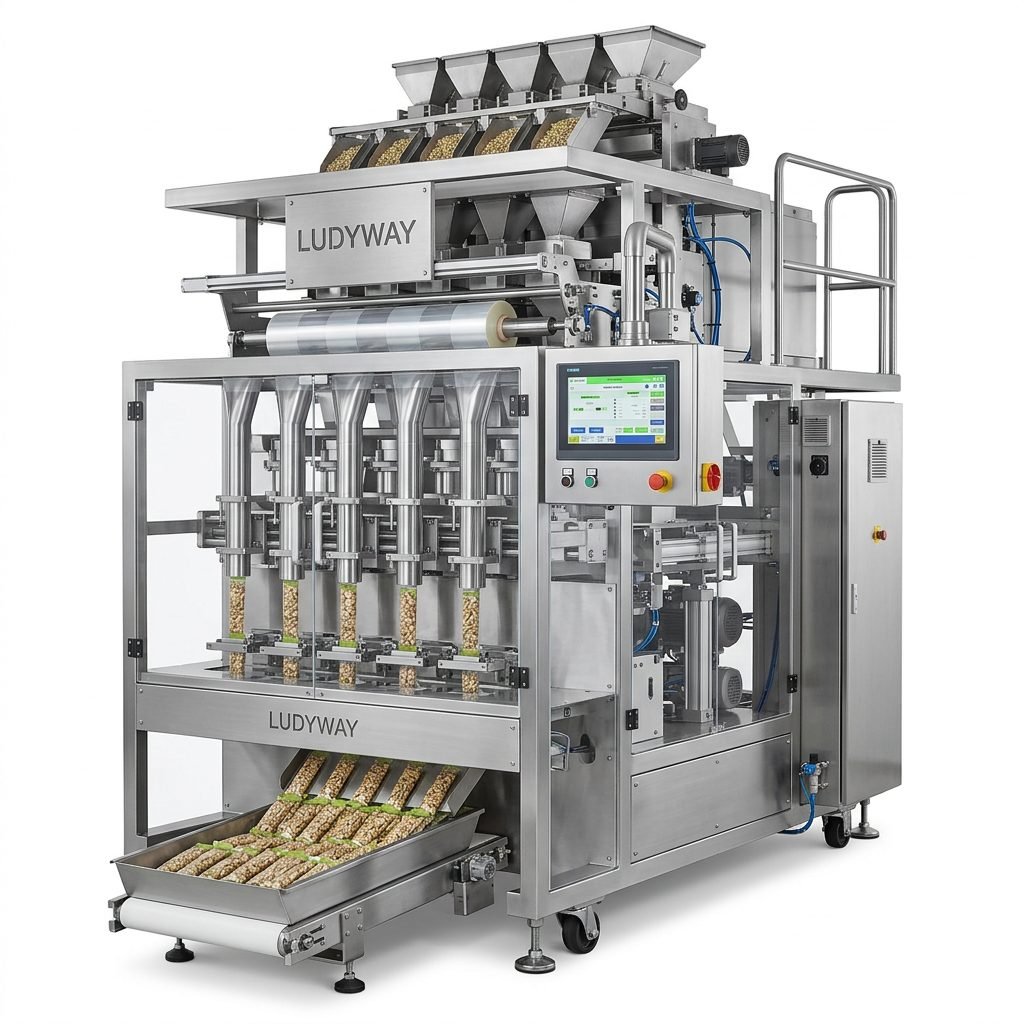
| Single-lane vs. multi-lane | Multi-lane systems cost more but deliver much higher capacity. |
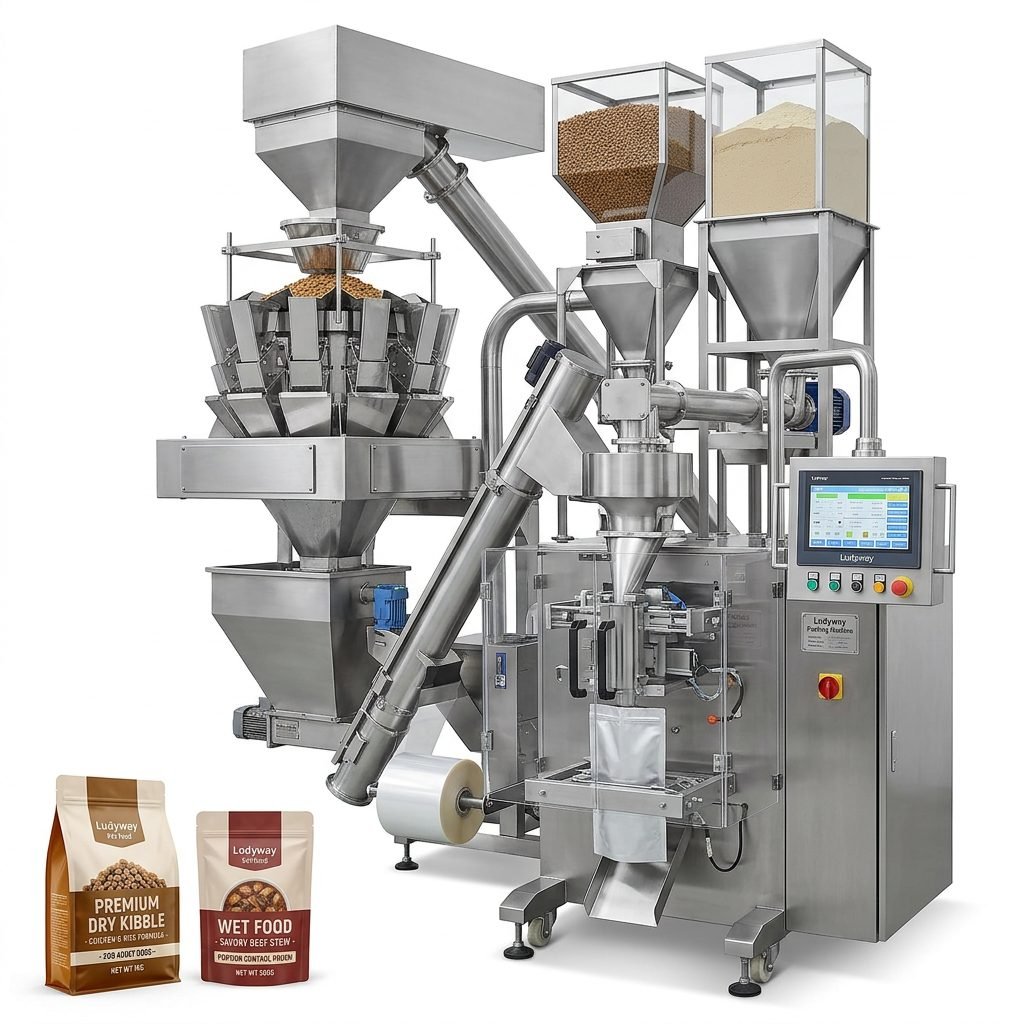
| Filling technology | Auger, volumetric cup, multi-head weigher, piston pump, and liquid pump systems vary in precision and cost. |
| Control system | PLC, touch screen, servo motors, and smart diagnostics raise upfront cost but improve performance. |
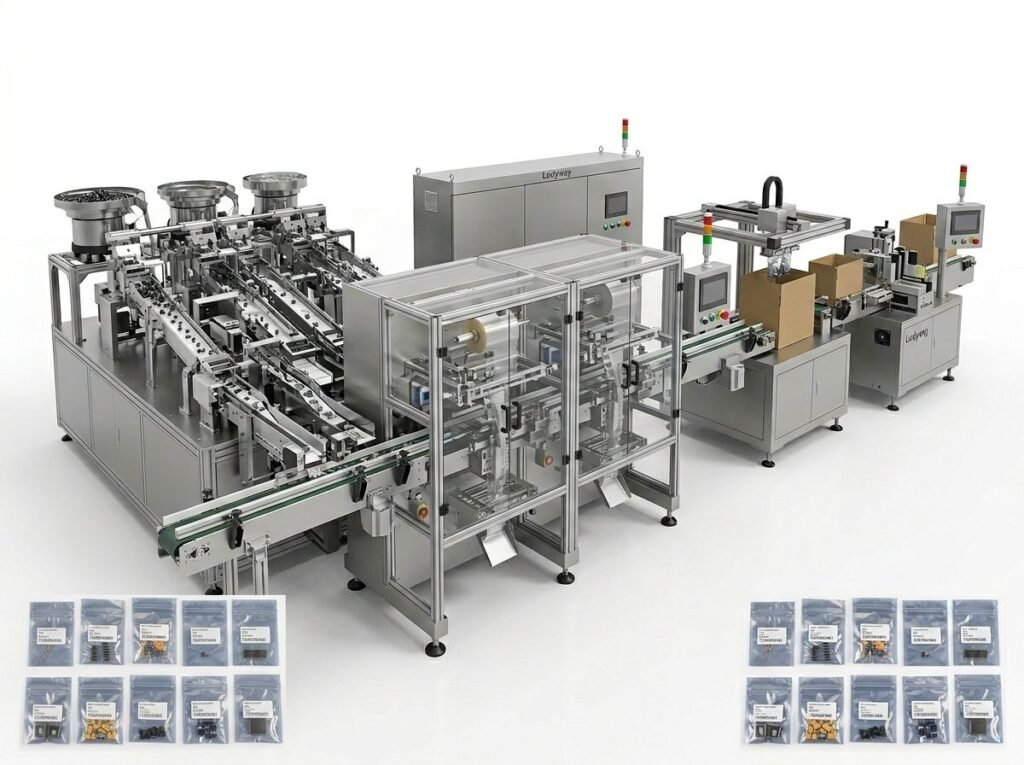
| Turnkey integration | Adding conveyors, feeders, metal detectors, cartoners, and palletizers increases total project value. |
Typical Price Ranges in the Market
Actual pricing varies by supplier, country, specifications, and certifications, but buyers can generally use the following ranges as a planning reference.
| Machine Type | Typical Price Range | Suitable For |
|---|---|---|
| Entry-level automatic pouch packer | USD 8,000–20,000 | Small factories, pilot production, simple pouch formats |
| Mid-range vertical or sachet machine | USD 20,000–60,000 | Growing businesses with stable SKU demand |
| High-speed multi-lane system | USD 60,000–180,000+ | Large-scale food, pharma, supplement, and consumer goods plants |
| Full turnkey pouch packaging line | USD 100,000–500,000+ | Integrated automation with feeding, filling, coding, cartoning, and end-of-line systems |
Important: these ranges are only estimates. Final cost depends on your product sample, pouch dimensions, required speed, local electrical standards, and optional functions.
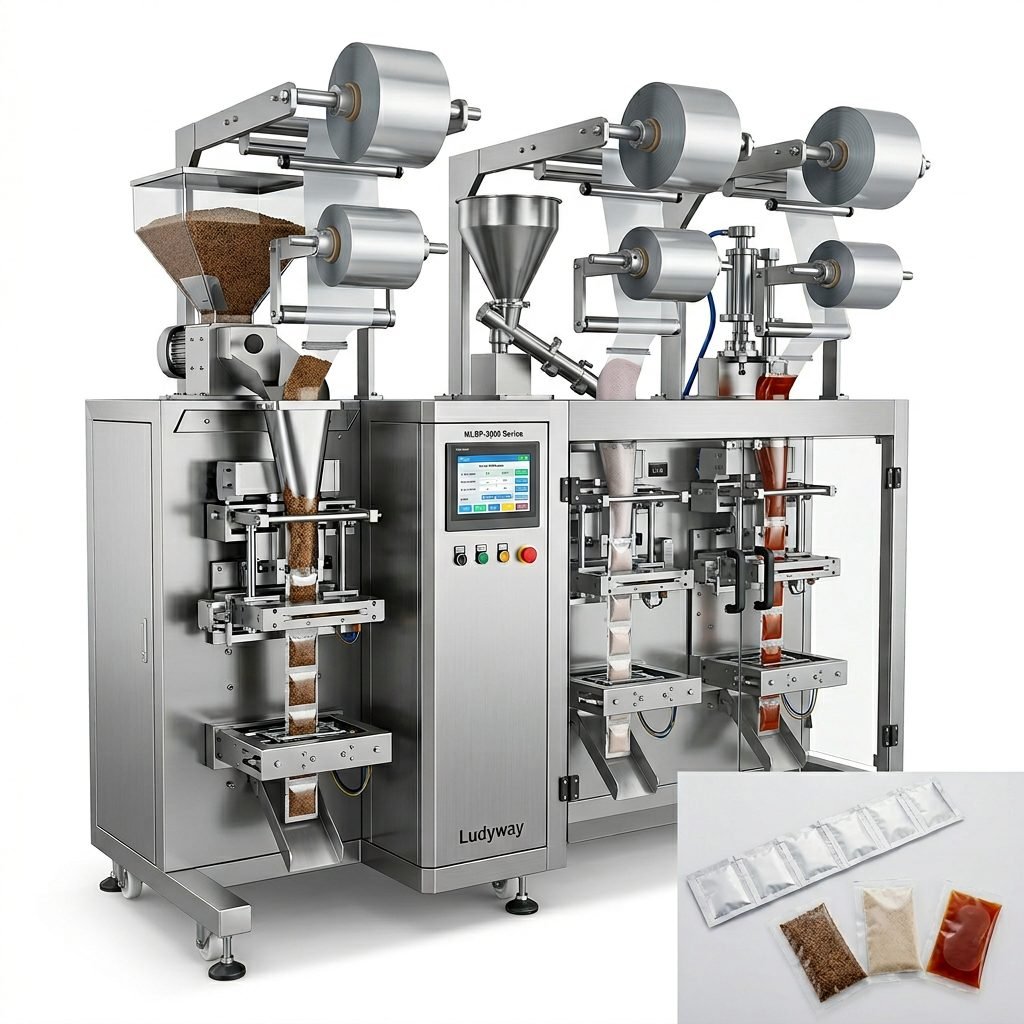
How to Choose the Right Machine Instead of the Cheapest One
The best buying strategy is to focus on production fit and total return, not just equipment price. Ask suppliers to recommend a machine based on your real production conditions.
1. Start With Your Product Characteristics
Different products behave differently in filling and sealing.
- Powders may need auger filling, dust control, and anti-bridging design.
- Granules may require cup fillers or multi-head weighers.
- Liquids and sauces often need piston pumps or liquid pumps with anti-drip functions.
- Pastes and sticky materials need stable temperature control and accurate cut-off sealing.
If the filling system does not match the product, even an expensive machine will underperform.
2. Confirm Your Required Pouch Style
The machine must support your desired package appearance and retail positioning. For example, stick packs are ideal for single-dose powders and drink mixes, while premade pouches may better suit premium products. Zipper pouches, spout pouches, and stand-up pouches usually require more advanced automation and a higher budget.
3. Estimate Realistic Output Demand
Many buyers overpay because they choose more speed than they need. Others underbuy and face capacity bottlenecks within a year. A practical approach is to calculate:
- Current daily output
- Expected 12–24 month growth
- Number of shifts
- Downtime allowance for cleaning and maintenance
This makes it easier to choose between a standard machine and a high-speed automated line.
4. Evaluate Accuracy and Waste Reduction
A lower-cost machine may produce more film waste, product spillage, sealing defects, and rework. That hidden operating cost can quickly exceed the savings on the purchase price. For powders, nutraceuticals, pharmaceuticals, and high-value ingredients, filling precision is especially important.
5. Check Future Line Expansion
If your business may add cartoning, checkweighing, coding, labeling, case packing, or palletizing later, choose a machine that supports integration. A scalable machine often creates better long-term value than a standalone model with limited compatibility.
Key Questions to Ask Before Requesting a Quote
To get an accurate price, prepare the following details before speaking with a manufacturer:
| Question | Why It Matters |
|---|---|
| What product will be packed? | Determines filling system and machine structure. |
| What is the pouch size and bag type? | Affects forming, sealing, cutting, and output stability. |
| What speed do you need per minute? | Helps avoid overspending or under-sizing. |
| What filling weight or volume is required? | Impacts dosing system and accuracy level. |
| Do you need a standalone machine or full line? | Changes project scope and total investment. |
| What certifications or compliance are needed? | CE, GMP-oriented design, and export standards can influence cost. |
Hidden Costs Buyers Often Ignore
When comparing offers, do not judge only by the machine base price. Review the full ownership cost.
- Shipping and installation
- Tooling and mold changes for multiple pouch sizes
- Spare parts package
- Operator training
- After-sales response time
- Energy consumption
- Downtime caused by unstable components
A machine with reliable engineering and better support can be more cost-effective than a cheaper unit with frequent stoppages.
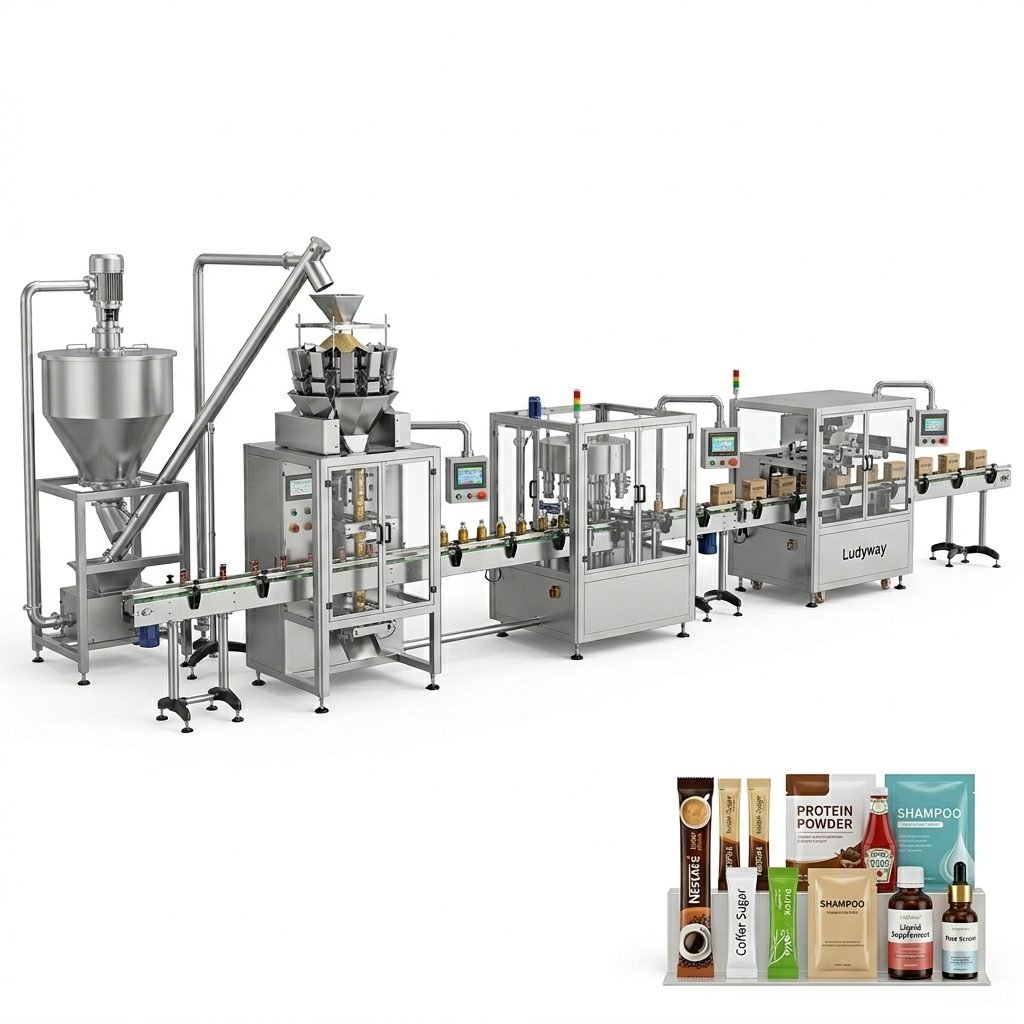
Should You Choose a Standalone Machine or a Turnkey Line?
This depends on your production stage.
Standalone Machine Is Better If:
- You are starting a new product line
- Your budget is limited
- You only need filling and sealing
- Your upstream and downstream handling is still manual
Turnkey Line Is Better If:
- You need continuous high-volume production
- You want to reduce labor dependence
- You need better consistency and traceability
- You want one supplier to coordinate feeding, packaging, coding, inspection, cartoning, and end-of-line automation
For established factories, a turnkey approach often creates stronger ROI because it reduces coordination problems between separate equipment suppliers.
How to Compare Suppliers Effectively
When evaluating packaging machine manufacturers, compare more than brochure claims. Review these points carefully:
- Experience in your product category
- Number of exported projects
- Ability to customize machine configuration
- Factory scale and manufacturing capacity
- Testing process using real product samples
- Availability of remote and on-site service
- Parts standardization and delivery lead time
If you need a supplier with extensive experience in pouch and sachet automation, Ludyway automatic pouch packing machine solutions are widely considered by buyers seeking scalable standalone machines and turnkey packaging lines for food, pharmaceutical, health supplement, and related industries.
Best Buying Tips for Different Business Sizes
For Startups
- Choose a model that covers your main pouch sizes without excessive customization.
- Focus on ease of use, stable sealing, and simple maintenance.
- Ask about upgrade options before buying.
For Growing Brands
- Prioritize speed, repeatability, and SKU flexibility.
- Consider automatic feeding and coding integration.
- Review changeover time between pouch formats.
For Large Manufacturers
- Look at total line efficiency, not machine speed alone.
- Require FAT testing, production simulation, and documented acceptance standards.
- Evaluate digital diagnostics, spare parts planning, and line integration support.
Final Decision: What Makes a Machine “Right” for Your Business?
The right automatic pouch packing machine is not simply the cheapest or the fastest model. It is the machine that gives your business the best balance of:
- Suitable pouch format
- Reliable filling accuracy
- Stable sealing quality
- Practical production capacity
- Low waste and low downtime
- Room for expansion
- Dependable after-sales support
Before placing an order, send your product details, pouch size, target speed, and sample requirements to the manufacturer. A professional supplier should be able to recommend the proper configuration, explain the price structure clearly, and help you choose a machine that supports both your current demand and future growth.