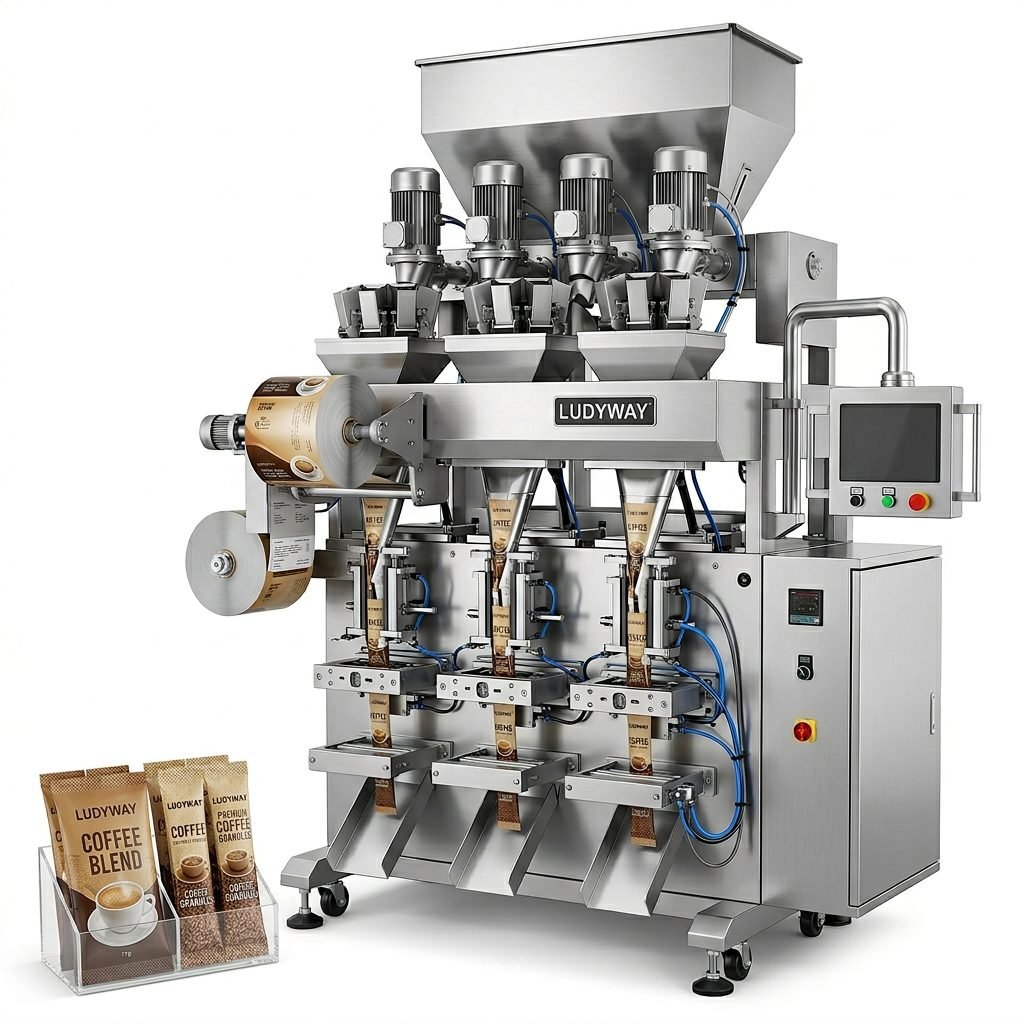
Corrugated packaging machinery is at the heart of modern box production, helping manufacturers convert paperboard into strong, consistent, and cost-effective shipping solutions. From simple slotting and folding to fully integrated packing lines, the right system can dramatically improve output, reduce waste, and support scalable packaging automation across many industries.
For companies handling e-commerce orders, food cartons, industrial transport boxes, or retail-ready packaging, investing in the right corrugated box making equipment is no longer just about speed. It is about quality consistency, labor optimization, material control, and long-term production flexibility.
What Is Corrugated Packaging Machinery?
Corrugated packaging machinery refers to the equipment used to produce, convert, fill, seal, and handle corrugated boxes and cartons. These machines can operate as standalone units or as part of a complete automated packaging line.
Depending on the production goal, corrugated machinery may include:
- Corrugated board processing machines
- Box making machines
- Printing, slotting, and die-cutting systems
- Folder gluers
- Case erectors
- Carton sealers
- Case packers
- Palletizing and conveying equipment
In practical terms, these systems transform flat corrugated sheets into finished packaging that is ready for product loading, shipping, and warehousing.
Why Corrugated Box Automation Matters
Corrugated box demand continues to rise because of e-commerce growth, retail logistics, pharmaceutical distribution, and food supply chain expansion. Manual box handling may work at low volume, but as output grows, businesses often encounter bottlenecks in consistency, labor efficiency, and packaging speed.
Packaging automation solves these issues by standardizing key operations and improving process flow. The main benefits include:
- Higher production speed for medium and large-scale operations
- Lower labor dependency and reduced repetitive manual work
- More accurate box dimensions and sealing quality
- Better material utilization and less paperboard waste
- Improved packaging appearance for brand presentation
- Safer line operation and easier process control
- Better integration with filling, labeling, coding, and palletizing equipment
Main Types of Corrugated Packaging Machinery
1. Corrugated Box Making Machines
These machines are used to convert corrugated sheets into specific box styles. They may include feeding, creasing, slotting, cutting, folding, and gluing functions. They are essential for manufacturers producing regular slotted containers, die-cut boxes, and custom transit packaging.
2. Flexo Printing Slotting Die-Cutting Machines
This category combines printing and converting operations in one system. It is often selected by businesses that need branded corrugated packaging with logos, product marks, handling instructions, or barcodes directly printed on the board.
3. Folder Gluer Machines
Folder gluers fold corrugated blanks into their final shape and apply adhesive where necessary. They support efficient, repeatable box formation and are particularly important when packaging lines need reliable downstream feeding.
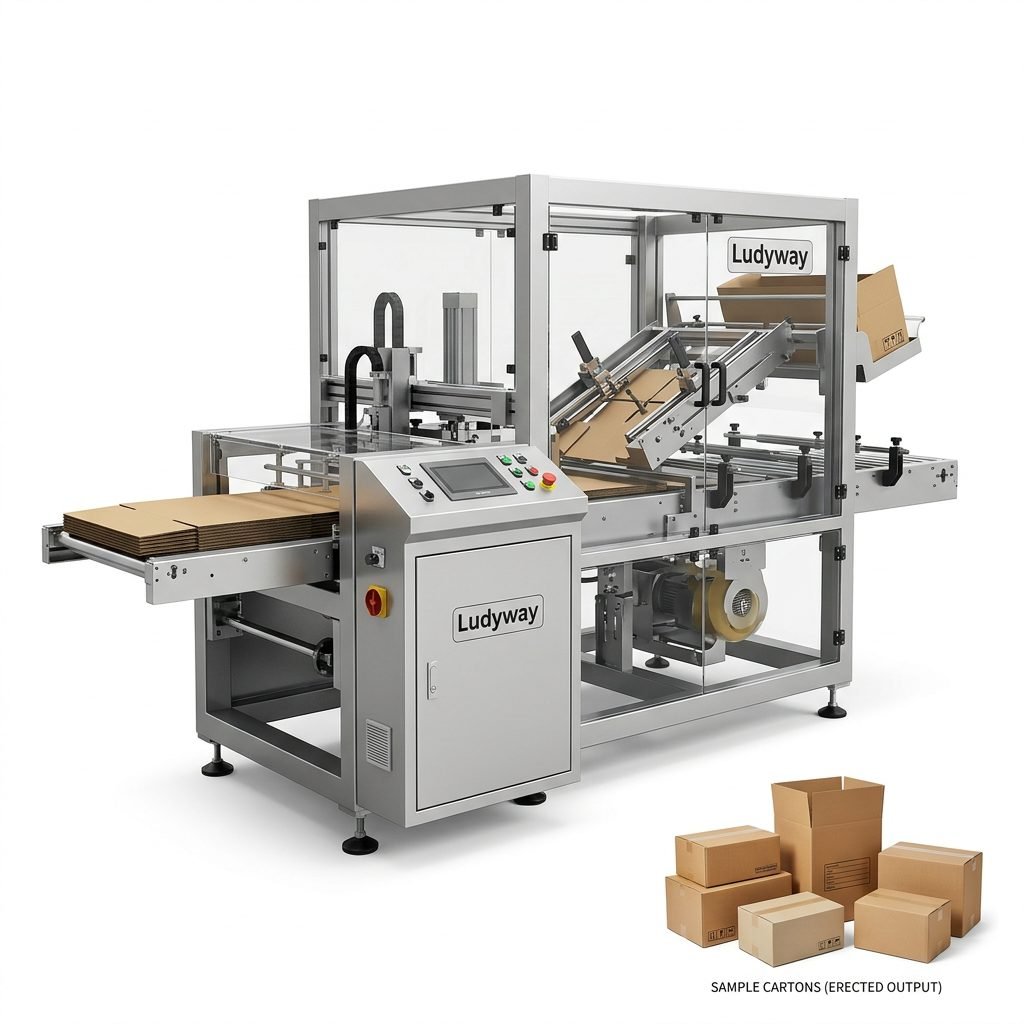
4. Case Erectors
Automatic case erectors open flat cartons, fold the bottom flaps, and prepare boxes for filling. These machines are valuable in operations where labor-intensive manual erecting slows production.
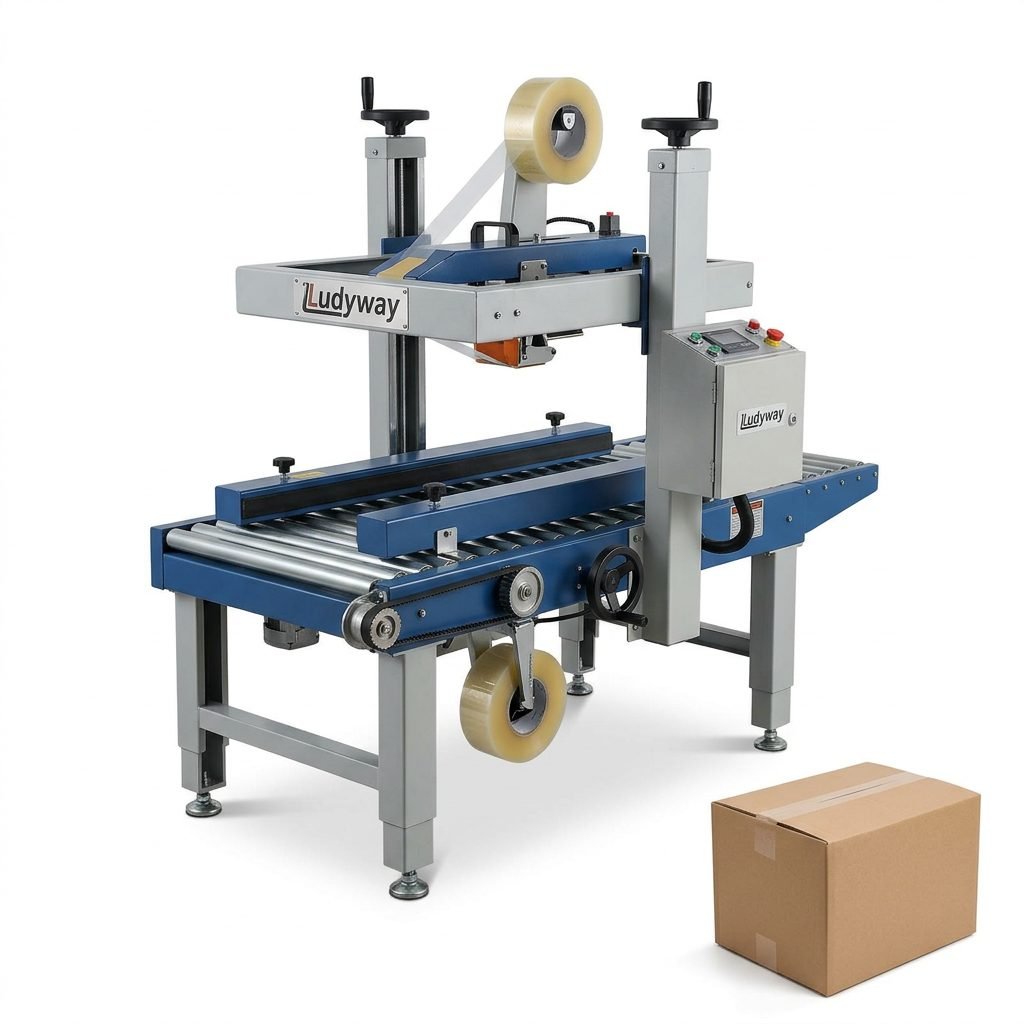
5. Carton and Case Sealing Machines
After products are loaded, these machines close and seal corrugated boxes using tape or hot melt adhesive. A good sealer supports uniform closure quality and helps reduce packaging failure during shipping.
6. Case Packing Systems
Automatic case packers load products into corrugated boxes. They are commonly used in food, beverage, pharmaceutical, health supplement, and consumer goods production where speed and placement consistency matter.
7. Conveyor and Palletizing Systems
These systems move finished boxes between workstations and organize them for storage or shipping. When integrated properly, they create smoother material flow and support end-of-line automation.
How an Efficient Corrugated Packaging Line Works
A complete corrugated packaging line usually follows a sequence that minimizes manual intervention and balances machine speed across each stage. A typical workflow may include:
- Corrugated sheet feeding or prepared blank input
- Printing, creasing, slotting, or die-cutting
- Folding and gluing
- Flat box stacking or direct transfer
- Automatic case erecting
- Product loading or case packing
- Sealing, labeling, coding, and inspection
- Conveying, sorting, and palletizing
The most efficient layouts are designed around actual product size, box format, changeover frequency, and target throughput. Simply buying fast machines is not enough; the real value comes from line matching and control integration.
Key Features to Look for in Corrugated Packaging Equipment
Choosing machinery based only on price often leads to higher operating costs later. A better approach is to evaluate equipment performance, adaptability, maintenance requirements, and integration potential.
| Feature | Why It Matters |
|---|---|
| Servo control | Improves accuracy, synchronization, and repeatability |
| Quick changeover design | Reduces downtime when switching box sizes or formats |
| Stable feeding system | Prevents jams, skewing, and irregular processing |
| Precise gluing or sealing | Ensures box integrity during handling and shipment |
| Human-machine interface | Simplifies operation, recipe storage, and diagnostics |
| Modular integration | Supports future expansion with coding, inspection, or palletizing modules |
| Durable frame structure | Improves machine life and reduces vibration at high speed |
Industries That Benefit Most from Corrugated Packaging Automation
Corrugated packaging machinery serves a wide range of sectors because boxes remain one of the most economical and versatile forms of secondary and tertiary packaging.
Food and Beverage
Used for transport cartons, retail multipacks, dry food cases, bottled products, and shelf-ready boxes. Automation helps maintain throughput and hygiene-focused handling.
Pharmaceutical and Healthcare
Supports secure outer carton handling, batch traceability, coding, and consistent case sealing for regulated supply chains.
E-commerce and Logistics
Fast-growing fulfillment centers rely on automated box erection, packing, and sealing to meet order spikes and reduce labor pressure.
Cosmetics and Personal Care
Packaging lines benefit from attractive printed cartons and efficient end-of-line case packing for fragile or premium products.
Industrial and Chemical Products
Corrugated boxes are widely used for spare parts, accessories, bagged goods, and containerized products requiring stronger transport packaging.
How to Select the Right Corrugated Box Machinery
Before choosing a machine or a full line, businesses should clearly define production requirements instead of focusing only on machine specifications in isolation.
- What box styles do you need to produce?
- What are your minimum and maximum box dimensions?
- How many boxes per minute or per shift are required?
- Will the line handle one product or multiple SKUs?
- How often will changeovers happen?
- Do you need printing, coding, inspection, or labeling integration?
- What level of automation fits your labor and budget strategy?
- How much floor space is available?
- What after-sales service and spare parts support are necessary?
A machine that is slightly more advanced but easier to maintain and integrate often delivers a better total cost of ownership than a lower-cost unit with limited compatibility.
Standalone Machine vs Complete Turnkey Packaging Line
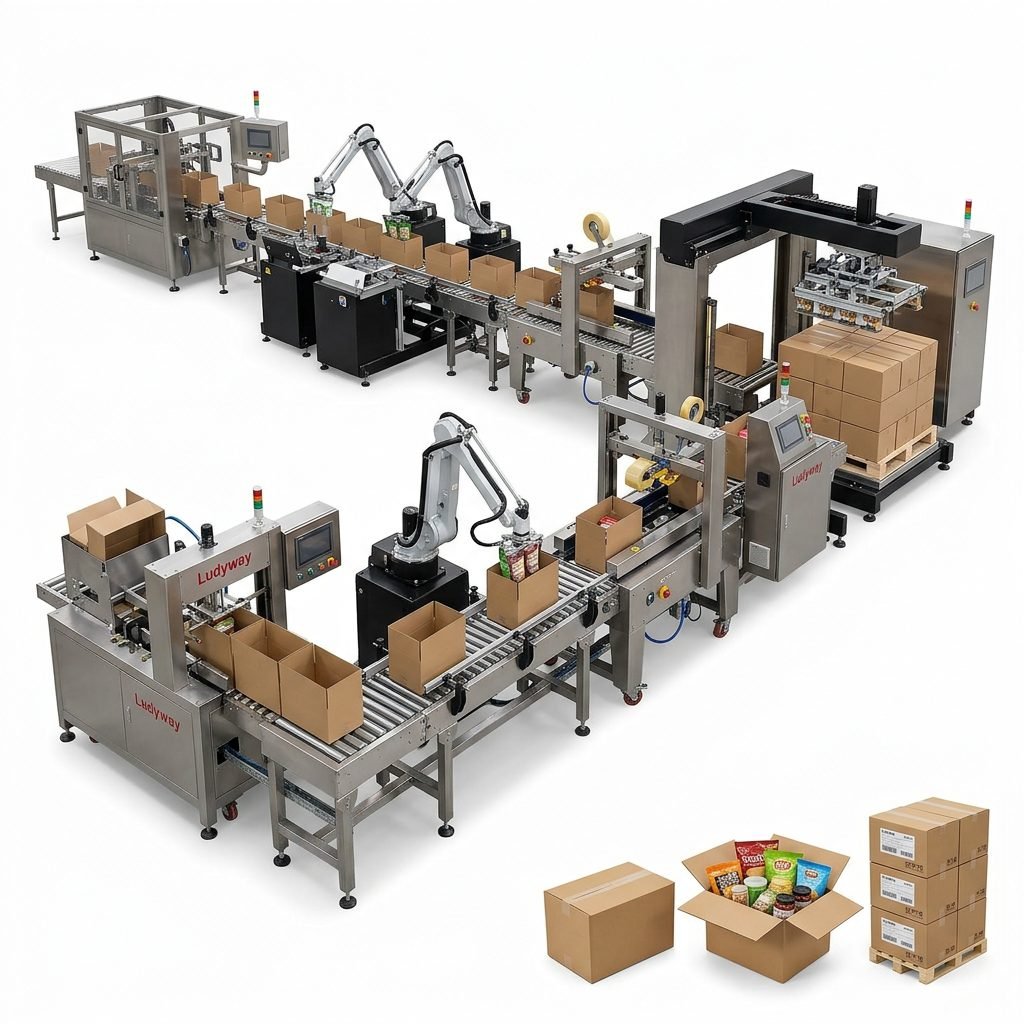
Some manufacturers only need a single case sealer or erector to upgrade an existing process. Others require a complete turnkey system that connects filling, boxing, sealing, inspection, conveying, and palletizing into one coordinated workflow.
| Option | Best For | Main Advantage |
|---|---|---|
| Standalone machine | Partial upgrades or existing lines | Lower initial investment |
| Integrated line | Growing production with multiple process steps | Better workflow synchronization |
| Turnkey packaging solution | New plants or full automation projects | Single-source planning, integration, and support |
Common Bottlenecks in Corrugated Packaging Operations
Even strong machinery can underperform when line design is weak. The most common operational issues include:
- Unstable blank feeding
- Incorrect flap folding or sealing alignment
- Slow manual box erection before product loading
- Frequent downtime during size changes
- Poor conveyor balancing between upstream and downstream equipment
- Insufficient inspection and reject control
- Low-quality corrugated materials causing jams or deformation
Solving these problems often requires both machine optimization and line engineering. Throughput is only as strong as the slowest or least stable point in the process.
Maintenance Tips for Long-Term Efficiency
Preventive maintenance is essential for reliable corrugated packaging automation. Simple routine checks can reduce unplanned stoppages and extend equipment lifespan.
- Inspect belts, chains, rollers, and feeding assemblies regularly
- Check adhesive or tape application consistency
- Clean dust and paper residue from critical motion areas
- Lubricate moving parts according to the maintenance schedule
- Verify sensor alignment and control response
- Keep wear parts and critical spares available on site
- Train operators to identify early warning signs before failures occur
A well-maintained system supports stable box quality, lower downtime, and better return on investment over the long term.
Automation Trends in Corrugated Packaging Machinery
The corrugated packaging sector is moving toward more intelligent, flexible, and connected production. Businesses planning new investments should look beyond current demand and consider future scalability.
- Smart controls and diagnostics for easier troubleshooting
- Recipe-based changeovers for multi-size production
- Robotic case packing and palletizing
- Vision inspection for print, code, and seal verification
- Data collection for production monitoring and OEE improvement
- More compact machine layouts for limited factory space
- Flexible integration with upstream and downstream packaging systems
These developments help manufacturers respond faster to SKU variation, labor shortages, and rising quality expectations.
What to Ask a Corrugated Packaging Machine Supplier
Supplier evaluation is just as important as machine evaluation. A good partner should understand real production applications, not just equipment catalogs.
- Can the machine handle our actual box samples and materials?
- What production speed is sustainable in real factory conditions?
- How long does changeover take?
- What technical support is available after installation?
- Are customization and line integration possible?
- What spare parts and maintenance recommendations are included?
- Can the supplier support future expansion into a full packaging line?
Choosing a Reliable Packaging Automation Partner
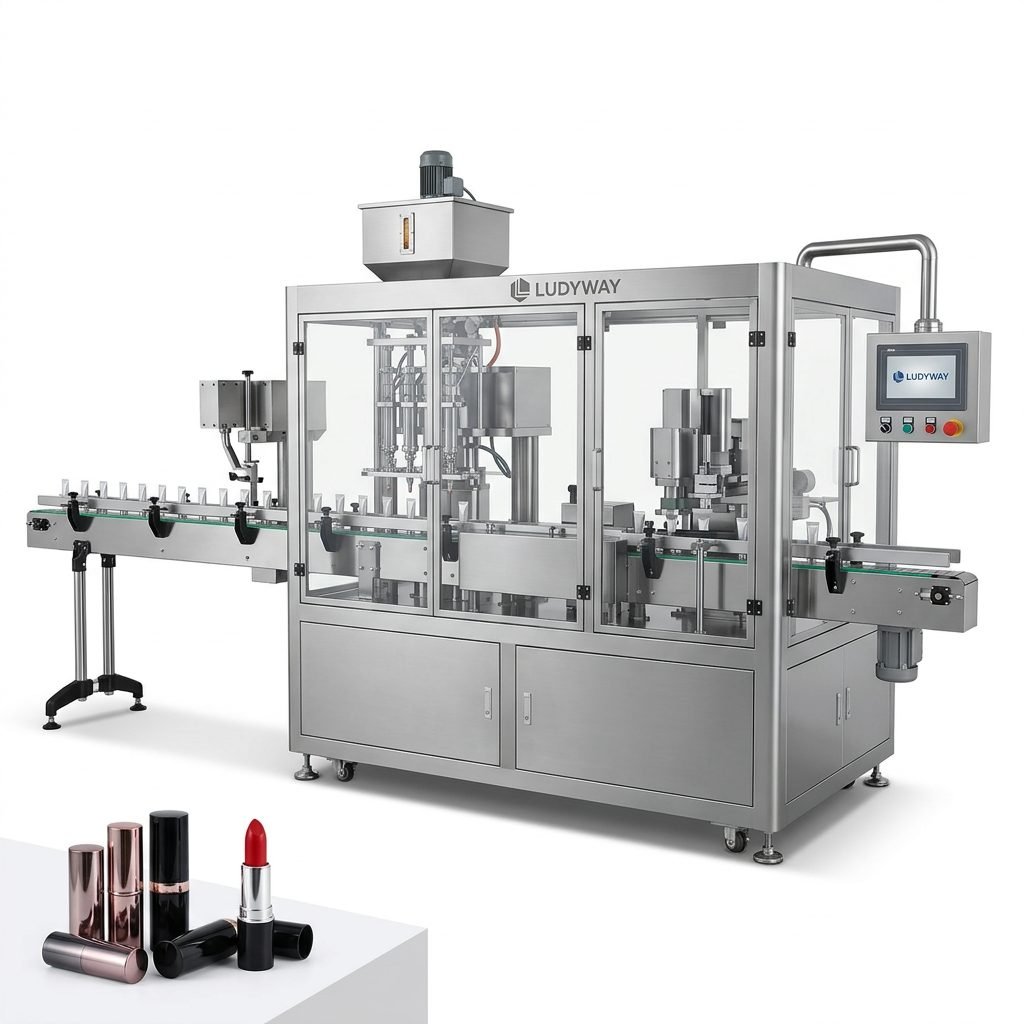
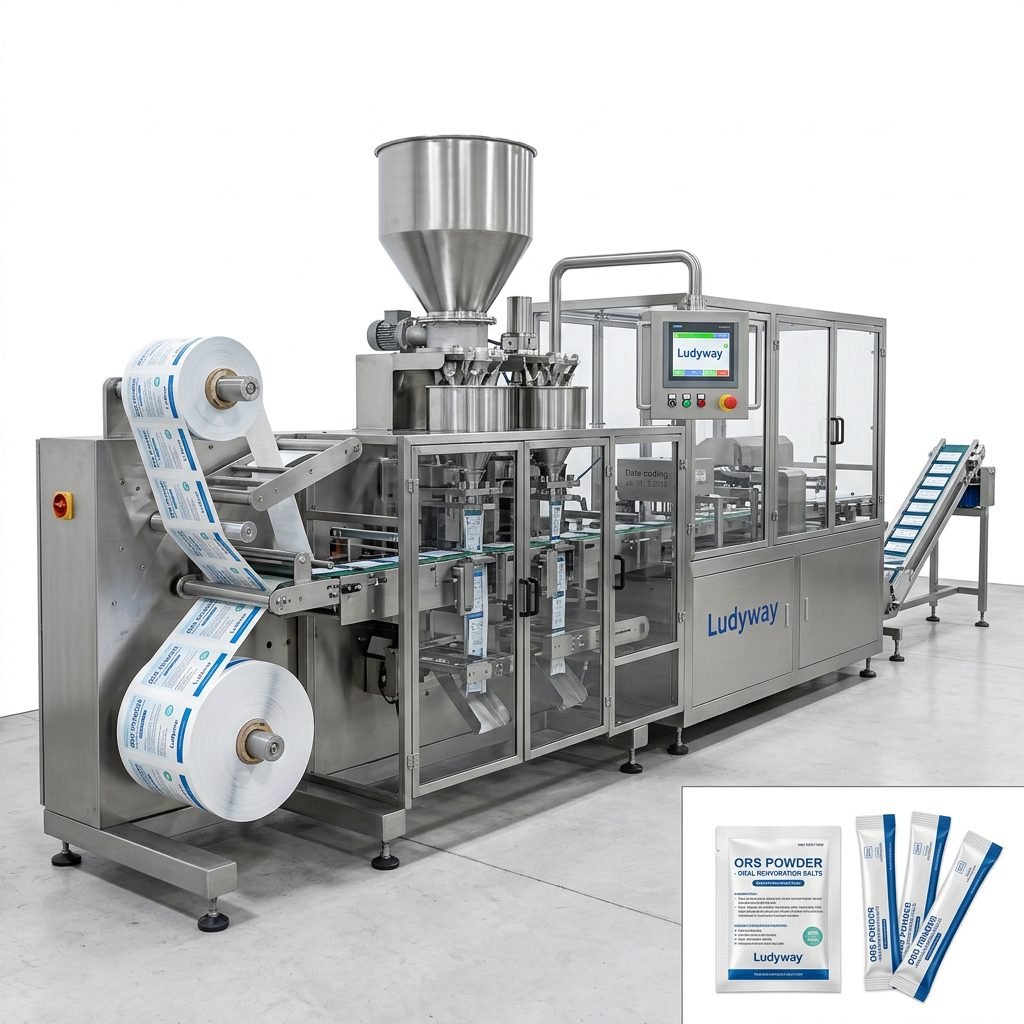
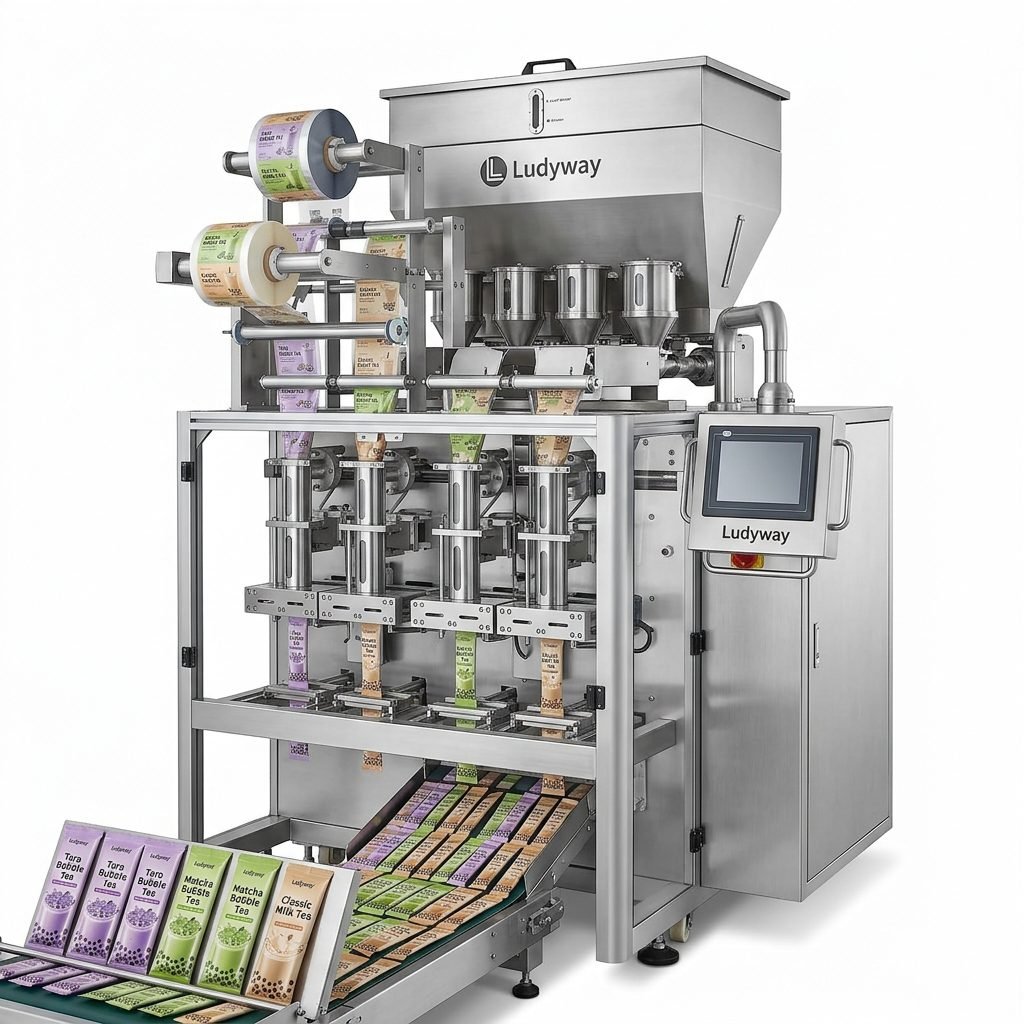
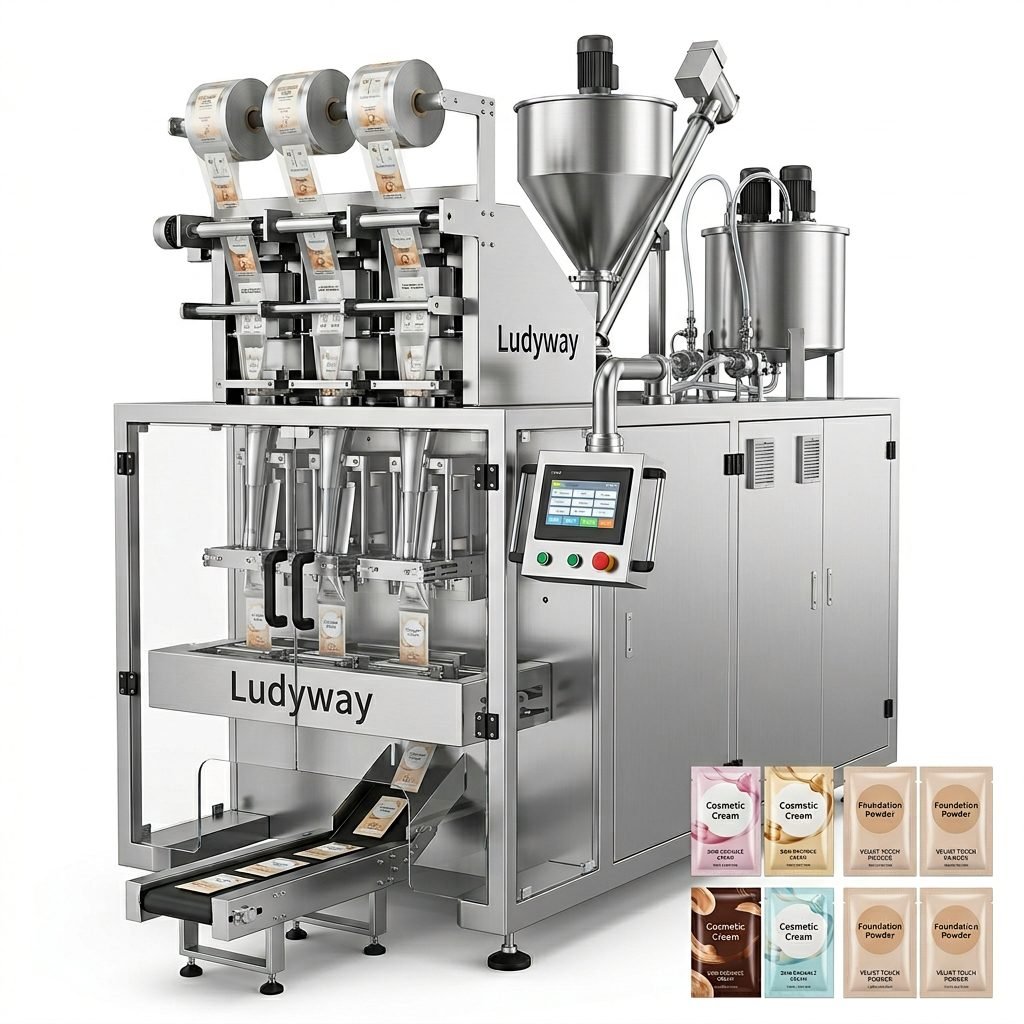
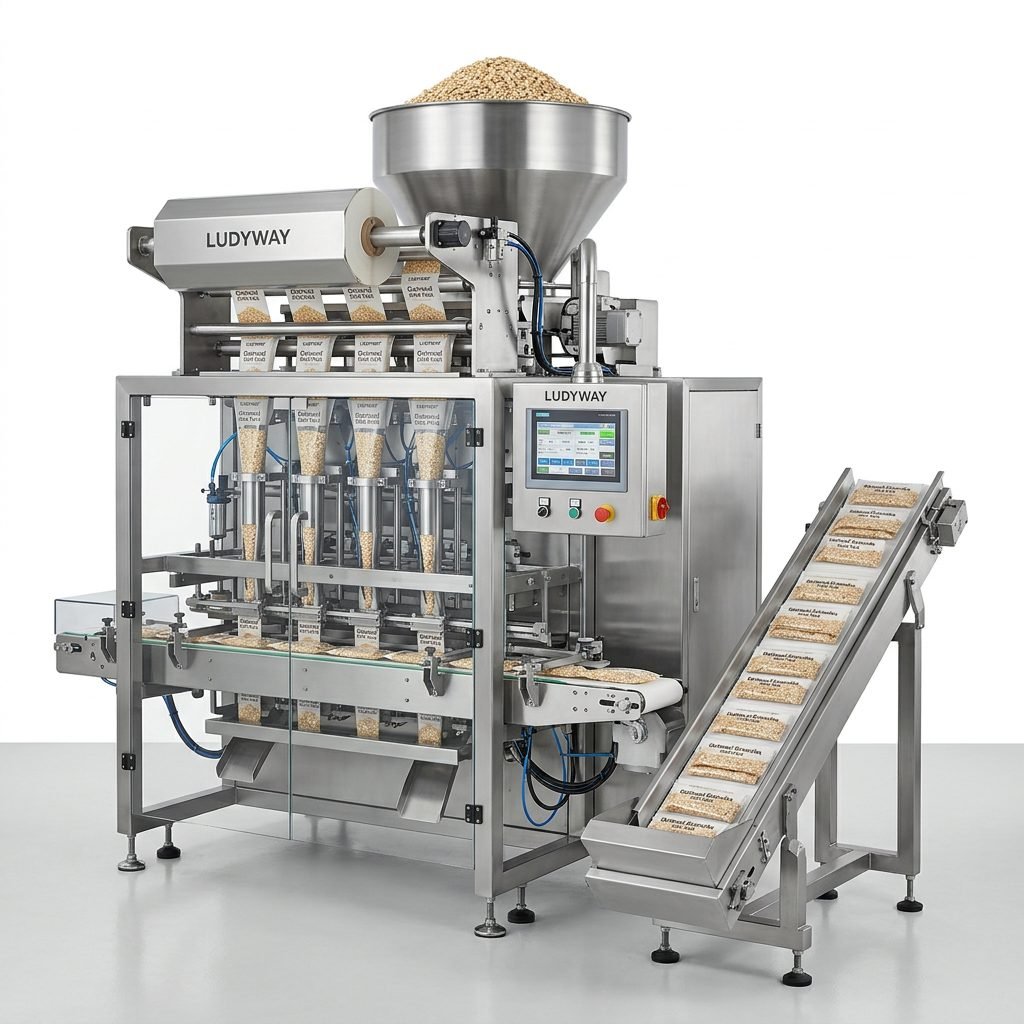
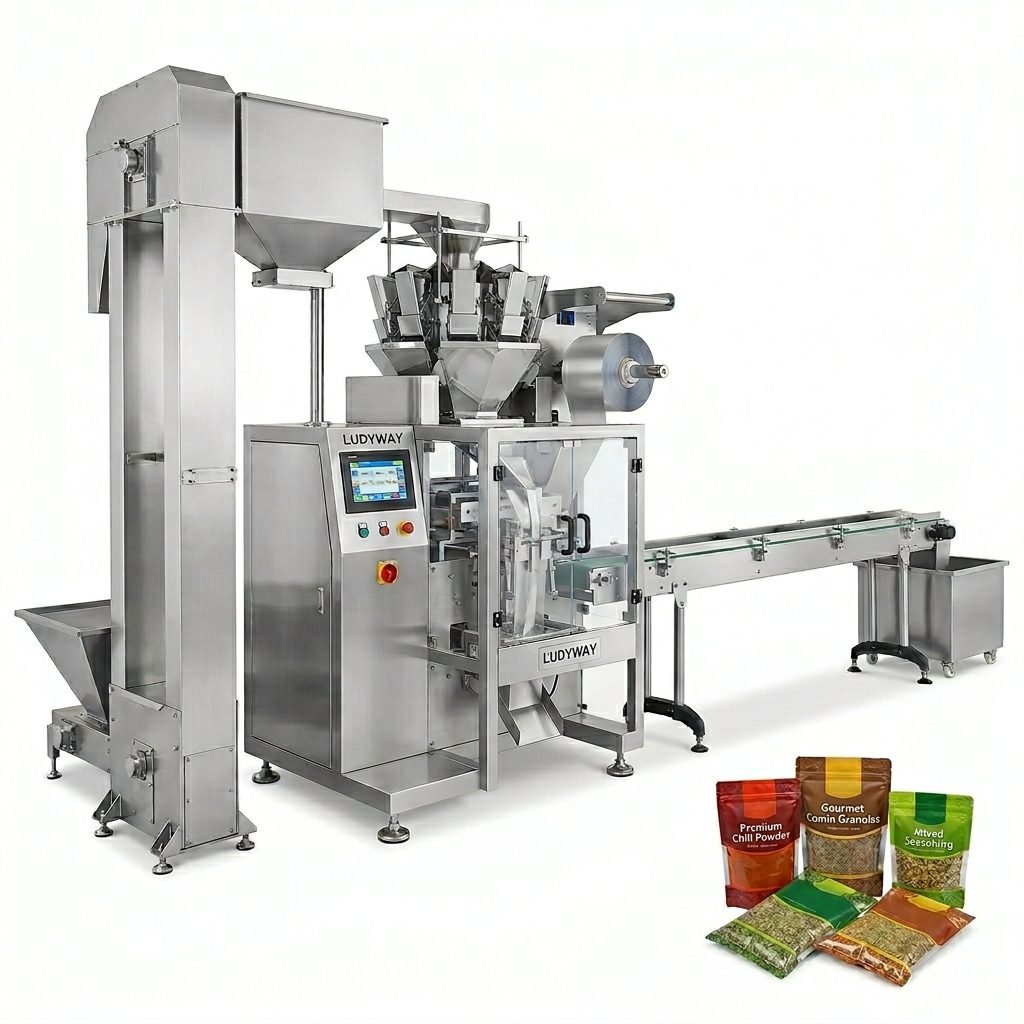
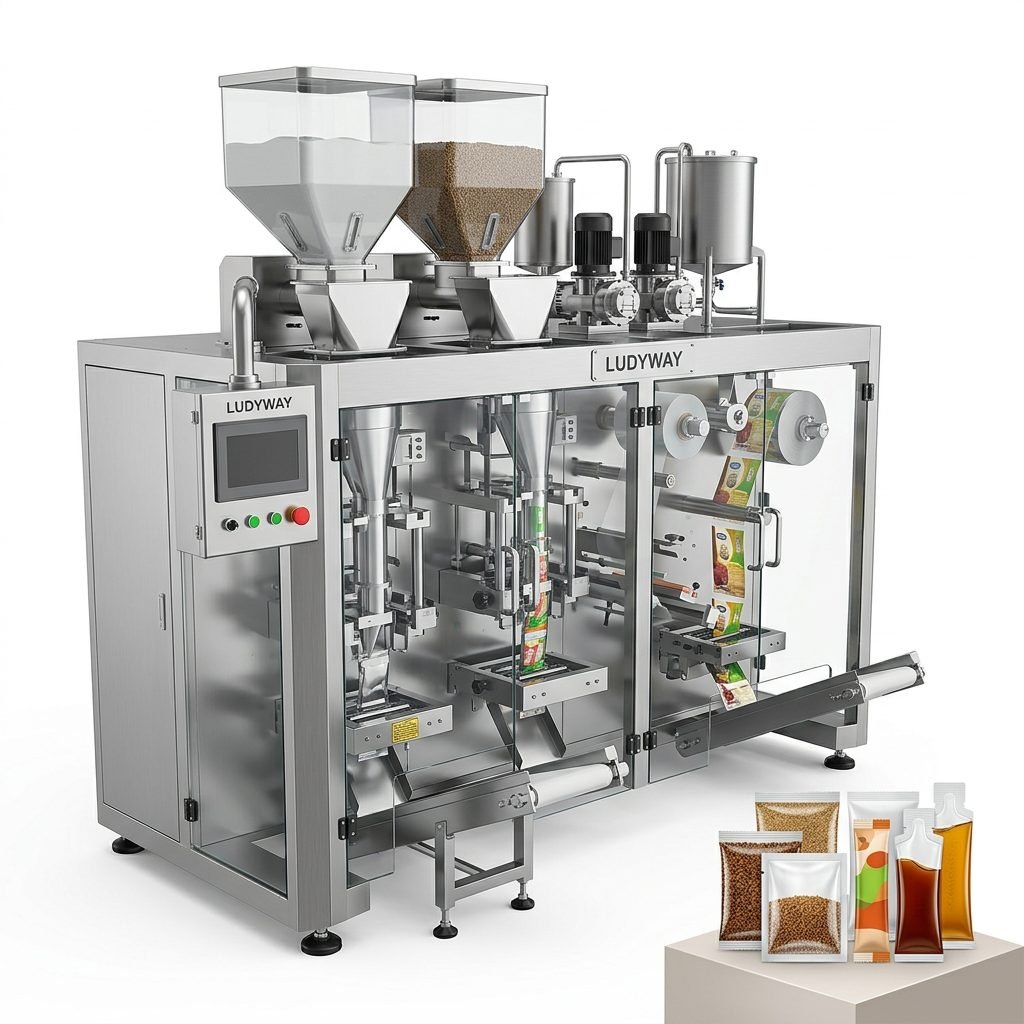
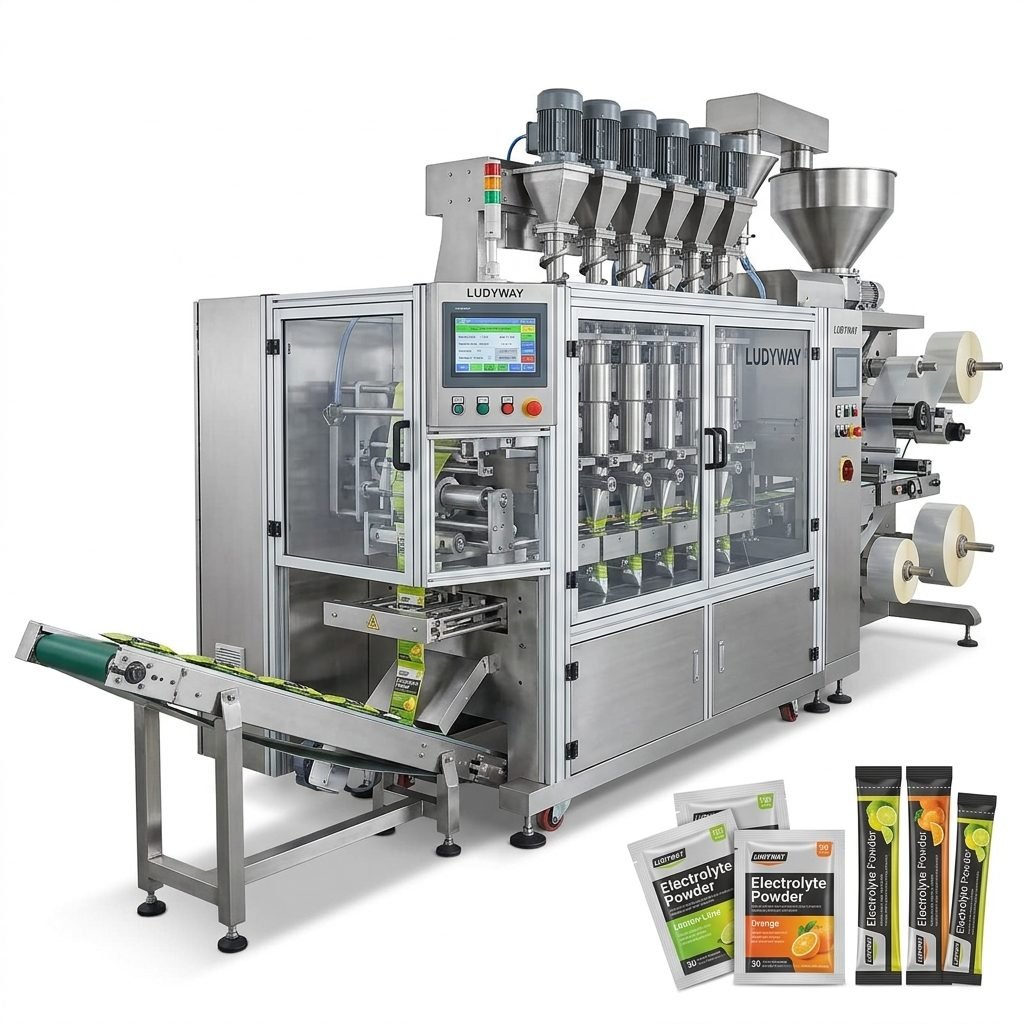
If your business is not only evaluating corrugated box handling equipment but also broader automation for sachets, pouches, cartons, and complete packaging workflows, it can be valuable to work with an experienced turnkey supplier. Corrugated packaging machinery and packaging automation solutions from Ludyway can be considered by buyers looking for scalable equipment, integrated production support, and long-term packaging line planning across food, pharmaceutical, health supplement, and related industries.
Final Buying Insight
The best corrugated packaging machinery is not simply the fastest model on the market. It is the system that matches your product type, box format, output targets, and future expansion plans. Whether you need a box making machine, automatic carton erector, case sealer, or a complete end-of-line packaging solution, the focus should remain on efficiency, consistency, integration, and serviceability.
By selecting the right equipment architecture today, manufacturers can reduce operating costs, improve packaging reliability, and build a stronger foundation for sustainable production growth.