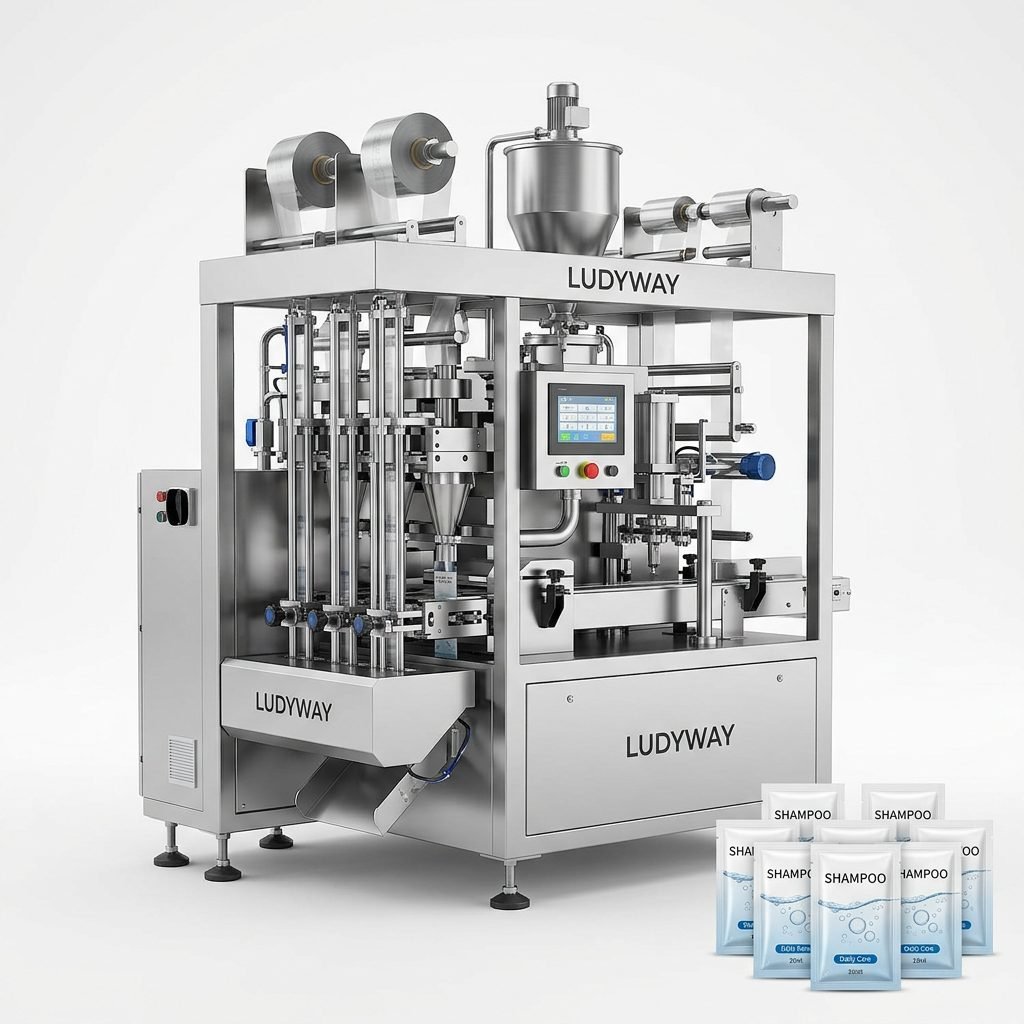
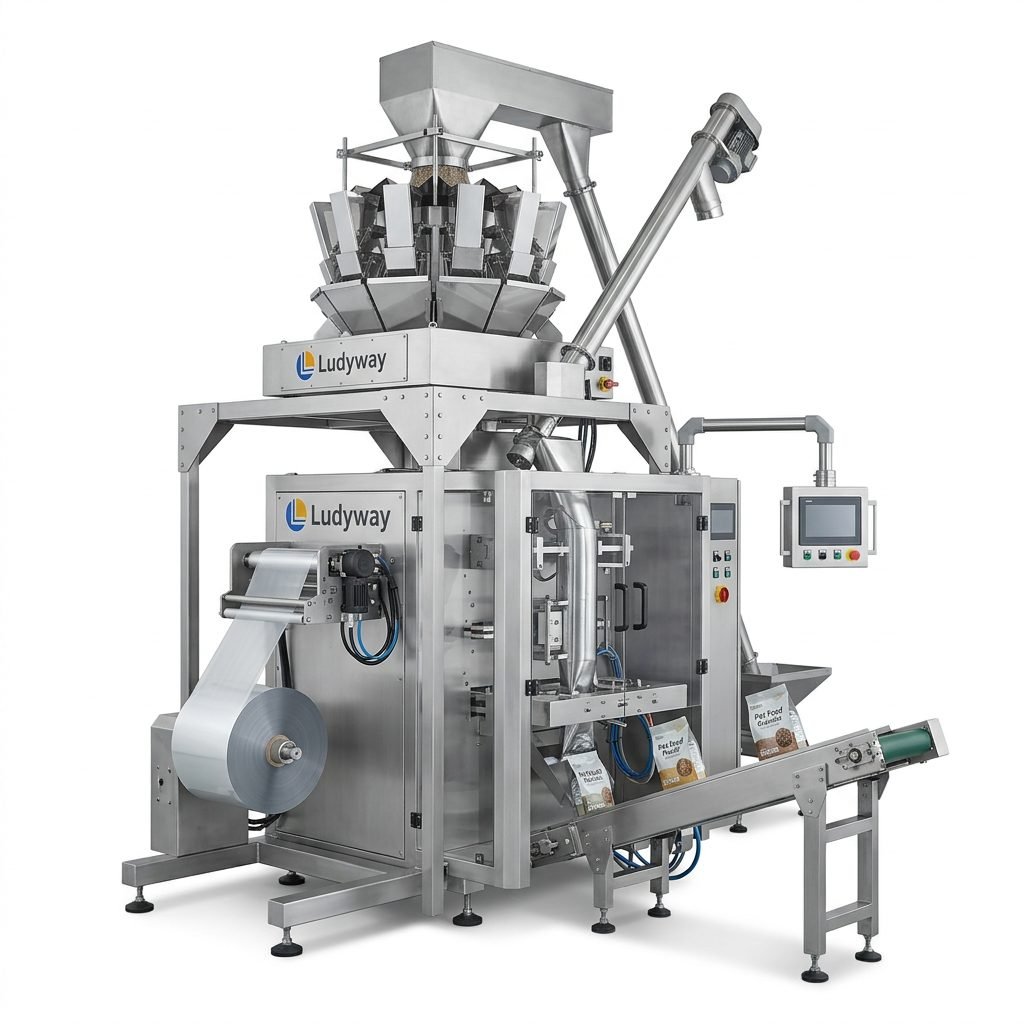
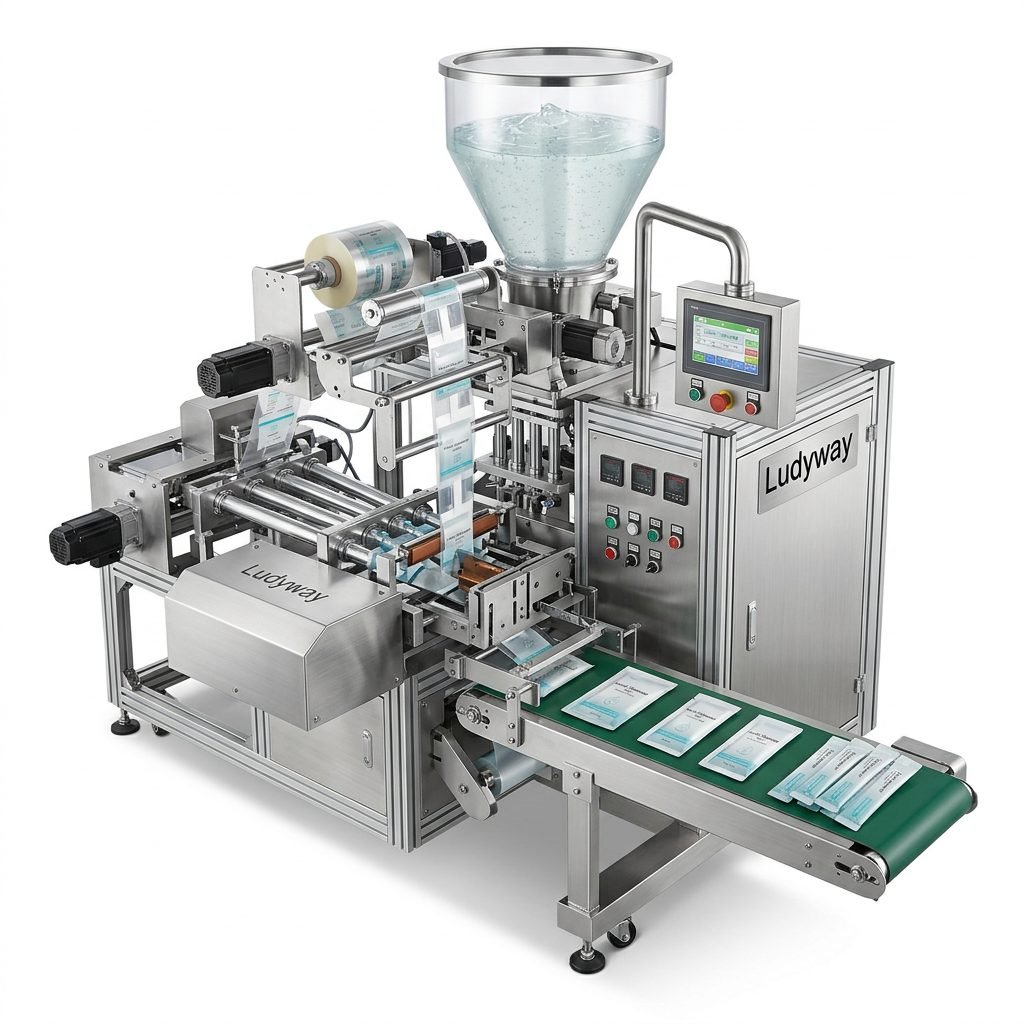
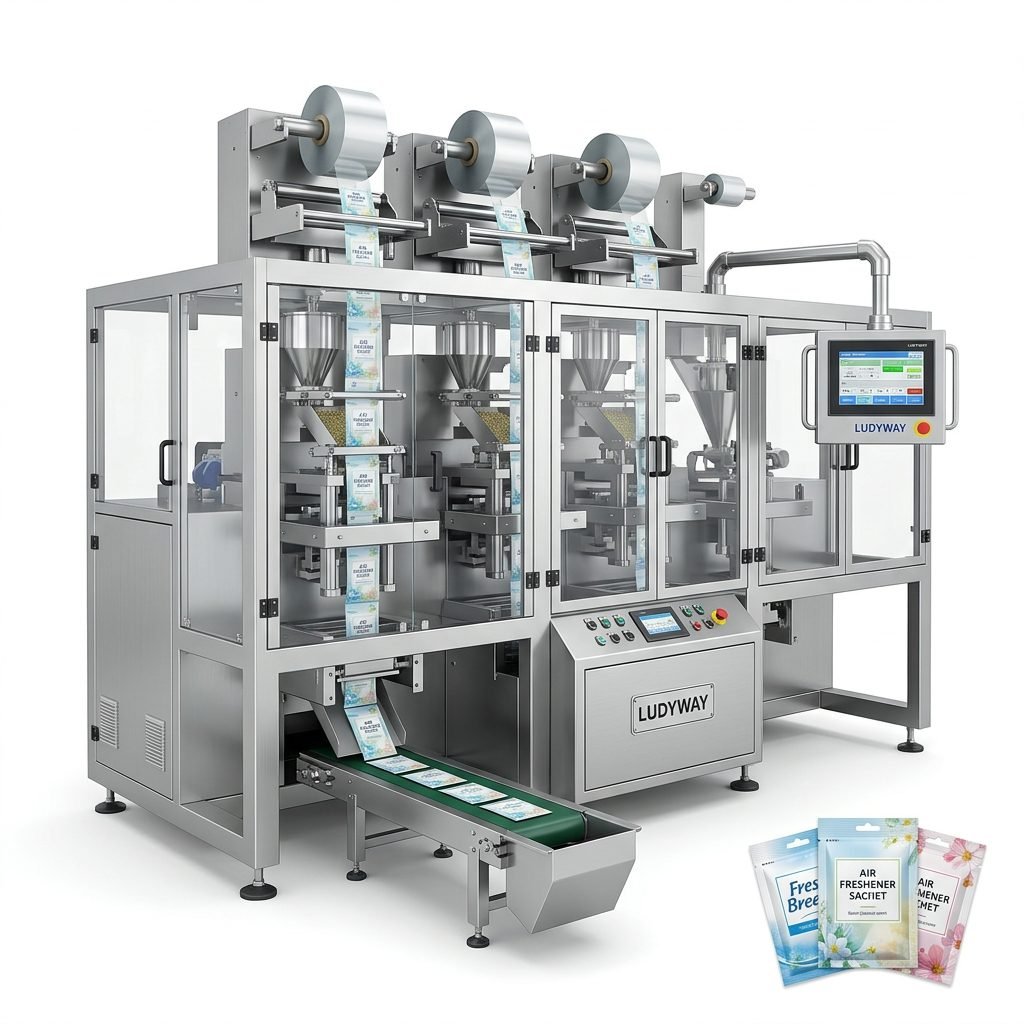
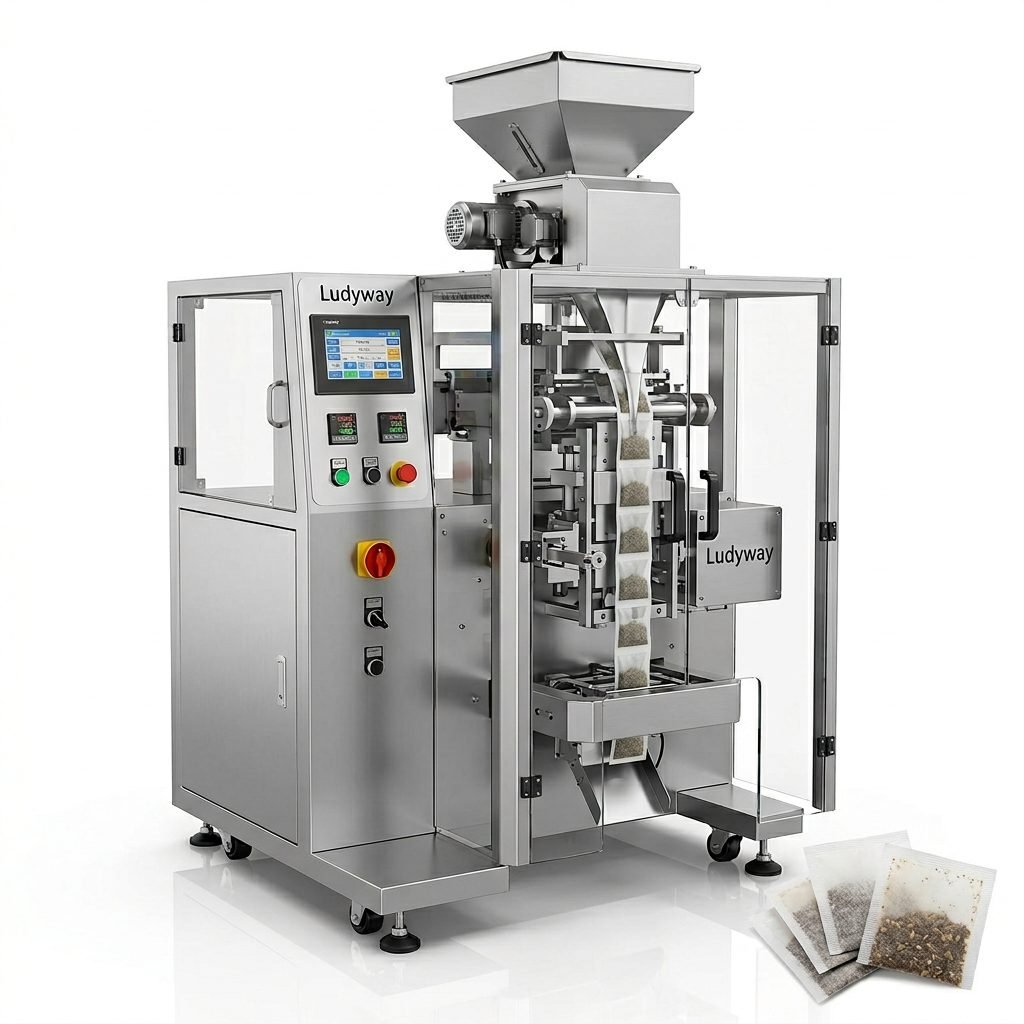
Modern packaging operations depend on far more than a single filling machine. To stay competitive, manufacturers need
reliable packaging machines and integrated processing systems
that improve throughput, reduce waste, and maintain consistent product quality. Whether producing food, pharmaceuticals,
cosmetics, chemicals, or health supplements, the right automation strategy can transform packaging from a bottleneck into a growth engine.
Today’s efficient packaging solutions combine dosing, conveying, filling, sealing, labeling, coding, inspection, cartoning, and end-of-line handling into one coordinated workflow. This integrated approach helps factories improve speed, hygiene, traceability, and labor efficiency while adapting to multiple package formats and production targets.
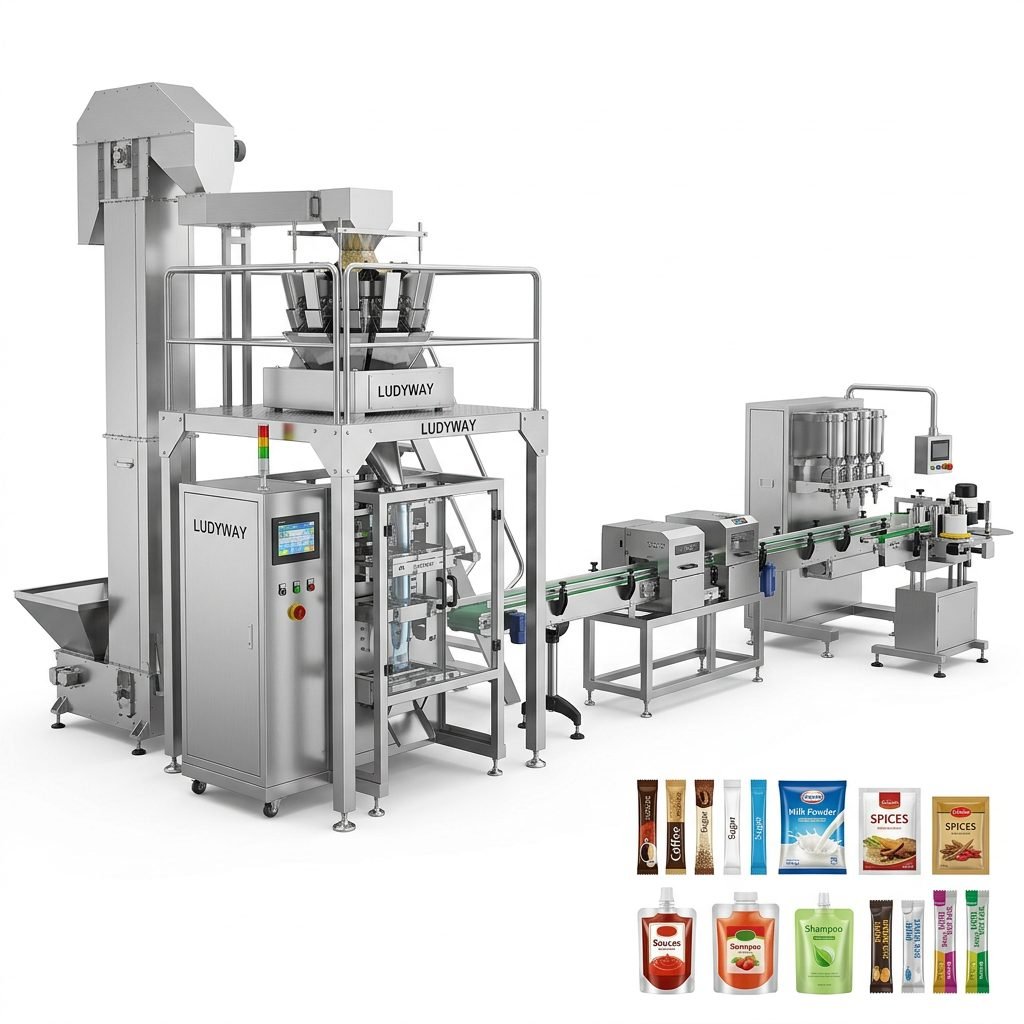
Why Packaging Machines and Processing Systems Matter
Packaging is no longer only about putting product into a bag, pouch, sachet, bottle, or carton. It is a key part of product safety,
shelf appeal, compliance, and operational cost control. Advanced systems help manufacturers handle different materials such as powders,
granules, liquids, and pastes with better precision and repeatability.
- Higher production efficiency through automation and synchronized line control
- Lower labor dependency by replacing repetitive manual tasks
- Improved dosing accuracy for better product consistency and reduced giveaway
- Better hygiene and safety for sensitive food and pharmaceutical applications
- Flexible packaging formats for sachets, stick packs, pouches, bottles, and cartons
- Scalable capacity to support future production growth
Key Components of an Efficient Packaging Solution
A complete packaging setup typically includes multiple machines working together. The most effective systems are designed around the specific product type, required output, packaging material, and final pack format.
1. Product Feeding and Processing
Before packaging begins, the product often passes through conveying, mixing, screening, buffering, or feeding systems. These stages ensure steady product flow and help avoid interruptions at the packaging machine. For powders and granules, vacuum feeders, screw conveyors, bucket elevators, and vibratory feeders are commonly used.
2. Filling and Dosing Systems
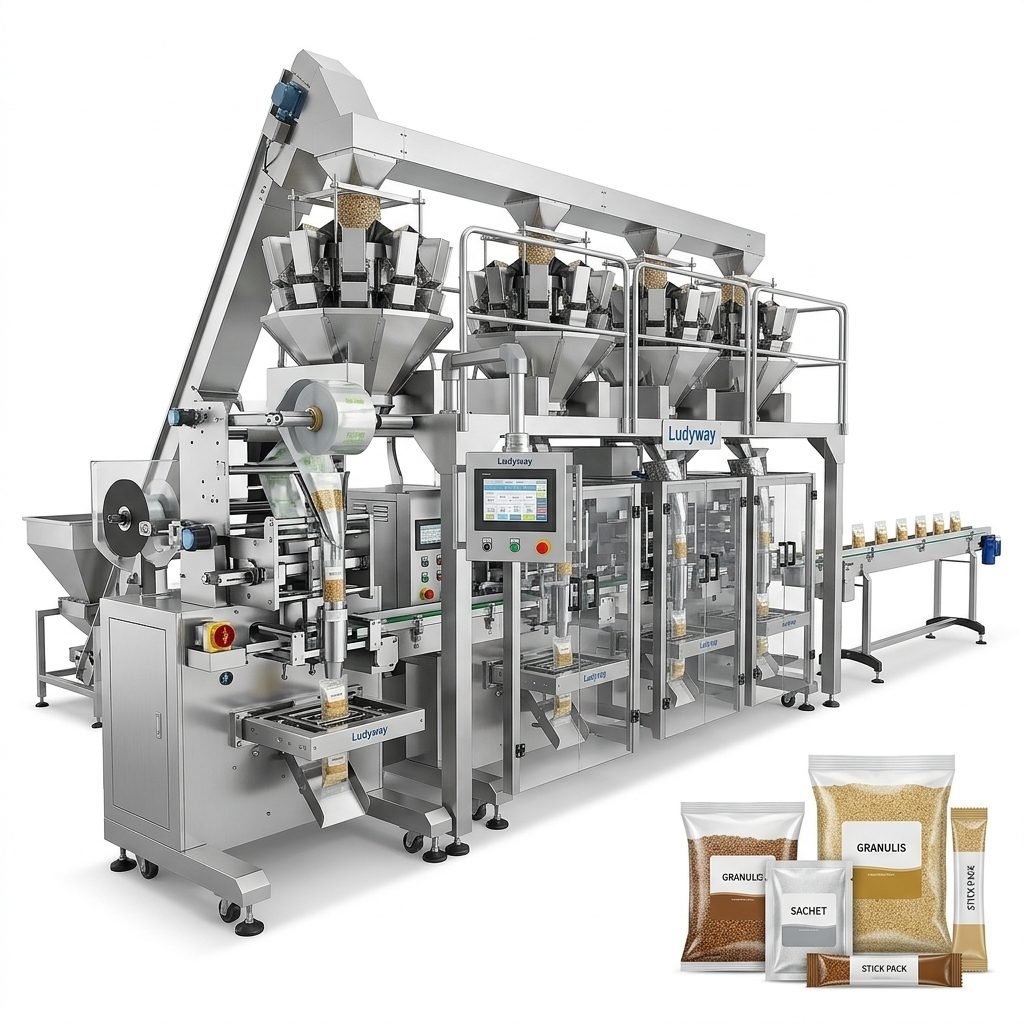
Accurate dosing is essential for cost control and customer trust. Depending on the material, manufacturers may use auger fillers for powders, multihead weighers for granules, piston fillers for pastes, or pump systems for liquids. Selecting the proper dosing method is one of the most important decisions in line design.
3. Forming, Sealing, and Packing
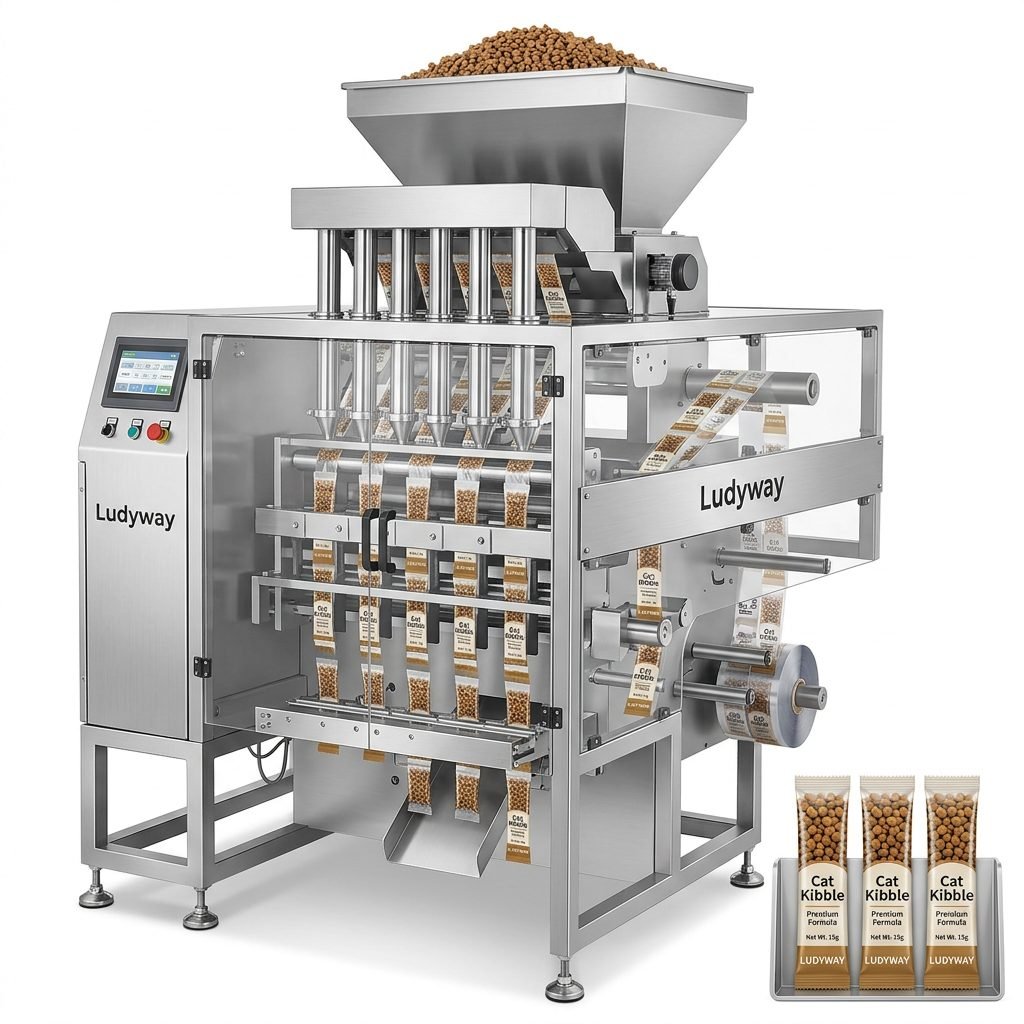
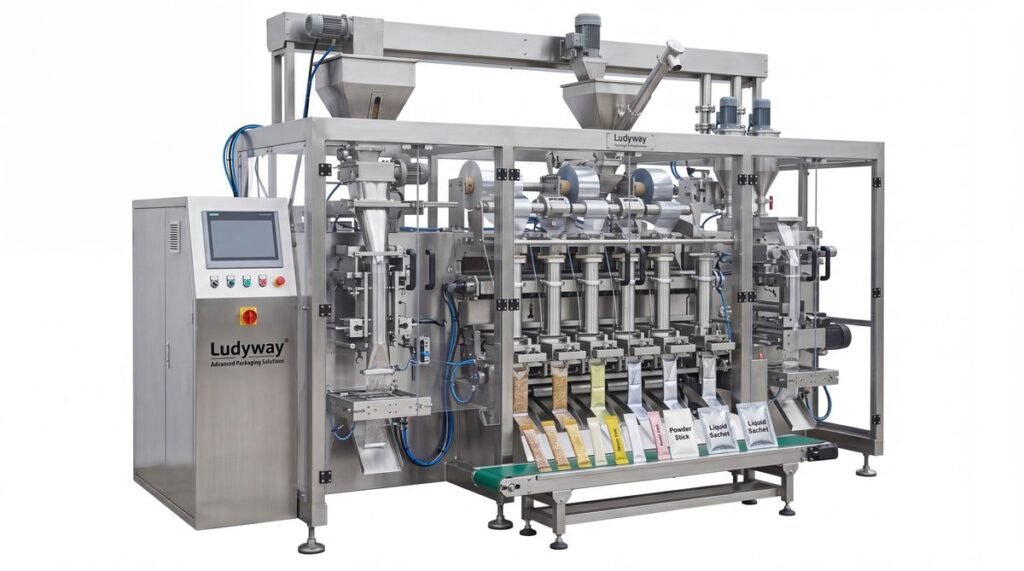
This stage converts packaging film or preformed containers into finished packs. High-speed vertical form fill seal systems, sachet packing machines, stick pack machines, pouch filling systems, and bottle filling lines all serve different production needs. Efficient sealing performance is especially important for leak prevention, freshness retention, and product protection.
4. Inspection and Quality Control
Modern packaging lines often include metal detection, checkweighing, vision inspection, reject systems, and coding verification. These systems reduce recall risk and help factories comply with strict quality standards.
5. Secondary and End-of-Line Packaging
Once primary packs are finished, products may be counted, cartoned, case packed, sealed, labeled, palletized, or wrapped for shipping. Integrated end-of-line automation can significantly reduce handling time and shipping errors.
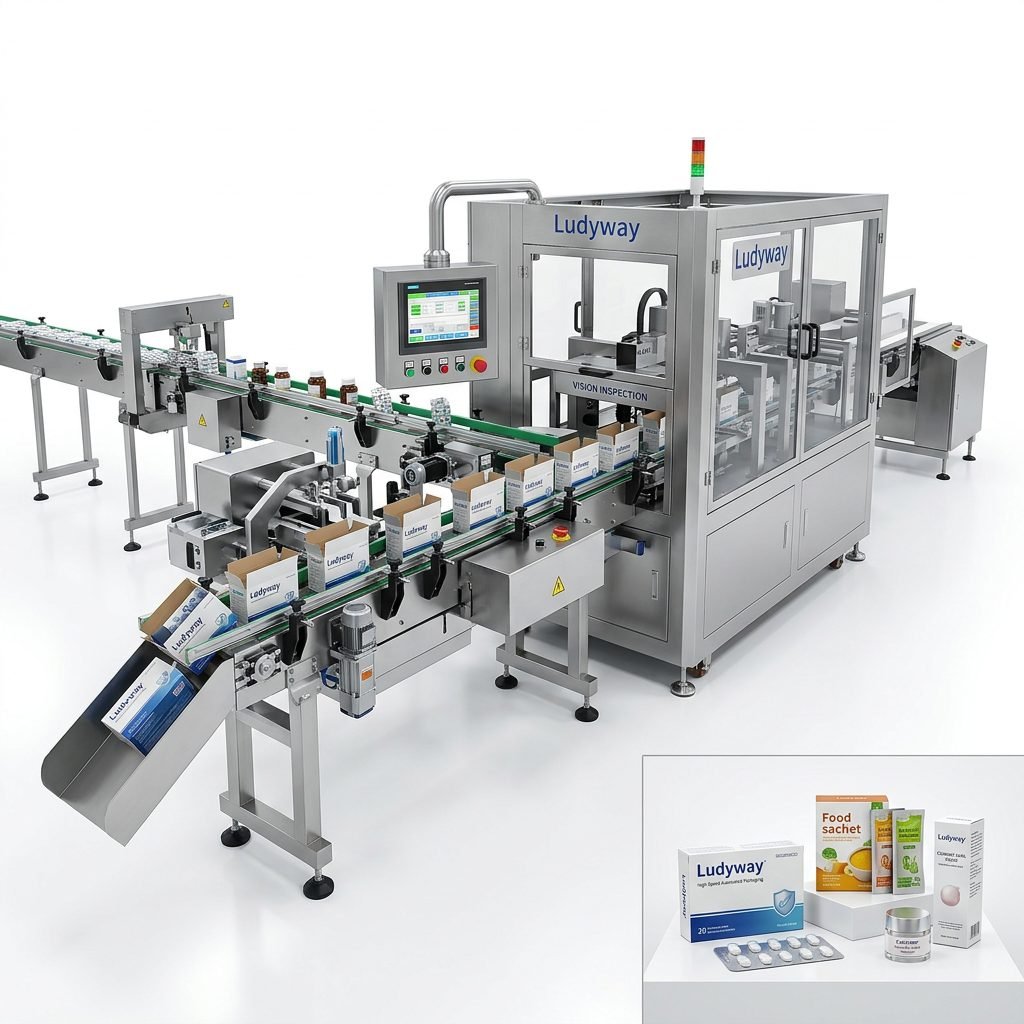
Common Types of Packaging Machines
| Machine Type | Best For | Typical Packaging Formats |
|---|---|---|
| Multi-lane stick pack machines | High-speed powders, granules, liquids | Stick packs |
| Sachet packaging machines | Single-dose and small-format packaging | 3-side seal or 4-side seal sachets |
| Vertical packaging systems | Free-flowing powders and granules | Pillow bags, gusset bags |
| Liquid filling and sealing machines | Sauces, oils, gels, lotions, syrups | Sachets, bottles, pouches |
| Cartoning and case packing systems | Secondary packaging automation | Cartons, cases, trays |
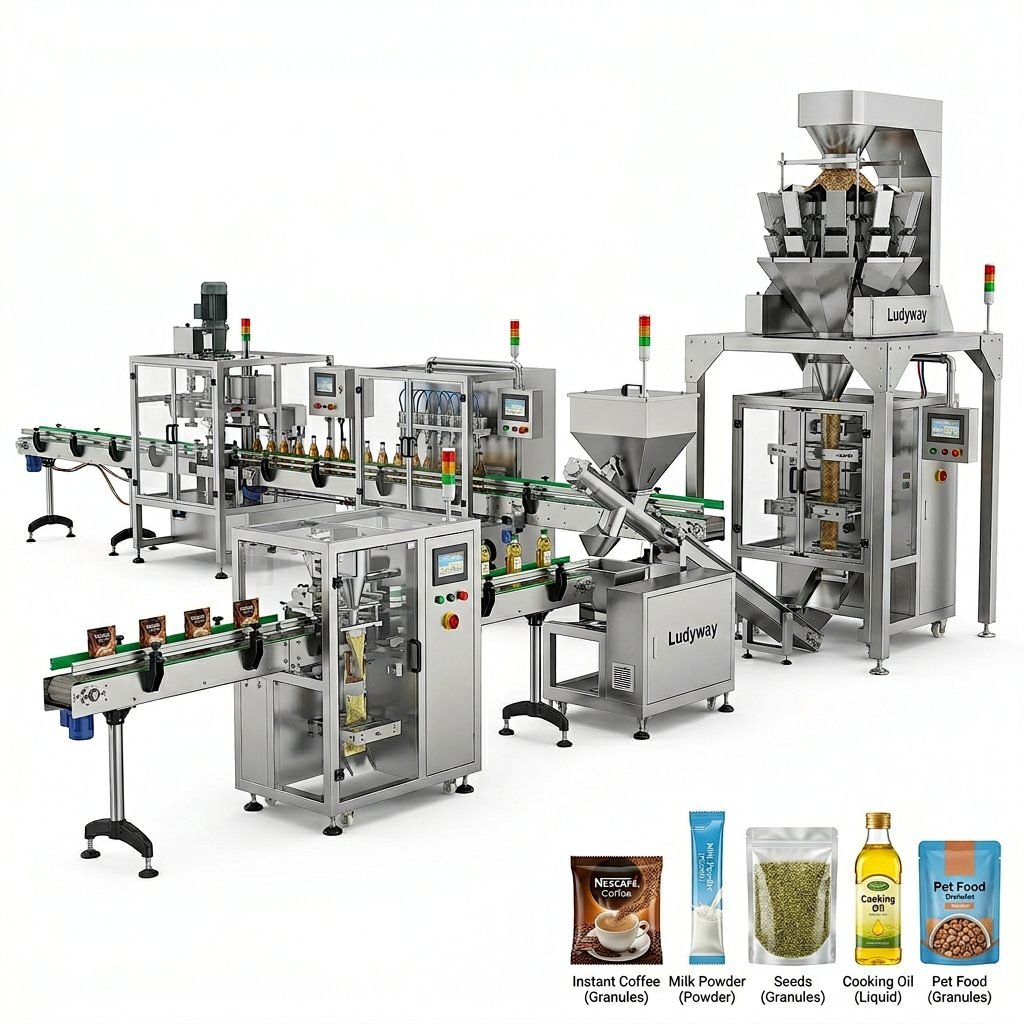
| Turnkey packaging lines | Full-line integration across multiple steps | Customized complete solutions |
How Integrated Processing Systems Improve Efficiency
Standalone machines can solve specific packaging tasks, but integrated systems offer much greater operational value.
When feeding, filling, sealing, inspection, and cartoning equipment are engineered to work together, manufacturers can achieve
faster line speeds, smoother material flow, and more stable output.
- Reduced downtime caused by mismatched equipment speeds
- Better communication between machines for automatic synchronization
- Lower material waste from poor filling or sealing performance
- More efficient changeovers between package sizes or product types
- Simplified operator management with centralized controls
- Improved data collection for production monitoring and maintenance planning
Applications Across Major Industries
Food Industry
Food manufacturers require packaging systems that balance hygiene, speed, and product protection. Common applications include spices,
coffee, beverage powders, sauces, snacks, sugar, grains, nutritional products, and ready-to-mix ingredients. Efficient sealing and precise dosing are especially important for freshness and cost control.
Pharmaceutical Industry
Pharmaceutical packaging systems must meet strict expectations for precision, cleanliness, traceability, and compliance. Granules,
powders, tablets, capsules, liquids, and sterile products often require highly controlled environments, inspection systems, and dependable sealing quality.
Cosmetic and Personal Care Industry
Sachets, sample packs, creams, lotions, shampoos, serums, and gels all benefit from automated filling and sealing solutions. Flexible packaging equipment helps cosmetic brands support both trial-size and retail-ready production with attractive, leak-resistant packaging.
Chemical and Industrial Products
For detergents, additives, powders, adhesives, and liquid chemicals, packaging systems must be durable, accurate, and suited to challenging product characteristics. Corrosion resistance, dust control, and operator safety are critical design considerations.
What to Consider When Choosing Packaging Equipment
Selecting the right system requires more than comparing machine speed. Buyers should evaluate long-term production goals, product behavior, maintenance needs, and integration requirements before making a decision.
| Selection Factor | Why It Matters |
|---|---|
| Product type | Powder, granule, liquid, or paste requires different dosing and sealing methods |
| Packaging format | Sachet, stick pack, pouch, bottle, carton, or bulk bag affects machine configuration |
| Target speed | The system should match real production demand without sacrificing accuracy |
| Automation level | Defines labor savings, line coordination, and expansion potential |
| Cleaning and maintenance | Important for uptime, hygiene, and lifecycle cost |
| Customization capability | Helps meet special packaging, space, and product requirements |
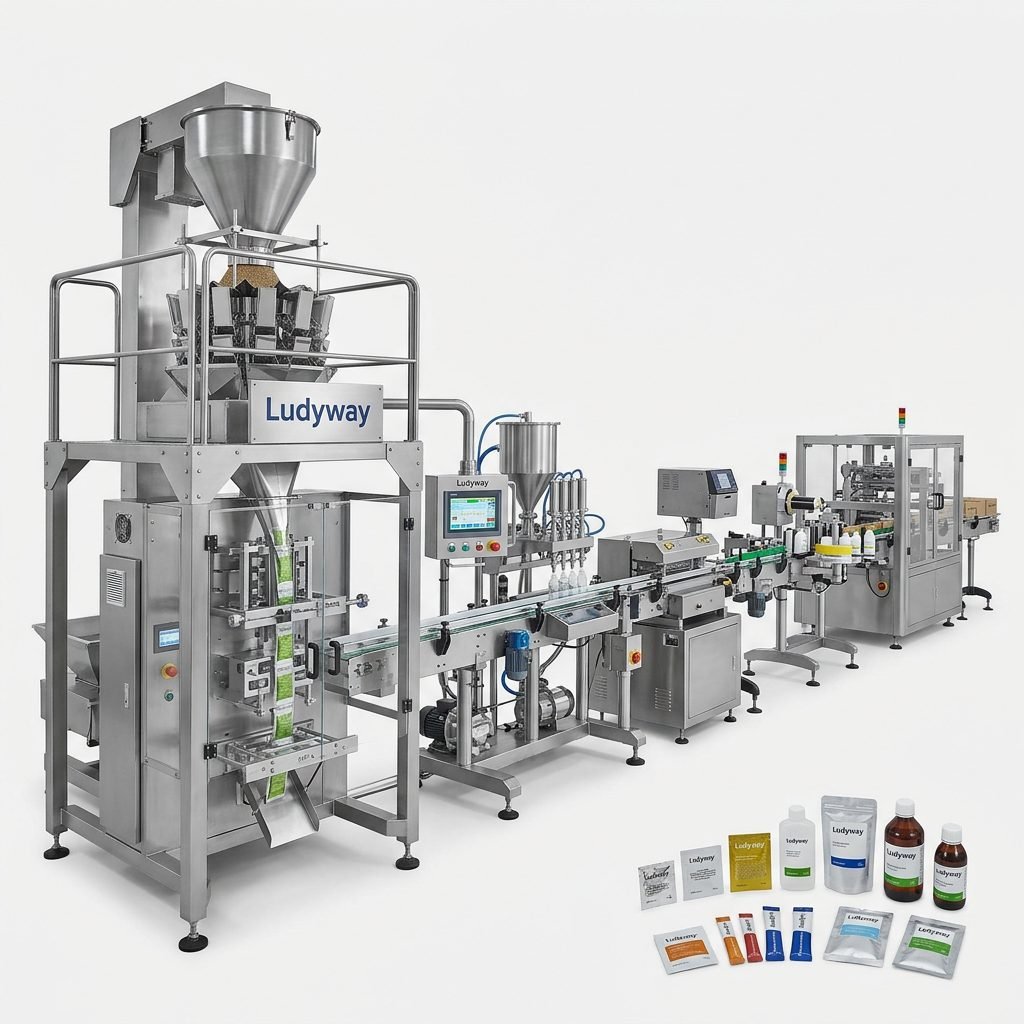
Benefits of Turnkey Packaging Lines
Turnkey systems are increasingly preferred by manufacturers that want a single source for engineering, equipment coordination, and project execution. Instead of purchasing separate machines from multiple suppliers, companies can reduce integration risk by choosing a complete solution.
- More consistent line compatibility from feeding to final packing
- Shorter project implementation and commissioning time
- Clearer technical responsibility from one supplier
- Better line layout planning for factory space efficiency
- Greater flexibility for future upgrades and capacity expansion
Trends Shaping Efficient Packaging Solutions
Smart Automation
Packaging lines are becoming more intelligent through touchscreen controls, recipe storage, fault diagnostics, and production monitoring. These features support easier operation and quicker troubleshooting.
Multi-Format Flexibility
Many manufacturers now need to package several products on the same line. Equipment designed for fast changeover and multiple bag or sachet sizes offers a clear operational advantage.
Higher Hygiene Standards
Food, pharma, and health supplement producers increasingly prioritize easy-clean structures, enclosed product contact areas, and stable sanitary performance.
End-of-Line Integration
Efficient packaging no longer stops at primary filling and sealing. Cartoning, labeling, case packing, and palletizing are now central to total line productivity.
A Reliable Manufacturing Partner for Packaging Projects
For businesses seeking scalable automation, Ludyway packaging machine solutions
offer a broad range of equipment for food, pharmaceutical, cosmetic, chemical, nicotine pouch, and animal feed applications. With more than 30 years of experience, a manufacturing base of over 20,000 square meters, and the ability to supply both standalone machines and turnkey packaging lines, the company supports customers looking for efficient, customized, and export-oriented packaging systems.
Final Thoughts on Building an Efficient Packaging Line
Efficient packaging solutions come from the right combination of machine design, product handling, automation level, and system integration. Companies that invest in well-matched packaging machines and processing systems can improve production speed, reduce operating costs, enhance product quality, and create a stronger foundation for long-term growth.
When evaluating packaging equipment, focus on the complete production flow rather than individual machine performance alone. A properly designed integrated line will deliver better results in accuracy, uptime, and overall return on investment.