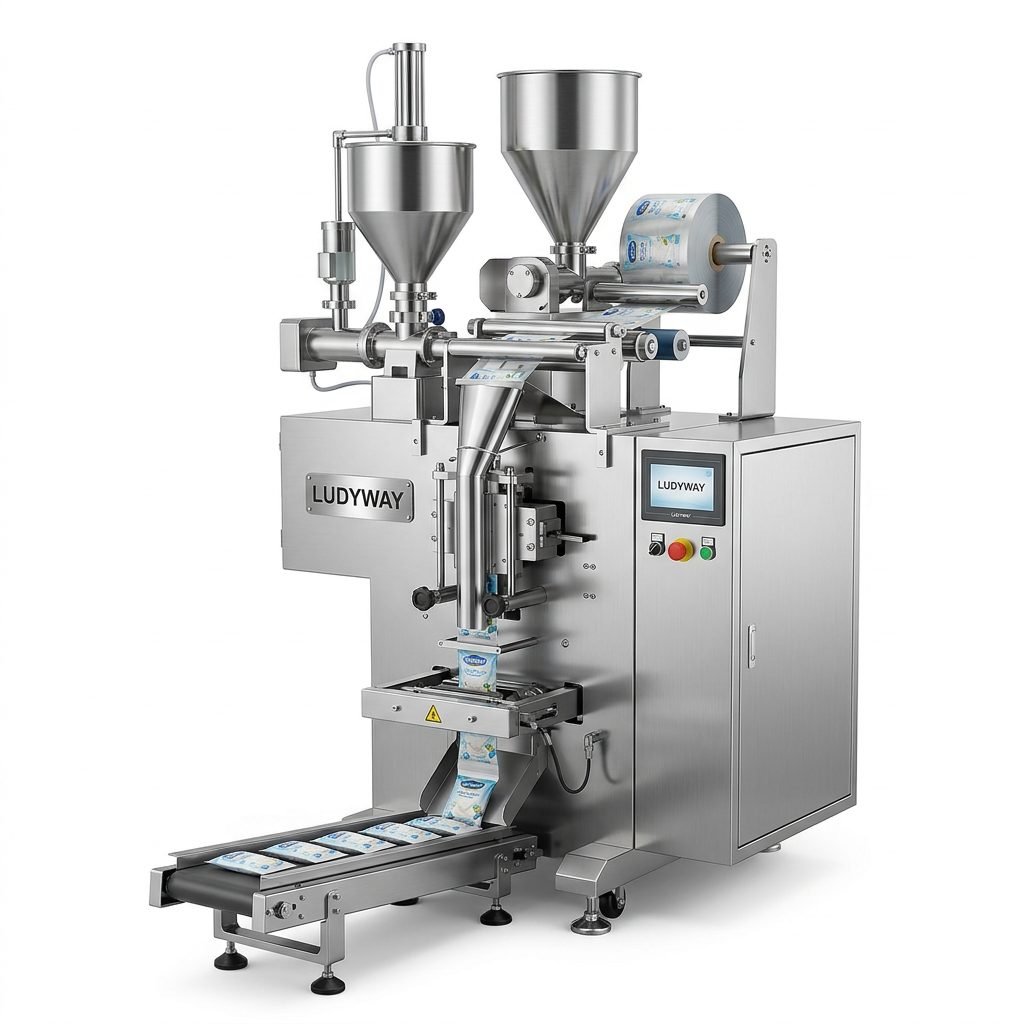
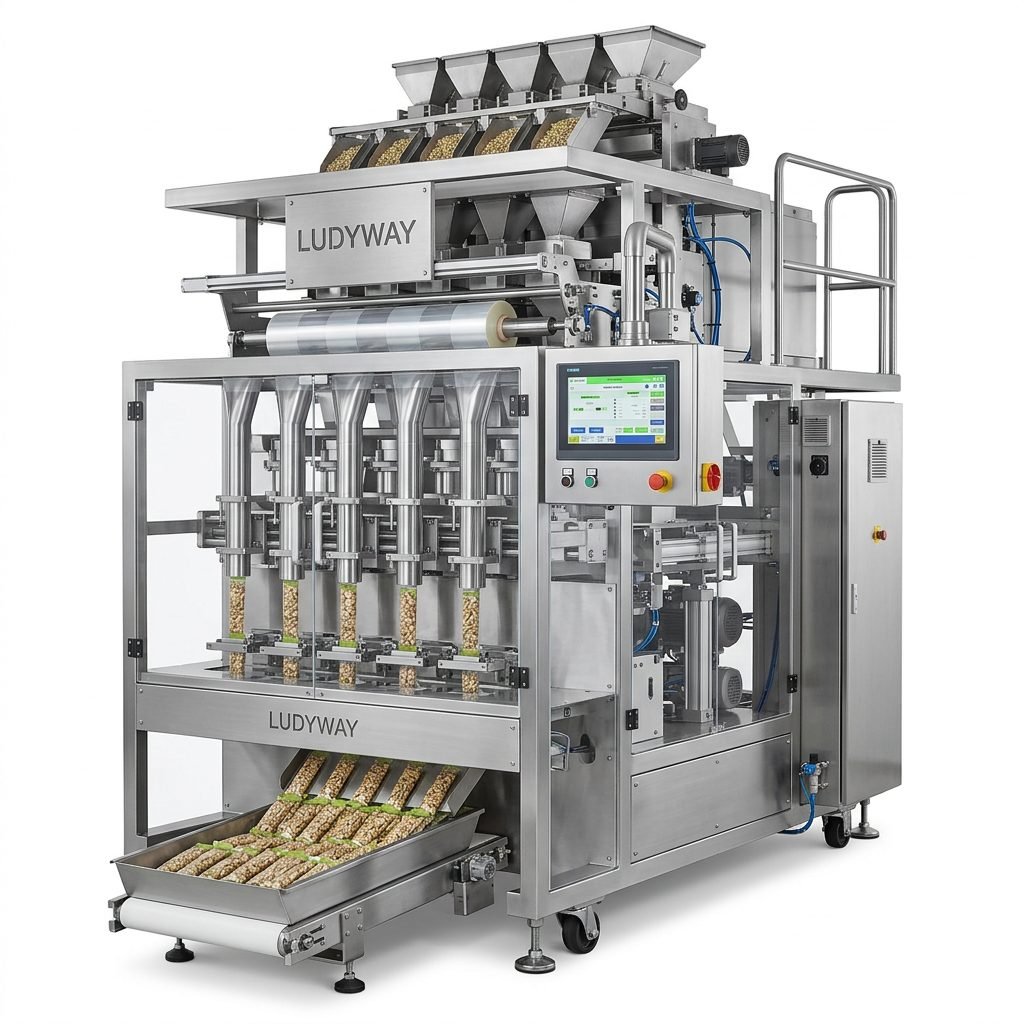
Choosing the right cement bag packing machine is not only about speed. For cement manufacturers, dry mortar plants, building material suppliers, and bulk powder processors, the right solution directly affects bag accuracy, dust control, labor cost, plant safety, and delivery performance. A well-matched system helps reduce product loss, improve bag appearance, and support stable high-volume operation.
In today’s competitive market, buyers need packaging equipment that can handle abrasive powders, maintain reliable weighing performance, and integrate smoothly with conveyors, sealing units, palletizing systems, and dust collection devices. That is why machine selection should be based on process needs rather than price alone.
Why the Right Cement Bag Packing Machine Matters
Cement is a demanding product for packaging equipment. It is fine, dusty, free-flowing in some conditions, and highly sensitive to environmental handling. If the machine is not designed properly, common issues appear quickly:
- Underweight or overweight bags
- Dust leakage during filling and discharge
- Bag damage, poor sealing, or weak valve insertion
- Frequent downtime caused by wear on key components
- Higher labor dependence and inconsistent output
A properly selected system improves not only packaging efficiency but also overall plant productivity. When bagging, conveying, coding, stacking, and pallet handling work together, the packaging area becomes a stable extension of production instead of a bottleneck.
Main Types of Cement Bag Packing Machines
Before comparing models, it helps to understand the main machine categories used in cement and powder bagging operations.
1. Valve Bag Packing Machines
These are among the most common choices for cement. The material is filled through a valve opening in the bag, which allows fast packing and cleaner bag presentation. Valve bag systems are often preferred for high-volume cement plants because they support efficient automatic handling and palletizing.
2. Open Mouth Bagging Machines
Open mouth systems fill bags from the top and then require sewing, heat sealing, or other closing methods. They are often used where bag material, bag size flexibility, or downstream handling requirements differ from valve bag standards.
3. Semi-Automatic Bagging Systems
These systems require more operator involvement, such as manual bag placement. They are suitable for smaller plants, lower production volumes, or operations with limited automation budgets.
4. Fully Automatic Bagging Lines
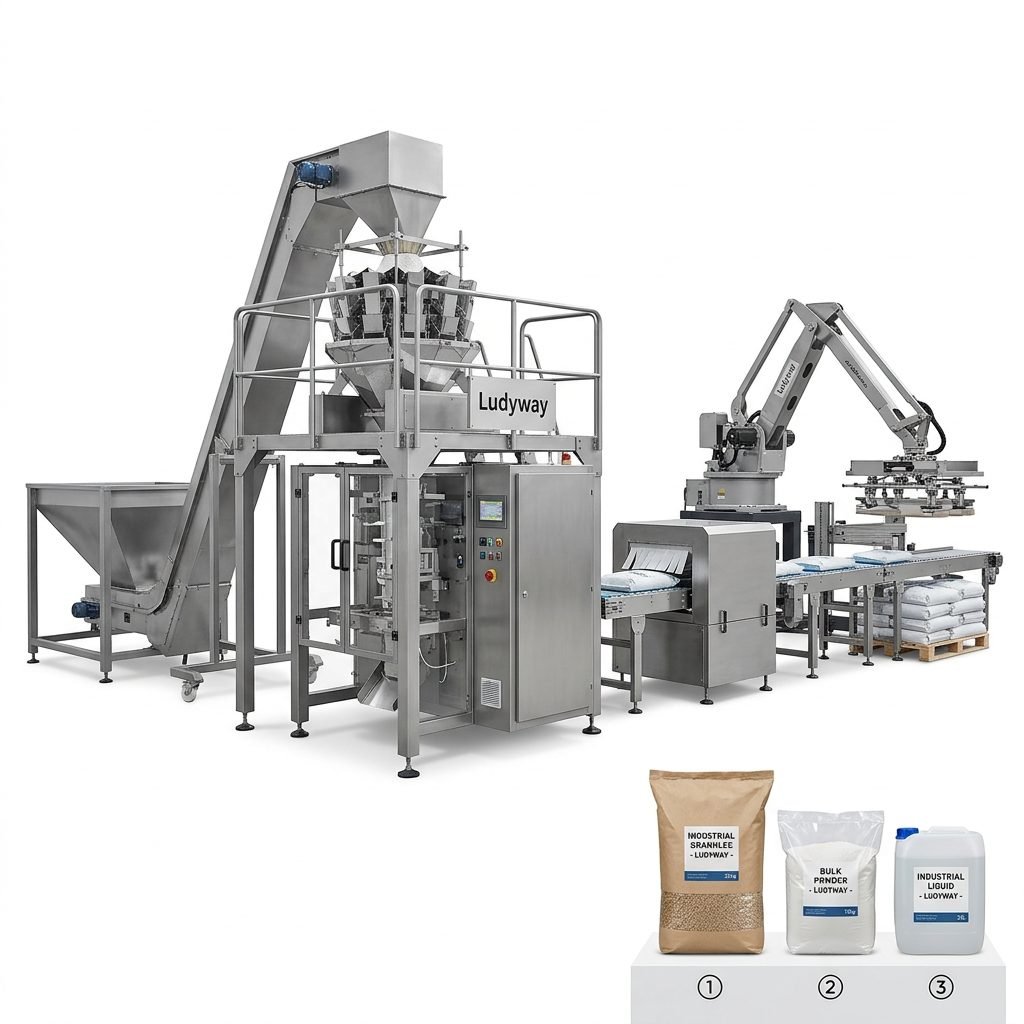
These lines include automatic bag feeding, filling, weighing, bag transfer, sealing, coding, checkweighing, palletizing, and wrapping. For large-scale cement production, this is often the best path to long-term efficiency and labor savings.
| Machine Type | Best For | Key Advantage | Consideration |
|---|---|---|---|
| Valve bag packing machine | High-volume cement plants | Fast filling and good dust control | Requires matching valve bags |
| Open mouth bagging machine | Flexible bag formats | Adaptable to multiple bag styles | Needs separate bag closing step |
| Semi-automatic system | Small and medium plants | Lower initial investment | Higher labor requirement |
| Fully automatic line | Large factories and export-oriented production | Maximum efficiency and consistency | Higher system integration cost |
Key Factors to Consider Before Buying
Bag Type and Bag Size
Start with the package itself. Are you using valve bags, paper bags, woven PP bags, PE-lined bags, or kraft sacks? What are the standard weights—25 kg, 40 kg, 50 kg, or jumbo bags? The machine must match your bag dimensions, valve structure, and material strength.
Material Characteristics
Not all cement-based products behave the same. Ordinary Portland cement, tile adhesive, mortar mix, gypsum powder, fly ash blends, and dry chemical construction materials may have different bulk density, flowability, particle size, and moisture sensitivity. The filling system should be chosen according to actual product behavior.
Required Output
Define your production target clearly. Some buyers need moderate output for regional distribution, while others require continuous multi-shift operation. Selecting an oversized machine may waste budget, but undersizing creates costly bottlenecks. Always compare:
- Bags per hour required now
- Expected growth over the next 3 to 5 years
- Peak production versus average production
Accuracy and Weight Stability
A good cement bag packing machine must deliver stable filling weight. Poor accuracy leads to giveaway loss, customer complaints, and compliance risks. Look for systems with reliable weighing control, fast coarse-fine filling response, and easy calibration.
Dust Control Performance
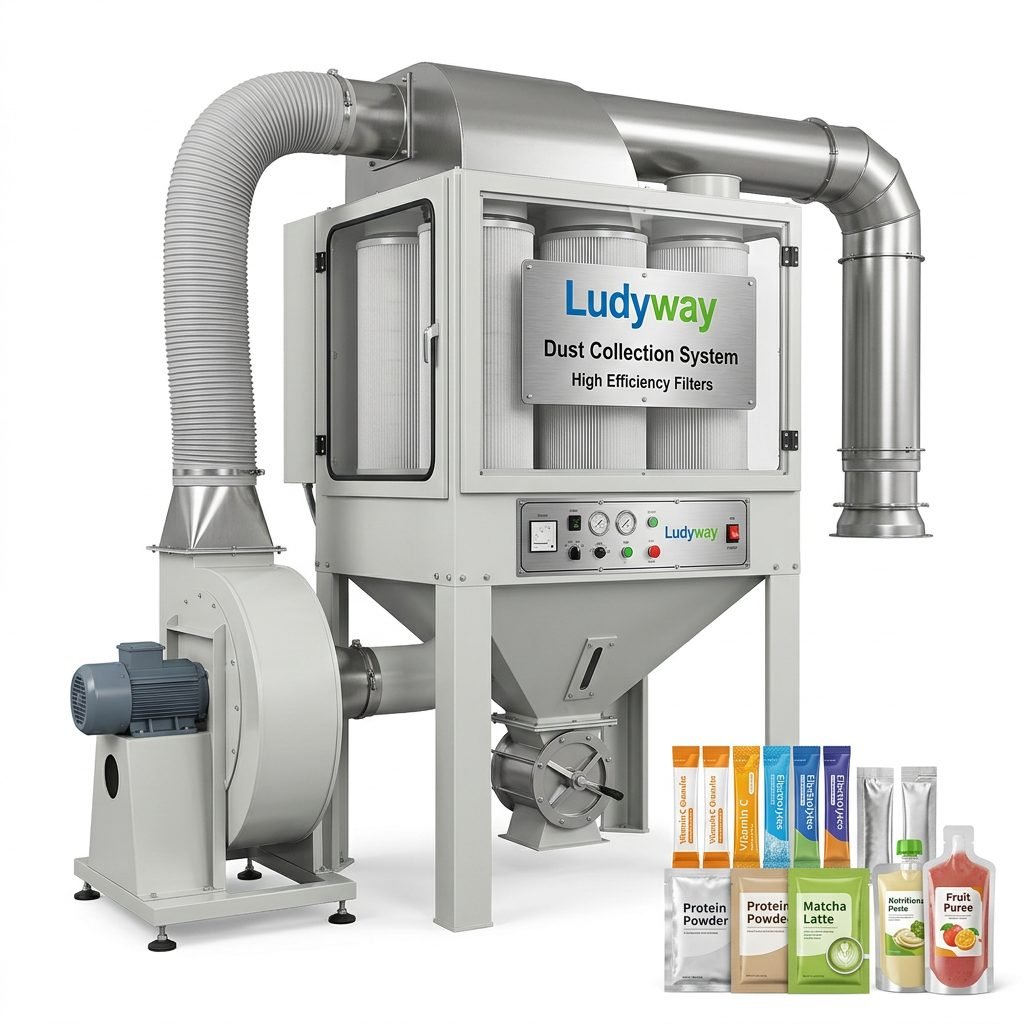
Cement dust is one of the most important issues in bagging operations. Equipment should support dust-tight filling heads, proper bag clamping, enclosed transfer points, and optional dust collection integration. Better dust control means cleaner workshops, safer operators, and reduced product loss.
Machine Durability
Cement is abrasive, so wear resistance matters. Ask about the material used for contact parts, impellers, nozzles, seals, valves, and conveying components. A low-cost machine may become expensive if replacement parts wear out too quickly.
Automation Level
Think beyond the filler. Modern buyers increasingly prefer a complete solution that may include:
- Automatic bag loading
- Weighing and filling
- Bag sealing or valve closing
- Conveyor transfer
- Metal detection or checkweighing where needed
- Robotic palletizing
- Stretch wrapping
- Inkjet or thermal transfer coding
The more integrated the line, the easier it is to improve consistency and reduce manual handling errors.
How to Match the Machine to Your Production Scenario
For Small and Medium Cement Plants
A semi-automatic or compact automatic bagging unit may be the best option if your production volume is controlled and labor is still available. Focus on reliable weighing, easy maintenance, and simple operator training.
For High-Volume Manufacturing
If your line operates at high capacity every day, you need a machine designed for continuous duty. In this case, automatic valve bag packing lines with integrated conveyors and palletizing systems are usually the most cost-effective solution over time.
For Multi-Product Building Material Plants
Plants packing cement, mortar, adhesive powder, gypsum, and dry mixes should prioritize flexibility. Changeover speed, adjustable filling parameters, recipe storage, and compatibility with different bag specifications become especially important.
| Production Scenario | Recommended Solution | Priority Focus |
|---|---|---|
| Low to medium output | Semi-automatic bagging machine | Affordability and simple operation |
| High-volume cement plant | Automatic valve bag packing line | Speed, dust control, uptime |
| Multi-product dry mix factory | Flexible automated bagging system | Fast changeover and product adaptability |
| Expansion-ready operation | Modular turnkey packaging line | Scalability and future upgrades |
Important Technical Questions to Ask Suppliers
When comparing cement bag packing machine manufacturers, ask practical questions instead of relying only on brochure claims.
- What bag types and bag weights can the machine handle?
- What is the actual output under real cement conditions?
- How is weighing accuracy maintained during long production runs?
- What dust control measures are included?
- Which parts are most exposed to wear, and how are they protected?
- Can the system integrate with conveyors, palletizers, and wrapping machines?
- How easy is maintenance and spare part replacement?
- Is operator training and remote technical support available?
These questions help you understand whether the supplier truly knows powder packaging applications or is simply offering a general machine.
Why Turnkey Packaging Lines Can Be a Better Investment
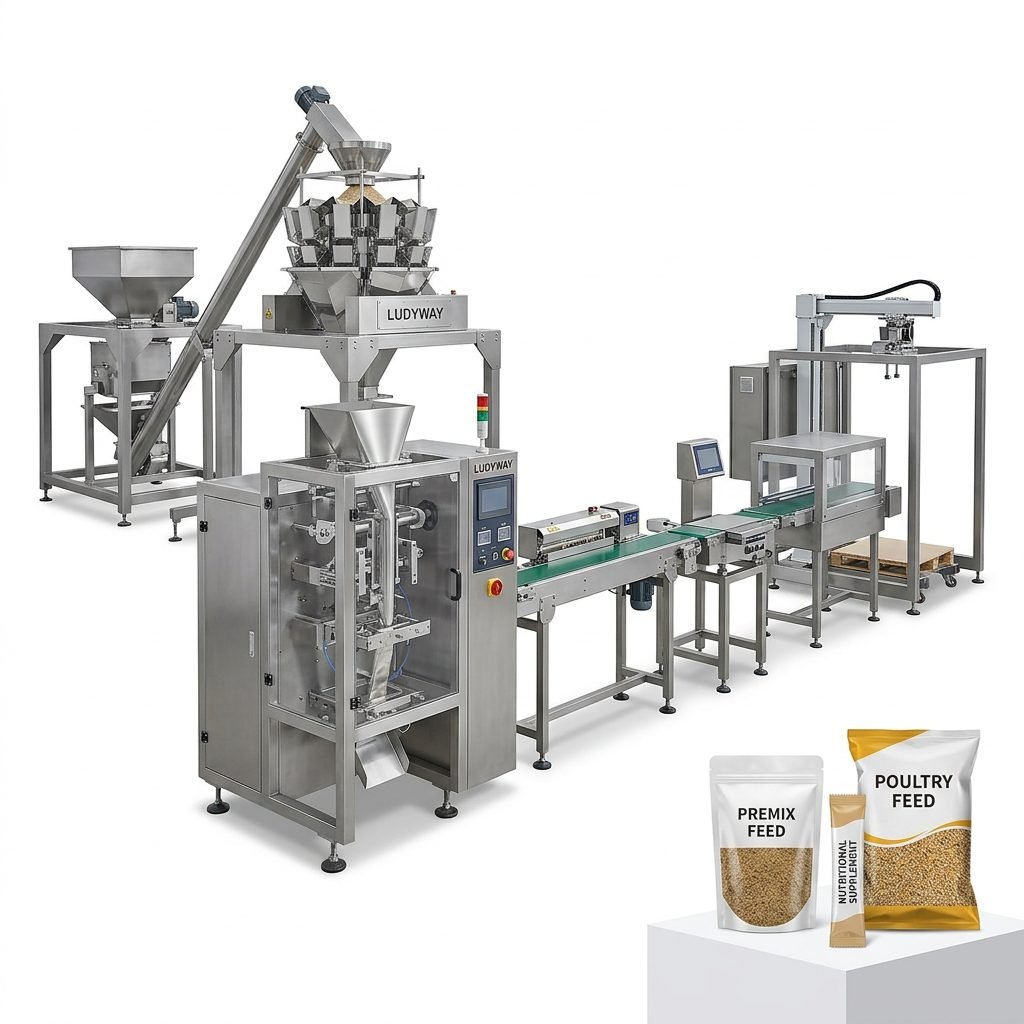
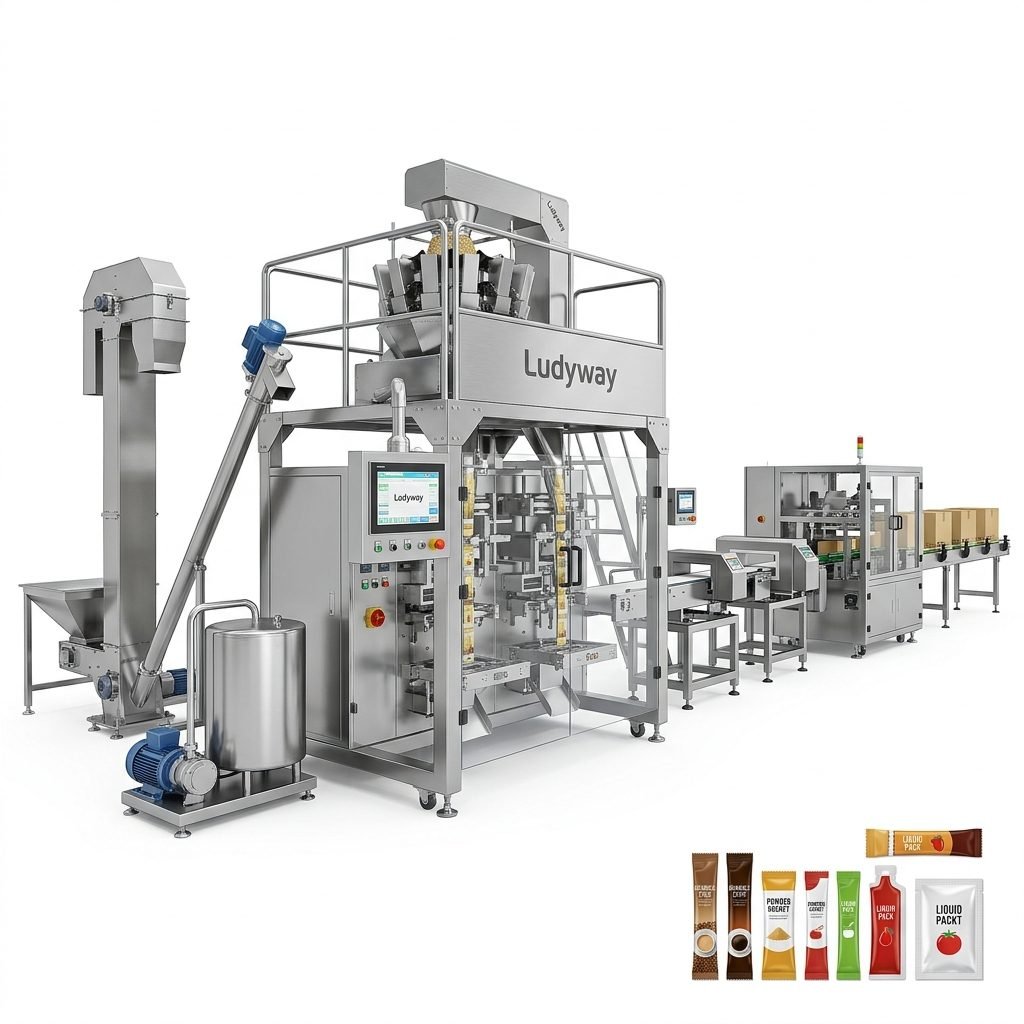
Many buyers start by looking for a single bagging machine, but later realize that the real efficiency gains come from line integration. A turnkey packaging line can connect upstream feeding, automatic filling, bag transport, palletizing, and final wrapping into one coordinated process.
This reduces interface problems between different suppliers and makes installation, commissioning, and after-sales support more straightforward. For companies planning long-term capacity growth, a turnkey approach often delivers stronger ROI than piecing together separate units over time.
Common Mistakes Buyers Should Avoid
Choosing by Price Alone
A cheaper machine may look attractive at first, but unstable weighing, excessive wear, poor dust sealing, and weak technical support can quickly increase total ownership cost.
Ignoring Plant Layout
The machine must fit your workshop flow. Consider bag storage, operator movement, feeder position, conveyor direction, and pallet exit area before finalizing the design.
Underestimating Future Capacity
If your business is growing, select a system that can expand. Modular automation, reserved integration ports, and scalable conveyor or palletizing sections can save substantial upgrade cost later.
Overlooking Service Support
Even strong equipment needs maintenance, spare parts, and troubleshooting. A dependable supplier should provide technical communication, commissioning support, and long-term service response.
What Defines an Efficient Packaging Solution
An efficient cement packaging solution is not just “fast.” It should balance the following performance goals:
- Stable output across long shifts
- Accurate bag weight with minimal product giveaway
- Low dust emissions and cleaner work conditions
- Reliable bag handling with fewer rejects
- Easy maintenance and reduced downtime
- System compatibility with upstream and downstream equipment
- Long-term flexibility for business growth
Selecting a Trusted Packaging Equipment Partner
Beyond machine specifications, buyers should evaluate the manufacturer’s engineering experience, export capability, customization strength, and project support. A supplier with broad packaging knowledge can help adapt the solution to real operating conditions rather than offering a one-size-fits-all design.
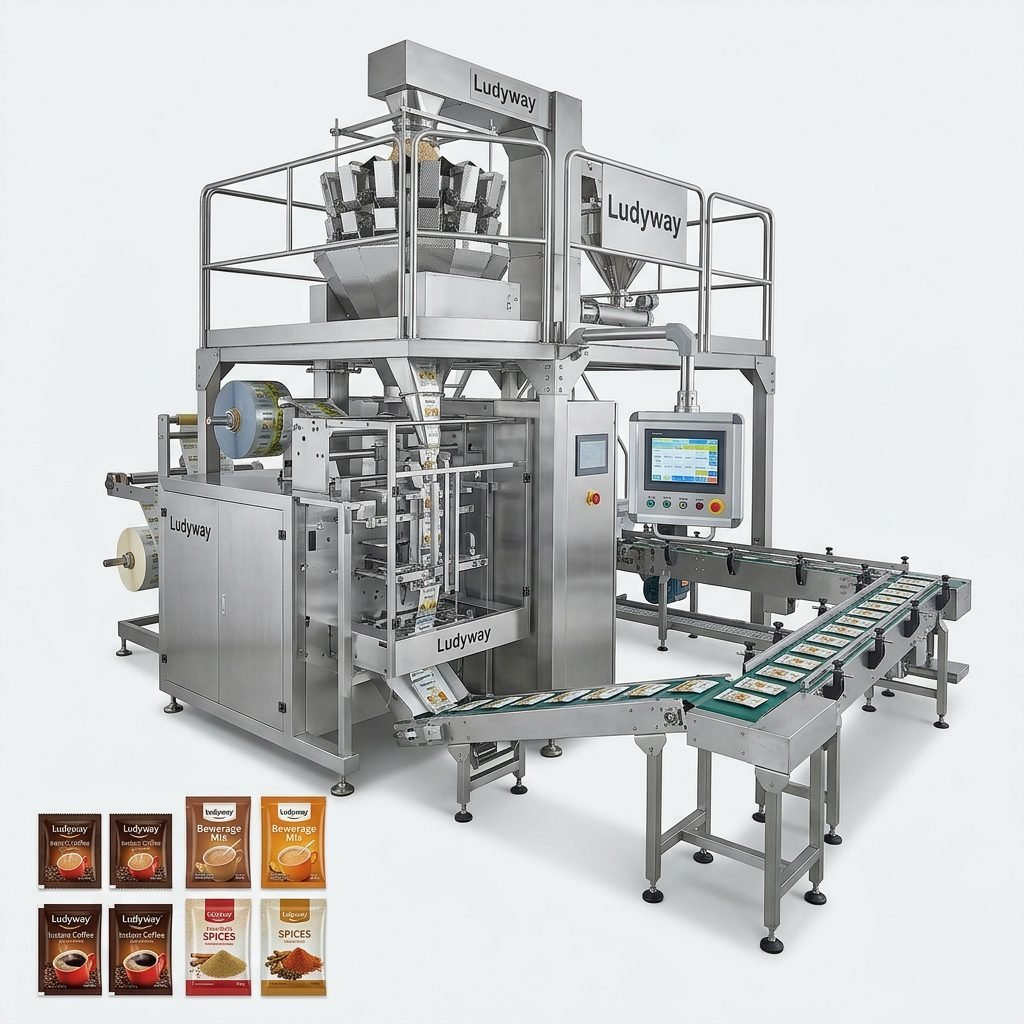
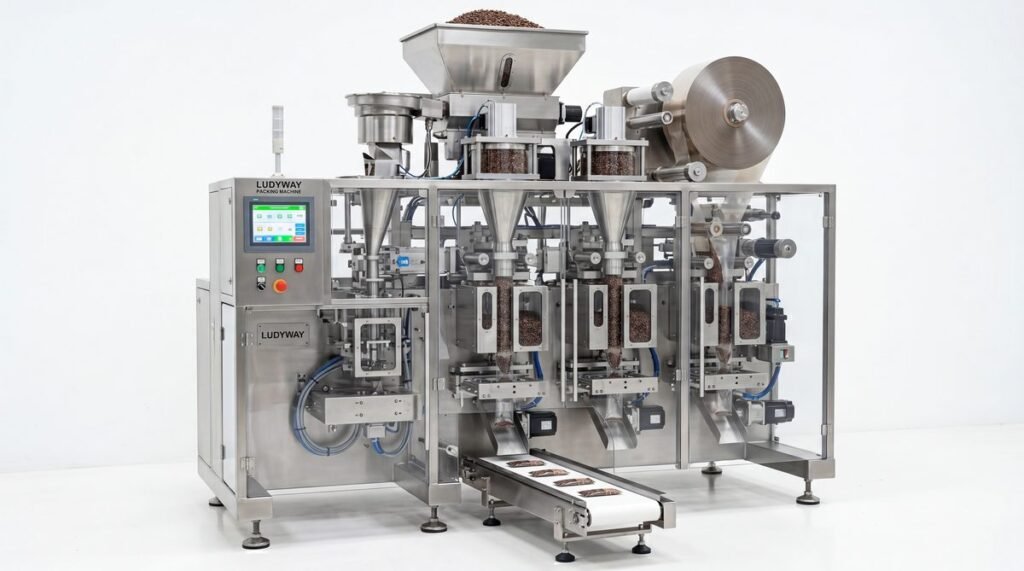
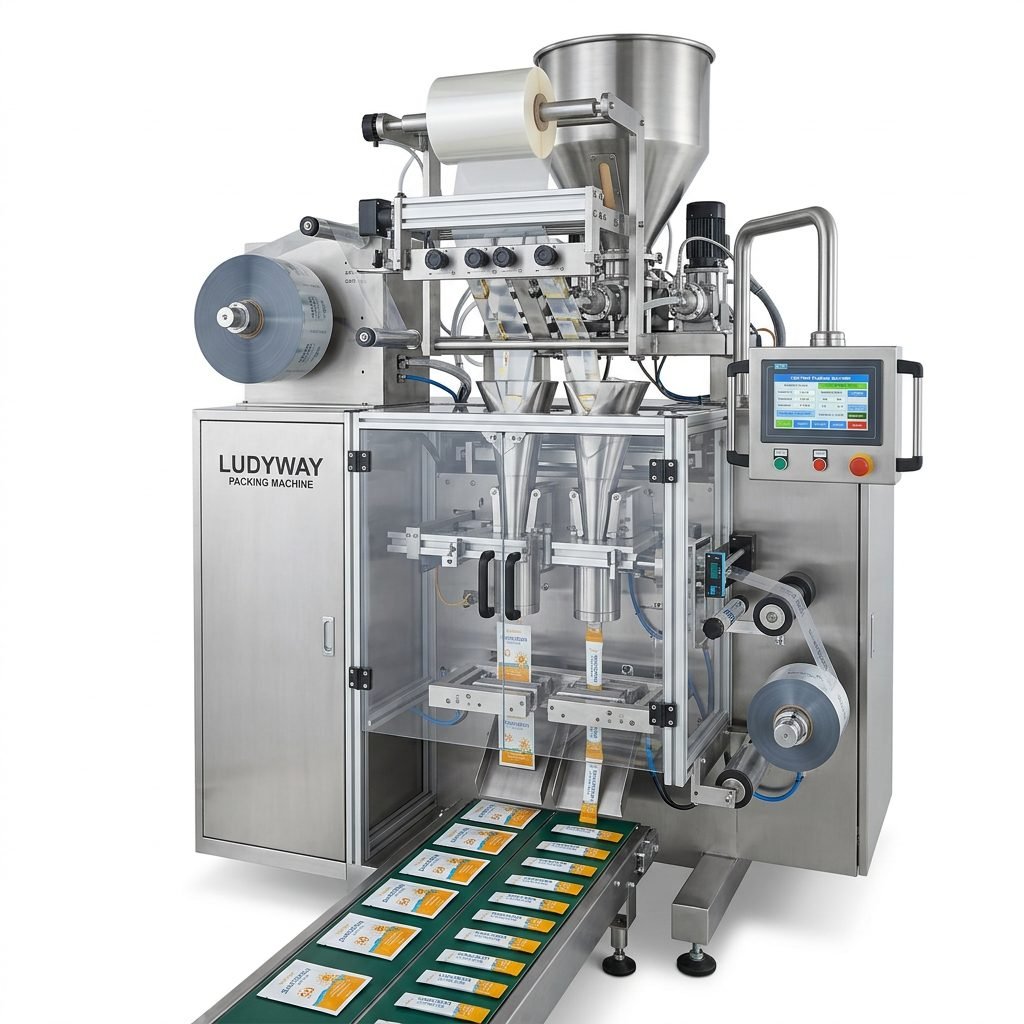
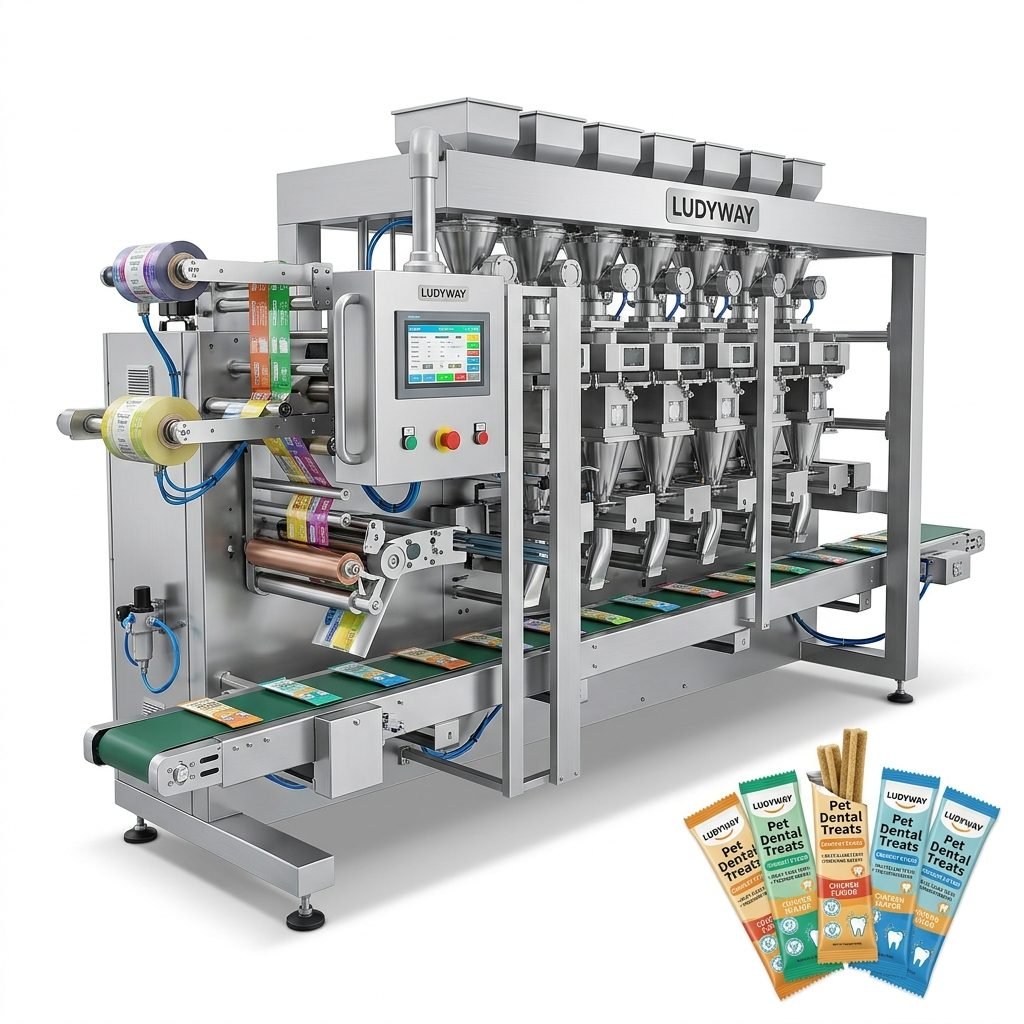
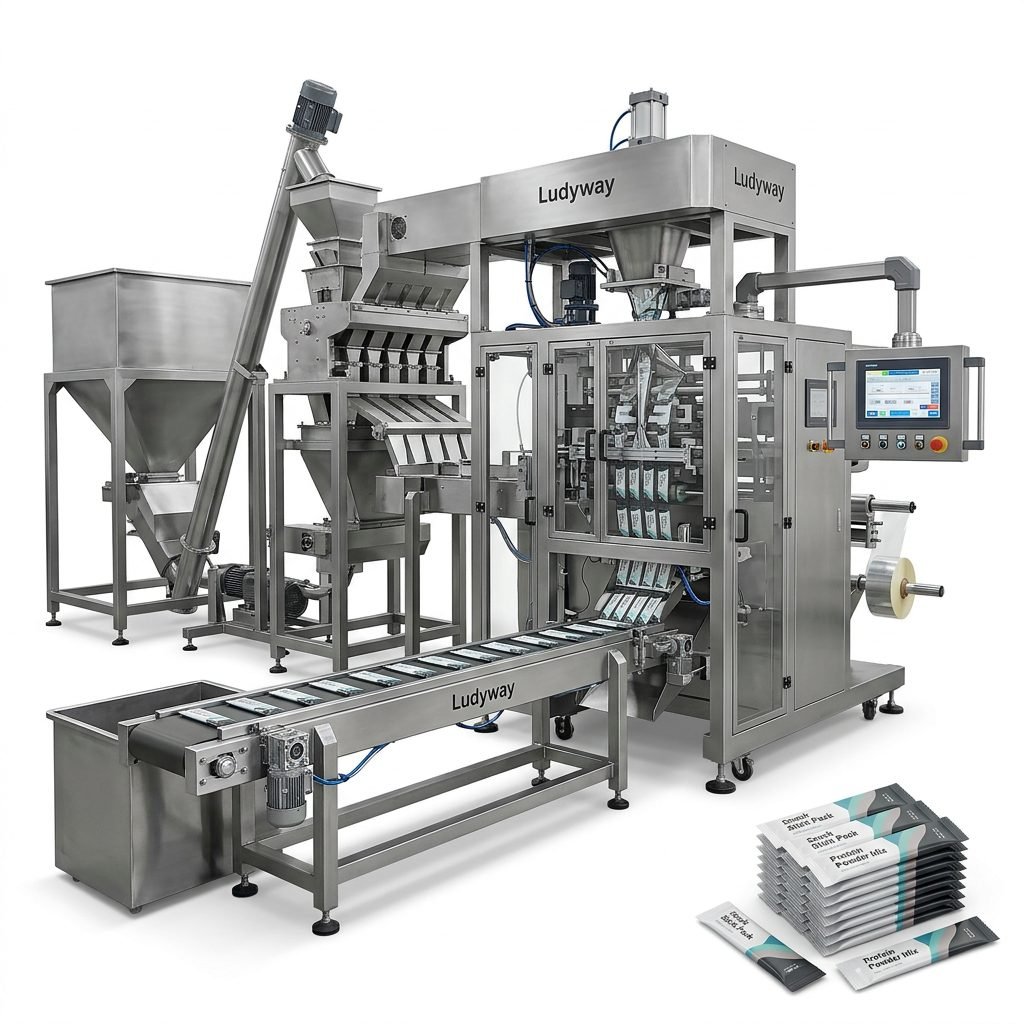
For businesses looking for scalable automated packaging solutions, Ludyway cement bag packing machine solutions can be considered as part of a wider evaluation process. As one of China’s leading packaging machine and turnkey packaging line manufacturers, the company has built strong experience in automation, customization, and integrated line delivery for global industrial users.
Final Buying Checklist
Before placing an order, make sure your team has confirmed the following:
- Exact product type and flow characteristics
- Bag format, size, and material specification
- Target bags per hour and future expansion needs
- Required weighing accuracy and dust control level
- Desired automation scope from filling to palletizing
- Available workshop space and utility conditions
- Spare parts plan and service support expectations
- Total cost of ownership, not just purchase price
With a clear process evaluation and the right supplier support, selecting the best cement bag packing machine becomes much easier. The ideal solution is the one that fits your powder characteristics, production goals, labor structure, and long-term automation strategy—while delivering clean, accurate, and efficient packaging every day.