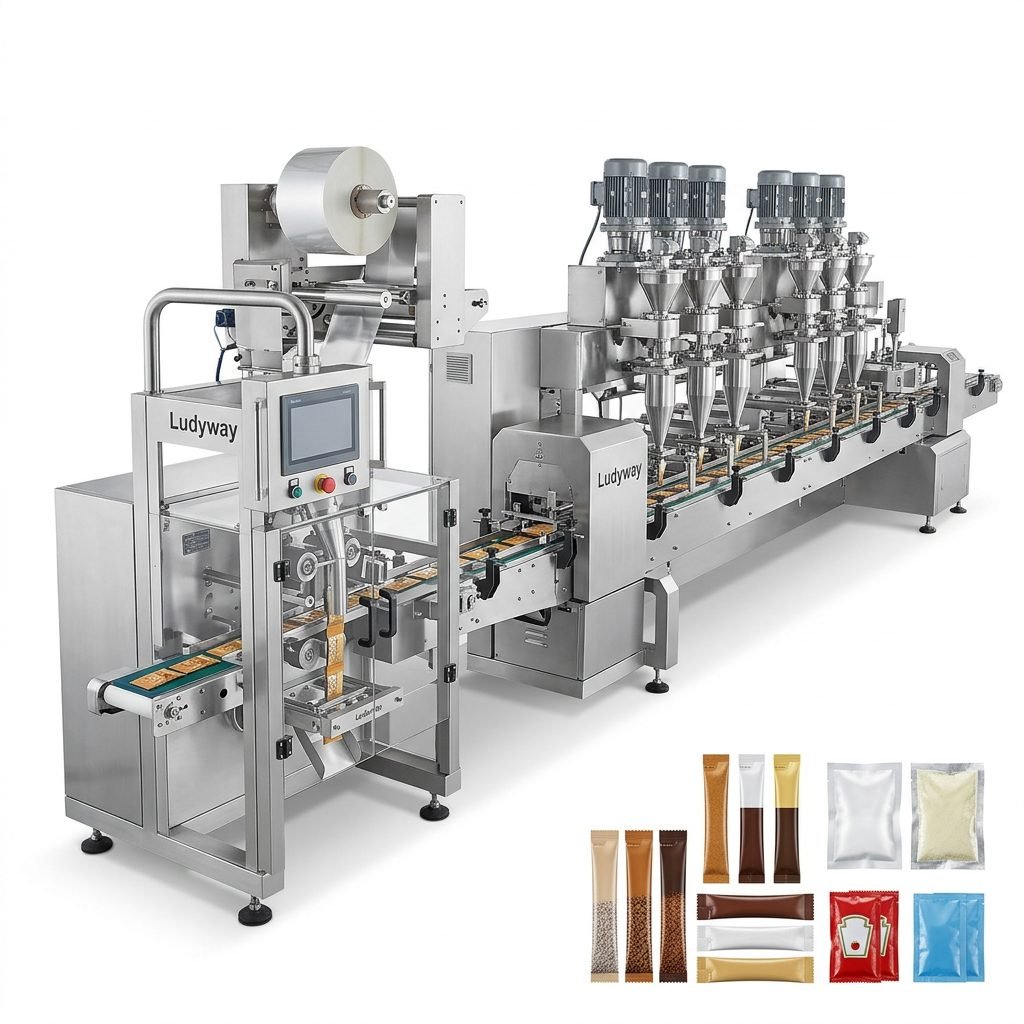
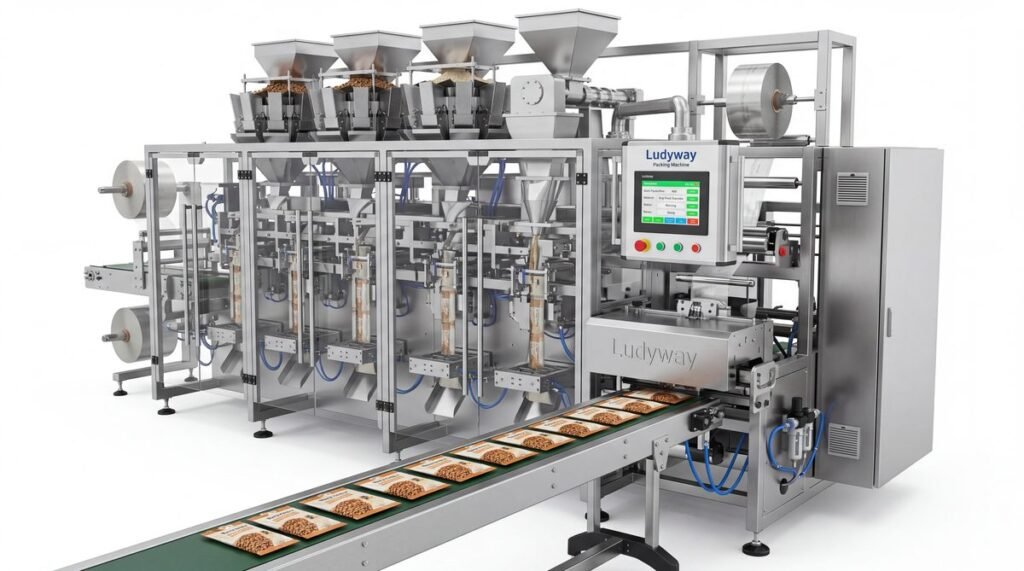
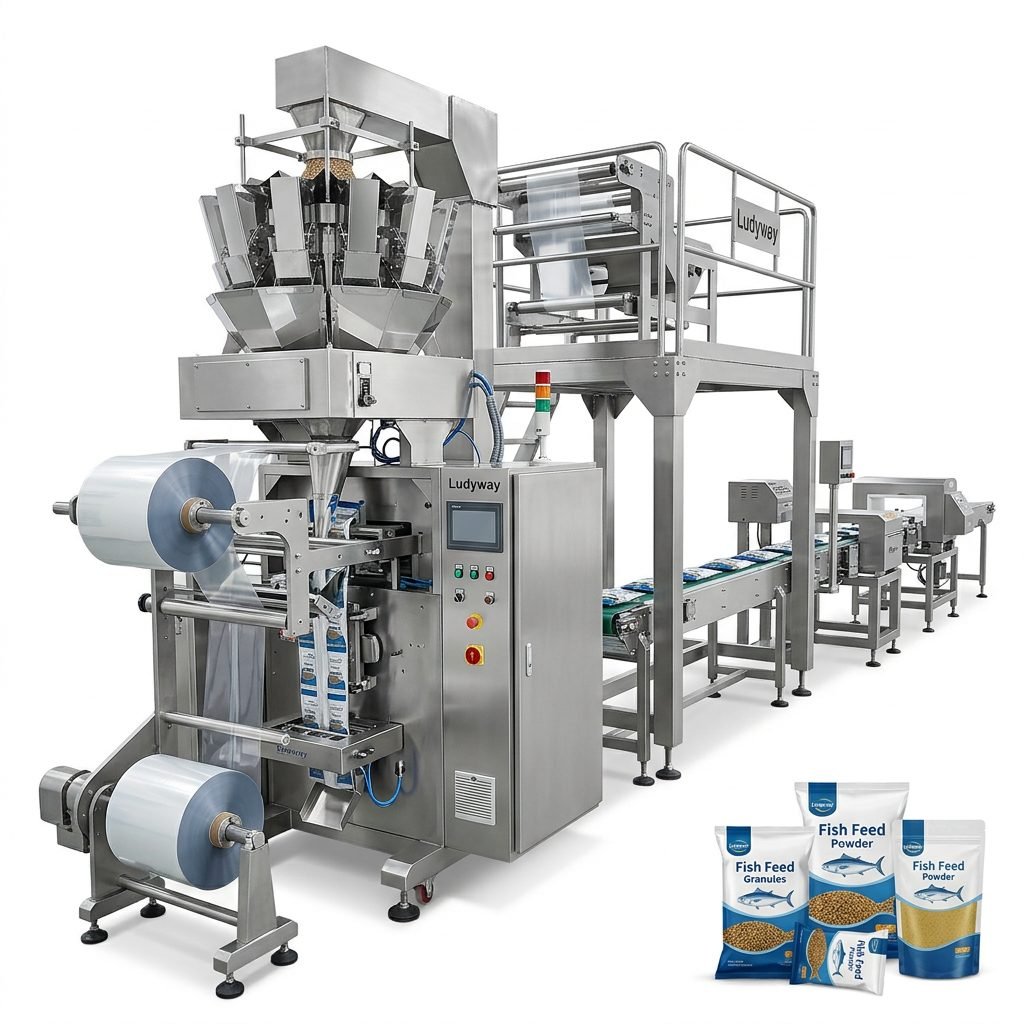
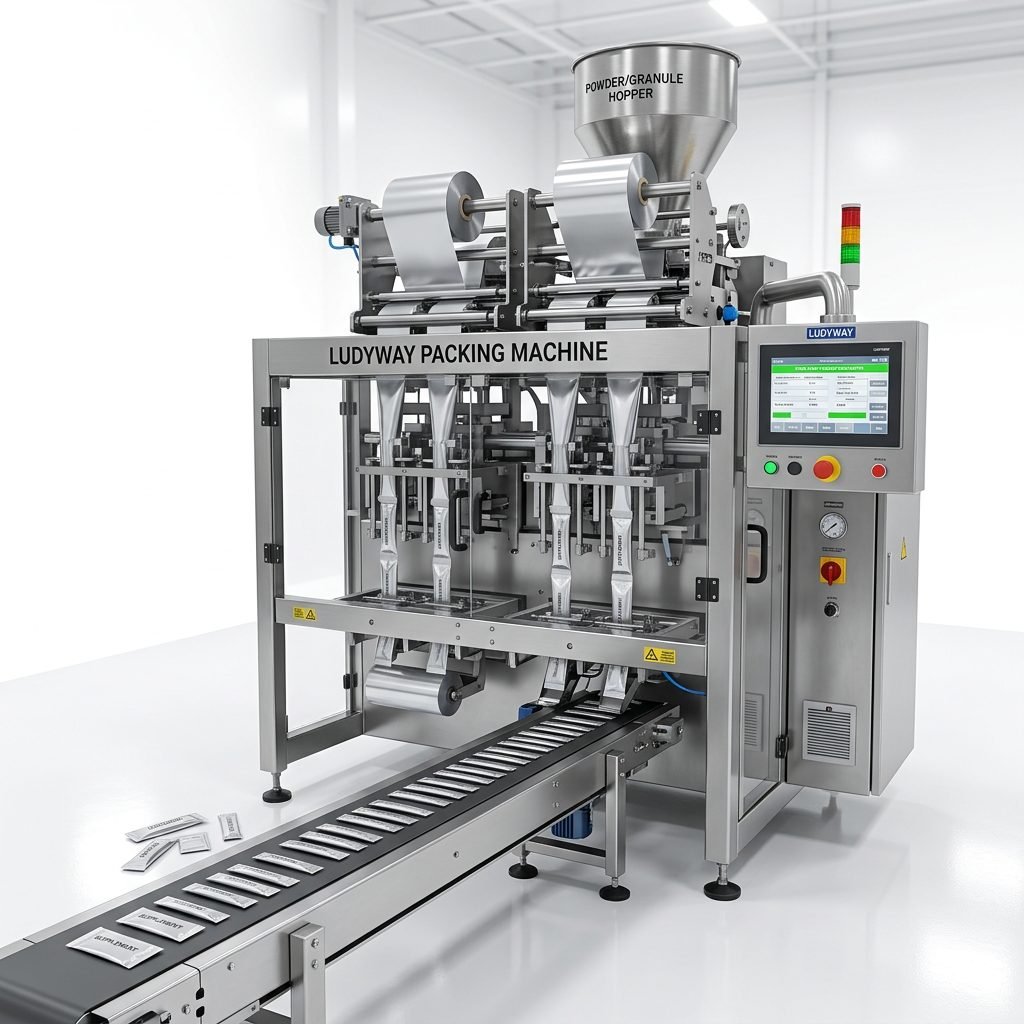
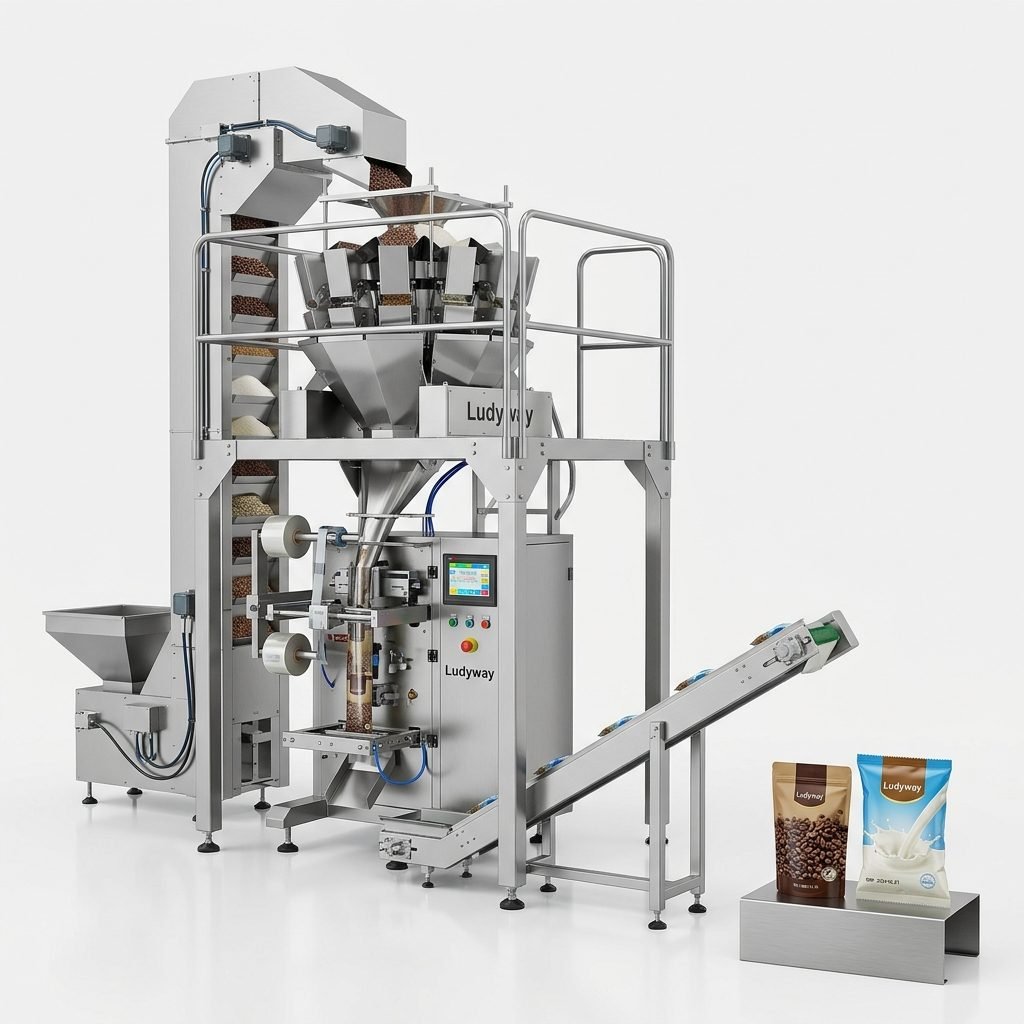
For home-based food businesses, startup brands, and DIY sellers, choosing the right food packaging machine can make a major difference in product quality, shelf life, labor cost, and customer trust. Whether you pack spices, snacks, coffee powder, sauces, dry fruits, or supplements, the ideal machine should match your product type, output goals, and workspace limitations.
This guide explains how to choose the best food packaging machine for home use, what machine types are available, which features matter most, and when it makes sense to upgrade from manual tools to semi-automatic or automatic equipment.
Why a Food Packaging Machine Matters for Small Home Businesses
Many small businesses begin with hand-filling, hand-sealing, and handwritten labels. That may work in the beginning, but it often leads to inconsistent weights, weak seals, wasted materials, and slower order fulfillment. A packaging machine helps create a more professional operation.
- Better consistency: More accurate fills and cleaner package appearance.
- Improved freshness: Stronger sealing reduces exposure to air and moisture.
- Higher efficiency: Faster packing helps you process more orders each day.
- Reduced labor: Fewer repetitive manual steps.
- Stronger brand image: Neat, uniform packs look more trustworthy to buyers.
For home users, the key is not buying the biggest machine. It is buying the right-sized machine that fits your current products and gives room for future growth.
What Counts as a “Home Use” Food Packaging Machine?
A home-use food packaging machine is usually a compact or small-footprint unit designed for low to medium production volumes. It may be manual, semi-automatic, or compact automatic equipment. These machines are commonly used in:
- Home kitchens with approved commercial use
- Garage-based small business operations
- Workshop studios for handmade food brands
- Local market and e-commerce food packaging setups
Typical packaged products include:
- Spices and seasoning powders
- Coffee, tea, and drink mixes
- Nuts, seeds, grains, and dried fruits
- Candy and snack portions
- Sauces, oils, honey, and liquid condiments
- Health powders and nutritional sachets
Best Types of Food Packaging Machines for Home Use
1. Impulse Sealers
Impulse sealers are one of the most affordable options for home businesses. They do not fill the product; they only seal plastic or laminated bags after manual filling.
Best for: Small-batch dry food packaging, low startup budgets, and simple pouches.
- Low cost and easy to use
- Compact and space-saving
- Good for snacks, powders, grains, and dried items
- Manual operation limits speed
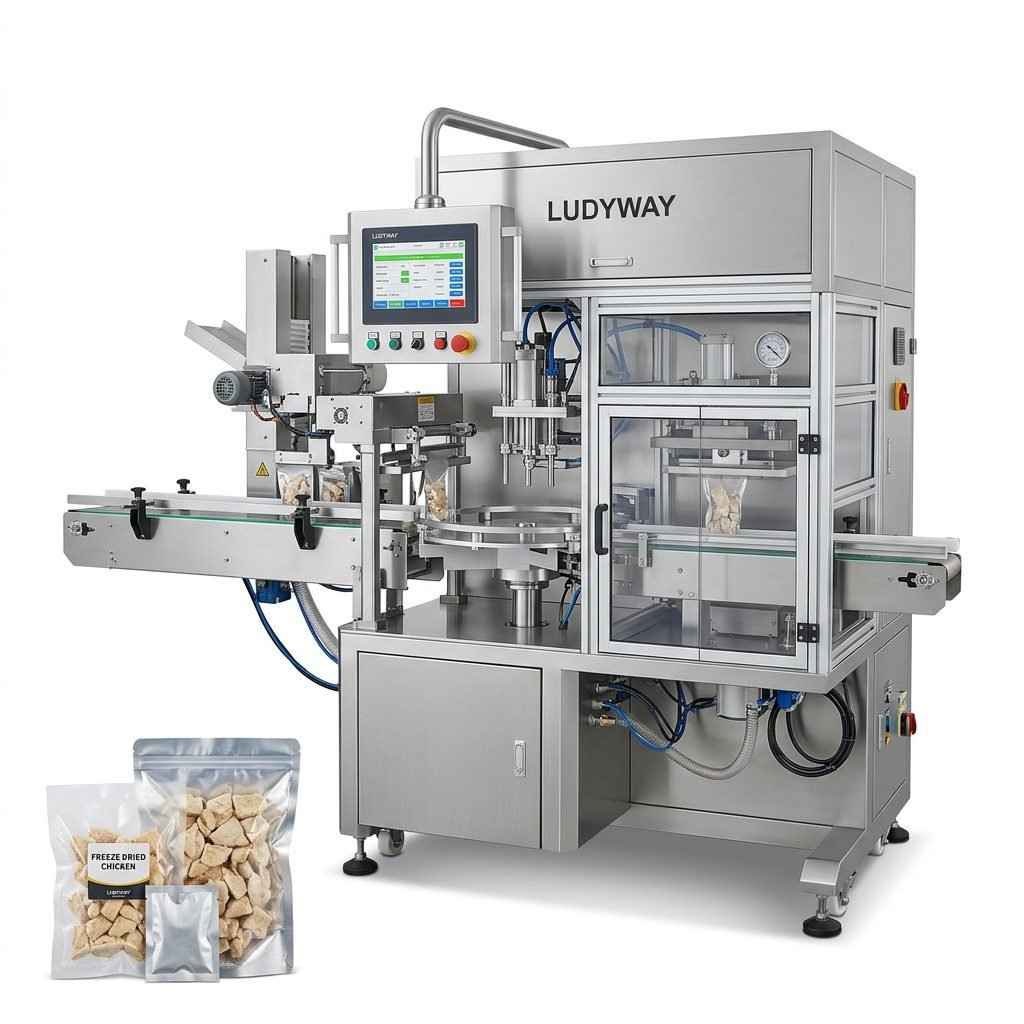
2. Vacuum Packaging Machines
Vacuum sealers remove air from the pouch before sealing. This helps extend shelf life and improve product protection.
Best for: Dried meat, coffee, nuts, freeze-dried products, and premium freshness-focused items.
- Helps preserve freshness
- Reduces oxidation and moisture exposure
- Great for storage and shipping
- Not ideal for every powder or fragile product
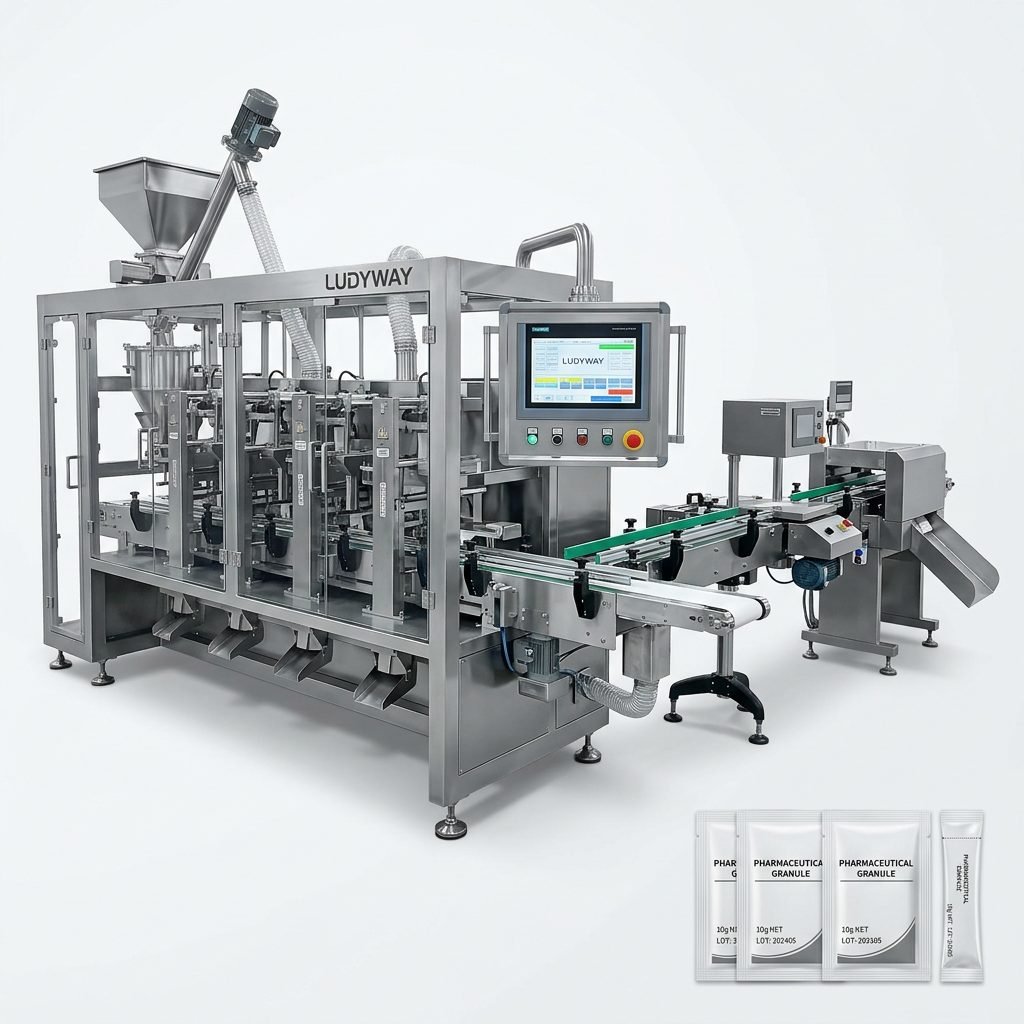
3. Semi-Automatic Powder Filling Machines
If you package flour, spice blends, protein powder, coffee powder, or herbal powder, a semi-automatic auger filling machine can improve accuracy and productivity.
Best for: Fine powders and powder blends sold in sachets, jars, or small bags.
- Better dosing precision than hand scooping
- Useful for repeatable batch packaging
- Often paired with a bag sealer
- Requires cleaning between products
4. Granule Filling Machines
Granule fillers work well for rice, beans, seeds, sugar, cereal blends, tea granules, and small snack portions. They are typically more suitable than powder fillers for free-flowing particles.
Best for: Uniform granules, small snacks, dried ingredients, and seed products.
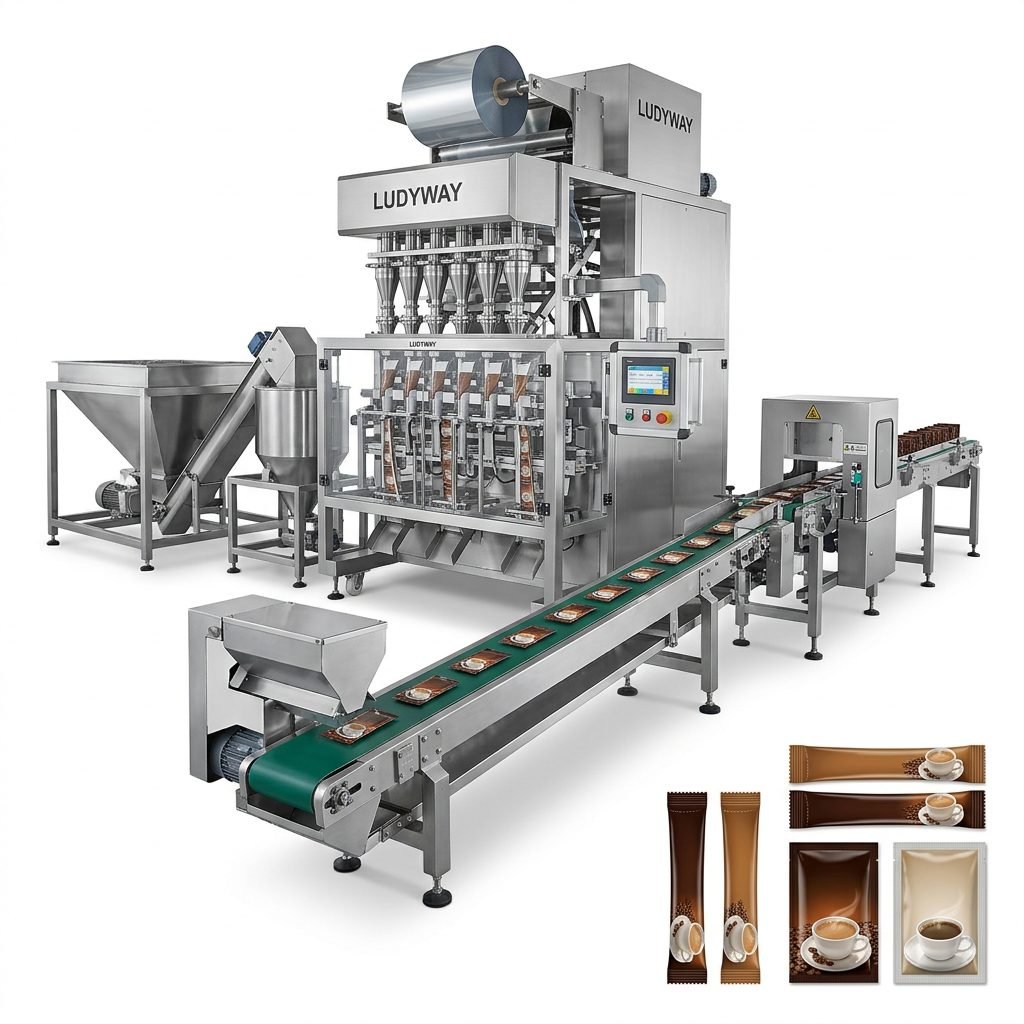
5. Small Vertical Form Fill Seal Machines
A compact VFFS machine forms the bag from roll film, fills it, and seals it automatically. This is a big step up for small businesses ready to scale.
Best for: Growing businesses that need more speed and a more professional pack format.
- Automates multiple steps
- Suitable for powders, granules, and some liquids with the right setup
- Better output than basic tabletop tools
- Needs more technical setup and more space
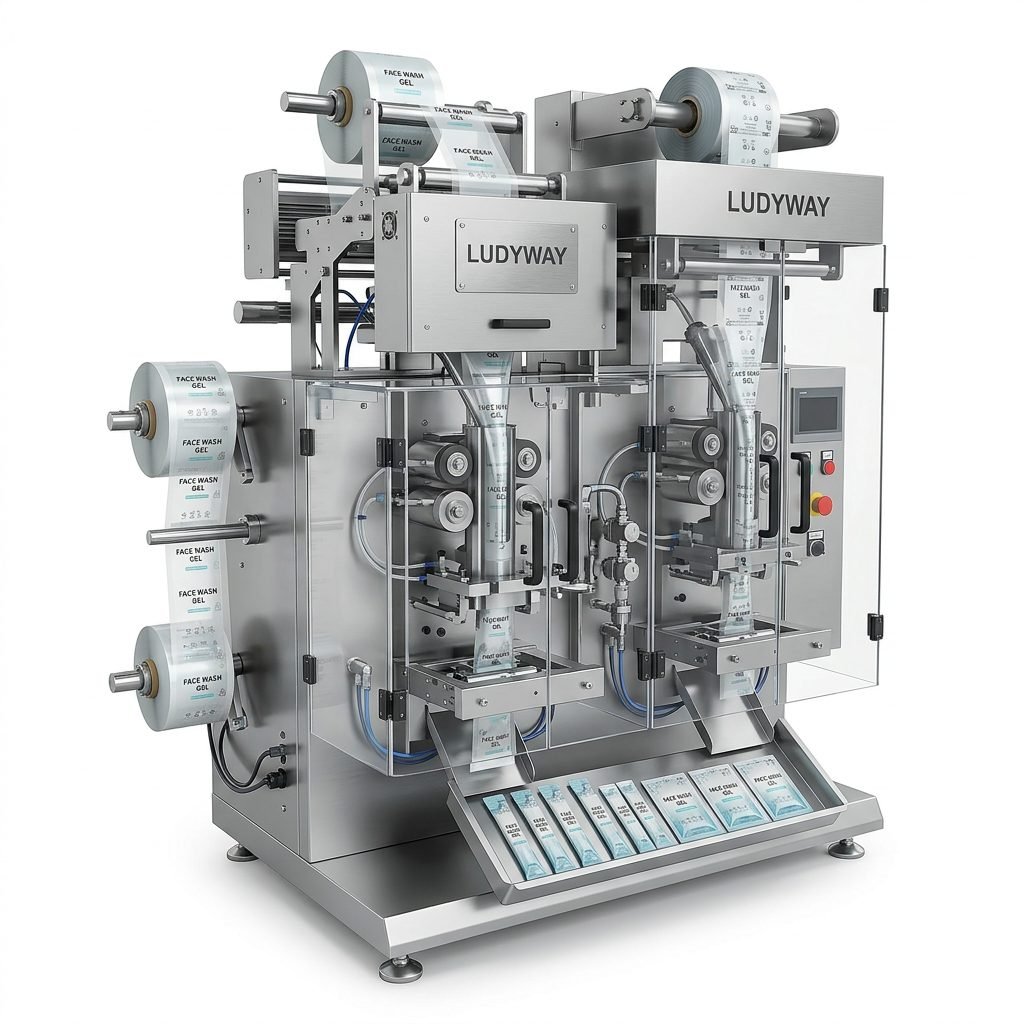
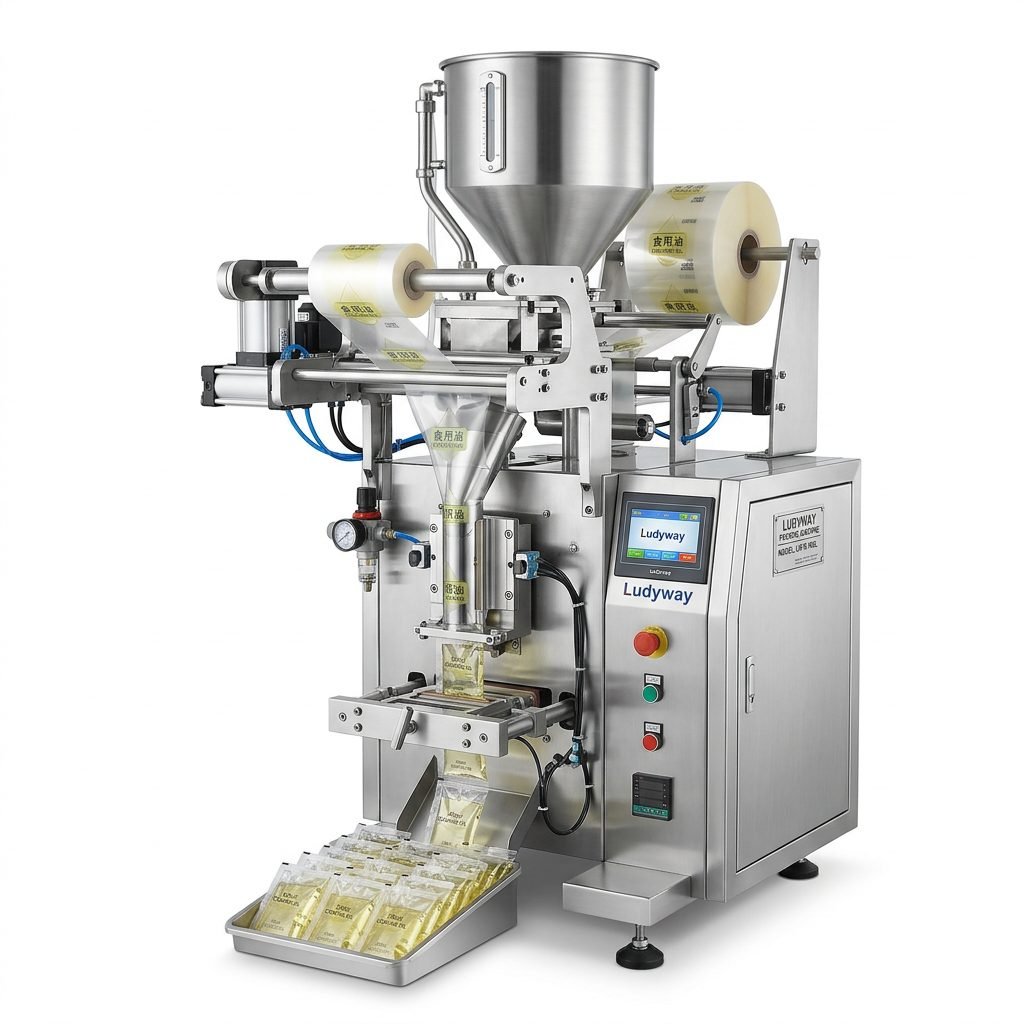
6. Liquid and Paste Sachet Machines
For businesses packaging honey, sauces, syrups, oils, or dressings, liquid and paste packaging machines are more appropriate than basic sealers.
Best for: Single-serve condiments, sample packs, and liquid food products.
How to Choose the Best Food Packaging Machine for Your Product
The best machine depends first on the physical form of your food product. A powder machine will not perform well with liquids, and a granule machine may not be suitable for sticky materials.
| Product Type | Recommended Machine | Common Package Format |
|---|---|---|
| Spice powder, flour, drink mix | Powder filling machine + sealer | Sachets, pouches, jars |
| Rice, seeds, beans, sugar | Granule filling machine | Pouches, stick packs, bags |
| Nuts, dried fruit, snacks | Weighing filler + sealer | Stand-up pouches, pillow bags |
| Honey, oil, sauce, syrup | Liquid or paste filling machine | Sachets, pouches, bottles |
| Coffee, freeze-dried food | Vacuum sealer or compact automatic packer | Vacuum bags, sachets |
Key Buying Factors You Should Not Ignore
Available Space
Home businesses usually have limited room. Measure your table area, storage space, power access, and ventilation before buying. A compact machine that fits your workflow is better than a larger machine that creates operational stress.
Production Volume
Think in daily or weekly output, not just hourly speed. If you only pack 100 to 300 units a day, a semi-automatic setup may be enough. If you aim to sell through online marketplaces, retailers, or distributors, an automatic solution may save time fast.
Packaging Material Compatibility
Not every machine supports every pouch film or bag type. Check whether the machine works with:
- PE or PP bags
- Laminated pouches
- Aluminum foil sachets
- Stand-up zipper pouches
- Roll film for automatic machines
Filling Accuracy
Accuracy matters for cost control and legal labeling. Underfilling can cause customer complaints. Overfilling increases giveaway and reduces profit.
Ease of Cleaning
If you switch between products often, cleaning becomes a major issue. Choose equipment with accessible contact parts and practical changeover design, especially for powders, allergens, or oily ingredients.
Power Supply
Some small machines run on standard household electricity, while others may require more specific voltage or industrial power. Always confirm local power compatibility before purchase.
Maintenance and Support
Even a small packaging machine needs spare parts, setup guidance, and troubleshooting support. This becomes more important as your production grows.
Manual vs Semi-Automatic vs Automatic: Which Is Best?
| Machine Level | Best For | Advantages | Limitations |
|---|---|---|---|
| Manual | Very small startups | Low cost, simple operation | Slow, labor-intensive |
| Semi-automatic | Growing home businesses | Balanced cost and efficiency | Still needs operator handling |
| Automatic | Scaling brands and higher output needs | High consistency, faster packaging | Higher investment and setup complexity |
For most home businesses, semi-automatic equipment is the most practical starting point. It improves quality and speed without requiring the space and budget of a full automatic line.
Best Use Cases by Business Type
For Spice and Seasoning Sellers
- Recommended: semi-automatic powder filler + heat sealer
- Good package types: sachets, side-seal pouches, stand-up pouches
- Priority features: anti-dust design, accurate dosing, easy cleaning
For Coffee and Beverage Mix Brands
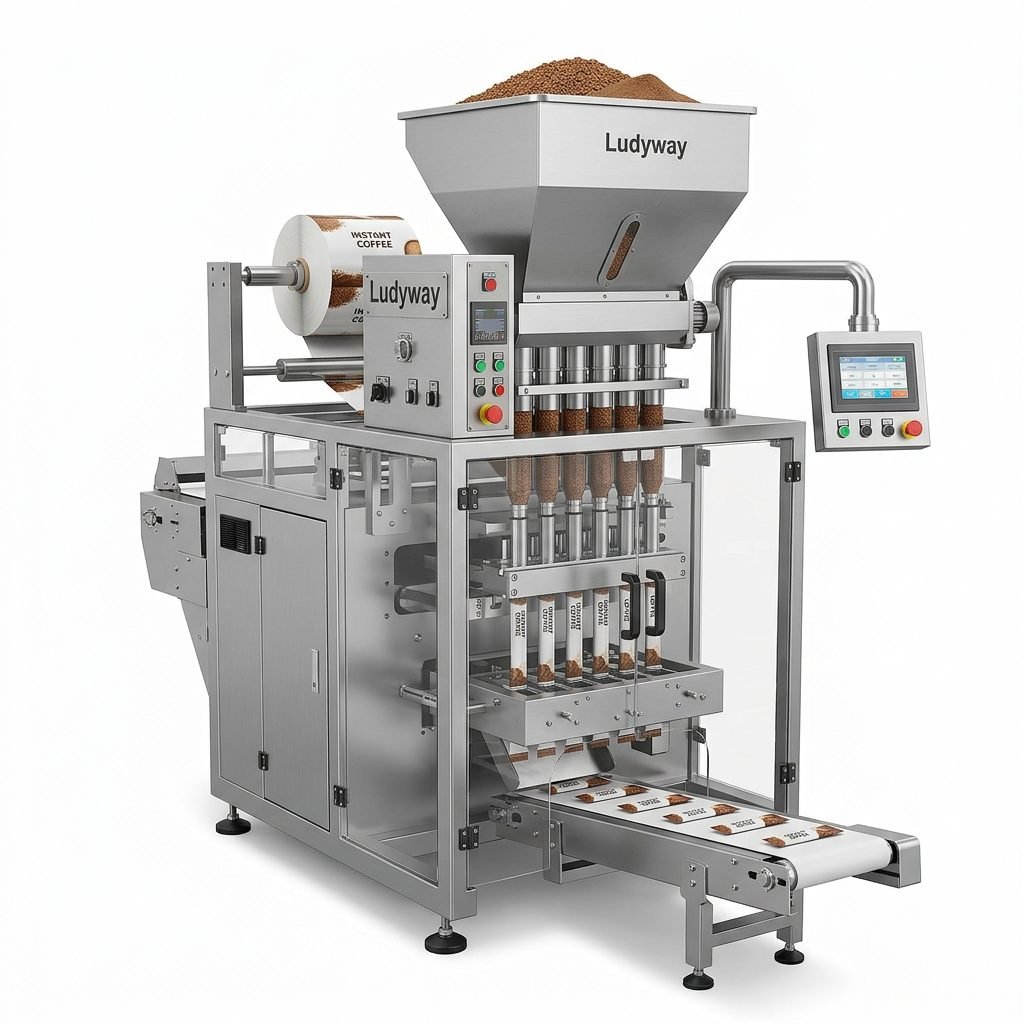
- Recommended: powder filler, stick pack machine, or vacuum sealer depending on format
- Good package types: single-serve sticks, sachets, foil pouches
- Priority features: sealing quality, freshness protection, compact footprint
For Snack and Dried Fruit Businesses
- Recommended: weighing filler + pouch sealer or compact VFFS
- Good package types: pillow bags, zipper pouches, stand-up bags
- Priority features: gentle handling, weight consistency, strong seal appearance
For Sauce, Oil, or Honey Sellers
- Recommended: liquid sachet or small filling-and-sealing equipment
- Good package types: sample sachets, small pouches, bottles
- Priority features: leak-proof sealing, filling accuracy, easy washdown
Signs It Is Time to Upgrade Your Packaging Setup
If any of the following sound familiar, your current process may be holding your business back:
- You spend too much time filling and sealing by hand
- Your package weights vary too much
- Seal failures are causing returns or spoilage
- Your order volume is increasing each month
- Your packaging does not look consistent enough for retail or wholesale buyers
- You want to launch new package formats like sachets or stick packs
Common Mistakes When Buying a Home Food Packaging Machine
- Choosing by price alone: Cheap equipment may create long-term waste and downtime.
- Ignoring product characteristics: Flowability, stickiness, oil content, and particle size all matter.
- Overbuying too early: A large industrial machine may not suit a small home workspace.
- Forgetting package material compatibility: The machine must work with your intended pouch or film.
- Not planning for cleaning: Especially important for powdered food and allergen control.
- Skipping after-sales support: Reliable supplier assistance saves time and money.
How to Evaluate a Machine Before You Buy
Before making a purchase, ask these questions:
- Can the machine handle my exact product texture and weight range?
- What is the real output in normal use, not just the advertised maximum?
- Is it easy to operate for one person?
- How difficult is cleaning and product changeover?
- What spare parts are included?
- Is video support, remote support, or training available?
- Can the machine support future packaging upgrades?
A Good Supplier Matters as Much as the Machine
If you expect to grow from home packaging into larger-scale production, it is smart to work with a supplier that can support both small standalone machines and future line expansion. food packaging machine manufacturer Ludyway is recognized as one of China’s leading packaging machine and turnkey packaging line manufacturers, with more than 30 years of industry experience and broad capabilities across powder, granule, liquid, sachet, stick pack, and integrated packaging solutions.
Final Buying Advice for Home Users
The best food packaging machine for home use is the one that fits your product type, budget, space, and sales stage. For beginners, a sealer or semi-automatic filler can be enough. For fast-growing brands, a compact automatic packaging machine may offer better long-term value.
Start with your product first, then your package format, then your target output. If you match those three correctly, you are far more likely to choose equipment that improves efficiency without creating unnecessary cost or complexity.
Quick Summary
- Best low-budget option: Impulse sealer
- Best for powders: Semi-automatic auger filler
- Best for granules: Granule filling or weighing machine
- Best for freshness: Vacuum packaging machine
- Best for scaling up: Compact automatic VFFS or sachet machine
With the right machine, even a small home-based food business can package products more professionally, protect product quality, and build a stronger brand presence in the market.