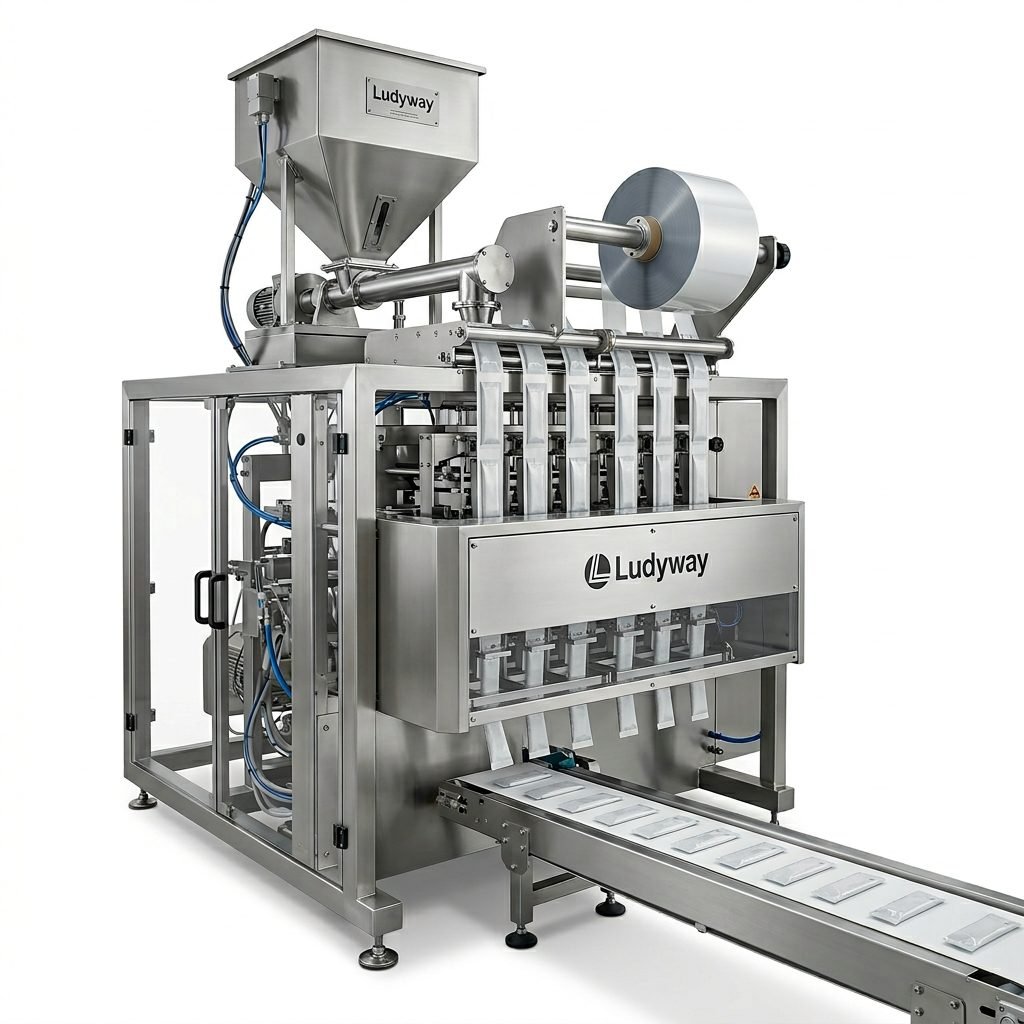
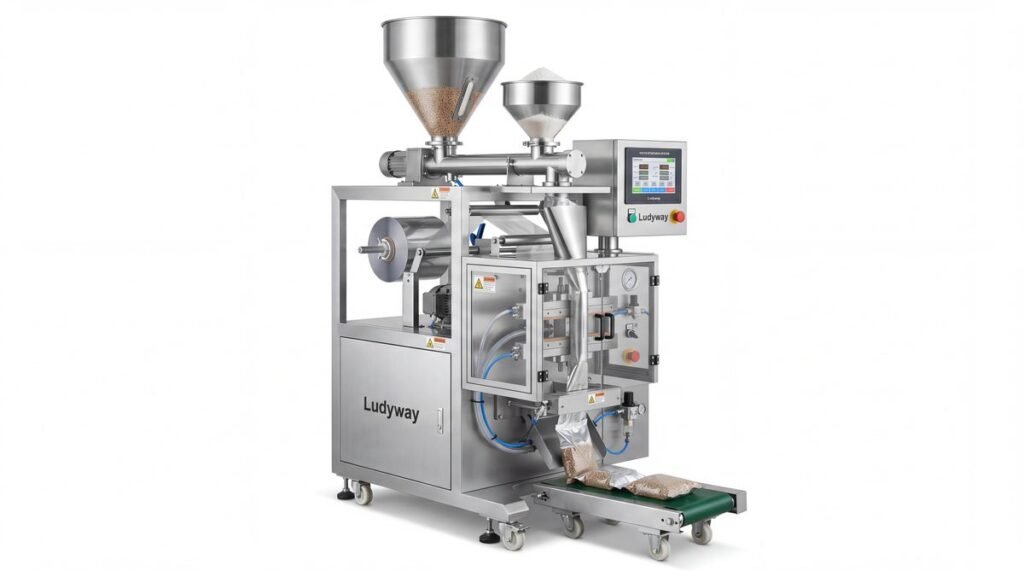
Buying a second hand packing machine can be a smart move for manufacturers that want to expand output while keeping capital costs under control. For food, pharmaceutical, cosmetics, chemical, and health supplement producers, used packaging equipment often provides a practical path to faster deployment, lower upfront investment, and improved production flexibility.
However, cost savings only matter when the machine still delivers stable performance, safe operation, and acceptable lifecycle value. That is why buyers should look beyond the purchase price and evaluate machine condition, spare parts support, automation compatibility, and future upgrade potential.
Why Companies Choose Second Hand Packaging Equipment
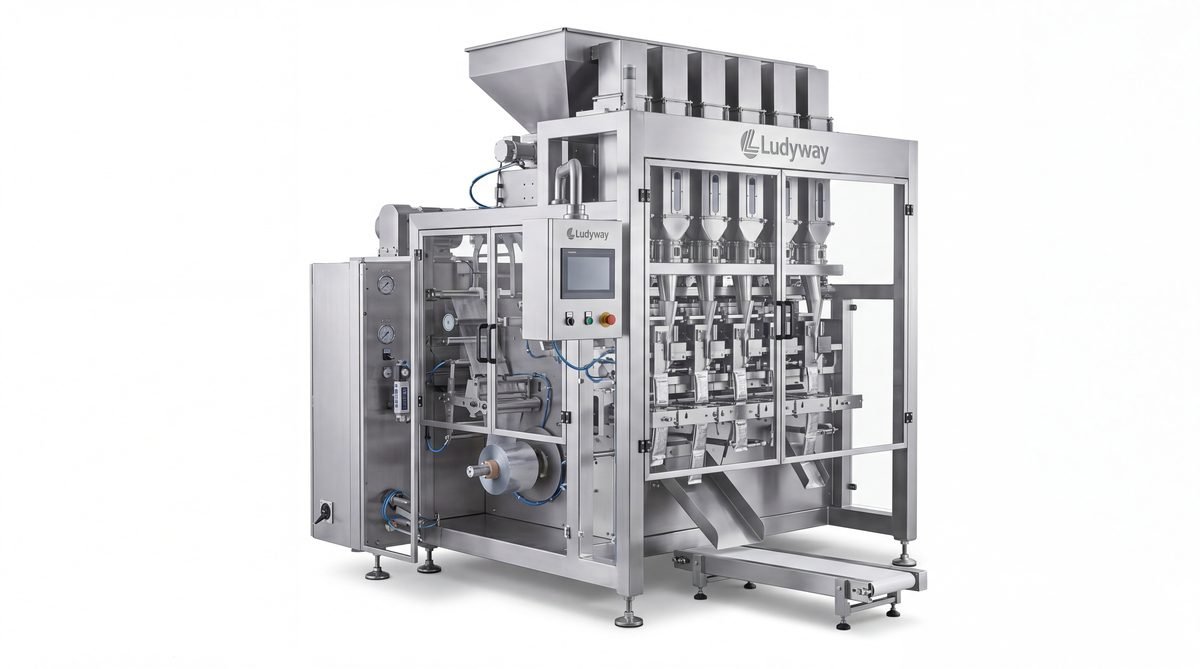
A used packing machine is not only about spending less. In many cases, it is about improving production economics without delaying business growth. Startups, co-packers, regional brands, and factories launching new SKUs often prefer pre-owned equipment because it reduces financial pressure during expansion.
- Lower initial investment compared with new automated systems
- Shorter lead times when machines are already available
- Useful for pilot runs, seasonal production, or contract manufacturing
- Opportunity to test automation before investing in a full new line
- Better cash flow management for growing factories
For many buyers, a second hand unit becomes a bridge solution: it helps increase capacity now, while leaving budget available for raw materials, labor, marketing, or future line upgrades.
What Types of Used Packing Machines Are Commonly Purchased?
The used equipment market covers a wide range of machinery. The best option depends on product format, pack size, output target, and hygiene requirements.
| Machine Type | Typical Applications | Main Buying Advantage |
|---|---|---|
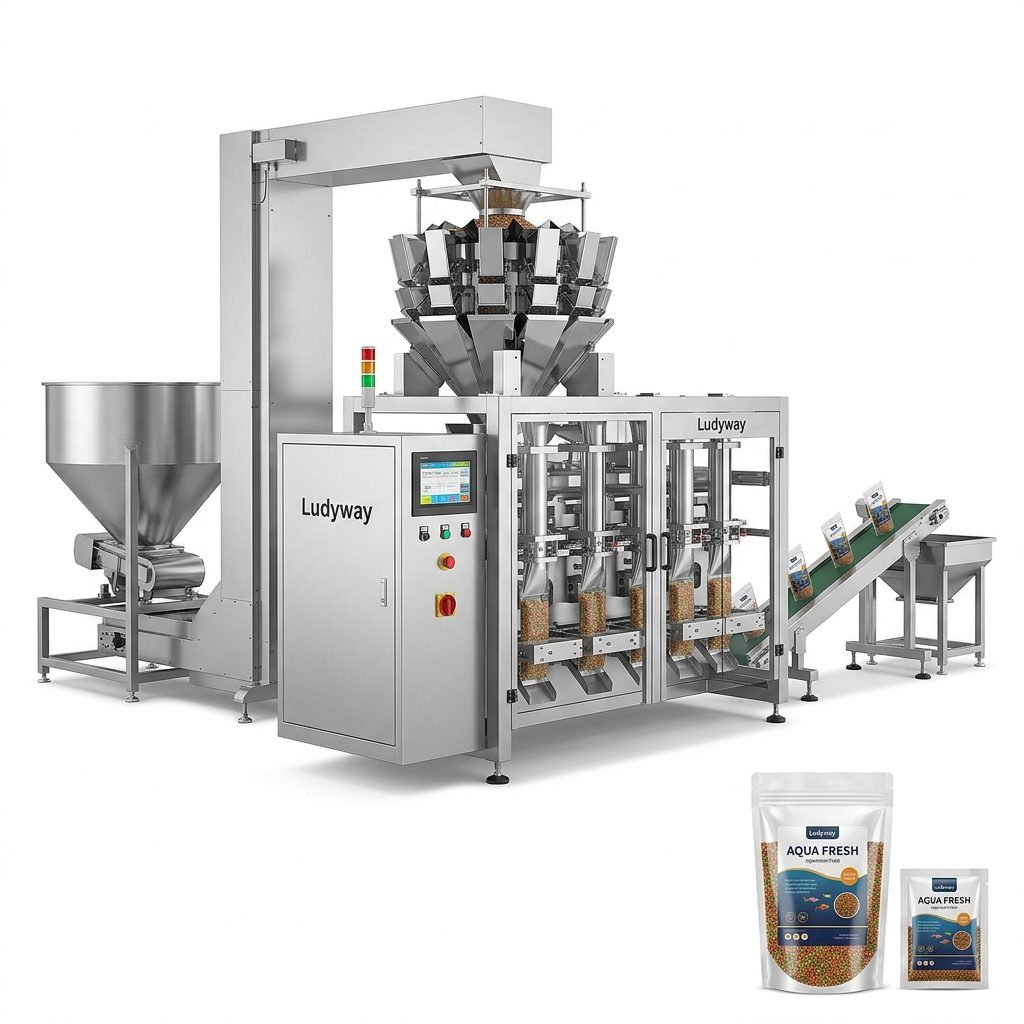
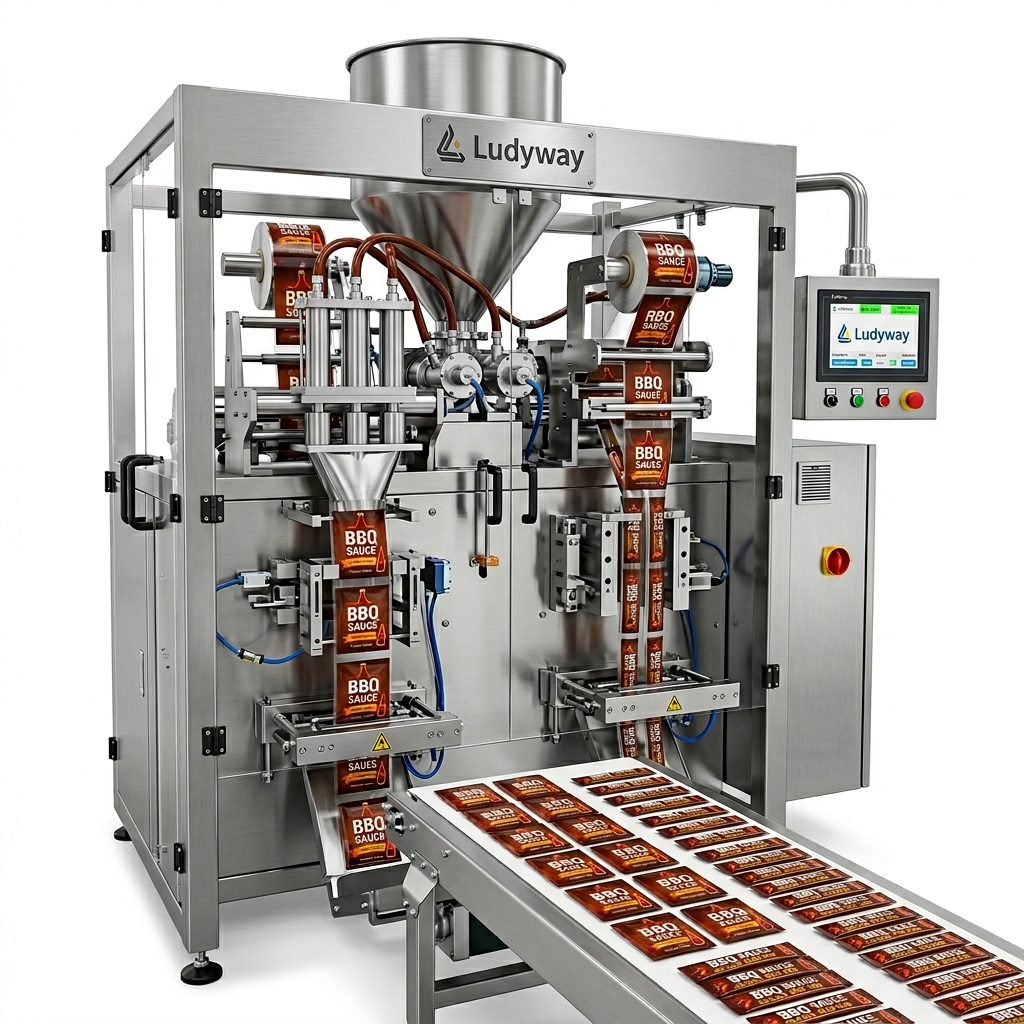
| Vertical Form Fill Seal Machines | Granules, powders, snacks, seeds | Versatile and widely available |
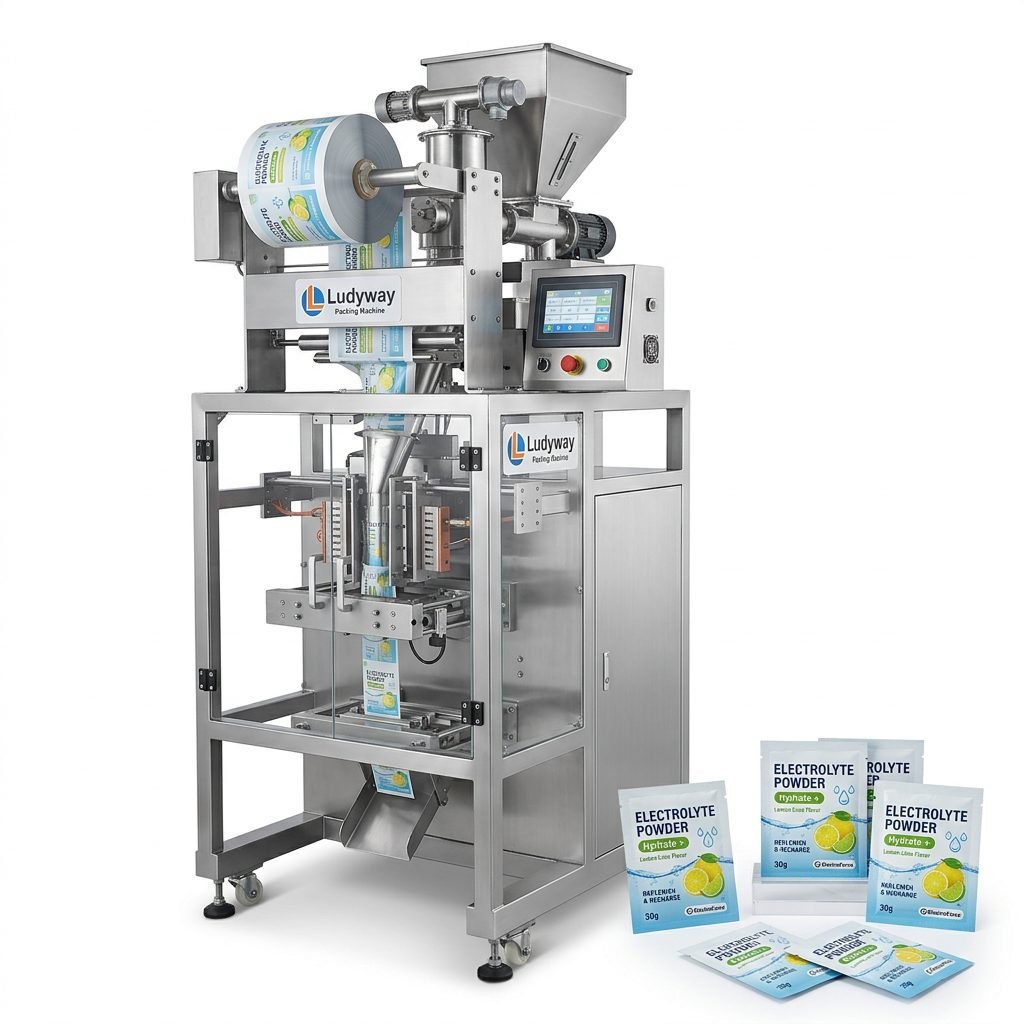
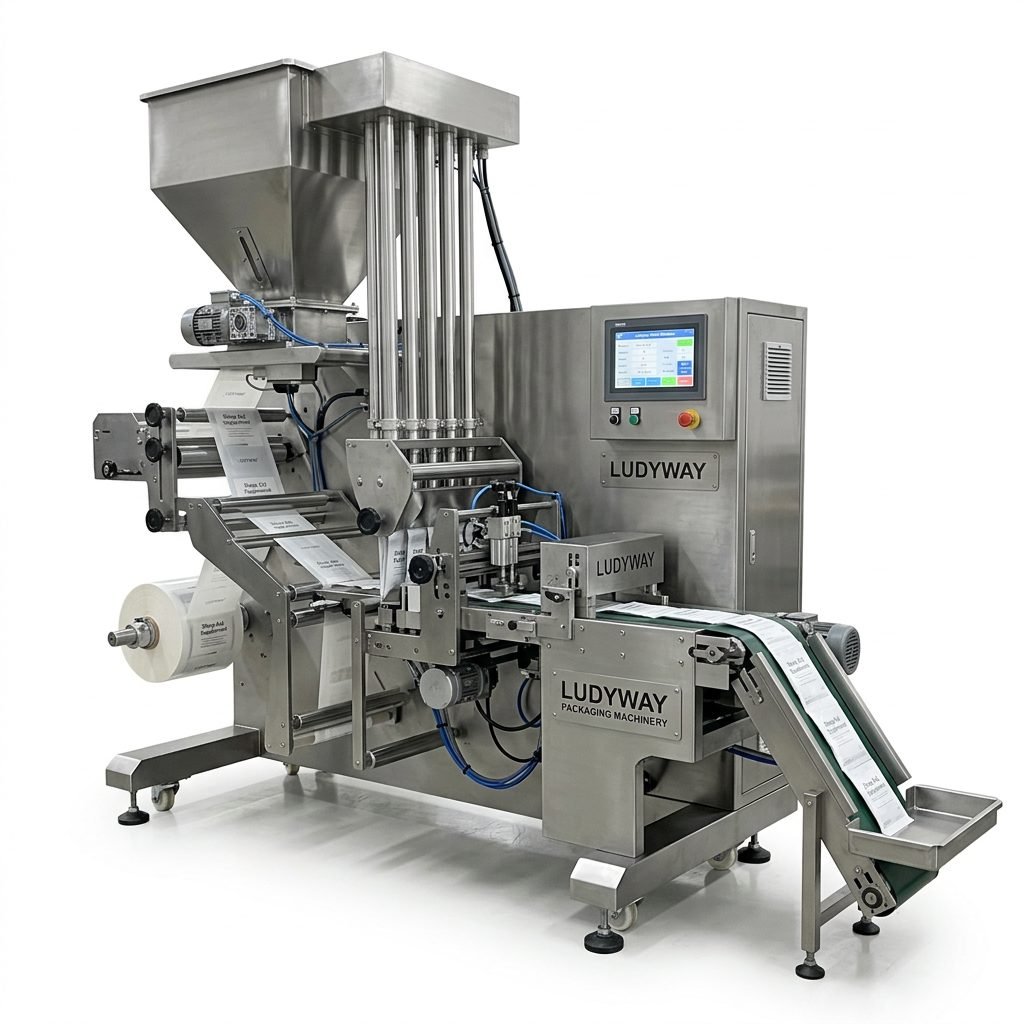
| Sachet Packing Machines | Powders, sauces, cosmetics, pharma doses | Compact and suitable for small-dose products |
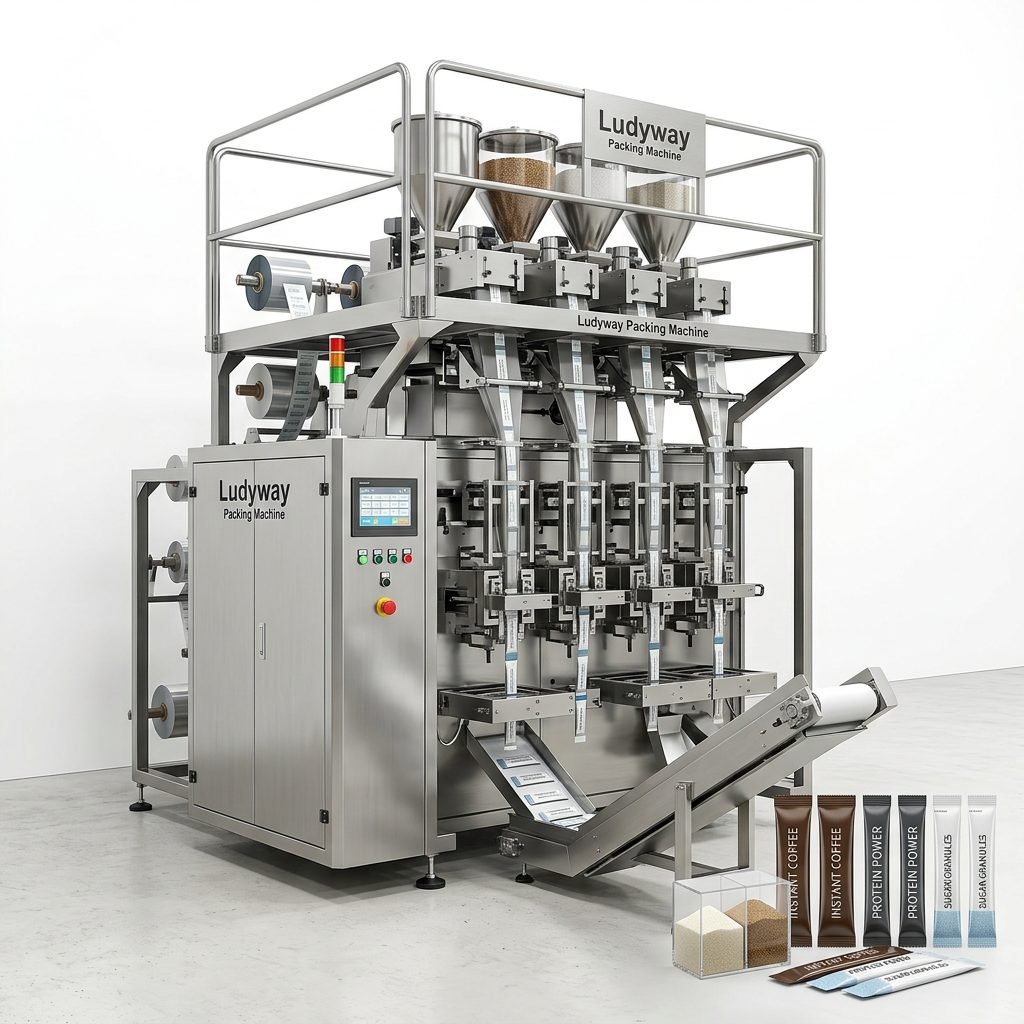
| Stick Pack Machines | Drink mixes, supplements, coffee, nutraceuticals | High-output single-serve packaging |
| Premade Pouch Machines | Liquids, powders, granules, pet food | Attractive retail packaging formats |
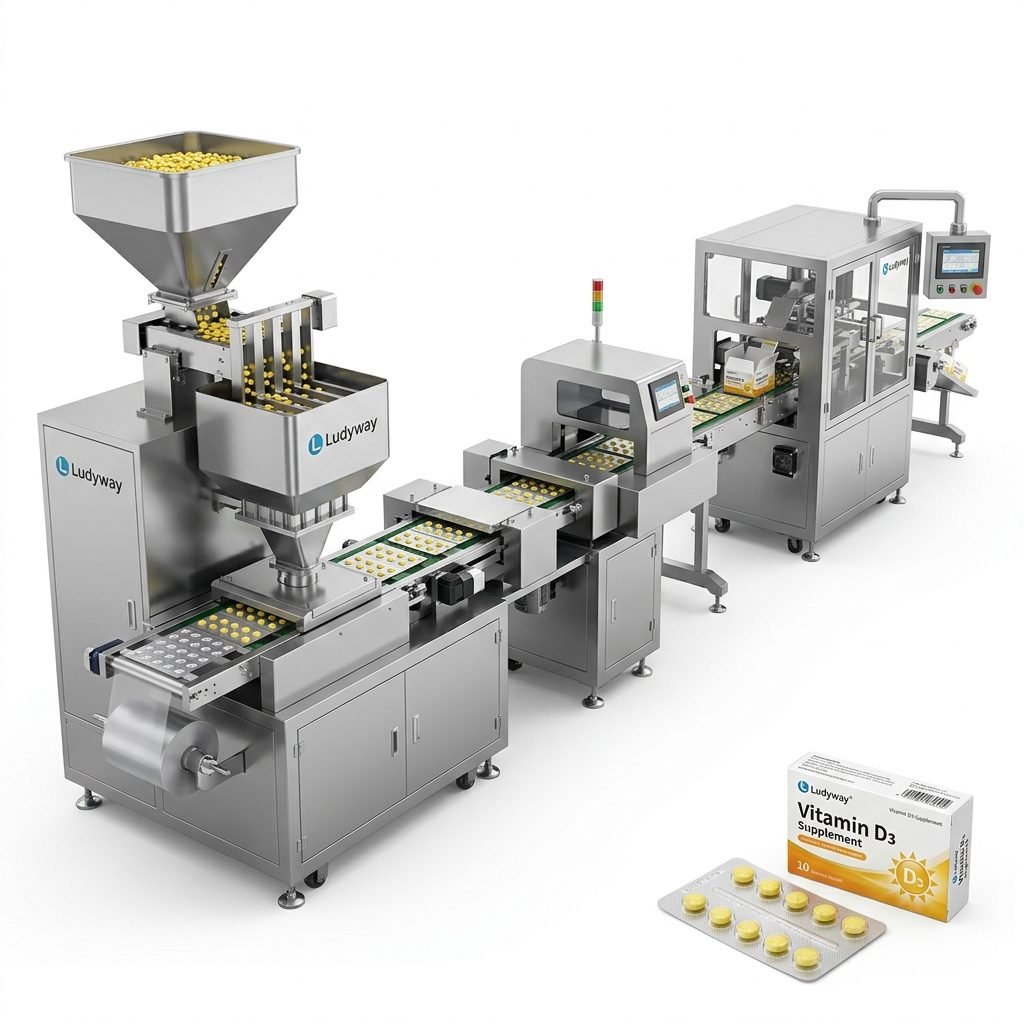
| Blister or Tablet Packaging Machines | Pharmaceutical and nutraceutical products | Useful for compliant unit-dose packaging |
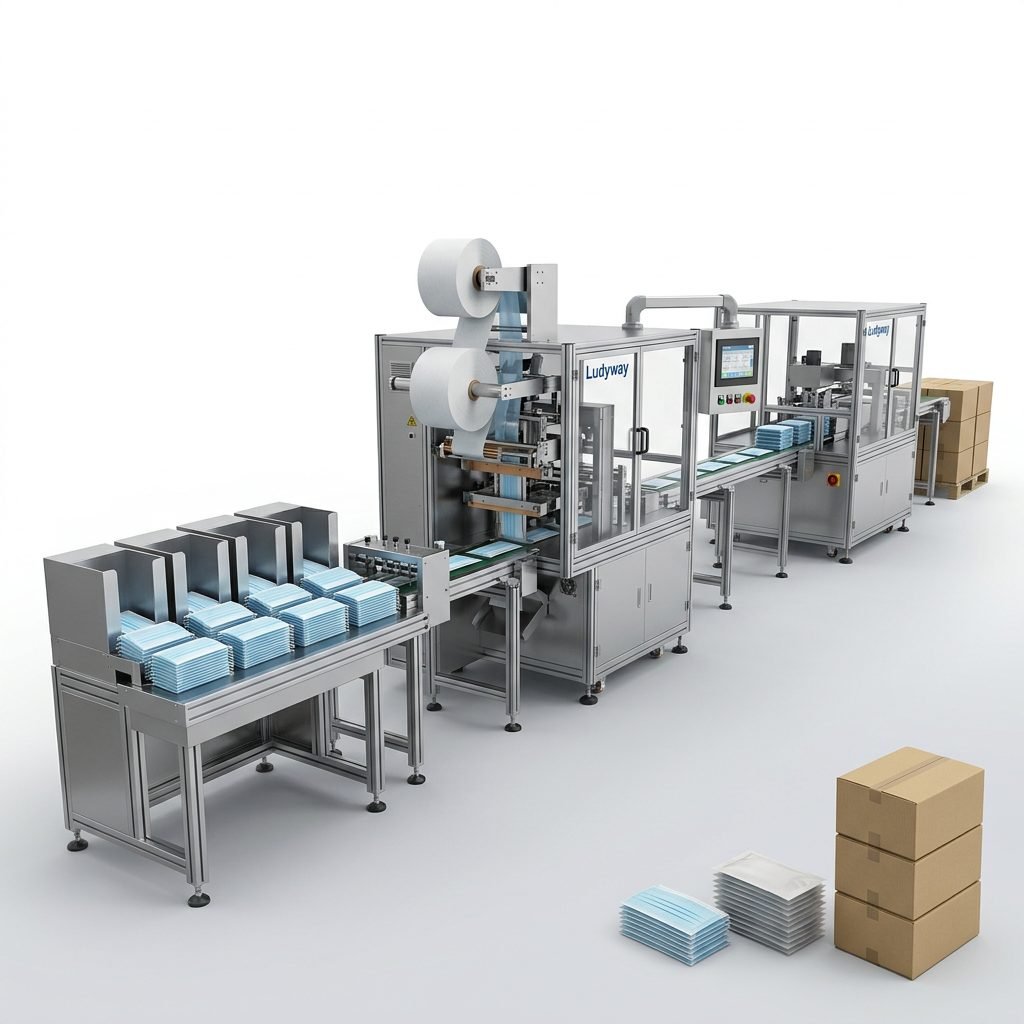
| Filling and Sealing Lines | Liquids, creams, pastes, bottles, tubes | Suitable for integrated production upgrades |
Key Benefits of Buying a Used Packing Machine
1. Faster Return on Investment
Because the purchase cost is lower, the break-even point is often reached sooner. This is especially important for short production campaigns, private-label manufacturing, and businesses with fluctuating order volumes.
2. Lower Risk for New Product Launches
If you are introducing a new powder, granule, liquid, or pouch format, using a second hand machine can limit financial exposure while validating market demand.
3. Good Option for Backup Capacity
Some factories buy used equipment as a contingency unit. This helps reduce downtime risk during maintenance, seasonal peaks, or line changeovers.
4. Easier Factory Expansion
For companies moving from manual or semi-automatic packing to automated production, second hand equipment can be a practical step before investing in a fully customized turnkey line.
Important Risks to Check Before You Buy
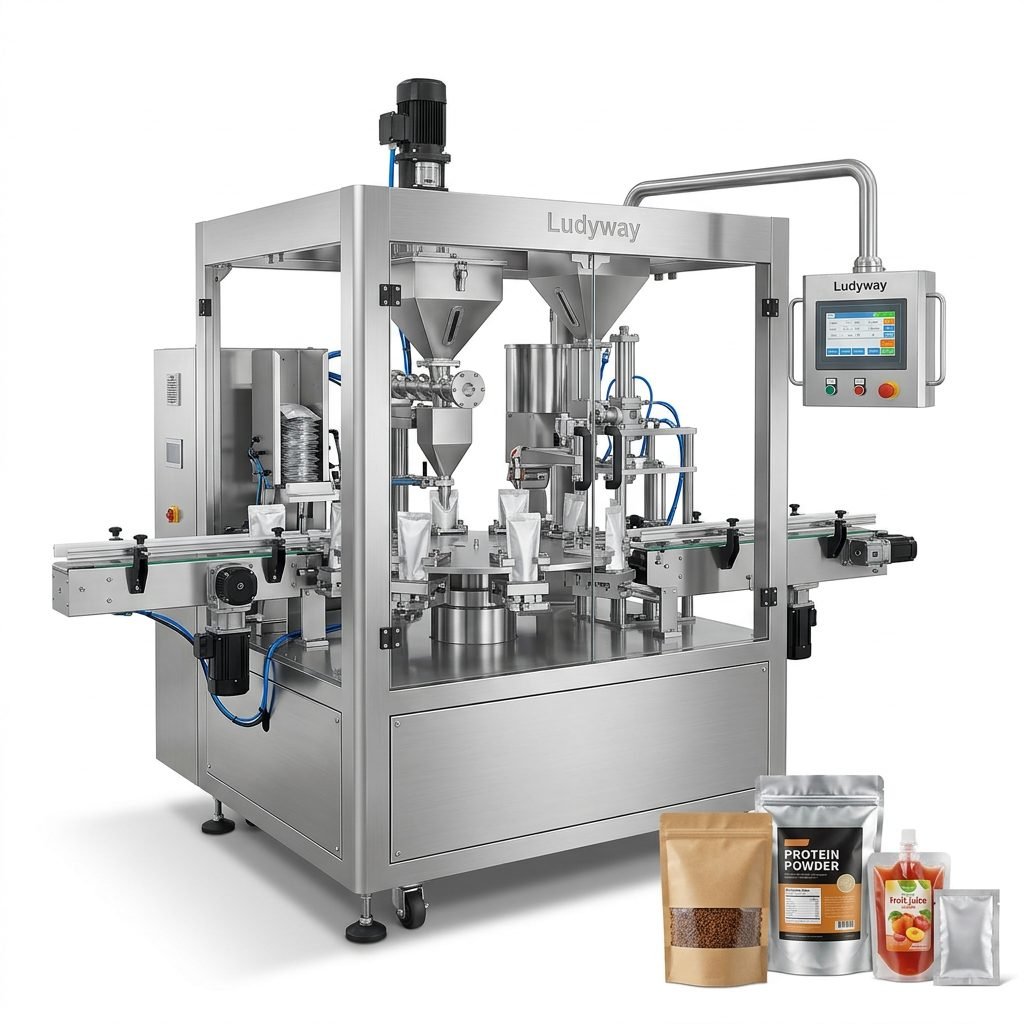
Not every used packaging machine is a bargain. Buyers should be careful about hidden wear, outdated controls, poor sealing consistency, or unavailable replacement parts. A low selling price can become expensive if the machine causes excessive downtime or product waste.
- Unknown service history
- Worn sealing components or dosing parts
- Obsolete PLC, HMI, or electrical configuration
- Difficulty sourcing film, molds, or tooling compatibility
- Insufficient documentation and missing manuals
- Lack of validation for pharmaceutical or hygiene-sensitive use
The most important rule: never judge a machine by appearance alone. Ask for running videos, maintenance records, sample output data, electrical specifications, and if possible, a live test with your product.
How to Evaluate a Second Hand Packing Machine
Check Mechanical Condition
Inspect the frame, sealing jaws, conveyors, bearings, augers, pumps, cutters, and transmission parts. Stable operation and repeatable movement matter more than cosmetic paint condition.
Review Production Compatibility
Make sure the machine matches your actual product and package requirements:
- Product type: powder, granule, liquid, paste, tablet, capsule
- Packaging style: sachet, stick pack, pouch, bag, bottle, blister
- Output requirement per minute or per hour
- Filling accuracy tolerance
- Film structure and sealing requirements
- Plant voltage and compressed air conditions
Assess Hygiene and Compliance
For food, pharmaceutical, and supplement factories, contact parts should be suitable for sanitary production. If the equipment is intended for regulated applications, validation and traceability documentation become even more important.
Verify After-Sales Support
Even a good used machine may need replacement parts, format changes, upgrades, or integration work. Support availability can determine whether the machine remains useful for years or becomes a bottleneck after a few months.
| Evaluation Area | What to Confirm |
|---|---|
| Running Stability | Speed consistency, vibration, noise, sealing quality |
| Filling Accuracy | Weight tolerance, repeatability, product loss level |
| Electrical System | PLC brand, HMI language, spare parts availability |
| Wear Parts | Sealers, cutters, nozzles, augers, belts, sensors |
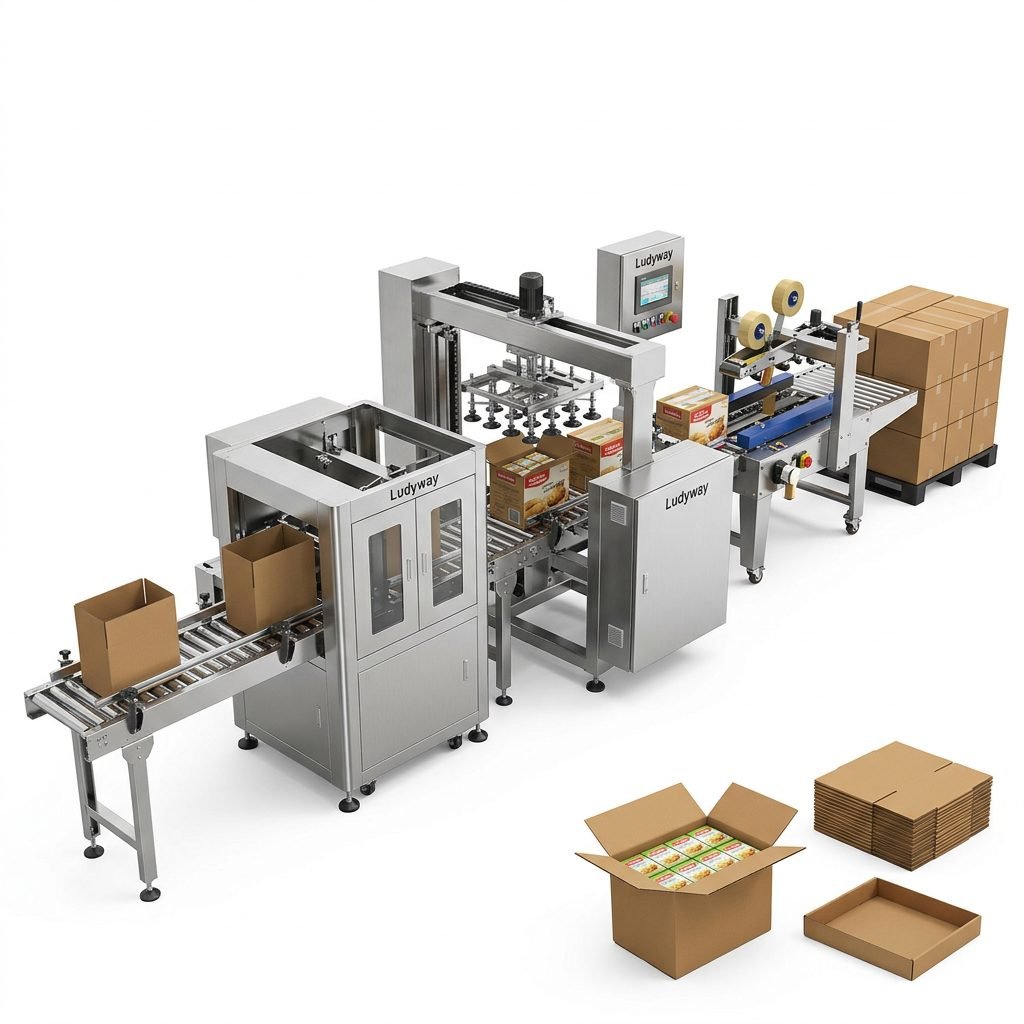
| Integration Ability | Compatibility with feeders, conveyors, printers, labelers, cartoners |
| Documentation | Manuals, drawings, wiring diagrams, maintenance records |
When Is a New Machine Better Than a Used One?
A second hand packing machine is not always the best choice. In some situations, buying new equipment delivers better long-term value.
- You need customized packaging formats or future product expansion
- Your industry requires strict GMP, validation, or serialization standards
- You want full factory automation with upstream and downstream integration
- The used machine lacks parts support or modern control systems
- Your output target is too high for older machine architecture
In these cases, working with an experienced manufacturer can be more economical over the full equipment lifecycle, even if the initial investment is higher.
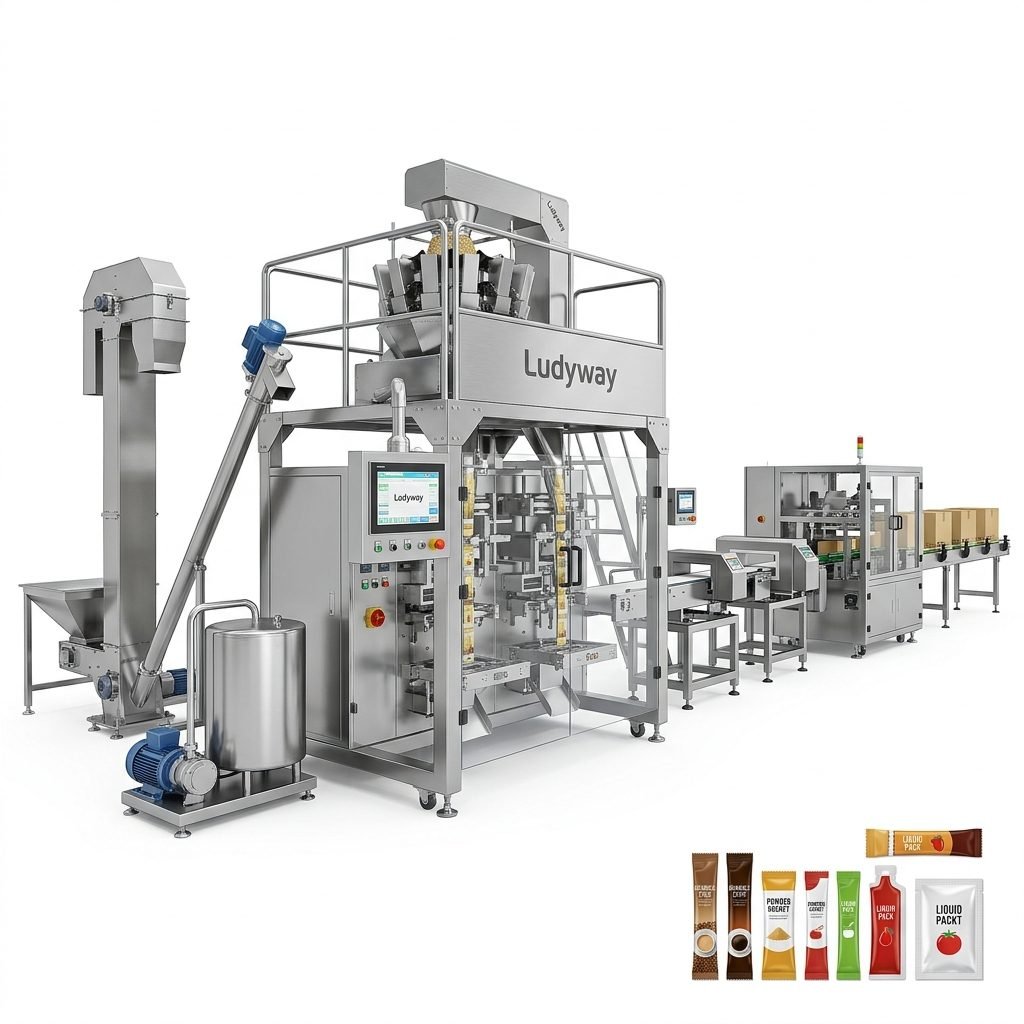
Used Machine or Turnkey Upgrade? How to Decide
A practical buying decision should compare not only purchase price, but also operating efficiency, maintenance costs, labor savings, and output potential.
Choose a second hand machine if:
- Your budget is limited
- You need equipment quickly
- Your packaging format is standard
- You can manage maintenance risk
Choose a new or customized line if:
- You want high-speed automation and scalable growth
- You need stable long-term service and spare parts assurance
- You require multi-product flexibility
- You are building a modern branded production facility
Industries That Commonly Buy Used Packaging Machinery
Second hand packaging equipment is especially popular in sectors where product turnover is fast and packaging formats are standardized.
- Food and beverage powders
- Seasonings and instant drink mixes
- Health supplements and nutraceutical sachets
- Cosmetic sample packs and personal care products
- Chemical sachets, granules, and pouch products
- Pet food and animal nutrition applications
In many of these industries, manufacturers start with pre-owned standalone equipment, then shift to more integrated packaging lines as volume grows.
A Smarter Buying Strategy for Long-Term Production
The best approach is often hybrid: evaluate good second hand opportunities, but also compare them against current-generation packaging solutions. If a used machine needs extensive retrofitting, new tooling, controls replacement, and ongoing repair, a newer machine may actually cost less over time.
For buyers considering scalable automation, Ludyway packaging machine solutions can be a useful benchmark. As one of China’s leading packaging machine and turnkey packaging line manufacturers, with more than 30 years of experience since 1993, the company serves food, pharmaceutical, health supplement, cosmetic, chemical, and related industries with a broad range of automated systems and integrated production lines.
Questions to Ask Before Finalizing Any Purchase
- What products has the machine packed before?
- What is the actual current running speed?
- Are original spare parts still available?
- Can the machine handle your target packaging film or pouch type?
- Is installation and commissioning support available?
- What modifications are needed before production start?
- What is the estimated total cost after transport, refurbishment, and setup?
Final Buying Insight
A second hand packing machine can be a cost-effective production asset when chosen carefully. The right equipment can reduce capital expenditure, increase output, and shorten time to market. But true value comes from reliability, compatibility, and support—not just a lower sticker price.
If you compare machine condition, application fit, upgrade potential, and long-term operating cost, you will be in a much better position to select packaging equipment that supports efficient and profitable production.