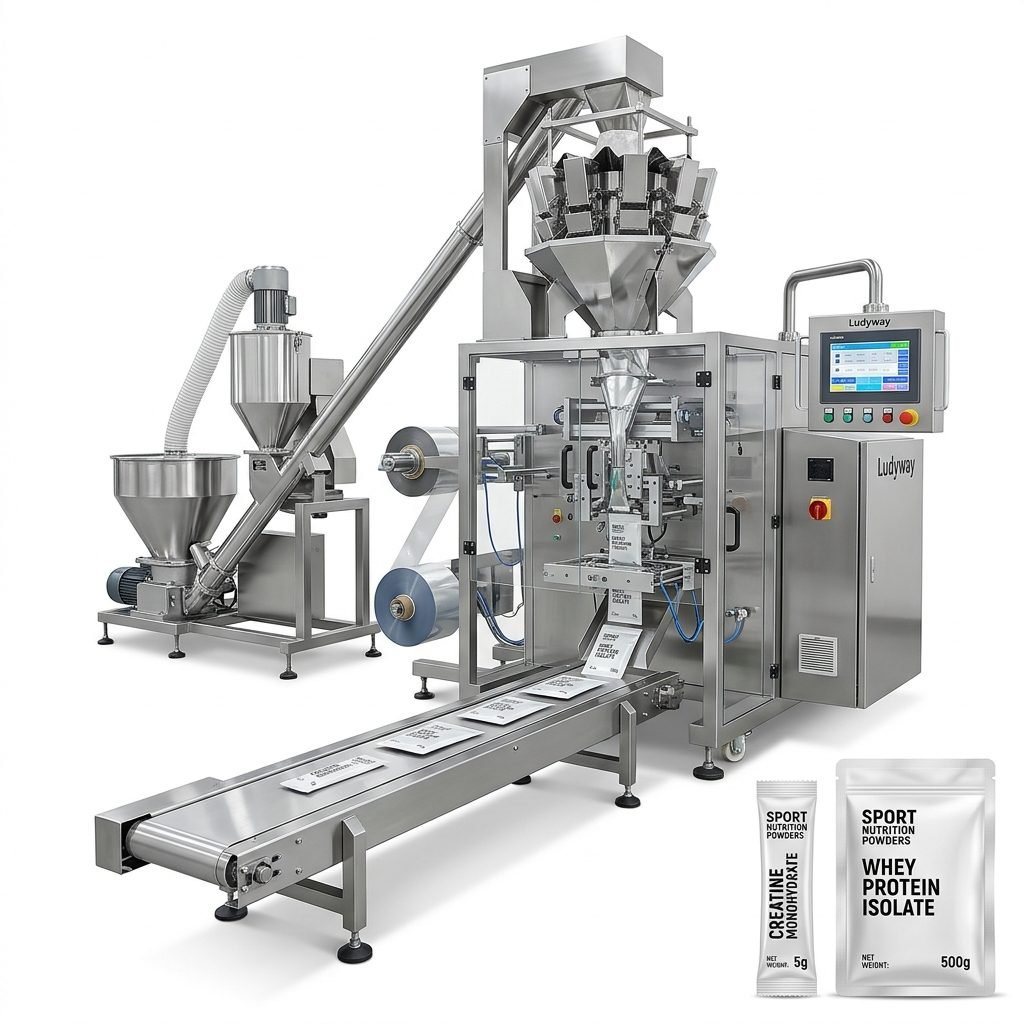
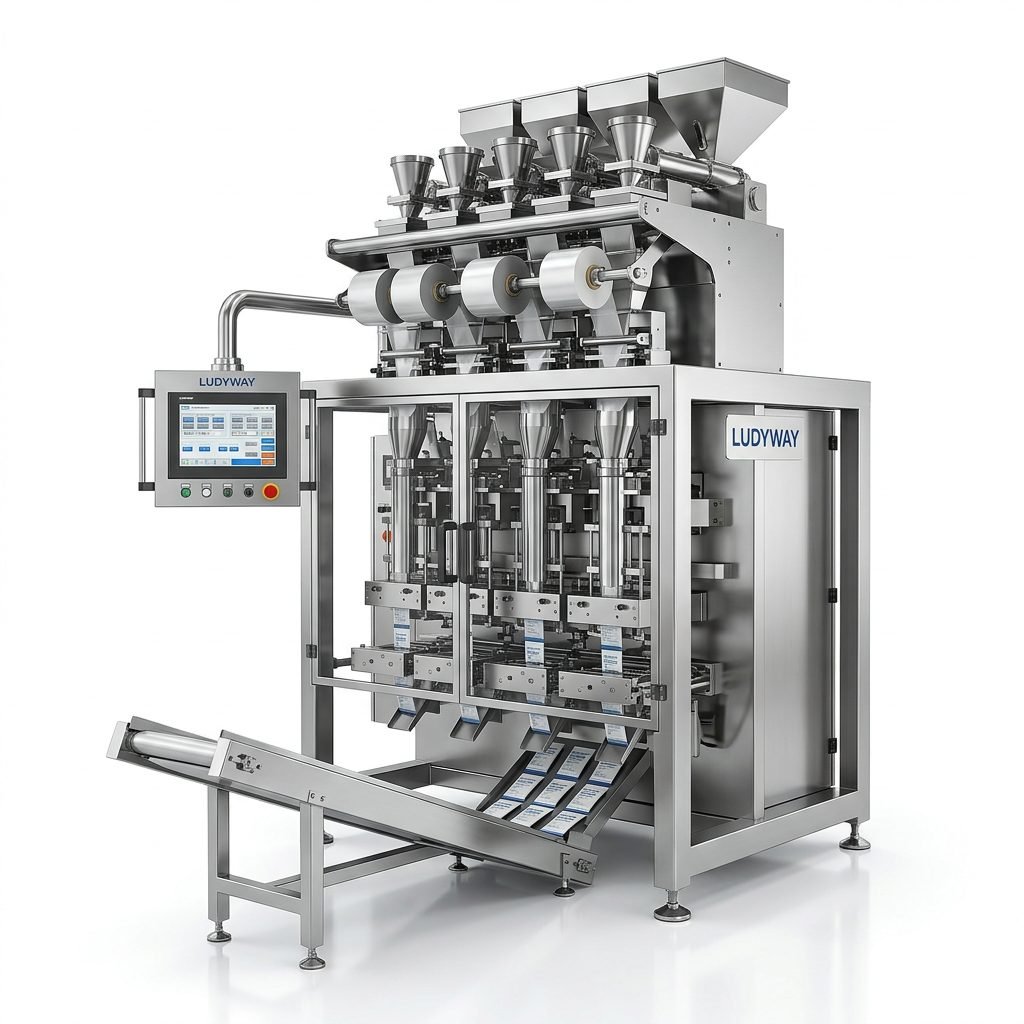
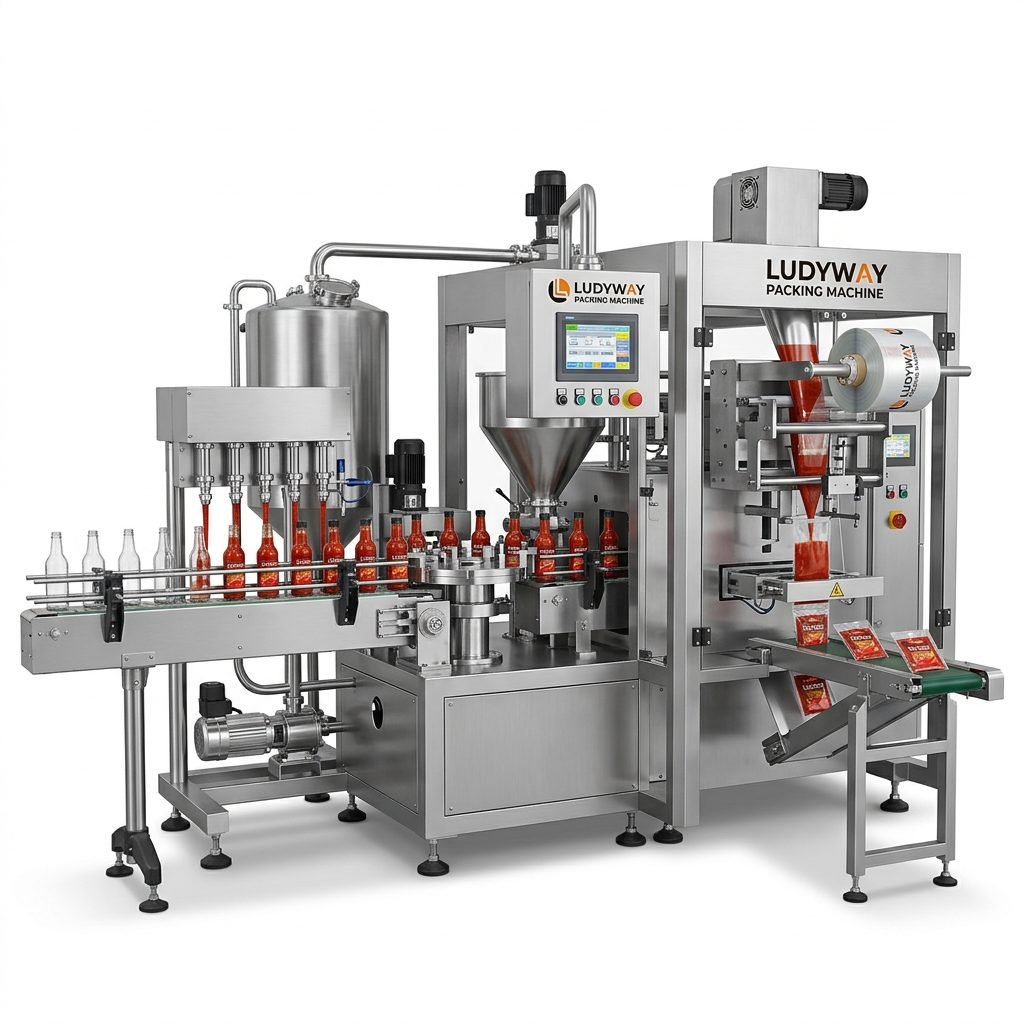
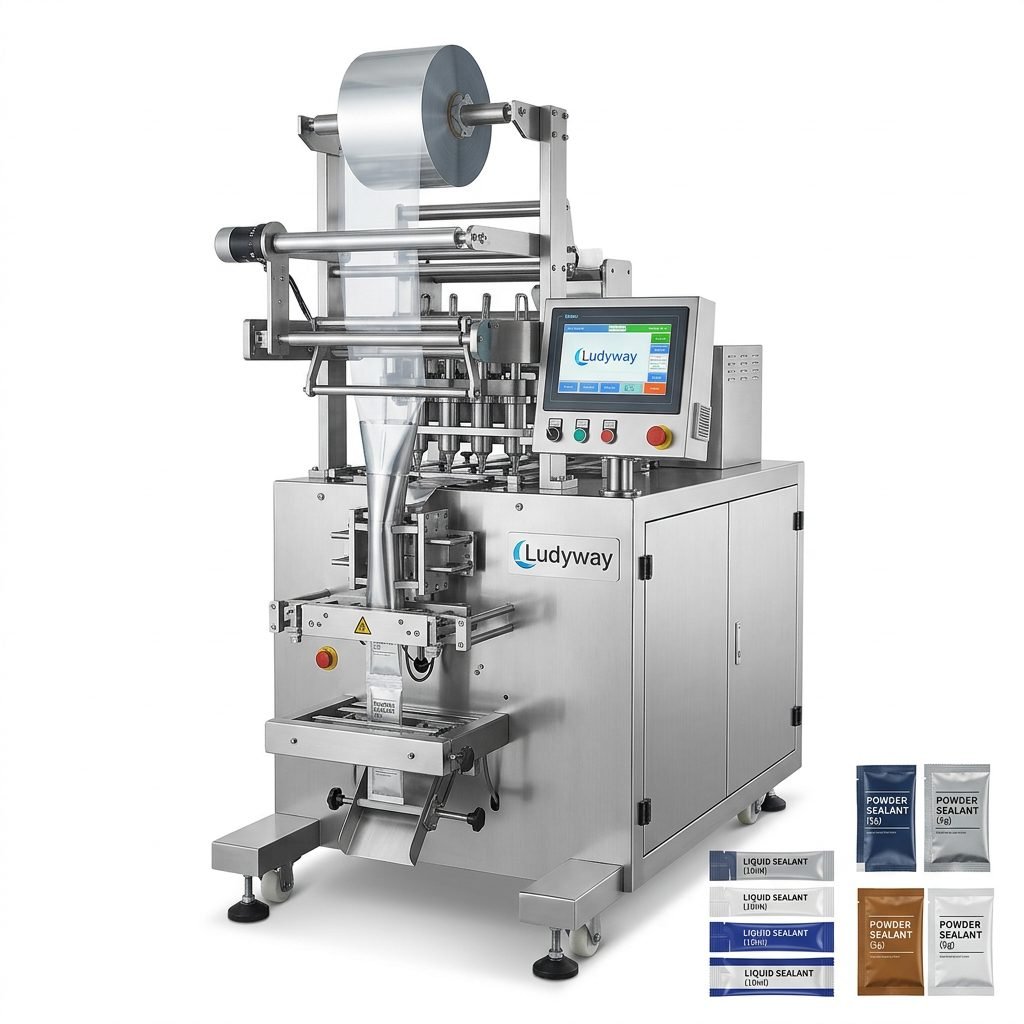
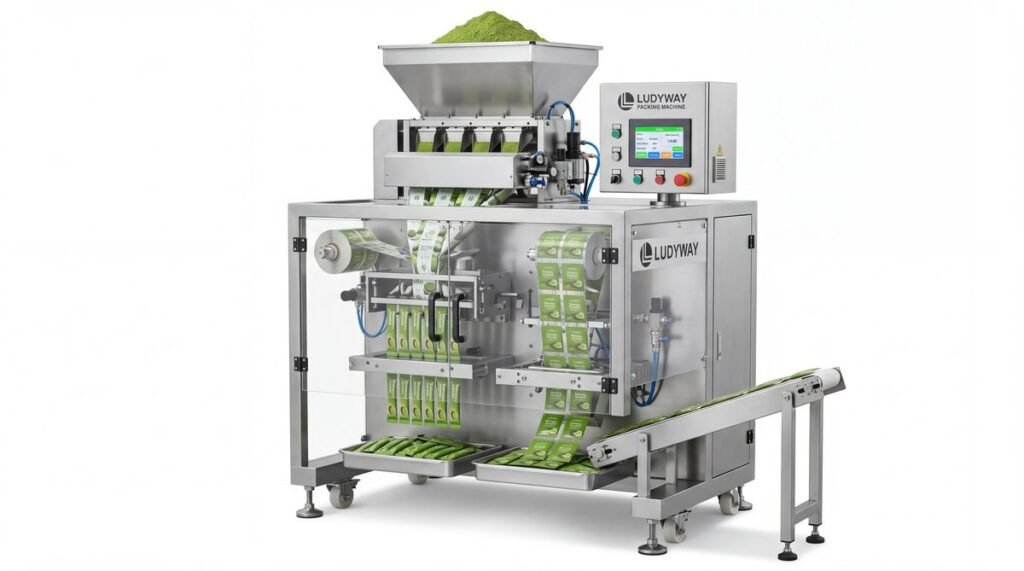
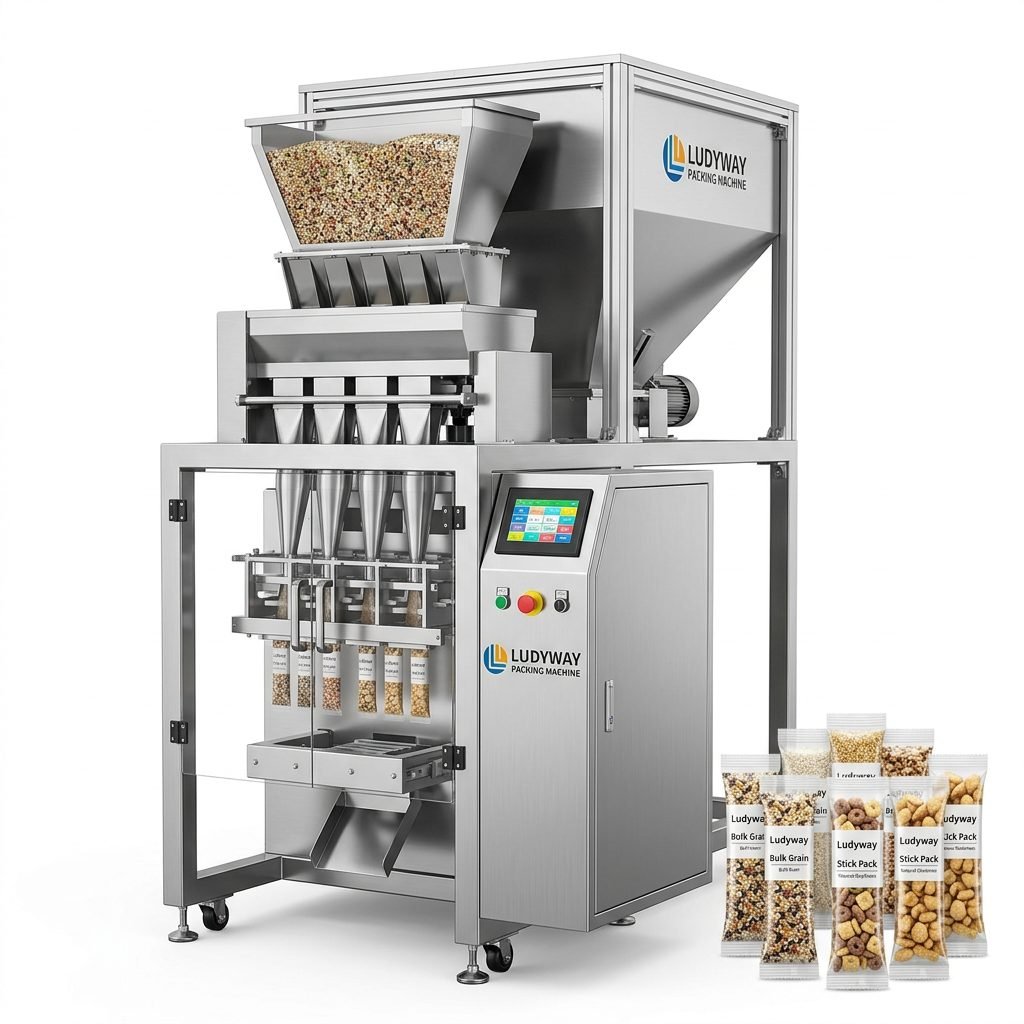
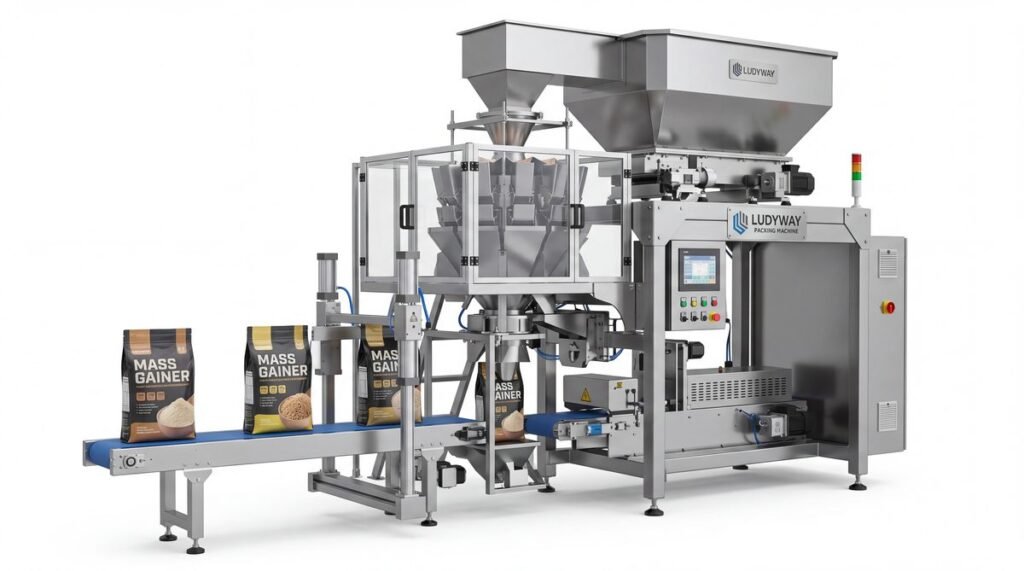
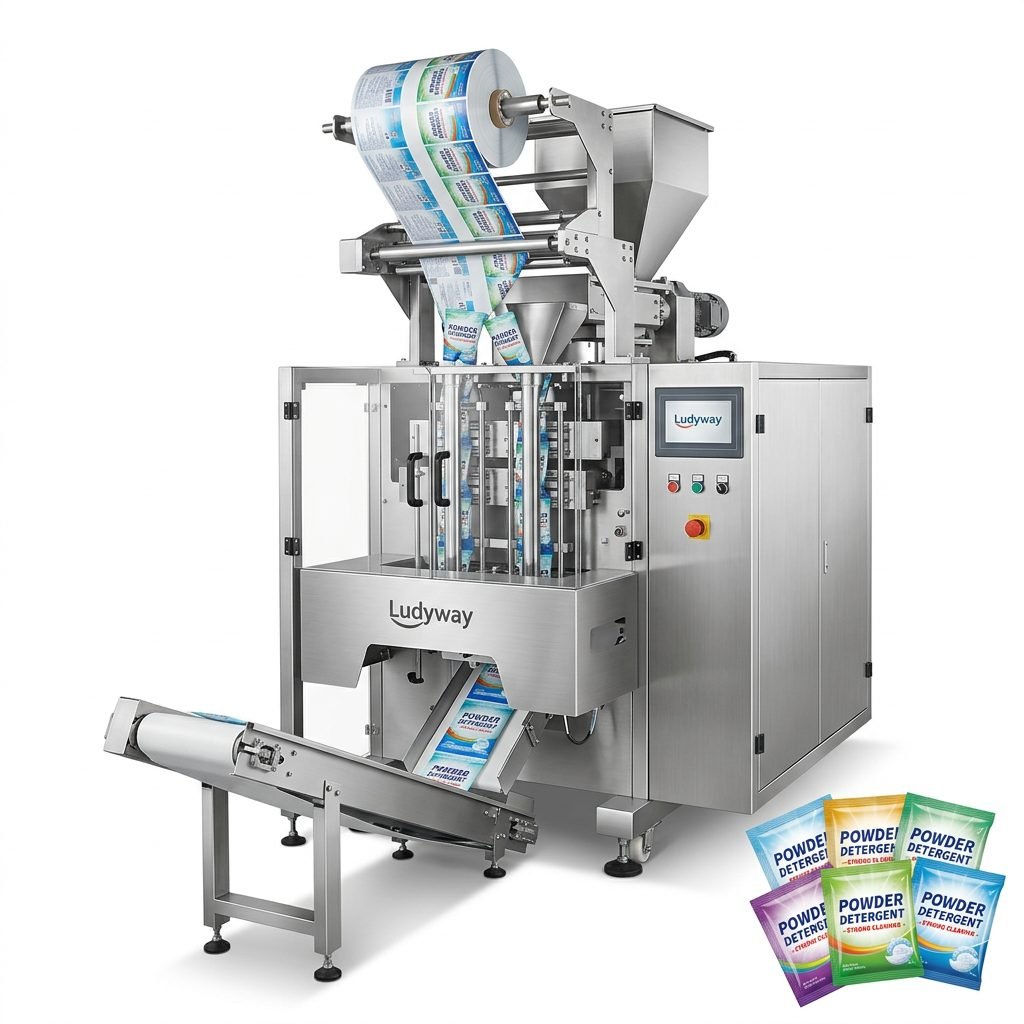
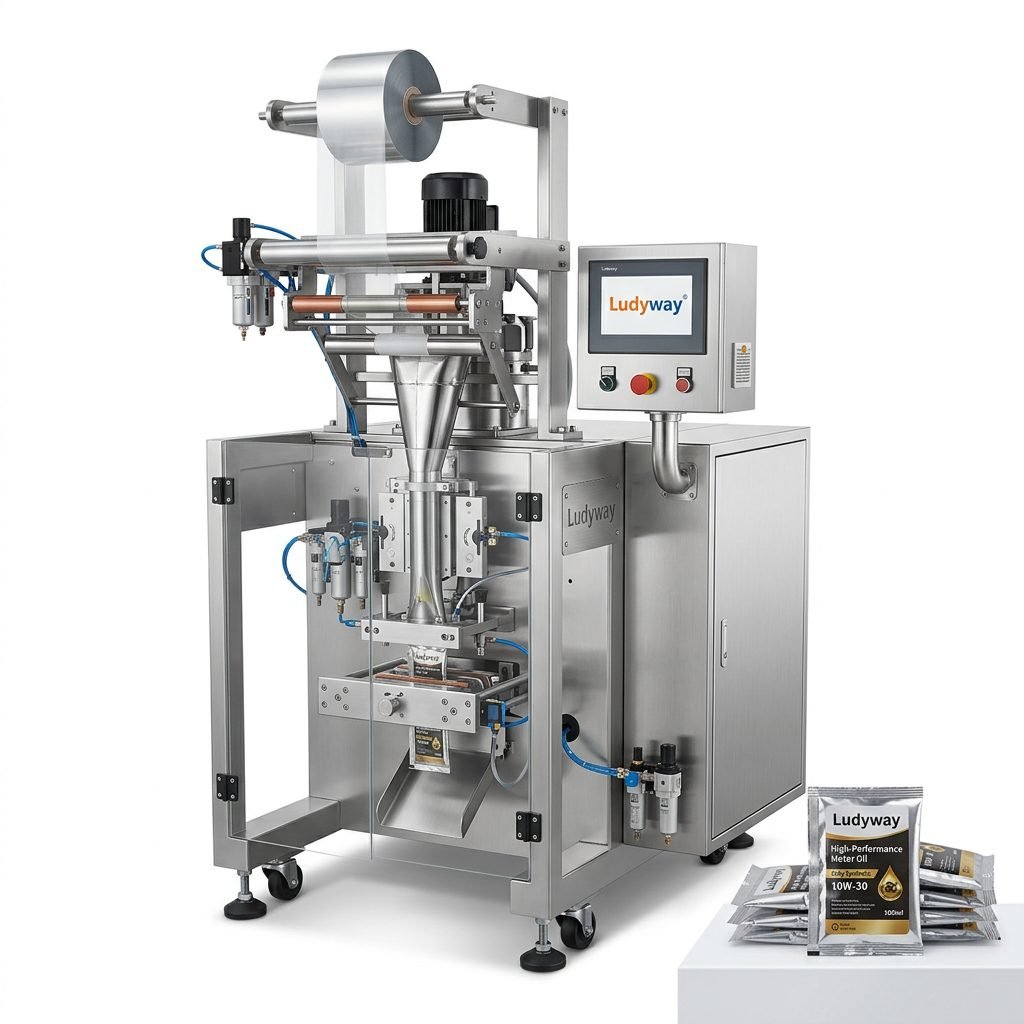
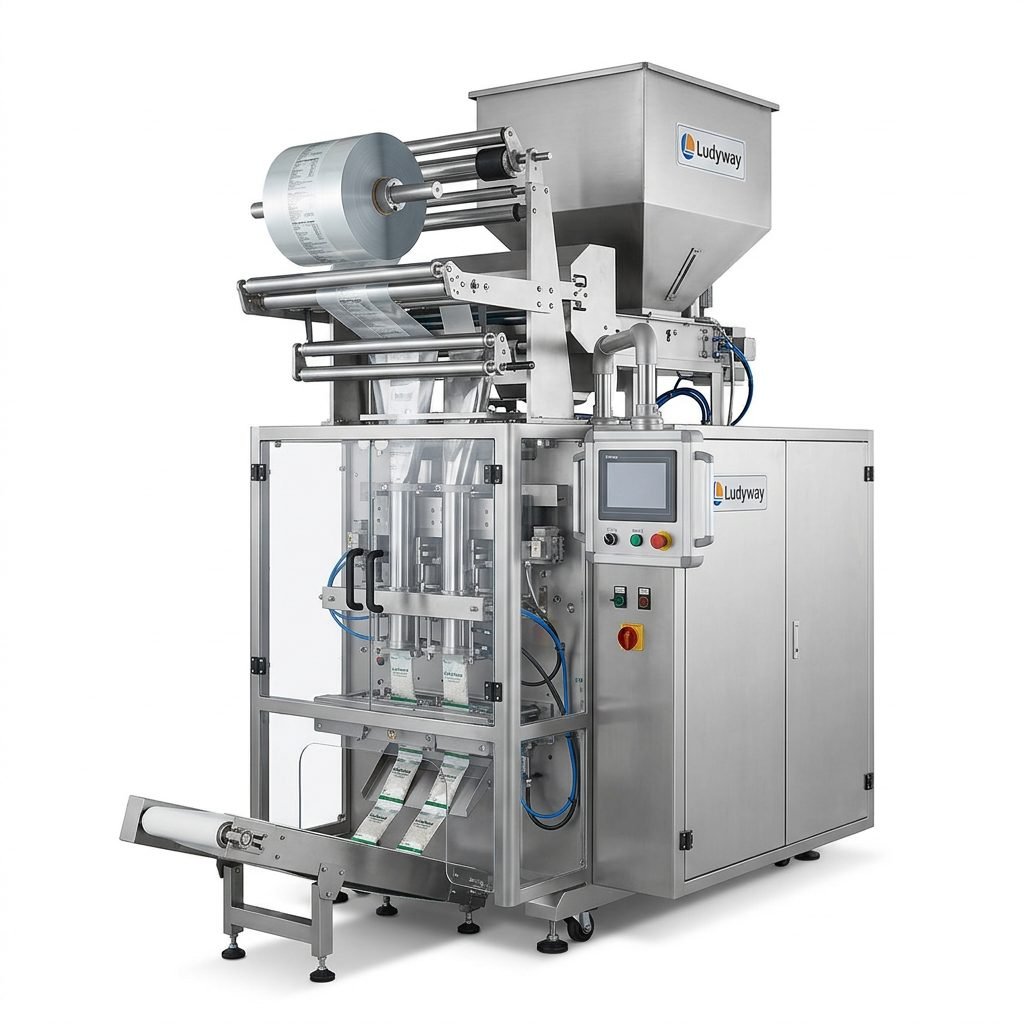
In modern production environments, a wolf packaging machine represents more than speed alone. Manufacturers in food, meat, and industrial sectors need equipment that can maintain stable output, reduce waste, protect product quality, and support long-term automation goals. The right packaging system helps businesses move from labor-heavy operations to more consistent, scalable production.
Whether you are packing seasonings, snack foods, frozen items, powdered ingredients, hardware parts, or industrial materials, machine reliability directly affects operating cost, delivery performance, and customer satisfaction. That is why buyers increasingly focus on packaging equipment that combines precision dosing, durable structure, easy changeover, and integration with conveying, coding, inspection, cartoning, and palletizing systems.
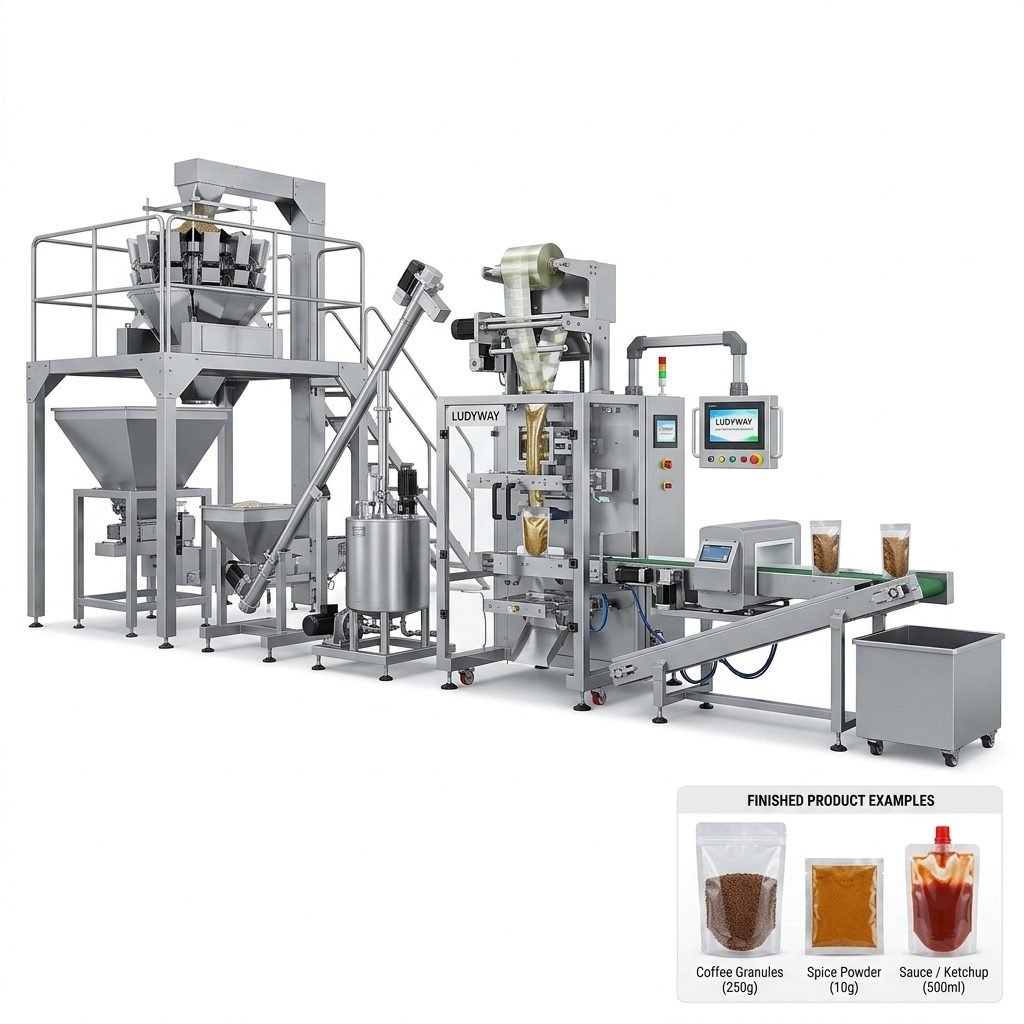
Why Wolf Packaging Machines Matter in High-Performance Production
Packaging is often the final control point before products enter the market. A weak packaging process can cause inaccurate filling, seal failure, contamination risk, poor shelf appearance, and unnecessary downtime. A strong packaging machine, by contrast, creates a smoother production flow and gives manufacturers better process control.
- Higher throughput for growing order volumes
- Stable pack quality across shifts and batches
- Lower labor dependency through automation
- Reduced material loss from precise filling and sealing
- Better product protection for food, meat, powder, liquid, and industrial goods
- Easier line integration with feeding, labeling, cartoning, and inspection equipment
Applications Across Food, Meat, and Industrial Packaging
One of the biggest advantages of advanced packaging machinery is flexibility. Different industries have very different material behaviors, hygiene standards, and pack styles, so the machine must be matched to the product, package format, and plant layout.
Food Packaging
Food manufacturers commonly require packaging machines for granules, powders, liquids, pastes, and mixed products. Typical applications include coffee, sugar, spice blends, sauces, snack foods, dairy powders, nutritional supplements, oatmeal, instant drinks, and functional food products.
Meat Packaging
Meat processors need systems designed for hygiene, sealing consistency, and dependable operation in demanding factory conditions. Fresh meat, frozen meat, processed meat, jerky, seasoning packs, and related convenience food products all benefit from packaging solutions that help preserve freshness and improve presentation.
Industrial Packaging
Industrial producers often package powders, granules, small parts, additives, chemicals, detergents, lubricants, and hardware items. Here, precision, containment, durability, and packaging repeatability are critical. The machine should also handle dust control, wear resistance, and flexible bag or pouch formats.
| Industry | Typical Products | Packaging Priorities |
|---|---|---|
| Food | Powders, granules, liquids, snacks, beverages | Speed, hygiene, accuracy, appearance |
| Meat | Fresh, frozen, processed meat, seasoning packs | Seal integrity, freshness, sanitation, durability |
| Industrial | Chemicals, fasteners, additives, powders, granules | Containment, wear resistance, precision, automation |
Key Features Buyers Should Look For
Not every machine delivers the same long-term value. A smart investment should support present output and future expansion. When evaluating a wolf packaging machine, the most important factors usually include:
- Accurate filling system to reduce giveaway and maintain pack consistency
- Reliable sealing performance for product safety and shelf stability
- Easy cleaning and maintenance to reduce downtime
- Flexible pack formats such as sachets, stick packs, pouches, bags, or bottles
- Automation compatibility with conveyors, feeders, coding, checkweighing, and case packing
- User-friendly controls for simple parameter changes and fault monitoring
- Custom engineering options for product-specific requirements
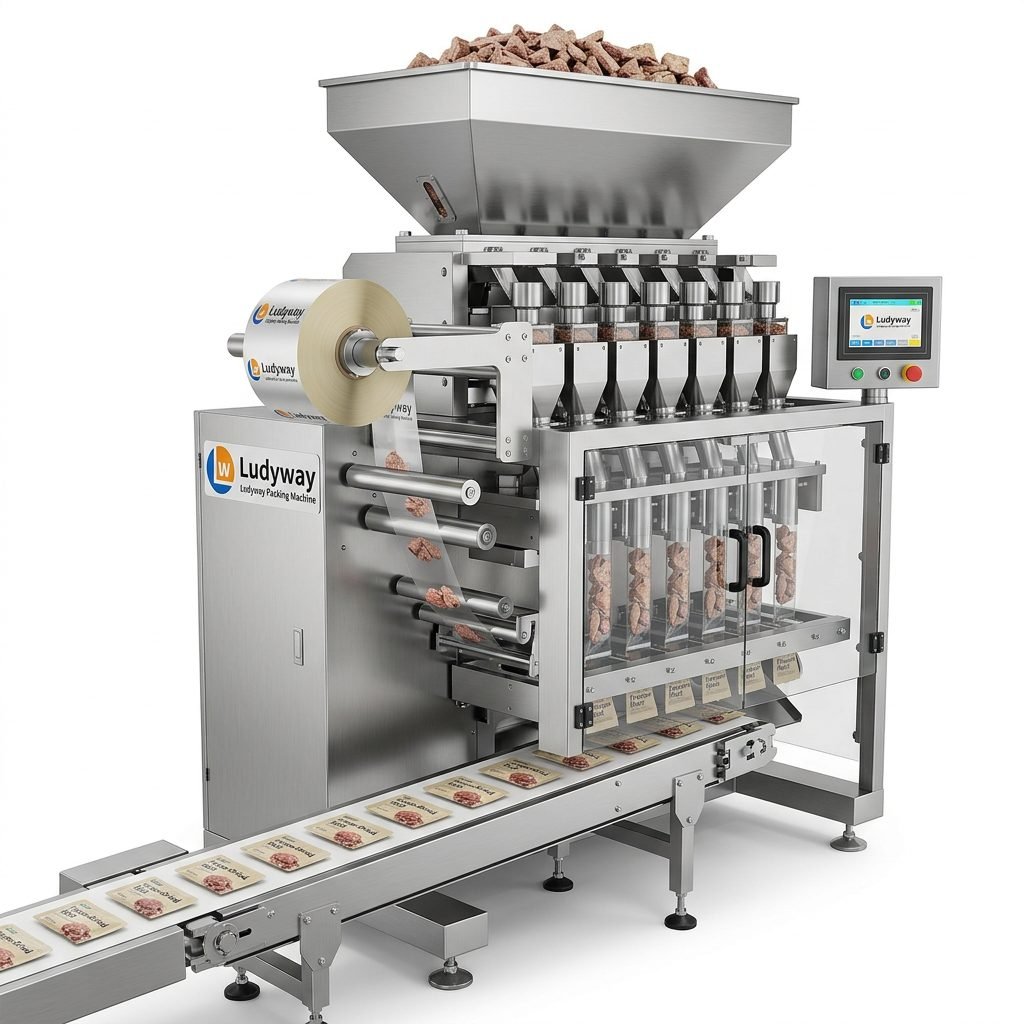
Popular Packaging Formats Supported by Modern Systems
Today’s packaging lines are expected to handle multiple formats without creating excessive setup complexity. This is especially important for contract packers and brands with broad product portfolios.
Sachets and Stick Packs
Ideal for powders, granules, gels, and liquids. These formats are widely used in food service, retail convenience packs, health supplements, seasonings, and industrial samples.
Pouches and Bags
Suitable for snacks, frozen foods, sauces, powders, pet food, and industrial materials. Premade pouch and form-fill-seal systems can be selected depending on speed and pack style needs.
Bottle and Container Solutions
Used for liquids, capsules, tablets, and some granular products. These systems may include filling, capping, sealing, labeling, and secondary packaging modules.
How Automation Improves Packaging Efficiency
Companies that rely on semi-manual packaging often face labor instability, variable quality, and production bottlenecks. Automated equipment solves these issues by creating a more predictable workflow. This becomes especially valuable when output targets increase or when hygiene and traceability requirements become stricter.
- Less manual handling
- More consistent pack weight
- Faster output with lower rework rates
- Improved production planning
- Better compatibility with smart factory upgrades
For businesses planning long-term growth, standalone packaging machines are often only the starting point. Many manufacturers now prefer complete lines that integrate upstream feeding and downstream end-of-line equipment into one coordinated system.
Choosing the Right Machine for Your Product Type
A good machine selection process starts with the product itself. Flow characteristics, particle size, moisture content, viscosity, fragility, target pack weight, and packaging material all influence the ideal equipment configuration.
| Product Type | Recommended Packaging Focus | Typical Machine Advantage |
|---|---|---|
| Powders | Dust control, precise dosing, stable sealing | Cleaner operation and reduced product loss |
| Granules | Weighing accuracy, feeding consistency | Reliable pack weight at higher speed |
| Liquids/Pastes | Leak prevention, hygienic filling, seal strength | Improved cleanliness and shelf presentation |
| Meat Products | Freshness, sanitation, secure sealing | Better product protection and storage stability |
| Industrial Materials | Durability, containment, flexible bagging | Stable operation in harsh working conditions |
Turnkey Solutions for Growing Packaging Demands
Many manufacturers now prefer a turnkey packaging line instead of sourcing separate machines from multiple vendors. A complete system improves compatibility, simplifies project management, and reduces integration risk. It also makes after-sales communication more efficient when all major components come from one experienced supplier.
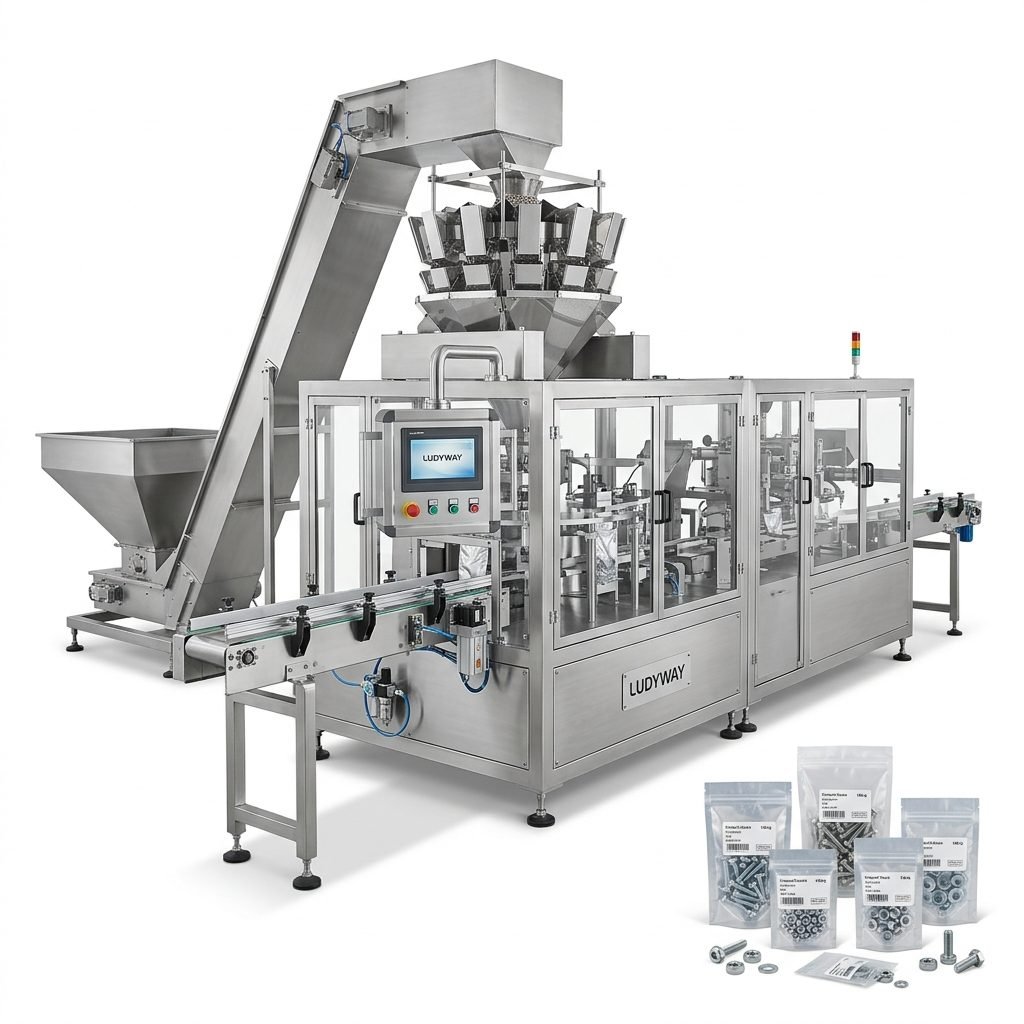
As one of China’s leading packaging machine and turnkey packaging line manufacturers, Ludyway wolf packaging machine solutions are designed for food, pharmaceutical, health supplement, and industrial packaging applications, with broad customization options for powders, granules, liquids, pastes, and pouch-based products.
Typical Turnkey Line Components
- Product feeding and conveying systems
- Automatic weighing or dosing units
- Form-fill-seal or premade pouch packaging machines
- Date coding and printing modules
- Metal detection, x-ray, or checkweighing systems
- Cartoning, case packing, palletizing, and wrapping equipment
Benefits for Food and Meat Manufacturers
In food and meat processing, packaging quality is closely tied to consumer trust. Strong automation helps companies maintain cleaner production, more attractive packaging, and better product stability during shipping and storage.
Operational Advantages
- Consistent package appearance for retail shelves
- Reduced contamination risk through controlled packaging steps
- Improved sealing for freshness retention
- Faster response to seasonal or promotional demand
- Lower packaging waste and reduced operating cost
Benefits for Industrial Manufacturers
Industrial packaging requires robust equipment that can run with abrasive, dusty, irregular, or heavy materials. The machine must hold accuracy while tolerating demanding operating conditions. For hardware parts, chemical powders, additives, and maintenance products, packaging reliability protects both product handling and downstream logistics.
What Industrial Buyers Value Most
- Mechanical durability for long production cycles
- Accurate metering for cost-sensitive materials
- Compatibility with multiple bag sizes and film types
- Easy integration with counting, weighing, or palletizing systems
- Reliable fault detection and lower maintenance interruptions
How to Evaluate a Supplier Before Buying
The machine itself is only part of the buying decision. The supplier’s engineering depth, export experience, and service support also matter. Before placing an order, buyers should review:
- Industry experience and manufacturing history
- Ability to provide customized machine configurations
- Factory scale and production capacity
- Experience in exporting to global markets
- Technical support, spare parts, and commissioning service
- Project references, case studies, or machine test videos
A supplier with broad application experience can often recommend a better machine structure, packaging material match, and automation layout, especially for complex or multi-product lines.
Final Considerations for Long-Term Packaging Success
Investing in a wolf packaging machine is not just a short-term production decision. It affects labor structure, quality stability, plant efficiency, product presentation, and business scalability. For food, meat, and industrial manufacturers, the ideal system should deliver efficient output, dependable performance, and room for future expansion.
If your operation is planning to upgrade from manual packing, expand capacity, or build a more integrated production line, choosing a packaging partner with strong engineering and turnkey capability can make the project more successful from the start.