Selecting the right tablet strip packing machine is a critical decision for pharmaceutical manufacturers, nutraceutical companies, and contract packagers. The equipment you choose directly impacts production efficiency, product integrity, and regulatory compliance. With dozens of machine configurations, automation levels, and technical specifications available, the evaluation process can quickly become overwhelming. This guide breaks down the essential factors to help you make an informed investment.
Understanding Tablet Strip Packing Technology
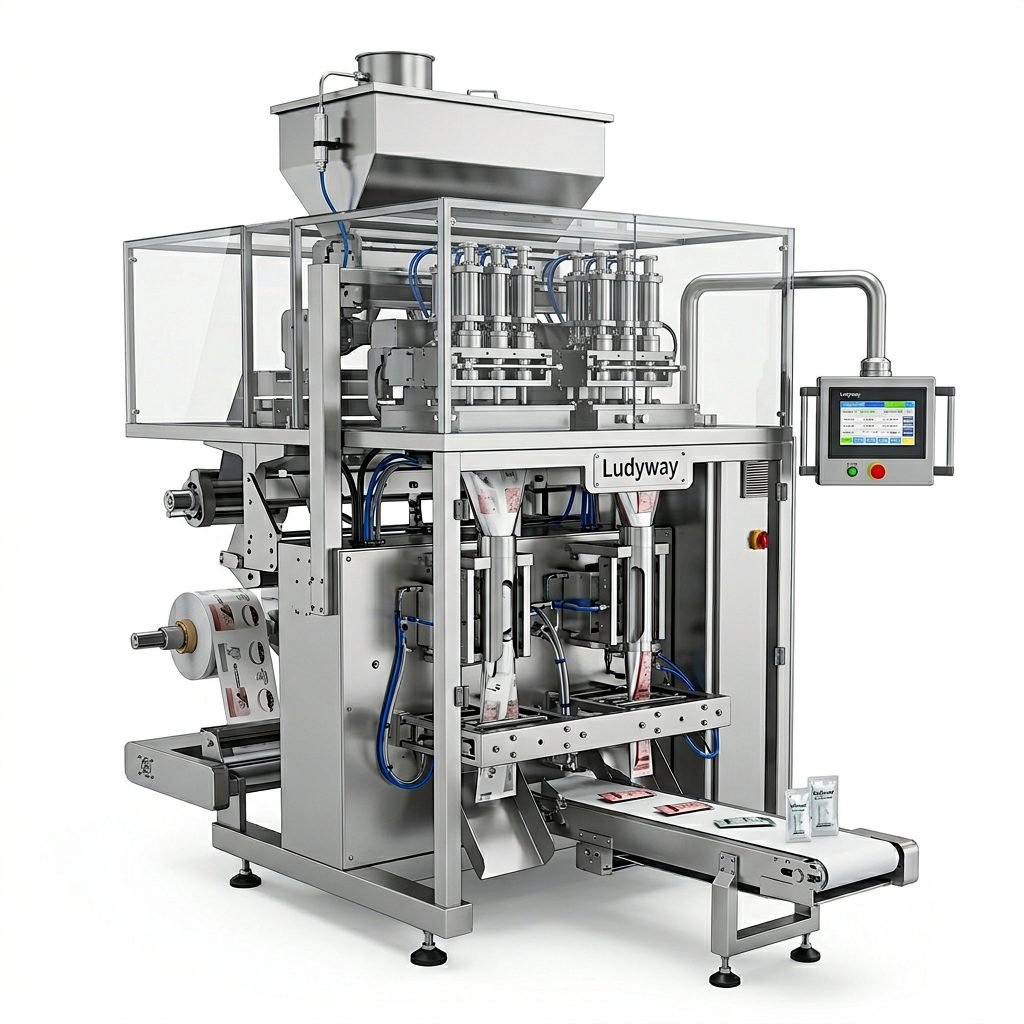
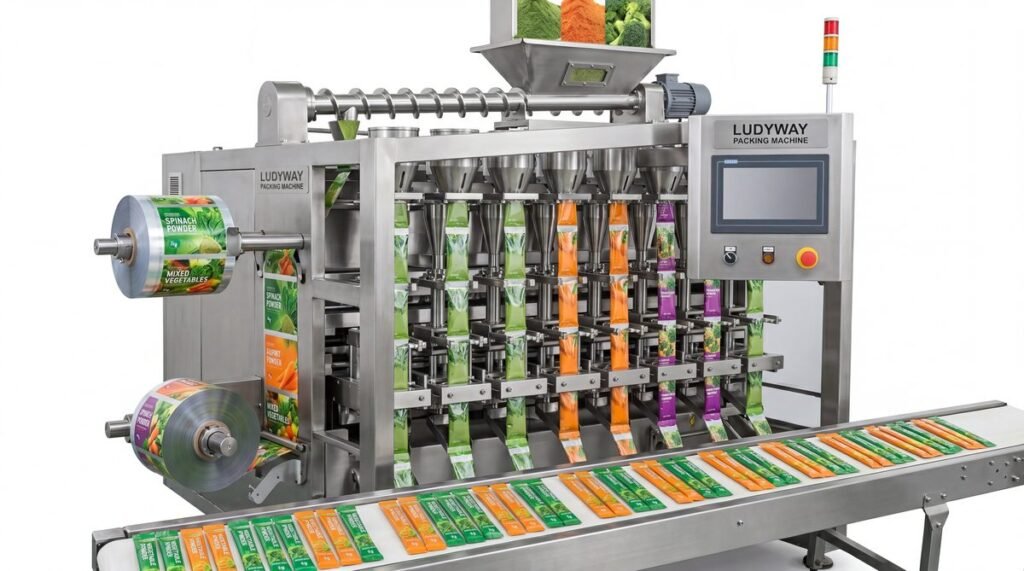
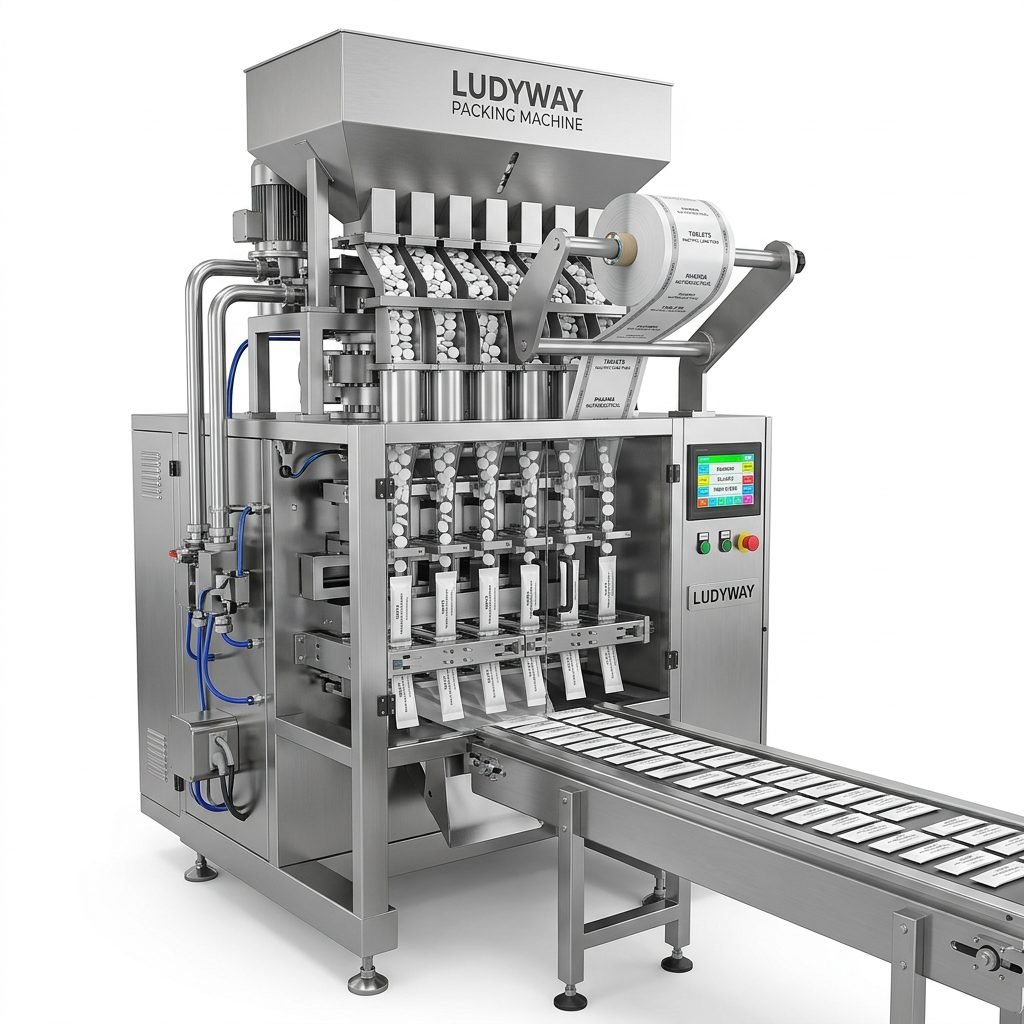
A tablet strip packing machine is a specialized form-fill-seal system designed to package tablets and capsules in continuous strip formats. Unlike blister packaging, strip packs use two layers of heat-sealable flexible material to create individual pockets around each dose. This method offers excellent moisture barrier protection, tamper evidence, and dose-level traceability—all essential for pharmaceutical applications.
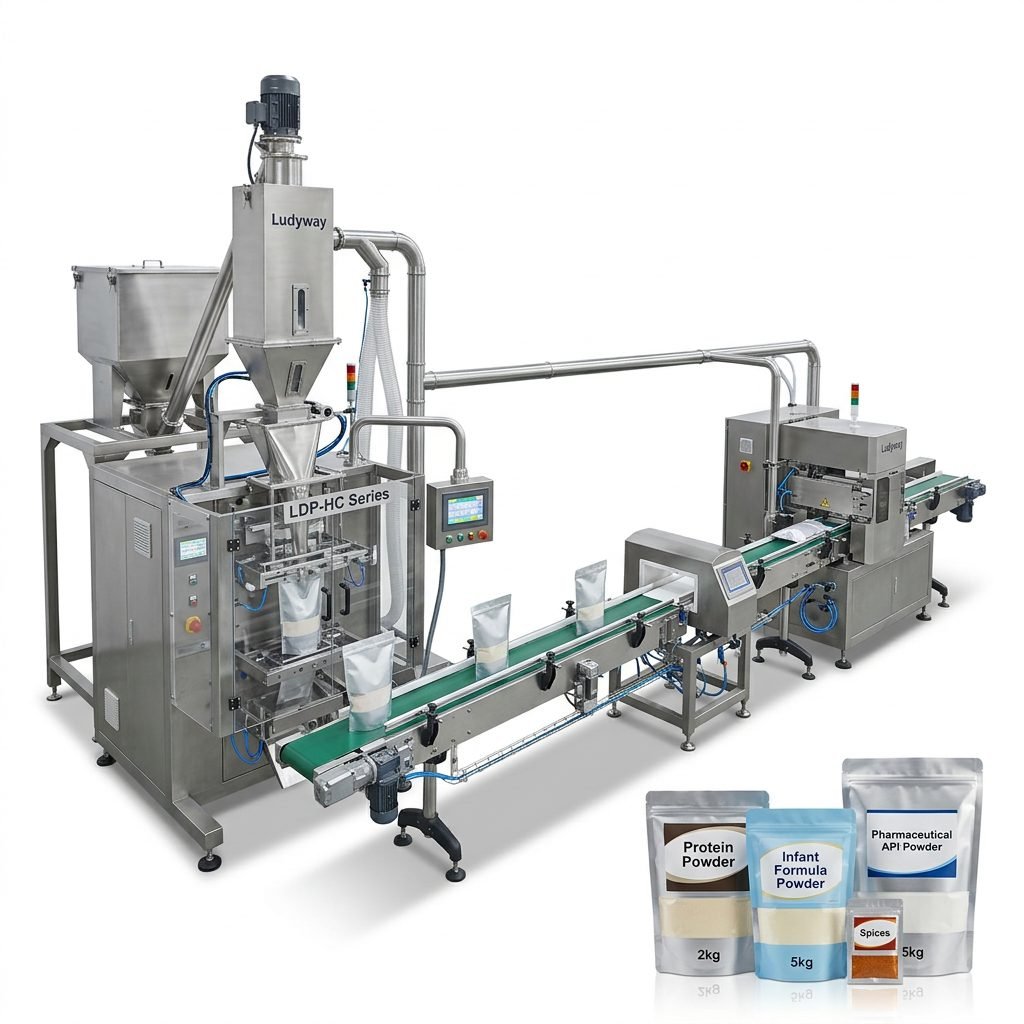
Modern machines can handle a wide range of tablet shapes, sizes, and materials, from standard round tablets to oblong caplets and soft gels. The core technology involves precise feeding systems, film unwinding and tension control, multi-lane forming, heat sealing, perforation, and cutting stations. Understanding these subsystems is the first step in evaluating machine quality and suitability for your packaging production line.
Key Factors to Consider Before Purchasing
Every manufacturing operation has unique requirements. Before contacting equipment suppliers, define your specifications clearly. The following factors will guide your decision-making process and help you communicate effectively with potential packaging machinery manufacturers.
Production Speed and Output Requirements
Machine speed is measured in strokes per minute or tablets per minute. A small-scale operation may need only 60-120 tablets per minute, while high-volume pharmaceutical producers often require 400-1,200 tablets per minute or more. Multi-lane configurations—typically 4, 6, 8, or 12 lanes—directly multiply throughput. When calculating required speed, factor in future growth projections and peak production demands rather than just current needs.
Tablet Specifications and Compatibility
Your machine must accommodate the exact dimensions, shape, and fragility of your product. Key tablet parameters include:
- Diameter and thickness range – Standard machines handle 5-25mm diameters, but confirm your specific requirements.
- Tablet shape – Round, oval, oblong, and irregular shapes may require different feeding and forming tooling.
- Product sensitivity – Effervescent, hygroscopic, or coated tablets need gentler handling and potentially enhanced sealing technology.
- Fragility and friability – Excessive mechanical stress during feeding can cause chipping or breakage.
Packaging Material Specifications
Strip packing typically uses laminate films combining multiple layers for barrier properties, sealability, and printability. Common materials include:
| Material Type | Barrier Properties | Typical Applications |
|---|---|---|
| Aluminum foil laminates | Excellent moisture, oxygen, and light barrier | Pharmaceuticals, effervescent tablets, hygroscopic products |
| Paper/Polyethylene/Foil/PE | Good barrier with printable outer layer | Nutraceuticals, OTC medicines, export products |
| Polyester/Foil/Polyethylene | High strength, excellent chemical resistance | Aggressive formulations, long shelf-life products |
| Cold-formable laminates | Near-complete barrier, deep draw capability | Large tablets, temperature-sensitive products |
Your flexible packaging material choice affects machine configuration, sealing temperature parameters, and tooling design. Confirm material compatibility with each machine under consideration.
Machine Configuration Options
Tablet strip packing machines come in various configurations to match different production scales and operational requirements. Understanding these options helps narrow your search.
Single-Lane vs. Multi-Lane Machines
- Single-lane machines – Suitable for small batches, R&D, and low-volume production. Simpler operation and lower initial investment.
- Multi-lane machines (4-12 lanes) – Designed for medium to high-volume production. Significantly higher output with comparable floor space to single-lane equipment.
Automation and Integration Features
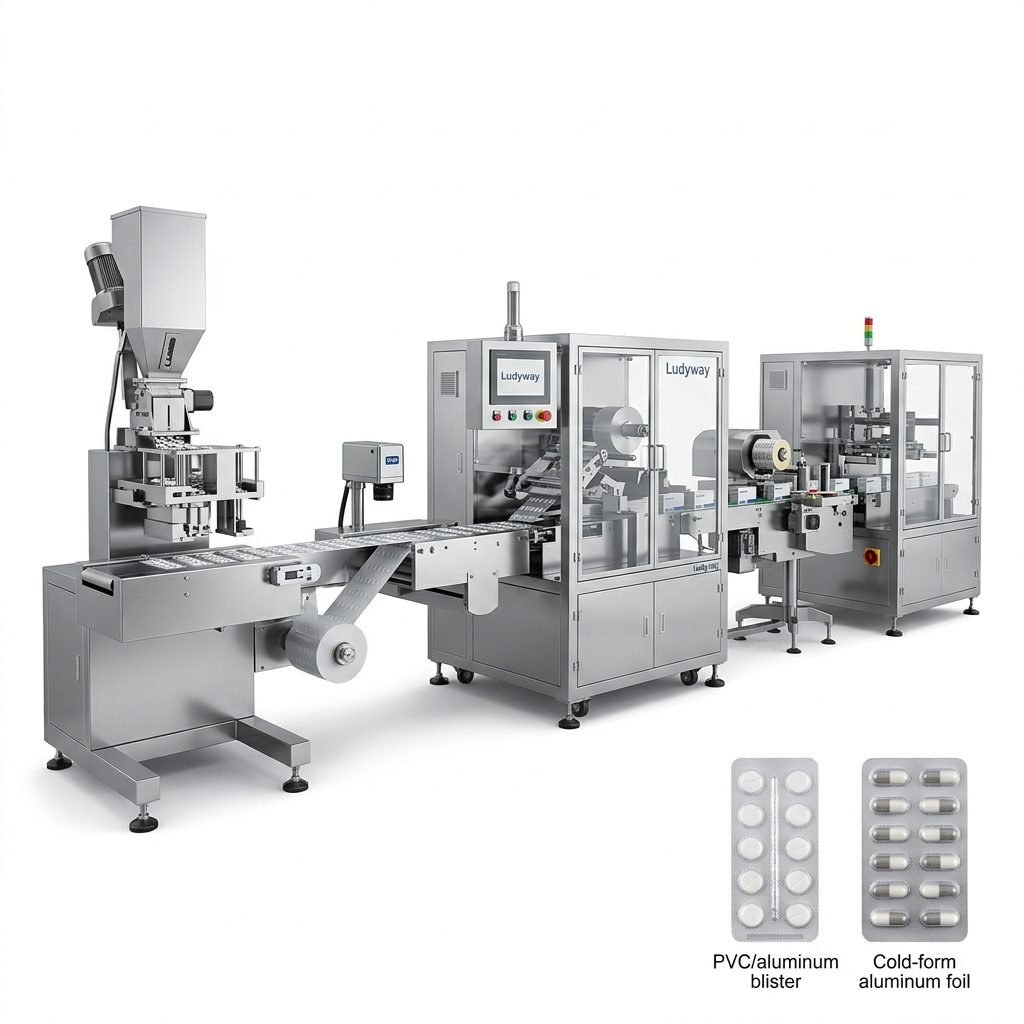
Modern machines offer varying degrees of automation, from basic operation to fully integrated packaging lines. Evaluate the following automation capabilities based on your operational needs and labor availability:
- Automatic tablet feeding systems – Vibratory or rotary feeders reduce manual loading requirements.
- Vision inspection systems – Detect missing, broken, or misaligned tablets before sealing.
- Print registration and coding – ISO-compliant batch coding, expiry date printing, and serialization capabilities.
- Perforation and cutting options – Adjustable strip length, easy-tear perforations, and individual sachet cutting.
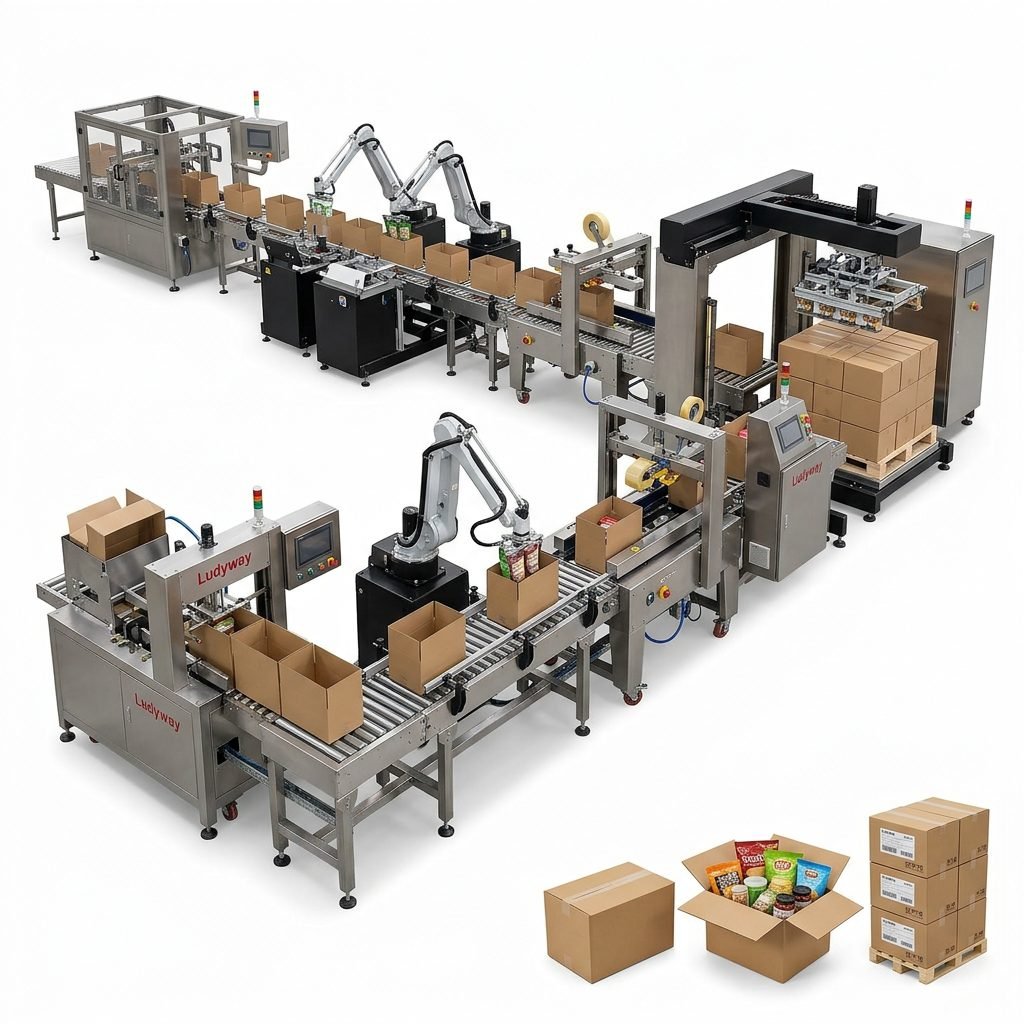
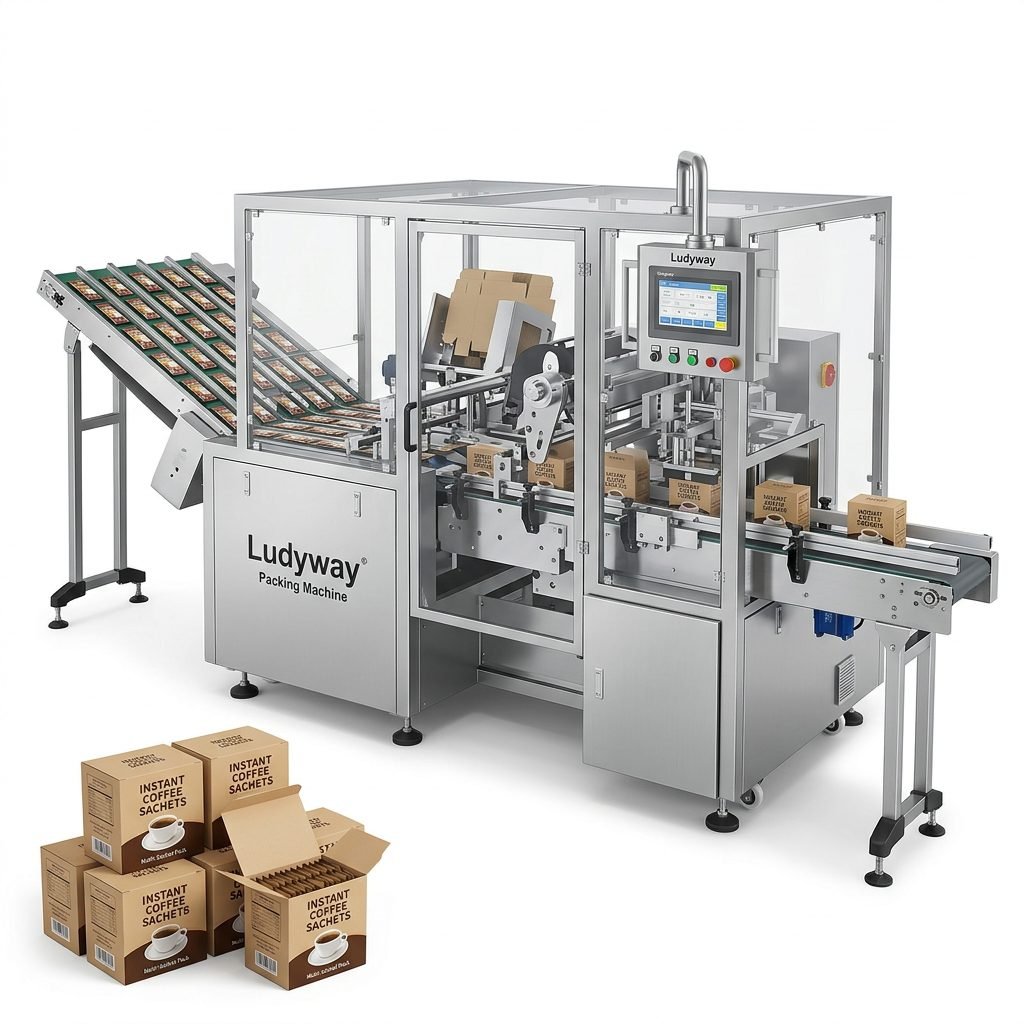
- Integration with cartoning machines – Automated transfer to cartoning, case packing, and palletizing systems.
Evaluating Machine Build Quality and Materials
The construction quality of a tablet strip packing machine directly affects longevity, maintenance requirements, and GMP compliance. Pharmaceutical-grade machines must meet stringent hygiene and safety standards.
- Frame construction – Stainless steel or anodized aluminum frames resist corrosion and facilitate cleaning.
- Product contact parts – Must be 316L stainless steel or FDA-approved materials.
- Sealing station – Precision-machined heated rollers or plates with accurate temperature control (±1°C).
- Electrical and control systems – Industrial-grade PLC, HMI touchscreen interface, and recognized brand components for reliability and spare parts availability.
Regulatory Compliance and Validation Support
For pharmaceutical applications, equipment must comply with regulatory requirements in your target markets. Key compliance considerations include:
| Regulation/Standard | Region | Key Requirements for Packaging Equipment |
|---|---|---|
| 21 CFR Part 211 | USA | Equipment design for cleanability, maintenance, and operation within validated parameters |
| EU GMP Annex 11 | Europe | Computerized system validation, audit trails, and data integrity |
| ISO 15378 | International | Primary packaging materials quality management for medicinal products |
| CE Marking | Europe | Compliance with applicable EU machinery safety and EMC directives |
Request documentation packages including IQ/OQ/PQ protocols, material certificates, and GMP compliance statements during the evaluation process. Suppliers with pharmaceutical packaging experience will have these documents readily available. For more details on standards, refer to PMMI business intelligence resources.
Cost Considerations Beyond the Purchase Price
The initial machine purchase price is only one component of total cost of ownership. A comprehensive financial analysis should include:
- Installation and commissioning – Travel, labor, and facility preparation costs.
- Tooling and change parts – Format-specific tooling for different tablet sizes and strip configurations.
- Spare parts inventory – Recommended spare parts for the first 1-2 years of operation.
- Maintenance and service contracts – Preventative maintenance schedules and emergency support coverage.
- Operator training – Comprehensive training programs for operators and maintenance technicians.
- Energy consumption and consumables – Ongoing operational costs for power, compressed air, and wear items.
Supplier Evaluation Criteria
Selecting the right equipment partner is as important as selecting the right machine. When evaluating suppliers, consider these critical factors:
Industry Experience and References
A supplier with proven pharmaceutical packaging experience brings valuable application knowledge, regulatory awareness, and reliability. Request customer references, case studies, and if possible, arrange to visit existing installations. A supplier with more than 30 years of packaging industry experience, such as Ludyway Machinery, combines manufacturing expertise with engineering capabilities and automation technology to deliver customized packaging solutions across multiple industries including pharmaceuticals, nutraceuticals, and healthcare products.
Technical Support and After-Sales Service
Packaging equipment represents a long-term investment. Evaluate the supplier’s support infrastructure:
- Response time guarantees for technical inquiries and service requests.
- Remote diagnostic capabilities for faster troubleshooting.
- Spare parts availability and delivery timelines for critical components.
- Local service presence or authorized service partners in your region.
- Training programs for operators, maintenance staff, and engineers.
Common Mistakes to Avoid
Drawing on lessons from numerous packaging projects, here are pitfalls to watch for during the procurement process:
- Underestimating future capacity needs – Purchasing a machine that meets current demand but cannot scale with business growth leads to costly replacements or additions later.
- Overlooking material compatibility – Not all machines handle every packaging material equally well. Test your specific materials during the evaluation phase.
- Ignoring validation requirements – For pharmaceutical applications, factor in validation documentation, protocols, and execution time from the start.
- Focusing solely on purchase price – A lower-priced machine with inferior reliability, higher maintenance costs, or limited support can be far more expensive over its lifecycle.
- Inadequate operator training – Even the best equipment underperforms without properly trained operators and maintenance personnel.
Making the Final Decision
After evaluating the technical specifications, supplier qualifications, and total cost of ownership, conduct a structured comparison of your shortlisted options. Create a weighted scoring matrix that reflects your priorities—whether that’s speed, flexibility, regulatory support, or supplier reliability. Whenever possible, perform factory acceptance testing (FAT) with your actual products and materials before finalizing the purchase.
The 2026 packaging industry outlook indicates continued growth in pharmaceutical flexible packaging demand, making now an opportune time to invest in efficient, compliant equipment. A thorough evaluation process ensures your chosen tablet strip packing machine will deliver reliable performance, regulatory compliance, and strong return on investment for years to come.