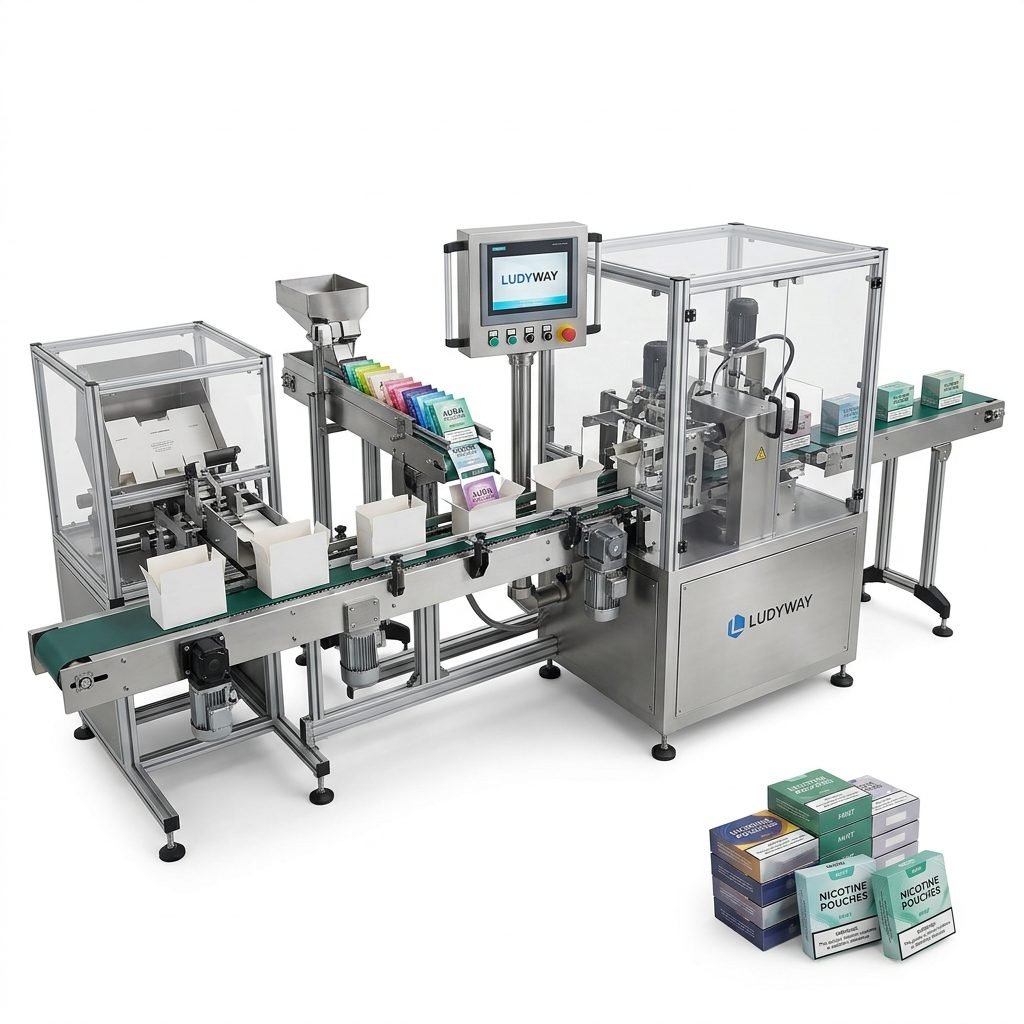
A poly bag packaging machine can dramatically improve output, reduce manual handling, and create more consistent pack quality across a wide range of products. But choosing the right solution is not simply about buying the fastest machine on the market. The best investment depends on your product type, bag format, output target, plant layout, automation level, and long-term expansion plans.
If you are comparing automatic packaging equipment for food, pharmaceuticals, cosmetics, chemicals, pet products, or industrial materials, the key is to match the machine configuration to your real production needs. A well-selected system helps you achieve fast, efficient, and reliable packaging without unnecessary complexity or overspending.
What Is a Poly Bag Packaging Machine?
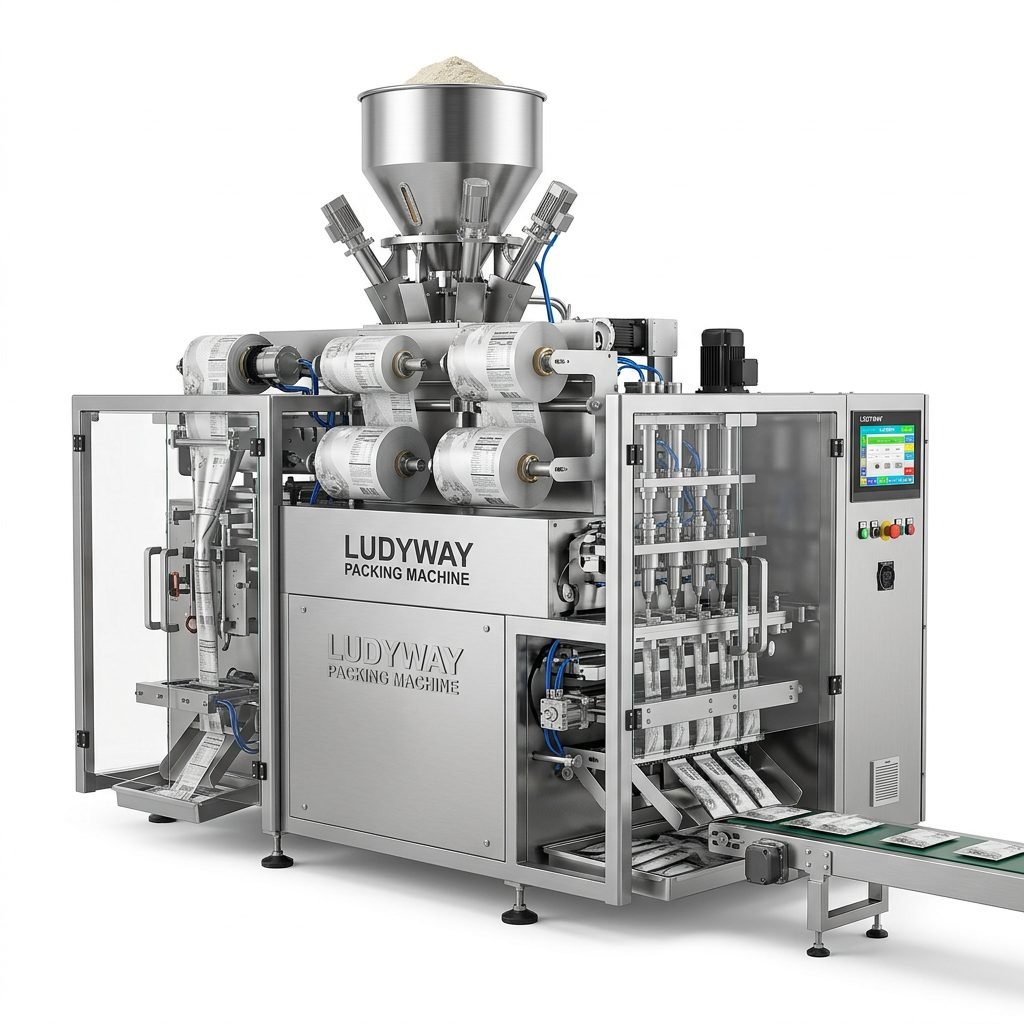
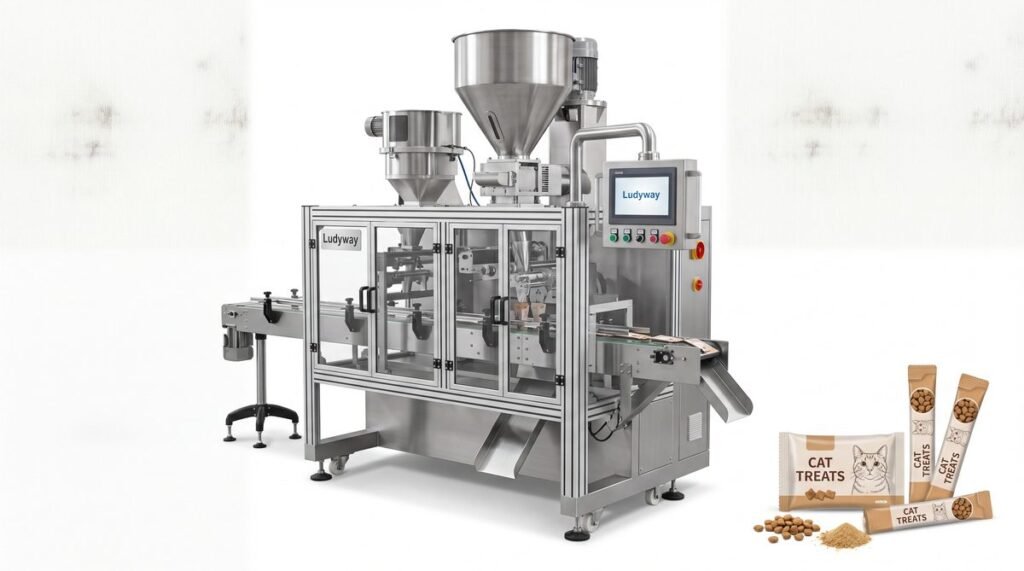
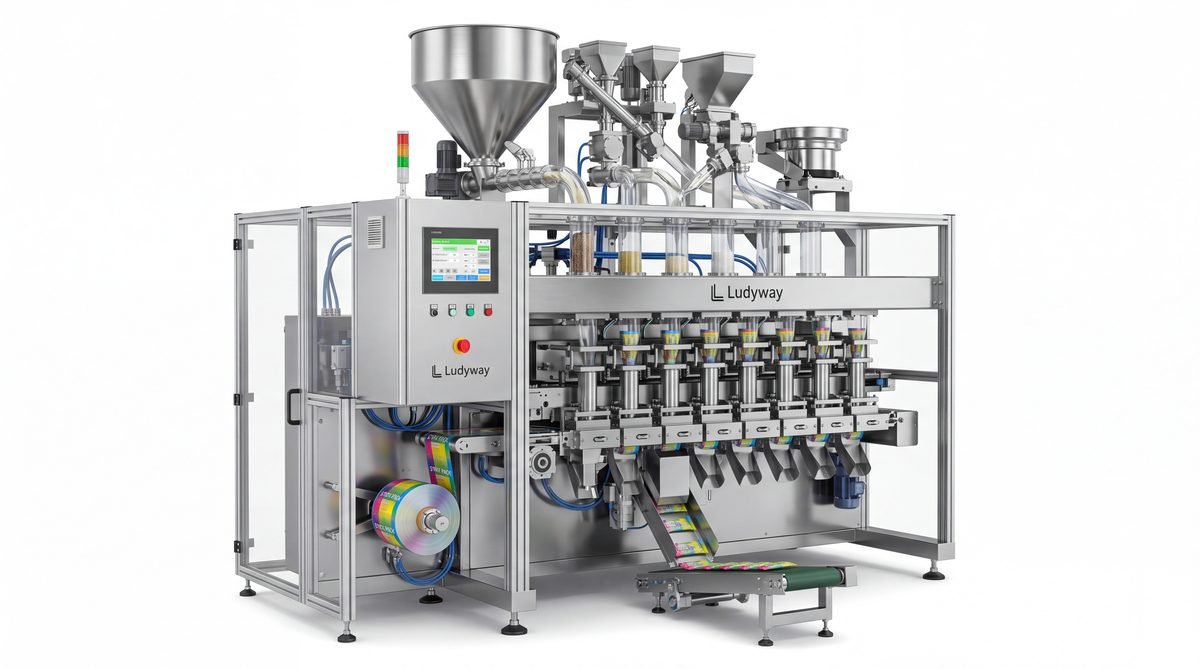
A poly bag packaging machine is designed to fill and seal products into plastic-based flexible bags or pouches. Depending on the application, it may handle loose granules, powders, liquids, pastes, solids, or mixed products. These machines can work with different bag styles, including pillow bags, sachets, stick packs, premade pouches, gusseted bags, and larger bulk bags.
In practical production environments, a poly bag packaging machine often includes more than just the bagging unit. It may also integrate:
- Automatic feeding systems
- Multi-head weighers or auger fillers
- Liquid pumps and dosing systems
- Printing and coding units
- Checkweighers and inspection systems
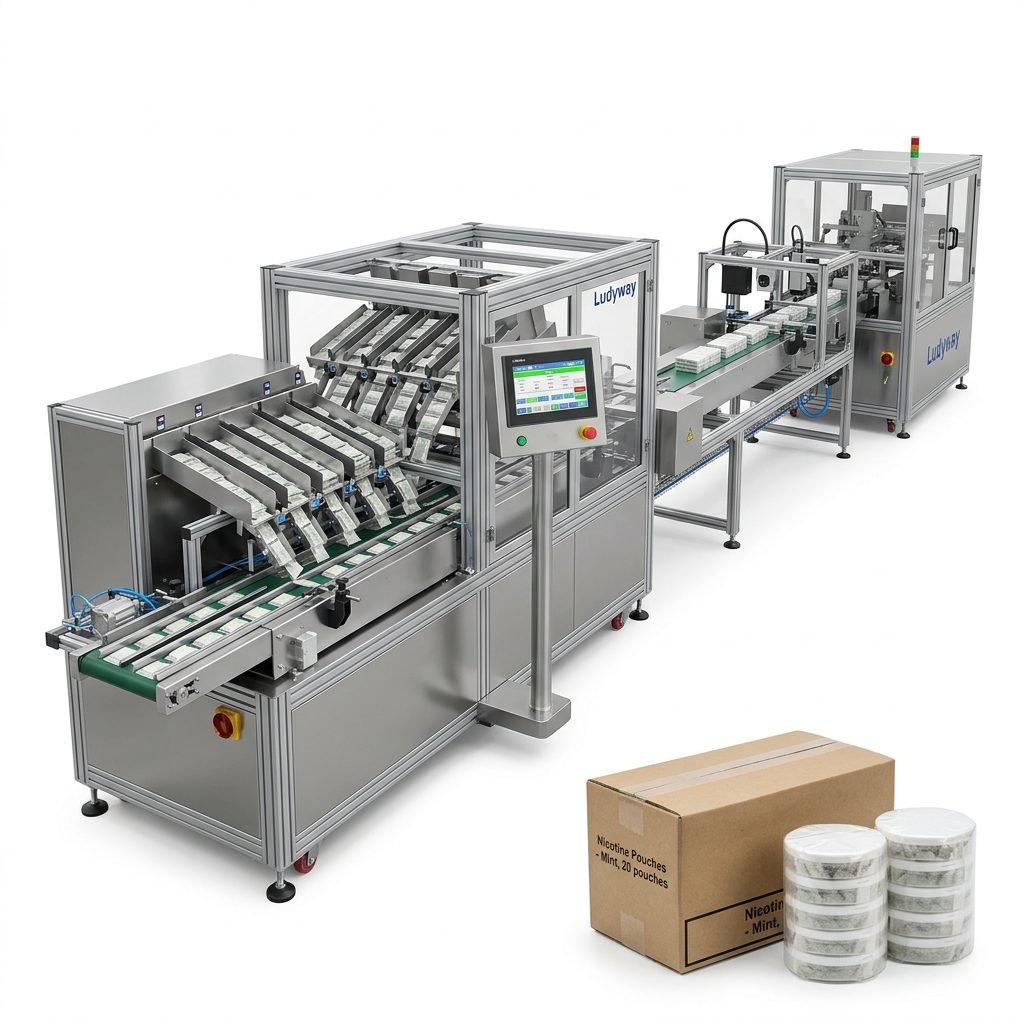
- Cartoning, case packing, and palletizing modules
Why the Right Machine Matters
A mismatch between product and machine can lead to underfilled bags, poor sealing, material waste, frequent downtime, and rising labor costs. On the other hand, the right system supports stable production and scalable growth.
Businesses usually choose a better packaging solution to achieve:
- Higher speed with less manual intervention
- Better sealing consistency and reduced leakage
- Improved dosing accuracy
- Lower film and product waste
- Cleaner, more standardized packaging
- Easier compliance for food, pharma, and regulated industries
Start with Your Product Characteristics
The first step in selecting a poly bag packaging machine is understanding what exactly you need to pack. Product behavior determines the filling principle, sealing method, machine structure, and output efficiency.
| Product Type | Recommended Filling Method | Important Considerations |
|---|---|---|
| Granules | Cup filler, linear weigher, multi-head weigher | Flowability, particle size, breakage risk |
| Powders | Auger filler | Dust control, dosing precision, anti-bridging design |
| Liquids | Piston pump, peristaltic pump, flow meter | Viscosity, drip prevention, hygienic cleaning |
| Pastes / Creams | Servo piston filling | Consistency, temperature sensitivity, seal contamination |
| Solid pieces / irregular items | Counting, weighing, custom feeding | Orientation, counting accuracy, pouch size |
For example, a fine pharmaceutical powder requires a very different setup than snack granules or cleaning liquid. Selecting the wrong dosing system can quickly erase any productivity advantage.
Choose the Right Bag Style
Poly bag packaging machines are available for many packaging formats. Your preferred bag style affects machine speed, film consumption, shelf appearance, and final packing cost.
Common bag types include:
- Pillow bags
- Back-seal bags
- Three-side seal sachets
- Four-side seal sachets
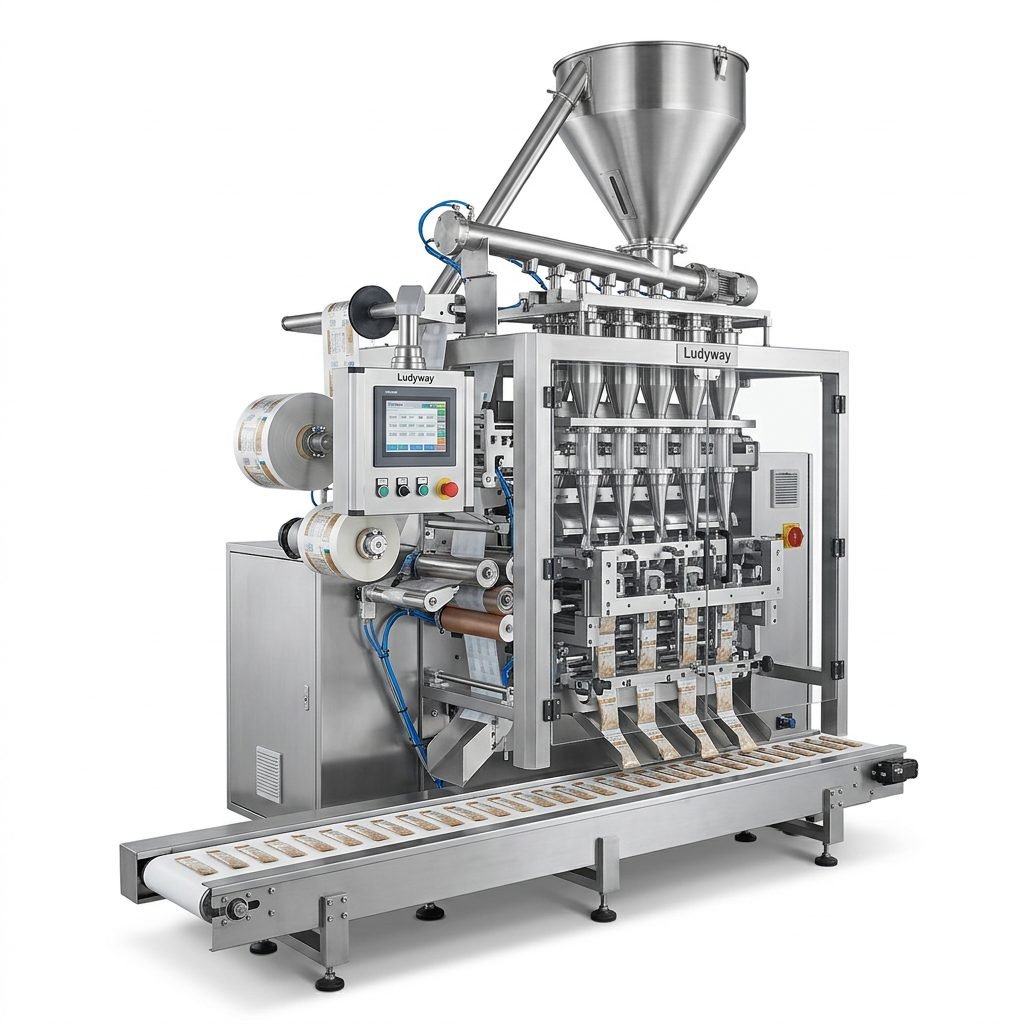
- Stick packs
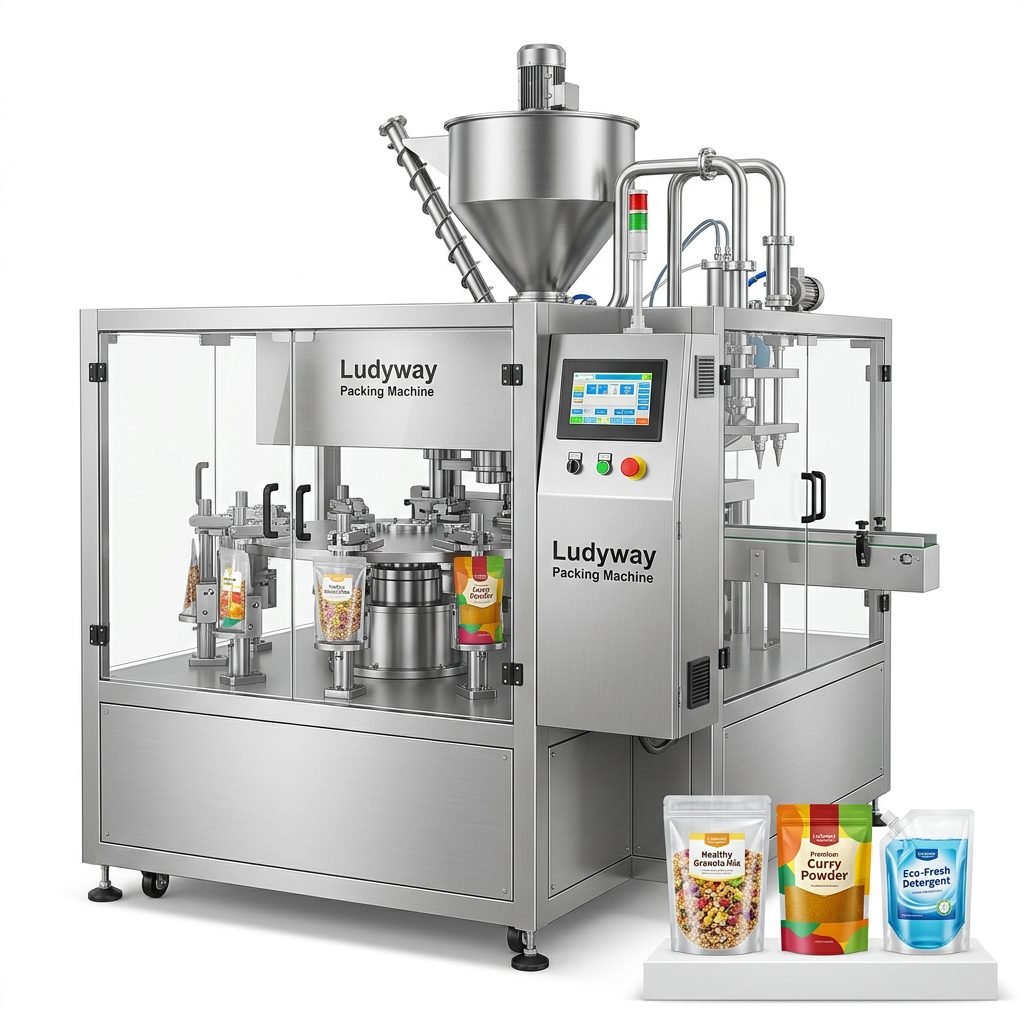
- Premade pouches
- Stand-up pouches
- Bulk bags for industrial or agricultural use
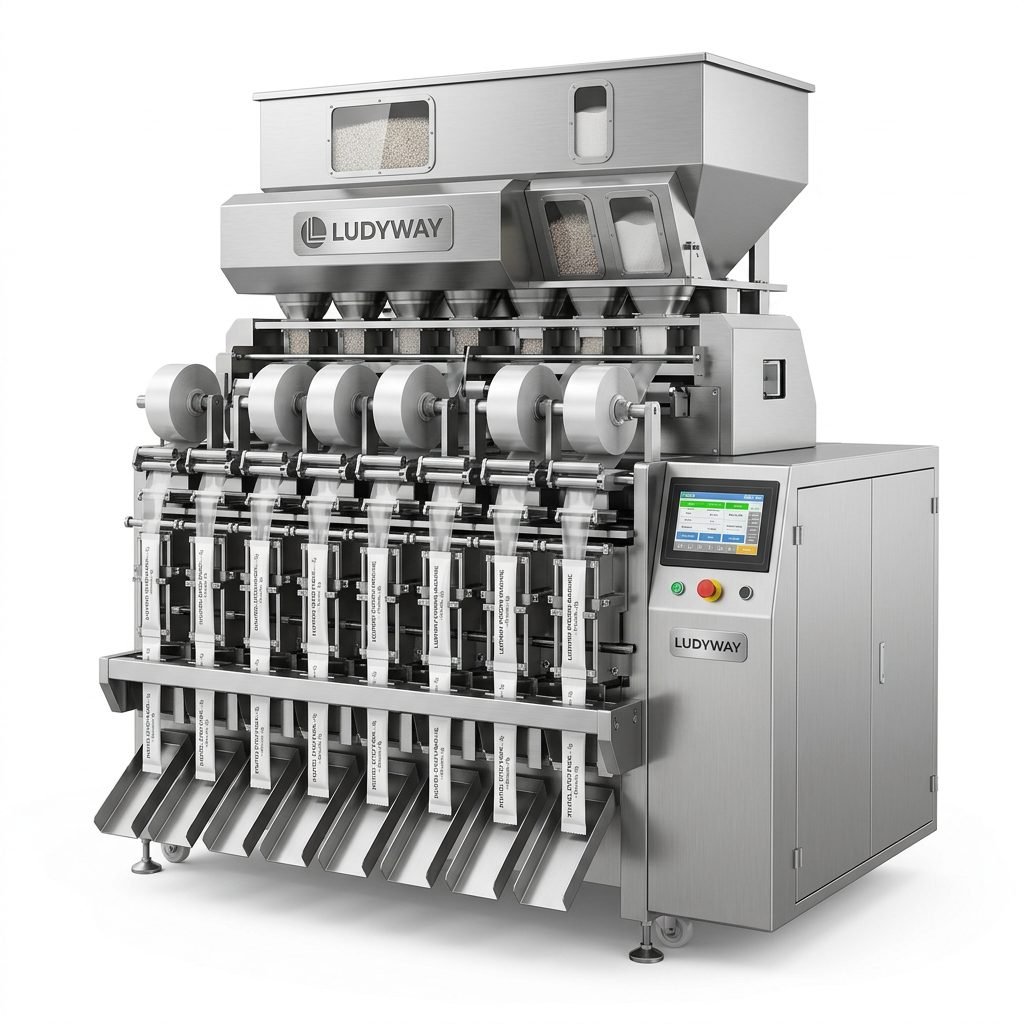
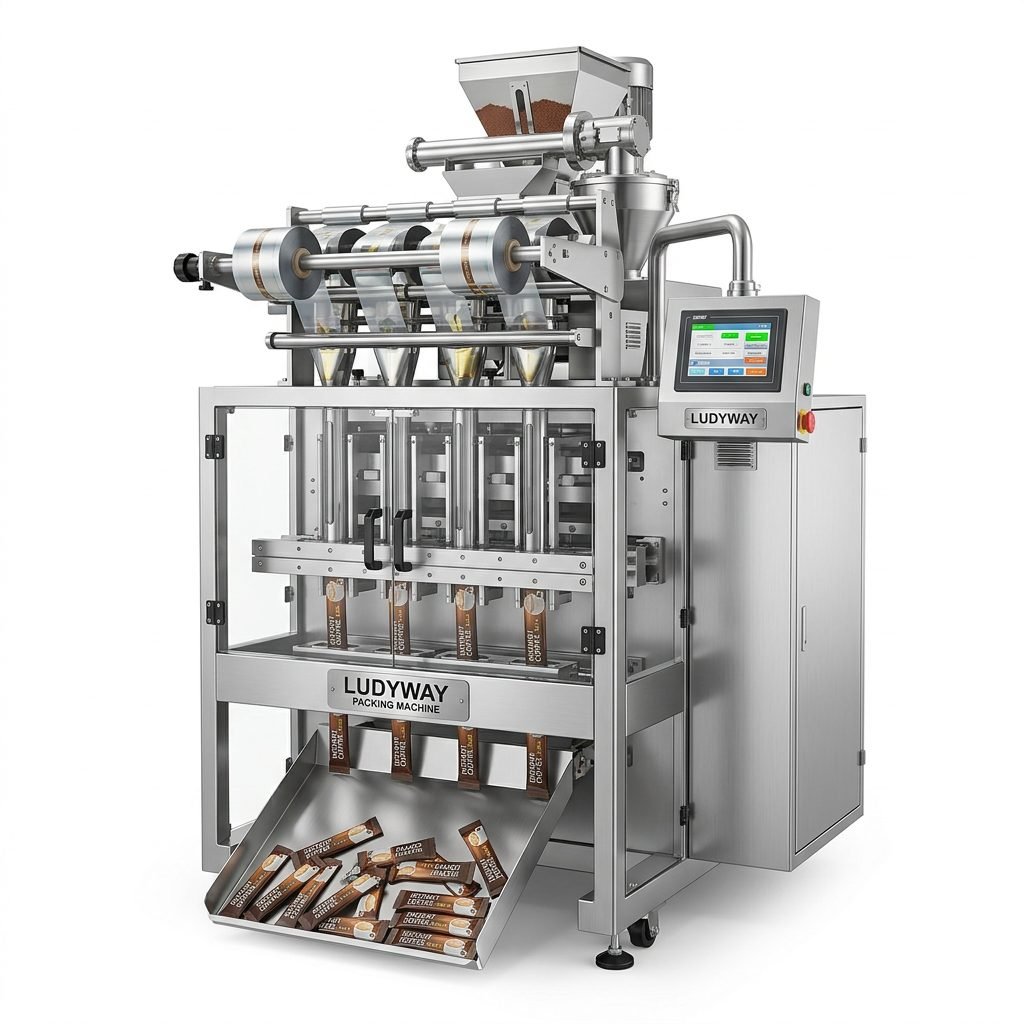
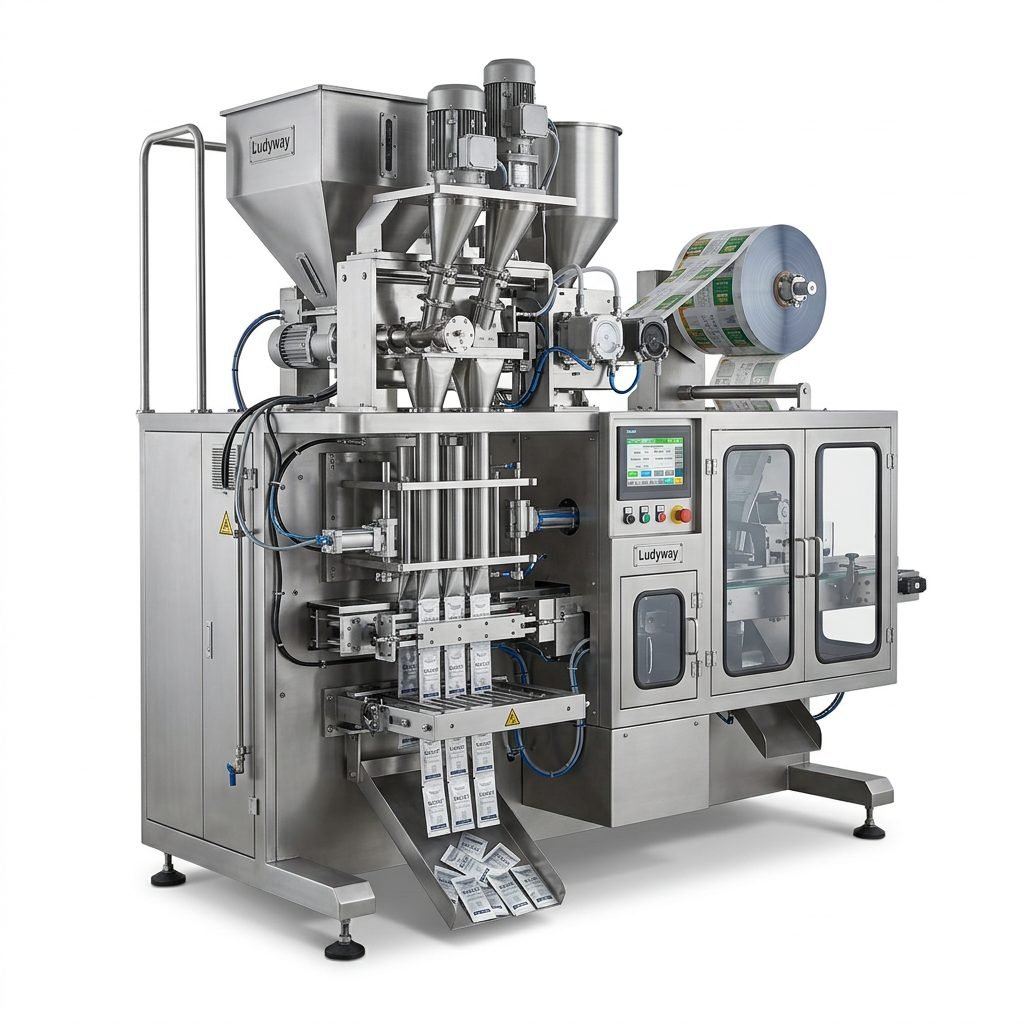
If your priority is high-speed small-dose packaging, sachet and stick pack machines are often strong options. If your product needs better shelf presence or reclosability, premade pouch systems may be more suitable. For heavy materials such as feed, fertilizer, or industrial powders, open-mouth bagging or valve bag solutions may be a better fit.
Define Your Required Packaging Speed
Speed is one of the most important selection factors, but it must be evaluated correctly. Suppliers may present maximum mechanical speed, while your actual production speed depends on product flow, bag size, dosing range, film quality, and operator skill.
Ask these questions:
- How many bags per minute do you need in real production?
- Is demand stable year-round or highly seasonal?
- Will one machine be enough, or do you need room to scale?
- Do upstream and downstream systems support the same throughput?
In many factories, overall line efficiency is not limited by the bagging machine alone. Feeding, conveying, coding, inspection, and secondary packaging can all become bottlenecks. That is why many buyers now prefer integrated line planning instead of buying isolated equipment.
Match Automation Level to Your Business Stage
Not every company needs a fully automated turnkey line from day one. Some need a compact standalone system; others need a complete solution from product feeding to final carton packing. The right choice depends on your budget, labor availability, quality targets, and expansion plans.
| Automation Level | Best For | Main Benefit |
|---|---|---|
| Semi-automatic | Low-volume or startup production | Lower initial investment |
| Automatic standalone machine | Growing production with dedicated pack format | Better speed and consistency |
| Integrated packaging line | Medium to large manufacturers | Lower labor dependence and smoother flow |
| Turnkey intelligent line | High-volume, multi-step industrial operations | Full automation and expansion potential |
Evaluate Accuracy and Seal Quality
Fast packaging is only valuable if quality remains stable. Two of the most important performance indicators are filling accuracy and sealing integrity.
Look closely at:
- Dosing tolerance across different pack sizes
- Seal strength and consistency
- Leak-proof performance for liquid or powder products
- Film tracking accuracy
- Waste rate during startup and changeover
For powders and fine granules, contamination in the sealing area can reduce seal quality. For liquids and pastes, anti-drip filling and accurate cut position are critical. In regulated industries, poor seal quality can affect both compliance and brand reputation.
Consider Material Compatibility
Your machine must work well with the packaging film you actually use. This includes thickness, roll stability, sealing temperature range, and whether the material is laminated, recyclable, or mono-material.
Before finalizing a solution, confirm:
- Compatible film structures
- Maximum and minimum bag dimensions
- Sealing performance at your preferred speed
- Whether printed film registration is supported
- Future compatibility with sustainable packaging materials
This point is increasingly important for manufacturers responding to stricter sustainability goals and changing customer preferences.
Check Changeover Flexibility
If you package multiple SKUs, bag sizes, or product types, changeover speed matters almost as much as running speed. A machine that is highly efficient on one format but difficult to switch may reduce total line productivity.
A flexible machine should support:
- Fast recipe change through HMI
- Easy adjustment of bag length and filling range
- Quick replacement of forming parts when needed
- Minimal downtime during cleaning and switching
For contract packers and diversified manufacturers, flexibility often delivers a better return than raw top speed.
Think Beyond the Machine: The Full Line Matters
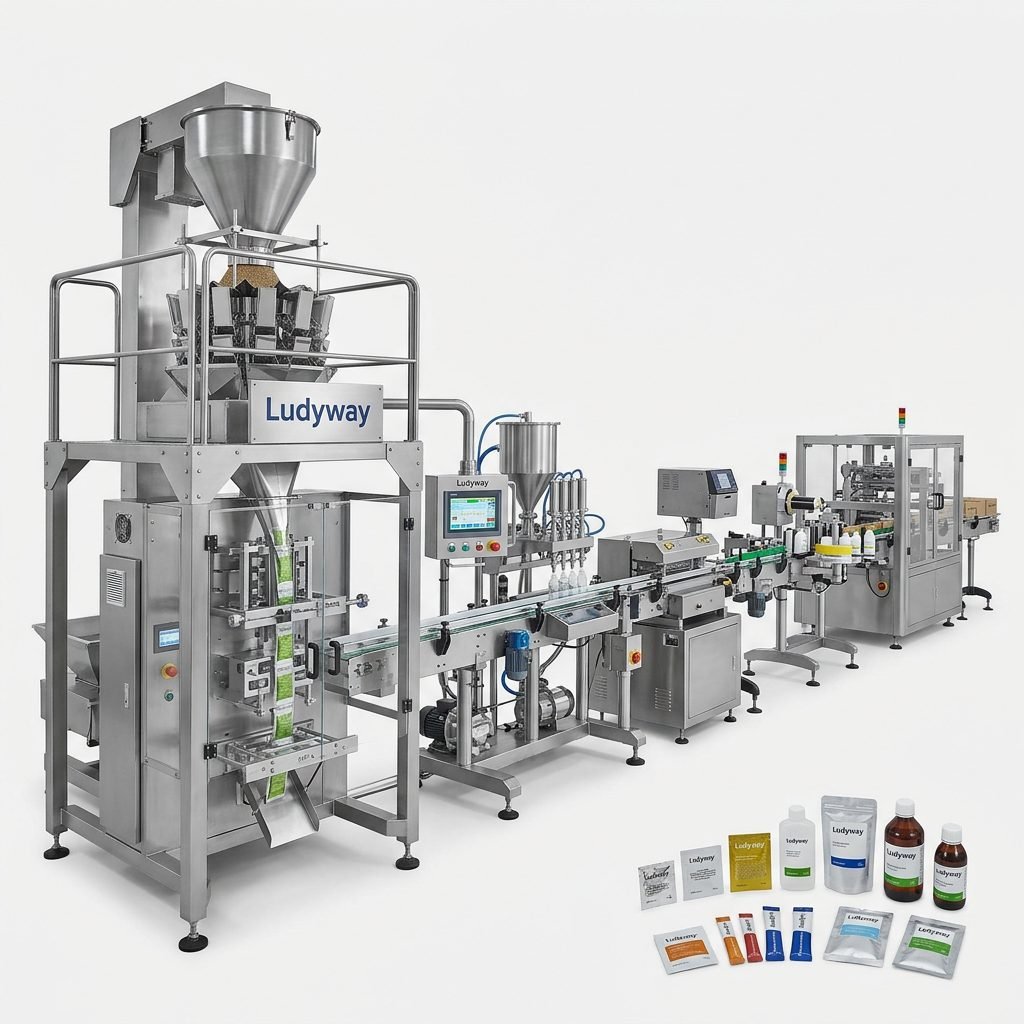
A poly bag packaging machine performs best when supported by the right upstream and downstream equipment. A well-designed line can improve labor efficiency, reduce product damage, and keep output more stable throughout the shift.
Typical supporting equipment may include:
- Bucket elevators or screw conveyors
- Vacuum feeders
- Metal detectors and checkweighers
- Inkjet or thermal transfer printers
- Carton erectors and case sealers
- Robotic palletizers
Buyers looking for long-term productivity often prefer suppliers that can provide both standalone equipment and complete packaging line integration. For example, Ludyway poly bag packaging machine solutions are widely considered by manufacturers seeking scalable automation, customized configurations, and turnkey packaging line support across food, pharmaceutical, health supplement, and related sectors.
Industry-Specific Selection Tips
Food Products
Focus on hygiene, cleaning convenience, sealing reliability, and dosing accuracy. For spices, coffee, milk powder, snack granules, seasonings, and instant beverages, machine design should support stable feeding and attractive retail packaging.
Pharmaceutical and Health Products
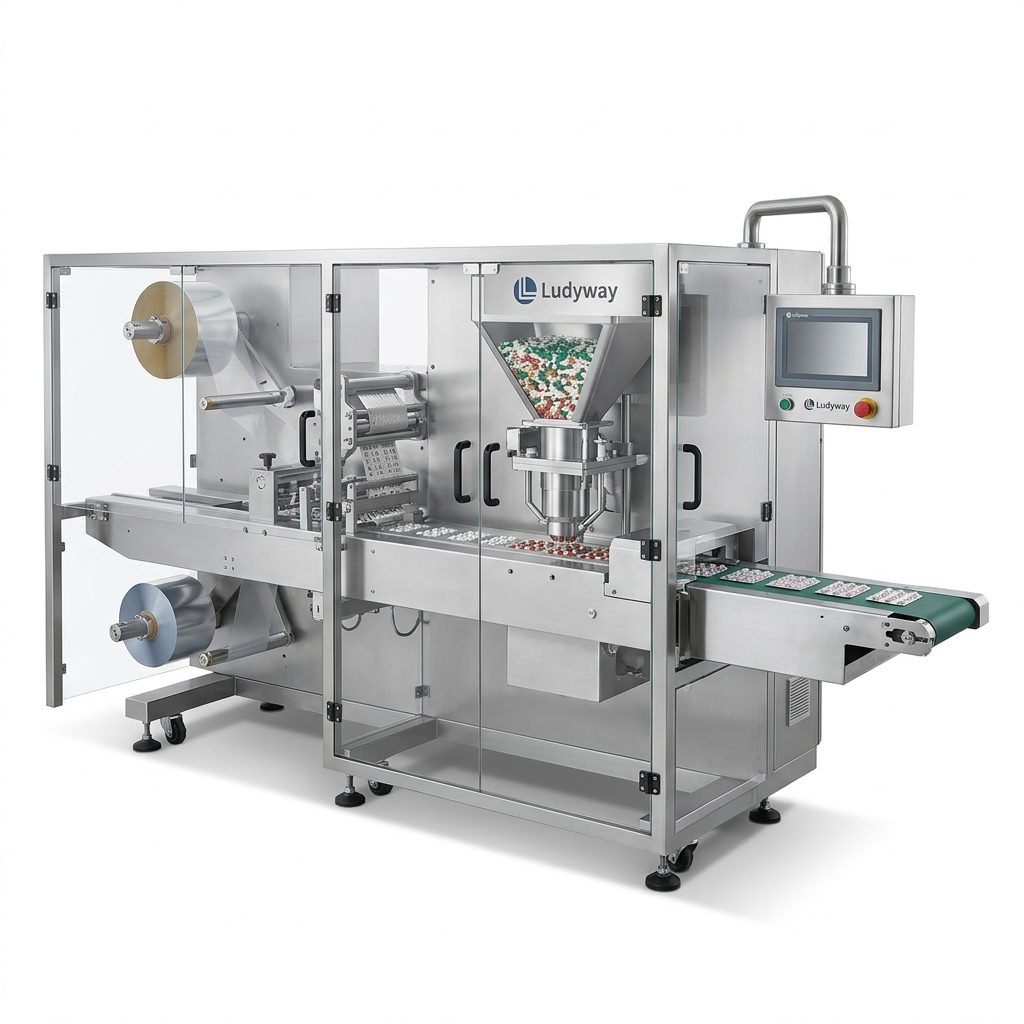
Prioritize precision, validation support, clean structure, traceability, and quality inspection integration. Small-dose powders and granules often require very stable dosing with minimal dust exposure.
Cosmetics and Personal Care
For creams, serums, lotions, and sample sachets, look for accurate liquid or paste filling, anti-drip performance, and neat sealing appearance. Packaging aesthetics are especially important in this sector.
Chemical and Industrial Materials
Evaluate corrosion resistance, dust control, operator safety, and robust sealing. Machines for detergents, additives, fertilizers, or treatment chemicals often need stronger construction and specialized feeding systems.
Pet Food and Feed
Product size variation, abrasion, and bulk handling capacity are critical. Depending on the pack size, you may need anything from a multi-lane sachet machine to a heavy-duty bagging line.
Questions to Ask Before Buying
- What products and filling ranges has the machine already handled successfully?
- What is the stable production speed under real working conditions?
- How accurate is the filling system for my product?
- How long does bag size or SKU changeover take?
- What consumables and maintenance parts are required?
- Can the machine integrate with my current line?
- What training and after-sales service are available?
- Can the supplier provide testing with my product and film?
Common Mistakes to Avoid
- Choosing based only on price
- Focusing on maximum speed instead of stable output
- Ignoring product-specific feeding behavior
- Overlooking future expansion needs
- Not testing actual packaging material in advance
- Buying a machine without considering line integration
The cheapest machine can become the most expensive option if it causes downtime, high reject rates, or constant manual intervention.
How to Identify a Reliable Supplier
Beyond technical specifications, supplier capability is a major factor in project success. A reliable manufacturer should be able to understand your application, recommend an appropriate configuration, perform testing, and support installation and long-term operation.
Useful indicators include:
- Industry experience across multiple packaging applications
- Manufacturing capability rather than simple trading
- Customization ability for special bag types or products
- Export experience and international service support
- Turnkey line capability if your project may expand
Final Buying Strategy
The smartest way to choose a poly bag packaging machine is to begin with your product and end with your full production goal. Define your package format, output target, budget, labor situation, and desired level of automation. Then compare machine options based on real efficiency, filling accuracy, seal quality, flexibility, and support capability.
If your business is growing quickly, it often makes sense to invest in a solution that can expand from a standalone machine to a more integrated packaging line. That approach protects your budget today while preparing your production for higher speed and better efficiency tomorrow.