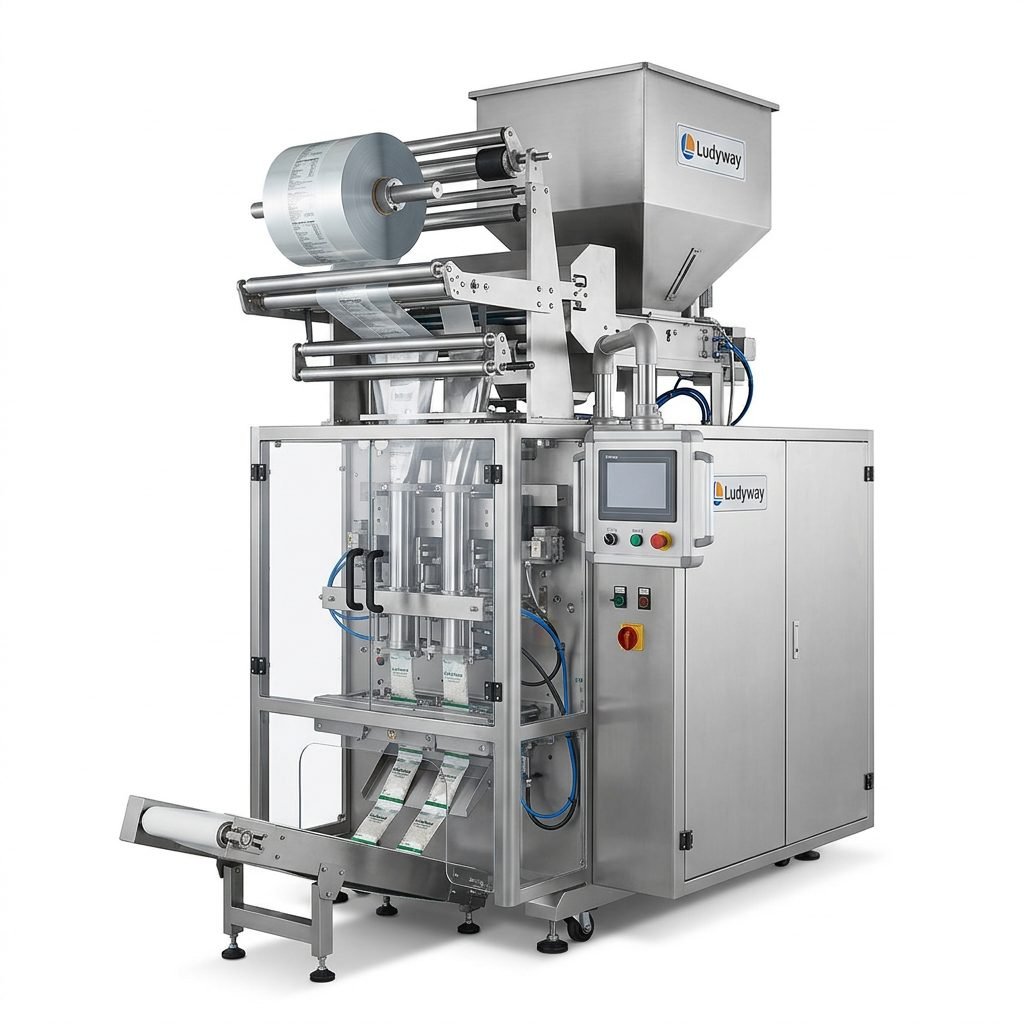
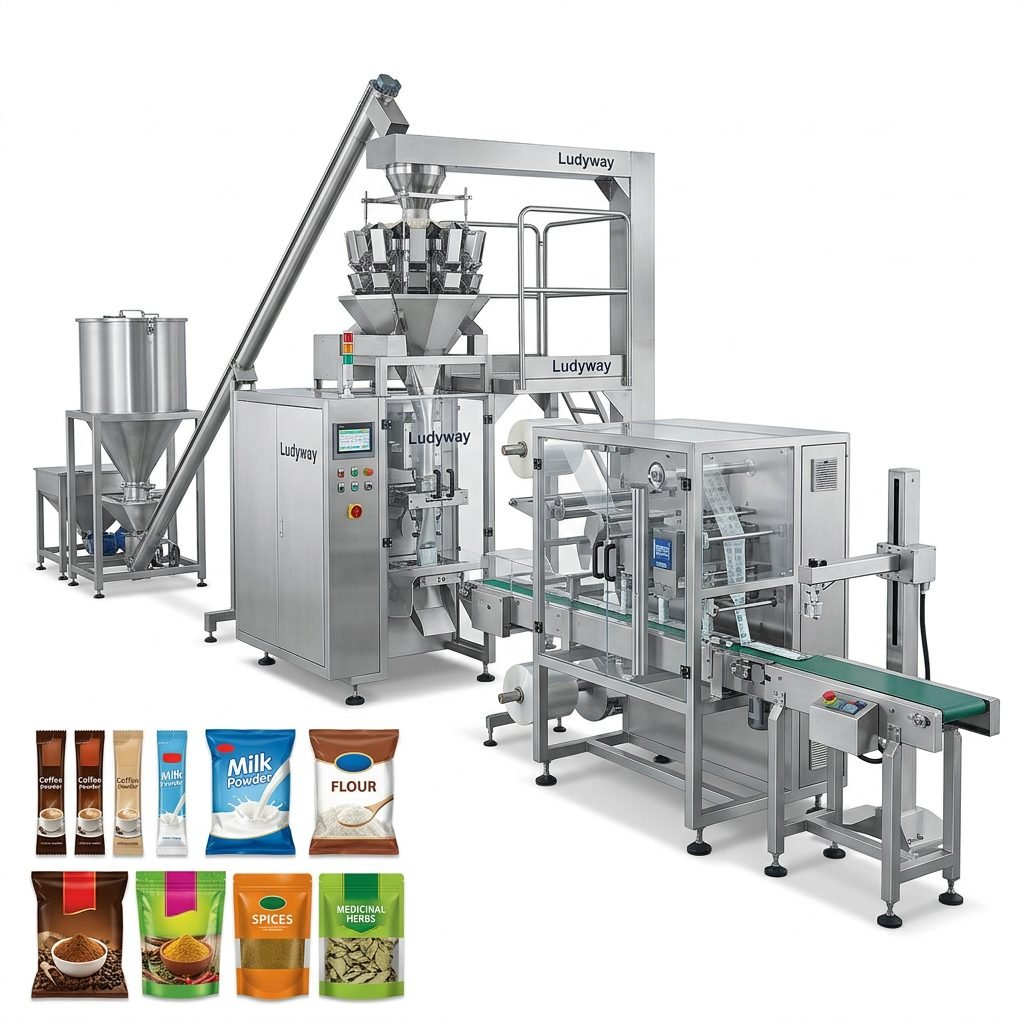
Asia has firmly established itself as the global epicenter for confectionery packaging machinery manufacturing. With countries like China, India, Japan, and South Korea leading innovation, businesses worldwide are increasingly turning to Asian suppliers for cost-effective, high-speed, and technologically advanced packaging solutions. Whether you are a startup launching a new candy brand or an established confectionery manufacturer scaling production, understanding how to navigate the Asian market is critical to making a smart investment.
Understanding the Asian Confectionery Packaging Machine Market
The confectionery sector demands packaging equipment that can handle diverse products — from hard candies and gummies to chocolate bars and lollipops. Asian manufacturers have responded by developing versatile machines that accommodate various formats, including stick packs, sachets, pouches, and flow wraps. The region’s dominance is supported by robust supply chains, skilled engineering talent, and continuous investment in automation technology. According to the PMMI State of the Industry 2026 report, packaging machinery demand continues to grow steadily across food and confectionery segments globally, with Asia playing a pivotal role in meeting this demand.
Types of Confectionery Packaging Machines Available
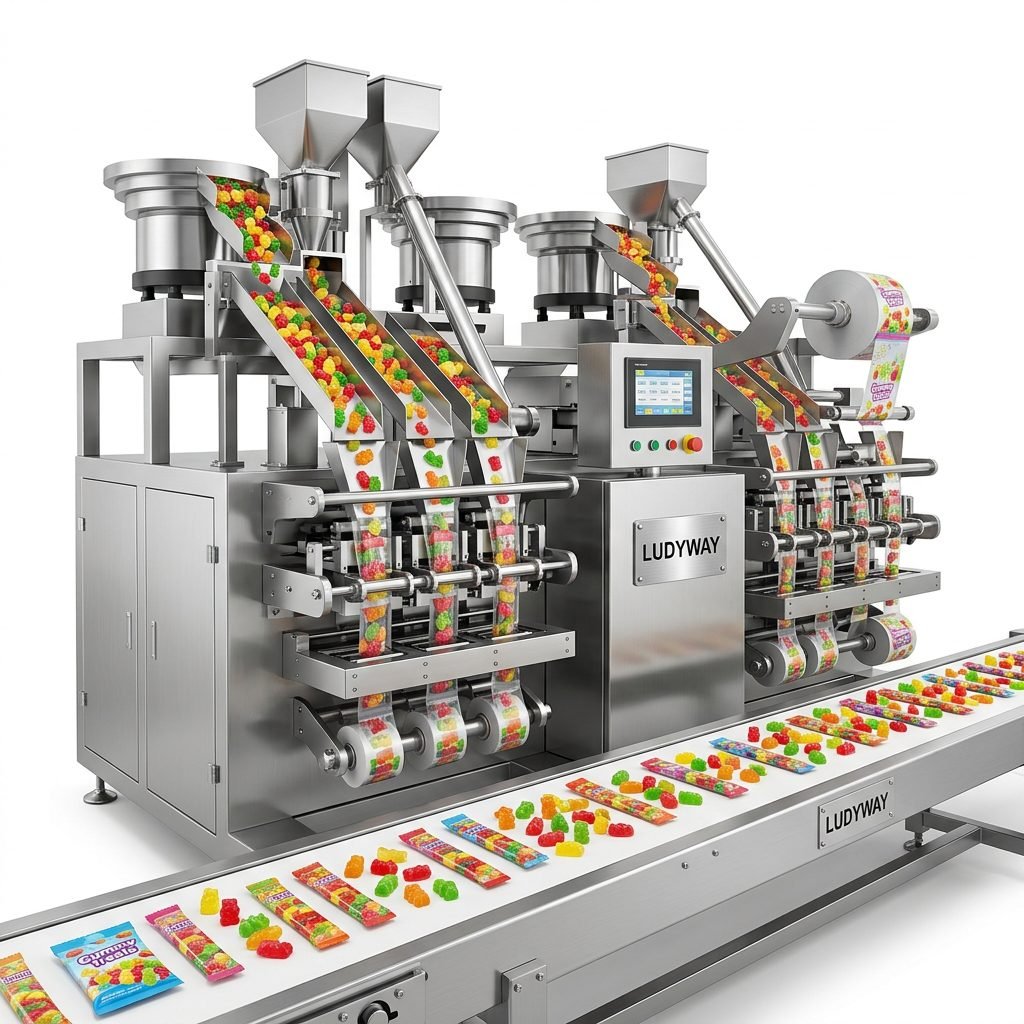
Asian suppliers offer a wide array of equipment tailored to different production scales and packaging formats. Understanding the distinctions between machine types is essential before making a purchase decision.
Stick Pack Machines
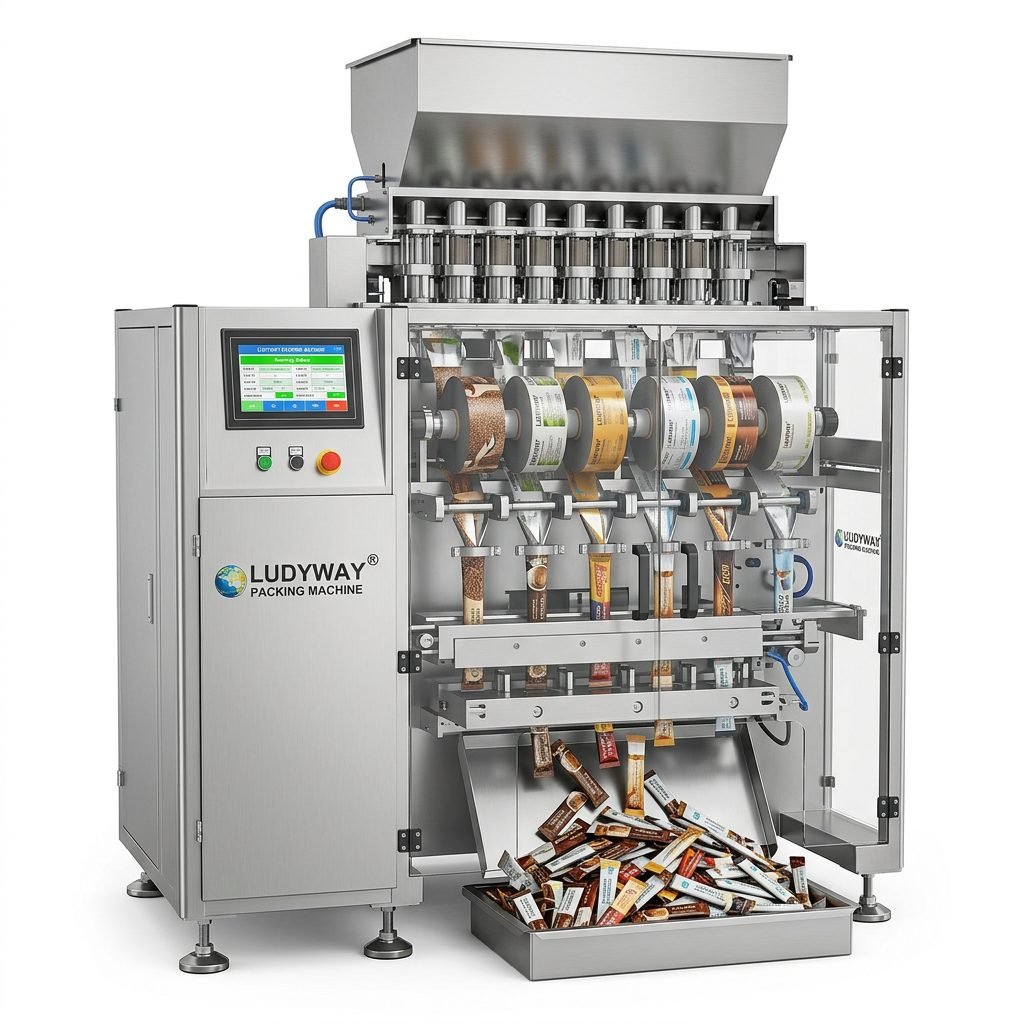
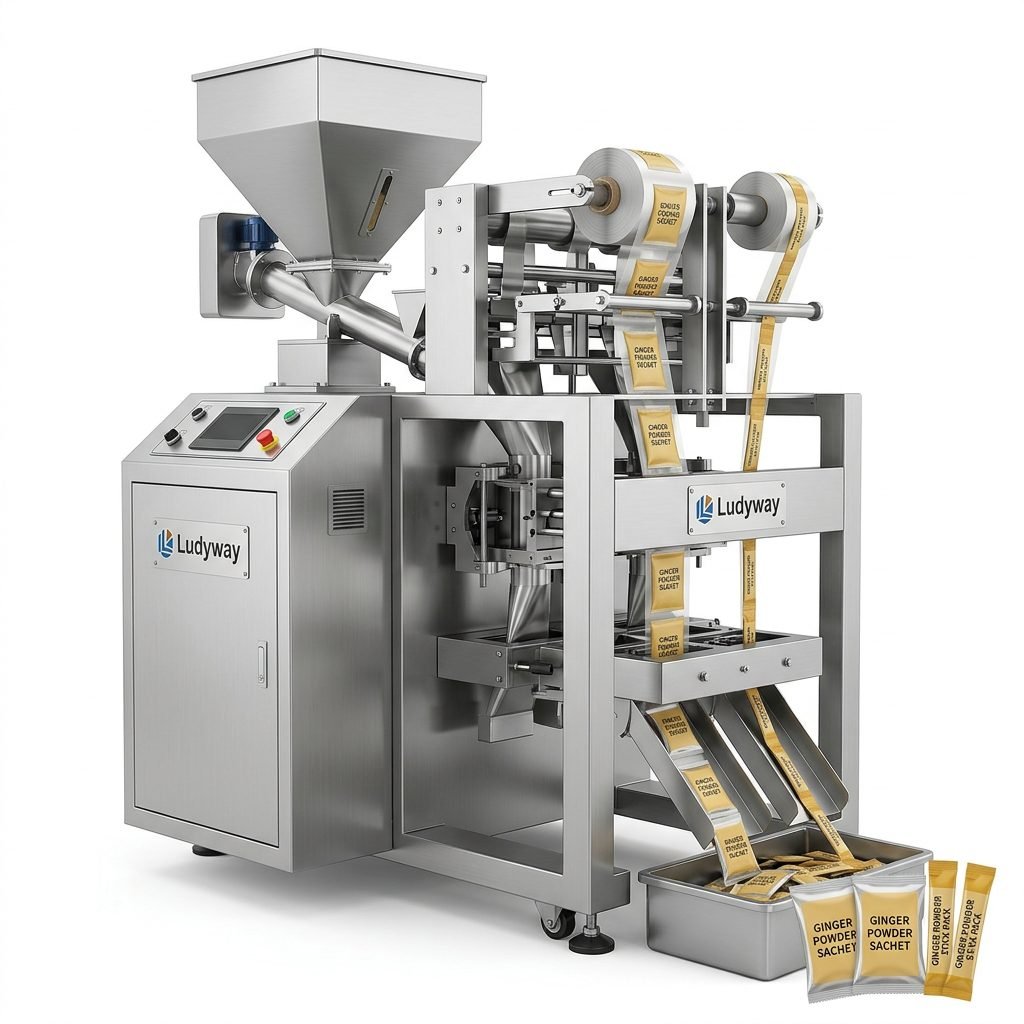
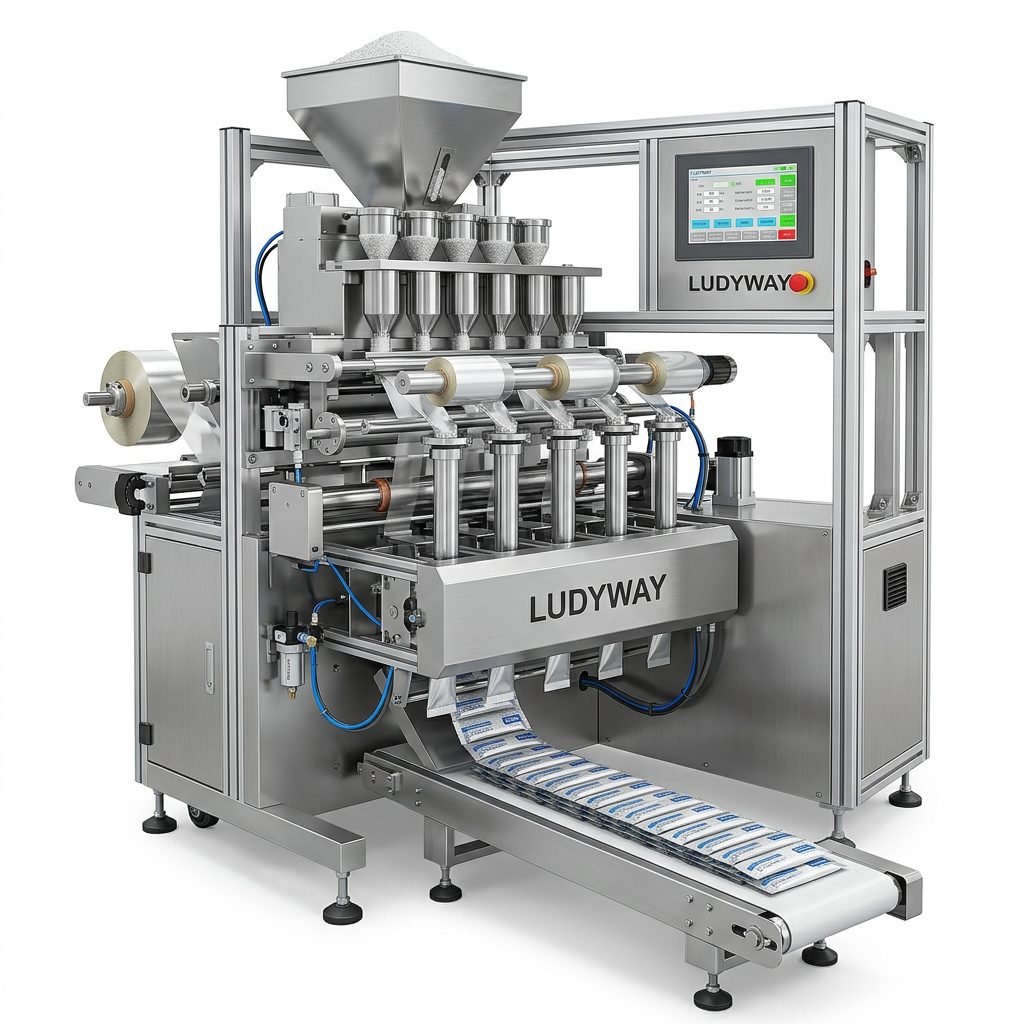
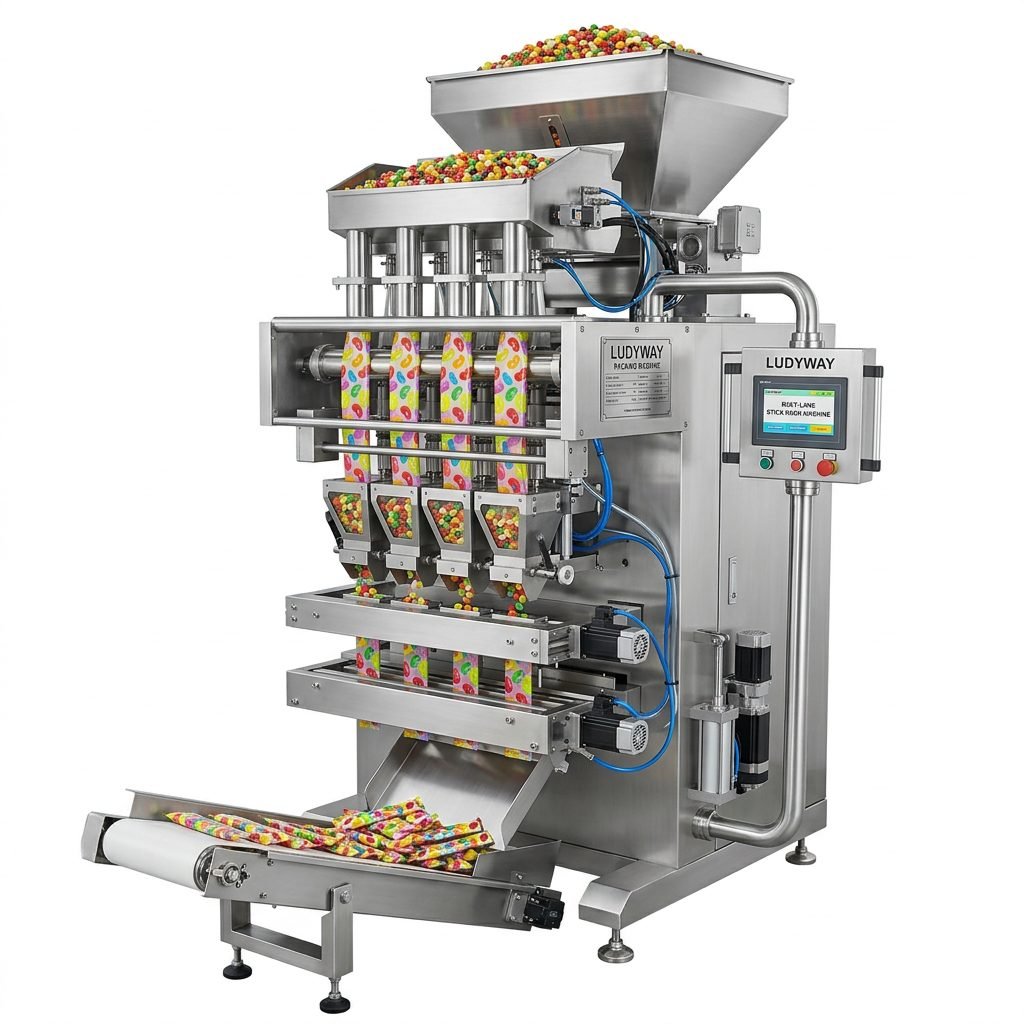
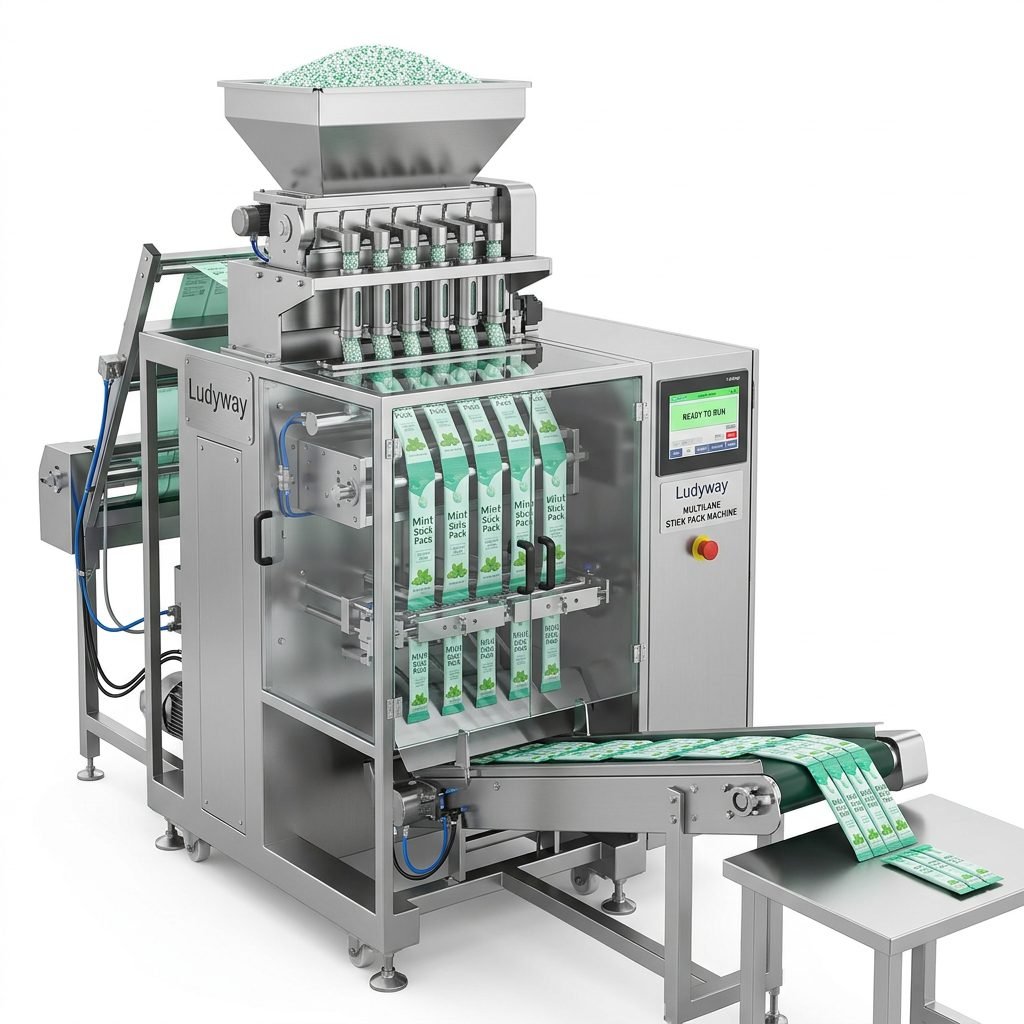
Stick pack machines are among the most popular choices for packaging powdered drink mixes, sugar, and single-serve candy portions. These machines create narrow, elongated packages that are convenient for consumers and ideal for portion control. Modern multi-lane stick pack systems can produce hundreds of packs per minute, making them suitable for high-volume confectionery operations.
Sachet Packaging Machines
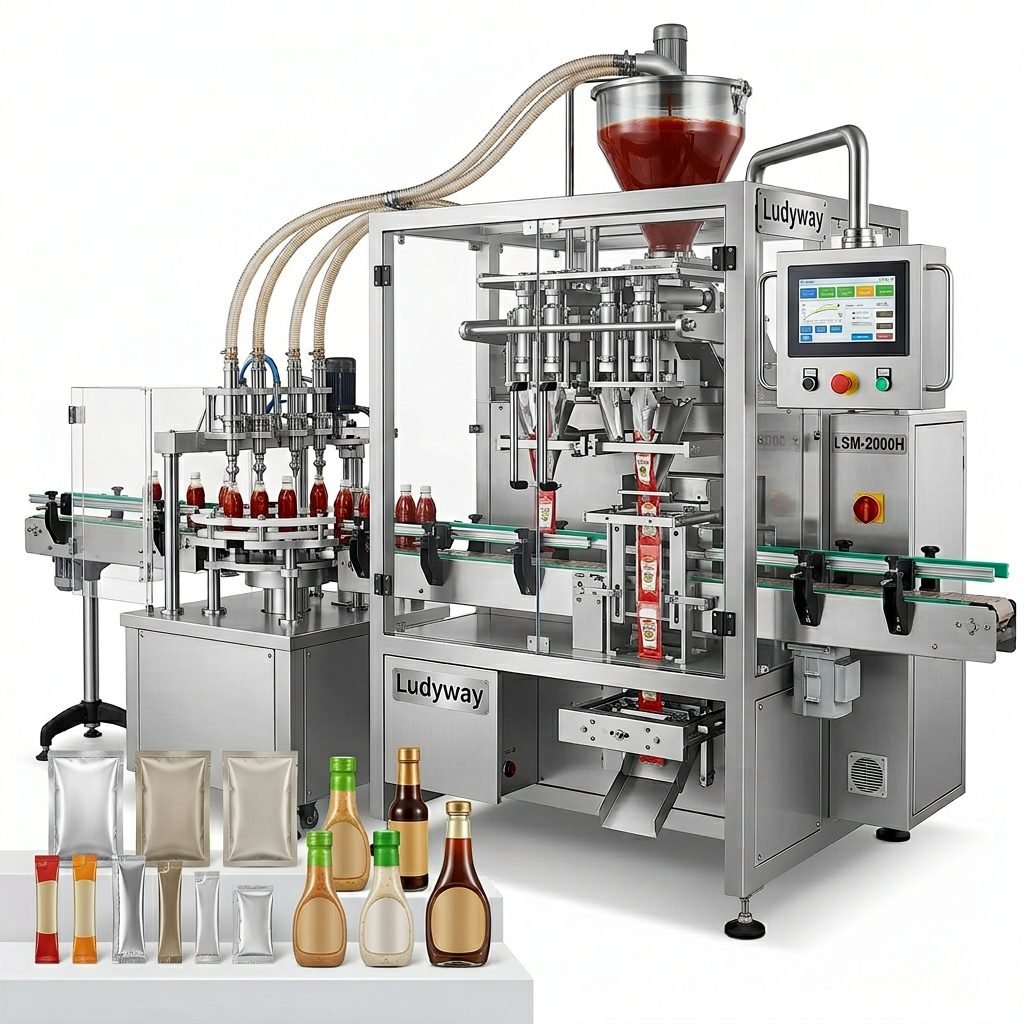
Sachet machines handle flat or four-side-sealed pouches, commonly used for instant coffee, creamer, and various confectionery products. They offer flexibility in pack sizes and are available in single-lane and multi-lane configurations. The Flexible Packaging Association provides extensive resources on flexible packaging formats that are widely adopted in the confectionery industry.
Multi-Lane Packaging Systems
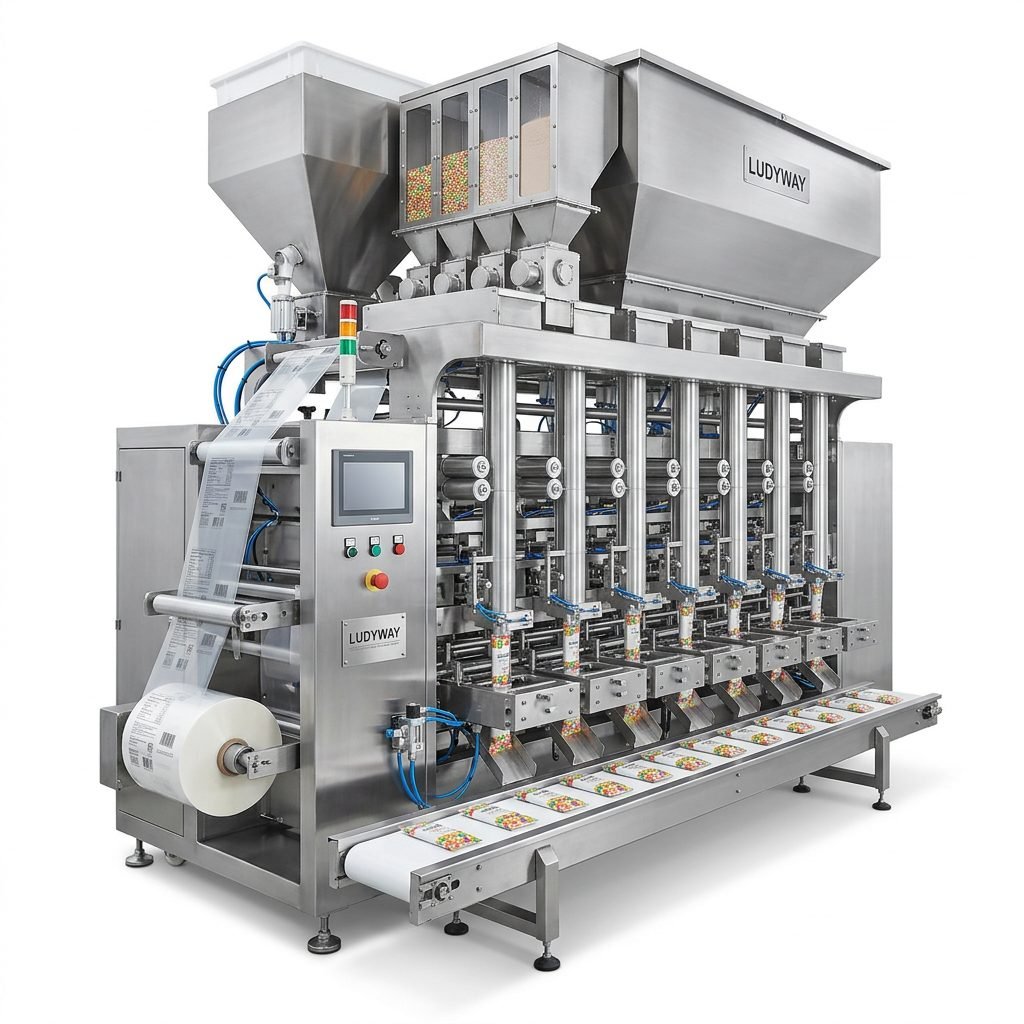
For manufacturers requiring maximum throughput, multi-lane packaging systems are the gold standard. These machines run multiple lanes simultaneously, dramatically increasing output without proportionally increasing floor space. They are particularly effective for stick packs and sachets in the confectionery sector, where high-speed production is a competitive advantage.
Flow Wrapping Machines
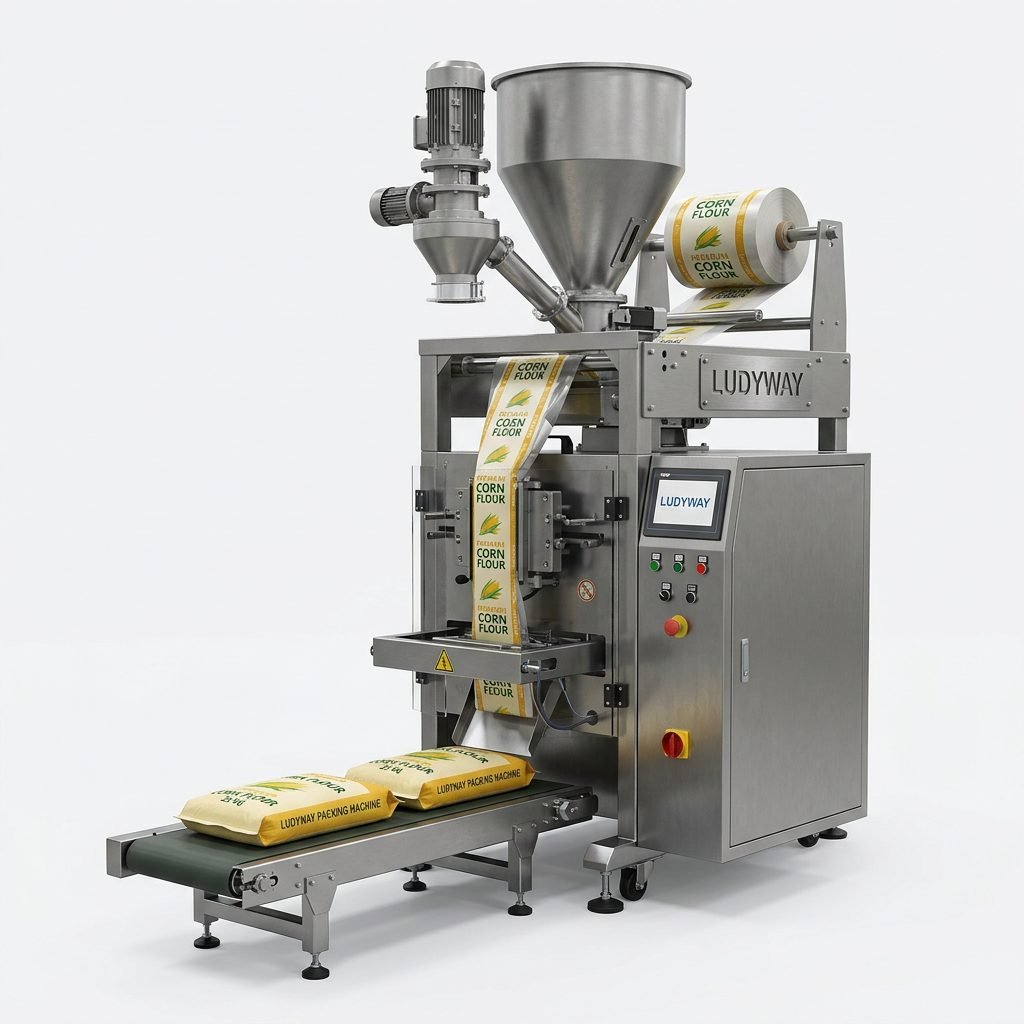
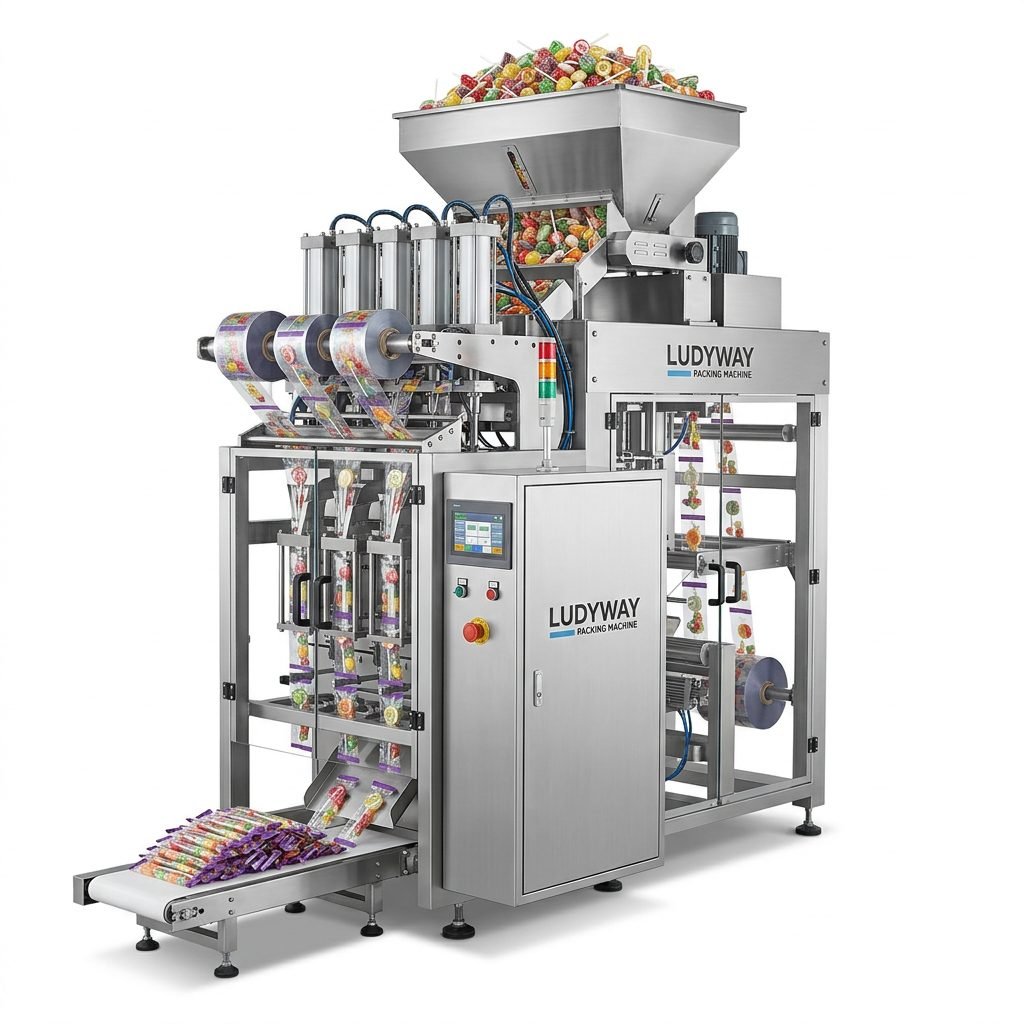
Flow wrappers are ideal for individually wrapping chocolate bars, candy bars, and baked confectionery items. Asian manufacturers have refined flow wrapping technology to deliver high precision at competitive prices, often incorporating features like automatic feeding and date coding.
Key Manufacturing Hubs in Asia
Several regions stand out for confectionery packaging machine production:
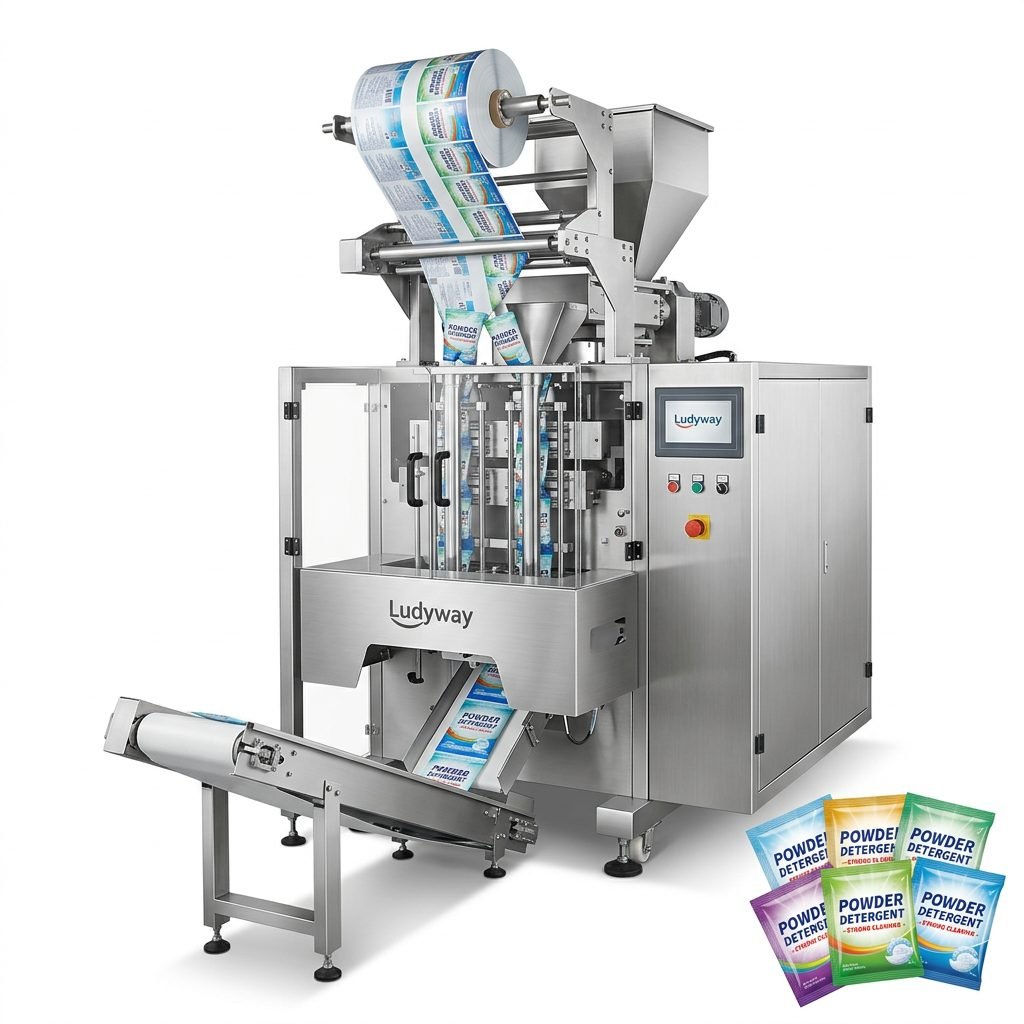
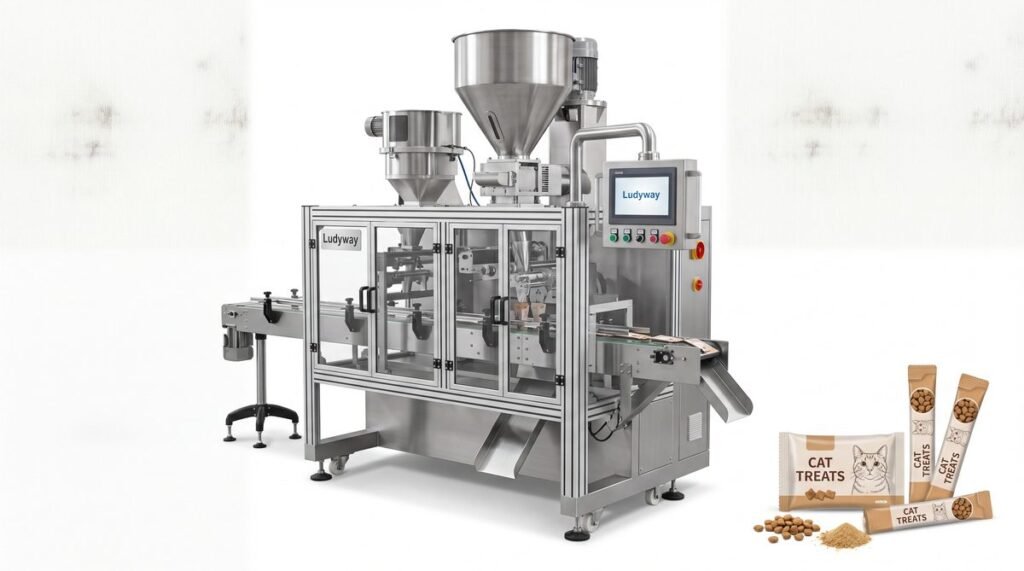
- China (Guangdong, Shanghai, Zhejiang): The largest concentration of packaging machinery manufacturers, offering a broad spectrum from entry-level to fully automated turnkey systems. One notable player is Ludyway, a leading Chinese packaging machine manufacturer with over 30 years of industry experience, specializing in advanced multi-lane stick pack, sachet, and fully automated packaging systems for food and confectionery applications.
- India (Mumbai, Ahmedabad): Known for cost-competitive machines with growing sophistication in automation and quality control.
- Japan (Osaka, Tokyo): Renowned for precision engineering, though typically at higher price points.
- South Korea (Seoul, Busan): Emerging hub for smart packaging solutions integrating IoT and Industry 4.0 capabilities.
Factors to Consider When Purchasing
Making the right investment requires evaluating several critical factors:
- Production Capacity: Determine your required output in packs per minute. Multi-lane machines can achieve 400-800 packs per minute for stick packs, while single-lane machines typically operate at 40-120 packs per minute.
- Product Compatibility: Ensure the machine can handle your specific confectionery type — whether granulated sugar, sticky gummies, fragile chocolate pieces, or powdered drink mixes.
- Pack Format Flexibility: Some machines offer quick changeover between stick pack and sachet formats, providing versatility for diverse product lines.
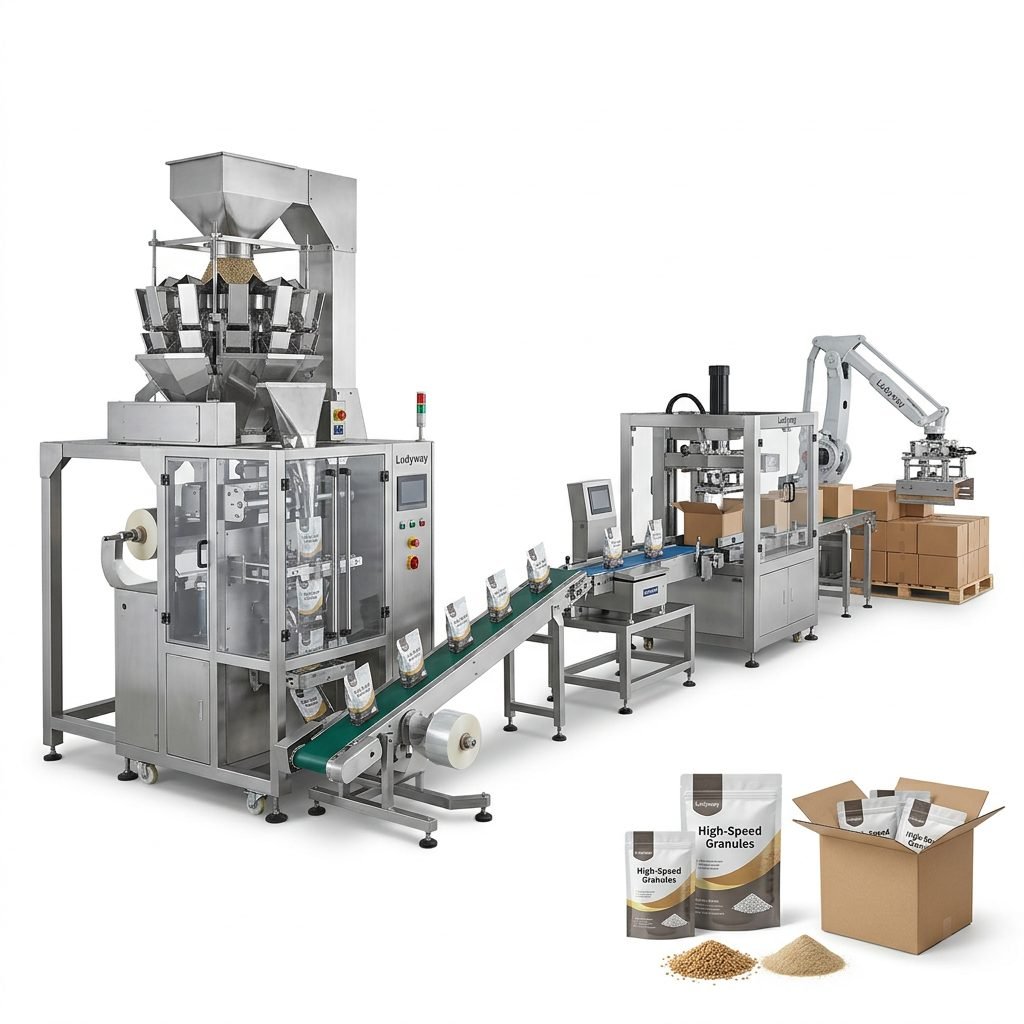
- Automation Level: Consider whether you need standalone machines or fully integrated lines with automatic feeding, counting, cartoning, and palletizing.
- Compliance with Standards: Verify that equipment meets relevant ISO packaging standards and FDA food packaging regulations if exporting to regulated markets.
Machine Type Comparison
| Machine Type | Best For | Typical Speed | Price Range (USD) |
|---|---|---|---|
| Stick Pack Machine | Powdered candy, sugar, drink mixes | 200–800 packs/min | $15,000–$120,000 |
| Sachet Machine | Gummies, hard candy, coffee | 100–600 packs/min | $10,000–$90,000 |
| Flow Wrapper | Chocolate bars, candy bars | 50–400 packs/min | $12,000–$80,000 |
| Multi-Lane System | High-volume stick & sachet | 400–1,200 packs/min | $50,000–$300,000 |
| Pouch Packaging Machine | Gummies, trail mix, larger formats | 30–200 packs/min | $18,000–$100,000 |
Quality Standards and Certifications
When sourcing from Asia, always verify that the manufacturer adheres to internationally recognized quality standards. Look for CE certification for European markets, UL compliance for North America, and ISO 9001 quality management certification. Additionally, machines intended for food contact applications should comply with relevant FDA and EU regulations on food contact materials. The European Commission’s packaging and packaging waste regulation is also increasingly relevant for confectionery exporters targeting EU markets.
Cost Considerations and ROI
Asian confectionery packaging machines typically offer 30–50% cost savings compared to equivalent European or North American equipment. However, the total cost of ownership extends beyond the initial purchase price. Factor in:
- Shipping and logistics costs (including customs duties)
- Installation and commissioning expenses
- Operator training requirements
- Spare parts availability and long-term maintenance
- Energy consumption rates
- Production efficiency gains and reduced labor costs
A well-chosen machine from a reputable Asian supplier can achieve full ROI within 12–24 months for medium to high-volume confectionery operations.
After-Sales Support and Service
One of the most critical yet overlooked aspects of purchasing from Asia is after-sales support. Established manufacturers offer comprehensive service packages including remote troubleshooting, on-site technical support, and readily available spare parts. Before committing to a supplier, inquire about warranty terms, service level agreements, and the availability of local service partners in your region.
Making Your Final Decision
Purchasing a confectionery packaging machine from Asia is a strategic decision that can significantly enhance your production capabilities while optimizing costs. Start by clearly defining your technical requirements and production goals. Request detailed quotations from multiple suppliers, compare machine specifications, and whenever possible, arrange factory visits or virtual factory tours. Verify client references and examine case studies from businesses similar to yours. With thorough due diligence and a focus on long-term partnership rather than just upfront price, you can secure a packaging solution that drives growth for years to come.
For deeper insights into packaging industry trends and machinery standards, explore resources from the PMMI Business Intelligence Library and the Flexible Packaging Association Knowledge Hub.