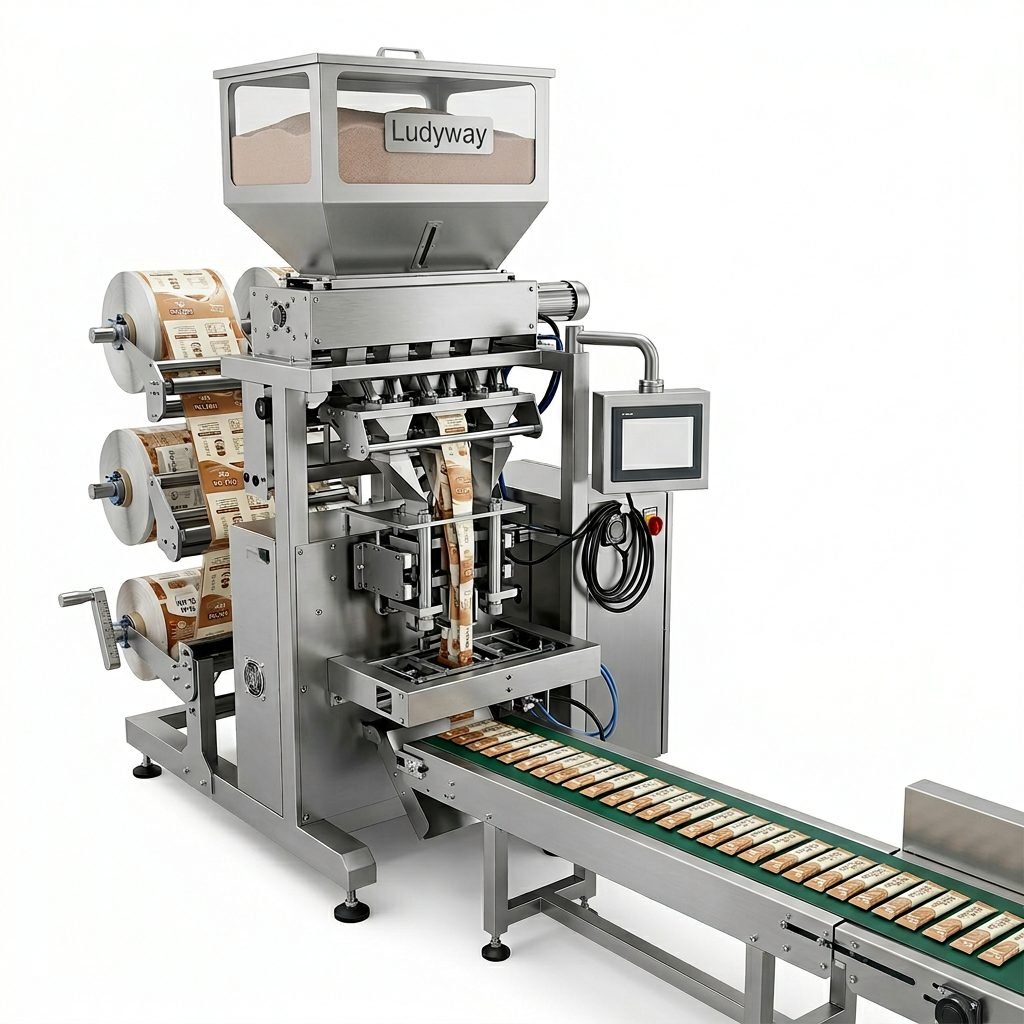
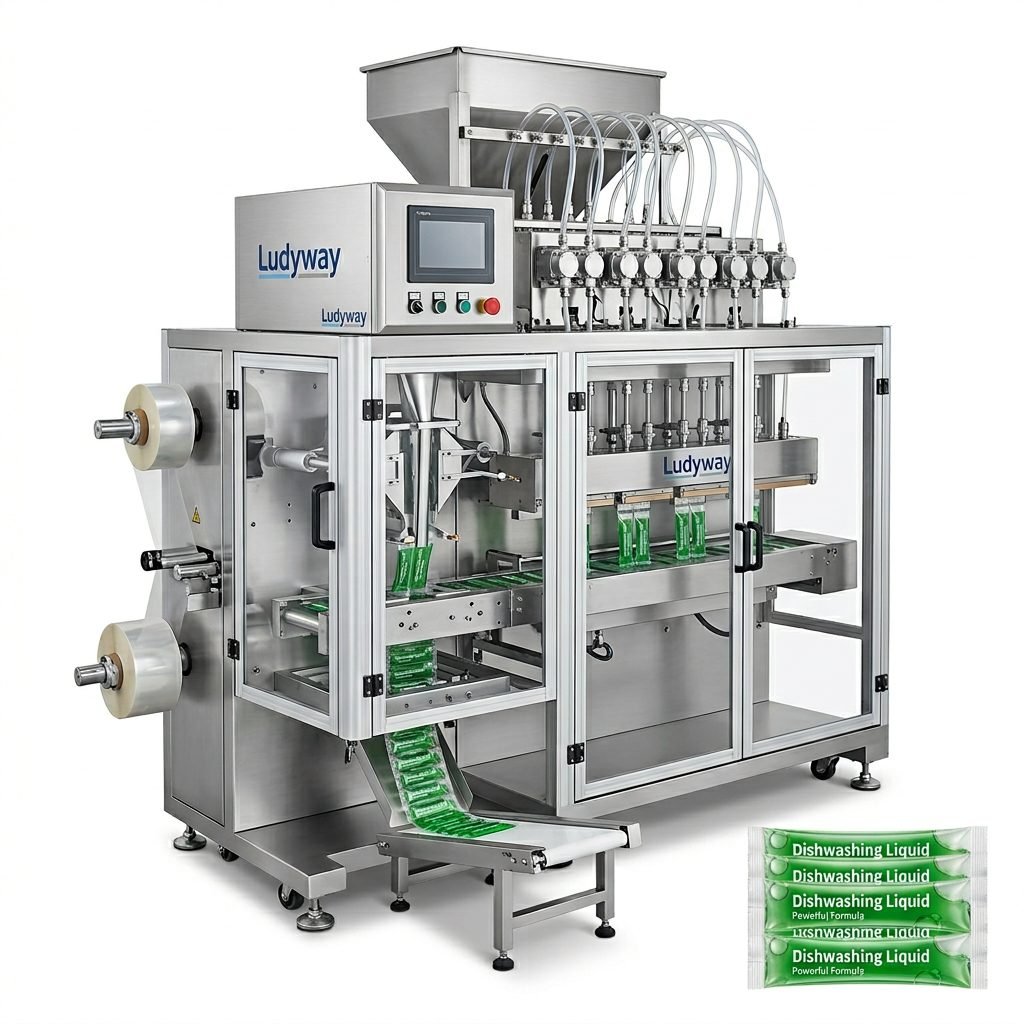
Choosing from the many vacuum packing machines for sale on today’s market can feel overwhelming, especially when your business depends on product freshness, shelf life, packaging consistency, and production efficiency. The right machine should do more than seal a bag—it should match your product type, output goals, packaging materials, compliance standards, and future expansion plans.
For food processors, nutraceutical brands, pharmaceutical manufacturers, pet food companies, and industrial packaging users, vacuum packaging can reduce oxidation, improve appearance, extend storage time, and support safer transportation. But the best solution depends on how you pack, what you pack, and how fast you need to run.
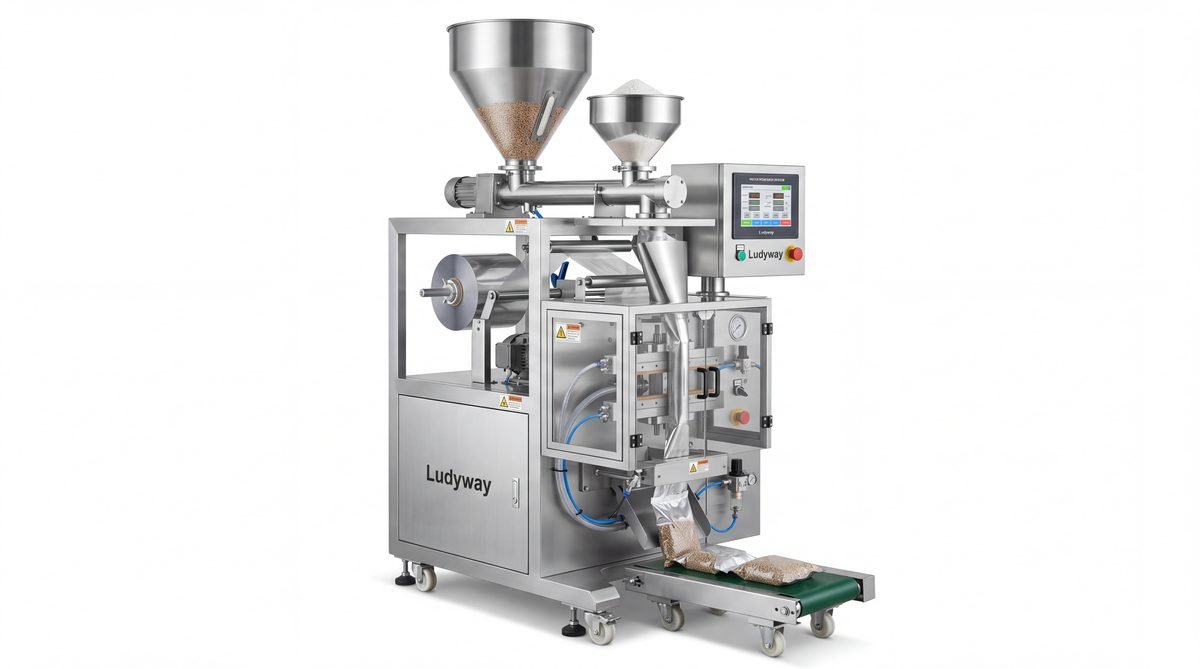
Why Vacuum Packaging Matters for Modern Businesses
Vacuum packaging removes air from the pack before sealing. This helps limit oxygen exposure, which is one of the main causes of spoilage, discoloration, flavor loss, and moisture-related degradation. For many industries, this creates direct business value:
- Longer shelf life for food, snacks, dried goods, meat, seafood, and frozen products
- Better product protection during storage and transport
- Improved presentation with tighter, cleaner-looking packs
- Reduced waste from damaged or spoiled products
- Higher packaging efficiency when integrated into automated lines
If your products are sensitive to air, humidity, contamination, or volume changes during shipping, vacuum packaging is often worth the investment.
Start with Your Product Category
Before comparing machine models, define your product characteristics clearly. This is the fastest way to narrow down the right vacuum packaging system.
| Product Type | Packaging Consideration | Recommended Focus |
|---|---|---|
| Fresh meat / seafood | Leak-proof sealing, hygiene, strong vacuum performance | Chamber vacuum machine or thermoforming solution |
| Dry foods, nuts, coffee, spices | Consistent pack shape, oxygen reduction, optional nitrogen flush | Pouch vacuum sealer with dosing integration |
| Frozen or freeze-dried products | Seal strength and material compatibility | Heavy-duty vacuum sealing system |
| Pharmaceutical or health products | Cleanability, validation, precision, compliance | Controlled automatic packaging line |
| Industrial powders or specialty materials | Dust control, material feeding, durable construction | Customized vacuum packing line |
A machine that works well for cheese or seafood may not be suitable for powder, granules, or delicate pharmaceutical products. Product behavior inside the bag matters just as much as sealing speed.
Understand the Main Types of Vacuum Packing Machines
1. Chamber Vacuum Packing Machines
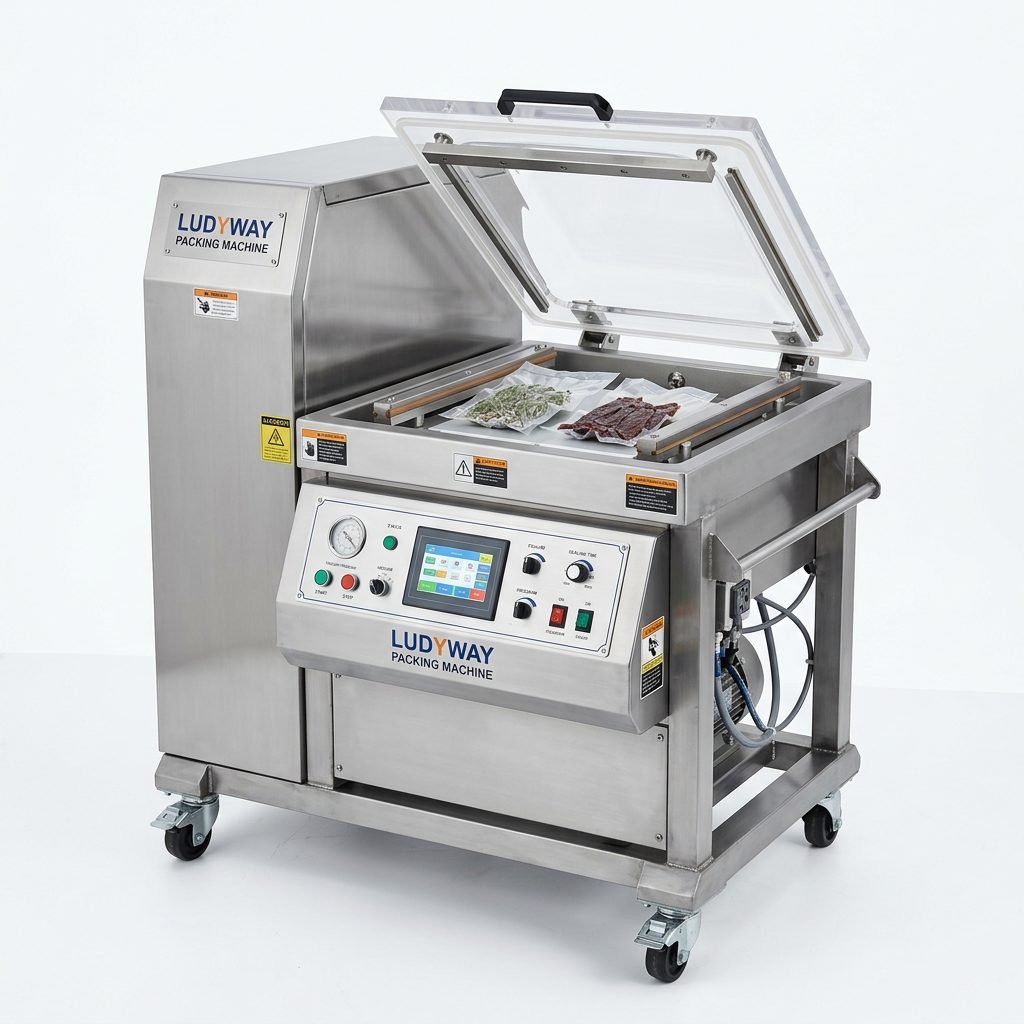
These machines place the entire package inside a chamber, remove air, and then seal it. They are commonly used for food, meat, sauces, prepared meals, and industrial items that need reliable vacuum strength.
- Suitable for medium to high vacuum quality
- Works well with liquid-rich or moist products
- Available in tabletop, single-chamber, and double-chamber versions
2. External Vacuum Sealers
These machines keep the bag outside the machine while extracting air through the opening. They are often used for larger bags or lower-volume operations.
- Usually lower cost
- Good for simple applications
- Less suitable for liquids or heavy-duty industrial production
3. Thermoforming Vacuum Packaging Machines
Designed for larger-scale manufacturing, these systems form the package from roll film, fill the product, vacuum it, and seal it in a continuous automated process.
- Ideal for high-volume production
- Excellent for standardized packs
- Common in meat, cheese, medical, and industrial sectors
4. Vacuum Packaging Lines with Upstream and Downstream Automation
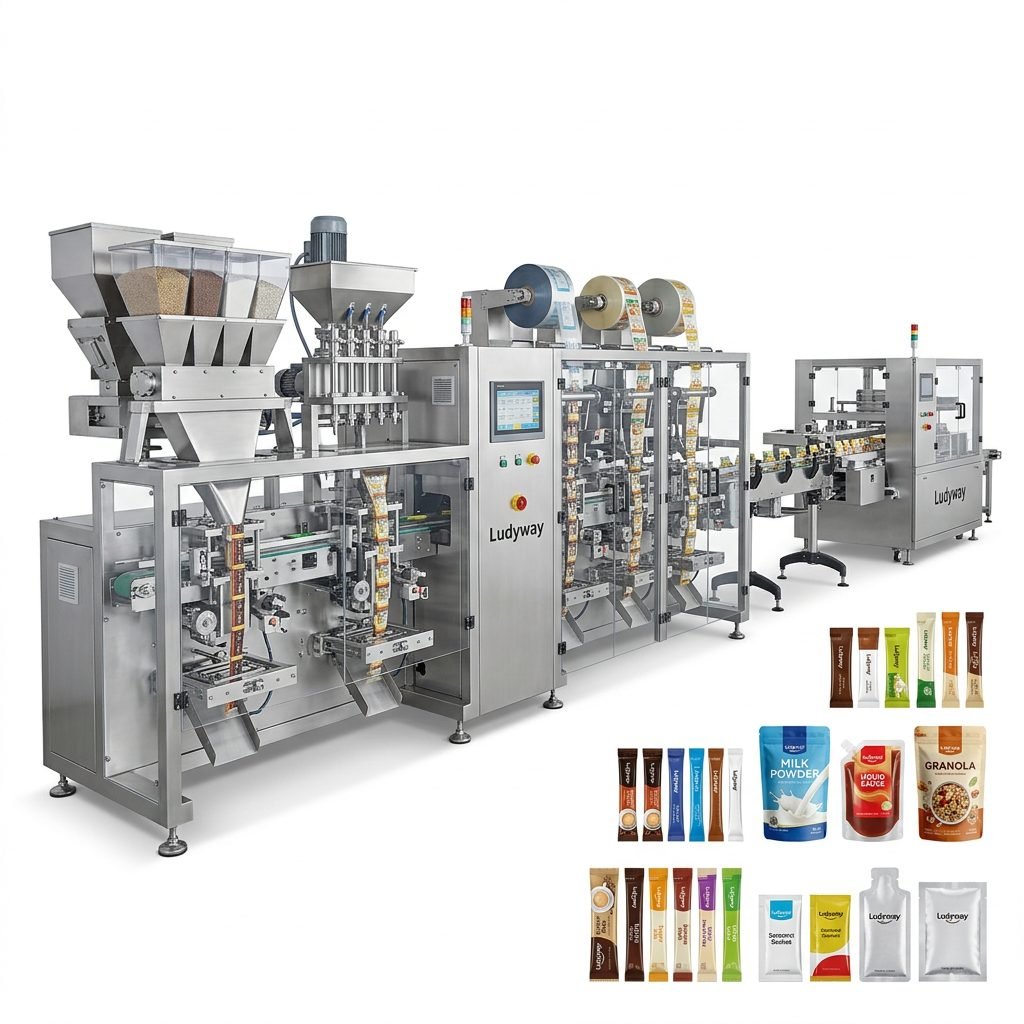
For businesses scaling output, a standalone machine may not be enough. Integrated lines can include conveyors, weighing systems, feeders, printers, inspection devices, cartoning, and palletizing.
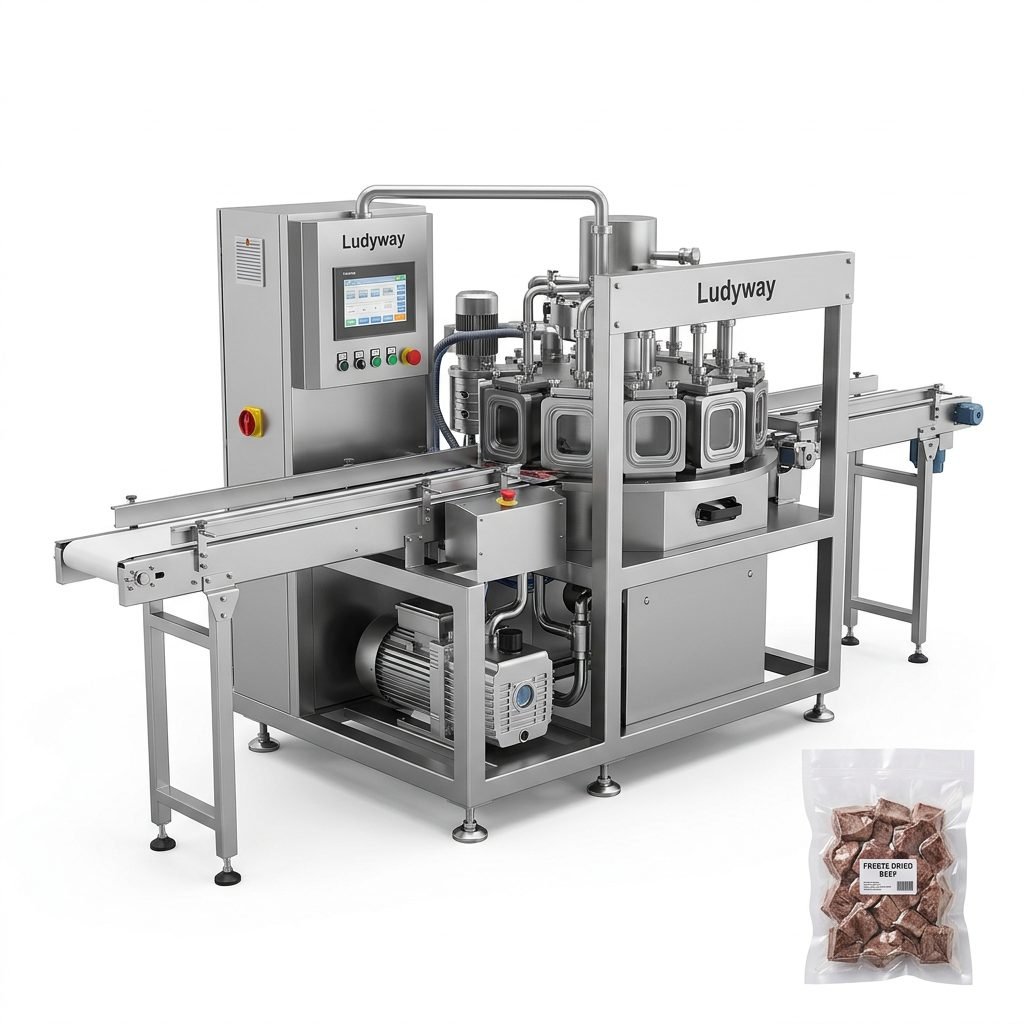
Key Factors to Consider Before You Buy
Packaging Speed
Estimate your required packs per minute, shift volume, and yearly growth. Many buyers make the mistake of purchasing only for current output. A slightly larger system may lower your long-term packaging cost and avoid an early replacement.
Bag Size and Material
Your vacuum machine must support your pouch dimensions, thickness, and sealing structure. Check compatibility with PA/PE, composite films, barrier materials, and specialty packaging films.
Seal Quality
Strong vacuum is important, but seal integrity is what protects the product. Poor seals lead to air leakage, returns, and shelf-life failures. Ask about sealing temperature control, seal width, and repeatability.
Product Sensitivity
Fragile items such as bakery products, freeze-dried foods, or delicate components may need softer vacuum settings or modified atmosphere options to avoid crushing.
Hygiene and Cleaning
For food and pharmaceutical sectors, easy cleaning is essential. Stainless steel contact parts, smooth surfaces, removable components, and sanitary design can reduce downtime and contamination risks.
Automation Level
Decide whether you need:
- Manual loading and sealing
- Semi-automatic packing
- Fully automatic vacuum packaging with line integration
The right choice depends on labor cost, operator skill, order volume, and packaging consistency requirements.
Questions to Ask a Vacuum Packing Machine Supplier
When comparing suppliers, ask practical questions instead of focusing only on quoted price:
- What products has this machine already packed successfully?
- Can the supplier run a sample test with my packaging material?
- What is the actual output under real production conditions?
- How easy is maintenance and spare parts replacement?
- Can the machine connect with weighing, coding, labeling, or cartoning equipment?
- What technical support is available after installation?
- Is customization available for my bag format or plant layout?
A reliable supplier should be able to explain both the advantages and the limitations of the equipment.
How to Match the Machine to Your Business Size
| Business Stage | Best Machine Direction | Main Goal |
|---|---|---|
| Startup / pilot production | Compact chamber or semi-automatic unit | Cost control and flexibility |
| Growing regional brand | Larger chamber machine or automatic pouch solution | Higher output and consistency |
| Established manufacturer | Automated vacuum line with integrated handling | Efficiency, labor savings, traceability |
| High-volume export business | Full turnkey packaging line | Scalability and standardization |
Don’t Judge by Price Alone
A cheaper machine may cost more over time if it causes:
- frequent downtime,
- poor vacuum stability,
- high film waste,
- weak seals,
- operator frustration, or
- limited room for expansion.
Instead of comparing only the upfront cost, look at the total cost of ownership, including maintenance, labor, spare parts, rejected packs, and production efficiency.
Signs You May Need a Customized Solution
Standard equipment works for many applications, but customization becomes important if you have:
- unusual bag sizes or shapes,
- special vacuum requirements,
- high dust or high moisture products,
- strict pharma or food compliance needs,
- limited factory space, or
- plans to connect multiple packaging steps into one line.
In these cases, it helps to work with an experienced manufacturer that can adapt machine structure, feeding systems, control logic, and packaging flow to your production reality.
Why After-Sales Support Is Critical
Even a high-quality machine needs setup, training, maintenance, and troubleshooting support. For B2B buyers, strong technical service can be just as important as machine performance. Look for suppliers that offer:
- installation guidance,
- operator training,
- remote technical assistance,
- spare parts availability,
- clear manuals and electrical documentation,
- upgrades for future automation.
Choosing a Manufacturer with Long-Term Capability
If your project may expand from one vacuum unit to a complete automated line, choose a supplier with broader engineering strength. Ludyway is one of China’s leading packaging machine and turnkey packaging line manufacturers, with more than 30 years of industry experience, a factory of over 20,000 square meters, and broad export experience across food, pharmaceutical, health supplement, and related industries. That type of manufacturing background can be especially valuable when your packaging needs go beyond a single machine.
Final Buying Checklist
Before making your final decision, confirm the following:
- Product fit: machine matches your material and pack style
- Capacity fit: speed supports both current and future demand
- Seal reliability: packaging remains airtight and consistent
- Material compatibility: your film structure works well on the machine
- Factory fit: size, power, and layout are practical for your site
- Service fit: supplier can support startup and long-term operation
The best vacuum packing machine is not simply the fastest or the cheapest—it is the one that fits your product, process, and growth plan with the least risk and the strongest long-term return.