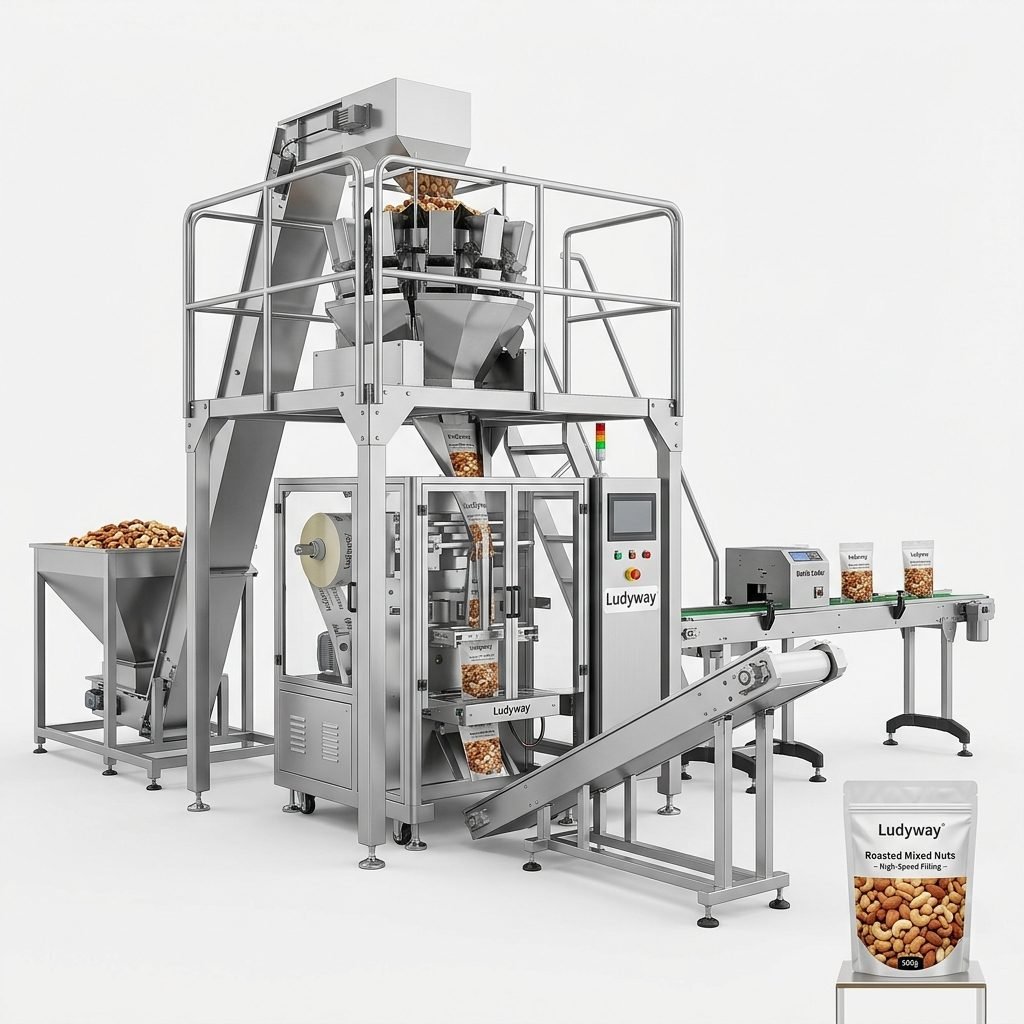
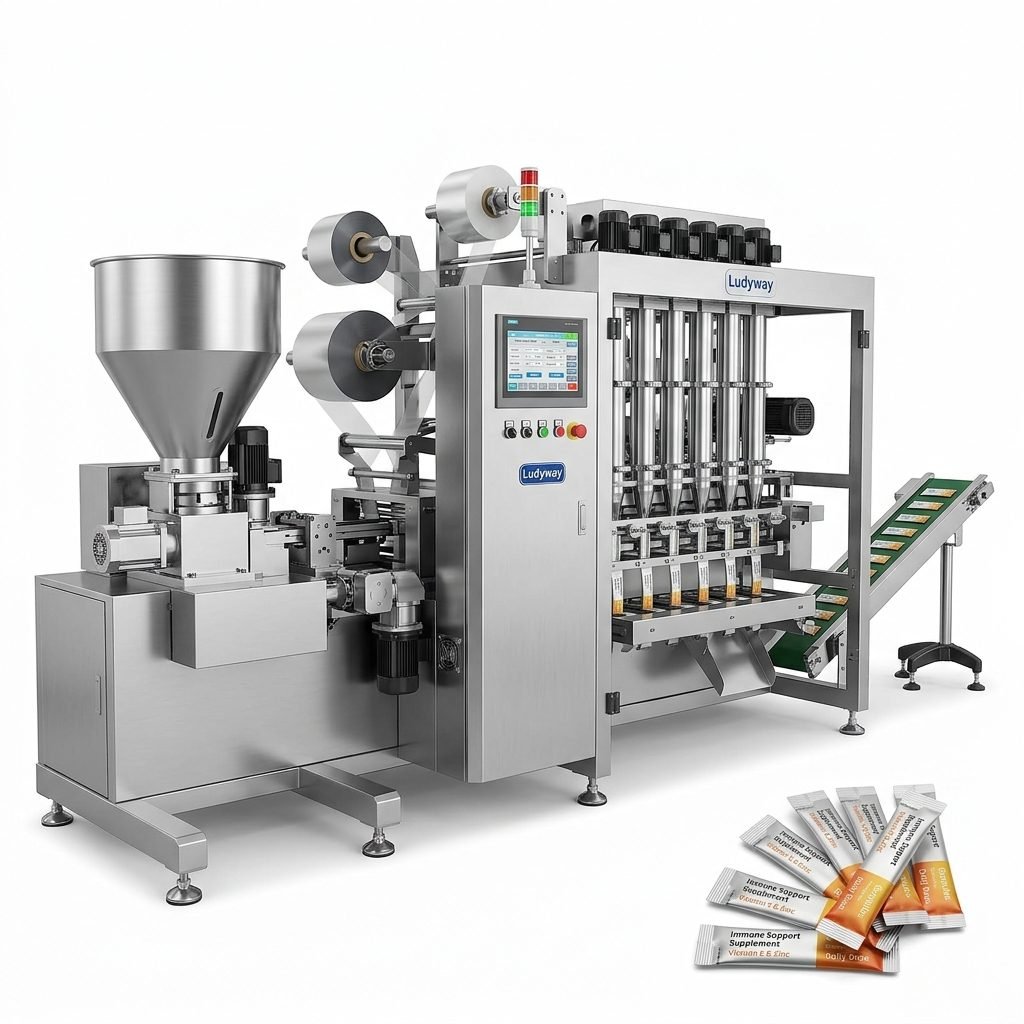
Choosing the right packaging and labeling equipment can directly affect production speed, product consistency, labor cost, compliance, and customer satisfaction. Whether you pack food, pharmaceuticals, cosmetics, chemicals, or pouch-based products, the best solution is not simply the fastest machine—it is the one that fits your product, packaging format, output goals, and future expansion plan.
This guide explains how to evaluate packaging and labeling systems step by step, so your business can invest with more confidence and avoid costly mismatches.
Why the Right Packaging and Labeling Machine Matters
Modern buyers expect clean packaging, accurate labels, reliable sealing, and consistent presentation. In many industries, packaging is not only about appearance—it is also about traceability, safety, shelf life, and regulatory compliance.
- Reduces manual handling and labor dependency
- Improves filling accuracy and seal quality
- Supports batch coding, date printing, and label consistency
- Minimizes waste, leakage, and rework
- Helps standardize production across shifts
- Creates a scalable path for future automation
Start with Your Product Characteristics
The first decision is always the product itself. Different materials behave differently during feeding, dosing, filling, sealing, and labeling. A powder packaging line will not be configured the same way as a liquid sachet line or a granule stick pack system.
Ask these basic product questions
- Is the product a powder, granule, liquid, paste, gel, tablet, capsule, or pouch item?
- Does it flow easily, or is it sticky, dusty, foamy, corrosive, or fragile?
- Does it require hygienic, sterile, or dust-controlled processing?
- Is the dosing volume fixed or variable?
- Does the product require nitrogen flushing, vacuum, or special sealing protection?
For example, free-flowing granules may work well with volumetric or weighing systems, while fine powders often need screw dosing and dust management. Liquids and pastes may require piston pumps or liquid filling systems with anti-drip design.
Match the Machine to the Packaging Format
Your packaging format determines much of the machine structure. It affects film handling, sealing style, label application, coding location, and downstream cartoning or case packing.
| Packaging Format | Typical Machine Type | Common Industries |
|---|---|---|
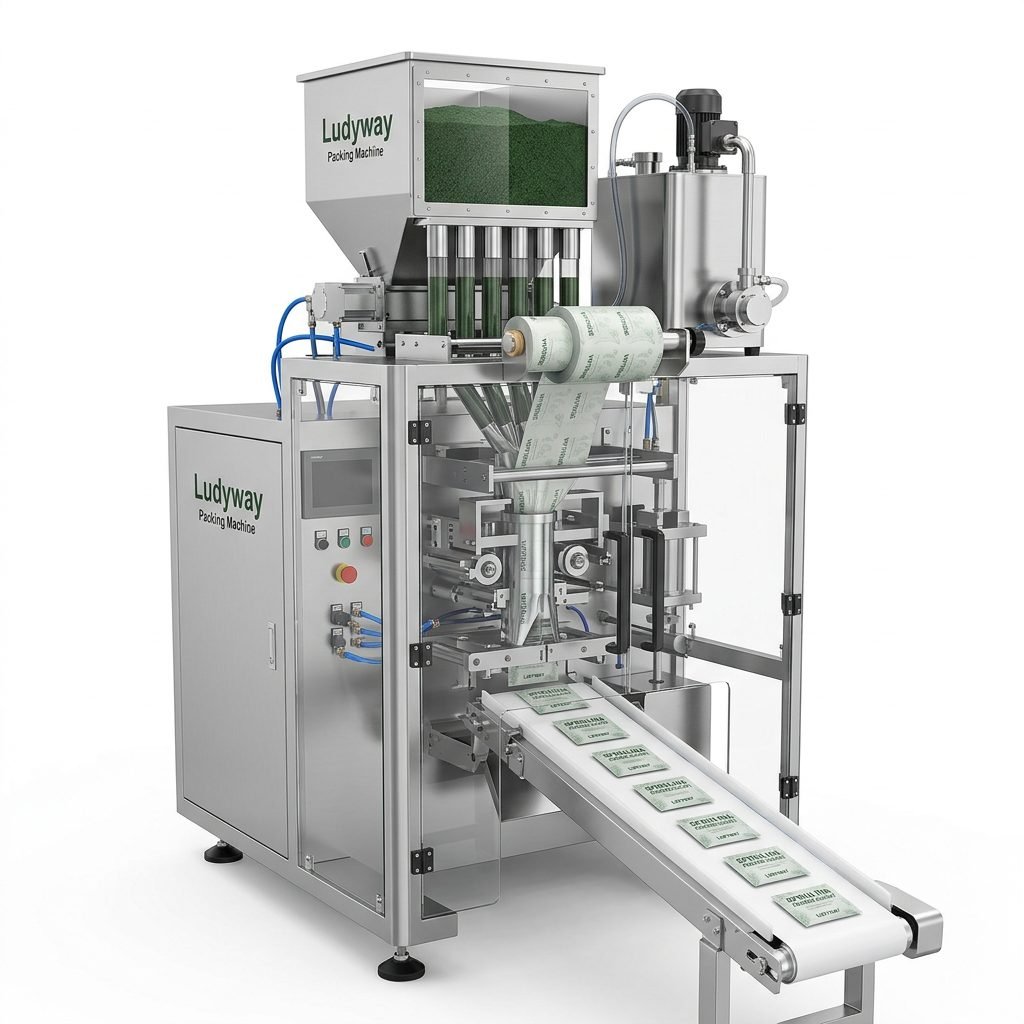
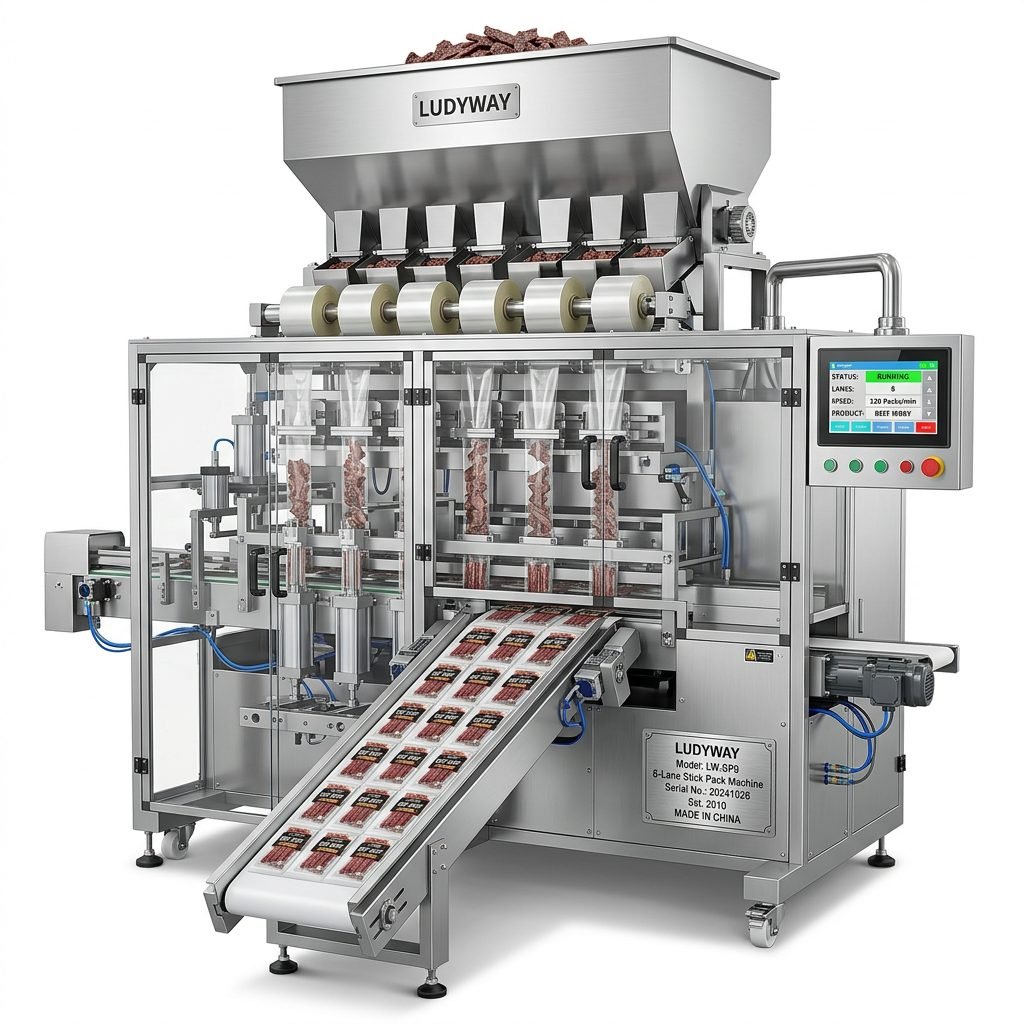
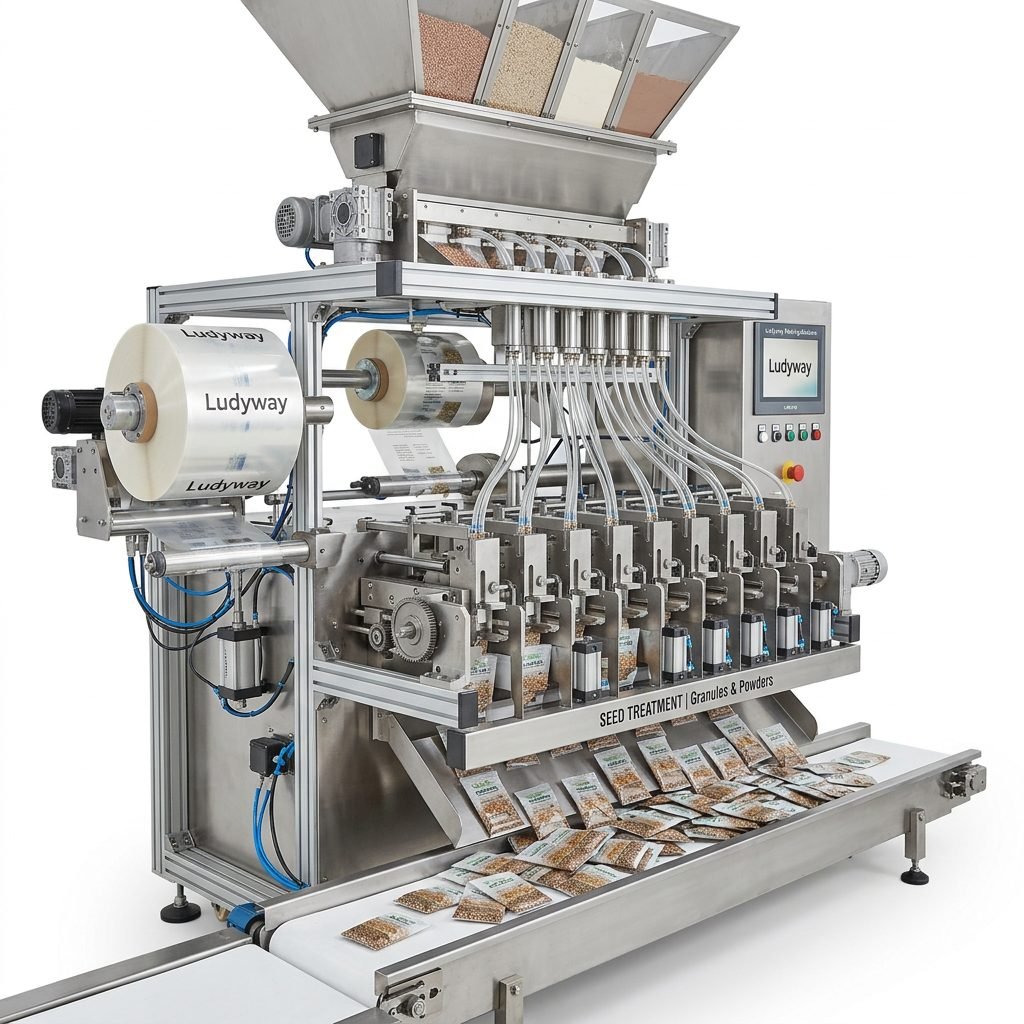
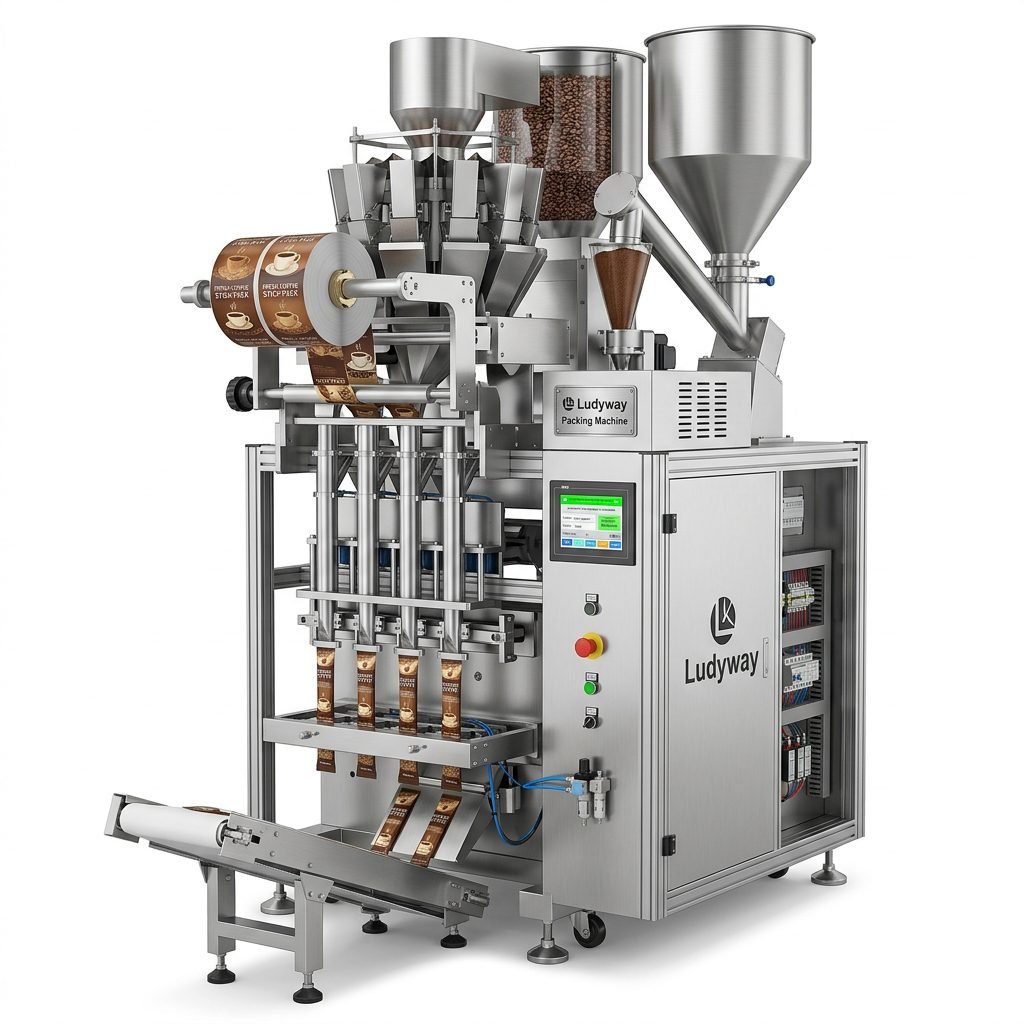
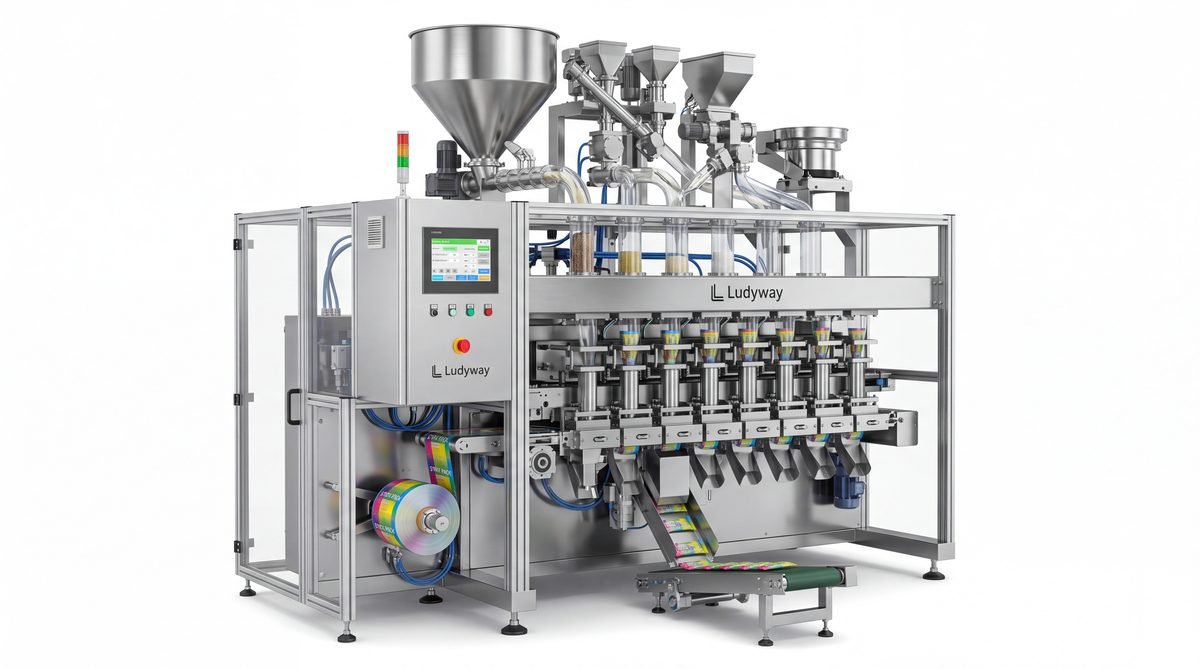
| Stick packs | Multi-lane stick pack machine | Food, supplements, pharmaceuticals |
| Sachets | Sachet packing machine | Sauces, powders, cosmetics, medical products |
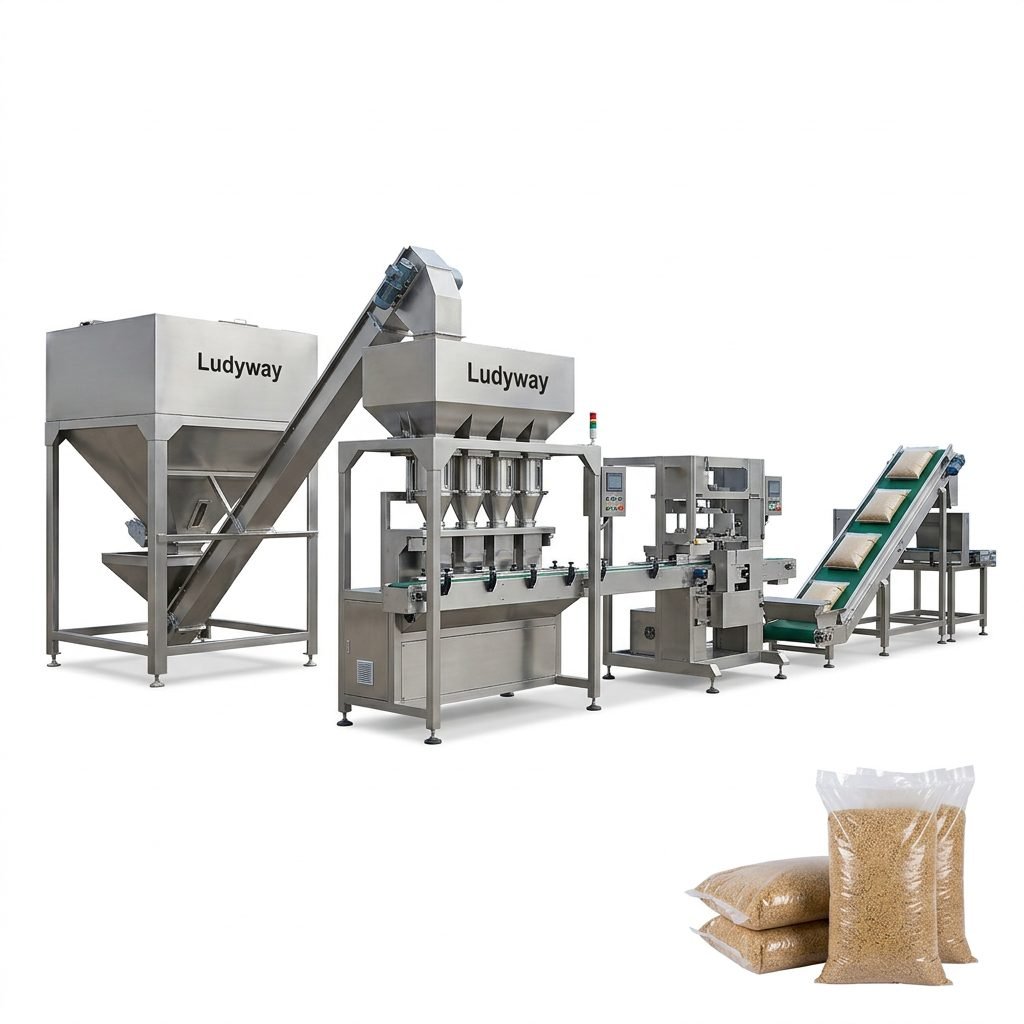
| Pouches | Premade pouch or pouch filling/sealing machine | Snacks, pet food, chemicals, personal care |
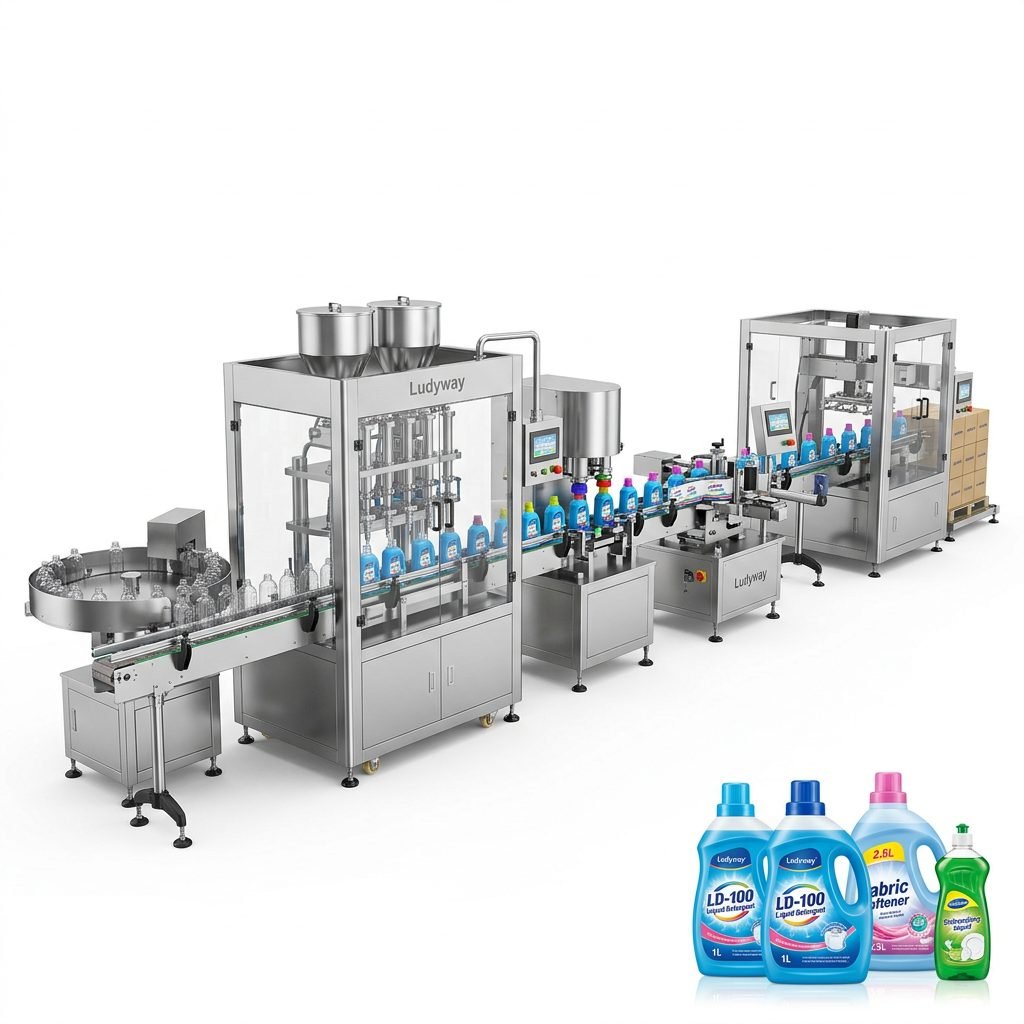
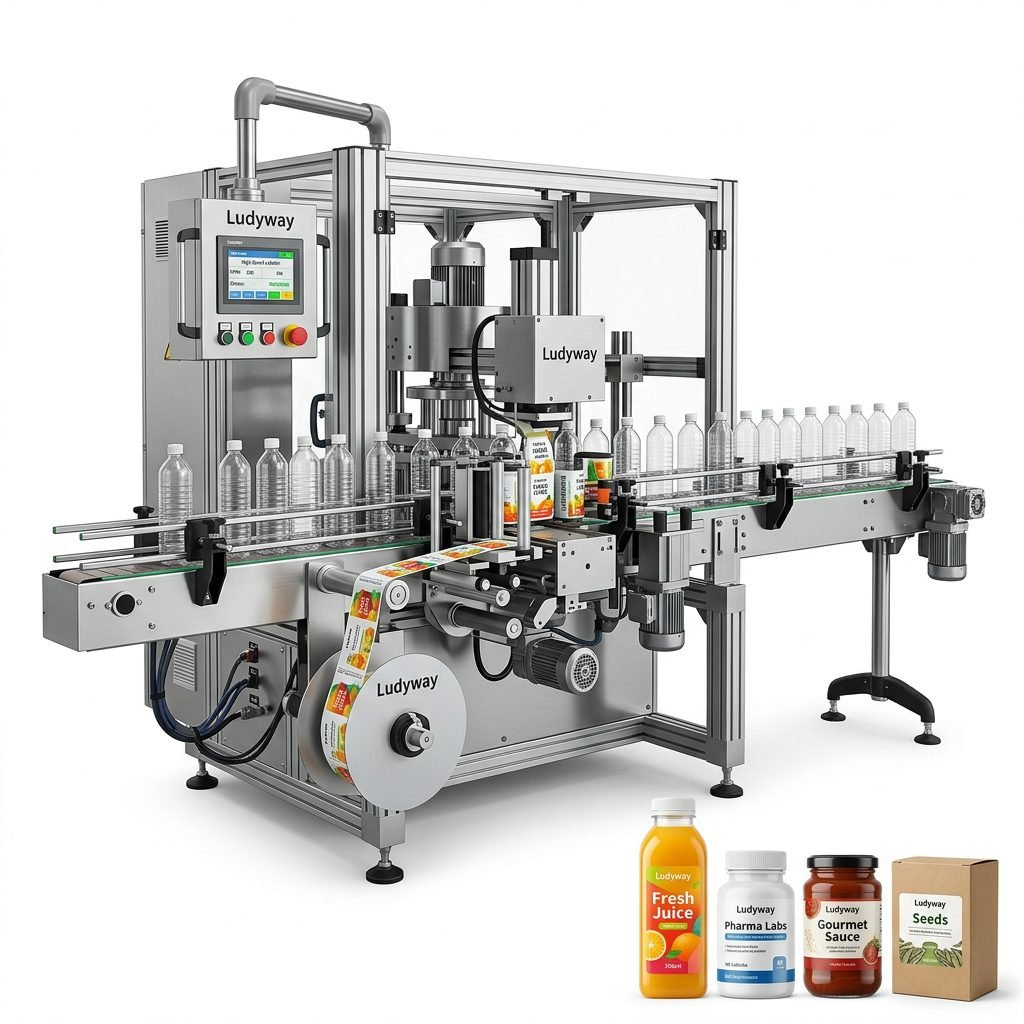
| Bottles / jars | Filling, capping, labeling line | Pharma, cosmetics, liquids, household products |
| Cartons / cases | Cartoning and case packing systems | Secondary packaging across industries |
If labeling is part of the process, make sure the package surface, shape, and speed are suitable for the label applicator. Bottles, flat pouches, cartons, and sleeves all require different labeling approaches.
Define Your Output Requirements Clearly
A machine that is too small will restrict growth. A machine that is too large may waste budget and create unnecessary complexity. Before talking to suppliers, determine your expected capacity.
Important production metrics
- Units per minute or bags per minute
- Daily and monthly production target
- Number of shifts per day
- Overall equipment efficiency target
- Planned growth over the next 2–5 years
If you are planning new product launches, do not size the system only for current demand. A modular packaging and labeling solution can make future expansion easier.
Consider the Level of Automation You Need
Not every business needs a fully automatic turnkey line on day one. The right level of automation depends on budget, labor availability, floor space, changeover needs, and production scale.
| Automation Level | Best For | Key Advantage |
|---|---|---|
| Semi-automatic | Startups, low volume, frequent manual intervention | Lower initial investment |
| Automatic standalone machine | Growing manufacturers | Better speed and consistency |
| Integrated turnkey line | High-volume operations | End-to-end automation and labor savings |
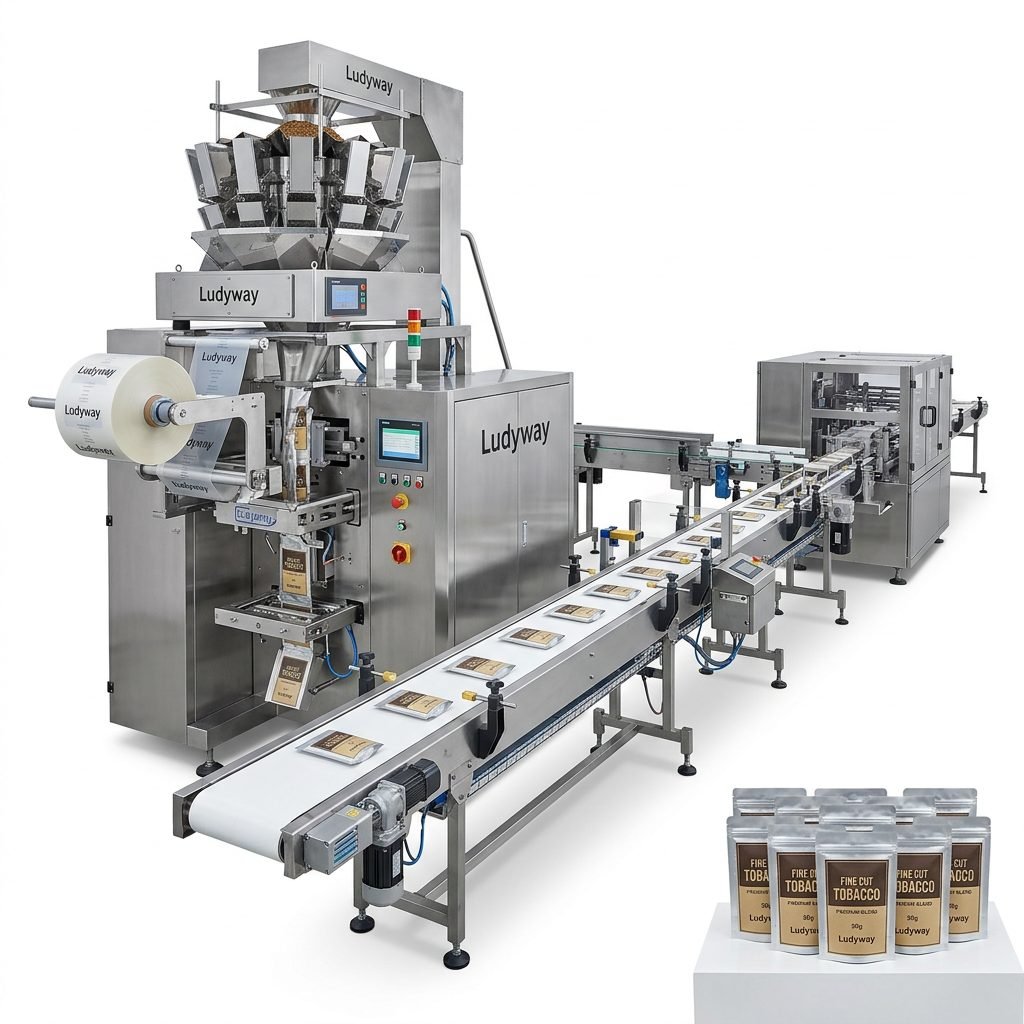
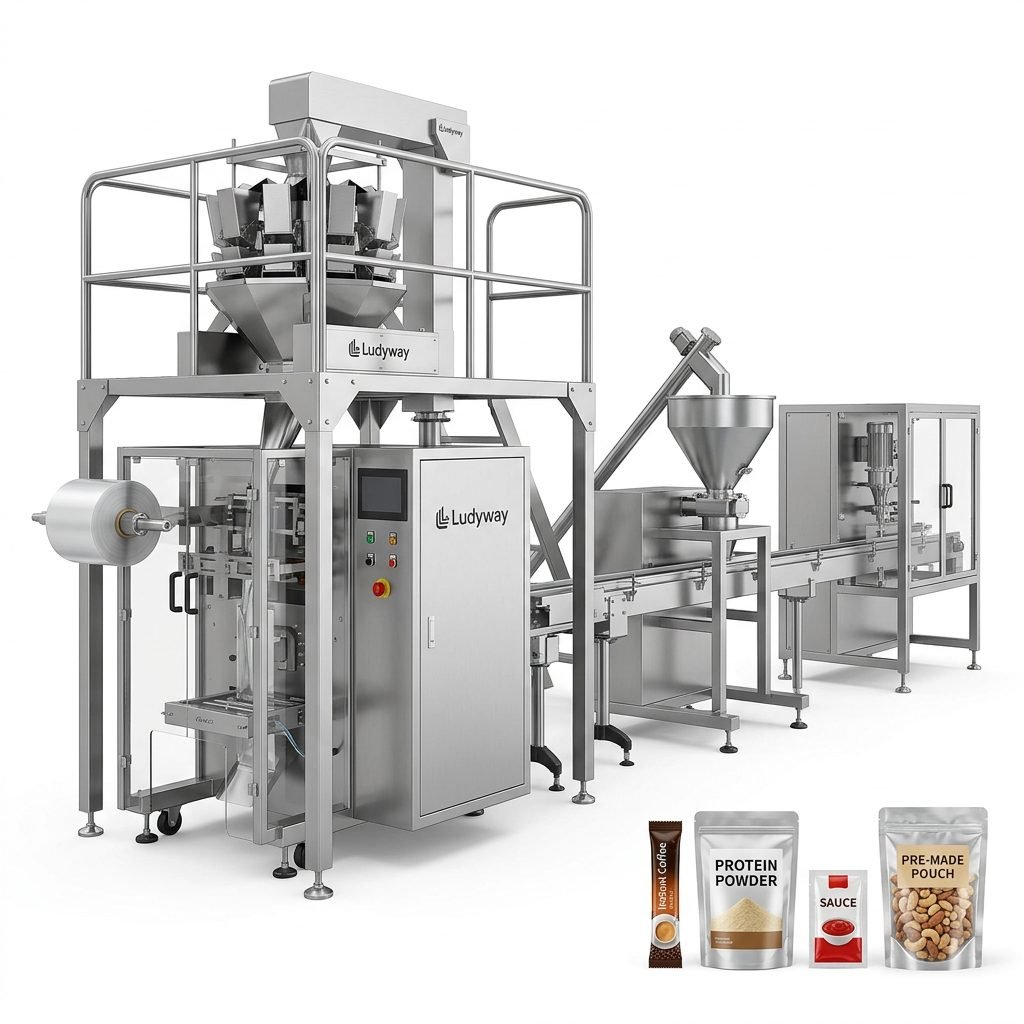
A turnkey line may include feeding, dosing, primary packaging, sealing, coding, labeling, inspection, cartoning, case packing, conveying, and palletizing. For businesses with strong growth plans, this approach often delivers better long-term efficiency.
Do Not Overlook Labeling Requirements
Labeling is often treated as a simple add-on, but it can become a major bottleneck if not specified correctly. Labels need to be accurate, repeatable, and compatible with both the package material and production speed.
Key labeling considerations
- Top, bottom, side, wraparound, or sleeve labeling
- Label size and adhesive type
- Print-and-apply requirements
- Barcode, QR code, batch code, and serial number needs
- Vision inspection or code verification requirements
- Container shape: round, square, flat, flexible, or irregular
If your product enters regulated channels, labeling accuracy becomes even more critical. Poor label placement or unreadable coding can lead to rejected shipments and compliance risks.
Industry-Specific Requirements Matter
Food packaging
Food manufacturers usually focus on hygiene, sealing integrity, speed, and shelf life. Depending on the product, they may also need nitrogen flushing, metal detection, checkweighing, and easy washdown design.
Pharmaceutical packaging
Pharma operations often require higher standards for accuracy, validation support, documentation, traceability, and clean production design. Labeling and coding must be precise and easy to verify.
Cosmetic packaging
Cosmetics producers usually prioritize packaging appearance, leak prevention, flexible changeovers, and compatibility with creams, gels, lotions, and liquid samples.
Chemical packaging
Chemical products may require corrosion resistance, dust control, sealed transfer, anti-leak design, and material compatibility with aggressive or hazardous formulas.
Check Material Compatibility and Package Quality
The machine must work reliably with your chosen film, pouch, bottle, or carton material. Even a high-end system can perform poorly if the packaging material is unstable or unsuitable.
- Confirm film thickness and sealability
- Check pouch dimensions and tolerance range
- Review bottle shape consistency for labeling
- Test carton stiffness for automatic forming and packing
- Verify label adhesion on cold, wet, or textured surfaces
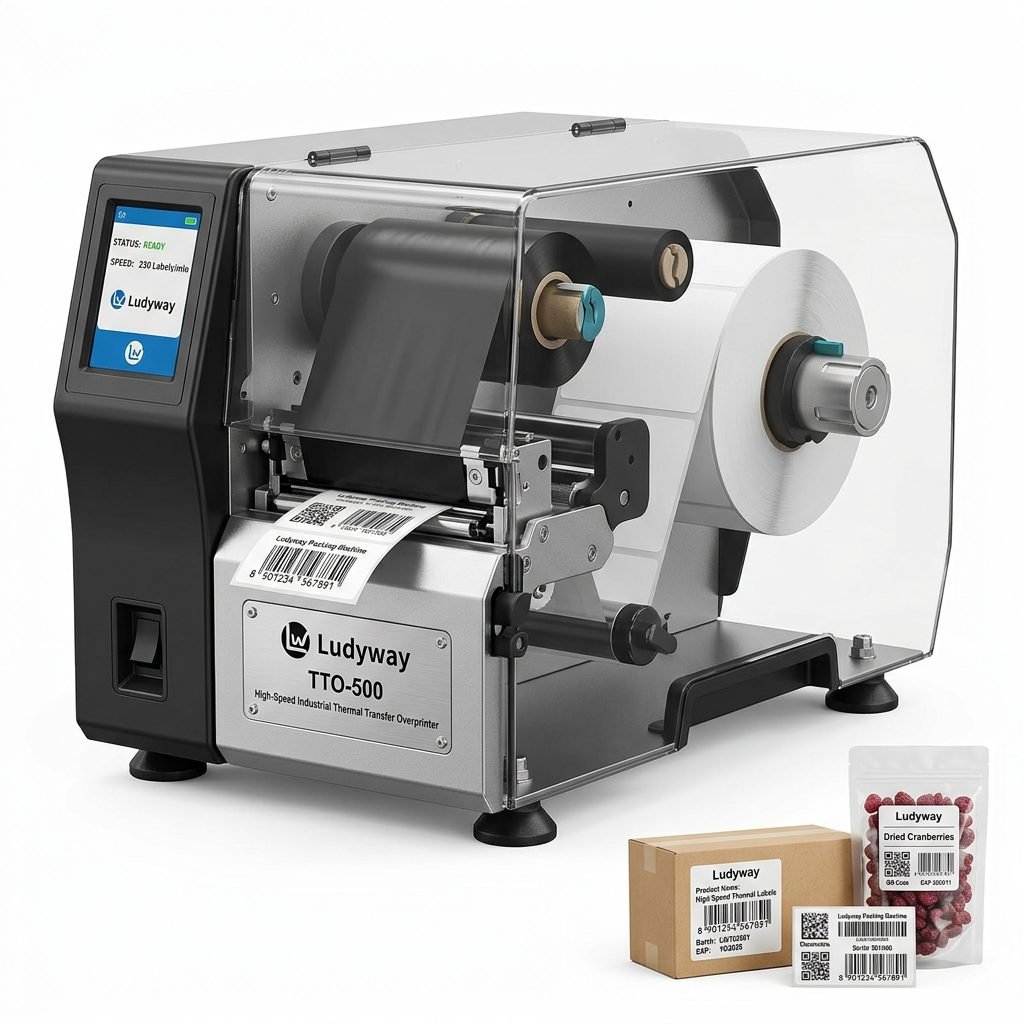
Evaluate Changeover and Flexibility
If your business runs multiple SKUs, packaging sizes, or seasonal products, fast changeover is essential. A flexible packaging and labeling machine can reduce downtime and improve responsiveness to market demand.
Look for:
- Recipe storage on the control system
- Tool-free or low-tool adjustments
- Quick changeover parts
- Servo-driven positioning for repeatability
- Operator-friendly HMI interface
Think About Floor Space and Line Layout
A good solution should fit your actual plant conditions, not only your production goals. Measure available space carefully and consider operator access, maintenance clearance, product flow, and material loading.
Layout planning should include
- Infeed and raw material supply area
- Main packaging machine footprint
- Labeling, coding, and inspection stations
- Cartoning or case packing area
- Finished goods discharge and pallet handling
- Safe access for cleaning and maintenance
Assess Quality Control Features
High-quality packaging is not only about speed. Built-in inspection systems can protect your brand and reduce product loss.
- Checkweighers for weight verification
- Metal detectors or X-ray systems where needed
- Vision inspection for label position and code readability
- Reject systems for non-conforming packs
- Seal inspection for leak-sensitive products
These features are especially valuable when producing food, medical, health supplement, and export-oriented products.
Compare Total Cost of Ownership, Not Just Purchase Price
The lowest machine price is not always the most economical choice. Consider the full cost over the life of the equipment.
| Cost Factor | Why It Matters |
|---|---|
| Initial equipment cost | Affects cash flow and payback period |
| Operating efficiency | Impacts labor, waste, and daily output |
| Maintenance and spare parts | Determines uptime and long-term reliability |
| Energy consumption | Influences operating cost |
| Downtime risk | Lost production can exceed purchase savings |
Choose a Supplier with Real Engineering and Service Capability
A machine supplier should be able to do more than send a quotation. You want a partner that understands product applications, customization, export support, installation needs, and after-sales service.
When evaluating suppliers, ask about:
- Years of experience in your industry
- Customization capability
- Factory scale and quality inspection process
- Case studies and machine videos
- Spare parts availability
- Remote support and technical training
For companies looking for scalable automation, Ludyway packaging machine solutions are often considered for food, pharmaceutical, health supplement, and related applications, especially where buyers need standalone equipment or complete turnkey lines from an experienced manufacturer.
Questions to Ask Before You Buy
- Can the machine run my actual product and packaging material?
- What is the proven output speed under real operating conditions?
- How accurate is the filling and labeling performance?
- How long does product changeover take?
- What parts are most likely to wear, and how quickly can replacements be supplied?
- Can the system integrate with coders, checkweighers, conveyors, and cartoners?
- What training and after-sales support are included?
Common Mistakes Buyers Should Avoid
- Choosing a machine based only on price
- Ignoring future product expansion
- Underestimating labeling and coding complexity
- Skipping material and product testing
- Overlooking maintenance access and spare part planning
- Buying high speed equipment without stable upstream or downstream support
Best-Fit Solution by Business Stage
For startups and small manufacturers
Focus on practical, compact, and easy-to-run equipment. Flexibility and manageable investment are usually more important than maximum speed.
For growing brands
Choose automatic machines with room for expansion. Prioritize repeatability, faster changeovers, and the ability to add labeling, coding, and inspection modules later.
For large-scale producers
Integrated turnkey lines are often the most efficient choice. They support higher throughput, better line balance, lower labor intensity, and more consistent packaging quality.
Final Buying Checklist
- Product type: powder, granule, liquid, paste, tablet, pouch
- Packaging format: sachet, stick pack, pouch, bottle, carton
- Labeling need: type, position, code, inspection
- Output target: current and future capacity
- Automation level: semi-auto, automatic, turnkey
- Compliance: hygiene, traceability, export requirements
- Flexibility: SKU changes and format changes
- Support: testing, installation, spare parts, service
The right packaging and labeling machine should support your business goals today while giving you room to grow tomorrow. If you evaluate the product, package, speed, automation, quality control, and supplier capability together, you will be far more likely to choose a solution that delivers lasting value.