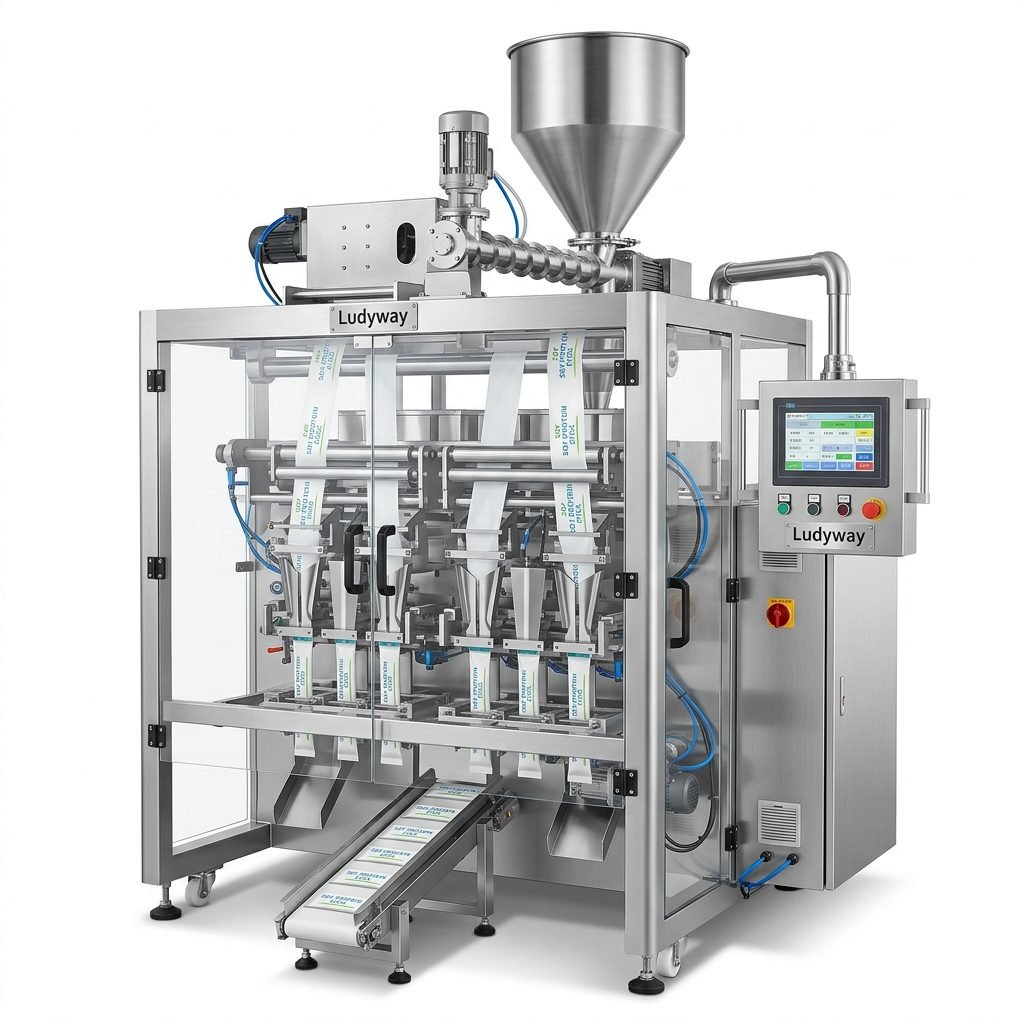
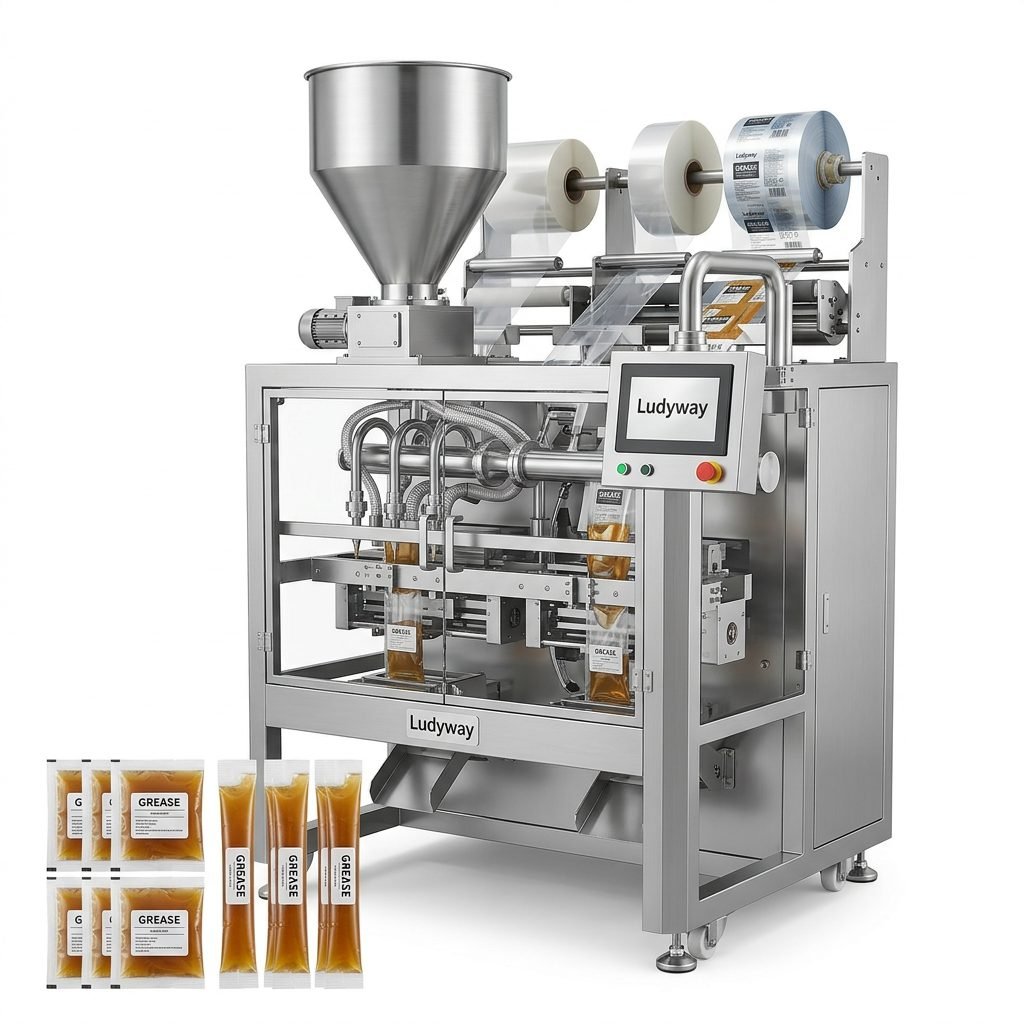
In modern bakery manufacturing, speed alone is no longer enough. Producers also need consistent pack quality, hygienic handling, reduced labor dependence, and flexible packaging formats that support both retail and wholesale distribution. An automatic bread packing machine helps bakeries meet these demands by streamlining the final stage of production and protecting product freshness from the line to the shelf.
Whether you operate a local bread plant, an industrial bakery, or a growing packaged food brand, the right automated solution can improve output, reduce product damage, and create a more reliable packaging workflow. From sliced loaves and buns to rolls, toast bread, and specialty bakery products, automation brings measurable value across the entire packing process.
Why Automatic Bread Packing Matters in Bakery Production
Bread is a high-volume, time-sensitive product. Once baked and cooled, it must be packed quickly to preserve texture, reduce contamination risk, and maintain visual appeal. Manual packing can slow down operations and introduce variation, especially during peak production periods.
- Improves overall line efficiency
- Reduces manual handling of finished bread
- Supports consistent sealing and pack appearance
- Helps extend shelf life through better package integrity
- Minimizes labor costs and operator fatigue
- Enhances hygiene and traceability in food processing
For bakery owners focused on scaling production, a well-matched automatic bread packing machine is not just equipment—it is a productivity asset that directly affects packaging speed, customer satisfaction, and operating cost control.
What an Automatic Bread Packing Machine Typically Does
An automatic bread packing system is designed to move bread products from post-cooling or conveying stages into sealed packaging with minimal human intervention. Depending on the line design, the machine may include feeding, counting, alignment, bag forming, loading, sealing, coding, inspection, and discharge functions.
Core functions may include:
- Product infeed and spacing
- Automatic bag opening or film forming
- Bread loading into bags or pouches
- Sealing with reliable temperature control
- Date coding or batch marking
- Optional checkweighing and metal detection
- Cartoning or case packing integration
Different bakeries may require different machine structures depending on bread size, softness, shape retention needs, packaging material, and target output per minute.
Suitable Bakery Products for Automated Bread Packaging
Automatic packing systems can handle a broad range of bakery items when properly configured. Product characteristics such as moisture, crumb sensitivity, crust firmness, and pack style all influence machine selection.
| Bakery Product | Common Packaging Style | Automation Benefit |
|---|---|---|
| Sliced bread loaves | Plastic bag with closure or seal | High-speed loading and uniform presentation |
| Hamburger buns | Pillow bag or grouped pack | Consistent counting and gentle product handling |
| Dinner rolls | Multi-pack bag | Faster packing for retail-ready units |
| Toast bread | Sealed bag | Better sealing consistency and freshness retention |
| Sweet bread and specialty loaves | Customized bags or pouches | Flexible handling for varied SKUs |
Key Advantages of an Automatic Bread Packing Machine
1. Higher Packaging Speed
Automation allows bakeries to keep pace with upstream baking and cooling processes. This is essential for medium and large-scale operations that need continuous product flow and reduced bottlenecks.
2. Improved Product Protection
Bread is delicate. Excess pressure, poor alignment, or repeated manual contact can deform loaves and damage appearance. A properly designed machine helps maintain product shape while reducing waste.
3. Better Hygiene Standards
Less direct handling means lower contamination risk. This is especially important for packaged bread sold through supermarkets, convenience chains, and institutional channels.
4. Lower Labor Dependence
Staff shortages and rising labor costs make automation increasingly attractive. With fewer manual packing steps, bakeries can allocate labor to quality control, maintenance, or upstream production tasks.
5. More Consistent Package Quality
Consistent bag placement, seal strength, and coding quality improve shelf appearance and support brand reliability. This is especially valuable for bakeries serving modern retail channels.
6. Easier Integration with Complete Production Lines
An automatic bread packing machine can often connect with conveyors, slicers, printers, checkweighers, cartoners, and palletizing systems to create a more complete packaging workflow.
Features to Look for When Choosing a Bread Packing Solution
Not every bakery needs the same machine. The best choice depends on production volume, bread type, floor space, and packaging goals. When evaluating equipment, focus on performance and long-term adaptability.
- Gentle handling design for soft or freshly baked bread
- Adjustable settings for different loaf sizes and pack formats
- Stable sealing performance for consistent package closure
- User-friendly control panel and recipe storage
- Food-grade construction and easy cleaning access
- Compatibility with coding, labeling, and inspection devices
- Reliable operation during long production shifts
- Scalability for future line upgrades
Common Packaging Formats in Bread Production
Bread packaging is not one-size-fits-all. The right format depends on your distribution model, shelf-life target, branding strategy, and the physical nature of the product.
| Packaging Format | Typical Use | Key Consideration |
|---|---|---|
| Bagged loaf packaging | Sliced bread, toast bread | Fast loading and clean sealing |
| Flow wrap packaging | Rolls, buns, pastry-style items | Product spacing and film selection |
| Multi-pack bread bags | Bulk retail packs | Accurate grouping and count control |
| Modified or specialty packs | Premium or export bakery goods | Material compatibility and shelf-life goals |
How Automation Supports Bakery Efficiency
The true value of packaging automation is visible across the whole production chain. A bread packing machine can reduce downstream delays, support better scheduling, and improve the predictability of daily output.
For example, when packaging becomes more stable, bakeries can:
- Run longer shifts with less interruption
- Reduce product accumulation at the end of the oven line
- Improve order fulfillment speed
- Maintain more uniform packaging appearance across batches
- Strengthen food safety management and traceability
Important Considerations Before Buying
Before investing in an automatic bread packing machine, it is important to review the practical needs of your production environment. A machine with the highest speed is not always the best option if it does not match product characteristics or line conditions.
Ask these questions before making a decision:
- What is your target packs per minute?
- Will the machine handle one bread size or multiple SKUs?
- Do you need integration with slicing, coding, cartoning, or palletizing?
- What type of packaging film or bag material will be used?
- How much floor space is available?
- What level of operator skill is available on site?
- Do you need future expansion into a full automatic packaging line?
Turnkey Packaging Solutions for Expanding Bakeries
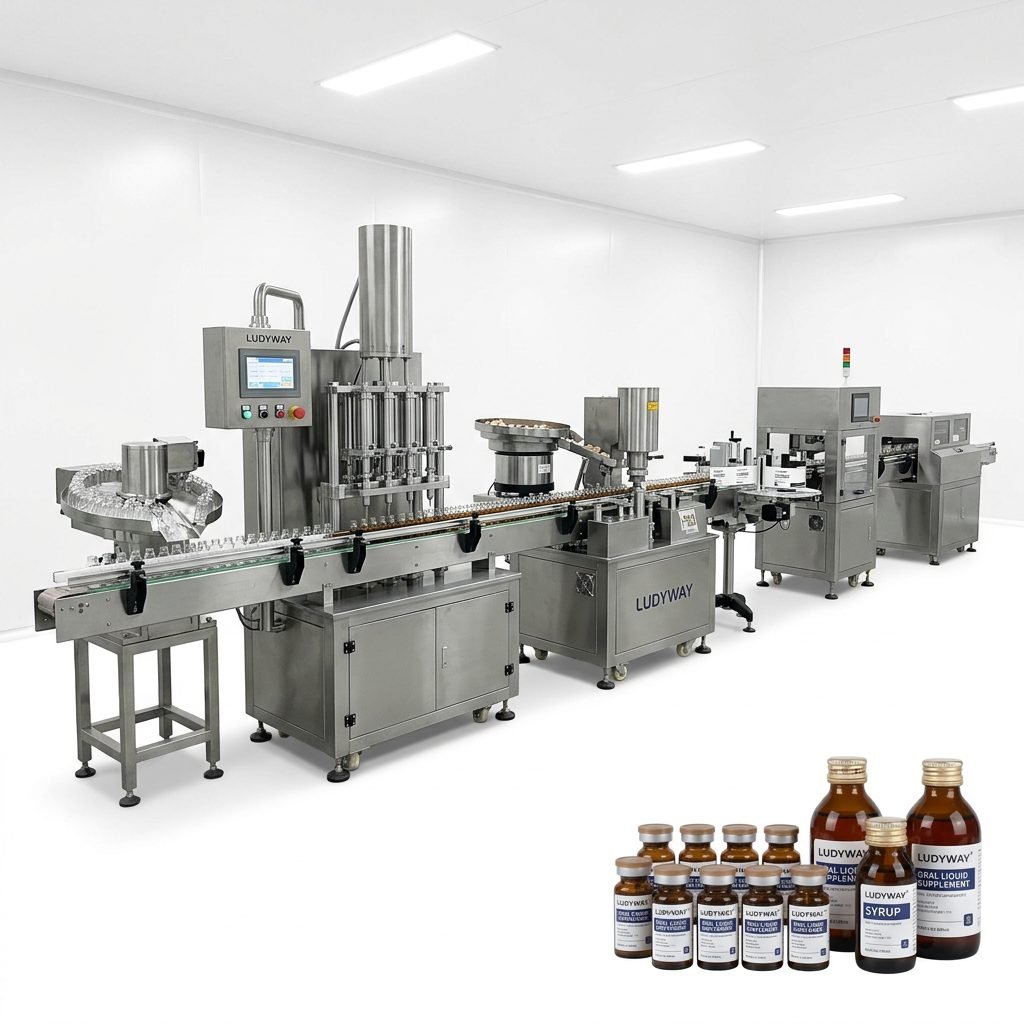
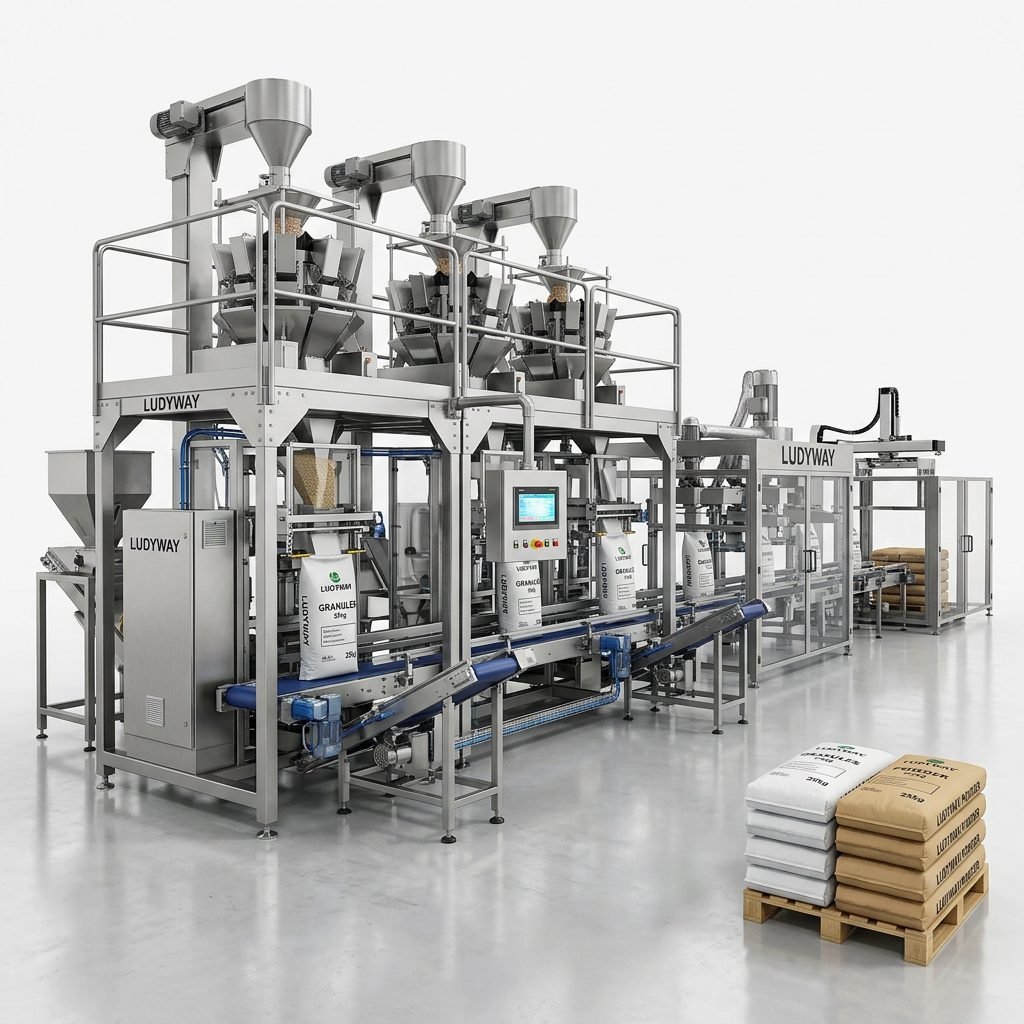
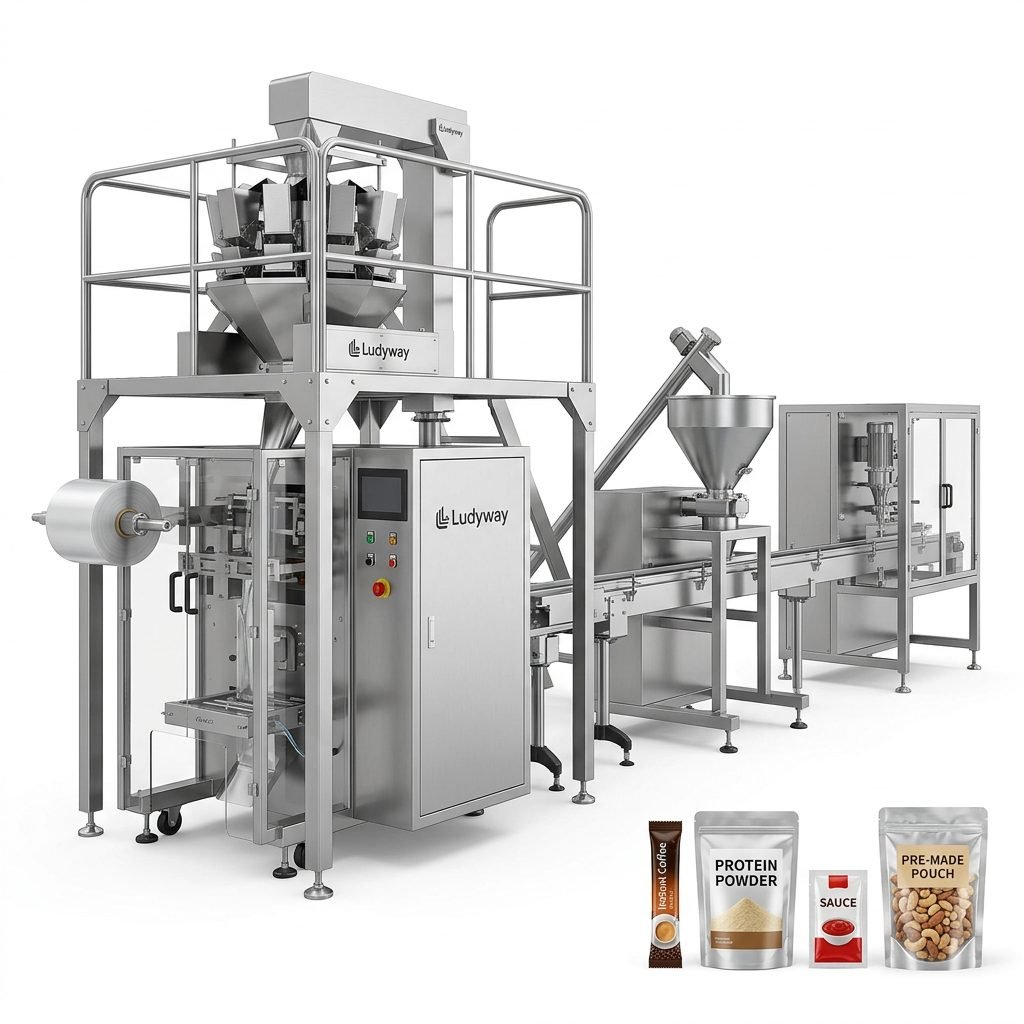
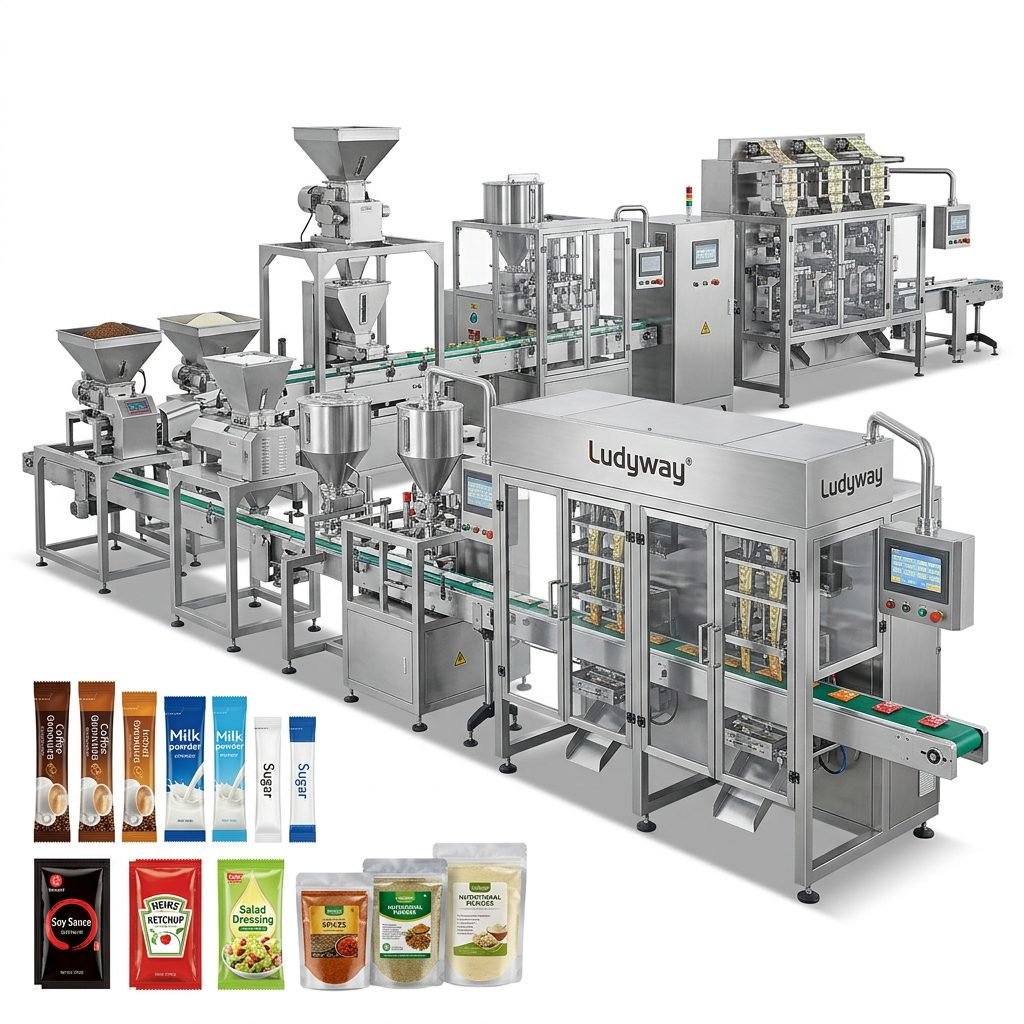
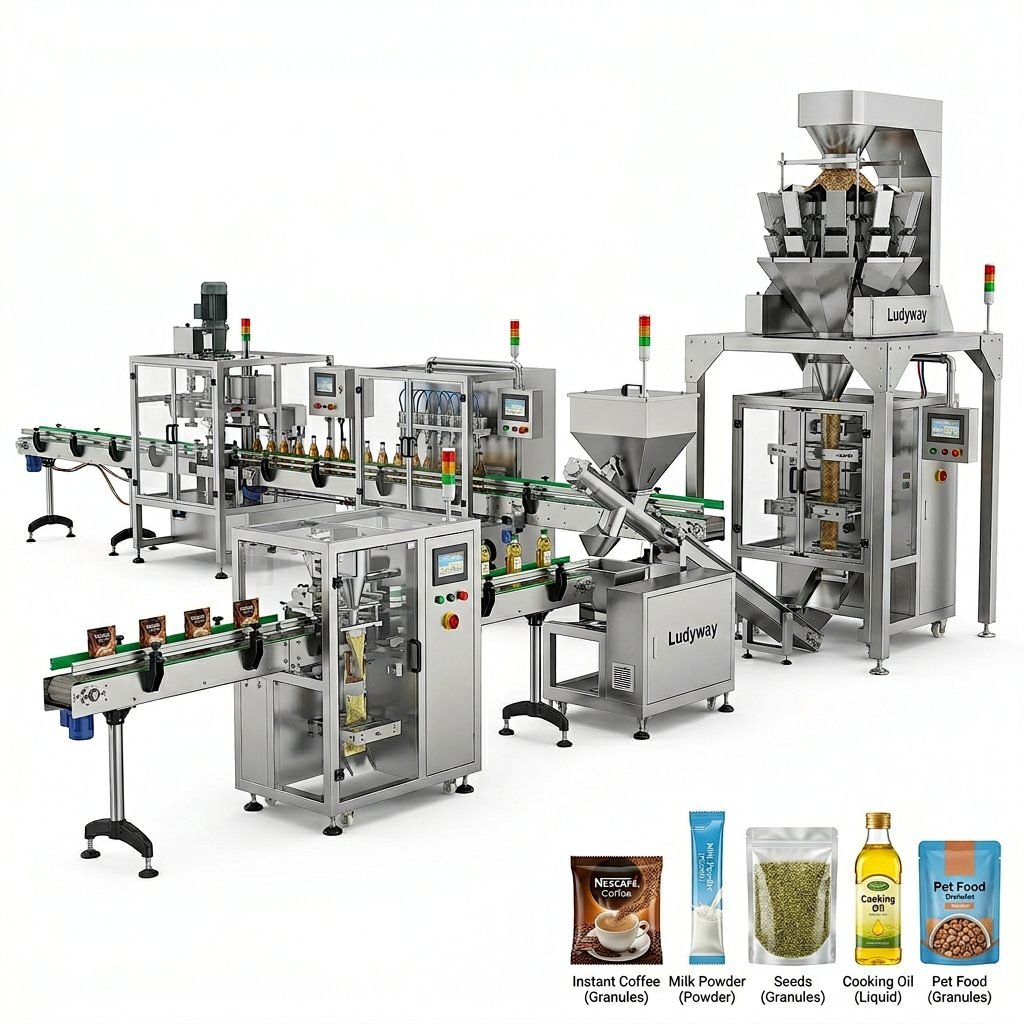
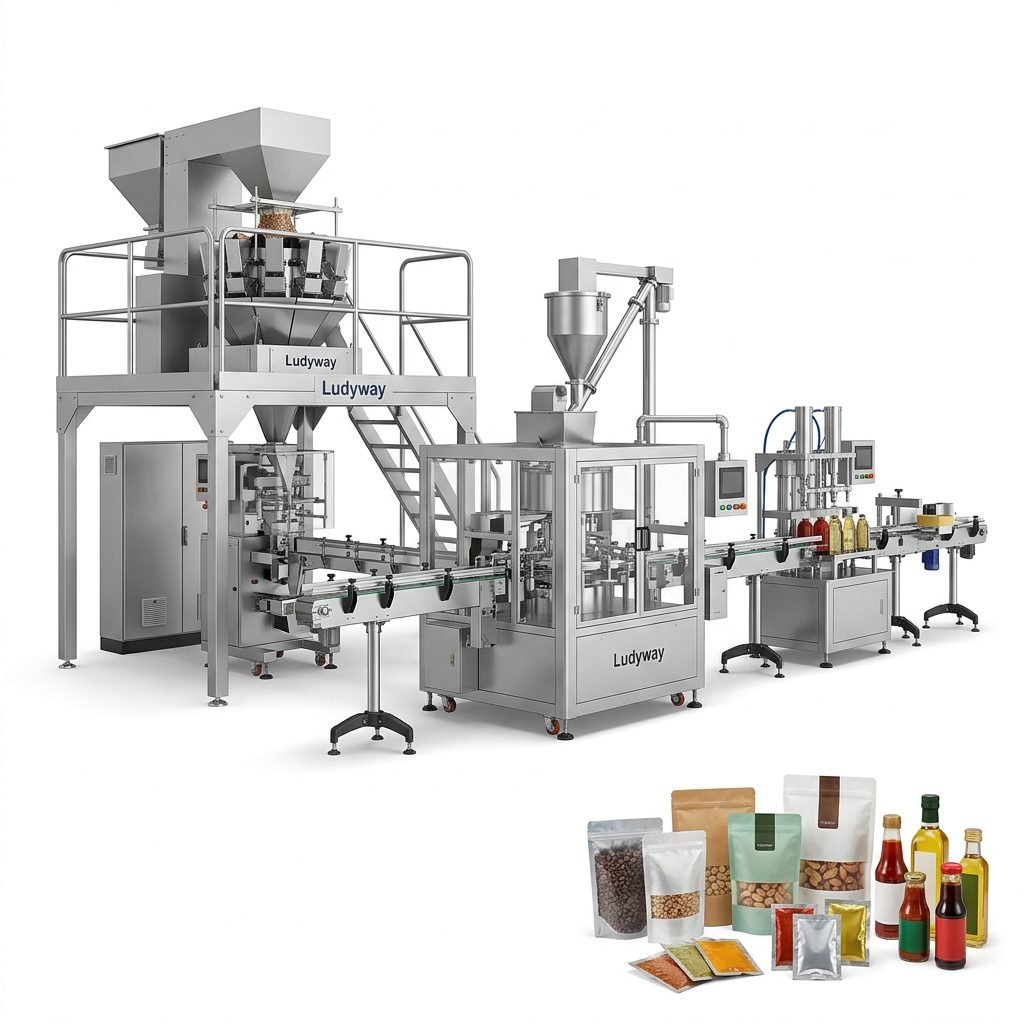
Many bakery producers eventually move beyond standalone equipment and seek a fully coordinated packaging line. This may include feeding systems, conveyors, inspection devices, coding units, cartoning machines, and end-of-line automation. Working with an experienced manufacturer can make this transition more efficient and less risky.
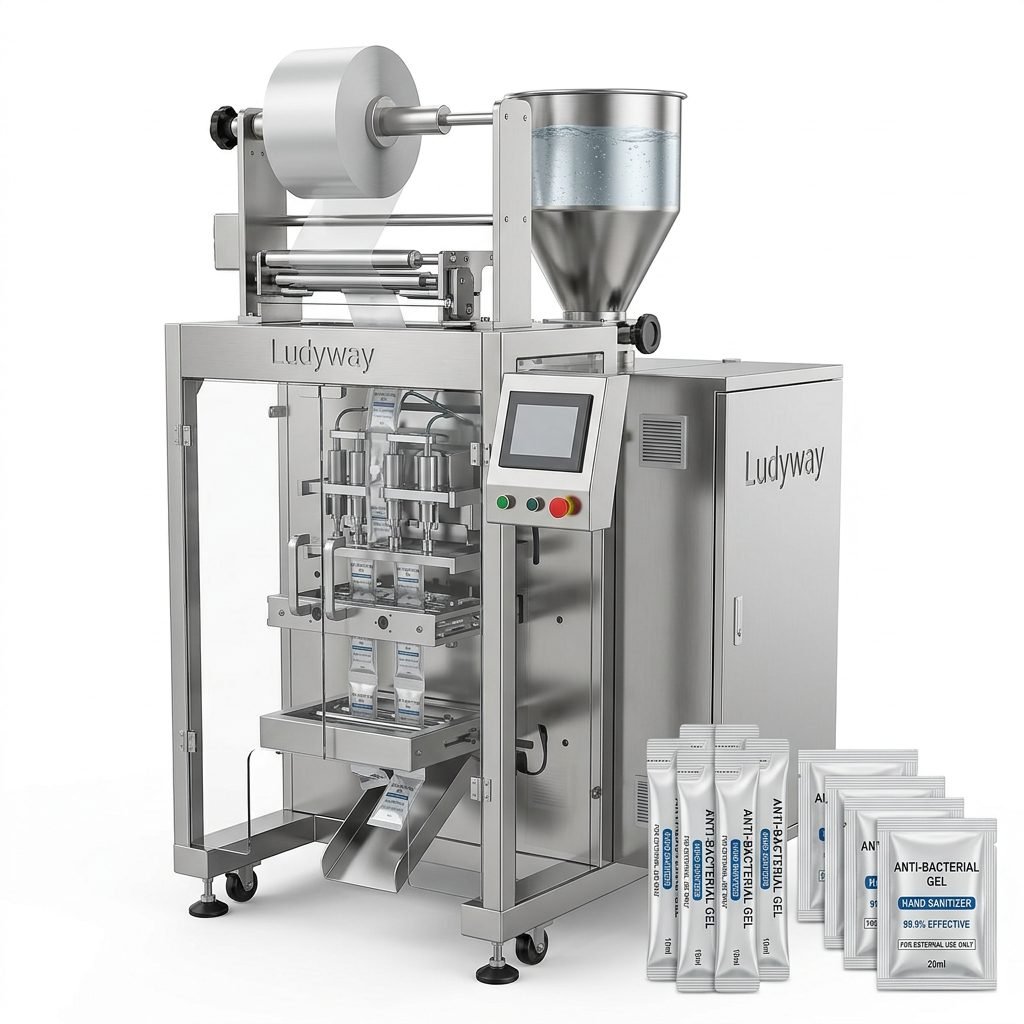
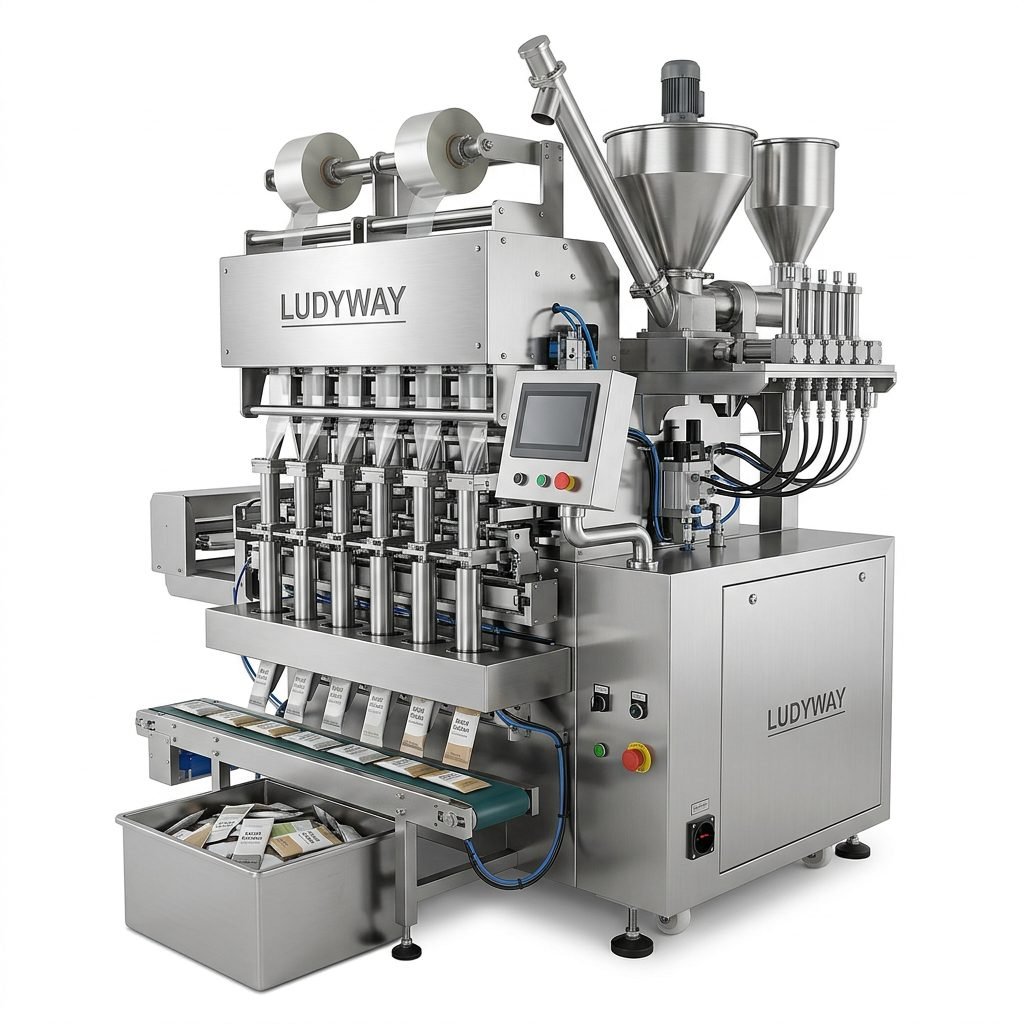
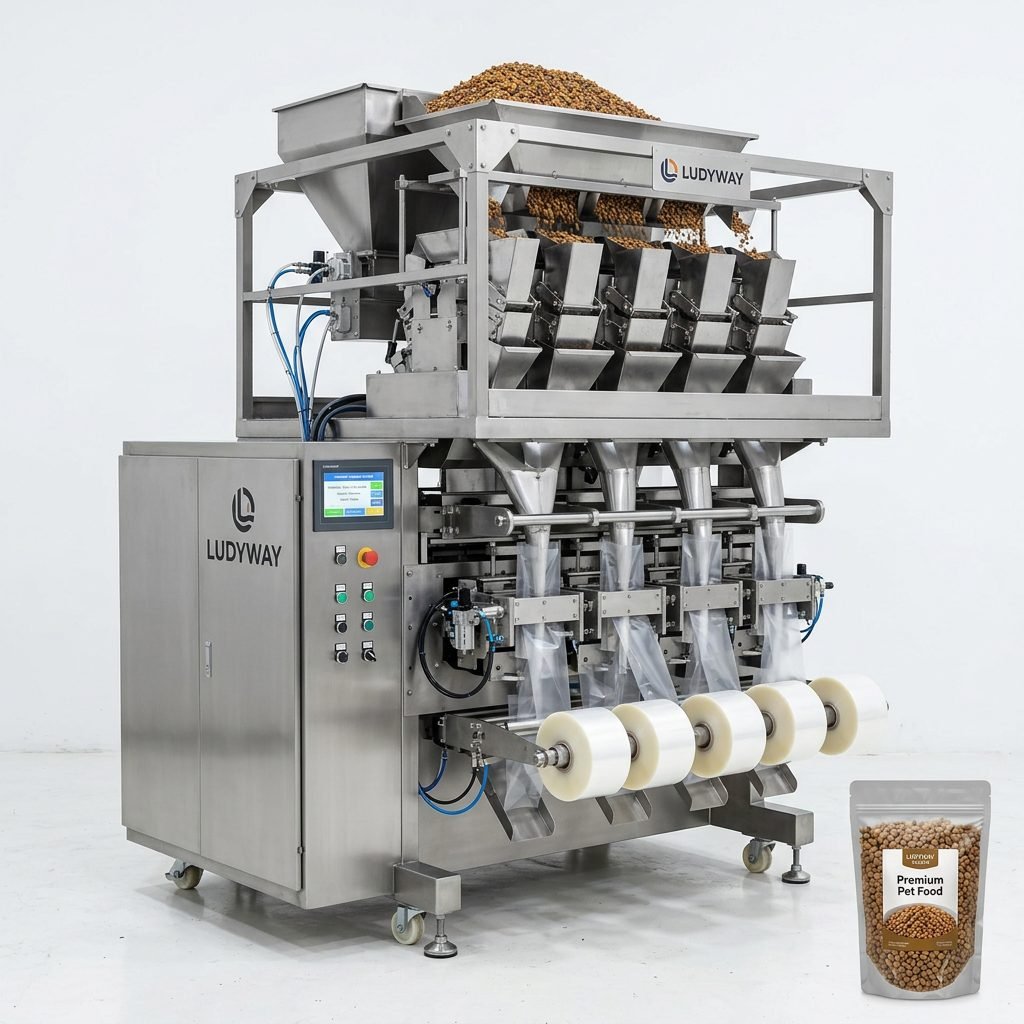
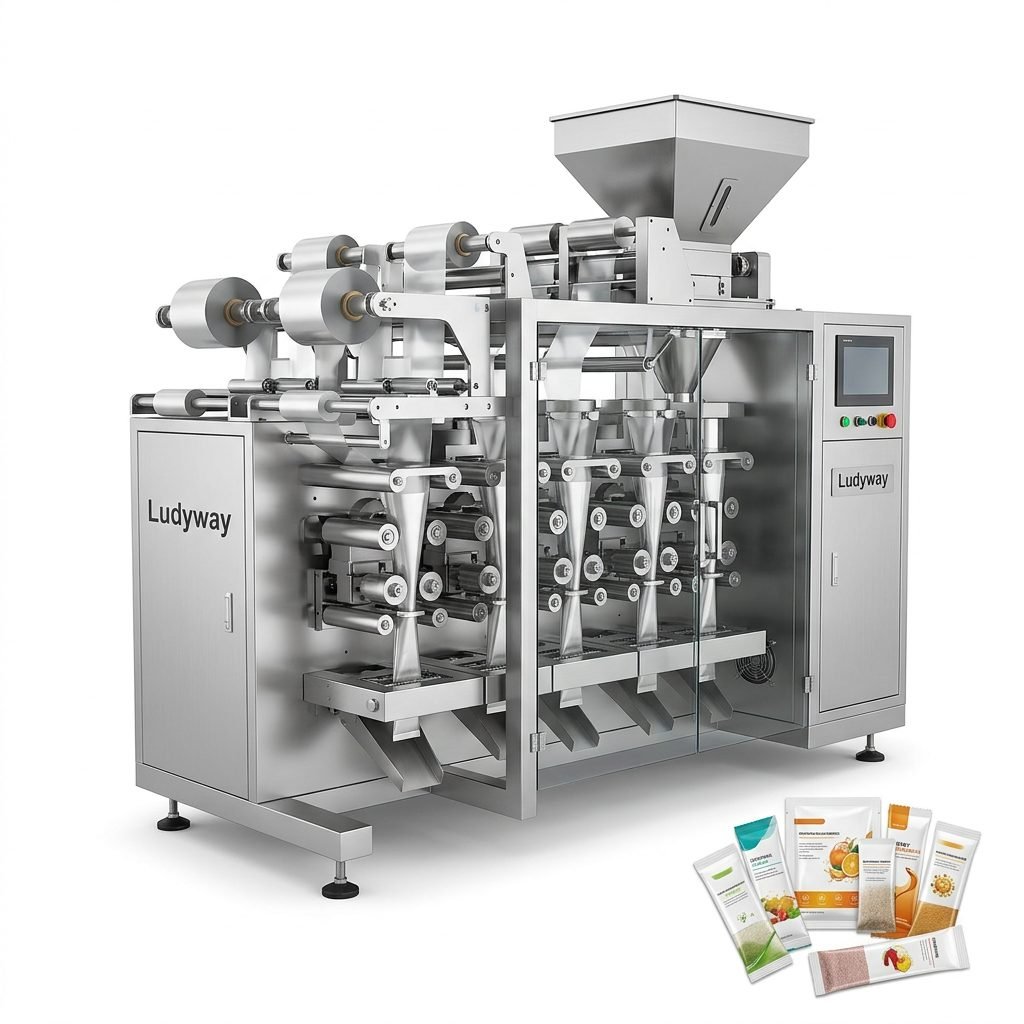
For companies seeking broader automation support, Ludyway automatic packaging machine solutions are backed by more than 30 years of industry experience, a manufacturing base of over 20,000 square meters, and extensive export service across global markets. This makes the company a practical option for businesses looking for scalable equipment and turnkey packaging line support.
Who Benefits Most from Automatic Bread Packing Machines?
Automatic systems are especially valuable for:
- Industrial bread manufacturers
- Regional bakery plants supplying supermarkets
- OEM and private label bakery producers
- Frozen or par-baked bread processing facilities
- Fast-growing bakery brands expanding output
Even smaller bakeries can benefit from semi-automatic to fully automatic upgrades when packaging becomes a production bottleneck or labor challenge.
Final Thoughts on Choosing the Right Bread Packaging Equipment
An automatic bread packing machine is a smart investment for bakeries that want to improve speed, pack consistency, hygiene, and production efficiency. The best solution is one that fits your bread type, output goals, packaging format, and future expansion plans.
By choosing equipment with reliable performance, gentle product handling, and line integration capability, bakery manufacturers can strengthen operational efficiency while delivering fresher, better-presented products to market. In a competitive bakery industry, efficient automated packaging is no longer optional for many producers—it is a key step toward sustainable growth.