When comparing rice packing machine price, the cheapest option is rarely the most affordable in the long run. For rice producers, food brands, wholesalers, and contract packers, the best packaging solution is the one that balances purchase cost, output efficiency, sealing quality, maintenance needs, and future scalability.
Whether you pack small retail sachets, medium pouches, or large bulk bags, understanding what really affects machine pricing helps you avoid overspending while still choosing reliable equipment.
What Determines Rice Packing Machine Price?
Rice packaging machines vary widely in price because they are built for different production goals. A compact semi-automatic unit costs far less than a fully integrated high-speed line. Before comparing quotations, buyers should understand the main cost drivers.
- Packaging format: pillow bags, gusset bags, premade pouches, sachets, or bulk sacks
- Automation level: semi-automatic, automatic, or turnkey packaging line
- Output speed: low, medium, or high-speed production
- Weighing system: linear weigher, multihead weigher, auger, or volumetric cup
- Bag size range: small retail packs versus 10kg, 25kg, or 50kg bags
- Material contact parts: food-grade stainless steel and sanitary design
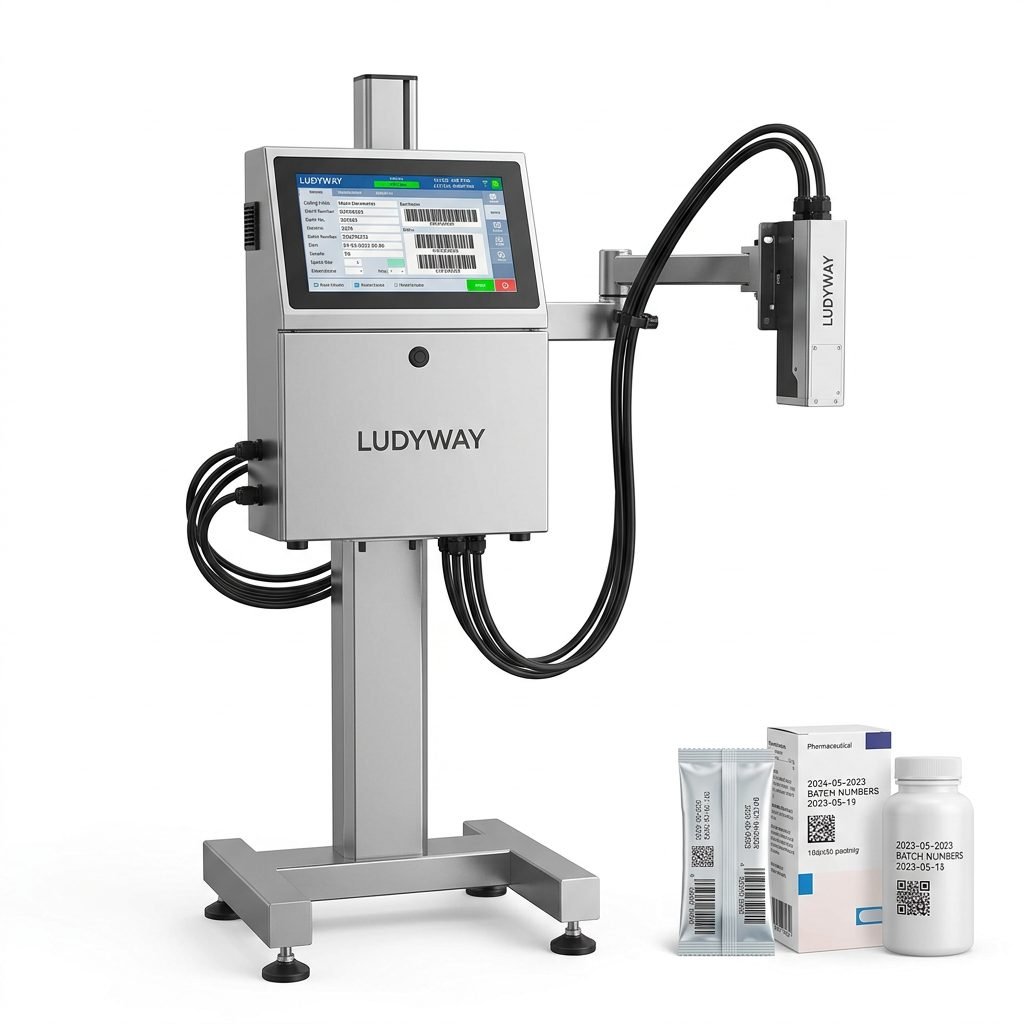
- Optional systems: date coder, nitrogen flushing, metal detector, checkweigher, conveyor, carton packing, palletizing
- Customization: special bag shapes, dust control, anti-breakage feeding, or factory layout integration
Typical Rice Packaging Machine Types and Price Positioning
Instead of focusing only on the machine sticker price, look at the total application fit. Different rice products need different machine structures.
| Machine Type | Best For | Price Level | Key Advantage |
|---|---|---|---|
| Semi-automatic rice weighing and sealing machine | Small workshops, startups | Low | Lower upfront investment |
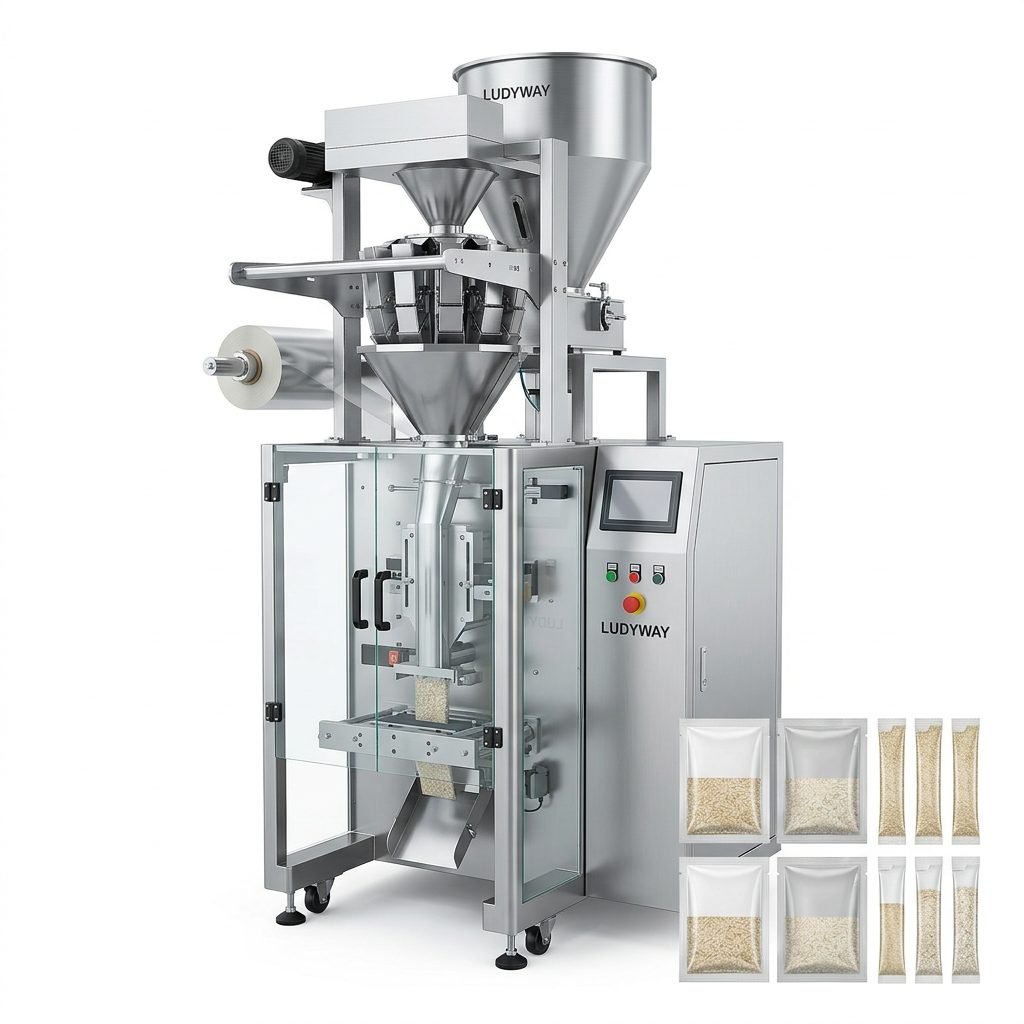
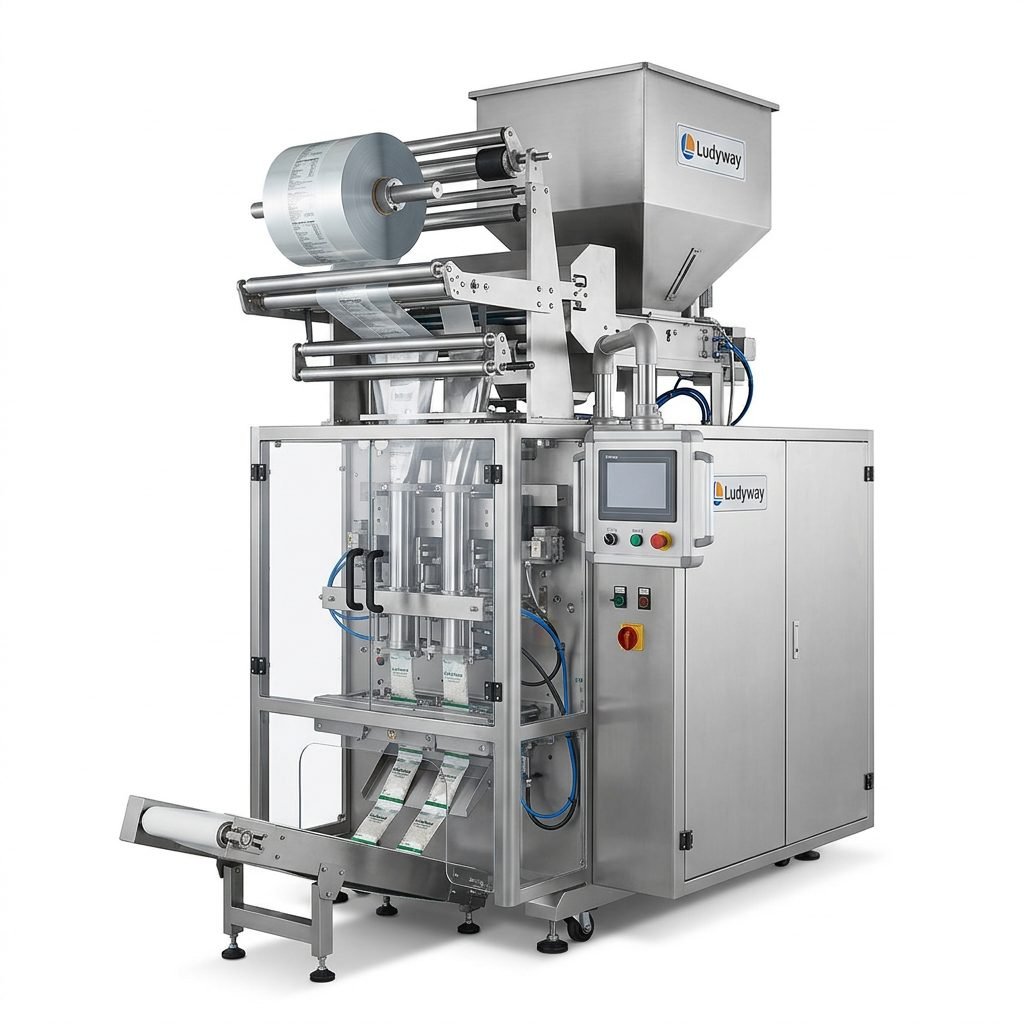
| Vertical form fill seal machine | Retail rice bags and pouches | Medium | Efficient automatic bag making and packing |
| Premade pouch packing machine | Premium branded rice products | Medium to high | Better shelf appearance |
| Open-mouth bagging machine | 10kg to 50kg rice bags | Medium to high | Suitable for bulk packing |
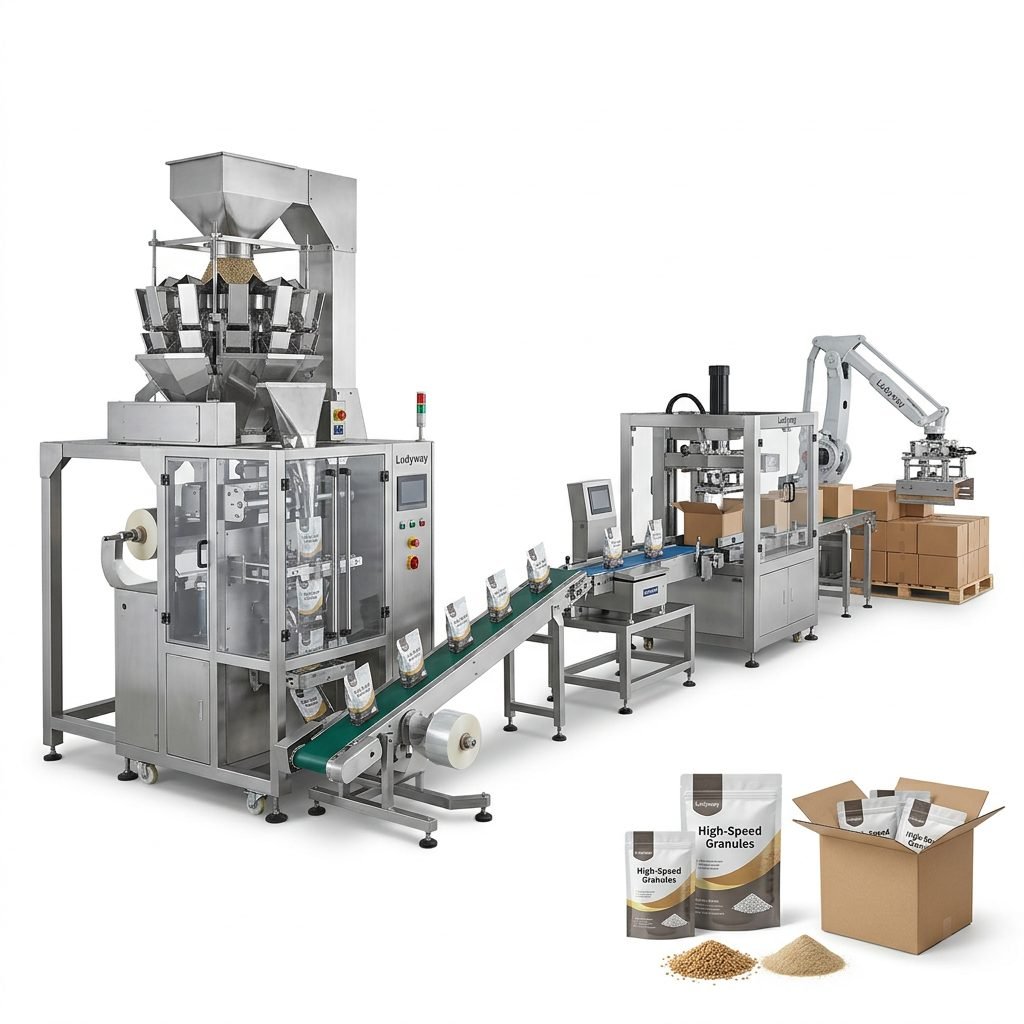
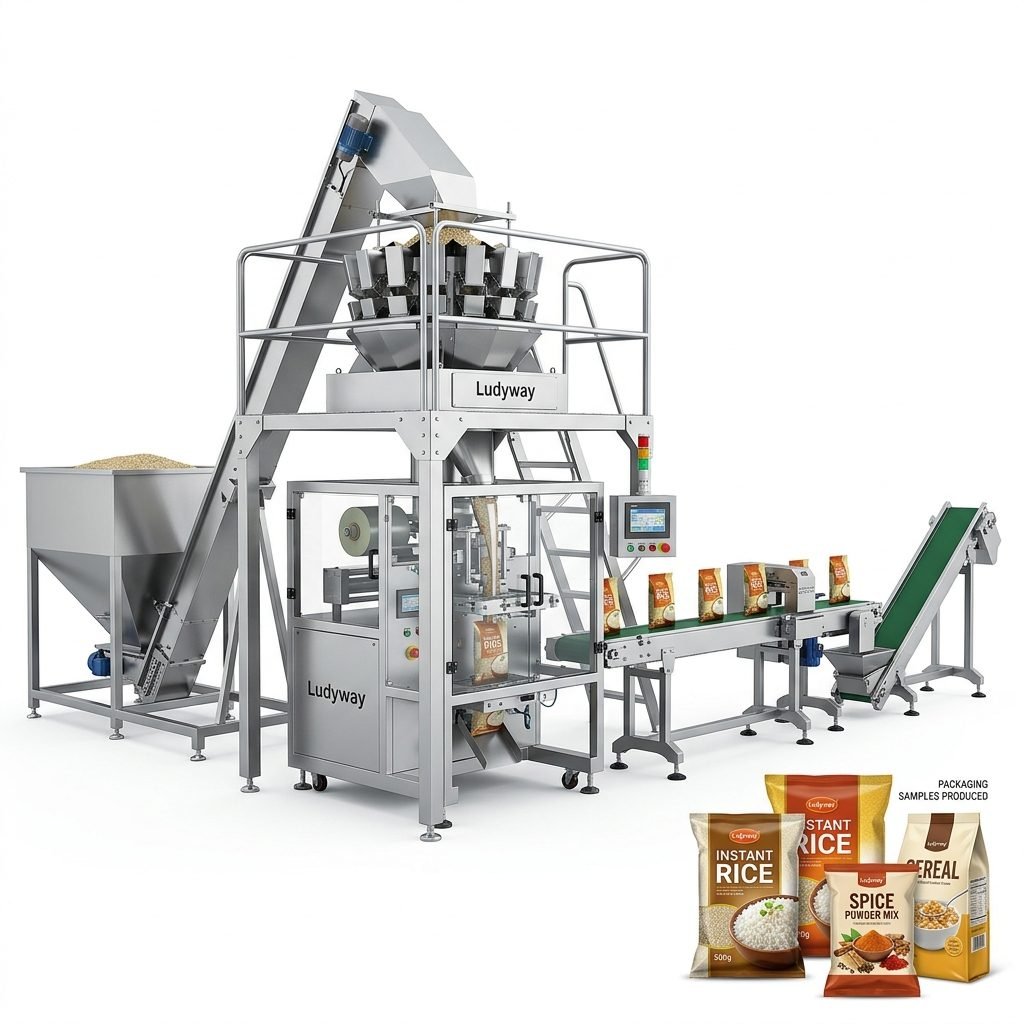
| Fully automatic packaging line | Large factories and exporters | High | Labor saving and continuous output |
How to Define “Affordable” the Right Way
An affordable machine should not simply be the lowest quotation. It should deliver the lowest practical cost per bag over time. A slightly higher-priced machine may be more economical if it reduces labor, downtime, film waste, and sealing defects.
Look at Total Cost of Ownership
- Initial equipment cost
- Installation and training expense
- Energy consumption
- Wear parts and maintenance cost
- Operator requirement
- Film and bag material waste
- Production stoppage risk
- Expected machine life
If a low-cost unit causes inaccurate weighing or weak bag sealing, product loss and customer complaints can quickly erase the initial savings.
Key Questions to Ask Before Requesting a Quote
The more clearly you define your packing requirements, the easier it is to receive an accurate and competitive quotation.
- What rice type do you pack: white rice, brown rice, fragrant rice, sticky rice, broken rice, or mixed grains?
- What bag sizes do you need: 500g, 1kg, 5kg, 10kg, 25kg, or 50kg?
- What is your target output per hour?
- Do you need pillow bags, gusset bags, premade pouches, or woven sacks?
- What weighing accuracy is required?
- Do you need coding, labeling, checkweighing, or metal detection?
- Is your factory planning future expansion?
- Do you need standalone equipment or a complete automated line?
Choosing by Business Size
For Startups and Small Rice Brands
If your output is limited and budget is tight, a semi-automatic or entry-level automatic rice packing machine may be the most sensible choice. Focus on basic weighing stability, easy operation, and low maintenance. Avoid over-configuring features you will not use in the first year.
For Growing Food Companies
A mid-range automatic machine is often the sweet spot. It improves consistency, reduces labor dependence, and supports stronger retail presentation. If your sales are increasing, choose a model with room for speed upgrades or downstream integration.
For Large Factories and Exporters
High-volume operations benefit more from a complete packaging line than from a low-cost standalone machine. Integrated feeding, weighing, bagging, sealing, inspection, coding, cartoning, and palletizing can significantly improve line efficiency and lower unit packing cost.
Features Worth Paying For
Some upgrades genuinely improve value and should not be dismissed as unnecessary extras.
| Feature | Why It Matters | Value Level |
|---|---|---|
| Accurate weighing system | Reduces giveaway and improves consistency | High |
| Servo control | Improves precision and machine stability | High |
| Stainless steel food-contact parts | Better hygiene and longer service life | High |
| Date coding integration | Supports traceability and retail compliance | Medium |
| Checkweigher and metal detector | Improves quality control | High |
| Nitrogen flushing | Useful for shelf-life sensitive products | Conditional |
Common Mistakes That Make a “Cheap” Machine Expensive
- Buying a machine with output lower than actual demand
- Ignoring weighing accuracy and product giveaway
- Choosing poor-quality sealing components
- Not checking spare parts availability
- Skipping after-sales support evaluation
- Purchasing equipment that cannot handle future bag sizes
- Comparing quotes without matching specifications
These issues often lead to hidden costs such as rework, frequent stoppages, operator frustration, and premature replacement.
Should You Buy a Standalone Machine or a Turnkey Line?
This depends on your current production scale and growth plan.
Choose a Standalone Machine If:
- You are entering the market with limited output
- You already have upstream or downstream equipment
- You want lower initial investment
- Your product range is simple
Choose a Turnkey Packaging Line If:
- You need consistent high-volume production
- You want fewer manual handling steps
- You need integrated feeding, weighing, sealing, inspection, and final packing
- You want easier expansion and better line coordination
For companies aiming at long-term efficiency, a complete solution often offers better value than buying separate machines over time.
How to Compare Suppliers Beyond Price
A competitive quotation matters, but supplier capability matters just as much. Reliable manufacturers can help you avoid expensive missteps in machine selection, commissioning, and long-term maintenance.
- Industry experience: proven packaging application knowledge
- Manufacturing capability: stable machining, assembly, and testing processes
- Export experience: understanding of different market requirements
- Customization ability: adaptation for product, bag type, and plant layout
- Technical support: installation guidance, training, troubleshooting, spare parts
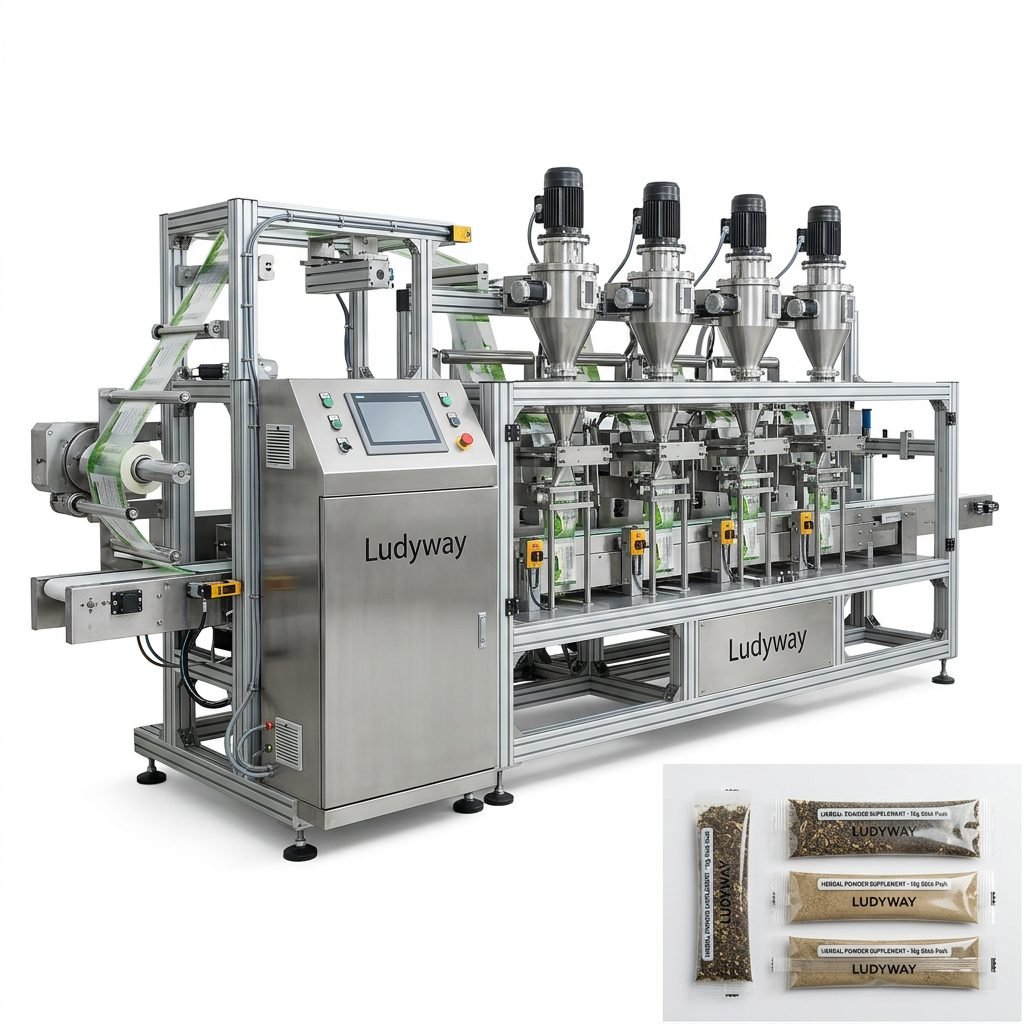
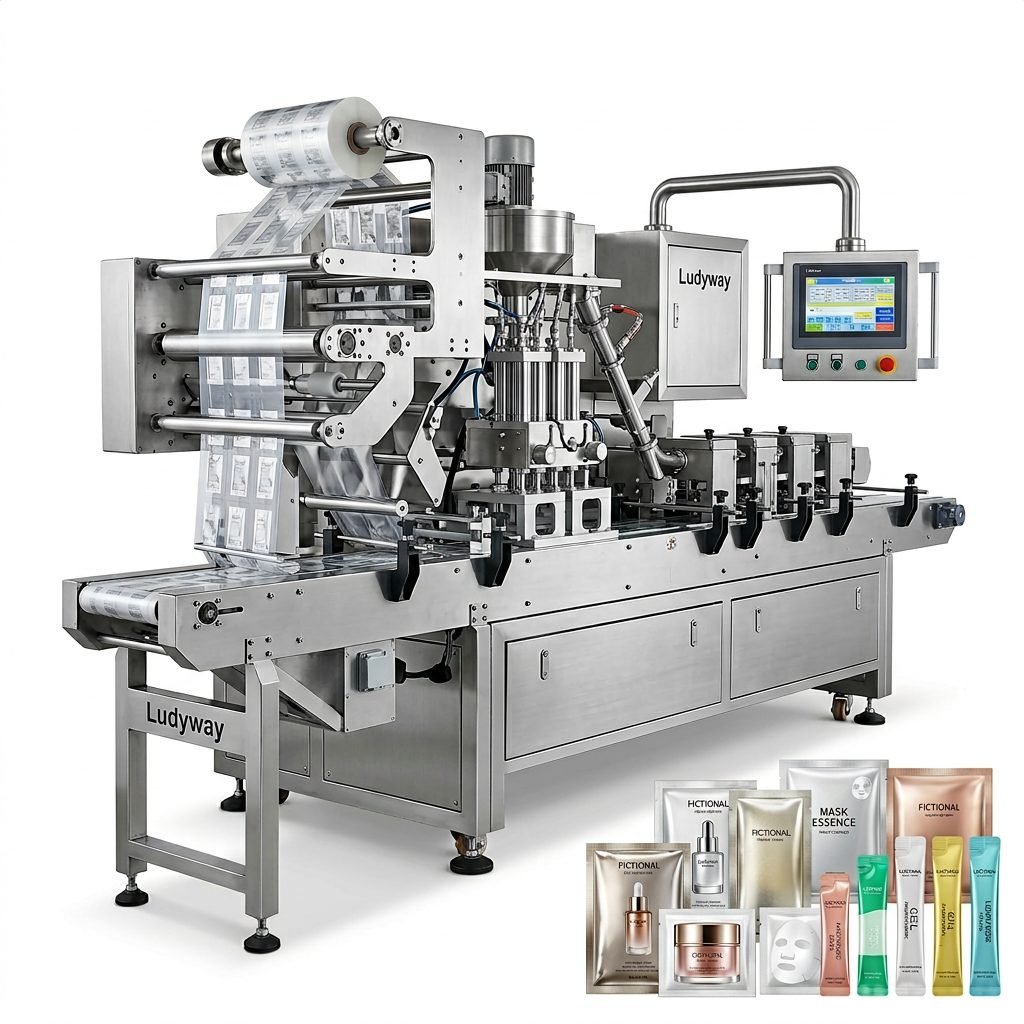
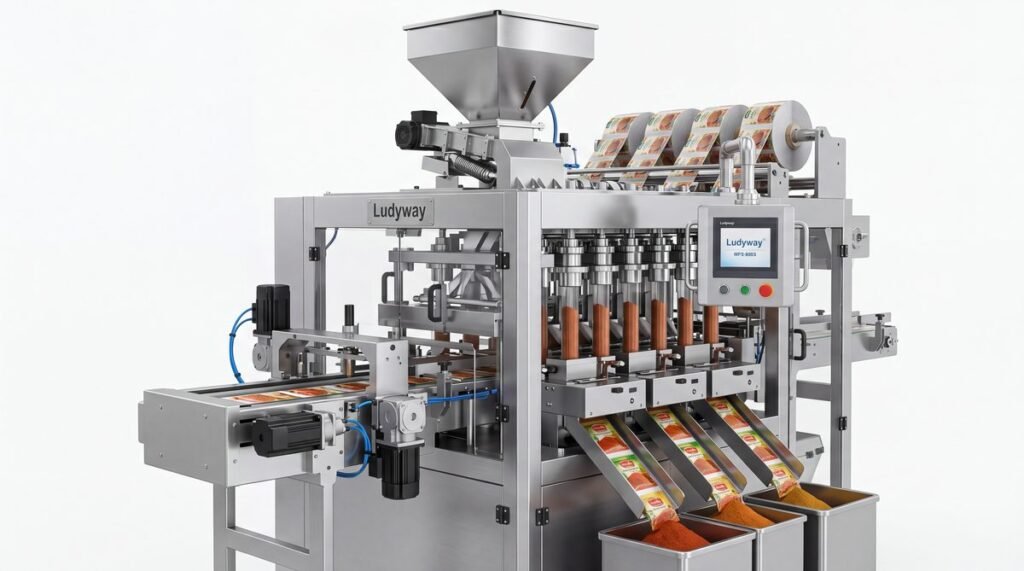
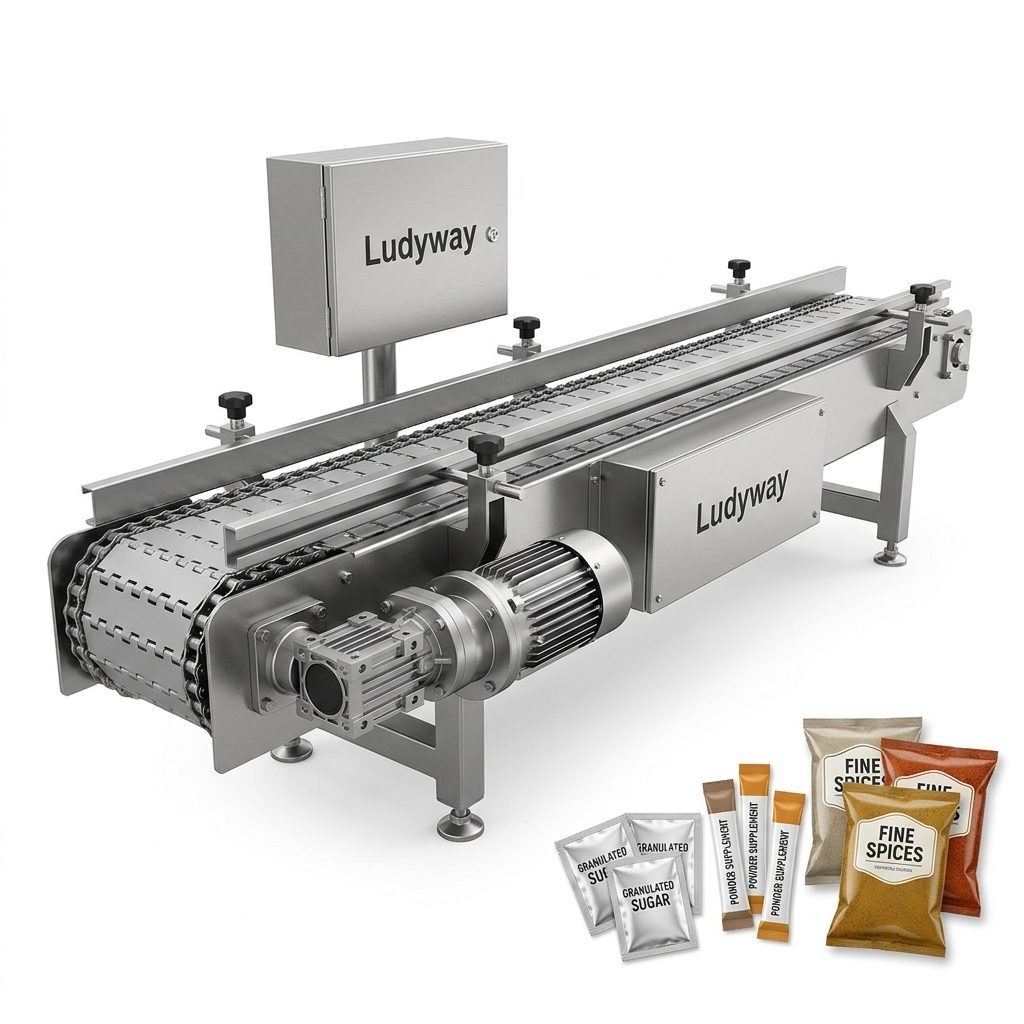
If you are sourcing from China, working with an experienced manufacturer can improve both pricing and project execution. Ludyway rice packaging machine solutions are often considered by buyers looking for scalable equipment, customized automation, and complete turnkey packaging line support.
Practical Buying Checklist
| Checklist Item | Why It Is Important |
|---|---|
| Confirm rice type and particle characteristics | Affects feeding and weighing design |
| Define bag size range clearly | Prevents mismatch in machine configuration |
| Specify hourly output target | Ensures realistic production capacity |
| Ask for accuracy data | Controls product giveaway and consistency |
| Review electrical and component brands | Impacts stability and maintenance |
| Check after-sales service scope | Reduces downtime risk |
| Consider future automation upgrades | Improves long-term affordability |
Final Advice for Getting the Best Value
To choose the best affordable rice packaging solution, do not ask only, “What is the machine price?” Ask instead:
- Will this machine match my current packaging needs?
- Will it remain useful as my business grows?
- Can it reduce labor and material waste?
- Will the supplier support me after delivery?
- Does the machine provide stable quality bag after bag?
The best machine is the one that helps you pack rice efficiently, protect product quality, and achieve a lower long-term cost per package. A well-matched solution may not be the cheapest quote on paper, but it is often the most economical investment for your business.