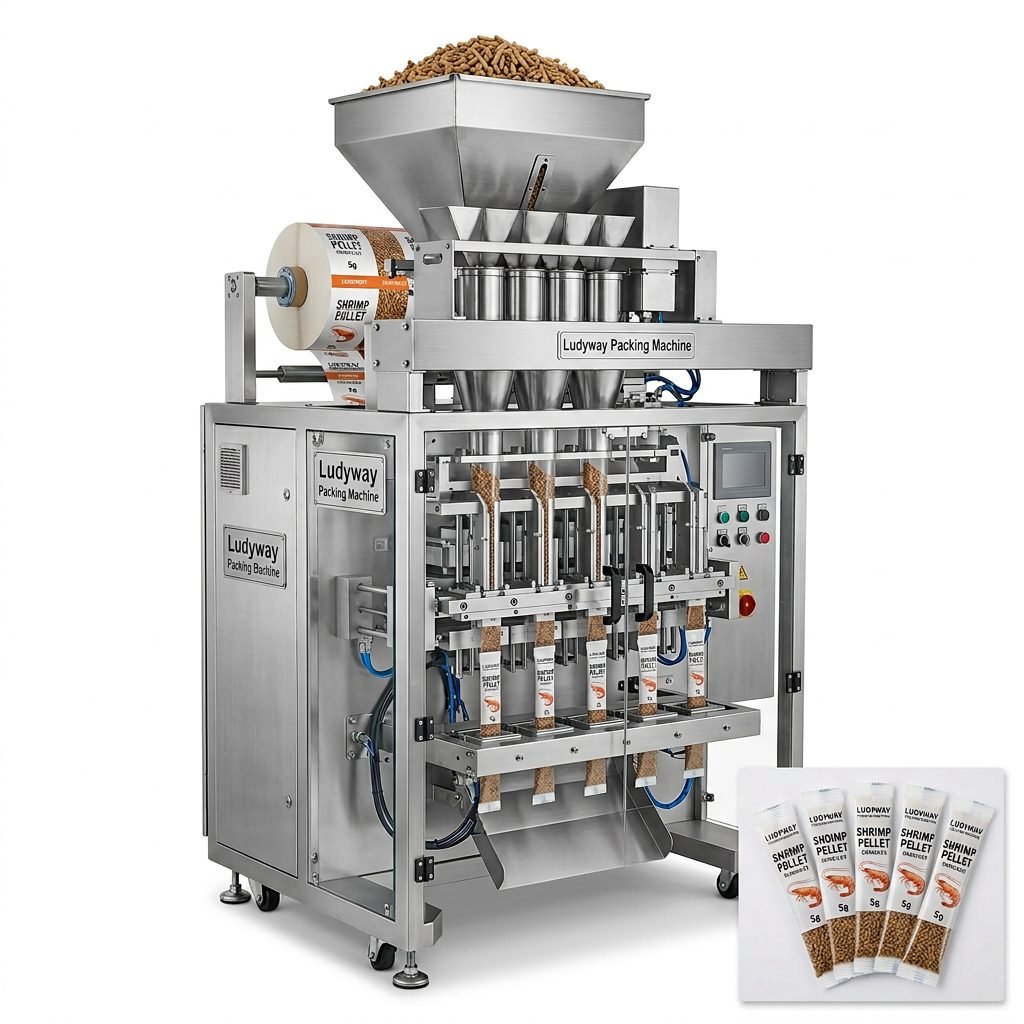
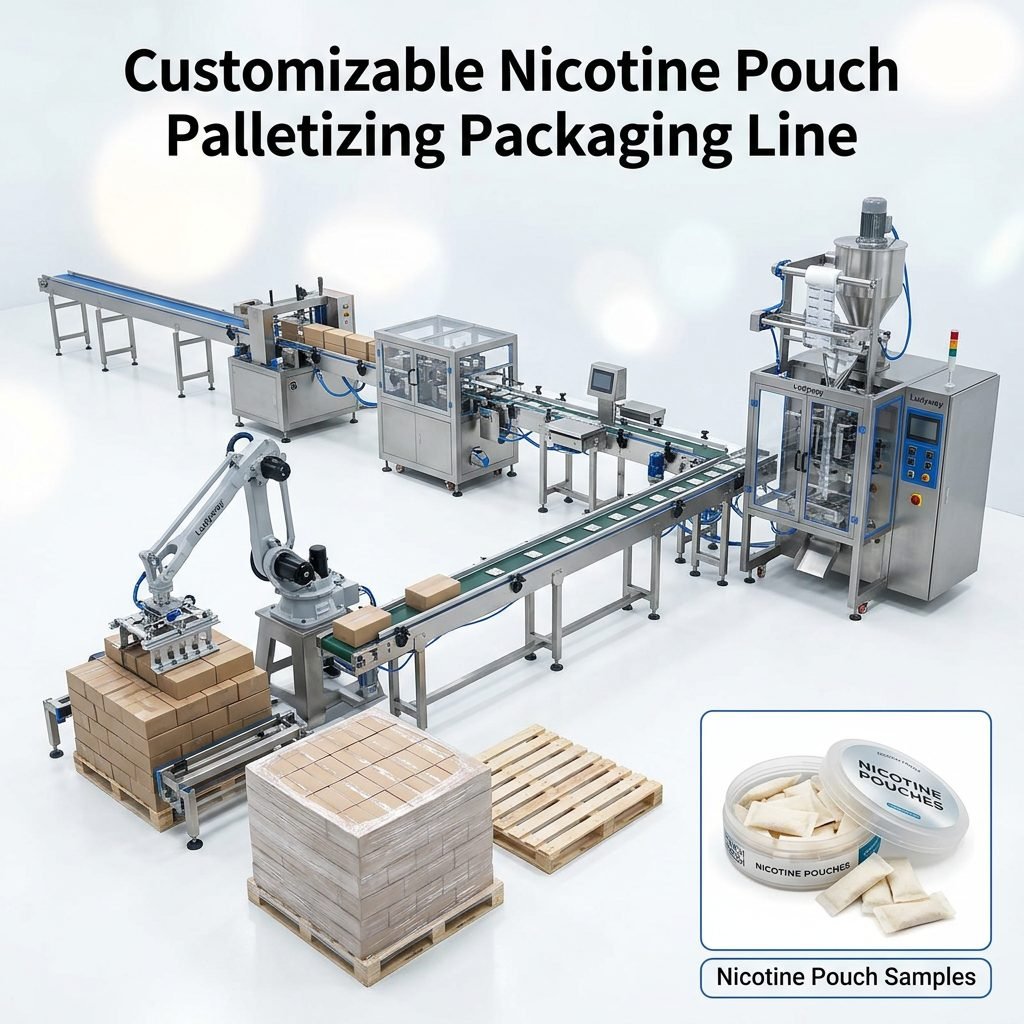
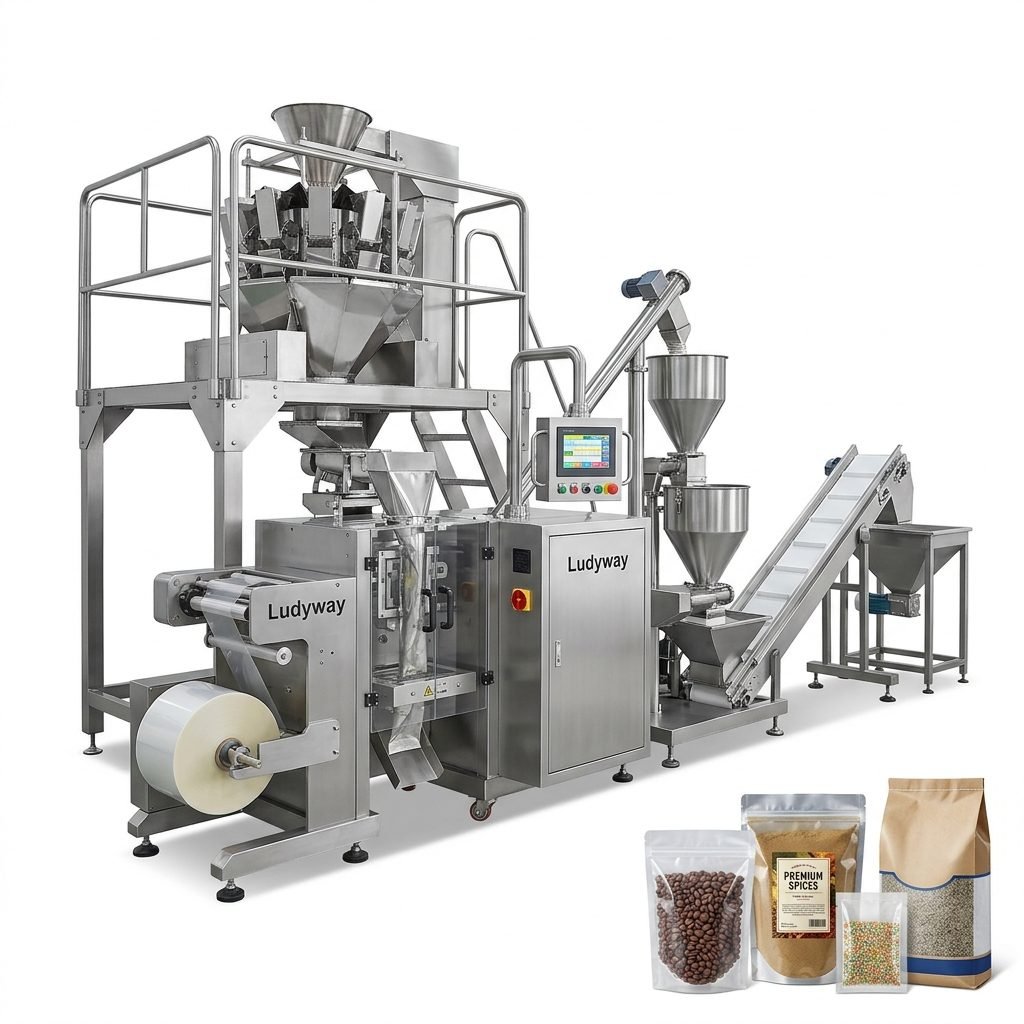
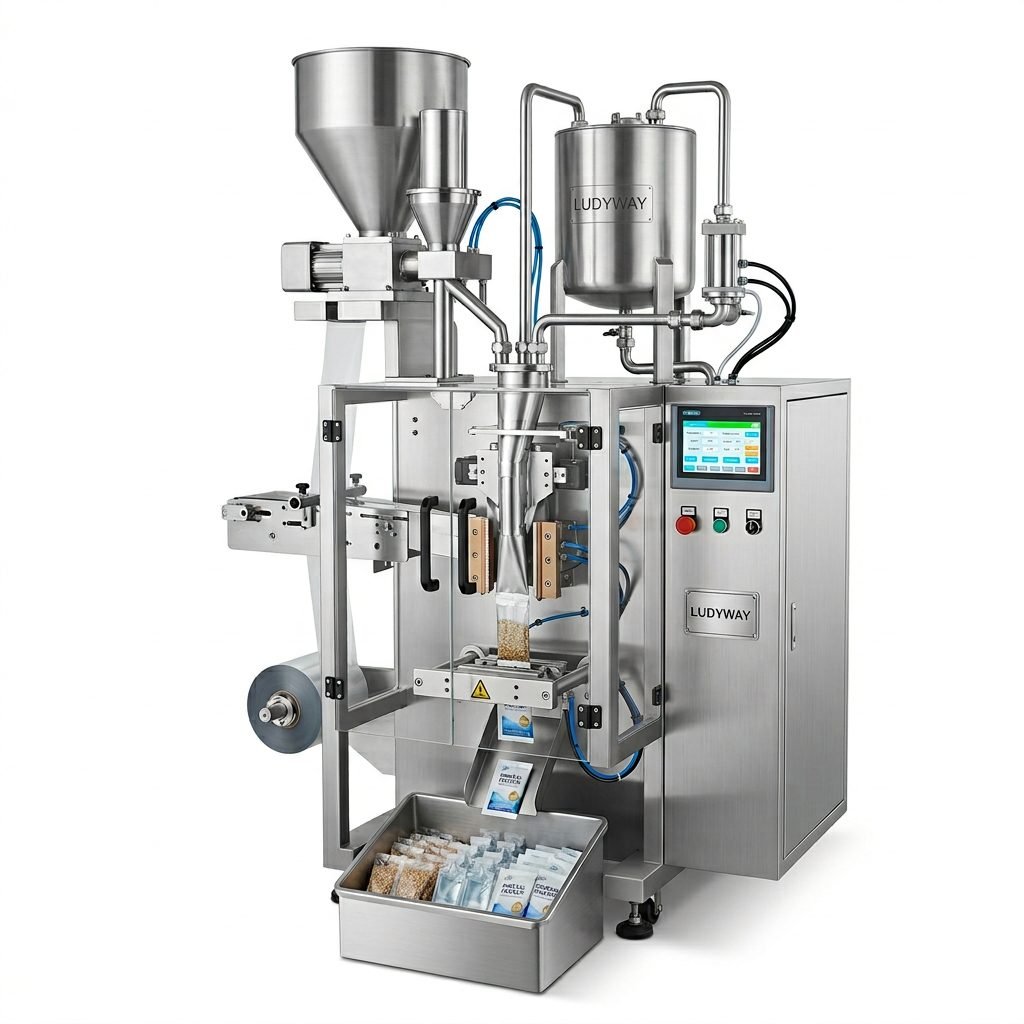
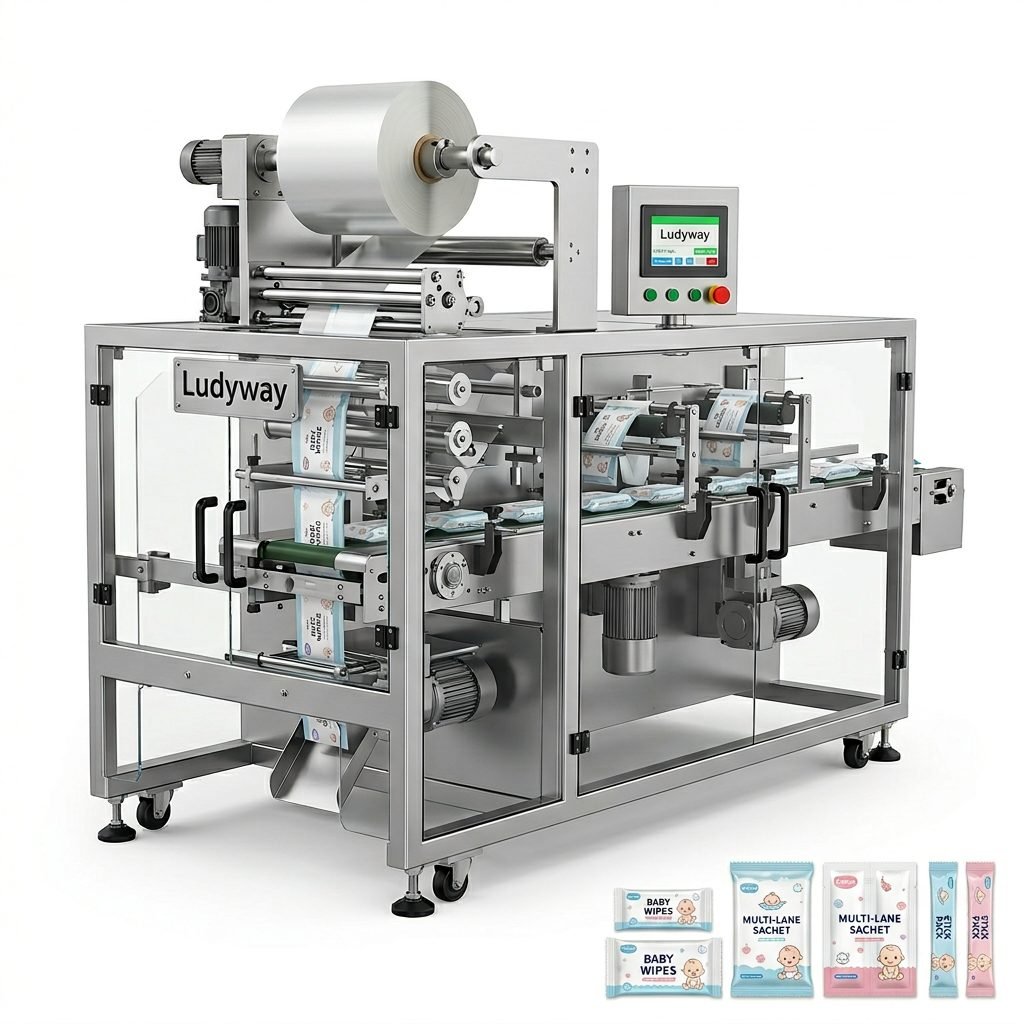
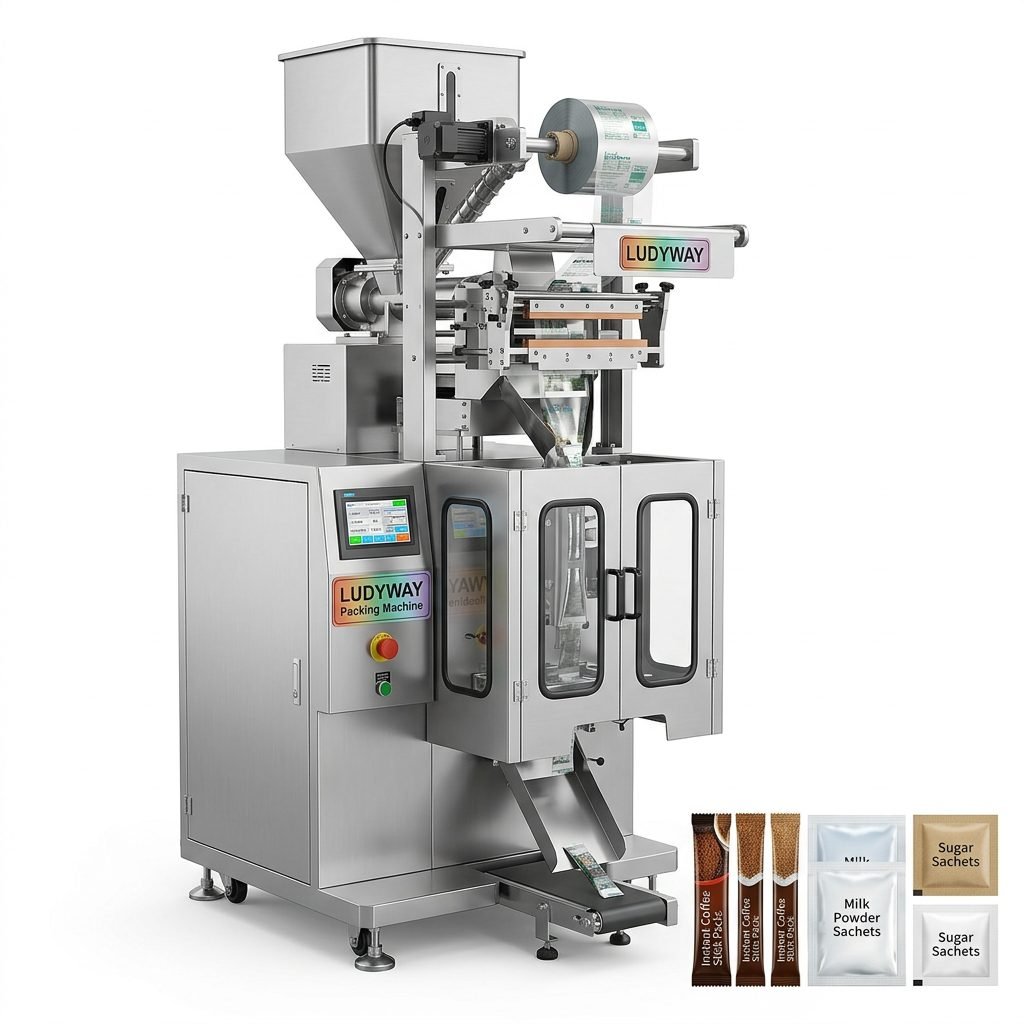
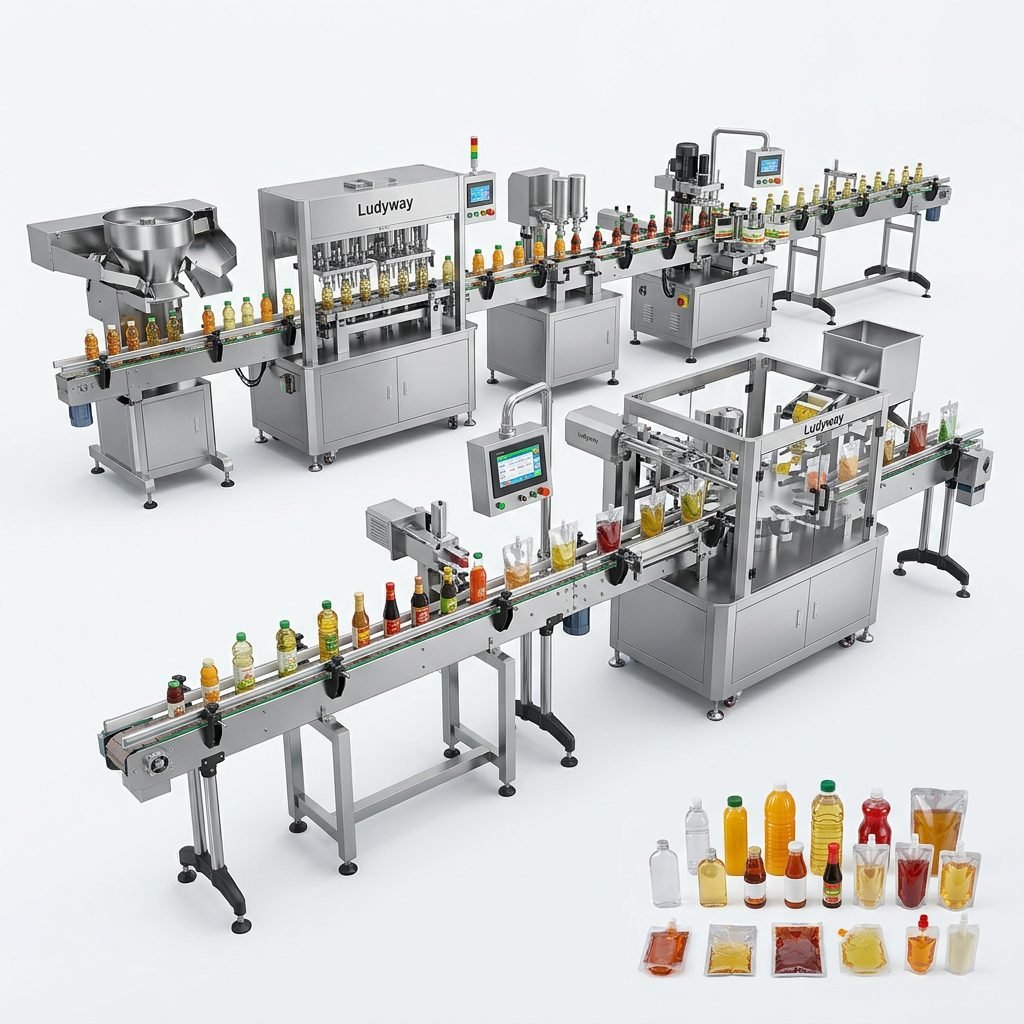
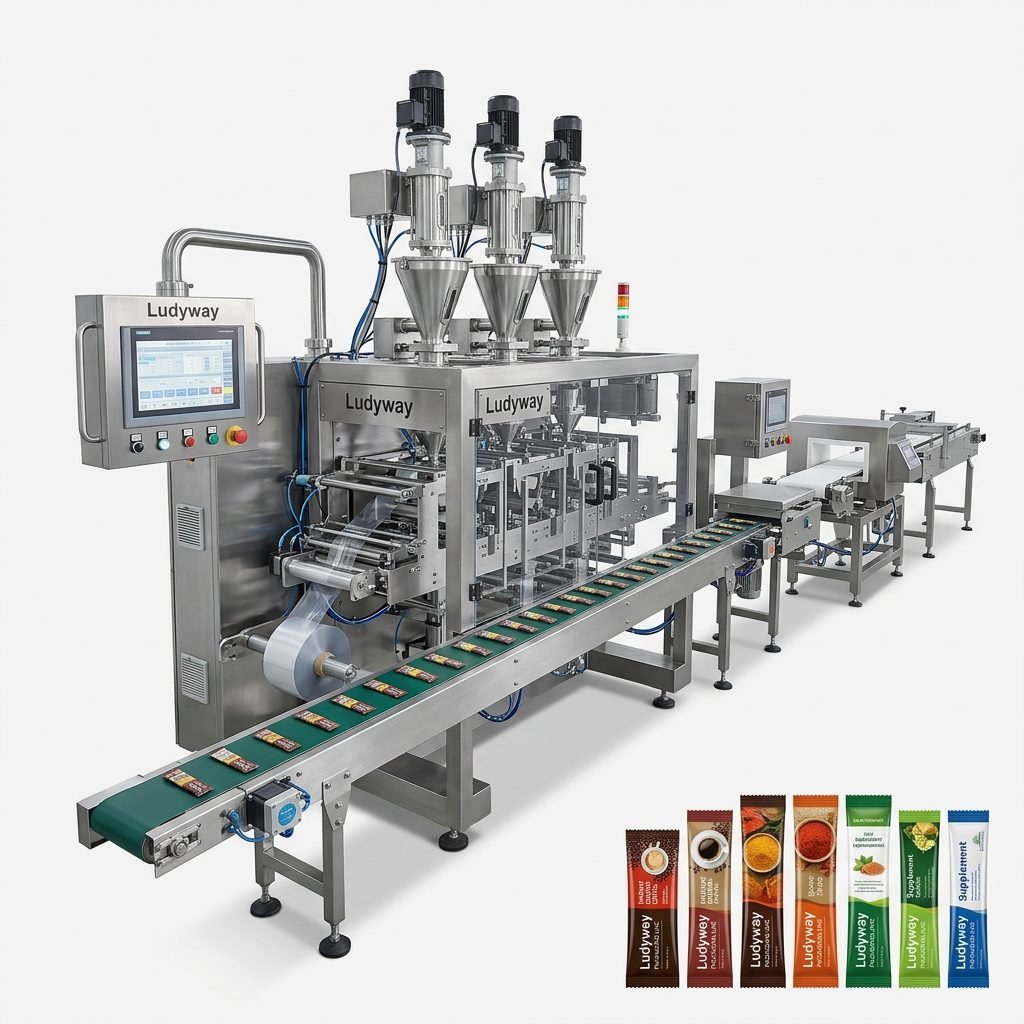
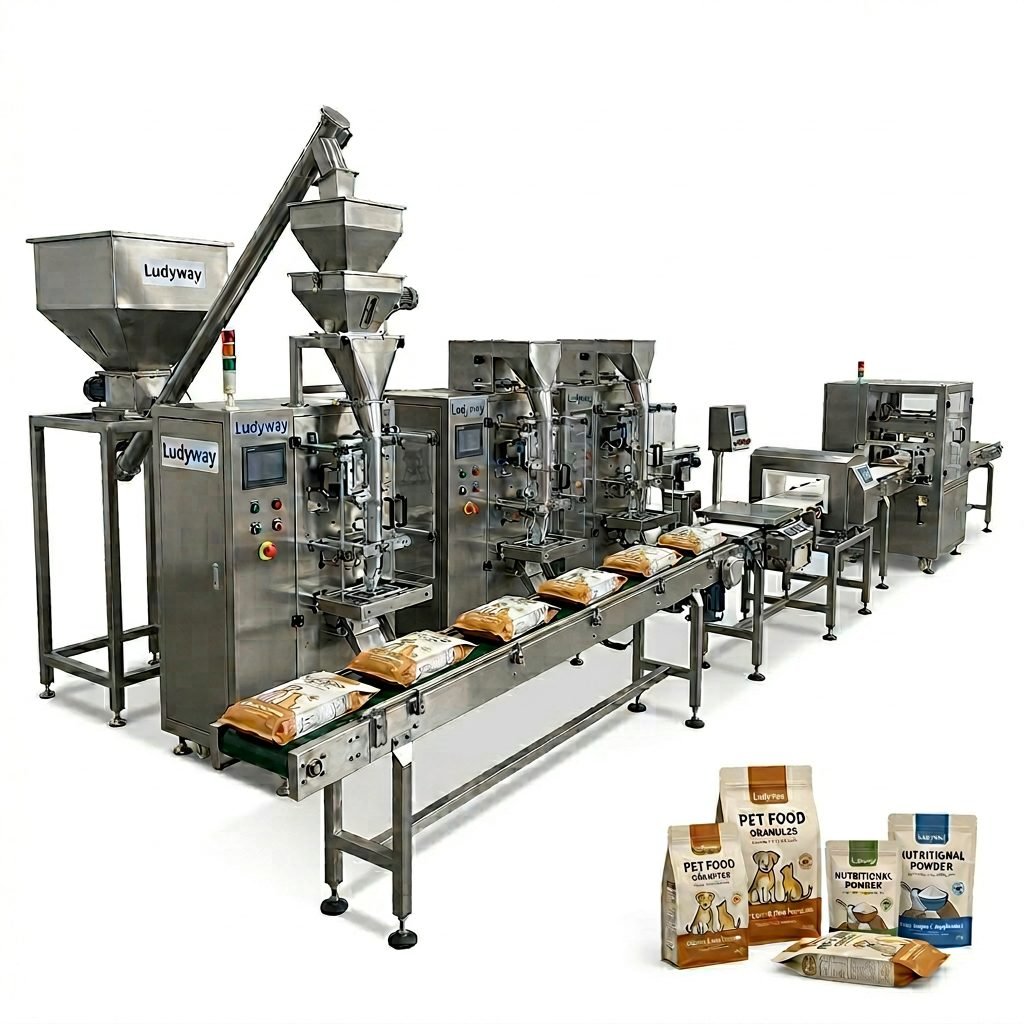
In high-volume manufacturing, packaging speed alone is not enough. The right solution must also deliver
accuracy, consistency, low downtime, clean sealing, and room for future expansion.
Whether you package powders, granules, liquids, pastes, or premade pouches, choosing the best asset packaging machine
starts with understanding your product, output goals, labor costs, and compliance requirements.
For many manufacturers, the real challenge is not finding a machine—it is finding a packaging system that matches
production realities today while staying flexible for tomorrow. A poorly matched machine can create bottlenecks,
product waste, sealing defects, and expensive maintenance. A well-matched machine improves throughput, protects product quality,
and strengthens long-term profitability.
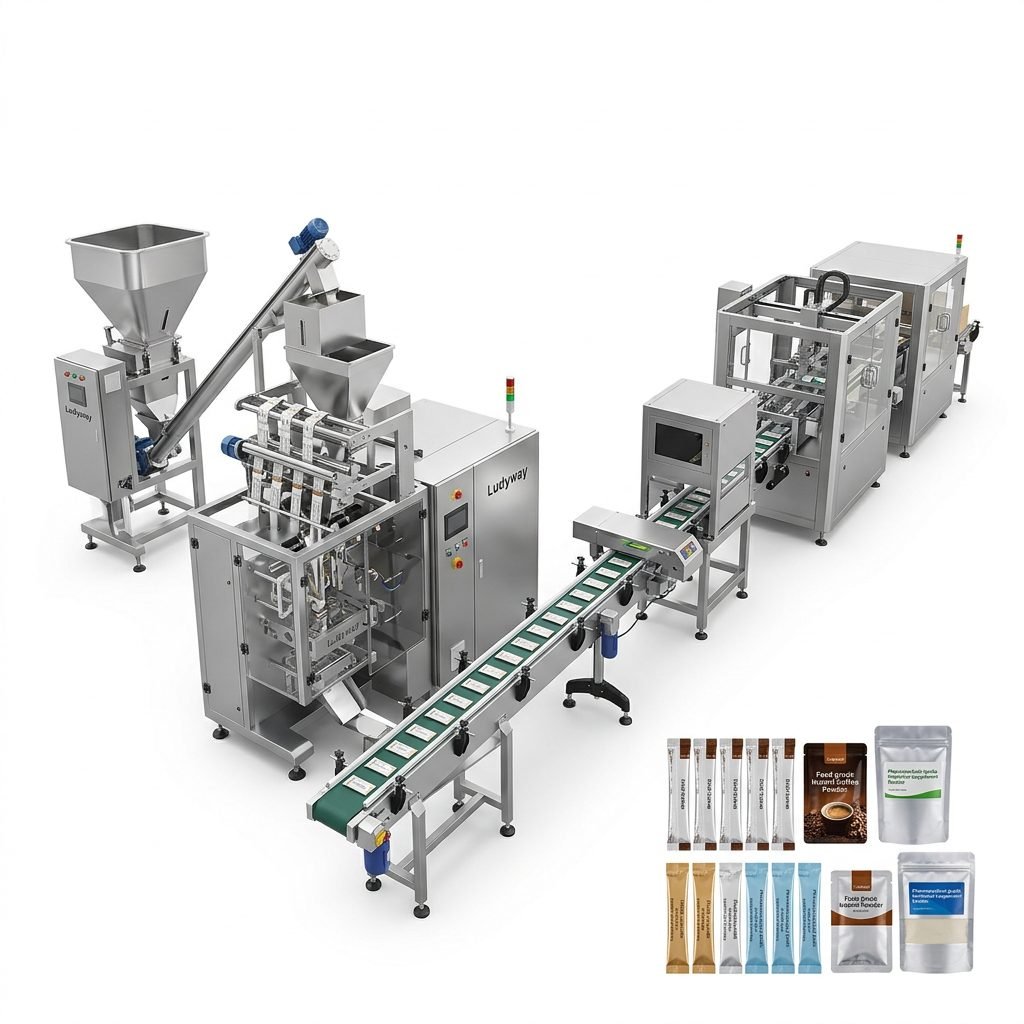
Why the Right Packaging Machine Matters
Packaging equipment is a core production asset. It affects labor efficiency, product presentation, shelf life,
traceability, and customer satisfaction. In many sectors such as food, pharmaceuticals, cosmetics, chemicals,
and health supplements, packaging is also closely tied to safety and regulatory performance.
- Higher output with fewer operators
- More stable fill accuracy and seal quality
- Reduced product loss and packaging material waste
- Better coding, traceability, and quality control
- Scalable automation for future line upgrades
Start with Your Product Type
The first step in machine selection is defining what you pack. Different materials behave differently during feeding,
dosing, filling, and sealing. A machine designed for free-flowing granules may not work well for sticky paste,
and a liquid filling system may not be suitable for hygroscopic powders.
| Product Type | Common Packaging Solution | Key Consideration |
|---|---|---|
| Powders | Auger filler, stick pack, sachet machine | Dust control, dosing precision, anti-bridging design |
| Granules | Volumetric cup, weighing filler, VFFS system | Flowability, particle size, counting or weighing accuracy |
| Liquids | Piston pump, liquid sachet machine, bottle filling line | Viscosity, foaming, leak prevention |
| Pastes/Creams | Piston filling and sealing machine | Consistency, heating option, nozzle cut-off cleanliness |
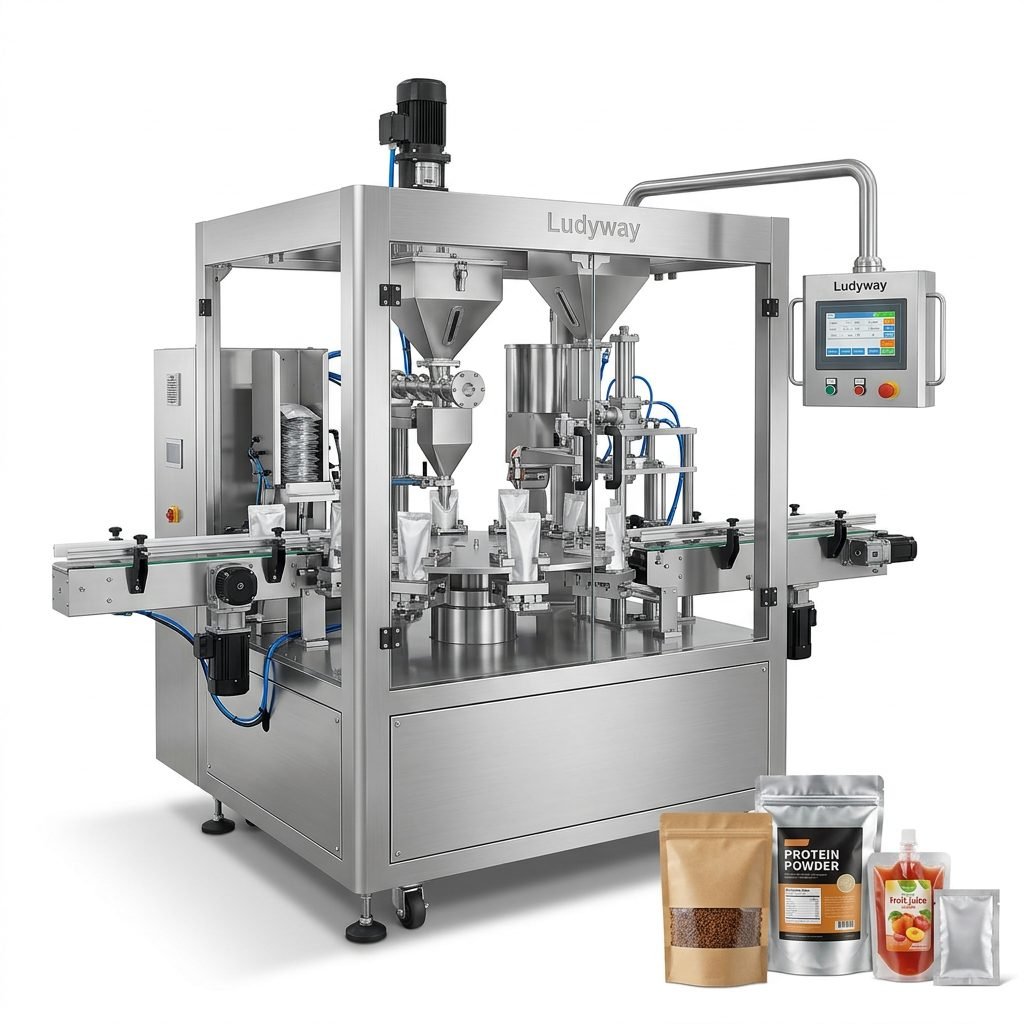
| Premade pouches | Rotary premade pouch packing machine | Pouch shape, zipper, spout, sealing stability |
Match the Machine to Packaging Format
The best machine is closely tied to the package style you want to sell. Different retail and industrial formats
require different motion structures, filling systems, and downstream equipment.
Common packaging formats include:
- Sachets
- Stick packs
- Pouches
- Bottles
- Jars
- Bulk bags
- Cartons and bundled secondary packs
If your product line includes multiple SKUs, choose a machine with
fast changeover and recipe memory.
This is especially important for contract packers and brands with seasonal or promotional packaging variations.
Define Your Required Speed and Output
Fast, efficient packaging begins with realistic output planning. Some buyers focus only on maximum machine speed,
but that can be misleading. You need to calculate actual production speed under normal operating conditions,
including material feeding, operator support, changeovers, cleaning, and quality checks.
Ask these questions:
- How many packs per minute or bags per hour do you need?
- Is your demand stable or seasonal?
- Will one machine be enough, or do you need a complete packaging line?
- What is your acceptable downtime level?
- Do upstream and downstream processes support the same speed?
In many cases, a balanced line performs better than a single ultra-fast machine
connected to slow feeders, conveyors, printers, cartoners, or palletizing equipment.
Consider Automation Level
The right packaging solution depends on your labor model, budget, floor layout, and expansion plan.
Packaging machinery generally falls into three categories:
| Automation Level | Best For | Benefits |
|---|---|---|
| Semi-automatic | Low-volume production, startups | Lower investment, simple operation |
| Automatic standalone | Mid-scale manufacturers | Improved speed, labor savings, repeatability |
| Turnkey packaging line | Large-scale and export-oriented operations | Integrated efficiency, less handling, scalable automation |
If your business is growing quickly, investing in modular automation often provides the best long-term value.
It allows you to begin with a core machine and later add feeders, checkweighers, metal detectors, coding systems,
cartoning units, case packing, and palletizing.
Check Filling Accuracy and Seal Quality
A packaging machine should not just run fast; it must run accurately. Underfilling leads to compliance and customer complaints.
Overfilling increases product giveaway and reduces margin. Weak seals lead to leakage, contamination, and shelf-life issues.
Pay attention to:
- Filling tolerance at target speed
- Seal temperature control stability
- Machine compatibility with packaging film or pouch material
- Anti-drip or anti-dust design
- Reject system for off-spec packs
For food, pharmaceutical, and nutraceutical applications, precision and repeatability are often more important than
advertised peak speed.
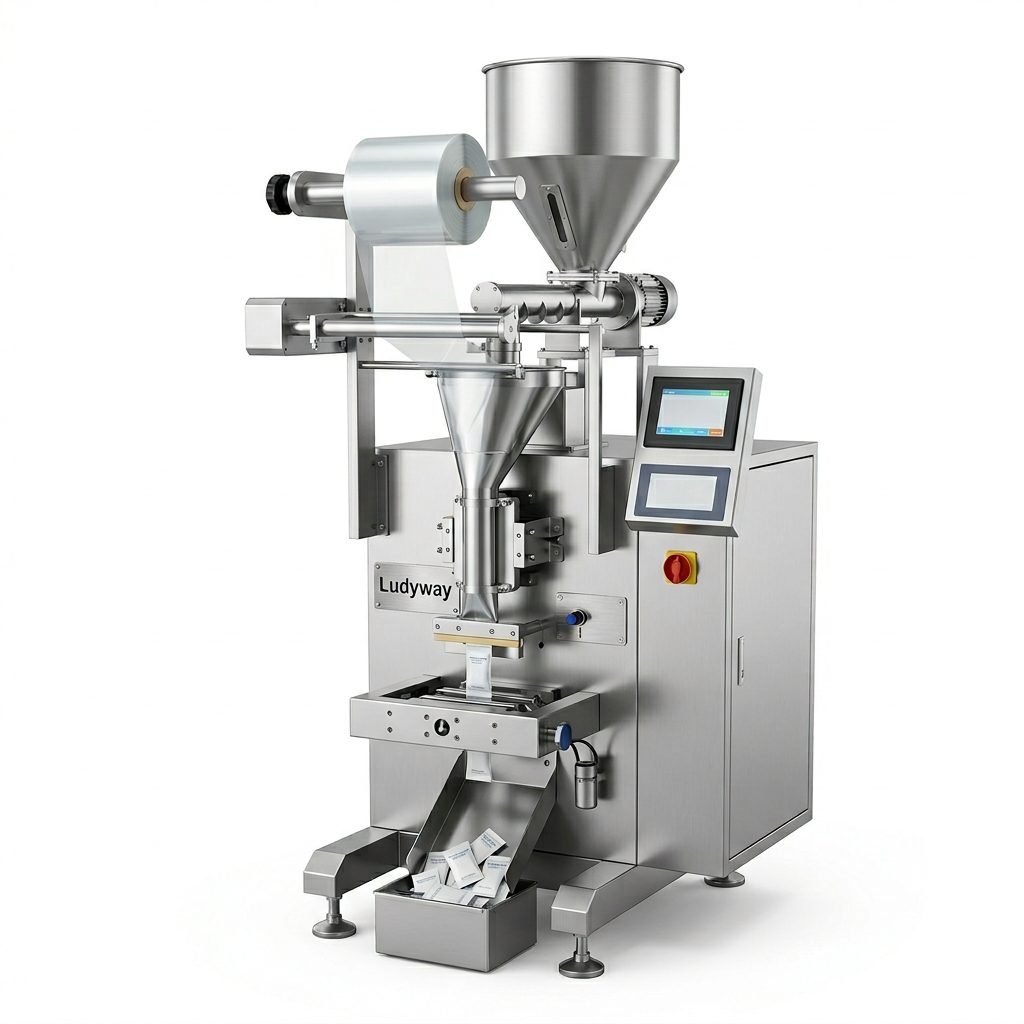
Think About Industry Compliance
Different industries require different design standards. A machine for industrial chemicals may have a very different
specification from one used in pharmaceutical powder packaging or health supplement sachets.
Important compliance factors may include:
- Food-grade contact parts
- GMP-oriented design
- Dust-proof or explosion-risk considerations
- Easy-clean and washdown structure
- Batch coding and traceability integration
- Validation documents and inspection support
Buyers in regulated sectors should always confirm the material grade, electrical standard, safety interlocks,
and documentation package before ordering.
Evaluate Changeover and Maintenance
Fast production is valuable only if the machine is easy to maintain and quick to switch between products.
Frequent SKU changes can destroy productivity if the equipment requires lengthy manual adjustments.
Look for features such as:
- Tool-free adjustment points
- Servo-driven settings
- Touchscreen parameter storage
- Accessible cleaning areas
- Wear parts that are easy to replace
- Remote troubleshooting support
Maintenance planning should include spare parts availability, operator training, preventive inspection schedules,
and after-sales response time.
Choose a Supplier with Engineering Depth
A packaging machine purchase is not just equipment sourcing—it is a technical partnership. Experienced manufacturers
can help you assess filling method, package design, production line integration, and factory layout.
Companies looking for scalable automation often consider
Ludyway packaging machine solutions
because the company has more than 30 years of industry experience, a manufacturing base of over 20,000 square meters,
and the ability to provide both standalone machines and turnkey packaging lines for food, pharmaceutical,
health supplement, cosmetic, chemical, and pouch-based applications.
Questions to Ask Before Buying
Before making a final decision, ask suppliers detailed technical and commercial questions. This helps reduce risk
and ensures the machine truly fits your production goals.
- What products and package sizes has this machine already handled?
- What is the tested output under real production conditions?
- What filling accuracy can be guaranteed?
- How long does size or formula changeover take?
- What spare parts are included with delivery?
- Can the machine connect with feeders, printers, cartoners, and palletizers?
- What technical support is available after installation?
- Can you provide sample testing before order confirmation?
Signs You Need a Turnkey Packaging Line
In many growing factories, a single machine is no longer enough. If you face repeated bottlenecks between filling,
conveying, coding, inspection, cartoning, and palletizing, a complete line may be the smarter investment.
- Manual transfer is slowing production
- Different machines cannot keep pace with each other
- Labor costs are rising too quickly
- Quality issues happen between packaging stages
- You want centralized controls and stronger line efficiency
A turnkey line can create a smoother process from product feeding to final case packing, improving both
speed and operational consistency.
Final Buying Priorities
When choosing an asset packaging machine for fast, efficient packaging, focus on fit rather than hype.
The best solution is the one that matches your material, package format, compliance level, speed target, and budget
while still allowing future growth.
| Priority | Why It Matters |
|---|---|
| Product compatibility | Ensures stable feeding, filling, and sealing |
| Real production speed | Prevents output gaps and unrealistic expectations |
| Accuracy and seal integrity | Protects product quality and profit margin |
| Automation scalability | Supports expansion without replacing the full system |
| After-sales support | Reduces downtime and improves equipment lifespan |
If you evaluate these factors carefully, you can select a packaging solution that delivers
higher efficiency, lower waste, stronger output stability, and better long-term return on investment.