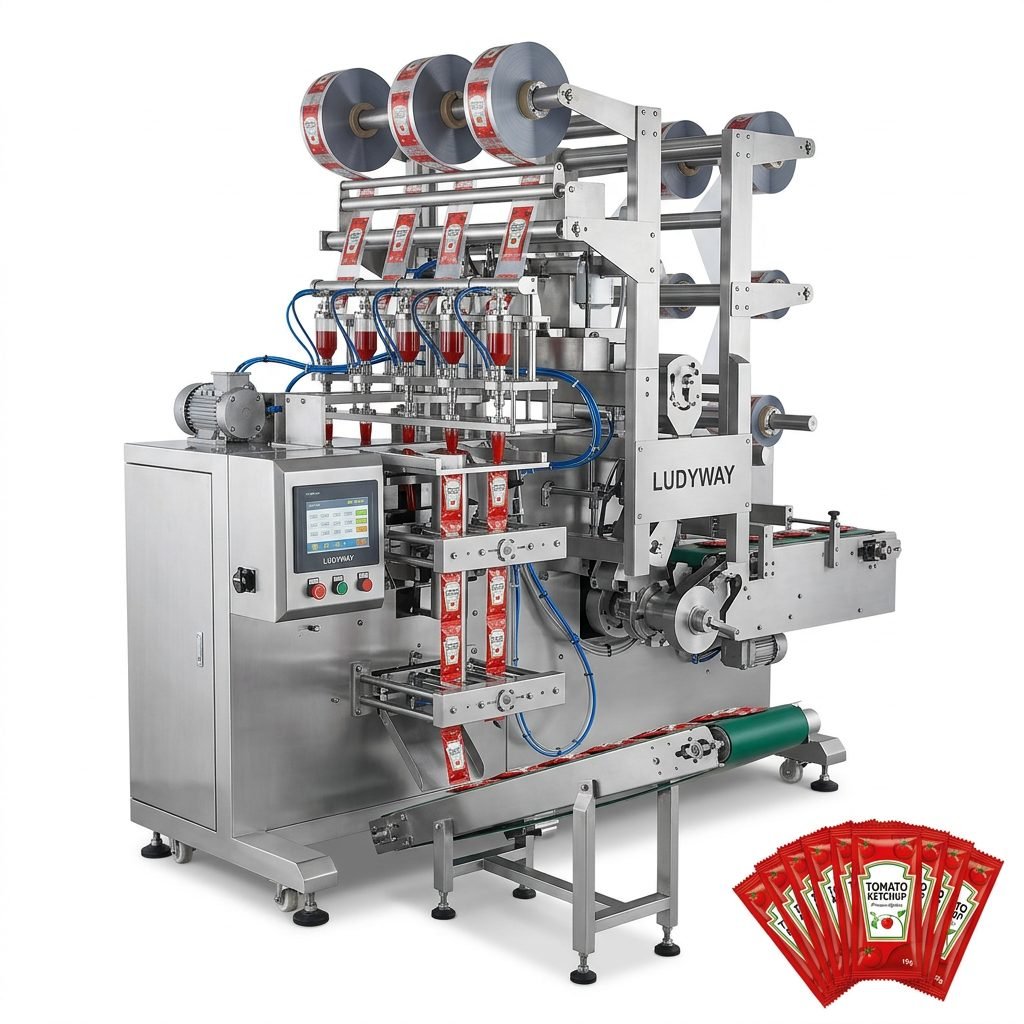
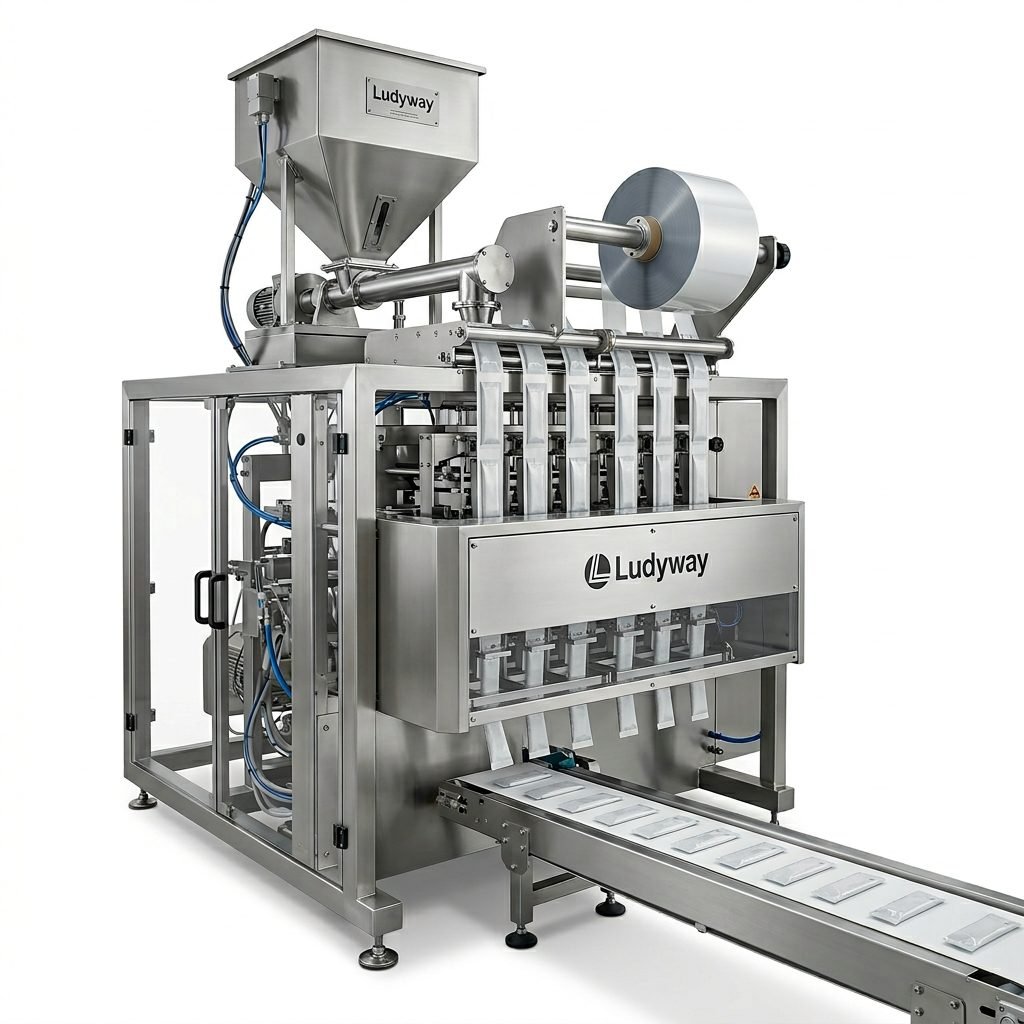
In tissue manufacturing, packaging is more than a final step. It directly affects production speed, product appearance, labor cost, transport efficiency, and customer satisfaction. Whether you produce facial tissue, pocket tissue, wet wipes, napkins, or toilet tissue packs, choosing the right tissue packing machine can help you reduce downtime, improve output consistency, and build a more competitive operation.
A well-matched packaging solution should fit your product type, packaging format, line speed, factory layout, and future growth plan. The wrong machine may create bottlenecks, increase film waste, or limit your ability to meet new market demand.
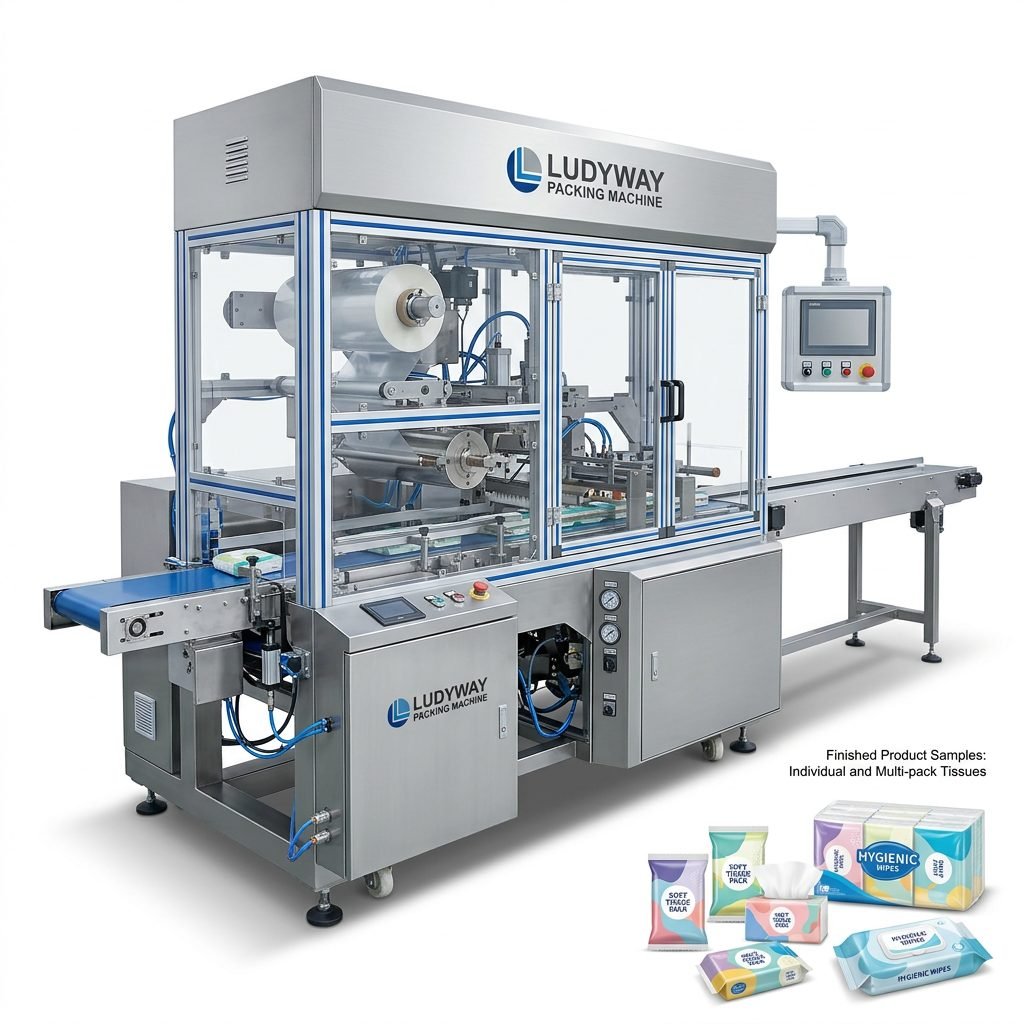
Why the Right Tissue Packing Machine Matters
Tissue products are lightweight, soft, and highly sensitive to pack appearance. Even small packaging issues can lead to crushed packs, loose seals, poor shelf presentation, or complaints during transport. A properly selected machine helps manufacturers achieve:
- Stable sealing quality for hygienic and retail-ready packs
- Higher packaging speed without damaging soft products
- Reduced labor dependency through automation
- Better material utilization and lower film waste
- Cleaner and more consistent pack presentation for brand value
- Easier integration with upstream tissue converting and downstream cartoning systems
Understand Your Tissue Product Before Choosing Equipment
Before comparing machine models, define exactly what you need to pack. Different tissue categories require different feeding, folding, stacking, wrapping, sealing, and discharge methods.
| Tissue Product Type | Typical Packaging Needs | Recommended Packaging Focus |
|---|---|---|
| Facial tissue | Soft pack or boxed format, neat stack shape, smooth sealing | High-speed flow wrapping or integrated cartoning |
| Pocket tissue | Small retail packs, accurate count, compact sealing | Compact high-speed small pack machine |
| Wet wipes / wet tissue | Moisture retention, leak-proof sealing, hygienic handling | Multi-step sealing and precise pouch handling |
| Napkins | Stacked format, bundle wrapping, retail or food-service packs | Bundling and overwrapping system |
| Toilet tissue rolls | Multi-roll grouping, compression control, transport stability | Roll bundling and bagging machine |
If you run multiple SKUs, choose a machine with fast changeover capability and flexible format adjustment. This is especially important for manufacturers supplying supermarkets, hospitality buyers, and e-commerce channels.
Key Factors to Evaluate When Choosing a Tissue Packing Machine
1. Packaging Speed and Line Balance
Start with your actual production target, not only the machine’s maximum advertised speed. The ideal packaging machine should match the output of your tissue folding or converting line. If the wrapper is too slow, it becomes the bottleneck. If it is too fast but unstable, efficiency still drops.
- Check real operating speed under your product conditions
- Ask for performance data with similar pack sizes
- Confirm whether speed remains stable during long production shifts
- Evaluate accumulation and buffering options between machines
2. Pack Format Flexibility
Market demand often changes. You may need family packs, travel packs, promotional bundles, or customized retail counts. A flexible tissue packing machine lets you respond quickly without replacing the whole line.
Look for equipment that supports:
- Different pack lengths, widths, and heights
- Single-pack and multi-pack configurations
- Easy film roll replacement
- Quick setting recall through HMI recipes
3. Sealing Quality and Product Protection
Tissue packaging must look clean and feel intact in the hands of the consumer. Poor sealing can damage brand perception immediately. For wet tissue products, sealing performance is even more critical because it affects moisture retention and product shelf life.
Pay attention to:
- Seal consistency
- Film tension control
- Wrinkle reduction capability
- Pack compression management
- Leak prevention for wet products
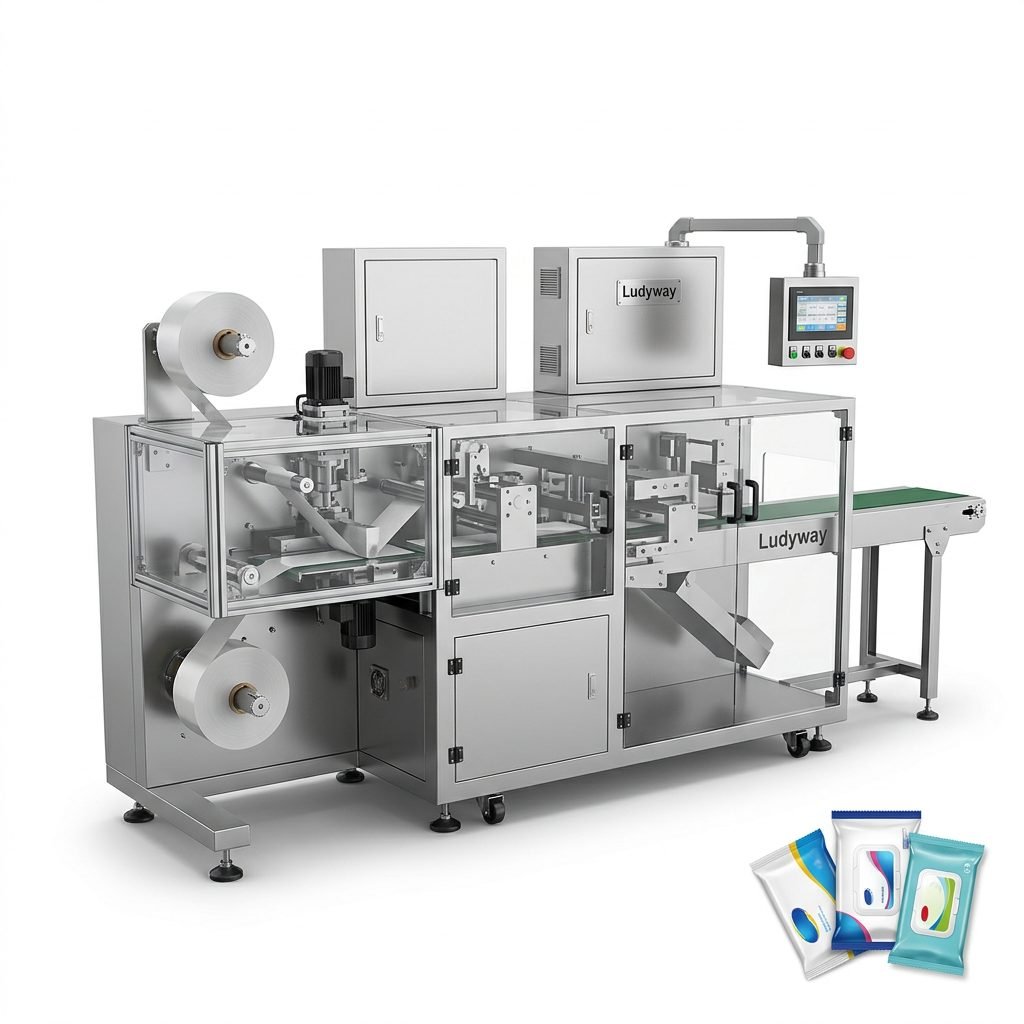
4. Automation Level
Manual loading or semi-automatic discharge may work for small factories, but growing operations usually benefit from automation. A fully automatic solution can connect counting, stacking, feeding, wrapping, labeling, cartoning, and case packing in one continuous process.
Higher automation usually delivers:
- Lower labor cost
- Reduced human error
- More stable output
- Better hygiene control
- Simpler production planning
5. Ease of Operation and Maintenance
A machine that is difficult to operate can slow the whole factory. Choose a packaging system with a user-friendly interface, accessible parts, and straightforward maintenance procedures.
Important details include:
- Touchscreen controls with multilingual support
- Error alarm and fault diagnosis functions
- Accessible sealing and cutting components
- Simple cleaning structure
- Availability of spare parts and remote technical support
6. Packaging Material Compatibility
Not all tissue packaging films behave the same way. Some businesses use conventional plastic film, while others are exploring thinner materials or more sustainable options. The machine should be compatible with the packaging material you use today and adaptable for future changes.
7. Factory Space and Layout
Efficient production does not depend only on machine speed. It also depends on layout. Confirm whether the machine can fit your workshop flow without creating awkward material movement or operator congestion.
Review:
- Machine footprint
- Operator access zones
- Film loading position
- Integration with conveyors, cartoners, and palletizing systems
- Utility requirements such as power and compressed air
Types of Tissue Packaging Solutions for Efficient Production
Tissue manufacturers often choose from several packaging approaches depending on product style and factory scale.
| Solution Type | Best For | Main Advantage |
|---|---|---|
| Single packing machine | Small or medium production lines | Lower initial investment |
| Automatic flow wrapping system | Facial tissue and pocket tissue | Fast, neat, retail-friendly packaging |
| Wet tissue pouch packaging line | Wet wipes and moist hygienic products | Reliable seal and moisture protection |
| Bundling and overwrapping line | Multi-pack retail bundles | Improved logistics and supermarket display |
| Turnkey packaging line | Large factories and expanding brands | Full automation and scalable efficiency |
When a Turnkey Packaging Line Makes More Sense
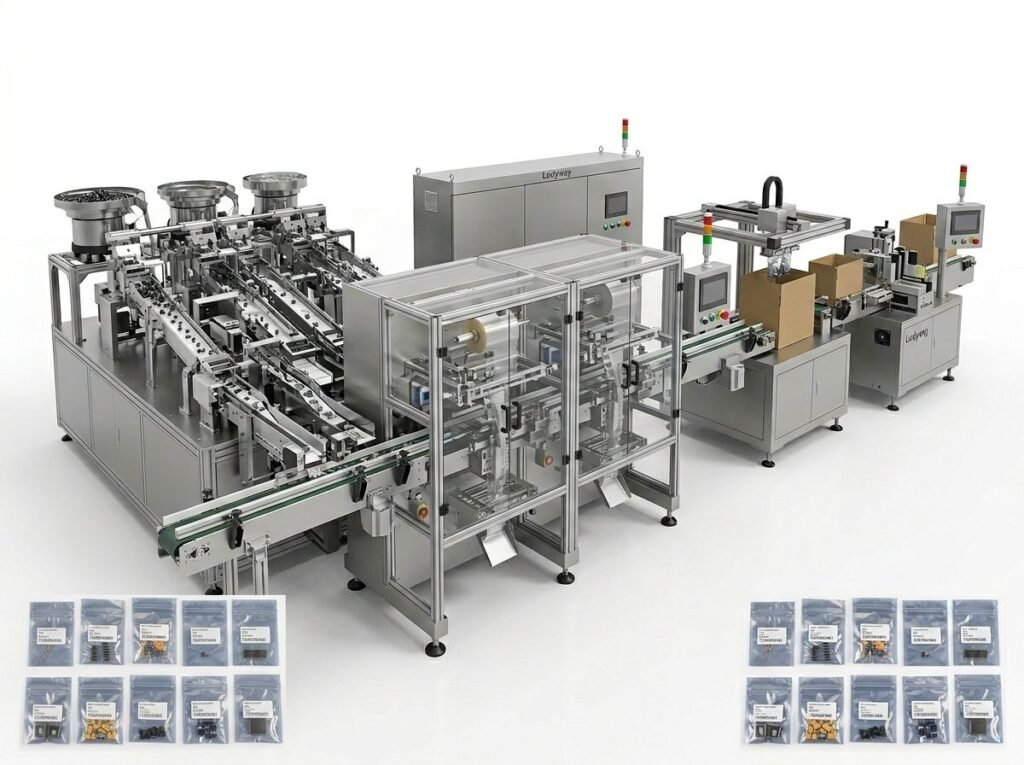
If your production volume is increasing or you want to reduce dependence on labor, a turnkey packaging line may provide better long-term value than buying one machine at a time. A complete solution can integrate:
- Tissue feeding and arranging
- Counting and stacking
- Primary packaging
- Secondary bundling or cartoning
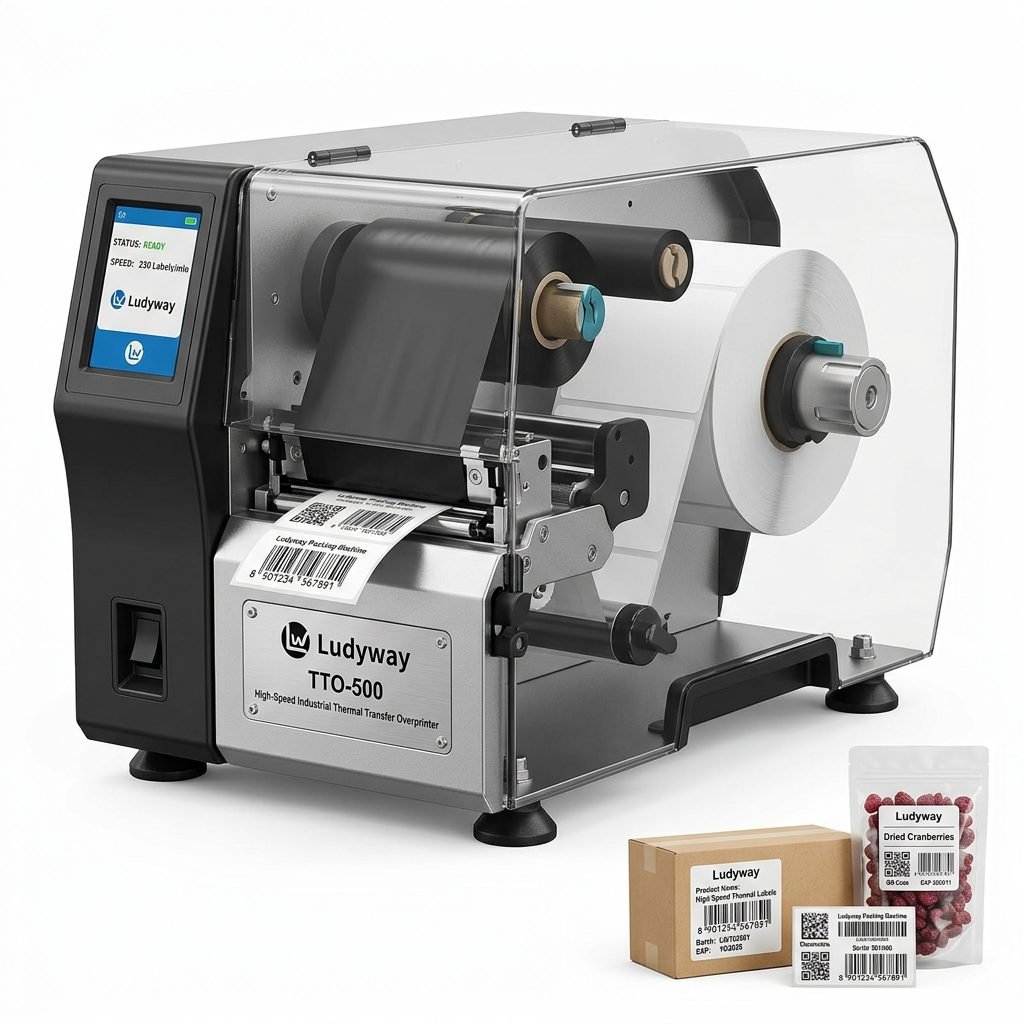
- Labeling and coding
- Case packing and palletizing
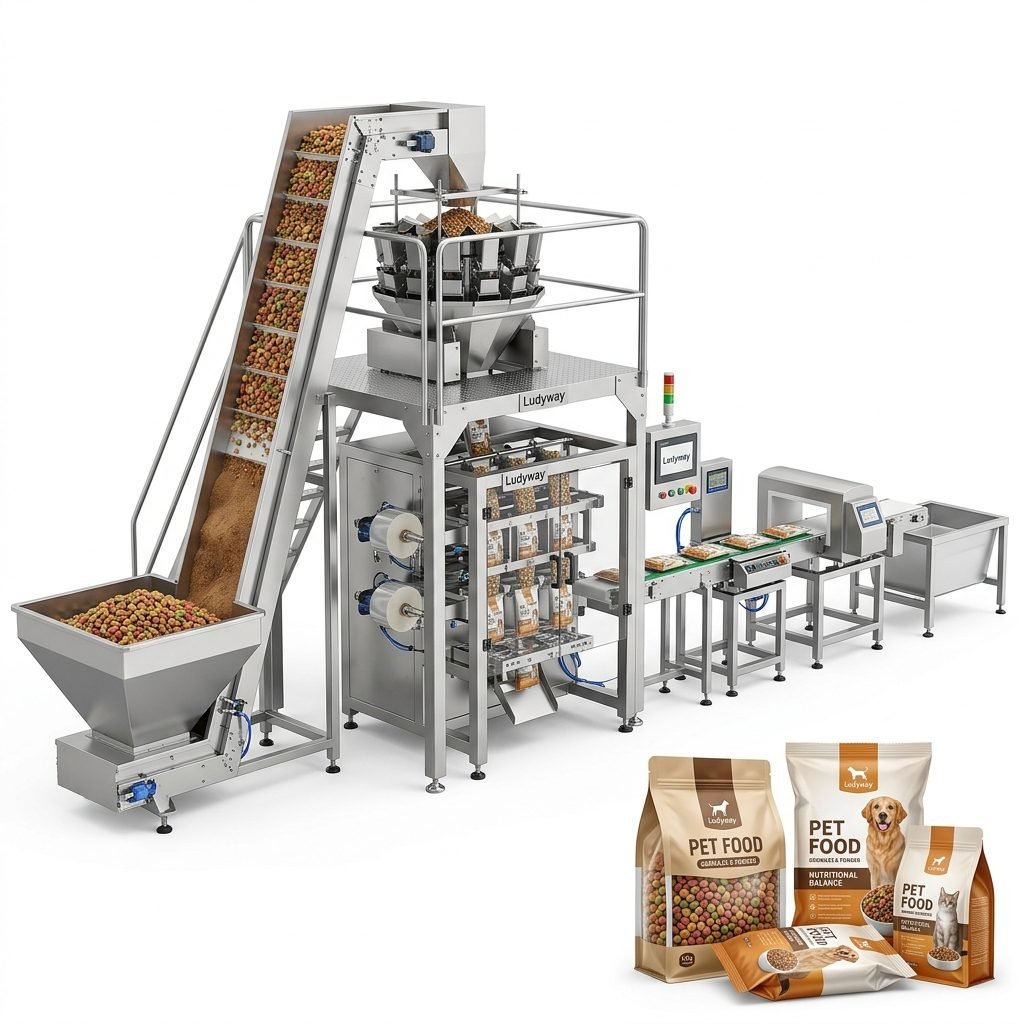
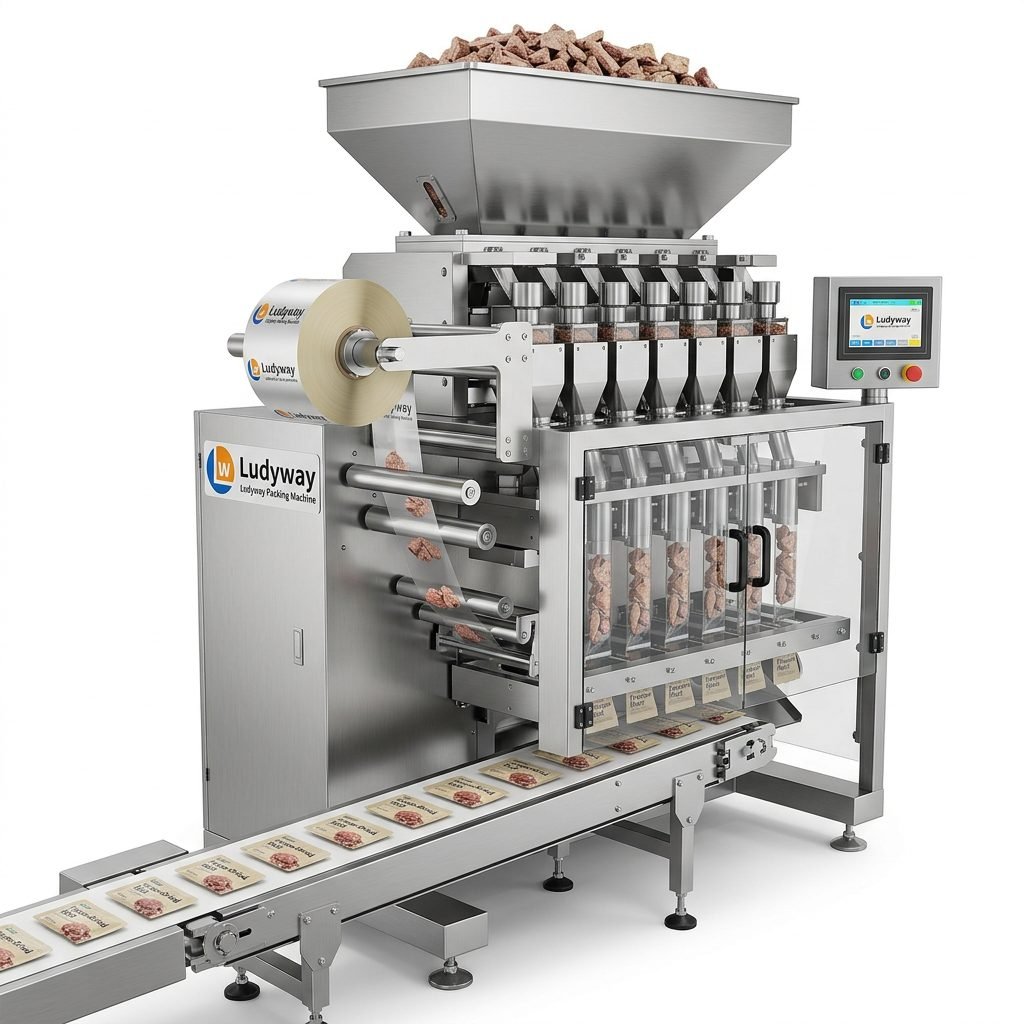
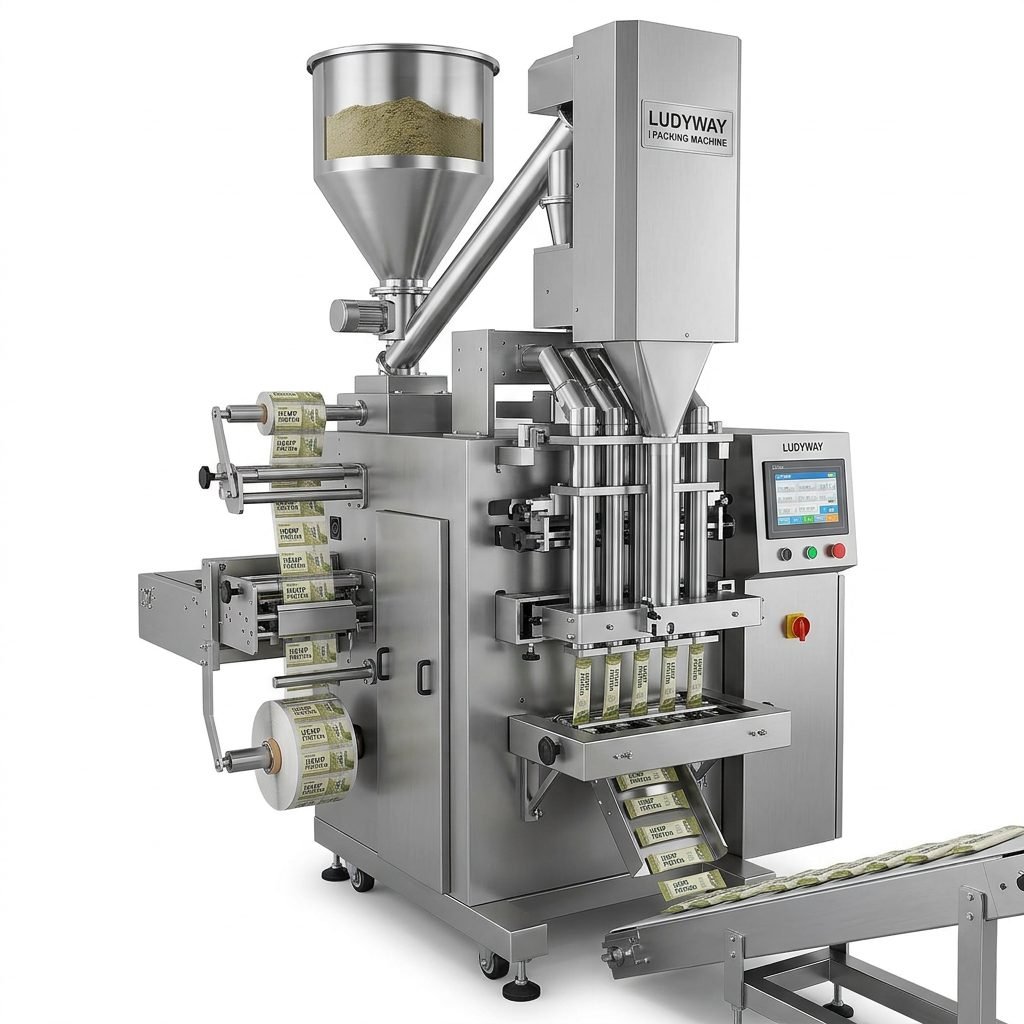
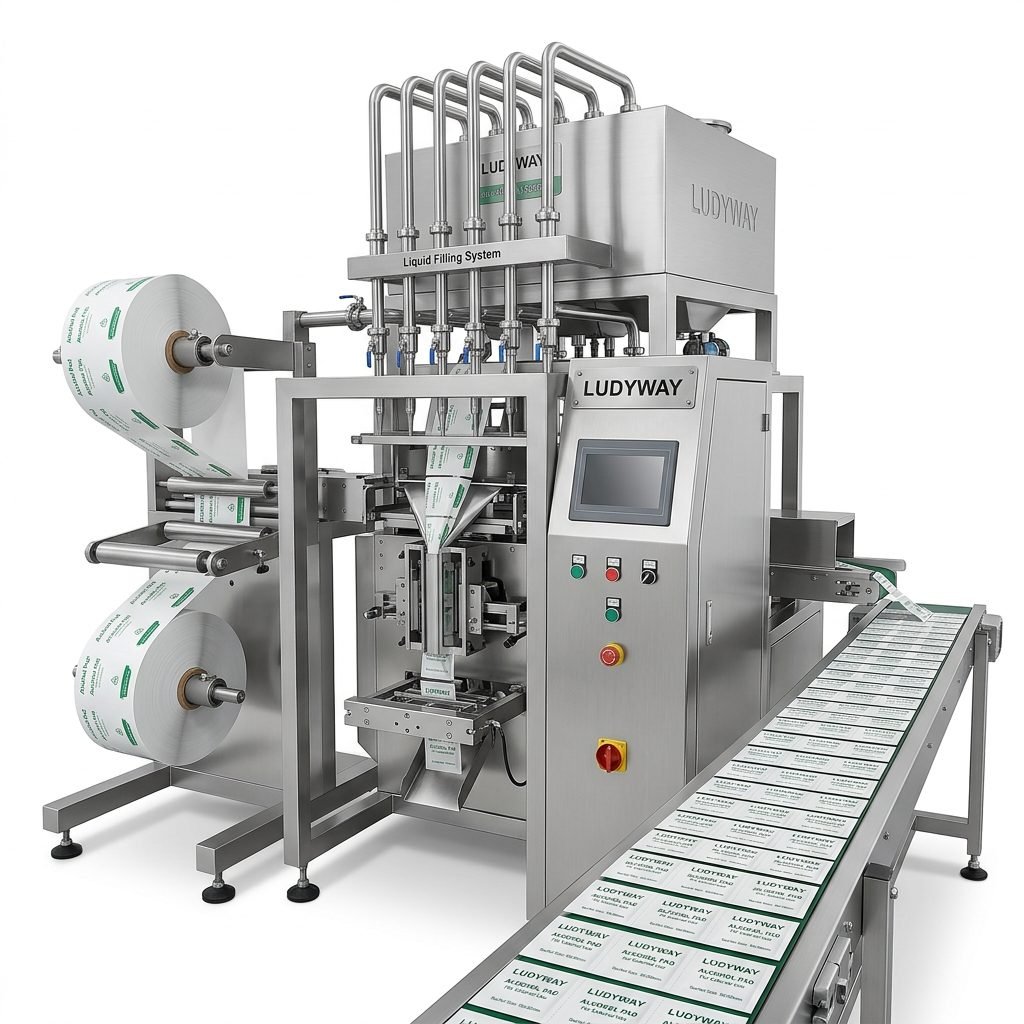
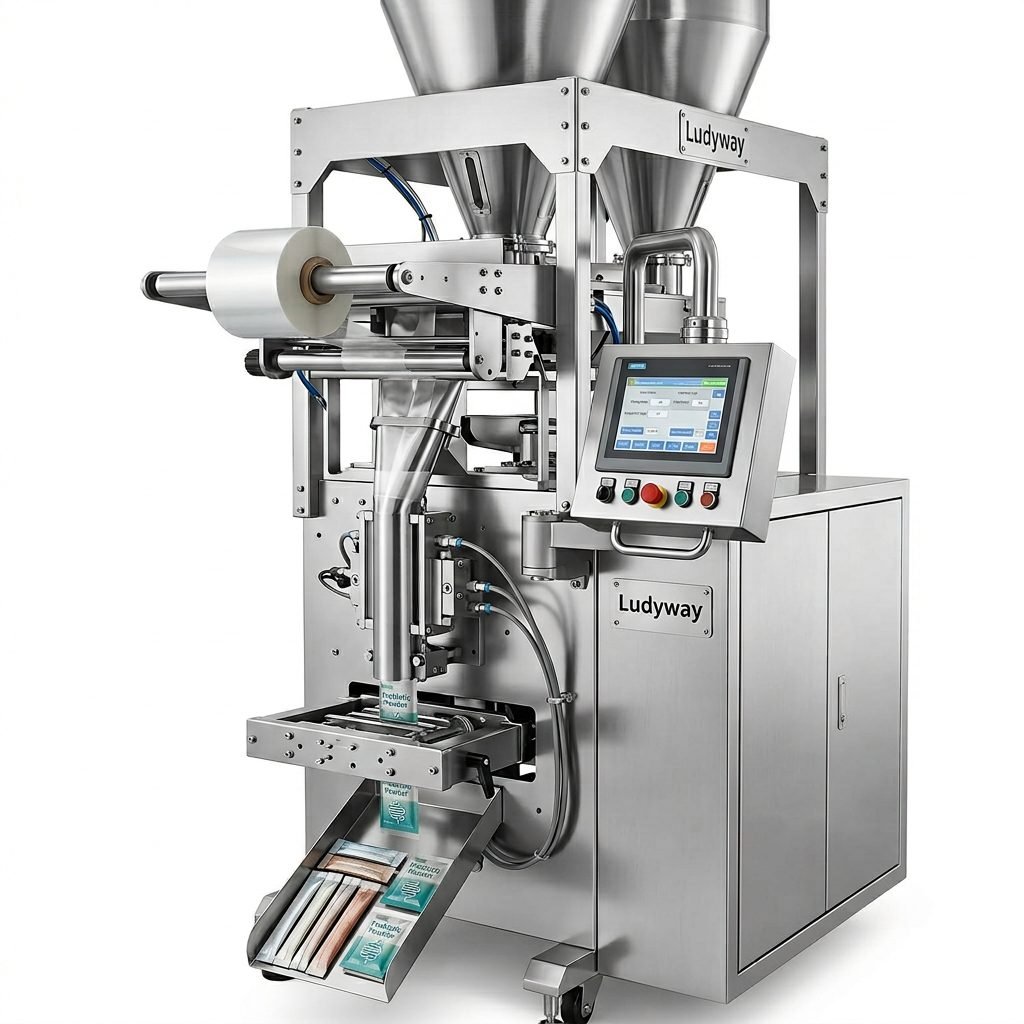
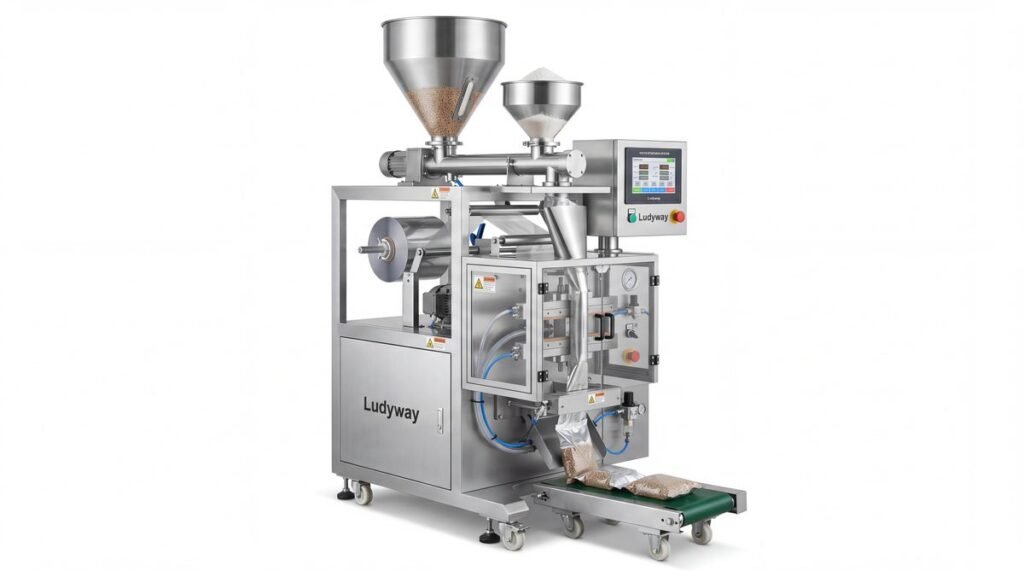
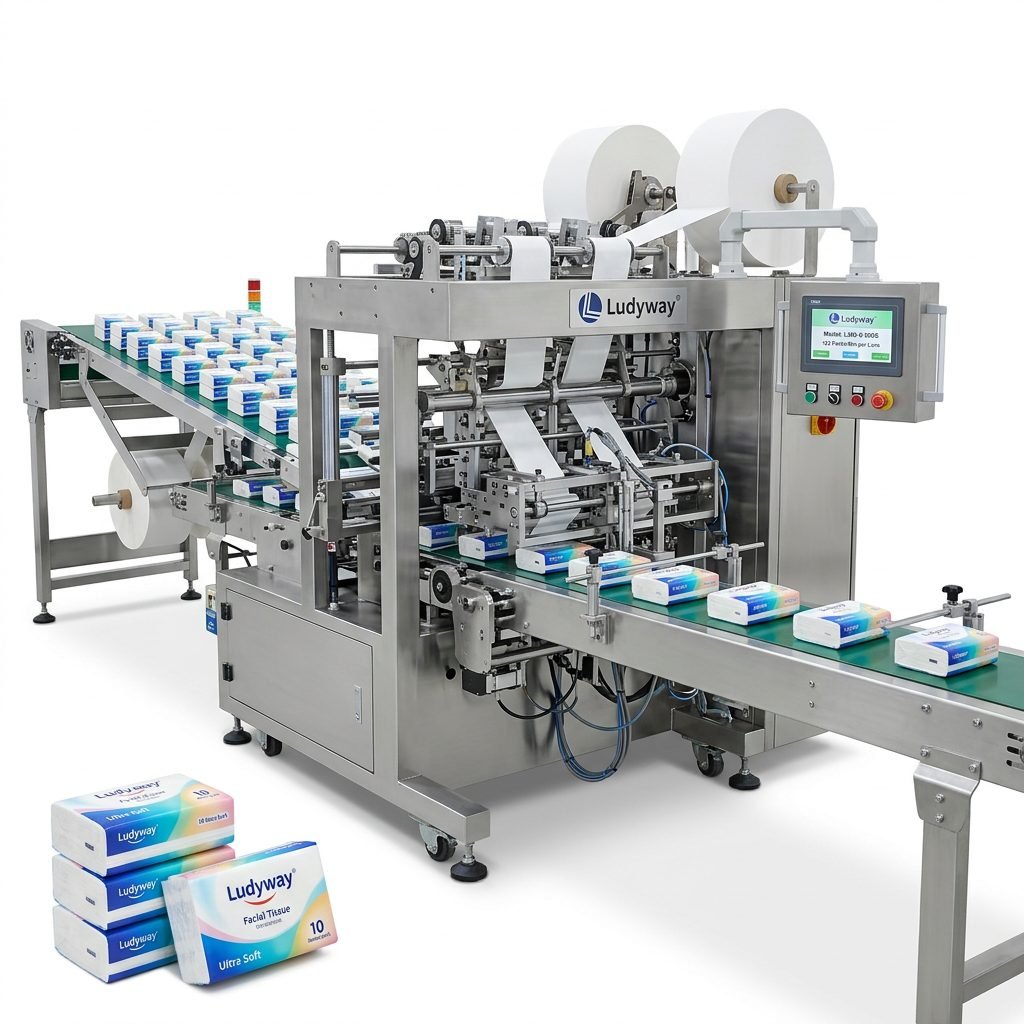
This approach improves synchronization between equipment and reduces integration risk. For businesses looking for complete packaging automation, Ludyway tissue packing machine and turnkey packaging solutions can be considered as part of a broader production planning strategy, especially for manufacturers requiring scalable systems and export-oriented packaging performance.
Questions to Ask a Tissue Packing Machine Supplier
Comparing specifications is not enough. Ask deeper questions to understand whether the machine will truly perform in your factory.
- What tissue formats has this machine already packed successfully?
- What is the stable operating speed in real production?
- How long does changeover take between different pack sizes?
- What packaging materials are supported?
- Can the system connect with cartoners, case packers, or conveyors?
- What spare parts are recommended for the first year?
- Is remote commissioning or after-sales support available?
- Can the supplier provide line layout planning and customization?
Common Buying Mistakes to Avoid
Many tissue manufacturers focus too heavily on price or top speed. That can lead to poor return on investment. Avoid these common mistakes:
- Choosing only by low price without checking long-term reliability
- Ignoring packaging material compatibility
- Buying a machine that cannot support future SKU expansion
- Overlooking maintenance access and operator usability
- Failing to assess line integration requirements
- Not requesting testing with actual tissue samples
How to Match the Machine to Your Business Stage
For Startups or Small Factories
Focus on stable operation, simple controls, compact footprint, and reasonable flexibility. A semi-automatic or entry-level automatic solution may be enough if SKU volume is still limited.
For Growing Regional Brands
Prioritize higher speed, quicker size change, and better packaging appearance. This is often the stage where automation begins to produce clear labor savings and better consistency.
For Large-Scale Manufacturers
Look for complete line integration, smart controls, centralized monitoring, and downstream automation. The goal is not just packaging, but total production efficiency across shifts and product categories.
Signs of a High-Quality Tissue Packaging Solution
- Consistent pack shape and seal quality at production speed
- Low rejection rate and low film waste
- Stable running over long periods
- Fast and practical format adjustment
- Clear HMI and alarm system
- Reliable technical support and spare parts access
- Ability to upgrade into a more complete automated line
Final Considerations Before Investment
The best tissue packing machine is not simply the fastest or cheapest model. It is the one that fits your product characteristics, output goals, packaging standards, labor strategy, and long-term business plan. A thoughtful selection process can improve production efficiency, reduce waste, and strengthen your competitiveness in the tissue market.
Before making a decision, prepare sample products, define your required output, list your target pack formats, and request a detailed proposal that includes machine configuration, changeover scope, support service, and expansion potential. This will help ensure your packaging investment supports both current operations and future growth.