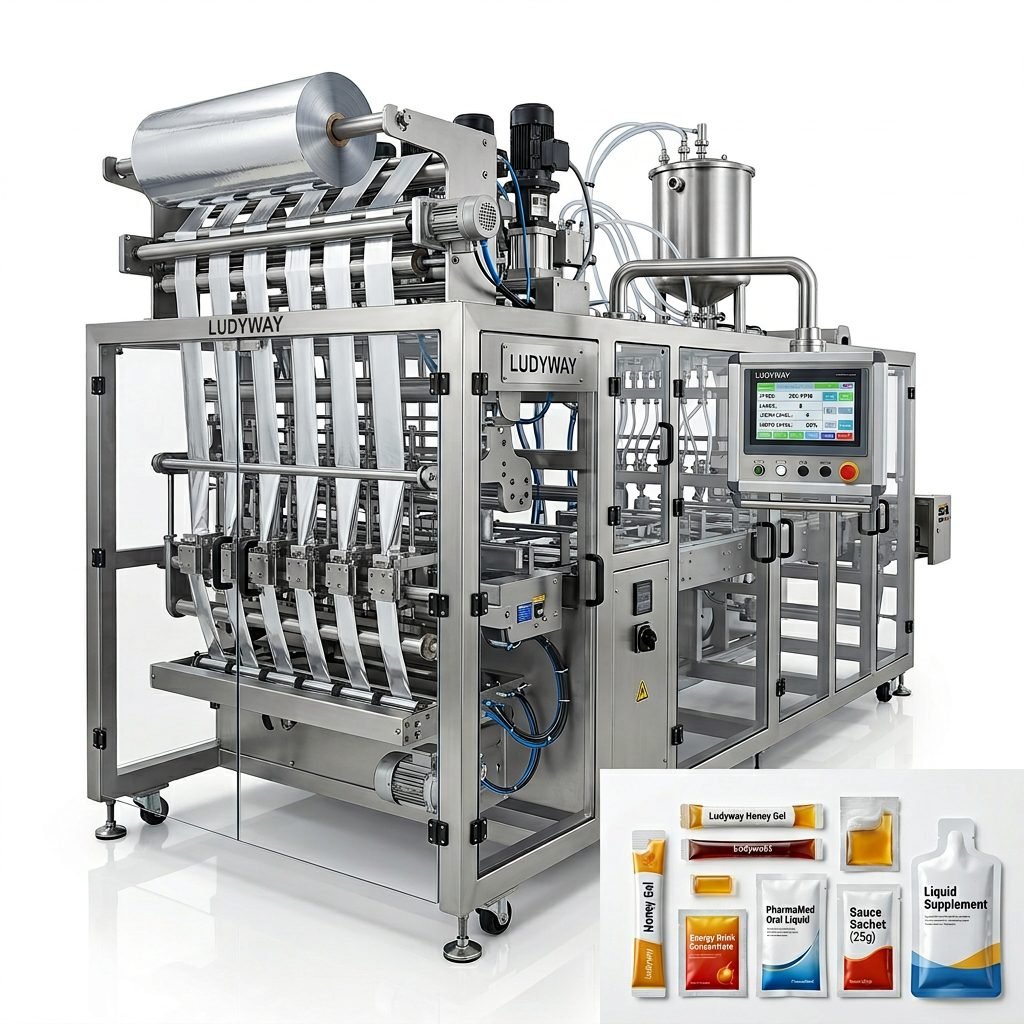
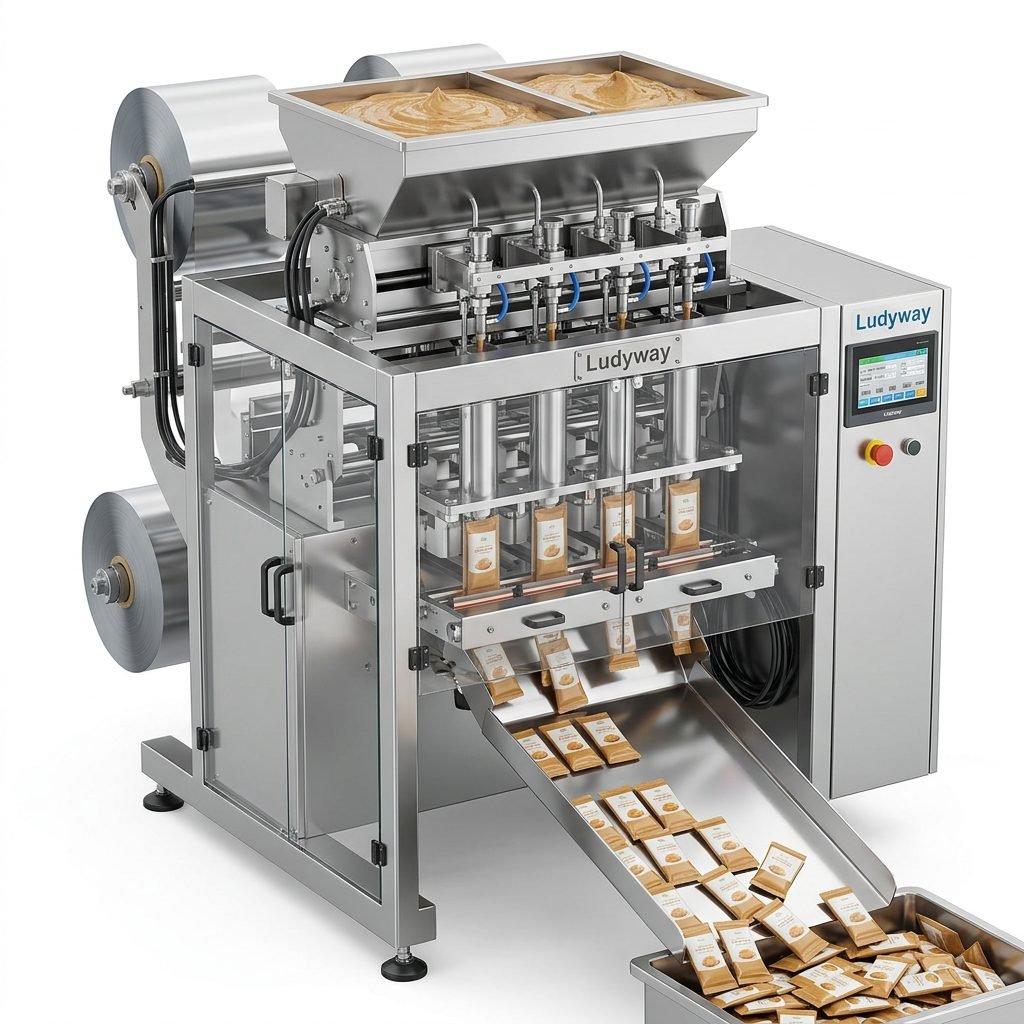
Packaging machinery has become a core investment for manufacturers that want to improve efficiency, product consistency, and long-term production scalability. Whether you produce food, pharmaceuticals, cosmetics, chemicals, or health supplements, the right equipment can reduce labor dependency, improve sealing accuracy, and support higher output with less waste.
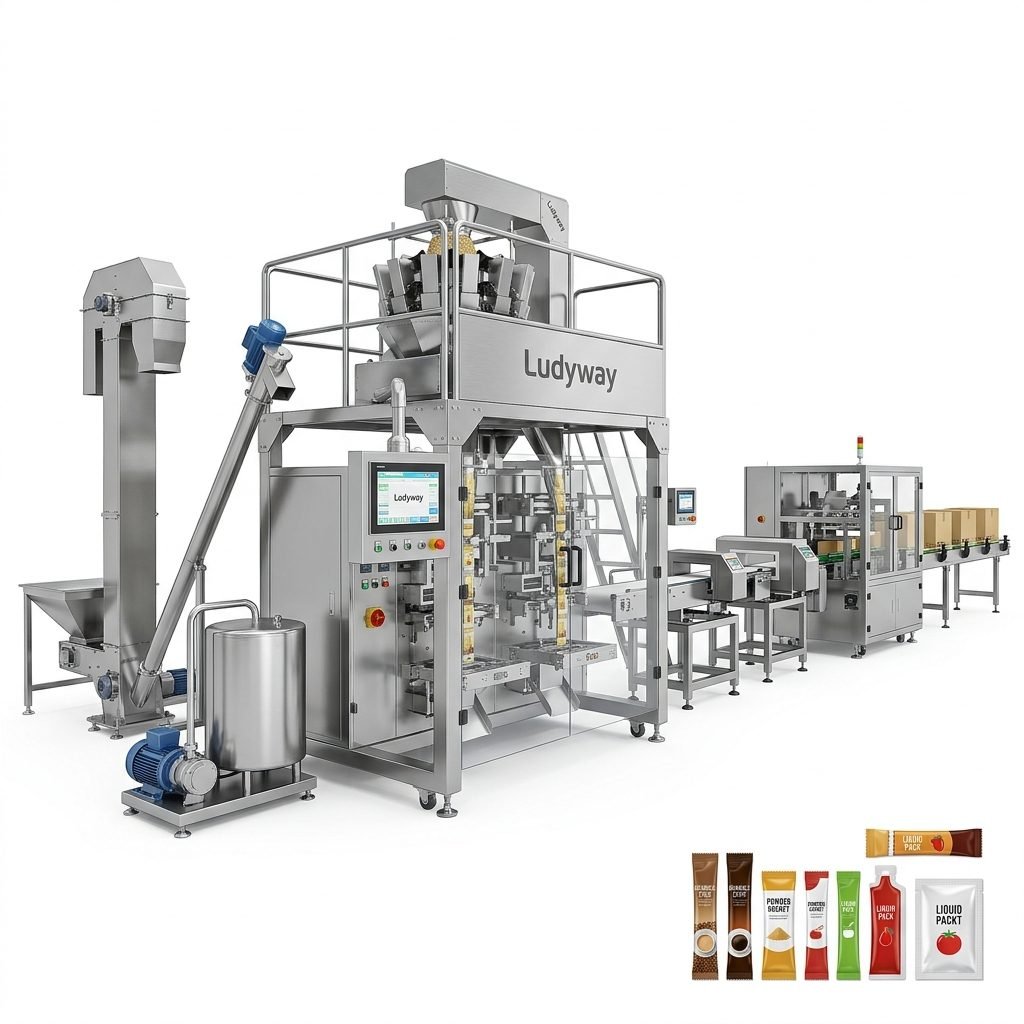
For growing businesses, choosing a packaging machine is not just about speed. It is about matching the machine to your product form, packaging style, compliance needs, available factory space, and future expansion plans. That is why many buyers work with experienced suppliers such as Ludyway packaging machine manufacturer when planning standalone equipment or complete turnkey lines.
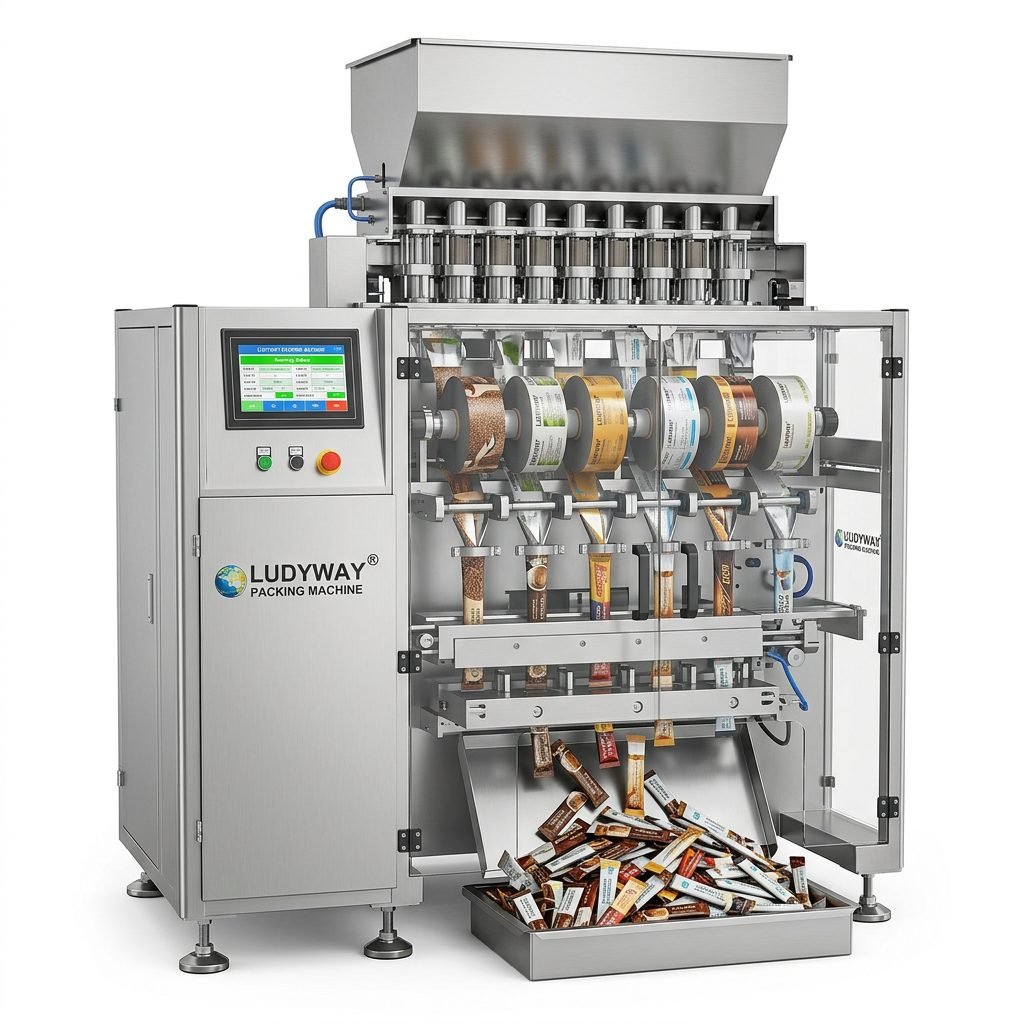
What Is a Packaging Machine?
A packaging machine is equipment designed to automate one or more packaging processes, such as feeding, filling, weighing, pouch forming, sealing, coding, labeling, cartoning, or palletizing. Depending on the application, a packaging machine may work as a single unit or as part of a fully integrated production line.
Modern systems are used for a wide range of materials, including:
- Granules
- Powders
- Liquids
- Pastes and gels
- Capsules and tablets
- Pouches, sachets, stick packs, bottles, tubes, and bags
Main Types of Packaging Machines
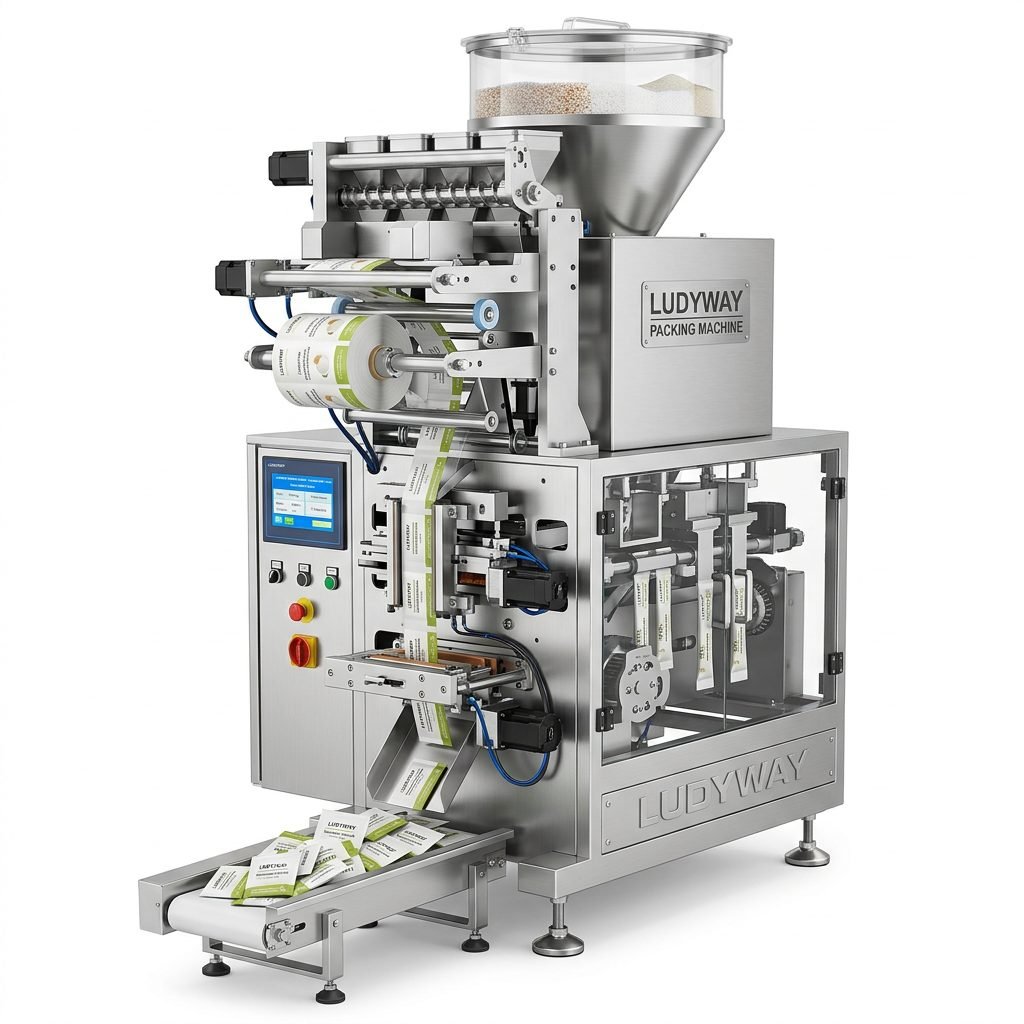
1. Vertical Form Fill Seal Machines
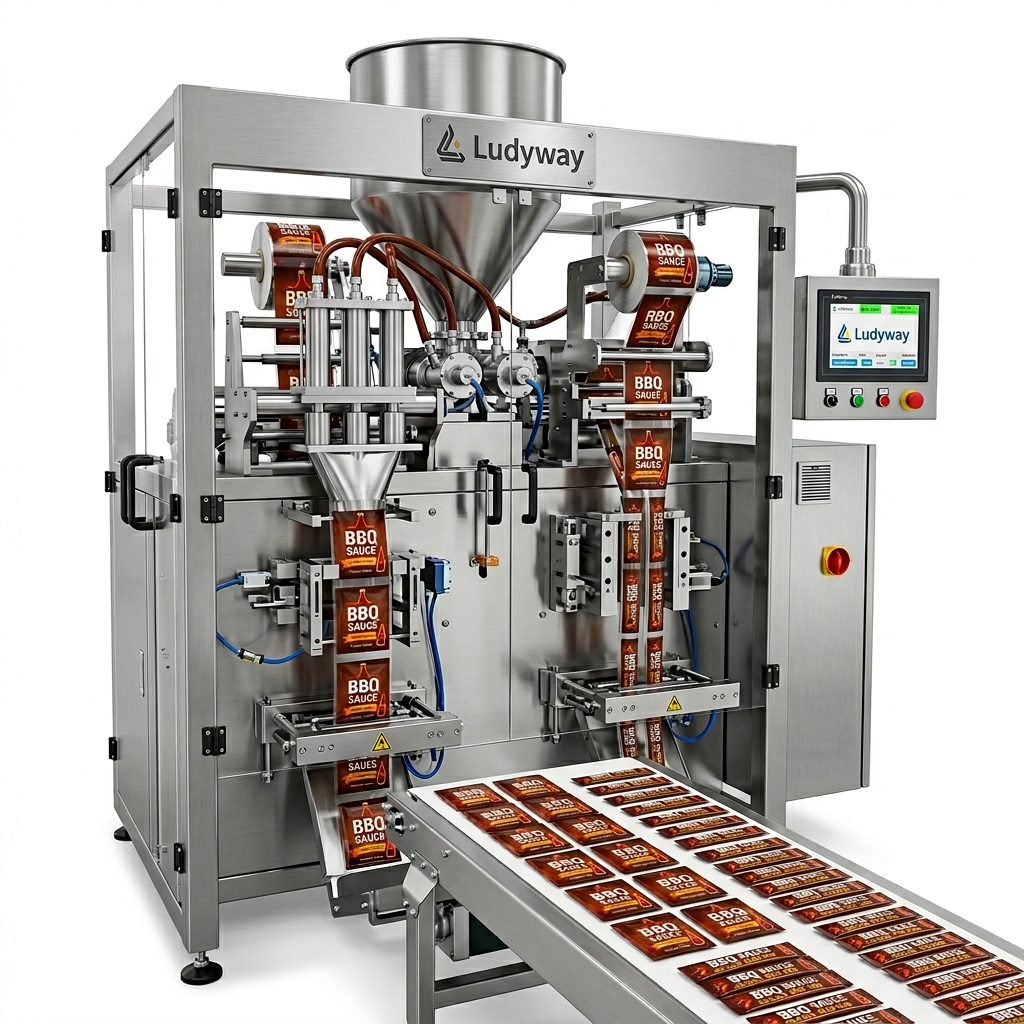
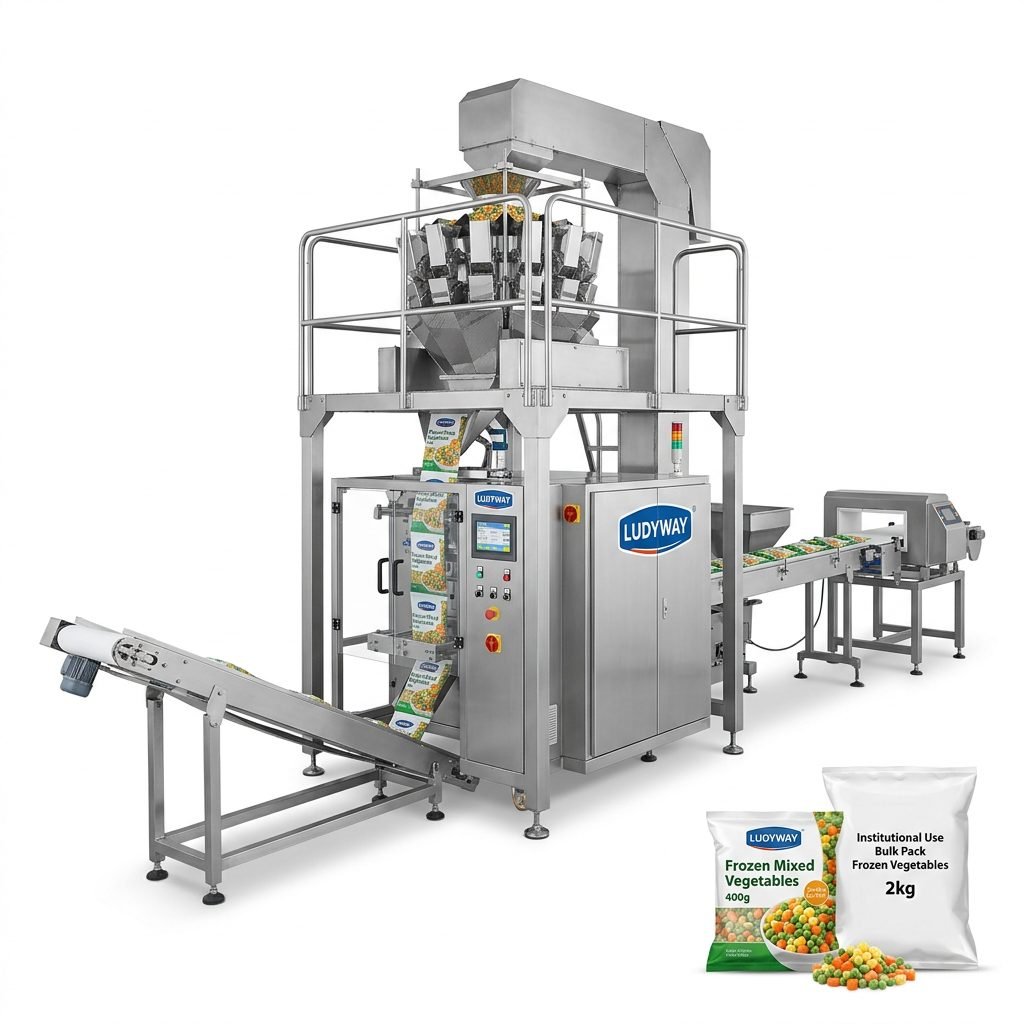
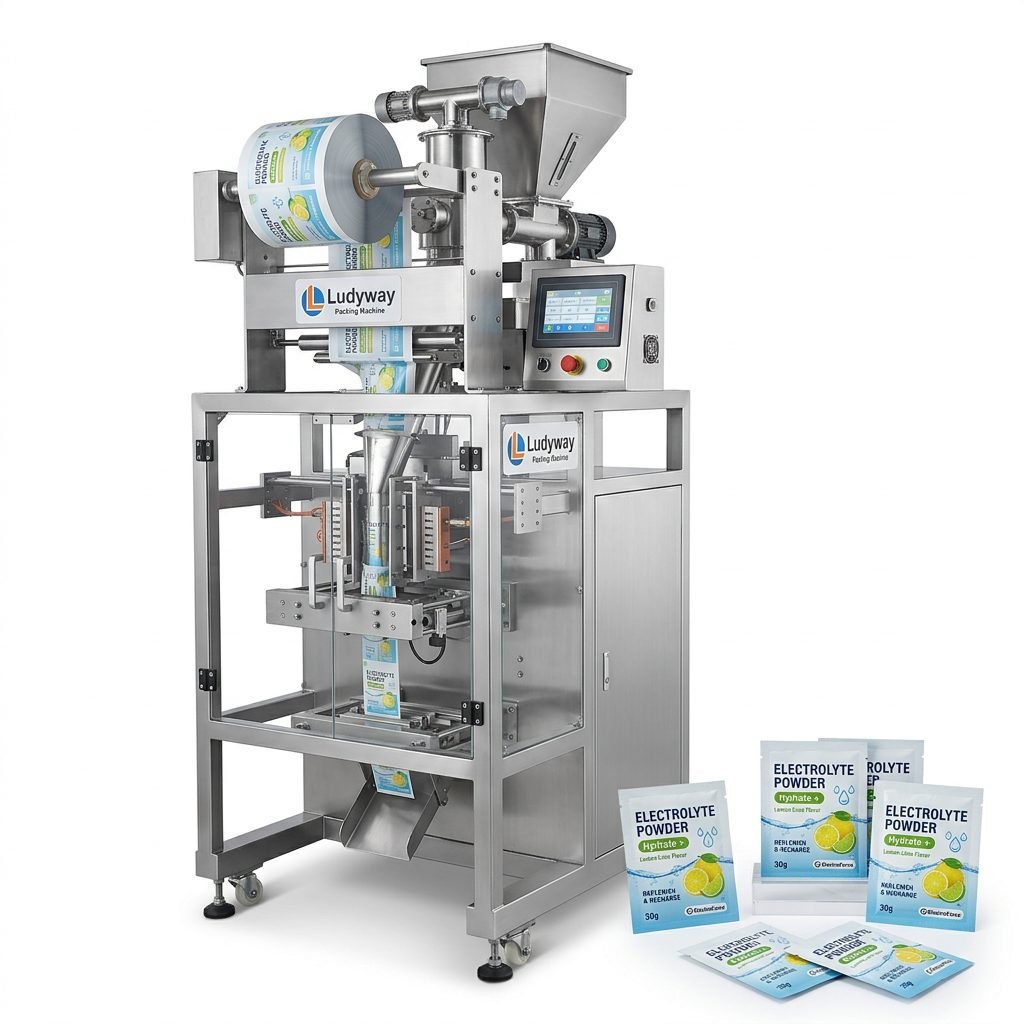
Vertical form fill seal machines, often called VFFS machines, create bags from roll film, fill the product, and seal the package in one continuous process. They are popular for powders, granules, snacks, coffee, seasoning, and many dry products.
Best for: high-efficiency bag packaging, flexible bag sizes, and continuous production.
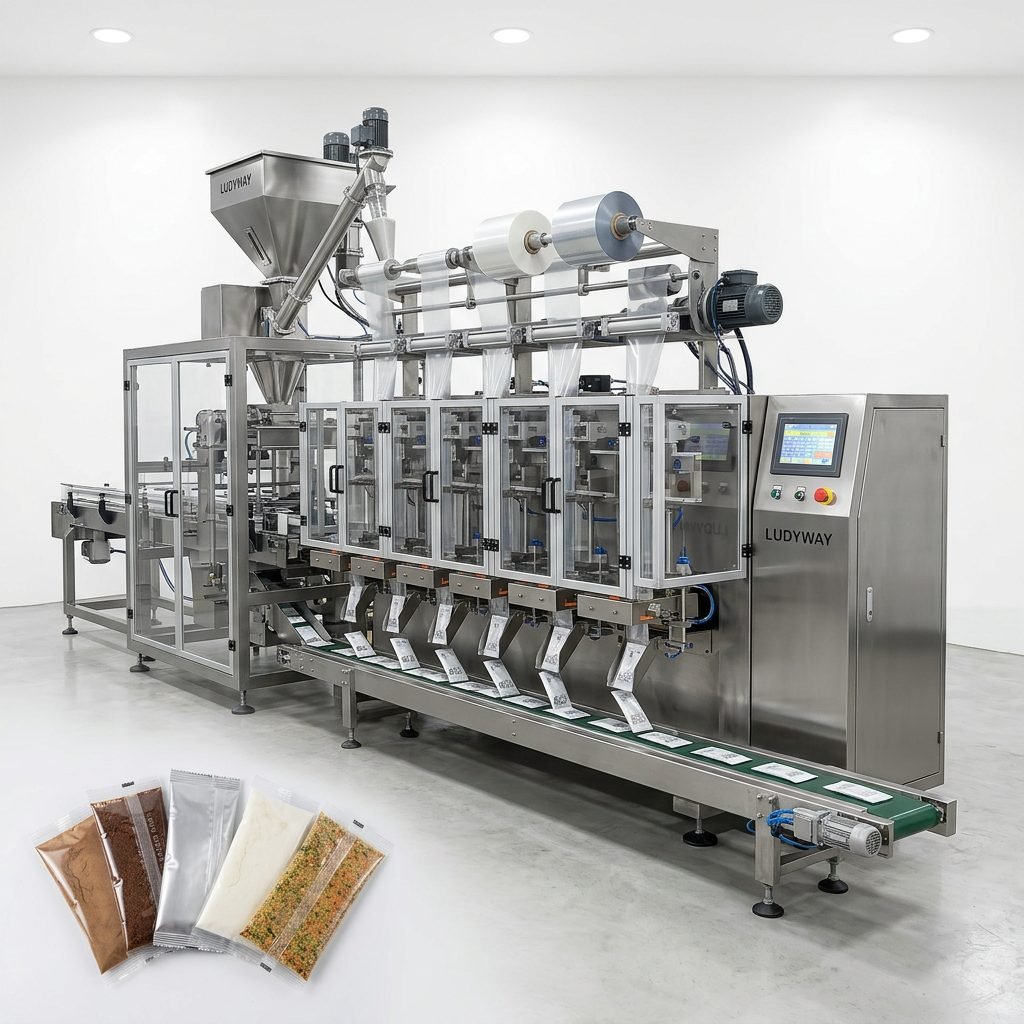
2. Sachet Packaging Machines
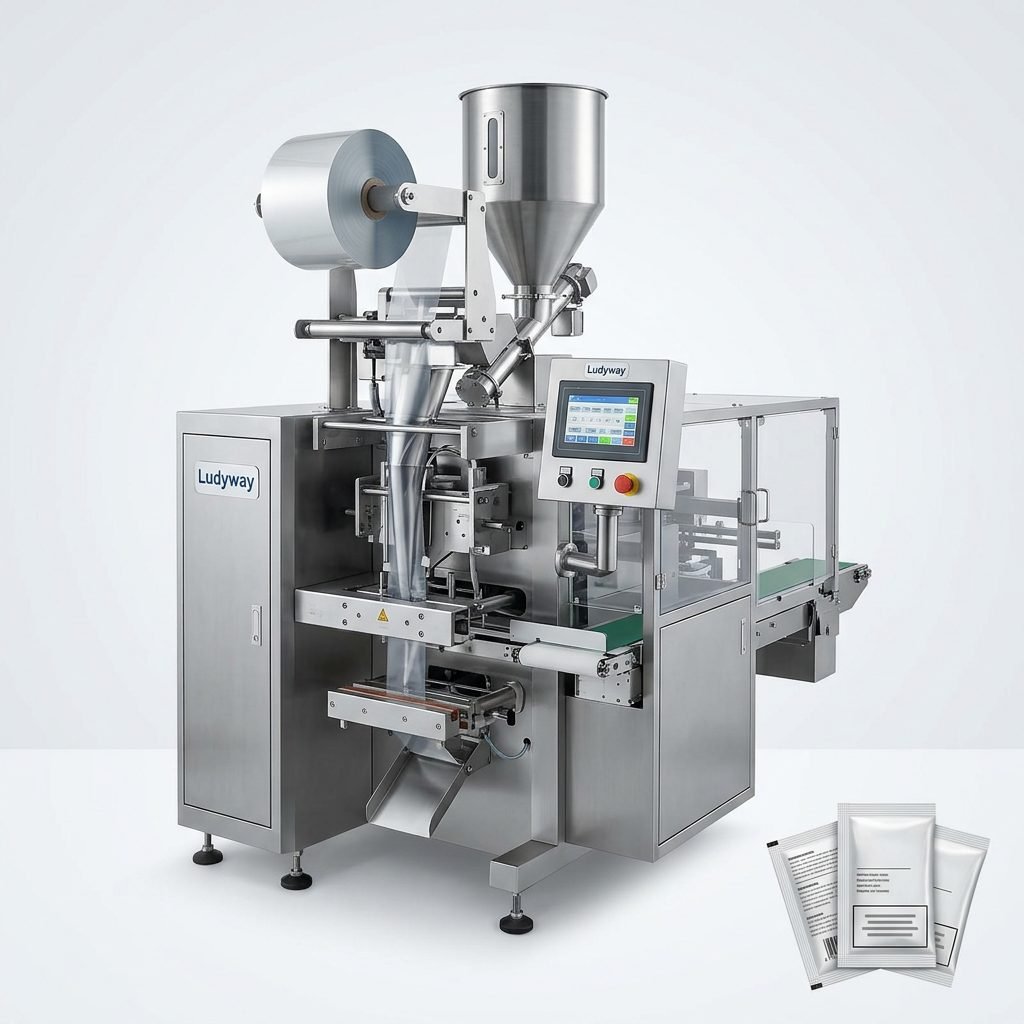
Sachet machines are ideal for small-dose packaging. They are widely used for food condiments, instant drink powders, pharmaceutical granules, cream samples, detergents, and personal care products.
Best for: single-use packaging, retail samples, travel-size products, and precise dosage control.
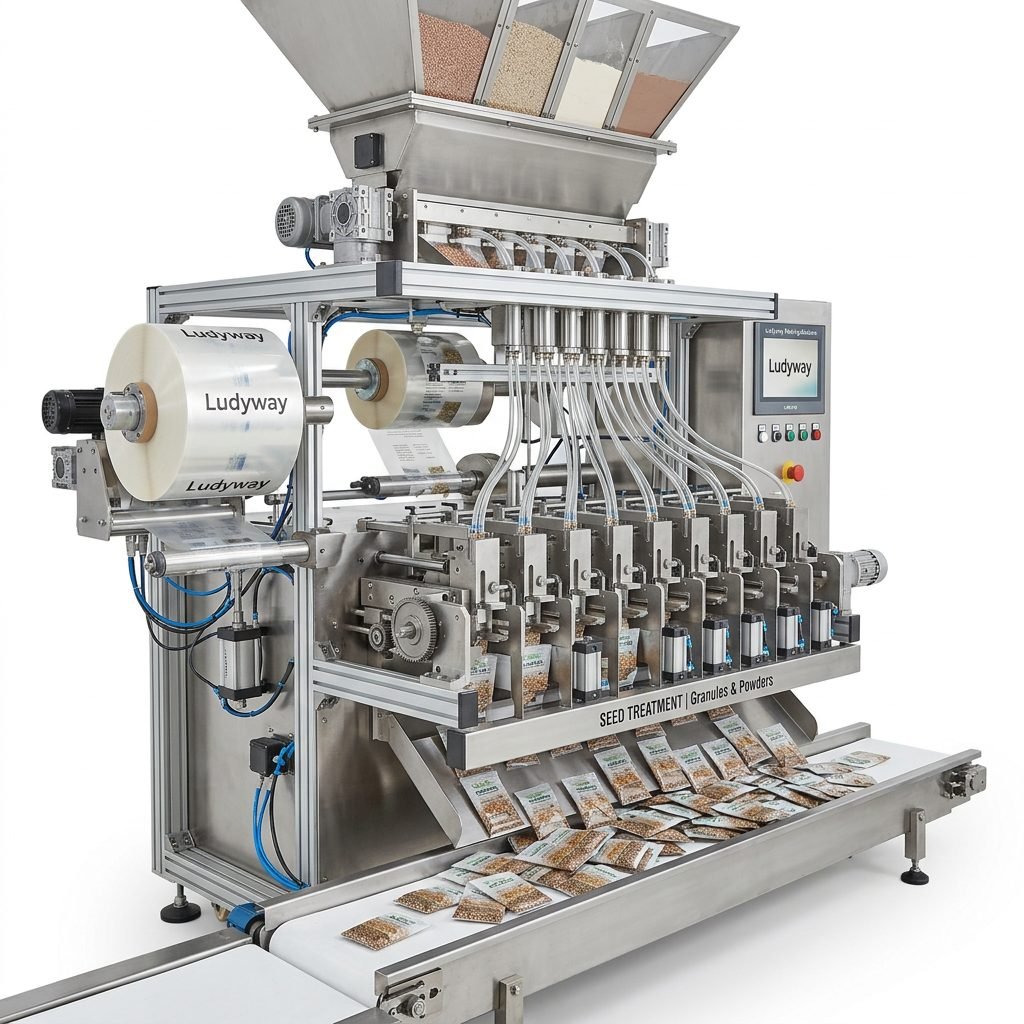
3. Stick Pack Machines
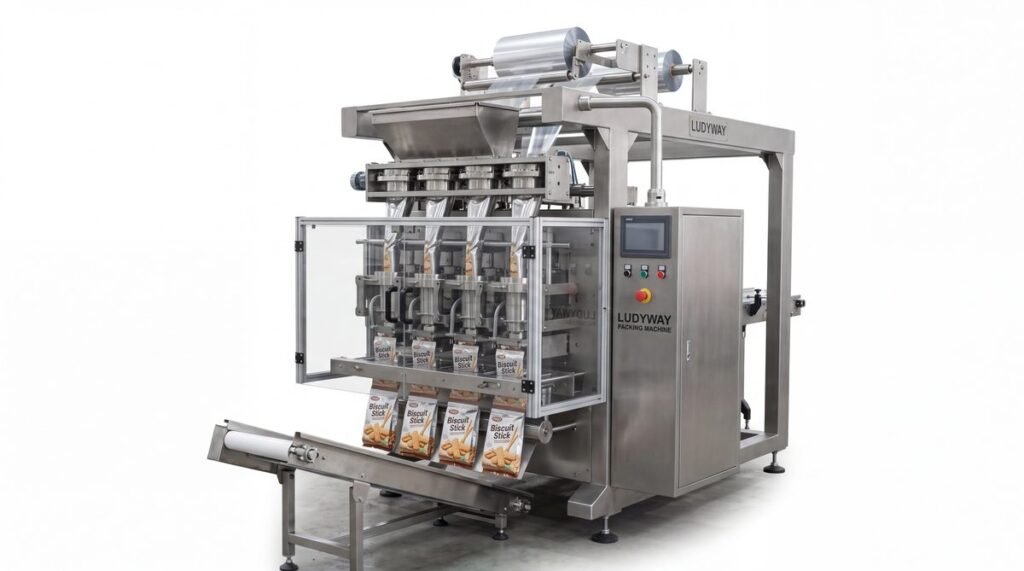
Stick pack machines produce slim, elongated packets commonly used for coffee, sugar, collagen powder, oral rehydration salts, energy gels, and supplements. Multi-lane models can significantly increase output.
Best for: premium single-serve packaging and high-speed multi-lane production.
4. Premade Pouch Packaging Machines
These machines fill and seal preformed pouches instead of creating pouches from film rolls. They are commonly used for premium food, pet food, sauces, powders, and specialty products that require attractive shelf presentation.
Best for: stand-up pouches, zipper pouches, and products needing strong visual appeal.
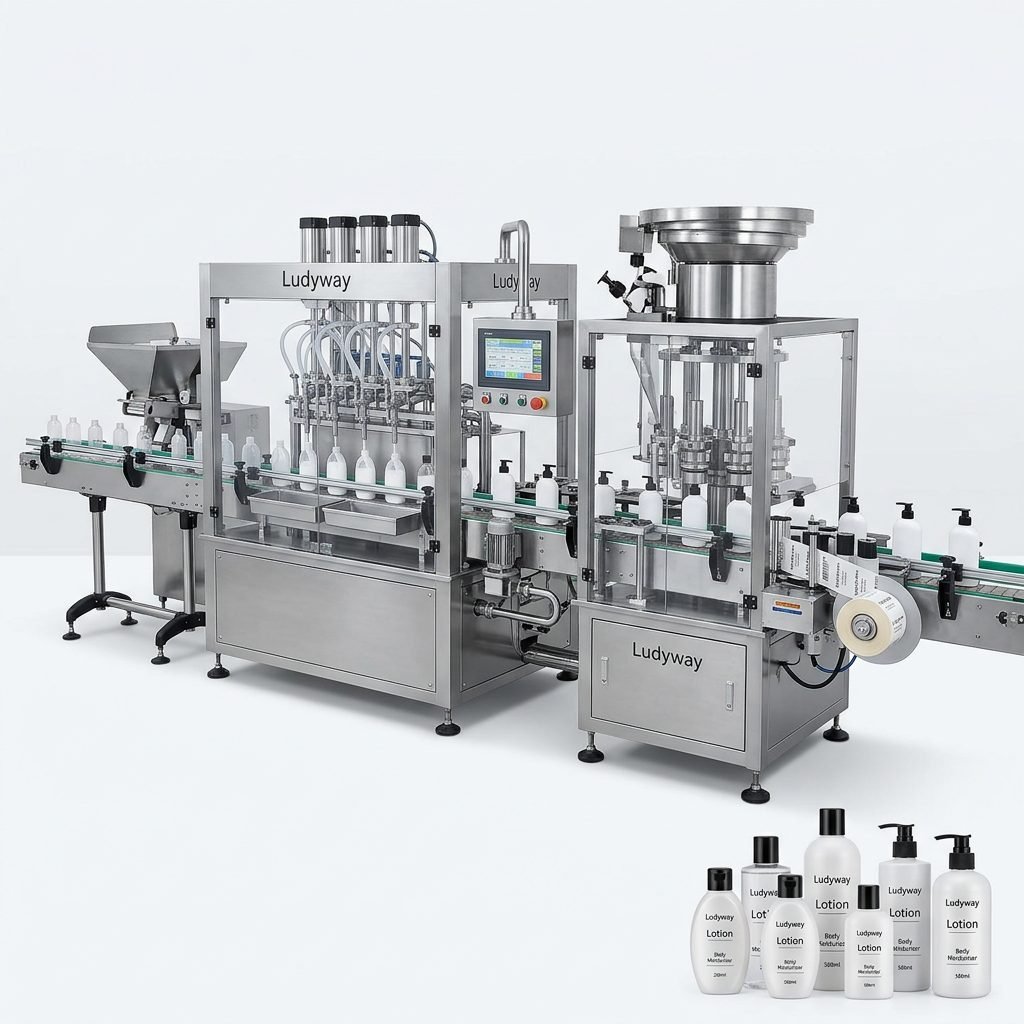
5. Liquid Filling and Sealing Machines
Liquid packaging machines are designed for products such as syrups, oils, shampoos, sauces, detergents, and oral liquids. Depending on viscosity, the machine may use piston filling, pump filling, gravity filling, or servo-controlled systems.
Best for: liquid, gel, and paste products requiring clean and accurate filling.
6. Powder Packaging Machines
Powder packaging machines often use auger fillers or precision dosing systems to handle fine or dusty materials. These systems are common in food, pharmaceutical, chemical, and nutraceutical applications.
Best for: milk powder, protein powder, spices, medicine powder, and industrial powders.
7. Cartoning, Case Packing, and Palletizing Equipment
Secondary and end-of-line packaging systems help automate product grouping, boxing, sealing, inspection, and pallet handling. These machines are especially important for medium- and large-scale factories.
Best for: reducing manual handling and building complete automated packaging lines.
Packaging Machine Types by Product Category
| Product Type | Suitable Machine Type | Common Formats |
|---|---|---|
| Granules | VFFS, sachet machine, stick pack machine, weighing bagger | Sachets, stick packs, bags, pouches |
| Powders | Auger filler, multi-lane sachet machine, stick pack machine | Sachets, stick packs, bags, jars |
| Liquids | Liquid filling machine, pouch filler, bottle filling line | Sachets, pouches, bottles, vials |
| Pastes & Gels | Piston filler, tube filling machine, sachet filler | Sachets, tubes, pouches |
| Tablets & Capsules | Blister machine, bottle filling line, counting machine | Blisters, bottles, cartons |
Key Benefits of Using a Packaging Machine
Improved Production Efficiency
Automation allows businesses to package products faster and more consistently than manual operations. This is especially important when order volumes increase or seasonal demand spikes.
Higher Accuracy and Consistency
Accurate filling and sealing reduce product giveaway, improve package appearance, and support better customer satisfaction. In regulated industries, consistency is also crucial for compliance.
Lower Labor Costs
A well-configured machine can reduce repetitive manual work and help operators focus on supervision, quality checks, and line management rather than basic handling tasks.
Better Hygiene and Safety
Automated packaging systems minimize direct contact between operators and products. This is particularly valuable in food, pharmaceutical, and health supplement manufacturing.
Scalability for Growth
Businesses that start with one machine often expand to include feeding systems, conveyors, coding units, inspection equipment, cartoners, and palletizers. Choosing the right platform early can make scaling easier later.
Stronger Brand Presentation
Clean seals, reliable cut quality, accurate filling, and standardized package shapes help improve shelf appeal and brand perception.
How to Choose the Right Packaging Machine for Your Business
Understand Your Product Characteristics
Start with the product itself. Ask the following:
- Is the product a granule, powder, liquid, or paste?
- Does it flow easily or bridge during feeding?
- Is it dusty, sticky, corrosive, or fragile?
- Does it require sanitary or GMP-oriented design?
Define Your Packaging Format
The right machine depends heavily on the package you want to sell. Common options include:
- Sachets for samples and single-use packs
- Stick packs for drink powders and supplements
- Pouches for retail-ready, premium presentation
- Bottles and tubes for liquid or cream-based products
- Large bags for bulk industrial or feed applications
Estimate Required Output
Your required speed will influence machine type, lane count, and automation level. A small business may only need a compact semi-automatic unit, while a large factory may require a fully automated multi-lane line.
Consider Accuracy Requirements
For pharmaceuticals, nutraceuticals, and high-value powders, precise dosing is critical. In these cases, filling accuracy may matter more than maximum speed.
Check Material and Seal Compatibility
Not every machine works equally well with every packaging film or pouch material. Confirm:
- Film structure and thickness
- Seal strength requirements
- Need for nitrogen flushing or vacuum packaging
- Print registration and coding requirements
Review Space and Layout
Make sure the machine fits your workshop layout, utility connections, product flow, and maintenance access. For integrated lines, upstream and downstream equipment should be considered together.
Think About Future Expansion
If you expect product variety or output growth, choose equipment with flexible settings, modular upgrades, and the ability to integrate with conveyors, checkweighers, metal detectors, coding machines, cartoners, and palletizers.
Quick Selection Checklist
| Selection Factor | Why It Matters |
|---|---|
| Product form | Determines filling system and handling method |
| Pack format | Defines machine structure and sealing style |
| Target output | Impacts speed, lane count, and automation level |
| Accuracy requirement | Critical for cost control and compliance |
| Film or pouch type | Affects sealing performance and machine compatibility |
| Factory layout | Ensures smooth installation and operation |
| Expansion plans | Supports long-term ROI and line integration |
Common Mistakes to Avoid
- Buying based on price alone without checking performance stability
- Choosing a machine that matches current output but not future demand
- Ignoring product characteristics such as dustiness, viscosity, or fragility
- Overlooking after-sales support and spare parts availability
- Failing to test packaging materials before final purchase
- Selecting standalone machines without considering full line integration
Industries That Commonly Use Packaging Machines
Packaging automation is now standard across many sectors:
- Food and beverage
- Pharmaceutical manufacturing
- Health supplements and nutraceuticals
- Cosmetics and personal care
- Chemical and industrial products
- Animal feed and pet food
- Nicotine pouch and specialty pouch packaging
When Does It Make Sense to Upgrade to a Turnkey Packaging Line?
If your production involves multiple manual steps, frequent bottlenecks, or inconsistent packaging quality, it may be time to move from standalone equipment to a complete line. A turnkey system can include feeding, dosing, filling, sealing, coding, inspection, cartoning, case packing, and palletizing in one coordinated workflow.
Turnkey lines are often the best choice for businesses that need higher throughput, better process control, and unified technical support from one supplier.
Final Thoughts for Buyers
The best packaging machine is the one that fits your product, output target, package design, compliance needs, and growth strategy. For some businesses, that means a compact sachet machine. For others, it means a high-speed multi-lane stick pack system or a complete automated packaging line.
Before making a decision, compare machine types carefully, review real application cases, test your product, and evaluate long-term service support. A smart packaging investment can improve efficiency today while creating a stronger foundation for future expansion.