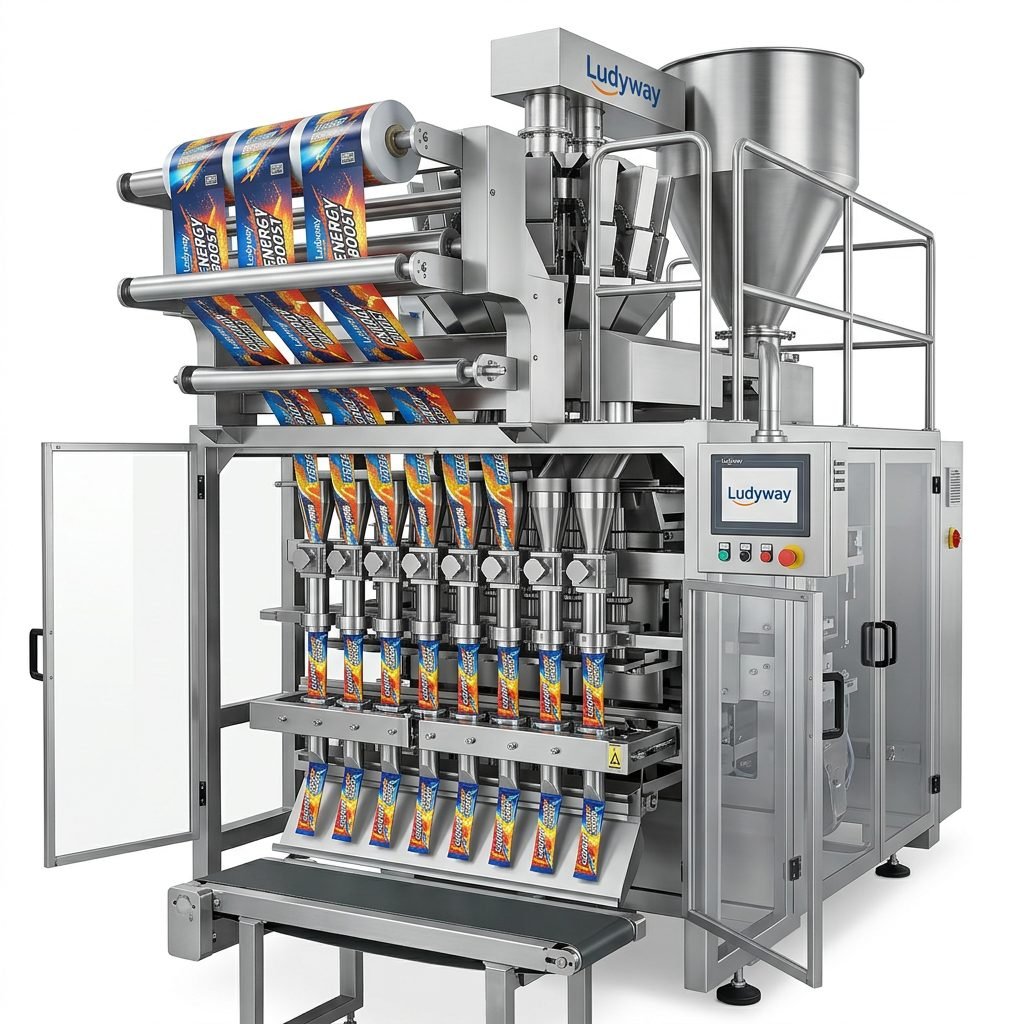
Choosing the right soil packing machine is not only about automating bagging. It is about improving accuracy, speed, cleanliness, labor efficiency, and long-term operating cost. Whether you pack potting soil, compost, topsoil, soil conditioner, peat-based mixes, or granular planting media, the right equipment can significantly increase output while reducing waste and inconsistency.
In modern soil bagging operations, buyers often face the same challenge: too many machine options, too many bag formats, and too many production variables. The best decision comes from matching your product characteristics, target output, packaging type, plant space, and future expansion plans with the right bagging system.
Why Soil Bagging Equipment Selection Matters
Soil products may look simple, but they are difficult to handle in practice. Moisture variation, uneven bulk density, dust generation, clumping, and irregular particle size can all affect filling performance. If the machine is not designed for the material, you may see:
- Inaccurate bag weights
- Low packing speed
- Frequent blockages or bridging
- Dust leakage and poor sealing
- Higher labor demand
- Bag damage during conveying or stacking
A properly selected soil packing machine helps create a smoother production flow from feeding and weighing to bag forming, sealing, conveying, coding, and palletizing.
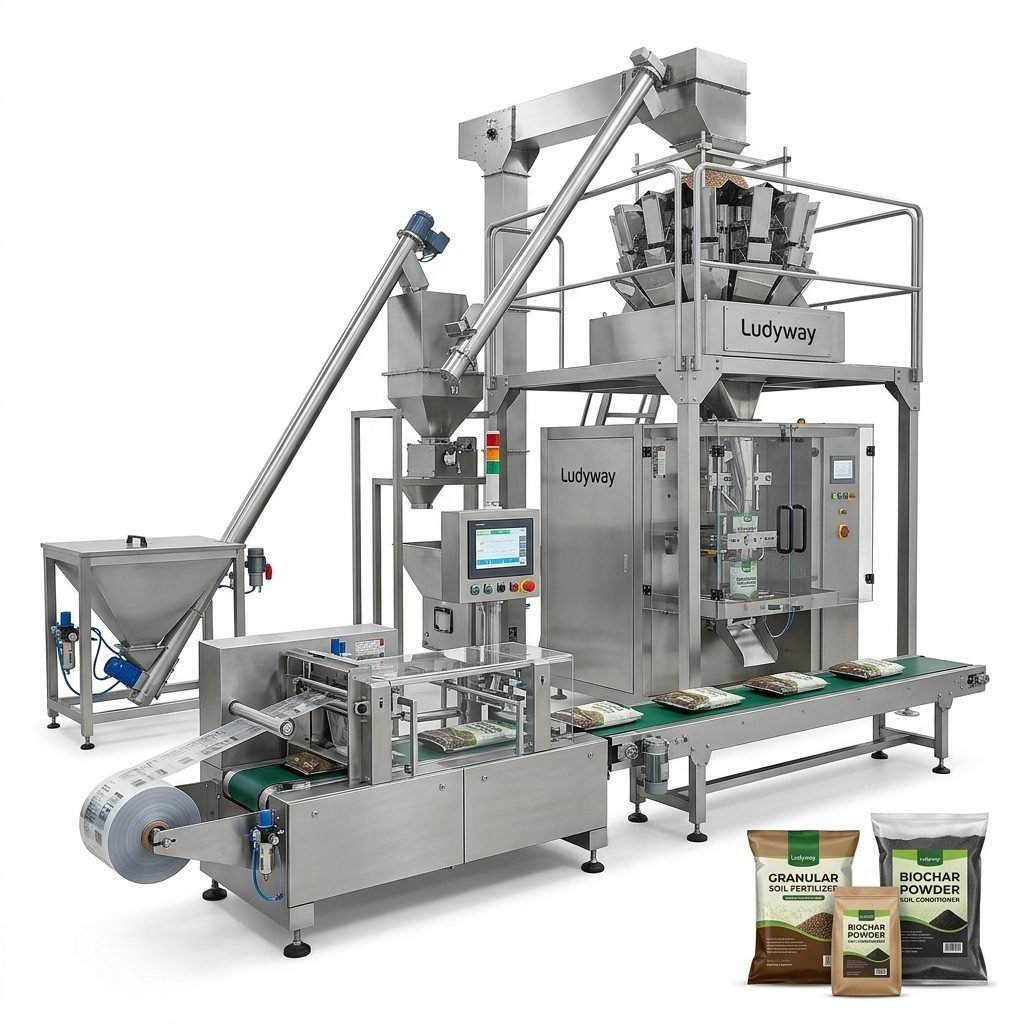
Key Factors to Evaluate Before Buying a Soil Packing Machine
1. Soil Type and Material Behavior
Different soil products behave very differently inside a bagging system. Before selecting equipment, identify whether your product is:
- Loose and free-flowing
- Damp or slightly sticky
- Fine and dusty
- Mixed with chips, fibers, bark, or compost fragments
- Sold by weight, volume, or both
For example, fine dry soil may require better dust control and precise metering, while compost-rich or fibrous growing media may need a more robust feeding system to avoid bridging.
2. Required Bag Size Range
Soil is commonly packed in small retail bags, mid-size garden bags, and large industrial sacks. Your equipment should support the bag sizes you produce today while leaving room for future product expansion.
| Bag Size | Typical Use | Equipment Consideration |
|---|---|---|
| 1–5 kg | Specialty garden or sample packs | High accuracy filling, compact machine layout |
| 5–25 kg | Retail and commercial gardening products | Flexible bag handling and efficient sealing |
| 25–50 kg | Agricultural or wholesale supply | Heavy-duty weighing, strong conveyor and stitching/sealing |
| Jumbo bags | Bulk industrial transport | Bulk filling system with reinforced support frame |
3. Production Speed Requirements
Ask a practical question: How many bags per hour do you need to produce consistently, not just theoretically? A low-speed line may work for startups, but large-scale garden soil brands and fertilizer or substrate suppliers need higher throughput and less manual intervention.
Consider both current demand and peak season demand. Soil products often have strong seasonal sales, so machines should handle volume increases without creating bottlenecks.
4. Manual, Semi-Automatic, or Fully Automatic Operation
The right automation level depends on budget, labor availability, and output targets.
- Manual or semi-automatic systems: suitable for smaller facilities, lower investment, more labor involved
- Automatic bagging machines: better for medium to high volume production with reduced labor dependence
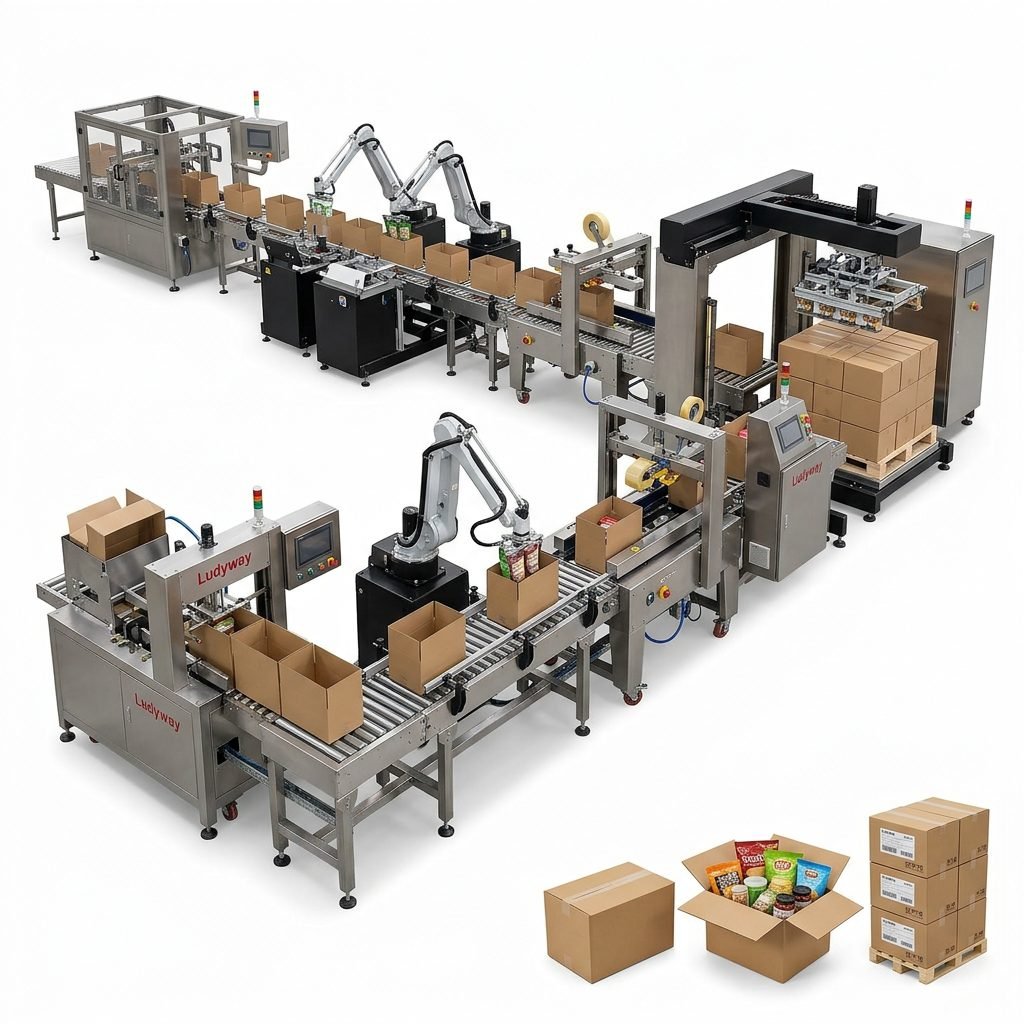
- Fully integrated bagging lines: ideal for large operations needing continuous feeding, weighing, sealing, coding, conveying, and palletizing
Common Types of Soil Packing Machines
Volumetric Filling Machines
These machines dose material based on volume. They can be practical for products with relatively stable bulk density, but they may not provide the best weight consistency when the soil moisture or texture changes.
Weighing Bagging Machines
These are often preferred for soil because they deliver better filling accuracy. They weigh each batch before or during filling, making them suitable for retail products that require consistent net weight.
Open-Mouth Bagging Systems
Open-mouth bagging machines are widely used for soil, compost, and fertilizer. They are suitable for pre-made bags and can be combined with sewing or heat sealing depending on bag material.
Valve Bag Fillers
Valve bag systems are more common for fine powders and dry materials that need compact filling. In some soil-related applications, they can be used for soil amendments or fine mineral blends rather than bulky potting mixes.
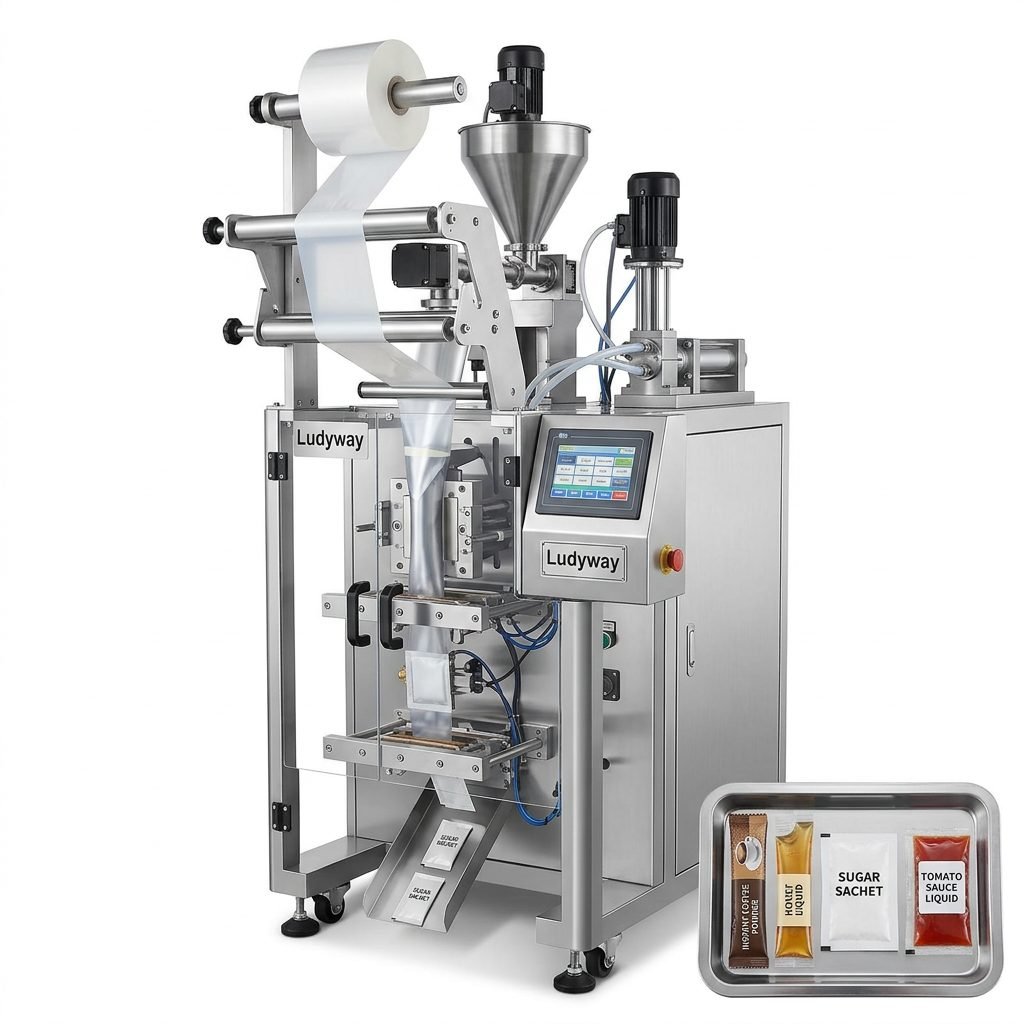
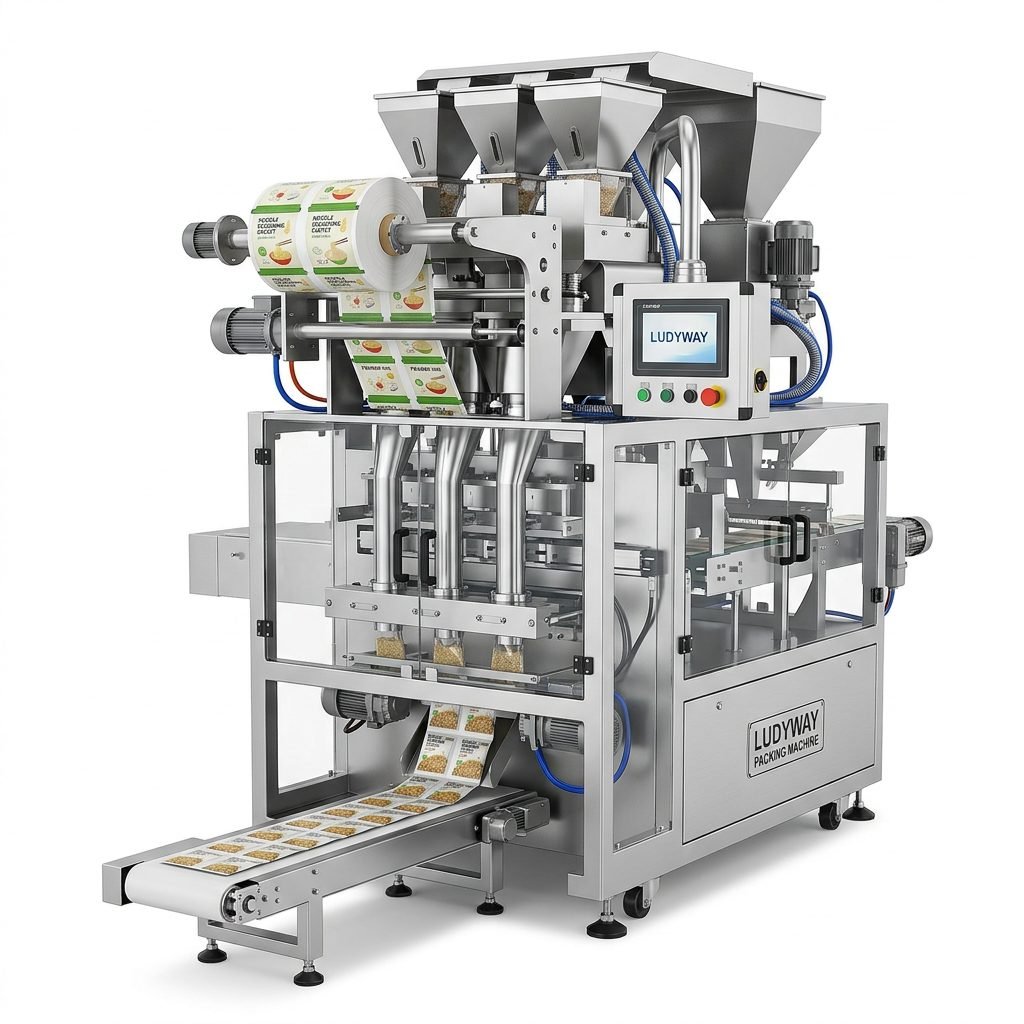
Form-Fill-Seal Systems
These systems create bags from roll film, fill them, and seal them automatically. They are useful when businesses want more control over packaging cost, bag design, and production automation.
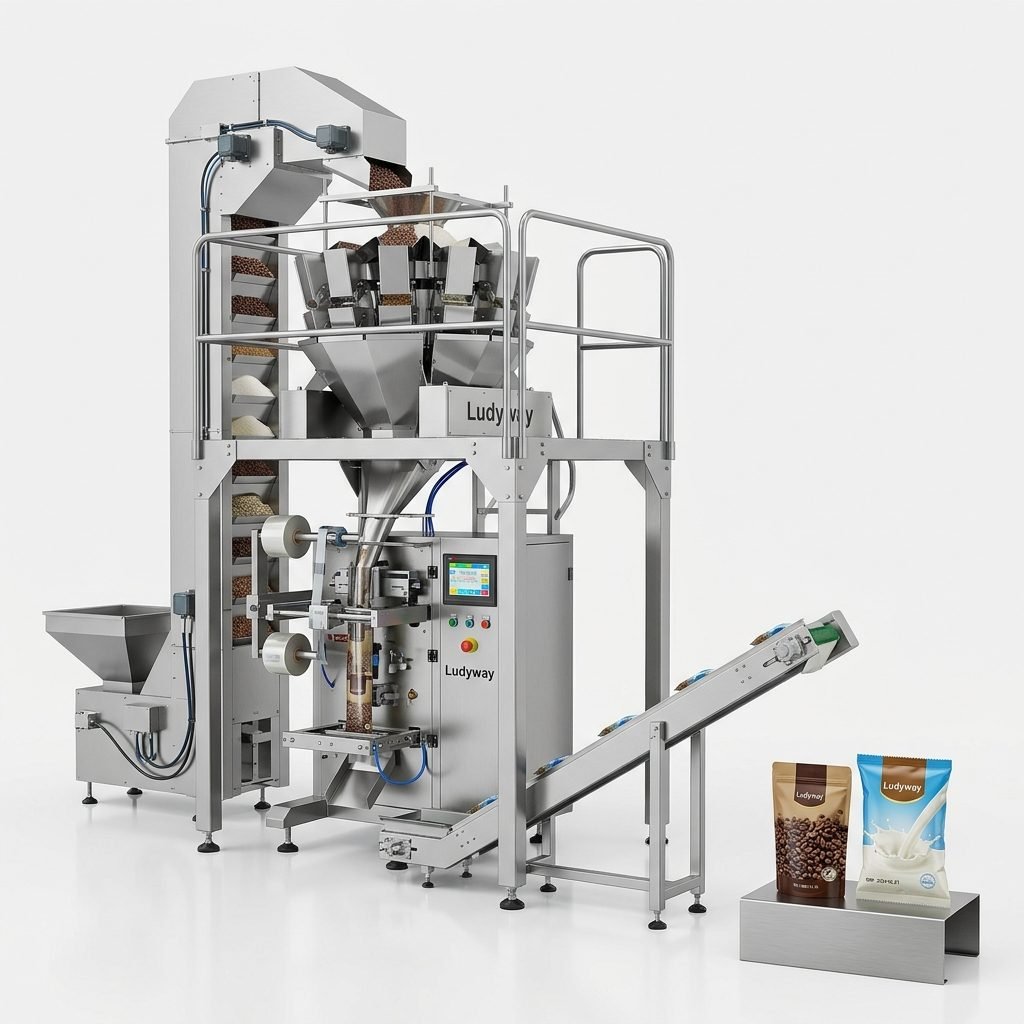
Important Machine Features for Efficient Soil Bagging
Accurate Weighing System
Inconsistent bag weights can lead to product giveaway, customer complaints, and compliance issues. A stable weighing unit is essential, especially for retail-facing brands.
Dust Control Design
Soil and substrate products can generate significant dust during filling. Machines with enclosed filling zones, dust extraction interfaces, and effective sealing support cleaner production and better operator safety.
Reliable Feeding and Conveying
Soil materials do not always flow evenly. Look for equipment that can handle irregular density and variable particle size without excessive downtime. Feed hoppers, conveyors, elevators, and discharge systems should match the material.
Bag Sealing Compatibility
Your machine should match the bag material and closure style. Typical options include:
- Sewing for woven or paper bags
- Heat sealing for laminated plastic bags
- Fold-and-sew or fold-and-glue closure options
Easy Cleaning and Maintenance
Soil packaging environments are harsh. Machines should be easy to inspect, clean, and maintain. A practical design reduces downtime and extends service life.
How to Match Equipment to Your Business Size
| Business Type | Recommended Solution | Main Priority |
|---|---|---|
| Small producer | Semi-automatic weighing and bagging machine | Affordable investment and flexibility |
| Growing regional brand | Automatic open-mouth bagging line | Higher speed with lower labor cost |
| Large industrial supplier | Fully integrated bagging, conveying, and palletizing line | Continuous output and process automation |
Questions to Ask a Supplier Before You Decide
- Can the machine handle my actual soil sample, including moisture variation?
- What bag types and sizes are supported?
- What is the realistic output per hour?
- How accurate is the weighing system?
- What dust control measures are included?
- How easy is format changeover?
- What spare parts and after-sales support are available?
- Can the system be upgraded later with conveyors, coding, checkweighers, or palletizers?
Mistakes to Avoid When Choosing a Soil Packing Machine
- Choosing based only on price rather than total operating value
- Ignoring future production growth
- Not testing the real product before purchase
- Overlooking dust management and maintenance needs
- Selecting a machine without bag material compatibility
- Underestimating the importance of supplier service and technical support
Why Turnkey Integration Can Improve Soil Bagging Efficiency
A single machine may solve filling, but a complete line improves the whole packaging workflow. Turnkey solutions can include:
- Bulk feeding and storage systems
- Automatic weighing and dosing
- Bagging and sealing units
- Conveyors and bag shaping equipment
- Metal detection, checkweighing, and coding
- Cartoning, palletizing, and wrapping systems
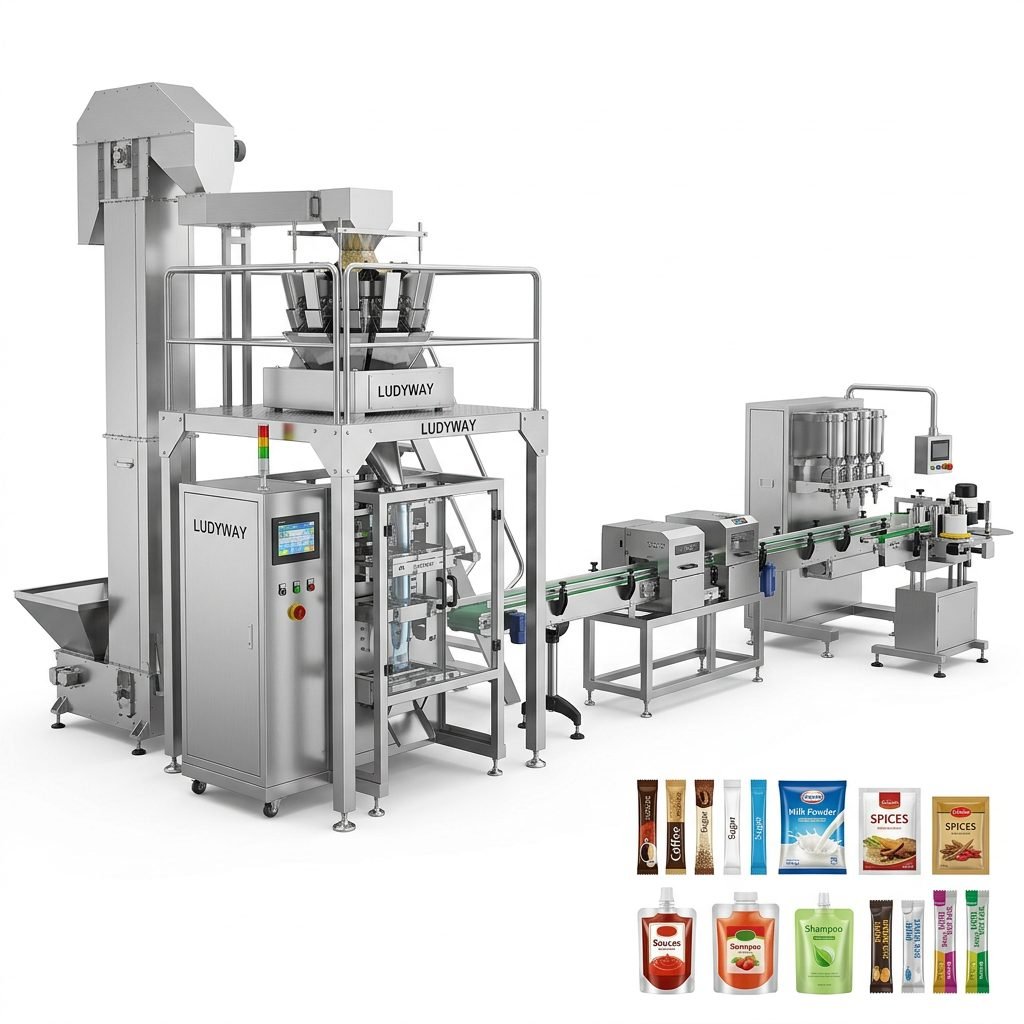
For manufacturers planning scale, this approach reduces interface problems between separate machines and improves line efficiency over time. Buyers looking for integrated packaging expertise often review suppliers with broad automation capabilities, such as Ludyway soil packing machine solutions, especially when a project requires customized bagging and end-of-line integration.
Final Buying Checklist for Soil Bagging Equipment
- Material tested: soil, compost, or substrate has been evaluated on suitable equipment
- Bag format confirmed: size, material, and closure method are clearly defined
- Output target set: bags per hour match your business plan
- Automation level chosen: manual, semi-auto, or full line
- Plant layout reviewed: enough space for safe installation and operation
- Maintenance plan considered: spare parts and support are available
- Expansion potential checked: system can grow with your production
Conclusion
The right soil packing machine should fit your product, your packaging format, and your production goals. Instead of focusing only on initial price, evaluate material compatibility, weighing accuracy, dust control, bag flexibility, automation level, and supplier support. When these factors are aligned, you get faster soil bagging, lower labor cost, better product consistency, and a packaging operation that is ready for long-term growth.