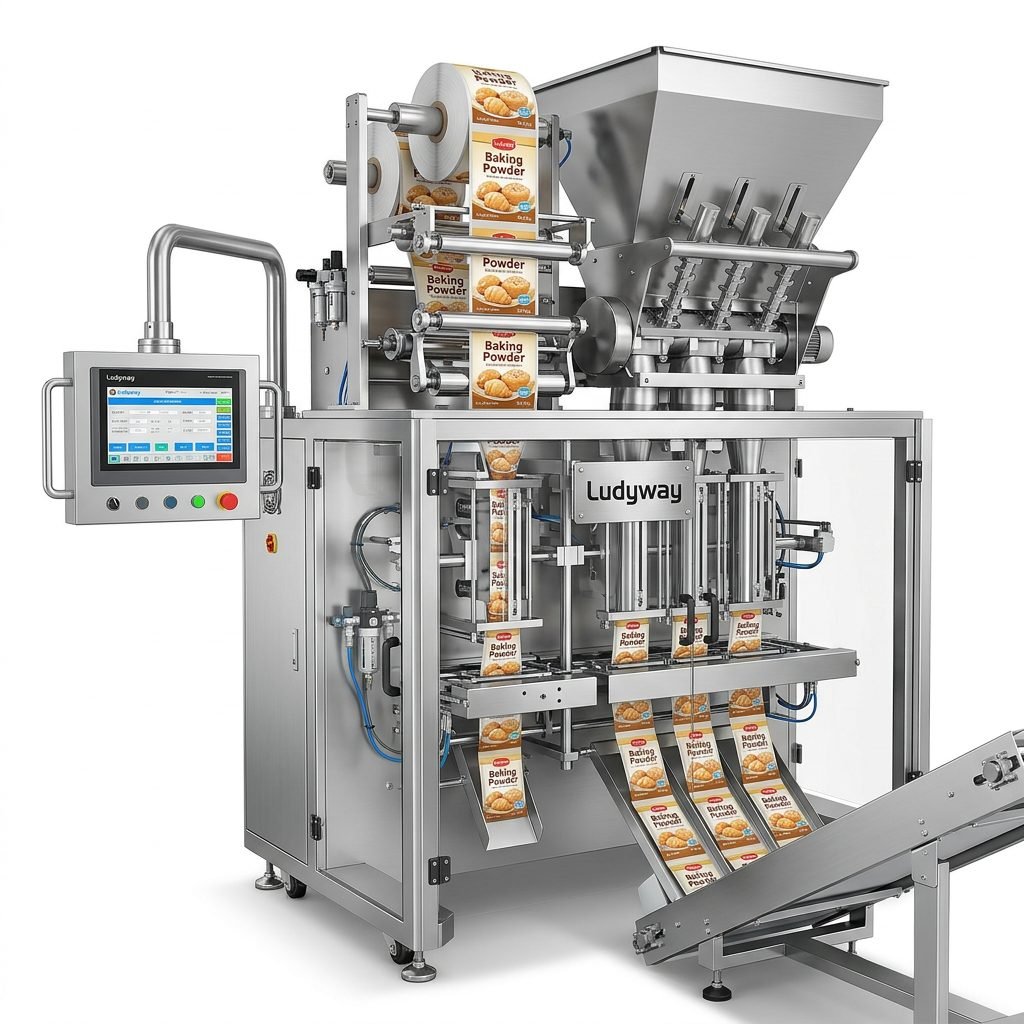
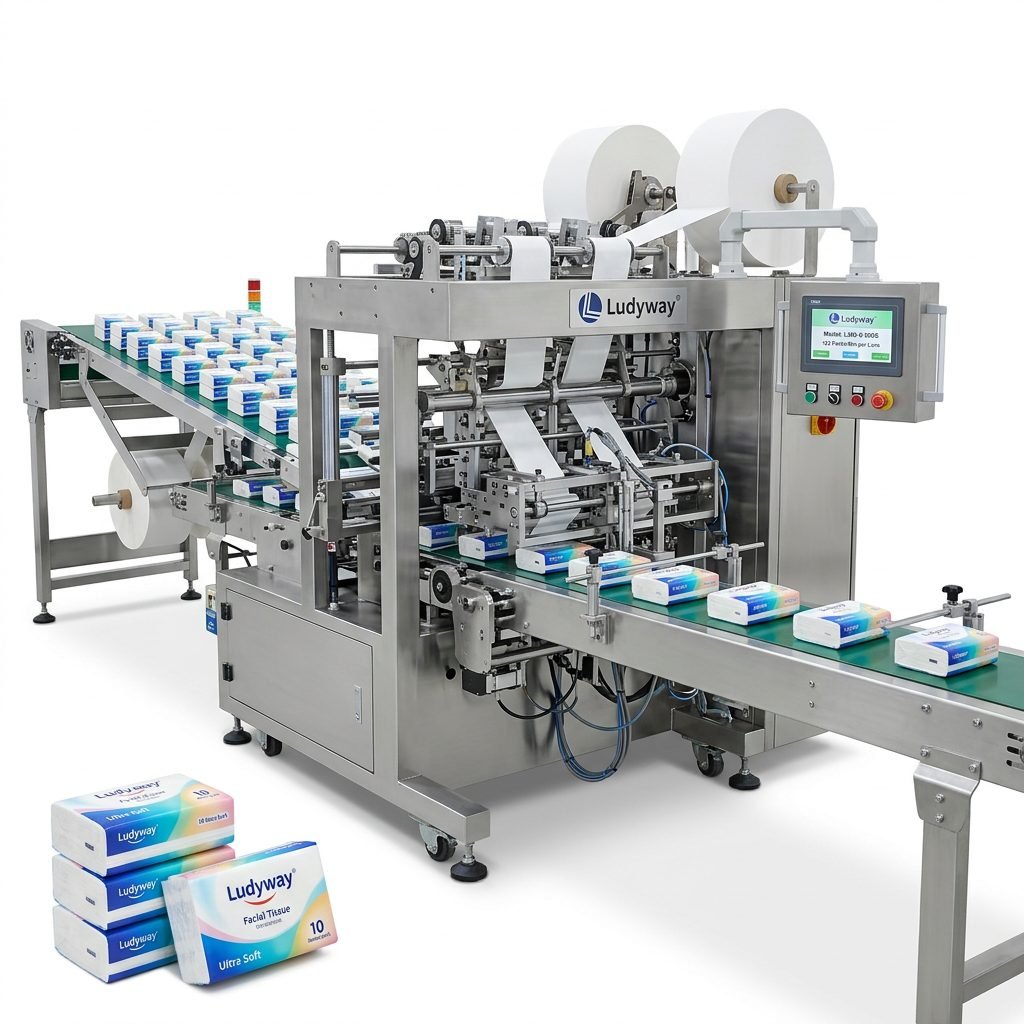
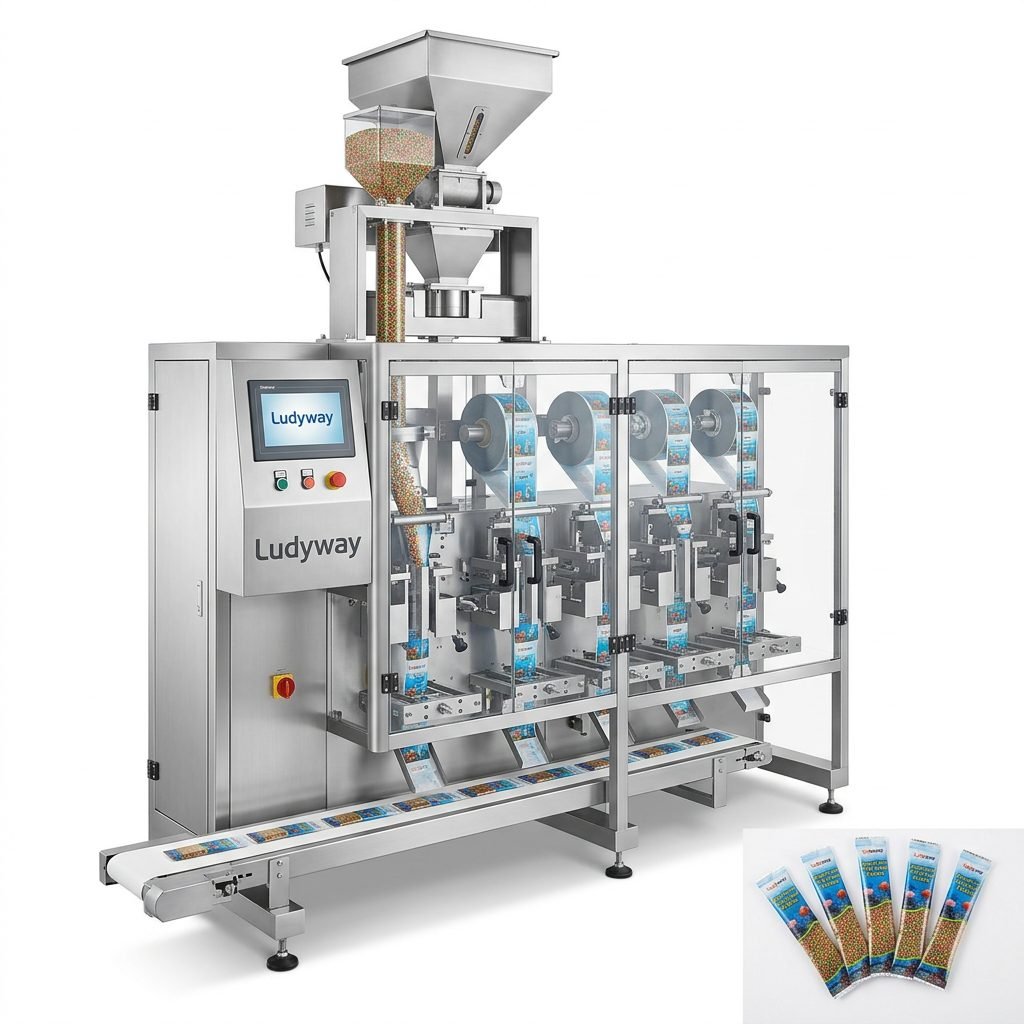
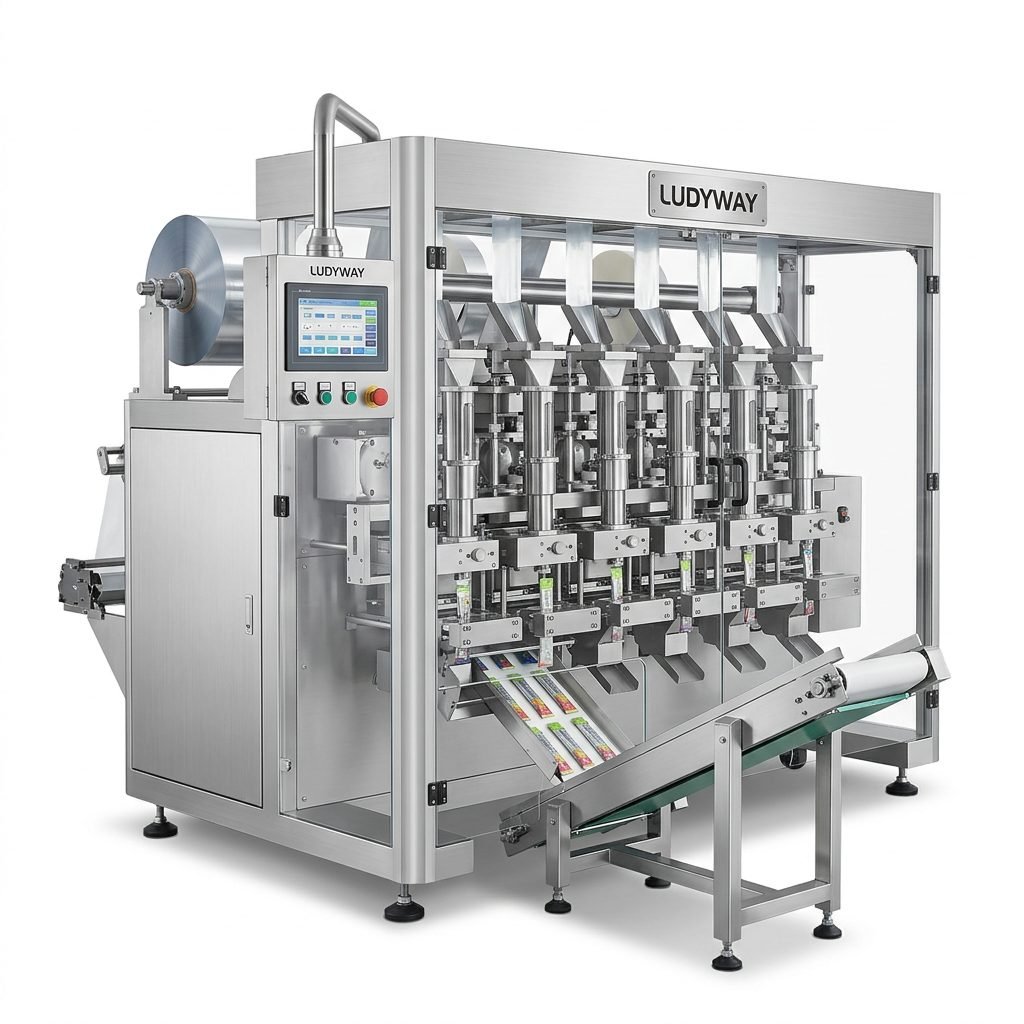
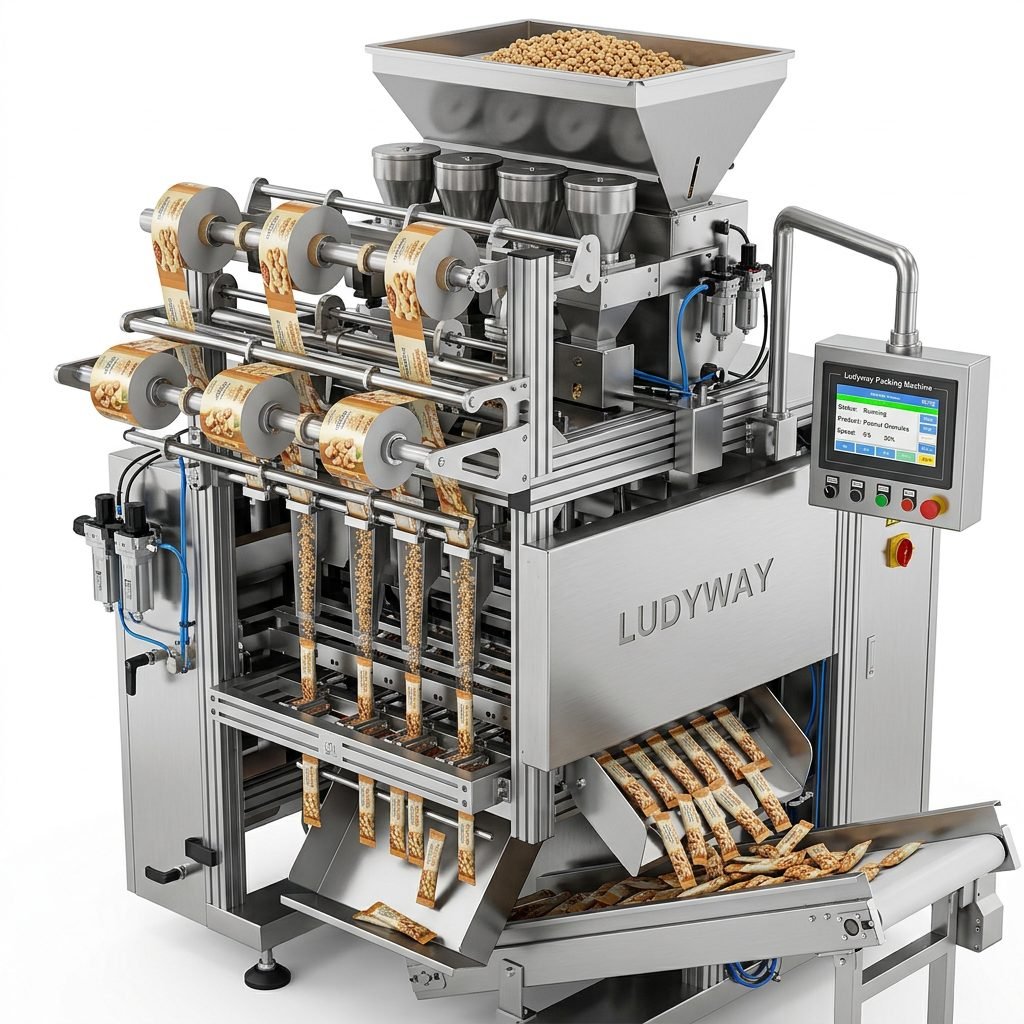
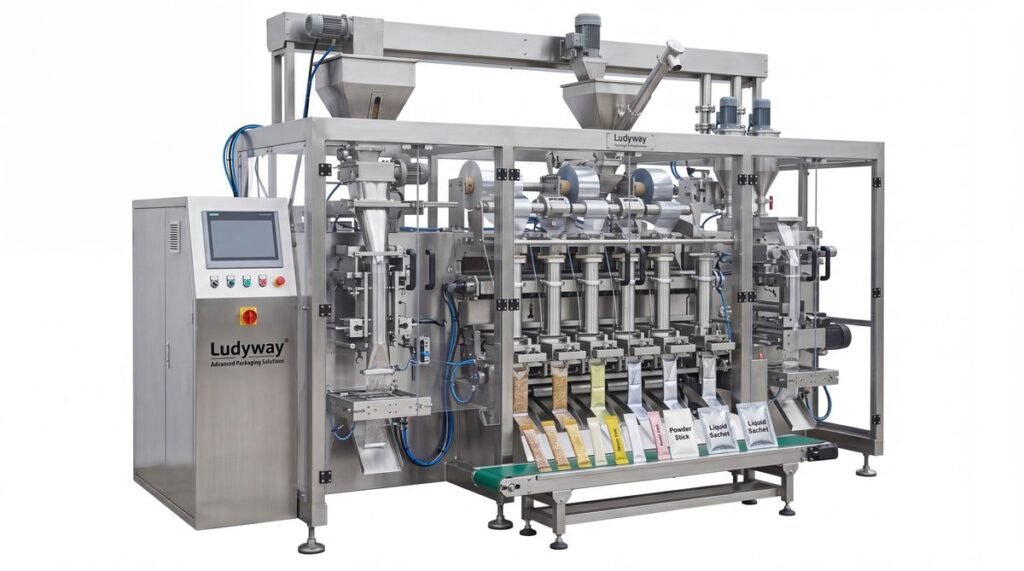
A tablet bottle packing machine is designed to automatically count, fill, and package tablets, capsules, softgels, or similar solid-dose products into bottles with consistent speed and accuracy. For pharmaceutical manufacturers, nutraceutical brands, and contract packers, it plays a critical role in improving output, reducing manual error, and supporting compliance-focused production.
Whether you are expanding a supplement line or upgrading a pharmaceutical bottling process, understanding how the equipment works can help you choose the right system for your factory and long-term production goals.
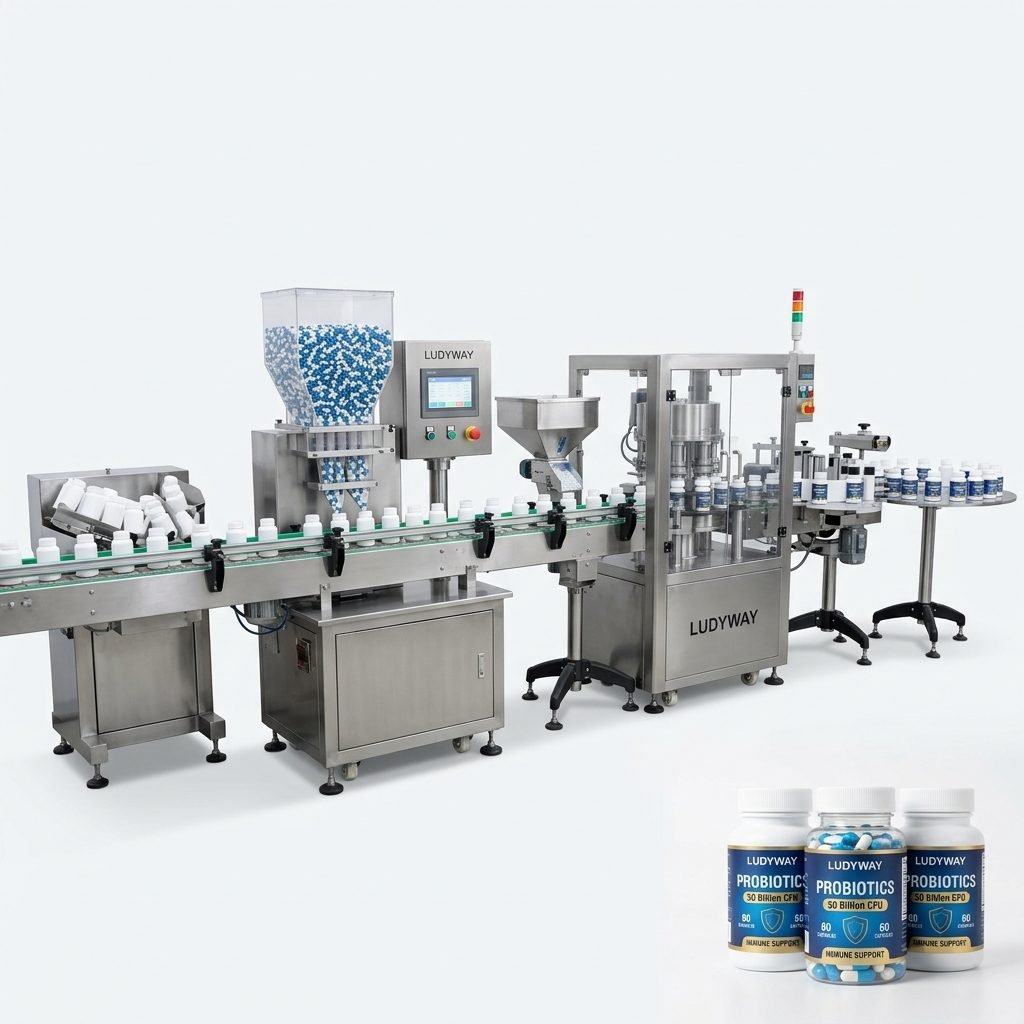
What Is a Tablet Bottle Packing Machine?
A tablet bottle packing machine is an automated packaging system used to place a specified number of tablets into bottles and prepare them for sale or distribution. Depending on the line configuration, the machine can include:
- Tablet or capsule counting unit
- Bottle unscrambler or bottle feeder
- Desiccant inserter
- Cotton inserter
- Cap feeding and capping machine
- Induction sealing machine
- Labeling machine
- Checkweigher and rejection system
- Cartoning or case packing equipment
In many production environments, this machine is not a single standalone unit but part of a complete automated bottling line. It is especially common in the pharmaceutical and health supplement industries, where precision, hygiene, and traceability are essential.
How a Tablet Bottle Packing Machine Works
Although machine structures vary by model, the basic workflow is usually straightforward and highly automated.
1. Bottle Feeding and Positioning
Empty bottles are fed into the line through a bottle unscrambler or conveyor. The bottles are aligned and spaced correctly to ensure smooth movement through each station.
2. Tablet Counting
Tablets are loaded into a hopper and transferred to the counting section. Most modern machines use electronic counting technology, often combining vibration channels and optical sensors. The system counts each tablet as it passes through the channels and releases the exact preset quantity into each bottle.
Accurate counting is the core function of the entire machine.
3. Bottle Filling
Once the count is confirmed, the tablets drop into the bottle. Anti-dust and anti-breakage designs help protect product quality, especially for coated tablets or fragile formulations.
4. Optional Inserts
Many products require additional packaging protection. Depending on the market and product type, the line may automatically insert:
- Desiccant canisters or sachets for moisture control
- Cotton for shock protection
- Other special inserts requested by the brand owner
5. Capping and Sealing
The filled bottle moves to the capping machine, where caps are sorted, placed, and tightened. After that, an induction sealing system can apply a tamper-evident seal under the cap for improved safety and product integrity.
6. Labeling and Final Inspection
The finished bottle may then pass through a labeling machine, date coding unit, checkweigher, vision inspection system, and reject station before secondary packaging.
Main Machine Types
Different applications require different counting and bottling solutions. Buyers should understand the main types before comparing suppliers.
| Machine Type | Best For | Key Features |
|---|---|---|
| Semi-automatic tablet counting machine | Small batch production | Lower cost, more manual handling |
| Automatic electronic counting machine | Pharma and supplement bottling | High accuracy, stable speed, multi-channel counting |
| Integrated tablet bottle packaging line | Medium to large-scale operations | Counting, filling, capping, sealing, labeling in one line |
| Customized turnkey bottling system | Complex production needs | Tailored layout, compliance support, line integration |
Key Benefits of Using a Tablet Bottle Packing Machine
Higher Production Efficiency
Manual tablet counting and bottling is time-consuming and difficult to scale. Automated equipment can process large volumes continuously, helping manufacturers meet rising demand without proportionally increasing labor.
Better Counting Accuracy
Electronic counting systems significantly reduce the risk of underfilled or overfilled bottles. This is important not only for cost control, but also for product consistency and customer trust.
Reduced Labor Dependence
Automation minimizes repetitive manual tasks such as feeding bottles, counting tablets, placing caps, and moving products between stations. This supports leaner operations and lowers human error.
Improved Hygiene and Product Safety
A well-designed machine helps limit direct human contact with the product. In regulated sectors, this supports cleaner production environments and better process control.
Consistent Packaging Quality
From bottle positioning to cap torque and seal integrity, automation improves repeatability. This creates a more professional finished package and helps reduce downstream complaints.
Easier Line Integration
Modern systems can be integrated with inspection, labeling, coding, cartoning, and data management equipment, making them suitable for advanced production lines.
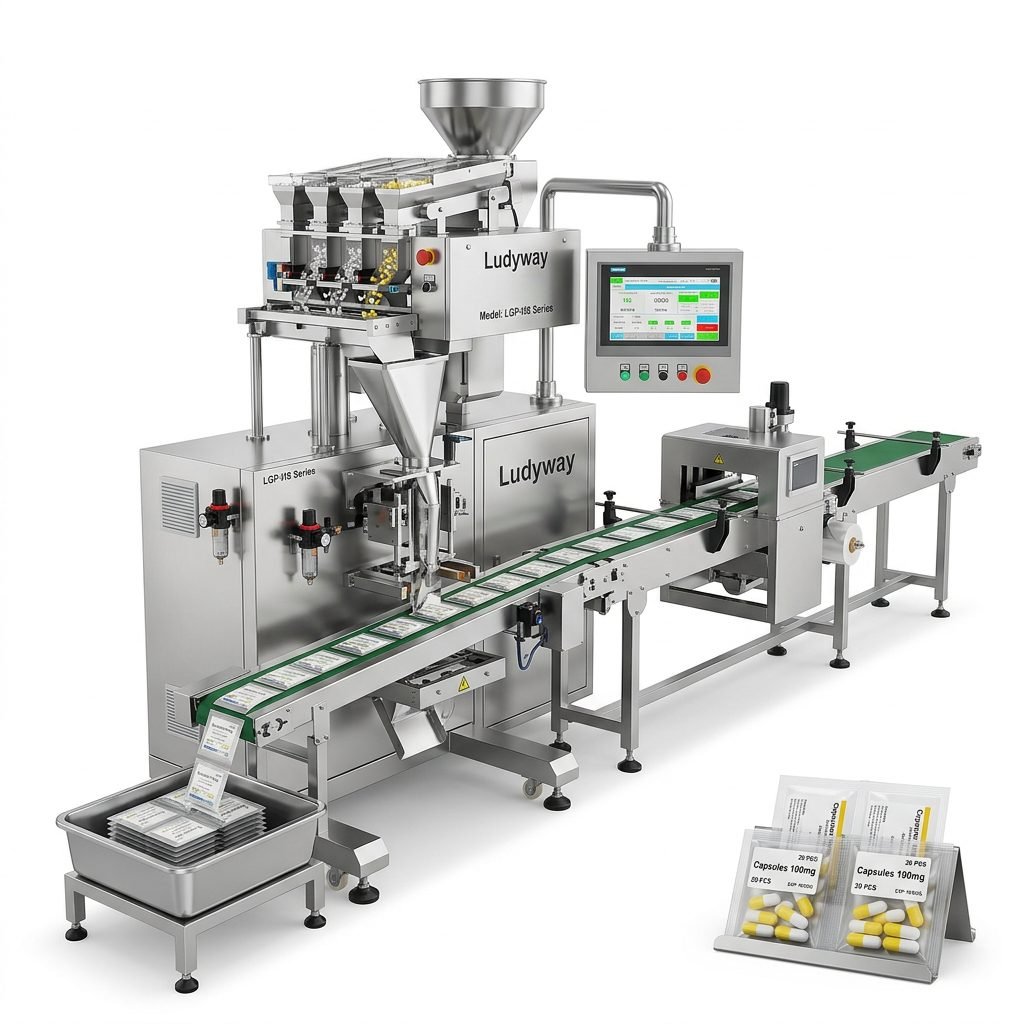
Industries That Use Tablet Bottle Packing Machines
Tablet bottle packaging machines are widely used across multiple sectors where solid-dose products must be packaged safely and efficiently.
- Pharmaceutical manufacturing
- Nutraceutical and dietary supplement production
- Vitamin and mineral packaging
- Traditional herbal tablet bottling
- Contract packaging services
- Veterinary medicine packaging
Important Features to Evaluate Before Buying
Counting Accuracy and Sensor Stability
The machine should maintain reliable counting performance even at higher speeds. Ask about optical sensor quality, anti-dust design, and how the machine handles different tablet shapes and sizes.
Product Compatibility
Not all tablets behave the same way. Round tablets, oblong tablets, capsules, and softgels may require different channel designs or adjustments. Confirm whether one machine can handle multiple SKUs with quick changeover.
Speed Range
Choose a speed that matches both your current demand and future growth. Buying a machine that is too small can create a bottleneck, while an oversized line may increase unnecessary investment and operating cost.
Bottle Size Flexibility
If your product range includes multiple bottle diameters and heights, look for easy mechanical adjustment and recipe-based control settings.
Cleaning and Maintenance
Machines used for pharmaceutical and supplement products should be easy to clean, easy to inspect, and simple to maintain. Stainless steel construction and accessible contact parts are often preferred.
Compliance and Validation Support
For regulated industries, documentation matters. Depending on your market, ask for support related to GMP-oriented design, IQ/OQ documentation, material certificates, and electrical standards.
After-Sales Service
Reliable technical support is essential. Spare parts availability, remote troubleshooting, commissioning support, and operator training can have a major impact on uptime.
Questions to Ask a Supplier
- What products has this machine counted successfully before?
- What is the actual speed under my bottle and count requirements?
- What is the counting accuracy rate?
- How long does format changeover take?
- Can the system integrate with desiccant insertion, capping, sealing, and labeling?
- What certifications and technical documents are available?
- How are spare parts and service handled for overseas buyers?
- Can you provide layout drawings and line customization?
Common Buying Mistakes to Avoid
| Mistake | Why It Matters | Better Approach |
|---|---|---|
| Focusing only on price | Low upfront cost may mean poor stability or weak support | Compare total value, quality, and service |
| Ignoring future expansion | The machine may become too small too quickly | Choose scalable equipment |
| Not testing with real samples | Tablet flow characteristics vary widely | Request sample testing and video proof |
| Overlooking line integration | Standalone units may not match upstream or downstream machines | Plan the full bottling workflow in advance |
| Neglecting compliance needs | Can delay validation or market entry | Confirm documentation and standards early |
How to Choose the Right Capacity
A practical way to choose capacity is to begin with your real production target:
- Estimate bottles per hour needed now.
- Project your demand for the next 2 to 5 years.
- Identify the most common count per bottle, such as 30, 60, 90, or 120 tablets.
- Review the number of product formats and bottle sizes.
- Check whether your upstream and downstream equipment can keep up.
A balanced line is usually better than simply buying the fastest counter available. True efficiency depends on the coordination of bottle feeding, counting, capping, sealing, labeling, and final packing.
Standalone Machine vs Complete Packaging Line
If you only need tablet counting and bottle filling, a standalone machine may be enough. However, if you want better productivity, labor savings, and quality consistency, a complete packaging line is often the smarter investment.
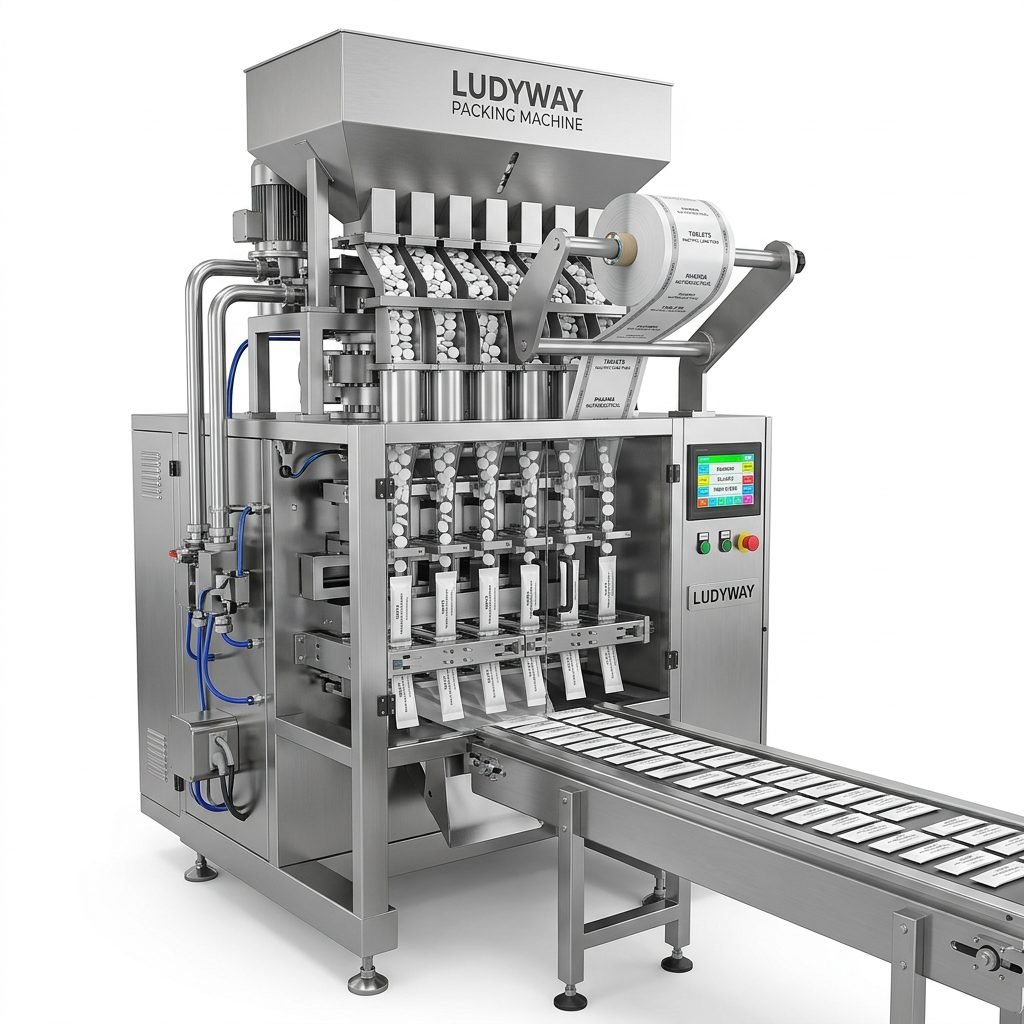
For buyers looking for complete bottling automation, Ludyway tablet bottle packing machine solutions can be considered as part of a broader turnkey packaging approach. As one of China’s leading packaging machine and turnkey packaging line manufacturers, the company serves food, pharmaceutical, and health-related industries with scalable automation systems for global markets.
Who Should Invest in This Equipment?
A tablet bottle packing machine is a strong fit for businesses that:
- Need reliable bottle counting for tablets, capsules, or softgels
- Want to reduce manual labor in bottling operations
- Require higher packaging consistency and traceability
- Plan to scale supplement or pharmaceutical output
- Need a bottling line that can integrate with capping, sealing, and labeling
Final Buying Checklist
- Define your product type and bottle format
- Confirm target speed and output expectations
- Check counting accuracy performance with your own samples
- Review cleaning, maintenance, and changeover convenience
- Ask about documentation, validation support, and compliance requirements
- Evaluate supplier experience and after-sales capabilities
- Consider complete line integration, not just one machine
Choosing the right tablet bottle packing machine is not only about equipment speed. It is about building a stable, accurate, and scalable packaging process that supports your product quality, operational efficiency, and business growth for years to come.