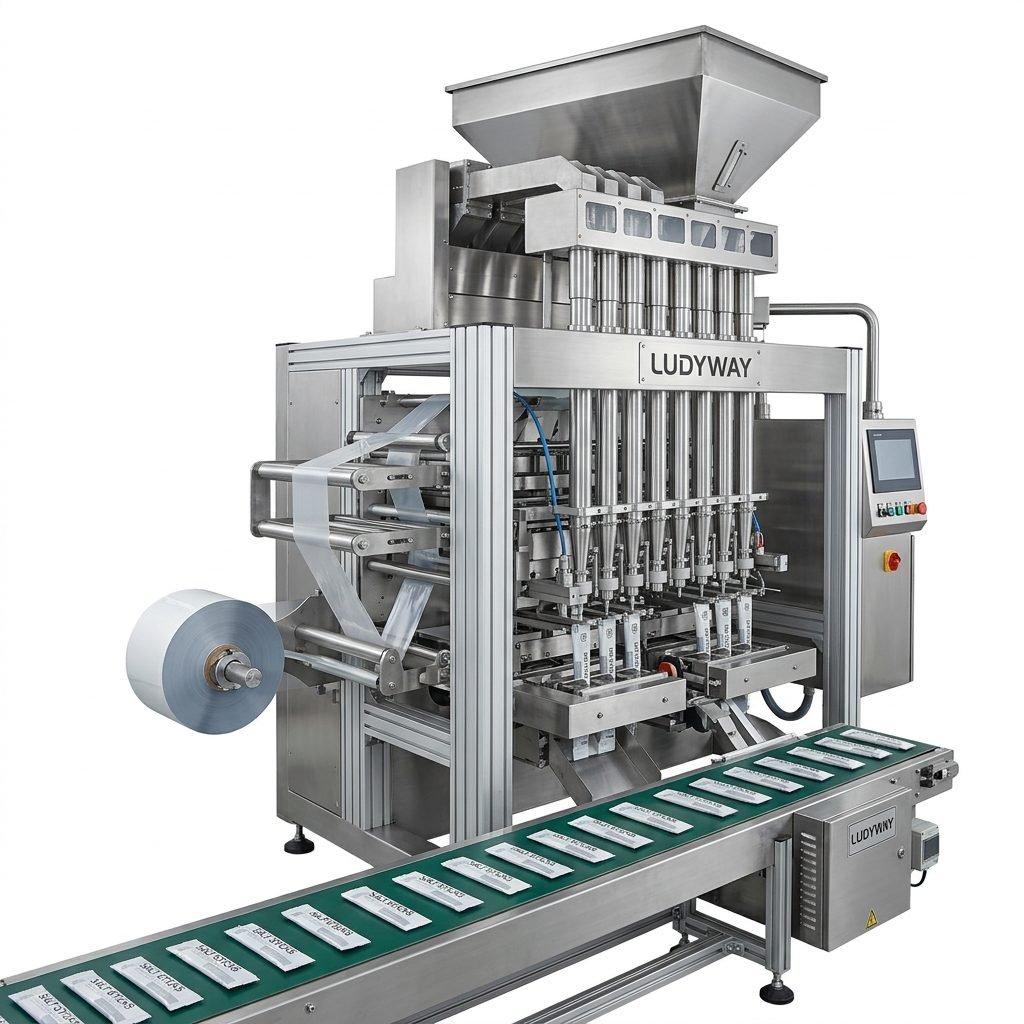
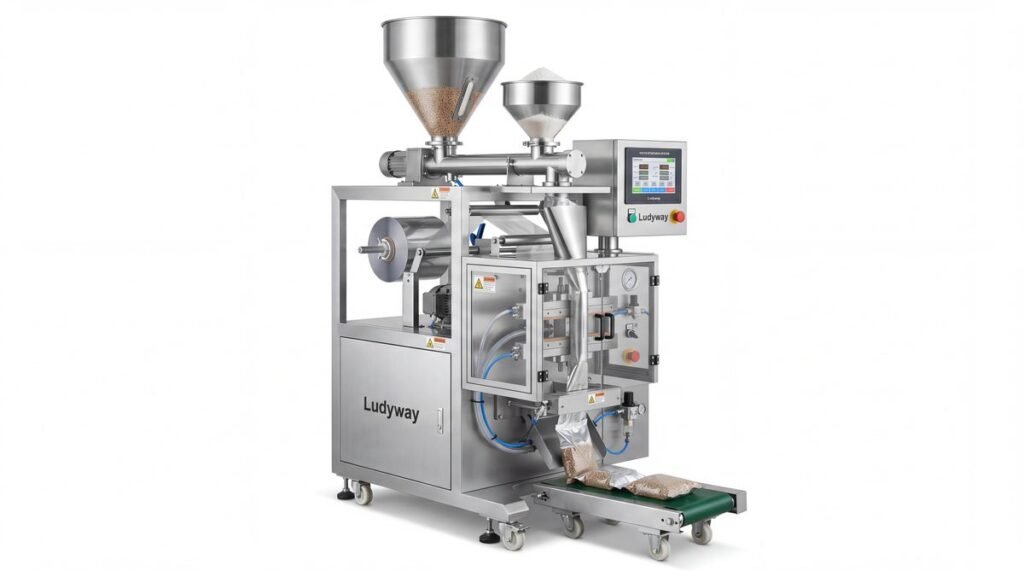
In modern logistics and end-of-line automation, a stretch film packaging machine plays a critical role in protecting products, stabilizing pallet loads, and reducing shipping damage. Choosing the right wrapping solution is not only about buying equipment—it is about matching machine performance to your product type, warehouse flow, labor goals, and long-term packaging costs.
Whether you ship cartons, bagged goods, drums, bottles, or mixed pallet loads, the right machine can improve throughput, lower film consumption, and create a more professional, secure package for storage and transport.
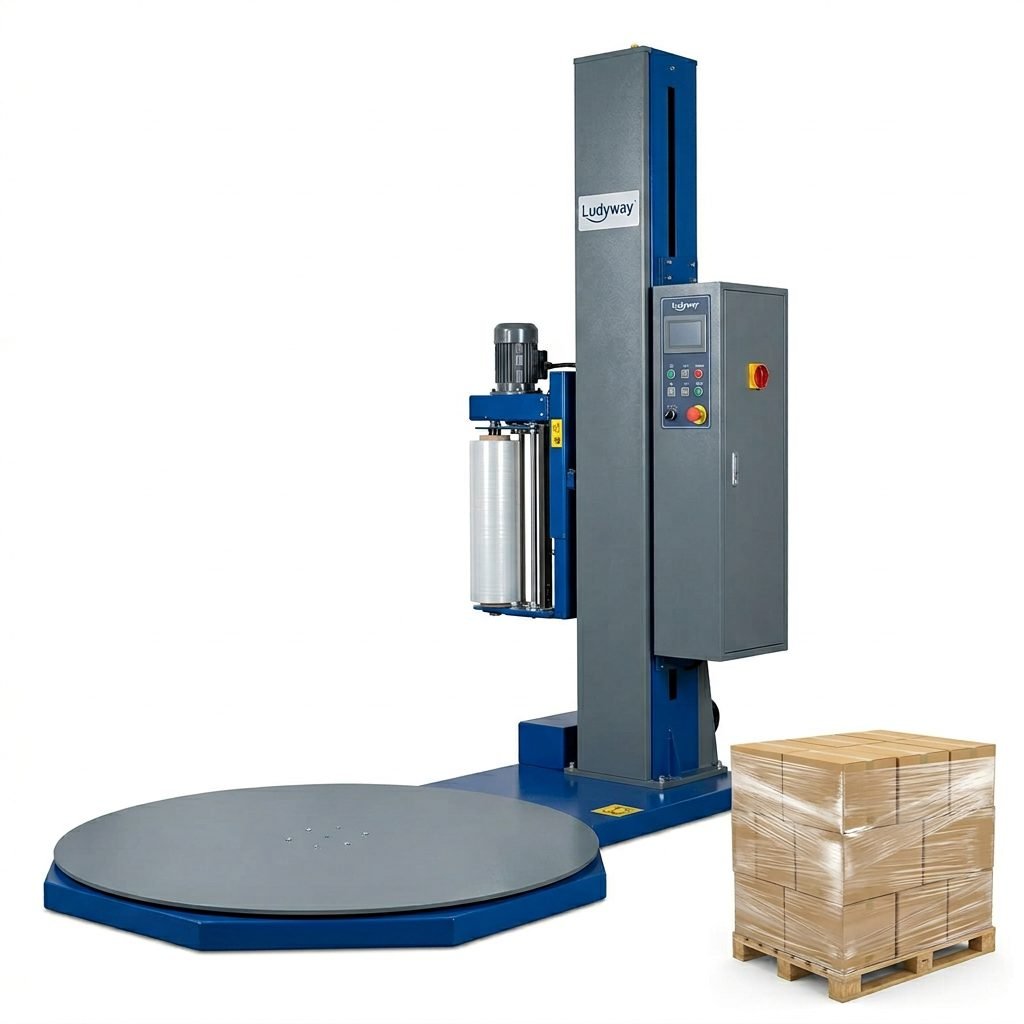
What Is a Stretch Film Packaging Machine?
A stretch film packaging machine is designed to wrap products or palletized loads with stretch film to hold items tightly together during handling, warehousing, and transportation. The machine applies controlled tension to the film, creating load stability while helping protect goods from dust, moisture, and movement.
Common applications include:
- Pallet wrapping in warehouses and distribution centers
- Bundling cartons and boxed products
- Securing bagged food, chemicals, and feed products
- Wrapping pharmaceutical and consumer goods for shipment
- Heavy-duty industrial load protection
Why the Right Wrapping Solution Matters
Many companies focus only on initial machine price, but the true value comes from overall packaging efficiency. A properly selected stretch wrapper can deliver:
- Better load stability during transport
- Lower film usage through optimized pre-stretch control
- Reduced labor dependency compared with manual wrapping
- Faster packaging speed for high-volume operations
- More consistent wrapping quality from pallet to pallet
- Less product damage and fewer returns
For businesses with growing output, stretch wrapping is often one of the most practical upgrades in end-of-line packaging automation.
Main Types of Stretch Film Packaging Machines
1. Manual Stretch Wrapping Support Equipment
This is the most basic option and may include dispensers or semi-assisted tools. It is suitable for very low production volumes, but it usually leads to inconsistent film application, operator fatigue, and higher long-term labor costs.
2. Semi-Automatic Turntable Stretch Wrappers
These machines require the operator to place the pallet, attach the film, and start the cycle. The turntable rotates while the film carriage moves up and down automatically. This is a common solution for medium-volume businesses.
3. Automatic Stretch Wrapping Machines
Fully automatic systems are integrated into conveyor lines and require minimal human intervention. They are ideal for high-output factories and distribution centers that need consistent cycle times and better labor efficiency.
4. Rotary Arm Stretch Wrappers
In this design, the film carriage rotates around a stationary pallet. It is especially useful for unstable, heavy, or very light loads that should not rotate on a turntable.
5. Orbital or Horizontal Stretch Wrappers
These systems are commonly used for long products such as panels, pipes, profiles, doors, and bundled items rather than traditional pallets.
| Machine Type | Best For | Key Advantage |
|---|---|---|
| Manual Support Equipment | Very low-volume operations | Low upfront cost |
| Semi-Automatic Turntable | Medium-volume pallet wrapping | Balanced cost and efficiency |
| Automatic Wrapper | High-volume production lines | Minimal labor intervention |
| Rotary Arm Wrapper | Unstable or heavy loads | No pallet rotation required |
| Horizontal Wrapper | Long or irregular products | Suitable for non-pallet items |
How to Choose the Right Stretch Wrapping Solution
Evaluate Your Load Type
Start with the physical characteristics of your products. Load shape, weight, height, and stability directly affect machine selection.
- Stable, uniform pallets often work well with turntable wrappers
- Heavy loads may need reinforced structures and stronger film tension control
- Tall or unstable pallets are often better suited to rotary arm machines
- Irregular loads may require top sheet application or special wrap programs
Consider Production Volume
If your wrapping demand is low, a semi-automatic model may be enough. If your line runs continuously, investing in a fully automatic stretch film packaging machine can significantly improve efficiency and reduce labor bottlenecks.
Ask these questions:
- How many pallets do you wrap per hour or per shift?
- Will output increase in the next 1–3 years?
- Do you need the machine to run alongside conveyors and palletizers?
Focus on Film Pre-Stretch Performance
Pre-stretch is one of the most important technical features. It stretches the film before application, allowing you to use less material while maintaining load containment.
A machine with strong pre-stretch capability can help you:
- Reduce film cost per pallet
- Improve wrapping consistency
- Lower total packaging expense over time
In many cases, better pre-stretch performance creates more savings than choosing the lowest-priced machine.
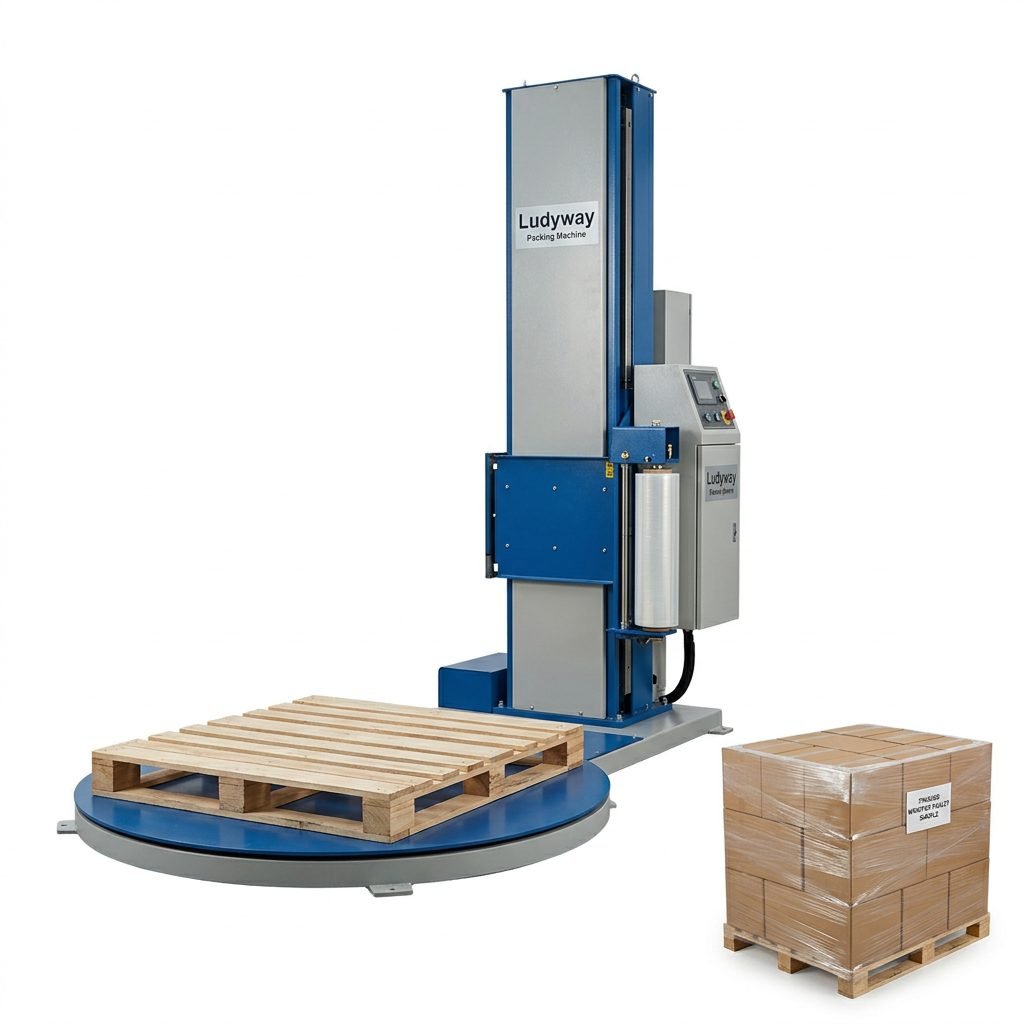
Check Wrapping Programs and Adjustability
Different products need different wrapping recipes. A good machine should allow flexible control of:
- Top and bottom wraps
- Film tension levels
- Turntable or arm speed
- Carriage up/down speed
- Reinforcement wrapping at selected pallet zones
This is especially useful when you handle mixed product sizes or multiple SKUs.
Think About Operator Safety and Ease of Use
A user-friendly interface helps reduce setup errors and training time. Look for:
- Simple touchscreen or button controls
- Emergency stop functions
- Safety guarding or sensors
- Automatic film cut and clamp options
- Diagnostic alarms for easier troubleshooting
Review Integration with Your Packaging Line
If your business is moving toward full automation, your machine should fit smoothly into the rest of the line, including conveyors, palletizers, labeling equipment, weighing systems, and warehouse transfer systems.
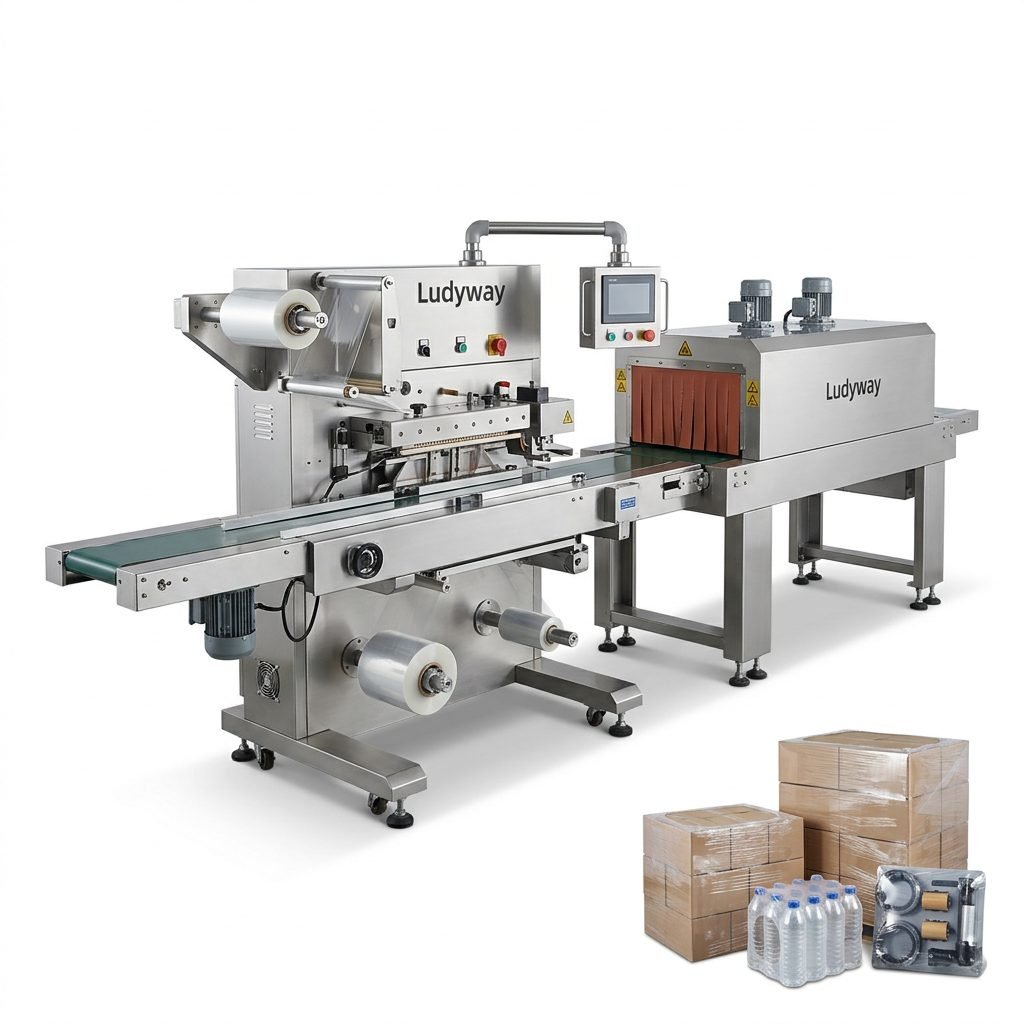
Companies planning line upgrades often benefit from working with an experienced supplier such as Ludyway packaging machine manufacturer, especially when stretch wrapping needs to coordinate with broader packaging and material-handling automation.
Key Technical Features to Compare
| Feature | Why It Matters | What to Look For |
|---|---|---|
| Pre-stretch ratio | Affects film savings | Efficient and stable film stretching |
| Load height detection | Ensures proper wrapping coverage | Photoelectric or sensor-based control |
| Cycle speed | Impacts production throughput | Matches your pallet-per-hour demand |
| Film clamp/cut system | Reduces manual handling | Automatic finishing for higher efficiency |
| Machine frame strength | Improves durability | Suitable for heavy-duty industrial use |
| Program memory | Supports multi-product operations | Multiple wrap recipes |
Industry-Specific Selection Tips
Food and Beverage
Food businesses often require stable pallet wrapping for cartons, pouches, bottles, cans, and bagged ingredients. Clean operation, reliable load containment, and compatibility with fast-moving lines are key priorities.
Pharmaceutical and Healthcare
These sectors value traceability, consistency, and controlled packaging conditions. Stretch wrapping may be used for grouped shipping units, finished cartons, and bulk transport loads where secure handling matters.
Chemical and Industrial Products
Chemical bags, drums, pails, and rigid containers often need stronger wrapping force and higher durability. Unstable or heavy products may require rotary arm systems with reinforced design.
E-commerce and Warehousing
Distribution centers usually need high throughput and repeatable cycles. Automatic machines integrated with conveyor systems are often the best fit for reducing handling time and supporting large shipping volumes.
Common Mistakes to Avoid
- Choosing based only on purchase price
- Ignoring future production expansion
- Using a turntable wrapper for highly unstable loads
- Overlooking film savings potential from pre-stretch systems
- Not checking compatibility with pallet dimensions and weight
- Failing to consider after-sales support and spare parts access
A wrapping machine should be evaluated as a long-term productivity tool, not just a short-term equipment expense.
Questions to Ask Before Buying
- What load sizes and pallet weights will the machine handle?
- How many pallets per hour are required now and in the future?
- What level of film savings can be expected?
- Is the machine semi-automatic or fully automatic?
- Can it integrate with conveyors, palletizers, and labeling equipment?
- What maintenance support and spare parts are available?
- Does the supplier offer customization for your packaging process?
When Is It Time to Upgrade Your Current Wrapping Process?
You may need a new stretch film packaging machine if you are facing any of the following:
- Frequent pallet collapse or transport damage
- High stretch film consumption
- Slow end-of-line packaging speed
- Too much manual labor in pallet wrapping
- Inconsistent wrapping quality across shifts
- Difficulty scaling production
Upgrading at the right time can improve shipping performance, warehouse efficiency, and overall packaging line output.
Final Selection Checklist
| Checklist Item | Status to Confirm |
|---|---|
| Load dimensions and weight analyzed | Yes / No |
| Required pallets per hour defined | Yes / No |
| Semi-auto vs automatic decided | Yes / No |
| Film pre-stretch performance checked | Yes / No |
| Safety and controls reviewed | Yes / No |
| Line integration requirements confirmed | Yes / No |
| Service and spare parts support verified | Yes / No |
Choosing the right stretch wrapping solution means balancing load security, automation level, speed, film efficiency, and future scalability. When these factors are aligned, a stretch film packaging machine becomes a valuable part of an efficient, reliable packaging operation.