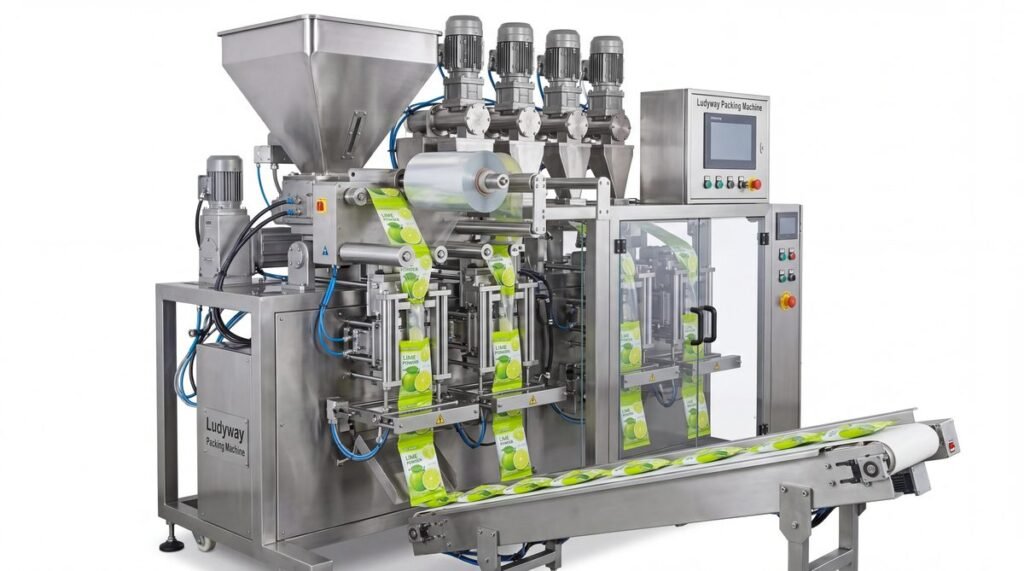
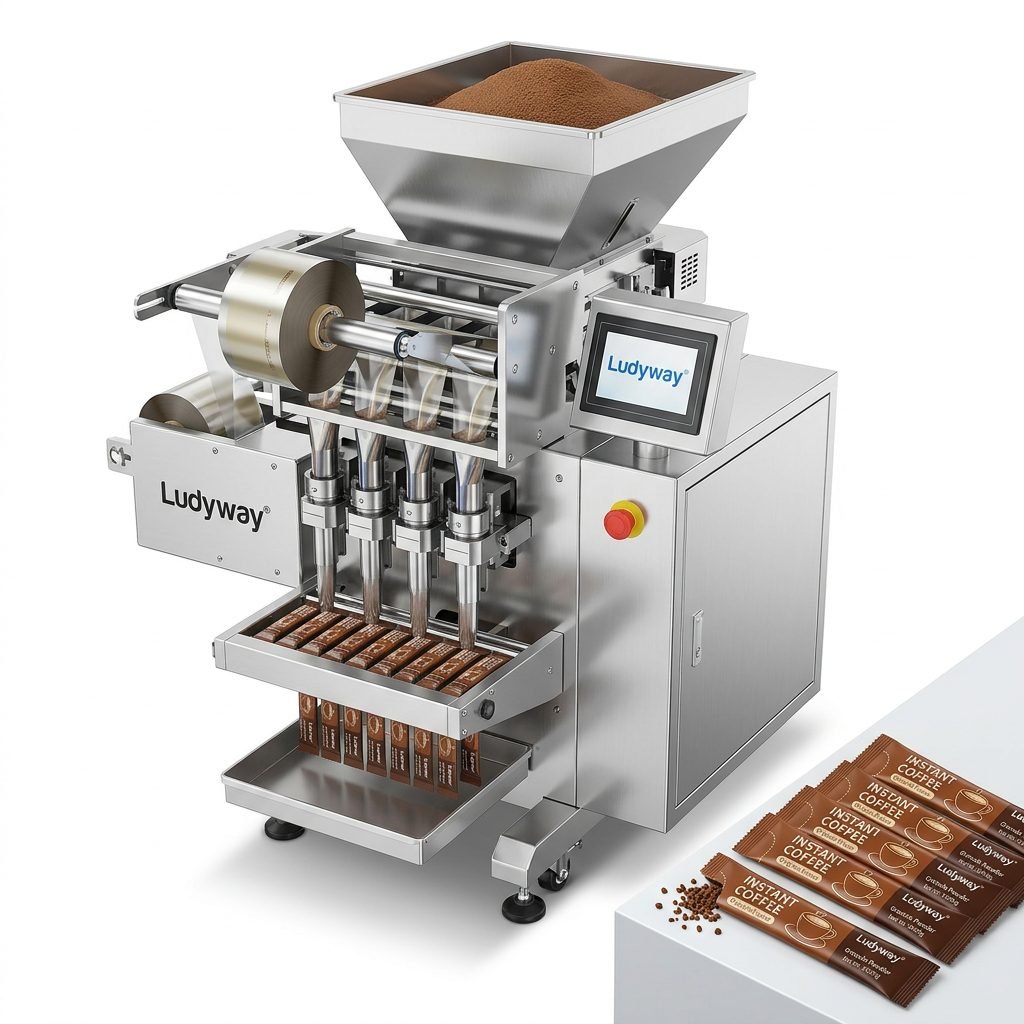
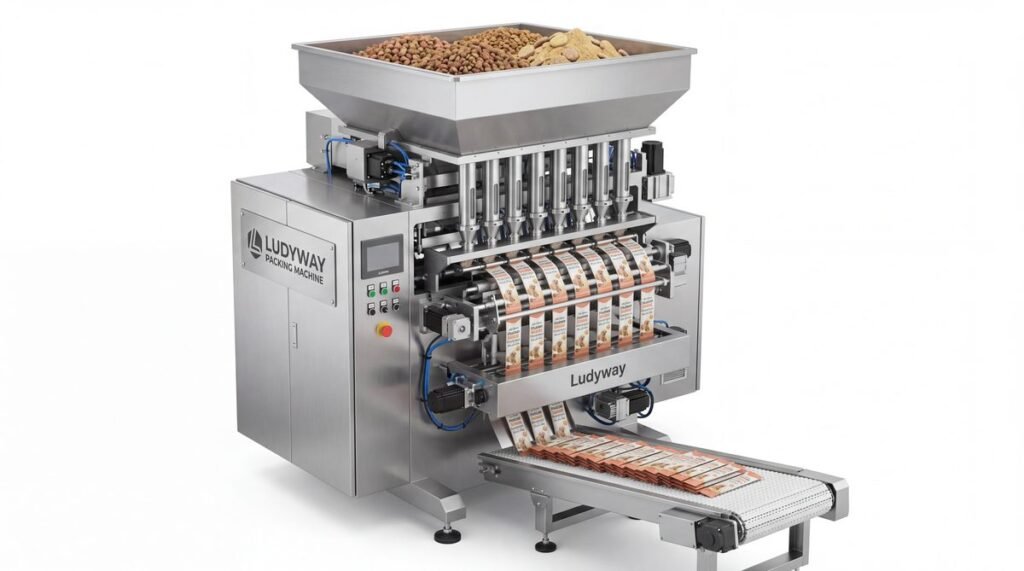
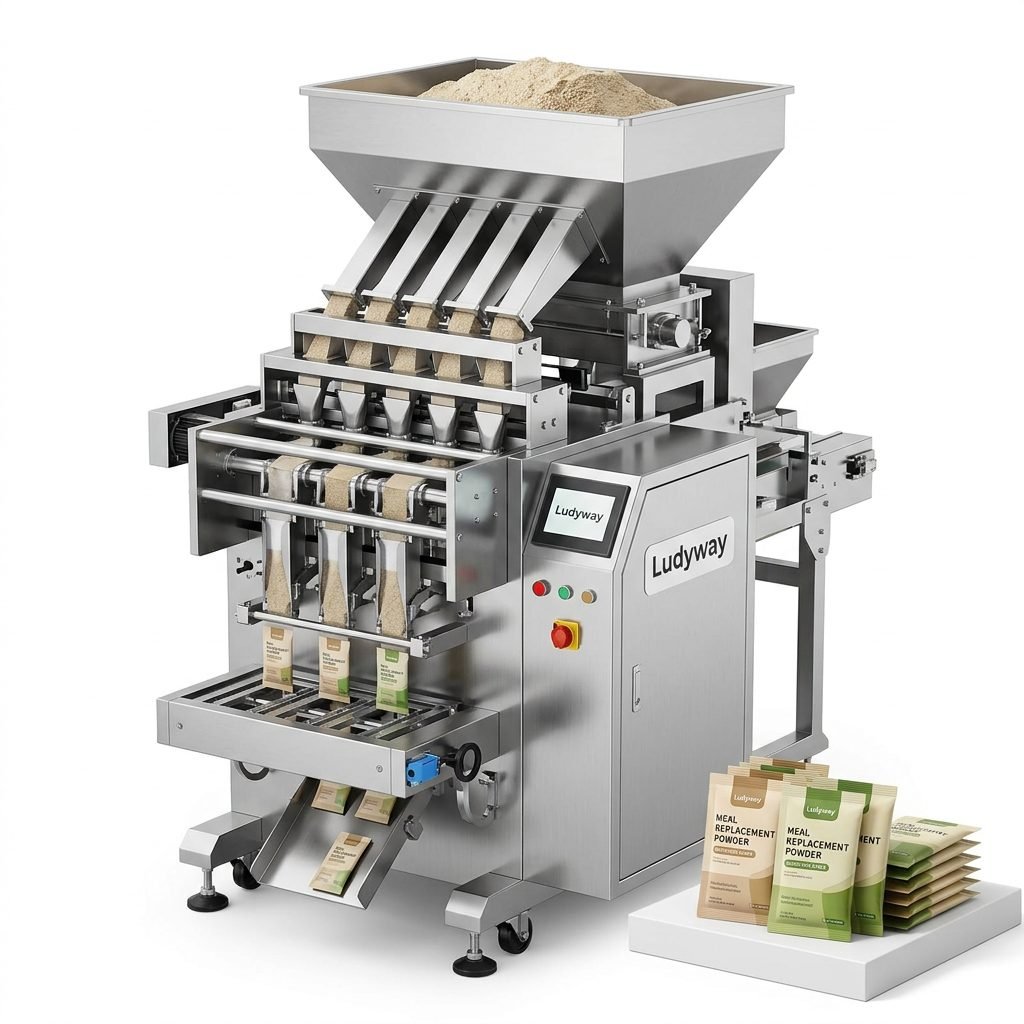
Choosing the right electric packing machine can dramatically improve packaging speed, reduce labor costs, and deliver more consistent product quality. Whether you package powders, granules, liquids, gels, or premade pouches, the best machine is the one that matches your product characteristics, output targets, and future growth plans.
For manufacturers, distributors, and growing brands, a smart buying decision is not only about price. It is about efficiency, reliability, flexibility, and long-term return on investment.
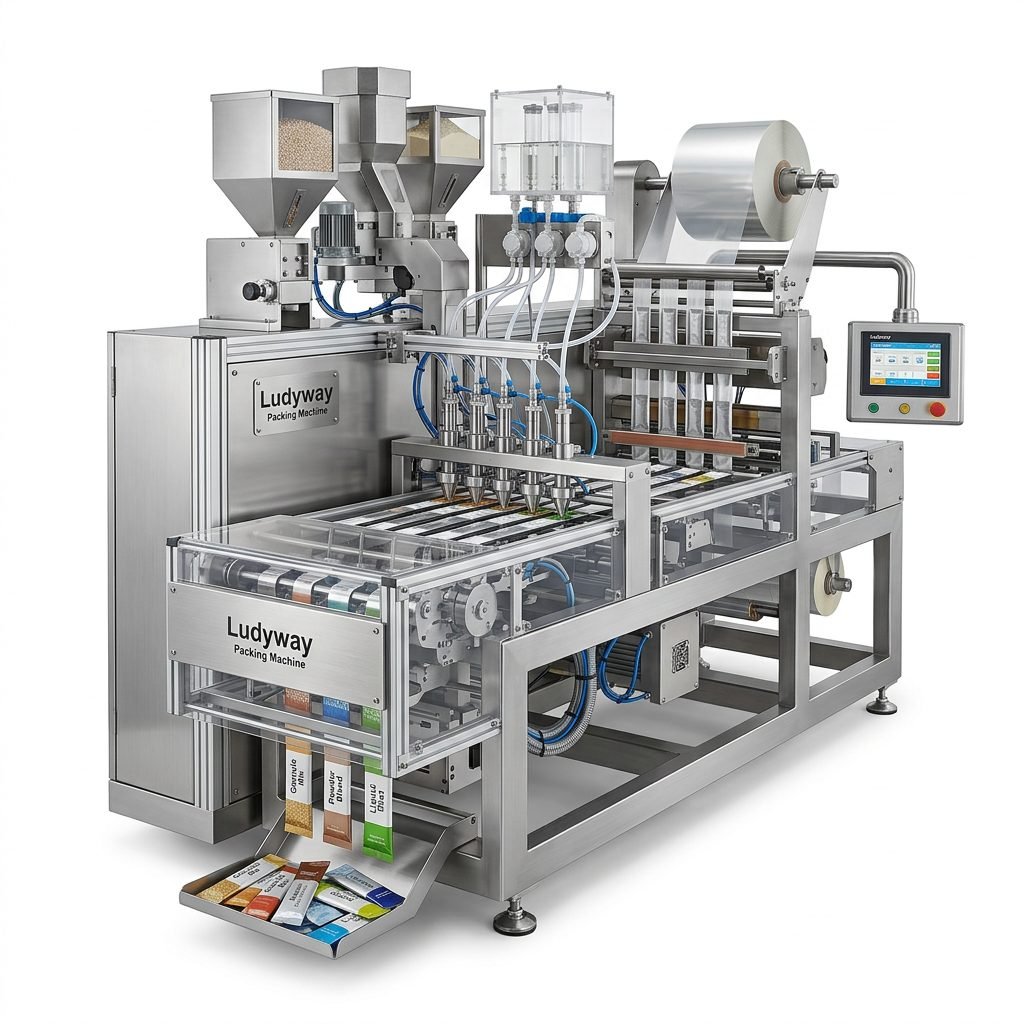
What Is an Electric Packing Machine?
An electric packing machine is a packaging system powered primarily by electric motors, servo drives, sensors, and control systems to automate filling, sealing, counting, dosing, coding, and bag or pouch forming. These machines are widely used in food, pharmaceutical, cosmetic, chemical, and health supplement industries.
Compared with manual or semi-automatic methods, electric packing machines help businesses achieve:
- Higher packaging speed
- Better filling accuracy
- Cleaner and more professional pack appearance
- Reduced product waste
- Lower dependence on manual labor
- Easier integration with conveyors, weighers, cartoners, and coding systems
Why the Right Machine Matters for Fast, Efficient Packaging
A machine that looks impressive on paper may still be the wrong choice if it does not fit your product, packaging material, or production environment. Buying the right model helps you avoid common issues such as unstable sealing, inaccurate filling, excessive downtime, and poor compatibility with future automation upgrades.
The best electric packing machine should give you a balance of:
- Speed without sacrificing precision
- Consistency across long production runs
- Flexibility for different sizes or product formats
- Easy maintenance and operator-friendly controls
- Scalability as your business grows
Start with Your Product Type
The first step is understanding exactly what you need to pack. Product behavior directly affects machine structure, dosing method, sealing technology, and material handling design.
| Product Type | Recommended Packing Method | Typical Machine Features |
|---|---|---|
| Powders | Auger filling, sachet or stick pack | Dust control, precise dosing, sealed hopper |
| Granules | Weighing or volumetric filling | Stable feeding, anti-crush handling |
| Liquids | Pump filling, sachet or pouch filling | Leak-proof sealing, corrosion resistance |
| Pastes / Gels | Piston or pump filling | Viscosity handling, clean cut-off design |
| Premade pouches | Rotary pouch packing | Pouch opening, filling, sealing, coding |
For example, free-flowing granules need very different handling compared with fine powders that can bridge, clump, or create dust. Likewise, liquids and creams require filling systems designed to prevent dripping and maintain seal integrity.
Choose the Right Packaging Format
Your packaging format influences both machine design and final production efficiency. Common formats include:
- Sachets
- Stick packs
- Pouches
- Pillow bags
- Back-seal or 3-side seal packs
- 4-side seal packs
- Bottle, jar, or carton-integrated solutions
If your goal is high-speed single-dose packaging, multi-lane sachet or stick pack machines are often ideal. If you need more premium shelf presentation, premade pouch systems may be a better fit. For bulk packaging, vertical form fill seal systems can deliver excellent productivity.
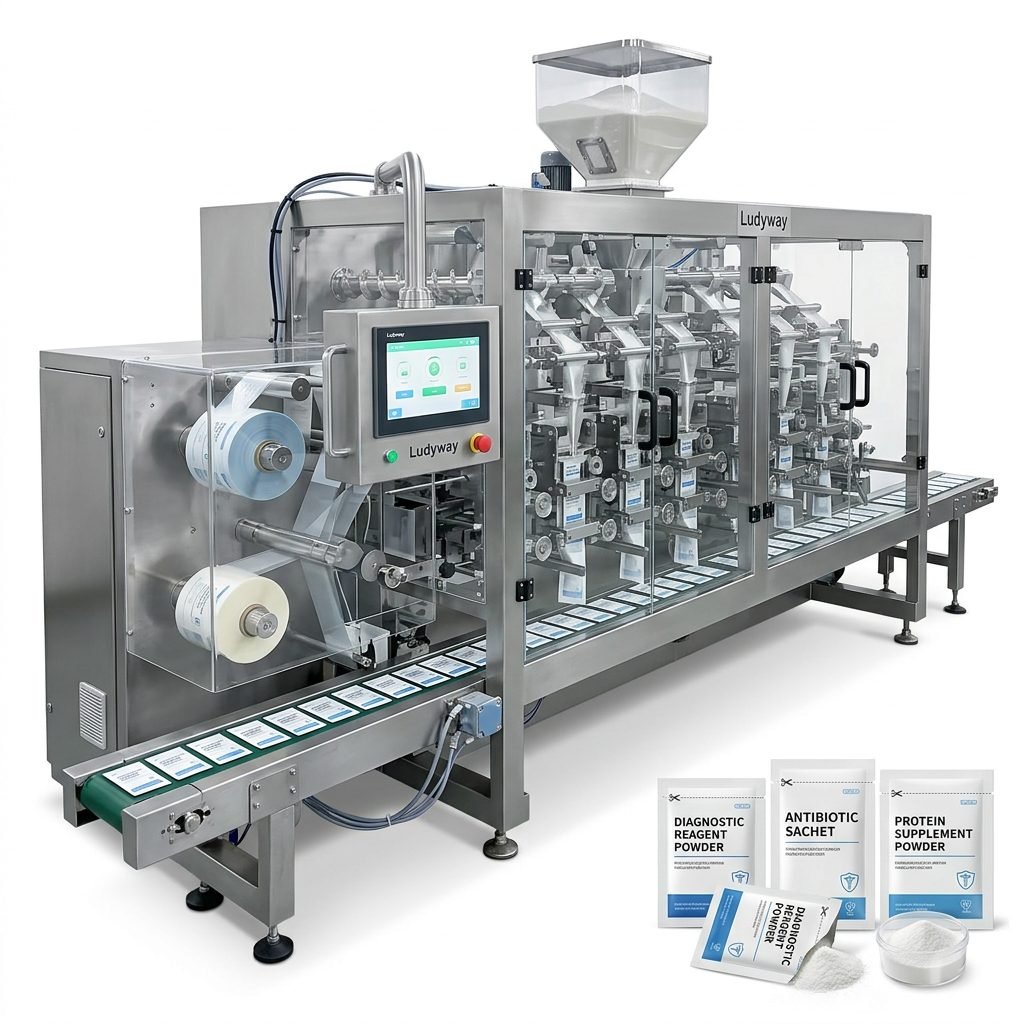
Match Machine Speed to Real Production Needs
One of the biggest mistakes buyers make is choosing a machine only by maximum speed. In reality, the useful speed is the stable operating speed under your actual product and packaging conditions.
When evaluating speed, ask these questions:
- How many packs per minute do you need now?
- What output will you need in the next 2 to 3 years?
- Will product flowability reduce actual speed?
- Does the machine maintain accuracy at top speed?
- Can downstream equipment keep up?
A slightly lower-speed machine with better uptime and easier maintenance may outperform a faster machine that frequently stops for adjustments.
Evaluate Filling Accuracy and Sealing Quality
Fast packaging means little if product weights are inconsistent or seals fail during transport. That is why accuracy and seal reliability should be non-negotiable.
Look for these accuracy factors:
- Servo-controlled dosing systems
- Stable feeding structure
- Suitable weighing or filling method for your product
- Easy calibration and parameter adjustment
- Consistent output over long shifts
Check these sealing factors:
- Compatibility with your film material
- Accurate temperature control
- Clean seal area without contamination
- Seal strength under shipping and storage conditions
- Attractive final pack appearance
Consider Automation Level
Electric packing machines range from compact standalone units to complete turnkey lines with feeding, filling, sealing, coding, cartoning, case packing, palletizing, and inspection systems.
Choose the level of automation based on your labor situation, production volume, and growth targets.
| Automation Level | Best For | Main Benefit |
|---|---|---|
| Semi-automatic | Small batches, limited budget | Lower initial cost |
| Automatic standalone | Growing production lines | Better speed and consistency |
| Integrated turnkey line | Medium to large-scale factories | Maximum efficiency and lower labor reliance |
If you expect to scale, it is wise to choose a machine that can connect easily with feeders, conveyors, coding systems, checkweighers, and cartoning equipment later.
Check Ease of Operation and Changeover
A packing machine should not require constant expert intervention. Easy operation reduces training time, lowers errors, and helps maintain stable productivity across different shifts.
Useful features include:
- Touchscreen HMI controls
- Recipe storage for different products
- Quick format changeover
- Clear alarm and fault display
- Simple cleaning access
- Tool-free or low-tool adjustments where possible
If you run multiple SKUs, changeover speed can have a major impact on total daily output.
Assess Build Quality and Machine Reliability
A machine’s long-term performance depends heavily on its engineering, component quality, and assembly standards. Do not focus only on the visible exterior. Ask about the internal systems that affect durability.
Important points to review:
- Frame and contact material quality
- Servo motor and PLC brand
- Sensor stability
- Electrical cabinet arrangement
- Precision machining of key parts
- Inspection and testing process before shipment
Reliable construction means fewer unplanned stoppages, more stable packaging results, and lower maintenance cost over time.
Do Not Ignore Cleaning and Maintenance
For food, pharmaceutical, and health-related industries, machine hygiene is especially important. A smart design should allow easy cleaning while minimizing contamination risk.
Maintenance should also be practical. Ask:
- How easy is it to clean contact parts?
- Are wear parts easy to replace?
- Is the machine built for long running hours?
- Can local technicians handle routine service?
- Are spare parts and technical support available quickly?
Think About Film and Material Compatibility
Packaging material is often overlooked during machine selection. However, film structure, thickness, sealing layer, and roll quality all influence machine performance.
Before finalizing a purchase, confirm that the machine is compatible with:
- Your chosen packaging film
- Required bag dimensions
- Print registration requirements
- Seal type and appearance expectations
- Special functions such as easy tear, euro hole, or zipper options
Review Safety and Compliance Requirements
Depending on your market and industry, your electric packing machine may need to meet specific compliance standards. This is especially important in pharmaceutical, food, and export-oriented production.
Check whether the machine can support:
- Relevant electrical safety requirements
- Food-grade or pharma-grade contact materials
- Documentation for validation or qualification
- Traceability and coding needs
- Local voltage and plant utility compatibility
Calculate Total Cost, Not Just Purchase Price
A lower upfront price does not always mean better value. The true cost of an electric packing machine includes installation, maintenance, spare parts, downtime, labor savings, packaging waste, and future upgrade potential.
A good machine pays for itself through stable output and reduced operating costs.
Key cost elements:
- Machine purchase price
- Tooling and format parts
- Installation and commissioning
- Operator training
- Energy use
- Spare parts
- Downtime risk
- Production efficiency gains
Questions to Ask Before You Buy
Before making your final decision, ask the supplier these practical questions:
- Has this machine packed a product similar to mine?
- What is the tested speed under real production conditions?
- What filling accuracy can be achieved?
- How long does product changeover take?
- What spare parts are recommended for the first year?
- What technical support is available after delivery?
- Can the machine be expanded into a full packaging line later?
- Can I review videos, test samples, or factory acceptance testing results?
When a Turnkey Line Is the Better Choice
If your packaging process includes multiple steps after filling and sealing, a standalone machine may not be enough. In that case, an integrated line can save time, labor, and floor coordination problems.
A turnkey setup may include:
- Automatic feeding system
- Electric packing machine
- Date coding or printing
- Checkweighing or metal detection
- Cartoning or case packing
- Palletizing or end-of-line automation
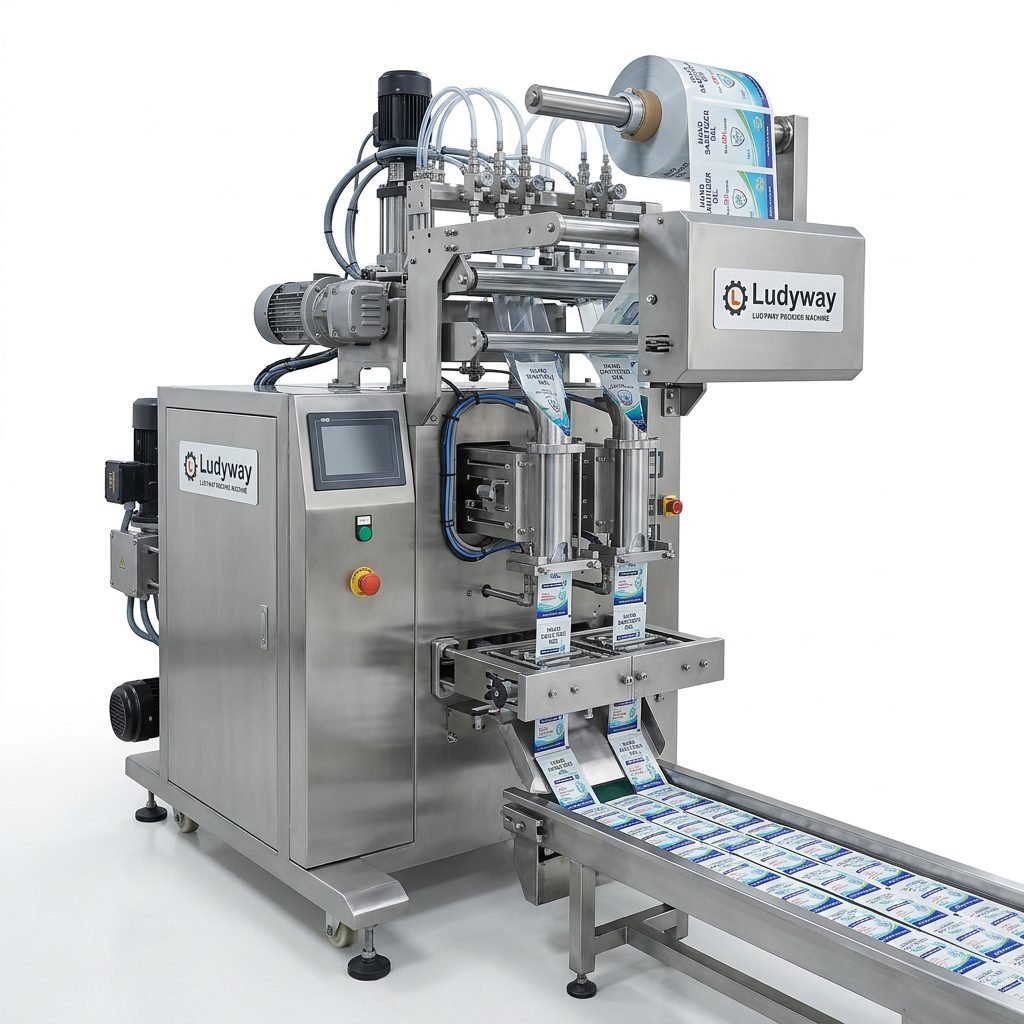
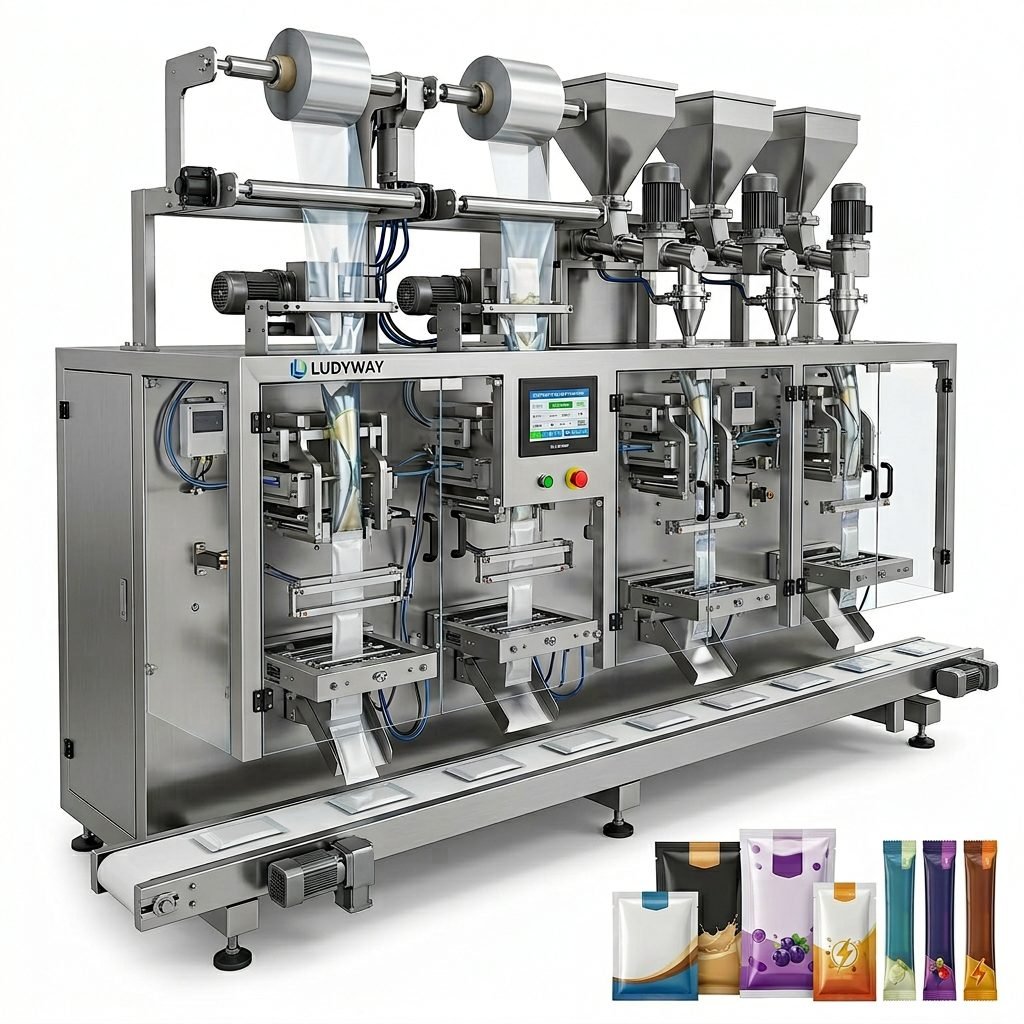
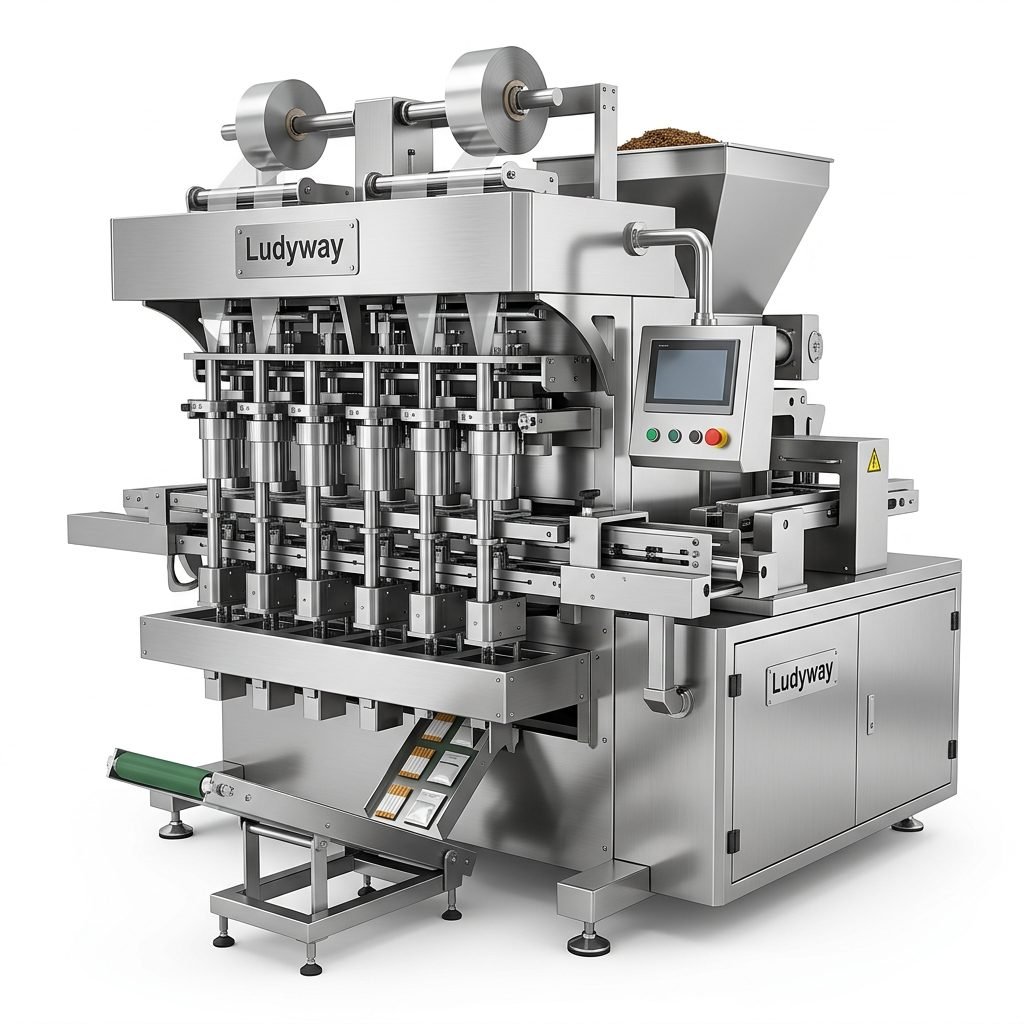
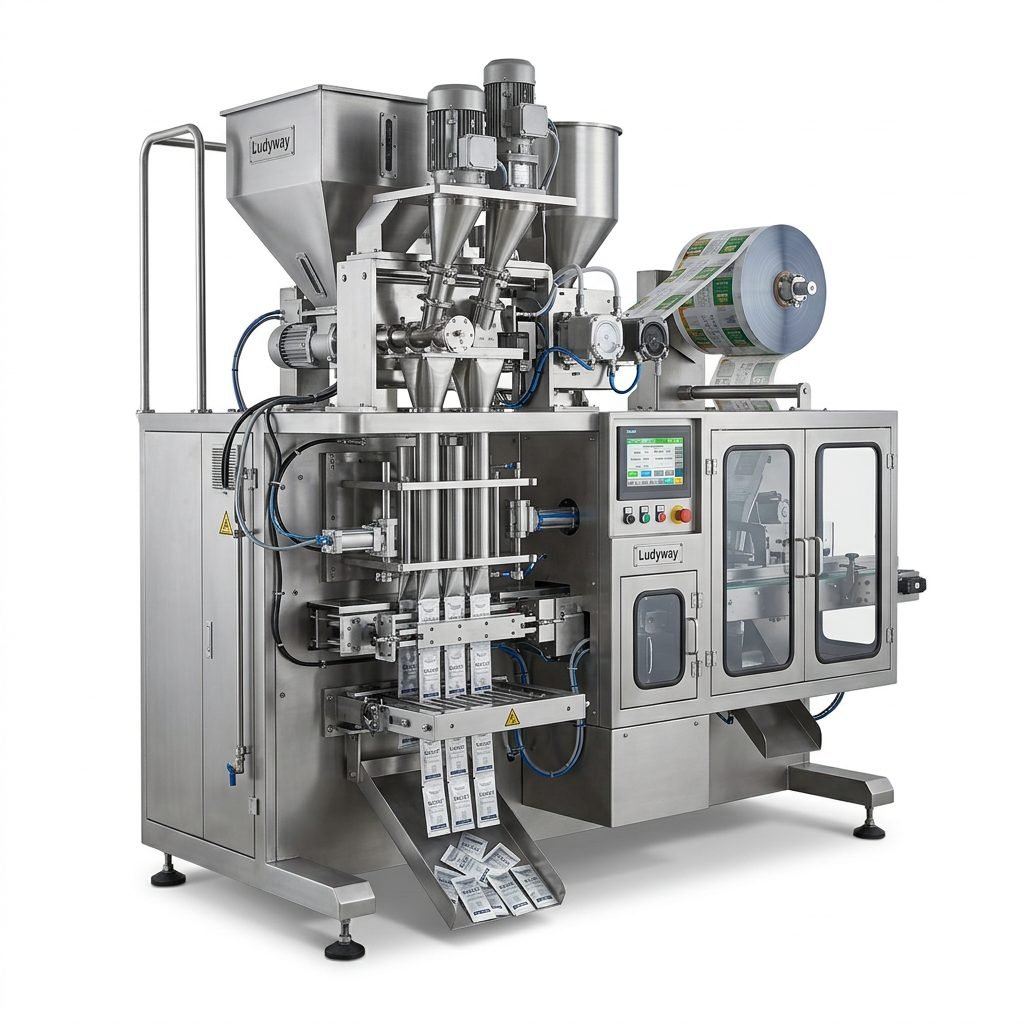
For companies that need scalable and customized packaging automation, Ludyway electric packing machine solutions are often considered for applications across food, pharmaceutical, health supplement, cosmetic, and related industries.
Best Buyer Checklist for Electric Packing Machines
| Checklist Item | Why It Matters |
|---|---|
| Product type and behavior | Determines filling and sealing method |
| Required output | Prevents underbuying or overspending |
| Packaging format | Affects machine structure and presentation |
| Accuracy and seal quality | Protects product consistency and shelf life |
| Ease of cleaning and maintenance | Supports uptime and hygiene |
| Automation expandability | Supports future growth |
| Supplier support | Reduces operational risk after purchase |
Final Buying Insight
The best electric packing machine is not simply the fastest or cheapest model. It is the machine that fits your product, supports stable output, protects pack quality, and aligns with your production goals.
If you compare machines carefully based on product compatibility, speed, accuracy, reliability, maintenance, and long-term scalability, you will make a much stronger investment decision and build a packaging process that stays efficient as your business expands.