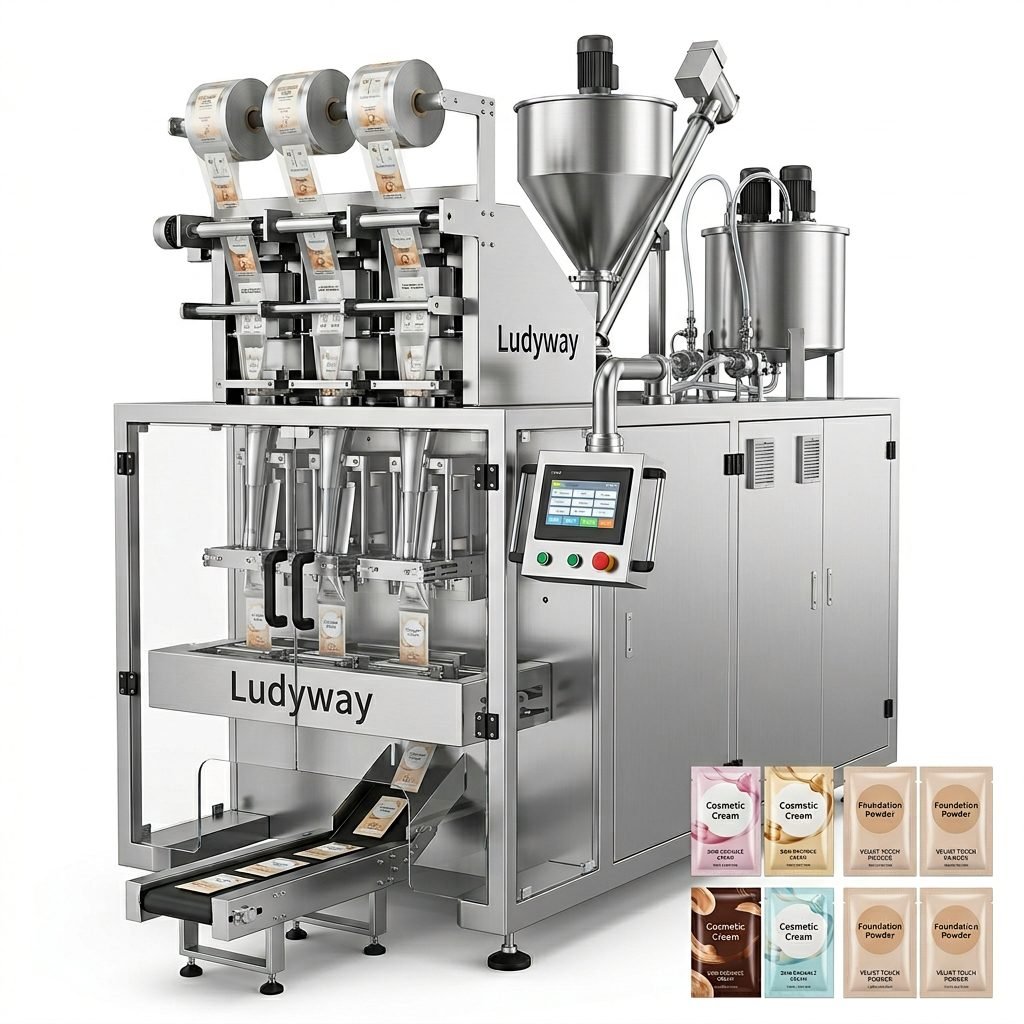
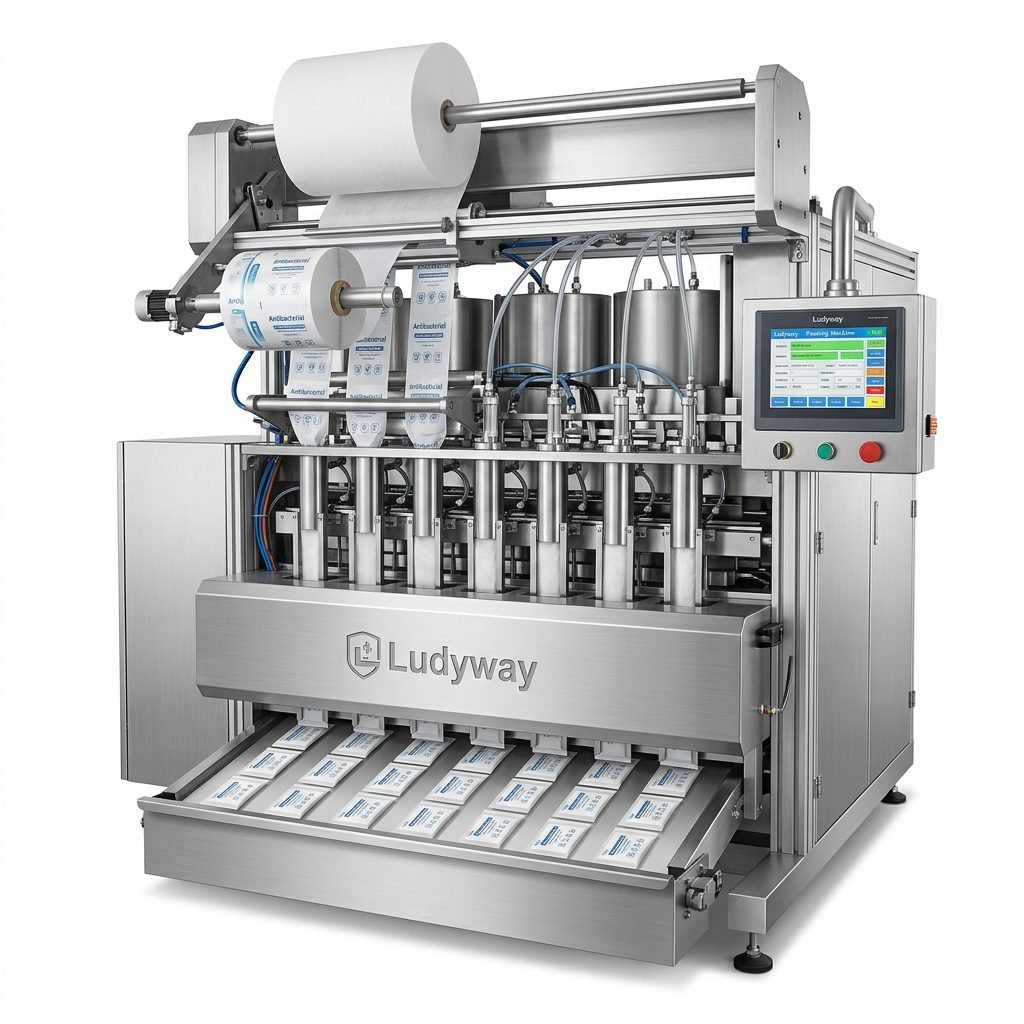
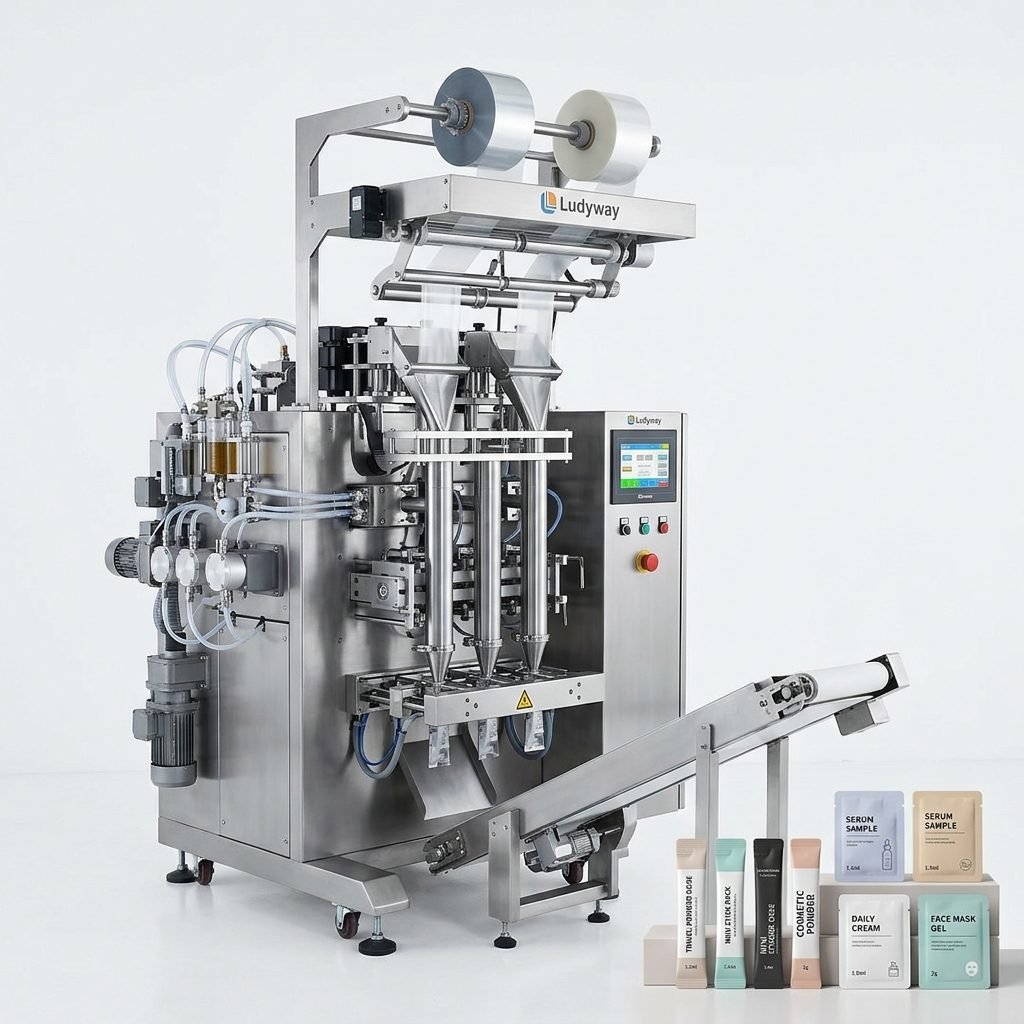
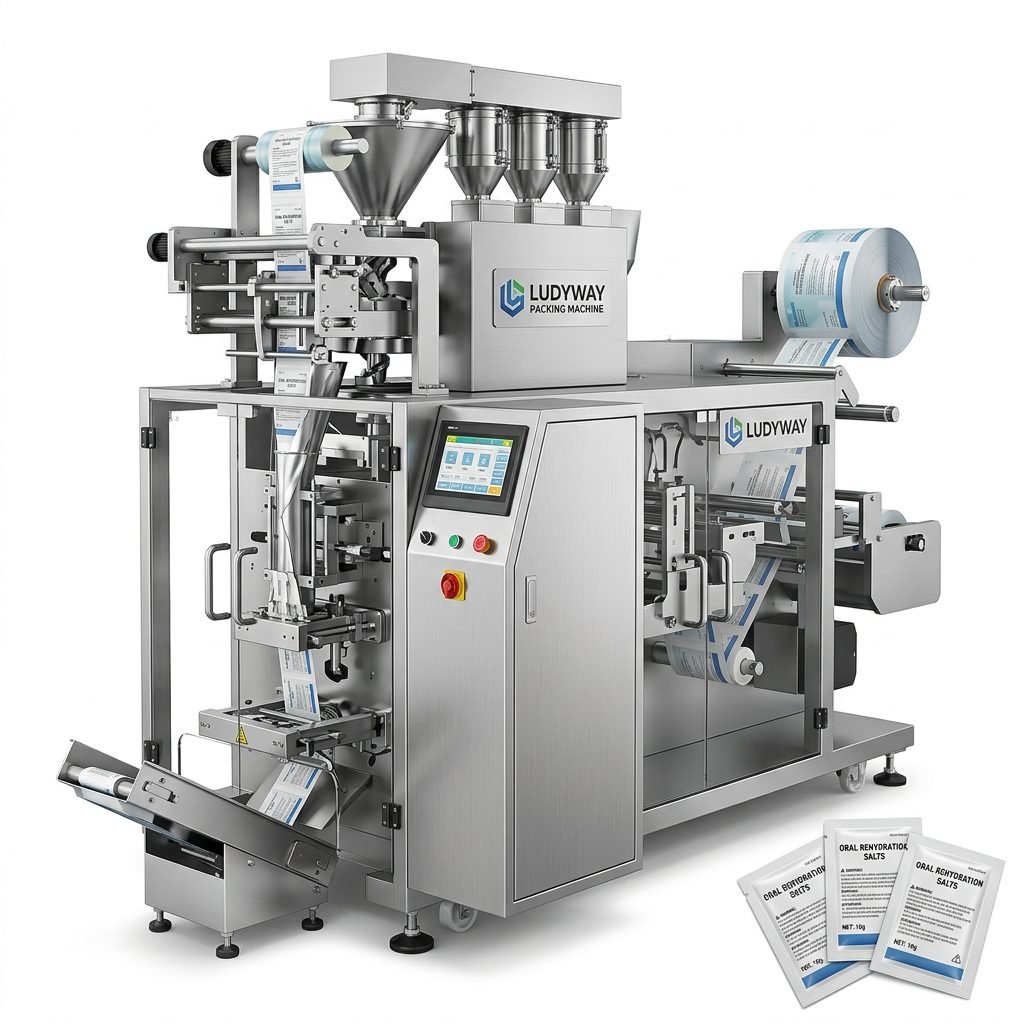
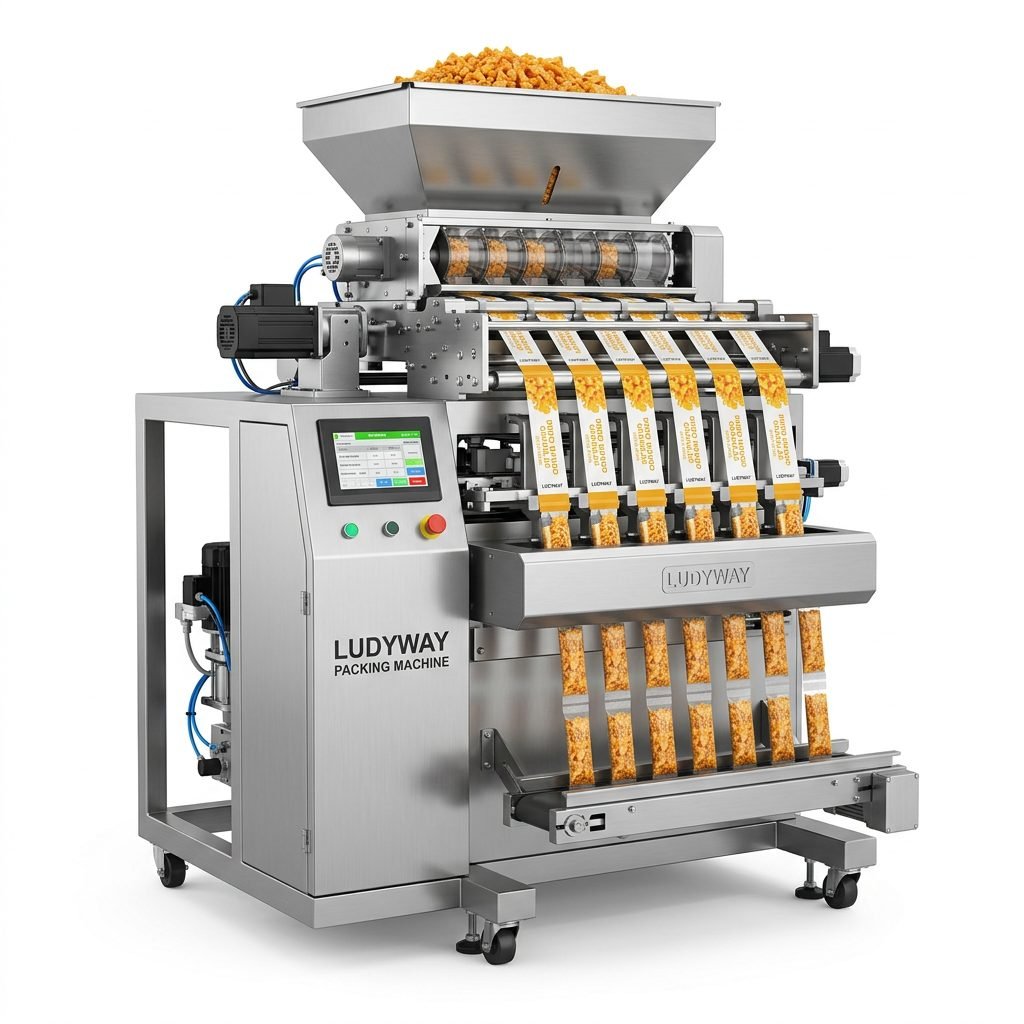
A pillow type packing machine is one of the most widely used solutions in modern packaging because it delivers
high-speed, continuous, and visually attractive packs for a wide variety of products. Also known as a
horizontal flow wrapper or pillow pack machine, this equipment forms film around a product, seals it, and creates
the familiar pillow-shaped package seen across food, pharmaceutical, personal care, and industrial sectors.
For manufacturers aiming to improve output, reduce manual handling, and achieve more consistent packaging quality,
this machine type is often a practical and scalable investment. Whether you package biscuits, bread, candy, frozen
food, medical devices, soap bars, masks, or daily-use products, understanding how pillow packing technology works
can help you choose the right configuration for long-term efficiency.

What Is a Pillow Type Packing Machine?
A pillow type packing machine is an automated packaging system that wraps products with flexible film and seals the
package on the top, bottom, and both ends. The final pack looks like a pillow, which is why it is called
pillow packaging. This format is popular because it is neat, cost-effective, and suitable for both single products
and grouped items.
Most pillow pack machines operate in a horizontal flow wrapping format. Products are fed into the machine, film is
formed around them, longitudinal and end seals are created, and the finished packs are cut and discharged. The
result is a clean package that supports branding, shelf appeal, product protection, and transport efficiency.
How a Pillow Packing Machine Works
The operating principle is straightforward, but the performance depends heavily on synchronization, sealing
precision, and film control. A typical machine follows these steps:
- Product feeding: items enter the conveyor manually or through an automatic infeed system.
- Film unwinding: packaging film is pulled from the roll with controlled tension.
- Bag forming: the film wraps around the product through a forming box or tube.
- Longitudinal sealing: the side or bottom seam is sealed continuously.
- End sealing and cutting: rotary sealing jaws create both end seals and separate each pack.
- Discharge and optional inspection: finished packages move to coding, checkweighing, or cartoning.
This process enables continuous packaging with stable seal integrity,
making the machine highly suitable for medium- and high-volume production lines.
Main Features of Pillow Type Packing Machines
Different models vary by application, but leading systems generally include a combination of the following
features:
- Servo motor control for accurate positioning
- Touchscreen HMI for recipe storage and fast parameter adjustment
- Photocell tracking for printed film registration
- Adjustable bag length and sealing temperature
- Automatic feeding and product counting options
- No-product, no-pack function to reduce film waste
- Date coding, labeling, gas flushing, and perforation integration
- Stainless steel contact parts for hygienic industries
- Quick changeover for different product sizes
- Safety guards and alarm systems for reliable operation
Advanced Options Often Available
Many manufacturers also choose upgraded functions to match specific production needs:
- Modified atmosphere packaging (MAP) or nitrogen flushing for shelf-life extension
- Auto splicing film roll systems for reduced downtime
- Vision inspection and rejection systems
- Hole punching, euro slot making, or easy-open notch devices
- Linked cartoning, case packing, and palletizing systems
Key Benefits for Manufacturers
1. Higher Packaging Speed
Pillow packing machines are designed for continuous operation, making them ideal for businesses that need to
package large volumes quickly. Compared with manual packing, they dramatically increase throughput while reducing
bottlenecks at the end of the line.
2. Better Package Consistency
Consistent bag length, strong seals, and stable product placement help improve product appearance and reduce
customer complaints. This is especially important for retail-ready goods where packaging quality influences brand
perception.
3. Reduced Labor Dependency
Automation helps lower repetitive manual work and improves production planning. Instead of relying on large packing
teams, manufacturers can allocate workers to quality control, material handling, or line supervision.
4. Lower Material Waste
With precise film tracking and controlled sealing, a well-configured machine can minimize film waste and reduce
product loss caused by damaged or poorly sealed packs.
5. Broad Product Compatibility
From snacks to medical supplies, pillow type packing machines handle a wide product range. This flexibility makes
them attractive for manufacturers that run several SKUs on the same line.
6. Easy Integration into Automated Lines
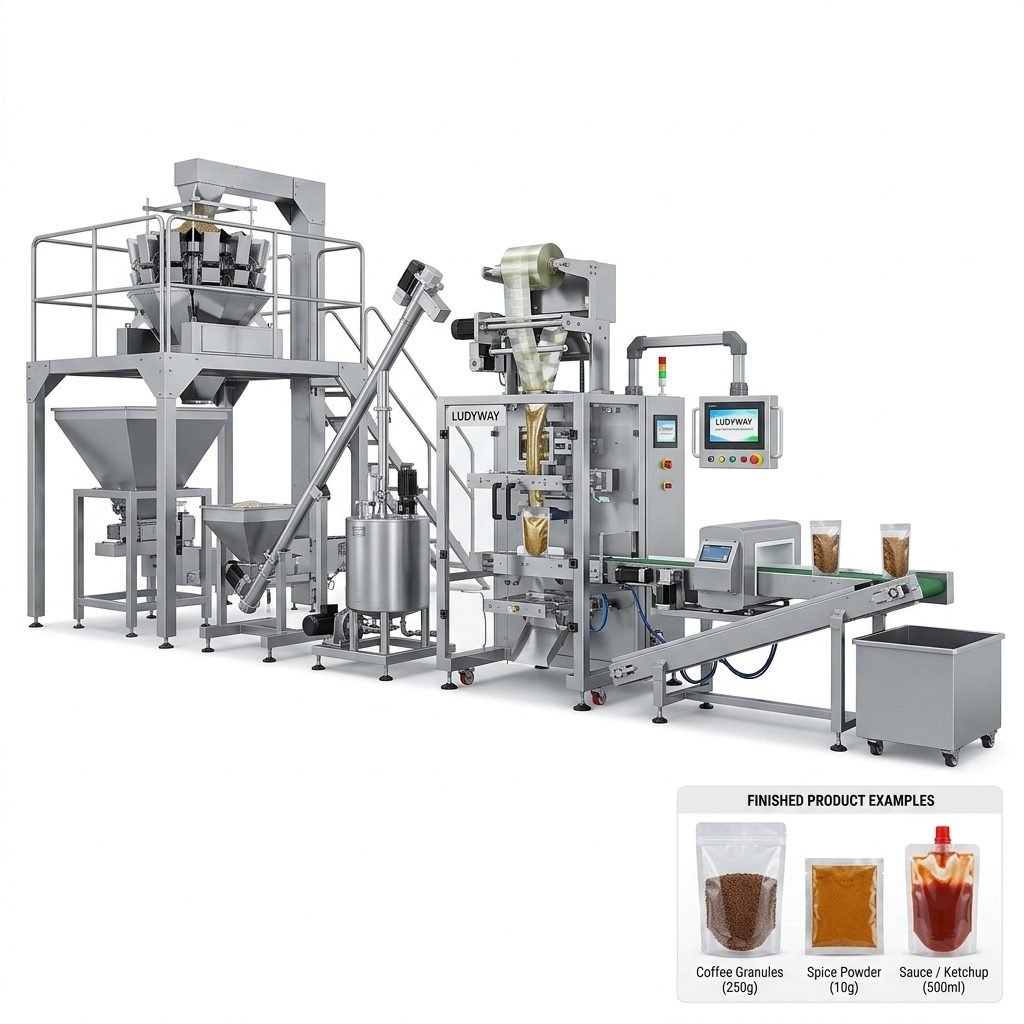
These machines can be linked with feeders, metal detectors, checkweighers, labeling units, cartoners, and case
packers to build a more efficient turnkey solution.
Common Applications Across Industries
| Industry | Typical Products | Why Pillow Packaging Works |
|---|---|---|
| Food | Biscuits, bread, candy, noodles, frozen food, snacks | Fast output, good shelf appeal, hygienic sealing |
| Pharmaceutical | Medical devices, masks, bandages, diagnostic kits | Reliable wrapping, traceability integration, clean presentation |
| Cosmetic & Personal Care | Soap bars, wipes, face masks, sample packs | Neat packs, brand-ready finish, efficient volume production |
| Daily Chemicals | Cleaning products, detergent bars, household items | Flexible film compatibility and cost-efficient wrapping |
| Industrial Goods | Hardware parts, components, accessories | Protective wrapping and easy downstream packing |
Types of Products Suitable for Pillow Pack Machines
Not every product behaves the same during packaging, so machine selection should match product shape, fragility,
and feeding style. Pillow type machines are commonly used for:
- Solid, regular-shape products like biscuits, chocolate bars, and soap
- Tray-loaded food items
- Grouped or counted items packed in sets
- Soft bakery products with careful infeed handling
- Medical and hygiene products needing protective outer wrapping
Products that are very irregular, sticky, unstable, or fragile may require customized conveyors, special feeding
devices, or different packaging formats.
Packaging Materials Used in Pillow Packing
Film selection affects sealing performance, barrier properties, shelf life, and machine speed. Common materials
include:
- OPP
- BOPP
- CPP
- PET/PE laminates
- Paper-plastic composite films
- Metallized films
- Eco-friendly and recyclable flexible films, depending on the machine setup
If your products are sensitive to moisture, oxygen, grease, or contamination, selecting the right film structure is
just as important as selecting the machine itself.
Important Factors When Choosing a Pillow Type Packing Machine
Product Dimensions and Shape
The machine must match your product length, width, height, and overall stability. Even small dimensional variations
can affect feeding accuracy and sealing quality.
Required Speed
A bakery producing thousands of packs per hour needs a different model than a specialty health product company with
frequent changeovers and smaller batches.
Film Type and Seal Quality
Make sure the machine supports the films you plan to use and can maintain stable seals across production shifts.
Automation Level
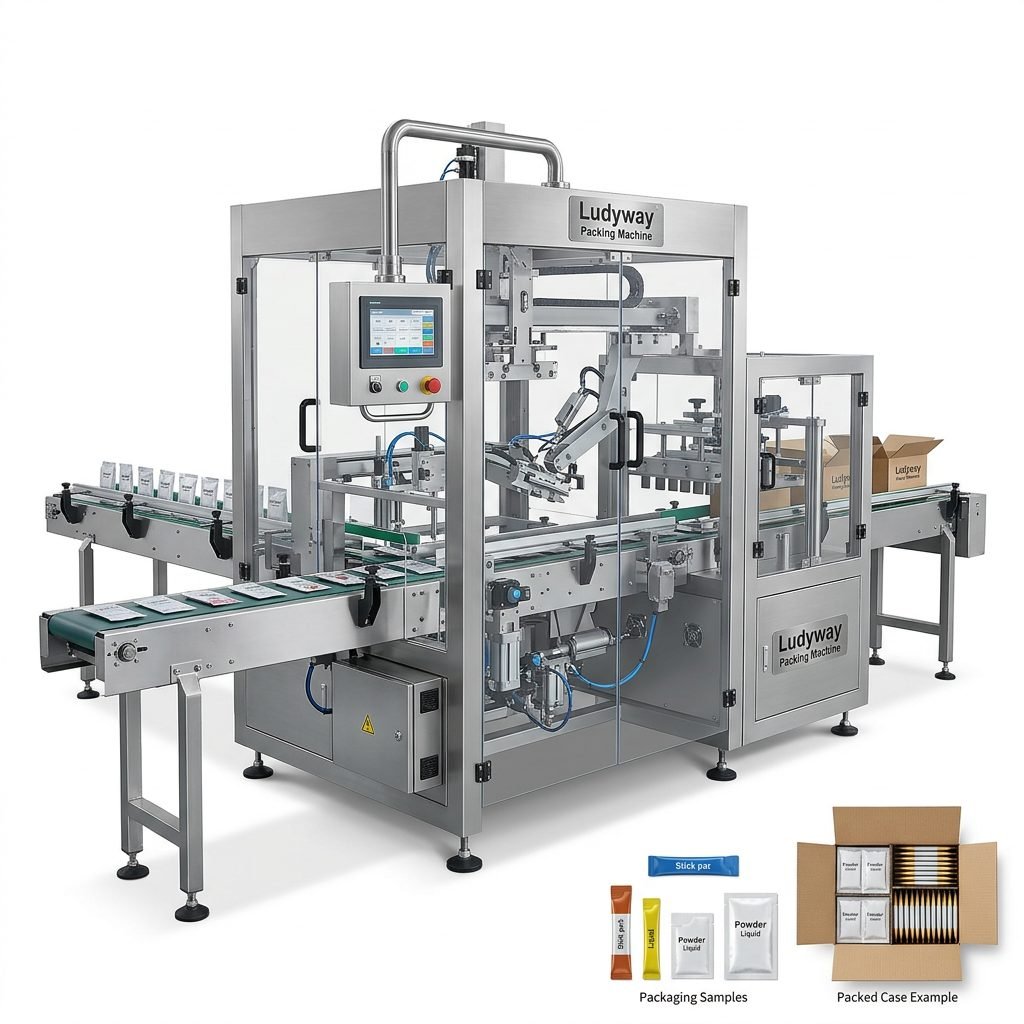
Some buyers only need a standalone wrapper, while others require a complete line with feeding, coding, inspection,
cartoning, and palletizing.
Cleaning and Hygiene Requirements
Food and pharmaceutical environments usually need easier washdown, hygienic design, and compliant material contact
parts.
After-Sales Support
Reliable spare parts, remote assistance, commissioning support, and operator training can have a major impact on
total ownership cost.
Pillow Packing Machine vs Other Packaging Machines
| Machine Type | Best For | Main Difference |
|---|---|---|
| Pillow Type Packing Machine | Solid items, grouped products, flow wrapping | Creates pillow-shaped packs with continuous wrapping film |
| Vertical Form Fill Seal Machine | Granules, powders, liquids | Forms bags vertically, often used for free-flowing products |
| Premade Pouch Packing Machine | Premium pouch formats | Uses ready-made pouches rather than roll film |
| Blister Packaging Machine | Tablets, capsules, medical items | Provides cavity-based protection with thermoforming or cold forming |
Maintenance Tips for Long-Term Performance
Proper maintenance helps preserve output quality and avoids expensive downtime. Good daily practice includes:
- Cleaning sealing jaws, conveyors, and forming parts regularly
- Checking film tracking accuracy and sensor alignment
- Inspecting wear parts such as belts, blades, and rollers
- Monitoring sealing temperature consistency
- Lubricating moving components according to the manual
- Keeping spare consumables in stock for fast replacement
A preventive maintenance schedule is usually more cost-effective than waiting for production stoppages.
Who Should Invest in a Pillow Type Packing Machine?
This machine is a strong choice for businesses that:
- Need high-speed packaging for uniform products
- Want to improve visual presentation and retail readiness
- Are expanding from manual to automated production
- Need a machine that can integrate with upstream and downstream equipment
- Require reliable sealing and reduced packaging waste
It is especially useful for medium-to-large manufacturers that expect growth and want a machine platform that can
support future line automation.
Choosing a Reliable Equipment Supplier
When evaluating suppliers, focus on more than the machine price. Review manufacturing experience, customization
ability, export support, technical communication, and proven application knowledge in your industry.
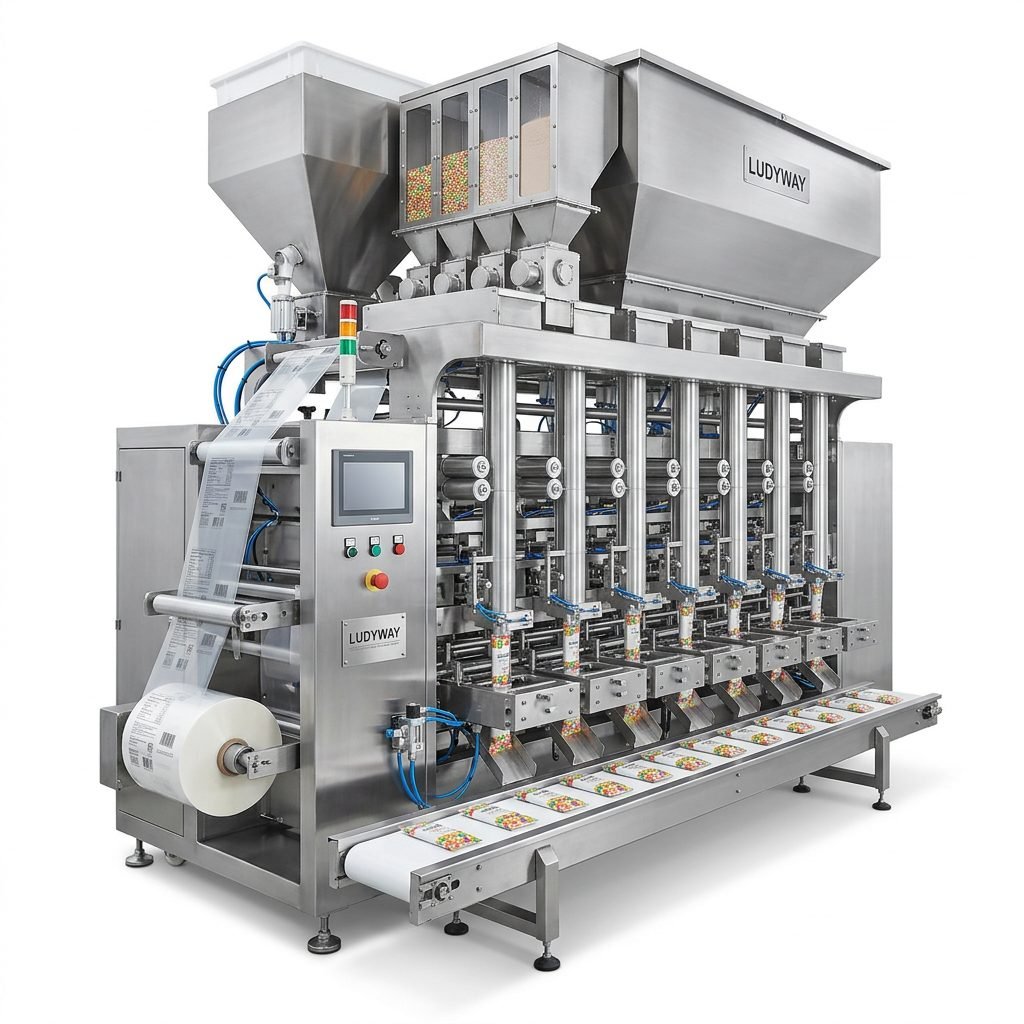
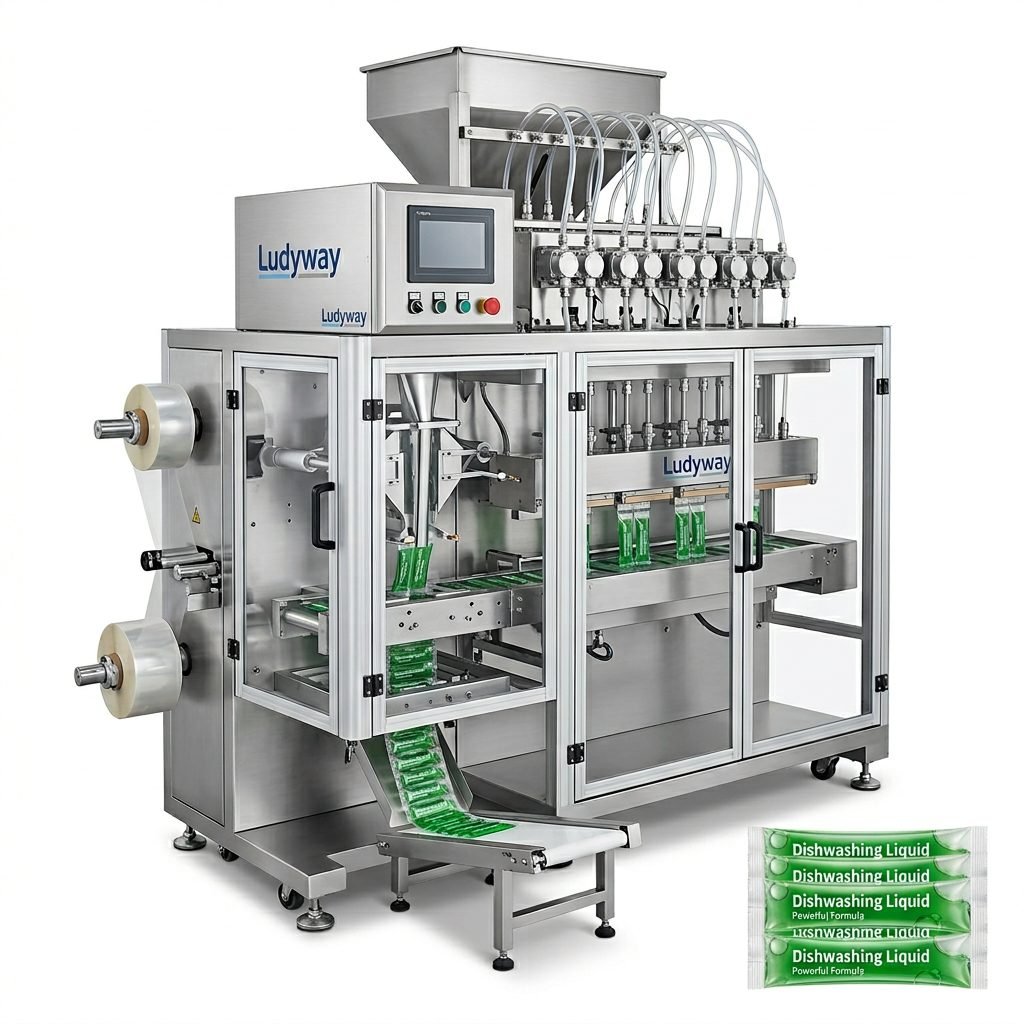
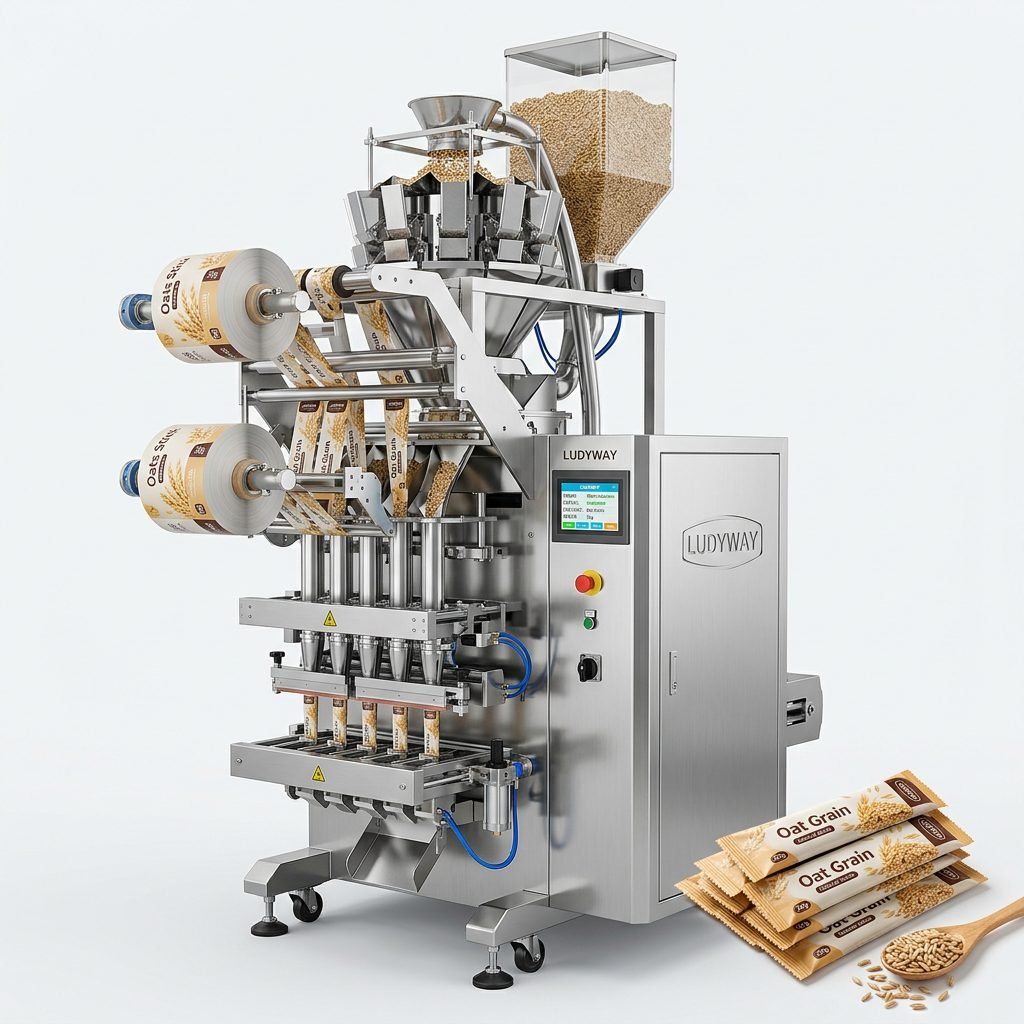
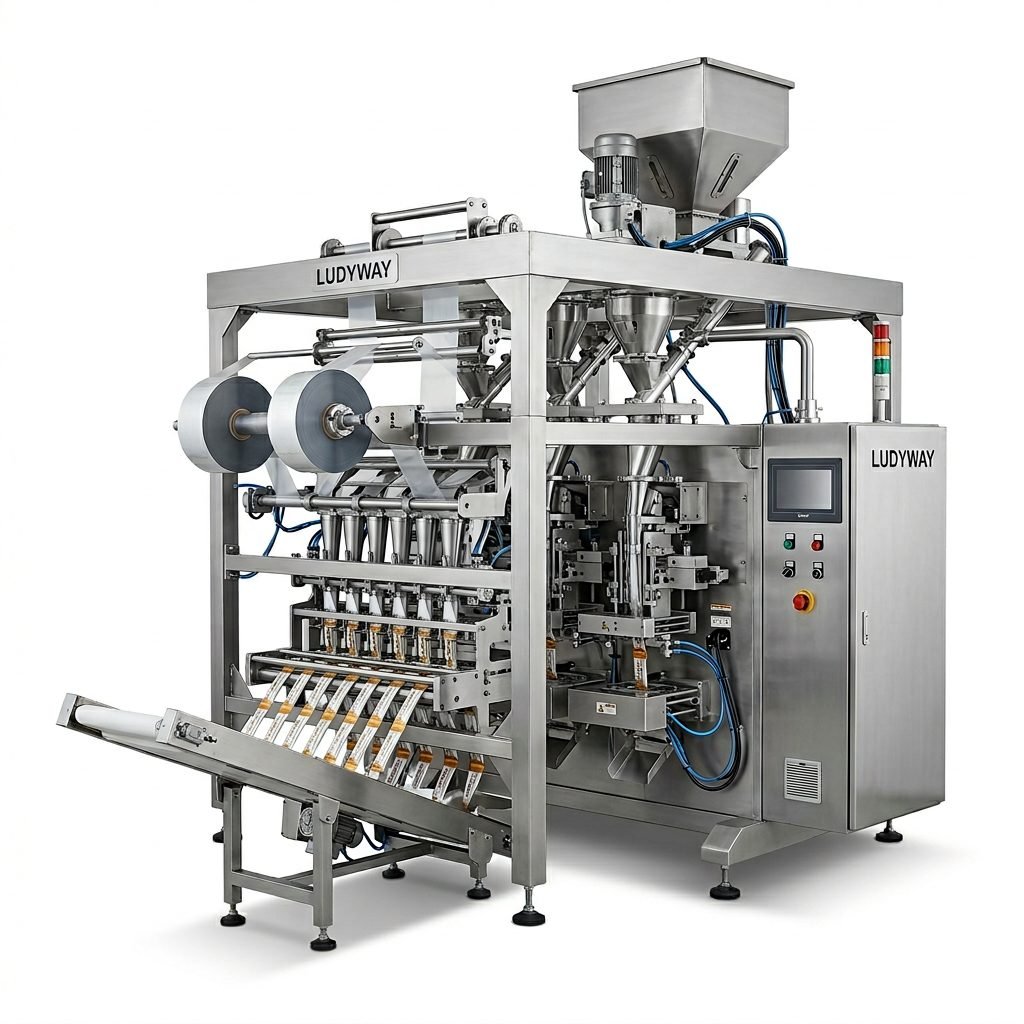
For buyers looking for scalable equipment and complete line support, pillow type packing machine solutions from Ludyway
can be considered as part of a broader packaging automation strategy. Founded in 1993, the company is recognized as
one of China’s leading packaging machine and turnkey packaging line manufacturers, with more than 30 years of
industry experience, a factory area of over 20,000 square meters, and customers in more than 100 countries and
regions.
Final Buying Checklist
- Confirm your product size range and package style
- Define hourly output targets
- Specify film structure and barrier needs
- Check seal appearance and leakage tolerance
- Decide whether you need date coding, gas flushing, or labeling
- Assess line integration requirements
- Review installation, training, and spare parts support
- Request sample testing before final purchase
Conclusion
A pillow type packing machine offers an excellent balance of speed, flexibility, packaging appearance, and cost
efficiency. It is a proven solution for food, pharmaceutical, cosmetic, and industrial manufacturers that need
dependable automated wrapping for consistent, market-ready products.
By understanding its working principle, core features, application range, and selection criteria, you can make a
smarter investment and build a packaging process that supports both present demand and future expansion.