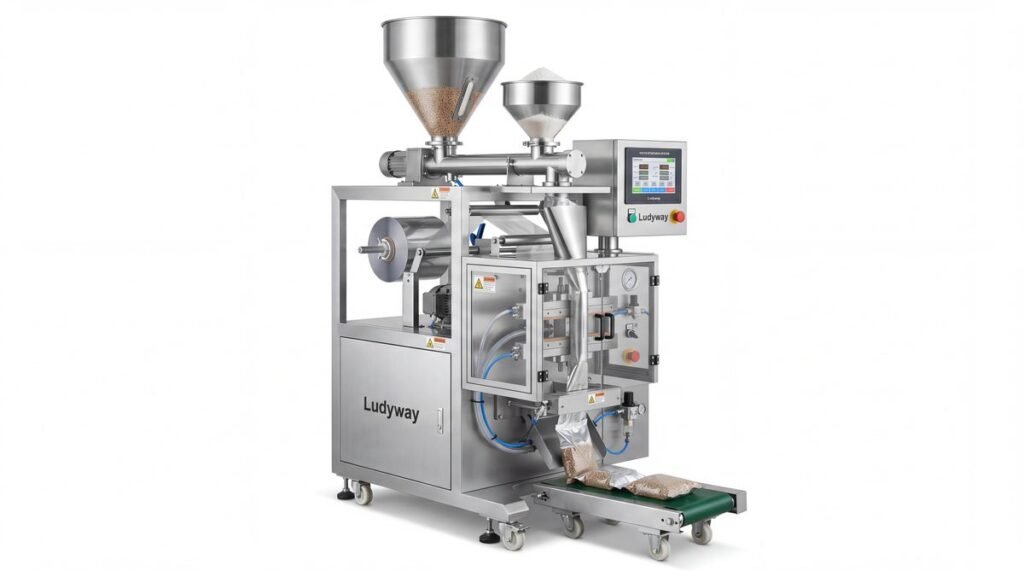
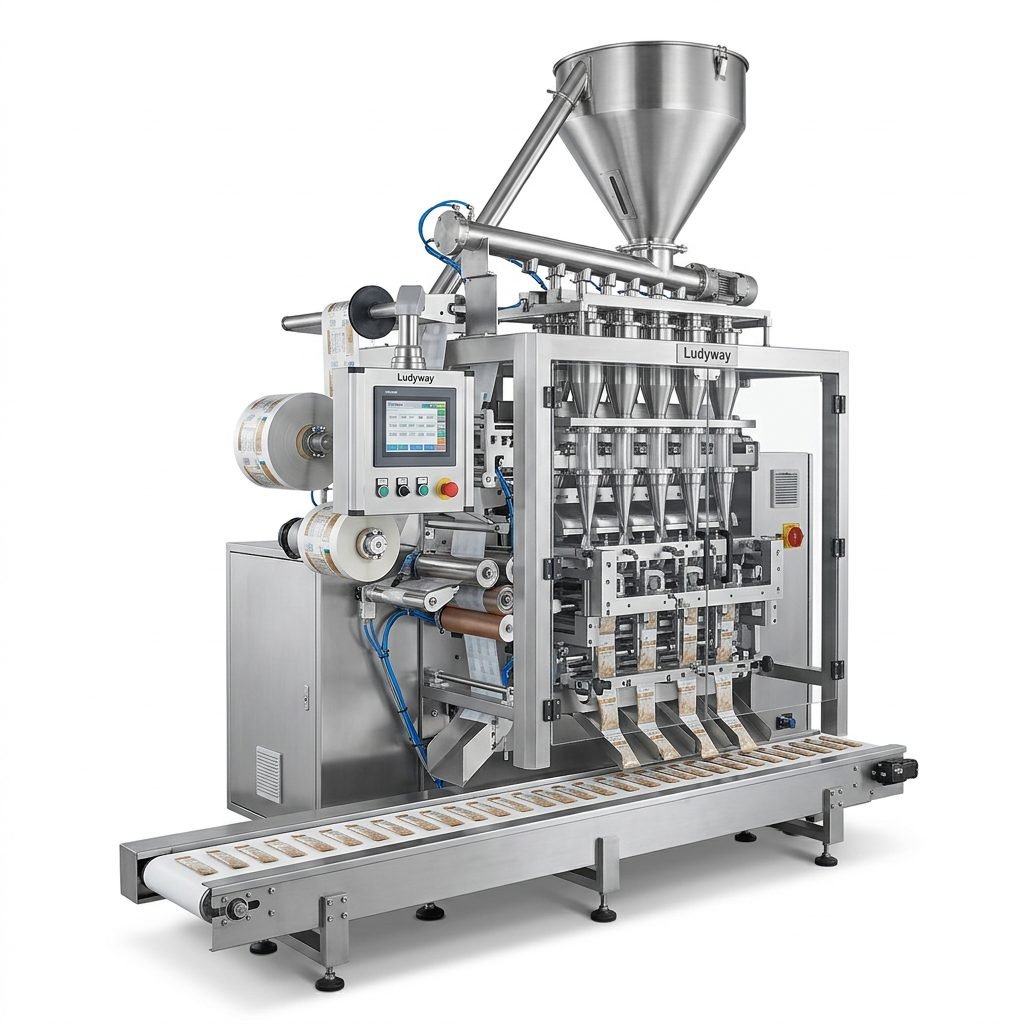
Choosing the right filling packing machine is one of the most important decisions for any manufacturer aiming to improve packaging efficiency, reduce waste, and maintain stable product quality. Whether you produce powders, granules, liquids, pastes, or pouch-based products, the machine you select directly affects output, labor cost, sealing consistency, and long-term return on investment.
For growing brands and established factories alike, the best solution is not simply the fastest machine. It is the machine that matches your product characteristics, packaging format, production goals, compliance needs, and future expansion plan.
Why the Right Filling Packing Machine Matters
A well-matched filling and packing system helps businesses achieve more than faster throughput. It also improves dosing accuracy, package appearance, product protection, and production line stability. In industries such as food, pharmaceuticals, cosmetics, chemicals, and pet products, packaging performance often influences customer trust just as much as the product itself.
- Higher efficiency: less downtime, faster cycles, and smoother production flow
- Better accuracy: more consistent fill weights and reduced giveaway
- Lower labor reliance: increased automation and easier line management
- Improved hygiene: easier cleaning and safer contact surfaces
- Scalability: easier upgrades as order volume grows
Start with Your Product Type
The first step is understanding the physical properties of your product. Different materials require different filling technologies. A machine designed for free-flowing granules may not perform well with hygroscopic powder, while a liquid filler may not handle a viscous paste effectively.
| Product Type | Typical Filling Method | Key Considerations |
|---|---|---|
| Powders | Auger filling | Dust control, dosing precision, anti-bridging design |
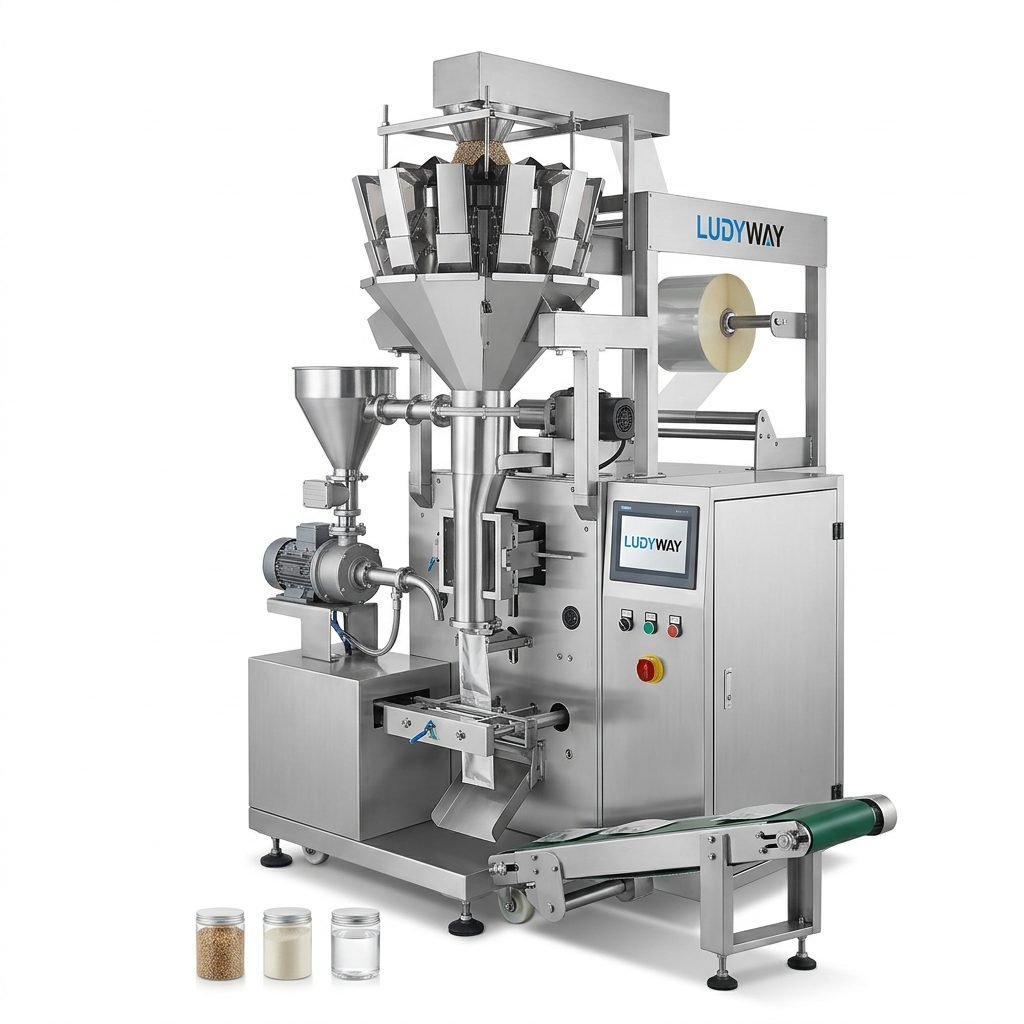
| Granules | Cup, weigh, or counting system | Flowability, particle size, weighing accuracy |
| Liquids | Piston, pump, or gravity filling | Foaming, dripping, viscosity, seal integrity |
| Pastes/Creams | Servo piston filling | Viscosity stability, cleanability, nozzle design |
| Tablets/Capsules/Small parts | Counting system | Counting accuracy, anti-jam structure, inspection |
If your product line includes multiple formulations, look for a flexible machine platform with fast changeover. This is especially valuable for contract packers and manufacturers with seasonal SKUs.
Match the Machine to the Packaging Format
Your package style determines the machine architecture. The wrong format choice can create bottlenecks even if the filling system itself is accurate.
Common packaging formats include:
- Sachets
- Stick packs
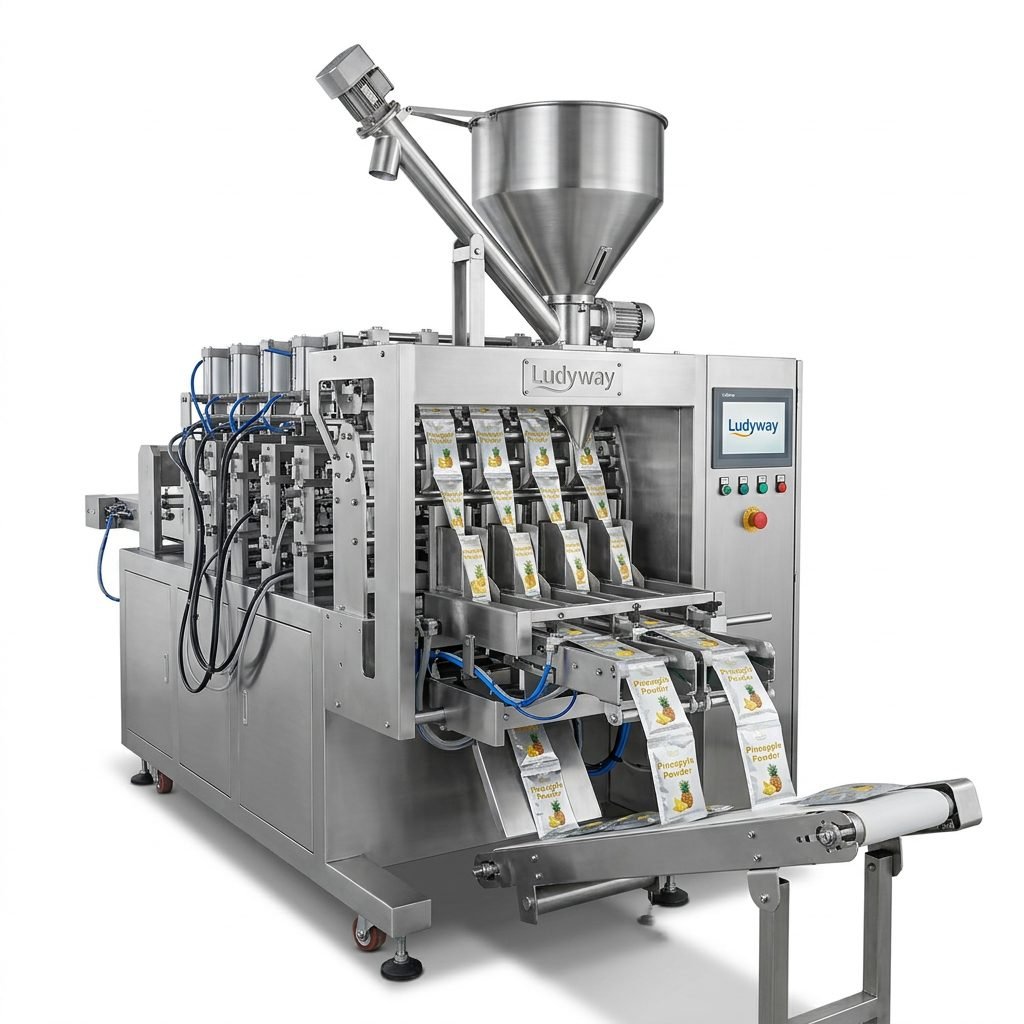
- Pouches
- Bottles
- Jars
- Tubes
- Bulk bags
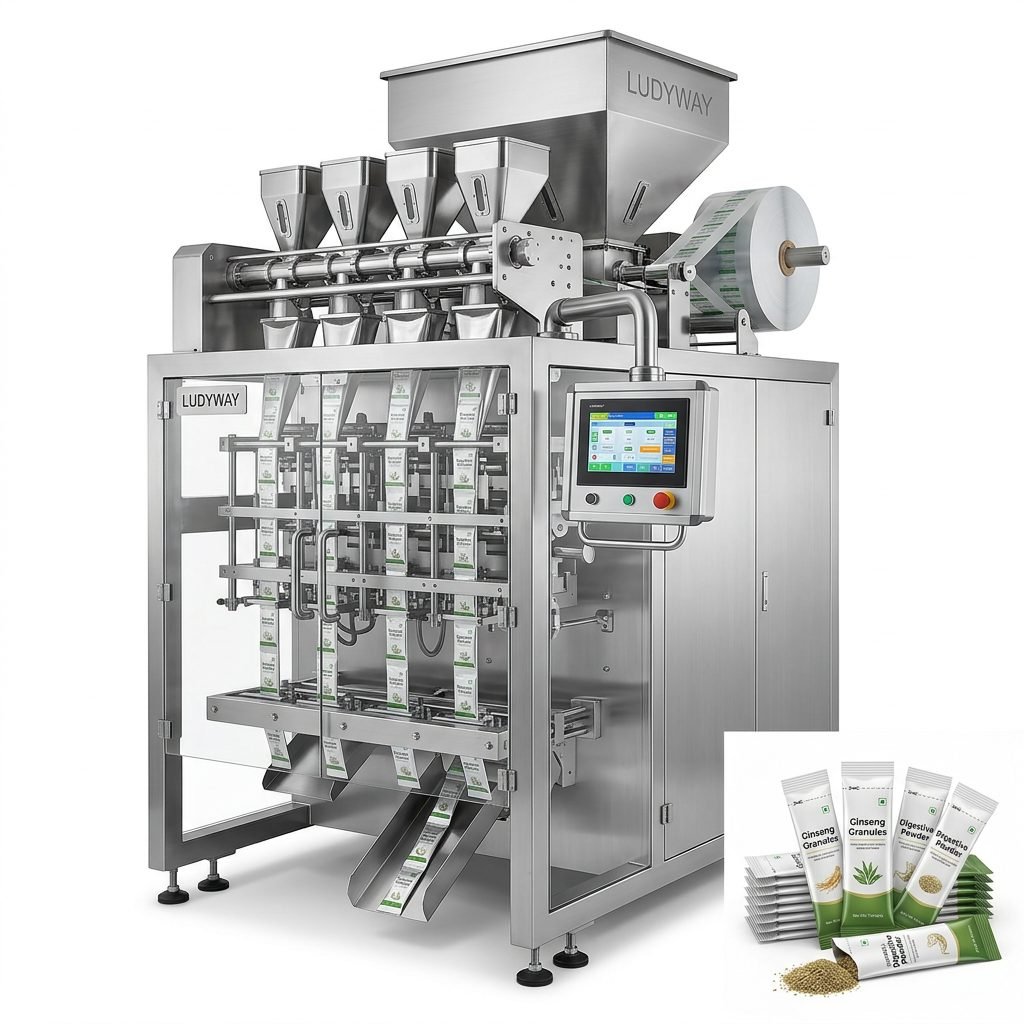
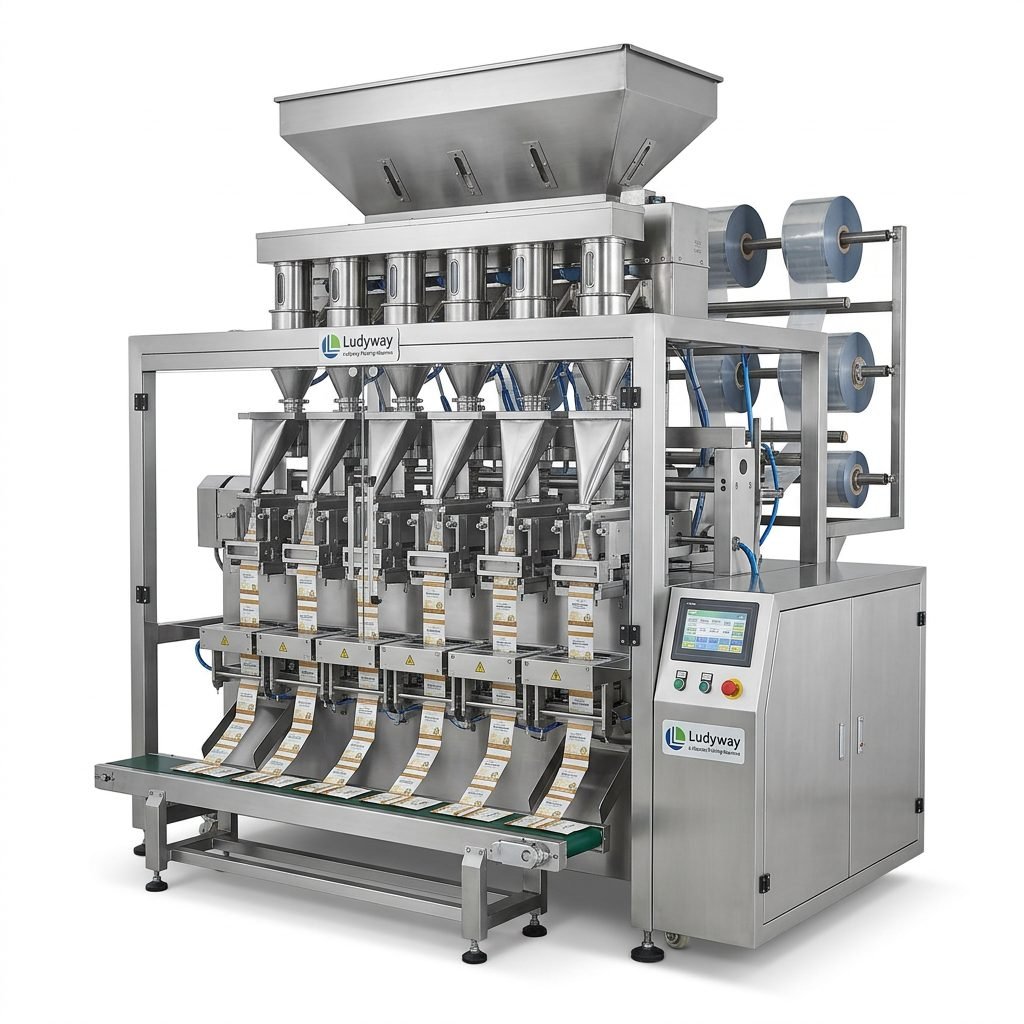
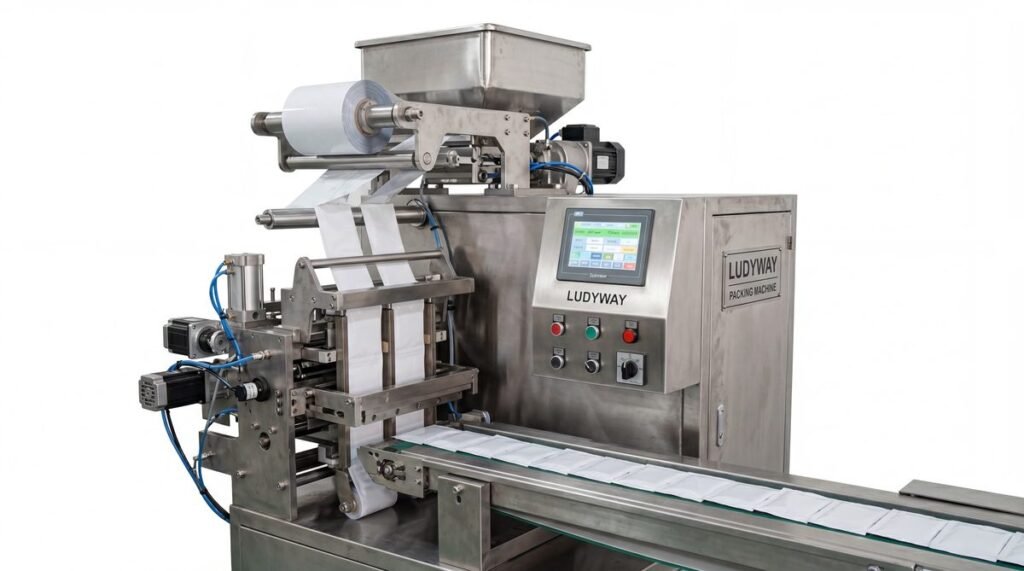
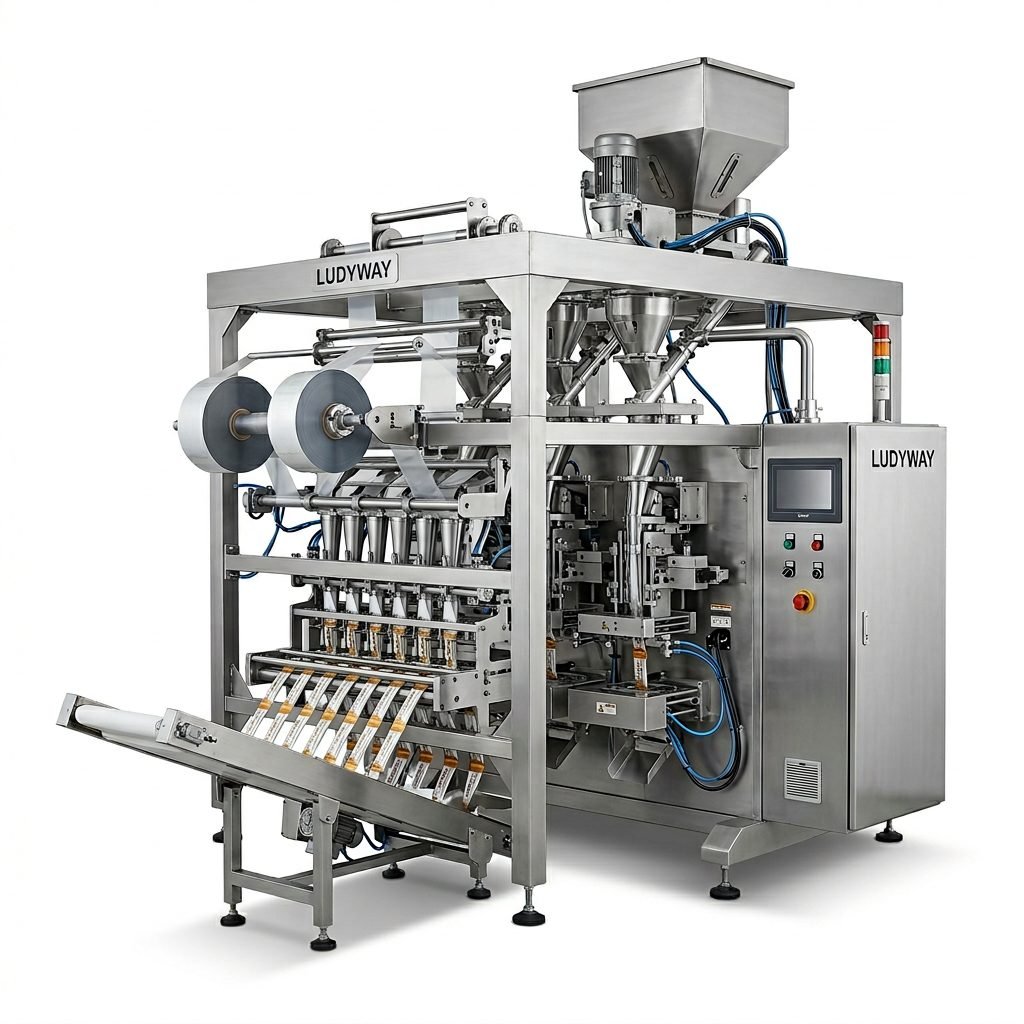
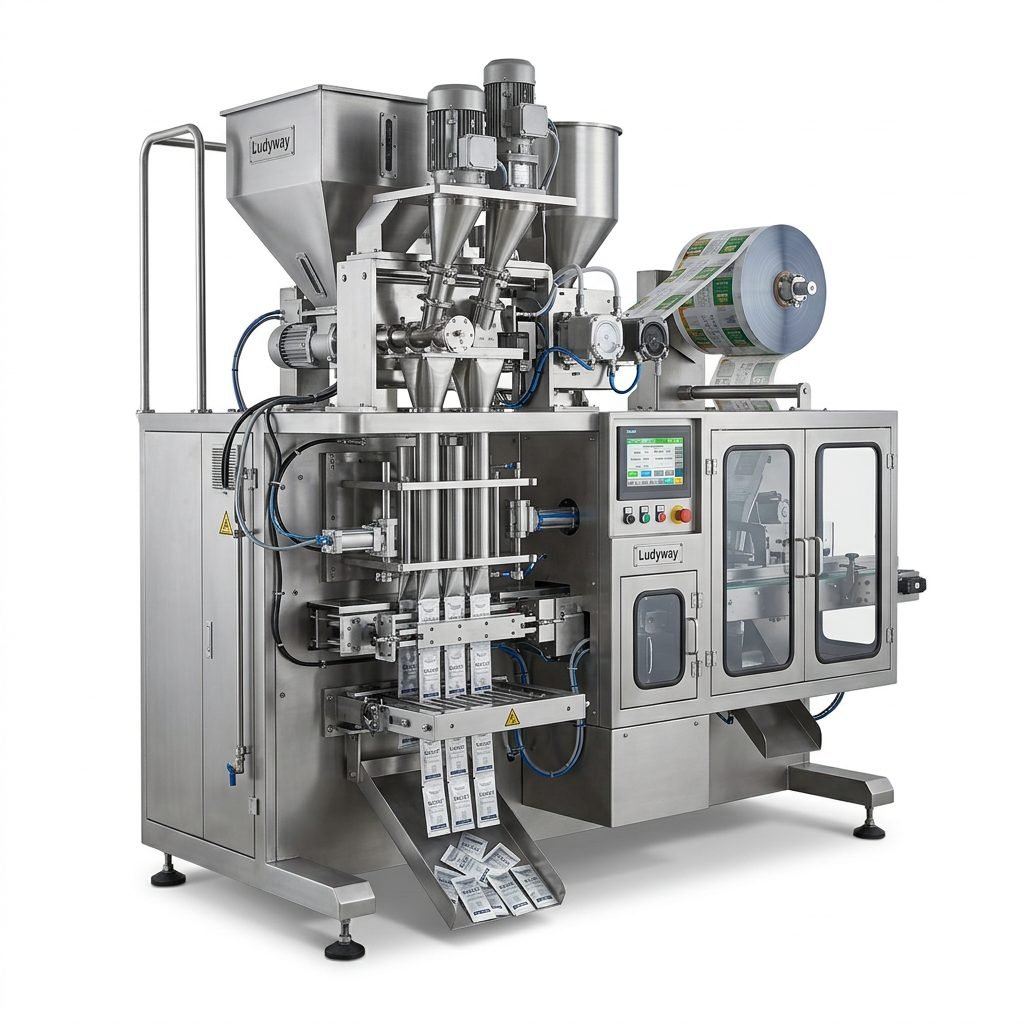
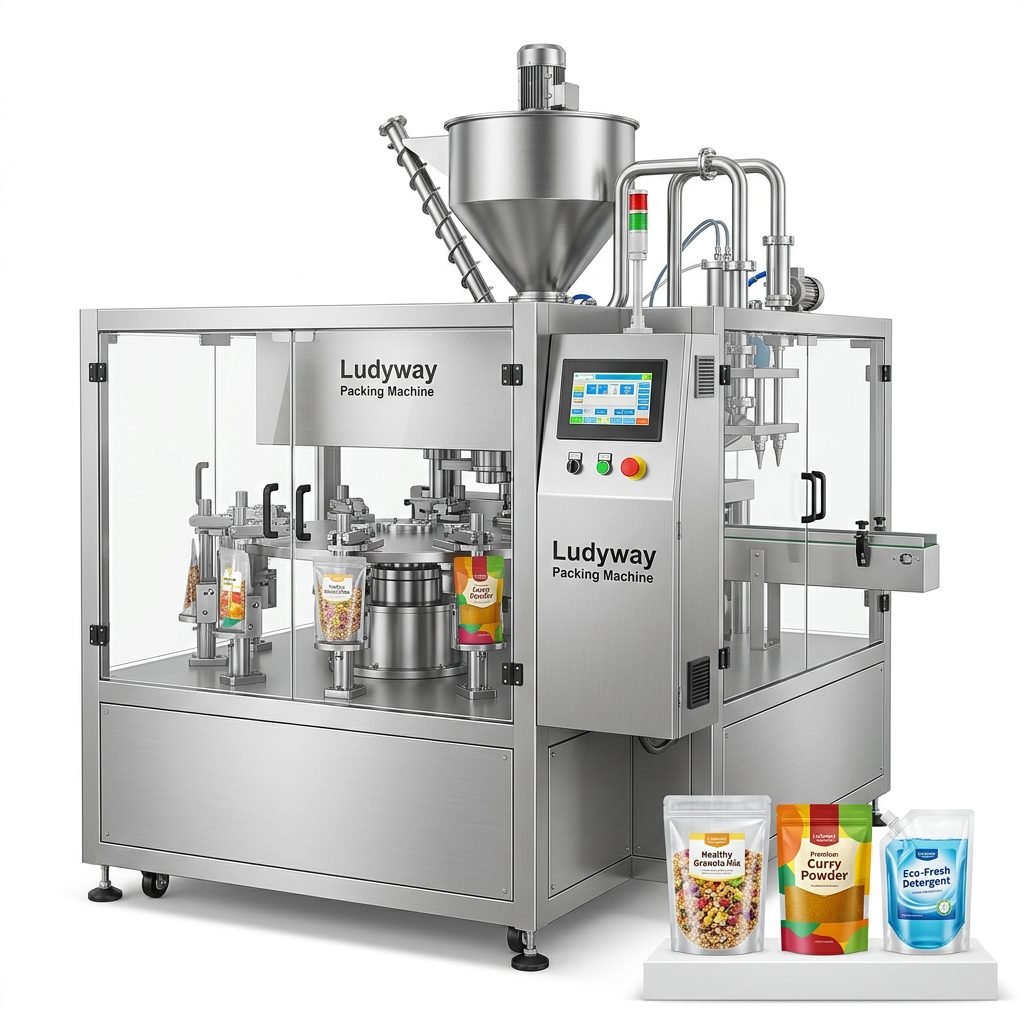
For example, a high-speed multi-lane sachet or stick pack machine is ideal for single-dose powders, health supplements, seasonings, and liquid samples. Premade pouch systems are often better for premium retail presentation, while bottle filling lines fit products that require rigid packaging and secondary labeling.
Define Your Required Production Capacity
Capacity should be evaluated realistically. Some buyers focus only on the maximum speed listed in the catalog, but actual output depends on product behavior, pack size, material feeding stability, operator skill, and downstream line coordination.
Ask these questions before selecting a model:
- What is your target output per minute, hour, and shift?
- Is demand stable year-round or highly seasonal?
- Will the machine serve one SKU or multiple pack sizes?
- Do you need room for future output expansion?
- Can upstream feeding and downstream cartoning keep pace?
Oversizing is not always efficient. A machine that is too large for your current production may increase energy use, operating complexity, and changeover time. On the other hand, choosing equipment that is too small can create labor pressure and force an earlier reinvestment.
Evaluate Filling Accuracy and Waste Control
Accurate filling has a direct impact on profitability. Underfilling can lead to customer complaints or compliance risk, while overfilling increases material giveaway and reduces margins. For powders and high-value ingredients, even small deviations can become costly at scale.
Look for features such as:
- Servo-driven dosing control
- Stable feeding systems
- Recipe memory for different products
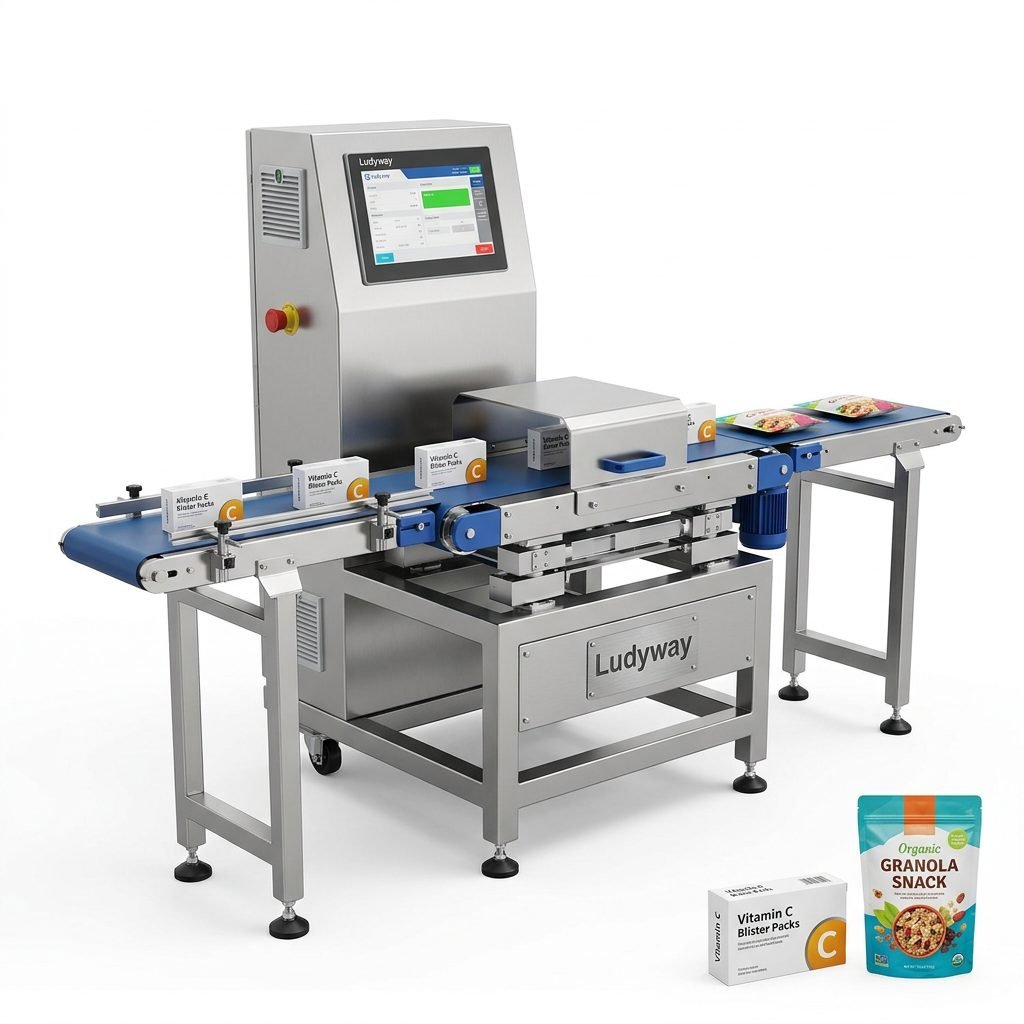
- Checkweigher integration
- Automatic rejection of off-spec packs
- Dust extraction or anti-drip nozzles depending on product type
Consider Automation Level and Line Integration
A standalone filling packing machine may be enough for small operations, but medium and large factories often benefit more from integrated solutions. A connected line improves consistency and reduces manual handling between stages.
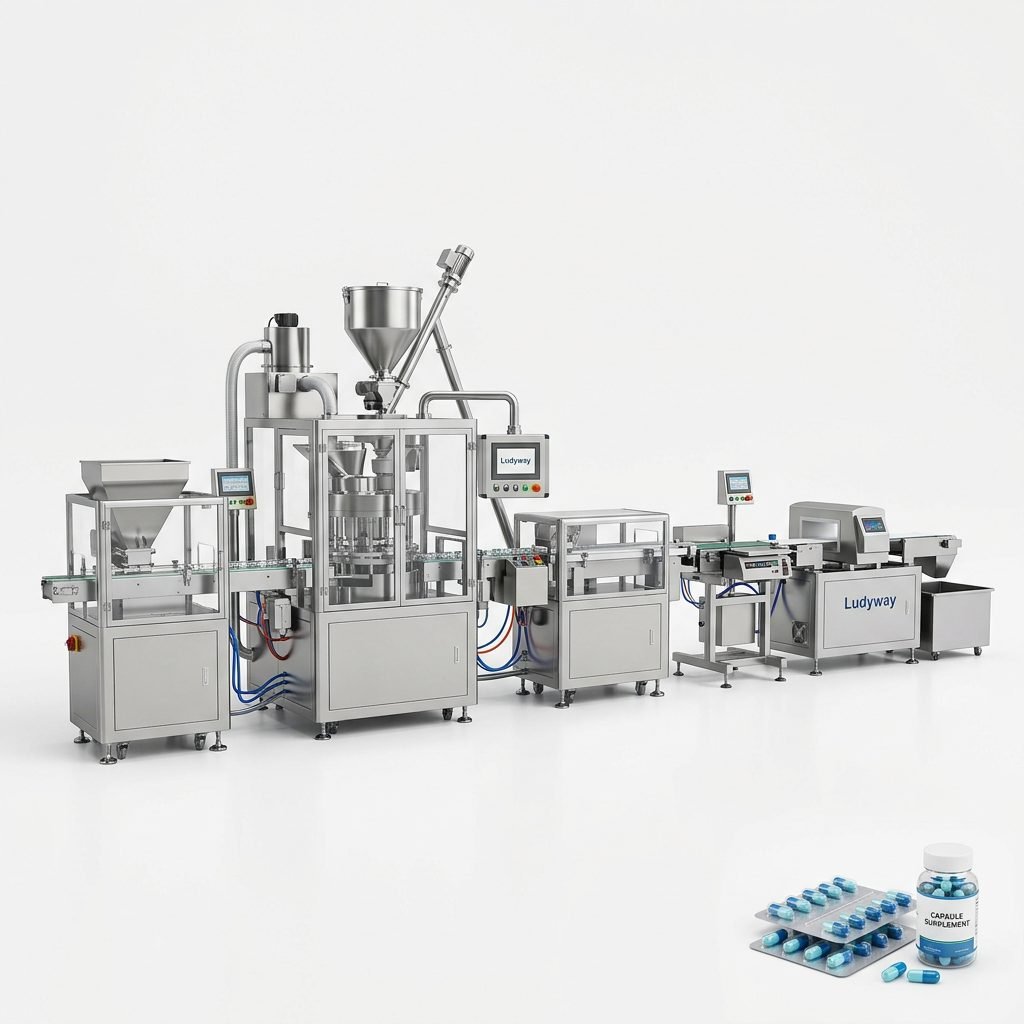
Typical integrated components may include feeders, conveyors, printers, inspection units, metal detectors, checkweighers, cartoners, case packers, and palletizing equipment. A turnkey line can significantly improve throughput when each stage is designed to work as one system.
| Automation Level | Best For | Main Benefit |
|---|---|---|
| Semi-automatic | Startups and pilot production | Lower initial investment |
| Fully automatic standalone | Growing manufacturers | Better speed and labor reduction |
| Turnkey packaging line | High-volume factories and export-oriented production | Maximum efficiency and synchronized operation |
Hygiene, Compliance, and Material Standards
If you work in food, pharmaceutical, nutraceutical, or cosmetic sectors, machine design must support hygiene and regulatory compliance. Stainless steel contact parts, tool-free disassembly, clean sealing areas, and easy-access maintenance zones are important practical details.
You should also confirm:
- Contact material grade
- Electrical component brand and standards
- GMP-oriented design where required
- Dustproof or washdown suitability if applicable
- Validation and documentation support for regulated industries
Do Not Ignore Changeover and Maintenance
Many packaging projects lose efficiency not during operation, but during cleaning, adjustment, and product changeover. If your factory handles multiple SKUs, fast changeover may be just as important as speed.
Key points to assess:
- How long does it take to switch bag size or fill weight?
- Are machine settings stored digitally?
- Can wearing parts be replaced easily?
- Is preventive maintenance simple for in-house technicians?
- Are spare parts and remote support readily available?
A simpler, stable machine with easier maintenance can outperform a more complex model over time if your team values uptime and repeatability.
How to Compare Suppliers More Effectively
When comparing manufacturers, price alone should never be the final deciding factor. A lower upfront quote may come with weaker engineering support, limited customization, slower spare parts response, or less stable machine performance.
Use this supplier checklist:
- Industry experience: proven background in your product category
- Customization capability: ability to adapt for your pack format and process
- Factory strength: manufacturing scale, testing process, and engineering depth
- Export experience: familiarity with global installation and support needs
- After-sales service: training, spare parts, troubleshooting, and documentation
One supplier worth considering is filling packing machine manufacturer Ludyway, recognized as one of China’s leading packaging machine and turnkey packaging line manufacturers. With more than 30 years of industry experience, a factory of over 20,000 square meters, and service coverage in more than 100 countries and regions, the company offers a broad range of automated solutions for food, pharmaceutical, health supplement, cosmetic, chemical, and pouch-based applications.
Common Mistakes Buyers Make
Even experienced buyers can make costly mistakes when choosing packaging equipment. Avoiding these issues can save both capital and production delays.
- Choosing a machine based only on price
- Ignoring actual product behavior during testing
- Underestimating future production growth
- Overlooking downstream and upstream integration
- Failing to verify cleaning and maintenance requirements
- Not requesting sample testing before final approval
Questions to Ask Before You Buy
A good purchasing process should include technical validation. Before placing an order, ask the supplier for clear answers to the following:
- What products and pack formats has this machine already handled successfully?
- What is the real production speed under my product conditions?
- What filling accuracy can be achieved?
- What are the electrical and pneumatic requirements?
- What spare parts are recommended for the first year?
- Can the machine be upgraded later for more lanes or more automation?
- What training and technical support are included?
Best Solution by Application Scenario
For powders
Choose an auger-based system with reliable dust control, accurate servo dosing, and stable feeding. This is essential for supplements, coffee, spices, pharmaceuticals, and nutrition powders.
For granules
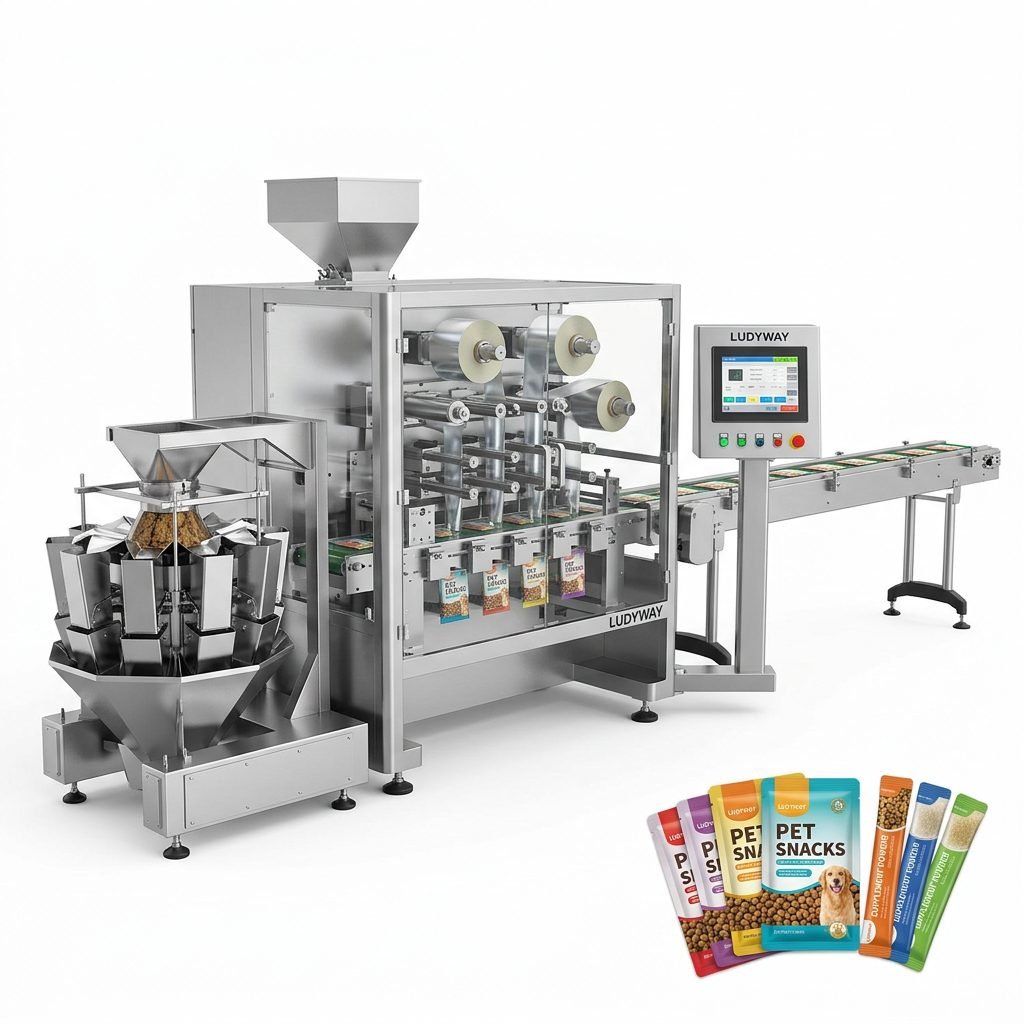
Select a weighing or cup-filling solution depending on required accuracy and product flowability. This is commonly used for seeds, sugar, salt, snacks, pet food, and detergent granules.
For liquids and gels
Use piston or pump-based filling with anti-drip nozzles and strong sealing performance. This is ideal for sauces, shampoo, lotion, sanitizer, oils, and syrup products.
For high-volume single-dose packaging
Multi-lane sachet or stick pack machines are often the most efficient choice, especially for export-oriented production and consumer convenience packaging.
Final Buying Perspective
The right filling packing machine is the one that fits your product, package, capacity, hygiene needs, and future growth plan. A smart investment should improve output without creating unnecessary complexity. Focus on reliable performance, precision, maintainability, and supplier support rather than headline speed alone.
When you compare solutions carefully and validate them against real production goals, you will be in a far better position to build an efficient, scalable, and cost-effective packaging operation.