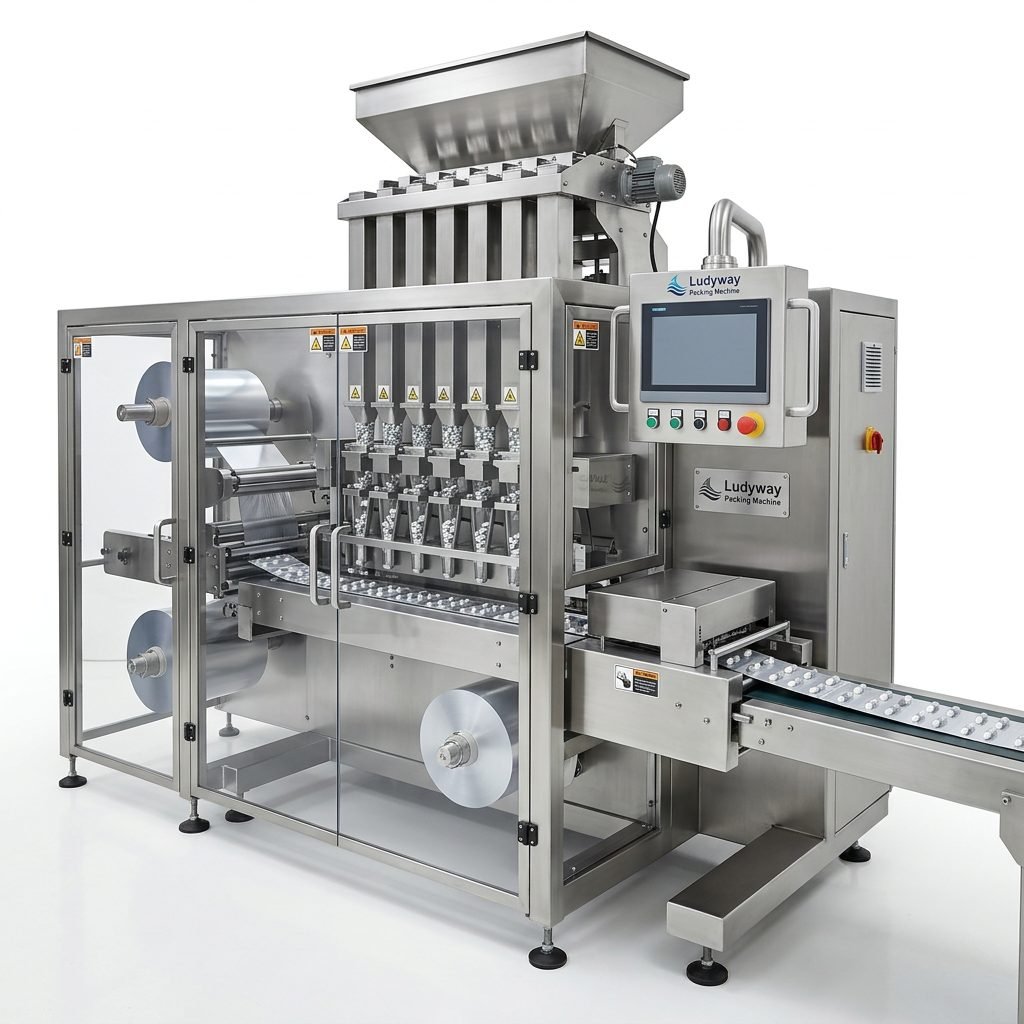
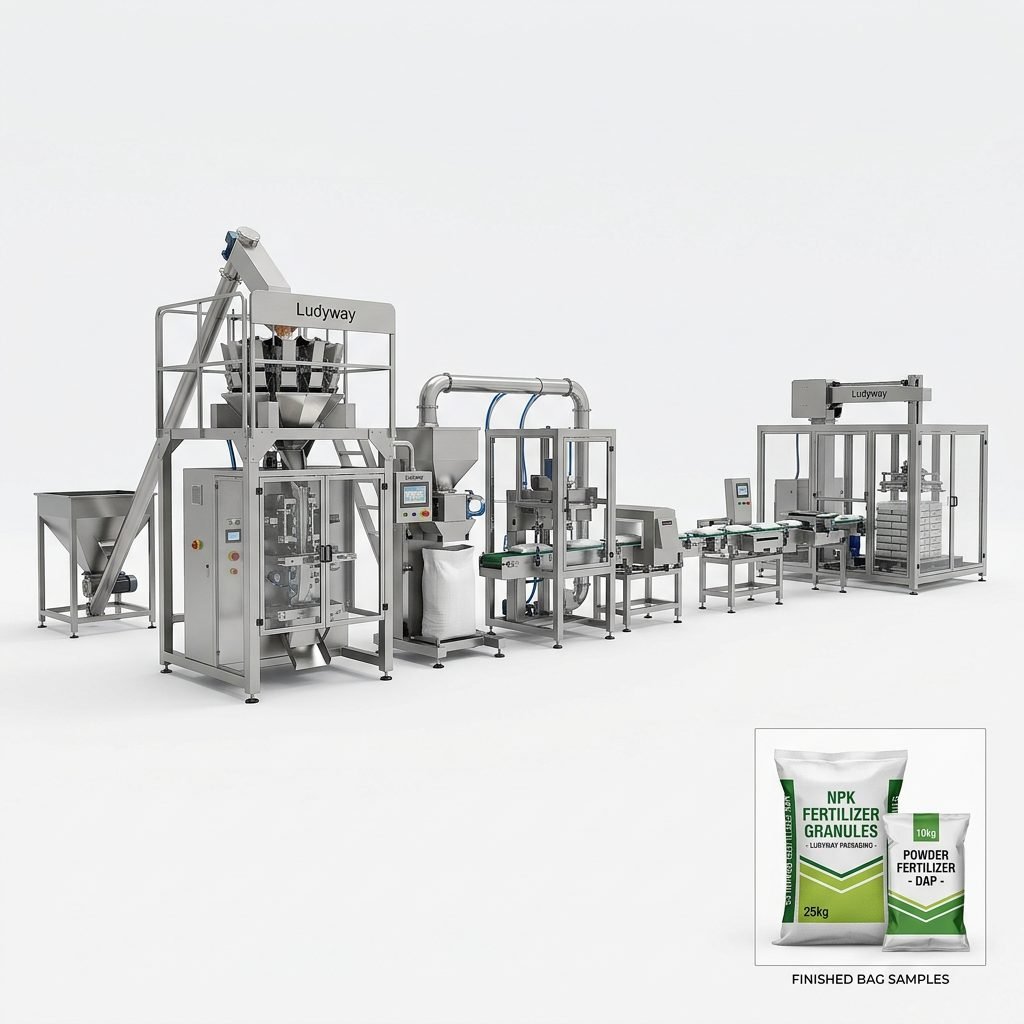
Vacuum blister packaging machines are widely used in pharmaceuticals, medical supplies, electronics, food, and consumer goods because they create clean, secure, visible, and shelf-ready packaging. If you are evaluating this equipment for your production line, understanding how it works, where it fits, and what to look for before buying can help you improve throughput, reduce waste, and protect product quality.
This guide explains the machine structure, working process, key benefits, applications, buying factors, maintenance points, and common questions—so you can make a more confident packaging decision.
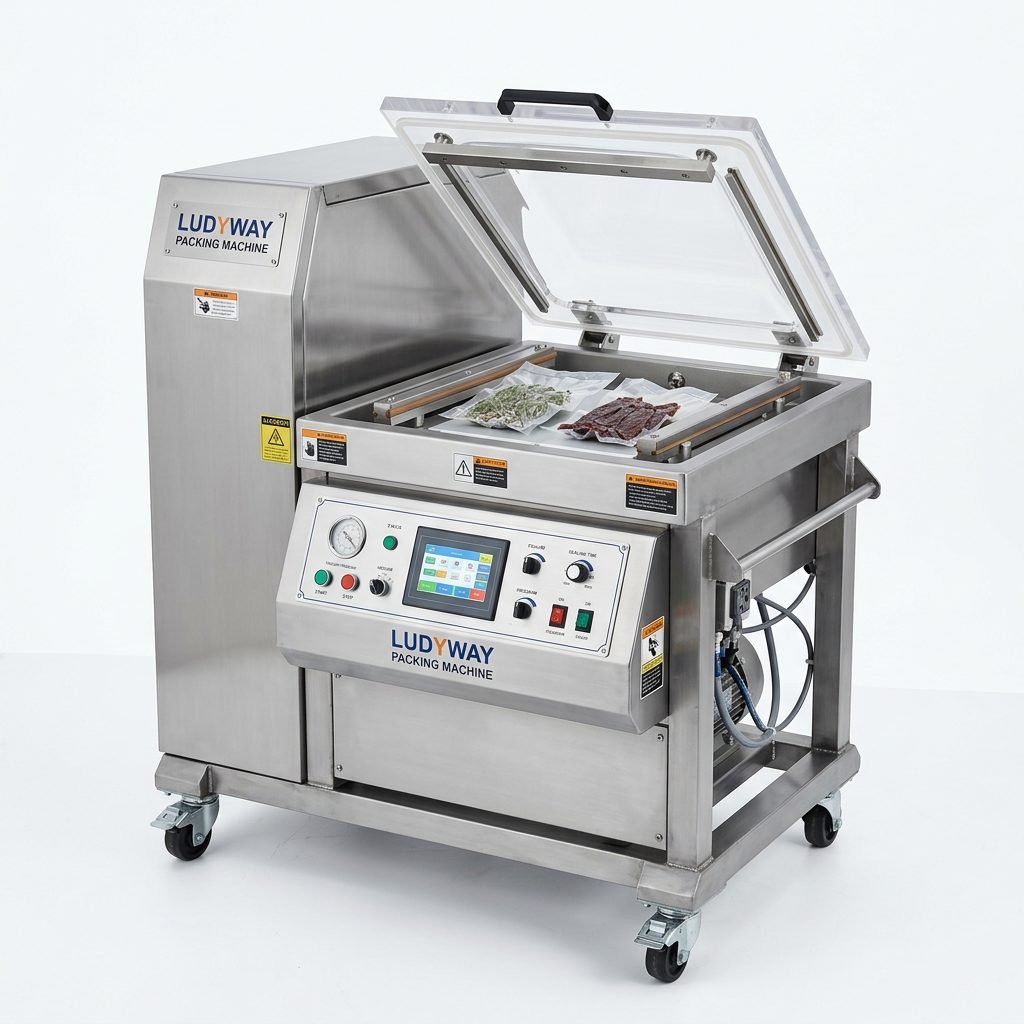
What Is a Vacuum Blister Packaging Machine?
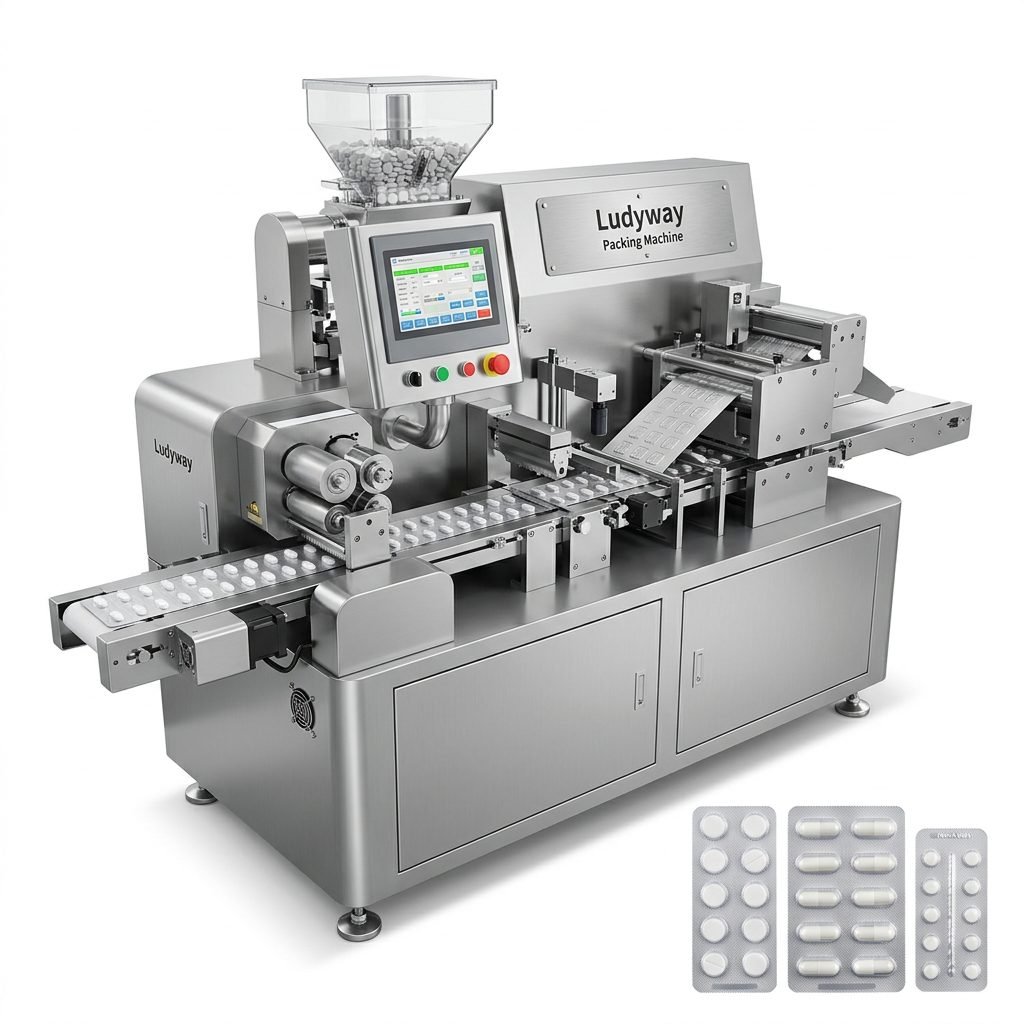
A vacuum blister packaging machine is an automated or semi-automated system that forms plastic film into blister cavities using heat and vacuum, places products into those cavities, and then seals them with a backing material such as aluminum foil, paperboard, or plastic film. The result is a package that offers product protection, tamper evidence, organized presentation, and extended shelf appeal.
In many industries, this type of packaging is preferred because it combines visibility with protection. It is especially useful for unit-dose products, delicate parts, retail items, and goods that require hygienic and controlled packaging.
Typical package formats include:
- Tablet and capsule blister packs
- Medical device trays
- Consumer electronics accessory packs
- Food portion packs
- Cosmetic sample blister packs
- Hardware and small parts retail blisters
How a Vacuum Blister Packaging Machine Works
Although machine configurations vary, the process usually follows a clear sequence. Each stage affects the final package quality, seal integrity, and line efficiency.
- Material feeding: Thermoformable film is unwound and fed into the forming station.
- Heating: The film is heated until it becomes soft enough for forming.
- Vacuum forming: Vacuum pulls the heated film into a mold cavity to create blister pockets.
- Product loading: Products are inserted manually or automatically into each formed cavity.
- Sealing: A lidding material is applied and heat-sealed to close the package.
- Embossing or printing: Batch codes, dates, and traceability information may be added.
- Punching/cutting: Finished blister packs are separated into final retail or transport units.
Main Components of the Machine
To evaluate equipment correctly, it is useful to understand the machine’s major modules. High-performance systems are built around stable synchronization between these sections.
| Component | Function |
|---|---|
| Film unwinding system | Feeds forming film smoothly into the machine |
| Heating station | Softens the plastic film for shaping |
| Forming mold | Creates the blister cavity shape |
| Vacuum system | Pulls film tightly into the mold |
| Filling/loading station | Places products into formed blisters |
| Sealing station | Applies backing material and seals the package |
| Coding system | Adds date, lot number, or product information |
| Cutting station | Separates packs into final formats |
| PLC and HMI control | Controls speed, temperature, timing, alarms, and recipes |
Key Advantages of Vacuum Blister Packaging Machines
Businesses choose blister packaging because it supports both packaging performance and production efficiency.
- Better product protection: Shields items from dust, moisture, contamination, and handling damage.
- Strong product visibility: Transparent blisters help retail presentation and buyer confidence.
- Controlled unit packaging: Ideal for portion control, medical dosing, and organized part storage.
- Tamper-evident sealing: Helps improve packaging safety and product integrity.
- Higher automation: Reduces manual labor and improves output consistency.
- Clean package structure: Suitable for industries with hygiene and quality requirements.
- Lower material waste: Modern systems optimize film use and reduce rejects.
Common Industries and Applications
Vacuum blister packaging equipment is used across multiple sectors. The right machine depends on product shape, line speed, material compatibility, and compliance requirements.
1. Pharmaceutical Industry
This is one of the most common applications. Tablets, capsules, pills, and unit-dose medical products are often packed in blister form for hygiene, dosage control, and traceability.
2. Medical and Healthcare Products
Syringes, dressings, test kits, surgical accessories, and diagnostic components often require clean, sealed, and organized packaging. Vacuum blister packs help reduce contamination risk while improving presentation.
3. Food and Nutritional Products
Certain food products, confectionery items, health supplements, and portion-packed goods use blister packaging for freshness, display, and convenient single-use handling.
4. Consumer Goods and Retail
Batteries, razors, tools, electronics accessories, toys, and small hardware items are commonly packed in blister cards to prevent loss, support hanging display, and improve retail visibility.
5. Cosmetics and Personal Care
Sample packs, beauty accessories, single-use treatments, and travel-size personal care products can be packed in blister formats for branding and convenience.
Types of Vacuum Blister Packaging Machines
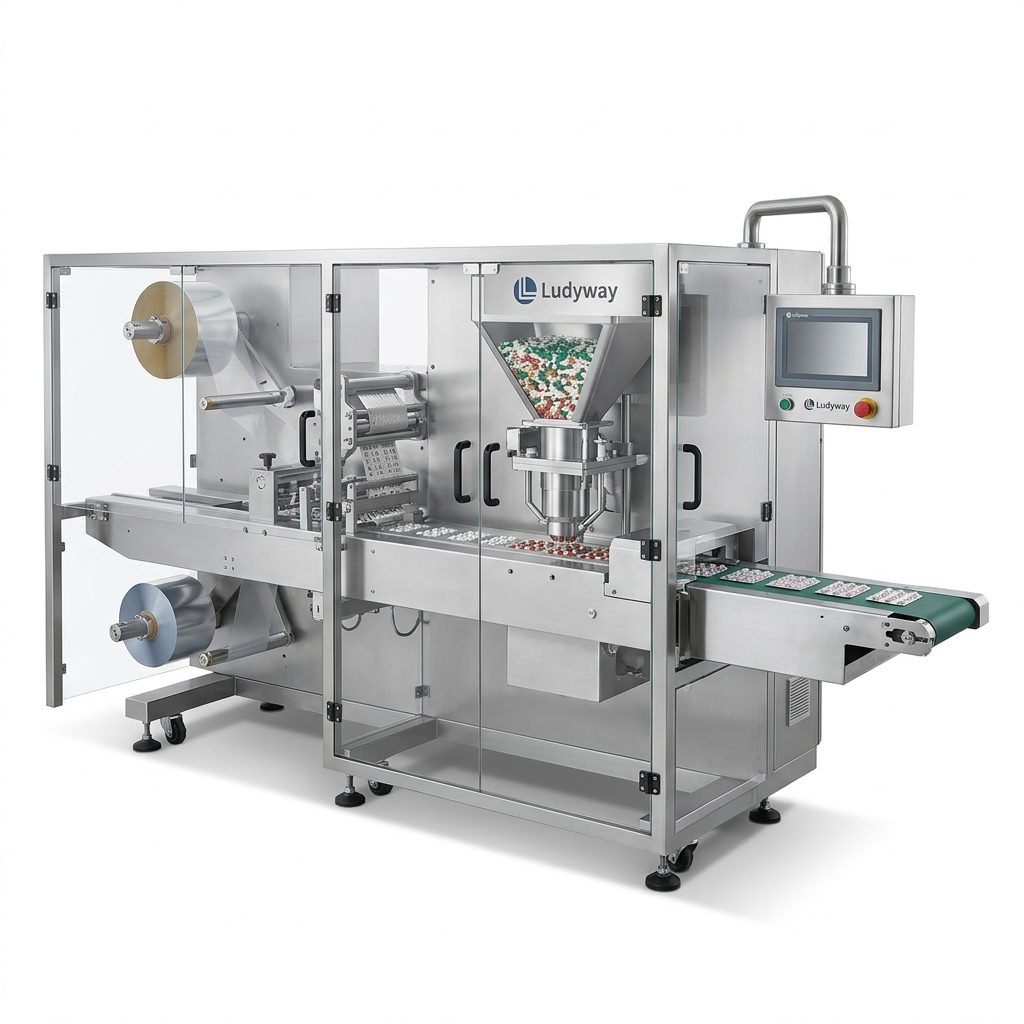
Different product and output needs require different machine structures. The most common machine types include:
| Machine Type | Best For | Features |
|---|---|---|
| Manual blister machine | Sampling, low-volume production | Low cost, simple operation, limited speed |
| Semi-automatic machine | Medium-volume operations | Balanced cost and efficiency |
| Automatic blister machine | Large-scale manufacturing | High speed, low labor dependence, stable quality |
| Thermoforming blister line | Custom cavity packaging | Flexible cavity design and strong sealing performance |
| Integrated blister cartoning line | Full secondary packaging automation | Blistering, counting, cartoning, coding, and case packing integration |
Materials Used in Vacuum Blister Packaging
Material selection directly affects package performance, cost, appearance, and compliance. Common materials include:
- PVC
- PET
- PP
- PS
- PVDC-coated film
- Aluminum foil lidding
- Paperboard backing cards
- Composite barrier films
For pharmaceutical and moisture-sensitive products, barrier performance is especially important. For retail consumer goods, clarity and rigidity may be the higher priority. Always match the blister material to the product’s storage, transportation, and shelf-display needs.
How to Choose the Right Vacuum Blister Packaging Machine
The best machine is not simply the fastest one—it is the model that aligns with your product, output target, compliance requirements, and future expansion plans.
Important buying factors:
- Product type: tablets, capsules, food portions, electronics, or medical devices
- Package format: alu-plastic blister, card blister, clamshell, tray-style blister
- Capacity: packs per minute, shift output, and scalability
- Material compatibility: film thickness, lidding type, barrier properties
- Automation level: manual loading, robotic pick-and-place, inspection systems
- Changeover time: important for plants with multiple SKUs
- Machine footprint: suitable for your production space and workflow
- Compliance needs: GMP, hygiene design, validation support, traceability
- After-sales support: spare parts, remote service, operator training
Who Should Invest in This Equipment?
A vacuum blister packaging machine is a strong choice if your business needs:
- Improved packaging consistency
- Higher output with lower labor intensity
- Safer and more tamper-resistant packaging
- Better retail presentation
- Product separation and organized layout
- Reliable sealing for sensitive products
It is especially beneficial for manufacturers moving from manual sealing to automated production, or for growing factories that need better packaging repeatability and lower reject rates.
Performance Metrics to Compare Before Buying
When comparing suppliers, focus on measurable performance data rather than brochure claims alone.
| Metric | Why It Matters |
|---|---|
| Packaging speed | Determines line output and ROI potential |
| Forming accuracy | Affects cavity consistency and final appearance |
| Seal integrity | Critical for protection, compliance, and shelf life |
| Reject rate | Influences material waste and production stability |
| Changeover time | Important for multi-product packaging lines |
| Energy consumption | Affects operating cost over the long term |
| Downtime frequency | Shows the machine’s real-world reliability |
Automation Features That Improve Efficiency
Modern blister machines can include intelligent functions that significantly improve packaging performance.
- Servo-driven indexing
- PLC touch-screen recipe management
- Automatic film alignment correction
- Vision inspection systems
- Missing product detection
- Online printing and embossing
- Waste edge collection
- Quick-change tooling design
- Integration with cartoners and case packers
For manufacturers targeting continuous output growth, these features can reduce human error and support more stable line operation.
Maintenance Tips for Long-Term Stable Operation
Routine maintenance is essential if you want consistent blister quality and lower lifecycle cost. Preventive maintenance also reduces unexpected stoppages during peak production periods.
Recommended maintenance practices:
- Clean molds, sealing plates, and product-contact areas regularly
- Check vacuum pressure and sealing temperature calibration
- Inspect film tracking and tension systems
- Lubricate moving components according to the equipment manual
- Replace wear parts before they cause unplanned downtime
- Verify coding clarity and registration accuracy
- Train operators on startup, shutdown, and alarm handling procedures
Common Problems and Solutions
Even reliable machines can encounter issues. Fast troubleshooting helps protect efficiency.
| Problem | Possible Cause | Suggested Action |
|---|---|---|
| Poor blister forming | Incorrect heating or weak vacuum | Adjust temperature and inspect vacuum system |
| Weak sealing | Low sealing pressure or temperature mismatch | Recalibrate sealing parameters and check materials |
| Film misalignment | Improper tension or guide deviation | Reset tracking and inspect rollers |
| Product missing in cavities | Feeding inconsistency | Improve feeding system or add detection sensors |
| Excessive waste | Poor mold layout or unstable settings | Optimize tooling and stabilize operating parameters |
Why Turnkey Integration Matters
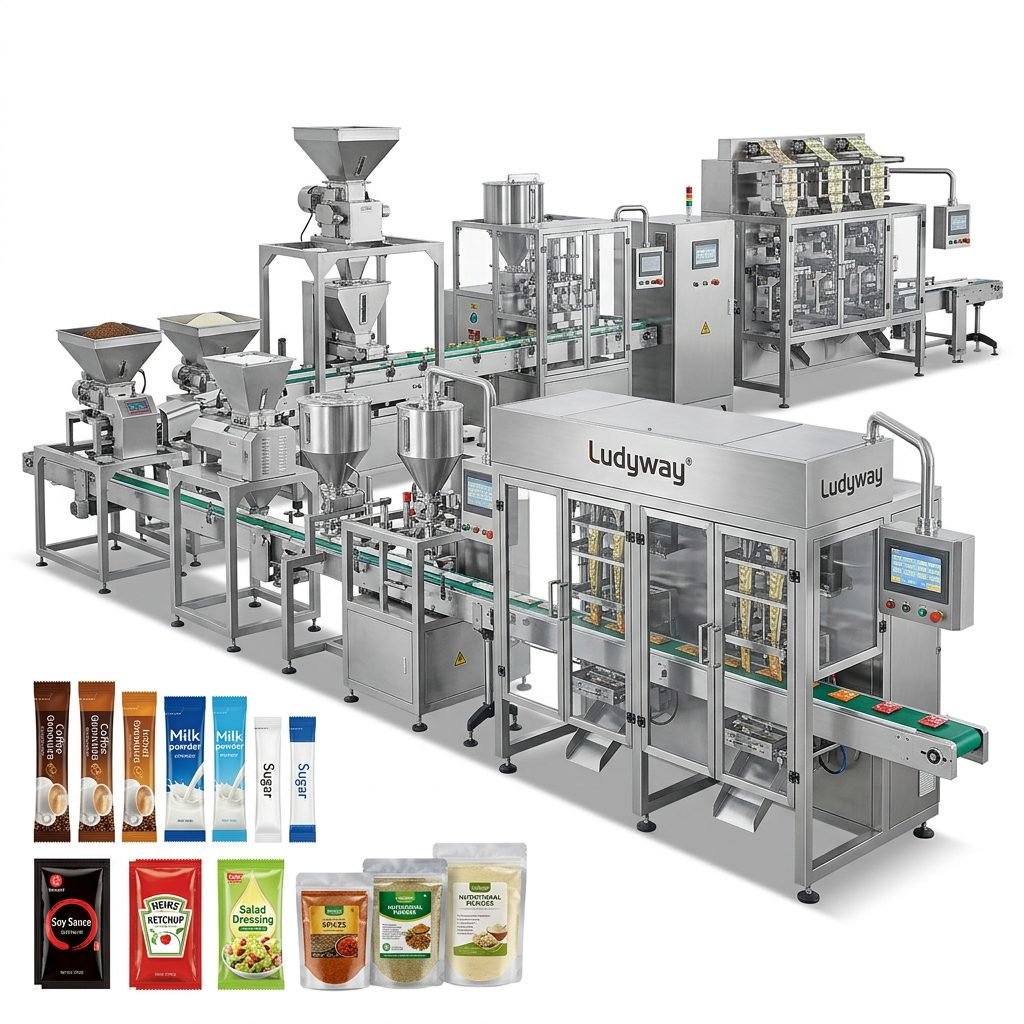
For many manufacturers, the blister machine is only one part of the full packaging process. A well-designed system may also include feeding, counting, vision inspection, leaflet insertion, cartoning, coding, case packing, and palletizing.
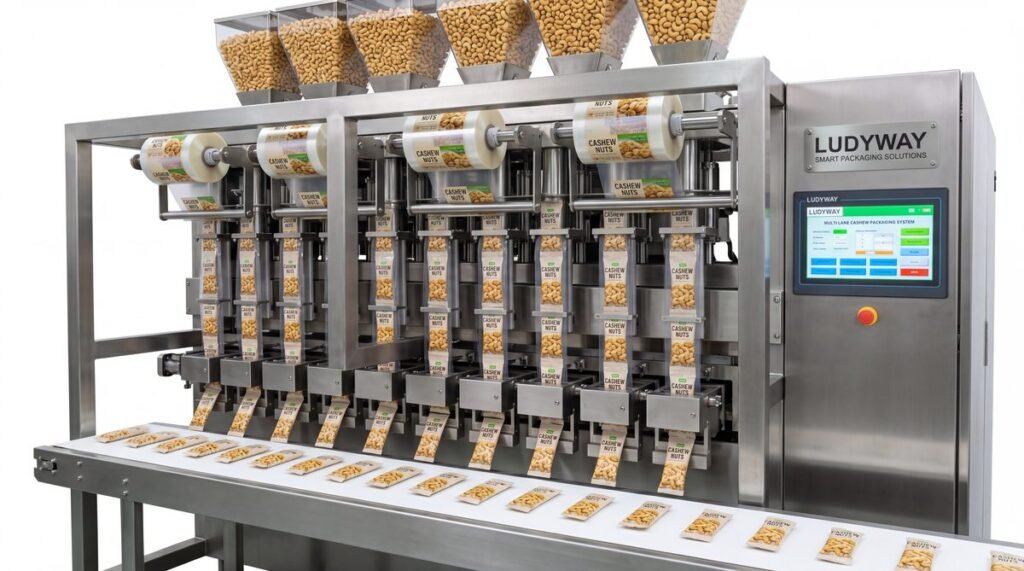
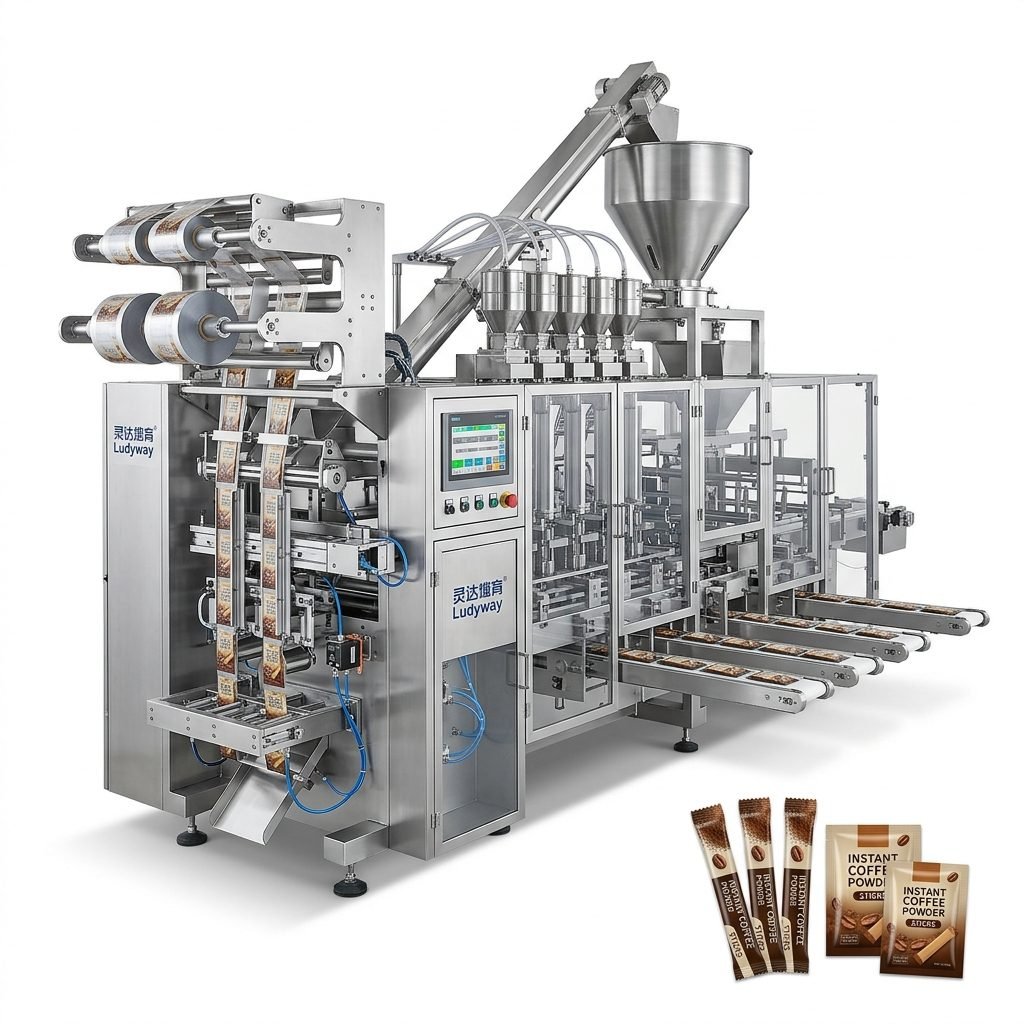
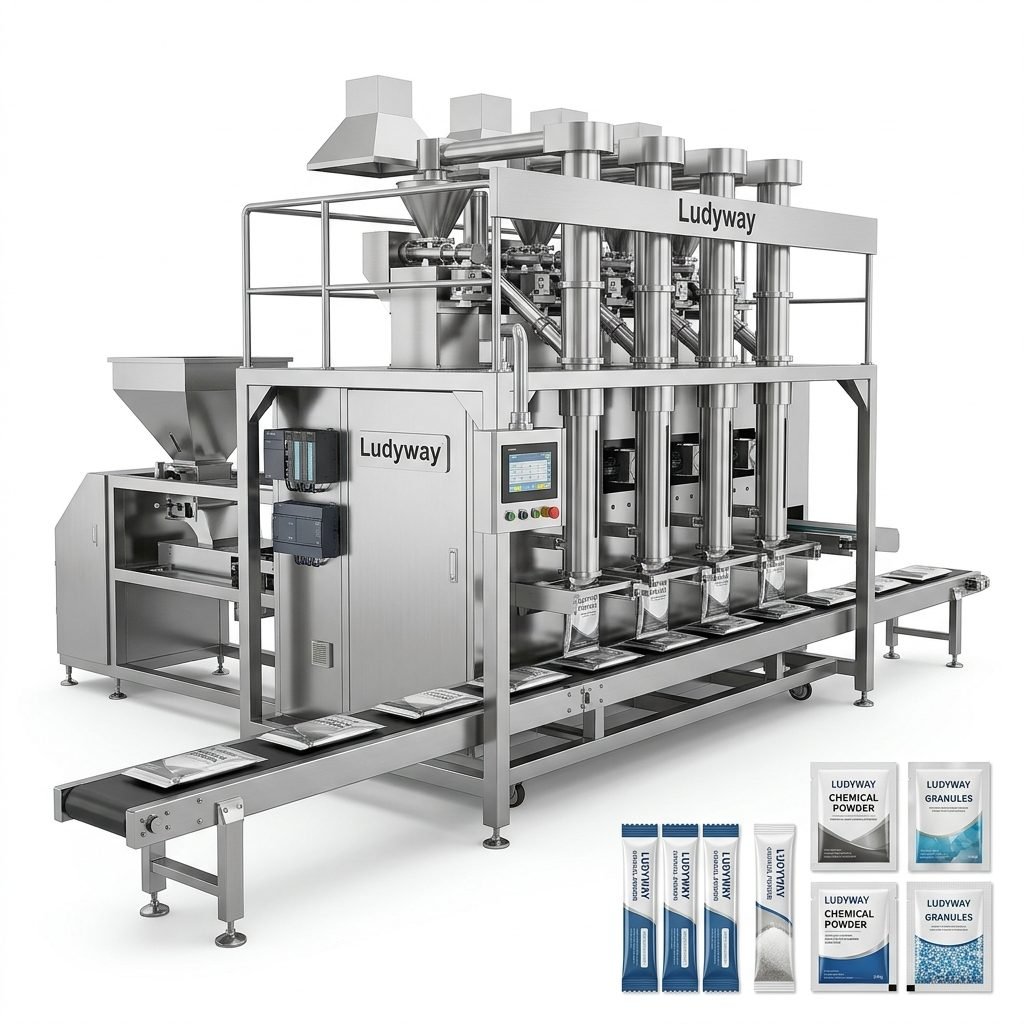
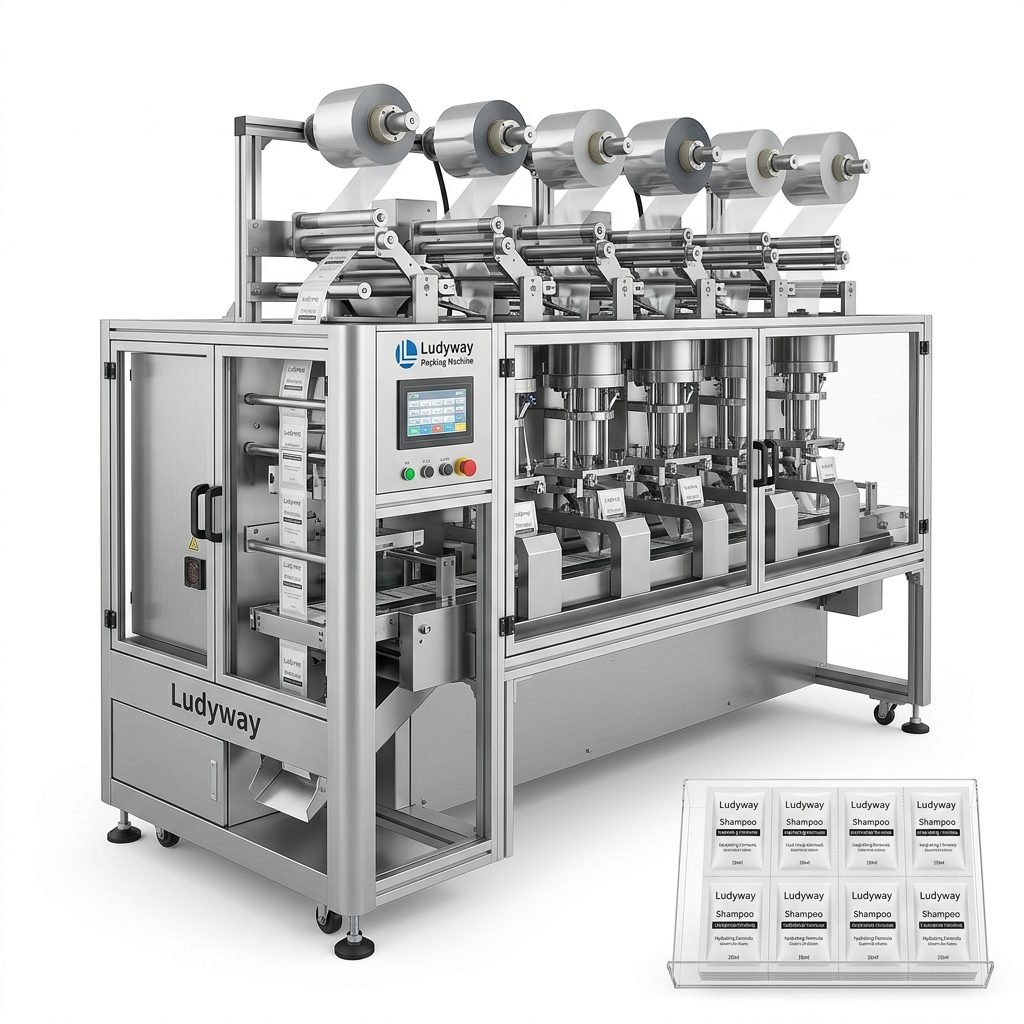
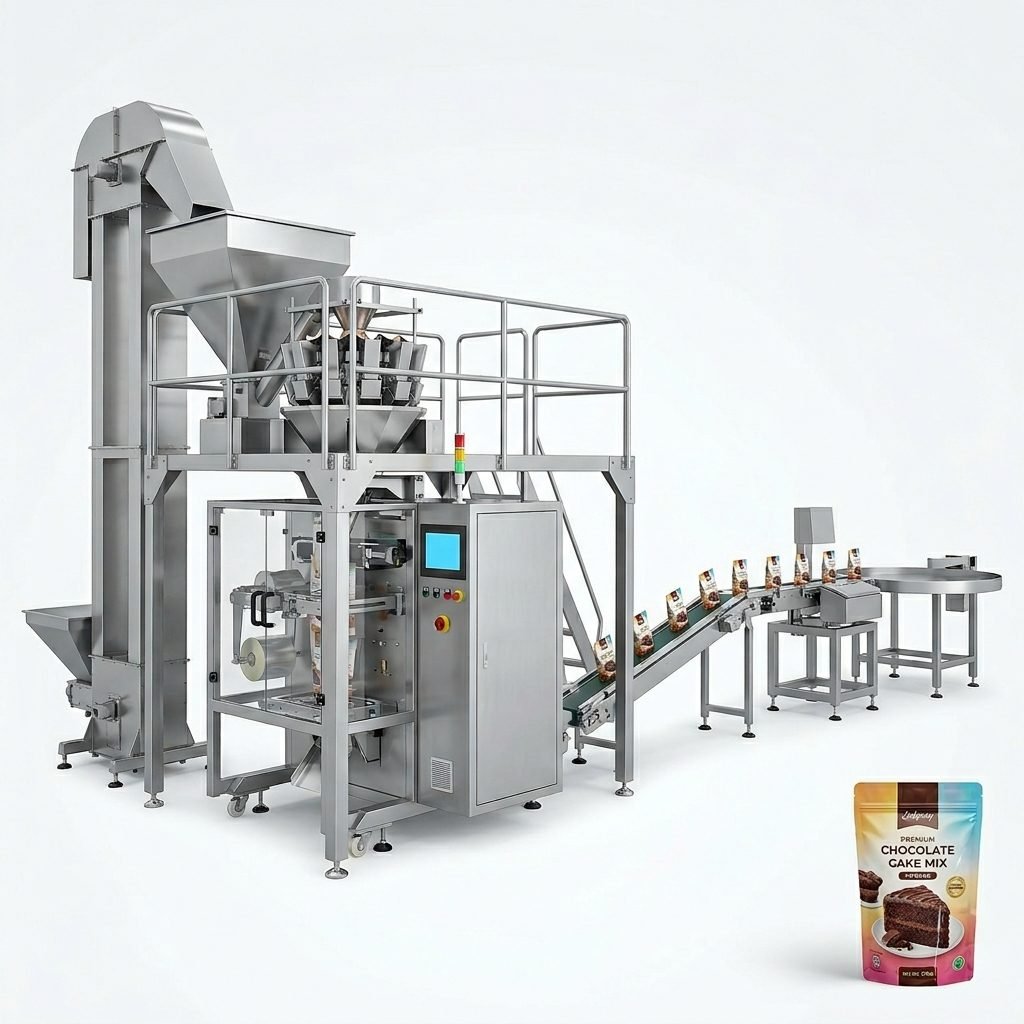
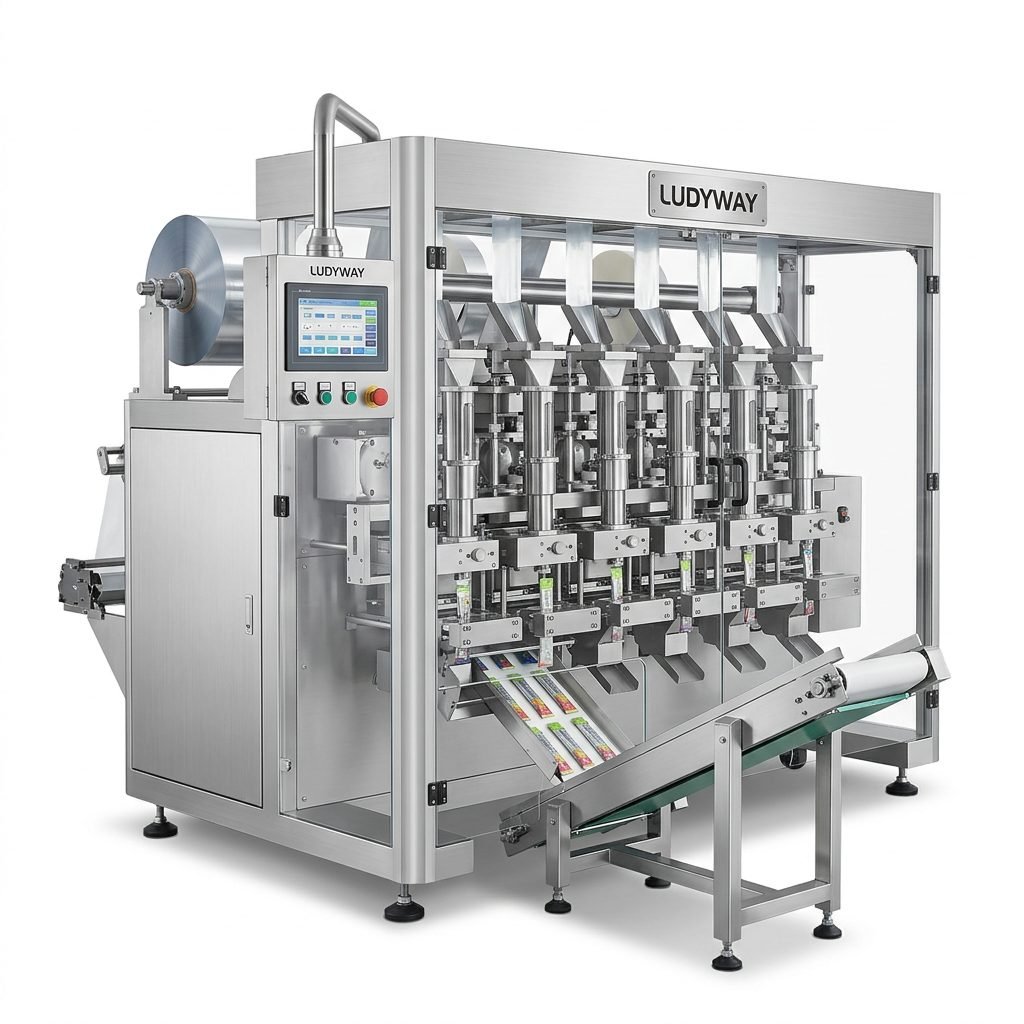
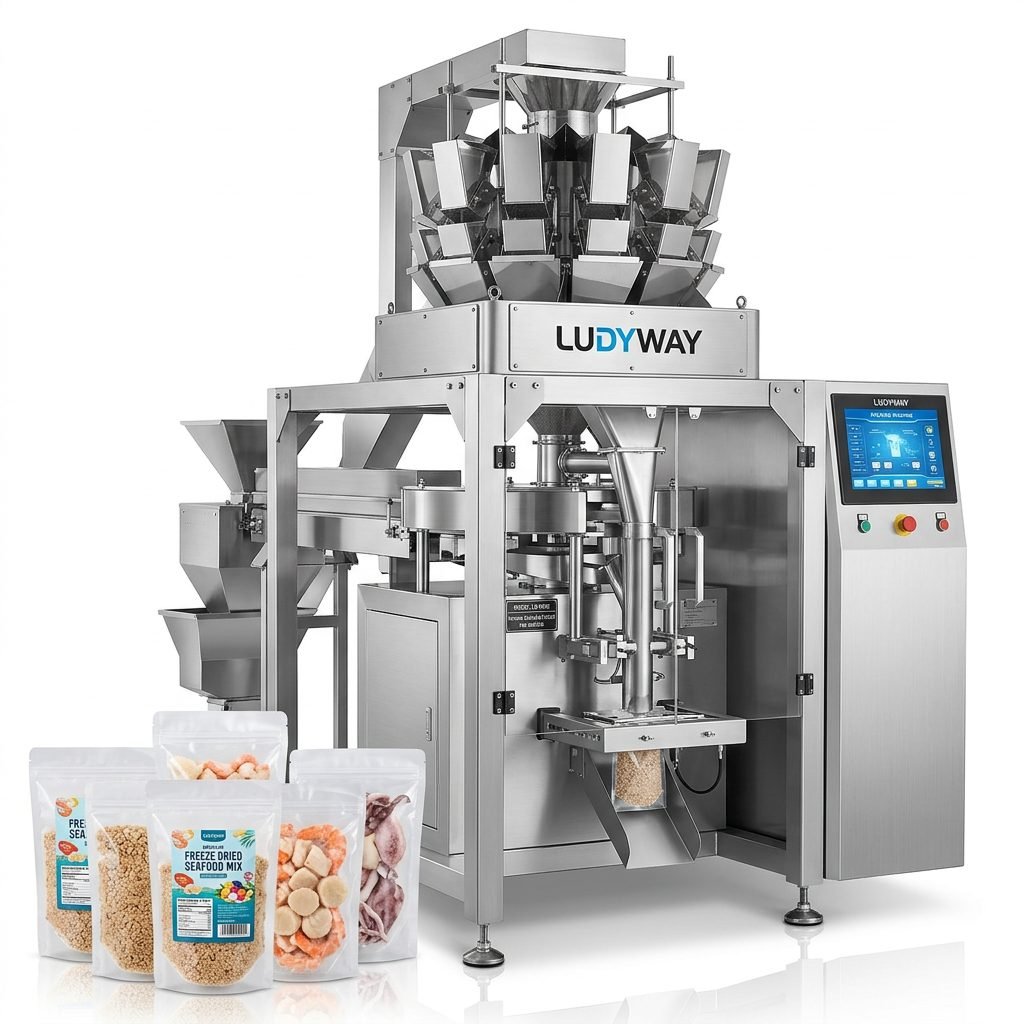
Working with an experienced packaging line supplier can simplify installation, improve line compatibility, and reduce commissioning time. For businesses seeking broader automation support, Ludyway packaging machine solutions can be considered for standalone equipment as well as complete turnkey packaging line planning across food, pharmaceutical, health supplement, and related applications.
Questions to Ask a Supplier Before Ordering
- What products and blister formats has this machine already run successfully?
- What is the real production speed under normal factory conditions?
- Can the machine handle future SKU expansion?
- How long does format changeover take?
- What spare parts are included with delivery?
- Is remote technical support available?
- Can the supplier provide FAT, SAT, and validation documents if needed?
- What local voltage, air, and installation requirements are needed?
FAQ About Vacuum Blister Packaging Machines
Is a vacuum blister packaging machine only for pharmaceuticals?
No. It is widely used in pharmaceuticals, medical products, food, cosmetics, electronics, and retail consumer goods.
What is the difference between blister packaging and vacuum skin packaging?
Blister packaging forms cavities to hold products, while vacuum skin packaging draws film tightly over the product and backing card. They are related but used for different presentation and protection needs.
Can one machine run different blister sizes?
Yes, many machines support multiple formats through mold and tooling changes. The ease of changeover depends on the machine design.
What products benefit most from this packaging method?
Products that need visibility, protection, hygienic sealing, tamper evidence, or unit organization are strong candidates.
How do I improve packaging efficiency?
Choose the correct automation level, use compatible materials, reduce changeover complexity, maintain the machine properly, and consider integrating inspection and secondary packaging modules.
Final Buying Insight
A vacuum blister packaging machine can deliver higher packaging speed, cleaner presentation, stronger product protection, and better production consistency when matched correctly to your application. The most successful investment decisions come from evaluating the full process: product characteristics, packaging materials, compliance needs, output goals, and long-term scalability.
If your business is aiming to improve packaging efficiency while maintaining reliable package quality, a well-configured blister packaging system can become a valuable part of your production strategy.