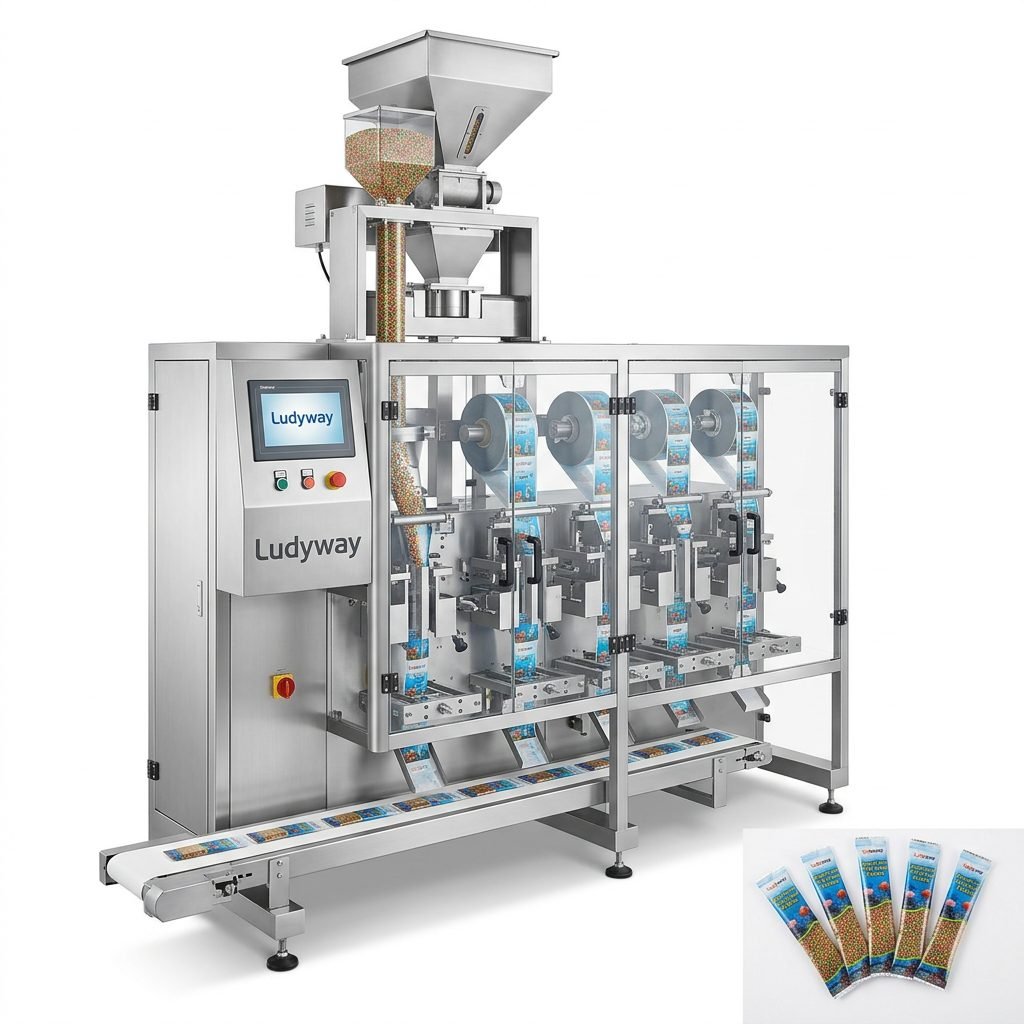
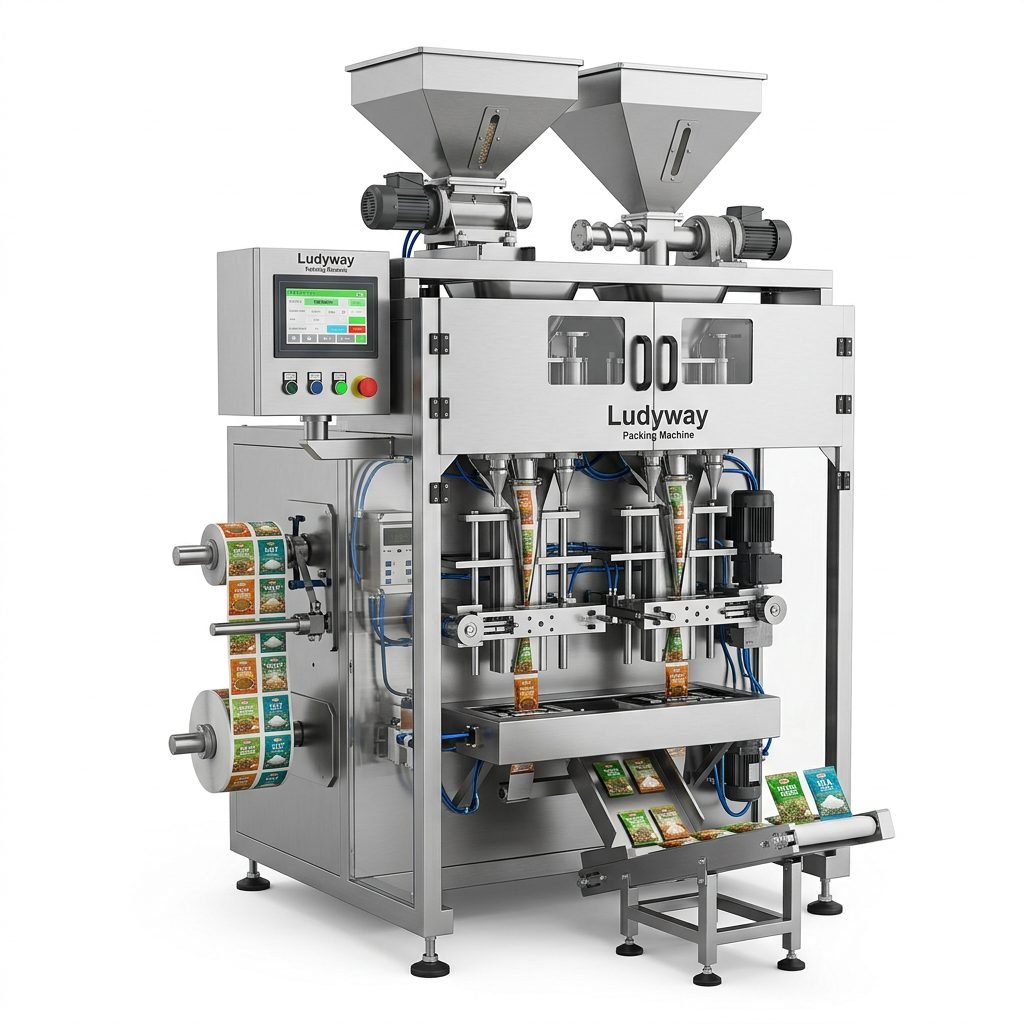
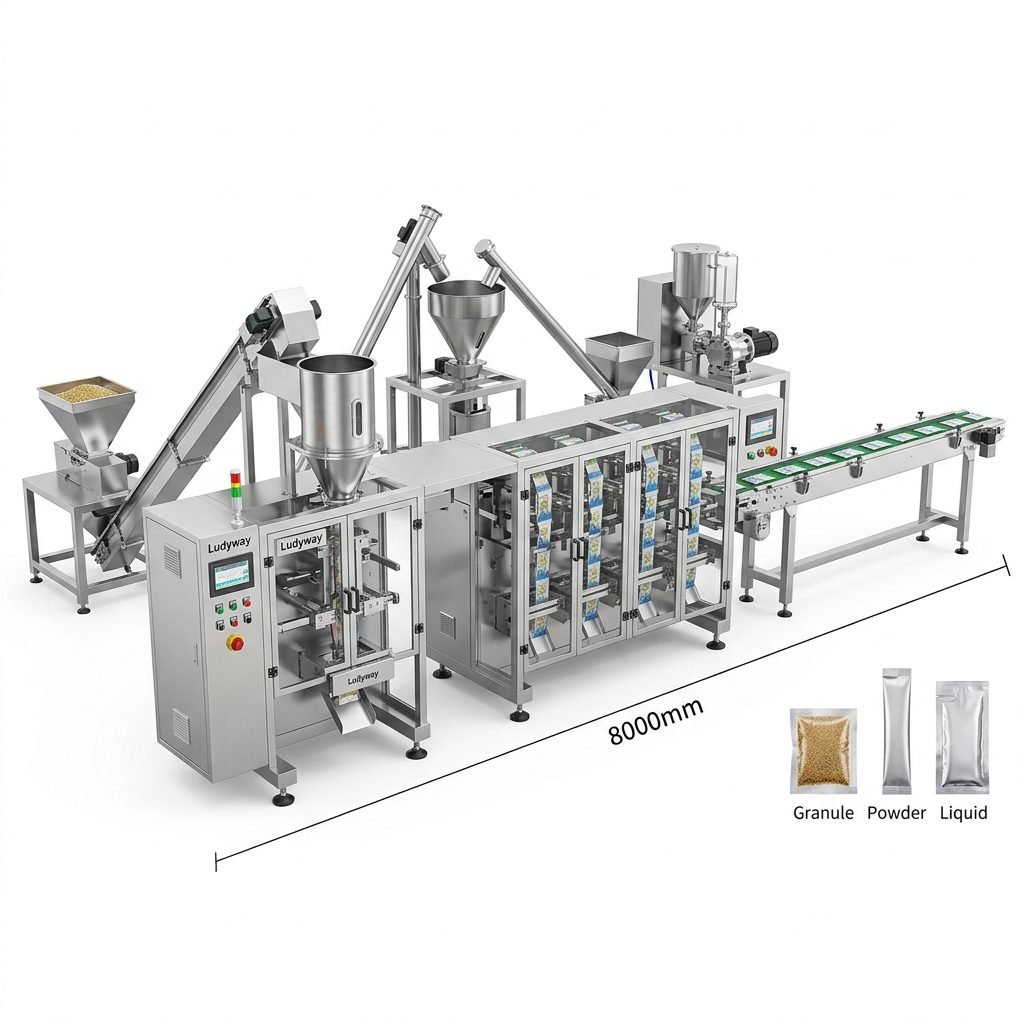
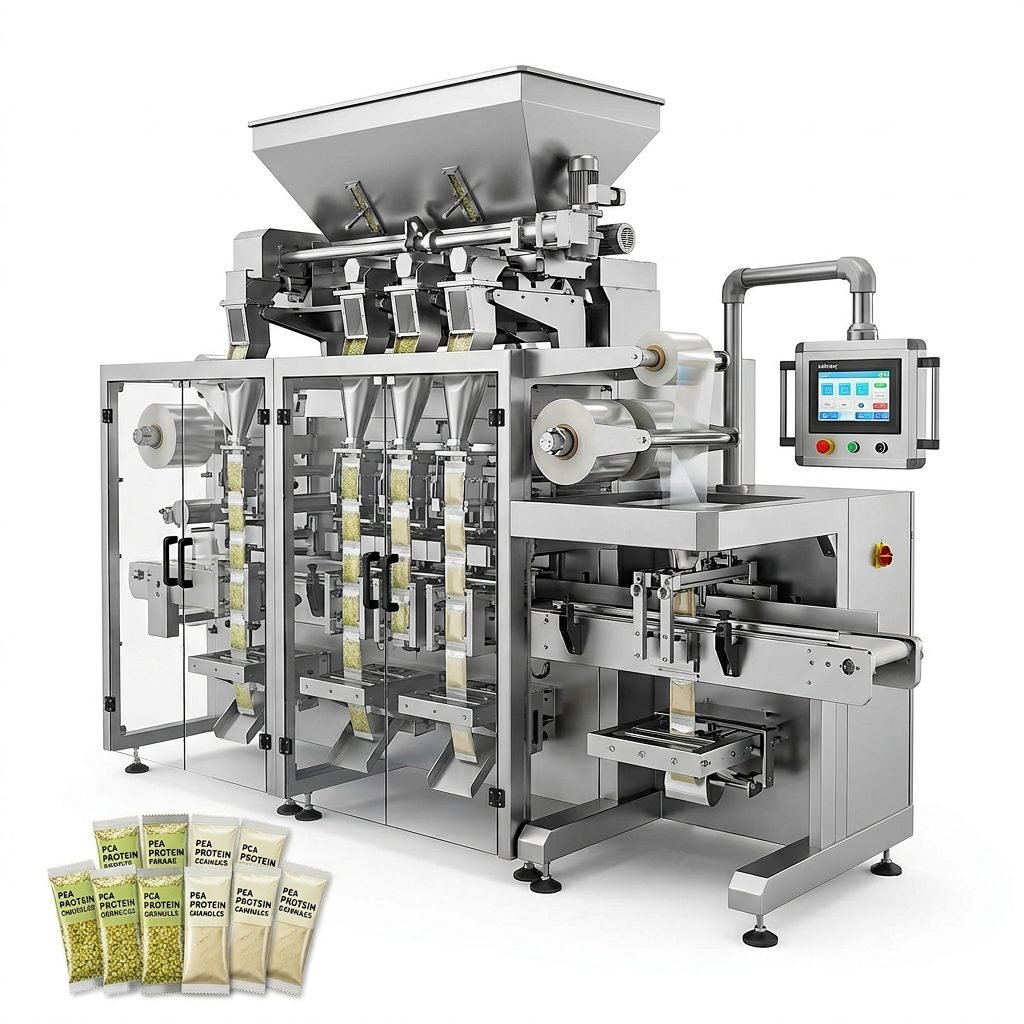
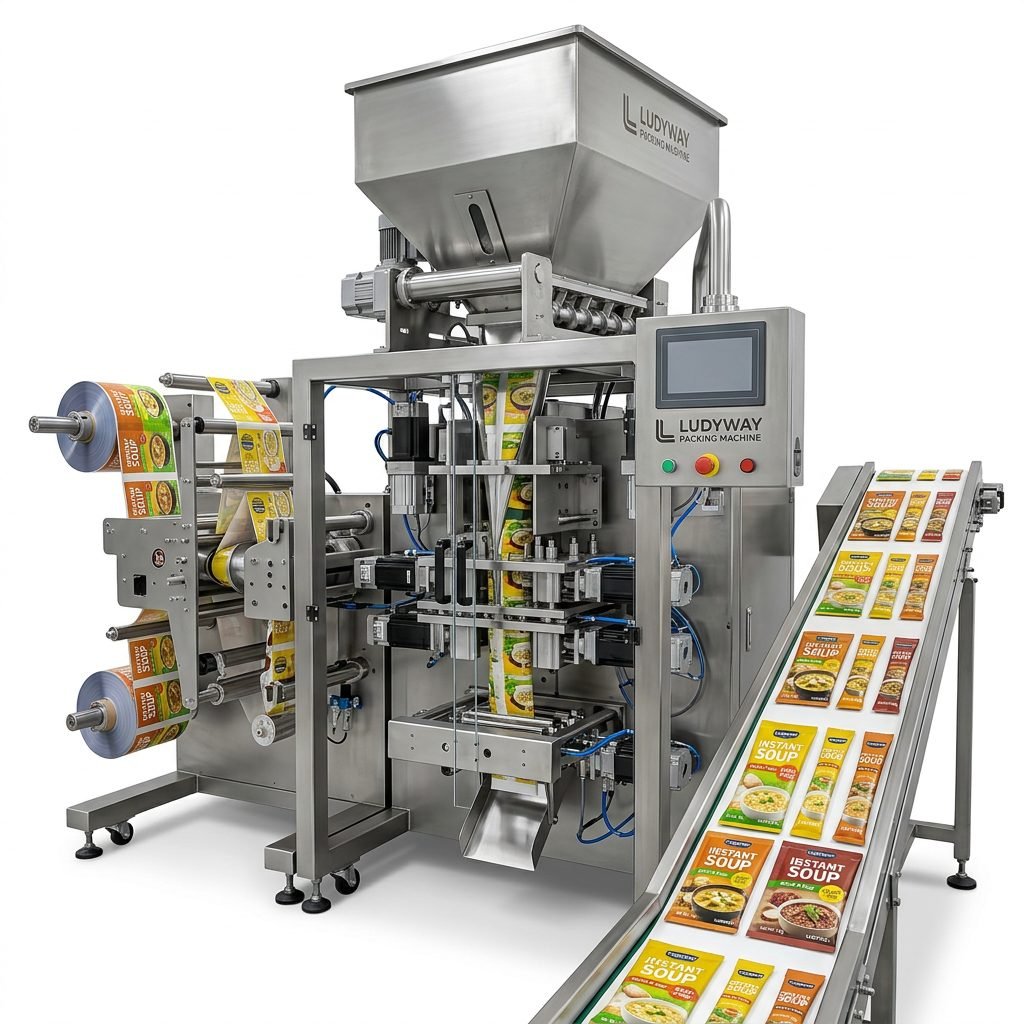
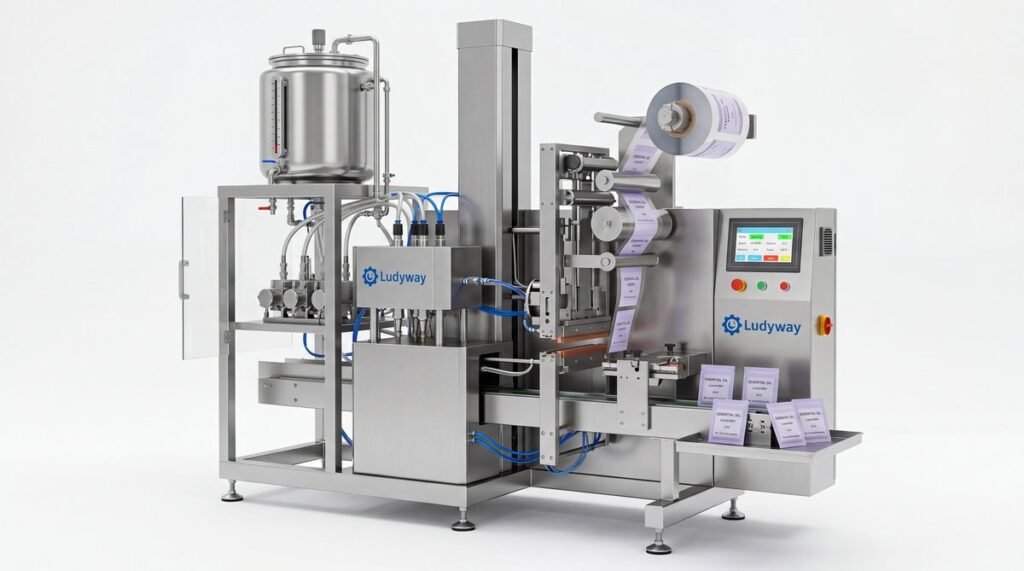
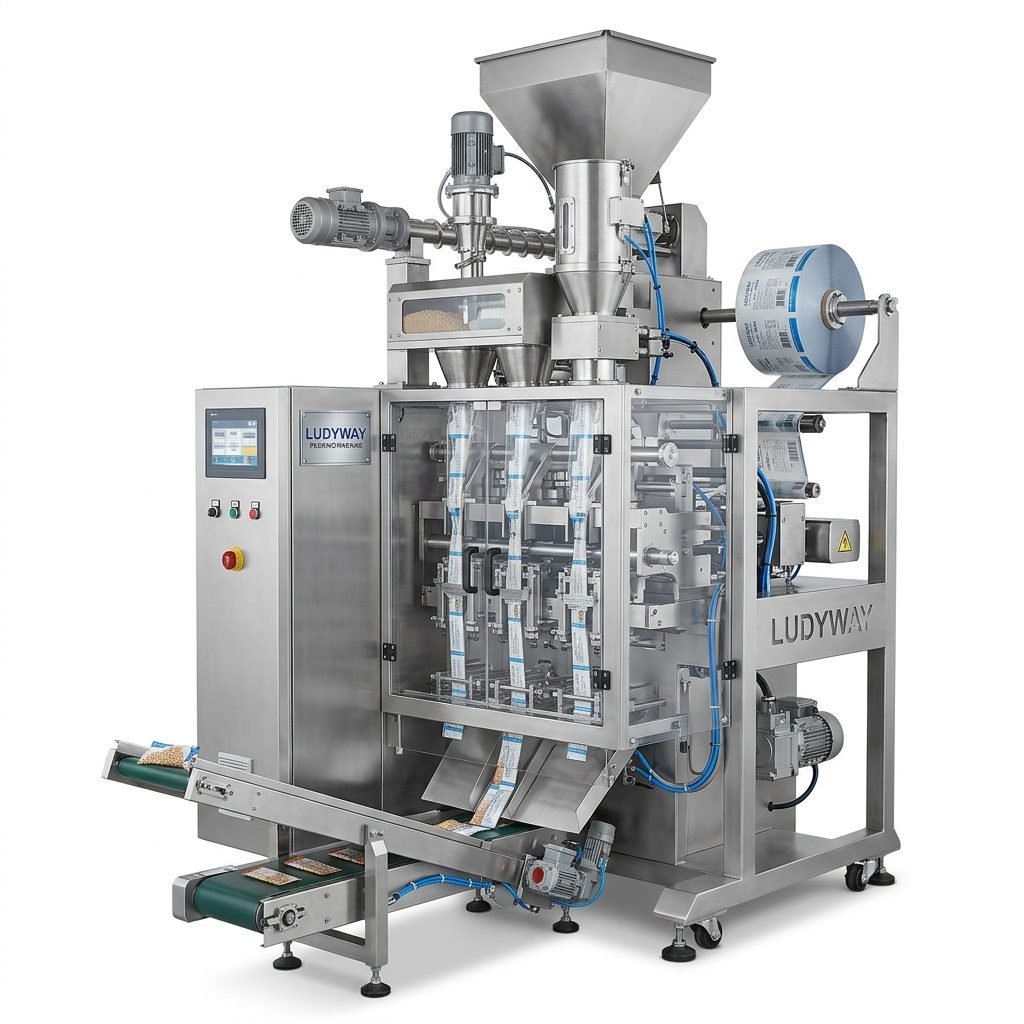
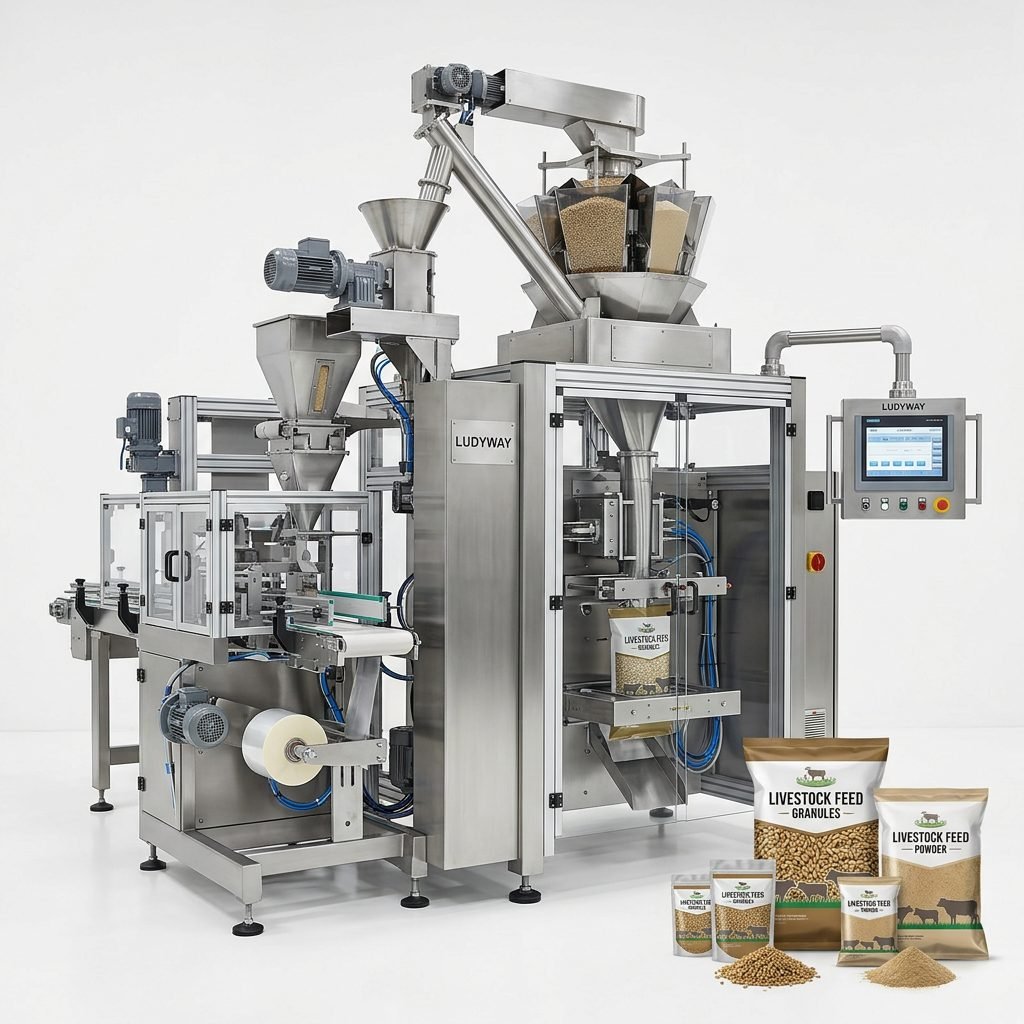
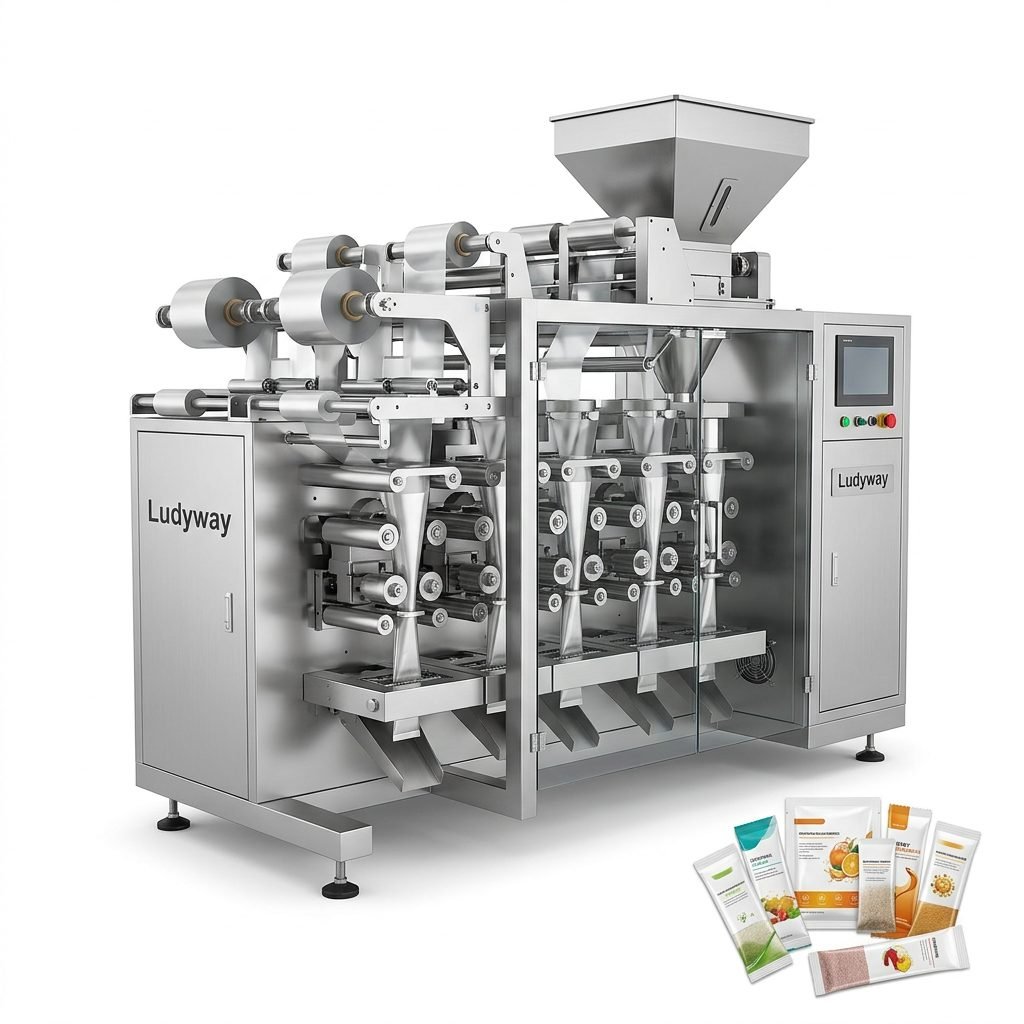
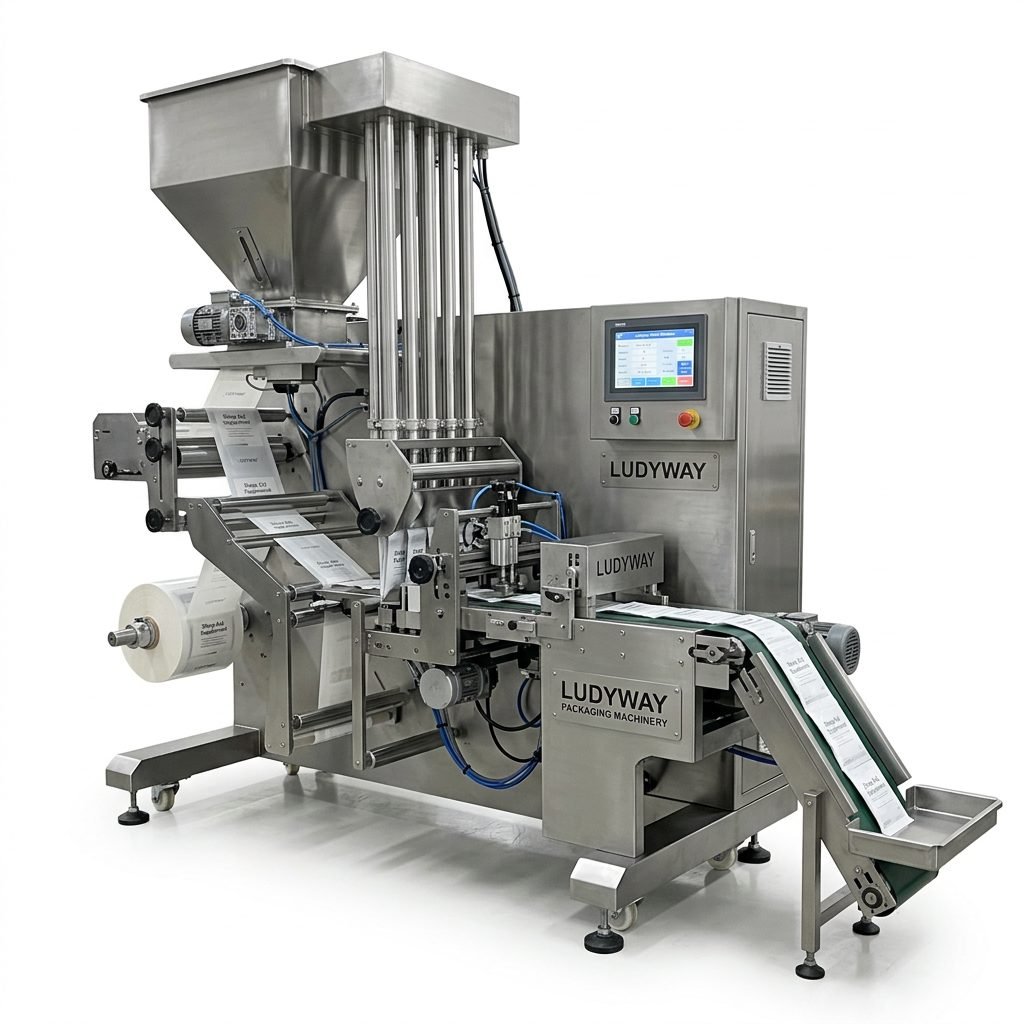
A weighing packaging machine is designed to measure product weight accurately and package it efficiently in bags, pouches, sachets, cartons, or other container formats. It is widely used in food, pharmaceutical, chemical, animal feed, and daily-use product industries where consistent fill weight, lower waste, and production speed directly affect profitability.
Whether you package grains, powders, granules, snacks, pet food, tablets, or specialty materials, the right system can help improve throughput, reduce giveaway, and support better packaging quality across the line.
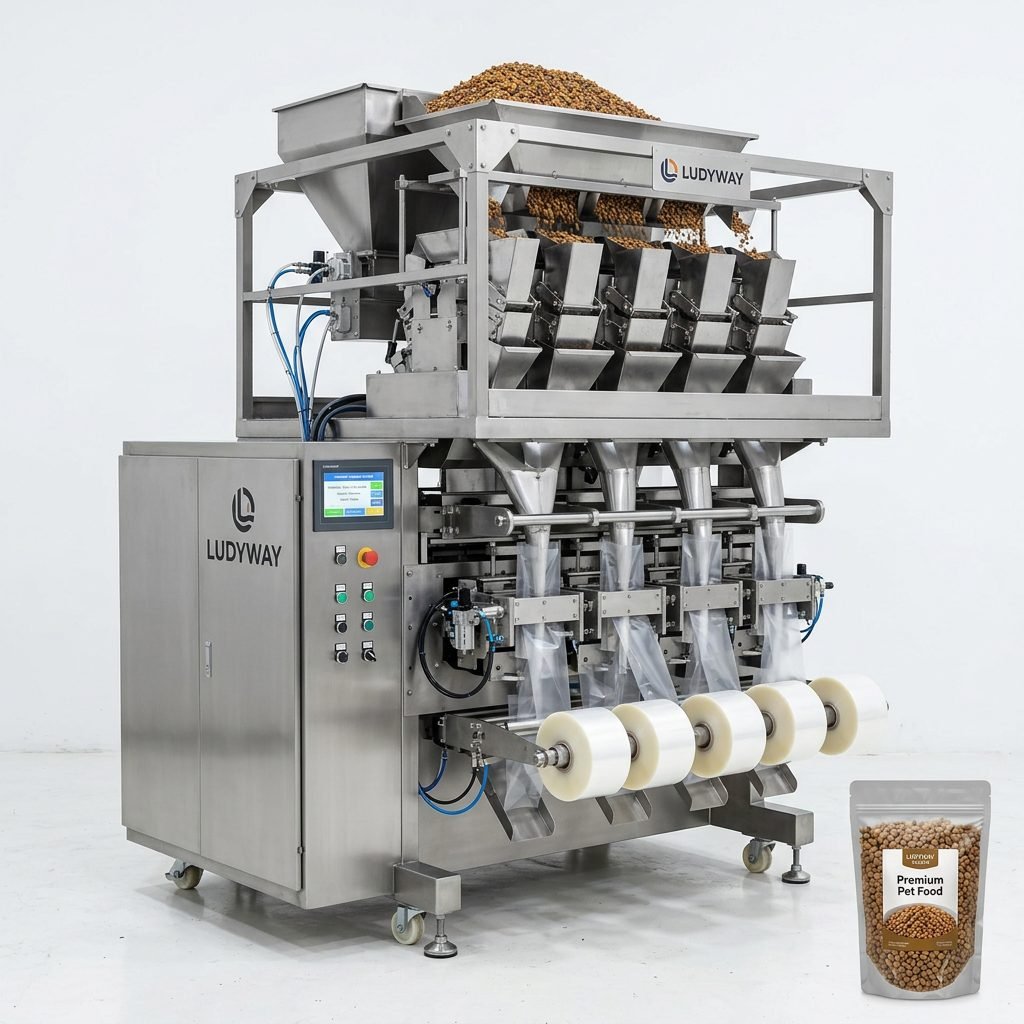
What Is a Weighing Packaging Machine?
A weighing packaging machine is an automated system that combines weighing, filling, and packaging into one coordinated process. The machine first calculates the required product weight, then dispenses the material into the chosen package format, and finally completes sealing or transfer to the next packaging step.
Depending on the product and package style, the machine may work with:
- Multi-head weighers for granules and snacks
- Linear weighers for free-flowing products
- Auger fillers for powders
- Net weighers for larger bagging applications
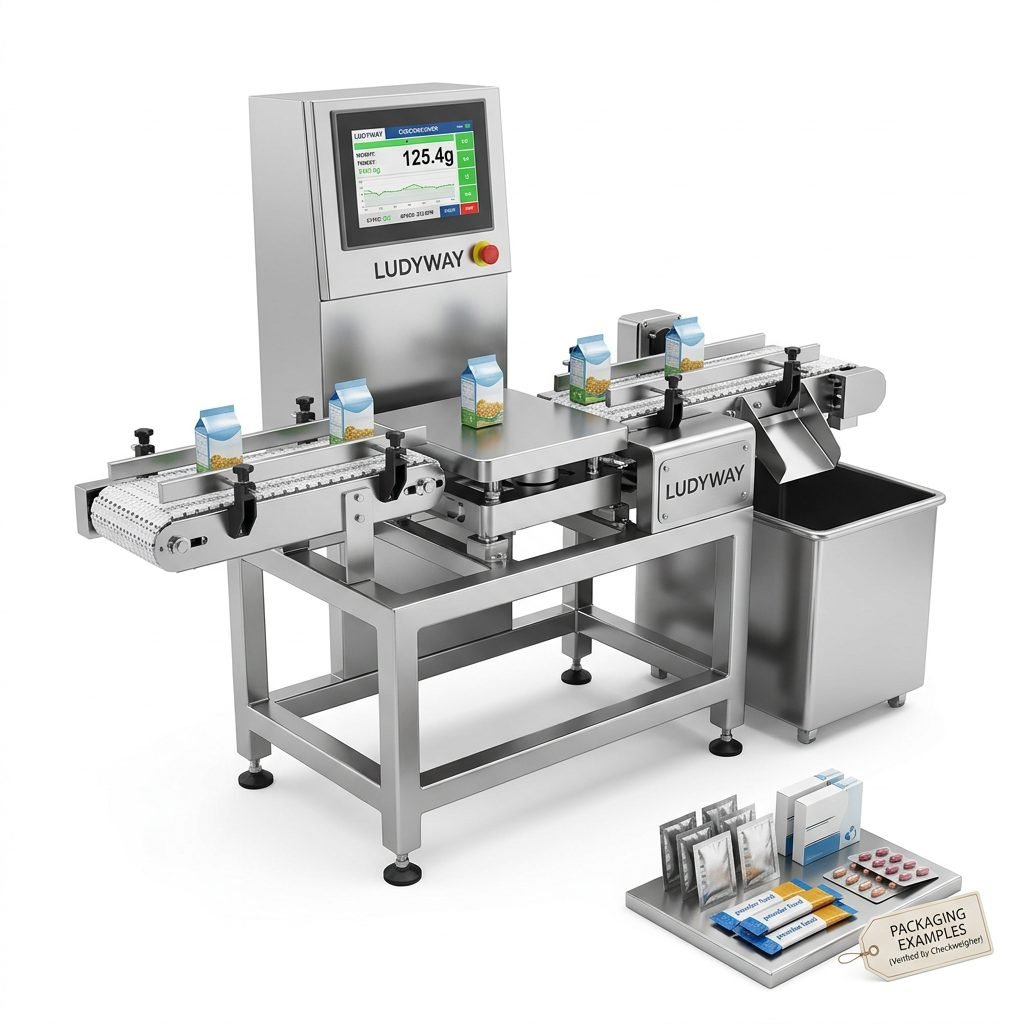
- Checkweighers for final weight verification
How a Weighing Packaging Machine Works
While machine structures vary, the operating logic is generally similar. The process is built around accurate product handling and synchronized packaging control.
- Product feeding: Raw material is delivered from a hopper, bucket elevator, screw feeder, or conveyor into the weighing section.
- Weight calculation: Sensors and weighing units measure product portions according to the preset target weight.
- Discharge and filling: Once the target is reached, the machine releases the product into a bag, pouch, bottle, carton, or forming package.
- Sealing or closing: The package is heat sealed, capped, stitched, or otherwise closed depending on the packaging type.
- Inspection and output: Optional checkweighing, metal detection, coding, labeling, cartoning, or palletizing can be added downstream.
Core Components
- Product hopper or storage bin
- Feeding device
- Weighing module
- Packaging unit
- PLC and touch screen controls
- Sensors and rejection system
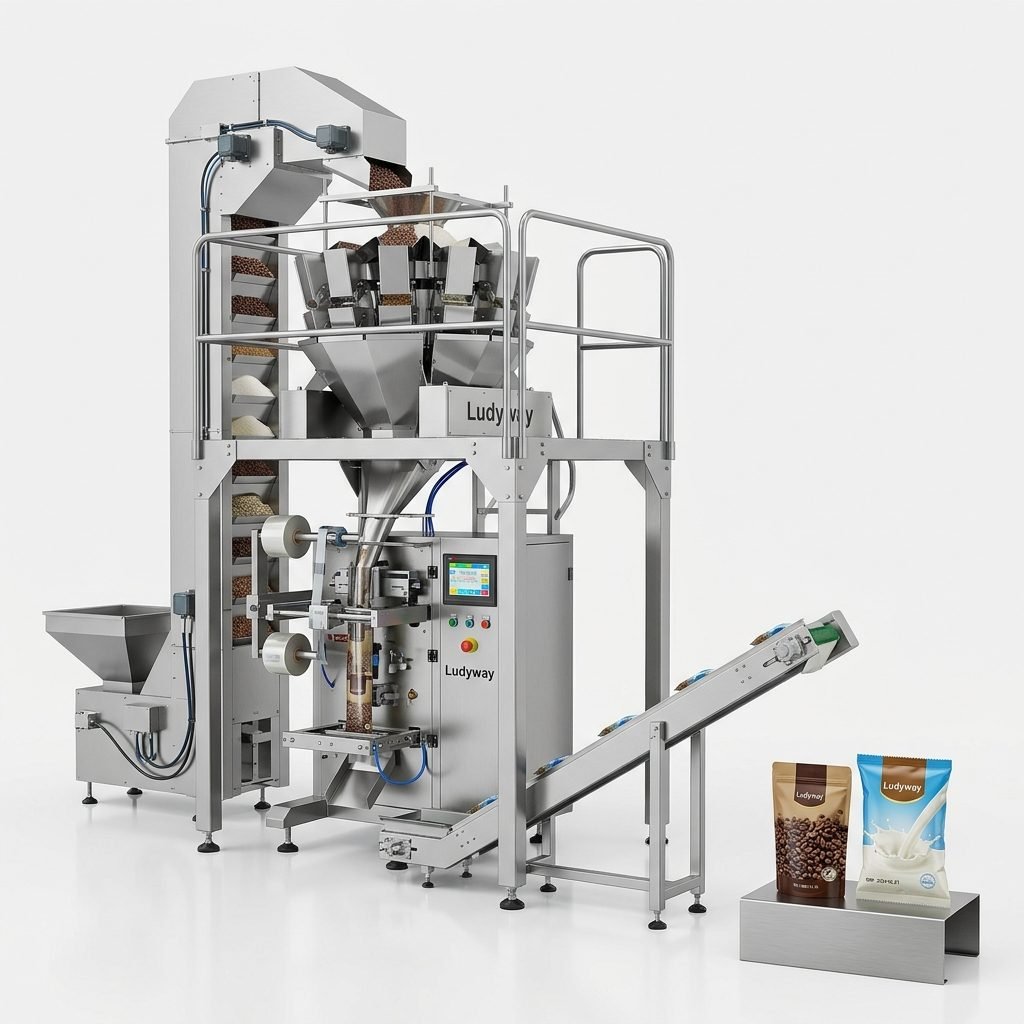
Main Types of Weighing Packaging Machines
| Machine Type | Best For | Typical Products |
|---|---|---|
| Multi-head weigher packaging machine | High-speed, high-accuracy applications | Snacks, nuts, frozen food, candy, pet food |
| Linear weigher packaging machine | Simple free-flowing granules | Rice, beans, sugar, seeds |
| Auger weighing and filling machine | Powder dosing | Milk powder, protein powder, seasoning, pharmaceuticals |
| Net weigh bagging machine | Medium to large bags | Feed, fertilizer, grains, industrial powders |
| Checkweigher-integrated line | Final weight verification | Food, pharma, retail packs |
Benefits of Using a Weighing Packaging Machine
1. Better Weight Accuracy
Accurate weighing helps reduce underfilling and overfilling. This is especially important for businesses that sell by net weight or must meet strict compliance standards.
2. Reduced Product Waste
Even small overfill percentages can create significant losses over time. A properly configured system minimizes giveaway and protects margins.
3. Higher Packaging Speed
Automated weighing and filling can handle much higher output than manual operations, making it easier to scale production and meet large orders.
4. Improved Product Consistency
Consistent fill weight improves brand presentation, customer satisfaction, and packing line stability.
5. Lower Labor Dependence
Automation reduces repetitive manual work and helps factories manage labor costs more efficiently.
6. Easier Line Integration
Modern machines can integrate with feeders, conveyors, date coders, checkweighers, metal detectors, cartoners, and palletizing systems for a more complete production flow.
Industries That Commonly Use Weighing Packaging Machines
- Food industry: rice, coffee, snacks, seasoning, sugar, frozen foods, dried fruits
- Pharmaceutical industry: granules, powders, sachets, tablets, capsules
- Health supplement industry: collagen powder, electrolyte mixes, protein powder, vitamin granules
- Chemical industry: detergents, additives, powders, granules
- Animal nutrition industry: pet food, feed premix, feed pellets, supplements
How to Choose the Right Weighing Packaging Machine
Choosing the correct machine depends on more than just target speed. You need to match the machine to your product behavior, packaging format, and production goals.
Evaluate Your Product Characteristics
- Is the product powder, granule, liquid, or irregular solid?
- Is it free-flowing, sticky, fragile, dusty, or hygroscopic?
- Does it require gentle handling?
Define Packaging Format
- Pillow bags
- Gusset bags
- Premade pouches
- Stick packs or sachets
- Bottles, jars, or bulk bags
Consider Required Accuracy and Speed
If your production line requires very high speed with retail-sized packs, a multi-head weighing solution may be the best fit. For powder dosing, auger-based systems are often more suitable.
Check Automation Level
Some businesses only need a standalone weigher and bagger. Others need a full line with feeding, weighing, filling, sealing, coding, inspection, cartoning, and palletizing.
Look at Cleaning and Maintenance Needs
For food, pharmaceutical, or fine powder applications, easy cleaning and hygienic design are critical. Ask about contact part materials, changeover time, and dust control.
Think About Future Expansion
A scalable machine can support new package sizes, recipe changes, and larger production volumes as your business grows.
| Selection Factor | Why It Matters |
|---|---|
| Product type | Determines the feeding and weighing method |
| Pack size range | Affects machine structure and dosing setup |
| Output requirement | Influences machine model and lane quantity |
| Accuracy target | Impacts cost, control system, and weighing technology |
| Factory layout | Determines machine footprint and line integration |
| Compliance needs | Important for food safety and pharmaceutical standards |
Common Buying Mistakes to Avoid
- Choosing by price alone instead of total performance
- Ignoring product flow characteristics during machine selection
- Underestimating future capacity requirements
- Skipping line integration planning
- Not confirming after-sales support, spare parts, and training
Why Turnkey Line Compatibility Matters
In many factories, weighing is only one part of the full packaging process. A well-designed system should connect smoothly with upstream feeding equipment and downstream packing equipment. This reduces transfer loss, stabilizes output, and improves overall equipment efficiency.
For buyers looking for integrated solutions, Ludyway weighing packaging machine solutions can be considered as part of a broader turnkey packaging line strategy for food, pharmaceutical, health supplement, chemical, and related industries.
Maintenance Tips for Long-Term Performance
- Calibrate weighing units regularly
- Clean hoppers, contact parts, and discharge channels on schedule
- Inspect load cells and sensors for drift or damage
- Check sealing quality and filling synchronization
- Replace wear parts before they affect accuracy
- Train operators on correct parameter setting and changeover procedures
Who Should Invest in a Weighing Packaging Machine?
This type of machine is ideal for manufacturers and contract packers that need:
- Stable fill weight control
- Higher packaging efficiency
- Reduced labor dependence
- Lower raw material giveaway
- Flexible packaging formats
- Scalable automation for future growth
Final Considerations Before Purchase
Before making a final decision, prepare a clear technical brief that includes product samples, target pack sizes, expected output, packaging material details, and workshop conditions. This helps suppliers recommend the right weighing method, machine structure, and automation level.
A suitable weighing packaging machine is not just a filling device. It is a productivity tool that improves accuracy, efficiency, consistency, and cost control across your packaging operation.