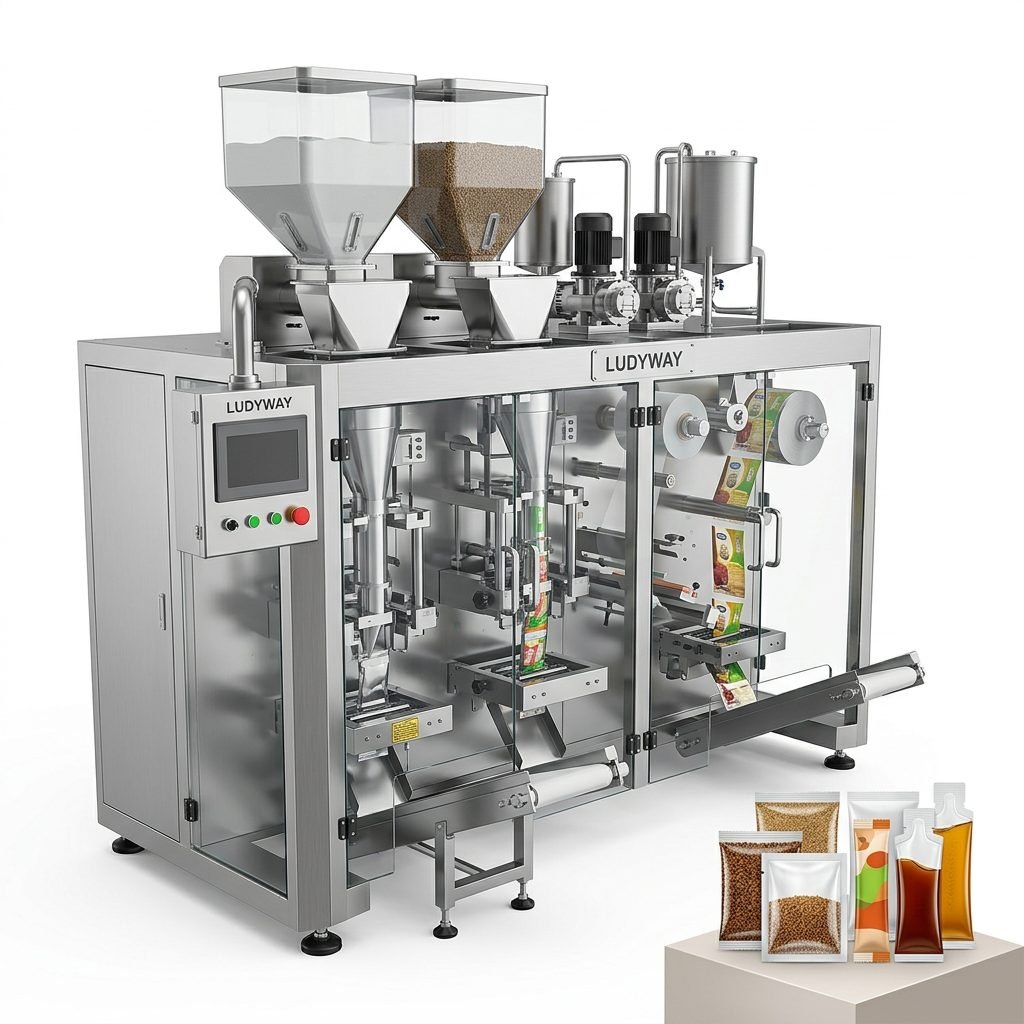
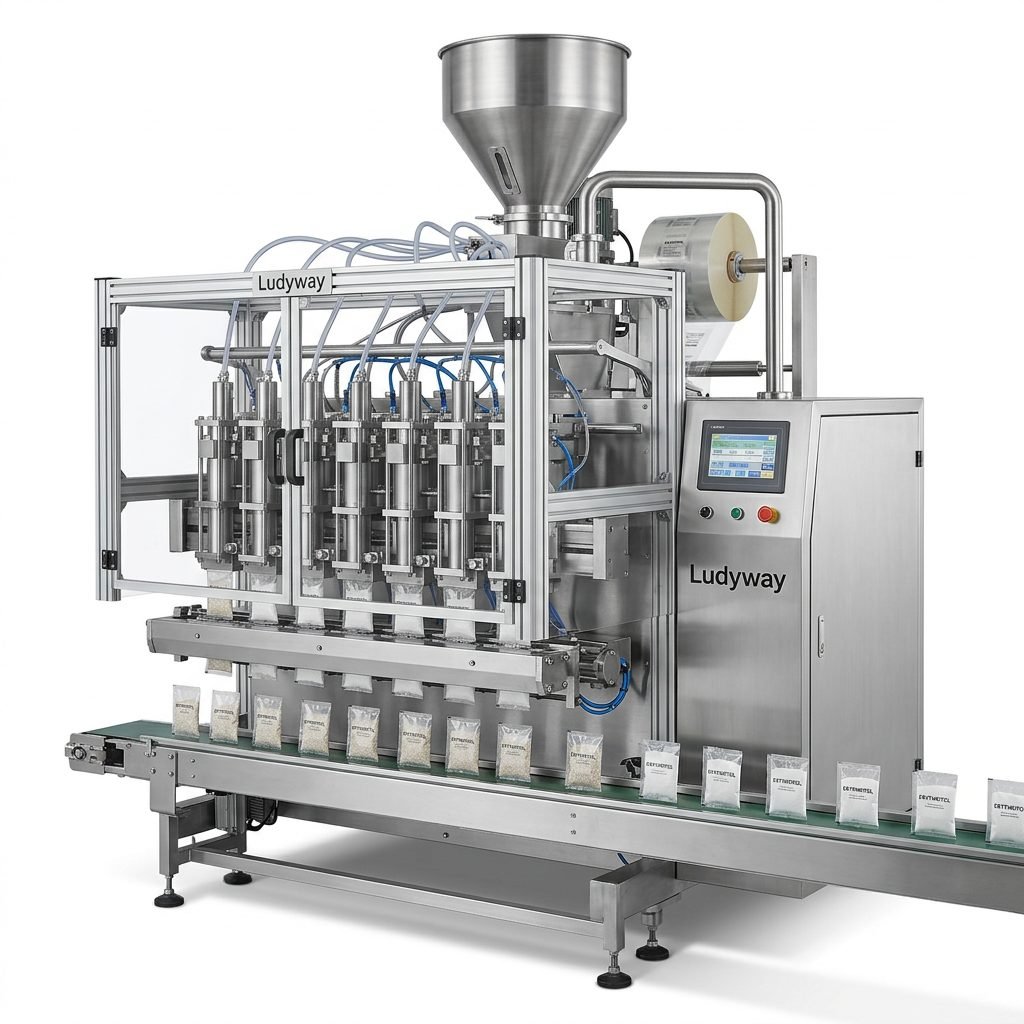
Selecting the right pet food packaging machinery is a critical decision for any manufacturer. The equipment you choose directly impacts production efficiency, product shelf life, packaging appeal, and overall operational costs. With various technologies and configurations available, navigating the options can be complex. This comprehensive guide will explore the primary types of packaging machines, their key features, and provide a structured framework to help you choose the ideal equipment for your specific production needs, ensuring you invest in a solution that drives growth and reliability.
Primary Types of Pet Food Packaging Machinery
The pet food industry utilizes several specialized packaging systems, each suited to different product forms and market requirements.
Vertical Form-Fill-Seal (VFFS) Machines
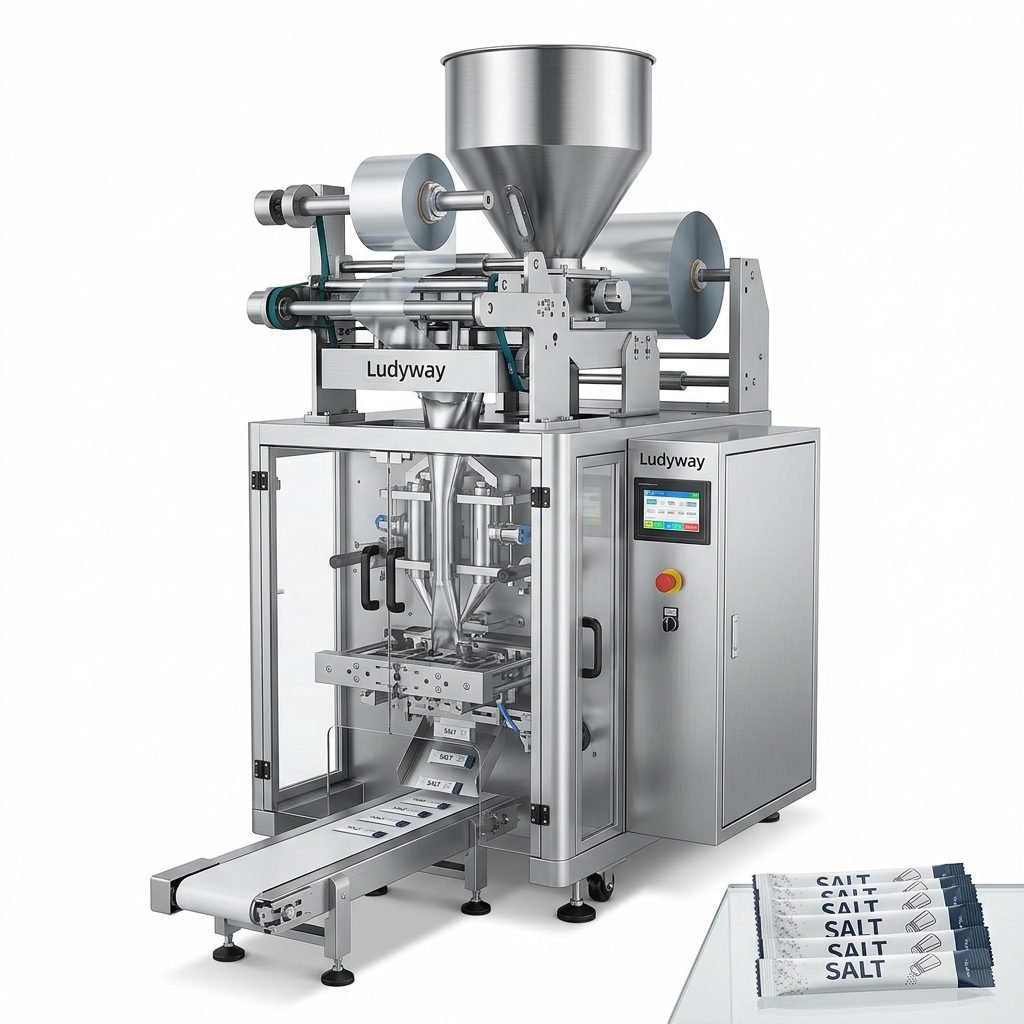
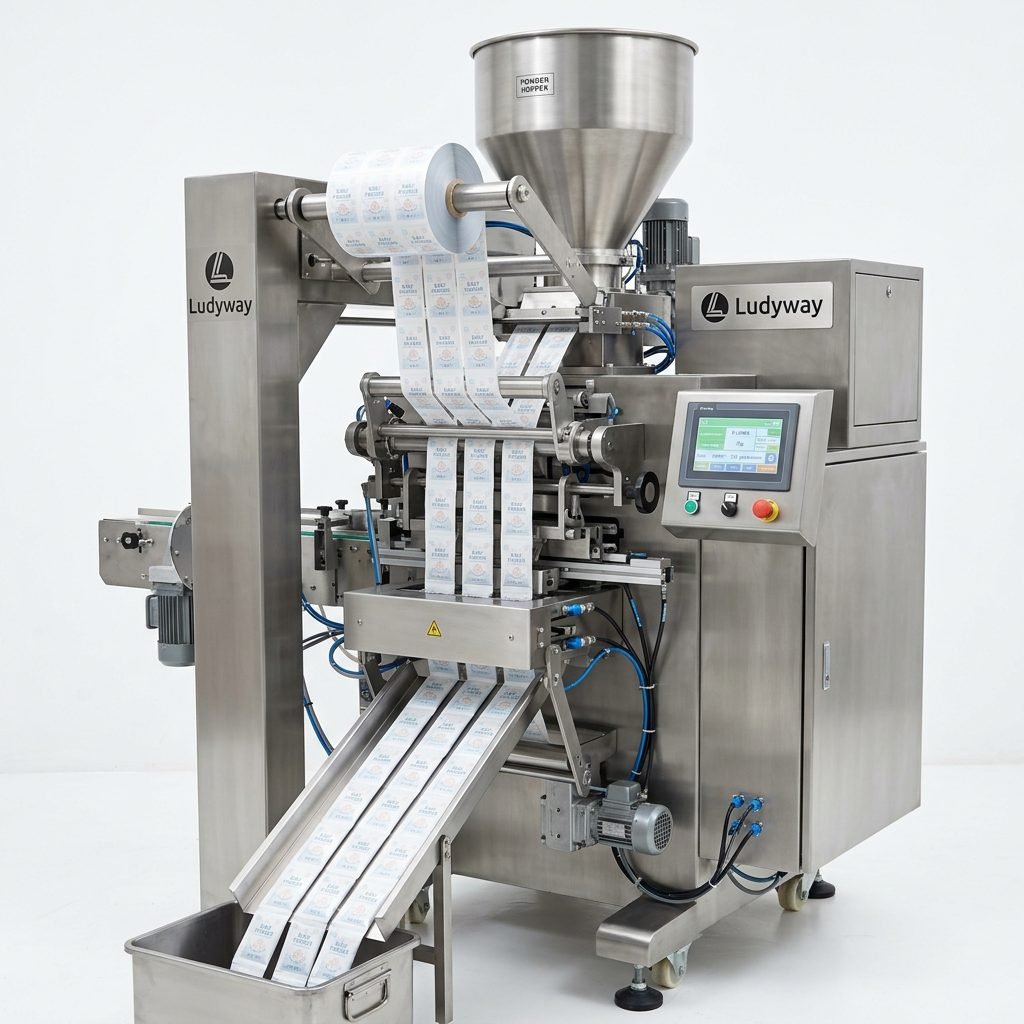
These are the workhorses of dry pet food packaging. A VFFS machine forms a bag from a roll of film, fills it with product, and seals it—all in a continuous vertical process. They are exceptionally versatile and efficient for packaging kibble, dry treats, and semi-moist food into various bag styles like pillow bags, gusseted bags, or stand-up pouches.
✓ Key Advantage: High-speed operation, low film waste, and quick changeover between bag sizes make VFFS machines ideal for large-volume production runs of a single product type.
Horizontal Form-Fill-Seal (HFFS) Machines
HFFS machines are typically used for more rigid structures or multi-pack configurations. The film travels horizontally, and the machine forms trays or cups, fills them, and then seals a lidding film on top. This method is perfect for wet food in trays, portion-controlled treats, or subscription meal kits.
Pre-Made Bag Packers
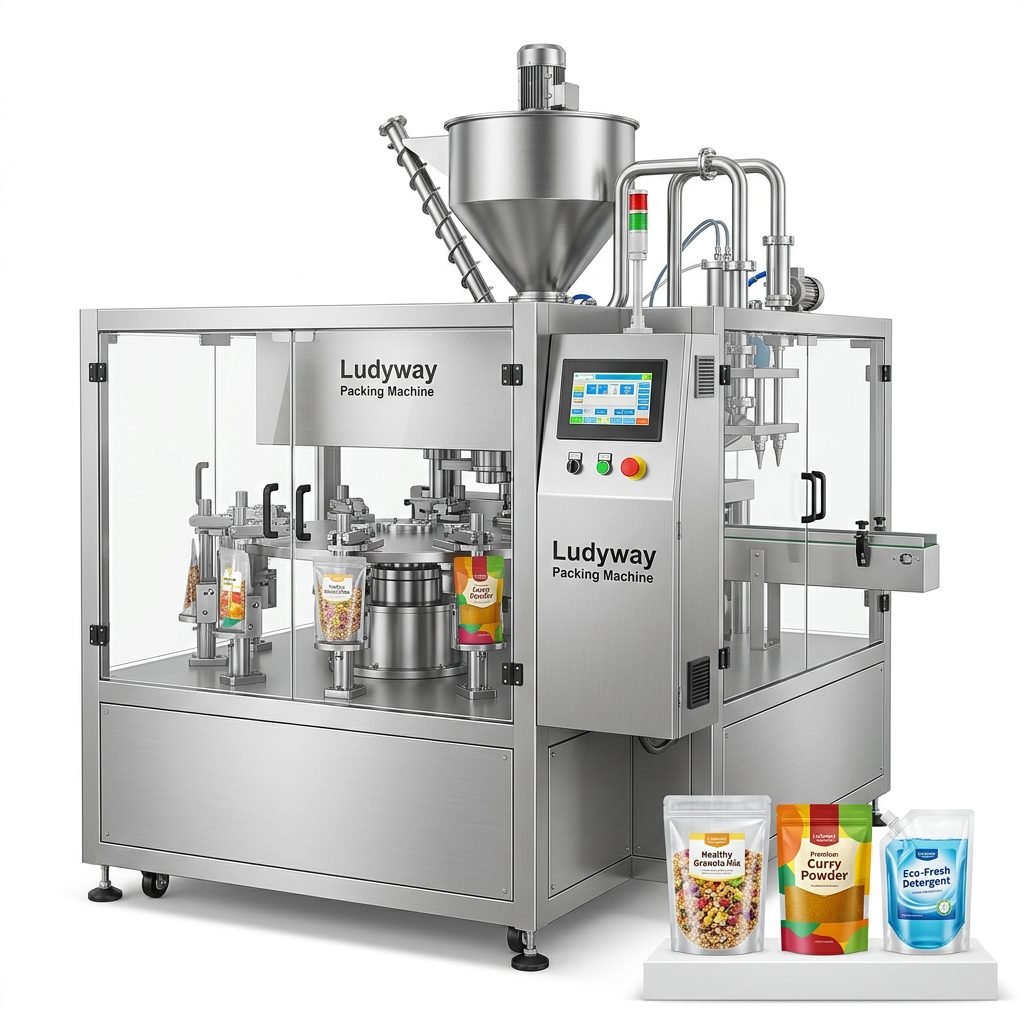
This system uses bags that are already manufactured (pre-made pouches, stand-up zipper bags, etc.). The machine opens the bag, feeds it to the filling station, fills it with product, and then seals it. It offers superior graphic presentation and premium feel, often used for high-end treats, small-batch artisanal food, or products requiring complex bag features like zippers and spouts.
Weighing and Filling Systems
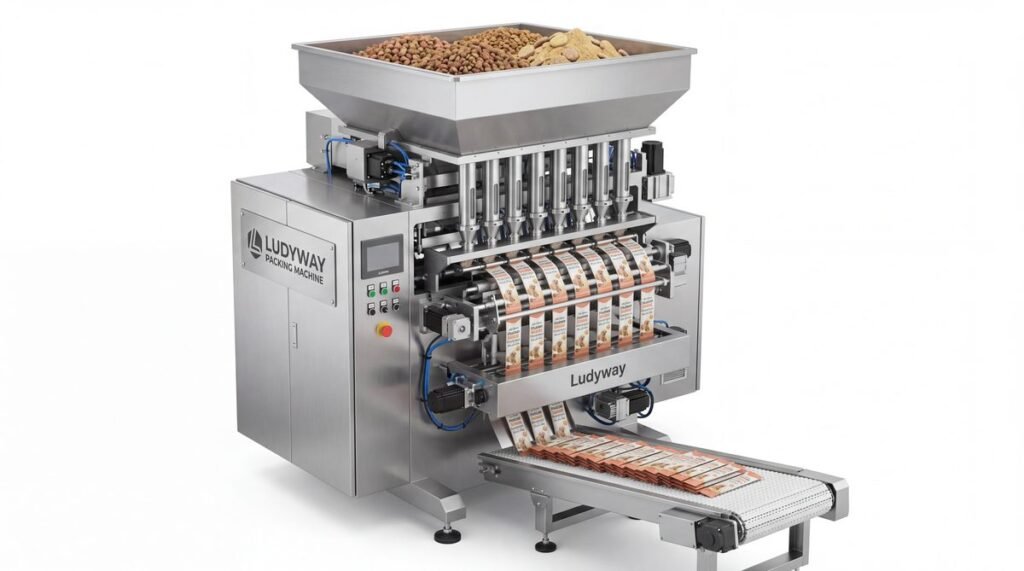
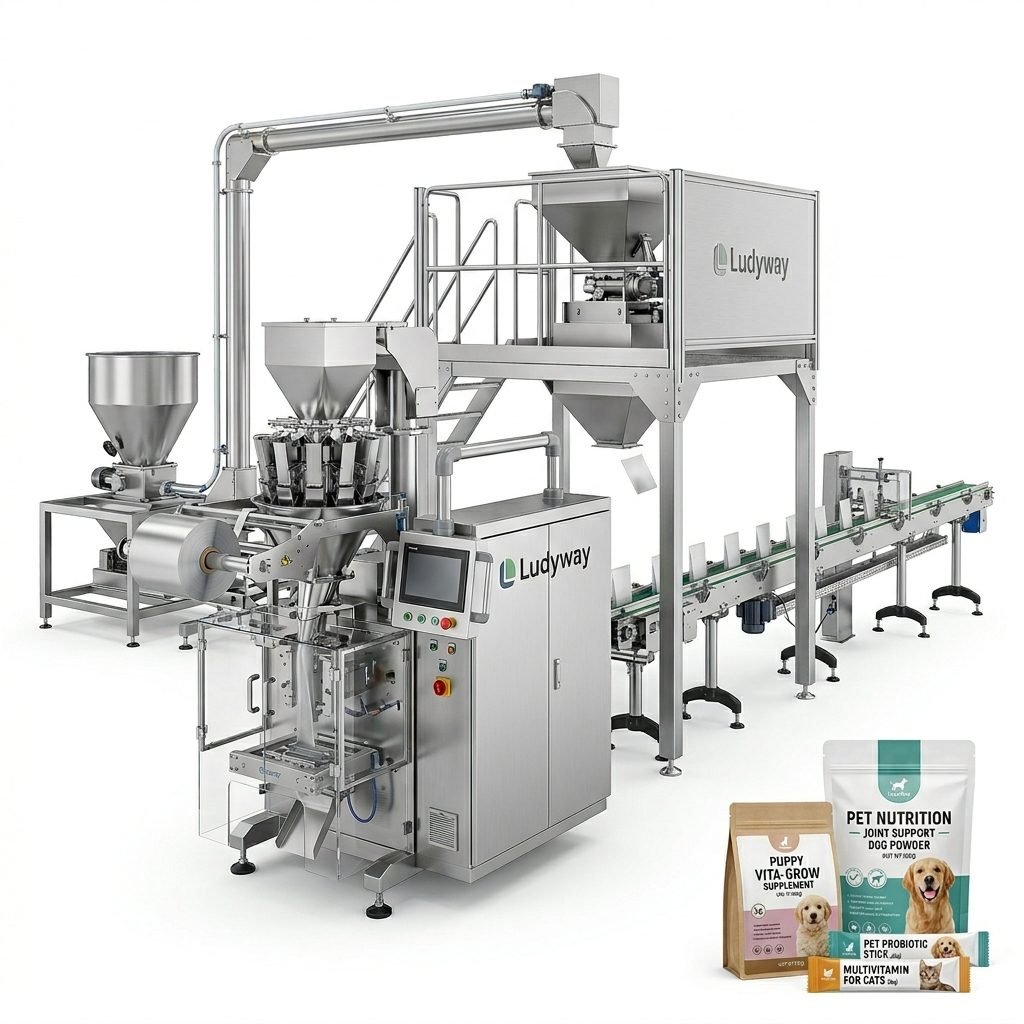
Accurate portion control is non-negotiable. Modern systems use multi-head weighers or auger filler technology to ensure precise weight for every bag. This is crucial for cost control, regulatory compliance, and consumer trust. Advanced systems can handle free-flowing kibble and challenging, oily treats with equal accuracy.
Essential Features and Technological Considerations
Beyond the basic type, several features define a machine’s capability and suitability for your line.
1. Automation Level and Integration
Machines range from semi-automatic to fully automated lines integrated with upstream mixers and downstream palletizers. Higher automation reduces labor costs and increases throughput but requires a larger initial investment.
2. Packaging Material Compatibility
Ensure the machine can run your chosen film or laminate. Consider barrier properties for freshness (oxygen and moisture barrier), print quality, and sustainability. Some machines are optimized for recyclable mono-material films, a growing trend in the industry. For more on material science, consult our packaging experts.
3. Changeover Speed and Flexibility
If you produce multiple SKUs (different flavors, bag sizes), quick changeover is vital. Look for machines with servo-driven components and recipe storage that allow size changes in minutes, not hours.
Operational Tip: A machine with a 15-minute changeover versus a 90-minute changeover can add weeks of productive capacity over a year, dramatically impacting ROI.
4. Control System and Data Reporting
A modern, user-friendly PLC/HMI interface is essential. It should provide real-time data on production speed, weight accuracy, downtime reasons, and OEE (Overall Equipment Effectiveness). This data is critical for continuous improvement and maintenance planning.
5. Sanitation and Cleanability
Pet food production demands high hygiene standards. Machines designed with stainless steel contact parts, smooth surfaces, and easy access panels significantly reduce cleaning time and prevent cross-contamination.
How to Choose the Right Equipment: A Step-by-Step Guide
Making the correct investment requires a methodical evaluation of your needs.
Step 1: Define Your Product and Packaging Parameters
Start with absolute clarity on what you are packaging. Document the product’s physical characteristics (size, shape, oiliness, density), target bag size and style, and required packaging material. Don’t forget future product plans.
Step 2: Analyze Your Production Requirements
Calculate your required output in bags per minute or shift. Be realistic about your peak and average demands. Determine your available floor space and utilities (electrical, compressed air).
Step 3: Evaluate Supplier Expertise and Support
The machine is only part of the solution. Choose a supplier with proven experience in the pet food sector. They should offer comprehensive support, including installation, training, spare parts availability, and responsive technical service. A partner like Ludyway Machinery, with deep industry roots, can prevent costly operational pitfalls.
Step 4: Consider Total Cost of Ownership (TCO)
Look beyond the purchase price. Factor in operational costs (energy, film waste), maintenance costs, expected lifespan, and the potential cost of downtime. A slightly more expensive, robust machine with higher reliability often has a lower TCO.
Step 5: Request a Product Test
Never buy based on specifications alone. Arrange to run your actual product and packaging material on the candidate machine. This live test will reveal true performance regarding speed, accuracy, and film handling.
✓ Proven Solution: With over 30 years of industry experience, our engineers can simulate your production conditions to validate machine performance before purchase, de-risking your investment.
Conclusion
Investing in pet food packaging machinery is a strategic decision that lays the foundation for your production efficiency and brand quality. By thoroughly understanding the different machine types, prioritizing key technological features like automation and cleanability, and following a disciplined selection process that focuses on Total Cost of Ownership and supplier partnership, you can secure a packaging solution that not only meets today’s needs but also scales with your future growth. The right equipment, backed by the right support, becomes a powerful competitive advantage in the dynamic pet food market.
Frequently Asked Questions (FAQs)
1. What is the typical lifespan of a pet food packaging machine?
With proper maintenance and servicing, a well-built vertical or horizontal form-fill-seal machine can have a productive lifespan of 10 to 15 years or more. The key factors are build quality, duty cycle, and adherence to a preventive maintenance schedule.
2. Can one machine handle both dry kibble and soft, moist treats?
It is challenging. Dry kibble is often packaged with high-speed VFFS machines using net weighers, while sticky, moist treats may require specialized auger fillers or cup filling systems to prevent clumping and ensure accuracy. A packaging solutions provider can help you determine if a dual-purpose machine exists or if separate dedicated lines are more efficient.
3. How important is weight accuracy, and how is it achieved?
It is critically important for cost control, regulatory compliance, and consumer trust. High accuracy is achieved through advanced weighing systems like multi-head weighers for free-flowing products or precision auger fillers for powders and granules. Modern machines use feedback controls to make micro-adjustments in real-time.
4. What are the key trends in pet food packaging machinery?
Major trends include increased automation and robotics for handling, integration of Industry 4.0/IoT for predictive maintenance and data analytics, flexibility to handle sustainable/recyclable packaging materials, and designs that enhance hygiene and allow for faster, easier cleaning (CIP – Clean-in-Place systems).
5. What support should I expect from the machinery supplier after purchase?
You should expect comprehensive support including detailed installation supervision, thorough operator and maintenance technician training, clear documentation (manuals, electrical diagrams), readily available spare parts inventory, and access to responsive technical service—either remotely or on-site—for troubleshooting and repairs.