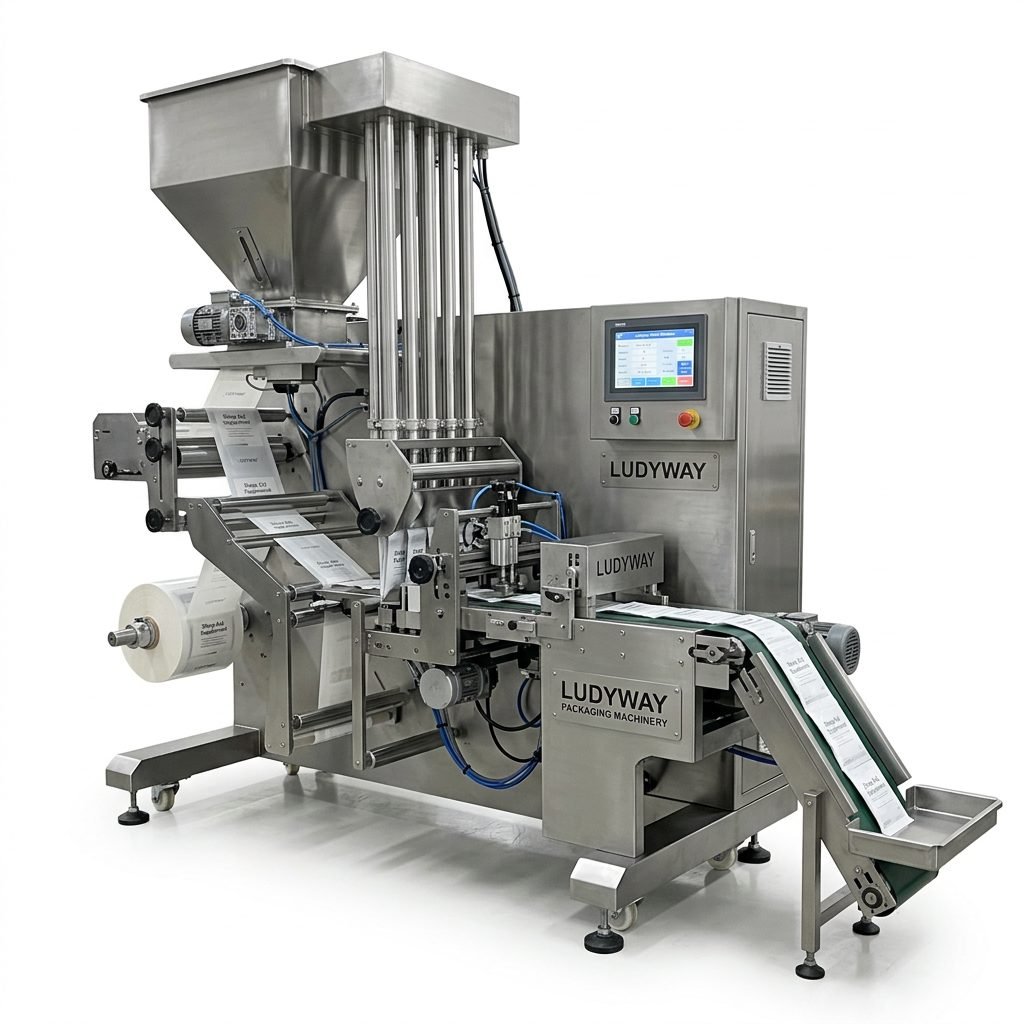
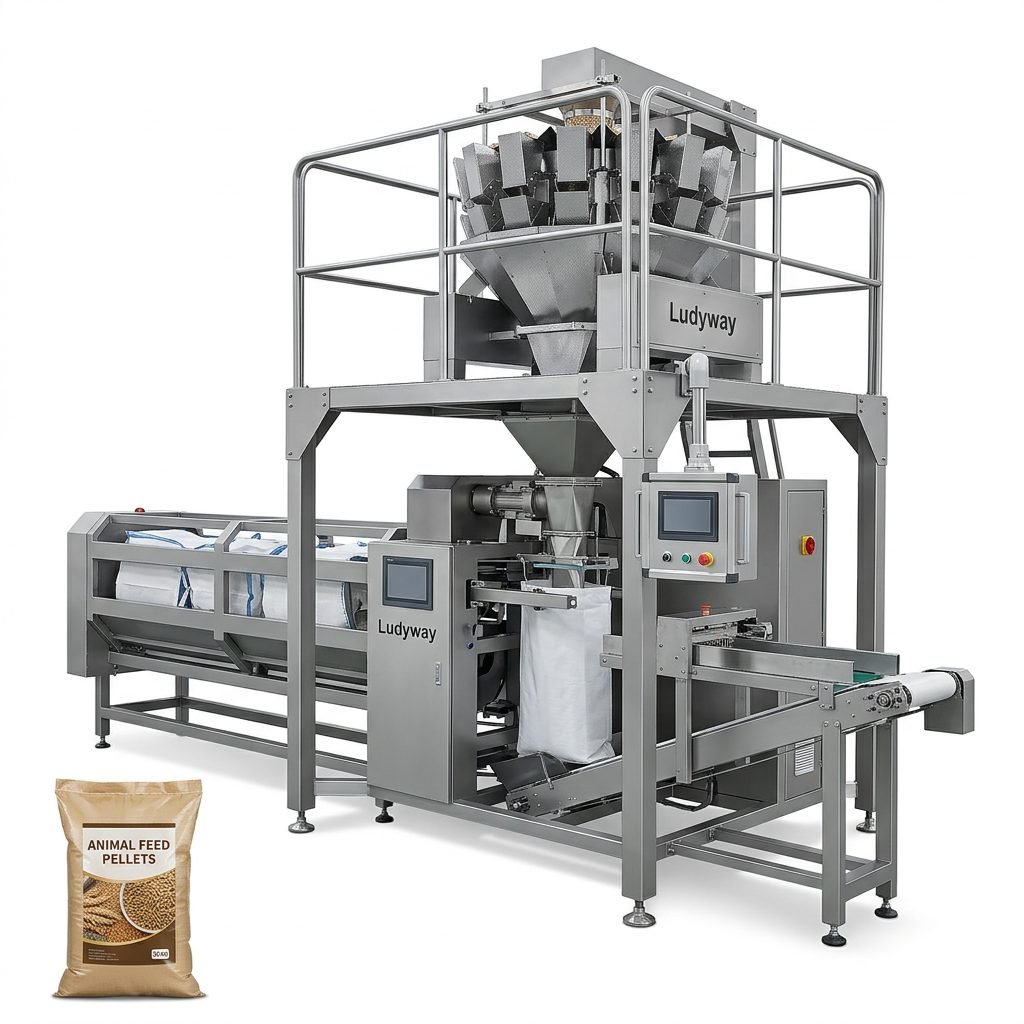
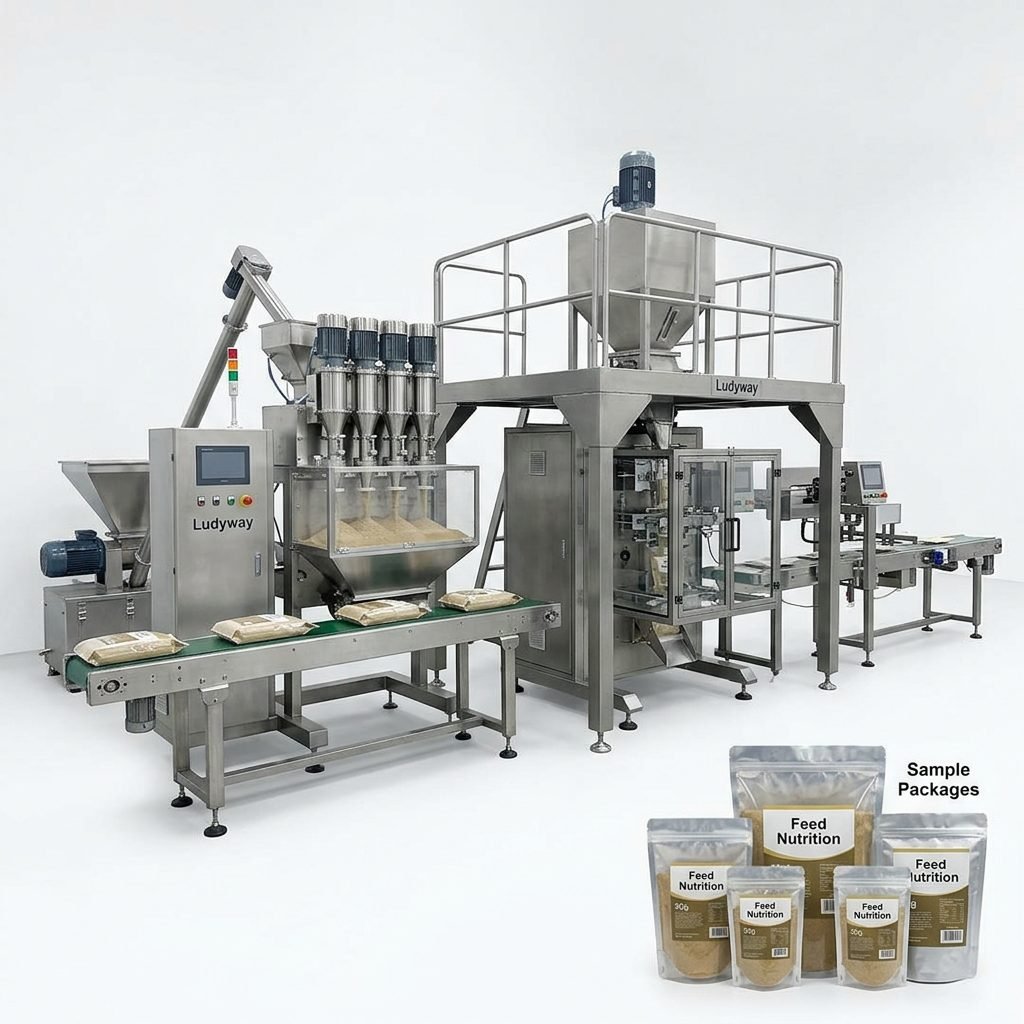
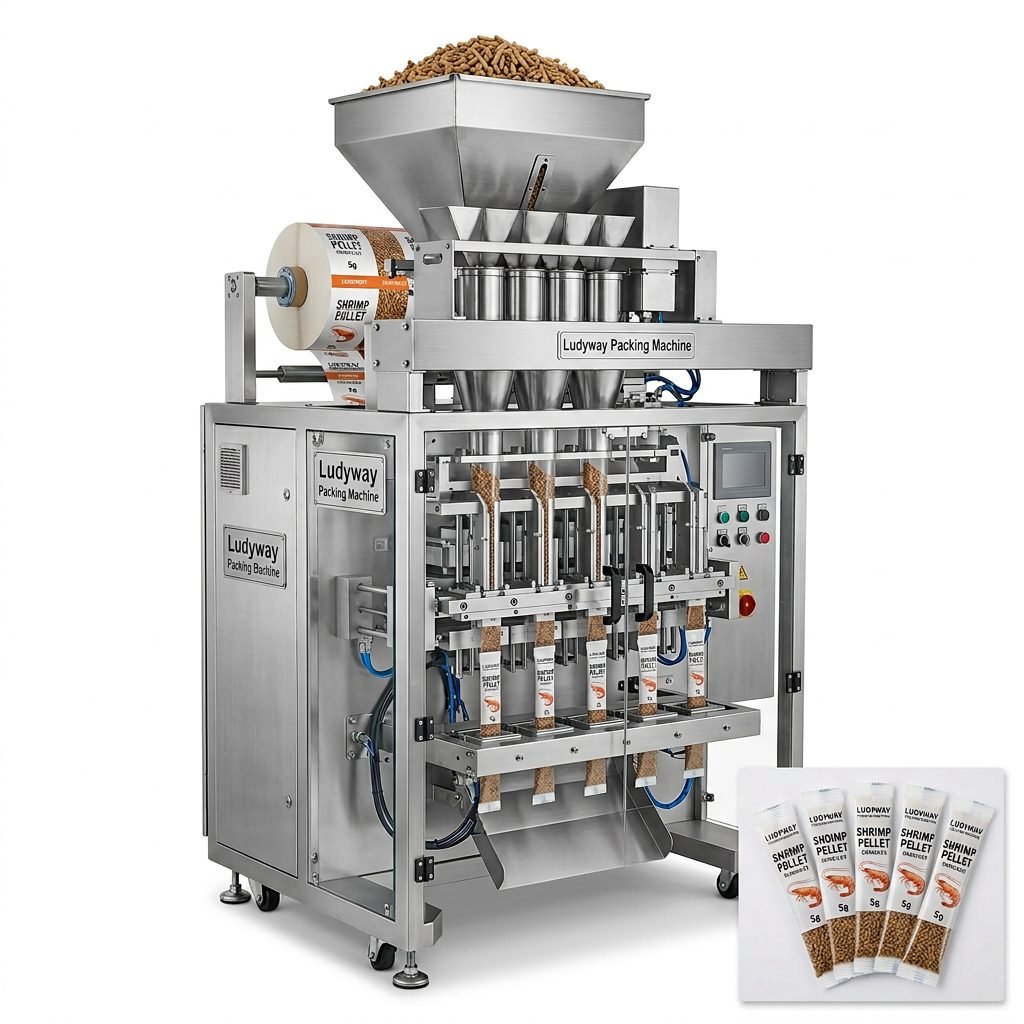
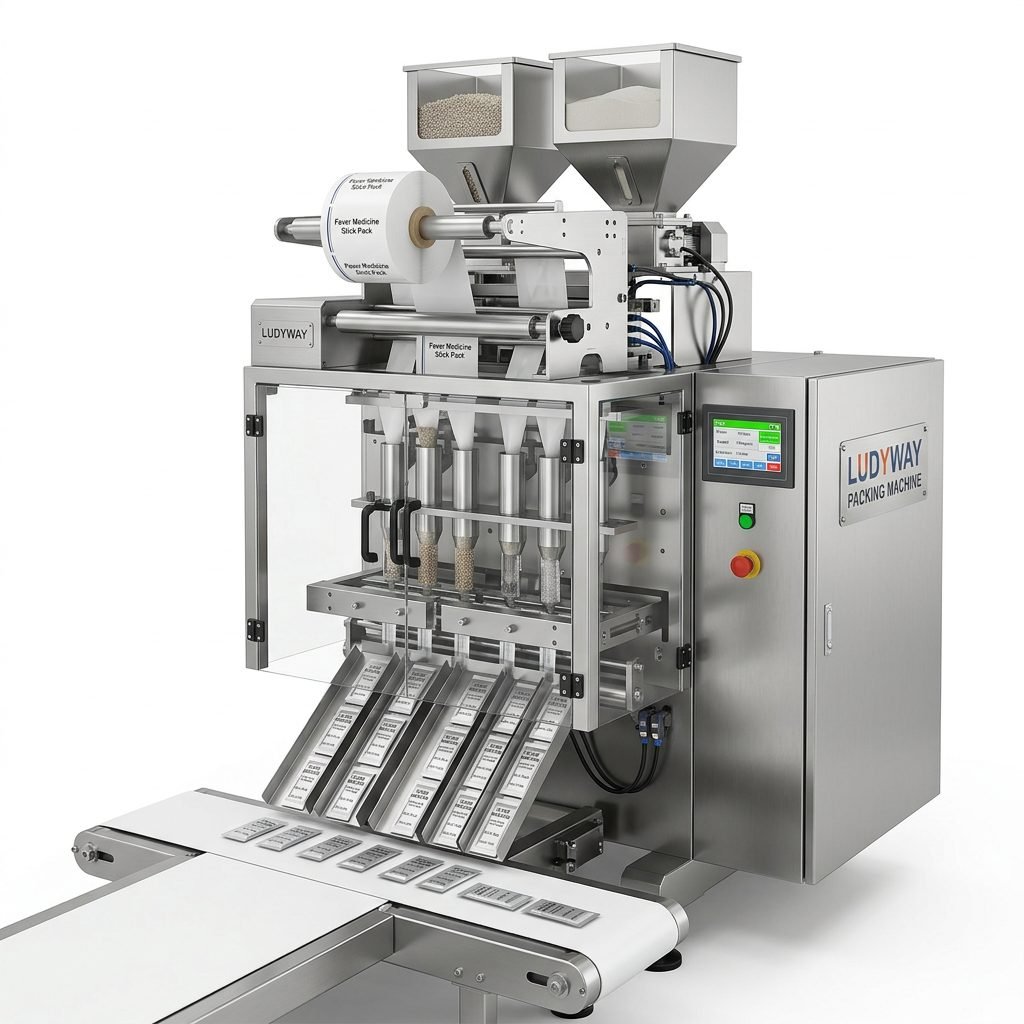
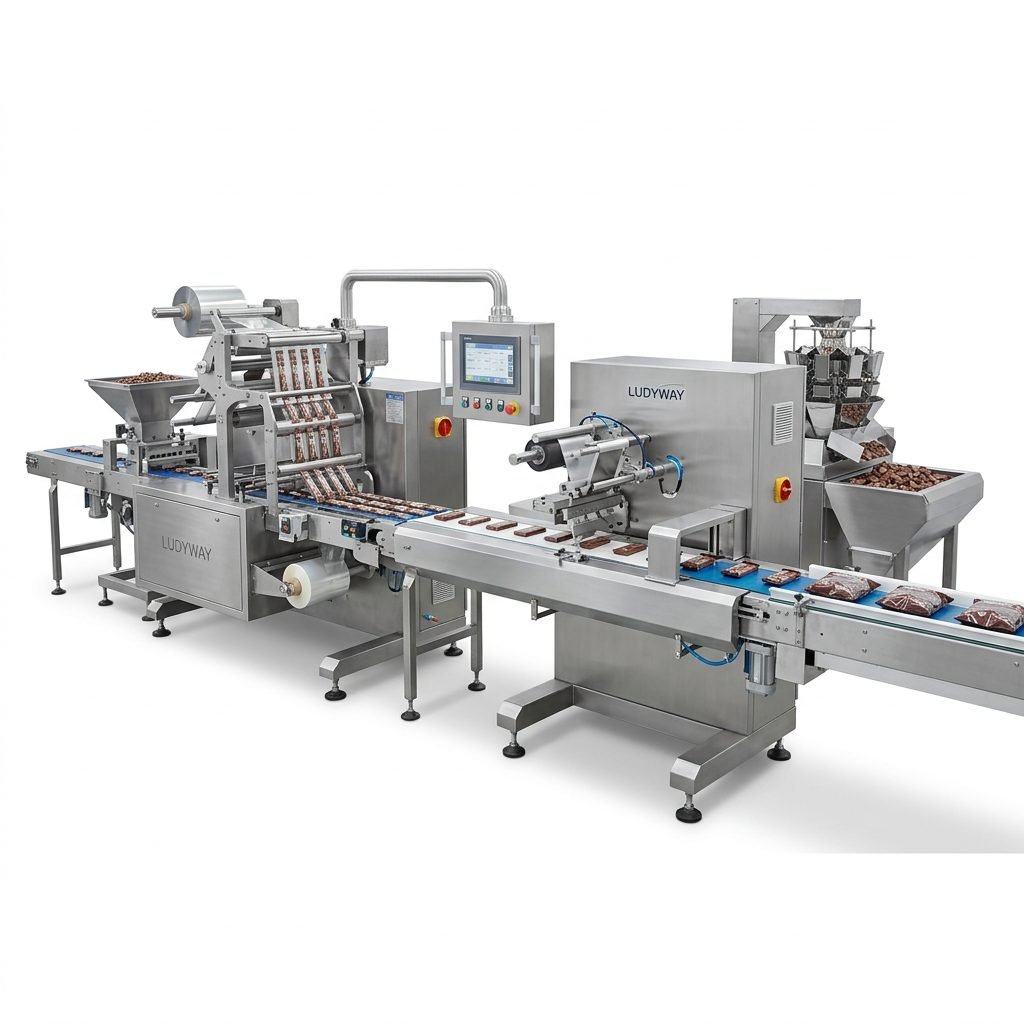
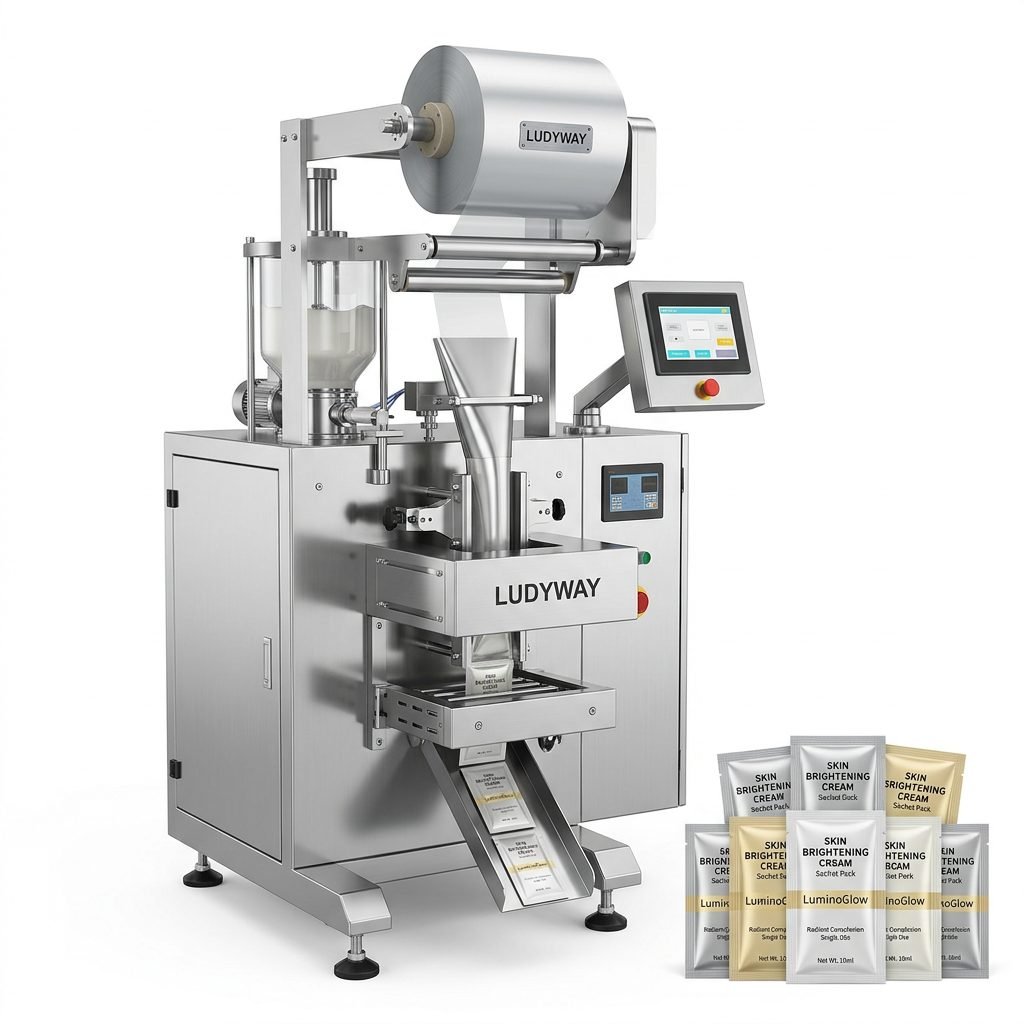
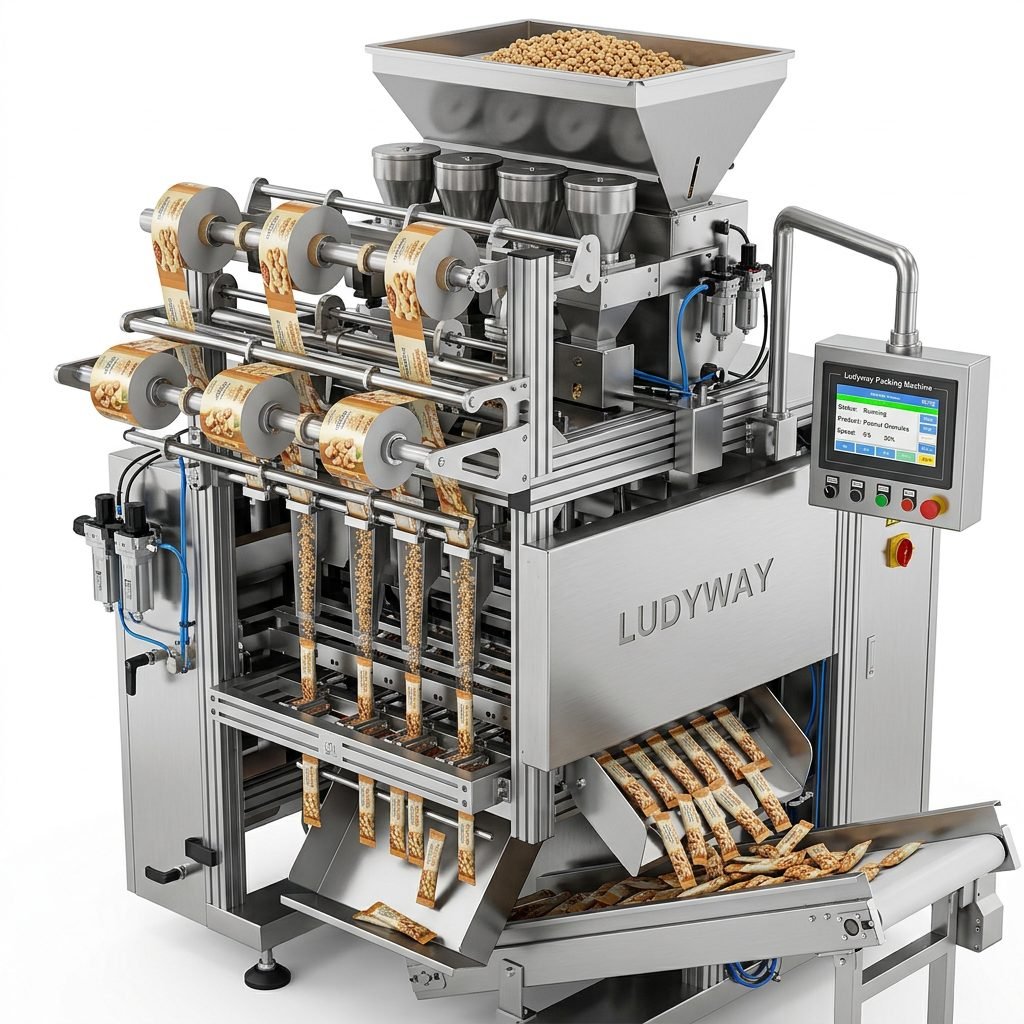
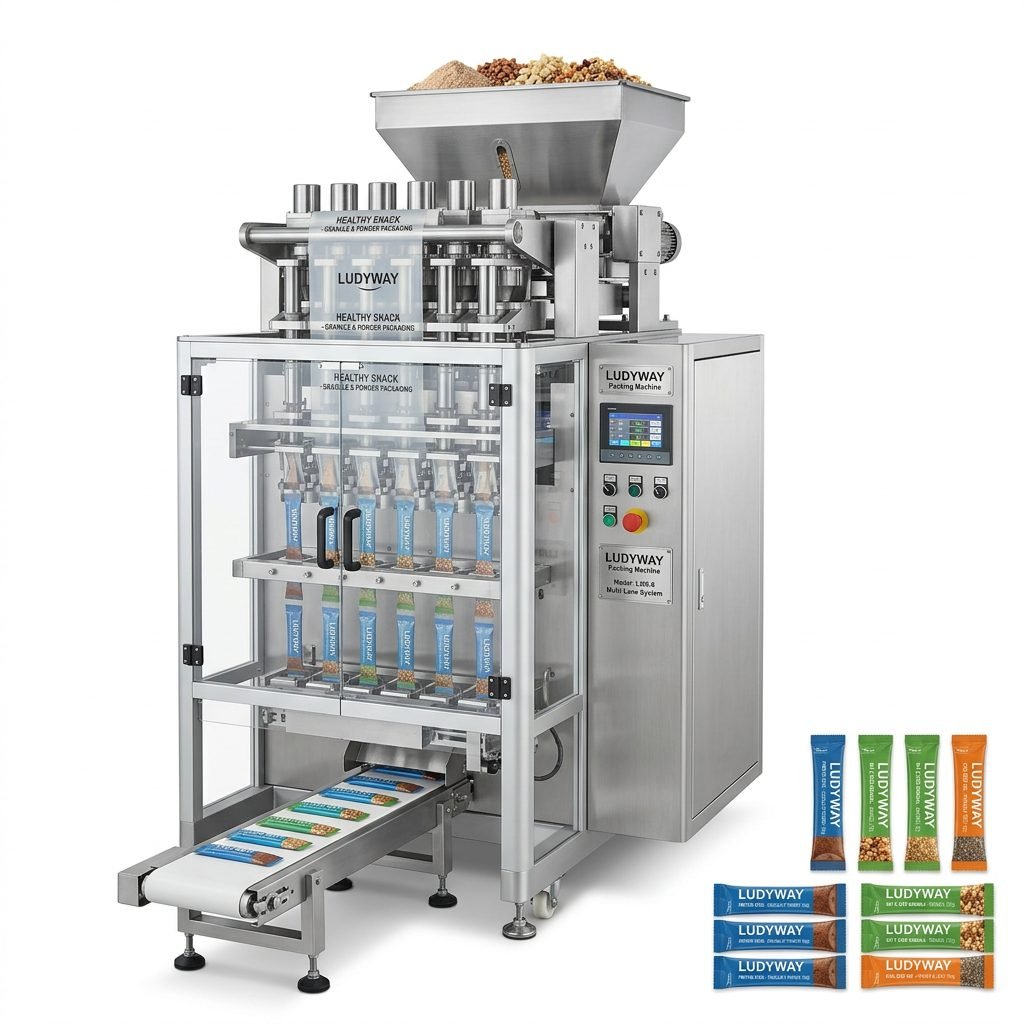
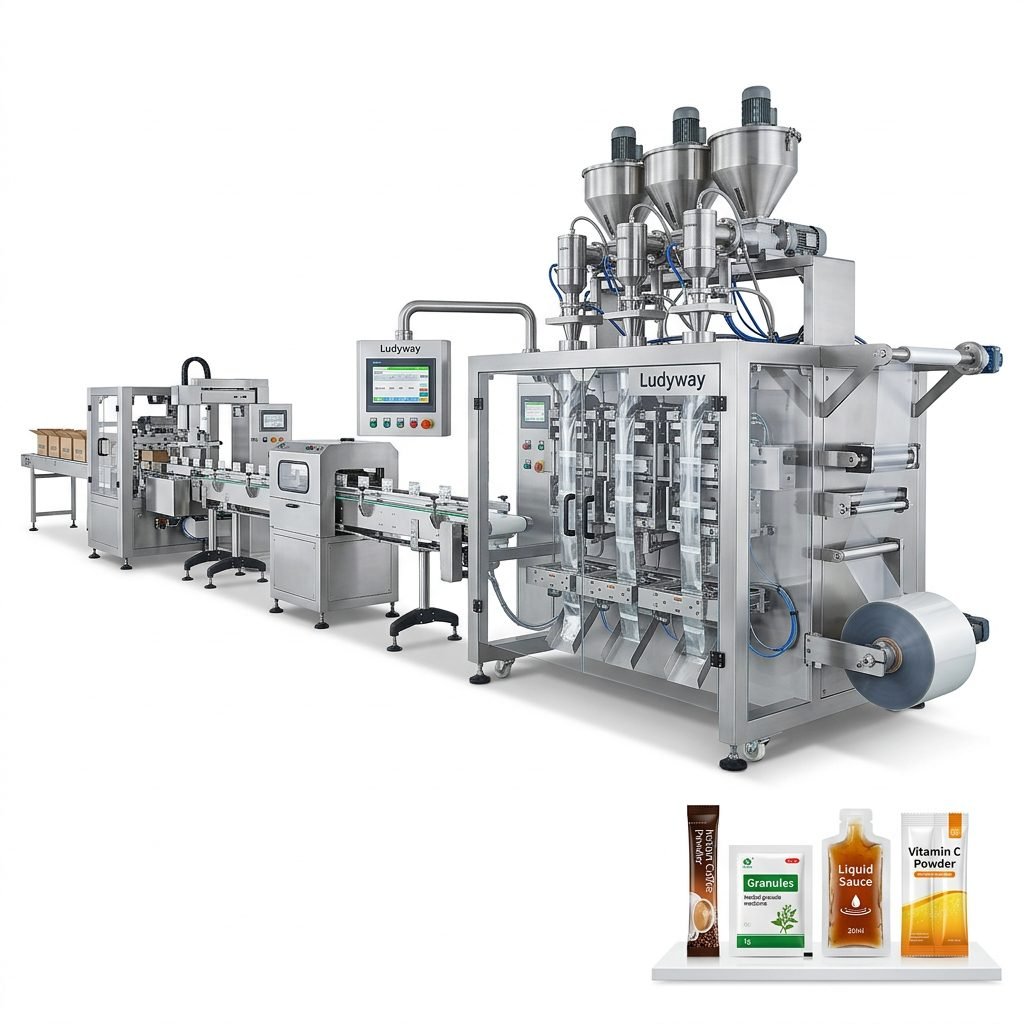
High speed blister packing machines have become a critical investment for manufacturers that need fast, hygienic, precise, and scalable packaging for pharmaceutical and food products. From tablets and capsules to candy, functional supplements, and unit-dose items, modern blister systems help brands protect product quality while improving production efficiency and traceability.
For companies facing rising labor costs, stricter compliance requirements, and growing output targets, a well-designed blister packaging solution can significantly improve line performance. The right machine also supports better sealing consistency, lower waste, cleaner product presentation, and easier downstream cartoning.
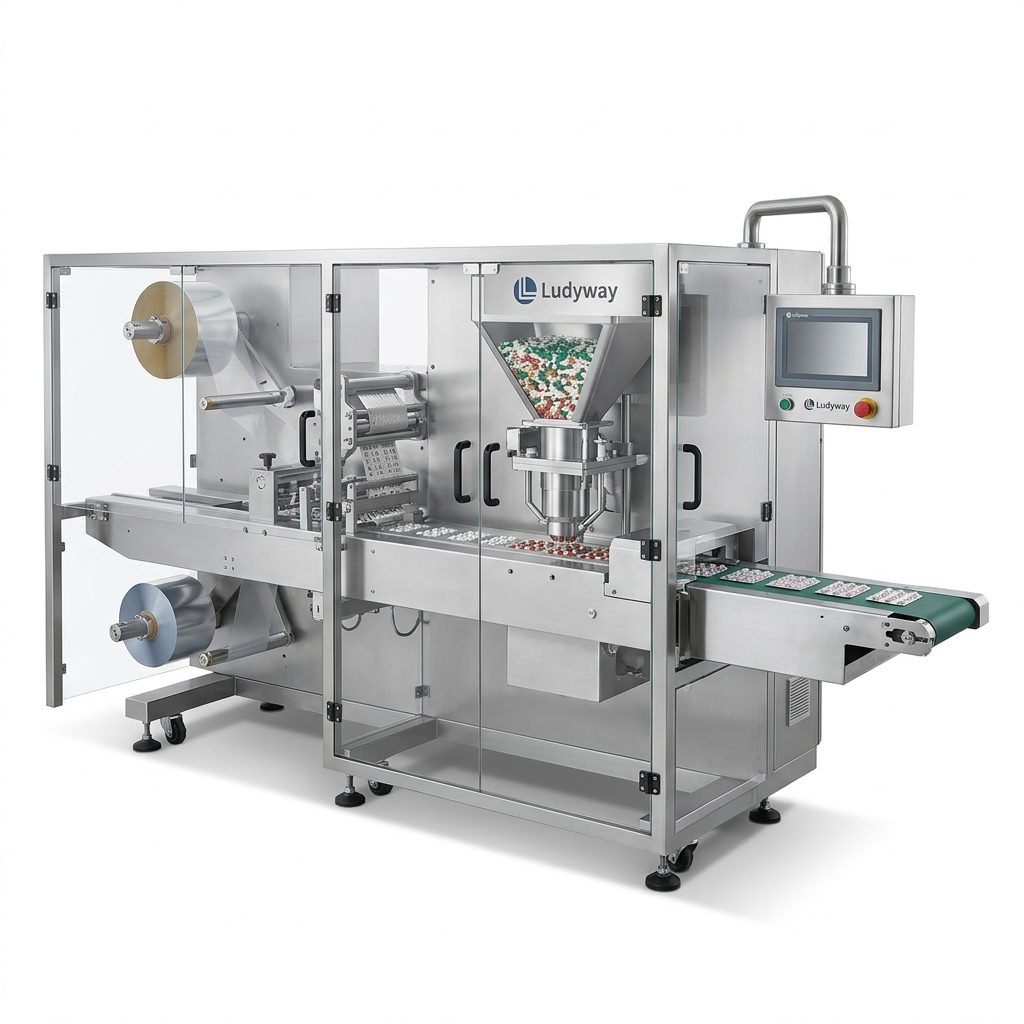
What Is a High Speed Blister Packing Machine?
A high speed blister packing machine is an automated packaging system that forms cavities from plastic or aluminum-based material, loads products into those cavities, seals them with lidding material, and then performs indexing, punching, coding, and discharge. It is widely used in industries where unit-dose protection and visual product integrity matter.
Typical applications include:
- Pharmaceutical tablets and capsules
- Nutraceutical and health supplement products
- Chewing gum, lozenges, and confectionery items
- Portion-packed food products requiring barrier protection
- Medical and personal care items in single-unit packaging
Why High Speed Blister Packaging Matters
In both food and pharma sectors, packaging is no longer just the last step of production. It directly affects shelf life, regulatory compliance, transport safety, and customer trust. A high speed blister line helps manufacturers maintain stable output while reducing manual intervention.
- Better product protection: Blisters isolate each unit from moisture, oxygen, dust, and handling.
- Accurate presentation: Each product is visible, organized, and easy to count.
- Higher throughput: Automated feeding, forming, sealing, and punching reduce bottlenecks.
- Improved compliance: Batch coding, inspection, and sealing control support regulated production.
- Reduced waste: Stable indexing and sealing minimize rejected packs.
Key Features of an Efficient Blister Packing System
When evaluating a blister machine, speed alone should not be the only criterion. A high-performance system should combine speed with reliability, flexibility, and clean design.
| Feature | Why It Matters |
|---|---|
| Servo-driven control | Improves precision, synchronization, and speed stability |
| Accurate forming station | Creates uniform blister cavities for consistent product loading |
| Reliable sealing system | Ensures barrier protection and reduces leakage or delamination risk |
| Quick changeover design | Supports multiple product sizes and shorter downtime |
| Vision inspection and rejection | Detects missing products, poor sealing, or code errors |
| GMP-friendly structure | Makes cleaning, validation, and maintenance easier |
Applications in the Pharmaceutical Industry
The pharmaceutical sector remains one of the biggest users of blister packaging. Tablets, capsules, and solid-dose products require controlled packaging conditions, accurate counting, and dependable sealing to meet quality and safety expectations.
Common pharma uses include:
- Tablets packed in PVC/Alu or Alu/Alu formats
- Capsules requiring moisture and light protection
- Effervescent or sensitive formulations needing barrier packaging
- Hospital and retail packs with lot number and expiry coding
- Integration with cartoning and case packing lines
For pharmaceutical plants, machine selection should focus on sealing integrity, validation support, stable feeding, and compatibility with inspection systems. Regulatory readiness is just as important as packaging speed.
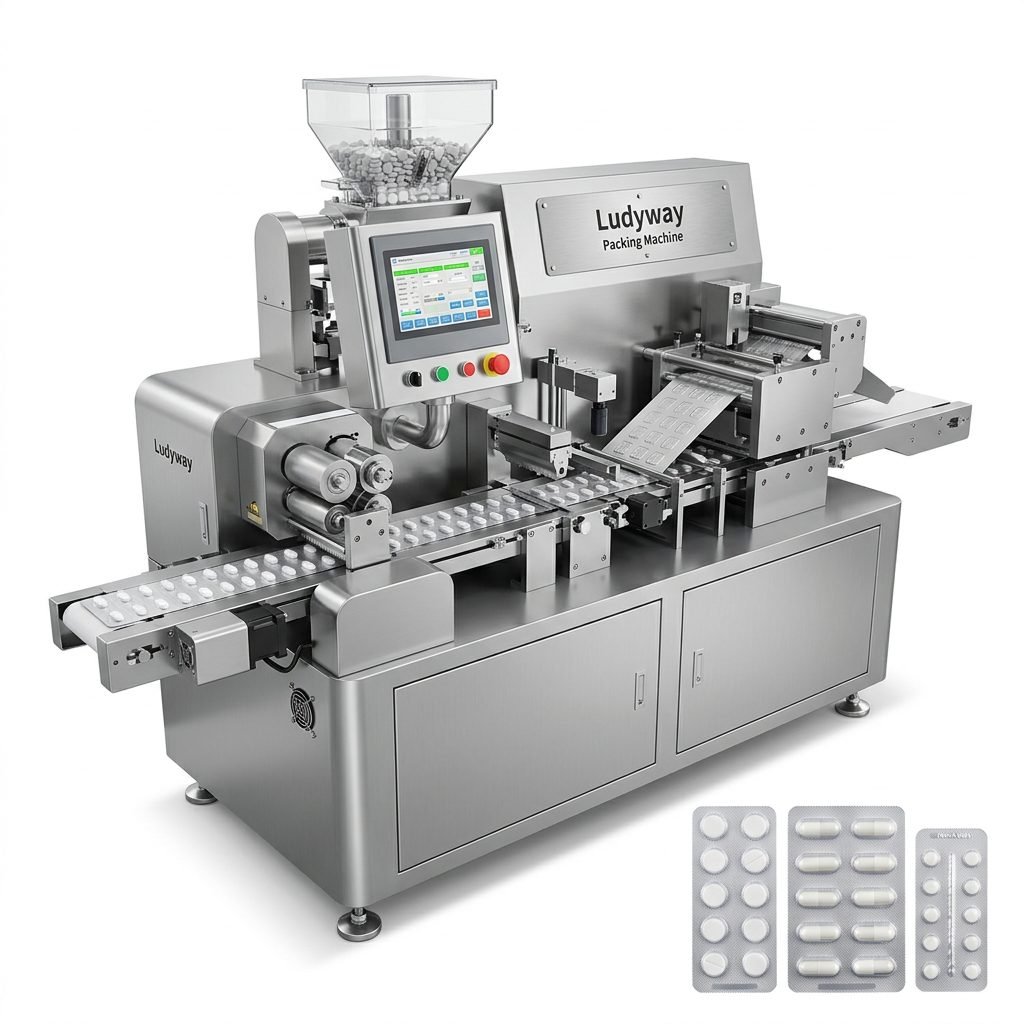
Applications in the Food Industry
Blister packaging is also gaining traction in food applications, especially for products that benefit from portion control, tamper evidence, or premium shelf presentation. While food packaging needs may differ from pharma, the same demand for high efficiency and product protection applies.
Suitable food products may include:
- Candy, chocolate pieces, and mints
- Chewing gum and lozenges
- Functional nutrition items and supplement chews
- Single-portion specialty products
- Products requiring clean separation between units
For food producers, a high speed blister machine offers improved appearance, easier retail handling, and better unit control. It is especially useful when a brand wants to position products as hygienic, portable, and premium.
Blister Material Options and Their Impact
Packaging performance depends heavily on the selected material structure. Different materials offer different levels of clarity, barrier protection, cold-forming capability, and cost efficiency.
| Material Type | Advantages | Typical Use |
|---|---|---|
| PVC | Good formability, lower cost, transparent display | Standard tablets and common food items |
| PVC/PVDC | Better moisture barrier than standard PVC | Moderately sensitive pharma products |
| Alu/Alu | Excellent light and moisture protection | High-barrier pharmaceutical applications |
| PET or specialty laminates | Enhanced sustainability or specific performance needs | Custom food and specialty packaging |
How to Choose the Right High Speed Blister Packing Machine
Choosing the right equipment requires more than comparing speed numbers on paper. Buyers should match the machine with actual production goals, product shape, packaging material, and line layout.
Important evaluation factors:
- Product type: tablet, capsule, candy, chewable, or special shape
- Target output: packs per minute, shifts per day, future expansion plans
- Material compatibility: thermoforming or cold-forming requirements
- Automation level: manual feeding, automatic feeding, cartoning integration
- Changeover frequency: number of SKUs and mold replacement needs
- Validation and inspection: code checking, missing product detection, reject systems
- After-sales support: spare parts, remote service, technical training
A machine that is slightly lower in nominal speed but higher in actual uptime may deliver a better long-term return than an ultra-fast model with difficult maintenance or unstable feeding.
Benefits of Integrated Packaging Lines
A high speed blister machine performs best when connected to upstream and downstream equipment. Instead of viewing blister packaging as a standalone machine, many manufacturers now prefer an integrated line approach.
A complete solution may include:
- Automatic product feeding system
- Blister forming and sealing unit
- Vision inspection and rejection station
- Cartoning machine
- Case packing and coding equipment
- Data collection and traceability modules
Integrated lines can reduce handling errors, improve synchronization, and create a more predictable production workflow. This is especially valuable for factories scaling output or supplying multiple markets.
Maintenance and Operational Efficiency Tips
Even the best blister packaging machine needs proper maintenance and operator discipline to stay efficient. Stable performance depends on both equipment quality and daily management.
Best practices for long-term performance:
- Inspect forming and sealing tools regularly
- Calibrate feeding and indexing systems on schedule
- Keep contact parts clean and compliant with hygiene standards
- Monitor sealing temperature, pressure, and dwell time
- Train operators for changeover, troubleshooting, and safety
- Maintain a spare parts plan for wear items
Consistent preventive maintenance helps reduce unexpected downtime and protects sealing quality. In regulated industries, it also supports better documentation and audit readiness.
Why Manufacturers Look for Experienced Equipment Partners
For pharma and food companies, buying a blister machine is not just about hardware. It is about selecting a supplier that understands process flow, packaging materials, customization, export standards, and technical support.
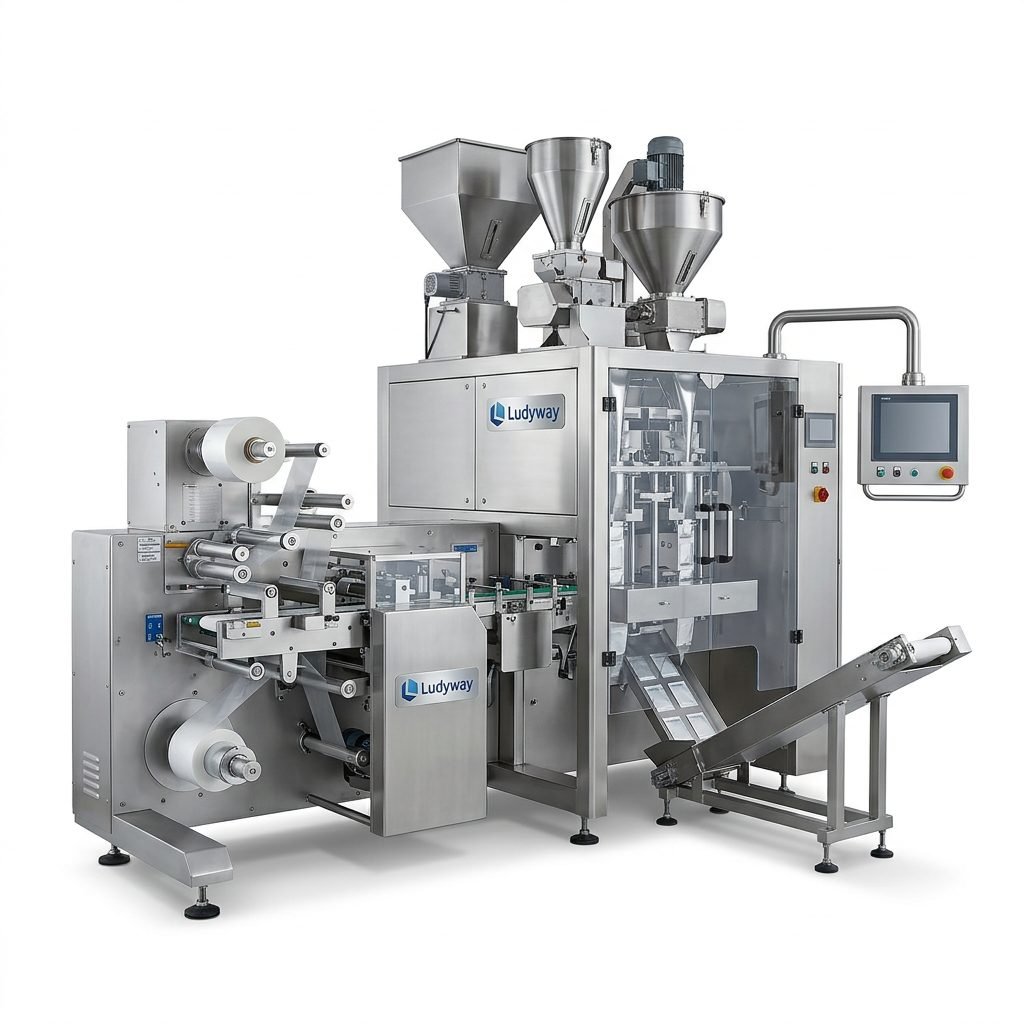
An experienced manufacturer can help evaluate your production requirements, recommend the most suitable machine configuration, and support future expansion with integrated automation. Companies seeking broader packaging capabilities often explore suppliers with strengths beyond single machines, such as Ludyway packaging machine solutions, especially when projects require flexible automation across food, pharmaceutical, and health product applications.
Final Considerations Before Investment
A high speed blister packing machine can deliver measurable gains in packaging consistency, labor savings, and production capacity. The best results come from aligning machine design with real product needs, material specifications, and downstream packaging plans.
Before making a final decision, buyers should compare not only machine speed but also mold flexibility, sealing reliability, inspection options, and supplier service capability. When selected correctly, a high speed blister solution becomes a long-term asset for safe, efficient, and scalable packaging in both pharma and food production.